Practitioner Directory: Rio, IL
Knox County, Illinois
Welcome to the Rio wellness directory. We are building the list of local providers. Browse by need or category below, or read what is known about community health here.
209 residents County: Knox County (community health profile)
Be the first wellness provider in Rio
Acupuncturists, massage therapists, nutritionists, yoga teachers and other wellness providers can list here for free. Every listing is reviewed by our team before it appears, so people can trust what they find.
Browse Rio by service category
 Acupuncture in RioFind an acupuncturist or acupuncture clinic in Rio. Compare practitioners by training and style.Be the first in Rio
 Functional Medicine in RioFind functional medicine in Rio: practitioners who look for root causes through testing and lifestyle care.Be the first in Rio
 Integrative Medicine in RioFind integrative medicine in Rio: doctors and practitioners who blend conventional and complementary care.Be the first in Rio
 Registered Dietitians in RioFind a registered dietitian in Rio. Dietitian nutritionists offer medical nutrition therapy and practical eating plans.Be the first in Rio
 Nutritionists in RioFind a nutritionist in Rio for nutrition counseling, meal planning and everyday eating support.Be the first in Rio
 Massage & Bodywork in RioFind a massage therapist in Rio for therapeutic massage, from relaxation to deep tissue and sports work.Be the first in Rio
 Prenatal & Postpartum Massage in RioFind prenatal massage in Rio: pregnancy massage and postpartum massage from trained therapists.Be the first in Rio
 Mental Health & Counseling in RioFind a therapist in Rio. Browse psychotherapists and mental health counselors, with licensed care clearly labelled.Be the first in Rio
 Yoga in RioFind yoga in Rio: yoga studios, yoga classes and teachers for every level.Be the first in Rio
 Chiropractic Care in RioFind a chiropractor in Rio. Browse chiropractic clinics and chiropractic care for back and joint concerns.Be the first in Rio
 Naturopathic Services in RioFind a naturopath in Rio: naturopathic practitioners, and naturopathic doctors where credentials are shown.Be the first in Rio
 Herbal Services in RioFind an herbalist in Rio for herbal consultations and guidance on using herbs safely.Be the first in Rio
 Meditation & Breathwork in RioFind meditation classes in Rio: meditation centers, guided breathwork and mindfulness programs.Be the first in Rio
 Ayurveda in RioFind Ayurveda in Rio: Ayurvedic practitioners and consultations, each naming their own training.Be the first in Rio
 Wellness Centers in RioFind a wellness center in Rio: holistic and integrative centers with several kinds of care in one place.Be the first in Rio
Search Rio
Local environmental health in Rio
Live conditions from public sources, shown for the area named under each tile. General information only; it cannot diagnose anything.
Air quality
Loading…
UV index
Loading…
Pollen
Loading…
Temperature & heat
Loading…
Weather outlook
Loading…
Drinking water: local public water systems
Reported compliance history from the EPA. It is historical reporting, not a statement about the water coming from your tap today.
Environmental health trends (CDC Tracking)
Yearly indicators for the county and state from the CDC Environmental Public Health Tracking Network.
Community health · CDC PLACES
Rio Health profile at a glance
Rio sits near the middle of large Illinois cities on 2 of its 6 lead measures, toward the low end on high blood pressure and short sleep (under 7 hours). Dots show 10 other Illinois cities and 10 major U.S. cities.
 Heart & circulation28.7%High blood pressureof adults in Rio · about 1 in 3Toward the low end of large Illinois citiesDetails
● this city ● Illinois cities 25.5%–36.8% ● major U.S. cities 26.5%–34.1%
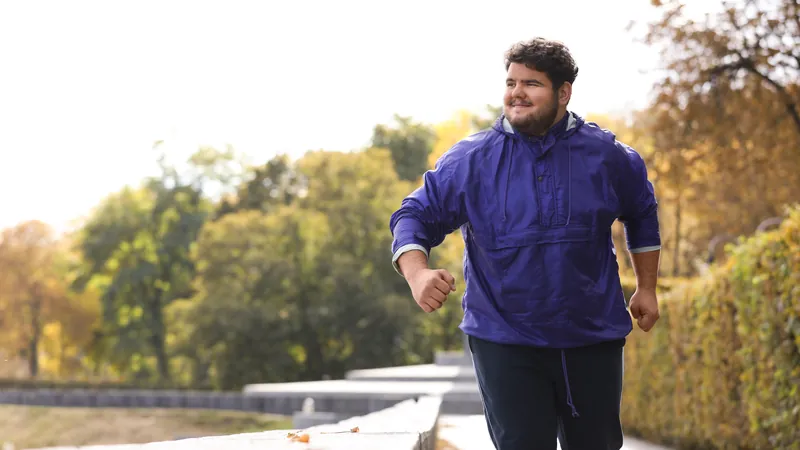 Weight & metabolism35.5%Obesityof adults in Rio · about 1 in 3Near the middle of large Illinois citiesDetails
● this city ● Illinois cities 27.3%–45.2% ● major U.S. cities 23.5%–38.2%
 Mood & emotional wellbeing17.6%Frequent mental distressof adults in Rio · about 1 in 6Near the middle of large Illinois citiesDetails
● this city ● Illinois cities 12.9%–19.9% ● major U.S. cities 15%–17.6%
 Sleep35.8%Short sleep (under 7 hours)of adults in Rio · about 1 in 3Toward the low end of large Illinois citiesDetails
● this city ● Illinois cities 34.2%–39.9% ● major U.S. cities 31.7%–42%
 Movement, joints & pain11.6%Frequent physical distressof adults in Rio · about 1 in 9Toward the low end of large Illinois citiesDetails
● this city ● Illinois cities 8.2%–15.7% ● major U.S. cities 10.8%–15%
 Activity & fitness19.9%No physical activityof adults in Rio · about 1 in 5Toward the low end of large Illinois citiesDetails
● this city ● Illinois cities 15.7%–30.7% ● major U.S. cities 19.9%–33.2%
How to read these tiles
Each tile shows the lead CDC estimate for one wellness goal. The pill compares it with Knox County. The bar counts how many of the 10 largest other cities in the state it differs from clearly (95% intervals that do not overlap). These are comparisons, not rankings: CDC advises against ranking areas from modeled estimates, and colours carry no judgement of good or bad.
Compared with: Chicago, Aurora, Joliet, Naperville, Rockford, Elgin, Springfield, Peoria, Waukegan, Champaign. Full health profile.
Health profile: Rio
Estimates from the Centers for Disease Control and Prevention (CDC) that describe the adults who live in this city or town, grouped by wellness goal. They give community context for the wellness services listed here. They are not a diagnosis, and they are not a measure of any provider.
15.1% Fair or poor health
of adults in Rio · about 1 in 7
95% interval 12.6% to 18%. Not clearly different from Knox County.
35.8% Short sleep (under 7 hours)
of adults in Rio · about 1 in 3
95% interval 28.7% to 43.3%. Not clearly different from Knox County.
17.6% Frequent mental distress
of adults in Rio · about 1 in 6
95% interval 15.2% to 20.1%. Not clearly different from Knox County.
Rio 95% interval county state
Heart & circulation
Wellness guidesBlood pressure, cholesterol, heart disease and stroke.
28.7% High blood pressure
of adults in Rio: likely between 24.7% and 32.7%; age-adjusted, 2023
30.6% High cholesterol
of adults in Rio: likely between 26.5% and 34.9%; age-adjusted, 2023
4.9% Heart disease
of adults in Rio: likely between 4.3% and 5.6%; age-adjusted, 2023
85.5% Cholesterol checked
of adults in Rio: likely between 82.8% and 87.9%; age-adjusted, 2023
Definitions and comparisons for this group
Adults with high blood pressure
28.7% of adults in Rio have been told they have high blood pressure.
Age-adjusted estimate, data year 2023; adults. CDC PLACES measure: "High blood pressure among adults". Self-reported in the Behavioral Risk Factor Surveillance System (BRFSS) survey and modeled to local areas. See the CDC PLACES measure definitions for the exact survey question.
Knox County: 33.2% (29% to 37.4%) CDC PLACES, same method. The intervals overlap, so the two are not clearly different.
The largest other places (10 compared): Rio is clearly higher than 0 of 10, not clearly different from 9, and clearly lower than 1. Counts of clear differences only; this is not a ranking.
Adults with high cholesterol (among those ever screened)
30.6% of adults in Rio who have ever had their cholesterol checked have been told it is high.
Age-adjusted estimate, data year 2023; adults who have ever been screened. CDC PLACES measure: "High cholesterol among adults who have ever been screened". Self-reported in the Behavioral Risk Factor Surveillance System (BRFSS) survey and modeled to local areas. See the CDC PLACES measure definitions for the exact survey question.
Knox County: 31.7% (27.4% to 36%) CDC PLACES, same method. The intervals overlap, so the two are not clearly different.
The largest other places (10 compared): Rio is clearly higher than 0 of 10, not clearly different from 10, and clearly lower than 0. Counts of clear differences only; this is not a ranking.
Adults with coronary heart disease
4.9% of adults in Rio have been told they have coronary heart disease or angina.
Age-adjusted estimate, data year 2023; adults. CDC PLACES measure: "Coronary heart disease among adults". Self-reported in the Behavioral Risk Factor Surveillance System (BRFSS) survey and modeled to local areas. See the CDC PLACES measure definitions for the exact survey question.
Knox County: 6.1% (5.3% to 6.8%) CDC PLACES, same method. The intervals overlap, so the two are not clearly different.
The largest other places (10 compared): Rio is clearly higher than 1 of 10, not clearly different from 8, and clearly lower than 1. Counts of clear differences only; this is not a ranking.
Adults who have had cholesterol screening
85.5% of adults in Rio have had their cholesterol checked in the past 5 years.
Age-adjusted estimate, data year 2023; adults. CDC PLACES measure: "Cholesterol screening among adults". Self-reported in the Behavioral Risk Factor Surveillance System (BRFSS) survey and modeled to local areas. See the CDC PLACES measure definitions for the exact survey question.
Knox County: 83.4% (80.8% to 86.1%) CDC PLACES, same method. The intervals overlap, so the two are not clearly different.
The largest other places (10 compared): Rio is clearly higher than 0 of 10, not clearly different from 10, and clearly lower than 0. Counts of clear differences only; this is not a ranking.
Weight & metabolism
Wellness guidesDiabetes, obesity and food access.
35.5% Obesity
of adults in Rio: likely between 27.5% and 43.8%; age-adjusted, 2023
8.5% Diabetes
of adults in Rio: likely between 7.1% and 9.9%; age-adjusted, 2023
Definitions and comparisons for this group
Adults with obesity
35.5% of adults in Rio have obesity (a body mass index of 30 or more, from the height and weight they report).
Age-adjusted estimate, data year 2023; adults. CDC PLACES measure: "Obesity among adults". Self-reported in the Behavioral Risk Factor Surveillance System (BRFSS) survey and modeled to local areas. See the CDC PLACES measure definitions for the exact survey question.
Knox County: 39.9% (31.4% to 48.6%) CDC PLACES, same method. The intervals overlap, so the two are not clearly different.
The largest other places (10 compared): Rio is clearly higher than 0 of 10, not clearly different from 10, and clearly lower than 0. Counts of clear differences only; this is not a ranking.
Adults with diagnosed diabetes
8.5% of adults in Rio have been told by a health professional that they have diabetes (not counting diabetes only during pregnancy).
Age-adjusted estimate, data year 2023; adults. CDC PLACES measure: "Diagnosed diabetes among adults". Self-reported in the Behavioral Risk Factor Surveillance System (BRFSS) survey and modeled to local areas. See the CDC PLACES measure definitions for the exact survey question.
Knox County: 10.9% (9.3% to 12.7%) CDC PLACES, same method. The intervals overlap, so the two are not clearly different.
The largest other places (10 compared): Rio is clearly higher than 0 of 10, not clearly different from 3, and clearly lower than 7. Counts of clear differences only; this is not a ranking.
Mood & emotional wellbeing
Wellness guidesDepression, frequent mental distress, loneliness and support.
17.6% Frequent mental distress
of adults in Rio: likely between 15.2% and 20.1%; age-adjusted, 2023
22.9% Depression
of adults in Rio: likely between 19.2% and 26.7%; age-adjusted, 2023
33% Loneliness
of adults in Rio: likely between 27.6% and 38.8%; age-adjusted, 2023
Definitions and comparisons for this group
Adults with frequent mental distress (14+ bad mental health days a month)
17.6% of adults in Rio say their mental health was not good on 14 or more of the past 30 days (frequent mental distress).
Age-adjusted estimate, data year 2023; adults. CDC PLACES measure: "Frequent mental distress among adults". Self-reported in the Behavioral Risk Factor Surveillance System (BRFSS) survey and modeled to local areas. See the CDC PLACES measure definitions for the exact survey question.
Knox County: 19.2% (16.6% to 21.7%) CDC PLACES, same method. The intervals overlap, so the two are not clearly different.
The largest other places (10 compared): Rio is clearly higher than 1 of 10, not clearly different from 9, and clearly lower than 0. Counts of clear differences only; this is not a ranking.
Adults ever told they have depression
22.9% of adults in Rio have been told by a health professional that they have a depressive disorder.
Age-adjusted estimate, data year 2023; adults. CDC PLACES measure: "Depression among adults". Self-reported in the Behavioral Risk Factor Surveillance System (BRFSS) survey and modeled to local areas. See the CDC PLACES measure definitions for the exact survey question.
Knox County: 23.2% (19.5% to 27%) CDC PLACES, same method. The intervals overlap, so the two are not clearly different.
The largest other places (10 compared): Rio is clearly higher than 0 of 10, not clearly different from 10, and clearly lower than 0. Counts of clear differences only; this is not a ranking.
Adults who report loneliness
33% of adults in Rio always, usually or sometimes feel lonely.
Age-adjusted estimate, data year 2023; adults. CDC PLACES measure: "Loneliness among adults". Self-reported in the Behavioral Risk Factor Surveillance System (BRFSS) survey and modeled to local areas. See the CDC PLACES measure definitions for the exact survey question.
Knox County: 34.4% (28.8% to 39.9%) CDC PLACES, same method. The intervals overlap, so the two are not clearly different.
The largest other places (10 compared): Rio is clearly higher than 0 of 10, not clearly different from 10, and clearly lower than 0. Counts of clear differences only; this is not a ranking.
Sleep
Wellness guidesShort sleep.
35.8% Short sleep (under 7 hours)
of adults in Rio: likely between 28.7% and 43.3%; age-adjusted, 2022
Definitions and comparisons for this group
Adults sleeping fewer than 7 hours a night
35.8% of adults in Rio sleep less than 7 hours a night.
Age-adjusted estimate, data year 2022; adults. CDC PLACES measure: "Short sleep duration among adults". Self-reported in the Behavioral Risk Factor Surveillance System (BRFSS) survey and modeled to local areas. See the CDC PLACES measure definitions for the exact survey question.
Knox County: 38.6% (31.5% to 46.4%) CDC PLACES, same method. The intervals overlap, so the two are not clearly different.
The largest other places (10 compared): Rio is clearly higher than 0 of 10, not clearly different from 10, and clearly lower than 0. Counts of clear differences only; this is not a ranking.
Show 10 more measures
Movement, joints & pain
Wellness guidesArthritis, mobility and physical distress.
11.6% Frequent physical distress
of adults in Rio: likely between 9.9% and 13.3%; age-adjusted, 2023
22.5% Arthritis
of adults in Rio: likely between 19.4% and 25.6%; age-adjusted, 2023
10.2% Trouble walking or stairs
of adults in Rio: likely between 8.5% and 12%; age-adjusted, 2023
Definitions and comparisons for this group
Adults with frequent physical distress (14+ bad physical health days a month)
11.6% of adults in Rio say their physical health was not good on 14 or more of the past 30 days (frequent physical distress).
Age-adjusted estimate, data year 2023; adults. CDC PLACES measure: "Frequent physical distress among adults". Self-reported in the Behavioral Risk Factor Surveillance System (BRFSS) survey and modeled to local areas. See the CDC PLACES measure definitions for the exact survey question.
Knox County: 14% (11.9% to 16%) CDC PLACES, same method. The intervals overlap, so the two are not clearly different.
The largest other places (10 compared): Rio is clearly higher than 1 of 10, not clearly different from 8, and clearly lower than 1. Counts of clear differences only; this is not a ranking.
Adults with arthritis
22.5% of adults in Rio have been told by a health professional that they have arthritis.
Age-adjusted estimate, data year 2023; adults. CDC PLACES measure: "Arthritis among adults". Self-reported in the Behavioral Risk Factor Surveillance System (BRFSS) survey and modeled to local areas. See the CDC PLACES measure definitions for the exact survey question.
Knox County: 24.6% (21.5% to 27.7%) CDC PLACES, same method. The intervals overlap, so the two are not clearly different.
The largest other places (10 compared): Rio is clearly higher than 0 of 10, not clearly different from 10, and clearly lower than 0. Counts of clear differences only; this is not a ranking.
Adults with a mobility disability
10.2% of adults in Rio have serious difficulty walking or climbing stairs.
Age-adjusted estimate, data year 2023; adults. CDC PLACES measure: "Mobility disability among adults". Self-reported in the Behavioral Risk Factor Surveillance System (BRFSS) survey and modeled to local areas. See the CDC PLACES measure definitions for the exact survey question.
Knox County: 13.6% (11.4% to 15.8%) CDC PLACES, same method. The intervals overlap, so the two are not clearly different.
The largest other places (10 compared): Rio is clearly higher than 1 of 10, not clearly different from 5, and clearly lower than 4. Counts of clear differences only; this is not a ranking.
Activity & fitness
Wellness guidesPhysical activity.
19.9% No physical activity
of adults in Rio: likely between 15.8% and 24.4%; age-adjusted, 2023
Definitions and comparisons for this group
Adults with no leisure-time physical activity
19.9% of adults in Rio did no physical activity or exercise outside of work in the past month.
Age-adjusted estimate, data year 2023; adults. CDC PLACES measure: "No leisure-time physical activity among adults". Self-reported in the Behavioral Risk Factor Surveillance System (BRFSS) survey and modeled to local areas. See the CDC PLACES measure definitions for the exact survey question.
Knox County: 25.9% (21.1% to 30.9%) CDC PLACES, same method. The intervals overlap, so the two are not clearly different.
The largest other places (10 compared): Rio is clearly higher than 0 of 10, not clearly different from 7, and clearly lower than 3. Counts of clear differences only; this is not a ranking.
Aging, ability & independence
Wellness guidesDisability, hearing, vision, thinking, self-care and oral health.
25.8% Any disability
of adults in Rio: likely between 21.6% and 30.3%; age-adjusted, 2023
Definitions and comparisons for this group
Adults with any disability
25.8% of adults in Rio have at least one disability (hearing, vision, thinking, walking, self-care or living independently).
Age-adjusted estimate, data year 2023; adults. CDC PLACES measure: "Any disability among adults". Self-reported in the Behavioral Risk Factor Surveillance System (BRFSS) survey and modeled to local areas. See the CDC PLACES measure definitions for the exact survey question.
Knox County: 31.1% (26.2% to 35.9%) CDC PLACES, same method. The intervals overlap, so the two are not clearly different.
The largest other places (10 compared): Rio is clearly higher than 1 of 10, not clearly different from 8, and clearly lower than 1. Counts of clear differences only; this is not a ranking.
Women's health screening
Wellness guidesScreening for women.
74.5% Mammogram
of women aged 50 to 74 in Rio: likely between 65.9% and 81.9%; age-adjusted, 2022
Definitions and comparisons for this group
Women 50-74 who had a mammogram
74.5% of women aged 50 to 74 in Rio had a mammogram in the past two years.
Age-adjusted estimate, data year 2022; women aged 50-74 years. CDC PLACES measure: "Mammography use among women aged 50-74 years". Self-reported in the Behavioral Risk Factor Surveillance System (BRFSS) survey and modeled to local areas. See the CDC PLACES measure definitions for the exact survey question.
Knox County: 65.9% (55.7% to 75%) CDC PLACES, same method. The intervals overlap, so the two are not clearly different.
The largest other places (10 compared): Rio is clearly higher than 0 of 10, not clearly different from 10, and clearly lower than 0. Counts of clear differences only; this is not a ranking.
Prevention & check-ups
Wellness guidesRoutine check-ups and screening.
75.6% Yearly check-up
of adults in Rio: likely between 71.2% and 79.6%; age-adjusted, 2023
58.9% Colon cancer screening
of adults aged 45 to 75 in Rio: likely between 53.3% and 64.1%; age-adjusted, 2022
Definitions and comparisons for this group
Adults with a routine checkup in the past year
75.6% of adults in Rio had a routine check-up with a doctor in the past year.
Age-adjusted estimate, data year 2023; adults. CDC PLACES measure: "Visits to doctor for routine checkup within the past year among adults". Self-reported in the Behavioral Risk Factor Surveillance System (BRFSS) survey and modeled to local areas. See the CDC PLACES measure definitions for the exact survey question.
Knox County: 75.9% (71.8% to 79.8%) CDC PLACES, same method. The intervals overlap, so the two are not clearly different.
The largest other places (10 compared): Rio is clearly higher than 0 of 10, not clearly different from 10, and clearly lower than 0. Counts of clear differences only; this is not a ranking.
Adults 45-75 up to date on colorectal cancer screening
58.9% of adults aged 45 to 75 in Rio are up to date on screening for colorectal cancer.
Age-adjusted estimate, data year 2022; adults aged 45–75 years. CDC PLACES measure: "Colorectal cancer screening among adults aged 45–75 years". Self-reported in the Behavioral Risk Factor Surveillance System (BRFSS) survey and modeled to local areas. See the CDC PLACES measure definitions for the exact survey question.
Knox County: 55% (49.3% to 60.7%) CDC PLACES, same method. The intervals overlap, so the two are not clearly different.
The largest other places (10 compared): Rio is clearly higher than 0 of 10, not clearly different from 10, and clearly lower than 0. Counts of clear differences only; this is not a ranking.
Everyday habits
Wellness guidesSmoking and binge drinking.
13% Smoking
of adults in Rio: likely between 10.2% and 16.1%; age-adjusted, 2023
Definitions and comparisons for this group
Adults who currently smoke
13% of adults in Rio currently smoke cigarettes (they have smoked at least 100 in their life and now smoke every day or some days).
Age-adjusted estimate, data year 2023; adults. CDC PLACES measure: "Current cigarette smoking among adults". Self-reported in the Behavioral Risk Factor Surveillance System (BRFSS) survey and modeled to local areas. See the CDC PLACES measure definitions for the exact survey question.
Knox County: 17% (13.7% to 20.3%) CDC PLACES, same method. The intervals overlap, so the two are not clearly different.
The largest other places (10 compared): Rio is clearly higher than 1 of 10, not clearly different from 8, and clearly lower than 1. Counts of clear differences only; this is not a ranking.
Overall health
Wellness guidesSelf-rated health and cancer.
15.1% Fair or poor health
of adults in Rio: likely between 12.6% and 18%; age-adjusted, 2023
Definitions and comparisons for this group
Adults who rate their health as fair or poor
15.1% of adults in Rio rate their own health as fair or poor.
Age-adjusted estimate, data year 2023; adults. CDC PLACES measure: "Fair or poor self-rated health status among adults". Self-reported in the Behavioral Risk Factor Surveillance System (BRFSS) survey and modeled to local areas. See the CDC PLACES measure definitions for the exact survey question.
Knox County: 20.7% (17.3% to 24%) CDC PLACES, same method. The intervals overlap, so the two are not clearly different.
The largest other places (10 compared): Rio is clearly higher than 1 of 10, not clearly different from 2, and clearly lower than 7. Counts of clear differences only; this is not a ranking.
Access to care: primary care (county-level)
County-level information for Knox County, not specific to Rio.
HRSA currently lists 6 primary care professional shortage-area designations that include part or all of Knox County (1 population group, 5 facilities). The highest HRSA priority score among them is 19 (a higher score means a higher federal priority).
A designation is a federal policy finding about a shortage under a formula. It is not a count of providers, it can cover only part of a county, one population group or one facility, and it says nothing about any provider listed on this page. Most recent HRSA update among these: 2026-04-01.
Access to care: mental health (county-level)
County-level information for Knox County, not specific to Rio.
HRSA currently lists 7 mental health professional shortage-area designations that include part or all of Knox County (1 geographic area, 1 population group, 5 facilities). The highest HRSA priority score among them is 22 (a higher score means a higher federal priority).
A designation is a federal policy finding about a shortage under a formula. It is not a count of providers, it can cover only part of a county, one population group or one facility, and it says nothing about any provider listed on this page. Most recent HRSA update among these: 2026-04-01.
Learn more on AlternativeMed: Improve Your Sleep Quality · How to Relieve Stress · Healthy Weight Basics · Lose Weight Sustainably · Improve Your Metabolic Health
Sources, method and dates
- CDC PLACES: Local Data for Better Health, CDC, National Center for Chronic Disease Prevention and Health Promotion. CDC PLACES 2025 release, county data; data years 2022 and 2023 (varies by measure); retrieved 2026-11-02.
- CDC PLACES: Local Data for Better Health, CDC, National Center for Chronic Disease Prevention and Health Promotion. CDC PLACES 2025 release, place data; data years 2022 and 2023 (varies by measure); retrieved 2026-11-02.
- HRSA Health Professional Shortage Areas, HRSA. HRSA Mental health HPSA designations, downloaded 2026-11-01; data years current designations; retrieved 2026-11-01.
- HRSA Health Professional Shortage Areas, HRSA. HRSA Primary care HPSA designations, downloaded 2026-11-01; data years current designations; retrieved 2026-11-01.
- These are modeled estimates, not counts of people. CDC PLACES builds them from a national telephone survey (BRFSS) and Census data, so every number carries a margin of uncertainty.
- Age-adjusted estimates remove the effect of age, which makes comparing areas fairer.
- Other-city comparisons use the largest other places in the same state (by Census population in the CDC file) and count how many differ clearly from this place. They are not a ranking and not an average.
- We call one estimate higher or lower than another only when their intervals do not overlap. We do not rank areas, combine measures into a score, or describe changes between data releases as trends. Colours carry no judgement of good or bad.
- These statistics describe communities. They do not show that any wellness service works for a condition, and a health condition in an area is not caused by the providers or the places named here.
Reviewed by AlternativeMed staff: 2026-11-02.
How Rio differs from other cities in Illinois and major U.S. cities
Age-adjusted CDC estimates, so cities with younger or older residents compare fairly. Pick a measure. Green is Rio; blue are the largest other cities in Illinois; grey are the largest U.S. cities. Longer is not better or worse.
More in Illinois
All cities and counties in Illinois · Browse all states · List your business (free)