Skin, Hair, Traditional Uses, Claims Checked & Safety.
Plant oils, butters and waxes used on skin and hair and as traditional remedies. Explore each one: what it is, how it feels and is made, what studies in people have and have not found (kept apart from marketing and tradition), and what to check before you use it: skin patch test, nut and seed allergy, swallowing, babies, pets and rancidity. Food oils are in Oils & Fats; essential oils are in Essential Oils.
Studied in people for: constipation (swallowed), hair and scalp, period and breast symptoms
Harmful or laxative if swallowedPregnancy and laborSkin allergy: patch test firstNatural toxin
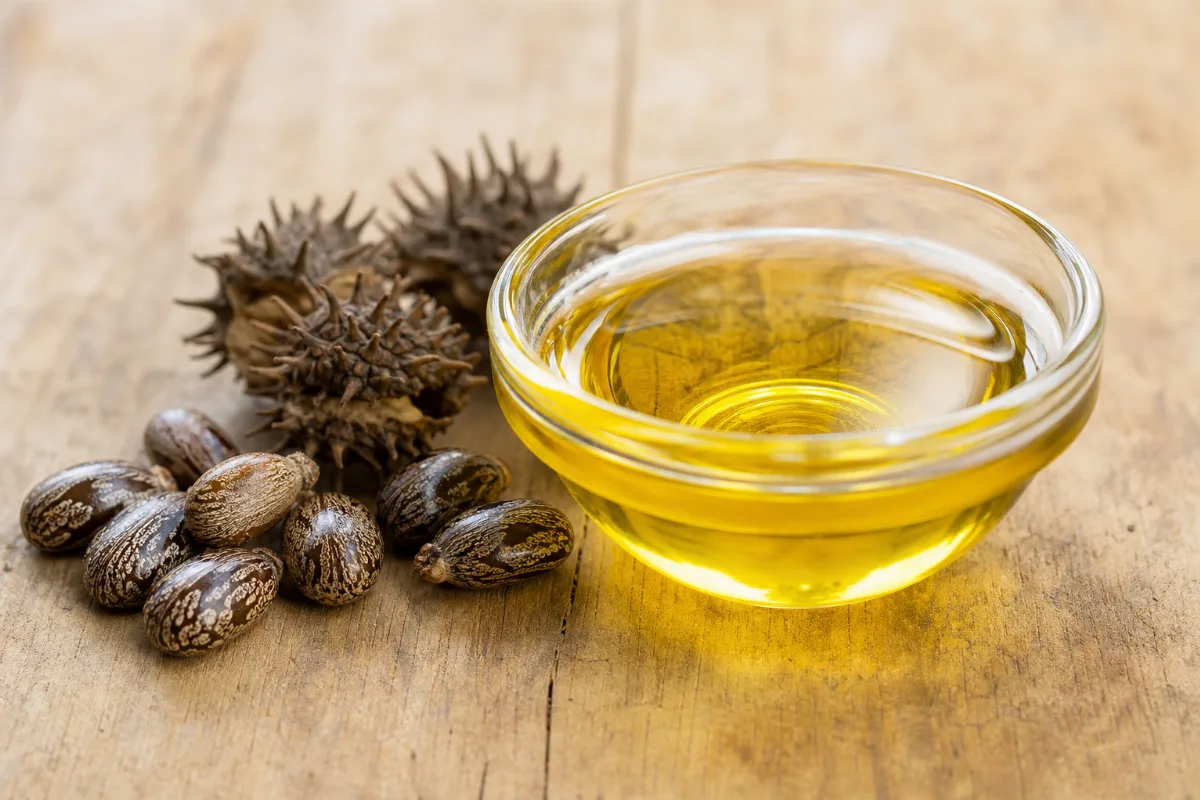
Castor oil is a strong laxative with mixed, low-quality evidence for starting labor and weak evidence for hair. What studies found, what they did not, and who should ask first.
Skin allergy: patch test firstPregnancy and laborMedicine interactionsCosmetic vs food grade
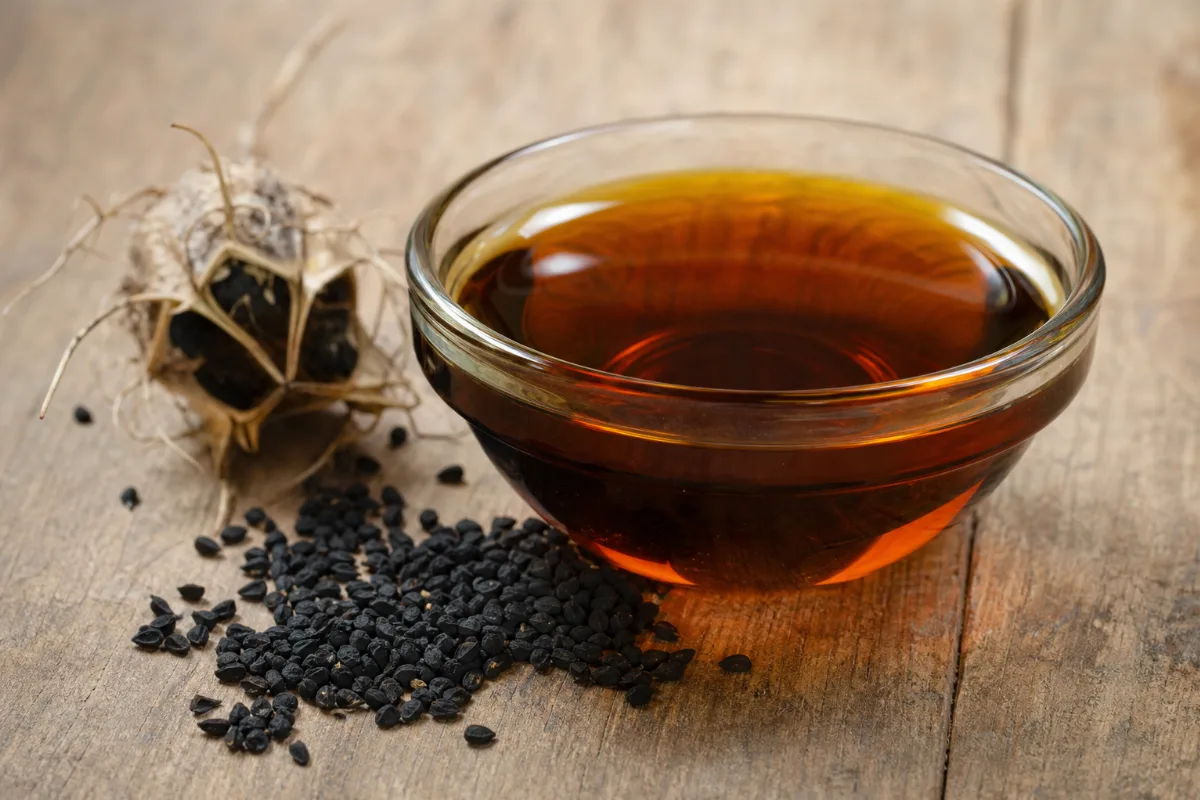
Black seed oil comes from Nigella sativa seeds; trials of black seed show small changes in blood sugar and blood pressure, and people on related medicines should ask a pharmacist.
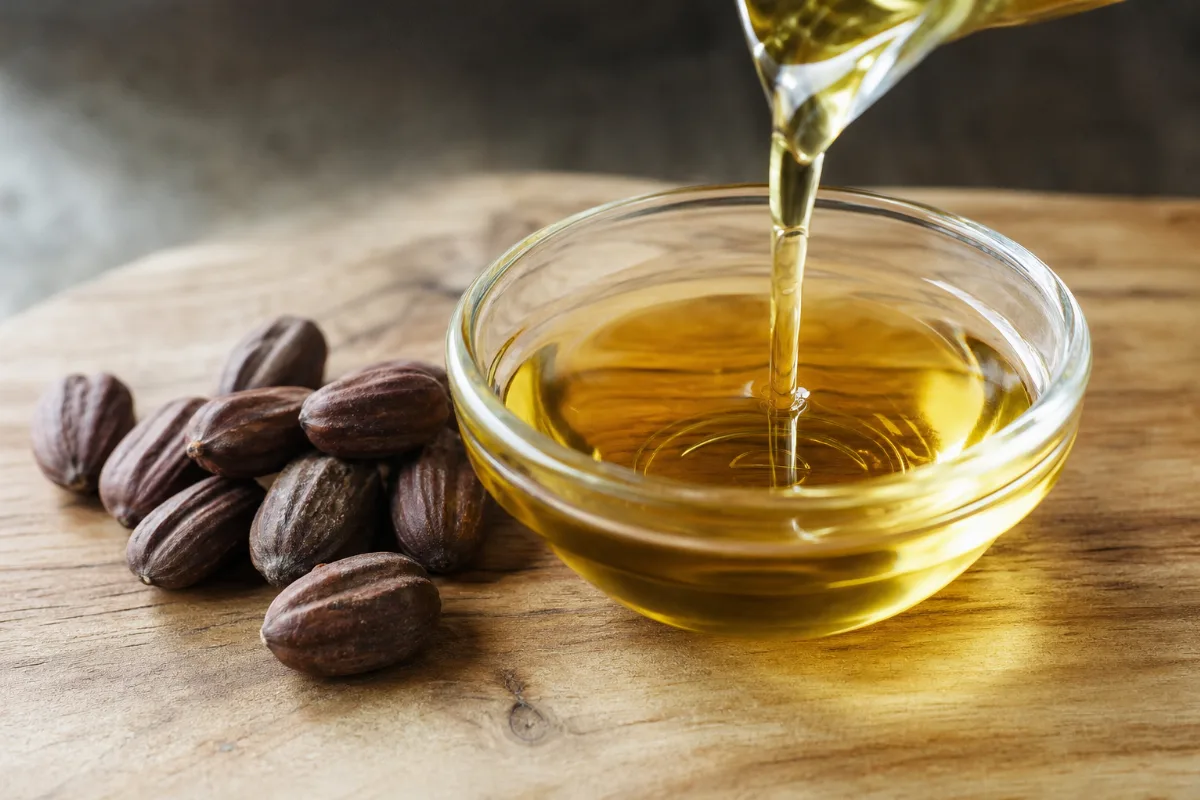
Jojoba oil is a liquid wax from seeds, used in skin and hair products. Reviews are favorable but pool several oils, and jojoba-specific trial evidence was not found.
Studied in people for: dry skin and skin barrier, eczema, baby skin and massage, hair and scalp, mouth and gums, stretch marks
Nut, seed or sesame allergyLung risk (oil pulling, inhaling)Babies and infantsCats and dogs
Coconut oil: eaten, it raised LDL cholesterol in a 2020 meta-analysis; on skin and hair the evidence is limited. What was studied, what was not, and who should take care.
Coconut oil on dry skin (xerosis)
Coconut oil and child eczema (atopic dermatitis)
Coconut oil on the skin of preterm and newborn babies
Studied in people for: dry skin and skin barrier, wounds and scars, baby skin and massage
Skin allergy: patch test firstBabies and infantsCosmetic vs food grade
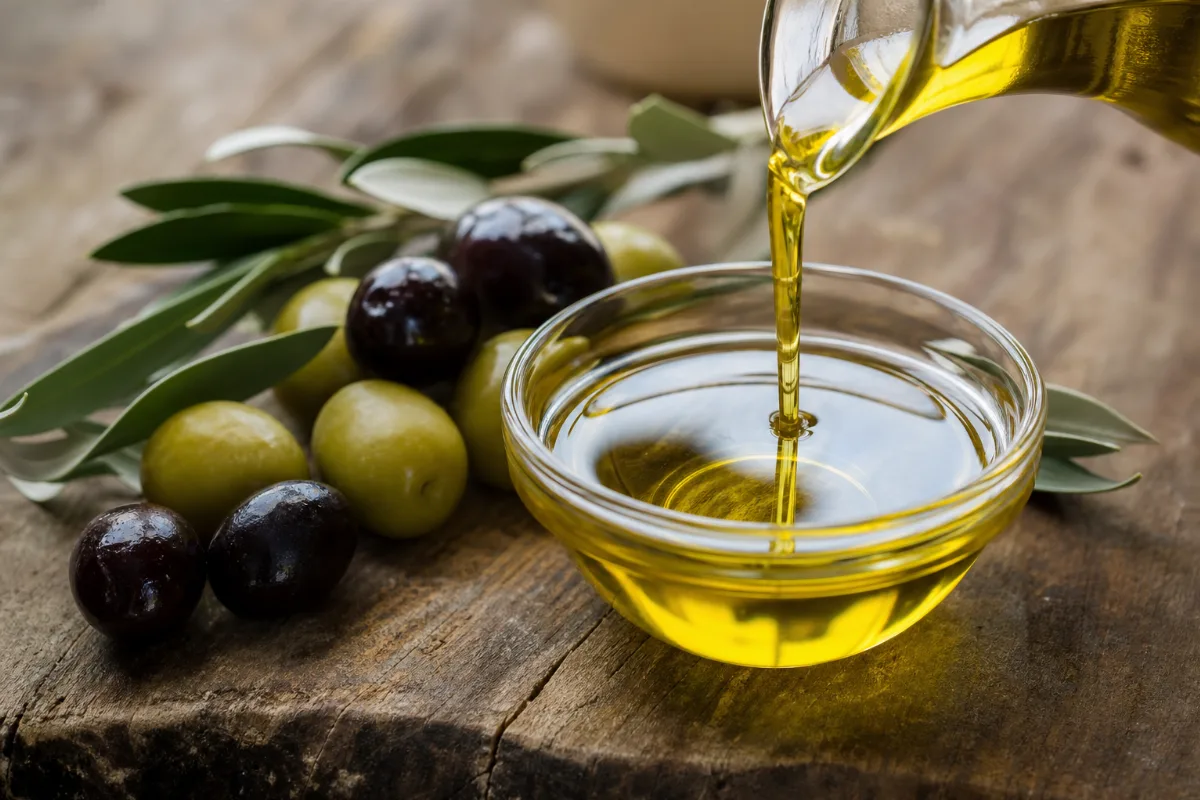
Olive oil as a food has large observational and diet-trial research behind it; on skin the studies are small and mixed, and one found it weakened the skin barrier in adults.
Skin allergy: patch test firstNut, seed or sesame allergyBabies and infantsCosmetic vs food grade
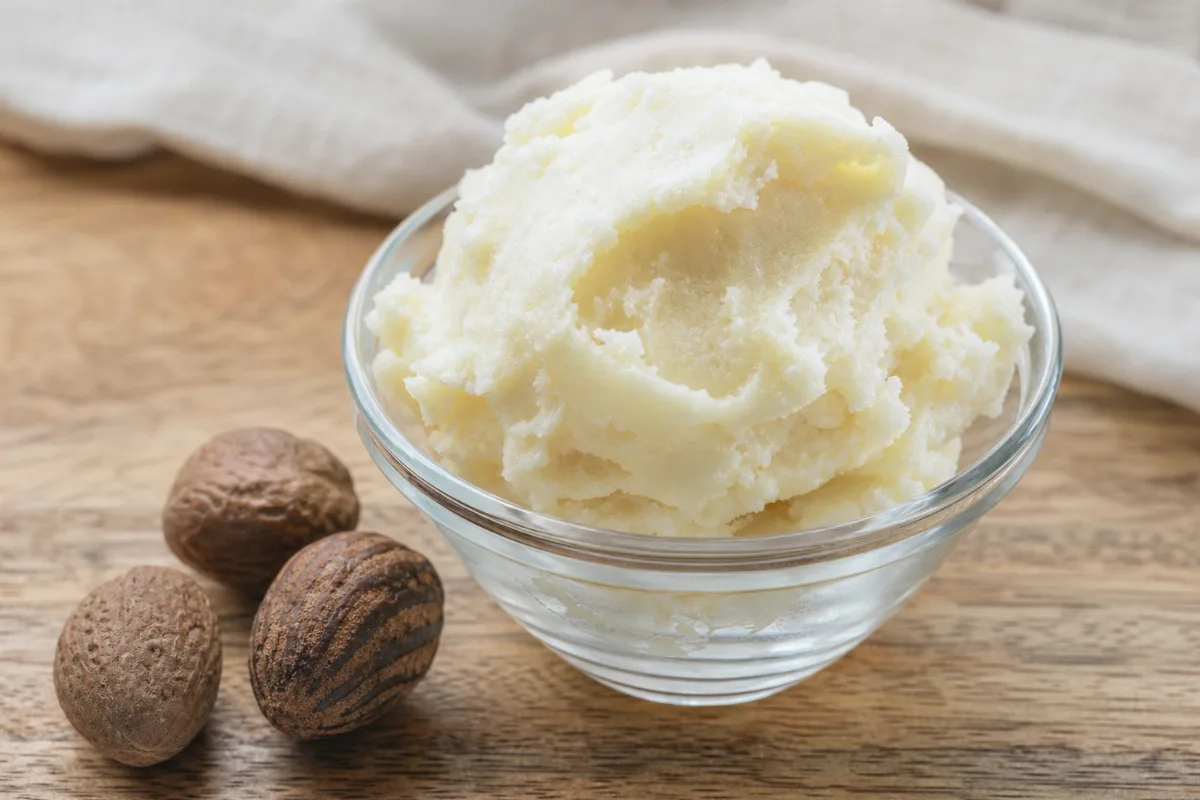
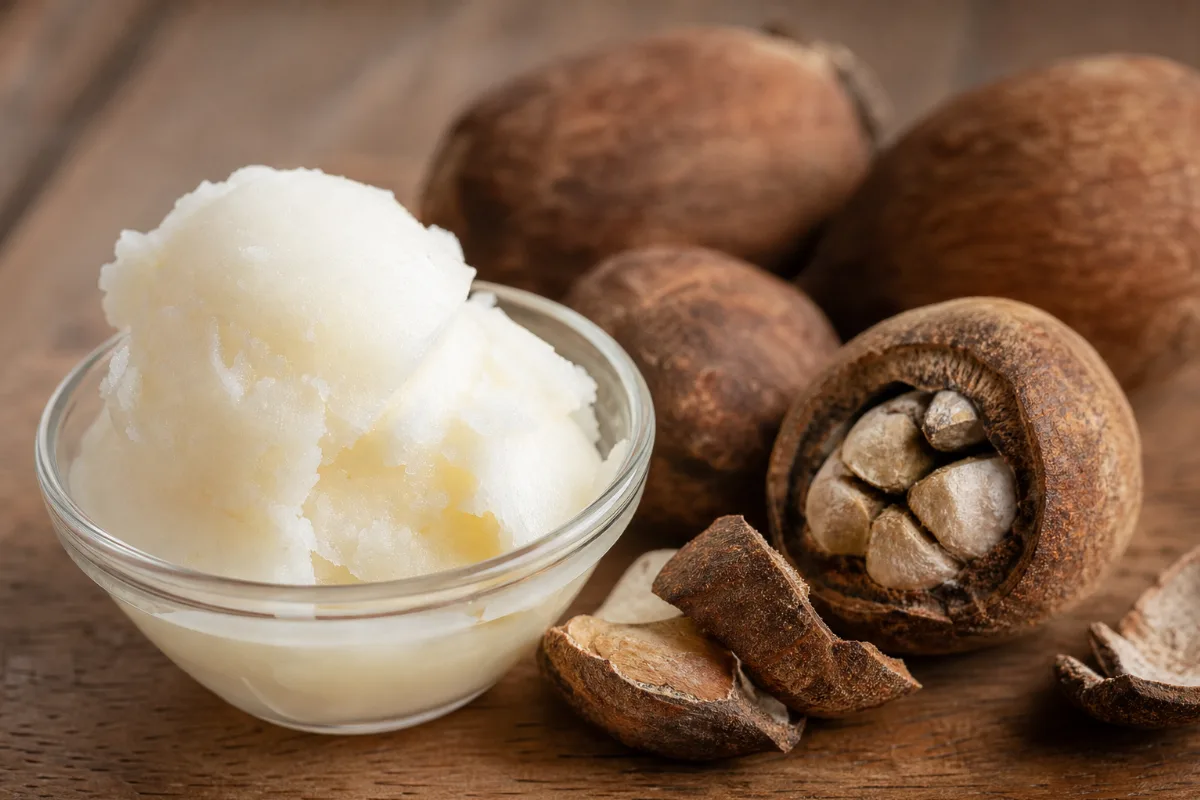
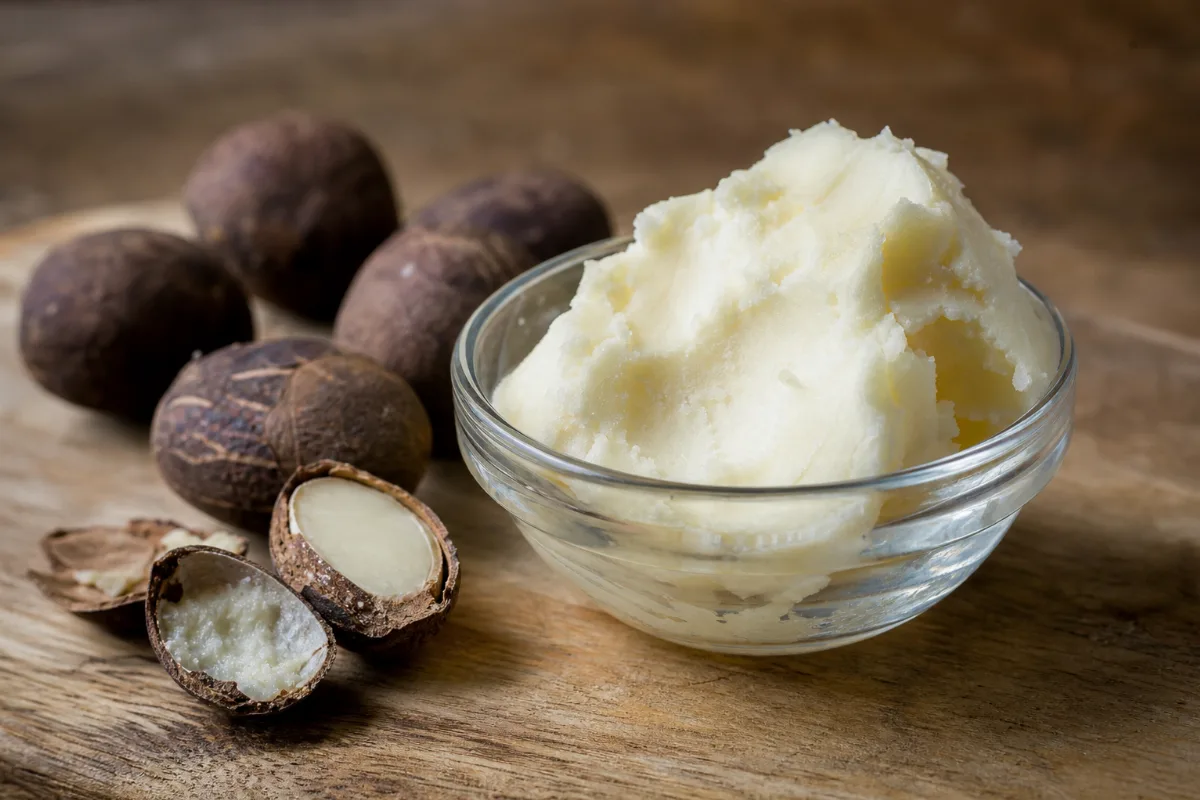
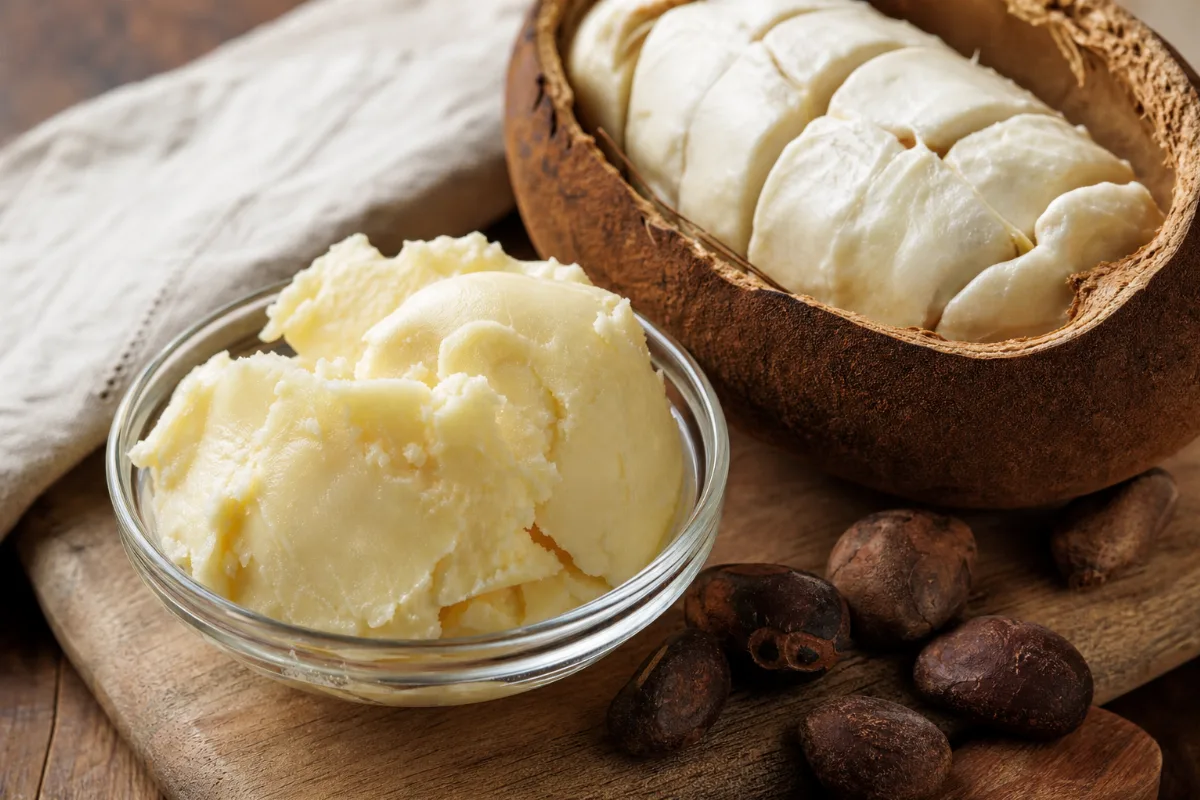
Shea butter is a plant fat used on skin and in food. We found no shea-only trials; a cosmetic safety panel judged it safe when non-sensitizing, and allergy data are thin.
Shea butter, dry skin and stretch marks
Shea butter-based creams and eczema
Shea butter-based emollient in diapers and baby skin
Studied in people for: stretch marks, dry skin and skin barrier, acne
May clog pores for some
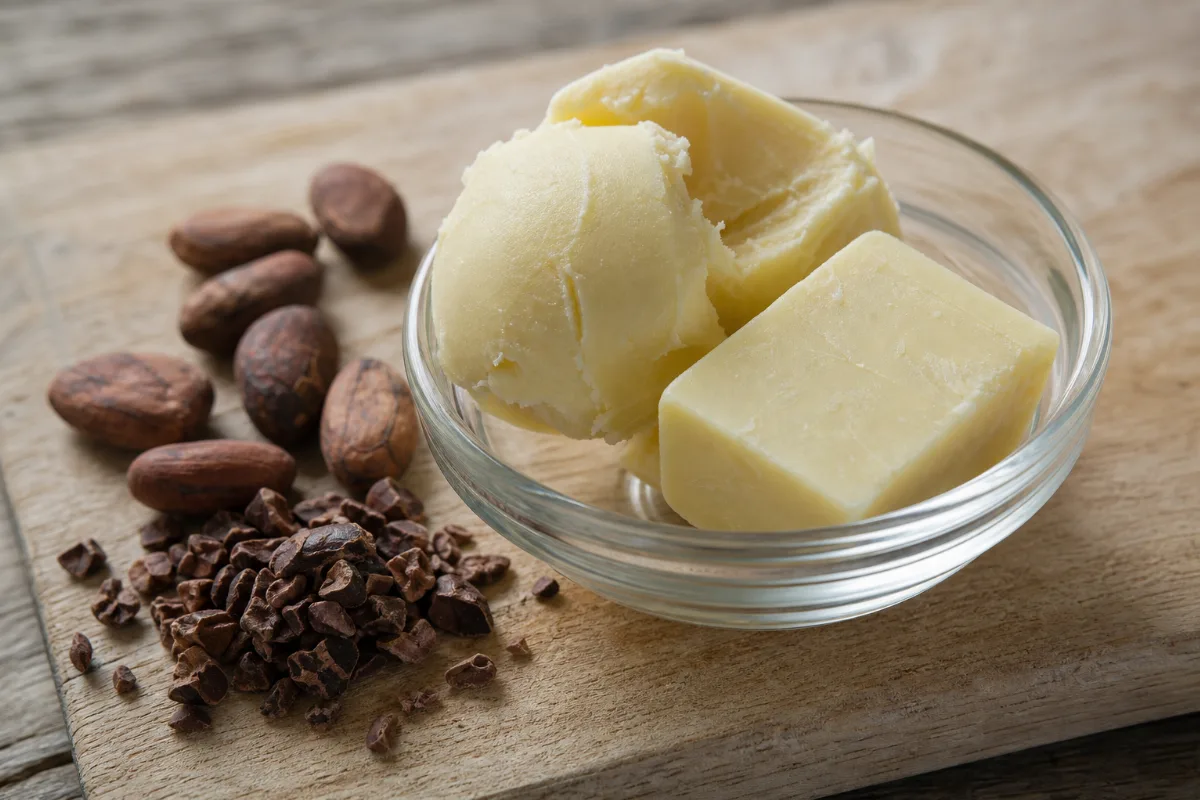
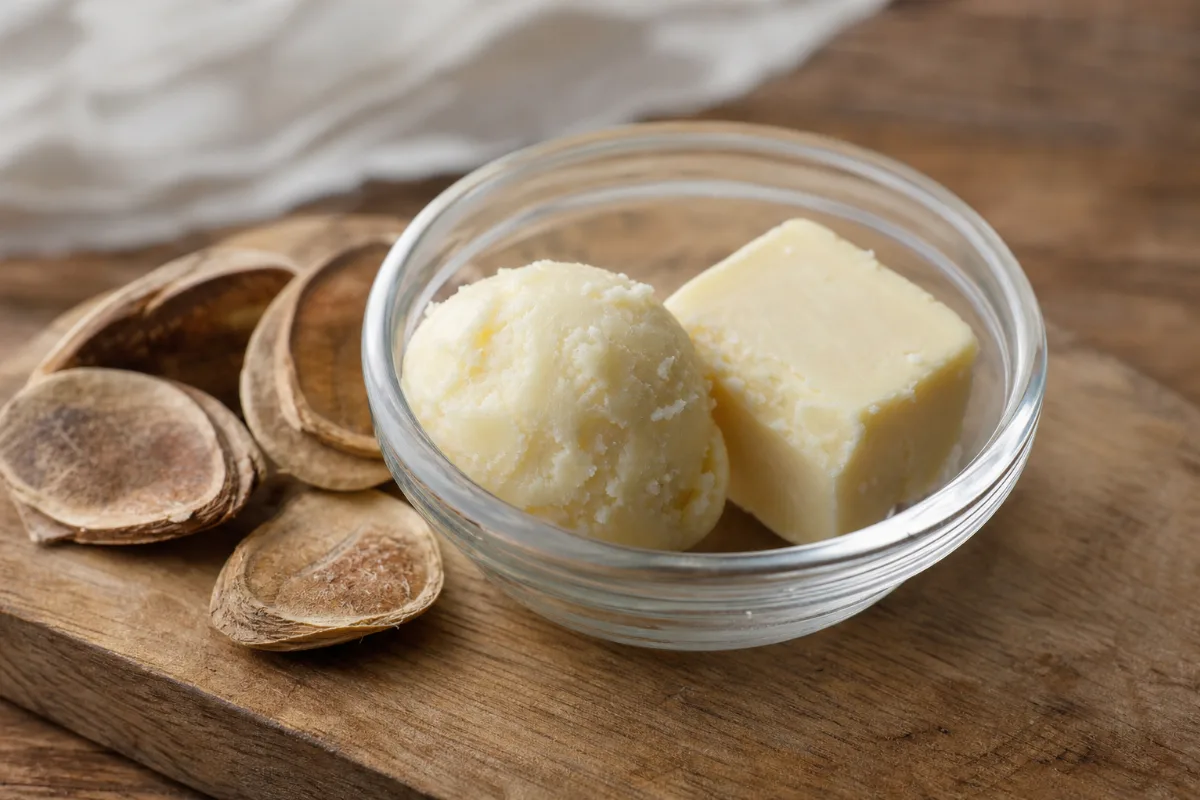
FDA lists cocoa butter as a skin protectant at 50 to 100 percent. That is a labeling status, not proof of healing, and a placebo-controlled trial found it did not prevent stretch marks.
Cocoa butter as a skin protectant (US label status)
Studied in people for: eczema, period and breast symptoms
Pregnancy and laborMedicine interactionsLung risk (oil pulling, inhaling)
Evening primrose oil (Oenothera biennis seed oil): what NIH and EU regulators say about PMS, breast pain and skin, plus blood thinner, blood pressure and pregnancy cautions.
Evening primrose oil and eczema (swallowed capsules)
Evening primrose oil and dry-skin itching (EU traditional use)
Nut, seed or sesame allergyGoes rancid: storageCosmetic vs food grade
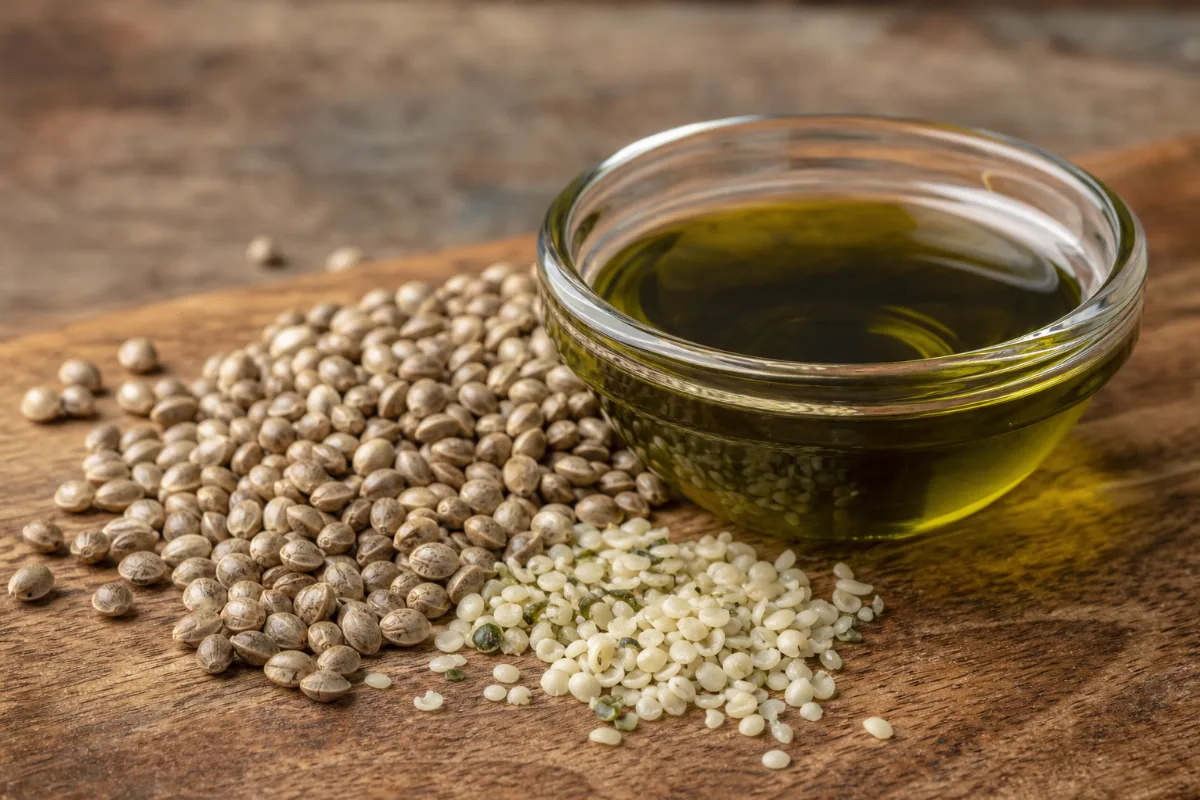
Hemp seed oil is pressed from hemp seeds and is not CBD oil. See what small skin and joint trials show, what they do not, plus allergy, rancidity and label cautions.
Hemp seed oil by mouth and atopic dermatitis
Hemp seed oil and skin barrier (applied)
Topical hemp seed oil and knee osteoarthritis
Hemp oil in cannabinoid ointments: seed oil share unknown
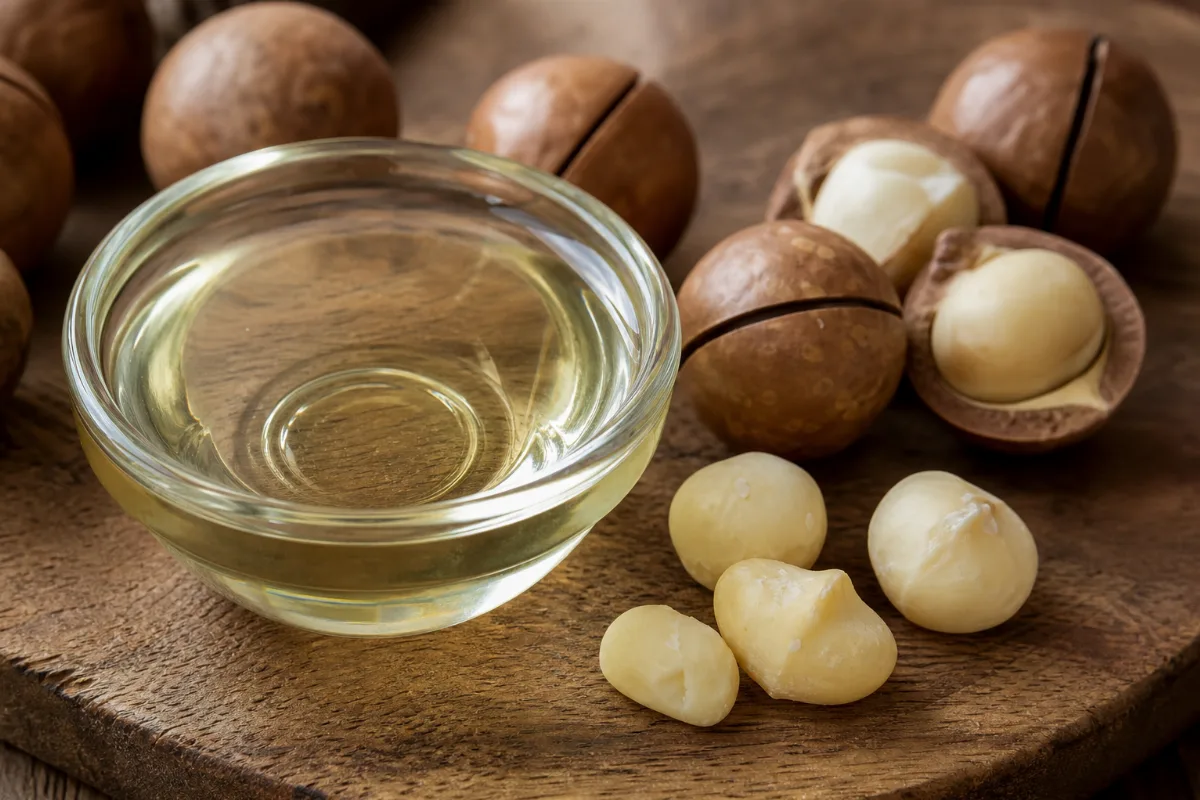
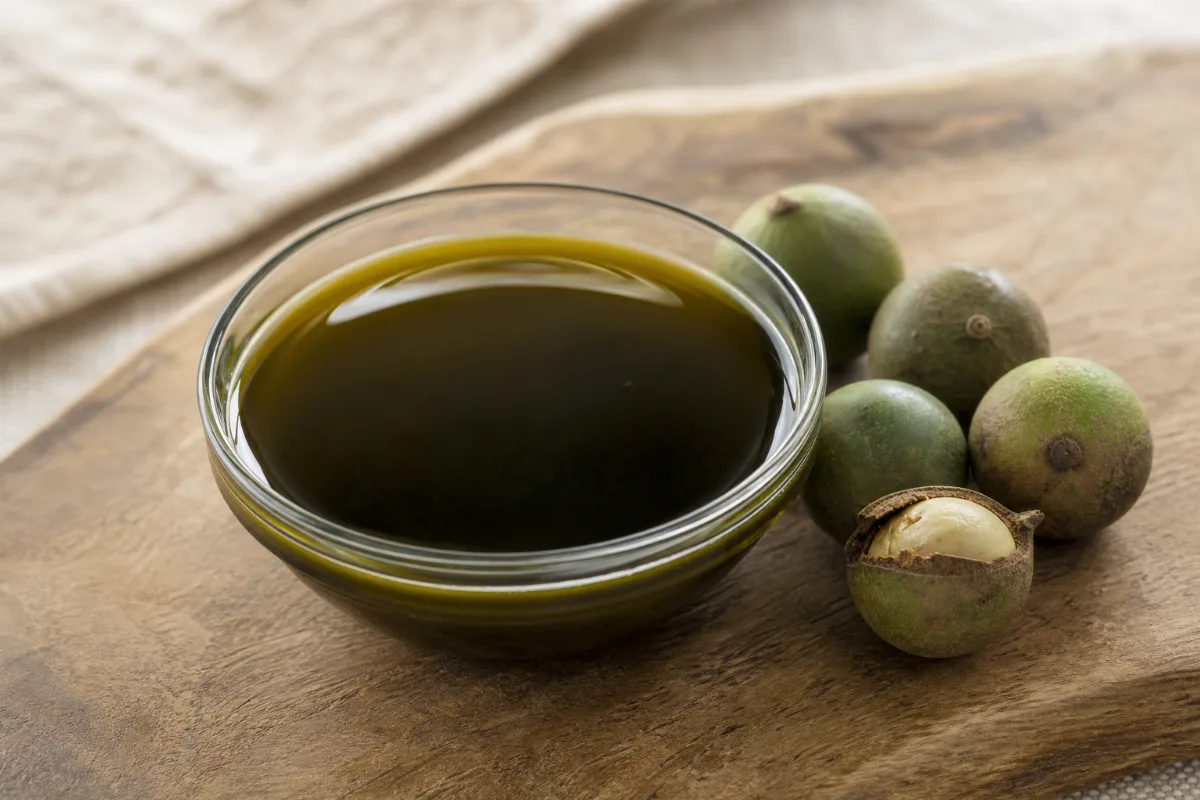
Macadamia oil for skin and hair: what the omega-7 (palmitoleic acid) claims rest on, the one small human study, tree nut allergy cautions, dogs, and storage.
Apricot kernel oil (Prunus armeniaca) is a light plant oil used for massage and skin. No human trials were found; here is the evidence, and why raw kernels are a separate poisoning risk.
Apricot kernel oil and dry skin or massage
Apricot kernel oil and wound or burn healing
Apricot kernel oil and inflammation or pain (animals)
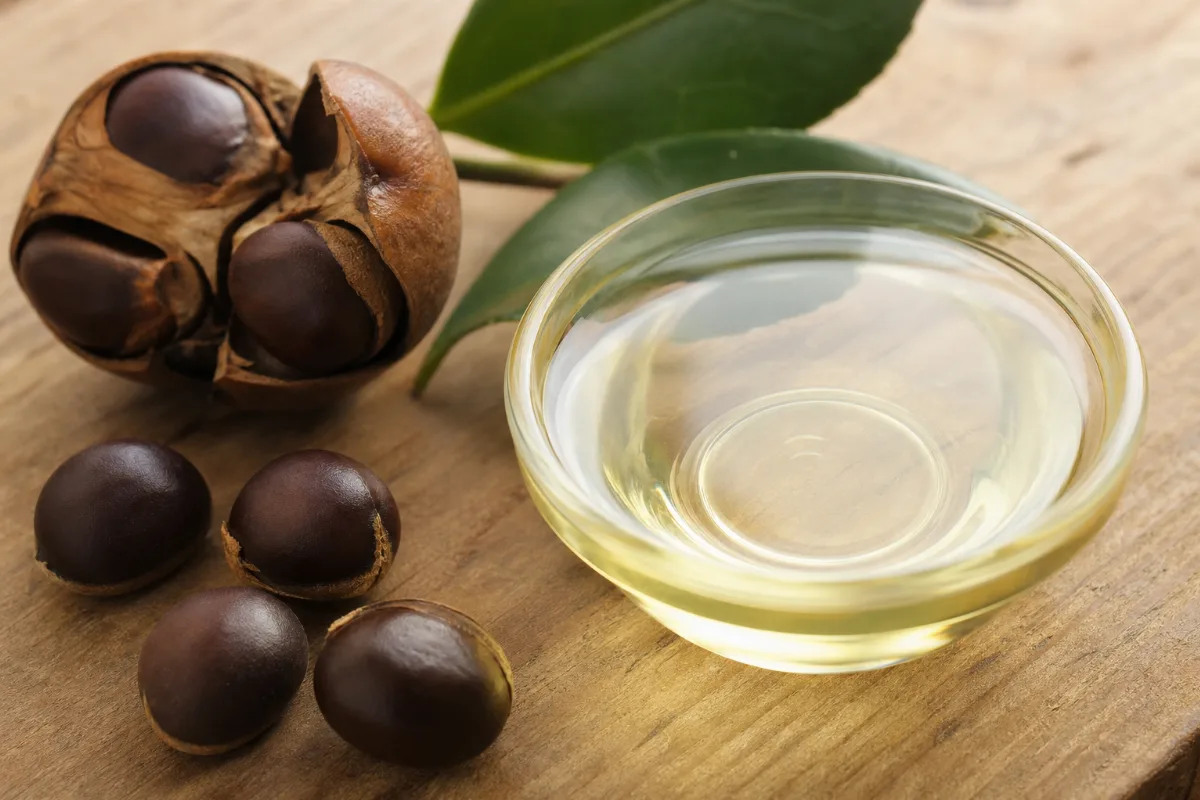
Camellia oil (tsubaki) is a pale, oleic-acid-rich seed oil used on hair and skin in Japan and as a cooking oil in China. See what trials show and what they do not.
Camellia oil as a cooking oil rich in oleic acid
Camellia oil and sensitive or dry skin
Camellia oil and incontinence-related skin damage (ICU)
Marula oil (Sclerocarya birrea) is a southern African nut oil used on skin. Here is what the one small human study shows, what claims are not backed up, and storage notes.
Tamanu oil (Calophyllum inophyllum) is a thick green-brown Pacific skin oil used for wounds and scars; here is what lab work shows, what people studies lack, and the allergy cautions.
Tamanu oil and wound healing (lab and animals only)
Harmful or laxative if swallowedNatural toxinGoes rancid: storage
Kukui nut oil (candlenut oil, Aleurites moluccanus) is a Hawaiian skin and hair oil rich in polyunsaturated fats; here is what research shows, and why the raw nuts are not for eating.
Baobab seed oil (Adansonia digitata) is sold for skin and hair. Here is what we found on its makeup, quality and safety, and why human evidence is missing.
Babassu oil (Attalea speciosa) is a lauric-acid-rich Brazilian palm kernel oil used in skin products. What research shows (no human trials found), safety and storage.
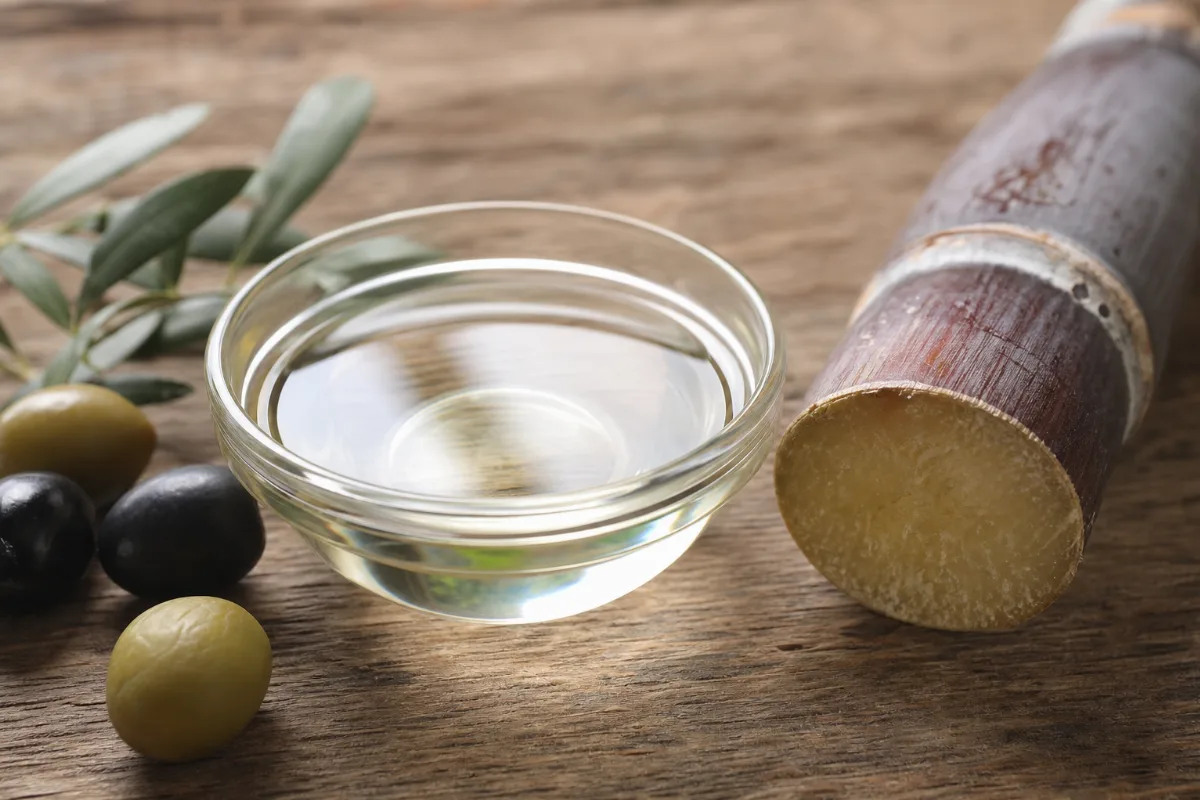
Squalane (olive, sugarcane or shark-derived): squalene vs squalane, source labels, the CIR safety review, the thin skin evidence, oxidation and pore claims.
Squalane in moisturizers (skin softening)
Squalane and cosmetic safety review (CIR)
Squalene versus squalane (what changes)
Sources: olive, sugarcane, microbes and shark liver
Studied in people for: massage and muscle aches, mouth and gums
Nut, seed or sesame allergyBabies and infants
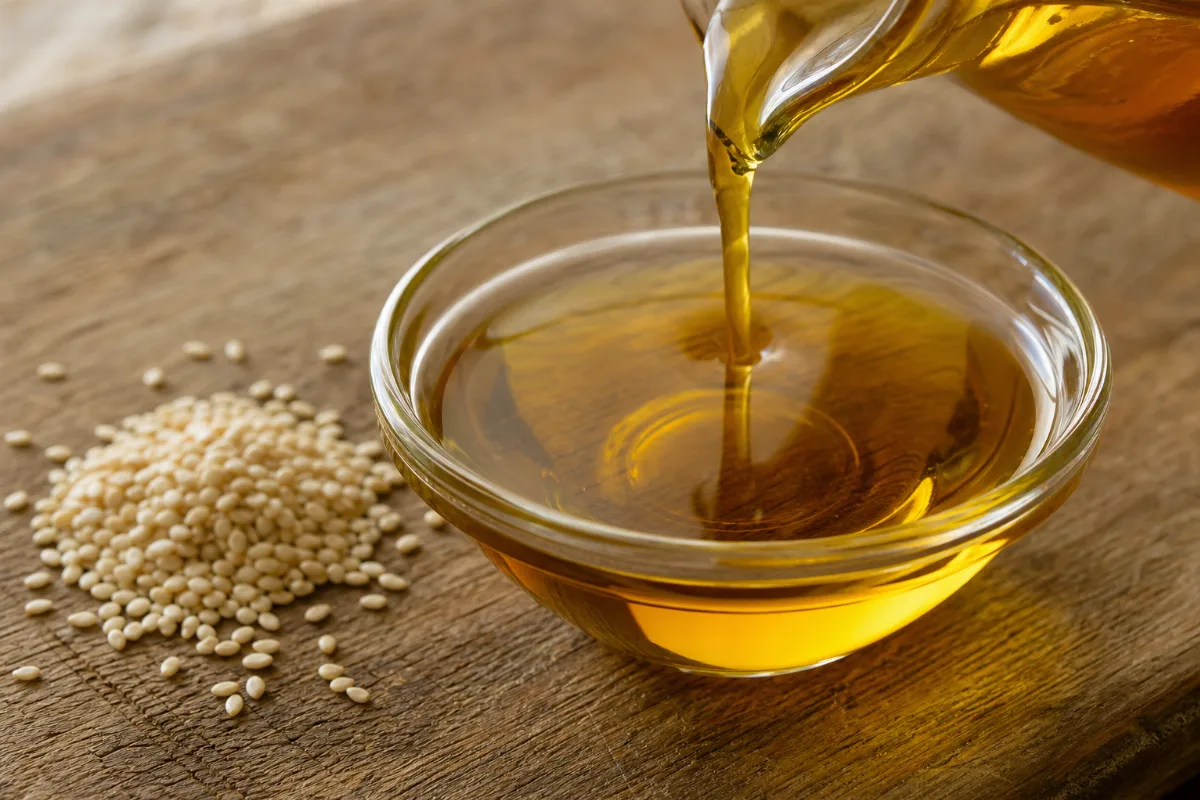
Sesame oil on skin and hair: baby and body oil massage in South Asia, what small trials show, sesame allergy and skin contact, oil grades, and what is unproven.
Sesame oil massage and pain after minor limb injury
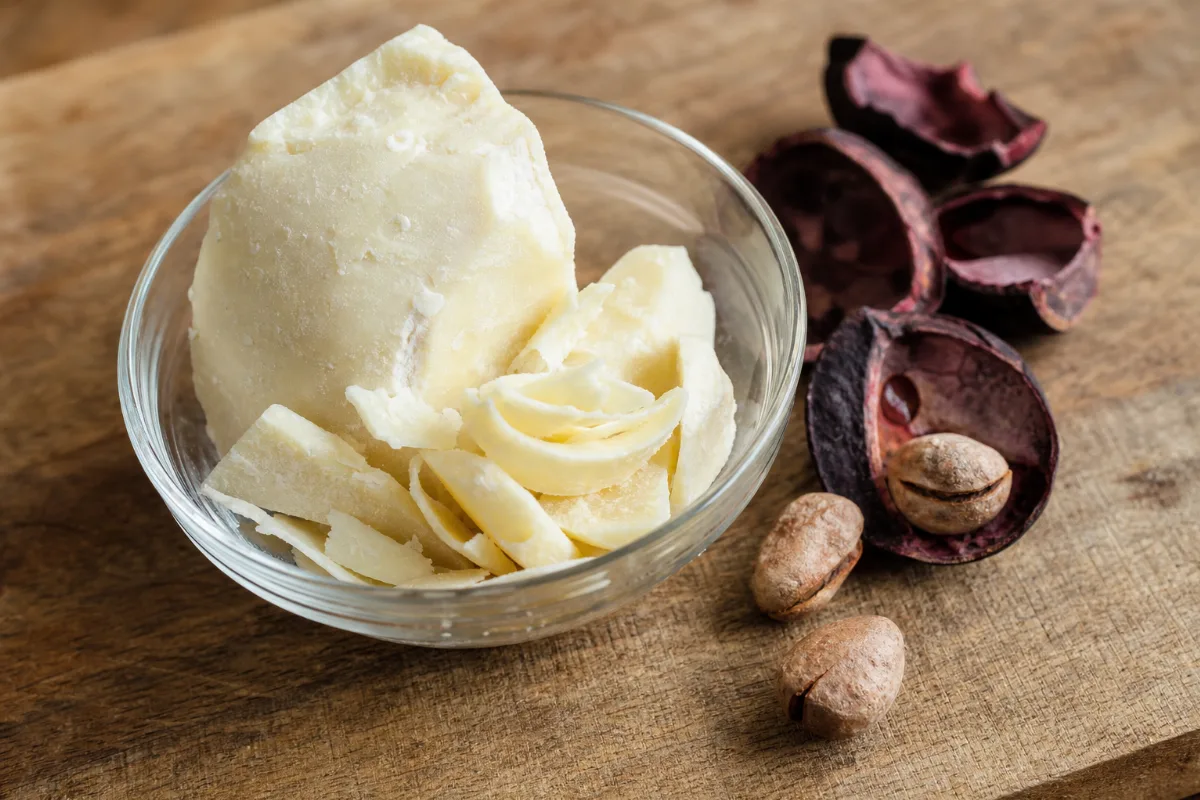
Mango butter is the firm fat from the mango seed kernel, used in creams and balms and as a cocoa butter alternative. Here is what research shows, and what it does not.
Mango butter and cracked or dry skin
Mango butter as a skin softener (emollient)
Mango butter and wound healing (rats)
Mango butter in chocolate (cocoa butter alternative)
Kokum butter (Garcinia indica) is a hard, stearic-rich seed fat from India used in balms and as a chocolate fat; what is known about skin use, safety and storage.
Kokum butter and cracked or dry skin
Kokum butter as a hard cosmetic fat in creams and balms
Kokum butter in an acne gel cream
Kokum butter and burns or chafed skin (traditional)
Murumuru butter (Astrocaryum murumuru) is a firm Amazonian palm seed fat used in skin and hair products. What we found: no human trials, only lab work. Safety and storage notes.
Cupuacu butter is a pale fat pressed from the seeds of an Amazonian relative of cacao. Here is what lab studies show, what no human trial has tested, and how to store it.
Cupuacu butter and dry or rough skin (moisturizing)
Cupuacu butter and water-holding claims
Cupuacu butter and skin cells or wound healing (lab)
Skin allergy: patch test firstWool (lanolin) allergyContaminantsCosmetic vs food grade
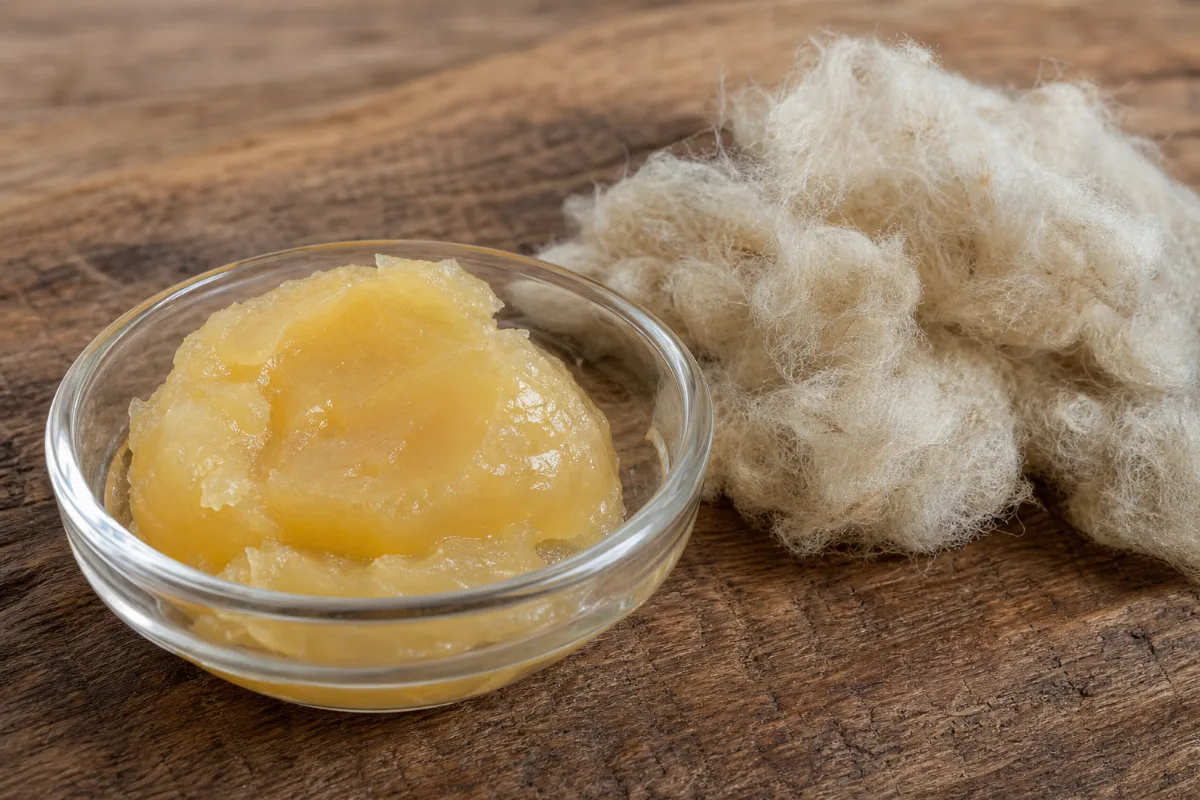
Lanolin is wool wax from sheep, used on sore nipples, lips and dry skin. What trials show, how common contact allergy is, pesticide residues, purified grades and FDA status.
Lanolin and sore nipples while breastfeeding
Lanolin blends versus placebo cream for nipple fissures
Skin allergy: patch test firstCosmetic vs food grade
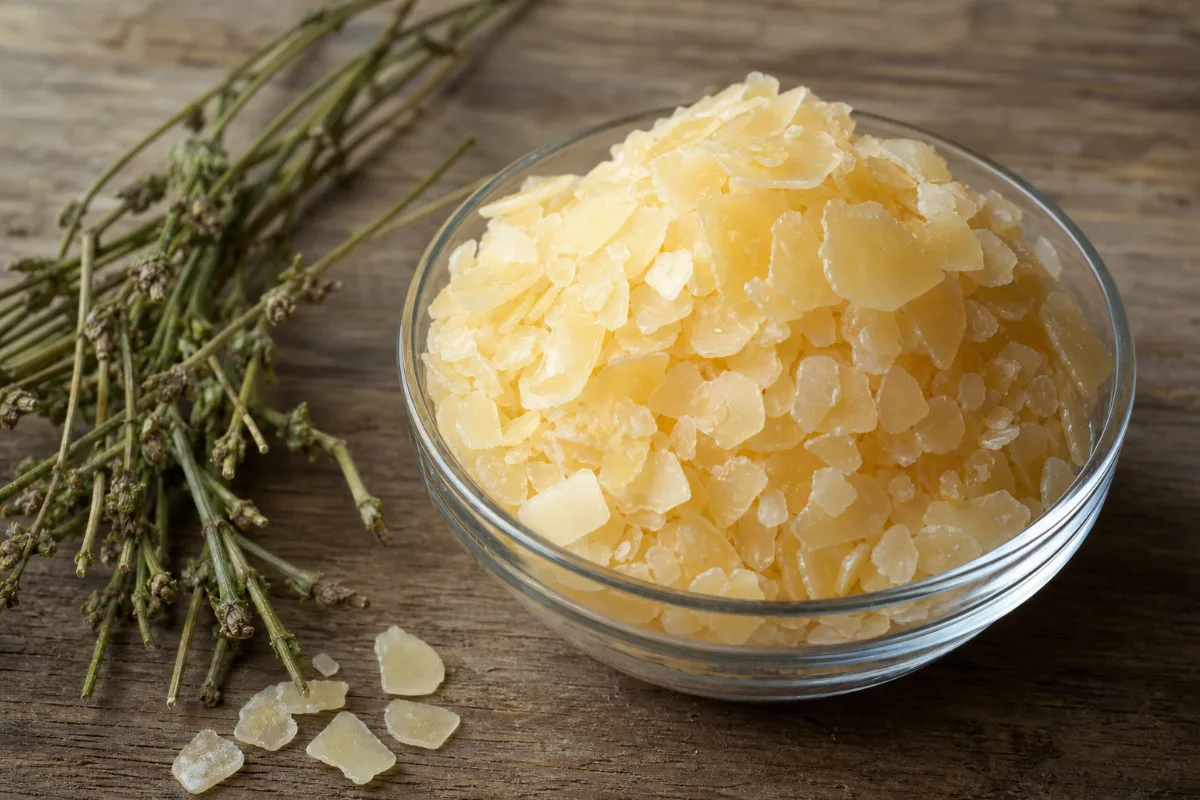
Candelilla wax (Euphorbia antisyphilitica) is a plant wax from Mexico and Texas used in vegan balms and sweets. Food status, allergy reports and missing research.
Candelilla wax as a vegan balm and lip-product base
Candelilla wax as a food additive (E 902) and FDA status
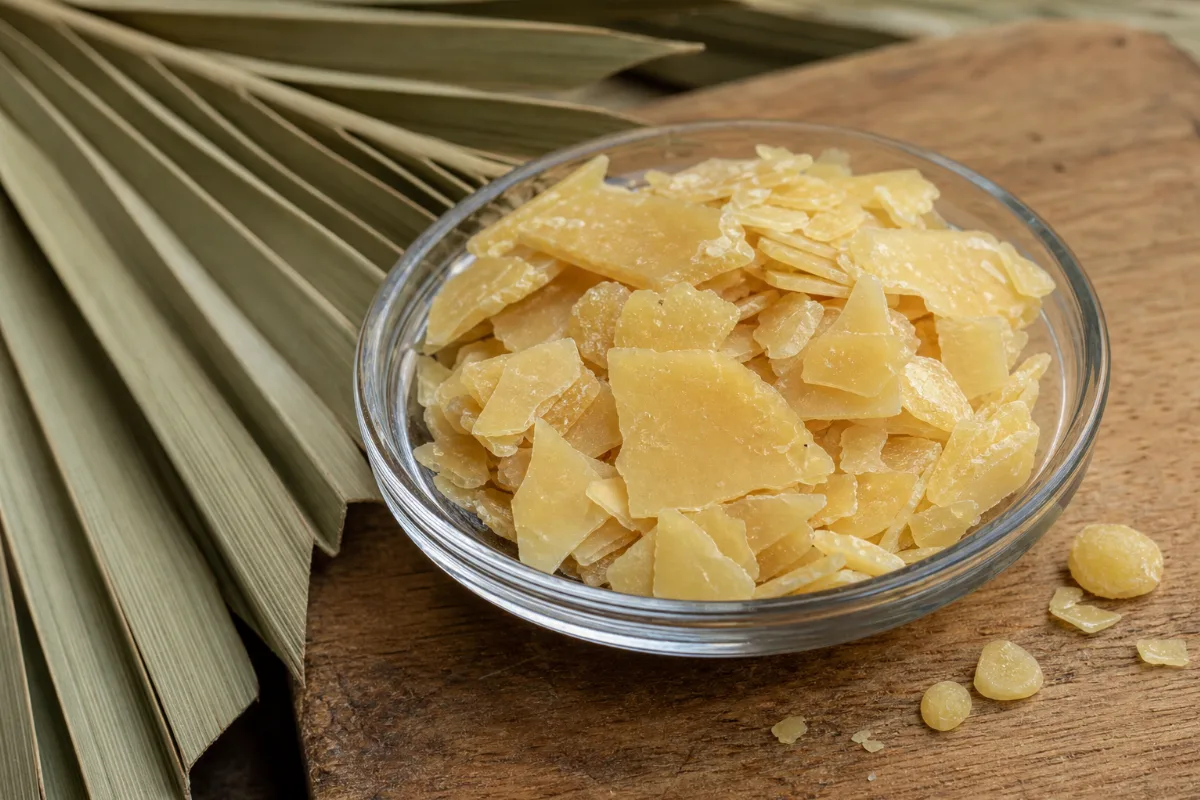
Carnauba wax from the Brazilian wax palm glazes foods (E903) and hardens lip products. What regulators and safety reviews say, the rare contact allergy reports, and what no trial shows.
Harmful or laxative if swallowedSkin allergy: patch test firstBabies and infants
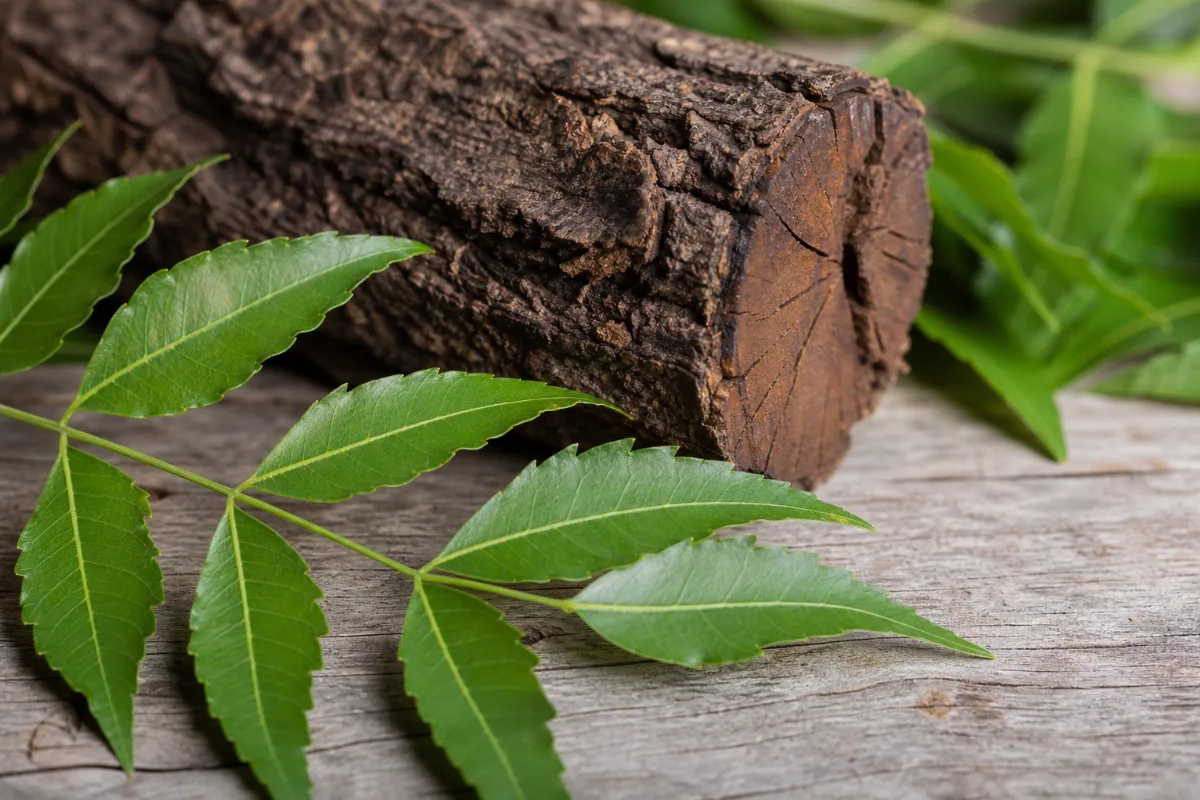
Neem (Azadirachta indica): why swallowing neem oil has caused severe poisoning in children and adults, what research shows for mouth rinses and skin, and Ayurvedic background.
Studied in people for: wounds and scars, period and breast symptoms
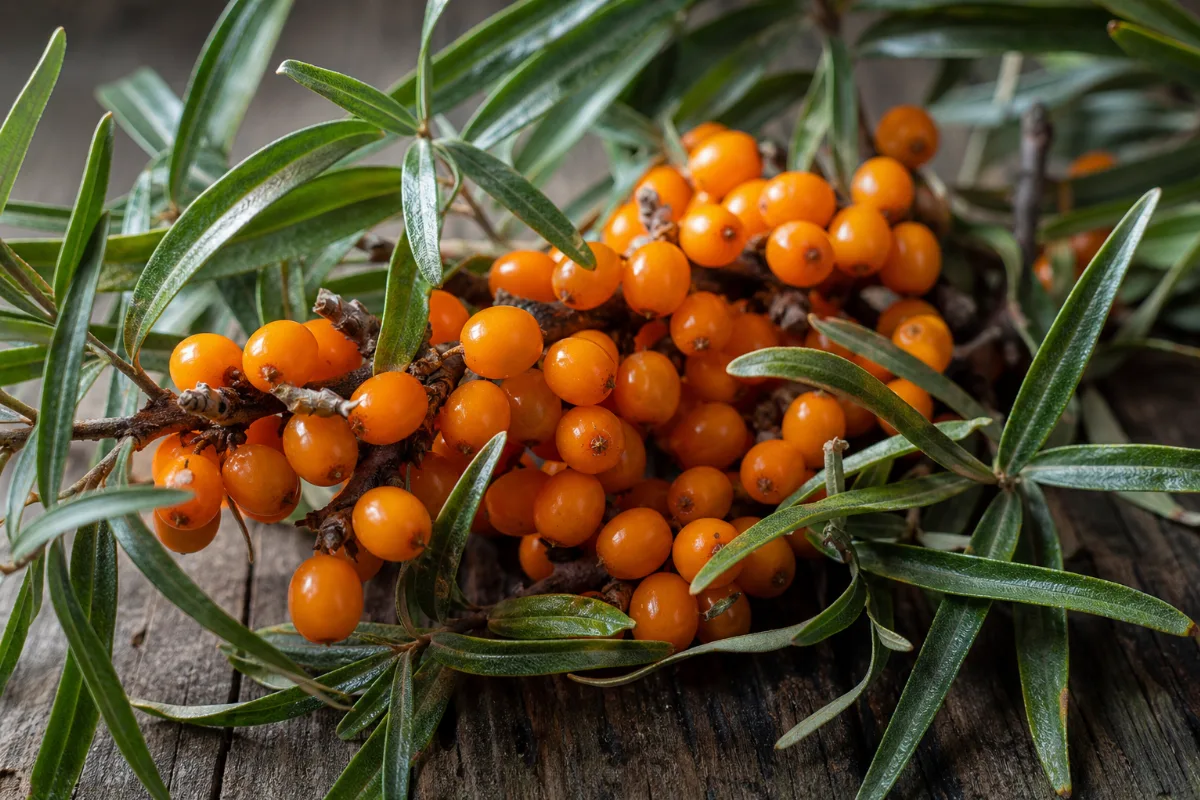
Sea buckthorn (Hippophae rhamnoides): what small trials found for cholesterol, vaginal dryness, dry eye and burns, how oil and cream studies differ, and what safety data we could not find.
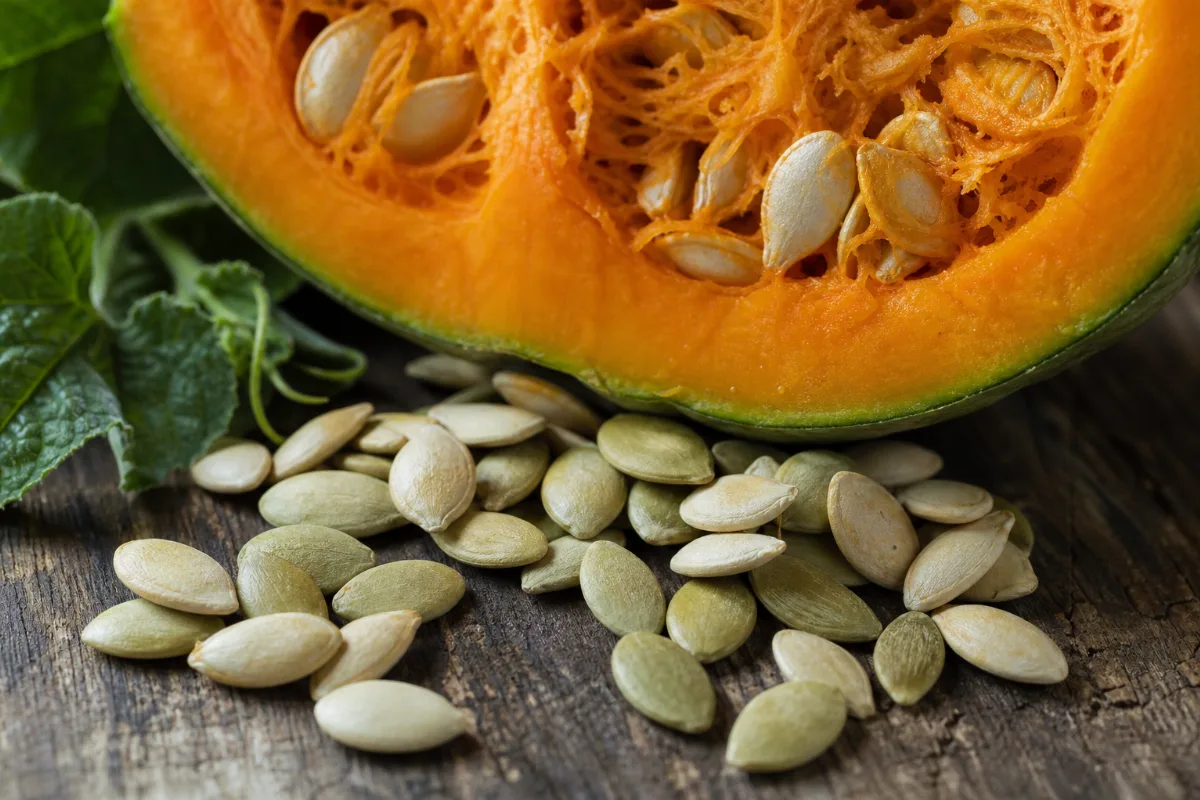
Pumpkin seed and seed oil (Cucurbita pepo): the EU traditional-use status for urinary symptoms, what prostate and other trials found, and allergy and pregnancy cautions.
Traditional use for urinary symptoms (BPH and overactive bladder)
Natural toxinPregnancy and laborBabies and infantsMedicine interactions
Borage (Borago officinalis): why its leaf and flower carry liver-toxic pyrrolizidine alkaloids, what research says about the seed oil, and the foxglove look-alike and pregnancy cautions.
Rheumatoid arthritis symptoms (seed oil)
Atopic dermatitis (eczema) - no benefit shown
Cough and asthma (extract)
Gamma-linolenic acid and anti-inflammatory mechanism
Studied in people for: stretch marks, baby skin and massage
Nut, seed or sesame allergySkin allergy: patch test firstBabies and infants
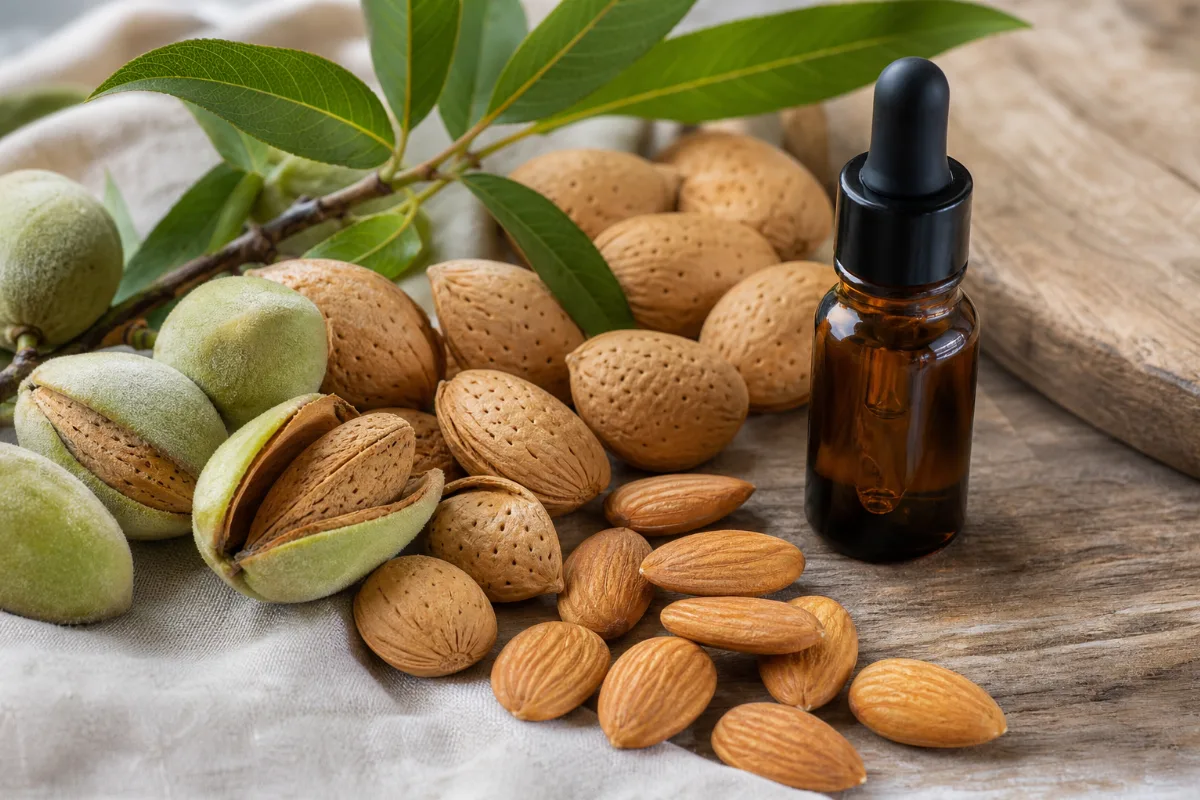
Sweet almond oil is a carrier oil from almond kernels, not an essential oil. Tree nut allergy is the key caution; small skin trials gave mixed results.
Skin allergy: patch test firstGoes rancid: storage
Rosehip seed oil is a carrier oil, not an essential oil: what the scar and wound research really shows, why it spoils, and the safety points to check first.
Rosehip seed oil and scars
Rosehip seed oil, wound healing and skin (lab and animal)
Anti-aging, acne, pigment and other skin claims
What rosehip seed oil is (a carrier oil, not an essential oil)
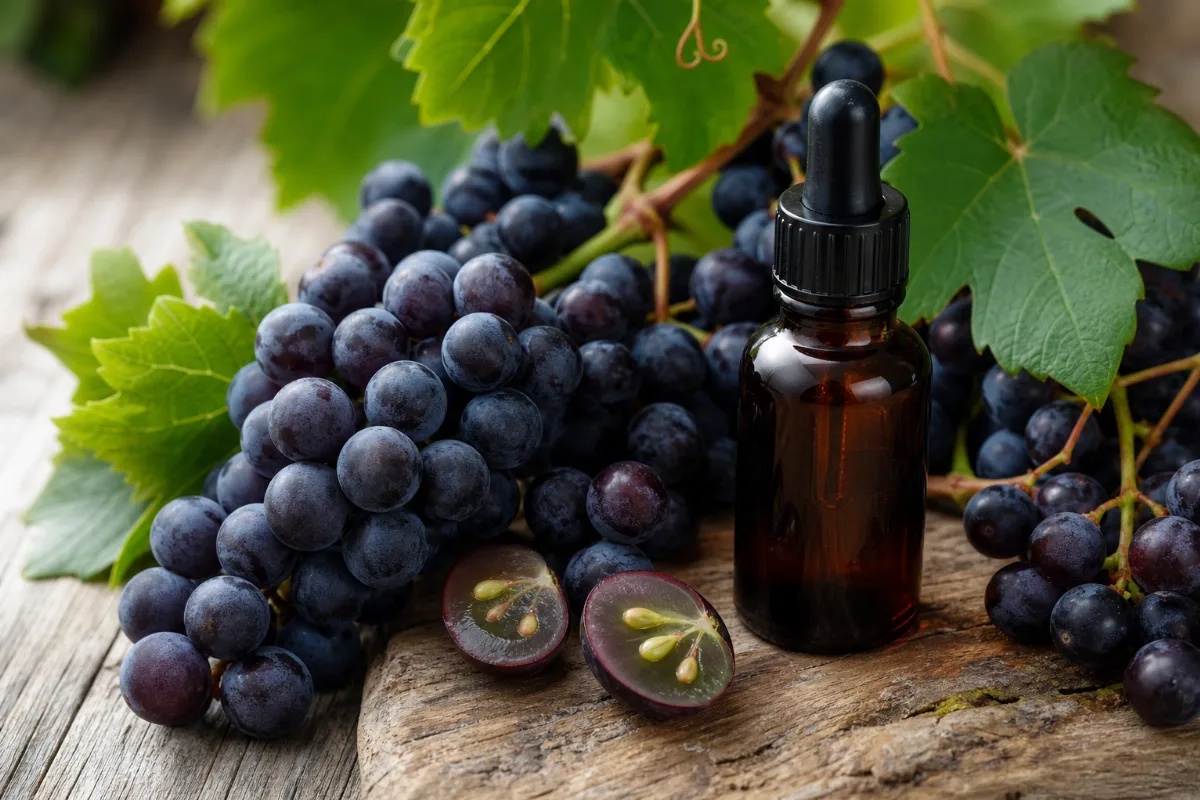
Grapeseed oil is a carrier oil, not an essential oil or grape seed extract: what we found for skin, what we did not, and basic safety points to check first.
Grapeseed oil on skin (small trials of mixed products)
What grapeseed oil is (a carrier oil, not an essential oil)
Skin allergy: patch test firstCosmetic vs food grade
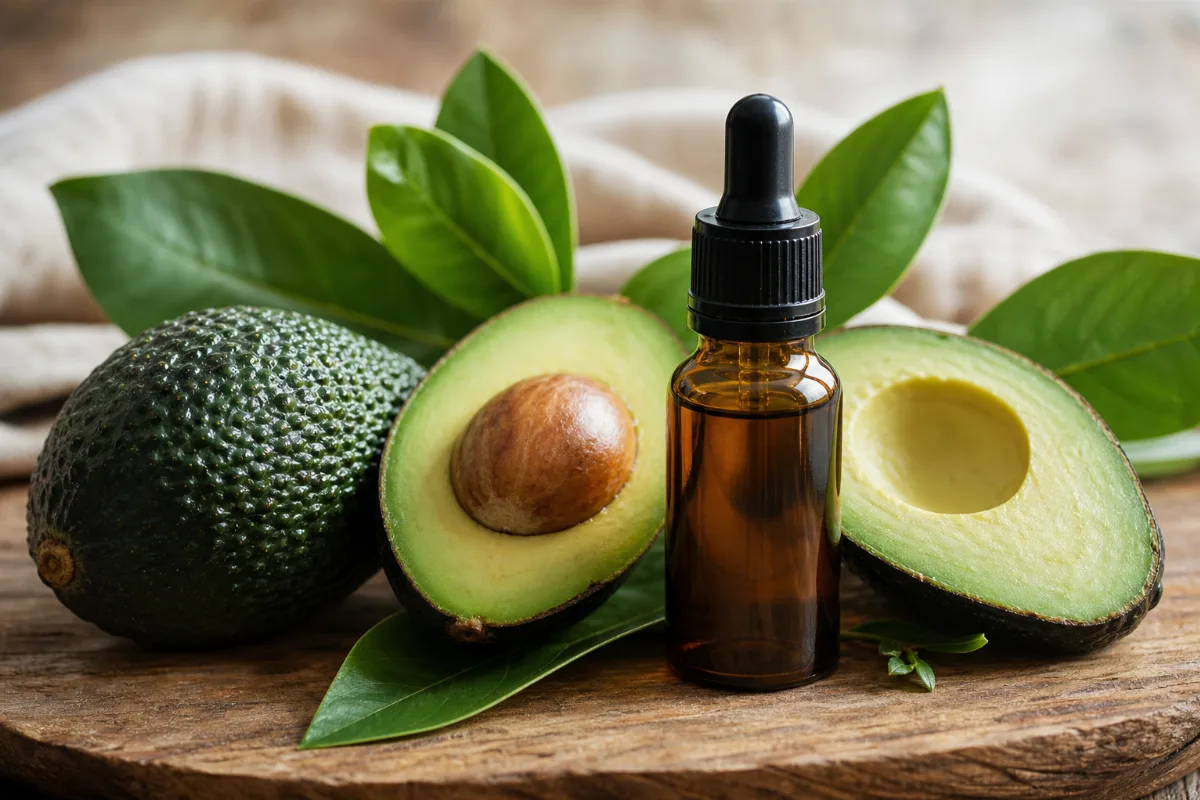
Avocado oil is a carrier oil, not an essential oil: what is known about its makeup, quality and skin use, and the allergy and blending cautions to check first.
Skin barrier (three-oil blend with avocado oil unsaponifiable)
Use as a carrier oil for essential oils
What avocado oil is made of
Wounds, eczema, psoriasis, hair and anti-aging claims
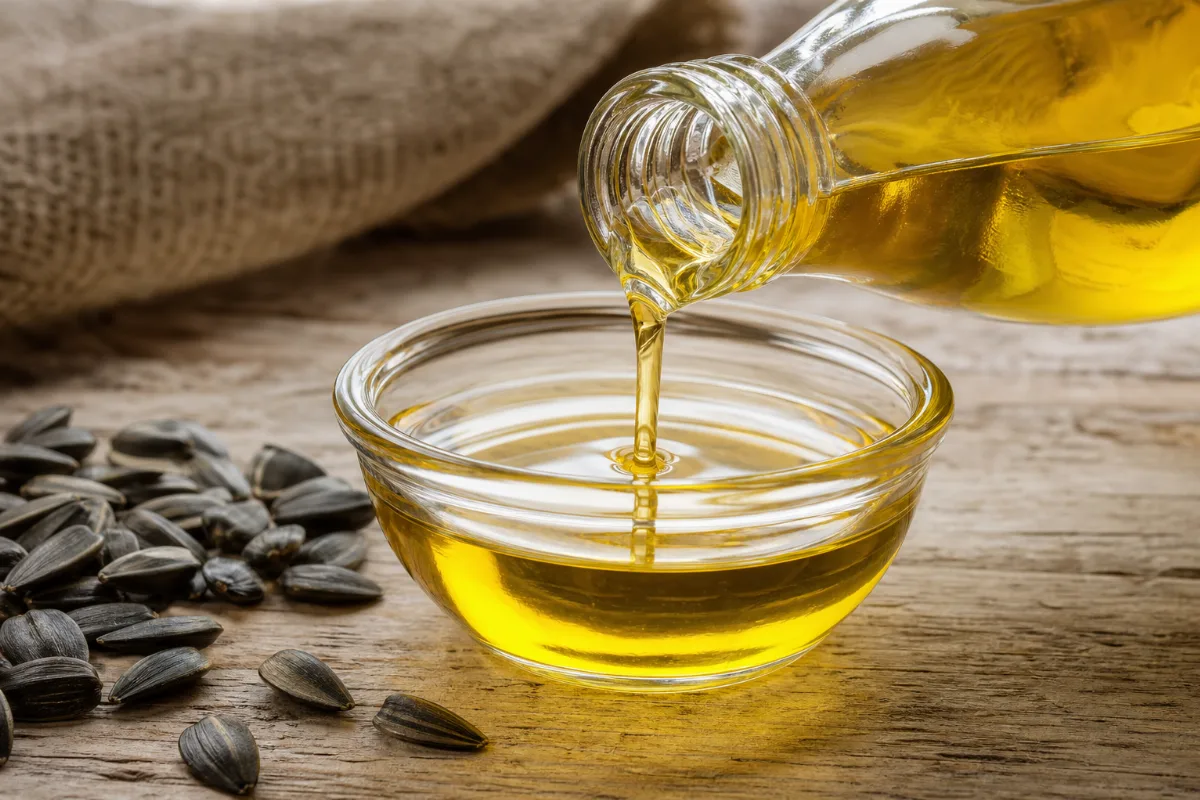
Sunflower oil as a food: USDA fat and vitamin E values, linoleic vs oleic types, what trials found on cholesterol and inflammation, allergy, heating and safety.
Sunflower oil in place of saturated fat and LDL cholesterol
Sunflower oil and heart disease events
Oleic acid oils and the FDA qualified claim
Sunflower oil vs coconut oil as cooking oil in coronary disease
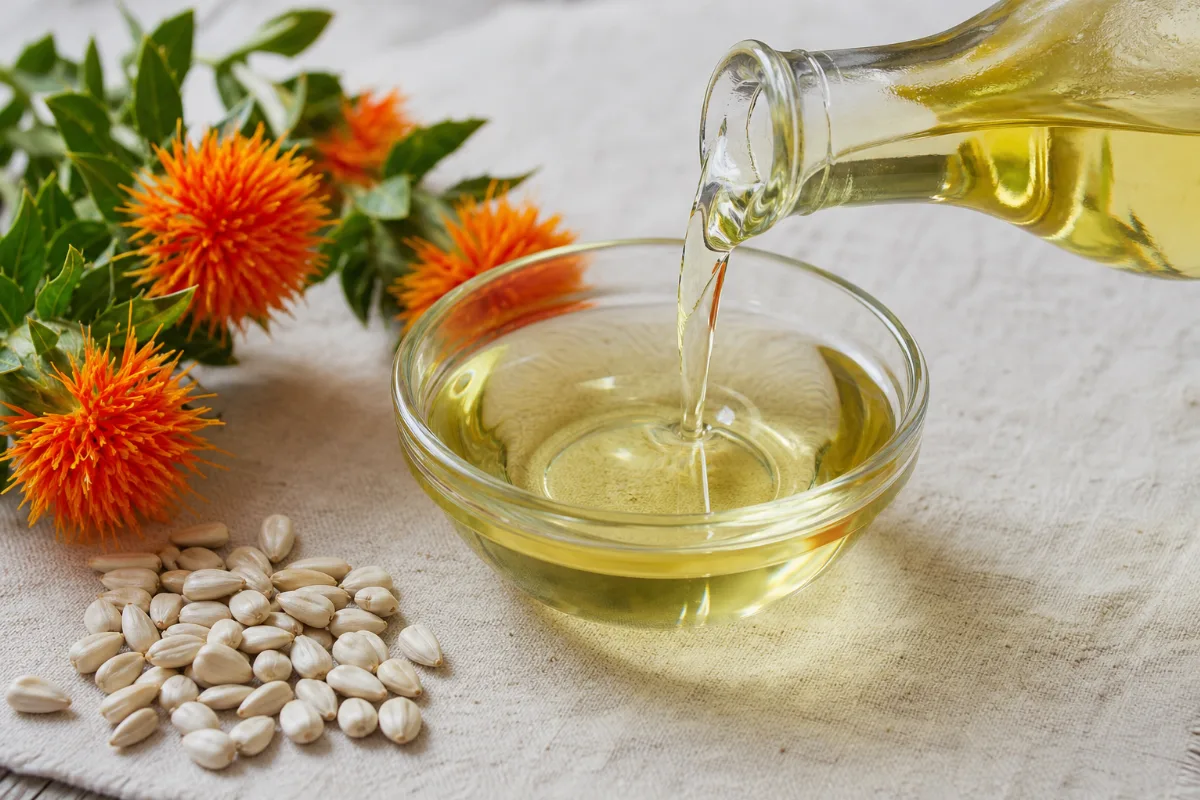
Safflower oil as a food: high-oleic vs linoleic types, USDA fat and vitamin E values, what small trials found on cholesterol and blood sugar, allergy and safety.
Safflower oil in place of saturated fat and LDL cholesterol
High-oleic safflower oil and the FDA qualified claim
Safflower oil and blood sugar in women with type 2 diabetes
High-oleic safflower oil and cholesterol compared with coconut oil
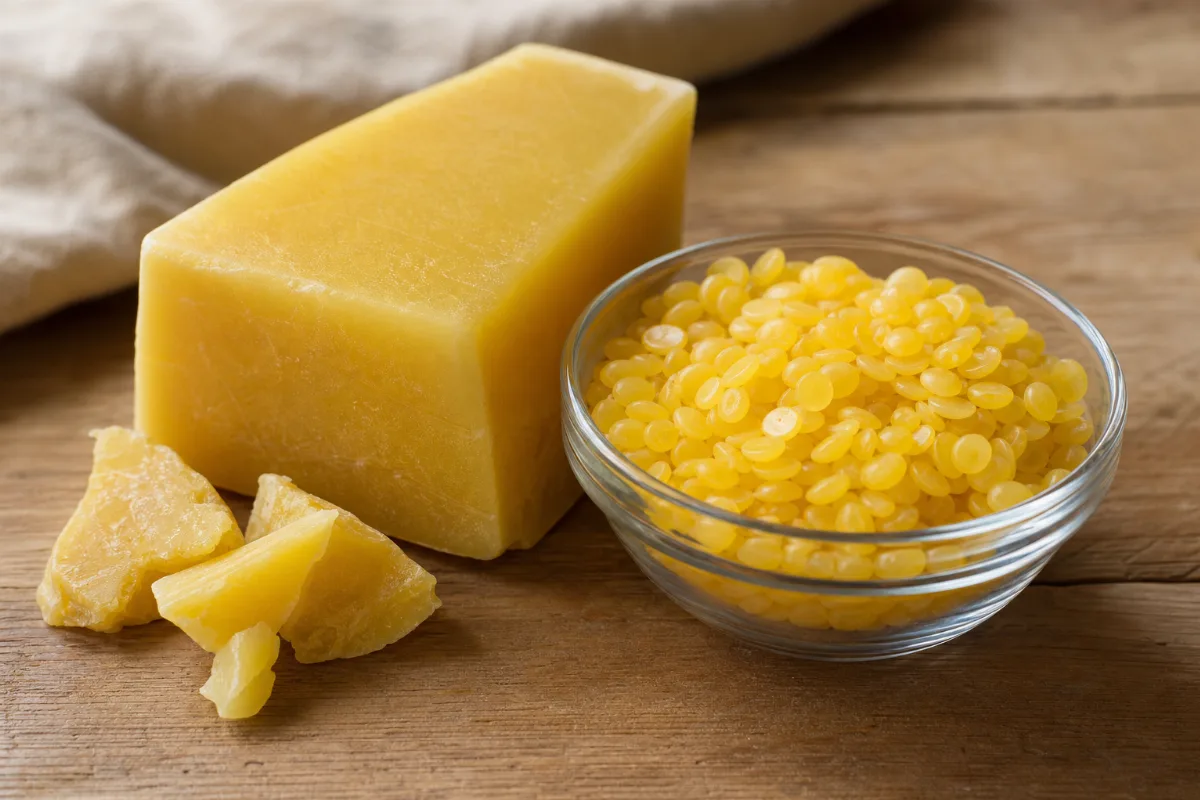
Cera alba (white beeswax), Cera flava (yellow beeswax), wax secreted by worker honey bees (Apis mellifera, Apis cerana)
Human evidence: Very few human studies
Skin allergy: patch test firstCosmetic vs food grade
Beeswax in lip balms and ointments: how reviews describe its skin barrier role, how little human research exists, and the occasional contact allergy, especially in people allergic to propolis.
No oil, butter or wax matches all of these filters. Try removing one. Some topics (for example most herbs) are not oils, butters and waxes and live elsewhere on the site.
"Studied for" means a study in people exists, not that the oil works. Most skin and hair studies are small and short, and results for one oil or one skin condition do not carry over to another. "Check before you use" lists cautions a source we read raised. It is not a complete list: patch test a new product on a small area first, and ask a pharmacist or clinician if you have allergies, are pregnant, or are using it on a baby.
Browse by oil, butter or wax group
Carrier and skin oils
Jojoba, argan, almond, rosehip, grapeseed, camellia, marula, macadamia and more: light to medium plant oils used on skin and hair.
Castor, black seed, neem, tamanu, evening primrose, borage and sea buckthorn: oils with a long medicinal history, each with its own evidence and cautions.
More Oil, Butter and Wax Profiles(20)Skin and hair oils, butters, medicinal oils and waxes that are less well known: one evidence-and-safety page each.
Hemp seed oil is pressed from hemp seeds and is not CBD oil. See what small skin and joint trials show, what they do not, plus allergy, rancidity and label cautions.
Olive oil as a food has large observational and diet-trial research behind it; on skin the studies are small and mixed, and one found it weakened the skin barrier in adu…
Macadamia oil for skin and hair: what the omega-7 (palmitoleic acid) claims rest on, the one small human study, tree nut allergy cautions, dogs, and storage.
Apricot kernel oil (Prunus armeniaca) is a light plant oil used for massage and skin. No human trials were found; here is the evidence, and why raw kernels are a separat…
Camellia oil (tsubaki) is a pale, oleic-acid-rich seed oil used on hair and skin in Japan and as a cooking oil in China. See what trials show and what they do not.
Marula oil (Sclerocarya birrea) is a southern African nut oil used on skin. Here is what the one small human study shows, what claims are not backed up, and storage note…
Tamanu oil (Calophyllum inophyllum) is a thick green-brown Pacific skin oil used for wounds and scars; here is what lab work shows, what people studies lack, and the all…
Shea butter is a plant fat used on skin and in food. We found no shea-only trials; a cosmetic safety panel judged it safe when non-sensitizing, and allergy data are thin.
Kukui nut oil (candlenut oil, Aleurites moluccanus) is a Hawaiian skin and hair oil rich in polyunsaturated fats; here is what research shows, and why the raw nuts are n…
Baobab seed oil (Adansonia digitata) is sold for skin and hair. Here is what we found on its makeup, quality and safety, and why human evidence is missing.
Babassu oil (Attalea speciosa) is a lauric-acid-rich Brazilian palm kernel oil used in skin products. What research shows (no human trials found), safety and storage.
Squalane (olive, sugarcane or shark-derived): squalene vs squalane, source labels, the CIR safety review, the thin skin evidence, oxidation and pore claims.
Sesame oil on skin and hair: baby and body oil massage in South Asia, what small trials show, sesame allergy and skin contact, oil grades, and what is unproven.
Mango butter is the firm fat from the mango seed kernel, used in creams and balms and as a cocoa butter alternative. Here is what research shows, and what it does not.
Kokum butter (Garcinia indica) is a hard, stearic-rich seed fat from India used in balms and as a chocolate fat; what is known about skin use, safety and storage.
Murumuru butter (Astrocaryum murumuru) is a firm Amazonian palm seed fat used in skin and hair products. What we found: no human trials, only lab work. Safety and storag…
Cupuacu butter is a pale fat pressed from the seeds of an Amazonian relative of cacao. Here is what lab studies show, what no human trial has tested, and how to store it.
Lanolin is wool wax from sheep, used on sore nipples, lips and dry skin. What trials show, how common contact allergy is, pesticide residues, purified grades and FDA sta…
Candelilla wax (Euphorbia antisyphilitica) is a plant wax from Mexico and Texas used in vegan balms and sweets. Food status, allergy reports and missing research.
Carnauba wax from the Brazilian wax palm glazes foods (E903) and hardens lip products. What regulators and safety reviews say, the rare contact allergy reports, and what…
Safety, Patch Testing and Claims-Checked Guides(9)The situation-by-situation safety checklist behind the "Check before you use" filter, patch testing, comedogenic ratings, rancidity, oil cleansing, castor oil safety, grades, pets and baby skin.
How to test a new natural oil or butter on your skin, what a home patch test cannot show, when to skip it, how clinic testing differs, and what to do after a reaction.
Comedogenic ratings of 0 to 5 are everywhere online. See where they come from (rabbit ears), what human studies found, and why a number cannot tell you if an oil will cl…
Why plant oils and butters go rancid, what peroxide value means, how light, heat and air matter, what tocopherols do, and what sources do and do not say about skin and s…
Oil cleansing means washing your face with oil. Here is what dermatology sources and small trials show about acne, dry skin, castor and olive blends, makeup removal, and…
Castor oil safety checked: swallowed as a strong laxative, the labor-induction claims (Cochrane and newer trials), babies, breastfeeding, castor seeds and ricin, and war…
What cosmetic grade and food grade mean on oils and butters, how US cosmetic and food rules differ, what refined and cold-pressed mean, and which contaminants to know ab…
Natural Oils and Pets: what veterinary sources say about coconut oil, olive oil, cocoa butter, macadamia, shea and paw balms for cats and dogs, and when to call the vet.
Natural oils on baby skin and for massage: what trials show for sunflower, coconut, olive and mustard oil, eczema prevention, peanut oil, and what health bodies advise.
Search oils, butters and waxes: popular oils, butters and waxes, A to Z, search with filters, more ways
Well-studied oils, butters and waxes to start with
These oils, butters and waxes have the most human research summarized in our guides (counted from the evidence ratings on each profile). More research does not mean the oil, butter or wax works or is safe for you: open the guide to see what was found, including negative and mixed results.
Every published oil, butter or wax guide (27), with its names and what it is made of. Each name opens one guide that brings together identity, traditional use, research, safety, forms and sources.
Oils, butters and waxes whose guide documents a point to check for this concern. Being listed does not mean the oil, butter or wax is unsafe for everyone. Open the guide to read the details.
Pregnancy and breastfeeding (7 oils, butters and waxes)
The best level of evidence in each oil, butter or wax guide for any listed benefit. A stronger label for one use says nothing about its other uses or its safety.
Clinical trials support a benefit (8 oils, butters and waxes)
Candelilla WaxEuphorbia cerifera, Euphorbia antisyphilitica
Oils, butters and waxes have been used for health in many cultures for centuries. A traditional use tells you what people have done, not that it works. Here every oil, butter or wax is listed under the goals, body systems and actions its guide connects it to, and each link carries the strength of the evidence behind it.
Strongest
8 oils, butters and waxes
Clinical trials support a benefit
Promising
15 oils, butters and waxes
Early or mixed human evidence
Early science
4 oils, butters and waxes
Lab or animal research only
Unknown
0 oils, butters and waxes
Too little evidence to say
Each oil, butter or wax is counted once, at the strongest level its guide documents for any use. A strong label for one use says nothing about its other uses or its safety. "Traditional use" alone is not one of these labels: where a guide only reports history, the link is rated "Too little evidence to say". Read the guide on traditional use and research evidence.
Oils, butters and waxes by wellness goal
Each card shows how many oils, butters and waxes are linked to a goal and how strong the evidence is. Green means clinical trials support a benefit; grey means too little evidence. These are links the guides document, not recommendations. For the wider picture, see the Wellness Goals section.
Oils, butters and waxes by body system, body part and action
The same links, organized the way anatomy and physiology textbooks do. "Action" describes what an oil, butter or wax is said to do (for example calming or digestive support); it names the claim, not the proof.
Side-by-side guides for oils, butters and waxes that people confuse or choose between. They explain differences; they do not rank the oils, butters and waxes.
What research shows, by health concern
Each guide below looks at one concern, from sleep to skin, and separates oils, butters and waxes that were tested in people from oils, butters and waxes that are only traditional or lab-tested.
People have used oils, butters and waxes for health for many centuries. A traditional use tells you what people have done, not that it works. For what research found, see the Health Benefits and Scientific Evidence tabs.
Traditional oil, butter or wax medicine
Ayurveda, Traditional Chinese Medicine and other traditions each use natural remedies in their own systems. The oils, butters and waxes below are the ones whose guide mentions the tradition in its own text. That a tradition uses an oil, butter or wax is history, not clinical evidence. Each guide says separately what trials found.
Safety and side effects of oils, butters and waxes
Oils, butters and waxes are active substances. Some interact with prescription medicines, some are unsafe in pregnancy or with certain conditions, and some have been linked to serious harm. This tab brings together what the individual oil, butter or wax guides document, plus the general rules. Medicine interactions have their own tab.
If someone may have been poisoned or is seriously unwell
▸Collapse, seizure, trouble breathing, swelling of the face or throat, chest pain or a fast irregular heartbeat: call your local emergency number now (911 in the United States and Canada, 999 in the UK, 112 in the European Union).
▸Swallowed too much of an oil, butter or wax, or a child or pet got into a product, and the person seems well: in the United States call Poison Help, 1-800-222-1222 (free, 24 hours). Elsewhere, call your national poison centre or local emergency number.
▸Yellow skin or eyes, dark urine, severe belly pain, or a new rash after starting an oil, butter or wax: stop it and contact a clinician the same day.
Patch test a new oil or butter on a small area first. Skin allergy can happen with any of them.
Nut, seed, sesame and coconut oils and butters can matter if you have those allergies. Lanolin can matter if you react to wool.
Castor oil swallowed is a strong laxative, and labor-induction claims are not a do-it-yourself matter. Raw apricot kernels can contain cyanide-forming compounds.
Oil pulling is not recommended by the ADA, and breathing oil into the lungs can cause harm. Do not put oils in babies' mouths or noses.
Oils go rancid. Cosmetic and food grades are not the same. Fixed oils are not essential oils: never use the dilution rules of one for the other.
"Natural" does not mean safe. Natural products can contain strong substances; some are harmful. Natural Does Not Mean Safe
Tell your pharmacist and clinician about every oil, butter or wax product you use, and ask before combining one with prescription or over-the-counter medicines.
Be extra careful with narrow-margin medicines such as warfarin, antidepressants, immunosuppressants, diabetes and blood pressure medicines.
Tell the surgical team about every oil, butter or wax before an operation. Many teams ask people to stop oil, butter or wax products ahead of surgery; ask yours how long.
Pregnancy, breastfeeding, children and older adults are groups where good safety data are often missing, so official sources usually advise asking first.
Start one product at a time, at the label amount, so a reaction can be traced. Stop and get advice if you feel unwell.
Products vary. Contamination, substitution and mislabelling are documented problems; third-party testing can reduce but not remove the risk.
Each line comes from an oil, butter or wax's own guide, where it is backed by cited sources: 86 documented risks across 27 of the 27 oils, butters and waxes. A oil, butter or wax missing from a list is not proven safe: it may simply not have been studied. Open the oil, butter or wax's guide for the full wording and sources.
Pregnancy and breastfeeding · 7 oils, butters and waxes
Not enough studied: pregnancy, liver, kidney, medicines. The sources we read give no safety information for coconut oil on skin in pregnancy, breastfeeding, liver or kidney disease, or m…
Not enough studied: pregnancy, liver, kidney, medicines. The sources we read give no safety information for coconut oil on skin in pregnancy, breastfeeding, liver or kidney disease, or m…
Blood pressure and heart · 3 oils, butters and waxes
Black seed oil and medicines (blood thinners, blood sugar, blood pressure). One 2026 case report links black seed oil capsules to a large bruise (hematoma) in a man who was also on two blood-thinning drugs…
Blood pressure and HIV medicine (lopinavir). Memorial Sloan Kettering says the oil can raise blood pressure (linked to higher readings in a large population study) and may ch…
Allergy: Anacardiaceae relatives. Marula is in the cashew and mango family. Cashew-allergic children were sometimes sensitised to related plants in one lab study t…
Allergy and skin reactions · 22 oils, butters and waxes
Raw apricot kernels and cyanide (kernel, not the pressed oil). Raw kernels contain amygdalin, which the body turns into cyanide; EFSA says a few small kernels can pass an adult's safe limit an…
Amygdalin and cyanide in the oil itself. One study found cyanogenic glycosides undetectable or trace in cold-pressed and commercial oils; a review says mechanically press…
'Vitamin B17' and laetrile claims. Laetrile is a purified or modified amygdalin; 'vitamin B17' is not an approved vitamin and no need for it is shown. Oral use carr…
Cyclopropene fatty acids when fed (rats). In rats, fresh baobab oil strongly reduced fat-making enzymes in the liver and lowered arachidonic acid; heated oil had a smaller…
Cosmetic safety assessment. The CIR panel concluded 244 plant-derived fatty acid oils are safe as used in cosmetics. The abstract read does not list baobab o…
Tea-seed saponin in extracts. Camellia seed extracts contain tea saponin, which in a laboratory study blocked a yeast (Candida) but also harmed human gum cells…
EFSA re-evaluation: no ADI set. EFSA judged the wax not genotoxic on available data and expected low absorption, but set no acceptable daily intake because long-…
Cosmetic versus food grade and purity. Commercial candelilla wax varies by source and processing; EFSA noted limited data comparing tested material with the food-additi…
Castor seeds contain ricin; the oil does not. The seeds of Ricinus communis contain ricin, a poison. The cosmetic safety panel reports castor oil does not contain ricin becaus…
Swallowing: strong laxative effects. Cochrane describes castor oil as a potent cathartic and all women who swallowed it in the labor trials felt nauseous. NHS general…
Coconut oil and pets. The ASPCA says small amounts of coconut and coconut-based products are not likely to cause serious harm to pets, but fresh coconu…
Hemp seed oil is not CBD oil. The FDA says hemp seeds do not naturally contain THC or CBD; seed ingredients hold only trace amounts picked up in processing. CB…
Trace THC in hempseed oils. A Croatian market study measured THC from 3.23 to 69.5 mg/kg and judged that not all samples came from industrial hemp. Check ide…
Rancidity of polyunsaturated oil. Oils rich in polyunsaturated fats oxidize more easily; shelf life depends on storage, moisture, harvest time and variety.
Kokum butter: safety review status and gaps. The CIR Expert Panel judged 244 plant-derived fatty acid oils safe as used in cosmetics (abstract read); we could not confirm kok…
Kokum butter grades: food, cosmetic and soap or candle. Traditional butter is cooked, skimmed and often sold uncleaned; low-grade fat is used for soap and candles; food-grade fat for ch…
Kukui nuts and seeds swallowed (laxative, purge). Oil-filled nuts act as a laxative in larger amounts and were a traditional purge for constipation. Case reports describe stomach …
Lanolin on damaged or inflamed skin. Lanolin may protect intact skin but cause allergic reactions on damaged skin, so it is a poor fit for broken skin.
Pesticide and other residues in lanolin. Raw wool can carry pesticides and processing chemicals. A 2023 lab study found no detectable residues in one highly purified nipp…
Dogs and macadamia (nuts; oil not addressed). The ASPCA lists macadamia nuts as toxic to dogs (weakness, vomiting, tremors); the page does not address the oil.
Stability and storage of the oil. Authors describe macadamia oil as rich in monounsaturated fat but susceptible to oxidation; extraction method changed peroxide an…
Cosmetic safety review of plant fats. A CIR Expert Panel review of 244 plant-derived fatty acid oils concluded they are safe as used in cosmetics. The abstract read do…
Olive oil on adult skin and the skin barrier. In a small randomized forearm study (19 adults), olive oil put on the skin twice daily for 4 weeks reduced the strength of the sk…
Cradle cap: NHS advises against olive oil. The NHS lists coconut oil or an emollient as ways to loosen cradle cap scales and says not to use olive oil, which may not be sui…
Contact urticaria from cosmetics and topical products. A clinical review describes immediate, sometimes IgE-mediated skin reactions that can cause anaphylaxis; sesame is not named.
Oil grade, cold-pressed versus refined. A systematic review says cold-pressed oils keep more unsaturated fats and plant compounds but are more prone to oxidation. It doe…
Shea butter on a newborn's umbilical stump. A case report describes a 10-day-old with an infected umbilical stump and blood infection after shea butter was put on the cord. …
Swallowing tamanu oil (no safety data). The sources read study tamanu oil on skin or in the lab. No safety data for swallowing were found, so it should not be swallowed.
Oil, butter or wax and medicine interactions
Some oils, butters and waxes change how a medicine works, or add to its effect. This matters most for narrow-margin medicines such as blood thinners, antidepressants, immunosuppressants, and diabetes and blood pressure medicines. Always tell your pharmacist and clinician about every oil, butter or wax you take. Ask before starting, stopping or combining anything.
Each line comes from an oil, butter or wax's own guide and its cited sources. A oil, butter or wax missing from a list is not proven free of interactions: it may simply not have been studied. Open the oil, butter or wax's guide for the full wording.
Medicine interactions (prescription and over the counter) · 7 oils, butters and waxes
Allergy, babies, pregnancy, pets and medicines. Skin reaction rates, nut or stone-fruit cross-allergy, babies, pregnancy, pets and medicine interactions are not described for th…
Black seed oil and medicines (blood thinners, blood sugar, blood pressure). One 2026 case report links black seed oil capsules to a large bruise (hematoma) in a man who was also on two blood-thinning drugs…
Not enough studied: pregnancy, liver, kidney, medicines. The sources we read give no safety information for coconut oil on skin in pregnancy, breastfeeding, liver or kidney disease, or m…
Bleeding risk and blood-thinning medicines. Memorial Sloan Kettering says the oil may increase bleeding risk, with possible added effects with anticoagulants and antiplatele…
Blood pressure and HIV medicine (lopinavir). Memorial Sloan Kettering says the oil can raise blood pressure (linked to higher readings in a large population study) and may ch…
Drug-test positives with CBD and hemp oil products. A 2026 systematic review found positives mainly came from undeclared or excess THC, mislabeling or contamination; seed oil alone …
Gaps: allergy, pregnancy, babies, pets, medicines. None of these are described for kukui oil in the sources read; no patch-test or contact allergy report was found.
Black seed oil and medicines (blood thinners, blood sugar, blood pressure). One 2026 case report links black seed oil capsules to a large bruise (hematoma) in a man who was also on two blood-thinning drugs…
Bleeding risk and blood-thinning medicines. Memorial Sloan Kettering says the oil may increase bleeding risk, with possible added effects with anticoagulants and antiplatele…
Blood sugar and diabetes medicines · 1 oils, butters and waxes
Black seed oil and medicines (blood thinners, blood sugar, blood pressure). One 2026 case report links black seed oil capsules to a large bruise (hematoma) in a man who was also on two blood-thinning drugs…
Scientific evidence and research on oils, butters and waxes
For most oils, butters and waxes, good human evidence is limited. Every outcome in our oil, butter or wax guides is rated for how strong the evidence is, and the rating is shown next to it. Across the 27 guides, 19 oils, butters and waxes have no outcome rated "clinical trials support a benefit".
What the evidence ratings add up to
9Clinical trials support a benefitTrials in people support a defined effect, usually a narrow one.
61Early or mixed human evidenceSmall, short or disagreeing studies. Positive and negative findings both count here.
39Lab or animal research onlySeen in cells or animals. This does not show a benefit in people.
83Too little evidence to sayPopular claims for which we found no usable human trials.
86Documented risksSafety findings, shown in the Safety tab.
How to read oil, butter or wax research
Lab, animal and human studies answer different questions. A chemical that kills cells in a dish, or helps mice, may do nothing in people.
A mechanism is not proof of benefit. Knowing which compounds an oil, butter or wax contains, or which pathway they touch, explains how an effect might happen, not that it does.
A study that mentions an oil, butter or wax does not show the oil, butter or wax works. Many records only name the oil, butter or wax, test it in animals, or find no effect.
Product and form matter. A result for one extract, dose or tea does not carry over to another product.
Look at size, length and who paid. Small, short or industry-funded trials are more likely to overstate effects; a single trial is rarely enough.
These are the outcomes our guides rate "clinical trials support a benefit", each with the sources the guide cites. Even here, the effect is usually for one preparation, one group of people and one outcome.
Candelilla wax as a food additive (E 902) and FDA status
Permitted as a glazing agent in the EU; in the US it is affirmed as generally recognized as safe for chewing gum and hard candy at good manufacturing practice levels. JECFA found no safety concern at predicted intakes.
The Cosmetic Ingredient Review group assessed candelilla wax together with carnauba, Japan wax and beeswax and concluded these waxes were safe for cosmetic use, based on animal and clinical test data (abstract level).
Regulators allow carnauba wax as a glazing agent on sweets, snacks, nuts, coffee beans and some fresh fruit. EFSA found current authorized uses not a safety concern in 2012; JECFA set an ADI of 0 to 7 mg/kg body weight; the US FD…
Swallowed castor oil is a strong stimulant laxative. FDA classifies it as generally recognized as safe and effective for this use (as reported by the cosmetic safety panel), and Cochrane calls it a potent cathartic. We read no ra…
FDA's skin-protectant rule lists lanolin at 12.5 to 50 percent as an allowed active ingredient for over-the-counter skin protectants. This is a labeling rule, not an approval of a product.
Mango butter in chocolate (cocoa butter alternative)
Mango kernel fat is one of six vegetable fats allowed in EU chocolate besides cocoa butter, up to 5% of the product. Food studies tested larger replacement. This is food technology, not a health effect.
A systematic review of 26 trials of earwax removal found olive oil removed wax better than no treatment, though another softener (triethanolamine polypeptide) did better than olive oil. The NHS self-care advice lists a few drops …
The Cosmetic Ingredient Review expert panel re-reviewed squalane and squalene and concluded they are safe as cosmetic ingredients under the use practices and concentrations described in the report.
How many outcomes each guide rates in each evidence group. Open a guide for the individual outcomes, what was found (including negative results) and the sources.
Show the evidence table for all 27 oils, butters and waxes
Many oil, butter or wax trials are small, short, and test a specific extract that is not what most people buy.
Natural products vary with source, growing or mining conditions and processing, so two products with the same name can differ in what they contain.
Safety is studied less than benefit: long-term use, children, pregnancy and combinations with medicines are often unstudied.
Positive trials are published more often than negative ones, and many reviews pool trials of very different quality.
Oil, butter or wax forms, preparations and quality
The same material can be sold as a powder, capsule, liquid or concentrated extract, and these are not interchangeable. A study of one preparation does not tell you what another does. This tab shows which forms each guide describes, and how to judge product quality.
Parts used
Different parts can contain different compounds, so the part named on the label matters.
Teas, tinctures, capsules, powders and topical products
For each kind of preparation, the oils, butters and waxes whose guides describe it. The guides say which form was actually studied. Detailed preparation instructions are in Herbal Teas & Extracts, so they are not repeated here.
Tinctures and liquid extracts · 2 guides describe it
Whole oil, butter or wax, standardized extract, and what the numbers mean
A whole oil, butter or wax (fresh, dried or powdered) contains everything in the raw material, in amounts that vary. A standardized extract is made to contain a stated amount of one or more marker compounds, which makes batches more consistent but is not the same as the whole oil, butter or wax.
An extraction ratio such as 4:1 says how much raw material was used per unit of extract. It does not by itself say how much active compound a capsule holds or whether the product works. A marker compound is something measured for quality control; it is not always the compound that causes any effect.
Amounts and duration. We do not give universal dose recommendations. Where a source reports the amount and length of use tested for a named preparation, the oil, butter or wax's guide gives it in that context; an amount studied in one product does not carry over to another, or to food-level use.
Absorption. Some active constituents are poorly absorbed, which is why concentrated or specially formulated products exist (curcumin is the best-known case). Better absorption can also raise the risk of side effects.
Comparison guides
Identification, labels and product quality
A good label names the species by its scientific name, says which part is used, and states the amount and form. Third-party testing can check identity, strength and contamination, but a seal is not a guarantee of safety or benefit.
In a 2020 meta-analysis of clinical trials, eating coconut oil raised LDL cholesterol. Evidence for skin and hair is limited. [1]
Are these oils the same as essential oils?
No. Essential oils are concentrated aromatic oils with their own safety rules. Carrier oils such as jojoba, sweet almond and grapeseed are fixed oils used to dilute them. They are listed here and link to their guides in Essential Oils & Aromatherapy.
Is castor oil safe to swallow?
Castor oil is a strong laxative, with mixed, low-quality evidence for starting labor and weak evidence for hair. Ask a pharmacist or clinician first. [2]
Content last updated . The tabs from Health Benefits onward are compiled automatically from the evidence ratings and sources in each oil, butter or wax's guide (last data update November 13, 2026). This section has not been medically reviewed.
Education, not medical advice. This section is for general information. It does not diagnose or treat any condition and is not a substitute for care from a qualified health professional. Natural does not automatically mean safe.