Alternative Medicine, Organized.
AlternativeMed maps the world of alternative medicine across three master pillars — Ancient Wisdom, Natural Remedies, and Modern Wellness — and connects every symptom, ingredient, tradition, and body system as one knowledge graph. Explore the categories below, or use search to find what you need.
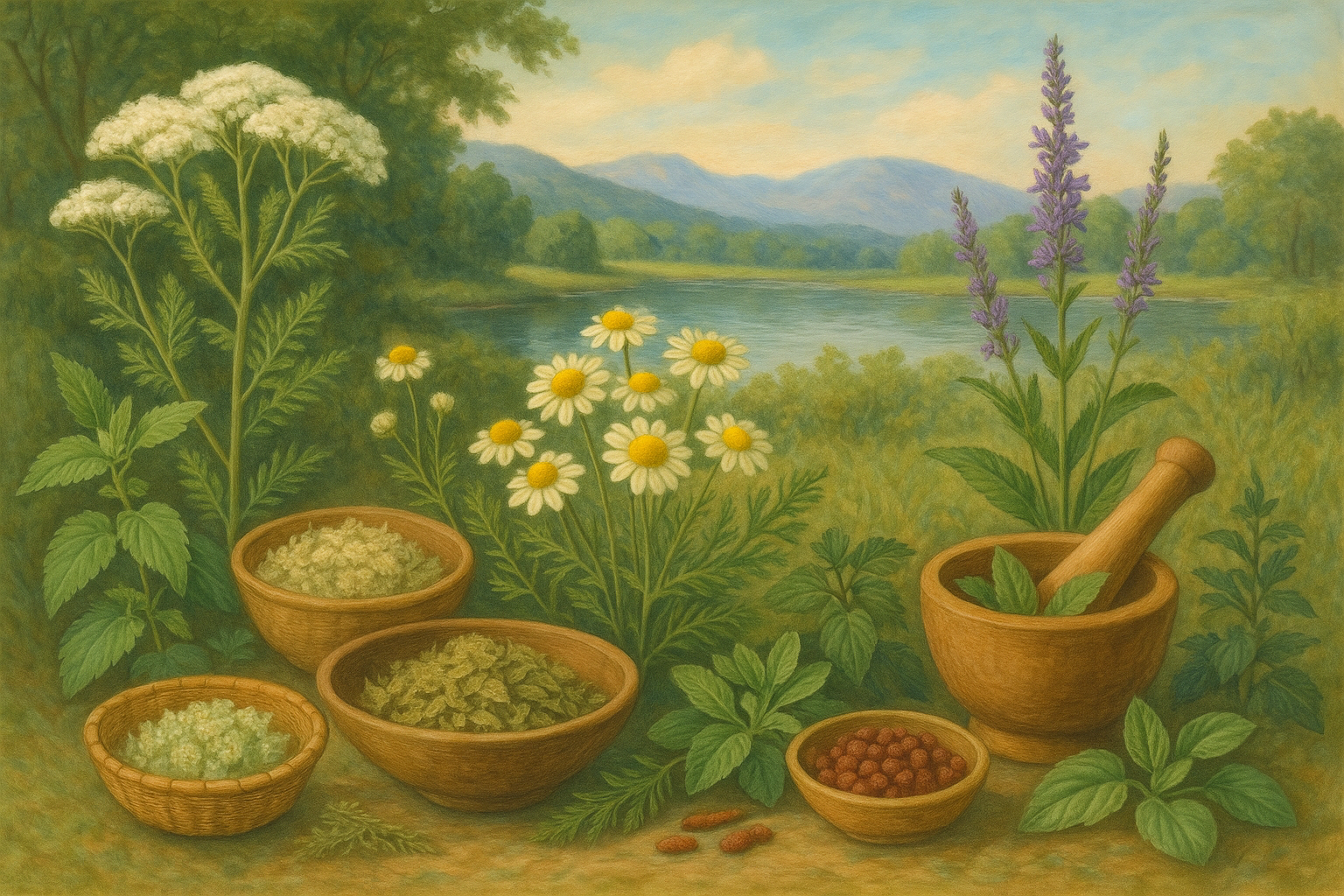
Ancient Wisdom
Explore the rich tapestry of Ancient Wisdom in healing traditions.
- → Aboriginal Medicine
- → African Traditional Medicine
- → Amazonian Medicine
- → Ancient Egyptian Medicine
- → Ancient Greek Medicine
- → Ayurvedic Medicine
- → Kampo Medicine
- → Korean Traditional Medicine
- → Mayan Medicine
- → Native American Medicine
- → Persian Medicine
- → Polynesian Medicine
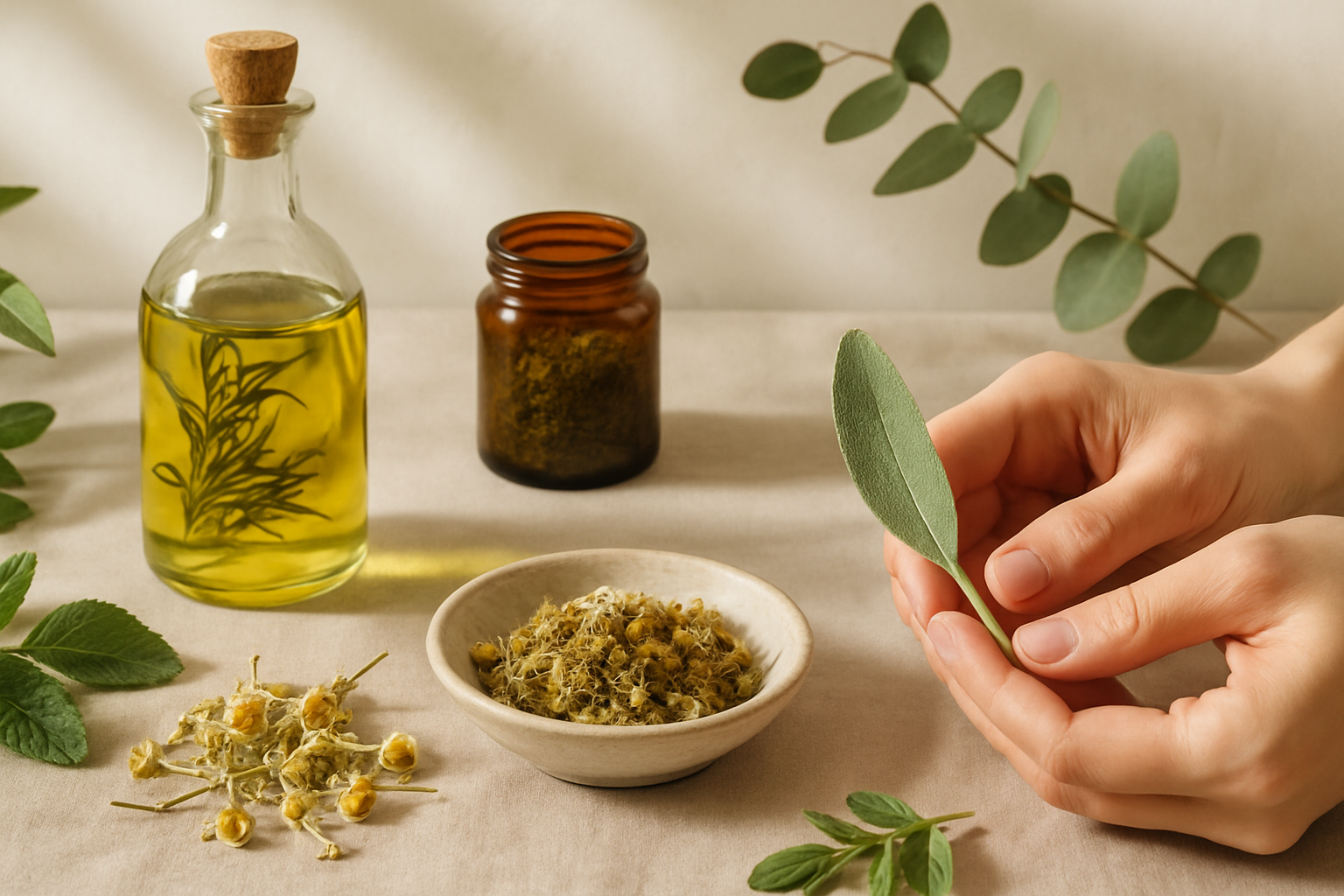
Natural Remedies
Explore the world of natural remedies, including herbs, vitamins, and functional foods, to support your health and wellness naturally.

Modern Wellness
Explore the multifaceted world of modern wellness, integrating functional medicine, personalized data, and ancient wisdom for holistic health.
What Is Alternative Medicine?
Alternative medicine refers to healing practices that fall outside conventional Western pharmaceutical and surgical approaches. It encompasses traditional medical systems — many predating modern medicine by thousands of years — alongside contemporary natural and integrative wellness disciplines. Together these approaches address the body, mind, and lifestyle as an interconnected whole, with a focus on prevention, root causes, and the body's own capacity for restoration.
The AlternativeMed Three-Pillar Approach
Most "alternative medicine" guides treat herbalism, acupuncture, biohacking, and functional medicine as one undifferentiated category. We don't. AlternativeMed organizes the field into three distinct master pillars, each with its own philosophy, evidence base, and modalities.
🏛 Ancient Wisdom
Traditional and historical healing systems — Traditional Chinese Medicine, Ayurveda, Unani, Tibetan, Native American, African, Polynesian, Amazonian, Egyptian, and Greek/Hippocratic traditions. Each is its own diagnostic framework, with its own herbs, foods, practices, and worldview. Some have thousands of years of refinement; some have growing modern research support.
🌿 Natural Remedies
The natural medicine cabinet — single-ingredient herbs, vitamins, minerals, essential oils, teas, medicinal mushrooms, adaptogens, probiotics, amino acids, plant extracts, and functional foods. This pillar focuses on what nature provides directly: well-characterized compounds with traditional uses and a research-able evidence base.
🧬 Modern Wellness
Functional and integrative medicine, sleep science, stress physiology, hormone optimization, longevity, biohacking, gut health, mindfulness, breathwork, and preventive wellness. This pillar blends modern lab-driven data with the holistic perspective of the other two pillars — using biomarkers, wearables, and personalized testing to inform natural and lifestyle interventions.
Why Categorize Alternative Medicine?
Because not every approach is right for every person or every condition. Someone exploring chronic inflammation through Ayurveda will get a different answer than someone exploring it through functional medicine biomarkers — and both perspectives have merit. By organizing alternative medicine into Ancient Wisdom, Natural Remedies, and Modern Wellness, you can see how different healing traditions converge on common solutions — and where they diverge.
How to Use This Library
- Browse by pillar if you already know which tradition you want to explore.
- Browse by body system (gut, brain, hormonal, immune, etc.) if you're starting from a goal.
- Use the Personal Checker if you want a guided experience that matches symptoms and goals to relevant approaches across all three pillars.
- Search by symptom, ingredient, or condition name in the top bar.