Tibetan Medicine
Explore Tibetan Medicine, a holistic healing tradition that integrates Tibetan Buddhism with ancient herbal practices, focusing on the balance of body, mind, and spirit.

Tibetan Medicine is a holistic healing system that has been practiced for over a thousand years, rooted in the unique cultural and spiritual traditions of Tibet. It emphasizes a balance of physical, mental, and spiritual health, integrating elements from Buddhism and ancient medical practices. This tradition is practiced today not only in Tibet but also in various parts of Asia and the West, where it continues to evolve. Its worldview sees health as a dynamic balance between the body, mind, and the environment, promoting wellness through a comprehensive understanding of the interconnectedness of all life.
Intro Summary
Tibetan Medicine is an ancient system of healing that originated in Tibet over a thousand years ago. It is deeply intertwined with Tibetan Buddhism and encompasses a holistic approach to health, focusing on the balance of body, mind, and spirit. Practitioners of Tibetan Medicine believe that health is a dynamic equilibrium between the individual and their environment. This tradition is currently practiced not only in Tibet but also in various regions across Asia and the West, where it continues to adapt and flourish. Tibetan Medicine offers a unique worldview that emphasizes interconnectedness and the importance of maintaining harmony within oneself and with the surrounding world.
Origins & Lineage
Tibetan Medicine traces its roots back to ancient times, influenced by the indigenous Bon tradition and later enriched by the introduction of Buddhist teachings. The foundational texts of Tibetan Medicine include the "Four Medical Tantras," attributed to the legendary physician Yuthok Yonten Gonpo, who is often regarded as the father of Tibetan Medicine. These texts provide comprehensive insights into diagnosis, treatment methods, and the underlying philosophy of health and illness.
Throughout its history, Tibetan Medicine has evolved through the contributions of various key teachers and practitioners, including the renowned scholar and physician Sangye Gyamzo. As Tibetan Medicine spread throughout the Himalayan region and into Mongolia, it absorbed elements from neighboring cultures, leading to a rich tapestry of medical knowledge and practices. The tradition is deeply rooted in the cultural fabric of Tibet, reflecting its spiritual beliefs and community values.
Core Philosophy
The philosophy of Tibetan Medicine is unique, characterized by several distinctive concepts that guide its understanding of health and illness.
Elemental Theory
Central to Tibetan Medicine is the belief in the five elements: earth, water, fire, wind, and space. These elements are seen as the building blocks of life and health. Each element is associated with specific qualities and functions that influence both the body and the mind.
Three Humors
Tibetan Medicine identifies three primary humors: Lung (wind), Tripa (bile), and Peken (phlegm). Each humor corresponds to particular physiological and psychological functions. Health is understood as the balance of these humors, while disease arises from their imbalance.
Interconnectedness
This tradition emphasizes the interconnectedness of all beings and the influence of external factors, such as the environment and lifestyle, on health. Tibetan Medicine views individuals as integral parts of a larger ecosystem, with their well-being linked to the health of their surroundings.
Mind–Body Connection
In Tibetan Medicine, the mind and body are seen as inseparable. Mental health is considered just as important as physical health, and practices often involve addressing emotional and psychological factors in the healing process.
Diagnostic / Observational Methods
Practitioners of Tibetan Medicine employ several diagnostic methods to assess an individual's health status. These methods are educational in nature and aim to create a comprehensive picture of the person's well-being.
- Tongue Diagnosis: The appearance of the tongue provides insight into an individual's internal health, with different colors, shapes, and coatings indicating specific conditions.
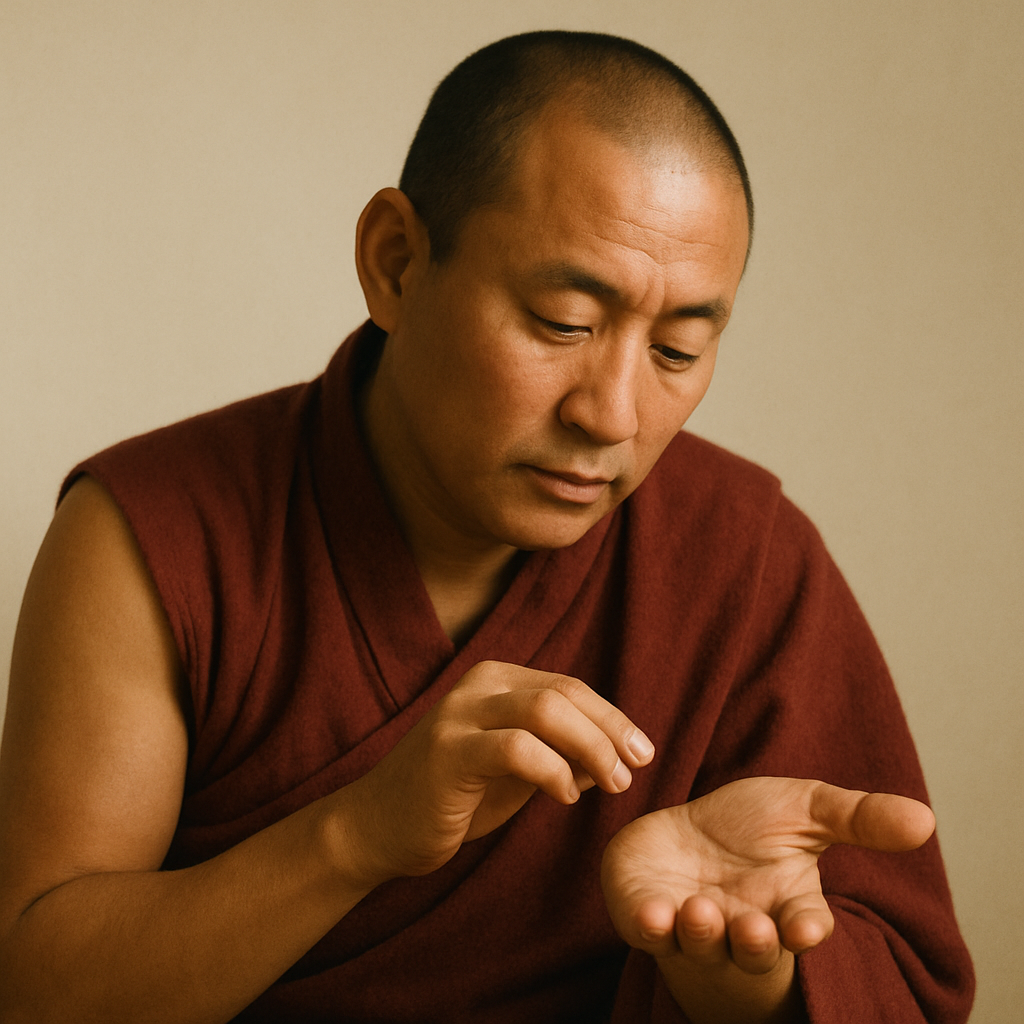
- Pulse Diagnosis: Practitioners feel the pulse at various points on the body, assessing its quality, rhythm, and strength, which helps determine the balance of the three humors.
- Observation: Visual assessments of physical features, skin condition, and posture also play a role in diagnosis.
- Lifestyle Inquiry: A thorough discussion regarding diet, habits, emotional state, and environmental factors helps practitioners understand the patient's overall health.
Common Modalities Within This Tradition
Tibetan Medicine employs a variety of modalities to promote healing and well-being.
Herbal Medicine
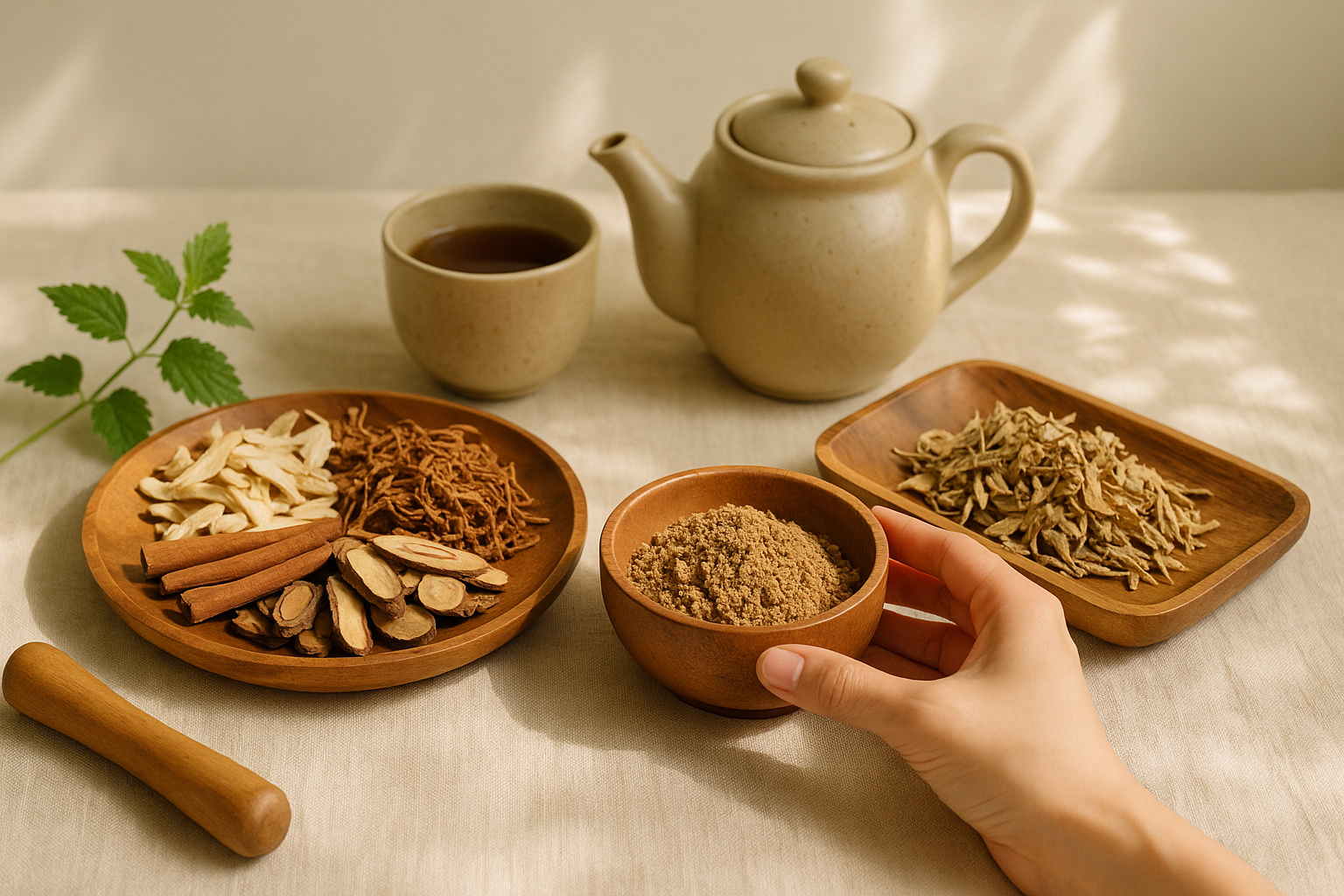
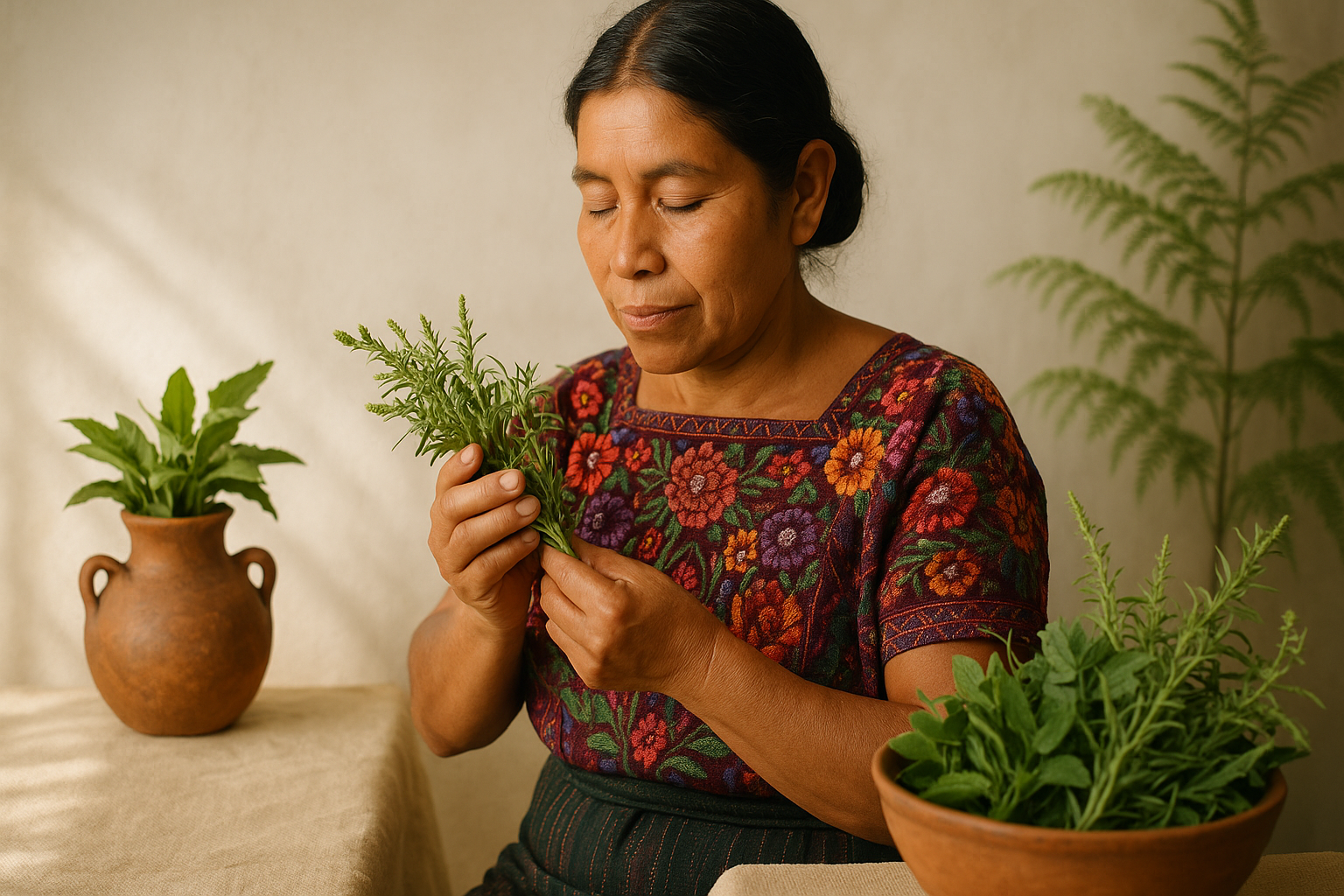
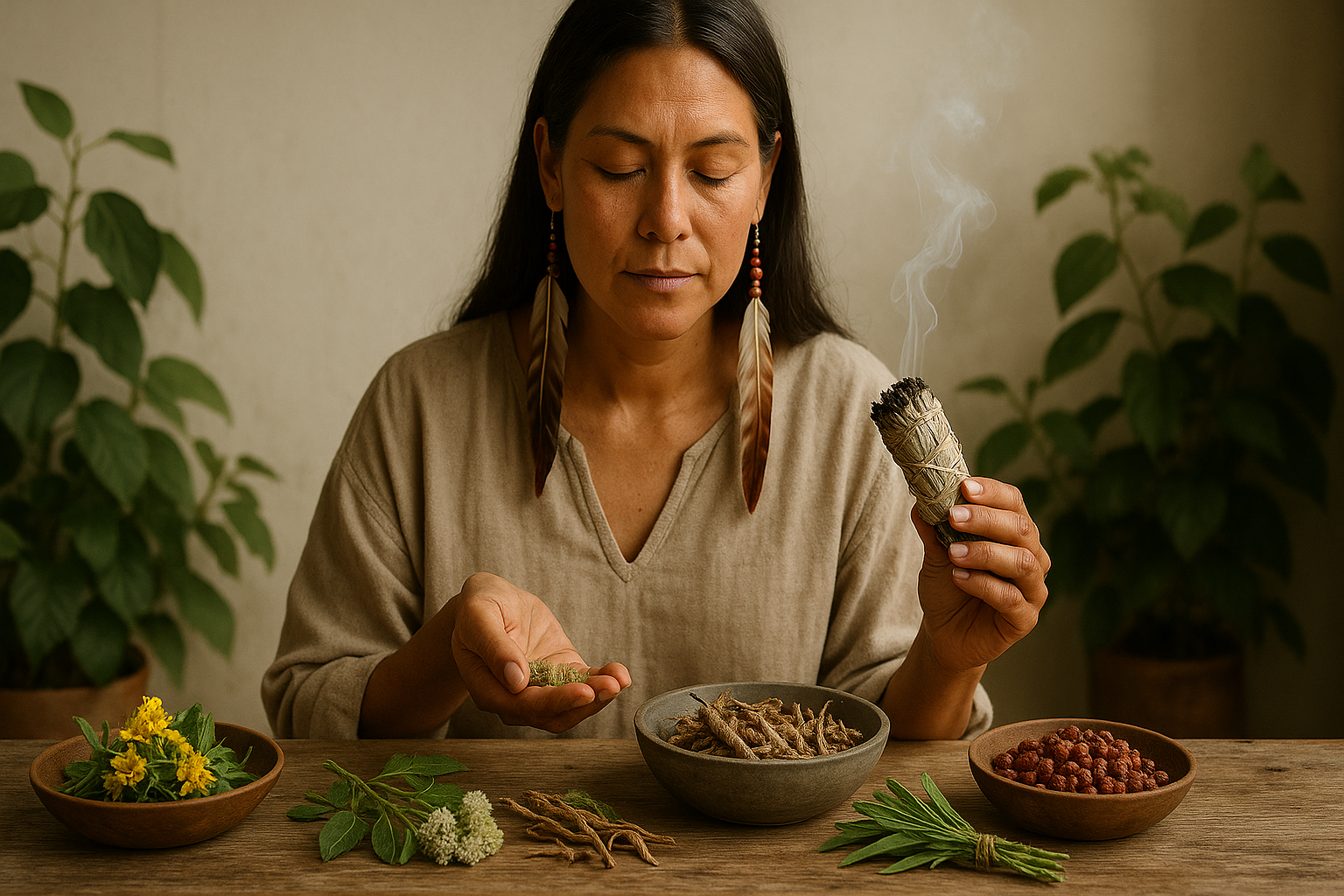
Herbs are a cornerstone of Tibetan Medicine, with practitioners utilizing a wide range of plants to create remedies tailored to individual needs. These herbal formulations are designed to restore balance among the humors and support overall health.
Dietary Recommendations
Nutrition is considered a vital aspect of health in Tibetan Medicine. Practitioners often suggest specific foods that align with an individual's constitution and current health status to help maintain balance.
Mindfulness and Meditation
Meditative practices are integral to Tibetan Medicine, emphasizing the importance of mental clarity and emotional stability. Techniques such as breathing exercises and visualization help cultivate a calm mind.
Movement Therapies
Movement practices, including yoga and traditional exercises, are recommended to enhance physical vitality and improve energy flow within the body.
Rituals and Spiritual Practices
Spiritual rituals, often influenced by Tibetan Buddhism, play a role in healing. These practices aim to foster a deeper connection with oneself and the universe, promoting emotional and spiritual well-being.
Bodywork
Various forms of bodywork, including massage and acupressure, are used to facilitate energy flow and release physical tension, supporting the body's natural healing processes.
Conditions & Goals This Tradition Commonly Addresses
Tibetan Medicine is traditionally explored for a variety of conditions, focusing on holistic well-being rather than isolated symptoms. Some commonly addressed areas include:
- Stress and anxiety
- Digestive disorders
- Respiratory issues
- Chronic pain
- Skin conditions
- Emotional imbalances
- Fatigue and low energy
Safety, Sourcing, and Finding Qualified Practitioners
When seeking Tibetan Medicine practitioners, it is essential to find qualified and experienced individuals. Look for practitioners who have undergone formal training in recognized Tibetan Medicine schools and have a solid understanding of both traditional practices and modern health considerations. Safety in herbal remedies should be prioritized, ensuring that herbs are sourced from reputable suppliers to avoid contamination or misidentification.
How It Intersects with Modern Wellness Today
Tibetan Medicine is increasingly being integrated into modern wellness practices. Its holistic approach complements contemporary health paradigms, emphasizing prevention and wellness rather than merely treating symptoms. Many individuals find value in combining Tibetan Medicine with other modalities such as yoga, mindfulness, and nutrition, leading to a more comprehensive approach to health.
Related Approaches You Might Explore
For those interested in exploring further, consider looking into the following related approaches:
- Traditional Chinese Medicine: Shares similarities in its holistic approach and use of herbal remedies.
- Ayurveda: Another ancient healing system that emphasizes balance among body, mind, and spirit.
- Mindfulness Practices: Techniques such as meditation and breathwork that align with Tibetan practices.
- Yoga: Physical movement and philosophy that can enhance the benefits of Tibetan Medicine.
FAQs
- What is Tibetan Medicine? Tibetan Medicine is a holistic healing system that integrates physical, mental, and spiritual health, rooted in Tibetan culture and Buddhism.
- How is diagnosis performed in Tibetan Medicine? Diagnosis involves tongue and pulse examination, visual observation, and lifestyle inquiry.
- What are the primary treatment modalities? Key modalities include herbal remedies, dietary recommendations, meditation, movement therapies, and bodywork.
- Is Tibetan Medicine safe? When practiced by qualified practitioners and sourced safely, Tibetan Medicine can be a safe complement to health and wellness.
- Can Tibetan Medicine be integrated with Western medicine? Yes, many individuals find benefits in combining Tibetan Medicine with Western medical practices for a holistic approach.
- Where can I find qualified Tibetan Medicine practitioners? Look for practitioners with formal training from recognized Tibetan Medicine schools or organizations.
Explore Tibetan Medicine
15 subcategories











Frequently asked
What is Tibetan Medicine?
Tibetan Medicine is a holistic healing system that integrates physical, mental, and spiritual health, rooted in Tibetan culture and Buddhism.
How is diagnosis performed in Tibetan Medicine?
Diagnosis involves tongue and pulse examination, visual observation, and lifestyle inquiry.
What are the primary treatment modalities?
Key modalities include herbal remedies, dietary recommendations, meditation, movement therapies, and bodywork.
Is Tibetan Medicine safe?
When practiced by qualified practitioners and sourced safely, Tibetan Medicine can be a safe complement to health and wellness.
Can Tibetan Medicine be integrated with Western medicine?
Yes, many individuals find benefits in combining Tibetan Medicine with Western medical practices for a holistic approach.
Where can I find qualified Tibetan Medicine practitioners?
Look for practitioners with formal training from recognized Tibetan Medicine schools or organizations.