Herbal Remedies
Herbal remedies are a cornerstone of natural medicine, leveraging the healing properties of plants to promote health and well-being. Learn about their uses, benefits, and how to incorporate them into your wellness routine responsibly.
Explore the world of herbal remedies, a vital component of natural medicine that harnesses the power of plants for health and wellness. Discover how these natural substances can support various body systems and help achieve wellness goals.
Intro Summary
Herbal remedies represent a rich tradition in natural medicine, using the healing properties of plants to promote health and well-being. Throughout history, cultures around the world have turned to nature for solutions to various ailments. Today, these remedies continue to gain popularity as more individuals seek natural alternatives to conventional medicine.
The significance of herbal remedies lies not only in their historical context but also in their potential effectiveness. Many herbs contain active compounds that can support the body's natural healing processes, making them valuable tools in holistic health. Understanding how to use these remedies responsibly can empower individuals to enhance their wellness journey.
The Active Compounds at Play
At the core of herbal remedies are various phytochemicals and biochemical compounds that contribute to their therapeutic effects. Some of the main groups include:
- Alkaloids: Compounds that can have potent effects on the nervous system, often used for pain relief.
- Flavonoids: Antioxidant-rich compounds that can help reduce inflammation and support cardiovascular health.
- Tannins: These have astringent properties and can help with digestive issues and wound healing.
- Essential oils: Volatile compounds that often provide antimicrobial and anti-inflammatory benefits.
- Saponins: These compounds can support immune function and have been noted for their anticancer properties.
Each of these compounds works synergistically within the plant, contributing to its overall health benefits.
Featured Members of This Category
1. Chamomile
Chamomile is well-known for its calming effects, often used as a tea to help with sleep and digestive issues. It contains flavonoids that may reduce inflammation and promote relaxation.
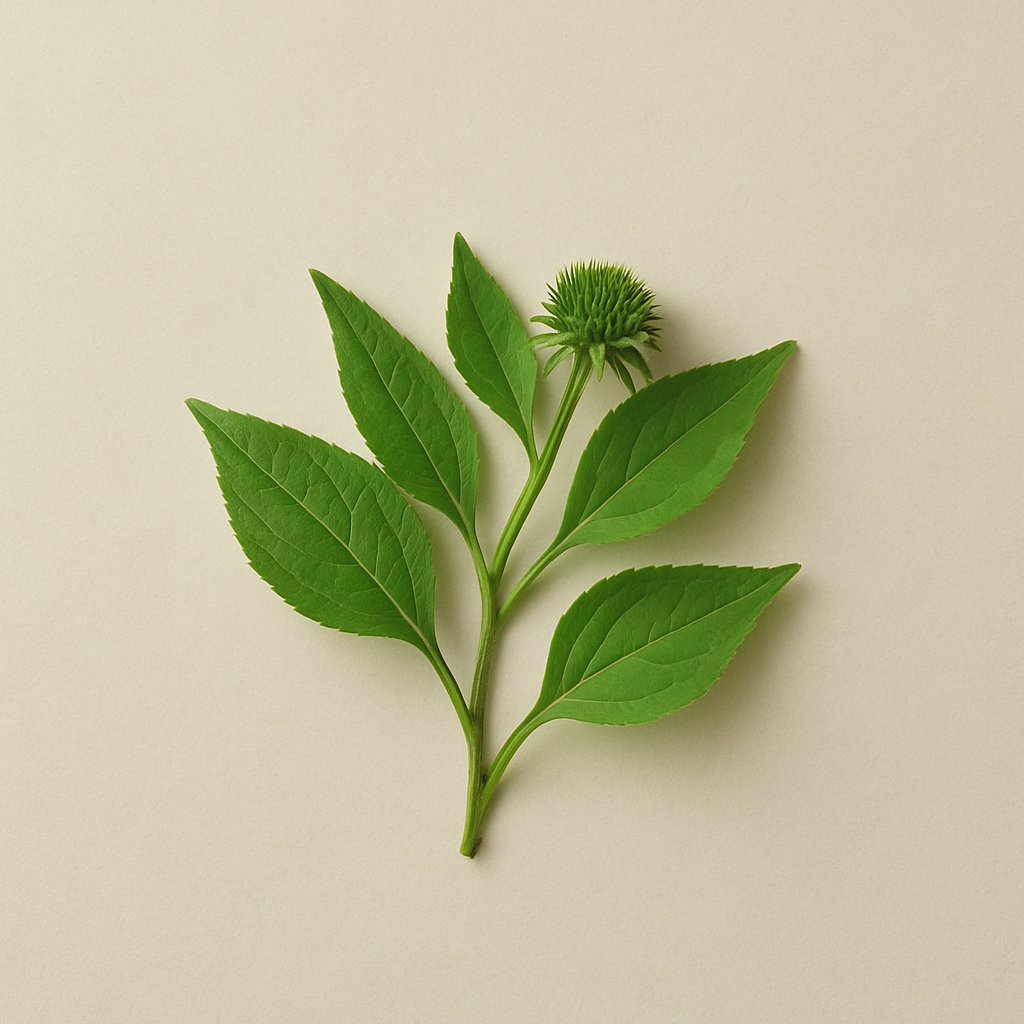
2. Echinacea
Echinacea is commonly used to support the immune system. Its active compounds are believed to enhance the body's defense against infections, particularly colds and flu.
3. Ginger
Ginger is celebrated for its digestive support and anti-nausea properties. Its bioactive compounds, such as gingerol, have anti-inflammatory and antioxidant effects.
4. Turmeric
Turmeric is renowned for its active ingredient, curcumin, which is a powerful anti-inflammatory and antioxidant. It is often used to support joint health and overall wellness.
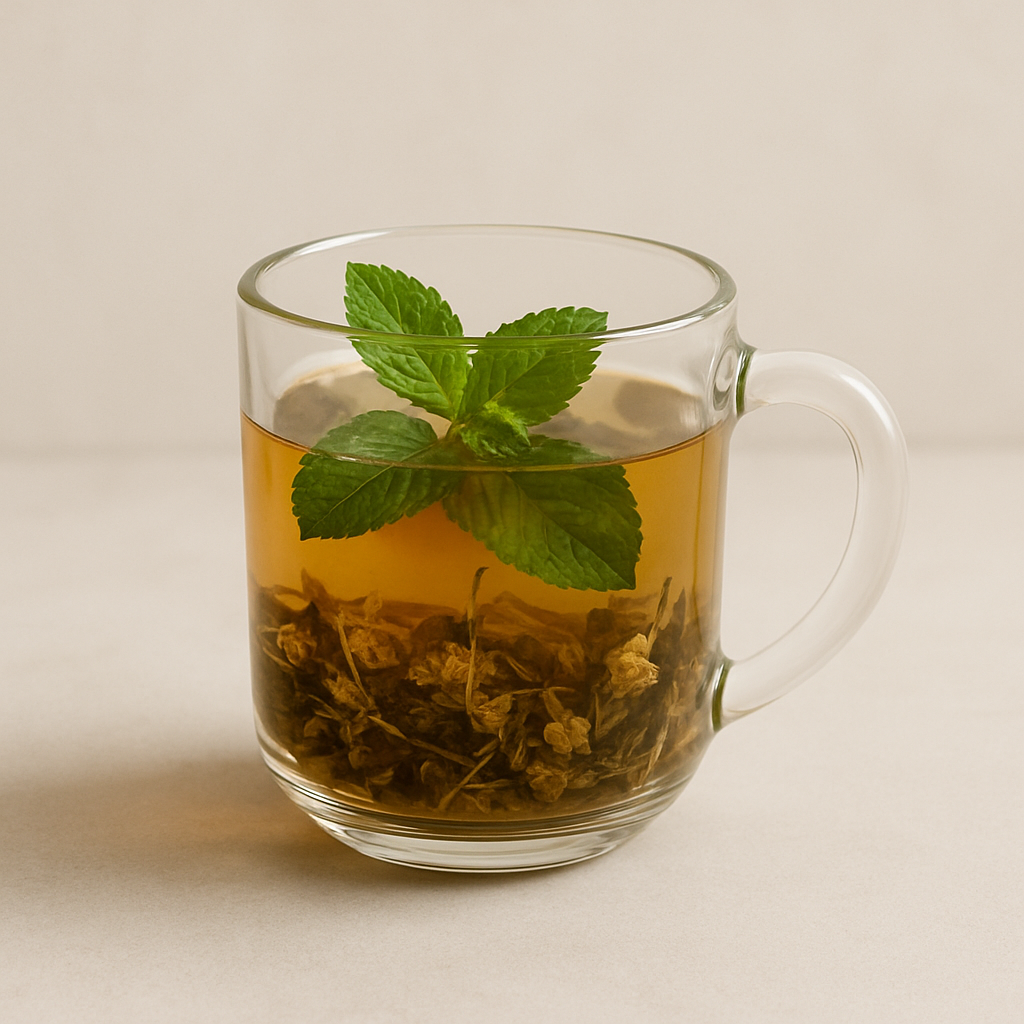
5. Peppermint
Peppermint is frequently used for digestive support, known for its ability to relieve bloating and discomfort. Its menthol content provides a cooling effect and can soothe headaches.
Common Functional Actions
Herbal remedies can support a wide range of functional actions in the body, including:
- Anti-inflammatory: Many herbs, such as turmeric and ginger, contain compounds that help reduce inflammation in the body.
- Adaptogenic: Herbs like ashwagandha and rhodiola can help the body adapt to stress and promote balance.
- Digestive support: Herbs such as peppermint and ginger can aid digestion and help alleviate discomfort.
- Antioxidant: Many herbs are rich in antioxidants, helping to protect the body from oxidative stress.
- Immune support: Echinacea and elderberry are known for their ability to bolster the immune system.
Body Systems This Category Most Supports
Herbal remedies can have a profound impact on several body systems, including:
- Digestive System: Supporting digestion and alleviating gastrointestinal discomfort.
- Immune System: Enhancing the body's defense against pathogens.
- Nervous System: Promoting relaxation and reducing stress or anxiety.
- Musculoskeletal System: Supporting joint health and reducing inflammation.
Wellness Goals People Pursue With It
Individuals often use herbal remedies to pursue various wellness goals, such as:
- Improving Sleep: Using calming herbs like chamomile or valerian root.
- Enhancing Digestion: Incorporating digestive herbs like ginger and peppermint.
- Boosting Immunity: Utilizing immune-supportive herbs like echinacea.
- Managing Stress: Engaging adaptogens like ashwagandha to help the body cope with stress.
How to Choose & Use (responsibly)
When choosing herbal remedies, consider the following:
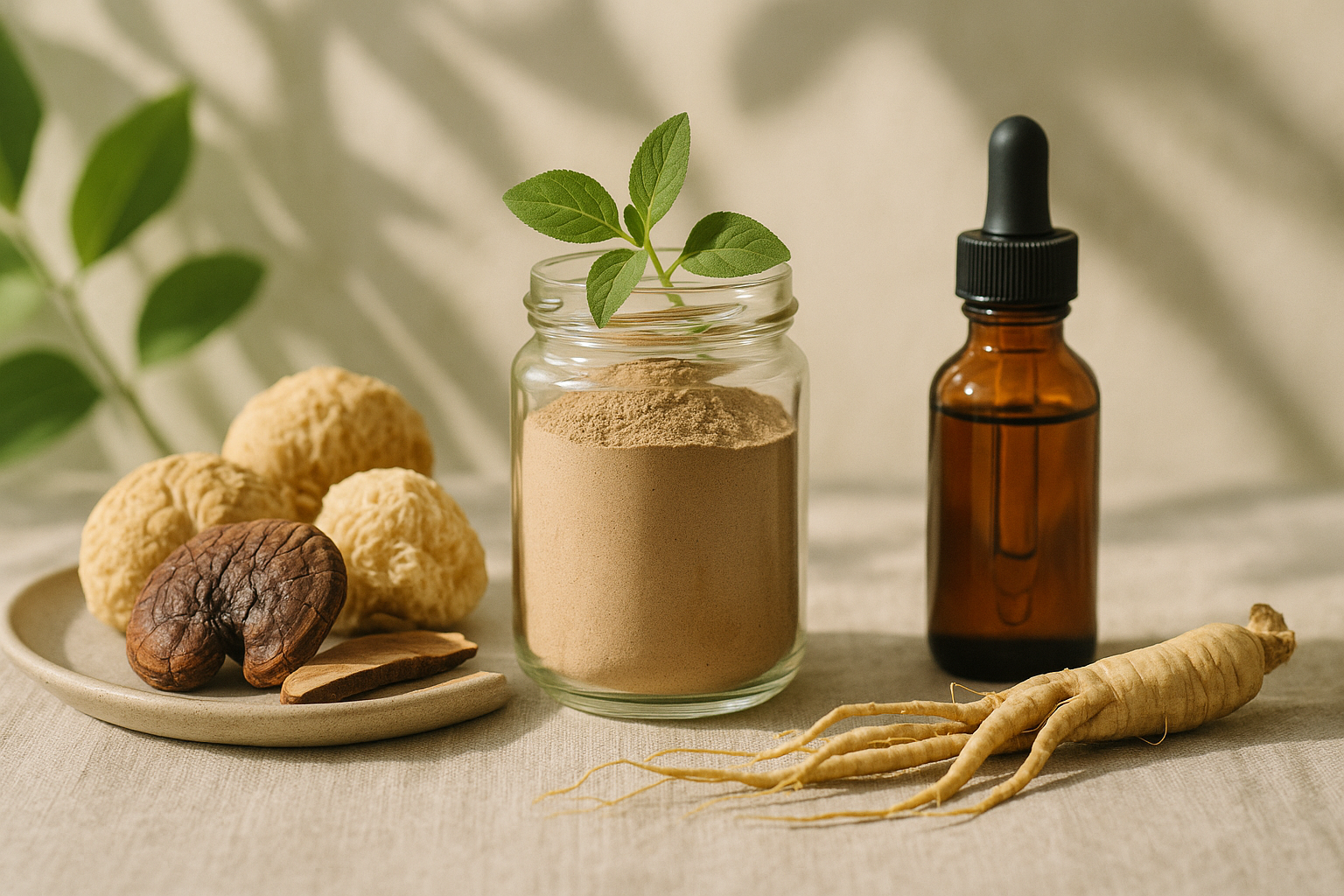
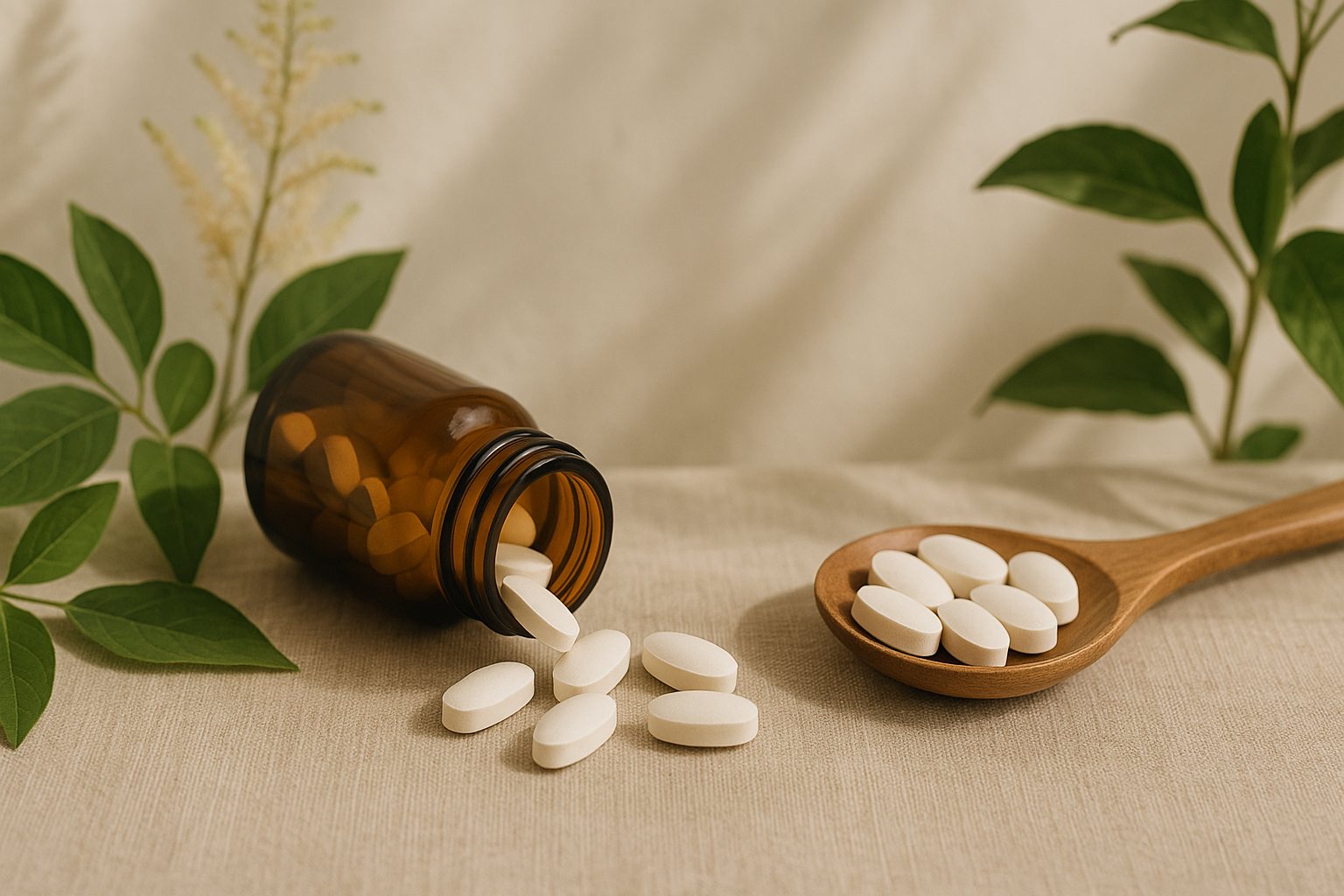
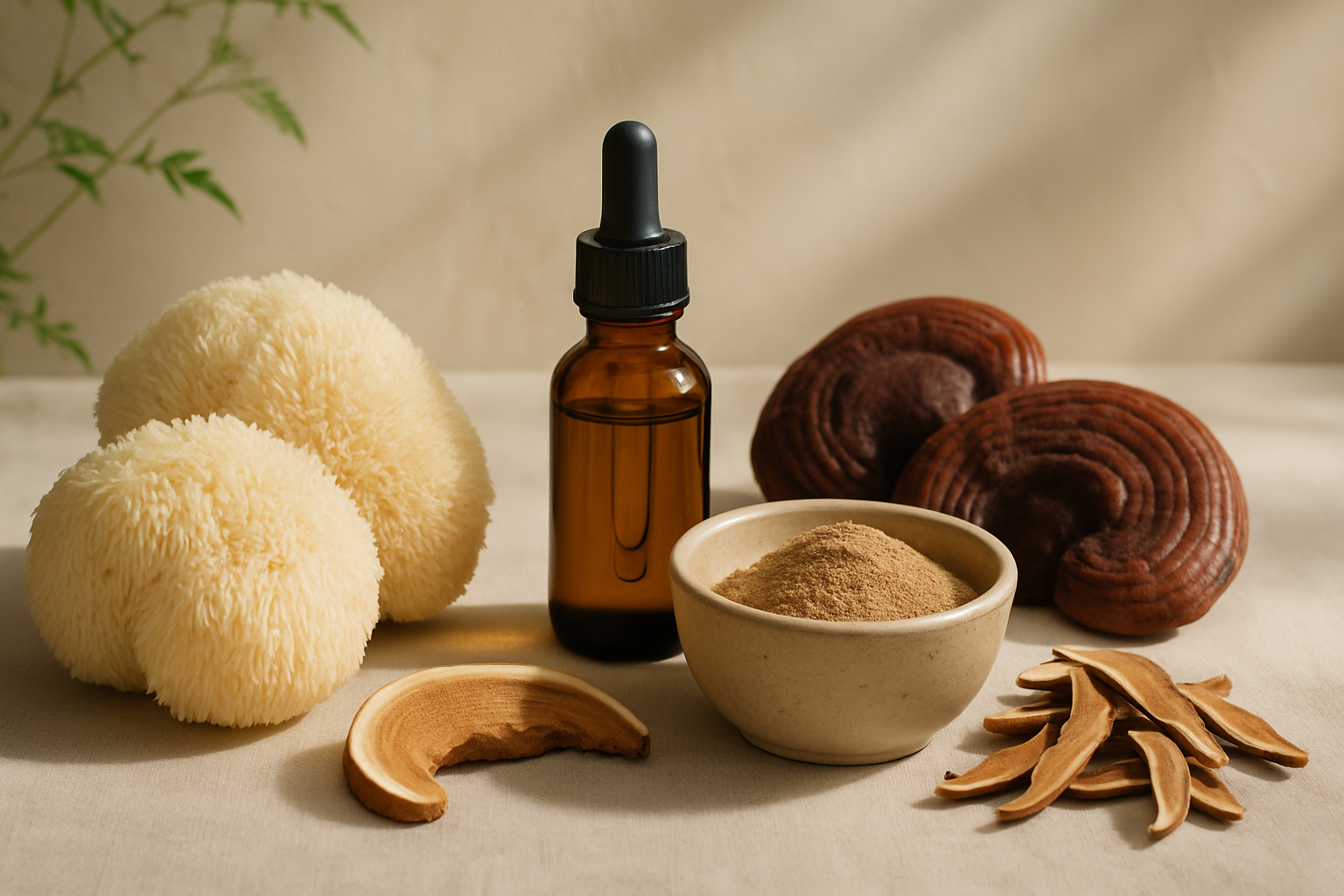
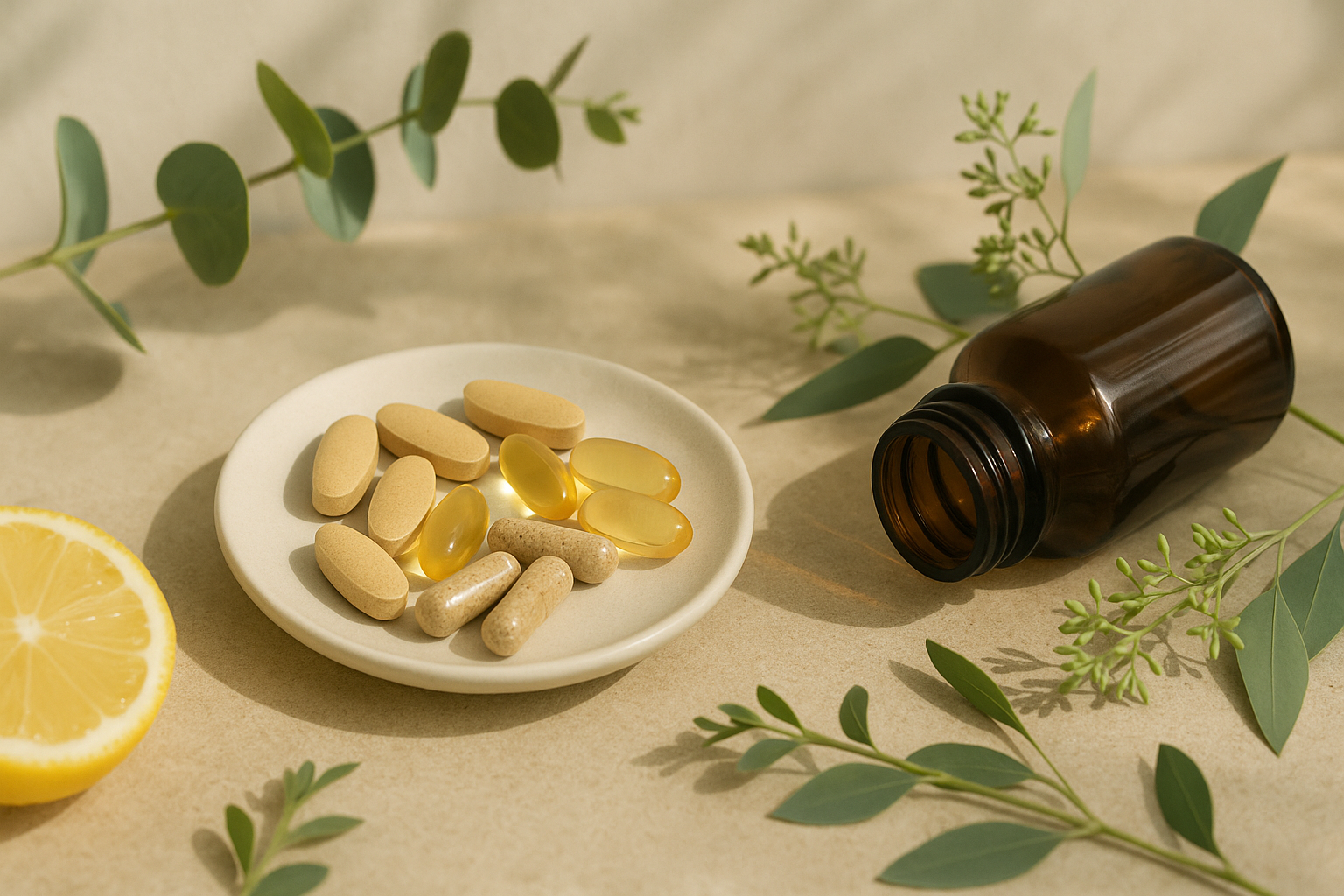
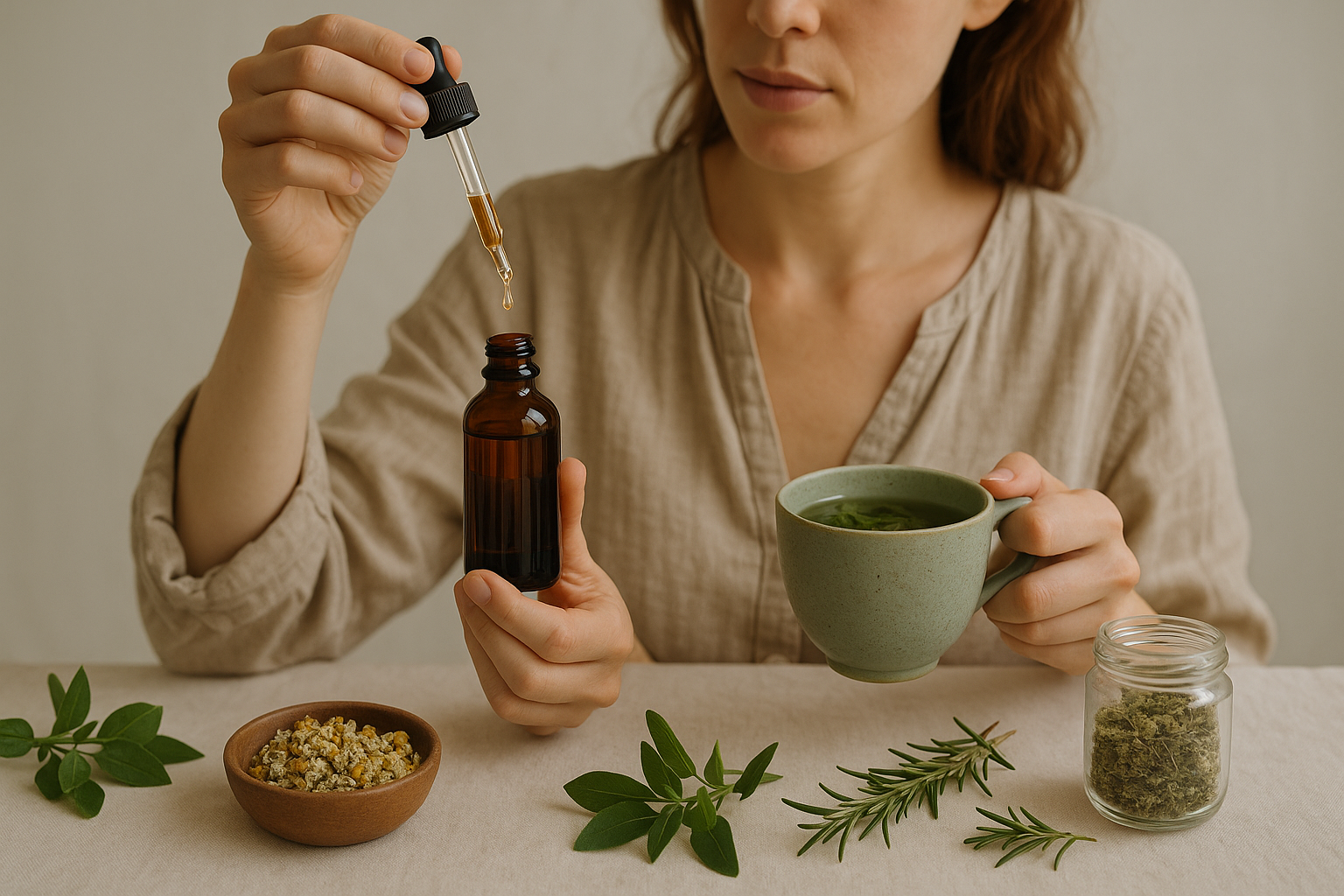
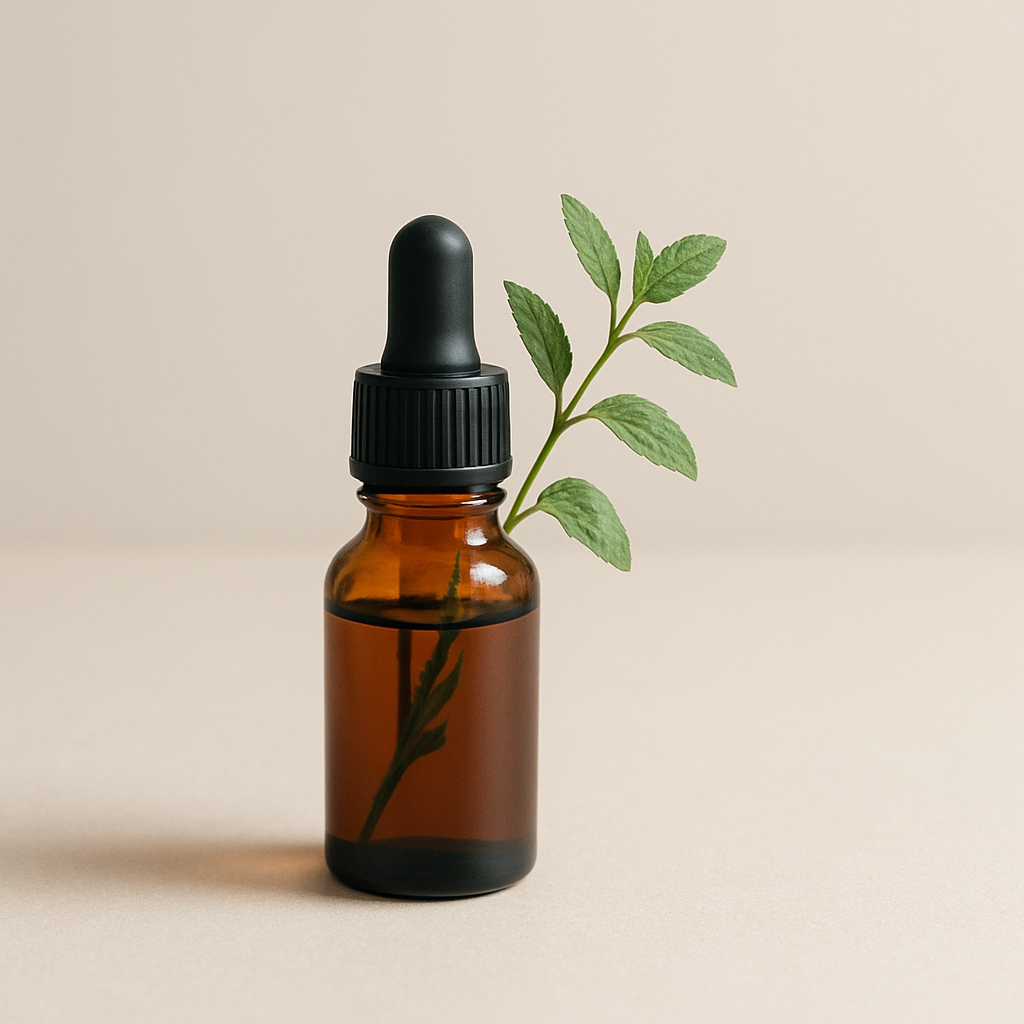
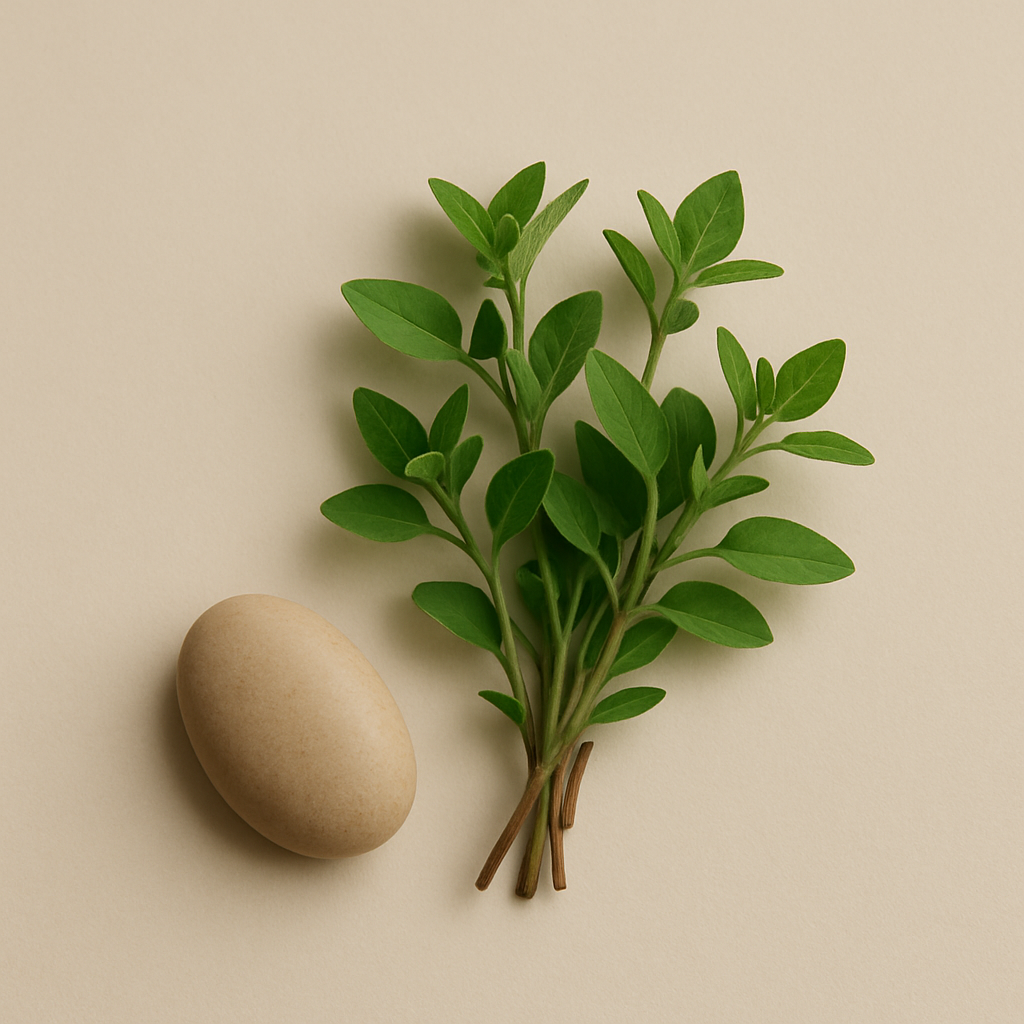
- Forms: Herbal remedies come in various forms, including teas, tinctures, capsules, and extracts. Choose a form that fits your lifestyle.
- Dosage: Always refer to recommended dosage ranges, as they can vary by herb and individual. Starting with lower doses is often advisable.
- Timing: Some herbs may be best taken at specific times of day; for example, calming herbs in the evening.
- Contraindications: Be aware of who should not use certain herbs, such as pregnant or nursing individuals, and consult a healthcare professional if unsure.
Safety, Contraindications & Medication Interactions
While many herbal remedies are safe, it is crucial to consider potential interactions with medications and contraindications:
- Consultation: Always consult with a healthcare provider before starting any new herbal remedy, especially if you are on medication.
- Allergies: Be aware of any personal allergies to specific herbs.
- Pregnancy and Nursing: Certain herbs may not be safe during pregnancy or breastfeeding.
Pairs Well With (cross-pillar suggestions)
Herbal remedies can be effectively combined with other natural remedies for enhanced benefits. Consider pairing them with:
- Aromatherapy: Combining herbal teas or tinctures with essential oils for a holistic approach.
- Homeopathy: Integrating herbal remedies with homeopathic treatments for comprehensive support.
- Nutrition: Supporting herbal use with a balanced diet rich in whole foods to enhance overall health.
FAQs
- What are herbal remedies? Herbal remedies are natural substances derived from plants used to promote health and well-being.
- Are herbal remedies safe? While many are safe, it's essential to consult a healthcare professional, especially when taking medications.
- How do I choose the right herbal remedy? Consider your health goals, research the herb, and consult a healthcare provider for guidance.
- Can herbal remedies interact with medications? Yes, some herbs can interact with medications, making it crucial to consult a healthcare provider.
- What forms do herbal remedies come in? They can be found in forms such as teas, tinctures, capsules, and extracts.
- How long does it take to see results from herbal remedies? The time can vary based on the herb and individual, but some may notice effects within days, while others may take weeks.
Explore Herbal Remedies
15 subcategories


Frequently asked
What are herbal remedies?
Herbal remedies are natural substances derived from plants used to promote health and well-being.
Are herbal remedies safe?
While many are safe, it's essential to consult a healthcare professional, especially when taking medications.
How do I choose the right herbal remedy?
Consider your health goals, research the herb, and consult a healthcare provider for guidance.
Can herbal remedies interact with medications?
Yes, some herbs can interact with medications, making it crucial to consult a healthcare provider.
What forms do herbal remedies come in?
They can be found in forms such as teas, tinctures, capsules, and extracts.
How long does it take to see results from herbal remedies?
The time can vary based on the herb and individual, but some may notice effects within days, while others may take weeks.