What Is in Them, What Research Shows & What to Check.
Fermented foods are food first. Explore each one: how it is made, whether it still has live cultures, what research in people has and has not found, a normal serving, and what to check before you eat it: histamine, sodium, pregnancy and unpasteurized products, medicines, and allergies. Foods are kept apart from probiotic supplements.
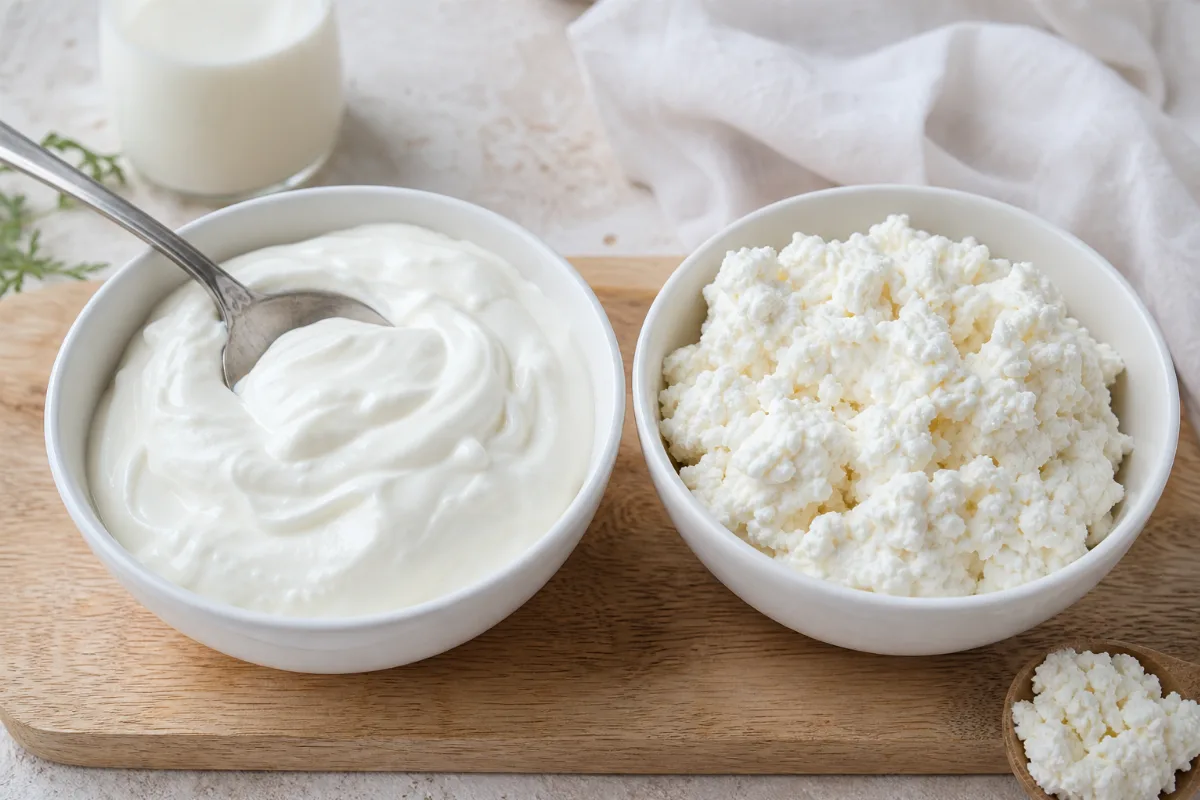
What research says about yogurt as a food: lactose digestion, observational links with health, a small cholesterol trial base, what live cultures mean, and label and pregnancy cautions.
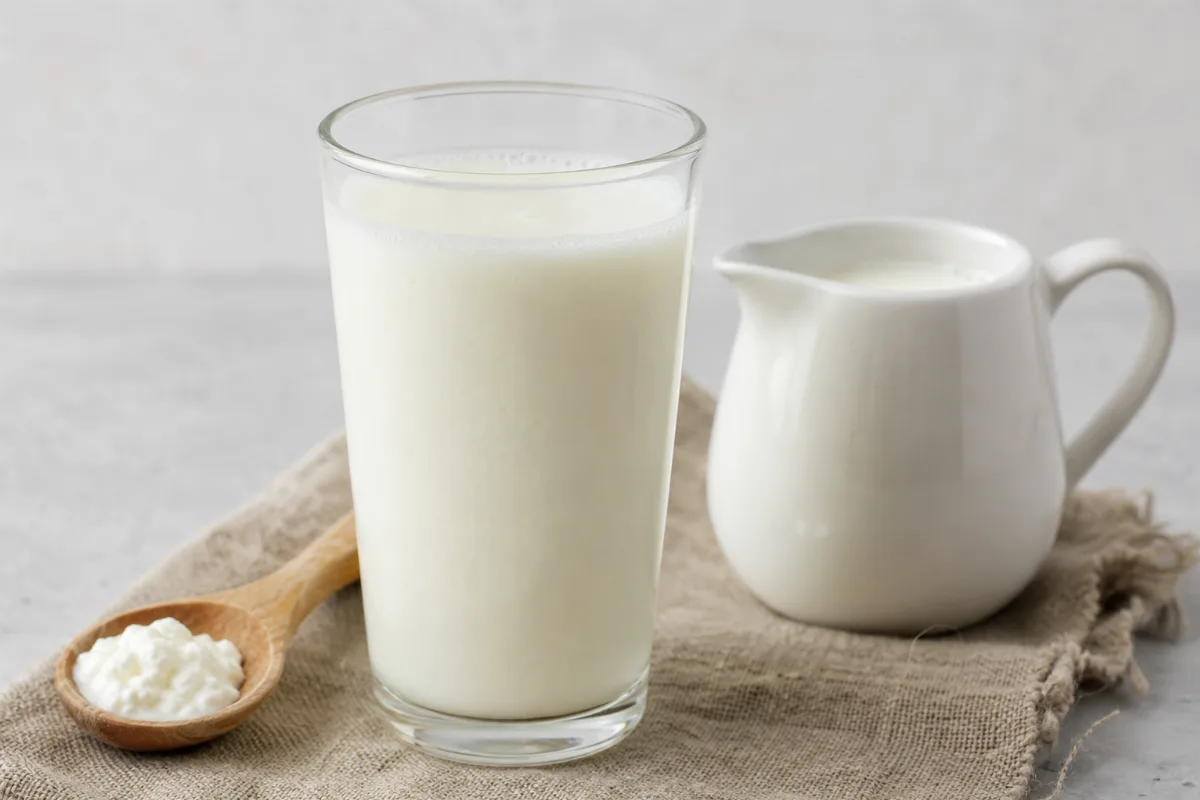
What a 2023 review of 16 human trials found for fermented-milk kefir, why the evidence is limited and often low quality, and cautions for pregnancy and weakened immunity.
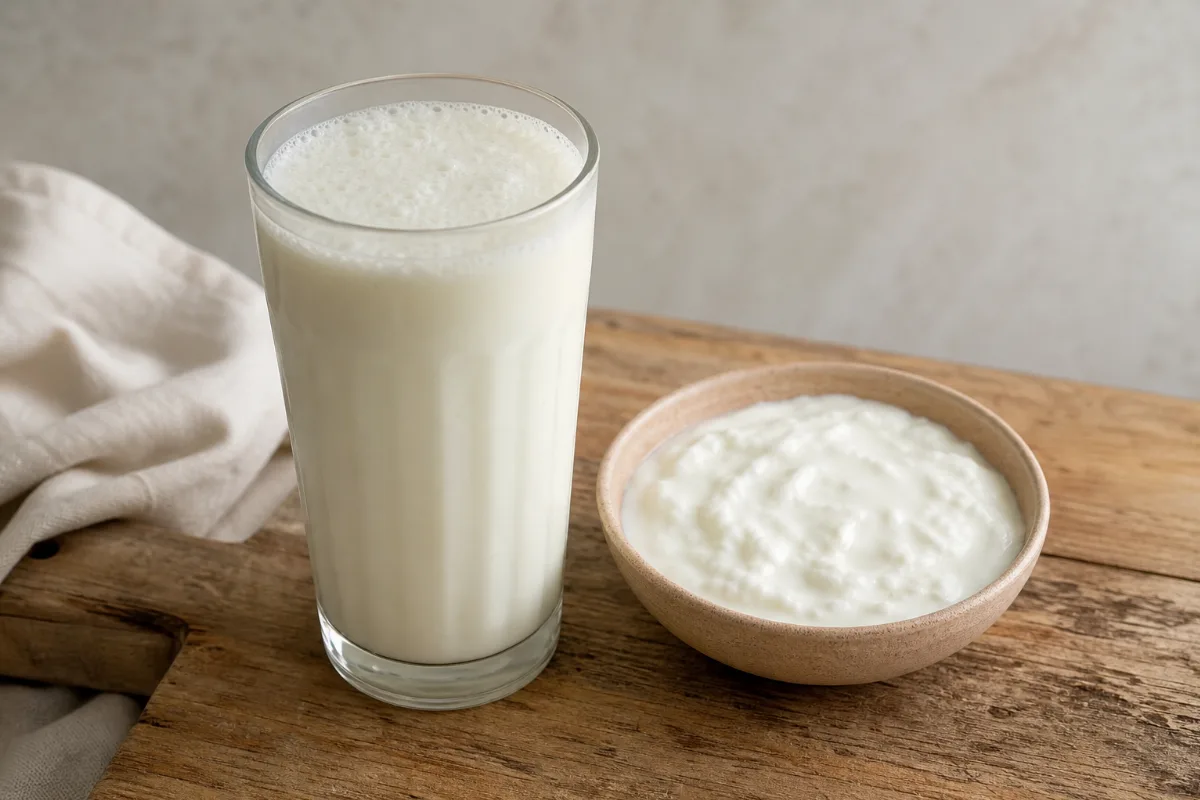
Cultured buttermilk as a food: USDA nutrients per cup, what small studies found on cholesterol and blood pressure, and sodium, lactose, pregnancy and milk allergy cautions.
Buttermilk and blood cholesterol
Milk fat globule membrane ingredients and LDL cholesterol
Buttermilk and blood pressure
Buttermilk as a source of calcium, protein and riboflavin
Normal serving (USDA): Use the Nutrition Facts serving on the package (no USDA household portion in our data)
Skyr and quark, thick fermented milks: what small trials found on protein, fullness and muscle, composition we could verify, and lactose, pregnancy and allergy cautions.
Normal serving (USDA): Use the Nutrition Facts serving on the package (no USDA household portion in our data)
Lassi and ayran, two yogurt drinks: what we could verify about their salt and sugar, one small gum-health trial, and lactose, pregnancy, sodium and milk allergy cautions.
Fermented soybean paste, Aspergillus oryzae koji, Glycine max
Normal serving (USDA): 1 tablespoon (17 g)
Miso is a salty fermented soybean paste. What reviews and cohort studies found, why sodium and soy allergy matter, and why miso is not automatically a probiotic food.
Miso soup, salt intake and upper digestive tract cancers
Miso-rich Japanese dietary pattern and fatty liver index
Fermented soy products and blood sugar, cholesterol and waist size
Fermented soybeans (Bacillus subtilis), Glycine max
CopperManganeseIronProteinZinc
Normal serving (USDA): 1 cup (175 g)
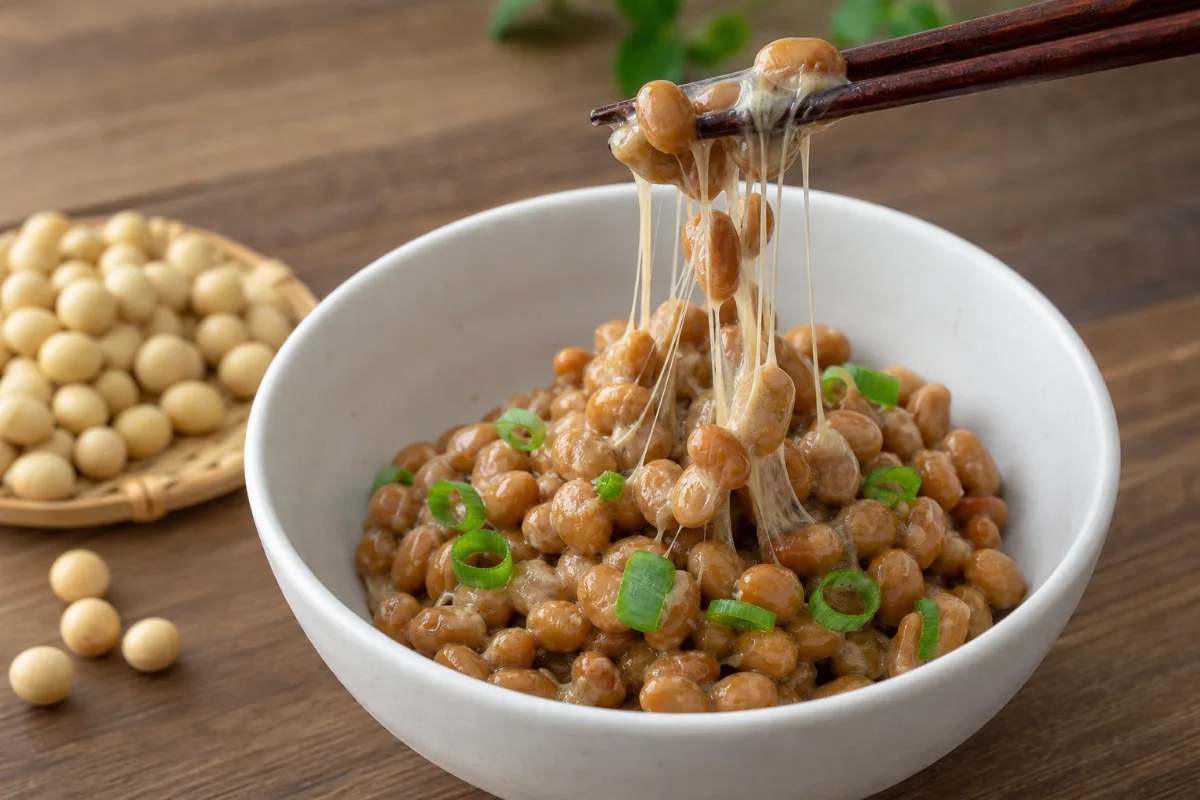
Natto is a Japanese fermented soybean food rich in vitamin K2. Read the warfarin caution first, then what studies found on bone markers and mortality, and the soy allergy point.
Natto and vitamin K2 (MK-7) levels in blood
Natto and bone density or bone markers
Fermented soy (including natto) and death from any cause
Natto as a food source of protein, fiber and minerals
Tempeh is a firm fermented soybean cake from Indonesia. What reviews say, why human evidence is limited, and the allergy and fermentation-safety points to know.
Tempeh as a food source of protein and minerals
Human trials of tempeh for a health outcome
Tempeh and blood sugar (animal and lab studies)
Fermentation chemistry: peptides, amino acids and isoflavone aglycones
Fermented soy and wheat sauce (shoyu), Fermented soy sauce (tamari)
Normal serving (USDA): 1 tablespoon (16 g) soy sauce with wheat; tamari 1 tablespoon is 18 g
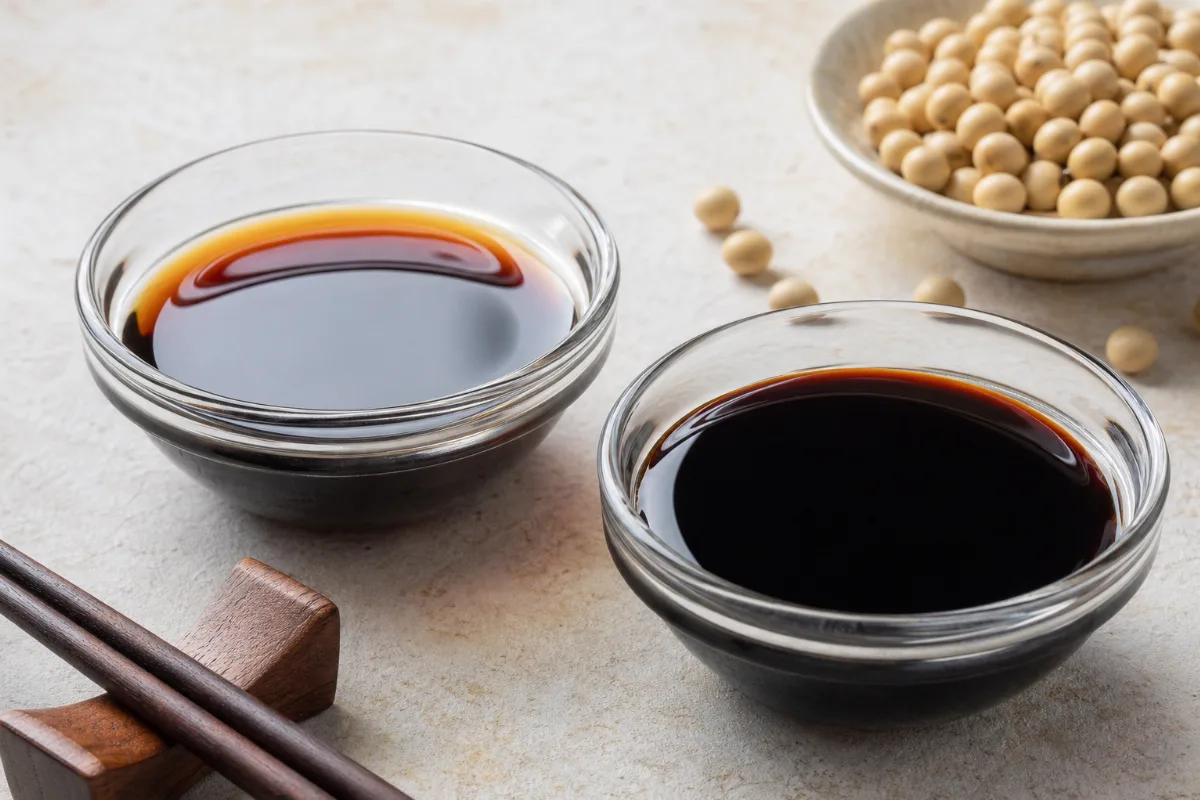
Soy sauce and tamari as foods: USDA sodium values, wheat and gluten, soy allergy, MAOI medicines and histamine, plus what research does and does not show.
Fermented soy products and blood sugar and cholesterol markers
MAO enzyme inhibition by compounds in soy sauce (lab)
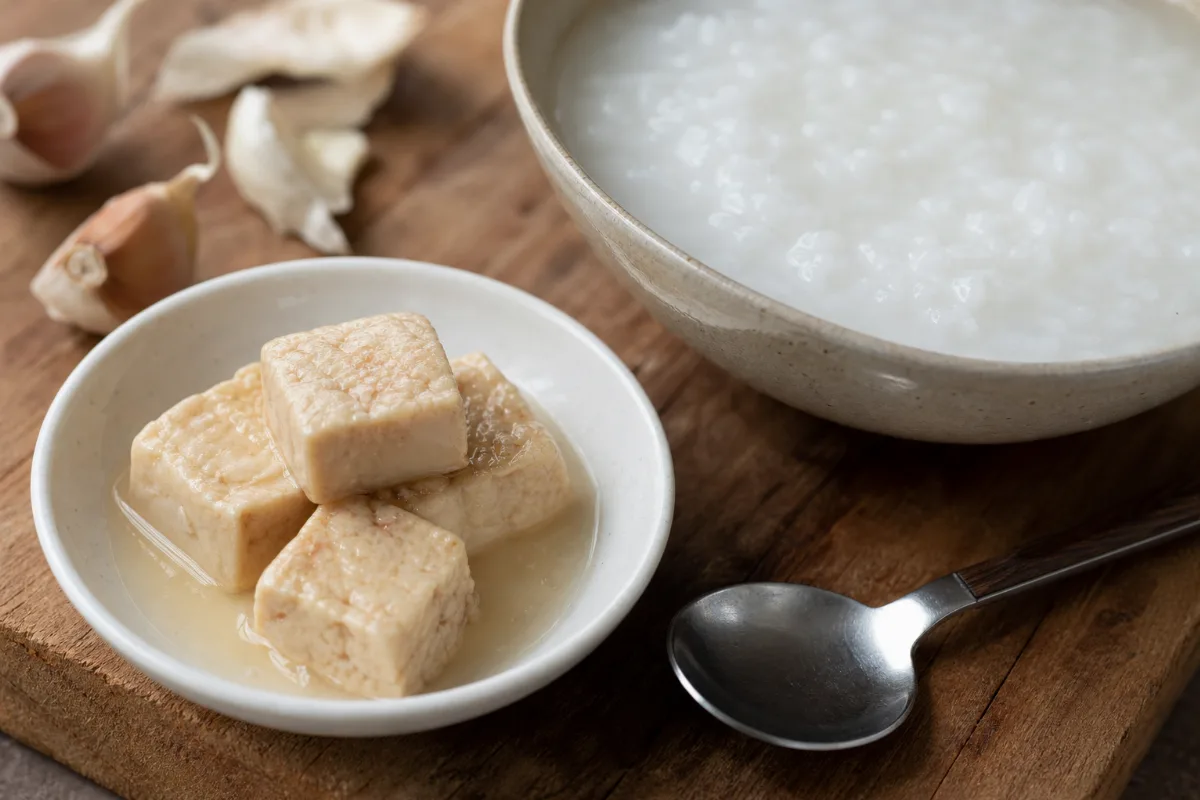
Fermented tofu (sufu, furu, fuyu) as a food: USDA sodium values, histamine and tyramine, homemade botulism cases, soy allergy and what research does not show.
Fermented tofu as a vitamin B12 source
Fermented soy products and blood sugar, cholesterol and waist size
Korean fermented pastes, Gochujang (chili-soybean paste), Doenjang (soybean paste)
Normal serving (USDA): No USDA household portion; check the label serving size
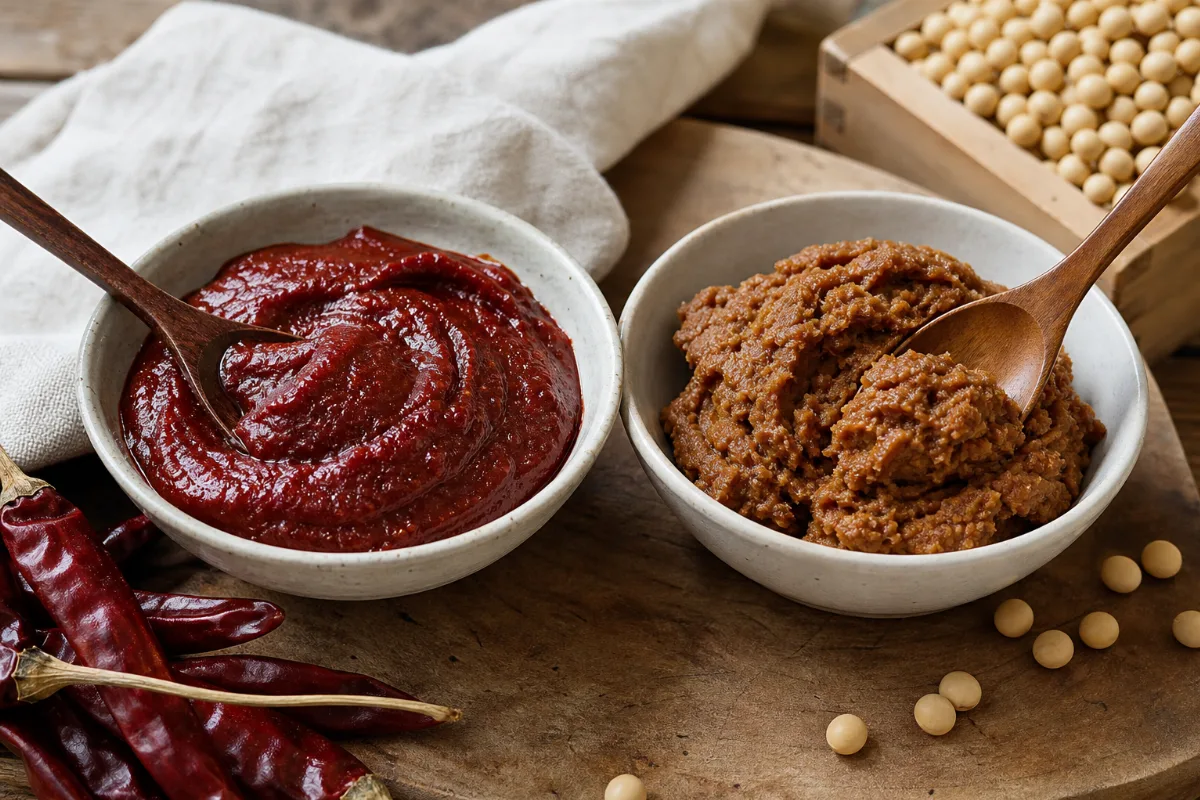
Gochujang and doenjang, Korean fermented soy pastes: salt, histamine and Bacillus cereus findings, soy allergy, MAOI medicines and what the research really shows.
Normal serving (USDA): No official serving size found; the glycemic load study used 250 g
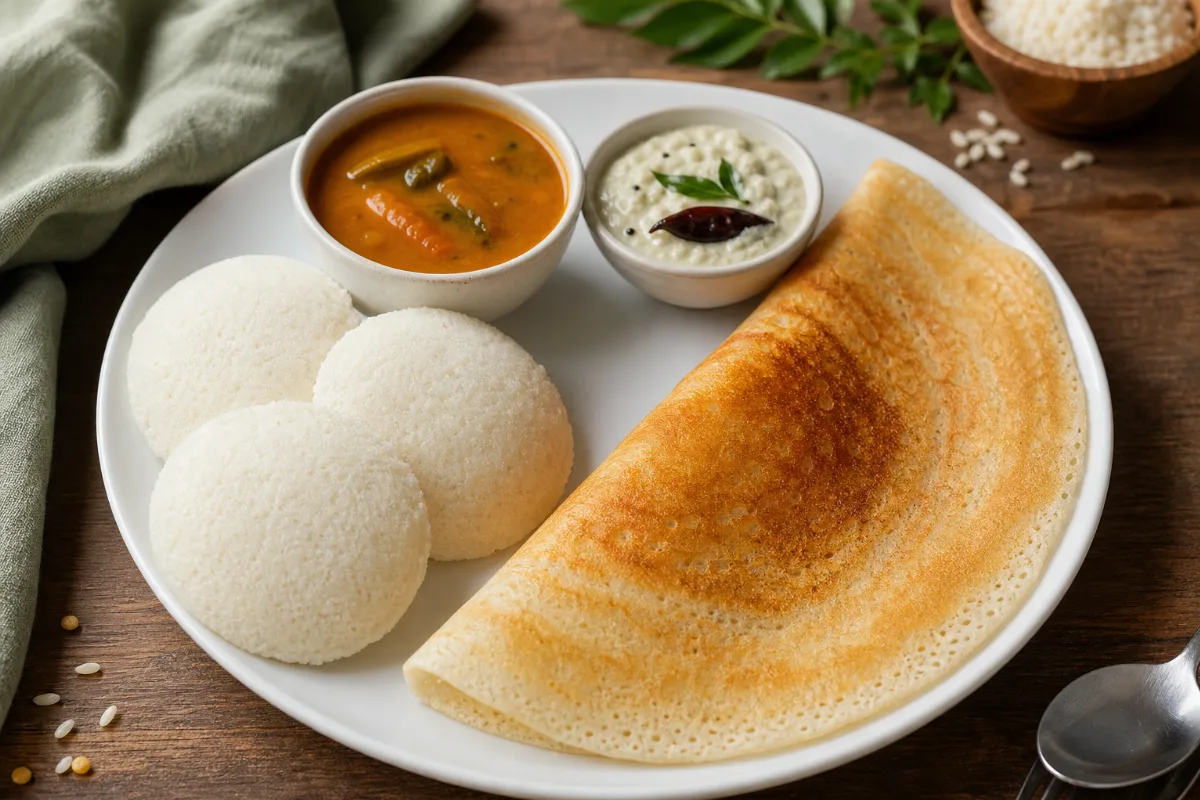
Idli and dosa are South Indian cakes made from fermented rice and black gram batter: what lab studies measured, blood sugar, gluten, rice arsenic and what is not proven.
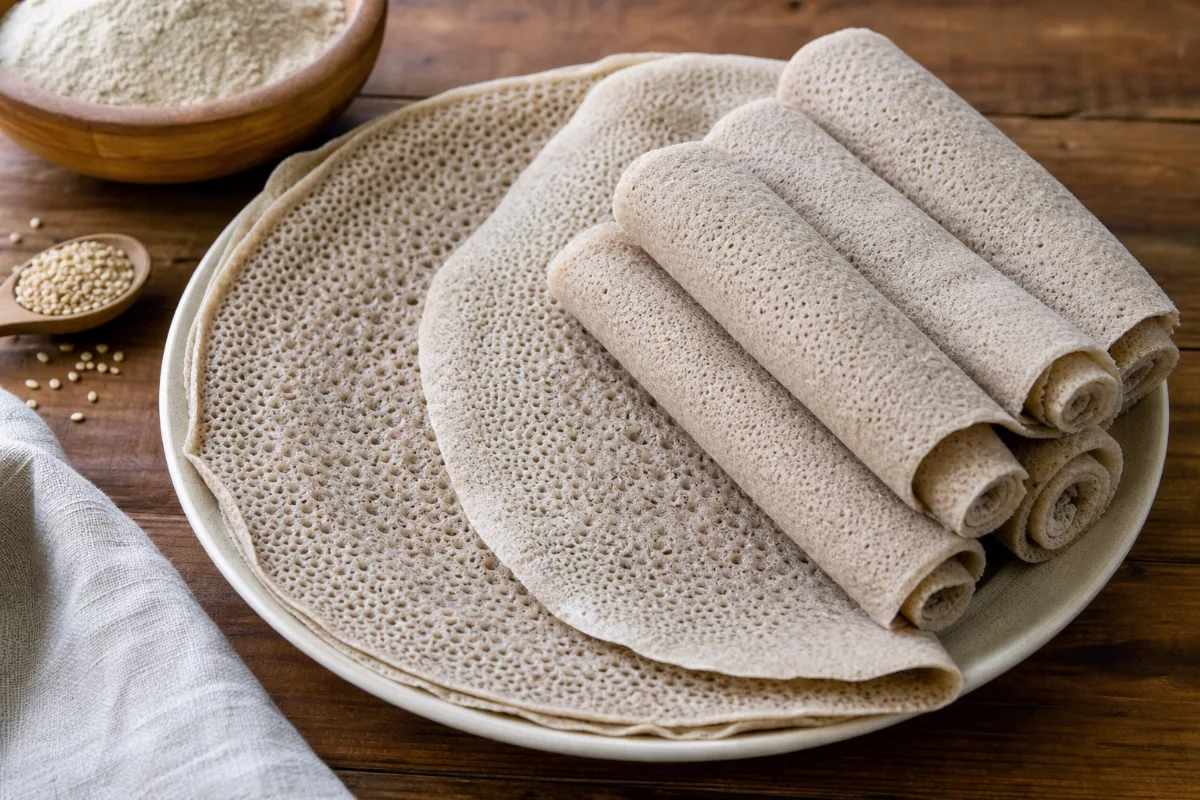
Normal serving (USDA): 1 cup cooked teff grain (252 g); USDA lists no injera portion
Injera is a sour, spongy Ethiopian flatbread from fermented teff: USDA values for teff, what fermentation does to phytate and iron, gluten and celiac questions, and safety.
Normal serving (USDA): No official serving size found
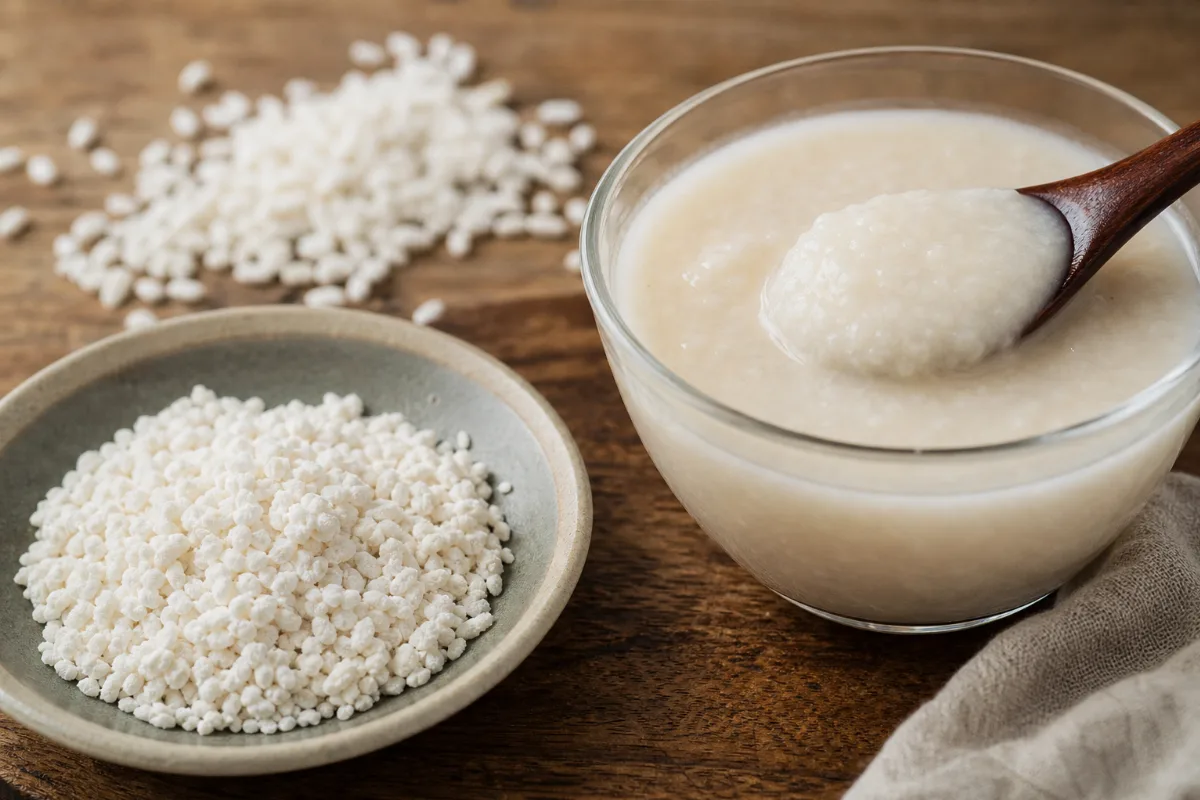
Koji is rice grown with the mold Aspergillus oryzae; amazake is the sweet drink made from it. What trials found on bowels and skin, sugar, mold safety and labels.
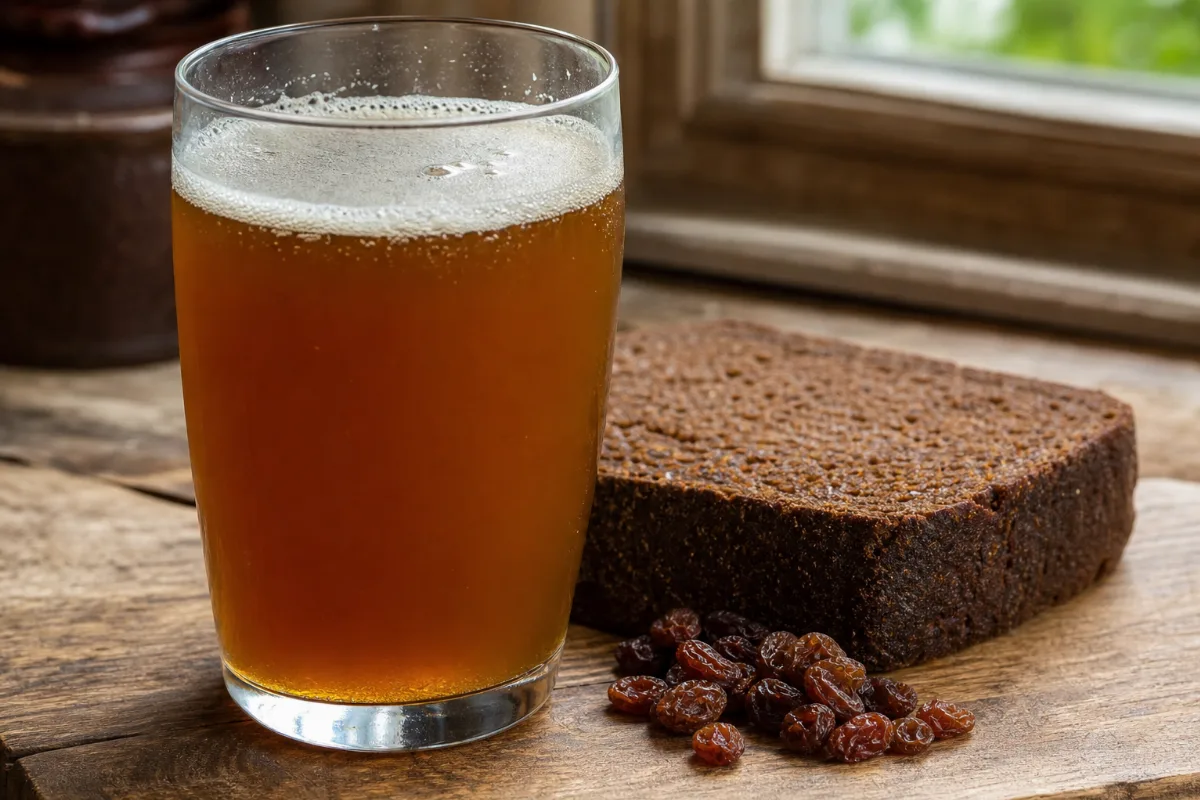
Normal serving (USDA): 1 glass, 240 mL (about 1 cup); no official serving, used for arithmetic only
Kvass is a lightly sour, fizzy drink fermented from rye bread. What one lab study measured for alcohol, sugar and fiber, and safety points on gluten, sugar and alcohol.
Water kefir grains (Lactobacillus spp., acetic acid bacteria and yeasts)
Normal serving (USDA): 200 mL a day was the amount in a 2026 trial; no official serving size
Water kefir (tibicos) is a dairy-free fizzy drink fermented from sugar water and kefir grains: what a 2026 trial found, trace alcohol, sugar and who should be careful.
Water kefir and gut bacteria
Gas, bloating and abdominal pain with water kefir
Water kefir and immune, blood pressure, cholesterol or weight claims
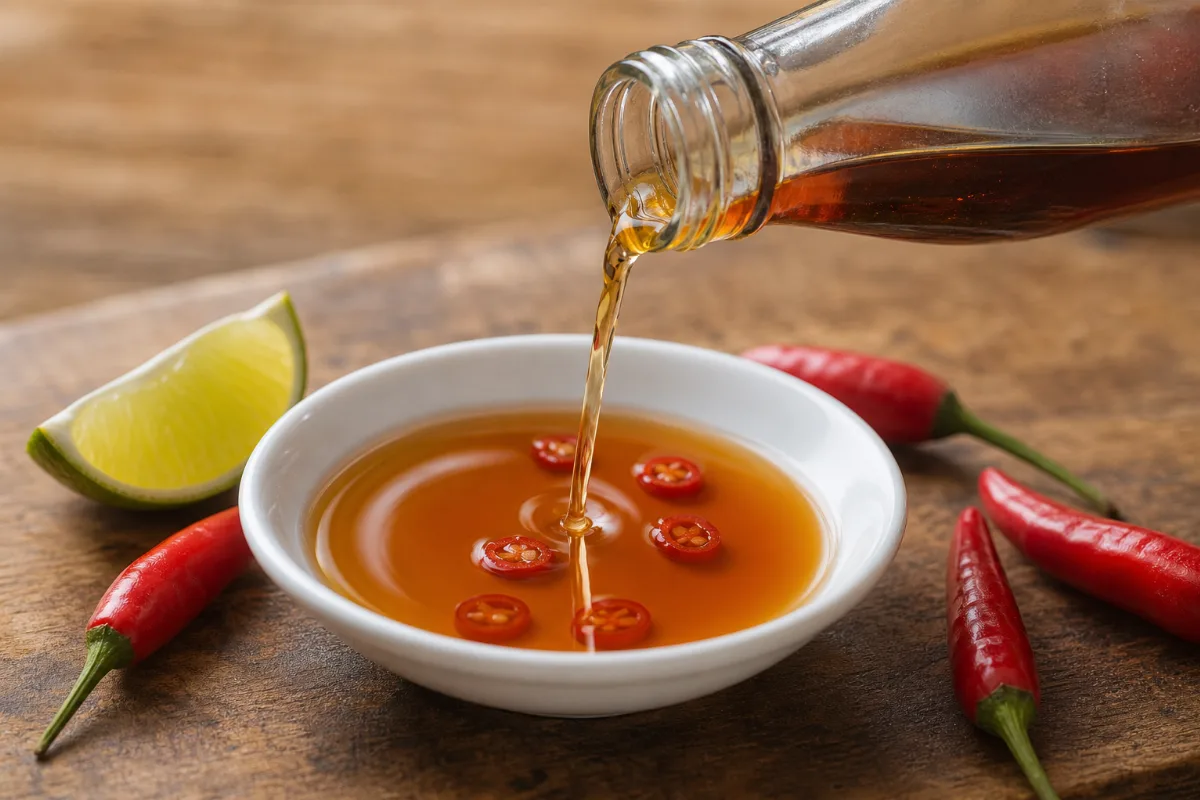
Normal serving (USDA): 1 tablespoon (about 15 mL); no official serving size, used for arithmetic only
Fish sauce is a salty, savory liquid from fermented fish. A 2025 study of 38 bottles measured sodium and histamine; see what that means for blood pressure, allergy and MAOIs.
Fermentation, salt and food safety
Fish sauce and gut health, protein or immunity claims
Normal serving (USDA): No official serving size found; usually used by the drop or teaspoon
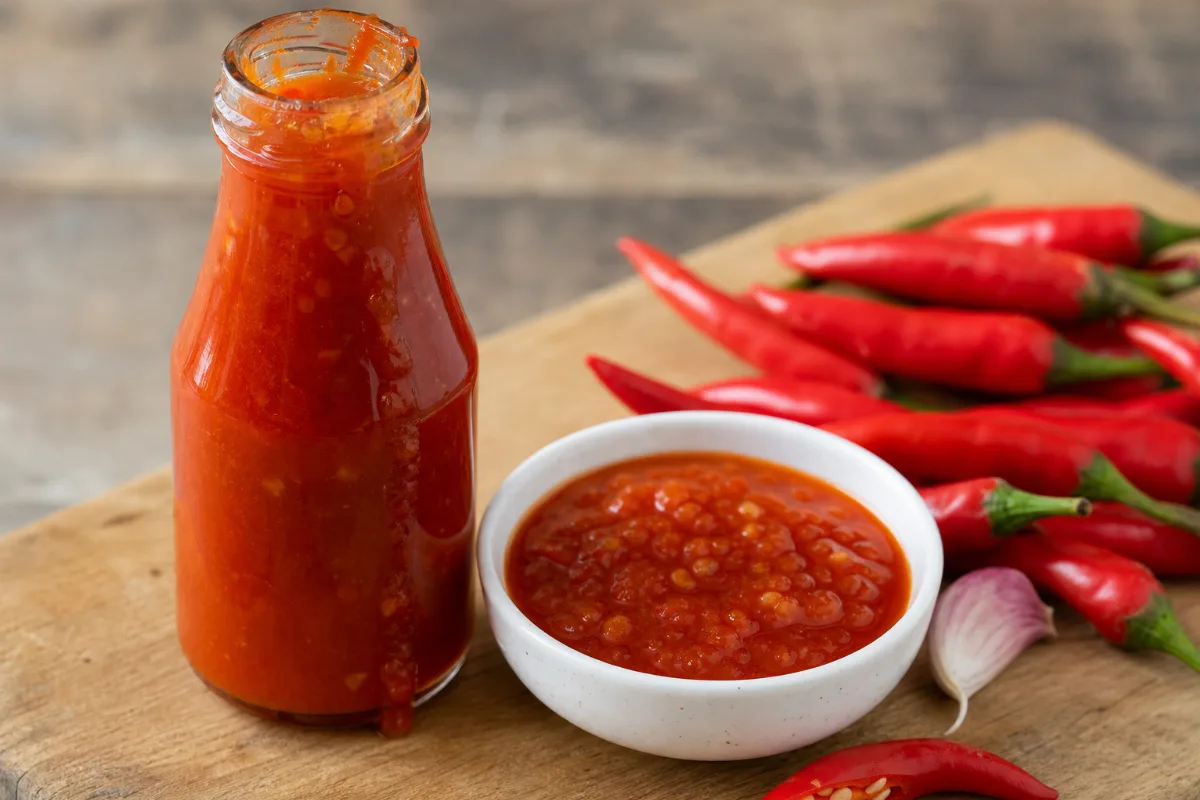
Fermented hot sauce is chili mash soured by lactic acid bacteria in salty brine: what lab studies measured, the sodium and heartburn questions, and what is not proven.
Fermented chili ferments: acid and microbes
Vitamin C, phenolics and carotenoids in fermented chili powder
Kimchi, a traditional Korean fermented vegetable dish: what small human trials found, why a kimchi-derived probiotic is a different product, and sodium and biogenic amine cautions.
Blood sugar and insulin resistance in small trials
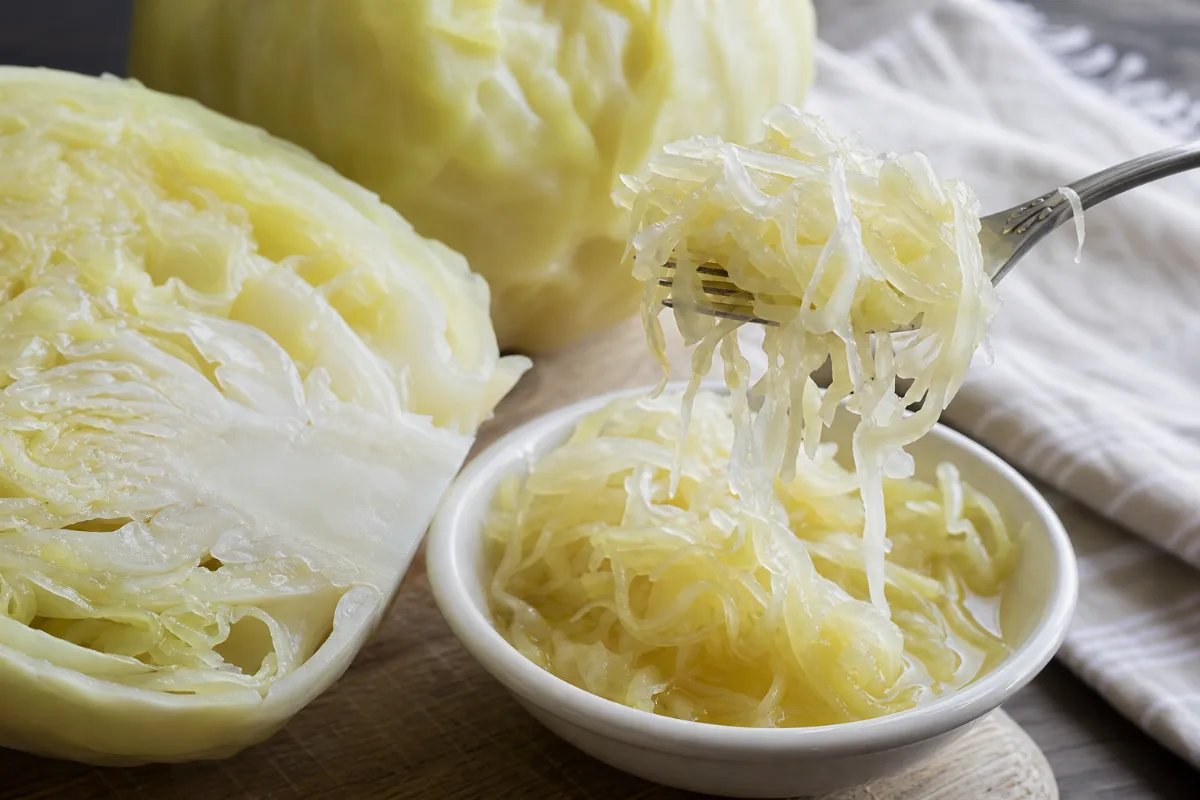
What an 87-person crossover trial found for fresh and pasteurized sauerkraut, why live cultures were not required for the changes seen, and sodium, biogenic amine and pregnancy cautions.
Gut bacteria and short-chain fatty acids (blood markers)
Overall gut microbiome stays stable
Live cultures were not required for the changes seen
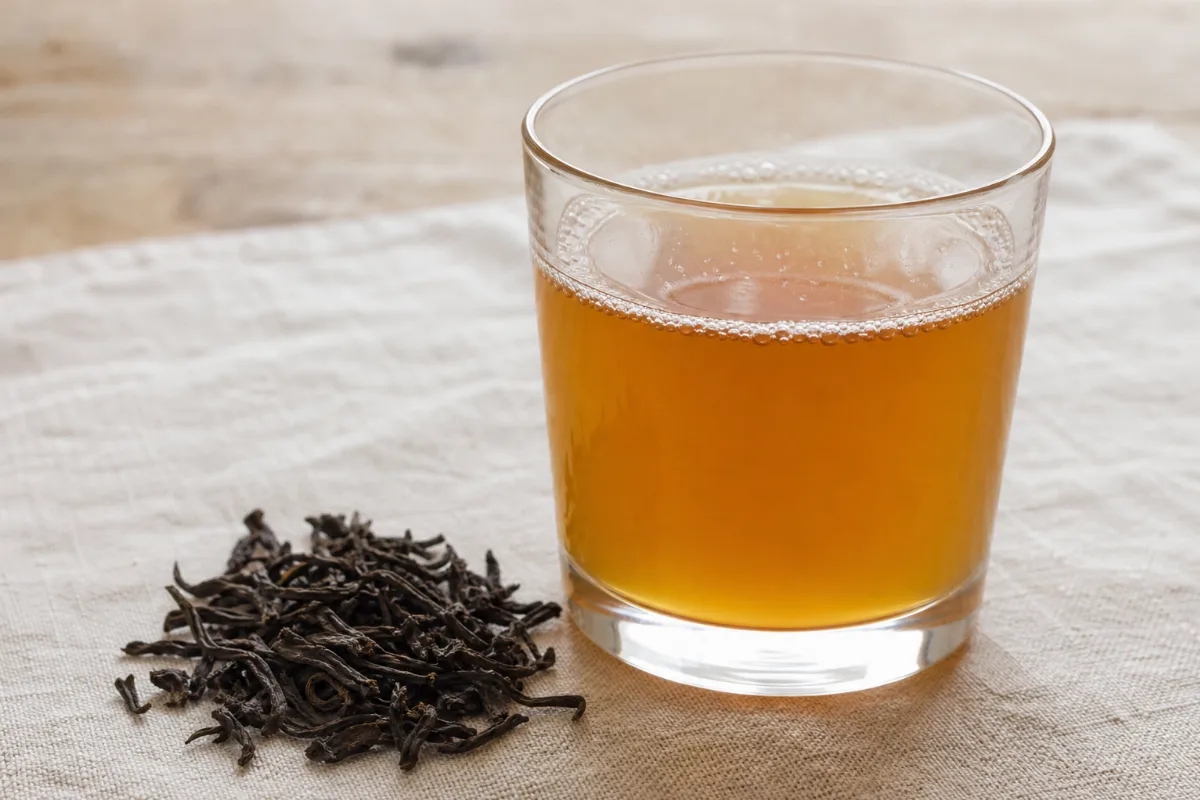
Kombucha is fermented sweet tea. What the few human trials show, and the cautions: home-brew contamination, lead from ceramic pots, alcohol, caffeine, pregnancy and weak immunity.
Kombucha and heart/metabolism markers (green tea kombucha trials)
No fermented food matches all of these filters. Try removing one. Some topics (for example most herbs) are not fermented foods and live elsewhere on the site.
A link between a fermented food and a topic means the body needs the fermented food for that job, or that low intake is linked to it. It does not mean extra supplements help if your intake is already adequate. See each page’s evidence label.
Browse by fermented food kind of ferment
Fermented dairy
Yogurt, kefir, aged cheese, buttermilk, skyr and lassi: milk changed by bacteria and yeasts. Lactose and milk allergy still matter.
Cultured buttermilk as a food: USDA nutrients per cup, what small studies found on cholesterol and blood pressure, and sodium, lactose, pregnancy and milk allergy cautio…
Skyr and quark, thick fermented milks: what small trials found on protein, fullness and muscle, composition we could verify, and lactose, pregnancy and allergy cautions.
Lassi and ayran, two yogurt drinks: what we could verify about their salt and sugar, one small gum-health trial, and lactose, pregnancy, sodium and milk allergy cautions.
Soy sauce and tamari as foods: USDA sodium values, wheat and gluten, soy allergy, MAOI medicines and histamine, plus what research does and does not show.
Fermented tofu (sufu, furu, fuyu) as a food: USDA sodium values, histamine and tyramine, homemade botulism cases, soy allergy and what research does not show.
Gochujang and doenjang, Korean fermented soy pastes: salt, histamine and Bacillus cereus findings, soy allergy, MAOI medicines and what the research really shows.
Fermented Grains & Batters(3)Idli and dosa, injera, koji and amazake.
Idli and dosa are South Indian cakes made from fermented rice and black gram batter: what lab studies measured, blood sugar, gluten, rice arsenic and what is not proven.
Injera is a sour, spongy Ethiopian flatbread from fermented teff: USDA values for teff, what fermentation does to phytate and iron, gluten and celiac questions, and safe…
Koji is rice grown with the mold Aspergillus oryzae; amazake is the sweet drink made from it. What trials found on bowels and skin, sugar, mold safety and labels.
Fermented Drinks(2)Kvass and water kefir. Kombucha is listed from Herbal Teas.
Kvass is a lightly sour, fizzy drink fermented from rye bread. What one lab study measured for alcohol, sugar and fiber, and safety points on gluten, sugar and alcohol.
Water kefir (tibicos) is a dairy-free fizzy drink fermented from sugar water and kefir grains: what a 2026 trial found, trace alcohol, sugar and who should be careful.
Fermented Sauces(2)Fish sauce and fermented hot sauce.
Fish sauce is a salty, savory liquid from fermented fish. A 2025 study of 38 bottles measured sodium and histamine; see what that means for blood pressure, allergy and M…
Fermented hot sauce is chili mash soured by lactic acid bacteria in salty brine: what lab studies measured, the sodium and heartburn questions, and what is not proven.
Search fermented foods: popular fermented foods, A to Z, search with filters, more ways
Well-studied fermented foods to start with
These fermented foods have the most human research summarized in our guides (counted from the evidence ratings on each profile). More research does not mean the fermented food works or is safe for you: open the guide to see what was found, including negative and mixed results.
Every published fermented food guide (19), with its names and what it is made of. Each name opens one guide that brings together identity, traditional use, research, safety, forms and sources.
TempehFermented soybean cake (Rhizopus), Glycine max
Fermented foods whose guide documents a point to check for this concern. Being listed does not mean the fermented food is unsafe for everyone. Open the guide to read the details.
The best level of evidence in each fermented food guide for any listed benefit. A stronger label for one use says nothing about its other uses or its safety.
Clinical trials support a benefit (3 fermented foods)
Fermented foods have been used for health in many cultures for centuries. A traditional use tells you what people have done, not that it works. Here every fermented food is listed under the goals, body systems and actions its guide connects it to, and each link carries the strength of the evidence behind it.
Strongest
3 fermented foods
Clinical trials support a benefit
Promising
14 fermented foods
Early or mixed human evidence
Early science
1 fermented foods
Lab or animal research only
Unknown
1 fermented foods
Too little evidence to say
Each fermented food is counted once, at the strongest level its guide documents for any use. A strong label for one use says nothing about its other uses or its safety. "Traditional use" alone is not one of these labels: where a guide only reports history, the link is rated "Too little evidence to say". Read the guide on traditional use and research evidence.
Fermented foods by wellness goal
Each card shows how many fermented foods are linked to a goal and how strong the evidence is. Green means clinical trials support a benefit; grey means too little evidence. These are links the guides document, not recommendations. For the wider picture, see the Wellness Goals section.
Fermented foods by body system, body part and action
The same links, organized the way anatomy and physiology textbooks do. "Action" describes what a fermented food is said to do (for example calming or digestive support); it names the claim, not the proof.
Side-by-side guides for fermented foods that people confuse or choose between. They explain differences; they do not rank the fermented foods.
What research shows, by health concern
Each guide below looks at one concern, from sleep to skin, and separates fermented foods that were tested in people from fermented foods that are only traditional or lab-tested.
People have used fermented foods for health for many centuries. A traditional use tells you what people have done, not that it works. For what research found, see the Health Benefits and Scientific Evidence tabs.
Traditional fermented food medicine
Ayurveda, Traditional Chinese Medicine and other traditions each use natural remedies in their own systems. The fermented foods below are the ones whose guide mentions the tradition in its own text. That a tradition uses a fermented food is history, not clinical evidence. Each guide says separately what trials found.
Fermented foods are active substances. Some interact with prescription medicines, some are unsafe in pregnancy or with certain conditions, and some have been linked to serious harm. This tab brings together what the individual fermented food guides document, plus the general rules. Medicine interactions have their own tab.
If someone may have been poisoned or is seriously unwell
▸Collapse, seizure, trouble breathing, swelling of the face or throat, chest pain or a fast irregular heartbeat: call your local emergency number now (911 in the United States and Canada, 999 in the UK, 112 in the European Union).
▸Swallowed too much of a fermented food, or a child or pet got into a product, and the person seems well: in the United States call Poison Help, 1-800-222-1222 (free, 24 hours). Elsewhere, call your national poison centre or local emergency number.
▸Yellow skin or eyes, dark urine, severe belly pain, or a new rash after starting a fermented food: stop it and contact a clinician the same day.
"Natural" does not mean safe. Natural products can contain strong substances; some are harmful. Natural Does Not Mean Safe
Tell your pharmacist and clinician about every fermented food product you use, and ask before combining one with prescription or over-the-counter medicines.
Be extra careful with narrow-margin medicines such as warfarin, antidepressants, immunosuppressants, diabetes and blood pressure medicines.
Tell the surgical team about every fermented food before an operation. Many teams ask people to stop fermented food products ahead of surgery; ask yours how long.
Pregnancy, breastfeeding, children and older adults are groups where good safety data are often missing, so official sources usually advise asking first.
Start one product at a time, at the label amount, so a reaction can be traced. Stop and get advice if you feel unwell.
Products vary. Contamination, substitution and mislabelling are documented problems; third-party testing can reduce but not remove the risk.
Each line comes from a fermented food's own guide, where it is backed by cited sources: 77 documented risks across 19 of the 19 fermented foods. A fermented food missing from a list is not proven safe: it may simply not have been studied. Open the fermented food's guide for the full wording and sources.
Soy sauce and kidney disease sodium limits. NIDDK names soy sauce among high-sodium sauces and says many people with chronic kidney disease need a lower sodium limit set by …
Saturated fat and heart disease. An American Heart Association advisory concluded that replacing saturated fat with unsaturated fat, especially polyunsaturated fa…
Hot sauce, heartburn and reflux. NIDDK lists spicy foods among foods some people find trigger or worsen acid reflux symptoms; a 2026 systematic review linked caps…
Fish sauce sodium and blood pressure. A 2025 study of 38 commercial fish sauces found 5,037 to 12,637 mg sodium per 100 mL. WHO recommends adults take in less than 2,0…
Sodium from soy sauce and blood pressure. USDA lists about 5,500 mg of sodium per 100 g, roughly 880 to 1,000 mg in a tablespoon. Pooled trials show that cutting salt lowe…
Histamine and biogenic amines in ripened cheese. A study of 125 retail ripened cheeses found tyramine in 28% (5.6 to 646 mg per kg) and histamine above 100 mg per kg in 11.2%; th…
Sodium in cultured buttermilk. USDA lists 363 mg of sodium in 1 cup of the low-fat entry (16% DV); WHO advises adults to keep salt under 5 g (2 g sodium) a day.
Lactose and buttermilk. NIDDK says many people with lactose intolerance tolerate about 12 g of lactose at a time. USDA lists 13.1 g of total sugars in a …
Sodium in fermented sauces. Salt is part of how chili ferments stay safe, and official advice says not to cut the salt in tested vegetable ferment recipes. W…
Home fermentation safety. Official guidance (written for vegetable ferments) says to use tested recipes, not to cut salt and notes that yeasts, molds and e…
Histamine, tyramine and other biogenic amines. Fermented bean curd had the highest total biogenic amines of the foods in a Chinese market study (average 816.8 mg per kg); a suf…
Histamine and biogenic amines in fish sauce. Some South Korean fish sauces in the 2025 study had histamine up to about 540 ppm, with several above a Taiwanese limit of 400 pp…
Preservatives and labeling accuracy. In the 2025 study some products had benzoates, sorbates or dehydroacetic acid above limits, and some contained triacetin, which i…
Histamine and tyramine in doenjang. In 36 doenjang products from small Korean makers, histamine ranged from 0.97 to 1,289 mg per kg and tyramine from 3.23 to 101 mg …
Bacillus cereus in doenjang. Found in 5 of 36 doenjang products (13.88%), 3 above the Korean standard of 4 log CFU per g. Spores were more heat resistant in s…
Aflatoxin in meju and doenjang. A 2025 study reported aflatoxin contamination in many of 323 meju and doenjang samples; fewer where the microbe mix was richer.
Gluten and celiac disease (cross-contact). Rice and black gram are not the gluten grains (wheat, barley, rye). Gluten can still enter through other flours, shop mixes or sh…
Home batter hygiene. Official home-fermentation advice says to use tested recipes and keep salt and acid as stated; it is written for vegetable fermen…
Gluten cross-contact and mixed-flour injera. Injera is only gluten-free if made from teff alone on clean equipment. Celiac guidance warns that naturally gluten-free grains ca…
Weakened immunity and live-culture products. NCCIH says harm from probiotics is more likely in people with severe illness or weakened immune systems, and that some products c…
Koji mold species and mycotoxins. The food-use mold Aspergillus oryzae did not make aflatoxin in a rice test while wild A. flavus did. Wild A. oryzae strains can c…
Occupational exposure to koji spores. One case report describes a fungal ball in the sinus of a sake brewery worker caused by A. oryzae from koji at work; she recovere…
Trace alcohol in kvass. Lab-made bread kvass had about 0.34% alcohol by volume, and the authors say natural kvass stays under 0.5%. Two commercial drinks…
Home fermentation safety. Official home-fermentation advice is written for vegetables and stresses tested recipes and clean equipment. We found no kvass-sp…
Lactose in this dairy food. NIDDK says many people with lactose intolerance tolerate about 12 g of lactose at a time and that yogurt and hard cheeses are eas…
Weakened immunity and live-culture products. NCCIH says harm from probiotics is more likely in people with severe illness or weakened immune systems, and that some products c…
Added sugar and sweeteners in flavored versions. Flavored skyr-type yogurts can be sweetened with sucrose or other sweeteners. WHO advises keeping free sugars under 10% of daily …
Lactose in this dairy food. NIDDK says many people with lactose intolerance tolerate about 12 g of lactose at a time and that yogurt and hard cheeses are eas…
Weakened immunity and live-culture products. NCCIH says harm from probiotics is more likely in people with severe illness or weakened immune systems, and that some products c…
Wheat, gluten and celiac disease. USDA lists regular soy sauce as made from soy and wheat. A lab study found gluten below the test limit in 15 soy sauces but still…
Histamine and biogenic amines in fermented soy sauce. Microbes that make histamine and tyramine were isolated from soy sauce ferments. We read no typical amount per tablespoon.
Trace alcohol and sugar in water kefir. Yeast makes ethanol; in an orange juice test water kefir grains made more ethanol and acetic acid than milk kefir grains. The dri…
Live-culture safety with a weakened immune system. A review of 39 invasive Weissella confusa infections found most occurred in people with cancer, long hospital stays, devices, gut…
Home fermentation safety. Official home-fermentation advice is written for vegetables and stresses tested recipes and clean equipment; no water kefir guida…
Weakened immunity and live-culture products. NCCIH says harm from probiotics is more likely in people with severe illness or weakened immune systems. This statement is about …
Fermented food and medicine interactions
Some fermented foods change how a medicine works, or add to its effect. This matters most for narrow-margin medicines such as blood thinners, antidepressants, immunosuppressants, and diabetes and blood pressure medicines. Always tell your pharmacist and clinician about every fermented food you take. Ask before starting, stopping or combining anything.
Each line comes from a fermented food's own guide and its cited sources. A fermented food missing from a list is not proven free of interactions: it may simply not have been studied. Open the fermented food's guide for the full wording.
Medicine interactions (prescription and over the counter) · 7 fermented foods
Tyramine and MAOI antidepressants. MedlinePlus says eating high-tyramine foods during treatment with an MAOI such as tranylcypromine can cause a serious reaction an…
MAOI antidepressants and tyramine. An older lab study found stored tofu reached clinically significant tyramine after a week and advised people on MAOIs to avoid so…
Fish sauce and MAOI antidepressants. A review says tyramine-rich foods can trigger hypertensive crisis in people taking MAOIs, and StatPearls names aged, fermented, c…
MAOI antidepressants and fermented soy pastes. Reviews say fermented foods and Asian fermented soy foods can carry amines above toxic levels, and medicines raise the risk. No p…
MAOI antidepressants and tyramine. Reviews say fermented foods and Asian fermented soy foods can contain tyramine and histamine; medicines raise the risk. No miso-s…
Vitamin K and warfarin. A hospital patient page lists natto among vitamin K-rich foods for people on warfarin and advises keeping intake steady; MedlineP…
MAOI antidepressants and histamine. Reviews say fermented foods and Asian fermented soy foods can carry tyramine and histamine. No natto-specific amount was read.
MAOI antidepressants and tyramine. A 1999 lab study found high tyramine in one soy sauce and advised avoiding soy sauce on MAOIs; product values differ.
Scientific evidence and research on fermented foods
For most fermented foods, good human evidence is limited. Every outcome in our fermented food guides is rated for how strong the evidence is, and the rating is shown next to it. Across the 19 guides, 16 fermented foods have no outcome rated "clinical trials support a benefit".
What the evidence ratings add up to
3Clinical trials support a benefitTrials in people support a defined effect, usually a narrow one.
34Early or mixed human evidenceSmall, short or disagreeing studies. Positive and negative findings both count here.
15Lab or animal research onlySeen in cells or animals. This does not show a benefit in people.
27Too little evidence to sayPopular claims for which we found no usable human trials.
77Documented risksSafety findings, shown in the Safety tab.
How to read fermented food research
Lab, animal and human studies answer different questions. A chemical that kills cells in a dish, or helps mice, may do nothing in people.
A mechanism is not proof of benefit. Knowing which compounds a fermented food contains, or which pathway they touch, explains how an effect might happen, not that it does.
A study that mentions a fermented food does not show the fermented food works. Many records only name the fermented food, test it in animals, or find no effect.
Product and form matter. A result for one extract, dose or tea does not carry over to another product.
Look at size, length and who paid. Small, short or industry-funded trials are more likely to overstate effects; a single trial is rarely enough.
These are the outcomes our guides rate "clinical trials support a benefit", each with the sources the guide cites. Even here, the effect is usually for one preparation, one group of people and one outcome.
A pooled analysis of 5 randomized trials found hard cheese (about 145 g a day) lowered LDL cholesterol by about 6.5% and HDL by about 3.9% compared with butter, with no change in triglycerides. Compared with tofu or fat-modified …
Milk fat globule membrane ingredients and LDL cholesterol
A meta-analysis of 13 randomized trials in disease-free adults found MFGM and milk polar lipid ingredients (19.8 to 5,000 mg a day for 2 to 16 weeks) lowered LDL cholesterol by about 0.12 mmol/L with moderate certainty; HDL, trig…
A systematic review of 108 studies concluded yogurt eating is causally linked to better lactose digestion and tolerance. In a small trial of 15 adults with lactose maldigestion, plain yogurt produced much less breath hydrogen tha…
How many outcomes each guide rates in each evidence group. Open a guide for the individual outcomes, what was found (including negative results) and the sources.
Show the evidence table for all 19 fermented foods
Many fermented food trials are small, short, and test a specific extract that is not what most people buy.
Natural products vary with source, growing or mining conditions and processing, so two products with the same name can differ in what they contain.
Safety is studied less than benefit: long-term use, children, pregnancy and combinations with medicines are often unstudied.
Positive trials are published more often than negative ones, and many reviews pool trials of very different quality.
Fermented food forms, preparations and quality
The same material can be sold as a powder, capsule, liquid or concentrated extract, and these are not interchangeable. A study of one preparation does not tell you what another does. This tab shows which forms each guide describes, and how to judge product quality.
Parts used
Different parts can contain different compounds, so the part named on the label matters.
Teas, tinctures, capsules, powders and topical products
For each kind of preparation, the fermented foods whose guides describe it. The guides say which form was actually studied. Detailed preparation instructions are in Herbal Teas & Extracts, so they are not repeated here.
Powders and ground fermented food · 2 guides describe it
Whole fermented food, standardized extract, and what the numbers mean
A whole fermented food (fresh, dried or powdered) contains everything in the raw material, in amounts that vary. A standardized extract is made to contain a stated amount of one or more marker compounds, which makes batches more consistent but is not the same as the whole fermented food.
An extraction ratio such as 4:1 says how much raw material was used per unit of extract. It does not by itself say how much active compound a capsule holds or whether the product works. A marker compound is something measured for quality control; it is not always the compound that causes any effect.
Amounts and duration. We do not give universal dose recommendations. Where a source reports the amount and length of use tested for a named preparation, the fermented food's guide gives it in that context; an amount studied in one product does not carry over to another, or to food-level use.
Absorption. Some active constituents are poorly absorbed, which is why concentrated or specially formulated products exist (curcumin is the best-known case). Better absorption can also raise the risk of side effects.
Comparison guides
Identification, labels and product quality
A good label names the species by its scientific name, says which part is used, and states the amount and form. Third-party testing can check identity, strength and contamination, but a seal is not a guarantee of safety or benefit.
No. An expert panel (ISAPP) says fermented foods are defined by how they are made, and some have no living microbes when eaten: baked sourdough, pasteurized fermented vegetables, vinegar, soy sauce, wine and most beers. [1] Yogurt, kefir, most cheeses, miso, natto and tempeh do contain live microbes. [1] The panel also says a food should be called "probiotic" only when a well-defined live strain has a shown health benefit. [1] See live cultures on labels.
Are fermented foods safe in pregnancy?
It depends on the food. The NHS says to avoid unpasteurized milk, cream, yogurt and butter in pregnancy because of listeria, and says soft white-rind and soft blue cheeses should be thoroughly cooked. [4] That NHS page does not mention kefir or probiotic drinks, so check the label for pasteurization and ask your midwife or doctor. [4] See foods in pregnancy.
Can fermented foods cause histamine problems?
The NHS lists histamine as something a person can be intolerant to, found in foods and drinks such as wine and cheese. [5] Food intolerance is not an allergic reaction, and the NHS advises seeing a GP rather than cutting foods out on your own. [5] NCCIH adds that tyramine-rich soy foods such as tofu and soy sauce can interact dangerously with MAOI antidepressants. [6]
Is a fermented food better than a probiotic pill?
They are different products. NCCIH says probiotics are live microbes found in yogurt and other fermented foods as well as in supplements, and the risk of harm is higher for people with weakened immune systems. [2] The NHS says the evidence for probiotics is limited and uncertain, with some evidence for irritable bowel syndrome, and that shop products may differ from the strains tested in trials. [3] See fermented foods versus probiotic supplements.
Are fermented foods high in sodium?
Some can be, so check the Nutrition Facts label. The FDA says adults should have less than 2,300 mg of sodium a day, that more than 70 percent of it comes from packaged and prepared foods, and that 5 percent of the Daily Value or less per serving is low and 20 percent or more is high. [7] For example, see soy sauce and tamari. Soy and wheat are major allergens, so check labels if you are allergic. [8]
References
International Scientific Association for Probiotics and Prebiotics (ISAPP). Consensus statement on fermented foods. Nature Reviews Gastroenterology & Hepatology, 2021.
Content last updated . The tabs from Health Benefits onward are compiled automatically from the evidence ratings and sources in each fermented food's guide (last data update November 13, 2026). This section has not been medically reviewed.
Education, not medical advice. This section is for general information. It does not diagnose or treat any condition and is not a substitute for care from a qualified health professional. Natural does not automatically mean safe.