Digestive System
The gut and digestive organs — from mouth to bowel.
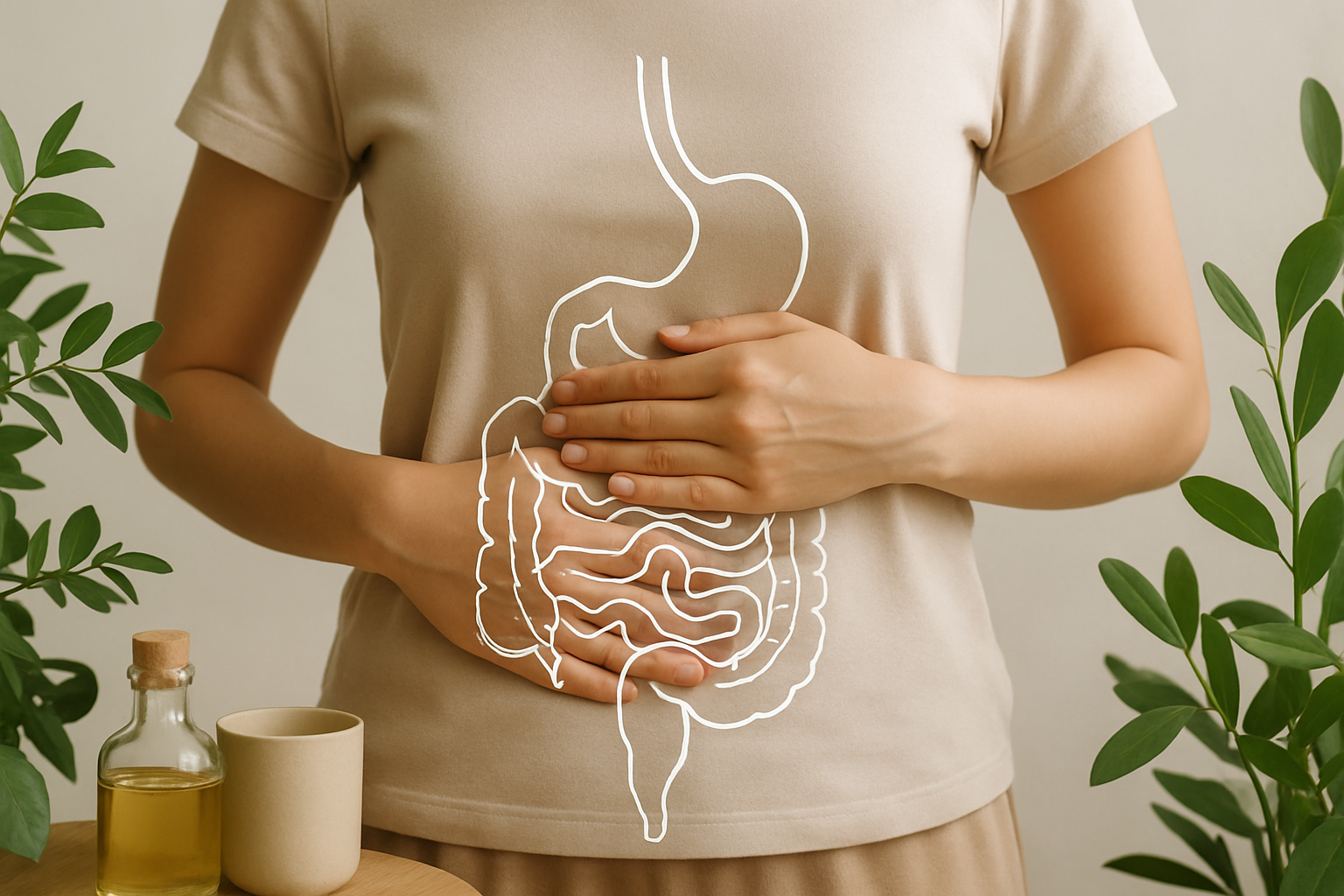
Nutrients connected to Digestive System
A link means the body needs the nutrient for this, or that low intake is linked to it. It does not mean extra supplements help if your intake is already adequate; each link shows how strong the evidence is.
- Inulin and chicory root fibrePreliminary or mixed
Inulin is fermented in the large intestine; trials show modest stool-frequency gains and frequent gas.
- Fibre supplements (psyllium, methylcellulose, calcium polycarbophil and others)Clinically supported
Fibre supplements act in the digestive tract; psyllium has trial evidence for chronic constipation, and swelling fibres carry choking and blockage warnings.
- Digestive enzyme supplementsDocumented risk
Over-the-counter enzymes are not a substitute for prescribed pancreatic enzymes. NIDDK says doctors typically prescribe them for exocrine pancreatic insufficiency and advises asking a doctor before using any supplement; the AGA says a response to enzymes cannot reliably diagnose the condition.
- SennaClinically supported
Acts on the bowel as a stimulant laxative for short-term constipation.
- PsylliumClinically supported
Acts in the gut as a bulk-forming fiber for constipation; EU-supported use.
- FlaxseedClinically supported
The EU recognises linseed for habitual constipation (well-established use) and small trials found better bowel habits. It must be taken with plenty of fluid.
- TansyDocumented risk
Vomiting, stomach inflammation and intestinal bleeding are listed poisoning effects.
- Rhubarb rootClinically supported
Rhubarb root is a stimulant laxative recognised in the EU for short-term relief of occasional constipation (up to one week). Trials of this use were not found in the sources we read.
- MorelDocumented risk
Raw or undercooked morels were linked to gastrointestinal illness in the Montana outbreak; 83.6% of French poison-centre cases had stomach and gut symptoms.
- Honey mushroomDocumented risk
Eaten undercooked or by sensitive people, honey mushroom causes vomiting or diarrhoea that usually settles within about two days.
- Poke root (pokeweed)Documented risk
Vomiting, stomach pain and bloody diarrhea are the leading poisoning symptoms of pokeweed.
- False MorelDocumented risk
Stomach and gut symptoms were the commonest effect in published false-morel poisonings (88.1% of 201 ingestions).
- Jack-o'-lantern mushroomDocumented risk
Eating it causes vomiting, cramps and diarrhoea within hours.
- MayappleDocumented risk
Swallowing podophyllum causes vomiting, belly pain and diarrhoea (IPCS).
- KiwifruitPreliminary or mixed
Small trials and a 2022 meta-analysis suggest two to three kiwifruit a day may ease constipation (low certainty); larger trials are needed.
- Livid pinkgillDocumented risk
Eating it causes vomiting and diarrhoea within hours.
- Ivory funnelDocumented risk
Nausea, vomiting, cramps and diarrhoea are part of the muscarinic picture.
- OnionsDocumented risk
Onion is high in fructans, which can worsen symptoms in some people with irritable bowel syndrome.
- Yellow stainerDocumented risk
Eating it causes vomiting, cramps and diarrhoea within hours.
- Green-spored parasolDocumented risk
A gastrointestinal irritant mushroom.
- Sulphur tuftDocumented risk
The main reported effect of eating it is gut upset (vomiting, diarrhoea).
- The sickenerDocumented risk
Gastrointestinal-irritant poisoning is the effect described by the sources read.
- Common earthballDocumented risk
Vomiting and stomach upset are the usual effects of eating earthballs by mistake.
- Poison pieDocumented risk
Eating it is reported to cause stomach pain, nausea, vomiting and diarrhoea within hours.
- Autumn crocus (colchicum)Documented risk
Vomiting, diarrhea and abdominal pain are the first signs of colchicine poisoning and can be delayed by up to 12 hours.
- Globe ArtichokesEstablished role
Artichoke is a source of fiber (5.4 g per 100 g, USDA) and fructans; fiber is part of normal digestion. No artichoke-vegetable trial for digestive disease was found.
- Deadly fibrecapDocumented risk
Nausea, vomiting, belly pain and diarrhoea are part of the muscarinic picture.
- Devil's boleteDocumented risk
Eating it causes vomiting, diarrhoea and abdominal pain within hours.
- Tiger tricholomaDocumented risk
Listed among mushrooms that cause vomiting and diarrhoea within hours.
- Beautiful clavariaDocumented risk
Reported to cause gastrointestinal upset when eaten.
- PlumsClinically supported
Prunes (dried plums) eased mild to moderate constipation in trials; a guideline rates most diet evidence low certainty. Results are for dried plums, not fresh.
- Prunes (Dried Plums)Clinically supported
Prunes have the best human evidence for easing mild to moderate constipation: one 40-person trial beat psyllium, and a dietitian guideline includes two prune statements, mostly low certainty.
- Peppermint OilClinically supported
Capsule trials in IBS; heartburn is a documented side effect of oral products.
- Wintergreen OilDocumented risk
Swallowing is very dangerous; poisoning cases in children.
- Yerba MateDocumented risk
Very hot drinks, including mate, probably cause esophageal cancer (IARC); the EU monograph also lists stomach and duodenal ulcers as a caution.
- Senna Tea (Laxative Teas)Preliminary or mixed
Senna is a stimulant laxative for short-term constipation in the EU; long-term use carries dependence and electrolyte risks.
- Bean Sprouts (Mung & Lentil Sprouts)Documented risk
Raw or lightly cooked sprouts can carry germs that cause food poisoning (vomiting, diarrhea). The FDA advises vulnerable people to avoid them and says thorough cooking kills the germs.
- Alfalfa & Clover SproutsDocumented risk
Raw alfalfa and clover sprouts have caused repeated Salmonella and E. coli outbreaks with diarrhea, cramps and sometimes kidney complications.
- Borax (Sodium Borate)Documented risk
Swallowing borates causes vomiting, stomach pain and diarrhea, possibly blue-green.
- Clover HoneyDocumented risk
Infant botulism begins when spores grow in a baby's gut; honey is a confirmed food source, so babies under 12 months must not have it.
- Castor OilClinically supported
Acts in the gut as a stimulant laxative; strong effects, with cramps and nausea reported.
- Gut Health Blends (Probiotic, Fiber, Enzymes)Preliminary or mixed
Same as gut health: fiber and some single strains have trial support for specific symptoms.
- Vitamin DDeficiency link
Gut disorders that reduce absorption, such as Crohn's disease, ulcerative colitis and celiac disease, can lower vitamin D levels.
- Vitamin B3 (niacin)Established role
Niacin helps the digestive system work; deficiency causes diarrhoea, abdominal pain and inflamed mucous membranes.
- Vitamin B12Deficiency link
Absorbing B12 depends on the stomach and gut. Stomach surgery, Crohn's disease and pernicious anaemia can cause deficiency.
- MagnesiumDocumented risk
Large amounts of magnesium from supplements or laxatives can cause diarrhoea and cramping. Bowel disease and chronic diarrhoea can also lead to low magnesium.
- GlycineEstablished role
Glycine is part of bile acids that help digest fat. Extra glycine has not been shown to improve digestion.
- Lactobacillus and Bifidobacterium probioticsPreliminary or mixed
Specific strains have tentative support for antibiotic-associated diarrhoea, IBS and constipation. Results belong to the exact strain and condition studied.
- Lactobacillus rhamnosus GGClinically supported
LGG has been tested for digestive conditions; support is strongest for preventing antibiotic-associated diarrhoea in at-risk children, and mixed for gastroenteritis and IBS.
- Lactobacillus reuteri (Limosilactobacillus reuteri)Preliminary or mixed
Studied for infant colic and childhood diarrhoea with mixed results, for one strain (DSM 17938) only.
- Bifidobacterium (infantis, longum, lactis, breve)Preliminary or mixed
Bifidobacterium lactis showed an effect on stool frequency in adults with constipation, and B. infantis 35624 helped IBS symptoms at one tested amount in women. Evidence is limited and strain-specific.
- Saccharomyces boulardiiClinically supported
Studied mainly to prevent diarrhoea linked to antibiotics (S. boulardii CNCM I-745). Results are for this yeast and these uses only, with low certainty in the AGA review; trials for other uses are mixed.
- Bacillus coagulans, Bacillus subtilis and spore-forming probioticsPreliminary or mixed
The trials of named Bacillus strains were on digestive symptoms (IBS, dyspepsia, bloating), with small or mixed results.
- Akkermansia, Faecalibacterium and next-generation probioticsLab or animal research only
These organisms live in the gut and are being studied as possible future gut-targeted biotherapeutics. Human evidence for supplements is limited.
- Prebiotic fibresPreliminary or mixed
Prebiotic fibres are fermented in the large bowel. Reviews show modest stool-frequency gains, mixed symptom results, and gas as a common effect.
- Bacopa monnieriDocumented risk
The most common side effects are digestive: more frequent stools, nausea and cramps.
- SaffronDocumented risk
Stomach and bowel complaints (nausea, vomiting, constipation, diarrhoea, abdominal pain) made up about 39% of reported side effects in trials; most were mild and passed on their own.
- Artichoke leafPreliminary or mixed
A 2023 Cochrane review found low-certainty evidence from one study that artichoke may ease indigestion symptoms. The EU recognises it only as a traditional use.
- GingerPreliminary or mixed
Ginger is used for nausea and digestive complaints. Support is mixed: regulators recognise powdered ginger for motion-sickness nausea and NCCIH finds it may help nausea in pregnancy, while other uses rest on traditional use.
- ElderberryDocumented risk
Raw or unripe berries and other plant parts can cause nausea, vomiting and severe diarrhea.
- Aloe veraDocumented risk
Aloe latex taken by mouth can cause abdominal pain, cramps and diarrhea (NCCIH). FDA found inadequate data on safety and effectiveness of aloe ingredients as over-the-counter laxatives.
- FennelPreliminary or mixed
Digestive complaints are the main use: encouraging but limited infant colic data, and traditional use for adult bloating and gas.
- PeppermintClinically supported
Studied for IBS and, in combination with caraway oil, indigestion. Heartburn, gallstone and liver cautions also apply.
- Slippery elmPreliminary or mixed
Used traditionally for gut disorders; human evidence is limited to a small formula pilot.
- Cascara sagradaClinically supported
Used short term for occasional constipation (EU regulator view, based on well-established use rather than cascara-specific trials).
- GentianPreliminary or mixed
Traditional use for appetite and mild stomach and gut complaints. Accepted by the EU herbal committee as a traditional use only; clinical-trial evidence is insufficient.
- Willow barkDocumented risk
Can cause nausea, stomach pain and heartburn, and is not advised with active stomach ulcers.
- Chicory rootClinically supported
Chicory inulin raised stool frequency in people with constipation in small trials and a meta-analysis; this applies to inulin, not every chicory product.
- SarsaparillaDocumented risk
RxList says larger amounts may irritate the stomach.
- Yerba mateDocumented risk
IARC concluded very hot drinks (above 65 C) probably cause esophageal cancer; mate is traditionally drunk very hot, but mate that is warm or cold could not be classified. The EU also lists stomach and duodenal ulcers as a contraindication.
- EnokiDocumented risk
Raw enoki has caused outbreaks of Listeria infection, a foodborne illness; thorough cooking is advised for higher-risk groups.
- AtractylodesPreliminary or mixed
Bai zhu is traditionally used for bloating and loose stools, and small clinical reports exist, but trial evidence is limited and mostly from formulas. Traditional use is not proof of benefit.
- Dragon's blood (sangre de grado)Clinically supported
The purified drug crofelemer is FDA-approved for HIV-associated non-infectious diarrhea and sap products were reported helpful in traveler's diarrhea; the raw sap itself has little verified human evidence.
- FoxgloveDocumented risk
Nausea and vomiting are common early signs of foxglove poisoning. This is a poisoning warning, not a use.
- Polygala (yuan zhi)Documented risk
Throat and digestive-tract irritation, with vomiting and bloating, is described for large or long-term use.
- Chicken of the woodsDocumented risk
Some people get nausea and vomiting after eating it; it should be eaten young and well cooked.
- GingerPreliminary or mixed
Ginger is used for nausea and digestive complaints. Support is mixed: regulators recognise powdered ginger for motion-sickness nausea and NCCIH finds it may help nausea in pregnancy, while other uses rest on traditional use.
- St George's mushroomDocumented risk
A poisonous look-alike picked by mistake causes severe stomach and bowel illness. This is a wild-harvest risk, not a benefit.
- Black pepperDocumented risk
Piperine changes how the gut wall and liver enzymes handle some drugs, so absorption can rise.
- Asafoetida (hing)Preliminary or mixed
Used as a digestive spice; small trials in dyspepsia and IBS are positive but low certainty.
- Cayenne and chili pepperPreliminary or mixed
Chili can aggravate dyspepsia and IBS symptoms in a single dose; long-term effects are mixed in small studies.
- Asafoetida (hing)Preliminary or mixed
Pooled trials report fewer irritable bowel symptoms; the evidence is limited and not replicated.
- Bay leafDocumented risk
Whole bay leaves stay stiff after cooking and may harm the digestive tract or cause choking if swallowed, so recipes say to remove them.
- CarawayClinically supported
A fixed peppermint-plus-caraway oil capsule probably improved indigestion symptoms in a Cochrane review; this does not show an effect of caraway alone or of caraway as a spice.
- Anise (aniseed)Preliminary or mixed
The EU accepts aniseed for mild indigestion on traditional use; single trials of anise oil capsules in IBS were positive but small.
- Fennel seedPreliminary or mixed
Fennel products are studied for infant colic and traditionally used for bloating and gas.
- Clouded agaricDocumented risk
Eating clouded agaric was linked to diarrhoea, nausea and vomiting in poisoning reports; how often this happens is not known.
- AlfalfaDocumented risk
Looser, more frequent stools, gas and belly discomfort are listed; raw sprouts can cause food poisoning.
- Juniper berryPreliminary or mixed
One small 2025 trial of a juniper oil preparation helped dyspepsia symptoms; the EU accepts traditional use for indigestion and gas.
- Death capDocumented risk
The first symptoms are stomach pain, nausea, vomiting and diarrhoea.
- Guava leafPreliminary or mixed
Guava leaf decoction ended acute diarrhoea sooner than rehydration alone in one open-label trial of 109 adults; only three clinical trials exist, so evidence is limited.
- Mistletoe (European)Documented risk
Poisoning from the plant mainly shows as gut symptoms, with more serious effects reported for European mistletoe.
- Sophora flavescens (ku shen)Documented risk
Vomiting was a common effect in Hong Kong poisoning cases, and a review lists the digestive tract among sites of excessive-exposure toxicity.
- Korean mint (huo xiang)Preliminary or mixed
Traditional digestive herb; trials involve the Huo Xiang Zheng Qi formula, not the single plant.
- Wild indigoDocumented risk
Large amounts are reported to cause vomiting and diarrhea; the sources are an old text and a consumer reference.
- JewelweedDocumented risk
Eating the plant is reported to cause vomiting and digestive upset, and the green fruits are described as toxic.
- PearsPreliminary or mixed
Pears are a fiber source (about 5.5 g in a medium pear, USDA) and NIDDK lists them among fiber-rich fruits; no trial of pears for bowel problems was found.
- Passion FruitEstablished role
One cup of pulp has about 24.5 g of fiber (88% Daily Value); no trial of the pulp for digestion was found.
- PersimmonsDocumented risk
Case reports describe tannin masses (bezoars) from persimmons blocking the stomach or bowel; how common this is was not found.
- CantaloupeDocumented risk
Whole cantaloupes have caused Listeria and Salmonella outbreaks; washing the rind and chilling cut fruit are the official advice.
- DatesPreliminary or mixed
A small crossover trial found more bowel movements with about 7 dates a day; a larger fruit-and-constipation review called evidence limited.
- FigsPreliminary or mixed
Fig syrup and paste were studied for constipation; limited evidence.
- OleanderDocumented risk
Nausea, vomiting, diarrhea and stomach pain are early signs of oleander poisoning. This is a poisoning warning, not a use.
- Lily of the valleyDocumented risk
Nausea, vomiting, stomach pain and diarrhea are early signs of poisoning.
- White chicken of the woodsDocumented risk
Some people get nausea or stomach upset after eating chicken-of-the-woods mushrooms, especially raw or undercooked ones.
- Chipotle (smoked jalapeno)Preliminary or mixed
Chili can worsen pain and burning in dyspepsia and IBS after one dose, and small studies suggest long-term intake may ease dyspepsia and reflux; food studies, not chipotle specifically.
- BroccoliDocumented risk
The NHS lists broccoli among foods that can cause gas and bloating in some people.
- Aleppo pepperPreliminary or mixed
Acute chili can worsen gut pain and burning in dyspepsia and IBS; long-term eating improved some symptoms in small studies.
- CauliflowerDocumented risk
The NHS lists cauliflower among foods that can cause wind and bloating in some people; it also supplies about 2 g of fiber per 100 g.
- Brown roll-rimDocumented risk
Stomach symptoms are the first sign.
- Deadly parasolDocumented risk
The first phase is severe stomach and bowel symptoms with dehydration.
- KohlrabiEstablished role
Provides dietary fiber (about 4.9 g per cup); we found no kohlrabi trial on digestion.
- ParsnipsPreliminary or mixed
Parsnip provides fiber (about 6.5 g per cup); NHS links higher fiber intake with digestion and preventing constipation. No parsnip-specific trial was found.
- Amanita smithiana and Amanita proximaDocumented risk
Nausea and vomiting usually start within hours of the meal.
- JicamaPreliminary or mixed
Contains inulin-type fibers; trials of such fibers show modest gains in stool frequency (low certainty), but jicama itself was not tested.
- Chili PeppersDocumented risk
Capsaicin can cause gut burning, and chili can aggravate pain in dyspepsia and irritable bowel syndrome.
- CucumbersDocumented risk
Raw cucumbers have caused Salmonella outbreaks with diarrhea, fever and stomach cramps (2024 FDA investigation); washing and recalls matter.
- Zucchini (Courgette)Documented risk
A bitter zucchini with high cucurbitacin levels can cause vomiting, diarrhea (sometimes bloody) and stomach pain; BfR advises not eating bitter-tasting zucchini.
- Butternut SquashPreliminary or mixed
Fiber adds bulk and helps prevent constipation (general fiber statement).
- Green BeansPreliminary or mixed
Green beans give fiber (2.7 g per cup); NHS says fiber aids digestion and can help prevent constipation, but this is not tested for green beans.
- Green PeasPreliminary or mixed
Peas provide fiber (5.7 g per 100 g) that supports bowel function; no trial of green peas for digestion was read.
- Nopales (Prickly Pear Pads)Preliminary or mixed
The pad provides soluble and insoluble fiber; extracted nopal fiber eased IBS symptoms in one short trial.
- Mastic (mastiha)Preliminary or mixed
Indigestion trial and traditional EU status are for medicine-level amounts, not cooking.
- Mycoprotein (Quorn)Documented risk
Self-reported vomiting and diarrhoea after eating Quorn products (1,692 reports); a high-fibre food otherwise.
- Woolly milkcapDocumented risk
Described as a poisonous mushroom; general short-delay mushroom poisoning is a stomach-and-bowel illness. Species-specific symptom data not found.
- Poison fire coralDocumented risk
Nausea, vomiting and diarrhoea were reported early in poisoned patients.
- Tender nesting polyporeDocumented risk
Abdominal pain, nausea and vomiting began about 12 hours after the meal in both patients.
- BeechnutsDocumented risk
Raw beechnuts are reported to cause stomach and gut upset in larger amounts; heating is advised.
- AcornsDocumented risk
Raw acorn tannins are reported to reduce nutrient absorption and may impair digestion; leaching is used to reduce them.
- BarleyDocumented risk
Barley contains gluten (celiac disease) and fructans (low-FODMAP caution).
- RyeDocumented risk
Rye contains gluten (celiac disease) and is high in fructans (irritable bowel symptoms).
- Whole Wheat & Wheat BerriesPreliminary or mixed
Cereal fiber adds bulk to stool in intervention trials. Wheat-based foods also contain gluten and fructans, which matter for some people.
- SpeltPreliminary or mixed
Cereal fiber adds bulk to stool in intervention trials. Wheat-based foods also contain gluten and fructans, which matter for some people.
- Farro (Emmer)Preliminary or mixed
Cereal fiber adds bulk to stool in intervention trials. Wheat-based foods also contain gluten and fructans, which matter for some people. Not farro-specific.
- Khorasan Wheat (Kamut)Preliminary or mixed
Cereal fiber adds bulk to stool in intervention trials. Wheat-based foods also contain gluten and fructans, which matter for some people.
- BulgurPreliminary or mixed
Cereal fiber adds bulk to stool in intervention trials. Wheat-based foods also contain gluten and fructans, which matter for some people.
- FreekehPreliminary or mixed
Cereal fiber adds bulk to stool in intervention trials. Wheat-based foods also contain gluten and fructans, which matter for some people. Not freekeh-specific.
- Wheat Bran & Wheat GermPreliminary or mixed
Wheat bran modestly improved bowel frequency in a small trial; fiber can cause gas and bloating.
- LentilsDocumented risk
Gas is the most common reported symptom; in lentil trials most people reported none to mild symptoms. Galacto-oligosaccharides are mainly found in beans and pulses (hospital low-FODMAP leaflet).
- Chickpeas (Garbanzo Beans)Documented risk
Gas is a common effect of pulses; galacto-oligosaccharides are mainly found in beans and pulses (hospital low-FODMAP leaflet), which limits canned chickpeas to 2 tbsp at a meal in its elimination phase.
- Split PeasDocumented risk
Gas is a common effect of pulses; galacto-oligosaccharides are mainly found in beans and pulses (hospital low-FODMAP leaflet). We read no split-pea-only gas trial.
- Pigeon PeasDocumented risk
Gas is a common effect of pulses; galacto-oligosaccharides are mainly found in beans and pulses (hospital low-FODMAP leaflet). We read no pigeon-pea-only gas trial.
- Black-Eyed Peas (Cowpeas)Documented risk
Gas is a common effect of pulses; in three feeding studies black-eyed peas had the lowest share of people reporting more gas in week 1 (19%), falling later.
- Navy BeansDocumented risk
Beans can cause gas and bloating, and raw or undercooked beans can cause food poisoning from lectin.
- White Beans (Cannellini & Great Northern)Documented risk
Beans can cause gas and bloating, and raw or undercooked beans can cause food poisoning from lectin.
- Lima BeansDocumented risk
Beans can cause gas and bloating, and raw or undercooked beans can cause food poisoning from lectin.
- Mung BeansDocumented risk
Beans can cause gas and bloating, and raw or undercooked beans can cause food poisoning from lectin.
- Adzuki BeansDocumented risk
Beans can cause gas and bloating, and raw or undercooked beans can cause food poisoning from lectin.
- Bean & Lentil PastaDocumented risk
Legume carbohydrates are fermented by gut bacteria and can cause gas; Monash lists most legumes as high in FODMAPs.
- YogurtClinically supported
Yogurt is digested and tolerated better than milk by people who digest lactose poorly. This is about lactose, not a general digestive benefit.
- Cranberry Beans (Borlotti)Documented risk
Raw or undercooked beans carry lectins that can cause vomiting and diarrhea, and beans ferment in the gut to cause gas and bloating in some people. Both are documented but avoidable with cooking and, for gas, smaller portions.
- Tepary BeansDocumented risk
Raw tepary beans have very high lectin activity per the plant reference and gas-causing sugars; cooking reduces the lectin, and gas is common with beans.
- Urad Dal (Black Gram)Documented risk
Raw legumes carry lectins and other antinutrients that cooking reduces, and beans ferment in the gut to cause gas in some people. No black gram poisoning report was read.
- Moth Beans (Matki)Documented risk
Raw legumes carry lectins and other antinutrients that cooking reduces, raw sprouts carry a bacterial risk, and beans ferment in the gut to cause gas in some people.
- Horse Gram (Kulthi)Documented risk
Raw seed contains lectins and trypsin inhibitors that cooking reduces; beans can also cause extra gas.
- Bambara GroundnutDocumented risk
Raw seeds hold trypsin inhibitors, tannins, phytate and oxalate that cooking reduces; beans can also cause extra gas.
- Hyacinth Beans (Lablab)Documented risk
Mature dry seeds contain cyanogenic glycosides, lectins and trypsin inhibitors that cooking reduces; beans can also cause extra gas.
- Winged BeansDocumented risk
Raw dry seeds contain lectins and trypsin inhibitors that heat destroys; beans can also cause extra gas.
- Jack Beans (Caution)Documented risk
Raw seeds contain lectin, canavanine and other toxic factors that are only partly removed by heat in animal studies; a related bean has caused poisoning when undercooked.
- Koji & AmazakePreliminary or mixed
Bowel movement studies of koji and sake-lees amazake, per a 2025 review.
- Fermented Hot SauceDocumented risk
NIDDK lists spicy foods among possible reflux triggers; a systematic review linked capsaicin to dyspepsia flares.
- MCT OilDocumented risk
Diarrhea, nausea and stomach upset are common effects.
- MayonnaiseDocumented risk
Raw-egg mayonnaise can carry Salmonella, which causes diarrhea, fever and cramps.
- Cow's MilkDocumented risk
Lactose can cause bloating, gas and diarrhea in people who are lactose intolerant.
- Oat MilkDocumented risk
Oats can carry gluten from cross-contact, which matters in coeliac disease.
- Prune JuicePreliminary or mixed
One randomized trial of prune juice and several trials of whole prunes found easier stools in people with constipation. Evidence is limited; the juice trial was partly company-funded.
- Agar (Agar-Agar)Documented risk
Agar swells in liquid. One case report links agar to a blocked stomach pouch after gastric bypass, so it should be dissolved, not swallowed dry.
- CarrageenanPreliminary or mixed
Small human trials looked at relapse of colitis and gut permeability; results are mixed and the trials are tiny.
- AlginateClinically supported
Alginate reflux medicines relieved heartburn symptoms better than placebo or antacids in a pooled analysis of 14 trials. This is symptom relief, not a cure.
- Bentonite ClayDocumented risk
Swallowing large amounts can cause bowel blockage and electrolyte problems in a case report.
- Activated CharcoalPreliminary or mixed
Works in the gut by binding substances; gas evidence mixed; aspiration and medicine binding are documented risks.
- Diosmectite (Smectite)Clinically supported
A medical use for acute diarrhea; evidence is low certainty.
- Attapulgite (Palygorskite)Preliminary or mixed
Studied as an anti-diarrhea medicine in adults and children.
- Coconut Shell CharcoalDocumented risk
Should not be used with bleeding, perforation or blockage; may slow the bowel.
- Eating Clay (Geophagy)Documented risk
Belly pain, nausea, bloating and blockage (bezoars) are listed.
- Epsom Salt (Magnesium Sulfate)Documented risk
Swallowed Epsom salt acts as a laxative and has caused severe magnesium overload in case reports.
- Baking Soda (Sodium Bicarbonate)Clinically supported
Recognized antacid for heartburn, for short-term labelled use.
- Oral Rehydration SaltsClinically supported
Used for fluid loss from diarrhea and vomiting, not for general digestion.
- Sidr HoneyDocumented risk
Honey spores can grow in a baby's gut and cause infant botulism, so honey is not for babies under 12 months.
- Children's MultivitaminsDocumented risk
The first signs of iron overdose are stomach and bowel problems: nausea, vomiting, diarrhea, dark or bloody stools.
- Vitamin B5Documented risk
Large doses do not cause symptoms except possibly diarrhea.
- Vitamin CDocumented risk
More than 1,000 mg a day from supplements can cause stomach pain, diarrhoea and gas, which settle when stopped.
- ZincDocumented risk
Large zinc supplement amounts may cause diarrhea, cramps and vomiting, usually within 3 to 10 hours.
- ChromiumDocumented risk
Some chromium supplement forms may irritate the stomach and gut or cause ulcers.
- PhosphorusDocumented risk
Short-term high-dose phosphorus supplements can cause diarrhoea or stomach pain.
- FluorideDocumented risk
Swallowing too much fluoride can cause stomach pain, nausea, vomiting and diarrhea. This is mostly seen in small children who swallow tablets or toothpaste.
- Curcumin (turmeric supplements)Documented risk
Oral turmeric can cause nausea, acid reflux, stomach upset, diarrhoea or constipation.
- Lactobacillus acidophilus and the acidophilus groupPreliminary or mixed
Acidophilus is a normal gut and body resident; trials of specific products in diarrhoea and IBS give mixed, low-certainty results.
- LavenderDocumented risk
Oral lavender products can cause diarrhea, nausea or burping in some people.
- TurmericPreliminary or mixed
Traditional herbal use in the European Union supports turmeric for mild digestion problems such as fullness and gas in adults. Studies hinted at a benefit, but their design flaws meant firm conclusions could not be drawn.
- CinnamonDocumented risk
Digestive upset is the most common side effect of larger or longer use.
- FenugreekDocumented risk
Diarrhea, nausea and gas are the most reported side effects; EU use for loss of appetite is traditional only.
- Bitter MelonDocumented risk
Trials reported digestive complaints such as diarrhea, gas, nausea and constipation.
- YarrowLab or animal research only
Traditional EU use for loss of appetite and mild cramping complaints; supported only by tradition and lab findings.
- Peony (white peony root)Documented risk
Mild diarrhoea, loose stools and abdominal pain were reported in trials of the extract.
- MyrrhPreliminary or mixed
The EU accepts a myrrh tincture for minor mouth ulcers and gum inflammation on traditional use only, not clinical trials. The mouth is the start of the digestive tract; no trial evidence for the rest of the gut.
- CilantroPreliminary or mixed
One trial of a two-herb capsule containing Coriandrum sativum improved indigestion symptoms; fresh cilantro was not tested.
- Lady's mantlePreliminary or mixed
Lady's mantle tea is listed for mild non-specific diarrhea and gut complaints in a German reference and the ESCOP monograph. No trial results were read, so the support is reference or traditional use only.
- RehmanniaDocumented risk
A drug-reference page lists diarrhea and abdominal bloating as side effects, and traditional teaching advises caution in weak digestion.
- BupleurumPreliminary or mixed
Formula trials in peptic ulcer were favourable overall but with imprecise results; no data for the single herb.
- Blessed thistlePreliminary or mixed
Used in the EU for temporary loss of appetite and mild indigestion on the basis of long traditional use only; no clinical studies were found.
- HorehoundPreliminary or mixed
Traditionally used for mild indigestion, bloating and poor appetite; no trials found.
- AgrimonyPreliminary or mixed
Registered in the EU as a traditional herbal medicine for mild diarrhoea; this rests on long use, with no human trial found.
- Almond mushroom (Agaricus subrufescens)Preliminary or mixed
Two 21-day single-blinded trials of a branded extract (50 people each) reported symptom improvements in ulcerative colitis and Crohn's disease; only the ulcerative colitis trial separated from placebo in the abstract.
- Mulberry leafDocumented risk
Bloating, gas, constipation and loose stools are the most common side effects in studies up to 12 weeks.
- Wood earPreliminary or mixed
Wood ear is mostly fibre by dry weight. One small 2004 trial of an ear-mushroom fibre product improved constipation symptoms, while a 2025 trial of a powder food found no significant change; the evidence is limited and mixed.
- JujubePreliminary or mixed
Small trials of jujube extract or syrup for constipation; evidence is limited.
- Camu camuDocumented risk
Large amounts of vitamin C can cause stomach pain, diarrhea and wind (MedlinePlus, NHS).
- Rose petalsPreliminary or mixed
Some benefit for constipation symptoms in a 2025 review of 13 studies.
- RueDocumented risk
Vomiting and abdominal pain are listed effects of swallowing rue; traditional digestive use has no trial evidence.
- KratomDocumented risk
Nausea and constipation are among the common side effects listed by NCCIH.
- Garcinia cambogiaDocumented risk
NCCIH lists nausea, diarrhoea and other digestive symptoms as side effects.
- White kidney bean extractLab or animal research only
The extract works in the digestive tract by blocking a starch-digesting enzyme; this is mechanism, not proof of benefit.
- Black trumpetDocumented risk
Tough, chitin-rich fruiting body linked in one case report to a bowel blockage; cook well and eat in food amounts.
- Chinese yam (shan yao)Preliminary or mixed
Used traditionally as a medicinal food for the gut. The best review found only two small human trials, so support is weak.
- Beech mushroomLab or animal research only
Gut-protection finding is from mice only; as a food the mushroom provides about 3 g of fibre per 100 g raw.
- Pleurisy rootDocumented risk
Nausea, vomiting, cramping and diarrhea are listed as side effects, especially with a large single amount.
- Bayberry (wax myrtle)Documented risk
Nausea and vomiting are listed effects; traditional use for diarrhea and nausea has no trial evidence.
- CentauryPreliminary or mixed
Used traditionally for mild indigestion and loss of appetite; the EU accepts this as traditional use only, with no clinical trials.
- TurmericPreliminary or mixed
EU regulators accept turmeric medicines for mild digestion problems in adults on long-standing use only; studies had design problems. Not about cooking amounts.
- Grains of paradiseDocumented risk
A consumer reference says it might irritate the stomach and intestine; a secondary source with no dose range.
- Horseradish and wasabiDocumented risk
Stomach upset after pure mustard oil in a small report; fresh wasabi leaves commonly cause diarrhea.
- Pink peppercornDocumented risk
Reported stomach and throat irritation, vomiting and diarrhea after eating the fruit, mainly in young children.
- CinnamonDocumented risk
Digestive upset is among the most common side effects of larger amounts.
- Bamboo mushroomLab or animal research only
A polysaccharide restored gut bacteria and gut-barrier proteins in antibiotic-treated mice. No human data.
- Kutaja (kurchi)Preliminary or mixed
The bark is traditionally used for diarrhoea, dysentery and piles; human evidence is limited and mostly preliminary.
- FenugreekDocumented risk
Diarrhea, nausea and gas are the most reported side effects, mainly with larger amounts; EU use for loss of appetite is traditional only.
- Pinellia (ban xia)Preliminary or mixed
Used traditionally for nausea and stomach complaints. Human evidence is limited to multi-herb formulas added to standard anti-nausea drugs after chemotherapy; pinellia alone has not been shown to help.
- WheatgrassPreliminary or mixed
Used for active ulcerative colitis symptoms; one small one-month trial was positive and a 2013 review called the studies limited.
- The princeDocumented risk
Poison-centre registers list A. augustus among Agaricus linked to stomach upset 1 to 2 hours after eating; cause not established.
- YaconPreliminary or mixed
Stool habit changes were reported; side effects were mild digestive discomfort.
- Deadly webcapDocumented risk
Stomach symptoms are the first sign, usually about day 3, and are not the main lasting harm.
- BoldoPreliminary or mixed
Boldo leaf is registered in the EU only as a traditional remedy for indigestion and mild gut spasms; the EMA found no clinical studies, so this rests on long use.
- Perilla (shiso)Preliminary or mixed
Pilot trial for stomach and bowel discomfort; traditional use for intestinal complaints.
- ApricotsPreliminary or mixed
Apricots contain fiber (2 g per 100 g), but no trial of apricots for digestion was read.
- ApplesEstablished role
A medium apple provides about 4.4 g of fiber (USDA).
- BananasPreliminary or mixed
One open-label trial found green banana in rice porridge helped young children with persistent diarrhoea; ripe bananas were not tested.
- MangoPreliminary or mixed
Fiber content and one small gut trial; also a FODMAP caution for some people with IBS.
- Cowslip (primula)Documented risk
The EU monographs advise caution in gastritis and stomach ulcer, and overdose may cause stomach upset, vomiting or diarrhoea.
- JackfruitEstablished role
Whole fruit supplies a modest amount of fiber (about 2.5 g per cup of sliced fruit, USDA); no trial of jackfruit and digestion was found.
- FumitoryPreliminary or mixed
Traditionally used for digestive complaints; evidence is limited and the one IBS trial found no benefit over placebo.
- BerbereDocumented risk
MSK lists stomach irritation as a common effect of chili.
- Leafy Greens (overview)Documented risk
Greens eaten raw can carry E. coli; the FDA advises washing produce and refrigerating pre-cut or packaged greens.
- KokumPreliminary or mixed
One small trial of rind extract with honey in chronic gastritis reported fewer symptoms; it is a single trial, not food use.
- Ancho chilePreliminary or mixed
Chili can worsen or improve digestive symptoms depending on the person and the timing; evidence is from small studies.
- Kashmiri chiliDocumented risk
MSK lists stomach irritation and pain; a pooled study links high chili intake with higher risk of some GI cancers.
- CabbagePreliminary or mixed
Cabbage is a fiber-containing food; many people believe it causes gas, but we found no study measuring this.
- Brussels SproutsPreliminary or mixed
Some people perceive Brussels sprouts as causing gas; a UK survey found 23% did, but few were worried. This is perception, not measured.
- Indian bay leaf (tej patta)Lab or animal research only
A leaf extract reduced experimental diarrhoea in rats; no human data. Separately, stiff whole leaves can harm the gut if swallowed.
- Daikon RadishPreliminary or mixed
Daikon is eaten as part of meals and fermented in kimchi; the 'digestive enzyme' claim has no good human evidence.
- Onions, Garlic & Allium Vegetables (overview)Preliminary or mixed
The only digestive link with research is the observational gastric cancer finding, which cannot prove cause.
- TormentilPreliminary or mixed
Traditionally used for mild diarrhoea and minor mouth inflammation; EMA accepts this as traditional use only and no good human trials were found.
- LeeksDocumented risk
Leeks belong to the onion family, whose fructans are a FODMAP that can bother some people with IBS; leek-specific amounts were not found.
- Deadly ConocybeDocumented risk
Stomach symptoms are the first phase of amatoxin poisoning in general.
- Poison hemlockDocumented risk
Nausea and vomiting are early signs of poisoning.
- Atractylodes lancea (cang zhu)Lab or animal research only
Cang zhu is a traditional digestive herb. Evidence is traditional use plus animal findings; we found no controlled human trial.
- Sweet CornPreliminary or mixed
Corn gives about 2 g of fiber per 100 g; fiber in general helps prevent constipation (MedlinePlus). Not tested for corn specifically.
- Fennel BulbPreliminary or mixed
The bulb supplies fiber (3.1 g per 100 g), and the NHS says fiber-rich foods help digestion and prevent constipation. No trial of the bulb itself was found.
- Dried fenugreek leaf (kasuri methi)Documented risk
Diarrhea, nausea and gas are the most reported side effects, mainly with larger amounts; EU use for loss of appetite is traditional only.
- Onion powderDocumented risk
Onion is high in fructans that can worsen IBS symptoms in some people; measured in fresh onion, not powder.
- Chia SeedsDocumented risk
Dry chia seeds swell into a gel; a case report describes a blocked food pipe after swallowing dry seeds with water.
- FlaxseedPreliminary or mixed
Constipation trials; higher amounts may cause bloating, fullness and diarrhea.
- Ginger OilPreliminary or mixed
Small trials found less nausea after surgery with ginger oil scent or application; results are not for use at home and do not cover other routes.
- Fennel Oil (Sweet and Bitter)Preliminary or mixed
One 2003 trial linked a fennel seed oil emulsion to less colic in infants; reviews say such trials have major limits. Not advice for babies.
- Anise and Star Anise OilPreliminary or mixed
One 2016 trial of enteric-coated anise oil capsules in IBS found fewer symptoms than placebo; single trial.
- Lemon Verbena TeaPreliminary or mixed
Traditional use for mild stomach complaints.
- Sage TeaPreliminary or mixed
EU traditional use only.
- Licorice Root TeaPreliminary or mixed
EU traditional use for digestive symptoms; NCCIH says it is unclear whether licorice alone helps. No trial of the tea was found.
- Dandelion TeaPreliminary or mixed
EU traditional use of the root for mild digestive discomfort and appetite; a regulatory category, not trial proof.
- Burdock Root TeaPreliminary or mixed
One open-label trial of burdock tea found fewer repeat attacks of diverticulitis; bleeding recurrence was not reduced.
- Fennel TeaPreliminary or mixed
Same evidence: a traditional use accepted in the EU, and one surgery-recovery trial of the tea.
- Ginger TeaPreliminary or mixed
One small non-randomized study of ginger tea in chemotherapy nausea; most ginger nausea trials used supplements, not tea.
- Turmeric TeaPreliminary or mixed
EU traditional use for mild digestive discomfort, including as a herbal tea; trial evidence is limited.
- Cinnamon TeaPreliminary or mixed
EU traditional use of Ceylon cinnamon tea for mild stomach spasms and mild diarrhea; no tea trial.
- Anise TeaPreliminary or mixed
The EU accepts aniseed tea for mild spasmodic digestive complaints on traditional use; no trial of the tea found.
- Corn Masa & Corn TortillasDeficiency link
Pellagra includes digestive problems (MedlinePlus); the lime step in corn foods lowers that risk.
- Soy Foods (Soybeans)Documented risk
NCCIH lists bloating, constipation, diarrhea and nausea as possible side effects of soy, and NIDDK names legumes among foods that cause gas.
- Edamame (Green Soybeans)Documented risk
NCCIH lists bloating, constipation, diarrhea and nausea as possible side effects of soy, and NIDDK names legumes among foods that cause gas.
- TofuDocumented risk
NCCIH lists bloating, constipation, diarrhea and nausea as possible side effects of soy, and NIDDK names legumes among foods that cause gas.
- HummusDocumented risk
NIDDK names legumes among foods that can cause gas.
- Canned Beans (Drained, Rinsed)Documented risk
NIDDK names beans among foods that can cause gas.
- KefirPreliminary or mixed
Kefir reduced breath hydrogen versus milk in one small lactose trial; other digestive claims are weak.
- Baked BeansPreliminary or mixed
Resistant starch and oligosaccharides ferment in the colon and can cause gas in some people.
- Water Kefir (Tibicos)Preliminary or mixed
Mild gas and bloating in about a third of participants; some reported less abdominal pain.
- Refried BeansPreliminary or mixed
Fermentable fibers in beans can cause gas in some people.
- FalafelPreliminary or mixed
Fermentable fibers in chickpeas can cause gas in some people.
- Flaxseed OilDocumented risk
High doses may cause loose stools or diarrhea.
- Mineral & Sparkling WaterPreliminary or mixed
Two small randomized trials of specific mineral waters improved stool measures.
- CoffeePreliminary or mixed
Coffee users had slightly more GERD in a meta-analysis; clinical meaning is unclear.
- Soy MilkDocumented risk
NCCIH lists bloating, constipation, diarrhea and nausea as possible soy side effects.
- Apple JuicePreliminary or mixed
In one trial, dilute apple juice with preferred fluids had fewer treatment failures than an electrolyte solution in young children with mild gastroenteritis.
- Tomato JuiceDocumented risk
NIDDK lists tomatoes among acidic foods some people with GERD find trigger symptoms.
- Bone BrothLab or animal research only
Gut barrier results are from animals and components.
- Sea Grapes (Umibudo)Documented risk
Raw sea grapes carried bacteria in a lab study, so handling matters. CDC describes vibriosis as a gut infection from raw shellfish or coastal water but does not mention seaweed.
- Kaolin Clay (White Clay)Documented risk
Eaten kaolin has been linked in a case report to iron deficiency anemia.
- Charcoal Toothpaste and Whitening PowderDocumented risk
Charcoal that is swallowed can cause nausea or vomiting, and should not be used with gut bleeding, perforation or blockage.
- Bamboo CharcoalDocumented risk
Swallowed charcoal can cause nausea or vomiting and should not be used with gut bleeding, perforation or blockage.
- Magnesium Oil, Sprays and LotionsDocumented risk
Swallowed magnesium laxatives caused overload in case reports; high oral doses cause diarrhea (NHS).
- Mineral WaterPreliminary or mixed
Observational study of thermal water for dyspepsia and constipation, industry-linked, no control group.
- Bone BrothLab or animal research only
Gut barrier discussion rests on component, animal and mixed studies.
- Whey Protein PowderDocumented risk
Concentrate keeps some lactose, which can cause bloating, gas or diarrhea in people with lactose intolerance; how much varies from person to person.
- Sleep Blends (Melatonin, Magnesium, L-Theanine, Herbs)Documented risk
High magnesium amounts can cause diarrhea, nausea and cramping.
Explore all vitamins → · Minerals → · Amino acids → · Omega fatty acids → · Antioxidants → · Gut supplements → · Nootropics → · Herbs →