Herbs & Botanicals · Herbs · Aged-bark laxative with a long history, almost no modern trials, and firm limits on how long to use it
Cascara Sagrada
Frangula purshiana (DC.) J.G.Cooper (also called Rhamnus purshiana DC.) · also called Cascara sagrada, cascara, cascara buckthorn, sacred bark, chittam bark, bearwood, cáscara sagrada (Spanish), nerprun cascara (French), Cascararinde (German)
Cascara sagrada is the dried, aged bark of a buckthorn tree from the Pacific coast of North America. Its active compounds, the cascarosides, are turned by bowel bacteria into forms that speed the large bowel and keep water in it, and a bowel movement follows after about 8 to 12 hours. The EU accepts it for short-term occasional constipation, but the EU's own report found no controlled trial of cascara bark alone. In 2002 the US FDA ruled that cascara sagrada is not generally recognized as safe and effective as an over-the-counter laxative ingredient. Fresh bark causes vomiting, which is why the bark is aged.
General information, not medical advice. Last substantive update · Not medically reviewed. A named clinician has not signed off on this page. How this page is made
About Cascara Sagrada
Cascara sagrada is the dried, aged bark of a buckthorn tree and a stimulant laxative. The EU accepts it for short-term occasional constipation, for no more than 1 week, and not in pregnancy, breastfeeding or under age 12, but it found no controlled trial of cascara alone. In 2002 the US FDA ruled that cascara sagrada is not generally recognized as safe and effective as an over-the-counter laxative ingredient. Fresh bark causes vomiting. Long or heavy use can cause dependence, potassium loss, a dark colon lining and, in reported cases, liver injury.
What it is
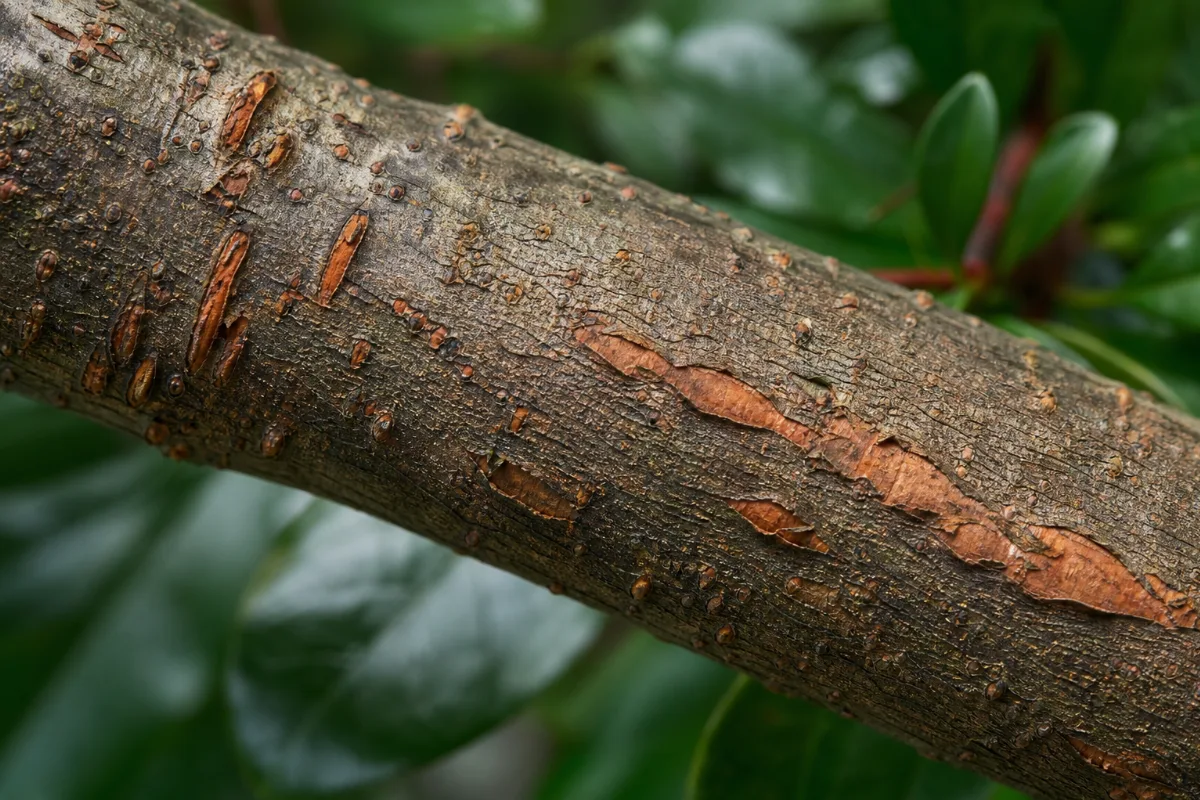
Cascara sagrada (Spanish for "sacred bark") is the dried, aged bark of Frangula purshiana, a tree of the buckthorn family that grows on the Pacific coast of North America from British Columbia to California. The older name Rhamnus purshiana is still widely used, and the EU monograph uses it too.
Do not confuse it with sea buckthorn, which is a different plant, or with the "cascara" drink sold from dried coffee cherries, which is a different product with no link to the bark.
Traditional and current uses
The EU assessment says the bark was brought into medicine in 1877 and used as a laxative in Europe from about 1880. Old books also record it as a bitter stomach tonic, for "sick headache" from a sluggish bowel, for jaundice, for rheumatic complaints and, on the skin, for scabies. None of these old uses has been tested.
Today the EU lists it as well-established use for short-term occasional constipation. In the US the FDA ruled in 2002 that cascara sagrada, like aloe, is not generally recognized as safe and effective as an over-the-counter laxative ingredient; only the abstract of that rule was read, so the reasons and what followed were not.
What is in it and how it works
The main compounds are the cascarosides, sugar-bound forms of anthrone compounds. They pass through the stomach and small bowel mostly unchanged. Bacteria in the large bowel turn them into an active form, mainly emodin anthrone, which speeds the bowel and keeps water and salts in it. A bowel movement comes after about 8 to 12 hours.
The bark must be aged. Fresh bark contains forms that cause vomiting; drying and ageing oxidise them. A chemistry paper adds that some of these laxative plants must be stored for at least a year to avoid severe diarrhoea. Related compounds in the bark (emodin and aloe-emodin) have shown genotoxic effects in the lab, which is why pregnancy is excluded.
What the research shows
There is very little. The EU assessment report (2020) says there are no controlled clinical studies of cascara bark alone, no dose-finding studies and no clinical safety studies. The only clinical work is on combination products, and the one trial found, from 1991, used a cascara-and-saline laxative with a smaller amount of the standard wash-out solution before a colonoscopy; it showed no clinically important difference from the other plans.
The acceptance of cascara as a laxative rests on long use, expert opinion, animal work and the better trials of senna. No modern study of cascara in older people, in children or for any other use was found, and the gallbladder and antiviral findings are from one small study and a test tube. Because of this, every benefit here is rated "insufficient" or "against".
At a glance
Traditional uses history, not proof
- Bark laxative: the EU lists it as well-established use for short-term occasional constipation, based on long use rather than trials.
- Old books also record it as a stomach tonic, for "sick headache", jaundice and rheumatic complaints; none has been tested.
- Brought into medicine in 1877 and used in Europe as a laxative from about 1880, per the EU assessment report.
Studied for research
- Occasional constipation in adults, insufficient evidence (no controlled trial of cascara alone)
- Constipation in older people and in children, insufficient evidence (children: not to be used under 12)
- Bowel cleaning before a colonoscopy as part of a combination product, insufficient evidence
- Gallbladder contraction in healthy volunteers, antiviral effect in a test tube, insufficient evidence
- Detox and weight loss: no benefit shown, against
Main compounds
- Cascarosides A to F, anthrone glycosides that are laxative prodrugs
- Aloins and chrysaloins, minor related glycosides
- Emodin anthrone (the active form made in the bowel), emodin and aloe-emodin, which show genotoxic findings in some lab tests
Common forms
- Dried, aged bark as a tea
- Standardised bark extracts in tablets, capsules and liquids
- Combination laxatives (older products)
Research links: EU herbal monograph on cascara bark (European Medicines Agency) · EU assessment report on cascara bark (European Medicines Agency) · FDA final rule on aloe and cascara sagrada in over-the-counter laxatives, 2002 (abstract) · LiverTox record on cascara (abstract) · LactMed record on cascara sagrada (abstract) · EFSA opinion on hydroxyanthracene derivatives in food, 2018 · Research Library · Genes & Biomarkers Library
The plant and its history
- Accepted scientific name
- Frangula purshiana (DC.) J.G.Cooper
- Naming authority
- GBIF backbone, usageKey 8286637, status ACCEPTED (match confidence 97 on the name Frangula purshiana). Published in Trans. Amer. Med. Assoc. 10: 228 (1857) per GBIF.
- Synonyms
- Rhamnus purshiana (Pursh) DC. (the older and still widely used name; GBIF key 3039464, a synonym); Frangula purshiana (DC.) A.Gray (GBIF key 3039463; the form used in the EU monograph); Rhamnus alnifolia Pursh (heterotypic synonym); Cardiolepis obtusa Raf.; Rhamnus purshiana var. hirtella Schelle
- Common names
- Cascara (English); Cascara buckthorn (English); Cascara false buckthorn (English); Pursh's buckthorn (English); Western buckthorn (English); Bearberry (English); Bearwood (English); Chittam bark (English); cáscara sagrada ("sacred bark") (Spanish); Cascararinde (German); Nerprun cascara (French); cáscara sagrada (Portuguese)
- Botanical family
- Rhamnaceae (the buckthorn family, order Rosales). The EU monograph still uses the older genus name Rhamnus and gives Frangula purshiana as an alternative.
- Classification
- Plantae > Tracheophyta > Magnoliopsida (dicots) > Rosales > Rhamnaceae > Frangula > Frangula purshiana
- Native range
- The EU assessment report (citing a 1972 textbook) says the trees are native to the Pacific coast of North America from British Columbia to California. Not checked against a flora.
- Habitat
- Not described in the sources read.
- What the plant looks like
- Roots: Not described in the sources read.; Stems: The bark is the part used.; Leaves: Not described in the sources read.; Flowers: Not described in the sources read.; Fruit: Not described in the sources read.
- Cultivation
- Not described in the sources read.
- Harvest and processing
- The EU assessment says cascara is the dried, whole or fragmented bark. Fresh bark causes vomiting; during drying and ageing the compounds that cause this are oxidised to forms that do not (Van Os 1976, as cited in the EU report). The European Pharmacopoeia sets a minimum of 8.0% hydroxyanthracene glycosides, at least 60% of them cascarosides. Standardised dry extracts (8.0-25.0% hydroxyanthracene glycosides) are made with boiling water or at least 60% ethanol.
- Look-alikes and adulterants
- Name: Frangula alnus Mill. (alder buckthorn, also Rhamnus frangula); Note: A different accepted species (GBIF key 3039454) whose bark is also used as a laxative. A 2025 chemical fingerprint found cascara and frangula clustered closely together (p41441021).; Name: Rhamnus cathartica L. (European buckthorn); Note: A different accepted species (GBIF key 3039491). LactMed groups it with alder and California buckthorn as having potent cathartic anthraquinones (p30000918).; Name: Rhamnus californica Eschsch.; Note: GBIF lists the name as a synonym (accepted key 7095707). The EU assessment says a cascara, probably Rhamnus californica, was known to early Mexican and Spanish priests of California, while Rhamnus purshiana was described in 1805.; Name: Sea buckthorn (Hippophae rhamnoides L.); Note: A different plant in another family (Elaeagnaceae; GBIF key 3039285). LactMed warns not to confuse it with the cathartic buckthorns.; Name: "Cascara" coffee-cherry drink; Note: Studies on "instant cascara" describe a beverage made from dried coffee cherry. It is not cascara sagrada bark (p38201895).
- Sustainability and conservation
- Not checked.
Traditional use and history history, not clinical proof
| Tradition or era | Documented use | Source |
|---|---|---|
| Naming, 1805 to 1877 | The EU assessment says the dried, aged bark is historically called "cascara sagrada" (Spanish for "sacred bark"). It says a cascara, probably Rhamnus californica, was known to early Mexican and Spanish priests of California; Rhamnus purshiana was described in 1805 and its bark was introduced into medicine in 1877 by Dr J. H. Bundy. | s-ema-ar-cascara-2020 |
| Late 19th century physicians | An 1884 British Medical Journal article reports 305 cases of habitual and temporary constipation treated with cascara sagrada. Only the title is available in PubMed; the content was not read. | p20750858 |
| Europe from about 1880 and pharmacopoeias | The EU report says use as a laxative is known in Europe from 1880, and that the British Pharmaceutical Codex (1911), Hagers Handbuch (1927), Martindale (1967) and the US dispensatory (Remington and Wood, 1918, "vegetable cathartic") record it. | s-ema-ar-cascara-2020 |
| Other old uses | The Eclectic Materia Medica (1922) used cascara for "sick headache" from a sluggish bowel, stomach and duodenal catarrh, and jaundice; Clarke (1900-1902) for rheumatic complaints; Martindale (1967) as a bitter stomach tonic in small doses before meals; Dragendorff (1967) noted fresh bark is emetic and the dried bark laxative, and mentioned external use for scabies. All are as summarised by the EU report. | s-ema-ar-cascara-2020 |
| Modern monographs | German Commission E (1993), ESCOP (1999) and the WHO (2002) published monographs on cascara bark, and German authorities started a pharmacovigilance action on anthranoid laxatives in June 1996 (all as listed in the EU report; the originals were not read). The EU herbal monograph dates from 7 September 2007 and was revised on 6 May 2020. | s-ema-hmpc-cascara-2020 |
| US regulation, 2002 | The FDA final rule of 9 May 2002 said aloe and cascara sagrada as stimulant laxative ingredients in OTC drug products are not generally recognized as safe and effective, or are misbranded (abstract read only). | p12001972 |
| Indigenous and other early use (NOT verified) | Statements that Indigenous peoples of the Pacific coast used the bark before European contact were not found in the sources read, and are not claimed here. | s-ema-ar-cascara-2020 |
Traditional use shows how a plant was used. It does not show that a supplement works or is safe today.
What is inside, and how it may work
What the plant contains and how those compounds act in cells and animals. Laboratory and animal mechanisms are not proven effects in people.
Main compounds
| Compound | Family | Where it is concentrated | Activity studied | Level of evidence |
|---|---|---|---|---|
| Cascaroside A PubChem 442727 | anthrone C- and O-glycoside (hydroxyanthracene family) | Bark The EU and European Pharmacopoeia standard is at least 8.0% hydroxyanthracene glycosides (expressed as cascaroside A), at least 60% of them cascarosides. | Main laxative prodrug. Cascarosides A and B are the 8-O-beta-D-glucosides of 10-desoxyglucosyl aloe-emodin anthrone; gut bacteria release the active anthrone. 9 10 32 | Authoritative guidance |
| Cascaroside B PubChem 14605093 | anthrone C- and O-glycoside (diastereomer of cascaroside A) | Bark | Laxative prodrug, mirror-image form of cascaroside A. 9 10 32 | Authoritative guidance |
| Cascarosides C and D PubChem 46173832 | chrysaloin glycosides (chrysophanol anthrone O-glucosides) | Bark Cascarosides together are 60-70% of the total hydroxyanthracene complex in dried bark (HagerRom 2003 as cited in the EU report). | Laxative prodrugs. PubChem CIDs: cascaroside C 46173832, cascaroside D 46173831. 10 32 | Authoritative guidance |
| Cascarosides E and F | emodin anthrone O-glucosides | Bark | Laxative prodrugs listed in the EU report; no PubChem CID was verified here. 10 | Authoritative guidance |
| Aloin A and B (barbaloin) and chrysaloins PubChem 9866696 | anthrone C-glycosides | Bark 10-30% of the total hydroxyanthracene complex (aloins A and B with chrysaloins A and B), per the EU report. Chrysaloin PubChem CID 15582573 (C21H22O8). | Minor laxative prodrugs; also found in aloe. 10 32 | Authoritative guidance |
| 10-Hydroxycascarosides A and B (oxanthrones) | oxanthrone glycosides | Aged bark | Oxidised forms made when anthrones are stored; a chemistry paper says some of these laxative plants must be stored at least a year to avoid severe diarrhoea and dehydration. 6 | Laboratory research |
| Emodin anthrone (emodin-9-anthrone) PubChem 122635 | anthrone (active metabolite) | Made in the large bowel | The EU says this is the main active metabolite made by large-bowel bacteria from cascarosides; it stimulates bowel movement and changes water and salt transport. 9 10 32 | Authoritative guidance |
| Emodin PubChem 3220 | anthraquinone aglycone | Bark Measured in bark extracts together with aloe-emodin and cascarosides A and B (p35562848); numbers not in the abstract. | Genotoxic in some lab tests; in a 2-year NTP study equivocal evidence of cancer in female rats and male mice; the EU cites its effects on oestrus cycle and kidneys in mice. 35 29 9 32 | Animal research |
| Aloe-emodin, chrysophanol, physcion PubChem 10207 | anthraquinone aglycones | Bark Part of the 10-20% mix of O-glycosides and their aglycones (EU report). PubChem CIDs: chrysophanol 10208, physcion 10639. | Aloe-emodin is named by EFSA as genotoxic in the body; the EU cites aloe-emodin and emodin as the reason pregnancy is contraindicated. 10 8 32 | Authoritative guidance |
| Rhein PubChem 10168 | anthraquinone (metabolite) | Made in the body | Found in urine of two volunteers after powdered cascara extract although it was not in the extract; the EU says active metabolites such as rhein pass in small amounts into breast milk. 48 9 32 | Human data |
| Bicascarosides (dimers) | bianthraquinone glycosides | Fluid extracts Up to 20% of total anthracene glycosides in fluid extracts can be dimerised. | No laxative activity; absorbed in the gut and excreted very slowly. 50 | Laboratory research |
Mechanisms, receptors and pathways
| Target or pathway | Gene or receptor | What was found | Level |
|---|---|---|---|
| Activation in the large bowel | Gut bacteria and their glycosidase enzymes | Cascarosides are largely not split by human digestive enzymes in the upper gut. Bacteria in the large bowel convert them mainly to emodin-9-anthrone. Cascarosides were not metabolised by germ-free rat caecal extract (lab). 9 10 49 | Authoritative guidance |
| Faster movement of the large bowel | Colon motility | The EU names stimulation of motility and faster colonic transit as the first mechanism. In conscious dogs, a standardised cascara extract placed in the colon caused a bowel movement at 60 mg/kg, and cascara did not change overall colonic spike activity at 10-60 mg/kg (animal). 9 5 | Animal research |
| Water and salt transport in the colon | Epithelial sodium and chloride movement, tight junctions | The EU names a second mechanism: less absorption of water and electrolytes (Na+, Cl-) and a leakier lining with more secretion of water and electrolytes into the colon. The movement happens after a delay of 8-12 hours. 9 10 | Authoritative guidance |
| Nitric oxide pathway | Nitric oxide synthase (constitutive and inducible) | In rats, cascara (800 mg/kg) raised constitutive nitric oxide synthase activity in the colon and was linked to induction of the inducible form (12% of the total); blocking nitric oxide synthase with L-NAME cut diarrhoea and fluid secretion, and dexamethasone reduced cascara diarrhoea (animal). 21 20 | Animal research |
| Prostaglandin E | Prostaglandin E synthesis in the gut | In rats, cascara did not clearly raise gut prostaglandin E on its own, but did raise it in the colon after indomethacin pre-treatment (Cohen 1982 as described by the EU; animal). The authors suggested contact laxatives may act partly through prostaglandins. 10 | Animal research |
| Gallbladder contraction | Not known | In healthy volunteers, 54 mg of cascaroside A in a fluid extract caused significant gallbladder contraction (human, small study, second-hand). 12 | Human data |
| Cell damage and cell death by anthraquinones | Apoptosis proteins (not named in the abstract) | Cascarosides carrying sugar groups were less toxic than sugar-free anthraquinones in three human cell lines; a plant-cell test found chromosome damage with bark extracts (lab). 7 43 | Laboratory research |
| Virus inactivation | Enveloped viruses (herpes simplex virus type 1) | Hot glycerine extract of Rhamnus purshiana inactivated herpes simplex virus type 1 in the dish; the active parts were anthraquinones (lab, second-hand). 44 | Laboratory research |
Absorption, metabolism and elimination
- Absorption
- The beta-O-linked glycosides are not split by human digestive enzymes and are not absorbed to a large extent in the upper gut. Bacteria in the large bowel turn them into the active emodin-9-anthrone. How much emodin-9-anthrone is absorbed is not known; for senna, less than 10% of a related compound was absorbed in animals (EU monograph). A review argues that anthrone C-glycosides such as those in cascara are absorbed much less than anthraquinones.
- Distribution
- Active metabolites such as rhein pass in small amounts into breast milk. Animal experiments show low placental passage of rhein (from other hydroxyanthracene laxatives). Radiolabel animal work shows tissue clearance except in the kidneys, which keep anthranoid equivalents.
- Metabolism
- Absorbed anthraquinone aglycones become glucuronides and sulfates. Rhein and traces of chrysophanol were found in the urine of two volunteers after 60 or 100 mg of powdered cascara extract, although rhein was not in the extract, suggesting the body converts other compounds into it.
- Elimination
- Metabolites appear in urine and bile. Urine can turn yellow or red-brown. Bicascarosides (dimers) in fluid extracts are excreted very slowly.
- Bioavailability
- Low for the glycosides; the laxative effect comes from compounds made inside the large bowel, with a delay of 8-12 hours before a bowel movement. The EU assessment says there are no pharmacokinetic data for cascara preparations as such and limited data otherwise.
Isolated compounds versus whole extracts
Cascara products range from the dried bark (as tea) to standardised extracts and tablets, and in the past to combination laxatives. A 2018 study found that cascarosides carrying sugars were less toxic to cells than sugar-free anthraquinones, and suggested enriching cascara extracts in cascarosides. Fluid extracts can lose part of their active glycosides as inactive dimers during storage. Isolated emodin has been tested for cancer in animals, but bark has not been tested the same way, and the EU treats the cascara carcinogenicity question as unresolved.
Nutritional composition
Cascara bark is a medicine, not a food, so no nutrient table applies.
7 not enough evidence1 evidence against
What was looked at
The 8 benefits and uses checked for Cascara Sagrada, each with how strong the evidence is. Tap one to open it.
- Occasional constipation in adults: short-term reliefNot enough evidence
- Constipation in older peopleNot enough evidence
- Bowel cleaning before a colonoscopy (cascara in a combination product)Not enough evidence
- Constipation in childrenNot enough evidence
- Gallbladder emptying (healthy volunteers)Not enough evidence
- Detox, "colon cleanse" and weight-loss useEvidence against
- Other old uses: stomach tonic, headache from a sluggish bowel, jaundice, rheumatic complaints, scabiesNot enough evidence
- Killing viruses in the lab (herpes simplex)Not enough evidence
Lab markers tracked in the studies
Bowel cleansing score at colonoscopyGallbladder volume after dosing
What is Cascara Sagrada good for?
The main proposed uses and how strong the human evidence is for each. No use reaches even 'low': 'insufficient' means there are no usable controlled trials of cascara itself, and 'against' means the evidence points away from the use.
Benefits, one by one
Each card is a research question, not a promise. Tap a goal to filter. Open a card to see the studies, doses and limits.
Occasional constipation in adults: short-term relief
Not enough evidenceCascara bark has been used as a laxative for well over a century, and the EU accepts it for short-term relief of occasional constipation. But no controlled trial of cascara alone was found, so the evidence that it works rests on long use, expert opinion and its likeness to better-studied laxatives such as senna.
6 studiesDried, aged bark as tea or in capsules, tablets, liquid extracts. The…
Studies, doses and limits
What the trials found
The EU assessment report (2020) says there are no controlled clinical studies of cascara bark alone, no dose-finding studies and no clinical safety studies. It says the only clinical investigations of cascara as a laxative are of combination products. Its conclusion that cascara works is taken from long use, expert opinion and trials of related laxatives, mainly senna. An animal study in dogs found that a standardised cascara extract placed in the colon caused a bowel movement at 60 mg/kg. Reviews of constipation treatments list cascara among the products covered but the abstracts read give no result for it.
Results
No result from a controlled human trial of cascara alone could be found. The EU calls the use "well-established" because of long use and approved products, not because of trial data.
Why this rating
No controlled trial of cascara alone exists according to the EU assessment (2020). Accepting the use depends on experience and on trials of related laxatives, which may not carry over fully.
Form and dose studied
Dried, aged bark as tea or in capsules, tablets, liquid extracts. The EU standard is based on the amount of hydroxyanthracene compounds (cascarosides), not on the weight of bark. Amounts are not discussed on this page; ask a doctor or pharmacist.
Who was studied
Adults and teenagers over 12 with occasional constipation, per the EU. Not for children under 12, pregnancy or breastfeeding.
Limits
Evidence is mainly authority and tradition. The EU limits use to 1 week because of the safety questions. Nothing is known about long-term benefit.
Why researchers looked
Constipation is very common, and cascara bark is one of the oldest plant laxatives sold in Europe and North America.
Traditional use
The EU assessment says the dried, aged bark was brought into medicine in 1877 and used as a laxative in Europe from about 1880. It appears in the British Pharmaceutical Codex (1911), the US Dispensatory (1918), the German Commission E (1993), an ESCOP monograph (1999) and a WHO monograph (2002), as listed in the EU report.
Proposed mechanism Authoritative guidance
The cascarosides in the bark pass through the stomach and small bowel mostly unchanged. Bacteria in the large bowel turn them into an active form (mainly emodin anthrone). This speeds the movement of the bowel and keeps water and salts in the bowel instead of letting them be absorbed. A bowel movement follows after about 8 to 12 hours.
A proposed mechanism does not show that the effect happens in people.
Short-term use only (EU: not more than 1 week). Cramps and loose stools are likely if the amount is too large. See the Safety tab.
Constipation in older people
Not enough evidenceA 1997 review of laxatives in people aged 55 and over included trials that used cascara, but the part of the abstract that gives the results was cut off, so what it found for cascara could not be read.
3 studiesNot described in the abstract.
Studies, doses and limits
What the trials found
The 1997 UK review (Petticrew) covered ten placebo-controlled trials (367 patients, mean age about 74, mostly in nursing homes or hospitals) and ten head-to-head trials. Cascara is named among the main laxatives tested. The abstract is cut off before the results, so the finding for cascara cannot be stated. A 1995 Italian hospital survey found anthranoid laxatives (senna, cascara, rhein, aloe) were used by 1.9% of patients in hospital, behind lactulose, but that is about use, not benefit.
Results
Not readable for cascara.
Why this rating
The cascara result of the review could not be read and the trials are old and were done in institutions.
Form and dose studied
Not described in the abstract.
Who was studied
People aged 55 and over with chronic constipation, mostly in institutions.
Limits
Abstract cut off; 1990s or older trials; combined with other laxatives in the review.
Why researchers looked
Constipation is common in older people, especially in care homes, and stimulant laxatives are widely used there.
Traditional use
The EU report notes only that pads should be changed more often in incontinent adults using these laxatives.
Proposed mechanism Authoritative guidance
Same as for other adults: the active forms are made in the large bowel and speed the bowel while keeping water in it.
A proposed mechanism does not show that the effect happens in people.
The EU says to check potassium in the elderly after any overuse, and to take extra care if heart medicines or water pills are used.
Bowel cleaning before a colonoscopy (cascara in a combination product)
Not enough evidenceIn a Norwegian trial, a cascara-and-saline laxative plus a smaller amount of the usual wash-out solution cleaned the bowel about as well as the full wash-out solution or a senna regimen. Because it was a combination, this says little about cascara by itself.
2 studiesCascara-Salax (PicoSalax) combination product plus Golytely. Not a pl…
Studies, doses and limits
What the trials found
A randomised trial of 271 colonoscopy patients compared three plans: (I) a diet plus senna laxative and a saline enema, (II) 4 litres of polyethylene glycol (Golytely), and (III) a cascara-and-saline laxative combination (PicoSalax) plus a smaller amount of Golytely. Patients rated taste and convenience the same. Poor preparation scores were 14%, 8% and 12% for I, II and III. Outpatients had a significantly cleaner bowel on Golytely than on the senna plan (p = 0.02); the cascara plan did not differ from either. The authors concluded there were no clinically important differences. The EU report says the cascara combination was inferior to a polyethylene glycol and salts solution in bowel-cleansing investigations and that the effect of cascara alone cannot be assessed.
Results
Similar cleanliness for the three plans; no way to tell what cascara itself added.
Effect sizes as reported
Inadequate preparation: 14% (senna plan), 8% (Golytely), 12% (cascara combination). No P value for the cascara comparisons beyond "no difference".
Why this rating
One 1991 trial of a combination product; cascara cannot be separated from the other ingredients, and the EU report calls the cascara combination inferior to the standard solution.
Form and dose studied
Cascara-Salax (PicoSalax) combination product plus Golytely. Not a plain bark product.
Who was studied
Adults having colonoscopy in Norway, in-patients and out-patients.
Limits
Old trial, combination product, product no longer comparable with today's preparations.
Why researchers looked
A clean bowel is needed to see the lining at a colonoscopy, and stimulant laxatives are sometimes used with or instead of large-volume wash-out drinks.
Traditional use
The trial below tested a cascara combination product from the early 1990s.
Proposed mechanism Pharmacological theory
Cascara adds a stimulating effect on the large bowel, and the saline laxative and wash-out solution add water and salts that flush the bowel.
A proposed mechanism does not show that the effect happens in people.
Bowel preparation should be directed by the clinic that is doing the exam. Do not use cascara alone for this purpose.
Constipation in children
Not enough evidenceThere are no studies of cascara in constipated children, and the EU says it must not be used under age 12. A 2021 review found significant safety concerns for cascara and insufficient evidence.
3 studiesNot applicable.
Studies, doses and limits
What the trials found
The EU assessment says there are no systematic clinical data on cascara as a laxative in children and no data on its use in children at all. A 2021 review of non-drug approaches for childhood constipation said that, other than senna, studies of botanicals showed significant safety concerns (in particular Aloe vera with aloin and Cascara sagrada) and insufficient evidence.
Results
No benefit has been shown; safety concerns raised.
Why this rating
No trials; the only statements are authority and review opinions, and they raise safety concerns.
Who was studied
Children: contraindicated under 12 in the EU.
Limits
No data.
Why researchers looked
Parents sometimes look for plant laxatives for children with constipation.
Traditional use
The EU report lists a German tea product for people from age 10 on the market; the current EU monograph contraindicates use under 12.
Proposed mechanism Authoritative guidance
Same as in adults.
A proposed mechanism does not show that the effect happens in people.
Do not give cascara to children under 12. Ask a paediatrician about safer ways to treat constipation.
Gallbladder emptying (healthy volunteers)
Not enough evidenceOne small trial in healthy volunteers found that a higher dose of cascara fluid extract made the gallbladder contract. This is a physical effect, not a proven benefit for any condition.
2 studiesCascara fluid extract in the study (not a consumer product).
Studies, doses and limits
What the trials found
In the Foert 1994 study, as described in the EU assessment report, 20 healthy volunteers took 2 ml and 20 took 3 ml of a cascara fluid extract (36 mg or 54 mg cascaroside A) against placebo, and gallbladder volume was measured by ultrasound for 120 minutes. The 54 mg dose caused significant gallbladder contraction, more quickly but less strongly than a test meal. Only this description was read, not the original paper.
Results
Higher dose: gallbladder contracted. Result at the lower dose not given.
Effect sizes as reported
No numbers beyond the dose are available.
Why this rating
One small study in healthy people, read second-hand, and no clinical outcome.
Form and dose studied
Cascara fluid extract in the study (not a consumer product).
Who was studied
Healthy volunteers with normal gallbladder emptying.
Limits
Second-hand description; no patients; unknown meaning.
Why researchers looked
Older texts used cascara for "liver sluggishness" and jaundice, which prompted a test of its effect on the gallbladder.
Traditional use
The EU report says the Eclectic Materia Medica (1922) described cascara in gastric and duodenal catarrh, with jaundice, and in diarrhoea with "hepatic torpor".
Proposed mechanism Preliminary mechanism
Not known; the EU report gives no explanation.
A proposed mechanism does not show that the effect happens in people.
Do not take cascara for gallbladder or liver problems. Liver injury is a reported risk (see Safety).
Detox, "colon cleanse" and weight-loss use
Evidence againstNo study shows that cascara helps weight loss or removes toxins. A 2023 review warns that long use of aggressive laxative herbs such as cascara can damage the bowel, and the EU limits use to one week.
3 studiesNot applicable.
Studies, doses and limits
What the trials found
No trial of cascara for weight loss or detox was found. A 2018 lab study notes that anthraquinones are used in non-prescription supplements for weight loss and that long-term side effects remain relevant. A 2023 commentary on pseudoscientific detox approaches discusses toxicity and damage to the bowel lining with long-term use of aggressive laxative herbs such as Cascara sagrada, rhubarb and senna; its authors work for a supplement company and a diagnostic lab.
Results
No benefit shown; harm warned about.
Why this rating
No evidence of benefit and authoritative warnings against long or repeated use; rated against for this purpose by the compiler, not by a formal grade.
Who was studied
Not studied.
Limits
The 2023 piece is an opinion paper; no trial exists to test the claim.
Why researchers looked
Stimulant laxatives are sold in some cleanse and weight-loss products.
Traditional use
Not a traditional use in the sources read.
Proposed mechanism Pharmacological theory
A laxative empties the bowel and loses water, which can lower the scale weight for a short time; it does not remove body fat.
A proposed mechanism does not show that the effect happens in people.
Repeated laxative use can cause low potassium, dehydration, dependence and other problems. Talk to a doctor if weight or eating worries are leading to laxative use.
Other old uses: stomach tonic, headache from a sluggish bowel, jaundice, rheumatic complaints, scabies
Not enough evidenceOlder books describe other uses of cascara, but none has been tested in modern studies.
1 studiesNot applicable.
Studies, doses and limits
What the trials found
No clinical studies of these uses were found.
Results
No data.
Why this rating
Only historical statements in old books, as summarised in the EU report.
Who was studied
Not studied.
Limits
Not verified in the original books; second-hand from the EU report.
Why researchers looked
These are historical uses listed in textbooks of the 19th and 20th centuries.
Traditional use
The EU report lists: use as a bitter stomach tonic in small doses before meals (Martindale 1967); "sick headache" from a sluggish bowel, stomach and duodenal catarrh, and jaundice (Eclectic Materia Medica 1922); rheumatic complaints (Clarke, 1900-1902); and external use for scabies (Dragendorff 1967, preparation not specified).
Proposed mechanism Pharmacological theory
No mechanism is given for these uses.
A proposed mechanism does not show that the effect happens in people.
Do not use cascara for jaundice or liver complaints: it has been linked to liver injury.
Killing viruses in the lab (herpes simplex)
Not enough evidenceIn a test tube, hot glycerine extracts of several plants including cascara inactivated herpes simplex virus. This has not been tested in animals or people.
2 studiesHot glycerine extract in the lab.
Studies, doses and limits
What the trials found
No human or animal data. The only finding is a 1991 test-tube study, read second-hand through the EU assessment report.
Results
All plant extracts inactivated herpes simplex virus type 1 in the dish.
Why this rating
Test-tube result only, read second-hand.
Form and dose studied
Hot glycerine extract in the lab.
Limits
Cannot be applied to people; the EU report itself notes that anthraquinone glycosides should be ineffective.
Why researchers looked
Anthraquinones from several plants are known to disrupt the coat of some viruses.
Proposed mechanism Laboratory research
The EU report says the active compounds were identified as anthraquinones, and that in related work with aloe-emodin, electron microscopy showed partly disrupted virus coats.
A proposed mechanism does not show that the effect happens in people.
Not a treatment for any infection.
Connections to the rest of health
How Cascara Sagrada connects to the rest of our health knowledge graph. Every link says what kind of connection it is. A safety link (for example to the liver) is a warning, not a benefit. A study that merely mentions a topic never creates a benefit link.
Explore every connection: goals, body systems, organs, symptoms, genes
A. Wellness goals
| Connected to | Kind of connection | Evidence status | Context | Studies |
|---|---|---|---|---|
| Digestive support | Traditional use | Not enough evidence | Short-term relief of occasional constipation. Occasional constipation in adults: short-term relief: Cascara bark has been used as a laxative for well over a century, and the EU accepts it for short-term relief of occasional constipation. But no controlled trial of cascara alone was found, so the evidence that it works rests on long use, expert opinion and its likeness to better-studied laxatives such as senna. Preparation or compound: Cascara bark |
9 10 5 30 4 1 39 36 |
| Gut Health | Traditional use | Not enough evidence | Occasional constipation in adults: short-term relief: Cascara bark has been used as a laxative for well over a century, and the EU accepts it for short-term relief of occasional constipation. But no controlled trial of cascara alone was found, so the evidence that it works rests on long use, expert opinion and its likeness to better-studied laxatives such as senna. | 9 10 5 30 4 1 |
| Digestive Support | Potential benefit | Not enough evidence | Bowel cleaning before a colonoscopy (cascara in a combination product): In a Norwegian trial, a cascara-and-saline laxative plus a smaller amount of the usual wash-out solution cleaned the bowel about as well as the full wash-out solution or a senna regimen. Because it was a combination, this says little about cascara by itself. Detox, "colon cleanse" and weight-loss use: No study shows that cascara helps weight loss or removes toxins. A 2023 review warns that long use of aggressive laxative herbs such as cascara can damage the bowel, and the EU limits use to one week. | 3 10 37 7 9 |
| Digestive Support | Contraindication | Not enough evidence | Constipation in children: There are no studies of cascara in constipated children, and the EU says it must not be used under age 12. A 2021 review found significant safety concerns for cascara and insufficient evidence. | 9 10 40 |
| Digestive Support | Biological association | Not enough evidence | Gallbladder emptying (healthy volunteers): One small trial in healthy volunteers found that a higher dose of cascara fluid extract made the gallbladder contract. This is a physical effect, not a proven benefit for any condition. | 12 10 |
| Weight Management | Potential benefit | Evidence against | Detox, "colon cleanse" and weight-loss use: No study shows that cascara helps weight loss or removes toxins. A 2023 review warns that long use of aggressive laxative herbs such as cascara can damage the bowel, and the EU limits use to one week. | 37 7 9 |
| Immune Support | Preliminary mechanism | Not enough evidence | Killing viruses in the lab (herpes simplex): In a test tube, hot glycerine extracts of several plants including cascara inactivated herpes simplex virus. This has not been tested in animals or people. | 44 10 |
B. Body systems
| Connected to | Kind of connection | Evidence status | Context | Studies |
|---|---|---|---|---|
| Digestive system | Traditional use | Not enough evidence | Stimulant laxative; long use and EU well-established use for short-term constipation, but no controlled trial of cascara alone. Preparation or compound: Cascara bark, cascarosides |
9 10 |
| Cardiovascular system | Drug or supplement interaction | Authoritative guidance | Potassium loss can upset heart rhythm and strengthen digoxin. Preparation or compound: Cascara bark with digoxin, diuretics, steroids or liquorice |
9 10 |
| Reproductive system | Contraindication | Authoritative guidance | Not for pregnancy or breastfeeding. Preparation or compound: Cascara bark |
9 10 24 |
| Immune system | Adverse effect or risk | Case report | Hives and rash are listed; one pharmacy worker developed occupational asthma and rhinitis. Preparation or compound: Cascara powder |
9 17 |
| Digestive System | Biological association | Not enough evidence | Studied for: Occasional constipation in adults: short-term relief Studied for: Constipation in older people | 9 10 5 30 4 1 39 36 3 40 12 37 7 |
| Immune System | Biological association | Not enough evidence | Studied for: Killing viruses in the lab (herpes simplex) | 44 10 |
C. Body parts and organs
| Connected to | Kind of connection | Evidence status | Context | Studies |
|---|---|---|---|---|
| Gut | Adverse effect or risk | Authoritative guidance | Cramps and loose stools; dark colon lining (melanosis coli) with long use; dependence is a precaution. Preparation or compound: Cascara bark |
9 10 45 |
| Liver | Adverse effect or risk | Case report | Case reports and LiverTox note liver injury, mainly at high doses or long use; no frequency known. Preparation or compound: Cascara bark products |
26 33 22 34 16 |
| Kidneys | Adverse effect or risk | Authoritative guidance | Protein and blood in urine with long use (EU); kidney changes in rats; electrolyte imbalance in kidney disease. Preparation or compound: Cascara bark; anthranoid laxatives |
9 41 |
I. Biomarkers
| Connected to | Kind of connection | Evidence status | Context | Studies |
|---|---|---|---|---|
| Bowel cleansing score at colonoscopy | Biological association | Not enough evidence | Measured in trials: no-change. A lab change is not the same as a health benefit. | 3 |
| Gallbladder volume after dosing | Biological association | Not enough evidence | Measured in trials: lowered. A lab change is not the same as a health benefit. | 12 |
K. Biological pathways
| Connected to | Kind of connection | Evidence status | Context | Studies |
|---|---|---|---|---|
| Nitric oxide synthesis in the colon | Preliminary mechanism | Animal | Cascara raised nitric oxide synthase activity in rat colon; blocking it cut cascara-induced diarrhoea. | 21 20 |
| Prostaglandin E in the gut | Preliminary mechanism | Animal | Prostaglandin changes after contact laxatives in rats; cascara effect small without indomethacin. | 10 |
| Bacterial activation of cascarosides in the large bowel | Preliminary mechanism | Authoritative guidance | Gut bacteria convert cascarosides to emodin anthrone; without bacteria (germ-free rats) cascarosides were not metabolised. | 9 10 |
| Apoptosis (programmed cell death) | Preliminary mechanism | In vitro | Anthraquinones induced cell death in cell lines; a 2025 clinical reference says cell death in the colon lining is the route to melanosis coli. | 7 45 |
L. Active compounds
| Connected to | Kind of connection | Evidence status | Context | Studies |
|---|---|---|---|---|
| Cascaroside A | Biological association | Authoritative guidance | Main laxative prodrug. Cascarosides A and B are the 8-O-beta-D-glucosides of 10-desoxyglucosyl aloe-emodin anthrone; gut bacteria release the active anthrone. Preparation or compound: Bark |
9 10 32 |
| Cascaroside B | Biological association | Authoritative guidance | Laxative prodrug, mirror-image form of cascaroside A. Preparation or compound: Bark |
9 10 32 |
| Cascarosides C and D | Biological association | Authoritative guidance | Laxative prodrugs. PubChem CIDs: cascaroside C 46173832, cascaroside D 46173831. Preparation or compound: Bark |
10 32 |
| Cascarosides E and F | Biological association | Authoritative guidance | Laxative prodrugs listed in the EU report; no PubChem CID was verified here. Preparation or compound: Bark |
10 |
| Aloin A and B (barbaloin) and chrysaloins | Biological association | Authoritative guidance | Minor laxative prodrugs; also found in aloe. Preparation or compound: Bark |
10 32 |
| 10-Hydroxycascarosides A and B (oxanthrones) | Biological association | In vitro | Oxidised forms made when anthrones are stored; a chemistry paper says some of these laxative plants must be stored at least a year to avoid severe diarrhoea and dehydration. Preparation or compound: Aged bark |
6 |
| Emodin anthrone (emodin-9-anthrone) | Biological association | Authoritative guidance | The EU says this is the main active metabolite made by large-bowel bacteria from cascarosides; it stimulates bowel movement and changes water and salt transport. Preparation or compound: Made in the large bowel |
9 10 32 |
| Emodin | Biological association | Animal | Genotoxic in some lab tests; in a 2-year NTP study equivocal evidence of cancer in female rats and male mice; the EU cites its effects on oestrus cycle and kidneys in mice. Preparation or compound: Bark |
35 29 9 32 |
| Aloe-emodin, chrysophanol, physcion | Biological association | Authoritative guidance | Aloe-emodin is named by EFSA as genotoxic in the body; the EU cites aloe-emodin and emodin as the reason pregnancy is contraindicated. Preparation or compound: Bark |
10 8 32 |
| Rhein | Biological association | Human | Found in urine of two volunteers after powdered cascara extract although it was not in the extract; the EU says active metabolites such as rhein pass in small amounts into breast milk. Preparation or compound: Made in the body |
48 9 32 |
| Bicascarosides (dimers) | Biological association | In vitro | No laxative activity; absorbed in the gut and excreted very slowly. Preparation or compound: Fluid extracts |
50 |
Each connection is stored with the ingredient, the connected record, the kind of connection, the evidence status, the supporting studies, the preparation or compound involved, and a review date (last reviewed October 25, 2026).
Evidence at a glance: what changed in 2 lab markers
Tap a number to show only those markers. Counts are markers, not people.
The evidence
The research centre for Cascara Sagrada. Every record here was checked against PubMed or the publisher's page; we never list a study we have not verified.
Evidence by outcome
Bars show how many studies we found for each outcome, not how well it works. People are added up across trials only (reviews are not added, to avoid double counting).
How we rate evidence
High certainty
Several well-run trials or reviews agree; further research is unlikely to change the picture much.
Moderate certainty
Good trials point the same way, but some doubt remains.
Low certainty
Small, short or inconsistent trials. The finding could change with better research.
Very low certainty
Very little or very weak human data. Treat as a possibility only.
Mixed findings
Trials or reviews disagree with each other.
Not enough evidence
Not enough human research to say either way.
Evidence against
Good research found no benefit, or found harm.
We take the reviewers' own risk-of-bias and GRADE statements where they exist, and otherwise judge from study size, design, consistency, directness and whether a product matches what is sold. Many publications do not make evidence high. Method note: We searched PubMed, read the EU herbal monograph and the EU assessment report on cascara bark in full, the abstracts of the LiverTox, LactMed and FDA records, and checked plant names in GBIF and NCBI taxonomy and compounds in PubChem. Only abstracts were read for nearly all studies, and a few older studies were read only as described in the EU report. Some sources were not verified: the full LiverTox chapter, the FDA rule beyond its abstract, the full EFSA opinion, and the Commission E, ESCOP, WHO and NCCIH texts. Certainty ratings are the compiler's own reading, not formal grades. No study is cited that we could not verify.
Study library: every study we checked 50
| Study | Design | People | Product, dose, length | Result |
|---|---|---|---|---|
| Akram 2022 Herbal Medicine for the Management of Laxative Activity. Curr Pharm Biotechnol · PMID 34387161 · DOI |
Narrative review |
Review of plants with laxative activity | Many plants, including Cascara sagrada (Rhamnaceae) unspecified - - · vs - |
Lists Cascara sagrada among plants with laxative activity and says further well-designed clinical studies are needed to prove and improve the efficacy of herbal medicine for constipation. Laxative activity listed; clinical proof called lacking Methods, limits and fundingOutcomes: Laxative activity in lab and animal models Limitations: Mostly lab and animal models; abstract only. Read: abstract |
| Borrelli 2001 Effect of bisacodyl and cascara on growth of aberrant crypt foci and malignant tumors in the rat colon. Life Sci · PMID 11693267 · DOI |
Animal research animal |
Rats given azoxymethane (a cancer-causing chemical), 10 groups, 13 weeks | Cascara (140 and 420 mg/kg) and bisacodyl (4.3 and 43 mg/kg) bark - - · vs - |
Cascara alone did not cause lesions or tumours and did not change the number of azoxymethane-induced lesions or tumours. Bisacodyl at the higher dose increased tumours. The authors found no promoting or initiating activity of a laxative and diarrhoea-causing dose of cascara. No tumour promotion by cascara in this rat study Methods, limits and fundingOutcomes: Aberrant crypt foci and colon tumours Limitations: Rat study; limited detail on the cascara preparation (the EMA report says the same); conflicts with the 1996 study. Read: abstract |
| Børkje 1991 Effectiveness and acceptability of three bowel cleansing regimens. Scand J Gastroenterol · PMID 2011703 · DOI |
Controlled trial |
271 Colonoscopy patients (271 in all, in- and out-patients) in Norway |
Three bowel-cleaning regimens: (I) diet plus senna laxative plus a saline enema (88 people); (II) 4 litres of polyethylene glycol (Golytely) (90 people); (III) a cascara-and-saline laxative combination (Cascara-Salax, PicoSalax) plus a smaller amount of Golytely (the rest, about 93) bark in a combination product - Single preparation for colonoscopy · vs - |
No difference in how patients rated taste or convenience. Inadequate preparation scores: 14% (senna regimen), 8% (Golytely) and 12% (cascara combination). Outpatients had a significantly cleaner colon with Golytely than with the senna regimen (p = 0.02); there was no difference between the senna regimen and the cascara combination, or between Golytely and the cascara combination. Outpatients were cleaner than inpatients (p < 0.001). No clinically important difference between the three regimens Methods, limits and fundingOutcomes: Cleanliness of the colon, patient views on taste and convenience Limitations: The cascara arm was a combination product with saline laxative and Golytely, so the effect of cascara itself cannot be separated; 1991 products. Read: abstract |
| Cirillo 2015 Constipation and Botanical Medicines: An Overview. Phytother Res · PMID 26171992 · DOI |
Narrative review |
Adults with constipation (review) | Botanical laxatives: senna, cascara, frangula, aloe, rhubarb unspecified - - · vs - |
The abstract says the authors reviewed cascara among the most common botanical laxatives. It gives no results for cascara. Overview only Methods, limits and fundingOutcomes: Overview of botanical laxatives Limitations: Only the abstract was read. Read: abstract |
| D'Angelo (as cited in EMA/HMPC/909434/2019) 1993 Colonic motility in conscious dogs given cascara extract and related compounds (D'Angelo, 1993, as described in the EMA assessment report) Original not read; described in EMA assessment report · Source |
Animal research animal |
Conscious dogs | Standardised cascara extract (40% cascarosides A-D) given into the colon, plus aloin and aloe-emodin compounds bark - - · vs - |
All compounds at 30-60 mg/kg caused defaecation except the extract, which worked only at 60 mg/kg; the extract and aloin took longer to act than the active forms (they need gut bacteria). Laxative effect in dogs Methods, limits and fundingOutcomes: Defaecation and colon spike activity Limitations: Animal study, extract placed directly in the colon; described second-hand. Read: summary-only |
| Demarque 2017 New cascarosides from Rhamnus purshiana and fragmentation studies of the class by ion trap mass spectrometry. Rapid Commun Mass Spectrom · PMID 28440576 · DOI |
Laboratory research in-vitro |
Compounds isolated from Rhamnus purshiana bark (mass spectrometry) | Cascarosides A-D (anthrones) and 10-hydroxycascarosides A and B (oxanthrones) bark - - · vs - |
Method paper. The introduction says some of these laxative plants must be stored for at least a year so that anthrones are oxidised to oxanthrones, to avoid severe diarrhoea and dehydration. New natural products were identified. Chemistry method; supports the need to age the bark Methods, limits and fundingOutcomes: Chemical fragmentation patterns to tell anthrones from oxanthrones Limitations: Chemistry only; the one-year storage statement is background in the abstract, not a finding of the study. Read: abstract |
| Demarque 2018 Cytotoxicity of Structurally Diverse Anthranoids and Correlation with Mechanism of Action and Side Effects. J Pharm Pharm Sci · PMID 30321134 · DOI |
Laboratory research in-vitro |
Human and tumour cell lines (NOK-SI, HeLa, T98G) | Cascarosides isolated from Rhamnus purshiana bark extract and the whole extract bark extract - - · vs - |
Cascarosides with sugar groups were less toxic to cells than sugar-free anthraquinones. The authors suggest cascara extracts enriched in cascarosides may be better for laxative use. Sugar-bearing cascarosides less toxic in the dish Methods, limits and fundingOutcomes: Cell survival and signals of cell death (apoptosis) Limitations: Cell-line study; results cannot be translated into a human risk; exact numbers not in the abstract. Read: abstract |
| EFSA Panel on Food Additives and Nutrient Sources added to Food (ANS) 2018 Safety of hydroxyanthracene derivatives for use in food (EFSA Journal 2018;16(1):e05090) EFSA Journal · Source |
Authoritative guidance |
Expert panel review of hydroxyanthracene derivatives in food and supplements | Hydroxyanthracene derivatives (emodin, aloe-emodin, danthron, aloe extracts and related plant extracts) unspecified - - · vs - |
Panel said hydroxyanthracene derivatives should be treated as genotoxic and carcinogenic unless specific data show otherwise (rhein given as an example), and could not give a daily intake with no concern. No data on cascara supplements were received, so cascara products were not assessed. Food-safety view on a chemical group; says nothing specific about cascara bark as a medicine. Methods, limits and fundingOutcomes: Genotoxicity, carcinogenicity, colorectal cancer data, intake advice Limitations: Read only through a summarised fetch of the PMC page (first part); the full text was not read line by line. Read: summary-only |
| EMA Committee on Herbal Medicinal Products (HMPC) 2020 European Union herbal monograph on Rhamnus purshiana DC., cortex (Final, Revision 1), EMA/HMPC/726270/2016 European Medicines Agency · Source |
Authoritative guidance |
Adolescents, adults and elderly (the monograph); children under 12, pregnancy and breastfeeding excluded | Cascara bark (Rhamnus purshiana DC. = Frangula purshiana), standardised bark and preparations bark - - · vs - |
Well-established use for short-term occasional constipation; not more than 1 week; contraindicated under 12 years, in pregnancy and breastfeeding, and in bowel blockage and inflammatory bowel disease; warnings on dependence, potassium loss and several medicine interactions. Regulatory view, based on long use and on data from related laxatives (senna, aloe), not on controlled trials of cascara. Methods, limits and fundingOutcomes: Well-established use, warnings, contraindications, interactions, undesirable effects, overdose Limitations: Based on experts and on related laxatives; no controlled trials of cascara bark alone (see the assessment report). Read: full-text |
| EMA Committee on Herbal Medicinal Products (HMPC); rapporteurs W. Knoss 2020 Assessment report on Rhamnus purshiana DC., cortex (Final, Revision 1), EMA/HMPC/909434/2019 European Medicines Agency · Source |
Authoritative guidance |
Review of market products, history, lab, animal and human data on cascara bark | Cascara bark (Rhamnus purshiana DC. = Frangula purshiana), standardised bark and preparations bark - - · vs - |
Finds no controlled clinical studies of cascara bark alone; efficacy rests on long use, expert opinion and related laxatives. Describes one liver case (RUCAM +2, unlikely), one melanosis coli report, urticaria and an occupational allergy. Concludes the benefit/risk is positive only for short-term occasional constipation (maximum 1 week). Authoritative summary of a thin evidence base; carcinogenicity of cascara called unresolved. Methods, limits and fundingOutcomes: Documented use, non-clinical data, clinical data, safety, benefit-risk Limitations: Original papers are described, not re-read here; text was read in full (22 pages) but the cited originals (Foert 1994, D'Angelo 1993, Schmidt 1955 and others) were not. Read: full-text |
| EMA/HMPC/909434/2019 2020 Case reports described in the EMA assessment report (melanosis coli, urticaria, nephritis with a mixed herbal product) European Medicines Agency · Source |
Case series |
Single patients reported to the German authority and in the literature | Cascara alone or in mixtures bark - - · vs - |
Melanosis coli in a 42-year-old woman after 4 years of a cascara-only product; urticaria with a cascara and saline-laxative combination; acute tubulo-interstitial nephritis in a woman who took a 10-herb product (Aloe vera and cascara suspected but causality could not be assessed). Case reports, not rates Methods, limits and fundingOutcomes: Melanosis coli, urticaria, kidney inflammation Limitations: Single cases; mixtures; causality unclear. Read: full-text |
| Foert et al. (as cited in EMA/HMPC/909434/2019) 1994 Cascara fluid extract and gallbladder emptying in healthy volunteers (Foert et al., 1994, as described in the EMA assessment report) Original not read; described in EMA assessment report · Source |
Controlled trial |
Healthy volunteers with normal gallbladder emptying; 20 people got 2 ml and 20 got 3 ml of extract | Cascara fluid extract, 2 ml (36 mg cascaroside A) or 3 ml (54 mg cascaroside A) bark - - · vs - |
The 54 mg cascaroside A dose caused a significant gallbladder contraction, quicker but weaker than after a test meal. The result for the 36 mg dose is not given in the report. Gallbladder contraction at the higher dose Methods, limits and fundingOutcomes: Gallbladder volume by ultrasound, compared with placebo Limitations: Described second-hand; no numbers beyond those quoted; the clinical meaning is unknown. Read: summary-only |
| Fugh-Berman 2000 Herb-drug interactions. Lancet · PMID 10675182 · DOI |
Narrative review |
Review of herb-drug interactions | Many herbs; anthranoid-containing plants (including senna and cascara) and soluble fibres unspecified - - · vs - |
The abstract says anthranoid-containing plants (including senna and cascara) and soluble fibres can decrease the absorption of drugs, and that many herb-drug reports are sketchy and lack analysis of the products. It also says liquorice can potentiate oral and topical corticosteroids. Possible reduced absorption of other medicines; liquorice and steroids interact Methods, limits and fundingOutcomes: Drug absorption Limitations: Only the abstract was read; no data for cascara given in it; 1999 review. Read: abstract |
| GBIF Secretariat 2026 GBIF Backbone Taxonomy: Frangula purshiana (DC.) J.G.Cooper (usageKey 8286637) GBIF API (api.gbif.org), checked 2026-10-25 · Source |
Database plant |
Plant name | Frangula purshiana whole plant - - · vs - |
Accepted species Frangula purshiana (DC.) J.G.Cooper, family Rhamnaceae, order Rosales. Rhamnus purshiana (Pursh) DC. is a synonym. Name check Methods, limits and fundingOutcomes: Accepted name, synonyms, family, common names Limitations: Name database only. Read: full-text |
| Gallego-Barceló 2023 Evaluation of the Effects of Instant Cascara Beverage on the Brain-Gut Axis of Healthy Male and Female Rats. Nutrients · PMID 38201895 · DOI |
Animal research animal |
Healthy male and female rats | Instant "cascara" beverage made from dried coffee cherry (not cascara sagrada bark) coffee cherry husk - - · vs - |
The abstract describes instant cascara as a beverage obtained from dried coffee cherry. It is a different product from cascara sagrada bark and is not used as evidence on this page. Name mix-up example Methods, limits and fundingOutcomes: Effects on the brain-gut axis Limitations: Rat study of a coffee-cherry drink; listed only to show that the word cascara is used for another product. Read: abstract |
| García-Cortés 2008 [Liver injury induced by "natural remedies": an analysis of cases submitted to the Spanish Liver Toxicity Registry]. Rev Esp Enferm Dig · PMID 19159172 · DOI |
Case series |
13 Spanish Liver Toxicity Registry, 521 cases of drug-induced liver injury (1994-2006), of which 13 were linked to herbal remedies or supplements |
Herbal remedies and dietary supplements, including Rhamnus purshianus (2 cases) bark - - · vs - |
Camellia sinensis caused 3 of the 13 herbal cases, and Rhamnus purshianus (cascara) and isoflavone products 2 each. Nine of 13 were women (mean age 45); 9 had jaundice; 12 of 13 were hepatocellular injury. Three people were given the product again. 2 of 13 herbal liver injury cases were cascara Methods, limits and fundingOutcomes: Type, severity and outcome of liver injury Limitations: Registry counts, not rates among users; Spanish-language paper, abstract only. Read: abstract |
| Giavina-Bianchi PF Jr 1997 Occupational respiratory allergic disease induced by Passiflora alata and Rhamnus purshiana. Ann Allergy Asthma Immunol · PMID 9396980 · DOI |
Case series |
One pharmacy worker in Brazil | Cascara sagrada and passion flower dust handled without protection bark - - · vs - |
Skin tests, Western blot and a bronchial challenge showed IgE-mediated occupational asthma and rhinitis caused by Passiflora alata and Rhamnus purshiana. Occupational allergy to cascara and passion flower in one worker Methods, limits and fundingOutcomes: Allergic asthma and rhinitis Limitations: Single case; handling powder at work, not taking the product. Read: abstract |
| Hagemann 1998 Gastrointestinal medications and breastfeeding. J Hum Lact · PMID 10205441 · DOI |
Narrative review |
Breastfeeding women and gastrointestinal medicines | Cascara, senna and other gut medicines unspecified - - · vs - |
The review says cascara, senna and several other products were the only ones identified by the American Academy of Pediatrics as compatible with breastfeeding at that time, and that unabsorbed laxatives are the safest first choice. 1990s view that cascara is compatible with breastfeeding Methods, limits and fundingOutcomes: Compatibility with breastfeeding Limitations: Published 1998; later sources (LactMed 2021, EU 2020) say to avoid cascara while breastfeeding. Read: abstract |
| I 1999 Mycotoxicological control on raw material and tablets of cascara sagrada (Rhamnus purshiana). Mycotoxin Res · PMID 23605186 · DOI |
Laboratory research in-vitro |
19 Argentine market: 9 raw bark samples and 10 lots of tablets |
Cascara sagrada dried bark and tablets bark - - · vs - |
Bark supports mould toxin growth in the lab. Natural aflatoxins were found in 2 of 9 raw bark samples (aflatoxin B1 10 and 19 ug/kg; the second also G1 6 and B2 1.46 ug/kg) and in 1 of 10 tablet lots (B1 5.42, B2 0.32 ug/kg). Aflatoxin found in some samples Methods, limits and fundingOutcomes: Aflatoxin Limitations: Small 1999 survey from one country; the authors say quality control must include aflatoxin tests. Read: abstract |
| Izzo 1996 NG-nitro-L-arginine methyl ester reduces senna- and cascara-induced diarrhoea and fluid secretion in the rat. Eur J Pharmacol · PMID 8773457 · DOI |
Animal research animal |
Rats | Cascara (800 mg/kg by mouth) and senna (60 mg/kg), with and without a nitric-oxide blocker (L-NAME) bark extract - - · vs - |
L-NAME (2.5-25 mg/kg) reduced diarrhoea from both laxatives, and L-arginine reversed this; L-NAME also reduced the fluid secretion. The inactive mirror-image compound D-NAME had no effect. Nitric oxide possibly involved in cascara diarrhoea and fluid secretion Methods, limits and fundingOutcomes: Diarrhoea and net fluid secretion Limitations: Rat study at a high dose; abstract only. Read: abstract |
| Izzo 1997 The role of constitutive and inducible nitric oxide synthase in senna- and cascara-induced diarrhoea in the rat. Eur J Pharmacol · PMID 9105882 · DOI |
Animal research animal |
Rats | Cascara (800 mg/kg by mouth) compared with senna (60 mg/kg) bark extract - - · vs - |
Cascara and senna raised constitutive nitric oxide synthase activity in the rat colon; induction of the inducible form (12% of the total) was linked to cascara but not senna. Dexamethasone, which blocks the inducible form, reduced cascara-induced (but not senna-induced) diarrhoea. Nitric oxide appears to be involved in cascara diarrhoea in rats Methods, limits and fundingOutcomes: Nitric oxide synthase activity in the colon; diarrhoea and colonic fluid secretion Limitations: Rat study at a high dose; the cascara extract was not described in the abstract. Read: abstract |
| Jacobsen 2009 [Toxic hepatitis following consumption of the herbal medicinal product Cascara Sagrada]. Ugeskr Laeger · PMID 19925744 |
Case series |
One patient in Denmark (Danish-language report) | Herbal product containing Cascara sagrada bark - - · vs - |
Severe toxic hepatitis with beginning liver failure after four weeks of using a cascara sagrada product. The authors say a similar case was reported in the US, that cascara is in 30-40 herbal products in Denmark, and recommend that such products be withdrawn from the market. Severe toxic hepatitis in one patient Methods, limits and fundingOutcomes: Liver injury Limitations: Single case; product dose not given in the abstract; the withdrawal call is the authors' recommendation, not a regulator's decision. Read: abstract |
| Khatri 2023 A Multi-Disciplinary Approach to Managing End-Stage Renal Disease in Anorexia Nervosa: A Case Report. Clin Med Insights Case Rep · PMID 37113798 · DOI |
Case series |
One woman, 54, with anorexia nervosa and long-term laxative abuse | Over-the-counter stimulant laxatives (type not specified) unspecified - - · vs - |
Years of laxative abuse led to chronic low potassium and end-stage kidney disease thought to be caused by it (no biopsy). The authors warn about easy access to over-the-counter stimulant laxatives. Low potassium from laxative abuse can damage the kidneys Methods, limits and fundingOutcomes: Low potassium and kidney failure Limitations: Single case; the laxative was not named; not cascara-specific. Read: abstract |
| LactMed (NICHD) 2021 Cascara Sagrada. LactMed (NICHD), record updated 2021-05-17 · PMID 30000387 |
Authoritative guidance |
Database entry on breastfeeding | Cascara sagrada bark - - · vs - |
Maternal cascara intake might cause loose stools in some breastfed infants and should be avoided; other cathartics are preferred. Avoid while breastfeeding Methods, limits and fundingOutcomes: Effects in breastfed infants Limitations: Only the abstract of the database record was read. Read: abstract |
| LactMed (NICHD) 2021 Buckthorn. LactMed (NICHD), record updated 2021-06-21 · PMID 30000918 |
Authoritative guidance |
Database entry on breastfeeding | Buckthorn bark, stems and leaves (European, alder and California buckthorn, Rhamnus purshiana) bark - - · vs - |
The bark of these buckthorns contains anthraquinones with strong cathartic action. Maternal intake might cause loose stools in breastfed infants and use should be avoided. Do not confuse with sea buckthorn. Notes that supplements may differ from their labels. Avoid while breastfeeding Methods, limits and fundingOutcomes: Effects in breastfed infants Limitations: Only the abstract of the database record was read. Read: abstract |
| LiverTox (NIDDK) 2017 Cascara. LiverTox (NIDDK), record updated 2017-01-23 · PMID 31643443 |
Authoritative guidance |
Database entry on drug-induced liver injury | Cascara bark - - · vs - |
Cascara is described as a popular herbal medication and over-the-counter therapy for constipation. It is generally safe and well tolerated but can cause clinically apparent liver injury when used in high doses for longer than recommended periods. Liver injury possible at high doses taken longer than advised Methods, limits and fundingOutcomes: Liver injury Limitations: Only the abstract of the database record was read; the likelihood score and case list were not. Read: abstract |
| Lombardi 2022 Anthraquinone laxatives use and colorectal cancer: A systematic review and meta-analysis of observational studies. Phytother Res · PMID 35040201 · DOI |
Meta-analysis |
Observational studies: 8 in the systematic review, 5 in the meta-analysis of colorectal cancer | Anthraquinone laxatives (senna, cascara, aloe, rhubarb and others) compared with other or no laxatives unspecified - - · vs - |
A history of anthraquinone laxative use was associated with colorectal cancer (OR 1.41; 95% CI 0.94-2.11), not statistically significant; OR 1.51 (0.97-2.34) after removing outlier studies. Evidence quality was moderate to low. The authors conclude no link can be established but the trend justifies better studies. OR 1.41 (95% CI 0.94-2.11) (0.94-2.11) Methods, limits and fundingOutcomes: Colorectal cancer Limitations: Observational, mixed laxatives, small number of studies; not cascara-specific. Read: abstract |
| Mereto 1996 Evaluation of the potential carcinogenic activity of Senna and Cascara glycosides for the rat colon. Cancer Lett · PMID 8625286 · DOI |
Animal research animal |
Rats (colon) given a cancer-causing chemical (DMH) or not | Standardised cascara glycosides (cascarosides A-D; 0.05% or 0.1% of the diet) and senna glycosides, for 56 days standardised glycosides - - · vs - |
The glycosides alone did not cause early lesions. In rats also given DMH and the highest glycoside dose, the average number of crypts per focus (a predictor of tumour outcome) was higher than with DMH alone. The authors suggest senna and cascara glycosides may act as weak promoters. Possible weak tumour-promoting effect at high doses in rats Methods, limits and fundingOutcomes: Aberrant crypt foci (early colon changes) Limitations: 56-day rat study with a cancer-causing chemical; surrogate markers, not tumours. Read: abstract |
| Migues 2022 Determination of anthraquinones in Rhamnus purshiana using high-performance liquid chromatography coupled to diode array detector and simple ultraviolet spectroscopic analysis. J Sep Sci · PMID 35562848 · DOI |
Laboratory research in-vitro |
Commercial bark extracts of Rhamnus purshiana | Cascaroside A, cascaroside B, emodin and aloe-emodin measured by HPLC and by a simple UV method bark extract - - · vs - |
The two methods did not differ significantly, and the samples differed from one another in their anthraquinone content. Content varies between extracts Methods, limits and fundingOutcomes: Measuring anthraquinones for quality control Limitations: Method paper; no safety or benefit data. Read: abstract |
| Mueller-Lissner 2010 Constipation in adults. BMJ Clin Evid · PMID 21418672 |
Systematic review |
51 Adults with idiopathic chronic constipation; 51 reviews, trials or observational studies |
Interventions including cascara, senna, bisacodyl, fibre and others unspecified - - · vs - |
The abstract lists cascara among the interventions covered but gives no result for it. The grade for cascara was not read. No cascara result readable from the abstract Methods, limits and fundingOutcomes: Effects and safety of constipation treatments (GRADE) Limitations: Only the abstract was read; evidence searched to October 2009. Read: abstract |
| NCBI 2026 NCBI Taxonomy: Frangula purshiana (taxid 55262) NCBI Taxonomy via E-utilities, checked 2026-10-25 · Source |
Database plant |
Plant name | Frangula purshiana whole plant - - · vs - |
Species Frangula purshiana, taxid 55262; synonym Rhamnus purshiana; family Rhamnaceae. Name check Methods, limits and fundingOutcomes: Accepted name, synonym, lineage Limitations: Name database only. Read: full-text |
| NCBI PubChem 2026 PubChem compound records for cascarosides and related anthraquinones PubChem PUG REST, checked 2026-10-25 · Source |
Database compound |
Compound identifiers | Cascaroside A, B, C, D, aloin, chrysaloin, emodin, aloe-emodin, chrysophanol, physcion, rhein, emodin anthrone bark - - · vs - |
CIDs: cascaroside A 442727, B 14605093, C 46173832, D 46173831, aloin 9866696, chrysaloin 15582573, emodin 3220, aloe-emodin 10207, chrysophanol 10208, physcion 10639, rhein 10168, emodin anthrone 122635. Identifier check Methods, limits and fundingOutcomes: CIDs and formulas Limitations: Identifiers only; no activity data read. Read: full-text |
| Nadir 2000 Cascara sagrada-induced intrahepatic cholestasis causing portal hypertension: case report and review of herbal hepatotoxicity. Am J Gastroenterol · PMID 11151906 · DOI |
Case series |
One patient (cholestatic hepatitis with portal hypertension) | Cascara sagrada aged bark capsules (per EMA report) - - · vs - |
Cascara sagrada was associated with cholestatic hepatitis complicated by portal hypertension. The authors believe an anthracene glycoside or another constituent was responsible. Cholestatic hepatitis in one patient Methods, limits and fundingOutcomes: Liver injury Limitations: Single case; the cause could not be proven. The EMA assessment report (not this abstract) gives details and rates the link unlikely on the RUCAM scale (+2) because of confounders. Read: abstract |
| Nakasone 2015 A Serendipitous Find: A Case of Cholangiocarcinoma Identified Incidentally After Acute Liver Injury Due to Cascara sagrada Ingestion. Hawaii J Med Public Health · PMID 26114074 |
Case series |
One patient in Hawaii | Large quantities of Cascara sagrada bark - - · vs - |
Acute hepatitis (abdominal pain, jaundice, clay-coloured stools, dark urine) after large amounts of cascara; the work-up found an extrahepatic bile duct cancer (cholangiocarcinoma). The abstract says anthranoid laxatives can, in rare instances, produce a hepatitis that resolves when the supplement is stopped, and that the symptoms can mimic other liver and bile disease including cholangiocarcinoma. Hepatitis picture that overlapped with a bile duct cancer found during work-up Methods, limits and fundingOutcomes: Liver injury and an incidental cancer Limitations: Single case; the cancer was found incidentally and is not claimed to be caused by cascara; "rare" is the authors' word, with no frequency given. Read: abstract |
| National Toxicology Program 2001 NTP Toxicology and Carcinogenesis Studies of EMODIN (CAS NO. 518-82-1) Feed Studies in F344/N Rats and B6C3F1 Mice. Natl Toxicol Program Tech Rep Ser · PMID 12563347 |
Animal research animal |
Rats and mice | Emodin (a compound in cascara and other laxative plants) in feed for up to 2 years single compound - - · vs - |
No evidence of carcinogenic activity in male rats or female mice. Equivocal evidence in female rats (a marginal rise in Zymbal gland carcinoma) and in male mice (a low rate of uncommon kidney tumours). Kidney tube pigment and nephropathy increased. Emodin was mutagenic in one bacterial strain with liver enzymes and caused chromosome damage in cultured hamster cells, while the animal micronucleus tests were mostly negative. Equivocal evidence of cancer in 2 of 4 animal groups Methods, limits and fundingOutcomes: Cancer and kidney effects Limitations: Tested a single compound, not cascara bark. Read: abstract |
| Pahor 1995 Age and laxative use in hospitalized patients. A report of the "Gruppo Italiano di Farmacovigilanza nell'Anziano--GIFA". Aging (Milano) · PMID 7548263 |
Observational |
3257 3257 hospitalised patients in 58 Italian hospitals (GIFA), 1991 |
Laxatives of all types, including anthranoid laxatives (senna, cascara, rhein, aloe) unspecified - - · vs - |
Laxative use was 11.5% during the hospital stay. Lactulose was most used (6.7%), followed by anthranoid laxatives such as senna, cascara, rhein and aloe (1.9% in hospital, 3.3% before admission). Older age was independently linked to laxative use. Anthranoid laxatives used by 1.9% of patients in hospital Methods, limits and fundingOutcomes: Which laxatives were used Limitations: A survey of use, not of benefit or harm; cascara is not separated from senna, rhein and aloe. Read: abstract |
| Paul 2023 Pseudoscientific and Unhealthy Approaches to Gastrointestinal Health and Detoxification in Natural Medicine. Integr Med (Encinitas) · PMID 37101734 |
Narrative review |
Commentary on gut health and detox practices in natural medicine | Aggressive laxative herbs such as Cascara sagrada, rhubarb and senna unspecified - - · vs - |
Discusses potential toxicity and damage to the bowel lining from long-term use of aggressive laxative herbs, and warns against non-scientific cleansing approaches. Caution against long-term use for cleansing Methods, limits and fundingOutcomes: Toxicity and mucosal damage with long-term use Limitations: Opinion piece. Both authors are linked to a supplement company (Designs for Health) and one to a diagnostic lab; abstract only. Funding and conflicts: Authors linked to a supplement company and a diagnostic laboratory (per abstract affiliations) Read: abstract |
| Peloso 2025 UPLC-MS/MS Analysis of Hydroxyanthracene Derivatives in Botanical Food Products and Supplements: Surveillance of the Italian Market. Foods · PMID 40238473 · DOI |
Laboratory research in-vitro |
43 43 botanical food products and supplements from the Italian market (aloe, senna, cassia, rhubarb, frangula; some contained cascara) |
Botanical supplements measured for hydroxyanthracene compounds mixed products - - · vs - |
About one third (33%) had detectable levels. The highest values, up to 1352.9 mg/kg of aloin A+B, were found in solid supplements from senna, cascara, rhubarb and frangula; aloe-emodin up to 213.4 mg/kg and emodin up to 259.7 mg/kg (in a senna product); no sample contained danthron. Large variation in what is in supplements Methods, limits and fundingOutcomes: Levels of aloins, aloe-emodin, emodin and danthron Limitations: Italian market only; the abstract does not separate cascara products from the others. Read: abstract |
| Petticrew 1997 Systematic review of the effectiveness of laxatives in the elderly. Health Technol Assess · PMID 9483163 |
Systematic review |
367 People aged 55 or older with chronic constipation (about 74 years mean); 10 placebo-controlled trials (367 patients) and 10 head-to-head trials |
Bulk, osmotic, stimulant and softener laxatives; main agents included bran, psyllium, cascara, docusate, lactulose and lactitol unspecified - - · vs - |
Cascara is named among the main laxatives in the trials. The abstract is cut off before the results, so no cascara-specific finding was read. No cascara result readable from the abstract Methods, limits and fundingOutcomes: Bowel movements per week, symptom relief, stool consistency, pain Limitations: Abstract truncated; trials were 1990s or older, mostly in care homes and hospitals. Read: abstract |
| Santucci 2021 Non-pharmacologic approach to pediatric constipation. Complement Ther Med · PMID 33737146 · DOI |
Narrative review |
Children with functional constipation; review of non-drug approaches | Supplements, fibre, botanicals, mind-body and movement approaches, including Aloe vera with aloin and Cascara sagrada unspecified - - · vs - |
Data on non-drug approaches for childhood constipation were sparse. The abstract says that, other than senna, studies of botanicals showed significant safety concerns (in particular Aloe vera with aloin and Cascara sagrada) and insufficient evidence. Safety concerns and insufficient evidence for cascara in children Methods, limits and fundingOutcomes: Safety and efficacy of non-drug approaches in children Limitations: Abstract only; the studies behind the statement were not read. Read: abstract |
| Schmidt (as cited in EMA/HMPC/909434/2019) 1955 Single and 3-month dose toxicity of cascara in rats (Schmidt, 1955, as described in the EMA assessment report) Original not read; described in EMA assessment report · Source |
Animal research animal |
Rats | Cascara sagrada (no preparation details given) bark - - · vs - |
No deaths after a single oral dose of 6 g/kg. At 600 mg/kg a day for 3 months, rats had protein deposits in kidney tubules and fatty liver; lab tests were negative. The amount of active compounds was not given. Kidney and liver changes in rats after 3 months Methods, limits and fundingOutcomes: Death after one large dose; kidney and liver findings after 3 months Limitations: Old study, no preparation details; described second-hand. Read: summary-only |
| Siegers 1993 Anthranoid laxative abuse--a risk for colorectal cancer? Gut · PMID 8174962 · DOI |
Observational |
4144 Patients having colorectal endoscopy: retrospective n = 3049 and prospective n = 1095 |
Anthranoid laxatives (aloe, cascara, frangula, rheum) and pseudomelanosis coli unspecified - - · vs - |
In the prospective study pseudomelanosis coli was seen in 6.9% of people with a normal colon, 9.8% with adenomas (p = 0.068) and 18.6% with carcinomas. From these data the authors calculated a relative risk of 3.04 for colorectal cancer from anthranoid laxative abuse. Relative risk 3.04 (95% CI 1.18-4.90) for abuse of anthranoid laxatives, calculated by the authors (1.18-4.90) Methods, limits and fundingOutcomes: Pseudomelanosis coli and colorectal tumours Limitations: Observational, indirect (pseudomelanosis used as a marker of use), 1993; covers several anthranoid laxatives and "abuse", not cascara alone. Read: abstract |
| Silva Souza 2025 Phytotoxicity and cytogenotoxic effects of extracts from the medicinal bark of Rhamnus purshiana DC. (Rhamnaceae). J Toxicol Environ Health A · PMID 39964315 · DOI |
Laboratory research in-vitro |
Lettuce seeds (plant test) exposed to bark extracts | Lyophilised and spray-dried extracts of Rhamnus purshiana bark bark extract - - · vs - |
Extracts (45.65-72.17 ug/ml anthraquinones as cascaroside A) slowed root growth, reduced cell division and caused chromosome damage (aneugenic). The freeze-dried extract raised mitotic abnormalities by 300%. Plant-cell damage in a test system Methods, limits and fundingOutcomes: Root growth, cell division and chromosome damage Limitations: A plant test, not human cells; human relevance unknown, but the authors call for caution in supplements. Read: abstract |
| Sydiskis et al. (as cited in EMA/HMPC/909434/2019) 1991 Antiviral action of anthraquinone-containing plant extracts (Sydiskis et al., 1991, as described in the EMA assessment report) Original not read; described in EMA assessment report · Source |
Laboratory research in-vitro |
Cell culture and virus | Hot glycerine extracts of several plants including Rhamnus purshiana bark - - · vs - |
All plant extracts inactivated the virus in the dish; the active parts were identified as anthraquinones. Virus killed in a test tube Methods, limits and fundingOutcomes: Inactivation of herpes simplex virus type 1 Limitations: Lab study only; no animal or human data; described second-hand. Read: summary-only |
| Tian 2025 Melanosis Coli. · PMID 29630198 |
Authoritative guidance |
Clinical reference on melanosis coli | Plant anthraquinone laxatives (senna, rhubarb, cascara, aloe) unspecified - - · vs - |
Melanosis coli is lipofuscin (not melanin) deposited in the colon lining, mainly from plant anthraquinone laxatives, which cause cell death in the lining as they become active. It is found at colonoscopy, usually clears after stopping the laxative, and is not associated with an increased risk of colon cancer. Reversible colon discolouration; not linked to colon cancer in this source Methods, limits and fundingOutcomes: Dark colon lining (melanosis coli) Limitations: Reference article (StatPearls); abstract only. Read: abstract |
| Tinti 2023 Hydroxyanthracene derivates citotoxicity: A differential evaluation between single molecule and whole plant extract. Front Plant Sci · PMID 37113593 · DOI |
Laboratory research in-vitro |
Commercial extracts and raw materials of five plants (senna, cascara, frangula, rhubarb) and human colon cancer cells (Caco-2) | Single hydroxyanthracene molecules compared with whole plant extracts bark extract - - · vs - |
The authors report large variability in the composition of botanical supplements containing these compounds, and compared single molecules with whole extracts in colon-cell cultures. The abstract gives no cascara-specific numbers. Composition varies widely between products Methods, limits and fundingOutcomes: Composition variability and cell toxicity Limitations: Cell-culture work; abstract gives no figures for cascara. Read: abstract |
| US Food and Drug Administration 2002 Status of certain additional over-the-counter drug category II and III active ingredients. Final rule. Federal Register 67(90):31125-7 · PMID 12001972 |
Authoritative guidance |
US regulation of over-the-counter (OTC) laxative ingredients | Aloe and cascara sagrada (bark, extract, fluidextract, casanthranol) in OTC drug products bark - - · vs - |
FDA final rule of 9 May 2002: the stimulant laxative ingredients aloe and cascara sagrada in OTC drug products are not generally recognized as safe and effective, or are misbranded. Cascara sagrada no longer an accepted OTC laxative ingredient in the US Methods, limits and fundingOutcomes: Safety and effectiveness status Limitations: Only the abstract was read: the reasons, effective date and any later changes were not. Read: abstract |
| Vyth and Kamp (as cited in EMA/HMPC/909434/2019) 1979 Rhein in urine after powdered cascara extract (Vyth and Kamp, 1979, as described in the EMA assessment report) Original not read; described in EMA assessment report · Source |
Human pk |
2 volunteers | Powdered cascara extract, 60 mg or 100 mg by mouth bark - - · vs - |
Rhein and traces of chrysophanol were found in urine, although rhein was not in the extract, so the body appears to convert other compounds into it. Absorbed breakdown products found Methods, limits and fundingOutcomes: Compounds in urine Limitations: Two people only; described second-hand. Read: summary-only |
| de Witte 1990 The metabolism of anthranoid laxatives. Hepatogastroenterology · PMID 2289777 |
Narrative review |
Review of how the body handles anthranoid laxatives (animal and human data) | Anthranoid laxatives including cascara (anthrone C-glycosides) and senna (dianthrone O-glycosides) unspecified - - · vs - |
Glycosides reach the large bowel unabsorbed, where bacteria release the active form. After absorption the compounds become glucuronides and sulfates found in urine and bile. Animal radiolabel work showed tissue clearance except in the kidneys. The authors argue that anthrone C-glycosides (as in cascara) and dianthrone O-glycosides (as in senna) are preferable to anthraquinones because they are absorbed much less. Active forms made in the large bowel; kidney retention seen in animals Methods, limits and fundingOutcomes: Metabolism Limitations: 1990 review; abstract only. Read: abstract |
| de Witte 1991 Bicascarosides in fluid extracts of cascara. Planta Med · PMID 1798797 · DOI |
Laboratory research in-vitro |
Cascara fluid extracts (laboratory analysis) | Fluid extracts of cascara fluid extract - - · vs - |
Up to 20% of the anthracene glycosides in fluid extracts were turned into dimers during preparation and storage. The dimers have no laxative activity, are absorbed in the gut and are excreted very slowly. Extracts can contain inactive, absorbable dimers Methods, limits and fundingOutcomes: Chemical make-up of extracts Limitations: Chemistry study from 1991; abstract only. Read: abstract |
What we do not know yet
- What the evidence supports: nothing reaches even low certainty. All uses are rated insufficient except detox and weight loss, which is rated against. The EU found no controlled trial of cascara alone.
- What is uncertain: whether cascara works at all beyond what is known from senna, how often liver injury, dependence or low potassium happen, whether it raises cancer risk, and breastfeeding safety, where older and newer sources disagree.
- What has not been studied: any modern trial in adults, older people or children, long-term use, people with liver, kidney or heart disease, and food or alcohol interactions.
- What we could not verify: the full LiverTox chapter (abstract only), the FDA rule beyond its abstract, the EFSA opinion in full, and the German Commission E, ESCOP, WHO and NCCIH texts.
- Products: no survey of heavy metals or pesticides in cascara products was found; aflatoxin was found in some bark samples in one small survey from 1999.
How new research is added
New studies are found by a saved PubMed search and are placed in a review queue. A person reads each one before it changes any evidence rating or safety wording. New publications never change ratings automatically.
Lab markers
What changed in blood or saliva tests during trials. A changed number is not the same as feeling or being healthier, and we give no "normal ranges".
Other 2
Bowel cleansing score at colonoscopy
No clear change in trials
How clean the bowel lining looks to the doctor performing a colonoscopy, with an "inadequate" mark when the view is not good enough.
Not enough evidenceResults and what it means
Why it was measured
The main measure of whether a bowel preparation worked.
Statistical vs. clinical meaning
A procedure-quality measure, not a health outcome. Cascara cannot be separated from the combination.
Safety implication
Stimulant laxatives with a wash-out solution can cause cramps and fluid loss; the clinic gives instructions.
| Study | Result | People | Product |
|---|---|---|---|
| 3 | Scores indicating inadequate preparation: 14% senna plan, 8% Golytely, 12% cascara combination; no clinically important difference. Outpatients cleaner than inpatients (p < 0.001). | 271 colonoscopy patients, Norway | Cascara-and-saline laxative (PicoSalax) plus a smaller amount of Golytely, against Golytely or senna |
Gallbladder volume after dosing
Lowered in trials
The size of the gallbladder measured by ultrasound; a smaller size means it has squeezed bile out.
Not enough evidenceResults and what it means
Why it was measured
Used to test whether a substance makes the gallbladder contract.
Statistical vs. clinical meaning
A physical effect in healthy people; it is not a health benefit and its clinical meaning is unknown.
Safety implication
Not studied in people with gallbladder disease.
| Study | Result | People | Product |
|---|---|---|---|
| 12 | Significant gallbladder contraction after 54 mg cascaroside A (3 ml extract); effect more rapid but less intense than a test meal. Result for 36 mg not stated. | Healthy volunteers, 20 per dose group | Cascara fluid extract vs placebo |
Safety
What studies and official sources say about side effects, medicines and who should check first. Each point shows what kind of evidence it comes from.
Main points to know 10
- Short-term use only: the EU says no more than 1 week. The EU herbal monograph (2020) allows cascara bark only for short-term occasional constipation. It says not to use it for more than 1 week, and that usually it is enough to take it two to three times in that week. If symptoms continue, see a doctor or pharmacist. Cascara should be tried only if a change of diet or a bulk-forming fibre has not worked. Authoritative guidance 9 10
- US FDA, 2002: cascara sagrada is no longer an accepted over-the-counter laxative ingredient. In a final rule published on 9 May 2002, the FDA said that the stimulant laxative ingredients aloe and cascara sagrada (including casanthranol and cascara sagrada bark, extract and fluidextract) in over-the-counter drug products are not generally recognized as safe and effective, or are misbranded. The effect is that cascara sagrada is no longer an accepted over-the-counter laxative ingredient in the US. Only the abstract of the rule was read: the reasons given, the date it took effect, what it meant for sale and the later situation for supplements were not. Authoritative guidance 47
- Use aged bark only: fresh bark causes vomiting. The EU report says fresh bark contains forms that cause unwanted vomiting (emetic effects). During drying and ageing these are oxidised to forms that do not. The EU standard (European Pharmacopoeia) is for dried bark, and the historical drug name "cascara sagrada" means the dried, aged bark. A chemistry paper adds that some of these laxative plants must be stored for at least a year to avoid severe diarrhoea and dehydration. Fresh bark should not be used. Authoritative guidance 10 6
- Stimulant laxatives can cause belly cramps, loose stools and loss of fluid and potassium. Overuse gives griping pain and severe diarrhoea with loss of fluid and salts, especially potassium. The EU says to give plenty of fluid and to check electrolytes, particularly in the elderly. People with kidney disease should be aware of possible electrolyte imbalance. A case report of years of non-specific stimulant laxative abuse links long-term low potassium to kidney failure (laxative type not named). Authoritative guidance 9 10 23
- Long use: dependence, a dark colon lining (melanosis coli), and what is not settled. The EU monograph warns that using a stimulant laxative for more than a brief period may lead to impaired bowel function and dependence on laxatives. The EU assessment adds that it is not clear from the evidence whether dependence really happens, and keeps the warning as a precaution. Chronic use can darken the colon lining (pseudomelanosis coli); this usually clears after stopping, and a clinical reference says it is not associated with an increased risk of colon cancer. A 2023 commentary warns against long-term use of aggressive laxative herbs such as cascara for cleansing. Authoritative guidance 9 10 45 37
- Several medicines make low potassium worse; ask a doctor first. The EU says people taking heart glycosides such as digoxin, rhythm medicines, medicines that prolong the heart-rhythm interval (QT), water pills (diuretics), steroid tablets or liquorice root must consult a doctor before taking cascara. Low potassium from laxative overuse strengthens digoxin-type medicines and upsets heart rhythm. Authoritative guidance 9 10
- Not for pregnancy, breastfeeding or children under 12. The EU contraindicates cascara in pregnancy (lab data show a genotoxic risk for related compounds such as emodin and aloe-emodin), in breastfeeding (small amounts of the active metabolite rhein reach breast milk) and under age 12. The US LactMed record also says to avoid it while breastfeeding because it might cause loose stools in the infant. A 1998 review was more relaxed, citing the American Academy of Pediatrics list of that time. Authoritative guidance 9 10 24 25 18
- Liver injury has been reported. LiverTox says cascara is generally safe and well tolerated but can cause clinically apparent liver injury when used in high doses for longer than recommended. There are published case reports from the US and Denmark, and 2 of 13 herbal liver injury cases in a Spanish registry were linked to cascara. The EU assessment judged one of the best-known cases as unlikely to be caused by cascara on a standard scale because of other medicines and alcohol. No frequency is known. Case report 26 33 22 34 16 10
- Cancer questions are not settled. Related compounds in cascara (emodin, aloe-emodin) have shown genotoxic effects in the lab. EFSA said in 2018 that hydroxyanthracene derivatives should be treated as genotoxic and carcinogenic unless specific data show otherwise, but it received no data on cascara. For cascara itself, one rat study found weak tumour-promoting signs at a high dose and another found none; the EU calls the concern unresolved. A 2022 meta-analysis of observational studies found a non-significant link between anthraquinone laxatives and colorectal cancer (OR 1.41; 95% CI 0.94-2.11). Short use is the way to limit this risk. Authoritative guidance 8 28 2 27 10
- What is in a product can vary a lot. A survey of Italian supplements found hydroxyanthracene compounds above the detection limit in a third of 43 products, with the highest levels in solid supplements from senna, cascara, rhubarb and frangula. Aflatoxin was found in some cascara bark samples in a small Argentine survey. A fluid extract can hold up to 20% of its active glycosides as inactive dimers. Cascara in a "cascara" coffee-cherry drink is a different product. Laboratory research 38 19 50 46
Side effects 9
| Effect | How often | Severity and recovery | Evidence |
|---|---|---|---|
| Abdominal pain, cramps and loose or liquid stools The EU monograph says frequency is not known. These effects are especially likely in people with irritable bowel and with an overdose; the dose should be reduced. | Not established | mild to moderate Usually eases when the amount is lowered or stopped | Authoritative guidance 9 |
| Fluid and electrolyte loss (low potassium) with long use or overdose Low potassium can cause heart and muscle problems, especially with digoxin, diuretics or steroids. Kidney disease raises the risk of imbalance. | Not established | moderate to serious Reversible with fluids and electrolyte replacement | Authoritative guidance 9 10 |
| Dark colon lining (pseudomelanosis coli) The German authority reported melanosis coli in a 42-year-old woman after 4 years of a cascara-only product. A clinical reference says it is not associated with an increased risk of colon cancer, while a 1993 study found it more often in people with colorectal adenomas and, in its prospective part, cancer. | Not established | mild (no symptoms) Usually fades after stopping | Case report 9 10 45 11 |
| Albuminuria and blood in the urine with long use Listed in the EU monograph under kidney and urinary tract symptoms from long-term use; frequency not known. | Not established | unknown Not stated | Authoritative guidance 9 |
| Yellow or red-brown urine The colour depends on urine acidity and is not clinically significant per the EU. Still, dark urine with yellow skin or eyes should be checked as a possible liver sign (see urgent signs). | Not established | harmless Clears after the metabolites leave the body | Authoritative guidance 9 |
| Allergy: itching, hives, rash; occupational asthma and rhinitis Hypersensitivity is listed in the EU monograph. A pharmacy worker developed IgE-mediated asthma and rhinitis from handling cascara and passion flower dust, shown by skin tests, Western blot and a bronchial challenge. | Not established | mild to serious Stops when the cause is removed | Case report 9 10 17 |
| Nausea and vomiting from fresh (unaged) bark The EU assessment says the compounds in fresh bark cause unwanted emetic effects; they are oxidised away when the bark is dried and aged. | Not established | moderate Stops when the bark is no longer used | Authoritative guidance 10 |
| Skin irritation from stool contact in incontinent adults The EU says pads should be changed more often when cascara bark is given to incontinent adults. | Not established | mild Resolves with more frequent pad changes | Authoritative guidance 9 |
| Kidney inflammation after a mixed 10-herb product (cause unclear) A woman with sickle-cell disease developed acute tubulo-interstitial nephritis after 5 days of a mixed herbal product that included Aloe vera and cascara. The EU assessment says the causality cannot be assessed. | Not established | serious in the one case Kidney function improved after dialysis in the one case | Case report 11 |
Liver
LiverTox (abstract read) says cascara is generally safe and well tolerated but can cause clinically apparent liver injury when used in high doses for longer than recommended periods. Published cases include cholestatic hepatitis with portal hypertension (US, 2000), severe toxic hepatitis with beginning liver failure after four weeks (Denmark, 2009) and acute hepatitis after large amounts (Hawaii, 2015). The EU monograph says chronic overdoses of anthranoid medicines may lead to toxic hepatitis. In animals, rats given 600 mg/kg a day for 3 months developed fatty liver, with negative lab tests. The EU assessment report examined the US case with the RUCAM score and judged the link "unlikely" (+2) because of other medicines, moderate alcohol use and the short onset. 26 33 22 34 16 41 10 9
How often. No frequency was found. The Hawaii abstract uses the word "rare" without giving any number, and the registry counts have no denominator of users.
Monitoring. No agency monitoring advice was read. Stop and see a doctor the same day for yellow skin or eyes, dark urine, pale stools, strong tiredness, itching or pain in the upper right belly.
- .
- .
- .
- .
This is a safety connection. It is not evidence that Cascara Sagrada supports liver health.
Medicines and supplements 6
| With | Why it matters | Importance | Evidence | What to do |
|---|---|---|---|---|
| Digoxin and other heart glycosides prescription | Long-term laxative overuse lowers potassium, and low potassium strengthens the action of heart glycosides. | The EU says patients taking cardiac glycosides must consult a doctor before taking cascara. No case report with cascara was found. | Pharmacological theory Low certainty 9 10 | Do not use cascara with digoxin unless the doctor who manages your heart medicine agrees. |
| Heart rhythm medicines (antiarrhythmics such as quinidine) and medicines that prolong the QT interval prescription | Low potassium interferes with rhythm medicines and can add to QT risk. | The EU lists these in its precautions and in its interaction section. | Pharmacological theory Low certainty 9 10 | Ask your doctor before use. |
| Water pills (diuretics) prescription | Both lose potassium. The EU assessment says the effect is worst with thiazide and loop diuretics and is not expected with potassium-sparing diuretics such as amiloride, but says patients cannot always tell which kind they take, so all diuretics are named. | May worsen low potassium. | Pharmacological theory Low certainty 9 10 | Ask your doctor or pharmacist before use. |
| Steroid tablets (adrenocorticosteroids) prescription | Steroids can also lower potassium; the loss adds up with laxative-related loss. | The EU says concomitant use may enhance potassium loss. | Pharmacological theory Low certainty 9 10 | Ask your doctor before use. |
| Liquorice root herb | Liquorice also lowers potassium. A 2000 review also says liquorice can strengthen the action of steroid tablets and creams. | The EU says concomitant use may enhance potassium loss. | Pharmacological theory Low certainty 9 10 13 | Do not combine without medical advice. |
| Other medicines taken by mouth at the same time prescription | A review says anthranoid-containing plants (including senna and cascara) and soluble fibres can decrease the absorption of drugs. | The abstract gives no data or examples for cascara; the review also says many herb-drug reports are sketchy. | Pharmacological theory Very low certainty 13 | Ask a pharmacist about spacing medicines that must be absorbed well. |
Who should check first 12
| Situation | Advice | Evidence |
|---|---|---|
| Allergy to cascara or its constituents | Avoid. Listed as a contraindication (hypersensitivity). | Authoritative guidance 9 |
| Blocked bowel or narrowing of the bowel (obstruction, stenosis), atony | Do not use. | Authoritative guidance 9 |
| Appendicitis | Do not use. | Authoritative guidance 9 |
| Inflammatory bowel disease (Crohn's disease, ulcerative colitis) | Do not use. | Authoritative guidance 9 |
| Belly pain of unknown cause | Do not use. See a doctor. | Authoritative guidance 9 |
| Severe dehydration with water and salt loss | Do not use. | Authoritative guidance 9 |
| Pregnancy | Do not use. The EU gives lab (genotoxicity) data on related compounds and a theoretical risk of uterine stimulation; there are no human data for cascara. | Authoritative guidance 9 10 |
| Breastfeeding | Do not use. The EU cites small amounts of rhein reaching milk; LactMed says it might cause loose stools in the infant. A 1998 review took a more relaxed view; the newer sources are used here. | Authoritative guidance 9 10 24 18 |
| Children under 12 years | Do not use. No safety or efficacy data; a 2021 review noted significant safety concerns. | Authoritative guidance 9 10 40 |
| Faecal impaction, or undiagnosed, acute or lasting stomach and bowel complaints (pain, nausea, vomiting) | Do not use unless a doctor advises: these can be signs of a bowel blockage (ileus). | Authoritative guidance 9 |
| Kidney disease | Not a contraindication, but the EU warns that electrolyte imbalance is possible. Ask a doctor. | Authoritative guidance 9 |
| Liquid products that contain alcohol | The EU requires an ethanol label statement for such products; relevant for people who avoid alcohol. | Authoritative guidance 9 |
Overdose, product quality and regulators
Summary. Used briefly as labelled, cascara is judged by the EU to have a positive benefit-risk balance for occasional constipation. Information on its toxicity is thin: the EU says there are no clinical safety studies and only limited animal data, and relies on related compounds and other laxatives.
Animal. Rats: no deaths after a single oral dose of 6 g/kg (cascara, details not given); at 600 mg/kg a day for 3 months, protein deposits in kidney tubules and fatty liver, with negative lab tests (Schmidt 1955, as described in the EU report; amount of active compounds not stated). Colon tumour studies in rats are mixed (see genotoxicity).
Human doses studied. No dose-finding or clinical safety study of cascara bark was found (EU assessment). The EU monograph uses preparations equal to 10-30 mg hydroxyanthracene derivatives (as cascaroside A) once at night, and says the correct dose is the smallest that gives a soft stool. A reported liver case involved twice the recommended amount.
High dose or long term signals. Dependence, electrolyte loss, albuminuria and blood in the urine, and a dark colon lining (EU monograph, long use); toxic hepatitis with chronic overdose (EU).
Overdose response. Griping pain and severe diarrhoea with loss of fluid and electrolytes; treatment is supportive with generous fluids and monitoring of electrolytes, particularly potassium, which matters most in the elderly (EU).
Genotoxicity. The EU says several hydroxyanthracene compounds were mutagenic and genotoxic in several test-tube systems, but this was not proven in living animals. In plant cells, bark extracts caused chromosome damage (lettuce seed test, 2025). The EU also says limited genotoxicity studies of cascara bark exist. EFSA treats hydroxyanthracene derivatives as genotoxic unless data show otherwise, and had no cascara data.
Carcinogenicity. Rats given standardised cascara glycosides plus a cancer-causing chemical had more crypts per early lesion at the highest dose (weak promoter, 1996); a 2001 rat study found no initiation or promotion by cascara. The EU calls the concern unresolved for lack of confirming studies. The NTP found equivocal evidence of cancer in 2 of 4 animal groups for emodin, a compound found in cascara. In people, a 1993 study estimated a relative risk of 3.04 (95% CI 1.18-4.90) from abuse of anthranoid laxatives (several types), and a 2022 meta-analysis found OR 1.41 (95% CI 0.94-2.11), not statistically significant. None of these is a study of cascara alone.
Toxic plant parts. The bark is the part used. Fresh bark is emetic. Leaves, stems and fruit are not used as medicine in the sources read. LactMed notes that buckthorn bark, stems and leaves all contain anthraquinones with potent cathartic properties. Do not confuse with sea buckthorn (Hippophae rhamnoides), which is a different plant.
No survey of heavy metals or pesticides in cascara products was found. Aflatoxin, variable active content and look-alike names are the issues found.
Aflatoxin in bark and tablets. In an Argentine survey, aflatoxin B1 was found in 2 of 9 raw bark samples (10 and 19 ug/kg) and in 1 of 10 tablet lots (5.42 ug/kg), with G1 and B2 in some. The bark grew mould toxin well in the lab. 19
Wide differences in hydroxyanthracene content. Of 43 Italian botanical products (aloe, senna, cassia, rhubarb, frangula; some with cascara) 33% had detectable levels; solid supplements had up to 1352.9 mg/kg of aloin A+B, with no danthron found. Another study reports large variability in composition between commercial extracts, and a third found differing content between cascara extracts. 38 46 29
Inactive dimers in fluid extracts. Up to 20% of active glycosides in cascara fluid extracts can be turned into dimers during preparation and storage; they have no laxative activity, are absorbed, and are excreted very slowly. 50
Name mix-ups. PubMed papers on "instant cascara" describe a beverage made from dried coffee cherry, which is a different product from cascara sagrada bark. LactMed says sea buckthorn is a different plant from the cathartic buckthorns and that supplements may differ from their labels. 25 15
| Body | Action | Date |
|---|---|---|
| European Medicines Agency, Committee on Herbal Medicinal Products (HMPC) (European Union) | EU herbal monograph (EMA/HMPC/726270/2016, final revision 1): well-established use for short-term occasional constipation; not more than 1 week; contraindicated under 12, in pregnancy and breastfeeding; warnings on dependence, potassium and several medicines. source | 2020-05-06 |
| European Medicines Agency, HMPC (European Union) | Assessment report (EMA/HMPC/909434/2019): no controlled clinical studies of cascara alone; concern about genotoxicity and carcinogenicity "unresolved"; benefit/risk positive for short-term occasional constipation. source | 2020-05-06 |
| US Food and Drug Administration (United States) | Final rule: aloe and cascara sagrada (bark, extract, fluidextract, casanthranol) as stimulant laxative ingredients in OTC drug products are not generally recognized as safe and effective, or are misbranded. source | 2002-05-09 |
| NIH LiverTox (United States) | Record on cascara: generally safe and well tolerated, but can cause clinically apparent liver injury in high doses used longer than recommended. source | 2017-01-23 |
| NIH LactMed (United States) | Cascara sagrada: maternal intake might cause loose stools in some breastfed infants and should be avoided; other cathartics are preferred. A separate Buckthorn record says the same for the buckthorn laxatives. source | 2021-05-17 |
When to get medical help
- Swelling of the face, lips or throat, trouble breathing, wheezing or a widespread rash.
- Yellow skin or eyes, dark urine, pale stools, strong itching or pain in the upper right belly (possible liver injury).
- Severe or bloody diarrhoea, or diarrhoea that lasts for more than a day.
- Dizziness, a very dry mouth, very little urine or fainting (dehydration).
- Palpitations, an irregular heartbeat, severe muscle weakness or cramps (possible low potassium), especially on digoxin, water pills or steroids.
- Severe belly pain, repeated vomiting, a swollen belly, or no stool or gas passed after taking it (possible blockage).
- Blood in the stool or urine.
- Constipation that returns as soon as the laxative is stopped, or a need to use laxatives every day.
Stop the supplement and contact a clinician or emergency service. In the US, Poison Control is 1-800-222-1222.
General information only, not medical advice. Ask a clinician or pharmacist before use, especially with medicines, in pregnancy or with a health condition. See the Natural Remedy Safety guide.
Frequently asked questions
Does cascara sagrada work for constipation?
It has been used for well over a century and the EU accepts it for short-term occasional constipation, but the EU's own report found no controlled trial of cascara bark alone. Whether it works is therefore based on long use, expert opinion and the better studies of related laxatives such as senna, not on trials of cascara itself. Certainty is insufficient.
How long can I take cascara sagrada?
The EU says not more than 1 week. If symptoms continue, see a doctor or pharmacist. It should be tried only if diet changes or fibre have not worked. Ask a doctor or pharmacist about amounts.
What did the FDA decide about cascara sagrada in 2002?
In a final rule published on 9 May 2002, the FDA said that aloe and cascara sagrada used as stimulant laxatives in over-the-counter drug products are not generally recognized as safe and effective, or are misbranded. So cascara is no longer an accepted over-the-counter laxative ingredient in the US. Only the abstract of the rule was read, so the reasons and what it meant for supplements are not covered here.
Why must the bark be aged? Can I use fresh bark?
No. The EU report says fresh bark contains forms that cause vomiting, and that drying and ageing change them into forms that do not. A chemistry paper says some of these laxative plants must be stored for at least a year to avoid severe diarrhoea and dehydration. Use only the dried, aged bark in a labelled product.
Is cascara habit-forming, and what happens to potassium?
The EU warns that using stimulant laxatives for more than a short time may lead to poor bowel function and dependence, but its own report says it is not clear from the evidence whether that really happens; long-term use is avoided as a precaution. Overuse can also cause loss of fluid and potassium, and in the elderly or people with kidney disease this matters more. If you need a laxative every day, see a doctor to find the cause.
Which medicines does cascara interact with?
The EU says to consult a doctor before using cascara if you take digoxin or other heart glycosides, rhythm medicines, medicines that prolong the QT interval, water pills (diuretics), steroid tablets or liquorice root. The reason is low potassium, which can strengthen digoxin and upset the heartbeat. This rests on expert guidance and drug logic; no cascara-specific case report was found. A review also says anthranoid laxatives may reduce the absorption of other medicines.
Is cascara safe in pregnancy or when breastfeeding?
No. The EU contraindicates it in both, because related compounds showed genotoxic effects in lab tests and small amounts of the active metabolite rhein reach breast milk. The US LactMed record says breastfeeding mothers should avoid it because it might cause loose stools in the infant. A 1998 review took a more relaxed view, but the newer sources are stricter.
Can children take cascara sagrada?
Can cascara damage the liver?
It can in reported cases. LiverTox says cascara is generally safe and well tolerated but can cause clinically apparent liver injury at high doses taken longer than recommended. Case reports come from the US and Denmark, and a Spanish liver registry listed 2 cascara cases among 13 herbal liver injuries. No frequency is known. Stop and see a doctor the same day for yellow skin or eyes, dark urine or pale stools.
Does cascara cause melanosis coli or colon cancer?
Long use can darken the colon lining (melanosis coli), which usually fades after stopping and, in a 2025 clinical reference, is not associated with a higher colon cancer risk. Cancer from cascara itself is an open question: one rat study found weak tumour promotion at a high dose, another found none, and a 2022 meta-analysis of anthraquinone laxatives gave a non-significant link (OR 1.41; 95% CI 0.94-2.11). The EU calls the concern unresolved, which is one reason for the 1-week limit.
Can cascara help with weight loss or a detox?
There is no evidence that it does. It empties the bowel and loses water, which does not remove fat, and a 2023 commentary warns of toxicity and bowel-lining damage with long-term use of aggressive laxative herbs such as cascara. If worries about weight or eating are behind laxative use, talk to a doctor.
Explore by health goal
Editorial transparency
- Written by
- AlternativeMed editorial team. Research compiled with AI assistance, then checked against PubMed records.
- Medical review
- None. This page has not been reviewed by a physician or pharmacist.
- First published
- 2026-10-25
- Last substantive update
- 2026-10-25
- How we research
- We searched PubMed, read the EU herbal monograph and the EU assessment report on cascara bark in full, the abstracts of the LiverTox, LactMed and FDA records, and checked plant names in GBIF and NCBI taxonomy and compounds in PubChem. Only abstracts were read for nearly all studies, and a few older studies were read only as described in the EU report. Some sources were not verified: the full LiverTox chapter, the FDA rule beyond its abstract, the full EFSA opinion, and the Commission E, ESCOP, WHO and NCCIH texts. Certainty ratings are the compiler's own reading, not formal grades. No study is cited that we could not verify.
- How we rate evidence
- See "How we rate evidence" in the Evidence tab.
- Independence
- No product is promoted on this page. No affiliate links are shown. If one is added later it will be labelled and kept apart from the evidence.
Sources 50
Each source was opened and checked. Where we read only the abstract, it says so. The small numbers in the text point here.
- Akram M, Thiruvengadam M, Zainab R et al.. Herbal Medicine for the Management of Laxative Activity.. Curr Pharm Biotechnol. 2022. PMID 34387161. DOI 10.2174/1389201022666210812121328. (abstract)
- Borrelli F, Mereto E, Capasso F et al.. Effect of bisacodyl and cascara on growth of aberrant crypt foci and malignant tumors in the rat colon.. Life Sci. 2001. PMID 11693267. DOI 10.1016/s0024-3205(01)01263-2. (abstract)
- Børkje B, Pedersen R, Lund GM et al.. Effectiveness and acceptability of three bowel cleansing regimens.. Scand J Gastroenterol. 1991. PMID 2011703. DOI 10.3109/00365529109025026. (abstract)
- Cirillo C, Capasso R. Constipation and Botanical Medicines: An Overview.. Phytother Res. 2015. PMID 26171992. DOI 10.1002/ptr.5410. (abstract)
- D'Angelo (as cited in EMA/HMPC/909434/2019). Colonic motility in conscious dogs given cascara extract and related compounds (D'Angelo, 1993, as described in the EMA assessment report). Original not read; described in EMA assessment report. 1993. (summary-only)
- Demarque DP, Pinho DR, Callejon DR et al.. New cascarosides from Rhamnus purshiana and fragmentation studies of the class by ion trap mass spectrometry.. Rapid Commun Mass Spectrom. 2017. PMID 28440576. DOI 10.1002/rcm.7883. (abstract)
- Demarque DP, Silva RMP, Santos LF et al.. Cytotoxicity of Structurally Diverse Anthranoids and Correlation with Mechanism of Action and Side Effects.. J Pharm Pharm Sci. 2018. PMID 30321134. DOI 10.18433/jpps30077. (abstract)
- EFSA Panel on Food Additives and Nutrient Sources added to Food (ANS). Safety of hydroxyanthracene derivatives for use in food (EFSA Journal 2018;16(1):e05090). EFSA Journal. 2018. (summary-only)
- EMA Committee on Herbal Medicinal Products (HMPC). European Union herbal monograph on Rhamnus purshiana DC., cortex (Final, Revision 1), EMA/HMPC/726270/2016. European Medicines Agency. 2020. (full-text)
- EMA Committee on Herbal Medicinal Products (HMPC); rapporteurs W. Knoss, J. Wiesner. Assessment report on Rhamnus purshiana DC., cortex (Final, Revision 1), EMA/HMPC/909434/2019. European Medicines Agency. 2020. (full-text)
- EMA/HMPC/909434/2019. Case reports described in the EMA assessment report (melanosis coli, urticaria, nephritis with a mixed herbal product). European Medicines Agency. 2020. (full-text)
- Foert et al. (as cited in EMA/HMPC/909434/2019). Cascara fluid extract and gallbladder emptying in healthy volunteers (Foert et al., 1994, as described in the EMA assessment report). Original not read; described in EMA assessment report. 1994. (summary-only)
- Fugh-Berman A. Herb-drug interactions.. Lancet. 2000. PMID 10675182. DOI 10.1016/S0140-6736(99)06457-0. (abstract)
- GBIF Secretariat. GBIF Backbone Taxonomy: Frangula purshiana (DC.) J.G.Cooper (usageKey 8286637). GBIF API (api.gbif.org), checked 2026-10-25. 2026. (full-text)
- Gallego-Barceló P, Bagues A, Benítez-Álvarez D et al.. Evaluation of the Effects of Instant Cascara Beverage on the Brain-Gut Axis of Healthy Male and Female Rats.. Nutrients. 2023. PMID 38201895. DOI 10.3390/nu16010065. (abstract)
- García-Cortés M, Borraz Y, Lucena MI et al.. [Liver injury induced by "natural remedies": an analysis of cases submitted to the Spanish Liver Toxicity Registry].. Rev Esp Enferm Dig. 2008. PMID 19159172. DOI 10.4321/s1130-01082008001100004. (abstract)
- Giavina-Bianchi PF Jr, Castro FF, Machado ML et al.. Occupational respiratory allergic disease induced by Passiflora alata and Rhamnus purshiana.. Ann Allergy Asthma Immunol. 1997. PMID 9396980. DOI 10.1016/S1081-1206(10)63042-6. (abstract)
- Hagemann TM. Gastrointestinal medications and breastfeeding.. J Hum Lact. 1998. PMID 10205441. DOI 10.1177/089033449801400321. (abstract)
- I R, E V, G V et al.. Mycotoxicological control on raw material and tablets of cascara sagrada (Rhamnus purshiana).. Mycotoxin Res. 1999. PMID 23605186. DOI 10.1007/BF02945219. (abstract)
- Izzo AA, Gaginella TS, Mascolo N et al.. NG-nitro-L-arginine methyl ester reduces senna- and cascara-induced diarrhoea and fluid secretion in the rat.. Eur J Pharmacol. 1996. PMID 8773457. DOI 10.1016/0014-2999(96)00023-4. (abstract)
- Izzo AA, Sautebin L, Rombolà L et al.. The role of constitutive and inducible nitric oxide synthase in senna- and cascara-induced diarrhoea in the rat.. Eur J Pharmacol. 1997. PMID 9105882. DOI 10.1016/s0014-2999(97)00023-x. (abstract)
- Jacobsen C, Semb S, Kromann-Andersen H. [Toxic hepatitis following consumption of the herbal medicinal product Cascara Sagrada].. Ugeskr Laeger. 2009. PMID 19925744. (abstract)
- Khatri V, Bauschka M, Foley M et al.. A Multi-Disciplinary Approach to Managing End-Stage Renal Disease in Anorexia Nervosa: A Case Report.. Clin Med Insights Case Rep. 2023. PMID 37113798. DOI 10.1177/11795476231169385. (abstract)
- LactMed (NICHD). Cascara Sagrada.. LactMed (NICHD), record updated 2021-05-17. 2021. PMID 30000387. (abstract)
- LactMed (NICHD). Buckthorn.. LactMed (NICHD), record updated 2021-06-21. 2021. PMID 30000918. (abstract)
- LiverTox (NIDDK). Cascara.. LiverTox (NIDDK), record updated 2017-01-23. 2017. PMID 31643443. (abstract)
- Lombardi N, Crescioli G, Maggini V et al.. Anthraquinone laxatives use and colorectal cancer: A systematic review and meta-analysis of observational studies.. Phytother Res. 2022. PMID 35040201. DOI 10.1002/ptr.7373. (abstract)
- Mereto E, Ghia M, Brambilla G. Evaluation of the potential carcinogenic activity of Senna and Cascara glycosides for the rat colon.. Cancer Lett. 1996. PMID 8625286. DOI 10.1016/0304-3835(96)04129-8. (abstract)
- Migues VH, Mauricio J, Gomes AF et al.. Determination of anthraquinones in Rhamnus purshiana using high-performance liquid chromatography coupled to diode array detector and simple ultraviolet spectroscopic analysis.. J Sep Sci. 2022. PMID 35562848. DOI 10.1002/jssc.202200148. (abstract)
- Mueller-Lissner SA, Wald A. Constipation in adults.. BMJ Clin Evid. 2010. PMID 21418672. (abstract)
- NCBI. NCBI Taxonomy: Frangula purshiana (taxid 55262). NCBI Taxonomy via E-utilities, checked 2026-10-25. 2026. (full-text)
- NCBI PubChem. PubChem compound records for cascarosides and related anthraquinones. PubChem PUG REST, checked 2026-10-25. 2026. (full-text)
- Nadir A, Reddy D, Van Thiel DH. Cascara sagrada-induced intrahepatic cholestasis causing portal hypertension: case report and review of herbal hepatotoxicity.. Am J Gastroenterol. 2000. PMID 11151906. DOI 10.1111/j.1572-0241.2000.03386.x. (abstract)
- Nakasone ES, Tokeshi J. A Serendipitous Find: A Case of Cholangiocarcinoma Identified Incidentally After Acute Liver Injury Due to Cascara sagrada Ingestion.. Hawaii J Med Public Health. 2015. PMID 26114074. (abstract)
- National Toxicology Program. NTP Toxicology and Carcinogenesis Studies of EMODIN (CAS NO. 518-82-1) Feed Studies in F344/N Rats and B6C3F1 Mice.. Natl Toxicol Program Tech Rep Ser. 2001. PMID 12563347. (abstract)
- Pahor M, Mugelli A, Guralnik JM et al.. Age and laxative use in hospitalized patients. A report of the "Gruppo Italiano di Farmacovigilanza nell'Anziano--GIFA".. Aging (Milano). 1995. PMID 7548263. (abstract)
- Paul C, Brady DM. Pseudoscientific and Unhealthy Approaches to Gastrointestinal Health and Detoxification in Natural Medicine.. Integr Med (Encinitas). 2023. PMID 37101734. (abstract)
- Peloso M, Capriotti A, Accurso D et al.. UPLC-MS/MS Analysis of Hydroxyanthracene Derivatives in Botanical Food Products and Supplements: Surveillance of the Italian Market.. Foods. 2025. PMID 40238473. DOI 10.3390/foods14071229. (abstract)
- Petticrew M, Watt I, Sheldon T. Systematic review of the effectiveness of laxatives in the elderly.. Health Technol Assess. 1997. PMID 9483163. (abstract)
- Santucci NR, Chogle A, Leiby A et al.. Non-pharmacologic approach to pediatric constipation.. Complement Ther Med. 2021. PMID 33737146. DOI 10.1016/j.ctim.2021.102711. (abstract)
- Schmidt (as cited in EMA/HMPC/909434/2019). Single and 3-month dose toxicity of cascara in rats (Schmidt, 1955, as described in the EMA assessment report). Original not read; described in EMA assessment report. 1955. (summary-only)
- Siegers CP, von Hertzberg-Lottin E, Otte M et al.. Anthranoid laxative abuse--a risk for colorectal cancer?. Gut. 1993. PMID 8174962. DOI 10.1136/gut.34.8.1099. (abstract)
- Silva Souza K, da Cunha Neto AR, Chagas-Paula DA et al.. Phytotoxicity and cytogenotoxic effects of extracts from the medicinal bark of Rhamnus purshiana DC. (Rhamnaceae).. J Toxicol Environ Health A. 2025. PMID 39964315. DOI 10.1080/15287394.2025.2466665. (abstract)
- Sydiskis et al. (as cited in EMA/HMPC/909434/2019). Antiviral action of anthraquinone-containing plant extracts (Sydiskis et al., 1991, as described in the EMA assessment report). Original not read; described in EMA assessment report. 1991. (summary-only)
- Tian C, Al Nasser Y. Melanosis Coli.. . 2025. PMID 29630198. (abstract)
- Tinti L, Cicaloni V, Nezi P et al.. Hydroxyanthracene derivates citotoxicity: A differential evaluation between single molecule and whole plant extract.. Front Plant Sci. 2023. PMID 37113593. DOI 10.3389/fpls.2023.1166075. (abstract)
- US Food and Drug Administration. Status of certain additional over-the-counter drug category II and III active ingredients. Final rule.. Federal Register 67(90):31125-7. 2002. PMID 12001972. (abstract)
- Vyth and Kamp (as cited in EMA/HMPC/909434/2019). Rhein in urine after powdered cascara extract (Vyth and Kamp, 1979, as described in the EMA assessment report). Original not read; described in EMA assessment report. 1979. (summary-only)
- de Witte P, Lemli L. The metabolism of anthranoid laxatives.. Hepatogastroenterology. 1990. PMID 2289777. (abstract)
- de Witte P, Cuveele J, Lemli J. Bicascarosides in fluid extracts of cascara.. Planta Med. 1991. PMID 1798797. DOI 10.1055/s-2006-960145. (abstract)


