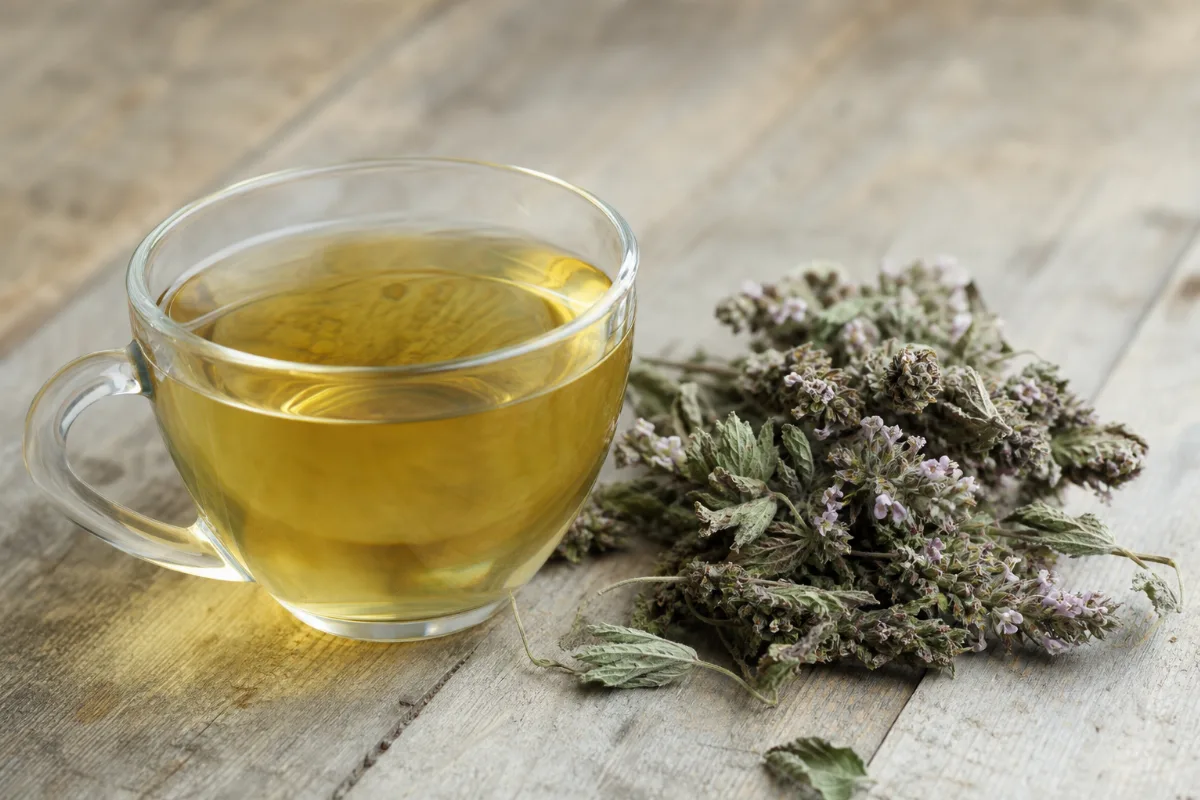
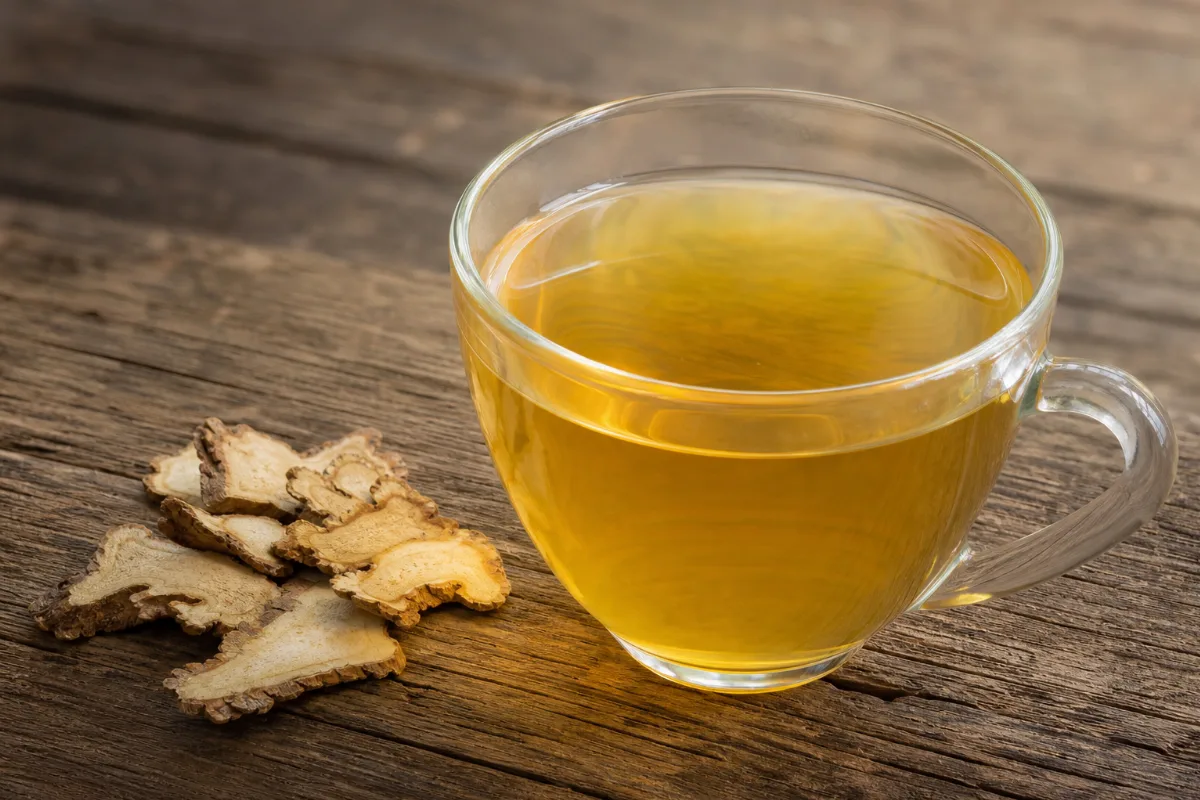
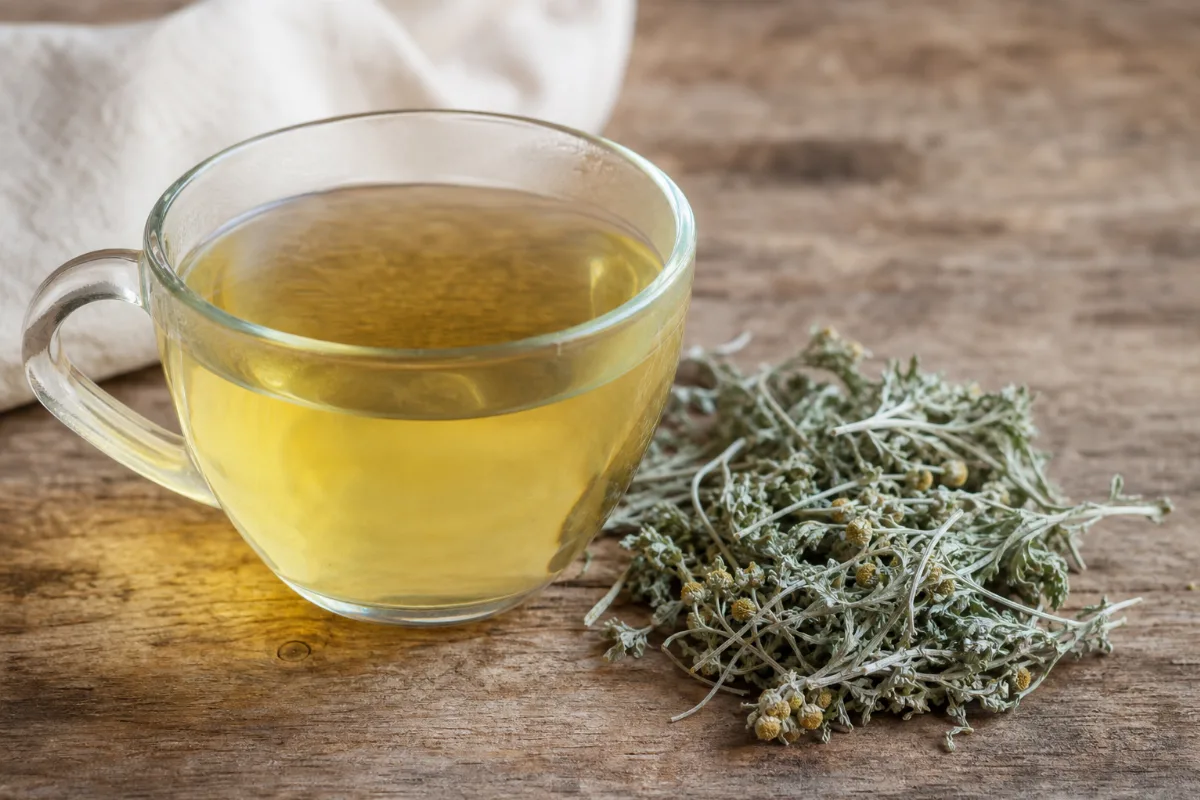
Flavor, Caffeine, What Research Shows & What to Check Before You Drink.
Teas first, tinctures after. Explore each tea: how it tastes, how much caffeine it has, how to brew it, what studies of the tea itself (not capsules or extracts) have and have not found, and what to check before you drink it: pregnancy, medicines, liver, iron, allergy, very hot drinks and babies. True teas from the tea plant and herbal infusions are both here. Cups of tea are kept apart from supplement doses.
Medium caffeine (about 25 to 50 mg per 8 fl oz cup (FDA scaled, Health Canada); the NHS plans on 75 mg a cup)
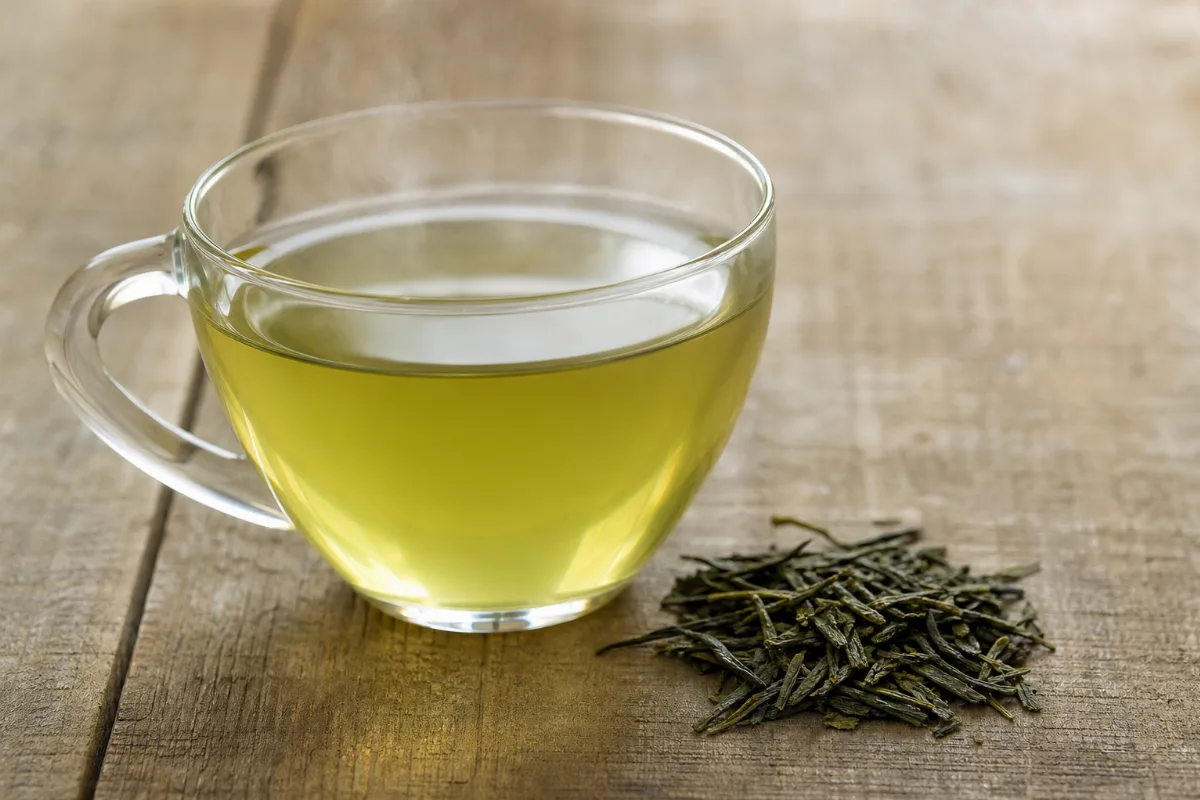
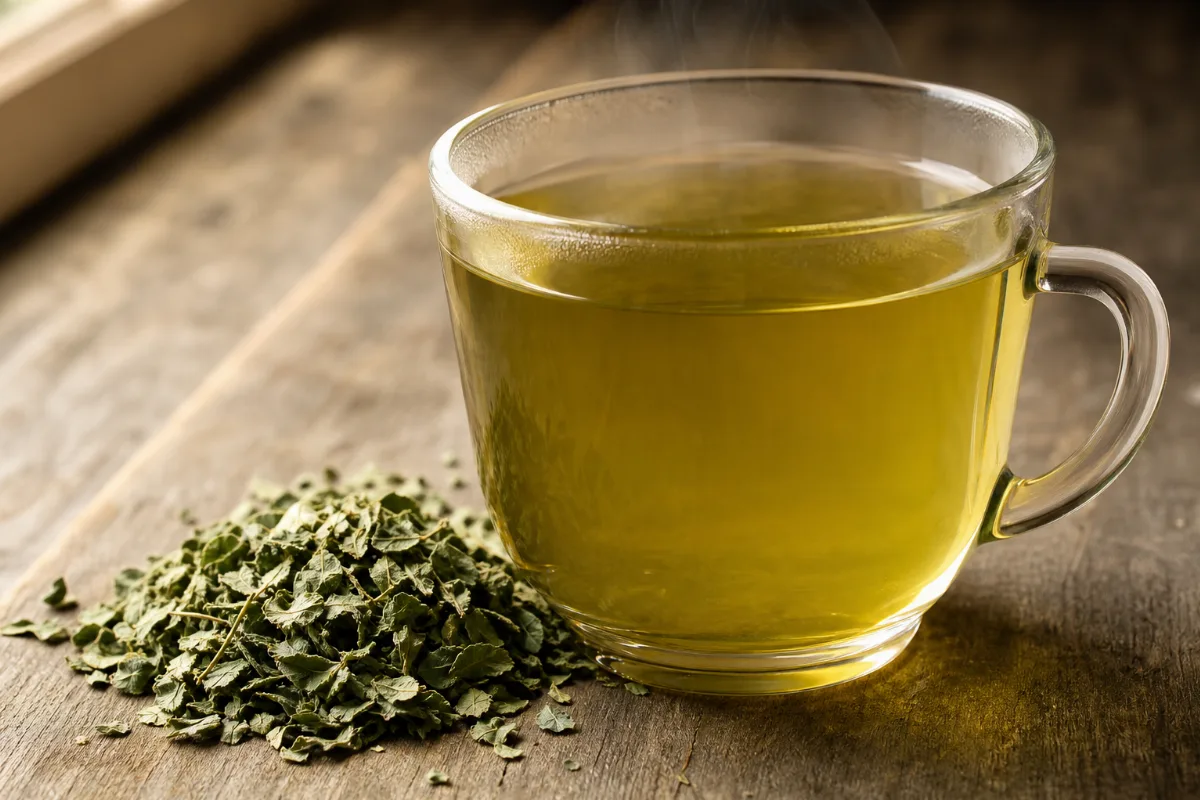
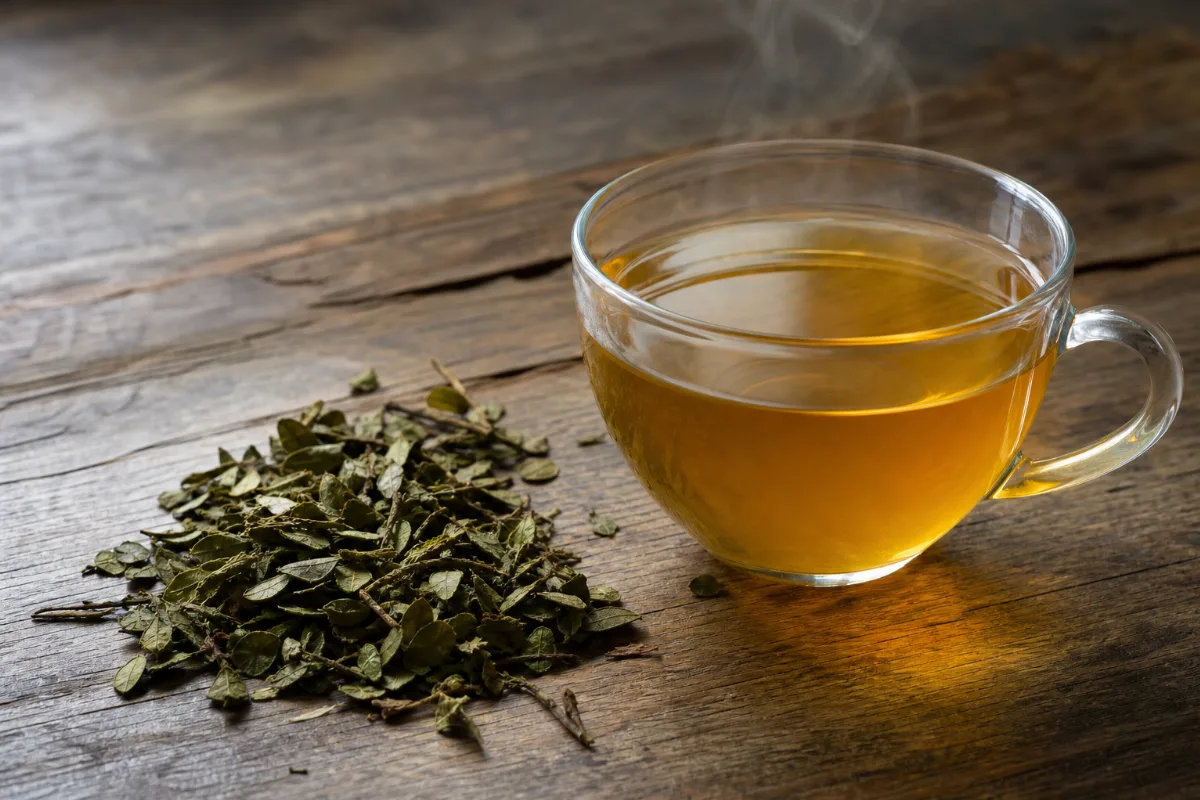
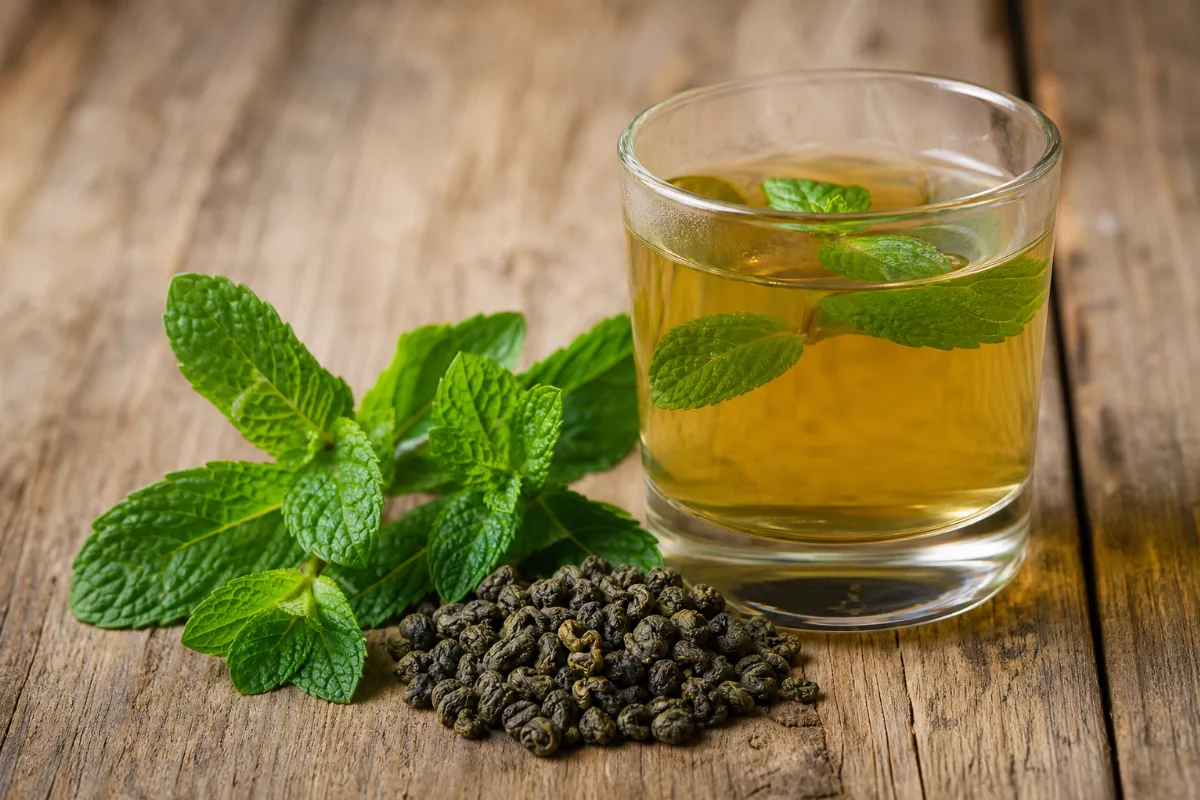
Taste: Fresh and grassy, with a little bitterness that grows if it steeps too long.
Brewing: One lab study found 3 min in 185 °F (85 °C) water gave the most catechin and best taste (a single study, not a rule).
Pregnancy and breastfeedingBabies and childrenMedicine interactionsBlood thinners (warfarin)
Studied in people for: heart and blood pressure, weight
Green tea as a drink: caffeine, what Cochrane reviews found, and the cautions (caffeine in pregnancy, iron, warfarin, very hot cups), kept apart from extract capsules.
Green tea and heart disease risk factors (cholesterol, blood pressure)
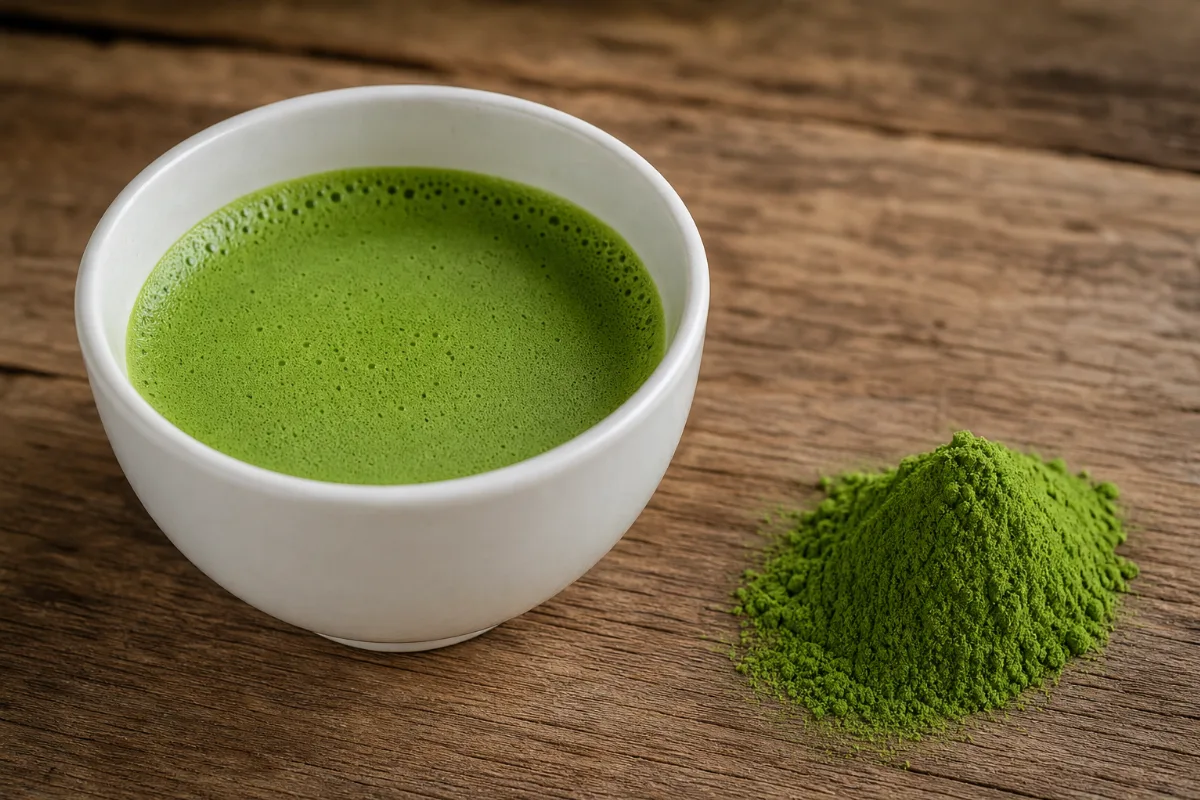
Taste: Grassy and a little bitter, with a deep green, savory note.
Pregnancy and breastfeedingBabies and childrenCaffeine sensitivity
Studied in people for: sleep, calm and stress, focus and alertness
Matcha, the powdered whole-leaf green tea: its caffeine, what small trials found, and the cautions (caffeine in pregnancy, iron, medicines), apart from extract capsules.
Medium caffeine (about 30 to 50 mg per 8 fl oz cup (Health Canada); FDA lists 71 mg per 12 fl oz; a lab study found 14 to 61 mg per serving)
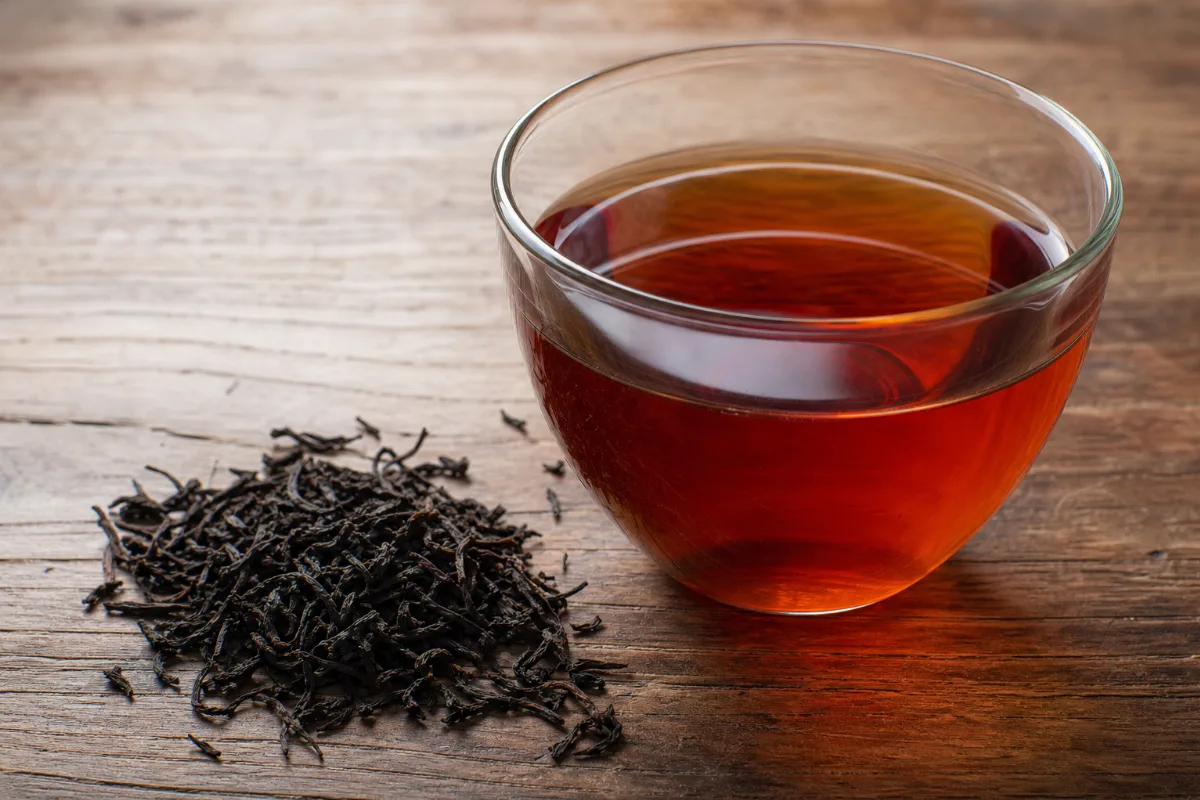
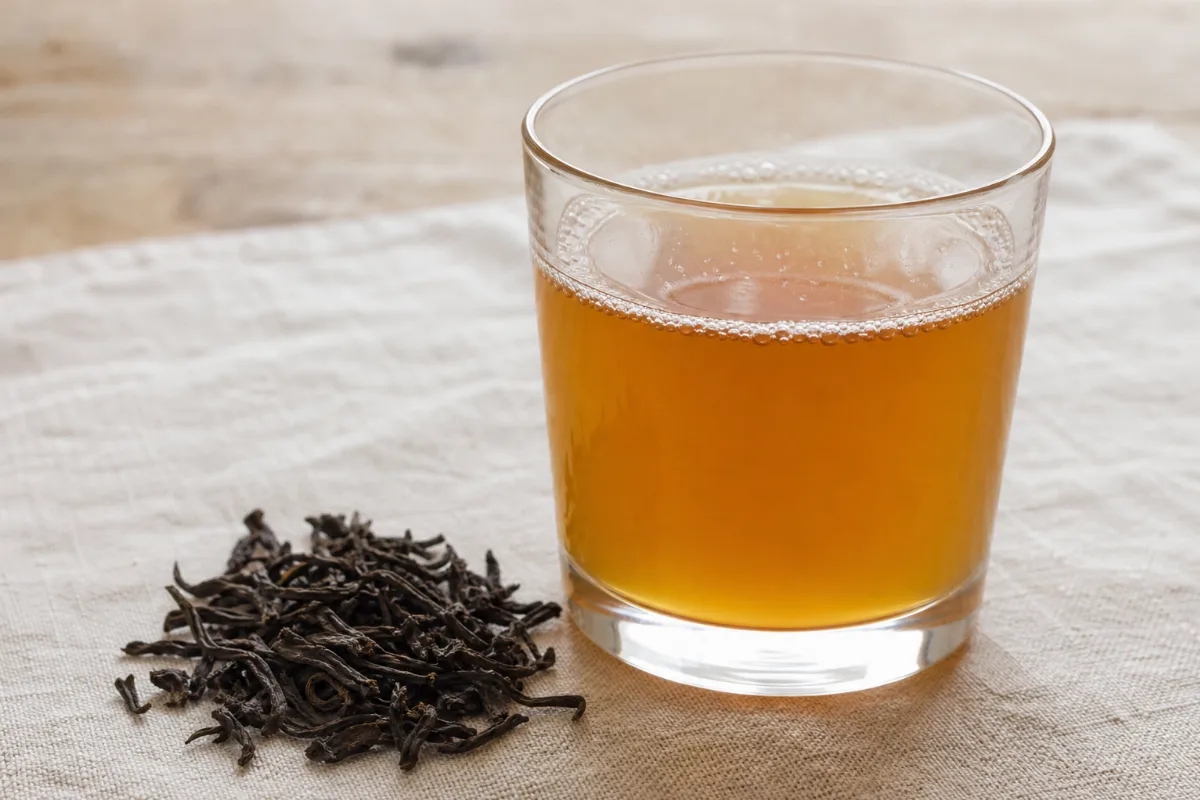
Taste: Often described as malty and full-bodied (a general description, not from a source we read).
Brewing: Research brewed at 176 or 212 °F (80 or 100 °C) for 2 to 10 minutes; longer steeping gave more caffeine (lab study, not advice).
Pregnancy and breastfeedingCaffeine sensitivityIron absorptionKidney stones and kidney disease
Studied in people for: heart and blood pressure, urinary and kidney
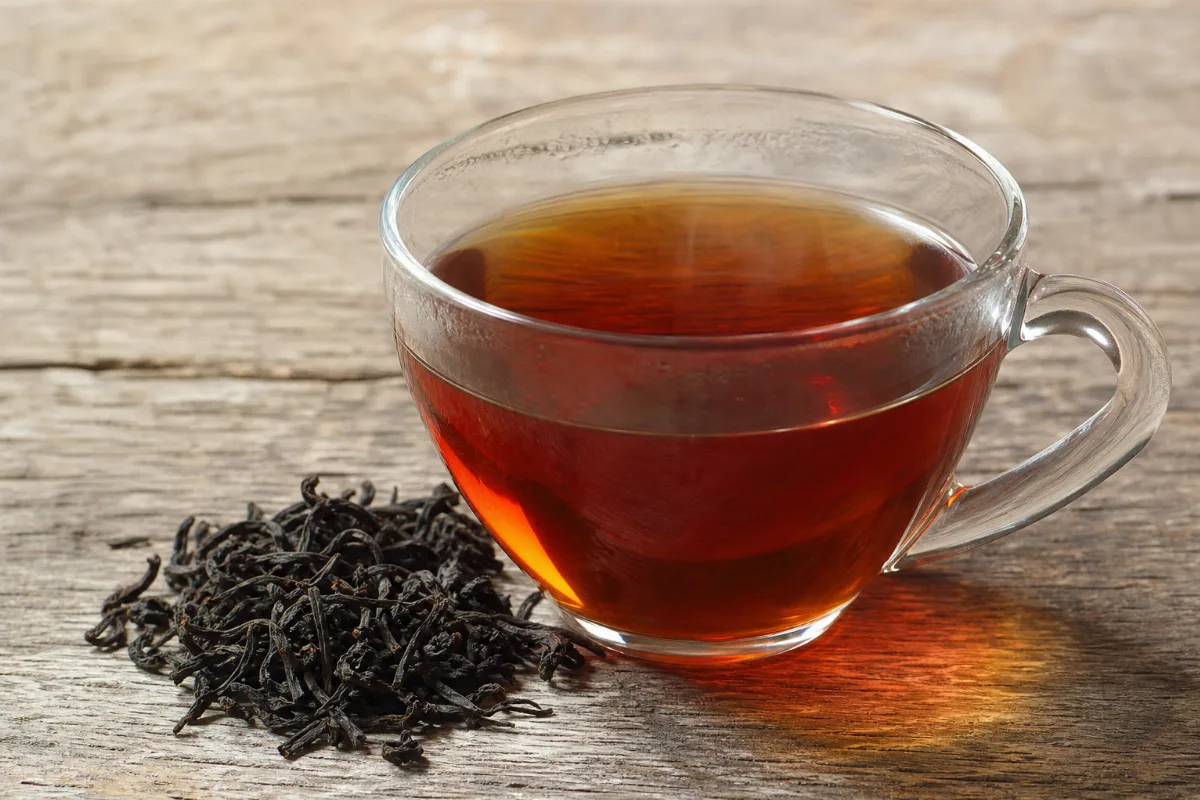
Black tea as a drink: caffeine, brewing, what studies of the tea found, and cautions on iron absorption, kidney stones with very large amounts, pregnancy and very hot cups.
Black tea and LDL cholesterol
Black tea and blood pressure (trials versus cohort studies)
Black tea, heart disease and deaths (observational)
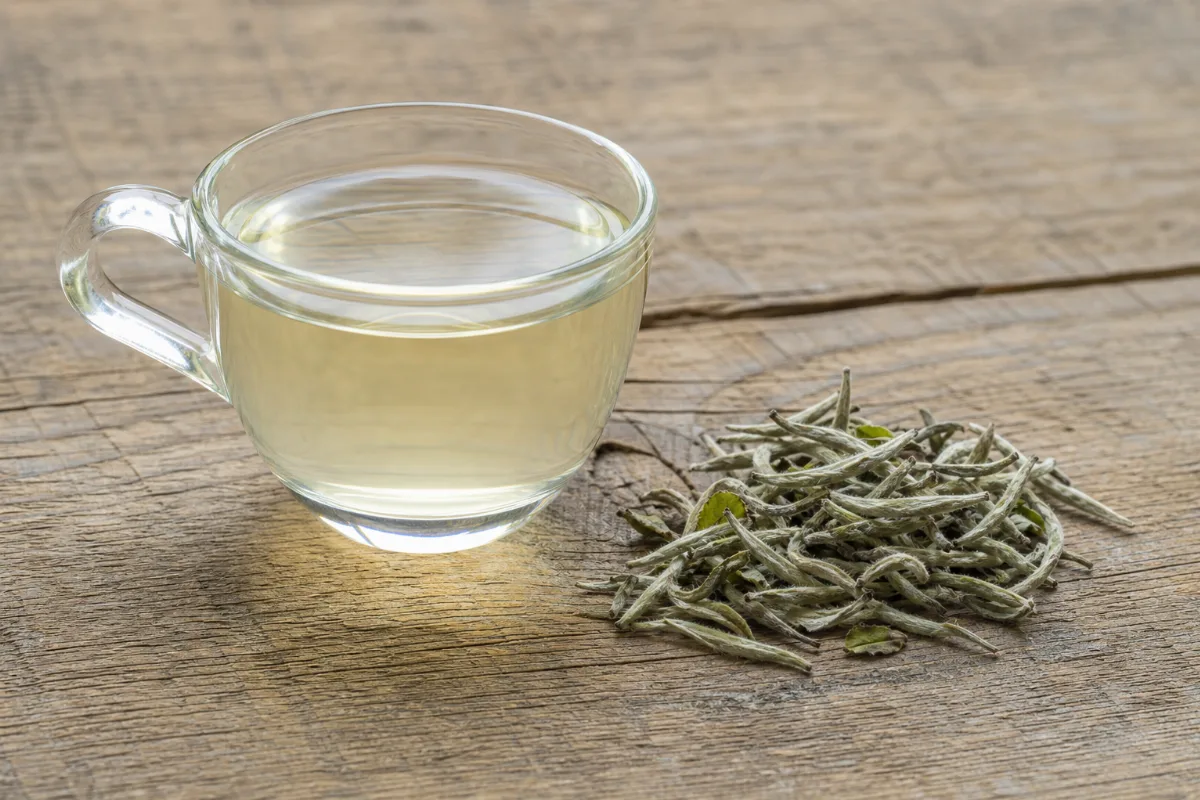
Taste: Often described as light, delicate and slightly sweet (a general description, not from a source we read).
Brewing: A human study used 176 °F (80 °C) water for 3 minutes; no official brewing instruction found (research protocol, not advice).
Pregnancy and breastfeedingCaffeine sensitivityVery hot drinksLead, metals and pesticides
Studied in people for: weight, blood sugar
White tea as a drink: what it is, caffeine, brewing, the very few human studies of white tea itself, and cautions on caffeine in pregnancy, pesticides and very hot cups.
White tea, energy use and weight (very limited human data)
White tea, blood sugar and blood fats (very limited human data)
White tea and the heart or deaths: tea in general (observational)
Low caffeine (about 4 mg per 200 mL in one lab study; more when brewed hotter or longer (other sources list 30 to 50 mg per 8 fl oz for black or green tea))
Taste: Taste is not described in the sources we read; it varies a lot by maker.
Brewing: No official instruction found; one lab study brewed 2, 5 and 10 min at 176 and 212 °F (80 and 100 °C).
Pregnancy and breastfeedingCaffeine sensitivityIron absorptionVery hot drinks
Studied in people for: heart and blood pressure, blood sugar, weight
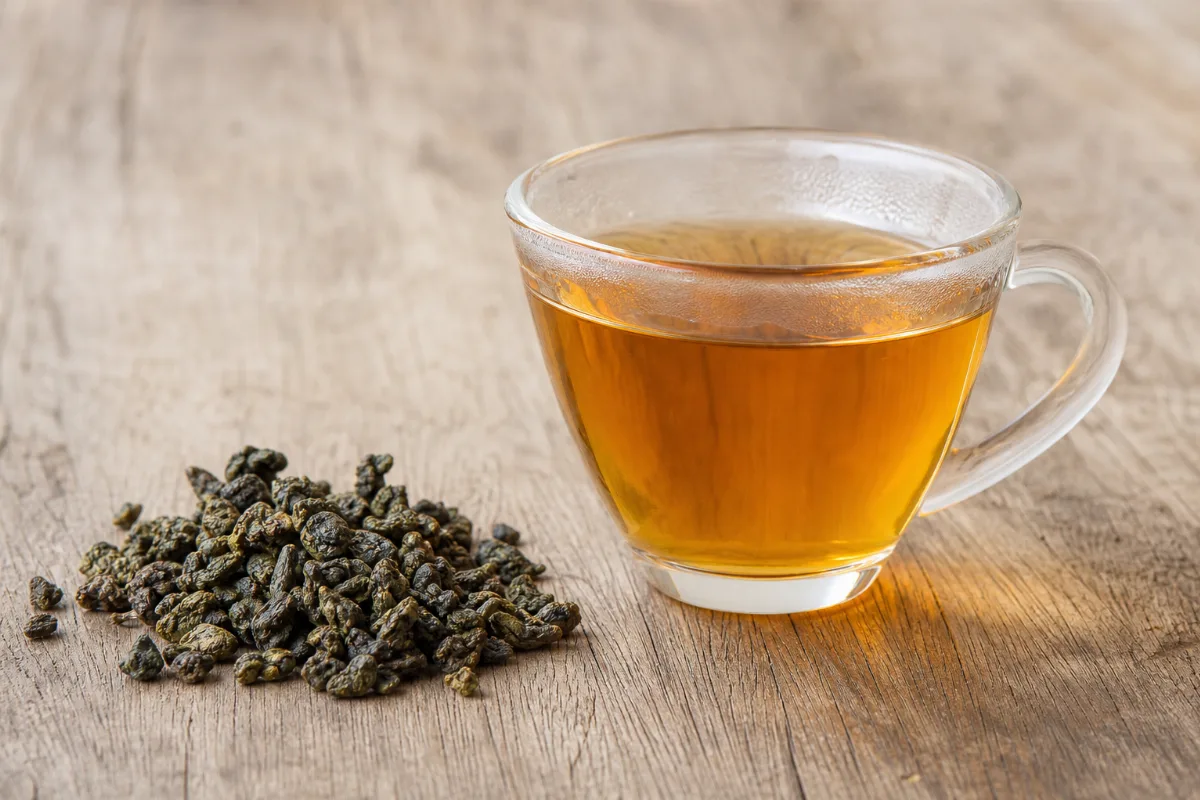
What small human studies of oolong tea itself found, how much caffeine it has, and what to check first: caffeine in pregnancy, iron absorption and very hot drinks.
Low caffeine (about 13 mg per 200 mL in one lab study, close to black tea; more with longer brewing)
Taste: Taste is not described in the sources we read.
Brewing: No official instruction found; one lab study brewed 2, 5 and 10 min at 176 and 212 °F (80 and 100 °C).
Pregnancy and breastfeedingCaffeine sensitivityIron absorptionVery hot drinks
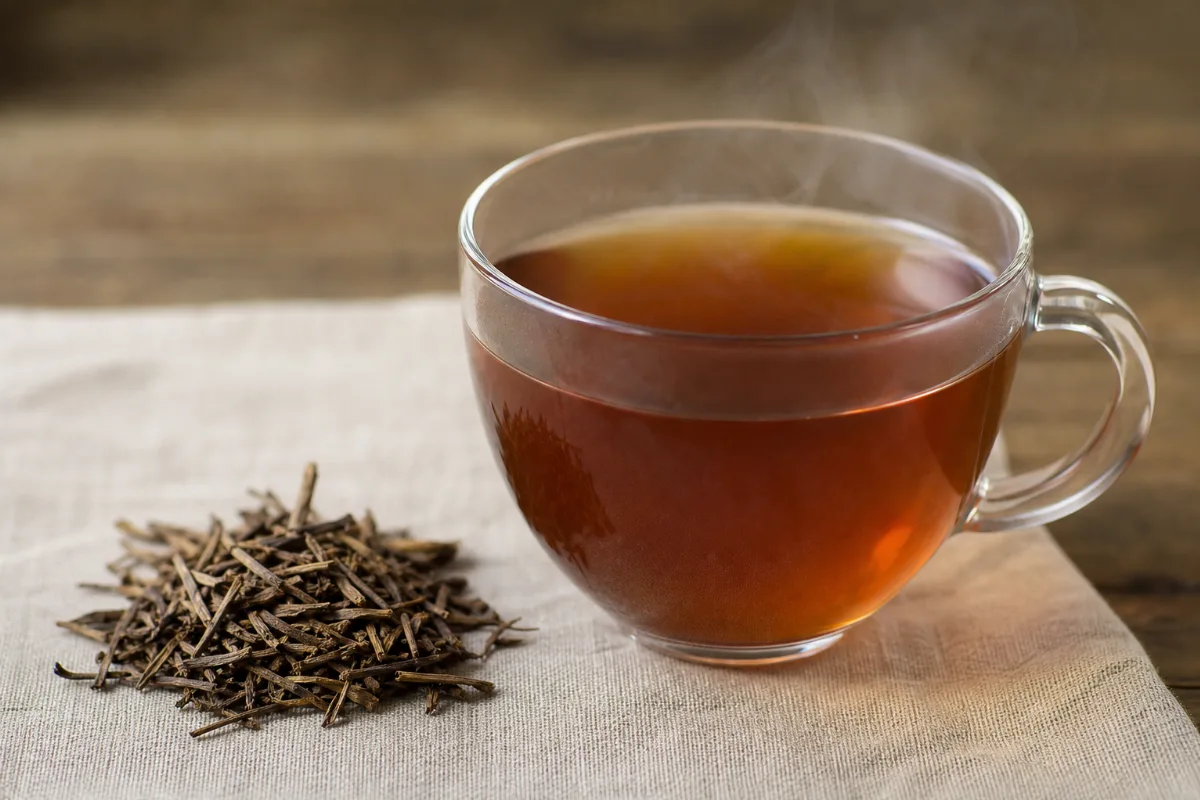
Pu-erh is a fermented, aged tea with caffeine. What studies of the tea itself found (little), what is known about its molds, and cautions for pregnancy, iron and hot drinks.
Pu-erh tea and body weight (extract trial only)
Dark tea drinking and diabetes risk
Pu-erh tea and blood-sugar enzymes (lab only)
Pu-erh tea and antioxidant markers (animal studies)
Taste: Cool, fresh and minty, with a clean menthol smell.
Brewing: EU monograph (2020): 1.5 to 3 g of leaf in 100 to 150 mL of boiling water, as an infusion (information, not advice).
Pregnancy and breastfeedingBabies and childrenPlant allergy (ragweed, daisy family)
Studied in people for: focus and alertness
Peppermint tea is a leaf infusion, not peppermint oil. What the sources say about the tea, why most research is on oil capsules, and the heartburn and other cautions.
Peppermint tea and indigestion or gas (traditional use)
Peppermint OIL capsules and irritable bowel syndrome (not tea)
Peppermint tea and short-term thinking (one small trial)
Taste: Fresh and minty, a little sweeter and softer than peppermint.
Hormone-sensitive conditions
Studied in people for: women's health, pain and inflammation
Spearmint tea: two small trials measured hormone changes in women with excess hair growth, one found no change in hair scores, and rat studies raise questions that people have not answered.
Spearmint tea and hormone levels in women with excess hair growth
Spearmint tea and unwanted hair (hirsutism score)
Spearmint tea and knee osteoarthritis pain
Liver changes in rats given spearmint tea (animal only)
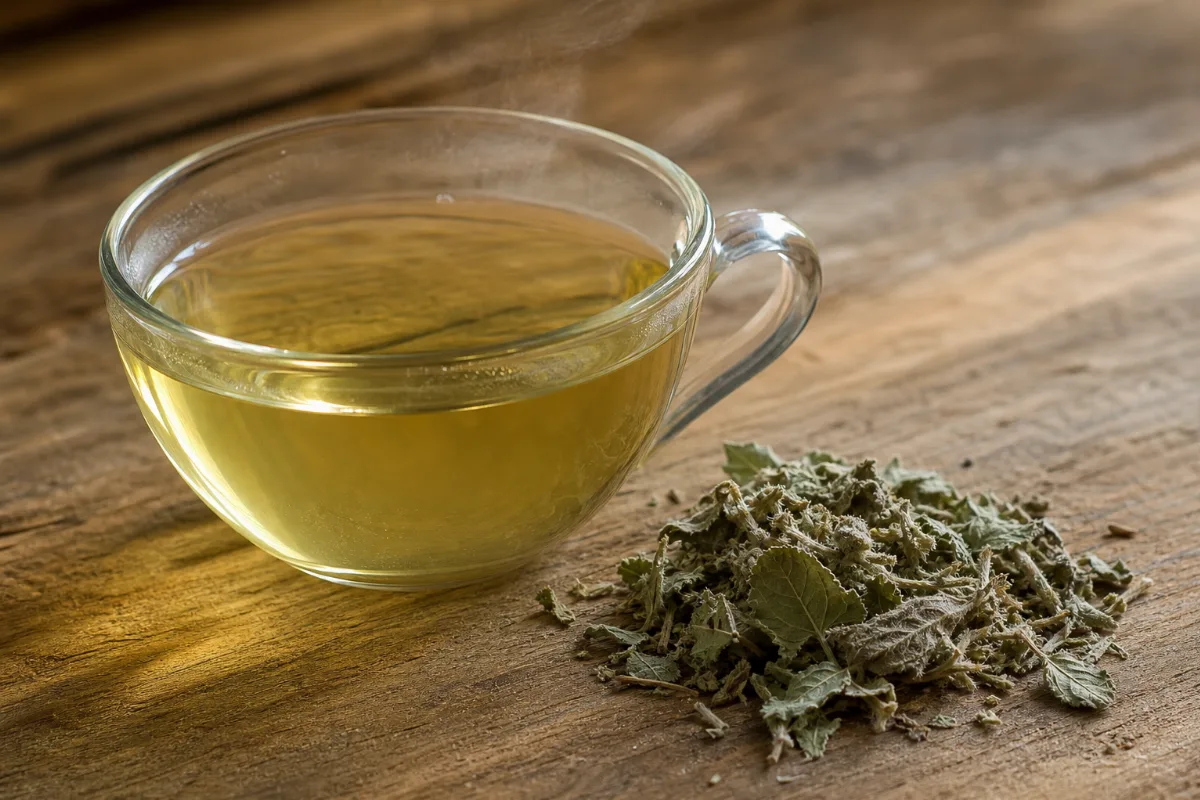
Taste: Mild and lemony, with a soft mint-family herbal note.
Brewing: EU monograph: 1.5 to 4.5 g cut leaf in 150 mL boiling water (212 °F / 100 °C) as an infusion, 1 to 3 times daily (EMA 2013).
Pregnancy and breastfeedingBabies and childrenPlant allergy (ragweed, daisy family)Hormone-sensitive conditions
Studied in people for: heart and blood pressure
What research found about lemon balm tea itself, what EU regulators concluded about melissa leaf, and the cautions: thyroid, pregnancy, driving and medicines.
Lemon balm tea and mild stress or sleep (EU traditional use)
Taste: Bright and lemony, soft and a little floral.
Brewing: EU monograph (as the page reports): 1 to 2 g cut leaf in 200 mL boiling water as an infusion, for sleep, half an hour before bed (EMA 2021).
Pregnancy and breastfeedingBabies and childrenPlant allergy (ragweed, daisy family)Kidney stones and kidney disease
Lemon verbena tea (Aloysia citrodora leaf): the European traditional-use listing for stress, sleep and mild stomach complaints, the thin human evidence, and safety points.
Lemon verbena tea and mild stress or sleep (EU traditional use)
Lemon verbena leaf syrup and insomnia (Extract only; not a tea)
Lemon verbena extract and sleep quality (Extract only)
Mild stomach complaints such as bloating (EU traditional use)
Kidney stones and kidney diseaseLiverPlant allergy (ragweed, daisy family)
Studied in people for: heart and blood pressure
Lemongrass tea is made from Cymbopogon citratus leaves. What small human trials and reviews show, including a kidney-function signal, plus allergy and liver reports and unknowns.
Lemongrass tea and blood pressure (review summary)
Blood counts in the same trial
Oral thrush: lemongrass infusion as a mouthwash
Lemongrass aroma and short-lived anxiety (Extract only: oil, inhaled)
Taste: Warm, herbal and a little peppery or clove-like.
Studied in people for: blood sugar
Tulsi (holy basil) tea: what the research tested (capsules, extracts and a mixed-herb tea, not tulsi tea alone), what we could not find, and the safety questions to ask a pharmacist.
Tulsi tea itself: human trials
Tulsi and blood sugar (capsules, powder, leaf; one old decoction study)
Tulsi and stress and anxiety (capsules)
Tulsi and immune blood markers (capsule extract; five-herb tea)
Taste: Mild, green and earthy, a little like cooked spinach.
Brewing: EU monograph (2010): 2 to 4 g of leaf per cup of herbal tea, 3 to 6 times daily; water and steeping time not stated.
Pregnancy and breastfeedingBabies and childrenKidney stones and kidney diseasePlant allergy (ragweed, daisy family)
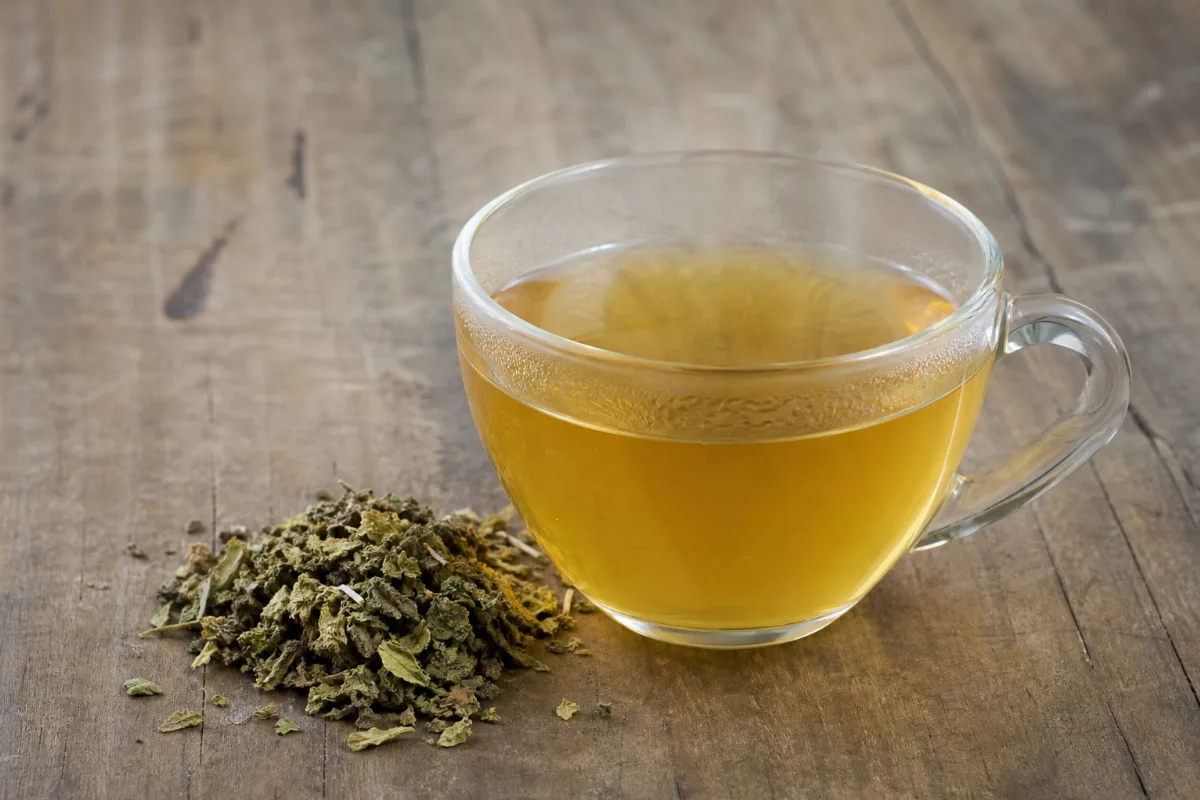
Nettle tea is made from stinging nettle leaf. See what the EU herbal committee concluded, the limits it set, who should avoid it, and where proper evidence was not found.
Nettle tea and minor joint pain (EU traditional use)
Nettle tea and urinary flushing (EU traditional use)
Moringa tea is an infusion of moringa leaf. See what the one human trial of leaf capsules found, why animal studies do not apply to people, and where proper evidence was not found.
Moringa tea itself: human trials
Moringa and blood sugar in prediabetes (leaf capsules)
Moringa and blood fats and blood sugar (powdered leaf in five human studies)
Studied in people for: blood sugar, heart and blood pressure, hydration
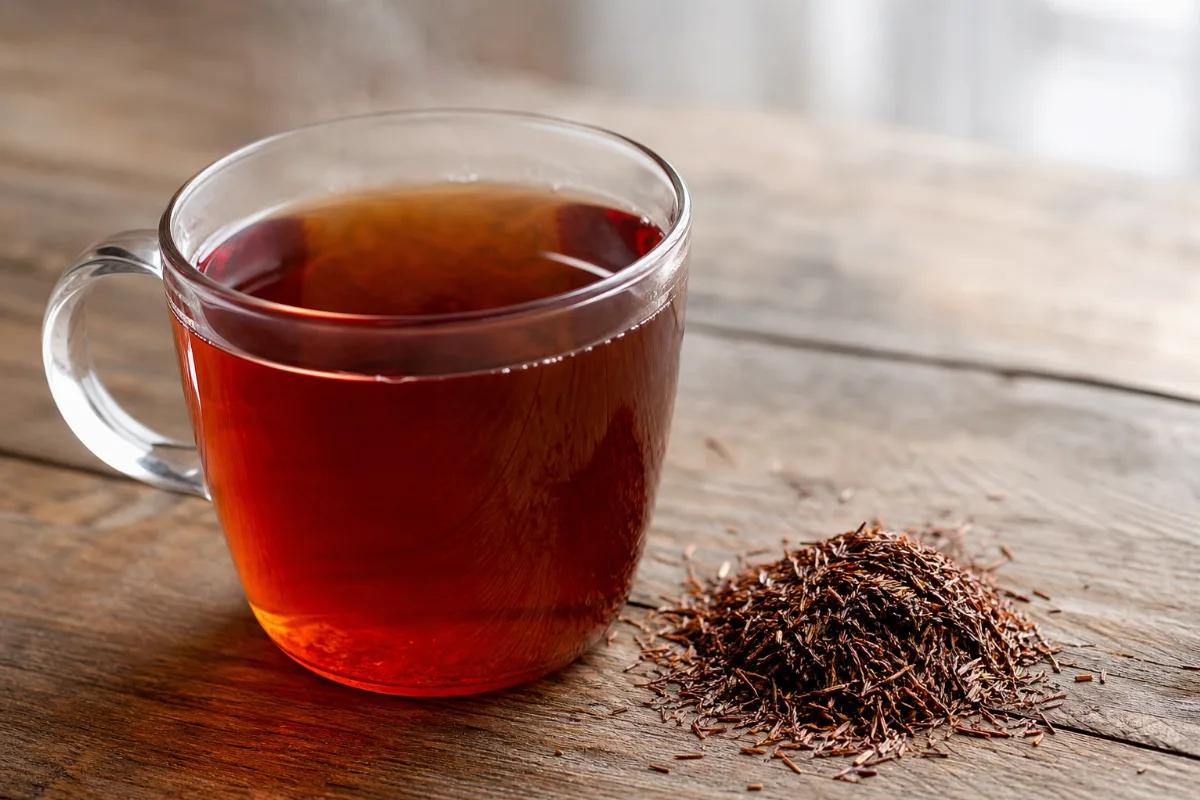
Rooibos is a caffeine-free South African herbal tea. See what a scoping review and a hydration trial found, one reported liver case, and where proper evidence was not found.
Rooibos tea and blood fats, blood sugar and antioxidant markers
Caffeine-free (Described as a caffeine-free tea in a 2015 study abstract; no mg figure read)
Taste: Sweet and mild, with honey-like and slightly floral notes.
Honeybush is a sweet South African herbal tea described as caffeine-free. No human tea studies exist; plant-estrogen findings are lab-only, so ask about hormone medicines.
Honeybush tea and human health: no human studies found
Fermented honeybush extract and skin wrinkles (extract, not tea)
Plant-estrogen activity of Cyclopia extracts (lab and rats)
Brewing: EU monograph: 1.5 to 8 g of leaf in 150 mL of boiling water as an infusion (mild-diarrhea use); no steeping time given (EMA 2014).
Pregnancy and breastfeedingBabies and childrenMedicine interactions
Studied in people for: blood sugar
What research and the EU herbal committee say about red raspberry leaf tea, why pregnancy use is a question for a midwife or doctor, and who should be careful.
Raspberry leaf tea and blood sugar after sugar (one short study)
Labor and birth (trials used tablets; no trial of the tea itself)
Menstrual spasms, mouth and throat inflammation, mild diarrhea (traditional use)
Effects on uterine and other smooth muscle (lab and animal)
Brewing: EU monograph: 1 to 2 g of cut herb in 150 mL of boiling water as an infusion, 1 to 4 times daily; no steeping time given (EMA 2014).
Pregnancy and breastfeedingBabies and childrenMedicine interactionsBefore surgery
Studied in people for: sleep, calm and stress
What research found about passionflower tea itself, what NIH and EU regulators say, and the cautions: pregnancy, surgery and anesthesia, drowsiness and driving.
Passionflower tea and sleep quality (one small crossover study)
Calming tea blend before surgery (a blend including passionflower)
Anxiety and sleep with passionflower preparations (mostly not tea)
Traditional use for mild stress and sleep (EU category)
Taste: Savory, earthy and slightly bitter, like the kitchen herb.
Brewing: EU monograph: 1 to 2 g cut leaf in 150 mL boiling water (212 °F / 100 °C) as an infusion, 3 times daily, for mild heartburn or bloating (EMA 2016).
Pregnancy and breastfeedingBabies and childrenNatural toxin or look-alike risk
Studied in people for: heart and blood pressure, blood sugar
Sage tea (Salvia officinalis leaf): what the EU and NIH say, the thin human evidence, and the main caution, thujone, plus pregnancy, children and long-term use.
Sage tea and excessive sweating (EU traditional use, one open study)
Sage tea, blood fats and blood sugar (one small pilot)
Sage tea as a mouth rinse or gargle (EU traditional use; one rinse trial)
Taste: Warm, herbal and a little earthy, like the cooking herb.
Brewing: EU monograph (2013): 1 to 2 g of cut herb in 150 mL (about 5 fl oz) of boiling water as an infusion.
Pregnancy and breastfeedingBabies and childrenPlant allergy (ragweed, daisy family)
Thyme tea is an infusion of dried thyme. See what EU regulators say about chesty coughs, what trials tested, and the cautions: mint-family allergy, pregnancy and children.
Thyme tea and chesty coughs with colds (EU traditional use)
Thyme combination syrups and tablets for acute bronchitis
Herbal cough products pooled (ivy, primrose, thyme)
Brewing: EU monograph: 1 to 2 g of leaf in 150 to 250 mL of boiling water as a herbal tea, 2 to 3 times daily; no steeping time given (EMA 2024).
Pregnancy and breastfeedingBabies and childrenLiverPlant allergy (ragweed, daisy family)
Studied in people for: calm and stress, blood sugar
What research and the EU herbal committee say about rosemary tea itself, with cautions: pregnancy and breastfeeding not recommended, bile duct and liver conditions.
Rosemary tea and markers linked to anxiety and depression (small pilot)
Rosemary tea in type 2 diabetes (one small study)
Memory, anxiety, mood and sleep with oral rosemary (not shown to be tea)
Thinking in COPD with a rosemary extract (extract only)
Skullcap tea: no human trial of the tea itself was found. Main cautions are liver injury reports (mostly multi-herb products) and the germander mix-up.
Mood in healthy volunteers (small crossover trial, form not stated as tea)
Anxiety in healthy volunteers (2003, abstract only)
Sleep in mild to moderate primary insomnia (extract supplement only)
Traditional use as a tea for anxiety, stress and insomnia
Taste: Mild and earthy, slightly bitter to some people and mildly sweet to others.
Brewing: EU monograph: 1.5 to 2 g flower in 150 mL boiling water (infusion). Strain well, as fine hairs can irritate the throat (WebMD, Healthline).
Pregnancy and breastfeedingBabies and childrenPlant allergy (ragweed, daisy family)
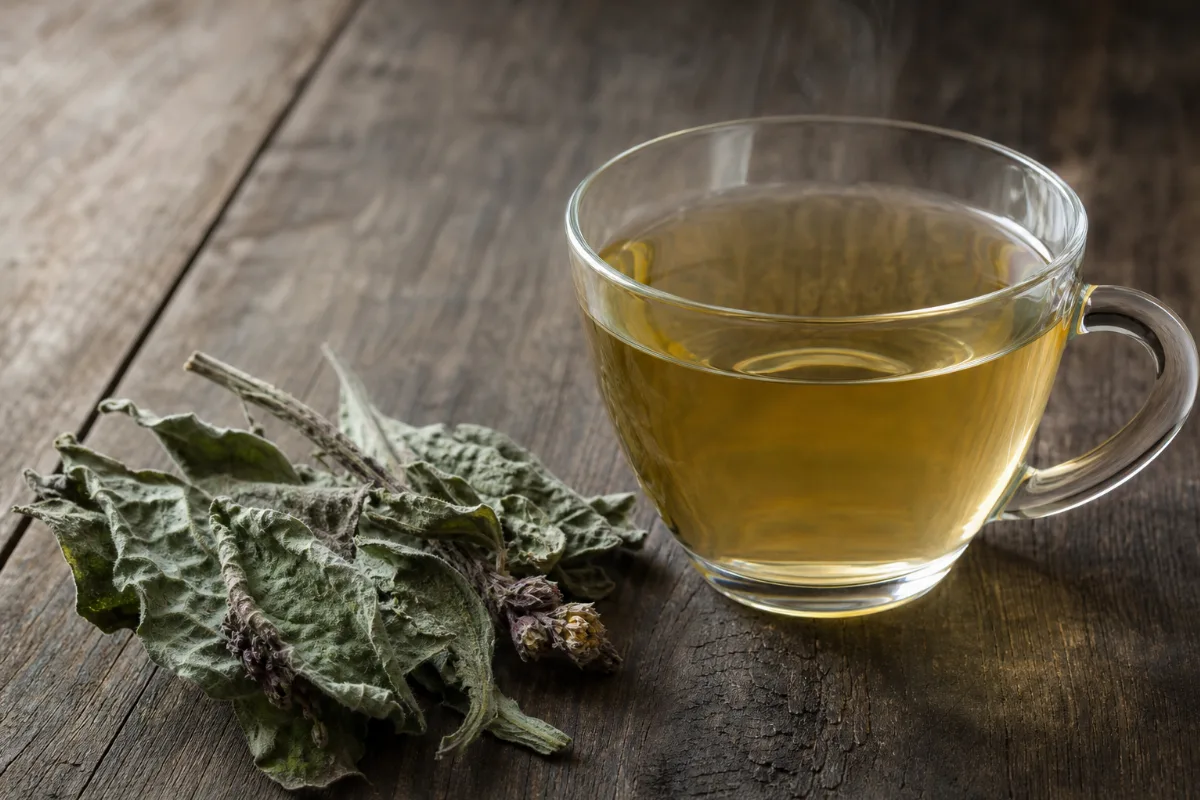
Mullein tea is a herbal infusion of the flower or leaf, used for sore throat and cough. What the EU says, why no trials of the tea exist, and the cautions for pregnancy and children.
Mullein tea and sore throat with dry cough and cold (traditional use)
Mullein tea, lab and animal findings (antiviral, antibacterial, antioxidant)
Mullein oil in ear drops for ear pain (multi-herb extract, not tea)
Mullein cream and wound healing after childbirth (cream, not tea)
Taste: Very bitter, which is where its Chinese name 'bitter tea' comes from.
Studied in people for: heart and blood pressure
Kuding is a very bitter Chinese leaf tea. See what small trials and lab studies found, why its caffeine content is unclear, and the liver findings from high-dose extract in mice.
Kuding tea and blood fats (cholesterol, triglycerides)
Weight and blood sugar (animal and lab)
Antioxidant, anti-inflammatory and anticancer activity (lab)
Taste: Slightly bitter yet sweet, with a fresh green flavor.
Brewing: Steep dried leaves in about 176 °F (80 °C) water for several minutes (one UK tea estate; marketing, not independent).
Medicine interactionsBlood thinners (warfarin)
Gynostemma (jiaogulan) tea is a sweet-bitter herbal infusion of the leaf. Small trials and what they really tested, plus one platelet case report and the medicine questions to ask.
Gynostemma tea and blood sugar in type 2 diabetes (prepared tea product)
Gynostemma extracts and blood lipids (extract, not tea)
Gynostemma extract and stress-related anxiety (extract, not tea)
Fatigue and exercise performance (extract, not tea)
Pregnancy and breastfeedingBabies and childrenCaffeine sensitivity
Yaupon is a caffeine-containing holly leaf tea from the southeastern US. What sources say about its caffeine, the odd species name vomitoria, and why human research is missing.
Brewing: Traditionally steeped in boiling water; no standard time or leaf amount found in the sources we read.
Pregnancy and breastfeedingBabies and childrenCaffeine sensitivityBlood pressure and potassium
Guayusa is a caffeinated Amazon holly leaf tea. See what the tea and its extracts have been tested for, how much caffeine sources report, and the pregnancy and heart cautions.
Mood and energy (extract trial, single dose)
Focus and thinking tasks (extract trial, single dose)
Blood sugar (rat study)
Traditional morning drink and ritual (not proof of benefit)
Medium caffeine (about 22 mg per 150 mL bag serving in one trial (3 g leaf); loose-leaf gourd drinking can be much higher)
Taste: Strong and bitter; some people add a little sweetener.
Brewing: One trial: 3 g leaf in 150 mL (5 fl oz) just-boiled water, 5 min. Lab brews used 158 or 212 °F (70 or 100 °C).
Pregnancy and breastfeedingBabies and childrenMedicine interactionsBlood pressure and potassium
Studied in people for: heart and blood pressure, blood sugar, weight
Yerba mate is a caffeinated South American infusion of holly leaves. What IARC found about very hot drinks, what reviews of maté show, and the cautions that matter.
Mate tea, blood pressure and blood fats (tea trials)
Mate and blood sugar
Traditional use for tiredness (EU regulatory category)
Taste: Light, floral and slightly sweet, with a soft apple-hay note.
Brewing: EU monograph describes 1.5 to 4 g of flowers in 150 mL boiling water as an infusion (EMA/HMPC, 2015); steeping time not sourced.
Plant allergy (ragweed, daisy family)Medicine interactionsBlood thinners (warfarin)Pregnancy and breastfeeding
Studied in people for: sleep, blood sugar
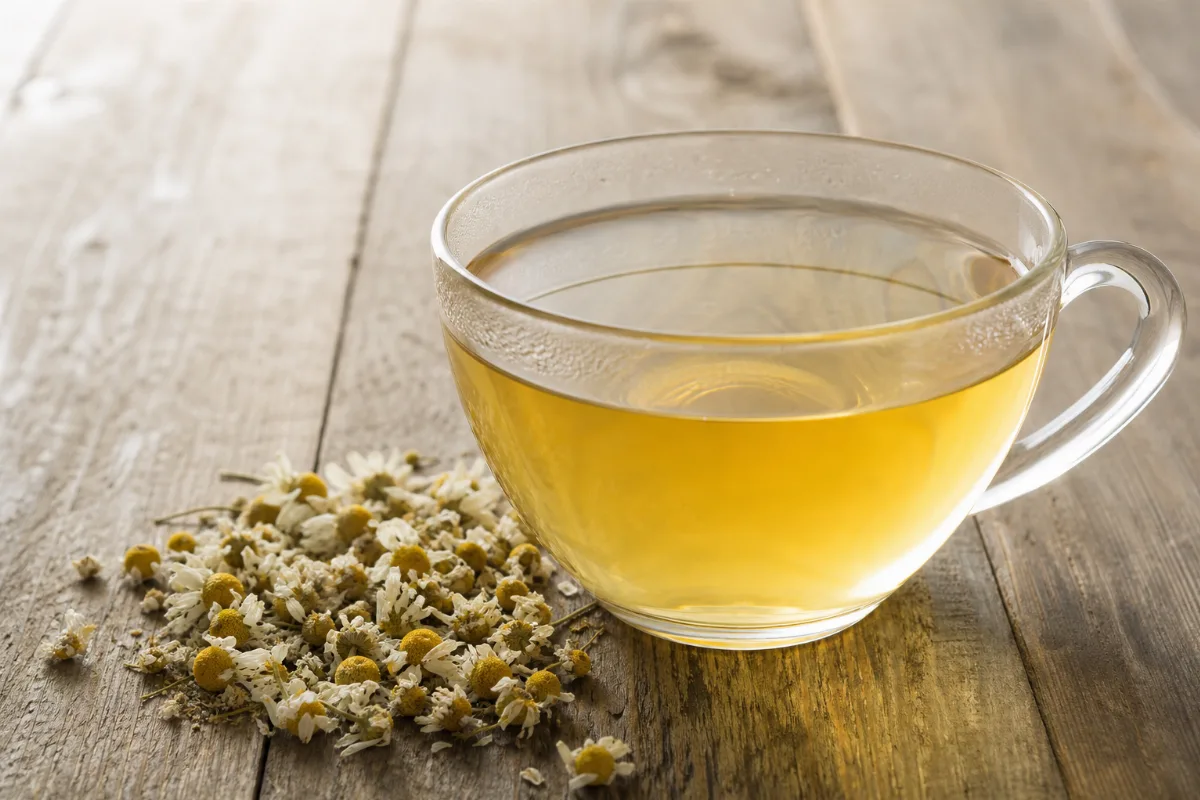
What research found about chamomile tea itself, what European regulators and NIH say, and the cautions: daisy-family allergy, warfarin, birth control pills and surgery.
Chamomile tea and sleep after childbirth
Chamomile tea and blood sugar in type 2 diabetes
Chamomile and anxiety or sleep (many forms, mostly not tea)
Stomach and gut complaints (traditional, regulatory)
Taste: Floral and perfumed with a slightly bitter, herbal edge.
Brewing: EU monograph describes 1 to 2 g of flowers in 150 mL boiling water as an infusion, 3 times daily (EMA/HMPC, 2012); steeping time not sourced.
Medicine interactionsPregnancy and breastfeedingBabies and childrenKidney stones and kidney disease
Studied in people for: calm and stress
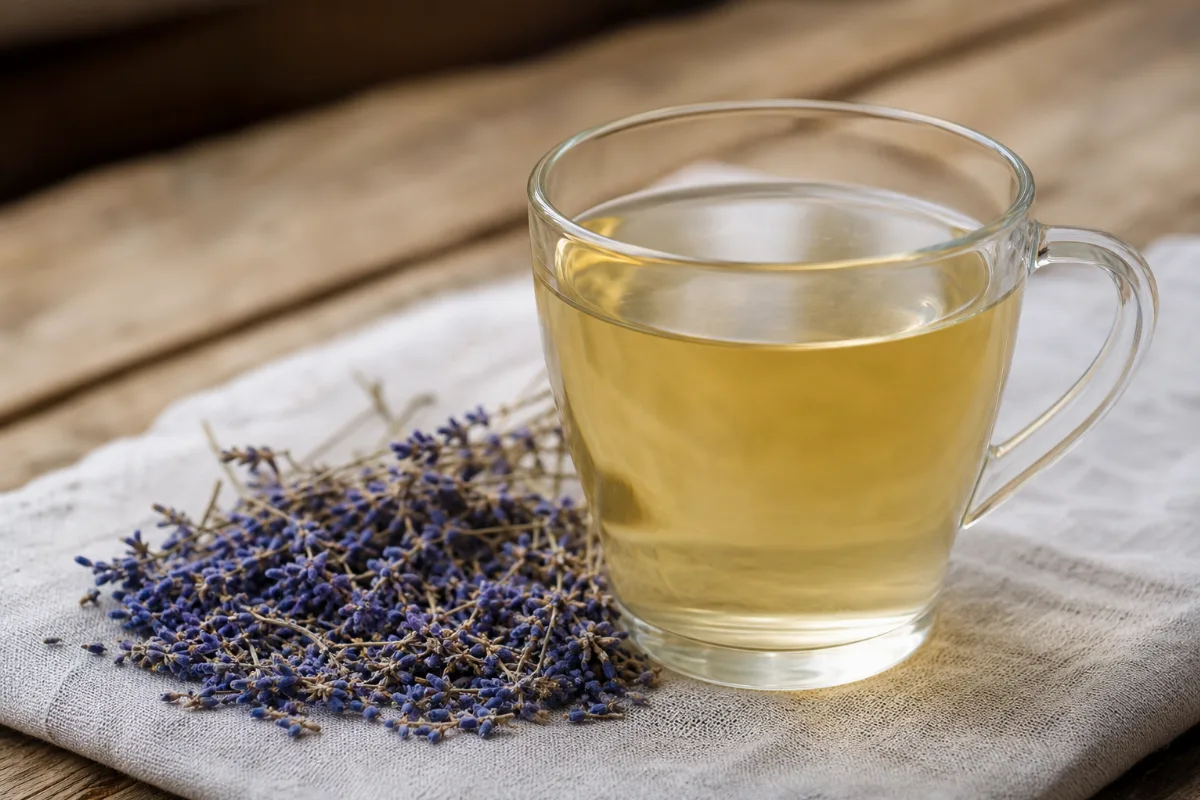
What research found about lavender tea itself, how it differs from lavender oil, what NIH and EU regulators say, and the cautions: a medicine case report, a kidney case, pregnancy.
Lavender tea after childbirth: fatigue, mood and bonding
Lavender tea and misophonia (strong reactions to sounds)
Lavender and depression or anxiety (tea vs oil vs capsules)
Traditional use for stress, exhaustion and sleep (regulatory)
Taste: Tart and tangy, a little like cranberry, with a floral note.
Blood pressure and potassiumMedicine interactionsBlood thinners (warfarin)Liver
Studied in people for: heart and blood pressure
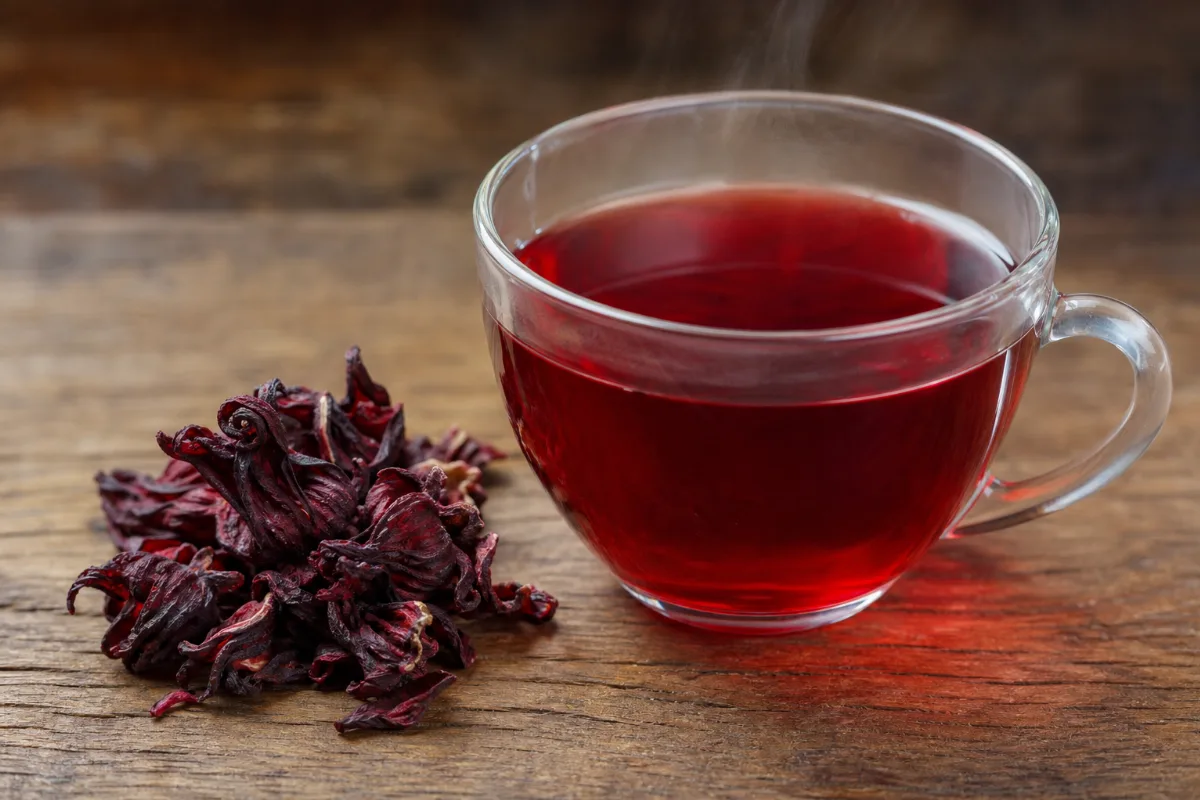
Hibiscus tea is a tart red tisane. See what a trial of the tea and larger reviews found on blood pressure, what is unknown on medicines and pregnancy, and cautions.
Hibiscus tea and blood pressure (the tea itself)
Hibiscus and blood pressure: pooled trials and Cochrane review
Hibiscus and blood fats and glucose (mixed preparations)
Taste: Mild and slightly earthy, with very little flavor of its own.
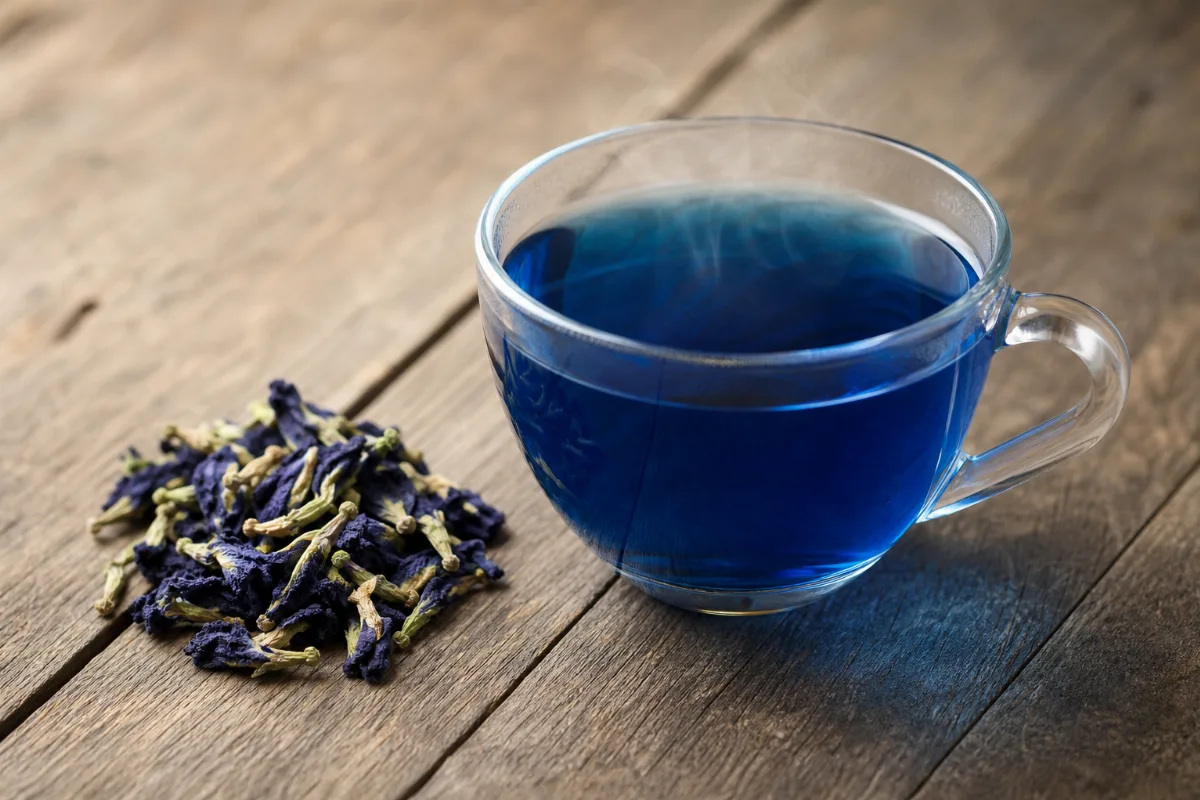
Butterfly pea flower tea (Clitoria ternatea): why it is blue and turns purple with acid, the small human trial of a flower-extract drink, and what safety information we could not find.
Blood sugar after a sugary drink (flower-extract beverage)
Why the tea changes color (chemistry, not a health effect)
Antioxidant, anti-diabetic and other claims (lab and animal)
Brewing: EU monograph: 2 to 5 g in 150 mL boiling water [212 °F / 100 °C] as an infusion; no steeping time given.
Pregnancy and breastfeedingBabies and childrenPlant allergy (ragweed, daisy family)
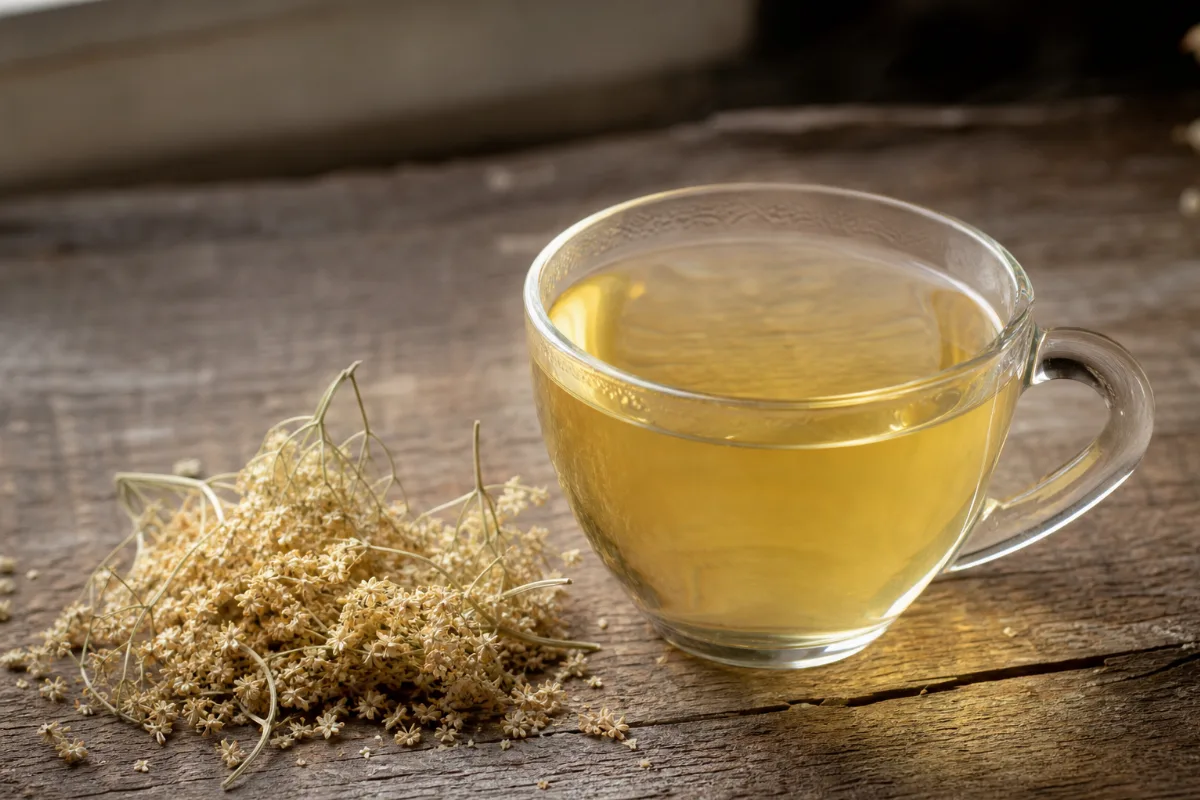
Elderflower tea is made from Sambucus nigra flowers. See the EU conclusion on early cold symptoms, the monograph's infusion and decoction amounts, and how it differs from raw elderberry.
Elderflower tea and early cold symptoms (traditional use)
Pregnancy and breastfeedingHormone-sensitive conditionsBlood thinners (warfarin)Medicine interactions
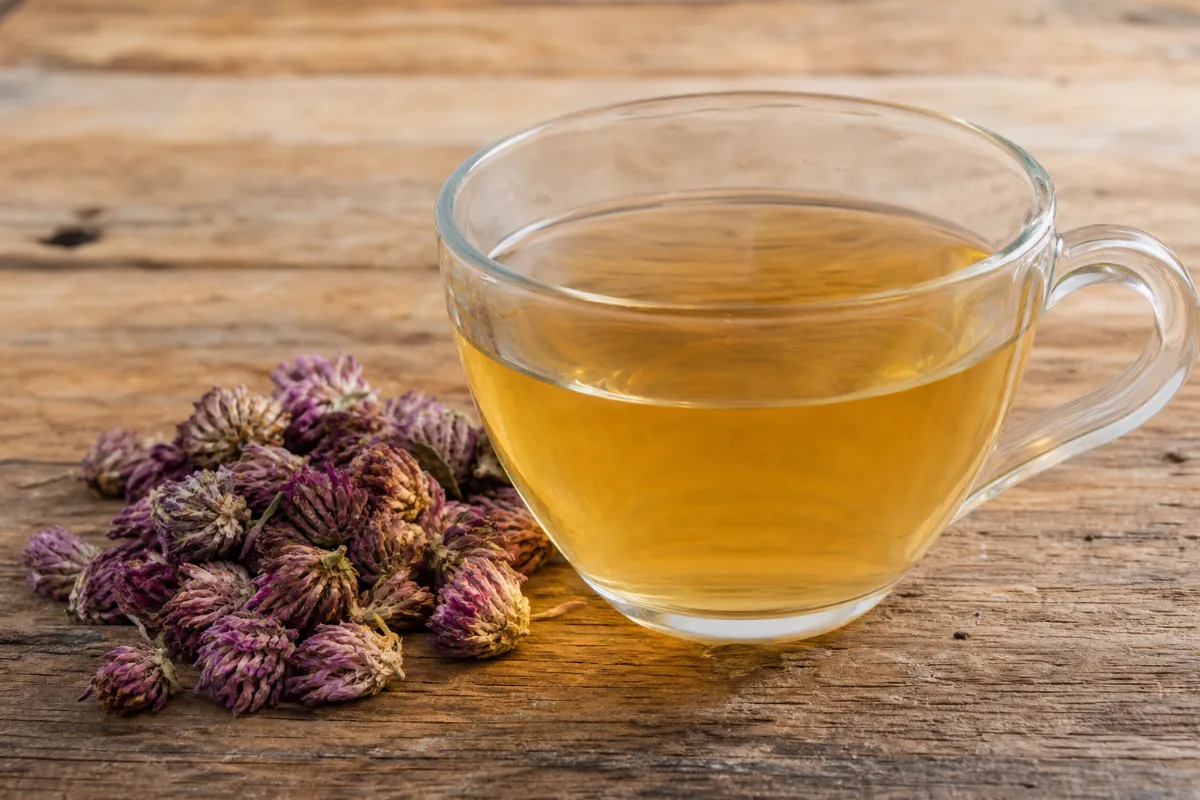
What research shows about red clover tea and menopause hot flashes, why the trials tested extracts and not tea, and the cautions: pregnancy, hormone-sensitive conditions and blood thinners.
Red clover tea and menopause hot flashes (tea vs extract)
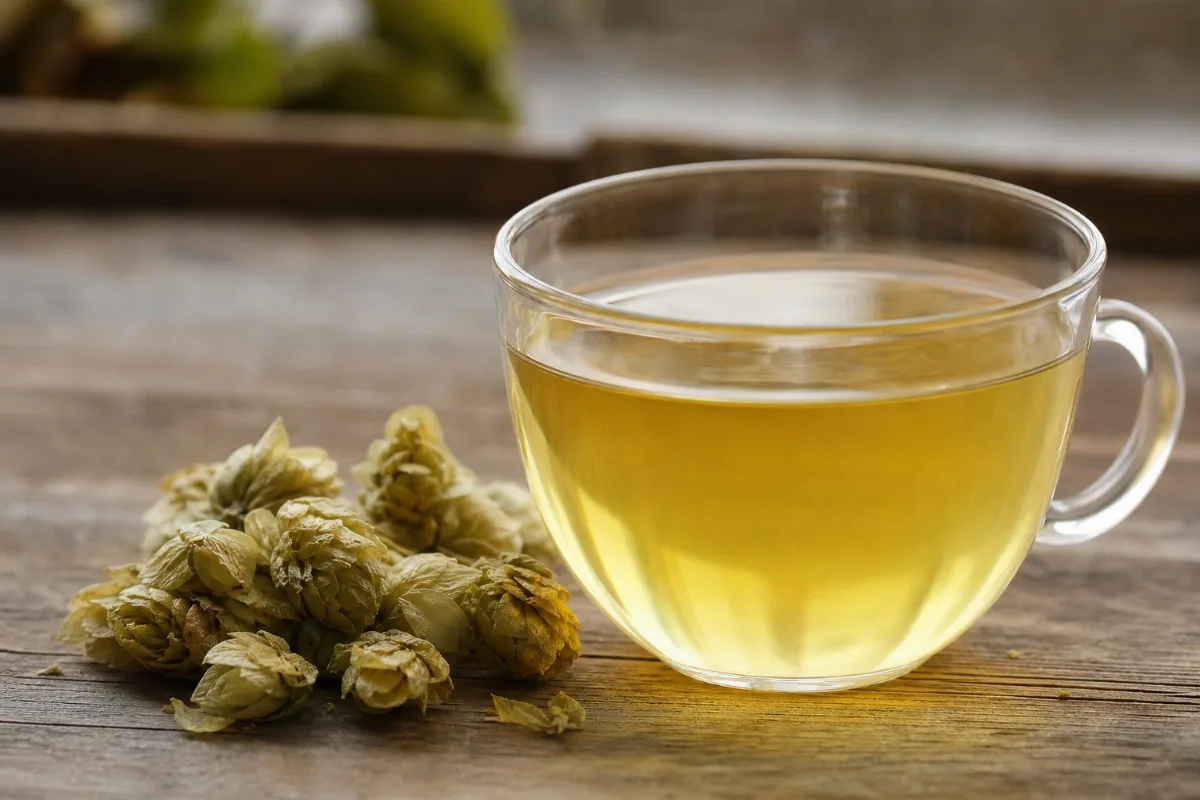
Brewing: EU monograph: 500 mg of cut hop cones in 150 to 200 mL boiling water [212 °F / 100 °C] as an infusion; steeping time not given.
Pregnancy and breastfeedingBabies and childrenMedicine interactionsHormone-sensitive conditions
Hops tea (Humulus lupulus cones): what European regulators accept as traditional use for stress and sleep, what trials found, and cautions on depression, sedatives, pregnancy and allergy.
Chrysanthemum morifolium (accepted: Chrysanthemum x morifolium Ramat. ex Hemsl.)
Flower
Taste: Floral and lightly sweet, smooth, with a cucumber-like note in some samples.
Brewing: A lab study found 212 °F (100 °C) water for 4 minutes gave the most compounds in one purple cultivar; no official time found.
Plant allergy (ragweed, daisy family)Lead, metals and pesticides
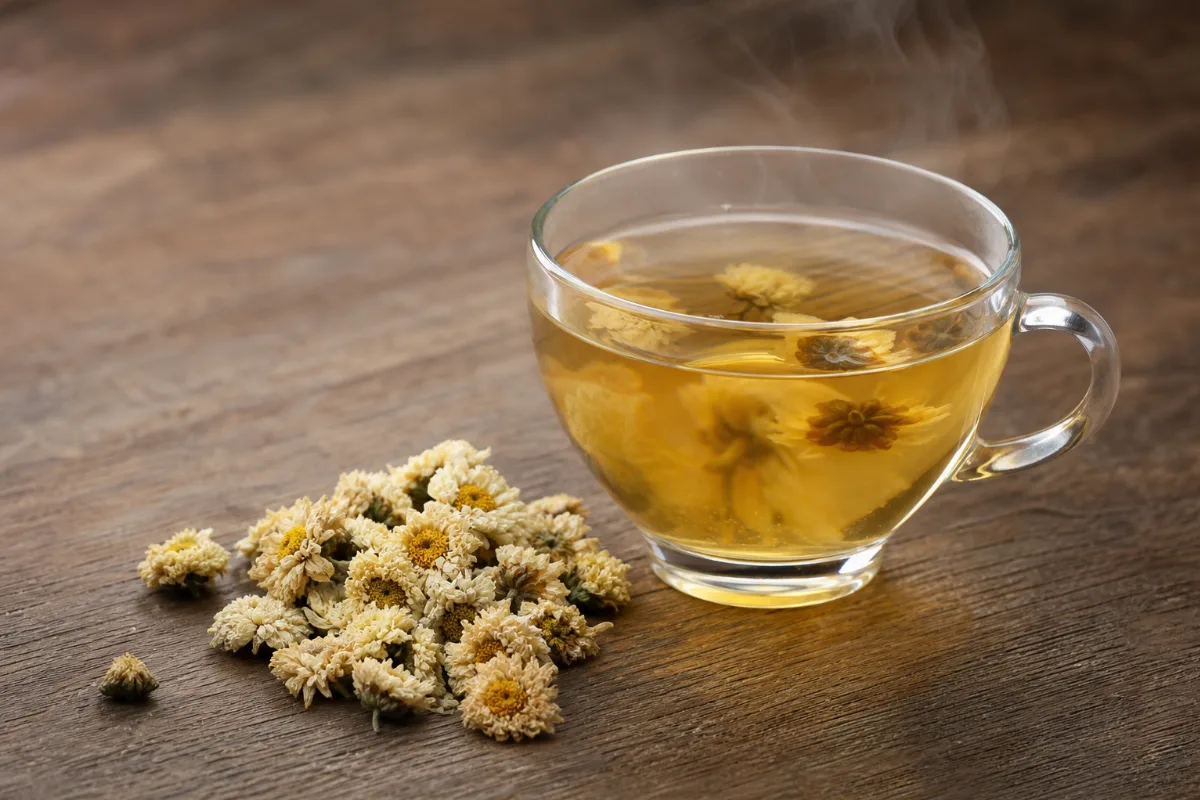
Chrysanthemum tea is a floral tisane. See what is known about the tea itself (very little in people), the daisy-family allergy caution, pesticide residues and brewing facts.
Chrysanthemum tea and health benefits in people
Traditional use for colds and heart and lung complaints
Antioxidant and anti-inflammatory activity (lab and animal findings)
Medicines, pregnancy, breastfeeding and children: not described
Medium caffeine (Usually on green tea: brewed green tea is about 30 to 50 mg per 8 fl oz cup (Health Canada); no jasmine-specific figure found)
Taste: Floral and sweet-smelling with a fresh green tea note.
Caffeine sensitivityPregnancy and breastfeedingVery hot drinks
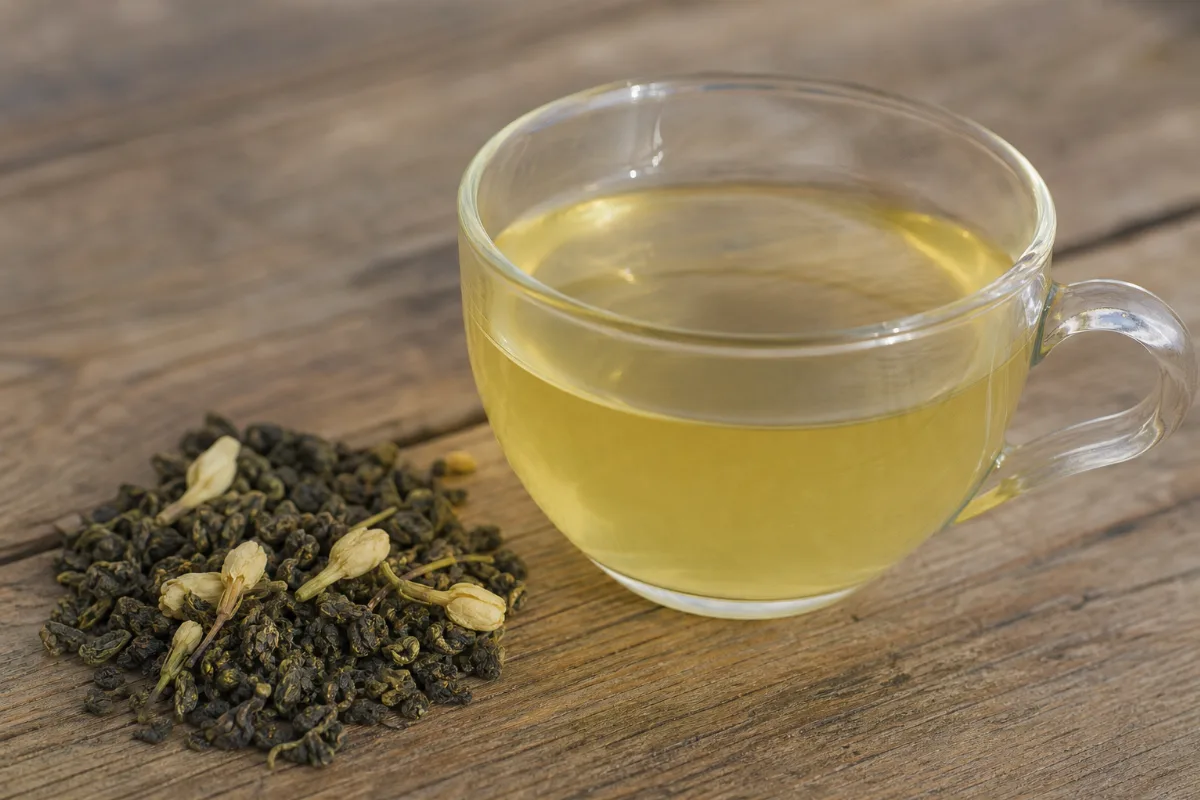
Jasmine tea is usually green tea scented with jasmine flowers, so it has caffeine. See what research found, caffeine and pregnancy limits, hot-drink and medicine cautions.
Jasmine tea and esophageal or stomach cancer risk (observational)
Jasmine tea odor and calm (inhaled, not drinking)
Cholesterol and weight (rat and mouse findings)
Metals and fluoride in tea leaves: jasmine not separated
Rosa damascena (accepted: Rosa x damascena Mill.), Rosa gallica
Flower
Taste: Soft and floral, with a rose scent.
Brewing: A lab study picked 203 °F (95 °C) water for 5 minutes for one compound; no official drinking amount or time found.
Pregnancy and breastfeedingBabies and childrenPlant allergy (ragweed, daisy family)
Studied in people for: women's health
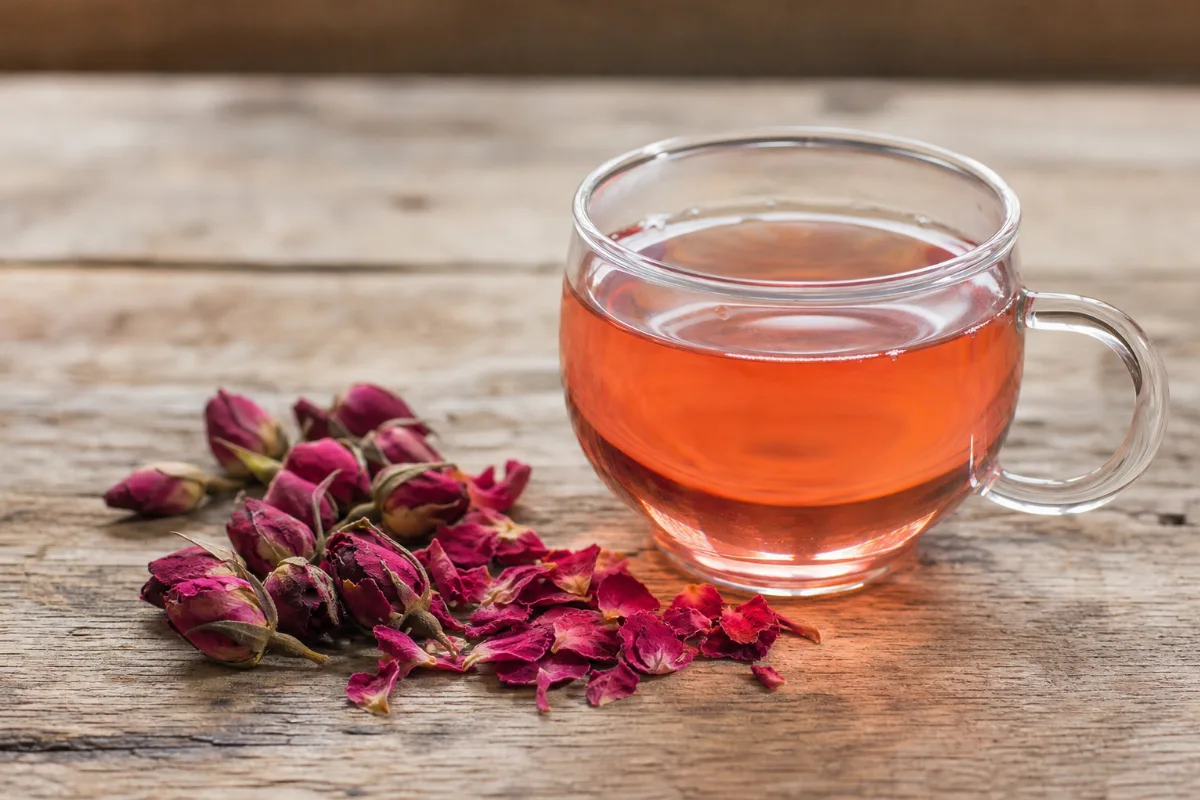
Rose tea is made from dried rose petals. See the one trial of the tea (menstrual pain in teens), what the EU says about pregnancy and age, and why only untreated rose petals sold for eating belong in a cup.
Rose tea and menstrual pain in teenagers
Mild mouth and throat inflammation and minor skin inflammation (EU traditional use)
Untreated petals only: florist and garden roses (precaution)
Brewing: EU monograph: 1.5 g of cut flower in 150 mL boiling water [212 °F / 100 °C] as an infusion; steeping time not given.
Pregnancy and breastfeedingBabies and childrenIron absorptionLead, metals and pesticides
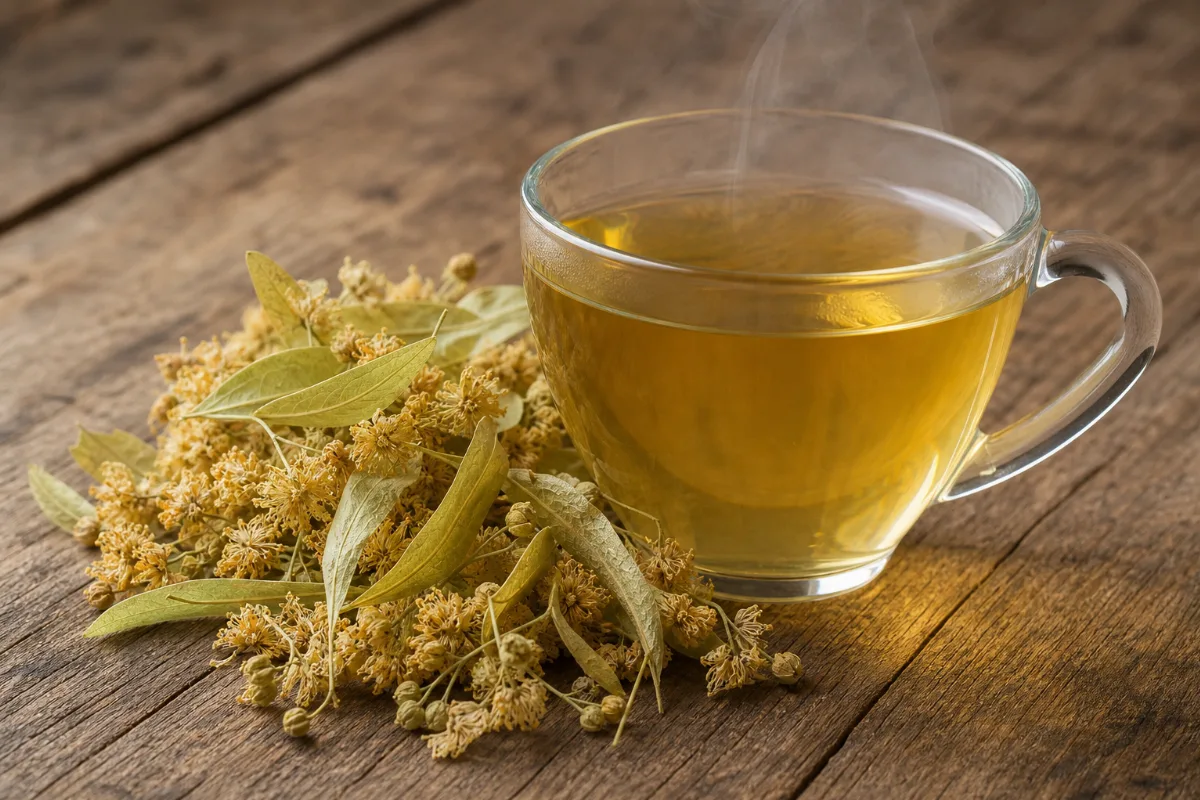
Linden flower tea (lime blossom): what European regulators accept as traditional use, what research found, and cautions for babies, iron absorption and pregnancy.
Linden flower tea and mild stress (traditional use)
Linden flower tea and early cold symptoms (traditional use)
Brewing: EU monograph: 1.5 to 2 g of root in 150 mL boiling water, infusion or decoction; no more than 4 weeks; not under 18 (information only)
Pregnancy and breastfeedingBabies and childrenMedicine interactionsBlood pressure and potassium
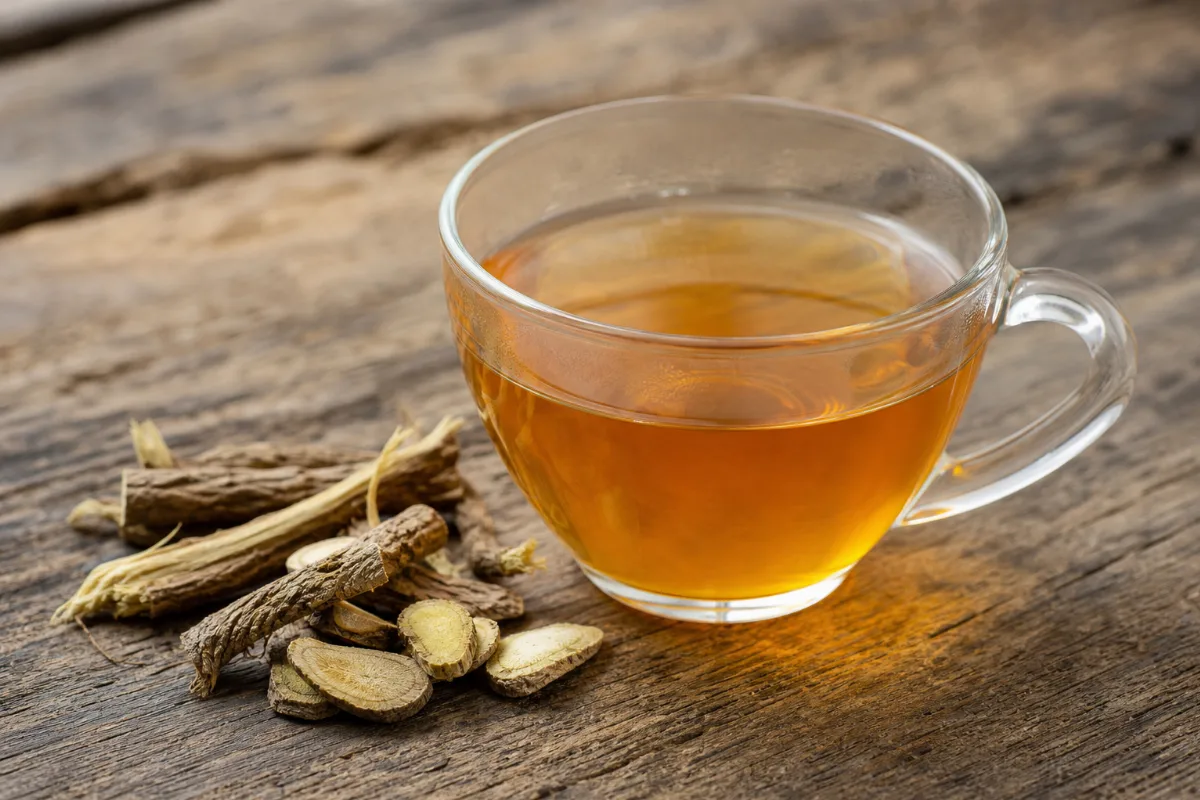
Licorice root tea contains glycyrrhizin, which can raise blood pressure and lower potassium. Warnings, case reports of tea harm, who should avoid it, and what research found.
Licorice tea and digestive symptoms (burning, indigestion)
Licorice tea and cough with a cold
Licorice extract rinses, gargles and lozenges (canker sores, sore throat after a breathing tube)
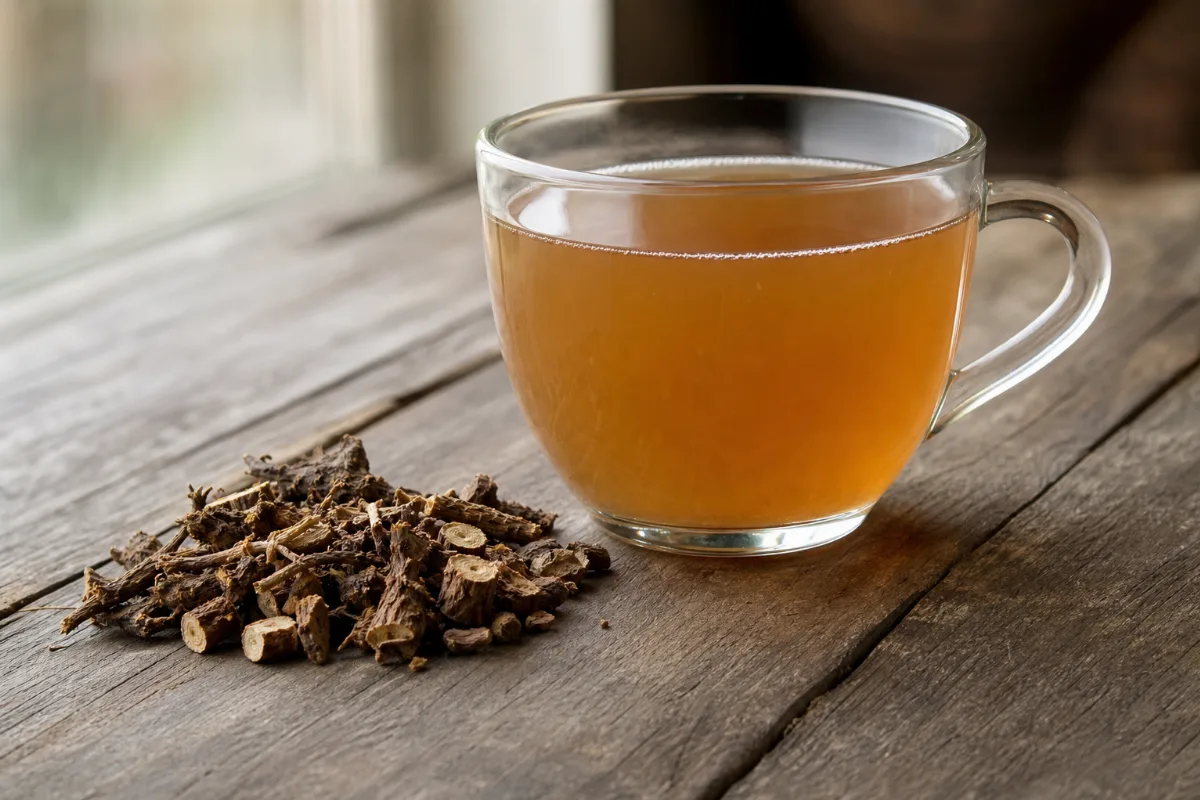
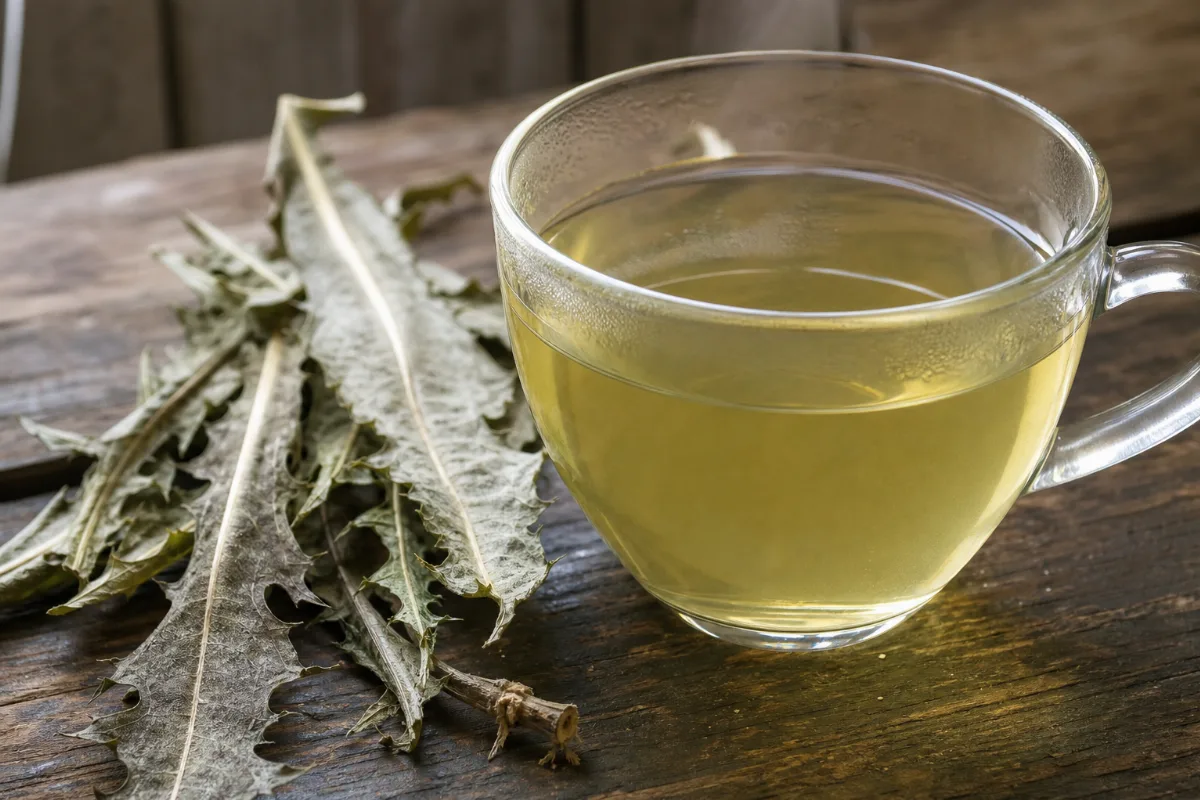
Dandelion tea can be made from root or leaf. See what NIH says (very little research, no compelling evidence), root versus leaf, allergy and medicine cautions.
Dandelion tea and the diuretic (extra urine) claim
Taste: Mild; the root contains mucilage, a gel-like fiber that makes the water slightly thick.
Brewing: Soak cut root in water, usually 30 minutes at room temperature (an EU 'macerate'), and use right away (EMA 2016).
Pregnancy and breastfeedingBabies and childrenMedicine interactionsPlant allergy (ragweed, daisy family)
Marshmallow root tea is traditionally a cold-water macerate, not a hot infusion. What the EU monograph says, the lack of trials of the tea, and the warning on spacing from other medicines.
Marshmallow root tea and throat irritation with dry cough (traditional use)
Marshmallow root extracts for dry cough (syrup, lozenges, drops: not tea)
Marshmallow root, slippery elm and mallow flower teas: EU regulator statements, one small sore throat tea trial, the medicine absorption caution, and throat signs that need care.
Slippery elm tea and sore throat or cough (traditional use)
Soothing herbal tea blend for sore throat pain (blend, slippery elm not isolated)
Constipation-type irritable bowel and gut symptoms (multi-ingredient formulas, not tea)
Brewing: EU monograph: 2 to 6 g dried root as an infusion, 3 times a day; trials used 1.5 to 2 g per cup (information only)
Plant allergy (ragweed, daisy family)Pregnancy and breastfeedingBabies and childrenMedicine interactions
Studied in people for: digestion and bloating
Burdock root tea: what two small human trials and EU regulators found, plus the cautions: daisy-family allergy, tea contaminated with belladonna, and pregnancy.
Burdock root tea and knee osteoarthritis (blood markers)
Burdock tea and the return of diverticulitis
Burdock tea, urine flushing, appetite and skin (EU traditional use)
Pregnancy and breastfeedingMedicine interactionsLiverBefore surgery
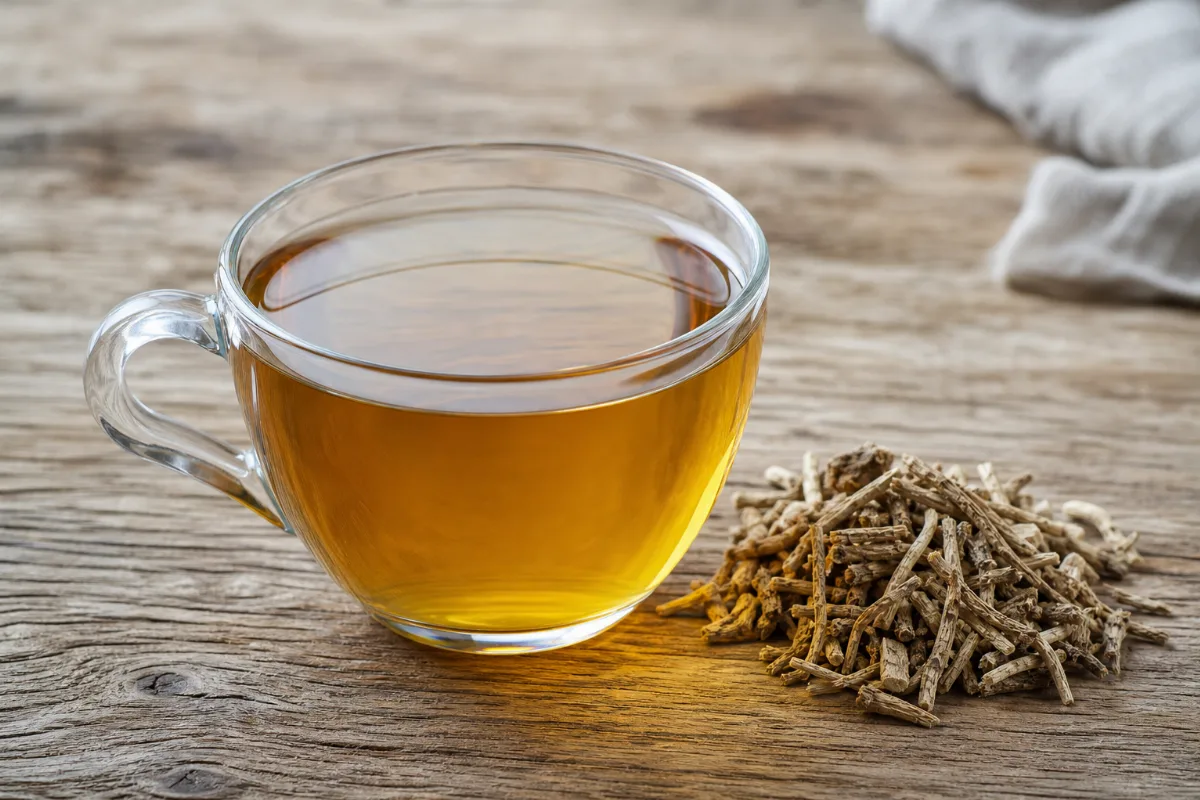
Ashwagandha tea has no trials of its own; studies used extracts. What NIH and cancer-center sources say, plus cautions: pregnancy, liver, thyroid, sedatives and surgery.
Ashwagandha tea itself: proper evidence not found
Stress and anxiety (extract only)
Sleep and insomnia (extract only)
A five-herb Ayurvedic tea and immune cell activity
Taste: Earthy, slightly bitter and a little sweet.
Pregnancy and breastfeedingBabies and childrenMedicine interactionsBlood thinners (warfarin)
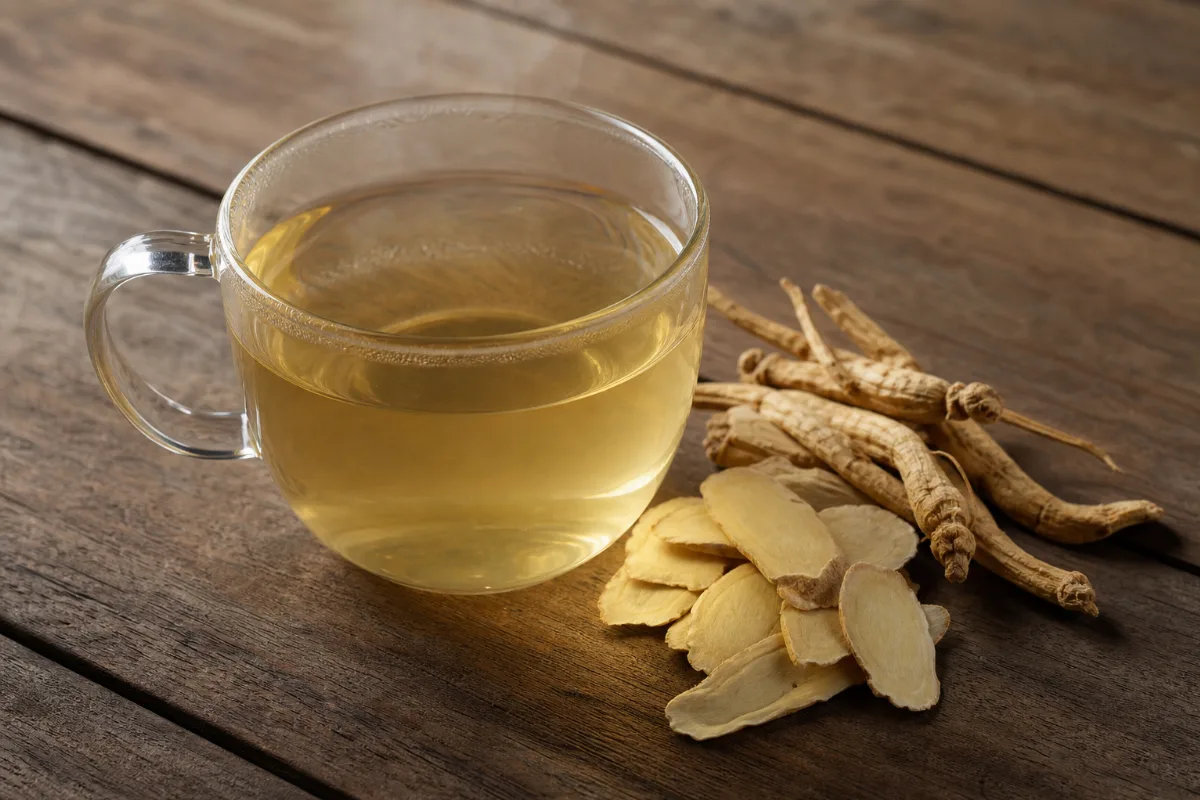
Ginseng tea has little human research; trials used extracts. What NIH and EU sources say, with cautions for diabetes medicines, warfarin, insomnia, surgery and pregnancy.
Ginseng tea itself: very little human research
American ginseng tea and cell DNA damage (one cup)
Taste: Earthy and grassy, sometimes with a slight tingle on the tongue.
Plant allergy (ragweed, daisy family)Medicine interactionsPregnancy and breastfeedingBabies and children
Studied in people for: colds and sore throat
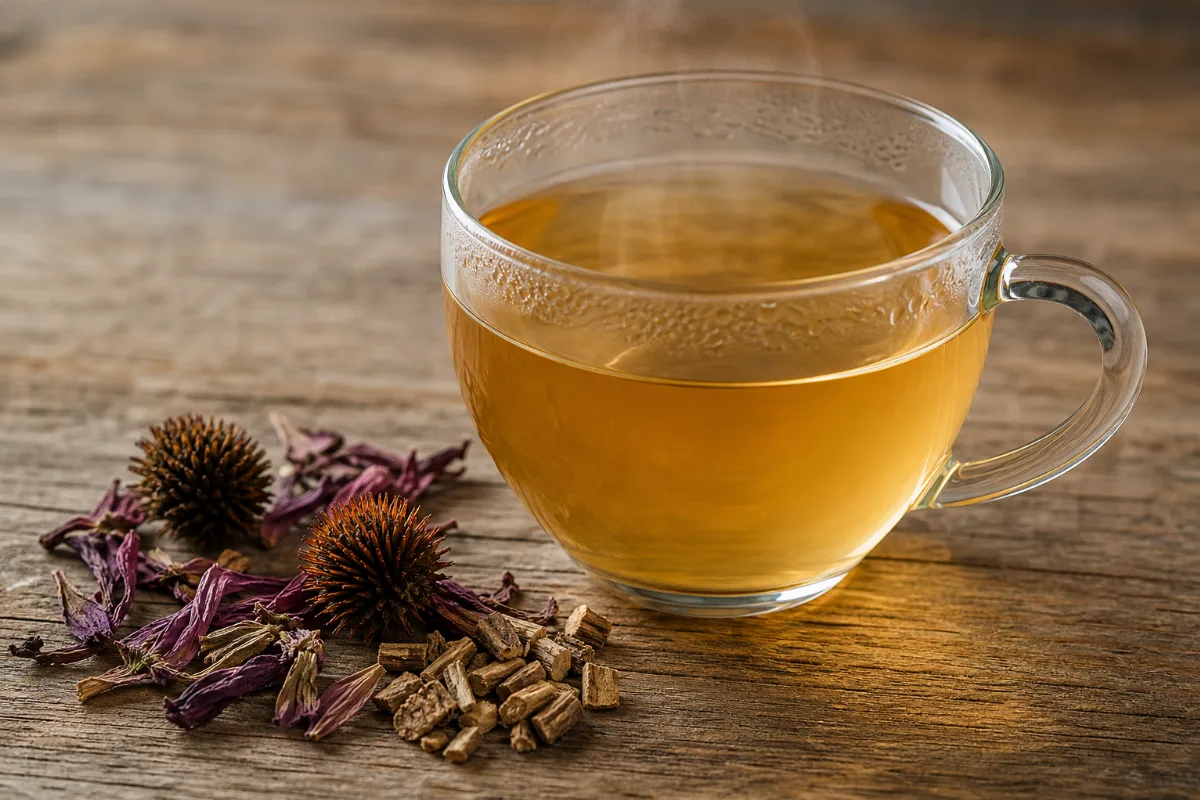
What research found about echinacea tea and colds, why the best-studied echinacea forms are not teas, and the cautions: daisy-family allergy, autoimmune disease and medicines.
Echinacea tea and colds (tea trial)
Echinacea products and treating colds (Cochrane)
Echinacea products and preventing colds
Echinacea expressed juice for short-term cold use (EU regulatory view)
Taste: Earthy and slightly bitter, with a strong musky smell that many people find unpleasant.
Brewing: EU monograph describes 0.3 to 3 g of cut root in 150 mL of boiling water (EMA, 2016); steeping time not given.
Medicine interactionsLiverPregnancy and breastfeedingBabies and children
What research found about valerian tea itself versus valerian extracts, what NIH and EU regulators say, and the cautions: alcohol, sedatives, liver reports, pregnancy and driving.
Valerian tea and sleep (no trial of the tea)
Valerian extracts and sleep (extract only)
EU status: tea is traditional use; one dry extract has well-established use
Brewing: Traditional decoction: simmer the inner bark in water about 15 minutes (PeaceHealth 2015); the key compounds are poorly extracted in water.
Pregnancy and breastfeedingMedicine interactionsBlood thinners (warfarin)Liver
What research says about lapacho (pau d'arco) tea: mostly lab and traditional claims, no tea trials, and cautions for blood thinners, bleeding, pregnancy and surgery.
Lapacho tea: what research can say about a cup
Cancer claims (lab and isolated-compound work only)
Inflammation and immune effects (lab and animal only)
Infections (bacteria, fungi): test-tube activity only
Pregnancy and breastfeedingMedicine interactionsBlood thinners (warfarin)Blood pressure and potassium
What research says about cat's claw (una de gato) tea: no tea trials, small extract studies, and cautions for autoimmune disease, blood thinners, surgery and pregnancy.
Cat's claw tea: what research can say about a cup
Knee osteoarthritis: one 4-week trial of a freeze-dried extract
Rheumatoid arthritis: one small trial of a purified extract
Brewing: A lab study found 6 to 8 minutes at 183 to 187 °F (84 to 86 °C) gave the most antioxidant content; no official figure found.
Medicine interactions
Rosehip tea is made from rose hips such as Rosa canina. Most research tested a powder, not tea; this page covers vitamin C variation, what is unknown and who should ask first.
Rose hip tea and health benefits in people
Rose hip powder and osteoarthritis pain (powder, not tea)
Taste: Mild and slightly tart and fruity, with a light herbal note.
Brewing: EU monograph describes 1 to 2 g of leaf and flower in 150 mL of boiling water, up to 4 times a day (EMA, 2016).
Medicine interactionsBlood pressure and potassiumBlood thinners (warfarin)Pregnancy and breastfeeding
Hawthorn tea comes from Crataegus leaf, flower or berry. Trials tested standardized extracts, not tea. EU monograph, heart medicine cautions, pregnancy and a toxic mislabeling warning.
Hawthorn tea itself: proper evidence not found
Chronic heart failure (extract only)
Blood pressure in type 2 diabetes (extract only)
EU traditional use: nervous heart complaints, mild stress, sleep
Caffeine-free (Described as naturally caffeine-free (recipe site, not independent))
Taste: Sweet, sour and lightly salty, according to a recipe site (not independent).
Brewing: Recipe site: cold steep 8 to 12 hours, or 160 to 175 °F (70 to 80 °C) for 10 to 15 minutes (not independent).
Medicine interactions
What research says about schisandra (omija, wu wei zi) tea: no tea trials, extract studies only, and cautions for medicines, tacrolimus and liver tests.
Schisandra tea: what research can say about a cup
Stress, fatigue and the 'adaptogen' label
Blood sugar: one trial of an omija-soybean extract mixture
Medicine interactionsBlood thinners (warfarin)Plant allergy (ragweed, daisy family)
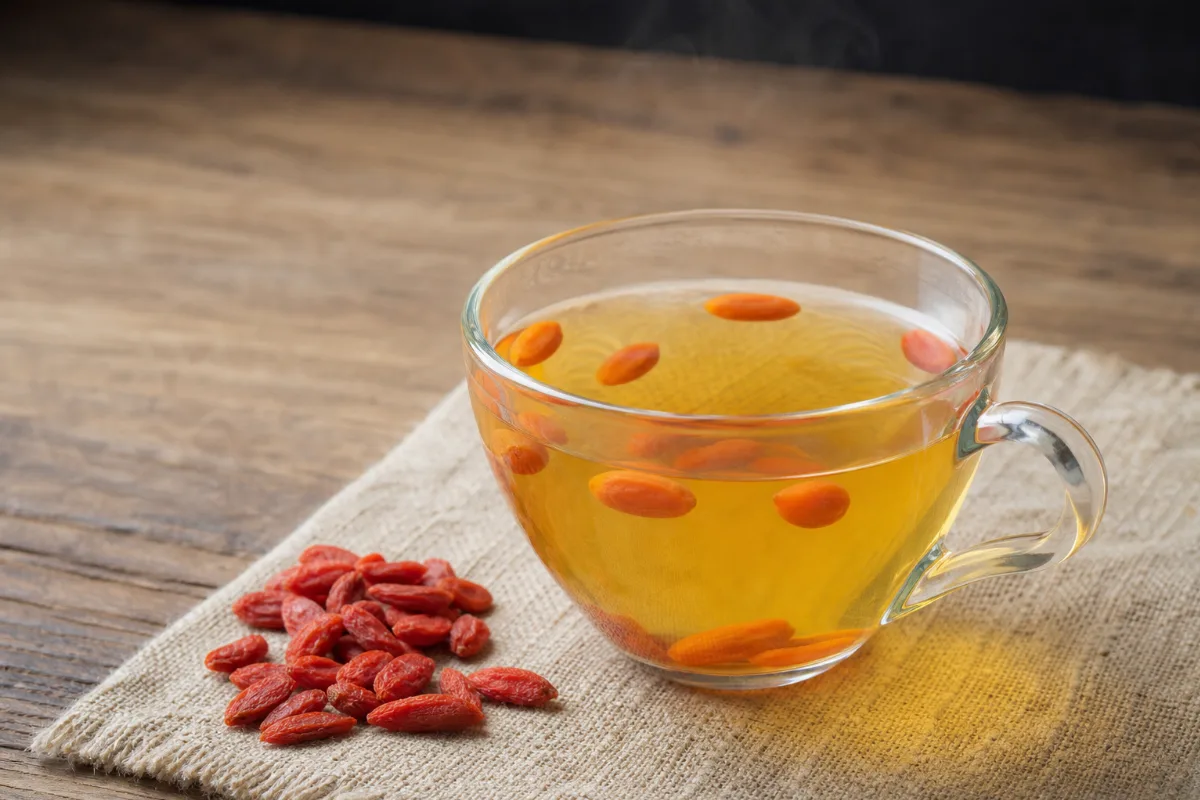
What research says about goji (wolfberry) tea: no tea trials, small juice and fruit studies, and cautions for warfarin and other blood thinners, allergy and medicines.
Taste: Sweet and anise-like, a little like licorice.
Brewing: EU monograph (2024): 1.5 g of fruit in 250 mL (8.5 fl oz) of boiling water, steeped 15 minutes.
Pregnancy and breastfeedingBabies and childrenPlant allergy (ragweed, daisy family)
Studied in people for: digestion and bloating
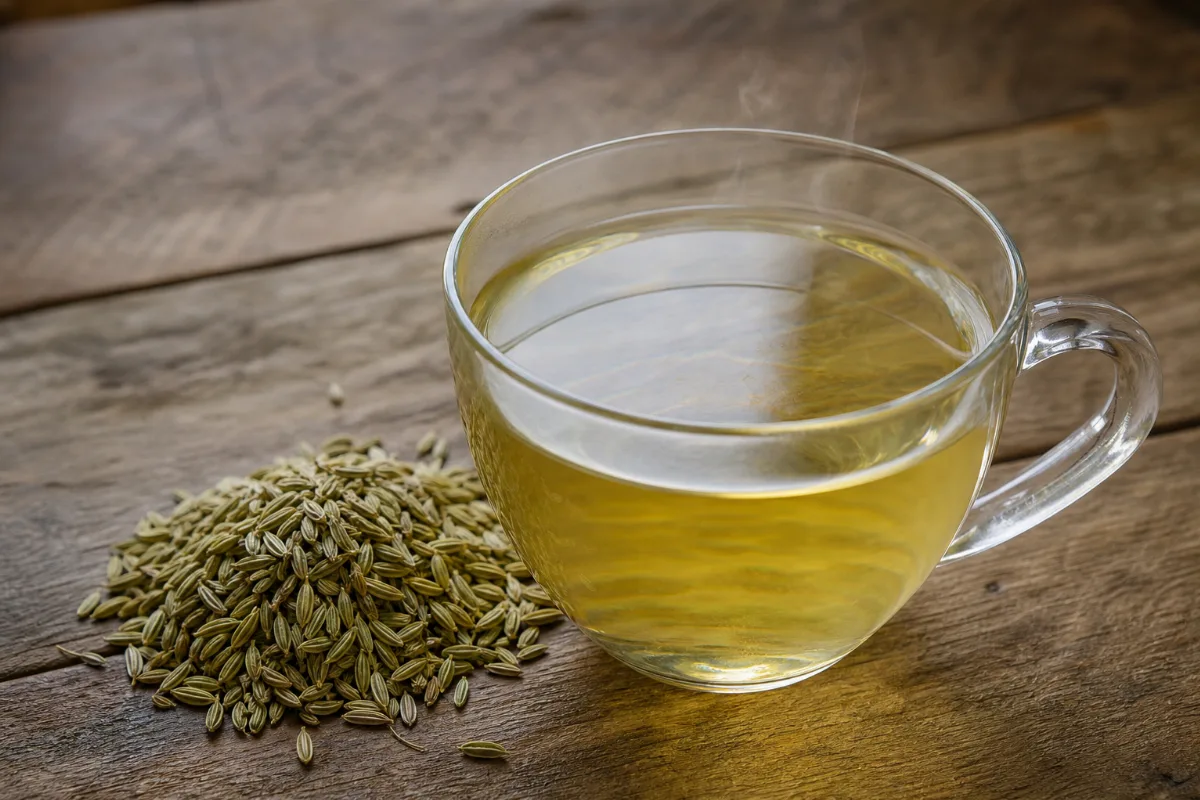
Fennel tea is an infusion of sweet fennel fruit. What the EU monograph describes, the one small tea trial found, and cautions on allergy, estragole, children and pregnancy.
Fennel fruit tea and bowel recovery after abdominal cancer surgery
Mild gas, bloating and stomach spasm (traditional use)
Menstrual spasm and cough with a cold (traditional use)
Infant colic (fennel oil, extract and mixed herbal tea)
Brewing: EU monograph (2018): 3 to 5 g crushed fruit in 100 mL (3.4 fl oz) boiling water, 2 to 3 times daily before meals (adults).
Plant allergy (ragweed, daisy family)LiverPregnancy and breastfeedingBabies and children
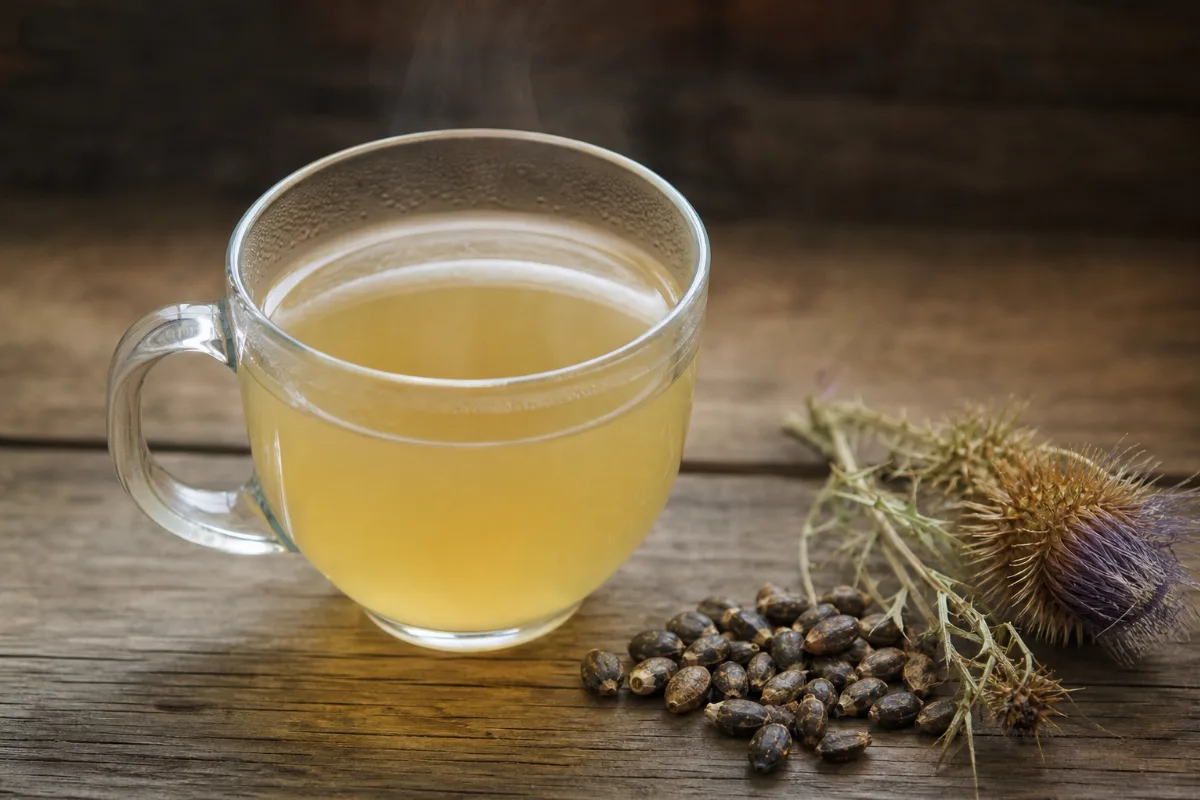
What research and the EU herbal committee say about milk thistle tea and the liver, why extract studies do not transfer to a cup of tea, and who should be careful.
Caffeine-free (Described as non-caffeinated by trial authors (2018); no measured value read)
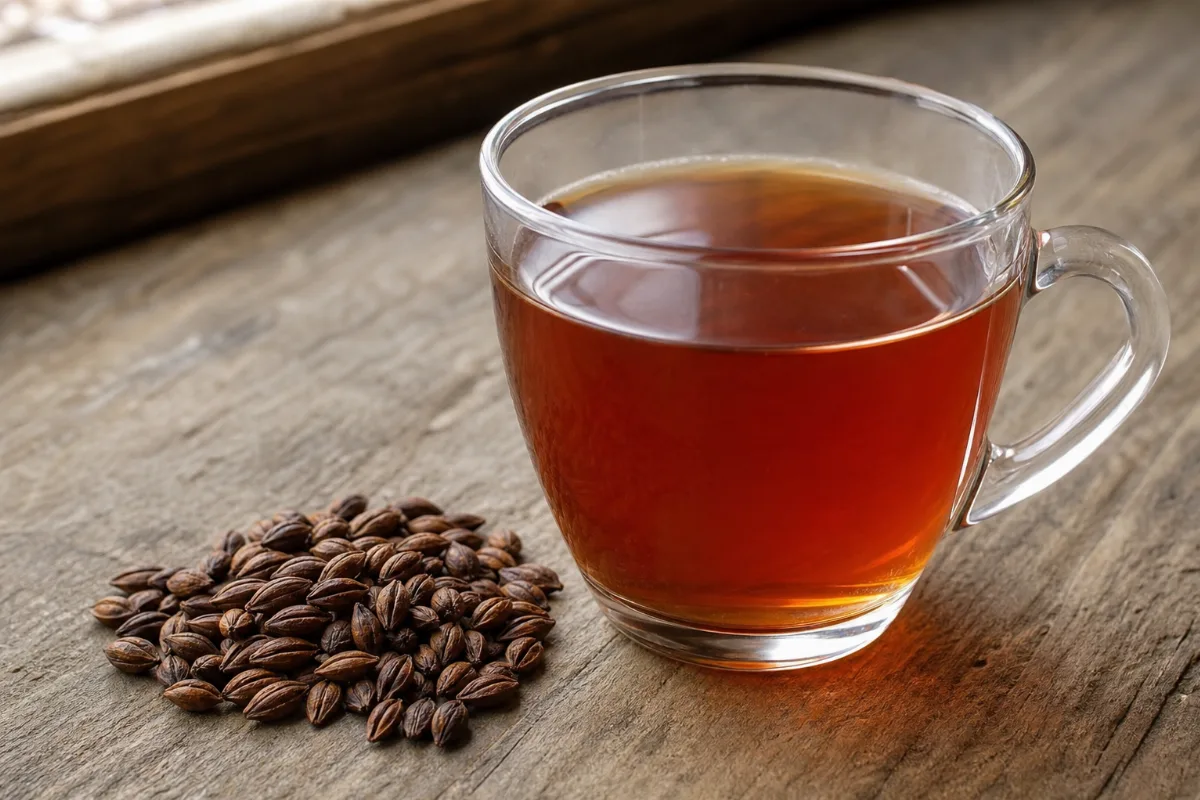
Taste: Toasty and nutty, a little like roasted grain.
Plant allergy (ragweed, daisy family)Lead, metals and pesticides
What we found about barley tea (mugicha), a roasted-grain drink: barley contains gluten, acrylamide forms in roasting, and the few human studies are small and about skin temperature.
Skin temperature in cool or air-conditioned rooms
What is in the cup (fiber and antioxidants)
Caffeine
Highland barley tea polyphenols and muscle (mouse study)
Plant allergy (ragweed, daisy family)Lead, metals and pesticides
What we found about roasted buckwheat tea (soba-cha): buckwheat allergy can be severe, the grain is gluten-free by nature but can be cross-contaminated, and no human trials of the tea exist.
Rutin in the brew
Antioxidant activity of the brew (laboratory)
Blood sugar, cholesterol and insulin in type 2 diabetes (buckwheat food)
Kidney markers in type 2 diabetes (buckwheat food)
Caffeine-free (Caffeine-free by nature as a herbal infusion (2024 review); blends with tea-plant leaves, such as chai, do contain caffeine.)
Taste: Warm, pungent and peppery, with a fresh sharp bite.
Pregnancy and breastfeedingBabies and childrenMedicine interactionsBlood thinners (warfarin)
Studied in people for: nausea
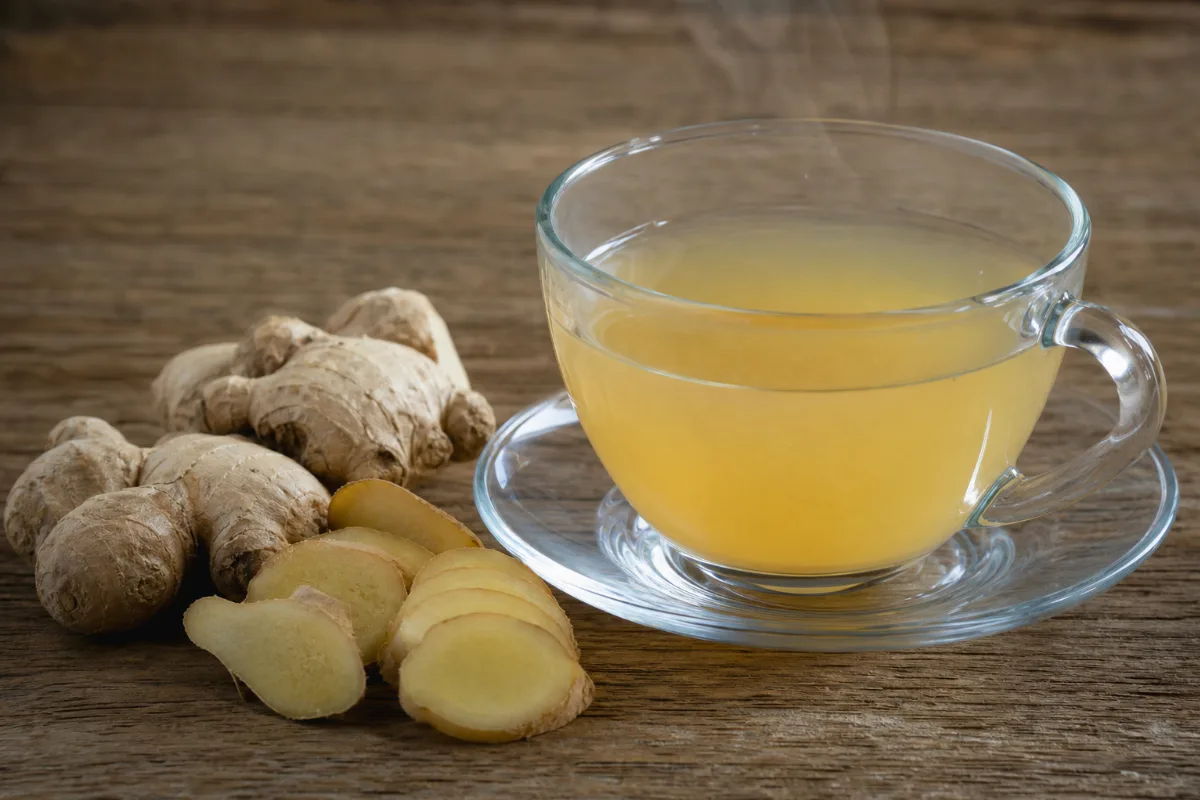
Ginger tea is made from ginger rhizome. What the sources say about nausea research (mostly not on tea), the few tea studies, and safety points for pregnancy and medicines.
Ginger tea and nausea from chemotherapy
Nausea and vomiting in pregnancy (trials used supplements, not tea)
Motion sickness (powder, not tea)
Digestion and colds (traditional use in EU monograph)
Caffeine-free (Caffeine-free by nature as a herbal infusion (2024 review); blends with tea-plant leaves, such as chai, do contain caffeine.)
Taste: Earthy, slightly bitter and warm, with a mild peppery note.
Brewing: EU monograph: 0.5 to 1.0 g rhizome in 150 mL boiling water as an infusion, 2 to 3 times daily (regulator information, not advice).
LiverPregnancy and breastfeedingBabies and childrenLead, metals and pesticides
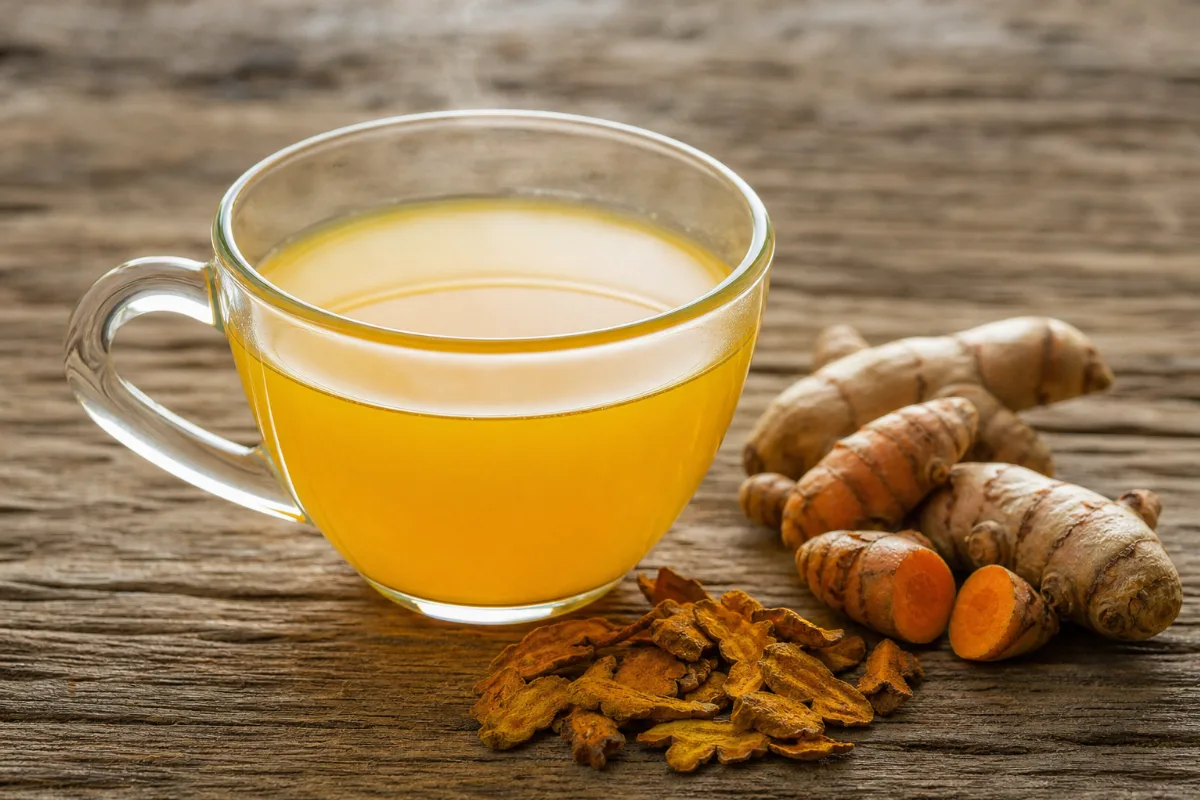
Turmeric tea claims checked against NCCIH, EU herbal monograph and liver injury reports. Curcumin in a cup is not documented; most research used supplements, not tea.
Does turmeric tea help any condition?
Mild digestive complaints (EU traditional use, includes herbal tea)
Caffeine-free (Caffeine-free by nature as a herbal infusion (2024 review); blends with tea-plant leaves, such as chai, do contain caffeine.)
Taste: Warm, sweet and woody, with a gentle spicy finish.
Brewing: EU monograph (Ceylon cinnamon): 0.5 to 1 g bark as an infusion, up to 4 times daily (regulator information, not advice).
LiverPregnancy and breastfeedingBabies and childrenMedicine interactions
Studied in people for: blood sugar, women's health
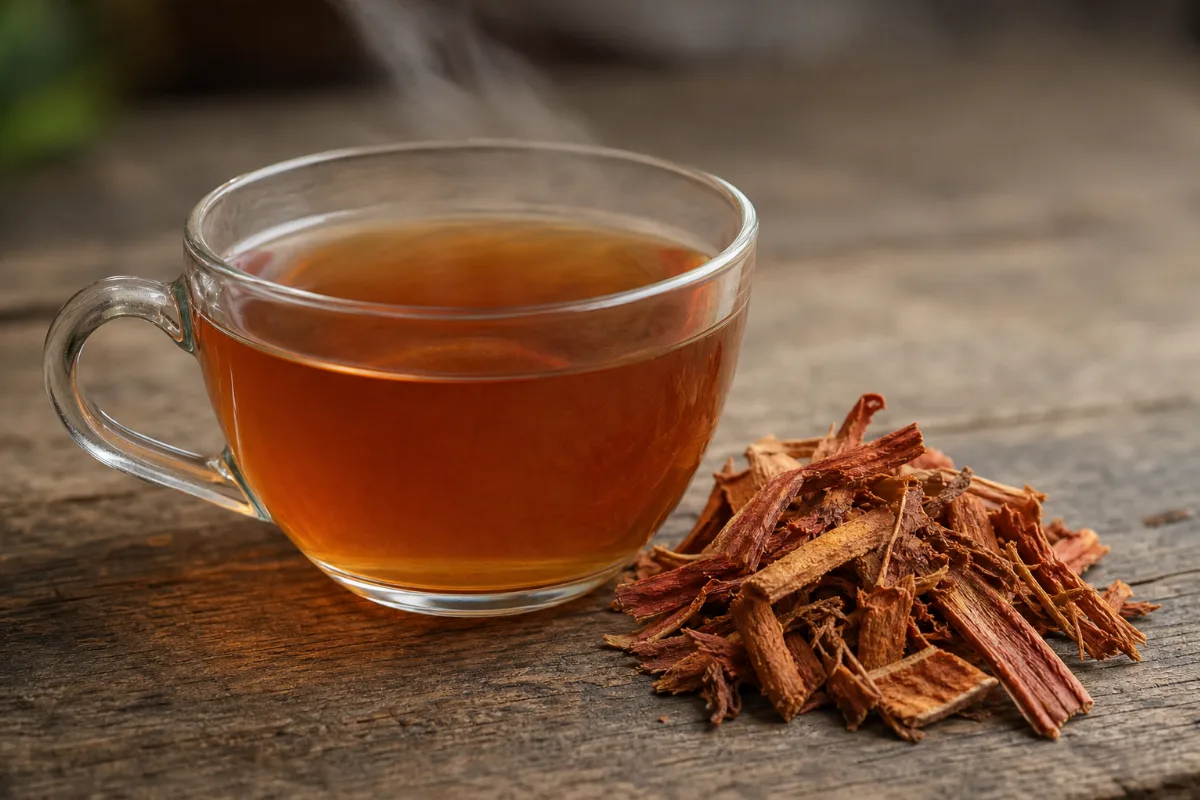
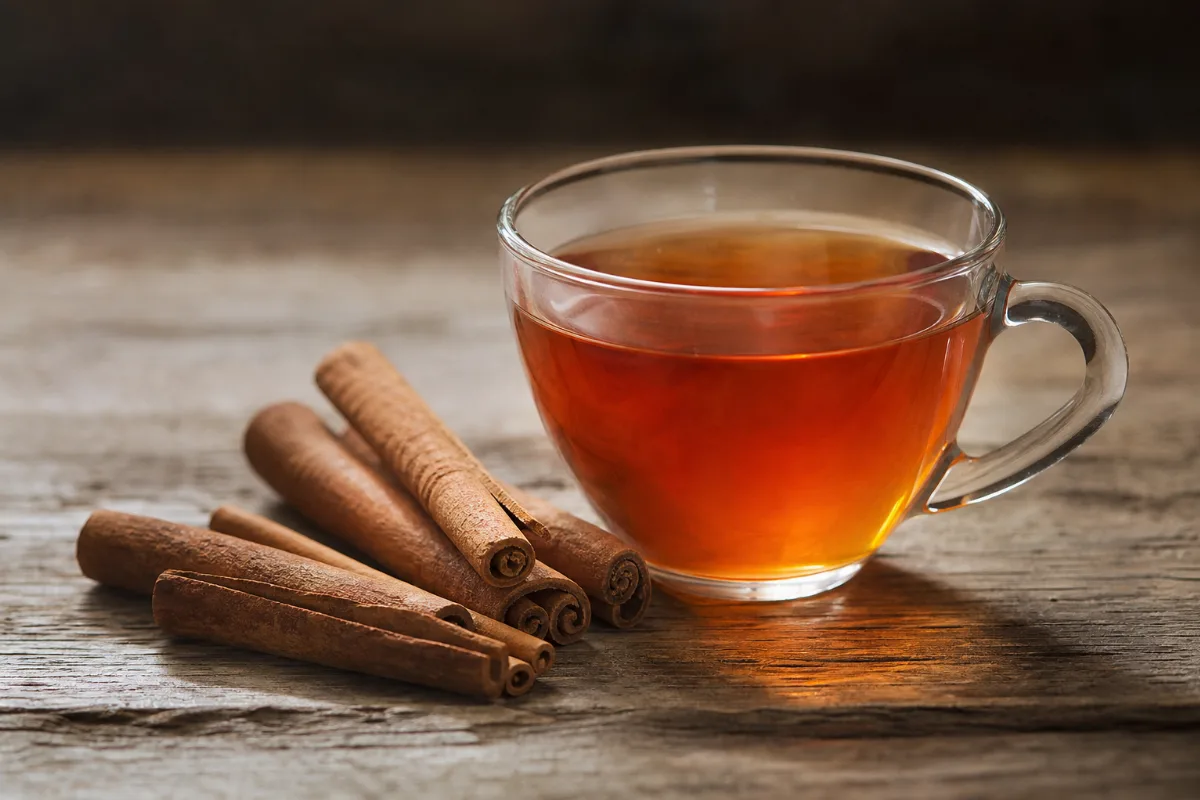
Cinnamon tea differs by species. Cassia cinnamon contains coumarin; Ceylon has traces. What a tea trial, reviews and EU monograph say about blood sugar and cautions.
Cinnamon tea and blood sugar after a glucose drink
Blood sugar in type 2 diabetes (capsules and powder, not tea)
Mild stomach complaints and mild diarrhea (EU traditional use of Ceylon cinnamon tea)
Caffeine-free (Caffeine-free by nature as a herbal infusion (2024 review); blends with tea-plant leaves, such as chai, do contain caffeine.)
Taste: Strong, sweet and perfumed, with a cool eucalyptus-like edge.
Pregnancy and breastfeeding
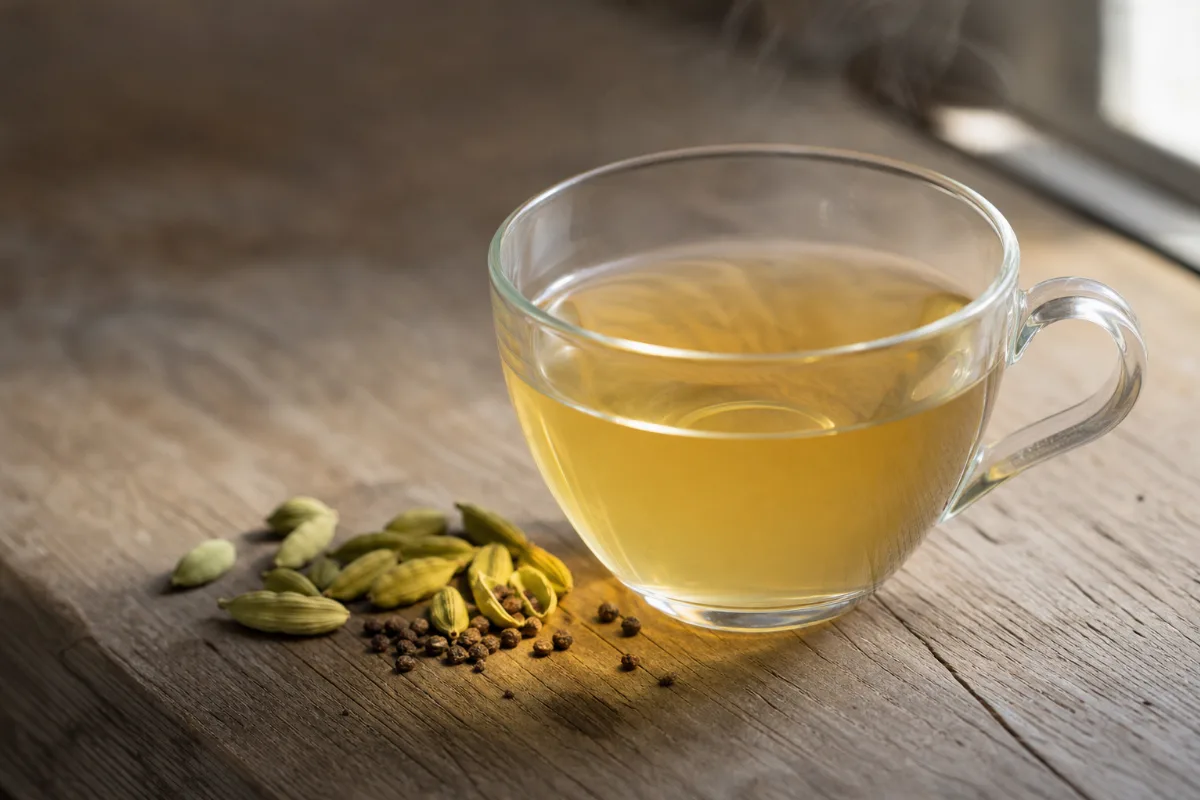
Cardamom tea is crushed cardamom pods steeped in hot water. What research found (no trial of the tea itself), and the gallstone and pregnancy cautions that sources describe.
Does cardamom tea help any condition?
Blood fats (supplements, not tea)
Blood pressure and inflammation markers (supplements, not tea)
Cardamom powder taken with black tea in type 2 diabetes
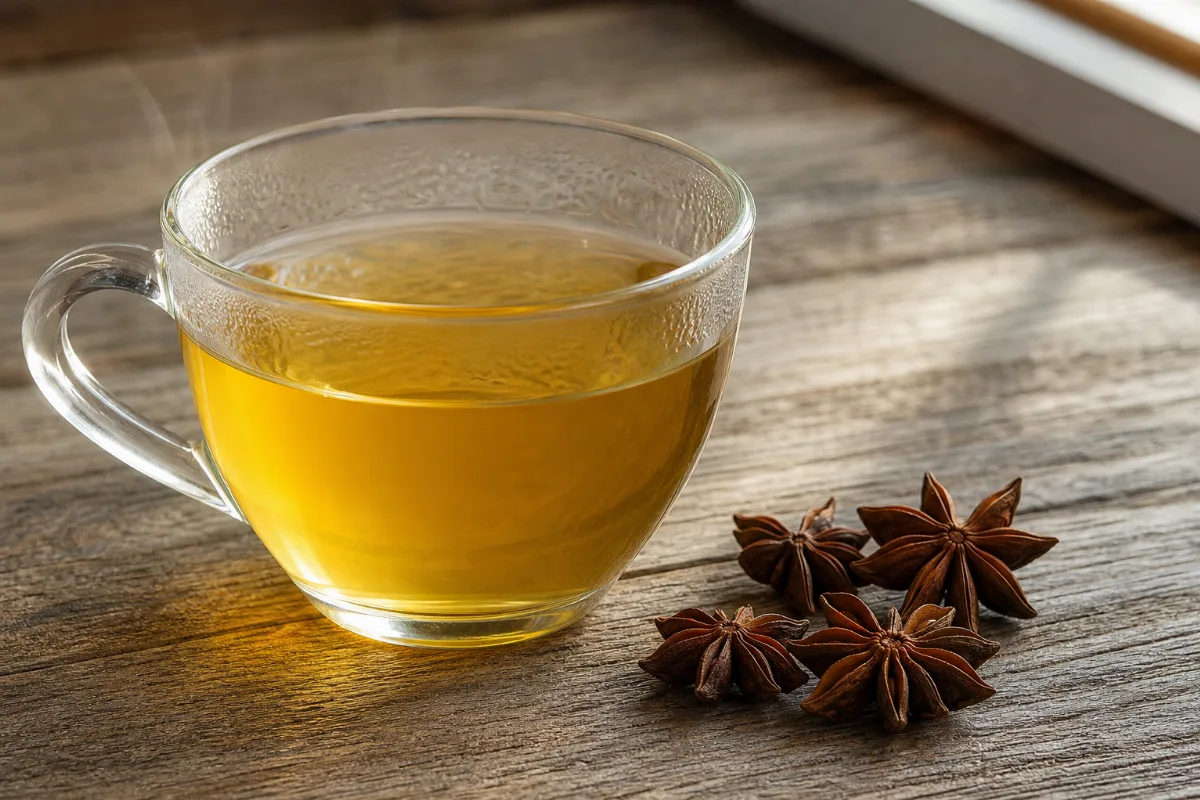
Taste: Warm, sweet and licorice-like (taste not described in the sources we read).
Babies and childrenNatural toxin or look-alike riskLead, metals and pesticides
Star anise tea itself: why it should not be given to babies (seizures after toxic Japanese star anise contamination), what research shows, and what to check before adults drink it.
Star anise tea for infant colic
Star anise and flu: what the tea does and does not do
Camellia sinensis with ginger, cardamom, cinnamon, clove and black pepper
LeafBark
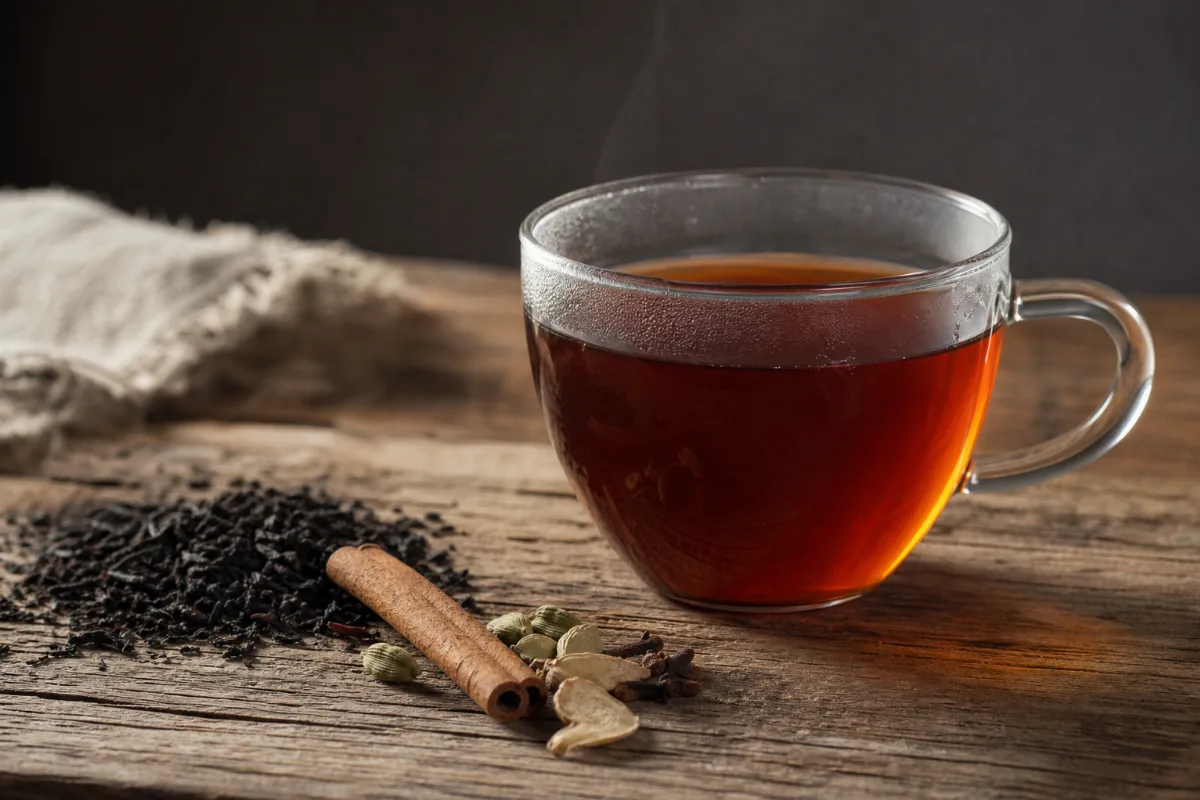
Taste: Warm, spicy and malty from black tea with ginger, cinnamon and cardamom.
Pregnancy and breastfeedingBabies and childrenMedicine interactionsLiver
Chai is black tea plus spices such as ginger, cardamom, cinnamon, clove and pepper. What we found on caffeine, cassia cinnamon coumarin, pregnancy and babies, and what is not studied.
Pregnancy and breastfeedingBabies and childrenMedicine interactionsLiver
What senna tea is, what EU and US sources say about short-term use, and the documented risks of regular use: laxative dependence, fluid and salt loss, and medicine interactions.
Pregnancy and breastfeedingBabies and childrenLiverLead, metals and pesticides
Why official bodies and researchers warn about comfrey, coltsfoot and other plants with pyrrolizidine alkaloids in teas, what liver injury reports describe, and what we could not verify.
Pregnancy and breastfeedingMedicine interactionsLiverLead, metals and pesticides
Where to read about kava, kratom and blue lotus drinks sold as teas: this library points to Specialty Topics and shares only the main official safety statements.
Taste: Strongly minty (taste not described in the sources we read).
Natural toxin or look-alike riskLiverKidney stones and kidney diseasePregnancy and breastfeeding
Pennyroyal tea is not recommended. Pulegone in pennyroyal has caused liver failure and deaths, including infants and women trying to end a pregnancy. A safety profile, with no brewing advice.
Medium caffeine (about 30 to 50 mg per 8 fl oz cup for brewed green tea (Health Canada); a tea company lists about 20 mg per 100 mL for sencha)
Taste: Fresh and grassy, sometimes a little bitter (a general description; no source we read measures taste).
Brewing: A tea company brews 10 g of leaf in 430 mL of 194 °F (90 °C) water for 1 minute (marketing example, not advice).
Pregnancy and breastfeedingBabies and childrenMedicine interactionsLiver
Sencha, Japanese steamed green tea: what steaming changes, caffeine, what research found, and the cautions (pregnancy, medicines, very hot cups) apart from extracts.
Sencha, heart health, cholesterol and cancer (green tea evidence)
Higher caffeine (a tea company lists about 160 mg per 100 mL, brewed in a small volume (marketing page, no independent figure))
Taste: Rich, savory and slightly sweet, often described as brothy (a general description; no source we read measures taste).
Brewing: A tea company brews 10 g of leaf in 60 mL of 140 °F (60 °C) water for 2.5 minutes (marketing example, not advice).
Pregnancy and breastfeedingBabies and childrenMedicine interactionsLiver
Gyokuro, shade-grown Japanese green tea: its theanine and caffeine, what research found, and cautions (caffeine in pregnancy, medicines, very hot cups) apart from extracts.
Gyokuro, theanine and calm (lab composition only)
Gyokuro, heart health, cholesterol and cancer (green tea evidence)
Green tea, mental tasks, flow and fatigue
Gyokuro and iron absorption (not tested for this tea)
Medium caffeine (a tea company lists about 20 mg per 100 mL, the same as sencha (marketing page); Health Canada gives 30 to 50 mg per 8 oz for brewed green tea)
Taste: Toasty and nutty with less bitterness (roasting reduces bitterness per one lab paper; the rest is general description).
Brewing: A tea company brews 15 g of leaf in 650 mL of 194 °F (90 °C) water for 30 seconds (marketing example, not advice).
Pregnancy and breastfeedingBabies and childrenCaffeine sensitivityVery hot drinks
Studied in people for: calm and stress, focus and alertness
Hojicha, roasted Japanese green tea: what roasting changes, caffeine, what a small trial found, and the cautions (pregnancy, very hot cups) apart from extracts.
Hojicha, mental tasks, fatigue and stress (one small study)
Hojicha polyphenols in a lab digestion model
Green tea, heart health and cancer (hojicha not studied)
Hojicha and iron absorption (not tested for this tea)
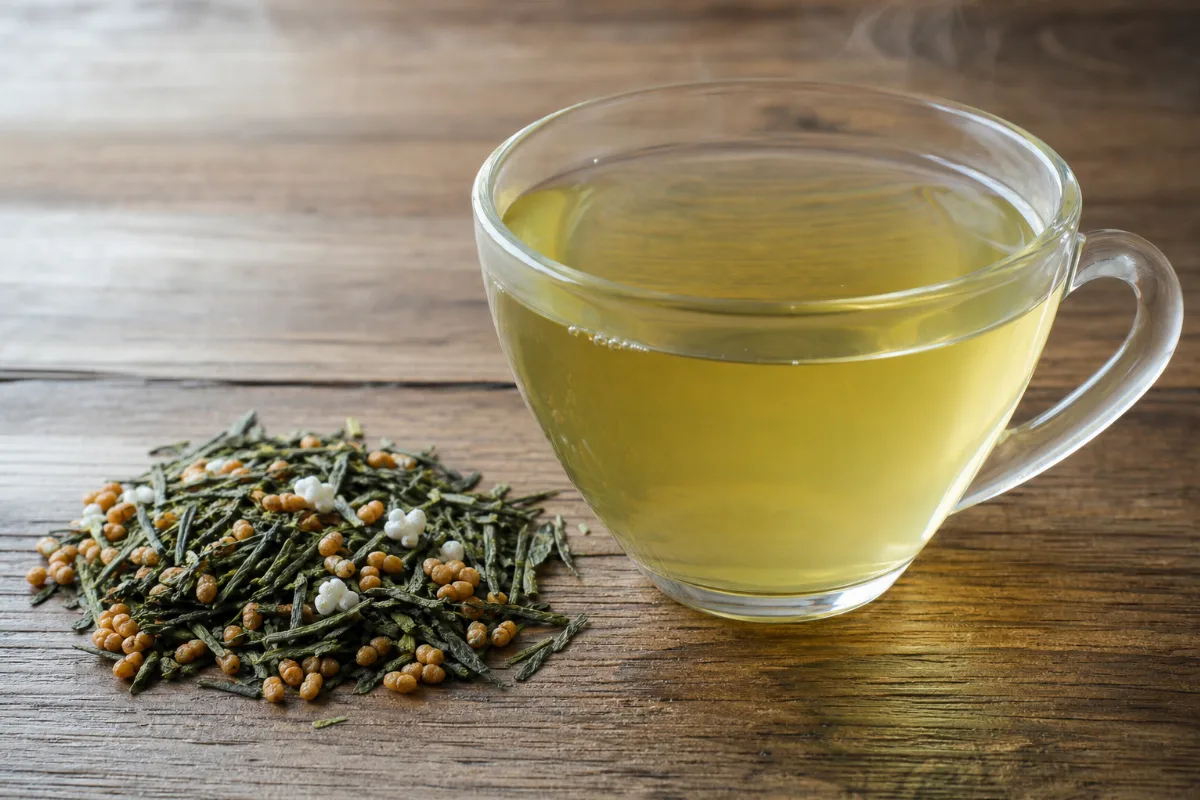
Taste: Toasty and nutty from the roasted rice, with the fresh, grassy taste of green tea (a general description, not from a source we read).
Brewing: Lab study of plain green tea: 176 to 203 °F (80 to 95 °C), 3 to 7 min; not tested on genmaicha. Research, not advice.
Pregnancy and breastfeedingBabies and childrenCaffeine sensitivityVery hot drinks
Genmaicha is green tea blended with roasted rice. What we could and could not verify about its caffeine, brewing and research, plus cautions for pregnancy, children and hot cups.
Genmaicha and heart health (evidence is for plain green tea)
Genmaicha and weight (evidence is for plain green tea)
Acrylamide from roasting (rice and green tea)
Green tea and iron absorption (not tested for genmaicha)
Medium caffeine (black tea: about 30 to 50 mg per 8 fl oz cup (Health Canada); not measured in Earl Grey itself)
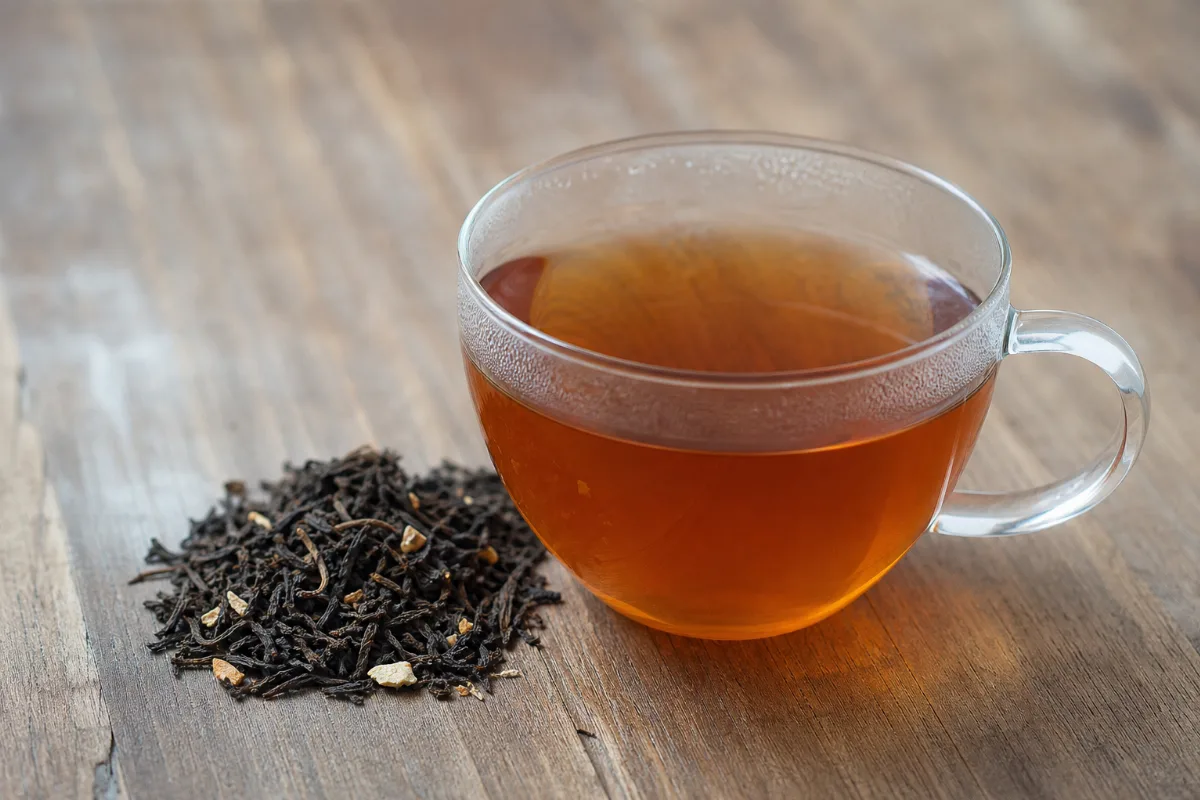
Taste: Citrusy and floral on a malty black tea base (a general description, not from a source we read).
Pregnancy and breastfeedingBabies and childrenCaffeine sensitivityIron absorption
Earl Grey is black tea flavored with bergamot oil. What a famous muscle-cramp case report does and does not show, caffeine, iron, and cautions for pregnancy and very hot cups.
Earl Grey flavoring compounds in the cup
Black tea and cholesterol or blood pressure (not tested for Earl Grey)
Grapefruit-type medicine interactions (not described for Earl Grey)
Medium caffeine (about 42 mg per 8 fl oz cup in one lab study of lapsang souchong (our arithmetic); black tea 30 to 50 mg (Health Canada))
Taste: Smoky and woody with a hint of fruit and pine, and less bitter than many black teas.
Pregnancy and breastfeedingBabies and childrenCaffeine sensitivityIron absorption
Lapsang souchong is a pine-smoked black tea. What we could verify about its caffeine and smoke, what tea research shows, and cautions for pregnancy, iron and very hot cups.
Lapsang souchong, smoke and PAHs
Black tea and cholesterol or blood pressure (not tested for lapsang souchong)
Camellia sinensis (gunpowder green) with Mentha spicata
Leaf
Medium caffeine (about 30 to 50 mg per 8 fl oz cup of brewed green tea (Health Canada); the FDA lists 37 mg per 12 fl oz)
Taste: Fresh green tea with cool spearmint, usually served sweet and strong.
Brewing: Lab study of green tea: 185 °F (85 °C) for 3 minutes gave the best taste; no source read for the Moroccan method.
Pregnancy and breastfeedingBabies and childrenMedicine interactionsBlood thinners (warfarin)
Moroccan mint tea is green tea with spearmint, usually sweetened and served hot. What sources say about caffeine, sugar, iron, hot cups and spearmint, and what is not studied.
Moroccan mint tea: green tea part and heart-health markers
Spearmint tea and hormone levels in women with excess hair growth
Taste: Sour, tangy and fizzy, with a light sweetness.
Pregnancy and breastfeedingBabies and childrenLiverKidney stones and kidney disease
Studied in people for: heart and blood pressure
Kombucha is fermented sweet tea. What the few human trials show, and the cautions: home-brew contamination, lead from ceramic pots, alcohol, caffeine, pregnancy and weak immunity.
Kombucha and heart/metabolism markers (green tea kombucha trials)
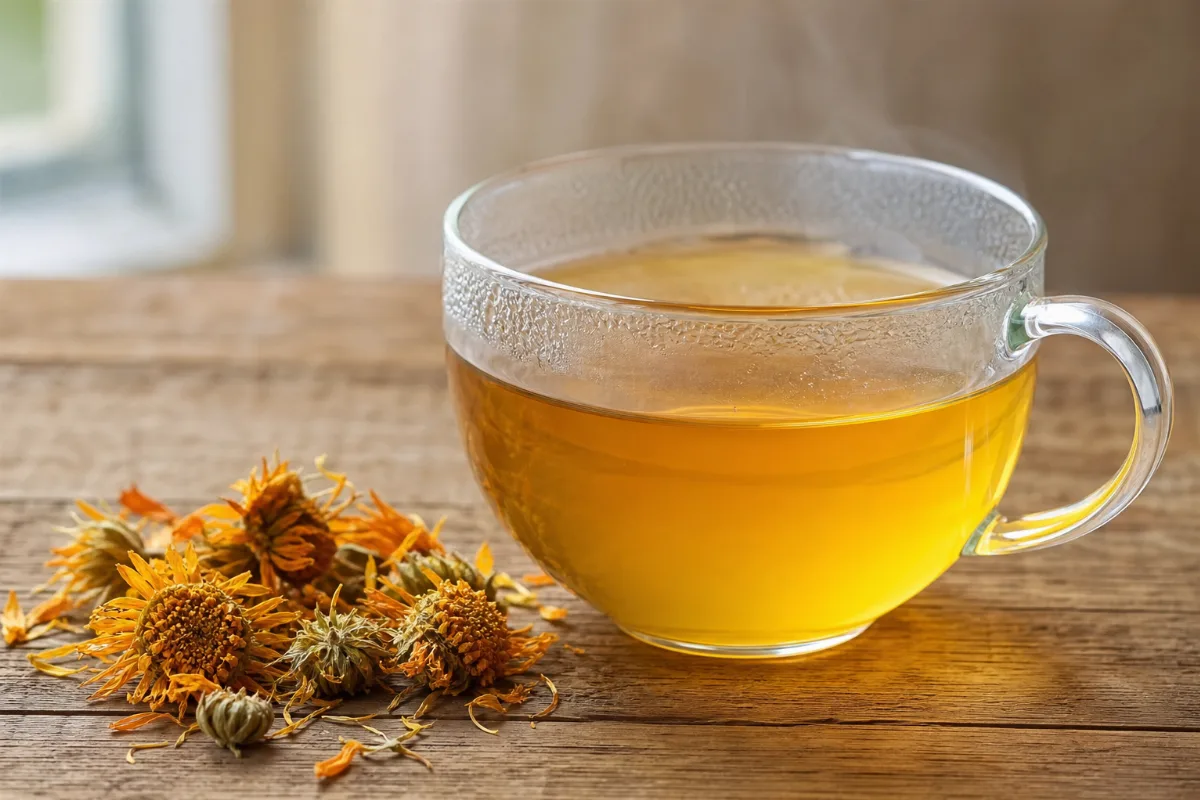
Taste: Mild, slightly bitter and herbal, with a faint resin-like flower scent.
Brewing: EU monograph: 1 to 2 g in 150 mL water, used warm for rinsing (EMA/HMPC, 2018); no drinking directions.
Plant allergy (ragweed, daisy family)Pregnancy and breastfeedingBabies and children
Calendula tea (pot marigold): what the EU regulator says about oral use, why there are no human trials of the tea, and the cautions: daisy-family allergy and pregnancy.
Calendula infusion on the skin (minor inflammation and small wounds)
Calendula infusion as a mouth or throat rinse
Oral calendula capsule and burn healing (extract only)
Taste: Mild, minty and slightly bitter, a bit like a softer spearmint with a musky note.
Pregnancy and breastfeedingBabies and childrenMedicine interactionsBefore surgery
Catnip tea (Nepeta cataria): no human trials found, reference databases say avoid it in pregnancy, and it may add to drowsiness from sedatives. Plain facts and gaps.
Catnip tea and calm or sleep
Catnip in mice: stimulant-like behavior
Catnip essential oil on gut and airway muscle (oil only)
Taste: Sweet and warm with a clear licorice-like flavor and a light spicy scent.
Brewing: EU monograph: 1 to 3.5 g aniseed in 150 mL boiling water, adults and over 12, no more than 2 weeks (EMA/HMPC, 2013).
Pregnancy and breastfeedingBabies and childrenPlant allergy (ragweed, daisy family)
Studied in people for: women's health
Anise tea (aniseed): what the EU says about use and its 2-week limit, why it is not star anise, estragole, Apiaceae allergy, and pregnancy and children statements.
Anise tea and mild cramping digestive complaints, gas and bloating
Anise tea and breast milk volume after preterm birth
Anise and cough with a cold
Anise oil capsules and irritable bowel syndrome (oil only)
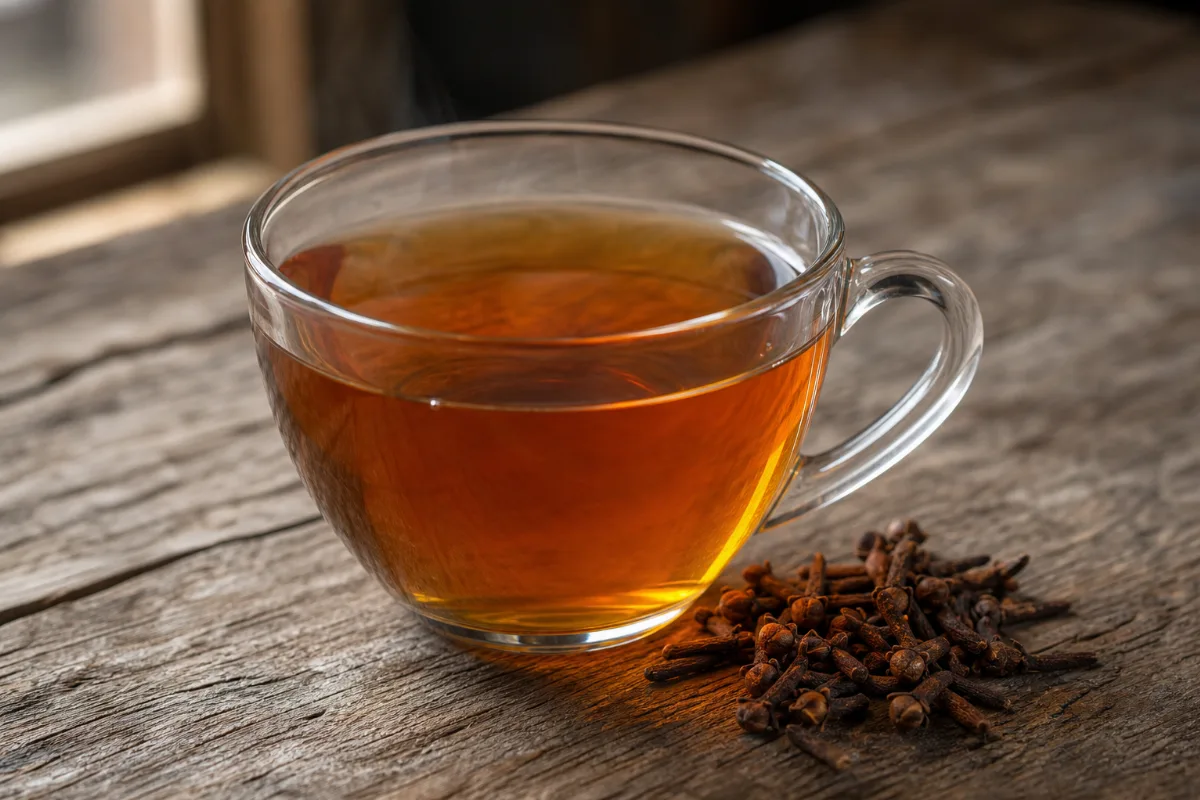
Caffeine-free (0 mg caffeine listed for ground cloves (USDA FoodData Central, per 100 g of the dry spice))
Taste: Warm, spicy and a little sweet, with a slightly numbing feel on the tongue.
Brewing: Traditionally a decoction (simmered in water); the EU assessment gives no amount or time.
Pregnancy and breastfeedingMedicine interactionsBlood thinners (warfarin)Liver
What is known about clove tea itself: no tea trials found, the EU view, a theoretical bleeding link with blood thinners, pregnancy cautions, and why clove oil is a different product.
Clove tea and toothache or digestion (traditional use)
Numbing gel before a needle in the mouth (gel, not tea)
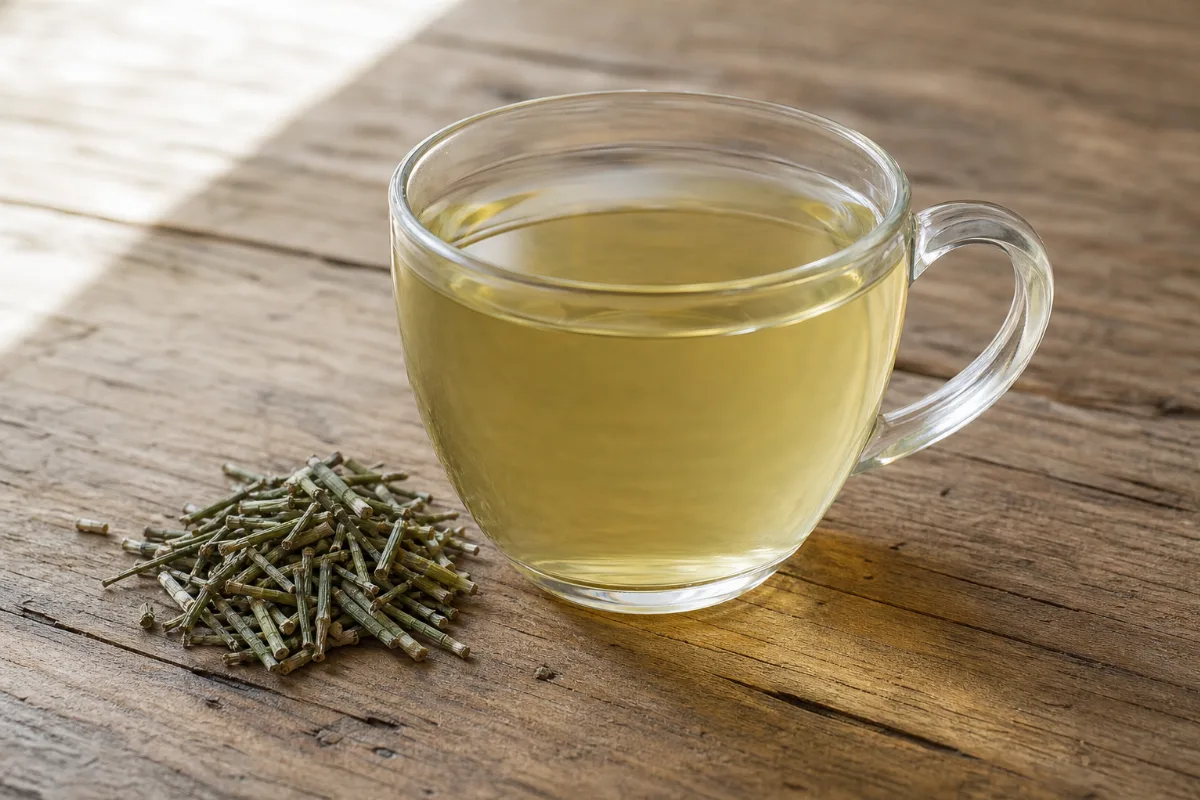
Brewing: EU monograph (2008): 3 g of cut oat herb for one infusion; it gives no water amount or steeping time.
Pregnancy and breastfeedingBabies and children
What research found about oat straw tea itself, what the EU says about mild stress and sleep, and the cautions: gluten cross-contact for celiac disease, pregnancy and children.
Oat herb and mild stress or sleep (EU traditional use)
Green oat extract and thinking (extract only)
Green oat extract and stress or wellbeing (extract only)
Brewing: EU monograph (2016): 1 to 4 g of cut herb in 150 mL boiling water, infused or simmered for 5 to 15 minutes.
Pregnancy and breastfeedingBabies and childrenMedicine interactionsKidney stones and kidney disease
What research found about horsetail tea itself, the EU diuretic traditional use, and the cautions: look-alike marsh horsetail, thiamine-destroying enzyme, lithium, kidney and heart disease, pregnancy.
Horsetail tea and passing more urine (diuretic)
Silicon from horsetail tea (absorption only)
Horsetail extract and diuretic effect or blood pressure (extract only)
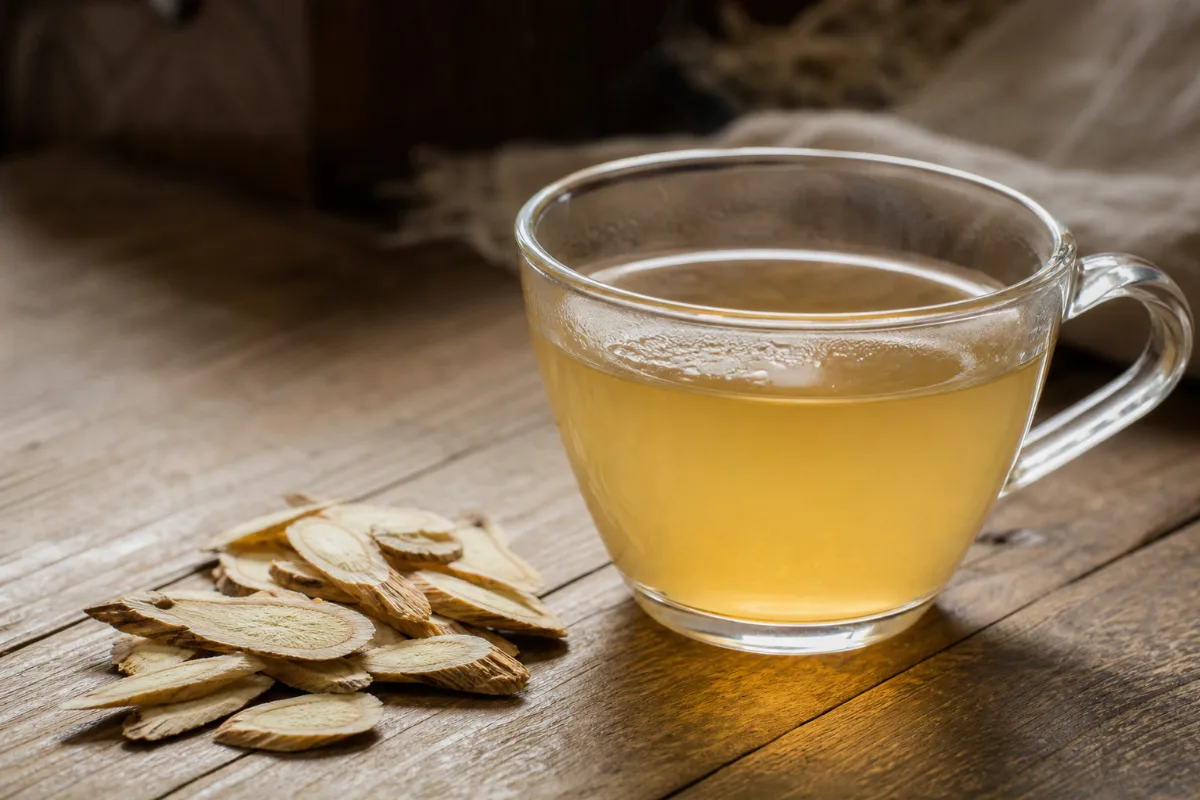
Caffeine-free (Herbal teas are described as caffeine-free in a 2024 review (general statement, not measured for astragalus); blends with tea leaves can contain caffeine.)
Taste: Mild, slightly sweet and woody, like a plain dried root.
Pregnancy and breastfeedingMedicine interactionsPlant allergy (ragweed, daisy family)
Astragalus tea (a simmered root drink): what research does and does not show for the tea itself, plus cautions for autoimmune disease, immune-lowering medicines and pregnancy.
Astragalus tea and health conditions (no trials of the tea)
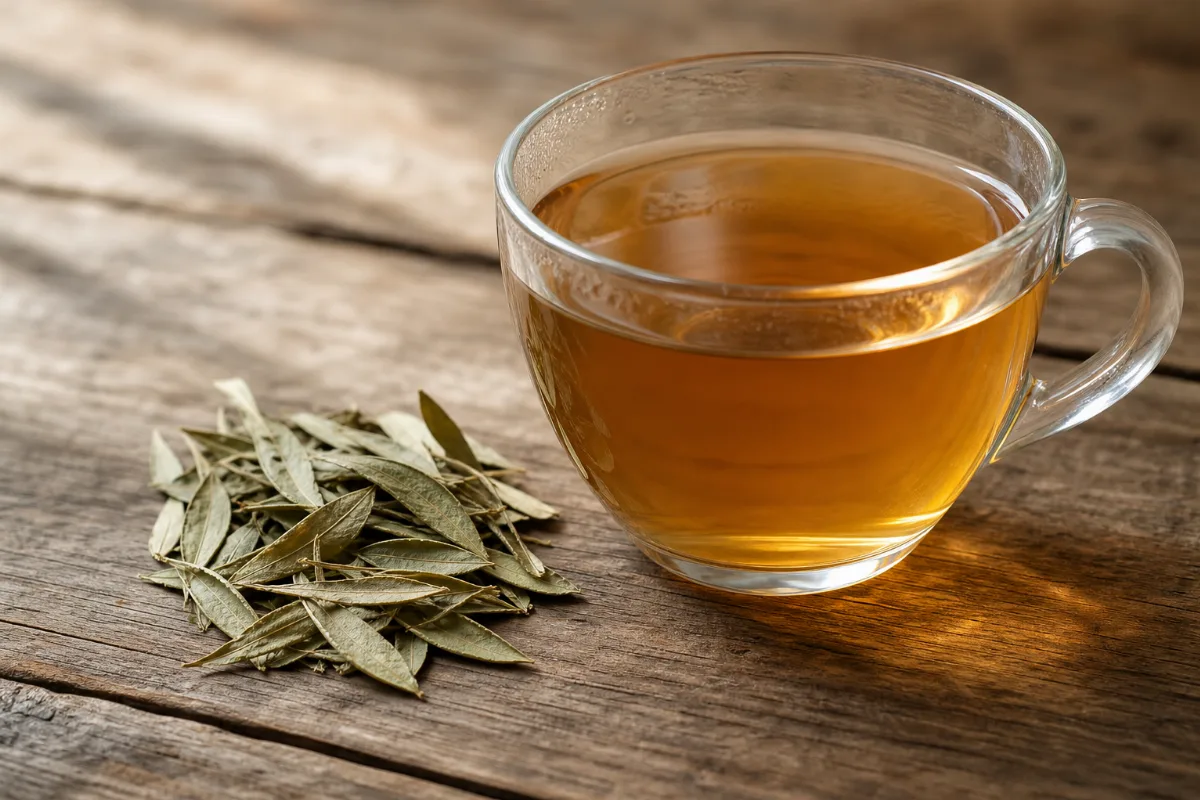
Caffeine-free (Herbal teas are described as caffeine-free in a 2024 review (general statement, not measured for olive leaf).)
Taste: Mild, grassy and a little bitter, like green herbs.
Brewing: EU monograph (2017): simmer 5 g dried leaf in 150 mL water down to about 100 mL (a decoction).
Pregnancy and breastfeedingBabies and childrenMedicine interactionsBlood pressure and potassium
Studied in people for: blood sugar, heart and blood pressure, digestion and bloating
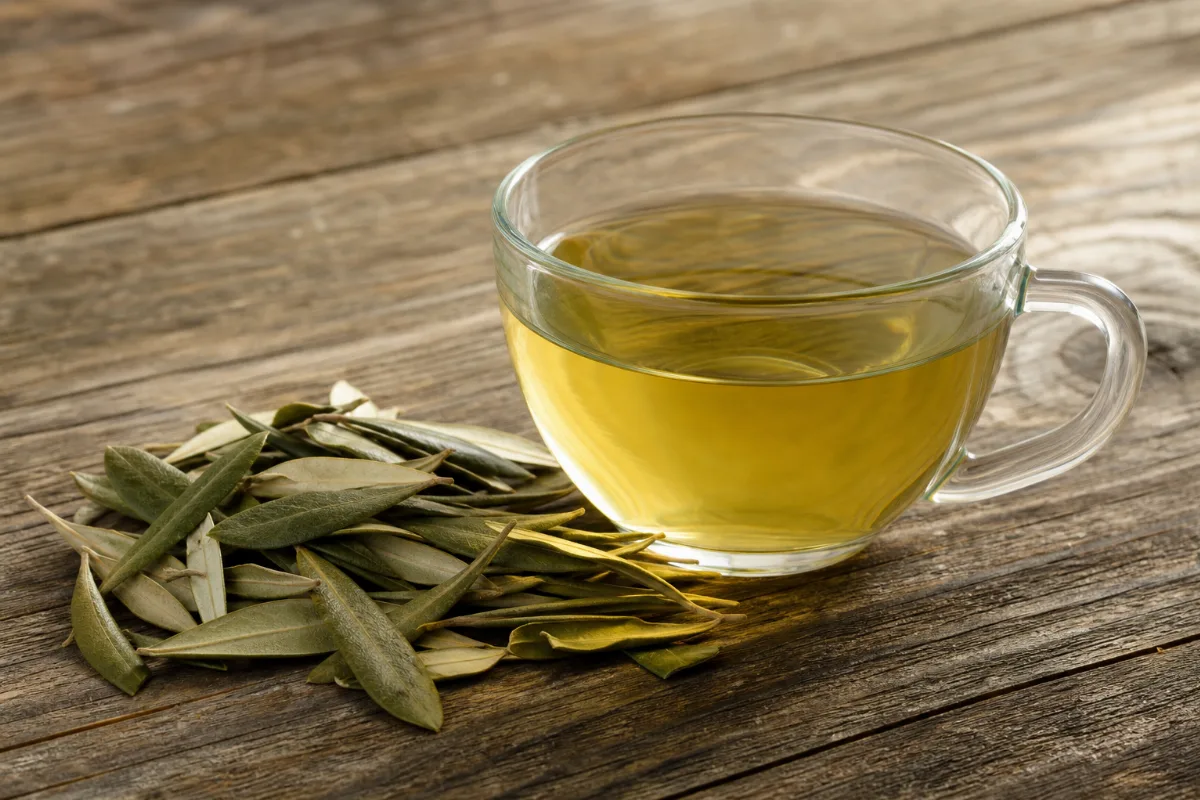
Olive leaf tea: what small trials of the tea itself found, what the EU says, and cautions for blood pressure and diabetes medicines, fluid limits, pregnancy and children.
Olive leaf tea and blood sugar (tea vs extract)
Olive leaf tea and blood fats
Olive leaf infusion and blood pressure (observational)
Caffeine-free (Herbal teas are described as caffeine-free in a 2024 review (general statement, not measured for mulberry leaf).)
Taste: Mild, grassy and slightly sweet, like fresh green leaves.
Pregnancy and breastfeedingMedicine interactionsPlant allergy (ragweed, daisy family)
Studied in people for: blood sugar
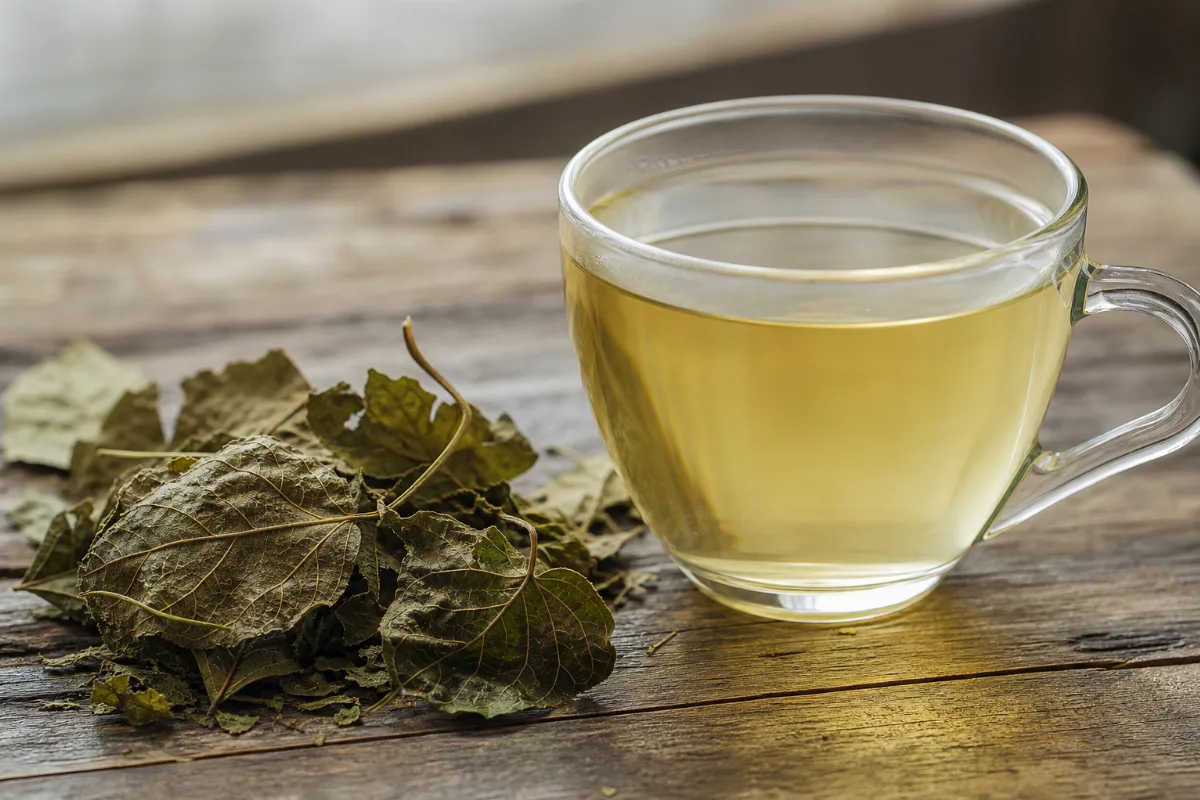
Mulberry leaf tea: what small blood sugar trials of the tea show, how it differs from extracts, and cautions for diabetes medicines, pregnancy and mulberry allergy.
Mulberry leaf tea and blood sugar after meals (blend with water chestnut)
Blood sugar swings over two weeks (blend tea)
Mulberry extract and long-term blood sugar (extract only)
Taste: Citrusy and mildly bitter, with a warm orange-peel smell.
Lead, metals and pesticides
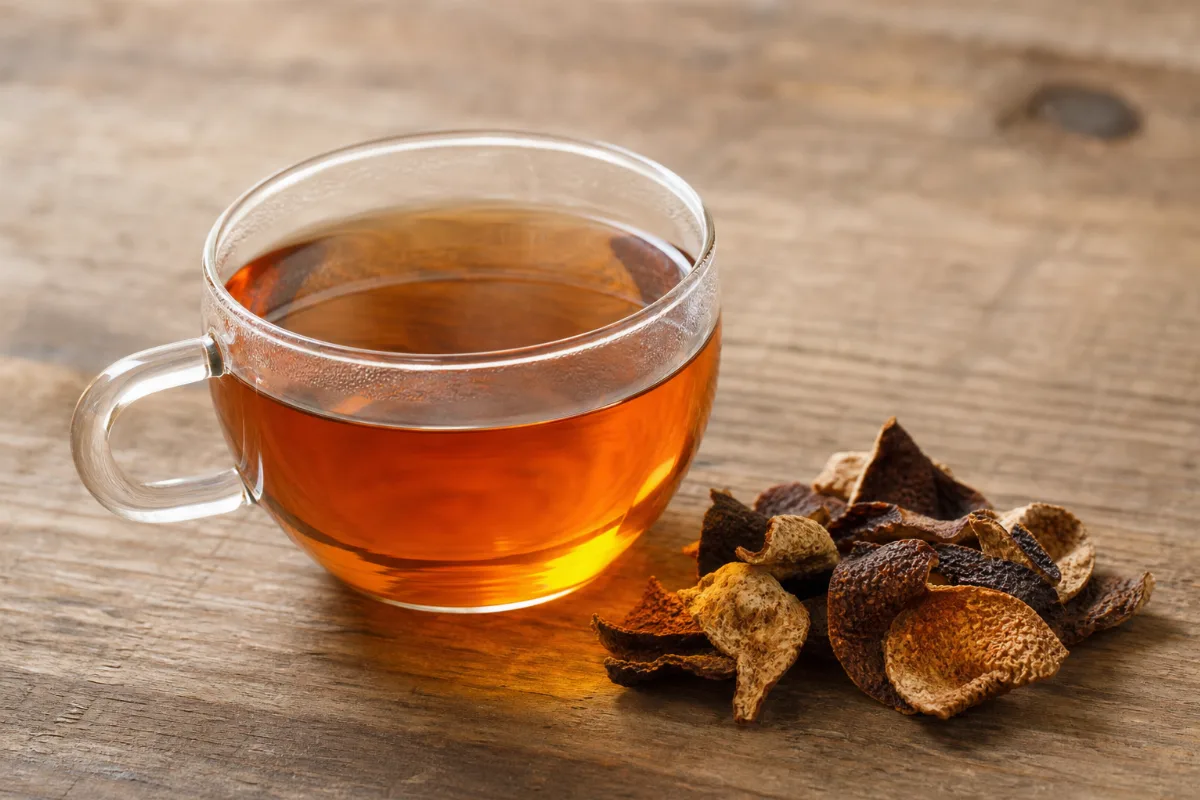
Chenpi (aged tangerine peel) tea: what research found about the peel itself, why mold in aged peel matters, and why grapefruit-type medicine warnings are an open question.
Tangerine peel tea and digestion (indigestion)
Chenpi and blood fat or weight (fermented drink and hesperidin, not tea)
Taste: Nutty and slightly bitter, with a maple-syrup-like smell.
Pregnancy and breastfeedingBabies and childrenMedicine interactionsBlood thinners (warfarin)
Studied in people for: weight, women's health
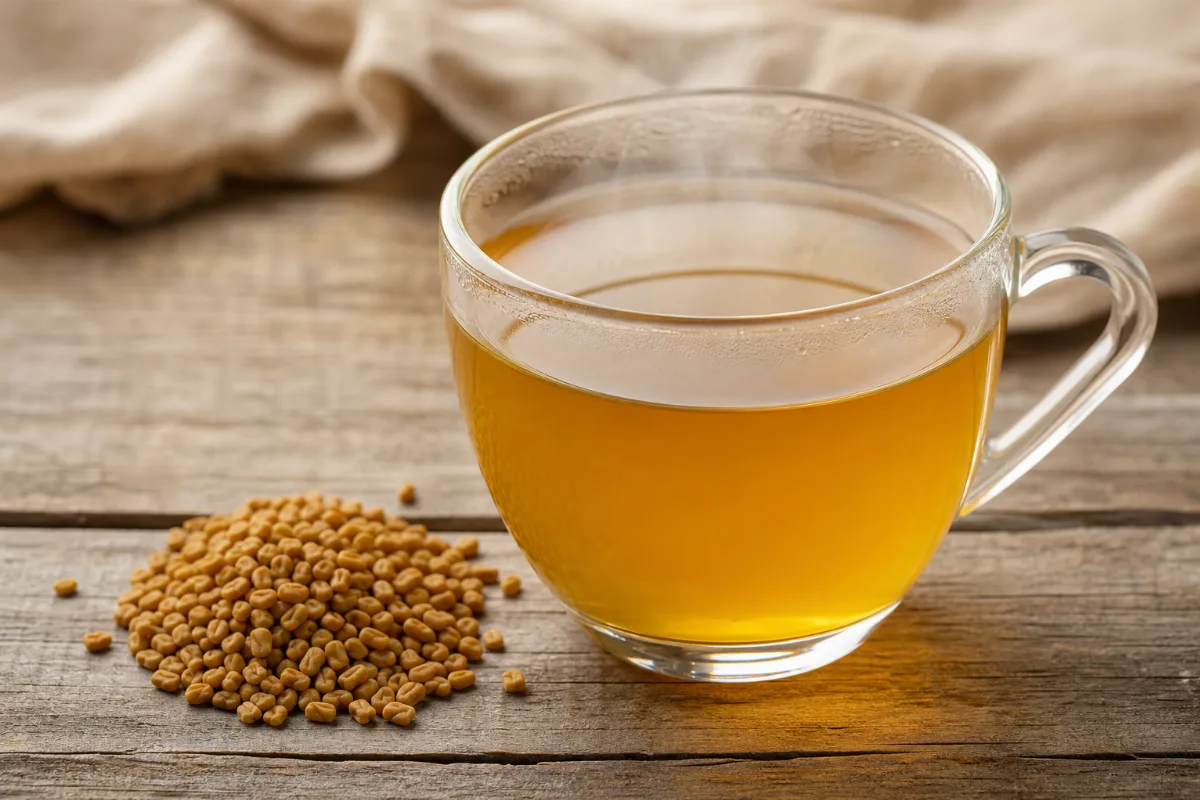
Fenugreek seed tea: two small studies of the tea, plus the cautions that matter most: pregnancy, legume allergy, blood sugar medicines, warfarin and maple-syrup body odor.
Taste: Warm and earthy with a mild sweetness, like a gentle curry spice tea.
Brewing: Fennel fruit alone (EU 2024): 1.5 g in 250 mL (8.5 fl oz) boiling water, steep 15 minutes. No source for the blend.
Pregnancy and breastfeedingBabies and childrenPlant allergy (ragweed, daisy family)
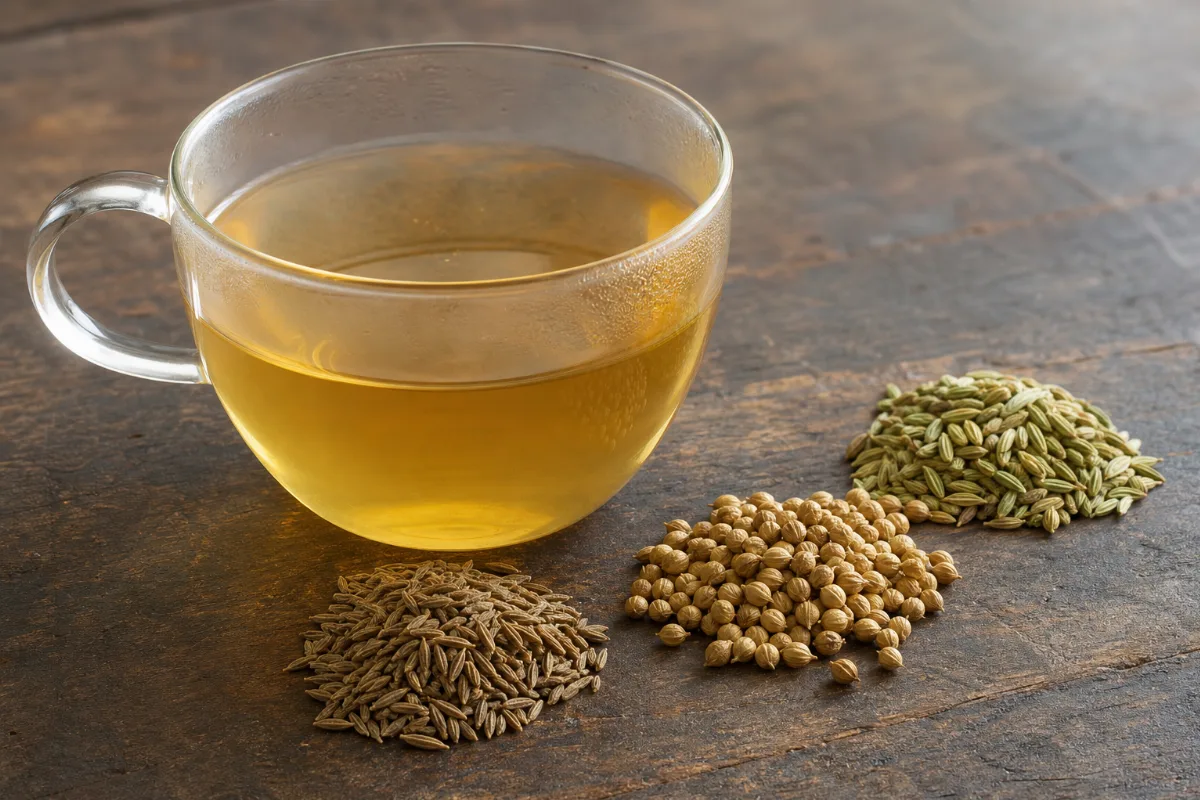
CCF tea is an Ayurvedic seed drink of cumin, coriander and fennel. What was studied for each seed, the EU fennel cautions (estragole, pregnancy, children) and carrot-family allergy.
CCF tea: fennel fruit tea and bowel recovery after abdominal cancer surgery
Mild gas, bloating and gut spasm (fennel, traditional use)
Pregnancy and breastfeedingBabies and childrenMedicine interactions
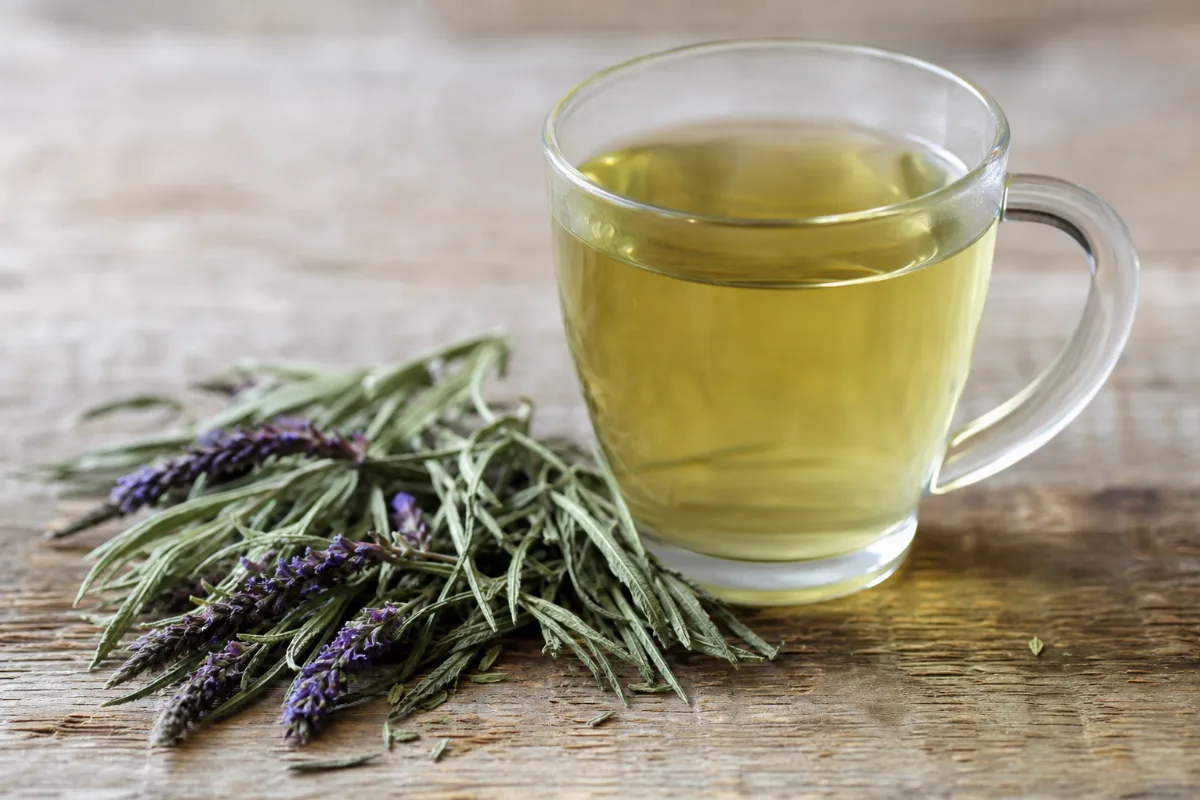
Blue vervain tea is a bitter North American herbal infusion with no human trials of the tea found; the main caution is pregnancy, and little is known about safety.
Calm, sleep and anxiety (traditional use, animals)
Wild lettuce tea (Lactuca virosa) has no human trials; case reports describe poisoning after eating the plant, and the "lettuce opium" label is not backed by evidence.
Caffeine-free (Caffeine-free: no caffeine found in damiana by NMR analysis (Planta Med, 2026); blends may add caffeine plants.)
Taste: Herbal and slightly bitter, with a mild spicy aroma.
Medicine interactionsHormone-sensitive conditions
Damiana tea is a caffeine-free herbal infusion with no human trials of the tea itself; read what lab studies, MSK and a drug-interaction screen say, and what to ask first.
Damiana tea, libido and sexual function (no tea trials)
Taste: Bitter and herbal (taste is not described in the sources we read).
Brewing: EU monograph (2010): a tea dose is 1.5 to 4.5 g of cut herb, 3 to 10 g a day; steeping time not given.
Pregnancy and breastfeedingBabies and children
Motherwort tea: what EU regulators and one small study say about nerves and heart flutters, why pregnancy is a firm no, and what is not known about medicines.
Motherwort tea and nervous tension
Motherwort tea and nervous heart complaints such as palpitations
Small uncontrolled study: anxiety, sleep and blood pressure (oil extract, not tea)
Taste: Earthy and herbal, a little bitter and sweet, with a celery-like smell.
Pregnancy and breastfeedingMedicine interactionsBlood thinners (warfarin)Hormone-sensitive conditions
Dong quai root tea: no trials of the tea itself, one negative menopause trial of dong quai alone, and cautions on warfarin, pregnancy, sun sensitivity and hormone-sensitive cancers.
Dong quai and menopause symptoms
Traditional use: a women's herb in Chinese medicine
Taste: Very bitter and aromatic (taste is not described in the sources we read).
Natural toxin or look-alike riskLiverPregnancy and breastfeedingBabies and children
Wormwood tea is not recommended for everyday use. Thujone can cause seizures, and liver injury and pregnancy risks are documented. A safety profile with no brewing advice.
Wormwood tea for appetite, indigestion or Crohn's disease
No tea matches all of these filters. Try removing one. Some topics (for example most herbs) are not teas and live elsewhere on the site.
"Studied for" means a study of the tea itself in people exists, not that the tea works. Many tea studies are small and short, and results for capsules or concentrated extracts do not carry over to a cup of tea. Caffeine amounts are for a brewed cup and vary with the leaf, the water and the brewing time.
Browse by tea tea family
True teas (tea plant)
Green, matcha, black, white, oolong and pu-erh all come from one plant, Camellia sinensis, and all have caffeine. They differ in how the leaf is processed.
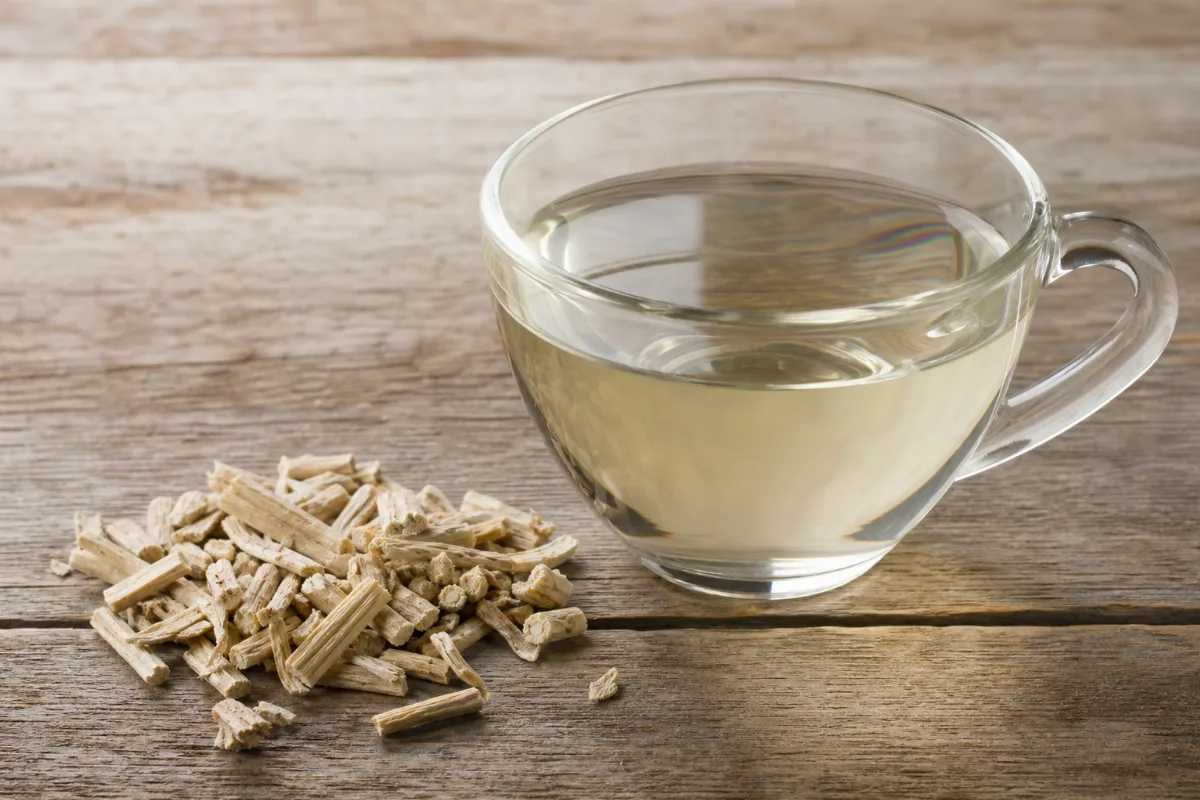
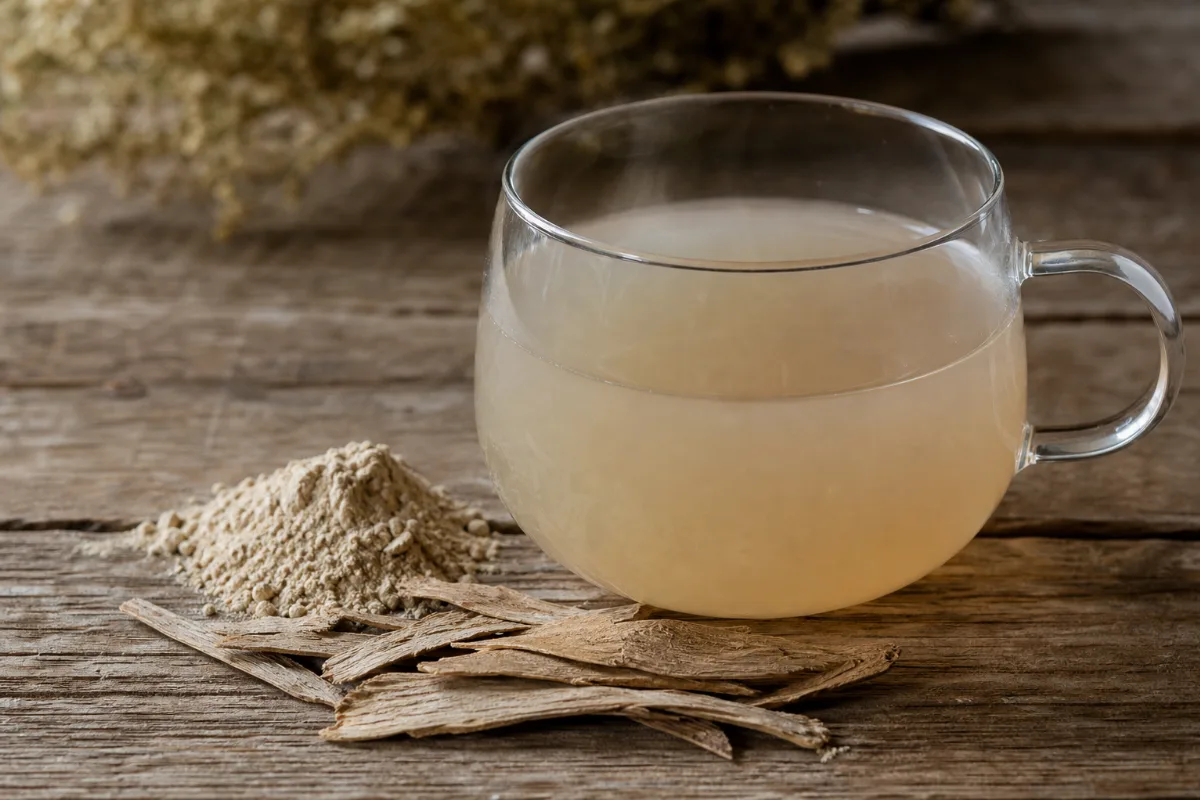
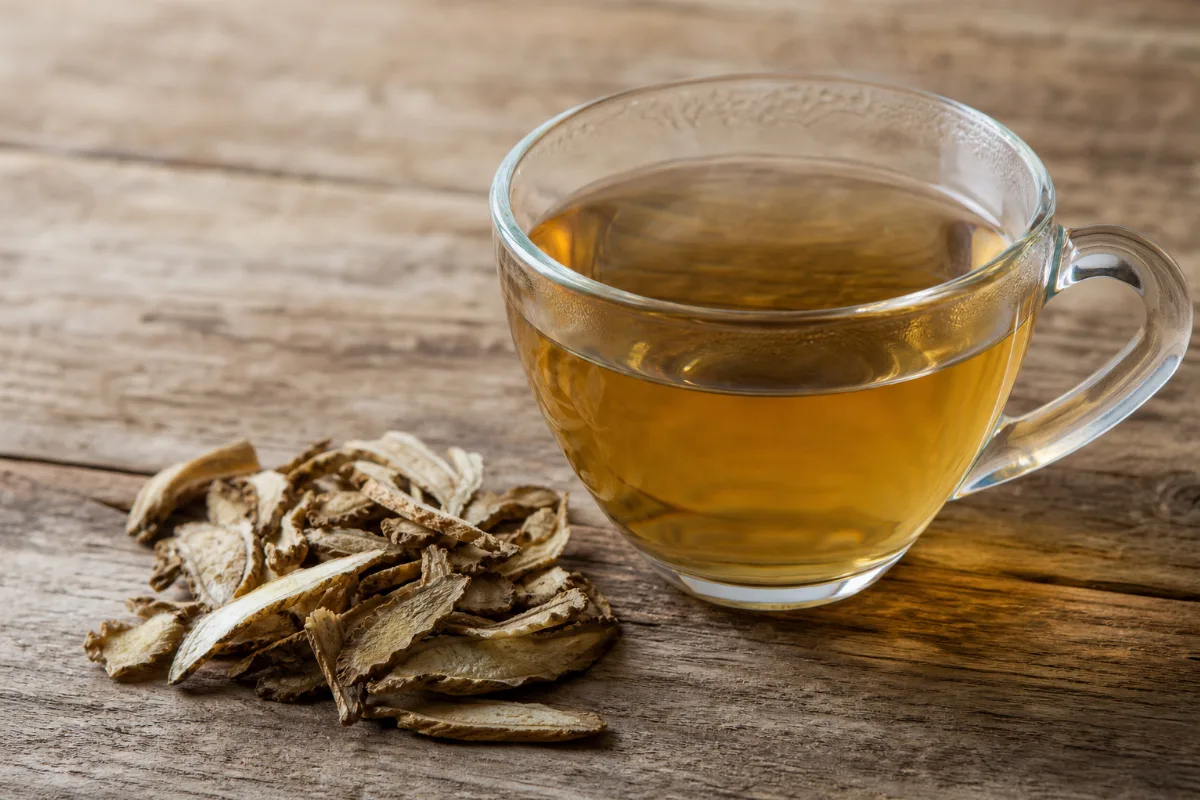
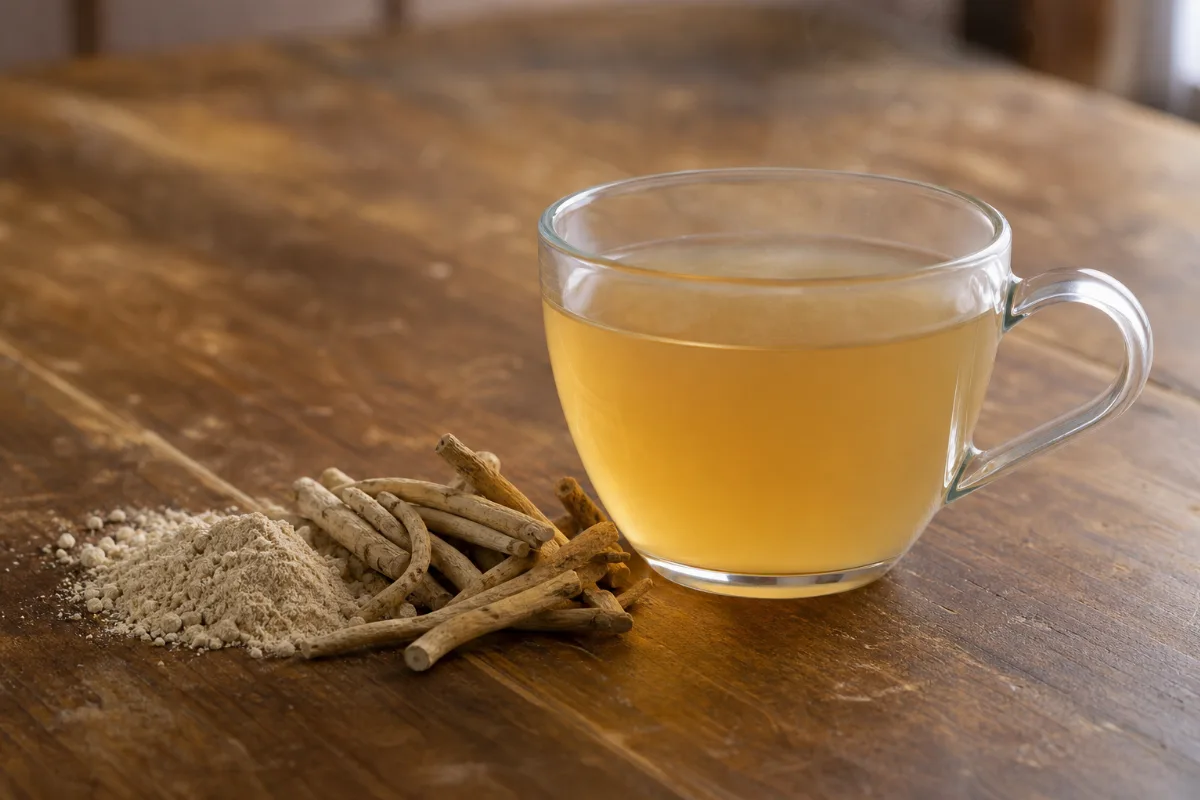
Licorice, ginger-family roots, dandelion, valerian, ashwagandha, ginseng and other roots and barks, usually simmered. Licorice and valerian have important cautions.
Understanding Herbal Teas & Extracts(8)Tisanes versus true tea, caffeine, infusions, decoctions and tinctures: what the words mean and how to read claims.
An A to Z directory of herbal teas with scientific names, plant part, caffeine notes, the main caution the sources flag, and a link to each tea's own guide.
What the sources mean by tea and by tisane (herbal tea), which familiar drinks are which, and why the difference matters for caffeine, research and labels.
Which herbal drinks contain caffeine (yerba mate, guayusa, tea-based blends), which are described as caffeine free (rooibos), and why decaf is not zero. Information only.
What "natural flavors", "proprietary blend" and a long list of herbs can and cannot tell you about a herbal tea blend, based on US labeling rules and agency fact sheets.
How to read "immune support", "cleanse" and "calm" on a herbal tea box: what US rules allow, what NCCIH and EU regulators found, and the risks to know.
How a herbal tea can be treated as a food, a dietary supplement or a traditional herbal medicine in the US and EU, what FDA and EMA say, and what they do not say.
A plain guide to reading a herbal tea ingredient list: order of ingredients, botanical names, plant parts, name changes and why "chamomile" can mean two different plants.
True Teas: Green, Black, White, Oolong, Pu-erh and Matcha(11)Teas made from the tea plant (Camellia sinensis), all with caffeine: how they differ, what studies of the drink found, and what to check before you drink them.
Green tea as a drink: caffeine, what Cochrane reviews found, and the cautions (caffeine in pregnancy, iron, warfarin, very hot cups), kept apart from extract capsules.
Matcha, the powdered whole-leaf green tea: its caffeine, what small trials found, and the cautions (caffeine in pregnancy, iron, medicines), apart from extract capsules.
Black tea as a drink: caffeine, brewing, what studies of the tea found, and cautions on iron absorption, kidney stones with very large amounts, pregnancy and very hot cu…
White tea as a drink: what it is, caffeine, brewing, the very few human studies of white tea itself, and cautions on caffeine in pregnancy, pesticides and very hot cups.
What small human studies of oolong tea itself found, how much caffeine it has, and what to check first: caffeine in pregnancy, iron absorption and very hot drinks.
Pu-erh is a fermented, aged tea with caffeine. What studies of the tea itself found (little), what is known about its molds, and cautions for pregnancy, iron and hot dri…
Sencha, Japanese steamed green tea: what steaming changes, caffeine, what research found, and the cautions (pregnancy, medicines, very hot cups) apart from extracts.
Gyokuro, shade-grown Japanese green tea: its theanine and caffeine, what research found, and cautions (caffeine in pregnancy, medicines, very hot cups) apart from extrac…
Hojicha, roasted Japanese green tea: what roasting changes, caffeine, what a small trial found, and the cautions (pregnancy, very hot cups) apart from extracts.
Lapsang souchong is a pine-smoked black tea. What we could verify about its caffeine and smoke, what tea research shows, and cautions for pregnancy, iron and very hot cu…
What "ceremonial", "premium" and "culinary" matcha labels do and do not mean, with research on shading, caffeine and storage, and what to check before you drink it.
Calming & Sleep Teas(13)Chamomile, lemon balm, passionflower, valerian, lavender, tulsi and others: what trials of the tea found and the cautions.
What research found about chamomile tea itself, what European regulators and NIH say, and the cautions: daisy-family allergy, warfarin, birth control pills and surgery.
What research found about lemon balm tea itself, what EU regulators concluded about melissa leaf, and the cautions: thyroid, pregnancy, driving and medicines.
What research found about passionflower tea itself, what NIH and EU regulators say, and the cautions: pregnancy, surgery and anesthesia, drowsiness and driving.
What research found about valerian tea itself versus valerian extracts, what NIH and EU regulators say, and the cautions: alcohol, sedatives, liver reports, pregnancy an…
What research found about lavender tea itself, how it differs from lavender oil, what NIH and EU regulators say, and the cautions: a medicine case report, a kidney case,…
Tulsi (holy basil) tea: what the research tested (capsules, extracts and a mixed-herb tea, not tulsi tea alone), what we could not find, and the safety questions to ask …
Lemon verbena tea (Aloysia citrodora leaf): the European traditional-use listing for stress, sleep and mild stomach complaints, the thin human evidence, and safety point…
Hops tea (Humulus lupulus cones): what European regulators accept as traditional use for stress and sleep, what trials found, and cautions on depression, sedatives, preg…
California poppy and skullcap as teas: what European regulators and trials found (mostly not tea), the germander mix-up that has caused liver injury, and the safety poin…
Butterfly pea flower tea (Clitoria ternatea): why it is blue and turns purple with acid, the small human trial of a flower-extract drink, and what safety information we …
Skullcap tea: no human trial of the tea itself was found. Main cautions are liver injury reports (mostly multi-herb products) and the germander mix-up.
Linden flower tea (lime blossom): what European regulators accept as traditional use, what research found, and cautions for babies, iron absorption and pregnancy.
What is in "sleepy" tea blends, what trials of blends and single herbs found, and what to check: sedatives, alcohol, driving, pregnancy, children, liver, caffeine.
Peppermint tea is a leaf infusion, not peppermint oil. What the sources say about the tea, why most research is on oil capsules, and the heartburn and other cautions.
Ginger tea is made from ginger rhizome. What the sources say about nausea research (mostly not on tea), the few tea studies, and safety points for pregnancy and medicine…
Fennel tea is an infusion of sweet fennel fruit. What the EU monograph describes, the one small tea trial found, and cautions on allergy, estragole, children and pregnan…
Licorice root tea contains glycyrrhizin, which can raise blood pressure and lower potassium. Warnings, case reports of tea harm, who should avoid it, and what research f…
Marshmallow root tea is traditionally a cold-water macerate, not a hot infusion. What the EU monograph says, the lack of trials of the tea, and the warning on spacing fr…
Spearmint tea: two small trials measured hormone changes in women with excess hair growth, one found no change in hair scores, and rat studies raise questions that peopl…
Fennel, caraway, anise and chamomile teas for gas and bloating: what EU regulators say, what research tested, why babies need a clinician first, and allergy and blend ca…
Marshmallow root, slippery elm and mallow flower teas: EU regulator statements, one small sore throat tea trial, the medicine absorption caution, and throat signs that n…
Lemon-ginger-honey tea for colds, checked: trials support honey for cough, none tested ginger or lemon tea for colds, and honey must never be given to babies under 12 mo…
Cardamom tea is crushed cardamom pods steeped in hot water. What research found (no trial of the tea itself), and the gallstone and pregnancy cautions that sources descr…
Star anise tea itself: why it should not be given to babies (seizures after toxic Japanese star anise contamination), what research shows, and what to check before adult…
What is known about clove tea itself: no tea trials found, the EU view, a theoretical bleeding link with blood thinners, pregnancy cautions, and why clove oil is a diffe…
What is in "tummy" tea blends and what research says. Check for hidden senna laxatives, licorice and blood pressure, peppermint and reflux, fennel, and pregnancy.
Everyday Herbal Teas(59)Hibiscus, rooibos, nettle, dandelion, moringa, rosehip, turmeric, cinnamon, lemongrass and more.
Hibiscus tea is a tart red tisane. See what a trial of the tea and larger reviews found on blood pressure, what is unknown on medicines and pregnancy, and cautions.
Rooibos is a caffeine-free South African herbal tea. See what a scoping review and a hydration trial found, one reported liver case, and where proper evidence was not fo…
Nettle tea is made from stinging nettle leaf. See what the EU herbal committee concluded, the limits it set, who should avoid it, and where proper evidence was not found.
Dandelion tea can be made from root or leaf. See what NIH says (very little research, no compelling evidence), root versus leaf, allergy and medicine cautions.
Moringa tea is an infusion of moringa leaf. See what the one human trial of leaf capsules found, why animal studies do not apply to people, and where proper evidence was…
Elderflower tea is made from Sambucus nigra flowers. See the EU conclusion on early cold symptoms, the monograph's infusion and decoction amounts, and how it differs fro…
Yerba mate is a caffeinated South American infusion of holly leaves. What IARC found about very hot drinks, what reviews of maté show, and the cautions that matter.
Rosehip tea is made from rose hips such as Rosa canina. Most research tested a powder, not tea; this page covers vitamin C variation, what is unknown and who should ask …
Turmeric tea claims checked against NCCIH, EU herbal monograph and liver injury reports. Curcumin in a cup is not documented; most research used supplements, not tea.
Cinnamon tea differs by species. Cassia cinnamon contains coumarin; Ceylon has traces. What a tea trial, reviews and EU monograph say about blood sugar and cautions.
Lemongrass tea is made from Cymbopogon citratus leaves. What small human trials and reviews show, including a kidney-function signal, plus allergy and liver reports and …
Hawthorn tea comes from Crataegus leaf, flower or berry. Trials tested standardized extracts, not tea. EU monograph, heart medicine cautions, pregnancy and a toxic misla…
What research shows about red clover tea and menopause hot flashes, why the trials tested extracts and not tea, and the cautions: pregnancy, hormone-sensitive conditions…
What research and the EU herbal committee say about milk thistle tea and the liver, why extract studies do not transfer to a cup of tea, and who should be careful.
What research found about echinacea tea and colds, why the best-studied echinacea forms are not teas, and the cautions: daisy-family allergy, autoimmune disease and medi…
What research and the EU herbal committee say about red raspberry leaf tea, why pregnancy use is a question for a midwife or doctor, and who should be careful.
What is known about corn silk tea and barley tea (mugicha): thin human research, gluten in barley, diuretic and potassium questions for corn silk, and when to ask a clin…
What is known about chrysanthemum tea and jasmine tea: what each drink is, why jasmine tea is usually scented tea, the thin human research, and the daisy-family allergy …
Honeybush is a sweet South African herbal tea described as caffeine-free. No human tea studies exist; plant-estrogen findings are lab-only, so ask about hormone medicine…
Sage tea (Salvia officinalis leaf): what the EU and NIH say, the thin human evidence, and the main caution, thujone, plus pregnancy, children and long-term use.
Thyme tea is an infusion of dried thyme. See what EU regulators say about chesty coughs, what trials tested, and the cautions: mint-family allergy, pregnancy and childre…
What research and the EU herbal committee say about rosemary tea itself, with cautions: pregnancy and breastfeeding not recommended, bile duct and liver conditions.
Mullein tea is a herbal infusion of the flower or leaf, used for sore throat and cough. What the EU says, why no trials of the tea exist, and the cautions for pregnancy …
Kuding is a very bitter Chinese leaf tea. See what small trials and lab studies found, why its caffeine content is unclear, and the liver findings from high-dose extract…
Gynostemma (jiaogulan) tea is a sweet-bitter herbal infusion of the leaf. Small trials and what they really tested, plus one platelet case report and the medicine questi…
Yaupon is a caffeine-containing holly leaf tea from the southeastern US. What sources say about its caffeine, the odd species name vomitoria, and why human research is m…
Guayusa is a caffeinated Amazon holly leaf tea. See what the tea and its extracts have been tested for, how much caffeine sources report, and the pregnancy and heart cau…
Chrysanthemum tea is a floral tisane. See what is known about the tea itself (very little in people), the daisy-family allergy caution, pesticide residues and brewing fa…
Jasmine tea is usually green tea scented with jasmine flowers, so it has caffeine. See what research found, caffeine and pregnancy limits, hot-drink and medicine caution…
Rose tea is made from dried rose petals. See the one trial of the tea (menstrual pain in teens), what the EU says about pregnancy and age, and why only untreated rose pe…
Burdock root tea: what two small human trials and EU regulators found, plus the cautions: daisy-family allergy, tea contaminated with belladonna, and pregnancy.
Ashwagandha tea has no trials of its own; studies used extracts. What NIH and cancer-center sources say, plus cautions: pregnancy, liver, thyroid, sedatives and surgery.
Ginseng tea has little human research; trials used extracts. What NIH and EU sources say, with cautions for diabetes medicines, warfarin, insomnia, surgery and pregnancy.
What research says about lapacho (pau d'arco) tea: mostly lab and traditional claims, no tea trials, and cautions for blood thinners, bleeding, pregnancy and surgery.
What research says about schisandra (omija, wu wei zi) tea: no tea trials, extract studies only, and cautions for medicines, tacrolimus and liver tests.
What research says about goji (wolfberry) tea: no tea trials, small juice and fruit studies, and cautions for warfarin and other blood thinners, allergy and medicines.
What we found about barley tea (mugicha), a roasted-grain drink: barley contains gluten, acrylamide forms in roasting, and the few human studies are small and about skin…
What we found about roasted buckwheat tea (soba-cha): buckwheat allergy can be severe, the grain is gluten-free by nature but can be cross-contaminated, and no human tri…
Chai is black tea plus spices such as ginger, cardamom, cinnamon, clove and pepper. What we found on caffeine, cassia cinnamon coumarin, pregnancy and babies, and what i…
Genmaicha is green tea blended with roasted rice. What we could and could not verify about its caffeine, brewing and research, plus cautions for pregnancy, children and …
Earl Grey is black tea flavored with bergamot oil. What a famous muscle-cramp case report does and does not show, caffeine, iron, and cautions for pregnancy and very hot…
Moroccan mint tea is green tea with spearmint, usually sweetened and served hot. What sources say about caffeine, sugar, iron, hot cups and spearmint, and what is not st…
Kombucha is fermented sweet tea. What the few human trials show, and the cautions: home-brew contamination, lead from ceramic pots, alcohol, caffeine, pregnancy and weak…
Calendula tea (pot marigold): what the EU regulator says about oral use, why there are no human trials of the tea, and the cautions: daisy-family allergy and pregnancy.
Catnip tea (Nepeta cataria): no human trials found, reference databases say avoid it in pregnancy, and it may add to drowsiness from sedatives. Plain facts and gaps.
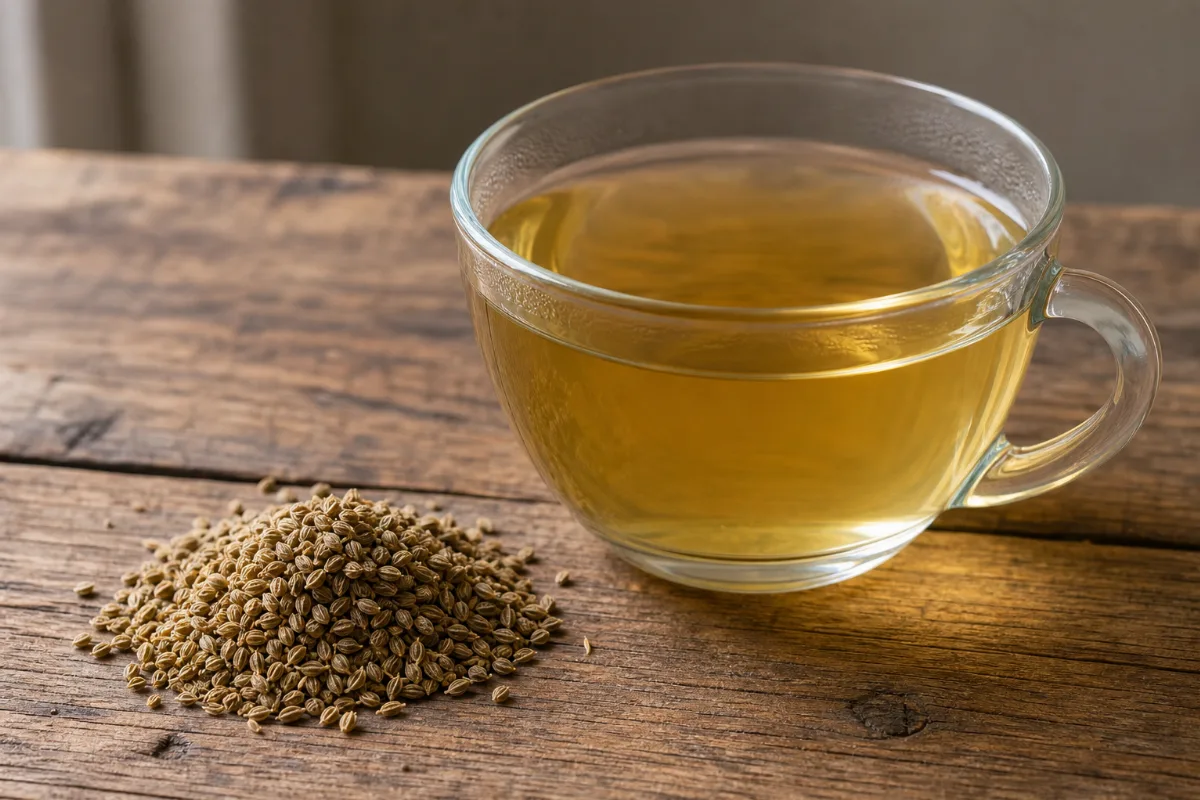
Anise tea (aniseed): what the EU says about use and its 2-week limit, why it is not star anise, estragole, Apiaceae allergy, and pregnancy and children statements.
What research found about oat straw tea itself, what the EU says about mild stress and sleep, and the cautions: gluten cross-contact for celiac disease, pregnancy and ch…
What research found about horsetail tea itself, the EU diuretic traditional use, and the cautions: look-alike marsh horsetail, thiamine-destroying enzyme, lithium, kidne…
Astragalus tea (a simmered root drink): what research does and does not show for the tea itself, plus cautions for autoimmune disease, immune-lowering medicines and preg…
Olive leaf tea: what small trials of the tea itself found, what the EU says, and cautions for blood pressure and diabetes medicines, fluid limits, pregnancy and children.
Mulberry leaf tea: what small blood sugar trials of the tea show, how it differs from extracts, and cautions for diabetes medicines, pregnancy and mulberry allergy.
Chenpi (aged tangerine peel) tea: what research found about the peel itself, why mold in aged peel matters, and why grapefruit-type medicine warnings are an open questio…
Fenugreek seed tea: two small studies of the tea, plus the cautions that matter most: pregnancy, legume allergy, blood sugar medicines, warfarin and maple-syrup body odo…
CCF tea is an Ayurvedic seed drink of cumin, coriander and fennel. What was studied for each seed, the EU fennel cautions (estragole, pregnancy, children) and carrot-fam…
Blue vervain tea is a bitter North American herbal infusion with no human trials of the tea found; the main caution is pregnancy, and little is known about safety.
Wild lettuce tea (Lactuca virosa) has no human trials; case reports describe poisoning after eating the plant, and the "lettuce opium" label is not backed by evidence.
Damiana tea is a caffeine-free herbal infusion with no human trials of the tea itself; read what lab studies, MSK and a drug-interaction screen say, and what to ask firs…
Motherwort tea: what EU regulators and one small study say about nerves and heart flutters, why pregnancy is a firm no, and what is not known about medicines.
Dong quai root tea: no trials of the tea itself, one negative menopause trial of dong quai alone, and cautions on warfarin, pregnancy, sun sensitivity and hormone-sensit…
Teas With Special Cautions(13)Teas where the label or safety reports matter most: laxative, diuretic, detox and "slimming" teas, comfrey-type warnings, elderberry and licorice.
A claim check on detox, slimming and laxative teas: what NIH and a 2026 review found, why senna blends carry real risks, and what to ask a clinician or pharmacist instea…
What senna tea is, what EU and US sources say about short-term use, and the documented risks of regular use: laxative dependence, fluid and salt loss, and medicine inter…
Dandelion, nettle and corn silk teas are sold to increase urine. What EU and US sources say about evidence, potassium, heart and kidney conditions, medicines and allergy.
Licorice root can hide in herbal tea blends. What NIH, the EU herbal committee and published case reports say about blood pressure, potassium and medicines, and what to …
Elderberry and elderflower are different parts of one plant with different labels and cautions. What NIH and the EU herbal committee say, including poisoning from raw pa…
Why official bodies and researchers warn about comfrey, coltsfoot and other plants with pyrrolizidine alkaloids in teas, what liver injury reports describe, and what we …
Where to read about kava, kratom and blue lotus drinks sold as teas: this library points to Specialty Topics and shares only the main official safety statements.
What to know before joining a tea cleanse or slimming program: what reviews say about detox claims, FDA warnings on hidden ingredients, senna laxative cautions and what …
What IARC concluded in 2016 about very hot drinks, including tea and mate, and esophageal cancer, what later studies add, and what the evidence does not tell us about he…
What published analyses found about lead, arsenic, cadmium and other metals in herbal and medicinal teas, including Chinese medicinal teas and Ayurvedic products, read r…
What research says about cat's claw (una de gato) tea: no tea trials, small extract studies, and cautions for autoimmune disease, blood thinners, surgery and pregnancy.
Pennyroyal tea is not recommended. Pulegone in pennyroyal has caused liver failure and deaths, including infants and women trying to end a pregnancy. A safety profile, w…
Wormwood tea is not recommended for everyday use. Thujone can cause seizures, and liver injury and pregnancy risks are documented. A safety profile with no brewing advic…
Herbal Teas by Wellness Goal(12)What research shows about the tea itself for sleep, stress, digestion, nausea, cough, blood pressure and more.
A plain index of herbal teas by wellness goal, with what the research shows about the tea itself, how strong the evidence is, and links to each goal page and its caution…
What trials and regulators say about herbal tea for sleep, tea by tea, with plain labels for the strength of evidence, the sedative cautions and when to see a clinician.
What trials and regulators say about calming herbal teas for stress and anxiety, how little tea research there is, the cautions with medicines, and where to get help.
What research and official sources say about ginger tea, peppermint tea and other herbal teas for nausea and upset stomach, with cautions for pregnancy, chemotherapy and…
What the research and EU regulators say about peppermint, fennel, chamomile and other herbal teas for indigestion, gas and bloating, with plain evidence labels and warni…
What the evidence says about herbal tea, hot drinks and honey for sore throat, cough and colds, with sore-throat red flags, cautions for babies and children, and EU trad…
Hibiscus is the herbal tea with the most blood pressure research, yet reviews disagree. See what trials of the tea found, which medicines to ask about, and why licorice …
See what trials of chamomile, ginger, fennel and red clover found for period cramps and menopause symptoms, how rarely the tea itself was tested, and the safety cautions.
Teas sold as immune support are checked against the evidence: no human trial of an herbal tea for immunity was found, and echinacea and elderberry results do not name te…
Yerba mate contains caffeine. See what trials of mate and one fatigue blend found, why caffeine-free herbal teas have little evidence for energy, and the cautions.
Weight-loss and slimming teas are checked against reviews of herbal medicines, green tea, hibiscus and yerba mate, with cautions about laxative teas and weight-loss prod…
Pooled trials of herbal tea in type 2 diabetes report lower glucose and some lipids, yet few trials exist. See what is known about cinnamon, hibiscus and mate teas and t…
Preparation & Brewing(9)Infusion, decoction and maceration as defined by EU monographs and other sources, times, storage, bags versus loose leaf.
How herbal tea is prepared, as EU regulators and other sources describe it: infusion, decoction and maceration, usual times, covering, straining, storage and what resear…
What EU herbal monographs describe for tea amounts, time limits and cautions for ten herbs. Regulatory descriptions of authorized traditional products, not personal reco…
What infusion, decoction, maceration, digestion and herbal tea mean in EU herbal medicine documents and in industry usage, and what research says about whether the metho…
What an EU regulator, an industry body and research say about steeping time and water temperature for herbal tea, where the sources go silent, and why very hot drinks ma…
What sources say about loose leaf versus tea bags for herbal tea, including EU preparation wording and research on micro- and nanoplastics released from plastic-containi…
What food-safety agencies say about bacteria and warm, standing drinks, what we could not find about sun tea and cold-brewed herbal tea, and who needs extra care.
What WHO, EPA and CDC say about drinking-water safety and bacteria in food left out, and why we found no tea-specific rule for reheating or leaving herbal tea out.
Why this site gives no homemade herbal tea recipes: a documented poisoning story, how official amounts differ plant by plant, and where to get reliable help.
Tinctures, Extracts & Other Liquid Forms(11)Tinctures, glycerites, fluid extracts, dry extracts and standardization: what they are and how labels differ.
What herbal extracts and tinctures are, how they differ from tea, what the EU terms and ratios mean, why alcohol matters, and where to read each topic in detail.
What a tincture is according to EU herbal monographs, how alcohol and ratios appear on tincture labels, and why two tinctures of the same herb can differ.
What we could and could not verify about glycerites and alcohol-free herbal extracts, with a clear list of what the sources do not say and what to check on a label.
What liquid (fluid), soft and dry extract mean in EU herbal monographs, with real examples of solvents and ratios, and what these terms do not tell you.
What standardized herbal extracts and marker compounds are, what NIH and reviews say about the word on labels, and why a standardized extract result does not transfer to…
Why some herbal tinctures and liquid extracts contain alcohol, and what European regulators and MedlinePlus say about pregnancy, children, recovery and medicines.
What official European herbal monographs and US sources say about tincture amounts, why a number for one product cannot be copied to another, and why this is not advice.
How herbal powders, capsules and tea differ according to EU monographs and US agencies, and why research on a capsule or extract does not automatically apply to the tea.
How to read the label on herbal cough syrups, lozenges and throat sprays, with what EU and UK sources say about evidence, age limits, honey in infants, sugar and alcohol.
What quality means for herbal tinctures and extracts, what FDA, NCCIH and EU monographs say about identity, strength and contamination, and what research found.
Quality, Labels & Product Selection(7)Botanical names, blends, organic claims, pesticides, heavy metals, pyrrolizidine alkaloids and caffeine.
How to read a herbal tea label: plant names and parts, blends and caffeine, standardization claims, and where contamination and mislabeling can arise. No brands, no rank…
What organic labels mean on a herbal tea, what published surveys found about pesticide residues in herbal teas, and why organic versus conventional residue data are miss…
What published studies measured for lead, arsenic, cadmium, chromium and aluminum in herbal teas and infusions, how much reaches the cup, and where the findings disagree.
What published reports show about look-alike substitution, mold and mold toxins, natural plant toxins and label mismatches in herbal teas, and what the sources do not te…
What laboratory tests, regulators and certification seals can and cannot tell you about a herbal tea or extract: identity, contaminants, organic status and what "standar…
A neutral checklist for comparing herbal teas, tinctures and extracts on documented points such as plant, part, form, blend, caffeine, alcohol, claims and testing. No br…
How to read a herbal tea or tincture label: product type, ingredient list, plant parts, Latin names, natural flavors, caffeine, organic wording, claims, ratios and alcoh…
Herbal Tea & Extract Safety(11)Medicine interactions, pregnancy, children, liver and kidney, alcohol in extracts, hot-drink risk and when to get help.
A plain-language safety overview for herbal teas and extracts: urgent warning signs first, then cautions by tea, medicines, pregnancy, children, liver, kidneys and what …
Which herbal teas have documented, reported, theoretical or only animal-study interactions with medicines, shown tea by tea with the strength of each source and what is …
What the NHS, EU regulators, NCCIH and pregnancy studies say about herbal teas in pregnancy, tea by tea, with licorice and senna flagged and honest gaps where evidence i…
What LactMed, NCCIH and EU monographs say about herbal tea while breastfeeding, tea by tea, including teas sold for milk supply, and where the evidence is missing.
What the NHS, EU regulators, NCCIH and pediatric case reports say about herbal tea for babies and children, including documented infant poisonings, age limits and the mi…
Liver warning signs first, then what LiverTox, EU monographs and reviews say about herbal teas and the liver and kidneys, tea by tea, with the limits of case-report evid…
Why surgical teams ask about herbal tea and extracts, what reviews say about bleeding and anesthesia, and why research on the drink itself is thin. Tell your team.
How allergy to herbal tea can happen, why chamomile is linked to daisy-family and pollen allergies, what officials say, and the signs of a severe reaction that need 911.
What the sources say about peppermint tea and heartburn, acidic herbal teas and tooth enamel, and tea tannins and iron absorption, and where the evidence is thin.
There is no single safe number of cups. This page lists the limits regulators and agencies actually state, the case reports of heavy use, and the signs to act on.
Clear steps for a reaction after an herbal tea, tincture or extract: when to call 911, when to call Poison Help, which signs need a same-day clinician, and what to bring.
Life Stages & Special Situations(5)Pregnancy, breastfeeding, babies and children, older adults, and people taking many medicines.
What the sources we read say about herbal tea and older adults: medicine interactions, sedating teas, licorice and "detox" teas that can upset salt balance, and what to …
How to think about herbal tea if you take several medicines: what "documented", "reported" and "theoretical" mean, which teas sources flag, and how to prepare for a phar…
What WADA's Prohibited List page says about stimulants, caffeine, diuretics and supplement contamination, and what research found about yerba mate and performance. Infor…
What trials and reviews found for hibiscus and chamomile tea in blood pressure and diabetes, why licorice tea is the main caution, and what to ask your prescriber.
What NCI and NIH say about herbs during cancer treatment, what one small study of ginger tea found for chemotherapy nausea, and the questions to bring to your care team.
Science, History & Policy(8)How tea trials are done, EU and US regulation, traditional use and the evidence gaps.
How long-standing traditional use of herbal teas differs from clinical evidence, with named examples and what regulators and reviewers concluded for each.
How to read European herbal monographs and public summaries: what traditional use and well-established use mean, what they do not mean, and what they say about pregnancy.
A sourced look at the history of tea and herbal drinks in several regions, naming the peoples and plants involved, and noting what the sources we read do not cover.
Why research cannot yet say whether most herbal teas work: tea versus extract, small and weak trials, mixed products, brewing differences and open questions.
Comparisons(9)Side-by-side comparisons that answer one question each. No rankings and no universal winners.
An index of side-by-side guides on herbal tea, true tea, tinctures, capsules and three popular teas. Each answers one question, with no rankings or winners.
What separates a herbal tea (tisane) from true tea made from Camellia sinensis, what is documented about caffeine and safety, and why neither is a universal winner.
How a herbal tea, a tincture and a capsule differ as products, what regulators and trials document about each form, and why a result for one form does not carry over.
How rooibos (Aspalathus linearis), a caffeine-free herbal tea, differs from green tea (Camellia sinensis) in caffeine, research and documented cautions, without naming a…
Chamomile, lemon balm and valerian teas compared on plant part, regulator statements, what trials of the tea found and documented cautions, with no winner for sleep.
How peppermint, ginger and fennel teas differ in what regulators and studies say, their cautions, and why no source we read ranks one above the others.
What EU herbal monographs mean by tincture and extract, how ratios are written differently, why alcohol and strength matter, and what comparison research exists.
How EU regulators define infusion, decoction and maceration, which plant parts each suits, and what lab studies (but no human trials) say about the difference.
Plain-language glossary of herbal tea and extract words, from tisane, infusion and decoction to tincture, drug extract ratio and standardized, with where each definition…
A quick table of common herbal teas with scientific names, what is known about caffeine, how strong the evidence for the tea itself is, and the main caution each source …
Short, sourced answers to common questions on herbal teas and extracts: are they safe, do they work, caffeine, pregnancy, children, medicines, tinctures, detox teas and …
A one-page safety guide to warning signs after an herbal tea or extract, which teas they link to in the sources, when to call 911 or Poison Help, and what to tell a clin…
Search teas: popular teas, A to Z, search with filters, more ways
Well-studied teas to start with
These teas have the most human research summarized in our guides (counted from the evidence ratings on each profile). More research does not mean the tea works or is safe for you: open the guide to see what was found, including negative and mixed results.
Every published tea guide (94), with its names and what it is made of. Each name opens one guide that brings together identity, traditional use, research, safety, forms and sources.
Chai (Spiced Tea Blend)Camellia sinensis with ginger, cardamom, cinnamon, clove and black pepperAlso: chai, masala chai, spiced tea · Part used: leaf, bark
Chamomile TeaMatricaria chamomilla, Matricaria recutitaAlso: German chamomile tea, chamomile infusion, Matricaria recutita tea · Part used: flower
Chrysanthemum TeaChrysanthemum morifolium (accepted: Chrysanthemum x morifolium Ramat. ex Hemsl.)Also: Juhua, Ju hua, Chrysanthemi flos · Part used: flower
GyokuroCamellia sinensisAlso: jade dew tea, shade-grown green tea, Japanese green tea · Part used: leaf
H (6)
Hawthorn TeaCrataegus monogyna, Crataegus laevigataAlso: hawthorn berry tea, hawthorn leaf and flower tea, may tree tea · Part used: leaf, berry / fruit
Hibiscus TeaHibiscus sabdariffaAlso: roselle tea, sour tea, red tea · Part used: flower
Hojicha (Roasted Green Tea)Camellia sinensis (roasted)Also: hojicha, roasted green tea, houjicha · Part used: leaf
Hops TeaHumulus lupulusAlso: hop tea, hop cones, hop strobile · Part used: flower
Horsetail TeaEquisetum arvenseAlso: field horsetail tea, common horsetail, shave grass · Part used: whole plant / above-ground
J (1)
Jasmine TeaJasminum sambac (scenting flower), Camellia sinensis (usual tea base, green tea)Also: Jasmine green tea, Scented tea, Mo li hua cha · Part used: leaf, flower
K (3)
Kava, Kratom and Blue Lotus TeasPiper methysticum, Mitragyna speciosaAlso: kava tea, kratom tea, blue lotus tea · Part used: root, leaf
Kombucha (Fermented Tea)Camellia sinensis, fermented with a SCOBYAlso: kombucha, kombucha tea, fermented tea · Part used: leaf
Kuding Tea (Bitter Tea)Ilex kudingcha, Ilex latifoliaAlso: kuding, kuding tea, ku ding cha · Part used: leaf
Marshmallow Root TeaAlthaea officinalisAlso: marshmallow root, marsh mallow, Althaea officinalis L. · Part used: root
MatchaCamellia sinensis (L.) KuntzeAlso: powdered green tea, tencha powder, ground shade-grown green tea · Part used: leaf
Milk Thistle TeaSilybum marianumAlso: milk thistle fruit tea, Mary thistle tea, Silybi mariani fructus · Part used: berry / fruit
Moringa TeaMoringa oleiferaAlso: moringa, drumstick tree leaf, malunggay · Part used: leaf
Moroccan Mint TeaCamellia sinensis (gunpowder green) with Mentha spicataAlso: Maghrebi mint tea, green tea with mint, gunpowder green tea with spearmint · Part used: leaf
Teas whose guide documents a point to check for this concern. Being listed does not mean the tea is unsafe for everyone. Open the guide to read the details.
Teas have been used for health in many cultures for centuries. A traditional use tells you what people have done, not that it works. Here every tea is listed under the goals, body systems and actions its guide connects it to, and each link carries the strength of the evidence behind it.
Strongest
1 teas
Clinical trials support a benefit
Promising
78 teas
Early or mixed human evidence
Early science
10 teas
Lab or animal research only
Unknown
5 teas
Too little evidence to say
Each tea is counted once, at the strongest level its guide documents for any use. A strong label for one use says nothing about its other uses or its safety. "Traditional use" alone is not one of these labels: where a guide only reports history, the link is rated "Too little evidence to say". Read the guide on traditional use and research evidence.
Teas by wellness goal
Each card shows how many teas are linked to a goal and how strong the evidence is. Green means clinical trials support a benefit; grey means too little evidence. These are links the guides document, not recommendations. For the wider picture, see the Wellness Goals section.
The same links, organized the way anatomy and physiology textbooks do. "Action" describes what a tea is said to do (for example calming or digestive support); it names the claim, not the proof.
Each guide below looks at one concern, from sleep to skin, and separates teas that were tested in people from teas that are only traditional or lab-tested.
People have used teas for health for many centuries. A traditional use tells you what people have done, not that it works. For what research found, see the Health Benefits and Scientific Evidence tabs.
Traditional tea medicine
Ayurveda, Traditional Chinese Medicine and other traditions each use natural remedies in their own systems. The teas below are the ones whose guide mentions the tradition in its own text. That a tradition uses a tea is history, not clinical evidence. Each guide says separately what trials found.
Teas are active substances. Some interact with prescription medicines, some are unsafe in pregnancy or with certain conditions, and some have been linked to serious harm. This tab brings together what the individual tea guides document, plus the general rules. Medicine interactions have their own tab.
If someone may have been poisoned or is seriously unwell
▸Collapse, seizure, trouble breathing, swelling of the face or throat, chest pain or a fast irregular heartbeat: call your local emergency number now (911 in the United States and Canada, 999 in the UK, 112 in the European Union).
▸Swallowed too much of a tea, or a child or pet got into a product, and the person seems well: in the United States call Poison Help, 1-800-222-1222 (free, 24 hours). Elsewhere, call your national poison centre or local emergency number.
▸Yellow skin or eyes, dark urine, severe belly pain, or a new rash after starting a tea: stop it and contact a clinician the same day.
Tea teas can interact with medicines and some are not advised in pregnancy. Licorice, senna and comfrey-type teas have documented risks.
Tinctures usually contain alcohol, which matters in pregnancy, for children, in recovery from alcohol use disorder and with some medicines.
Tell your pharmacist or clinician about every tea and extract you use, especially before surgery.
Stop and call a clinician or pharmacist about yellow skin or eyes, dark urine, a rash or any new reaction. In the US, Poison Help is 1-800-222-1222; call 911 for collapse, seizure, trouble breathing or swelling of the face or throat.
"Natural" does not mean safe. Natural products can contain strong substances; some are harmful. Natural Does Not Mean Safe
Tell your pharmacist and clinician about every tea product you use, and ask before combining one with prescription or over-the-counter medicines.
Be extra careful with narrow-margin medicines such as warfarin, antidepressants, immunosuppressants, diabetes and blood pressure medicines.
Tell the surgical team about every tea before an operation. Many teams ask people to stop tea products ahead of surgery; ask yours how long.
Pregnancy, breastfeeding, children and older adults are groups where good safety data are often missing, so official sources usually advise asking first.
Start one product at a time, at the label amount, so a reaction can be traced. Stop and get advice if you feel unwell.
Products vary. Contamination, substitution and mislabelling are documented problems; third-party testing can reduce but not remove the risk.
Each line comes from a tea's own guide, where it is backed by cited sources: 446 documented risks across 93 of the 94 teas. A tea missing from a list is not proven safe: it may simply not have been studied. Open the tea's guide for the full wording and sources.
Liver injury reports. NIH says there have been a number of cases linking liver injury to ashwagandha supplements. Case series describe jaundice, usuall…
Other medicines and liver enzymes. A 2025 review says astragalus and its components affect enzymes and transporters such as CYP2C9, CYP3A4, UGT1A6 and P-gp and may …
Side effects, liver and quality. LactMed describes astragalus as generally well tolerated, with mild stomach irritation and allergic reactions reported. LiverTox …
Medicines: sedatives, blood thinners, liver-processed medicines. One teaist database advises caution with sedatives, anticoagulants and medicines processed by the liver. EBSCO does not discus…
Burdock in 'detox' blends and a liver injury case report. MSK lists one case of acute liver injury in a woman after a teaal liver 'detox' tea containing burdock; it eased when she stopp…
Pregnancy, breastfeeding, children, liver, kidney, allergy. Not described in the sources we read, and the review says human studies are needed to confirm safety.
Cassia cinnamon, coumarin and the liver. Cassia cinnamon contains coumarin; NCCIH says prolonged use could be an issue for sensitive people such as those with liver disea…
Other medicines: liver-processed drugs, sedatives, birth control pills, transplant medicines. NCCIH lists reports with some medicines processed by the liver, a theoretical concern with sedatives, and preliminary findings th…
Coumarin and the liver (cassia cinnamon). Cassia cinnamon contains coumarin, which has been linked to liver effects; NCCIH says cassia is the most common type sold in Nort…
Liver: animal data on clove decoction. In rats given a clove decoction for 90 days, liver enzymes and blood measures changed, and the authors advised avoiding prolonged…
Liver injury from pyrrolizidine alkaloid (PA) teas. A 1985 report of four adults who drank a PA-containing tea tea daily: three developed ascites and an enlarged liver within wee…
Damiana tea and medicines (liver enzymes). A lab screen of 123 plant extracts found a damiana leaf extract strongly blocked the liver enzymes CYP3A4 and CYP1A2 and activate…
Dandelion root and the bile ducts, gallstones and liver disease. The EU monograph says that, because dandelion root may stimulate bile flow, it is not recommended with a blocked bile duct, chola…
Other medicines (liver enzymes, clozapine) and side effects. Prolonged use may induce the liver enzyme CYP3A4 and lower levels of some drugs (clinical relevance unknown); two case reports de…
Liver: reports and a reassuring meta-analysis. LactMed says liver toxicity has been reported alone and in tea combinations containing fenugreek. A 2023 meta-analysis of tria…
Green tea liver cautions: extracts versus a cup. EFSA found liver enzyme rises at 800 mg EGCG a day or more from supplements, and judged traditional green tea infusions safe at E…
Frequent ginseng tea and liver cancer risk (one cohort). In a Korean cohort of 5,926 adults, drinking ginseng tea 2 or more times a week was linked to higher liver cancer risk (61 cases)…
Green tea drink versus green tea extract and the liver. NCCIH reports no safety concerns for green tea as a drink in adults; liver injury is uncommon and mostly linked to extract capsul…
Pregnancy, breastfeeding, children, liver, kidney and surgery: not described. The sources we read do not describe pregnancy, breastfeeding, babies, children or surgery. The tea-product trials reported no kid…
Gyokuro and the liver: tea versus extract. NCCIH reports no safety concerns for green tea as a drink in adults; liver injury is uncommon and reported mainly with extracts. …
Hojicha and the liver: tea versus extract. NCCIH reports no safety concerns for green tea as a drink in adults; liver injury is uncommon and reported mainly with extracts. …
Liver: case report with horsetail juice. The EU report describes a man with chronic hepatitis B who developed severe hepatitis after drinking 500 mL a day of boiled horse…
Green tea drink vs green tea extract: liver. NIH and EFSA tie liver injury mainly to green tea extracts and high EGCG doses (800 mg a day or more as a supplement), not to the…
Kava and liver injury. NCCIH says kava products have been linked to rare cases of liver injury, some serious or fatal. Cases included water-prepared kav…
High-dose extract and the liver (mice). In mice on a Western-type diet, a kuding extract encapsulated in cyclodextrin raised liver weight and liver fat and increased lev…
Liver: one case report with other teas. PeaceHealth describes one death from liver failure after a person took pau d'arco together with skullcap and zinc; the skullcap m…
Liver safety record of lemon balm. NIH LiverTox says lemon balm extracts are generally recognized as safe and have not been linked to liver enzyme rises or clinical…
Liver: rare reports with a tea mixture. LactMed says rare cases of liver toxicity have occurred with lemongrass and describes a woman with raised liver enzymes after a t…
Licorice tea and people with high blood pressure, kidney, liver or heart conditions or low potassium. The EU monograph does not recommend licorice for people with high blood pressure, kidney disease, liver or cardiovascular disorde…
Matcha versus green tea extract and the liver. EFSA found raised liver tests with 800 mg EGCG a day or more as a supplement and judged traditional green tea infusions generally…
Liver disease and warning signs. If you have liver disease, talk with a clinician before relying on milk thistle tea. The EU monograph says to see a doctor immedi…
Liver: green tea drink versus extract. NCCIH reports no safety concerns for green tea as a drink in adults, with liver injury uncommon and mainly with extracts. EFSA ju…
Digestive side effects, liver and kidney markers. NIH says studies up to 12 weeks reported no serious harm, and the most common effect is digestive upset such as bloating, constip…
Green tea extract and liver injury (not oolong tea specifically). EFSA found traditional green tea infusions generally safe with rare liver injury, and liver markers rose with 800 mg or more EGCG…
Liver failure from pulegone. Pulegone, the main toxic compound, is turned by the liver into harmful products that use up glutathione. Pennyroyal oil by mouth …
Gallstones and bile-duct disorders. The EU monograph says people with gallstones or other bile-duct disorders should be cautious with peppermint leaf preparations.
Green tea extract and liver injury (not pu-erh specifically). EFSA found traditional green tea infusions generally safe with rare liver injury; supplements with 800 mg or more EGCG a day rais…
Liver injury case reports. MSK describes three case reports of liver problems (raised liver enzymes, jaundice, and liver toxicity with low platelets) linked…
Liver and bile duct conditions need supervision. The EU monograph says obstruction of the bile duct, cholangitis, liver disease, gallstones and other bile duct disorders need med…
Medicines handled by liver enzymes and P-glycoprotein. Memorial Sloan Kettering says lab and animal studies suggest schisandra can change how drugs processed by CYP1A2, CYP3A4, CYP3A5 …
Liver blood tests can read lower. Memorial Sloan Kettering notes schisandra can lower ALT and AST levels on lab tests, which could change how liver tests are read.
Sencha and the liver: tea versus extract. NCCIH reports no safety concerns for green tea as a drink in adults; liver injury is uncommon and reported mainly with extracts. …
Liver injury case report with senna fruit tea. One case report describes acute liver failure and kidney impairment in a woman who drank about a liter a day of senna fruit tea f…
Liver injury reports (mostly multi-tea products). LiverTox says skullcap has been linked to several instances of clinically apparent liver injury, but usually in combination with …
Liver: LiverTox found no link to liver injury. LiverTox says slippery elm preparations are generally recognized as safe and that there is no evidence they raise liver enzymes o…
Bile duct disease and gallstones. The EU monograph says turmeric is not recommended with obstruction of the bile duct, cholangitis, liver disease, gallstones or ot…
Rare liver injury reports. NIH says liver injury has been reported in rare cases, most often when valerian was combined with other teas. LiverTox says va…
Liver tests after injected extract. The case paper mentions three drug users who injected a wild lettuce extract and had fever, pain and abnormal liver tests, recove…
Allergy to daisy-family plants, bile duct and gallstones. The EU monograph says not to use wormwood if allergic to it or to other Asteraceae (daisy family) plants, and with bile duct bloc…
Pregnancy, breastfeeding, children, liver, kidney, allergy. Not described in the sources we read, and the review says human studies are needed to confirm safety.
Pregnancy, breastfeeding, children, liver, kidney and surgery: not described. The sources we read do not describe pregnancy, breastfeeding, babies, children or surgery. The tea-product trials reported no kid…
Heart or kidney disease, lithium, diuretics and potassium. The EU monograph names conditions where reduced fluid intake is advised, such as severe heart or kidney disease, as a reason not …
Weakened immunity, kidney failure and HIV. Poison Control says people with compromised immune systems and young children should not drink kombucha; the review lists kidney …
Kidney: acute interstitial nephritis after Spanish lavender tea (case report). A case report describes a 24-year-old man who developed acute kidney injury from acute interstitial nephritis after drinking Span…
Children and kidney disease. Use in children is not recommended or established. The assessment report mentions kidney problems in its contraindications sectio…
Kidney function: lower filtration after 30 days of daily infusions. In a randomized trial of 105 healthy adults aged 18 to 35, infusions of 2, 4 or 8 g of leaf powder once daily for 30 days were fo…
Licorice tea and people with high blood pressure, kidney, liver or heart conditions or low potassium. The EU monograph does not recommend licorice for people with high blood pressure, kidney disease, liver or cardiovascular disorde…
Digestive side effects, liver and kidney markers. NIH says studies up to 12 weeks reported no serious harm, and the most common effect is digestive upset such as bloating, constip…
Fluid limits, heart and kidney disease. The EU monograph says olive leaf medicines must not be used where reduced fluid intake is recommended (for example severe heart o…
Bowel, kidney and older-age cautions. The EU monograph lists blockage, inflammatory bowel disease, appendicitis, unexplained belly pain and severe dehydration as reaso…
Blood pressure medicines and other medicines. NCCIH notes theoretical reasons for interaction with blood pressure drugs. In cell tests extracts switched on PXR and raised CYP3…
Digestive upset, low potassium and maple-syrup odor. A 2026 scoping review of 60 articles found mild stomach upset most common, with low blood sugar, possible low potassium, allergic…
Blood pressure and heart rate after extract doses. Blood pressure rose about 4 to 5 mmHg after 600 and 1200 mg extract doses in one trial, and about 5 to 6 mmHg systolic in another…
Blood pressure medicines, water pills and cholesterol medicines. In rats and rabbits, hibiscus extract raised and prolonged blood levels of the water pill hydrochlorothiazide. In six healthy vol…
Heart or kidney disease, lithium, diuretics and potassium. The EU monograph names conditions where reduced fluid intake is advised, such as severe heart or kidney disease, as a reason not …
Licorice tea, blood pressure and potassium. Licorice contains glycyrrhizin, which can raise blood pressure and lower potassium. Case reports describe both after drinking lic…
Licorice tea and heart rhythm. NCCIH says glycyrrhizin can cause irregular heartbeat and even cardiac arrest, especially in large amounts or over a long time. O…
Licorice tea with blood pressure medicines, water pills, steroids and other medicines. The EU monograph says licorice root may counteract blood pressure medicines and should not be used with diuretics, heart glycosid…
Licorice tea in pregnancy, breastfeeding and under age 18. NCCIH says large amounts of oral licorice (about 250 grams of licorice a week) in pregnancy are unsafe and may raise the risk of …
Licorice tea and people with high blood pressure, kidney, liver or heart conditions or low potassium. The EU monograph does not recommend licorice for people with high blood pressure, kidney disease, liver or cardiovascular disorde…
Hidden licorice and look-alike labels. NCCIH says many US 'licorice' products contain anise oil rather than licorice, and that deglycyrrhizinated licorice (DGL, with gl…
Blood pressure and diabetes medicines. The EU tea monograph says no interactions have been reported. Our reading, not a documented harm: tea studies saw blood pressu…
Fluid limits, heart and kidney disease. The EU monograph says olive leaf medicines must not be used where reduced fluid intake is recommended (for example severe heart o…
Peppermint tea, heartburn and reflux. The EU monograph says people with reflux should avoid peppermint leaf preparations because heartburn may increase, and lists wors…
Loss of water, salts and potassium. The EU monograph lists water and electrolyte imbalance with long-term use, and says overdose causes cramping pain and severe diar…
Synephrine: a mild stimulant compound in citrus peel. A 2026 review names synephrine as the main alkaloid in the peel and describes it as a mild stimulant of the heart and vessels. NC…
Medicines, heart, ulcers and thyroid conditions. The EU monograph lists stomach or duodenal ulcers, high blood pressure, heart rhythm problems and an overactive thyroid as reason…
Medicines, surgery, autoimmune disease and hormone-sensitive cancer. NIH lists possible interactions with diabetes and blood pressure medicines, immunosuppressants, sedatives, anticonvulsants and th…
Hormone-sensitive cancers and conditions. Memorial Sloan Kettering says patients with hormone-sensitive cancers should consult their physicians because dong quai may worse…
Estrogen-like activity and hormone-sensitive conditions. Lab tests show hop extracts have estrogen-like activity; the strongest compound (8-prenylnaringenin) is present in significant am…
Hormone-sensitive conditions. NIH describes red clover isoflavones as structurally similar to estrogen. A systematic review found evidence on red clover limite…
Estrogen-like activity and hormone-sensitive cancers. MSK says compounds from rooibos leaves showed estrogenic activity in lab work, so people with hormone-sensitive cancers should be…
Hormone-related conditions: ask a clinician first. Because spearmint tea changed sex-hormone and gonadotropin levels in trials, people with PCOS, fertility concerns or hormone medi…
Do not confuse anise with star anise. Star anise (Illicium) is a different plant. A case report of 7 infants found nerve reactions after star anise tea and evidence th…
Estragole and the two-week limit. Anise and fennel contain estragole, which causes cancer in animals at high doses. The EU committee concluded short-term use at te…
Gluten and coeliac disease. NHS lists barley among the three cereals that contain gluten (with wheat and rye). FDA's gluten-free rule also treats barley as a…
Acrylamide from roasting. Roasting forms acrylamide, which FDA says caused cancer in lab animals at doses far above those in human food and whose human ris…
Black tea and iron absorption. In adults eating a bread meal, black tea reduced iron absorption by 79 to 94%, and milk made little difference. NHS advises peopl…
Very hot drinks and esophageal cancer. IARC classed drinking very hot beverages (above about 149 F / 65 C) as probably carcinogenic to the esophagus and said the temper…
Fluoride and metals in black tea. A Polish survey of 121 black teas found fluoride highest in tea-bag infusions and in teas from Africa, and said heavy drinkers or…
Gluten: gluten-free by nature, but cross-contact happens. Buckwheat is inherently gluten-free, but a 2020 study showed it can pick up gluten from broken wheat, rye, barley or oat grains o…
Autoimmune disease: may make the immune system more active. NCCIH says cat's claw might make the immune system more active, which could worsen autoimmune disease. Ask a clinician first.
Caffeine from the black tea base. Chai gets its caffeine from the black tea. The amount varies with the tea, how much is used and steeping time; one lab study foun…
Pesticide residues in chrysanthemum flowers and tea. A study of 111 market chrysanthemum products from China found pesticide residues. Drying concentrated them and brewing moved part…
Ceylon versus cassia: which cinnamon is in the tea?. Ceylon cinnamon is Cinnamomum verum; cassia is C. cassia (accepted name C. aromaticum), C. loureiroi or C. burmannii. NCCIH says …
Eugenol in food (flavoring limit). The FAO/WHO food additive committee set an acceptable daily intake of 0 to 2.5 mg per kg body weight for eugenol used as a flavor…
What regulators say about drinking comfrey. The EU committee accepted comfrey root only as a skin product for minor sprains and bruises (adults, up to 10 days). EMA says com…
Coltsfoot tea and look-alike plants. In a 1995 infant case parents thought the tea held coltsfoot, but analysis found a different PA plant (Adenostyles alliariae). Co…
Estragole in fennel tea. Fennel contains estragole, which caused liver tumors in mice; the EU says exposure should be kept as low as practically achievabl…
EU position: no tea monograph. In 2013 the EU tea committee (HMPC) said a monograph for Angelica sinensis root cannot be established, citing no adequate evid…
Earl Grey and muscle cramps (one case report). A 2002 Lancet letter describes a 44-year-old man who drank up to 4 liters of black tea daily for about 25 years, switched to Earl…
Bergamot oil furocoumarins and sun reactions (oil, not tea). Bergamot oil has documented sun-triggered skin reactions; a 2026 review calls furocoumarin photosensitivity a critical safety con…
Black tea and iron absorption. Black tea cut absorption of iron from a bread meal by 79 to 94% in adults; a French study of 2,593 adults found no link between t…
Very hot drinks and esophageal cancer. In 454,796 UK adults, drinking 4 to 6 or more cups a day of hot-temperature tea or coffee was linked to a higher risk of esophage…
Estragole in fennel tea. Fennel contains estragole, which caused liver tumors in mice. The EU says exposure should be kept as low as practically achievabl…
Very hot drinks and esophageal cancer. In 454,796 UK adults, drinking 4 to 6 or more cups a day of hot-temperature tea or coffee was linked to a higher risk of esophage…
Tea and iron absorption. A radio-iron study found black tea cut iron absorption from a bread meal by 79 to 94 percent and tea teas also reduced it; gre…
Very hot drinks and esophageal cancer. IARC (2016) classed very hot drinks, above about 149 °F (65 °C), as probably carcinogenic to the esophagus and said the temperatu…
Caffeine in guayusa tea. Guayusa leaf contains caffeine: water extracts held 19.8 to 57.7 mg per 100 mL in an Irish review, more than yerba mate extracts.…
Platelet count: one case report (long-term use). A 2025 case report describes platelets falling to 6.0 x 10^9/L after more than three months of Gynostemma and rebounding after st…
Very hot drinks and esophageal cancer. IARC classed drinking very hot beverages, above about 149 °F (65 °C), as probably carcinogenic to the esophagus, and said the tem…
Very hot drinks and esophageal cancer. IARC classed drinking very hot beverages, above about 149 °F (65 °C), as probably carcinogenic to the esophagus, and said the tem…
Sedation, depression and driving. The EMA assessment says it has been suggested that people with depressive illness should not take hops, and that the sedative act…
Thiamine-destroying enzyme (thiaminase). Fresh and dried horsetail contain thiaminase, which destroys thiamine (vitamin B1) and is inactivated at about 80 C in lab work. …
Look-alike marsh horsetail (Equisetum palustre) and wild-picked plants. The EU report says marsh horsetail contains potentially toxic palustrine and can be mixed into horsetail harvested by unqualified…
Mold toxins in ready-to-drink tea teas. In 52 commercial tea tea beverages that included horsetail, several mold toxins were detected and the authors' risk assessment…
Very hot jasmine tea and esophageal cancer risk. In the same study, among men, more lifetime jasmine tea was linked to higher esophageal cancer risk. The authors suggested studyi…
Kratom: FDA warnings. FDA warns consumers not to use kratom, citing liver toxicity, seizures and substance use disorder. It says kratom is not lawfully…
Kratom: dependence, withdrawal and newborns. FDA says some people meet criteria for substance use disorder, with cravings, tolerance and withdrawal, and that newborns exposed…
Caffeine and labels. These are not tea-plant teas, and no source we read gives a caffeine figure for any of them. A label that says 'tea' does not say…
Kombucha and severe acid build-up (lactic acidosis). In 1995 two women in Iowa who drank kombucha daily for about two months became severely ill with high blood lactic acid; one died…
Caffeine and sugar in kombucha. Kombucha starts as sugared tea, so it can contain caffeine and some sugar. We found no typical per-cup caffeine figure; one lab b…
Black tea and iron absorption. Black tea cut absorption of iron from a bread meal by 79 to 94% in adults; a French study of 2,593 adults found no link between t…
Very hot drinks and esophageal cancer. In 454,796 UK adults, drinking 4 to 6 or more cups a day of hot-temperature tea or coffee was linked to a higher risk of esophage…
Lapsang souchong caffeine and sleep. A lab study of lapsang souchong found 175.9 µg/mL caffeine with a traditional preparation (about 42 mg per 8 fl oz). FDA says peo…
Thyroid: possible effect on TSH (lab and animal data). The EU monograph says laboratory and animal studies indicate a water extract of lemon balm leaf may inhibit thyroid stimulating h…
Linden tea and iron absorption. In a 1999 study in adults, a lime flower (Tilia cordata) drink cut iron absorption from a bread meal by 52 percent under the stud…
Metals in linden tea. A 2026 study of Tilia trees measured 12 elements in infusions and found more metals at urban sites; estimated intakes stayed belo…
Very hot drinks and esophageal cancer. IARC (2016) classed very hot drinks, above about 149 °F (65 °C), as probably carcinogenic to the esophagus, based on tea and mate…
Safety record is thin. The 2015 review says animal safety studies of water leaf extracts suggest a high degree of safety and that no adverse effects wer…
Sugar added to the traditional serve. Sugar is usually stirred into the tea. WHO advises keeping free sugars (including sugar added by the person making the drink) bel…
Iron absorption (tea with meals). In 46 Moroccan women, a serving of traditional Moroccan green tea cut iron absorption from a wheat-flour meal by more than 85 per…
Very hot drinks and the esophagus. IARC (2016) classed drinking beverages above about 149 °F (65 °C) as probably carcinogenic to the esophagus (Group 2A) and said i…
Mold toxins in green tea sold in Morocco. In 111 green tea samples bought in Morocco, 56 percent contained at least one mold toxin; none exceeded European Pharmacopoeia li…
Risk: may affect driving and machines. The monograph states that no studies on driving were done and that motherwort may impair the ability to drive and use machines; a…
Fine plant hairs: strain the tea well. WebMD and Healthline say the plant's tiny hairs can irritate the throat if they get into the cup, and advise straining through a …
Persistent or worsening symptoms need a clinician. The EU committee says to see a doctor if symptoms last longer than 1 week or worsen, or if breathlessness, fever or pus-colored s…
Conditions where less fluid is advised. The EU monograph lists as a contraindication conditions in which reduced fluid intake is recommended, for example severe heart or…
How long to use it (EU limits). The monograph says not for more than 4 weeks for joint pain, or more than 2 to 4 weeks for the urinary use, and to see a doctor i…
Celiac disease and gluten cross-contact. The NHS says oats can cause a reaction if produced alongside wheat, barley and rye, and a few people with coeliac disease react e…
Iron absorption and oolong tea. Tea polyphenols reduce how much non-heme iron the body takes from a meal. Black tea cut absorption by 79 to 94% in one study; ool…
Very hot oolong tea and esophageal cancer. Meta-analyses of observational studies link drinking hot tea with higher esophageal cancer risk. None looked at oolong alone.
Look-alike and mix-up: 'mint' teas. Infants were poisoned by home-brewed mint teas from plants that contained pennyroyal oil. American and European pennyroyal are di…
Mold, fermentation and mycotoxins in pu-erh. Pu-erh is made with microbes. Reviews discuss fungi, mycotoxin risk and testing; a survey of 120 post-fermented tea samples found…
Very hot pu-erh tea and esophageal cancer. Meta-analyses of observational studies link hot tea with higher esophageal cancer risk. None looked at pu-erh alone.
Iron overload and vitamin C. The NHS advises people with haemochromatosis to avoid vitamin C supplements, which may be harmful at high iron levels. Whether a …
Thujone: the main caution for sage tea. Common sage contains thujone, which is neurotoxic and can cause seizures at high amounts; sage oil equal to more than 15 g of lea…
Tacrolimus and the Wuzhi capsule (a related species). A meta-analysis of 11 studies found the Wuzhi capsule (S. sphenanthera) raised blood tacrolimus levels. It is a different species…
Very hot drinks and esophageal cancer. IARC classed drinking very hot beverages, above about 149 °F (65 °C), as probably carcinogenic to the esophagus, and said the tem…
Senna tea is a laxative: dependence and long-term use. MedlinePlus says frequent or continued use of senna may make you dependent on laxatives and weaken the bowel's normal activity. T…
Colon pigment change (melanosis coli). A case report describes strong colon pigmentation after chronic use of a teaal laxative tea; the EU monograph lists pseudomelan…
Hidden senna in 'detox', 'slimming' and health teas. Food surveys found sennosides in 21 commercial health tea products and senna leaf in all 10 samples of health tea listing malva l…
Laxative misuse, eating disorders and weight loss. The site claim-check pages cite NCCIH that laxatives can cause dehydration and say more frequent stools are not the same as fat l…
Two plants share the name: American vs Chinese or Baikal skullcap. American skullcap (Scutellaria lateriflora) and Chinese or Baikal skullcap (Scutellaria baicalensis) are separate accepted specie…
Throat symptoms that need medical help. The NHS says to seek emergency help for trouble breathing, being unable to swallow or drooling, and to see a GP if a sore throat …
Mold and aflatoxin in aged peel. Chenpi is stored for years on purpose. A 2026 review says warm, damp storage lets molds such as Aspergillus and Penicillium grow,…
Blends: tulsi mixed with other teas. The one tea study we read mixed tulsi with ashwagandha, licorice, ginger and cardamom. Read the full ingredient list: a blend car…
Sedation: alcohol, sleeping pills and other sedatives. NIH says valerian may add to sleepiness and should not be combined with alcohol or sedatives. The EU monograph reports no interac…
Pesticide residues in white tea. A two-year survey of white tea in Fujian, China found 25 pesticides, with at least one residue in 74.8% of samples; dietary risk …
Very hot drinks and esophageal cancer. IARC classed drinking very hot beverages (above about 149 F / 65 C) as probably carcinogenic to the esophagus and said the temper…
White tea and fluoride. A Polish study of 98 leaf teas (7 white) concluded fluoride from leaf tea infusions did not appear to pose a direct health risk, …
Not the same as sweet wormwood (Artemisia annua). Sweet wormwood, Artemisia annua, is a different species (GBIF, family Asteraceae). It is the source of artemisinin used in malari…
Absinthe, alcohol and thujone limits. EU rules cap thujone at 35 mg/kg in alcoholic drinks made from Artemisia and 0.5 mg/kg in non-alcoholic ones. A 2006 review found…
Caffeine in yaupon tea. Yaupon leaves contain caffeine, but reported amounts range from not detected to 1.91% of dry weight; a low level of theacrine, a …
The name vomitoria and vomiting. The sources we read do not explain the species name. A study of ritual Black Drink describes vomiting as tied to purification rit…
Very hot mate and esophageal cancer. IARC found that drinking very hot beverages (65 °C or above, about 149 °F) probably causes esophageal cancer. Mate has traditiona…
Caffeine in yerba mate tea. Yerba mate contains caffeine. In one trial the tea (3 g of leaf in 150 mL of boiling water, 5 minutes) gave about 22 mg of caffei…
Tea and medicine interactions
Some teas change how a medicine works, or add to its effect. This matters most for narrow-margin medicines such as blood thinners, antidepressants, immunosuppressants, and diabetes and blood pressure medicines. Always tell your pharmacist and clinician about every tea you take. Ask before starting, stopping or combining anything.
Each line comes from a tea's own guide and its cited sources. A tea missing from a list is not proven free of interactions: it may simply not have been studied. Open the tea's guide for the full wording.
Medicine interactions (prescription and over the counter) · 67 teas
Medicines, surgery, autoimmune disease and hormone-sensitive cancer. NIH lists possible interactions with diabetes and blood pressure medicines, immunosuppressants, sedatives, anticonvulsants and th…
Autoimmune disease and immune-suppressing medicines. NIH says people with autoimmune diseases should avoid astragalus because it may worsen symptoms, and that it may interact with me…
Other medicines and liver enzymes. A 2025 review says astragalus and its components affect enzymes and transporters such as CYP2C9, CYP3A4, UGT1A6 and P-gp and may …
Medicines: sedatives, blood thinners, liver-processed medicines. One teaist database advises caution with sedatives, anticoagulants and medicines processed by the liver. EBSCO does not discus…
Burdock with diuretics and diabetes medicines. The EU monograph reports no interactions but does not recommend taking burdock root with synthetic diuretics. The assessment repo…
Medicines, including diabetes medicines. No interactions are described in the sources we read, which is not proof of safety. Because the one trial measured lower glucose …
Blood thinners, surgery and slowed clotting. NCCIH says cat's claw may slow blood clotting, which could raise bleeding risk during surgery, and that interaction with anticoag…
Blood pressure medicines and other medicines. NCCIH notes theoretical reasons for interaction with blood pressure drugs. In cell tests extracts switched on PXR and raised CYP3…
Catnip tea with sedatives and other medicines. WebMD and RxList warn of extra drowsiness with sedatives and sleep medicines; RxList also lists a moderate lithium interaction (c…
Medicines and spices in the blend. NCCIH says some cinnamon components may theoretically interact with an anticancer medicine or nicotine, and advises checking with…
Chamomile tea and warfarin (blood thinner). NCCIH says interactions between chamomile and warfarin have been reported. A 2006 case report describes a 70-year-old woman on wa…
Other medicines: liver-processed drugs, sedatives, birth control pills, transplant medicines. NCCIH lists reports with some medicines processed by the liver, a theoretical concern with sedatives, and preliminary findings th…
Diabetes medicines and other medicines. NCCIH says some cinnamon components may theoretically interact with an anticancer medicine or with nicotine and advises talking w…
Blood thinners and bleeding. Clove oil slowed platelet clumping in lab tests, and the EU assessment says this may raise bleeding risk with blood-thinning medi…
Phenytoin blood test and other medicines. The EU assessment, citing a handbook, says clove may cause a falsely high phenytoin level. No other medicine interaction with clo…
Medicines and surgery. The EMA monograph reports no interaction data for the skin product; that does not cover drinking comfrey. Surgery statements not …
Length of use and medicines. The EU monograph says adults should not use fennel fruit tea for more than 2 weeks and reports no interactions, which is not proo…
Damiana tea and medicines (liver enzymes). A lab screen of 123 plant extracts found a damiana leaf extract strongly blocked the liver enzymes CYP3A4 and CYP1A2 and activate…
Dandelion with medicines. NCCIH names theoretical reasons to suspect interactions with diabetes medicines, blood thinners, antiplatelet drugs and diuretics…
Warfarin, blood thinners and bleeding. A case report described a woman on warfarin whose clotting test (PT/INR) more than doubled after 4 weeks of dong quai. Memorial S…
Other medicines (liver enzymes, clozapine) and side effects. Prolonged use may induce the liver enzyme CYP3A4 and lower levels of some drugs (clinical relevance unknown); two case reports de…
Echinacea with autoimmune disease, weakened immunity and immunosuppressant medicines. The EU monograph says use is not recommended in progressive systemic disorders, autoimmune diseases, immune deficiency or immunos…
Echinacea with other medicines and caffeine. NCCIH says evidence conflicts on whether echinacea interacts with some medicines processed by the liver, and that there is a theo…
Medicines and length of use. The EU monograph reports no interactions with medicines and says adults should not take fennel preparations for more than 2 weeks…
Blood sugar medicines and low blood sugar. EMA says blood glucose should be monitored closely in people treated for diabetes because fenugreek may lower it. NCCIH says larg…
Warfarin and bleeding. LactMed says fenugreek can interact with warfarin to cause bleeding and advises caution in people taking warfarin or with diabete…
Green tea and medicines (nadolol). NCCIH says high doses of green tea lowered blood levels of the beta-blocker nadolol and advises asking a health professional abou…
Blood thinners and bleeding. NIH LactMed says ginger can increase bleeding risk when taken with warfarin. The EU monograph says no interactions are known, and…
Diabetes medicines and low blood sugar. NIH says ginseng may lower blood sugar, so people with diabetes should ask a provider first. MSK says ginseng may add to the effe…
Warfarin, bleeding and surgery. In a 4-week trial of 20 healthy volunteers, American ginseng lowered warfarin's blood-thinning effect. NIH says Asian ginseng may…
Goji tea and warfarin: bleeding case reports. Case reports describe a very high INR (a clotting test) and bleeding after goji juice for four days, after goji tea in two earlie…
Other medicines: lab signs of enzyme effects. MSK says lab work shows lycium extract may induce CYP3A4 (faster clearance of some drugs) and inhibit CYP2C9 and CYP2C19; clinica…
Green tea, warfarin and other medicines. NCCIH says high doses of green tea lowered blood levels of the beta-blocker nadolol and that green tea may interact with other me…
Diabetes medicines: added glucose lowering. In an extract trial, 6 g a day added to a sulfonylurea (gliclazide) lowered fasting glucose and HbA1c more than placebo extract. …
Antidepressants: one adverse-event report. A chart review of 1,816 adverse-event reports listed one report of back pain with Gynostemma and duloxetine, and advises monitori…
Gyokuro and medicines. NCCIH says high doses of green tea lowered blood levels of the beta-blocker nadolol, an extract lowered atorvastatin levels, and …
Blood pressure medicines, water pills and cholesterol medicines. In rats and rabbits, hibiscus extract raised and prolonged blood levels of the water pill hydrochlorothiazide. In six healthy vol…
Hibiscus tea and warfarin (case report). A 2026 case report describes a 59-year-old woman with a mechanical heart valve on warfarin who developed a markedly high INR afte…
Hojicha and medicines. NCCIH says high doses of green tea lowered blood levels of the beta-blocker nadolol, an extract lowered atorvastatin levels, and …
Medicines and blood sugar. The monograph lists no interactions reported; the assessment says interactions have not been thoroughly studied, that hops may th…
Green tea base and medicines (nadolol, atorvastatin). NIH says high-dose green tea can lower blood levels of the beta-blocker nadolol and green tea extract can lower atorvastatin leve…
Sedating medicines, alcohol and these plants. NCCIH says kava should not be used with sedating substances such as benzodiazepines or alcohol. FDA says kratom deaths usually in…
Blood thinners and bleeding. Memorial Sloan Kettering says pau d'arco may add to the effect of blood-thinning and antiplatelet medicines and raise bleeding ri…
Lavender tea and medicines: serotonin toxicity case with sertraline, sedatives. A case report is titled 'Moderate serotonin toxicity precipitated by a possible interaction between lavender tea and sertraline';…
Medicines, children under 12 and allergy. For interactions the monograph says no data available, which means unknown, not safe. Use under 12 is not established. Hypersensi…
Medicines and special groups: not described. No interaction with a specific medicine is described in the sources we read, and a reviewer called for more research. Pregnancy, …
Licorice tea with blood pressure medicines, water pills, steroids and other medicines. The EU monograph says licorice root may counteract blood pressure medicines and should not be used with diuretics, heart glycosid…
Medicines and side effects. The EU monograph lists no interactions reported and no undesirable effects known, and says no driving studies were done. A 2022 r…
Possible delay in absorption of other medicines. The EU monograph says absorption of medicines taken at the same time may be delayed. As a precaution it says marshmallow root sho…
Side effects, interactions and when to see a doctor. The EU monograph lists undesirable effects as none known, other interactions as none reported, and no overdose case. It advises s…
Matcha, medicines and iron. NCCIH says high-dose green tea lowered nadolol levels and may interact with other medicines; one case report involves warfarin an…
Blood-sugar effect and diabetes medicine: an open question. One trial of capsules found lower glucose than placebo. We found no source describing an interaction between moringa tea and diab…
Medicines: green tea and beta-blockers, warfarin. NCCIH says high doses of green tea lowered blood levels of the beta-blocker nadolol and may interact with other medicines. One 19…
Blood sugar medicines and low blood sugar. NIH says white mulberry may cause low blood sugar when taken with diabetes medicines. A two-week tea trial found no difference in…
Medicines, side effects and overdose: none reported. The EU monograph lists interactions as none reported, undesirable effects as none known, and no overdose case reported.
Medicines and water pills. The EU monograph reports no interactions, which means none were reported, not that none exist. We found no source describing a sp…
Blood pressure and diabetes medicines. The EU tea monograph says no interactions have been reported. Our reading, not a documented harm: tea studies saw blood pressu…
Before surgery: anesthesia and sedating medicines. NIH says passionflower might interact with some anesthesia drugs, and that taking it with medicines used before and after surgery…
Blood thinners (warfarin). A pharmacy review lists red clover among tea products that may potentially increase bleeding risk or add to warfarin's effect,…
Raspberry leaf tea and blood sugar medicines in gestational diabetes (one case report). One case report describes a woman with gestational diabetes who had low blood sugar needing a lower insulin dose after drinking r…
Medicines and other safety points in the EU monograph. The monograph lists interactions with other medicines as none reported and undesirable effects as none known, and no case of over…
Medicines: tacrolimus, CYP3A drugs and chemotherapy. MSK describes a woman who drank over 2 liters of rooibos a day after a bone marrow transplant and had lower tacrolimus levels, fo…
False-positive digoxin blood tests after hibiscus and rose hip tea. A 2014 letter reports that flavonoids from hibiscus and rose hip tea caused false-positive results in digoxin blood tests. We cou…
Allergy, skin reactions, babies and children, medicines. Hypersensitivity to the plant is a reason not to use it, and contact dermatitis (skin allergy) is a side effect of unknown freque…
Medicines and seizure risk. The EU monograph lists interactions as none reported, and the assessment says none are documented clinically. It notes a theoreti…
Medicines handled by liver enzymes and P-glycoprotein. Memorial Sloan Kettering says lab and animal studies suggest schisandra can change how drugs processed by CYP1A2, CYP3A4, CYP3A5 …
Sencha and medicines. NCCIH says high doses of green tea lowered blood levels of the beta-blocker nadolol, an extract lowered atorvastatin levels, and …
Medicines that senna can affect. The EU monograph says people taking heart glycosides, heart-rhythm or QT-prolonging medicines, water pills, corticosteroids or li…
Pregnancy, breastfeeding, children and medicines: not described. The sources we read do not describe pregnancy, breastfeeding, children or specific medicine interactions for skullcap tea. The NH…
Other medicines: spacing is documented for marshmallow, not slippery elm. The EU monograph for marshmallow root says absorption of other medicines may be delayed and advises spacing by half an hour to an…
Medicines: grapefruit-type warnings are an open question for tangerine peel. FDA lists grapefruit, Seville oranges, pomelos and tangelos as fruits that may affect some medicines; mandarins and tangerines ar…
Medicines, sedatives and alcohol. No documented interaction was found. Because poisoning produced drowsiness and anticholinergic-type signs, a pharmacist should be…
Medicines, heart, ulcers and thyroid conditions. The EU monograph lists stomach or duodenal ulcers, high blood pressure, heart rhythm problems and an overactive thyroid as reason…
Medicines, surgery, autoimmune disease and hormone-sensitive cancer. NIH lists possible interactions with diabetes and blood pressure medicines, immunosuppressants, sedatives, anticonvulsants and th…
Medicines: sedatives, blood thinners, liver-processed medicines. One teaist database advises caution with sedatives, anticoagulants and medicines processed by the liver. EBSCO does not discus…
Blood thinners, surgery and slowed clotting. NCCIH says cat's claw may slow blood clotting, which could raise bleeding risk during surgery, and that interaction with anticoag…
Catnip before surgery, and periods. RxList says to stop catnip at least two weeks before scheduled surgery (it may add to anesthesia drowsiness), to avoid it with pe…
Chamomile tea and warfarin (blood thinner). NCCIH says interactions between chamomile and warfarin have been reported. A 2006 case report describes a 70-year-old woman on wa…
Blood thinners and bleeding. Clove oil slowed platelet clumping in lab tests, and the EU assessment says this may raise bleeding risk with blood-thinning medi…
Medicines and surgery. The EMA monograph reports no interaction data for the skin product; that does not cover drinking comfrey. Surgery statements not …
Warfarin, blood thinners and bleeding. A case report described a woman on warfarin whose clotting test (PT/INR) more than doubled after 4 weeks of dong quai. Memorial S…
Warfarin and bleeding. LactMed says fenugreek can interact with warfarin to cause bleeding and advises caution in people taking warfarin or with diabete…
Blood thinners and bleeding. NIH LactMed says ginger can increase bleeding risk when taken with warfarin. The EU monograph says no interactions are known, and…
Warfarin, bleeding and surgery. In a 4-week trial of 20 healthy volunteers, American ginseng lowered warfarin's blood-thinning effect. NIH says Asian ginseng may…
Goji tea and warfarin: bleeding case reports. Case reports describe a very high INR (a clotting test) and bleeding after goji juice for four days, after goji tea in two earlie…
Pregnancy, breastfeeding, children, liver, kidney and surgery: not described. The sources we read do not describe pregnancy, breastfeeding, babies, children or surgery. The tea-product trials reported no kid…
Blood thinners and bleeding. Memorial Sloan Kettering says pau d'arco may add to the effect of blood-thinning and antiplatelet medicines and raise bleeding ri…
Lapachol, bleeding and anemia at high amounts. One library reports that several grams a day of isolated lapachol for several days caused uncontrolled bleeding, nausea and vomit…
Before surgery: anesthesia and sedating medicines. NIH says passionflower might interact with some anesthesia drugs, and that taking it with medicines used before and after surgery…
Blood thinners (warfarin). A pharmacy review lists red clover among tea products that may potentially increase bleeding risk or add to warfarin's effect,…
Bleeding after menopause. A scoping review of tea products with assumed estrogen-like activity found that use was associated with postmenopausal bleedin…
Burdock with diuretics and diabetes medicines. The EU monograph reports no interactions but does not recommend taking burdock root with synthetic diuretics. The assessment repo…
Medicines, including diabetes medicines. No interactions are described in the sources we read, which is not proof of safety. Because the one trial measured lower glucose …
Diabetes medicines and other medicines. NCCIH says some cinnamon components may theoretically interact with an anticancer medicine or with nicotine and advises talking w…
Blood sugar medicines and low blood sugar. EMA says blood glucose should be monitored closely in people treated for diabetes because fenugreek may lower it. NCCIH says larg…
Diabetes medicines and low blood sugar. NIH says ginseng may lower blood sugar, so people with diabetes should ask a provider first. MSK says ginseng may add to the effe…
Diabetes medicines: added glucose lowering. In an extract trial, 6 g a day added to a sulfonylurea (gliclazide) lowered fasting glucose and HbA1c more than placebo extract. …
Medicines and blood sugar. The monograph lists no interactions reported; the assessment says interactions have not been thoroughly studied, that hops may th…
Blood-sugar effect and diabetes medicine: an open question. One trial of capsules found lower glucose than placebo. We found no source describing an interaction between moringa tea and diab…
Blood sugar medicines and low blood sugar. NIH says white mulberry may cause low blood sugar when taken with diabetes medicines. A two-week tea trial found no difference in…
Blood pressure and diabetes medicines. The EU tea monograph says no interactions have been reported. Our reading, not a documented harm: tea studies saw blood pressu…
Raspberry leaf tea and blood sugar medicines in gestational diabetes (one case report). One case report describes a woman with gestational diabetes who had low blood sugar needing a lower insulin dose after drinking r…
Scientific evidence and research on teas
For most teas, good human evidence is limited. Every outcome in our tea guides is rated for how strong the evidence is, and the rating is shown next to it. Across the 94 guides, 93 teas have no outcome rated "clinical trials support a benefit".
What the evidence ratings add up to
1Clinical trials support a benefitTrials in people support a defined effect, usually a narrow one.
185Early or mixed human evidenceSmall, short or disagreeing studies. Positive and negative findings both count here.
56Lab or animal research onlySeen in cells or animals. This does not show a benefit in people.
160Too little evidence to sayPopular claims for which we found no usable human trials.
446Documented risksSafety findings, shown in the Safety tab.
How to read tea research
Lab, animal and human studies answer different questions. A chemical that kills cells in a dish, or helps mice, may do nothing in people.
A mechanism is not proof of benefit. Knowing which compounds a tea contains, or which pathway they touch, explains how an effect might happen, not that it does.
A study that mentions a tea does not show the tea works. Many records only name the tea, test it in animals, or find no effect.
Product and form matter. A result for one extract, dose or tea does not carry over to another product.
Look at size, length and who paid. Small, short or industry-funded trials are more likely to overstate effects; a single trial is rarely enough.
These are the outcomes our guides rate "clinical trials support a benefit", each with the sources the guide cites. Even here, the effect is usually for one preparation, one group of people and one outcome.
Peppermint OIL capsules and irritable bowel syndrome (not tea)
A 2022 review of 10 trials (1,030 people) found enteric-coated peppermint oil capsules better than placebo for overall IBS symptoms and belly pain, with more side effects, and very low certainty of evidence. This is the oil in ca…
How many outcomes each guide rates in each evidence group. Open a guide for the individual outcomes, what was found (including negative results) and the sources.
Many tea trials are small, short, and test a specific extract that is not what most people buy.
Natural products vary with source, growing or mining conditions and processing, so two products with the same name can differ in what they contain.
Safety is studied less than benefit: long-term use, children, pregnancy and combinations with medicines are often unstudied.
Positive trials are published more often than negative ones, and many reviews pool trials of very different quality.
Tea forms, preparations and quality
The same material can be sold as a powder, capsule, liquid or concentrated extract, and these are not interchangeable. A study of one preparation does not tell you what another does. This tab shows which forms each guide describes, and how to judge product quality.
Parts used
Different parts can contain different compounds, so the part named on the label matters.
Teas, tinctures, capsules, powders and topical products
For each kind of preparation, the teas whose guides describe it. The guides say which form was actually studied. Detailed preparation instructions are in Herbal Teas & Extracts, so they are not repeated here.
Teas, infusions and decoctions · 92 guides describe it
Whole tea, standardized extract, and what the numbers mean
A whole tea (fresh, dried or powdered) contains everything in the raw material, in amounts that vary. A standardized extract is made to contain a stated amount of one or more marker compounds, which makes batches more consistent but is not the same as the whole tea.
An extraction ratio such as 4:1 says how much raw material was used per unit of extract. It does not by itself say how much active compound a capsule holds or whether the product works. A marker compound is something measured for quality control; it is not always the compound that causes any effect.
Amounts and duration. We do not give universal dose recommendations. Where a source reports the amount and length of use tested for a named preparation, the tea's guide gives it in that context; an amount studied in one product does not carry over to another, or to food-level use.
Absorption. Some active constituents are poorly absorbed, which is why concentrated or specially formulated products exist (curcumin is the best-known case). Better absorption can also raise the risk of side effects.
Comparison guides
Identification, labels and product quality
A good label names the species by its scientific name, says which part is used, and states the amount and form. Third-party testing can check identity, strength and contamination, but a seal is not a guarantee of safety or benefit.
Content last updated . The tabs from Health Benefits onward are compiled automatically from the evidence ratings and sources in each tea's guide (last data update November 12, 2026). This section has not been medically reviewed.
Education, not medical advice. This section is for general information. It does not diagnose or treat any condition and is not a substitute for care from a qualified health professional. Natural does not automatically mean safe.