
Psychedelic Therapy
What They Are, What the Research Shows & Safety.
Explore the compounds, the plants and fungi they come from, and what studies in people have found. Education only: no dosing, sourcing or how-to.
Plants & Fungi
The mushrooms, cacti, vines and other organisms that contain these compounds, and traditional preparations described as history, not instructions.
Psychedelic Mushrooms & Truffles (17)
Specialized view of psilocybin and Amanita fungi. Species profiles live in the Mushrooms section.
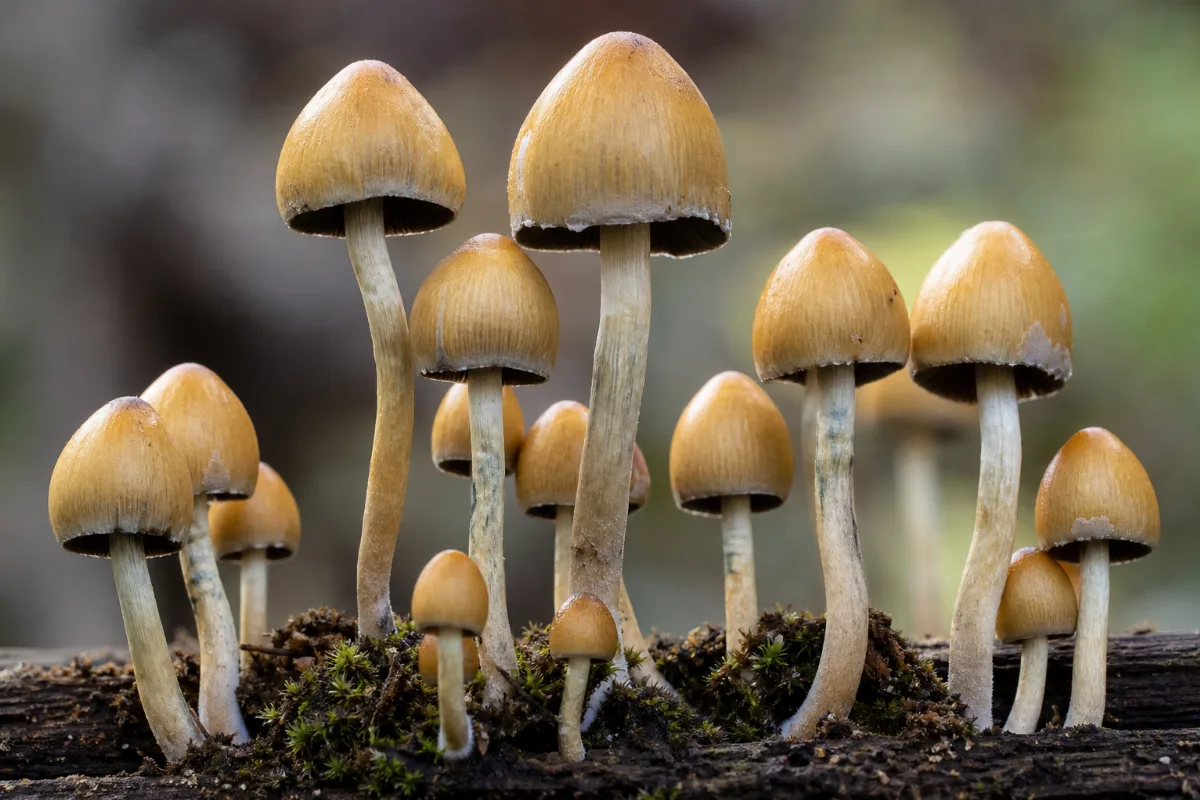 Psilocybin Mushrooms: Overview of the Genus and Related Fungi
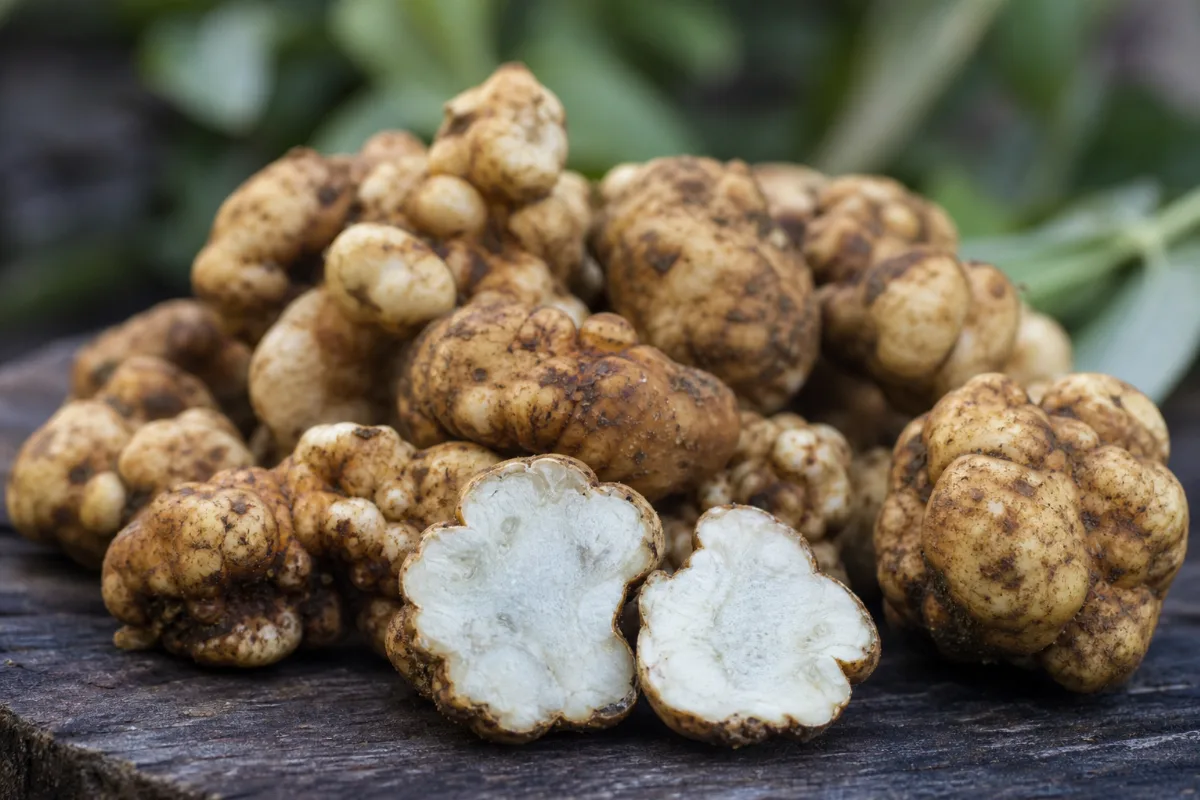 Psilocybin Truffles (Sclerotia): What They Are and How They Differ From Mushrooms
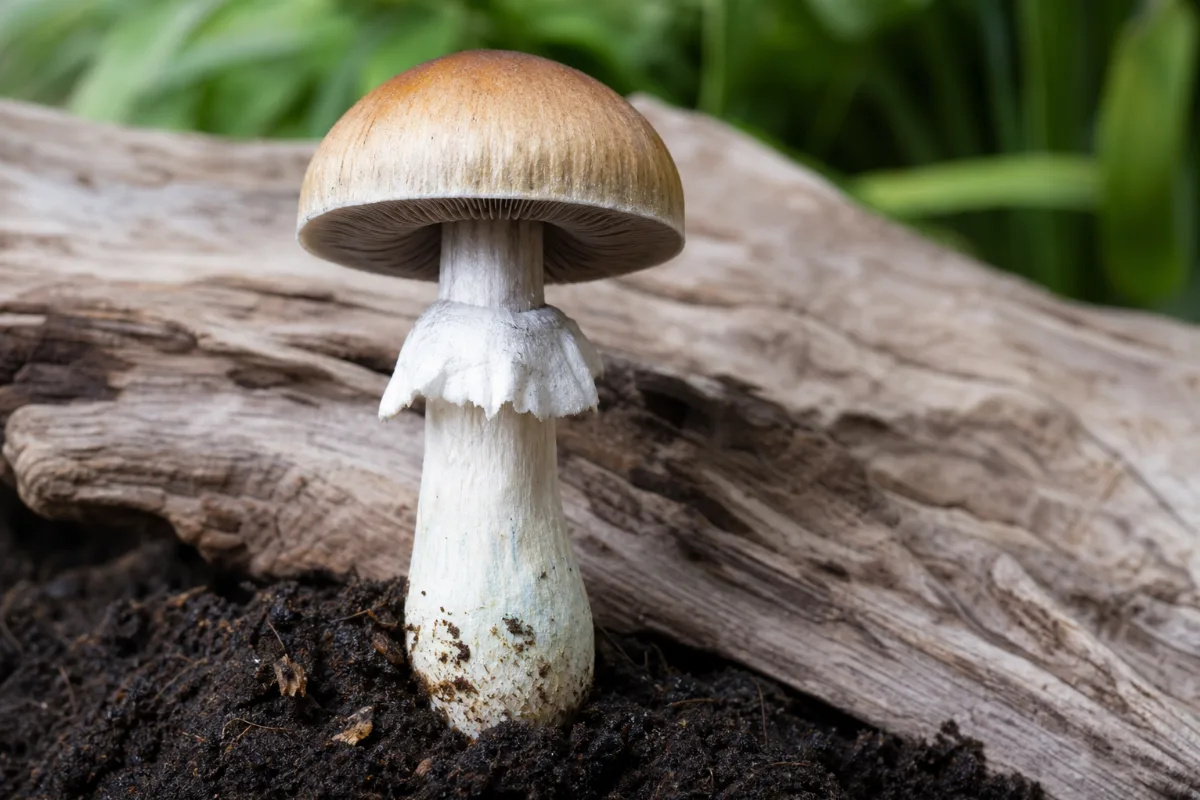 Psilocybe cubensis
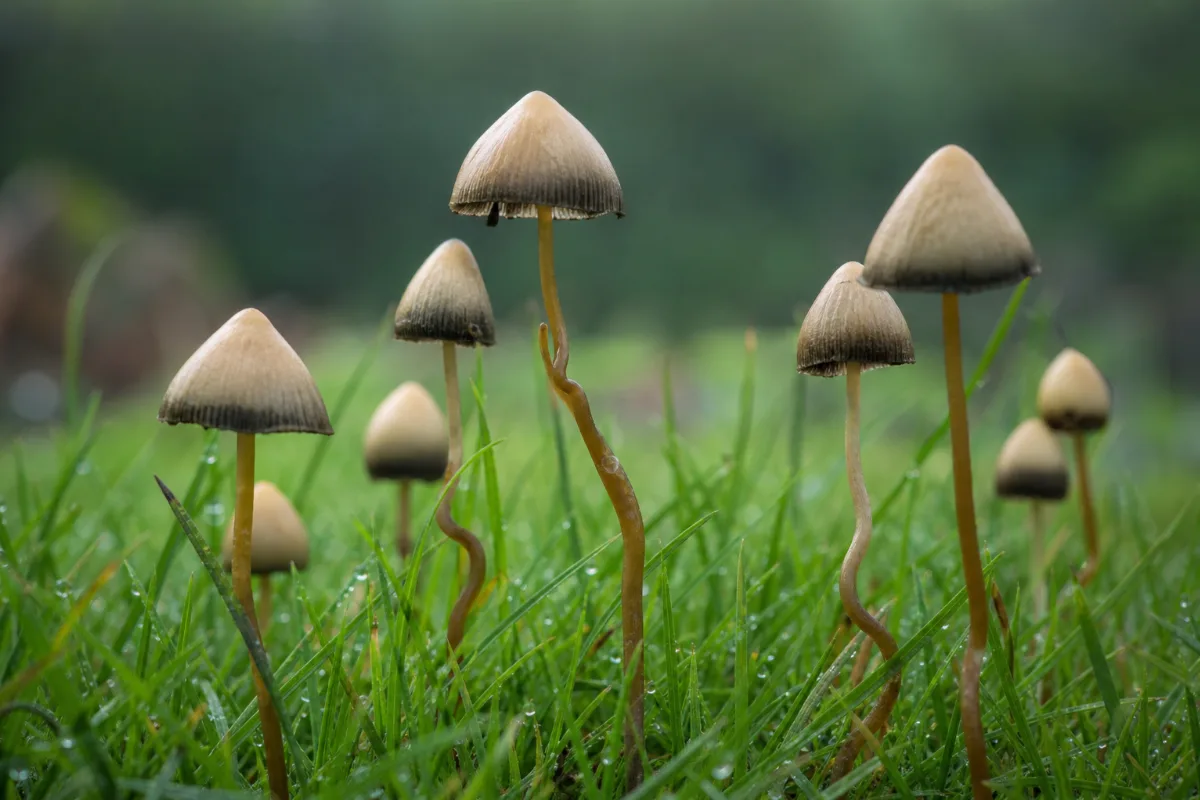 Psilocybe semilanceata (Liberty Cap)
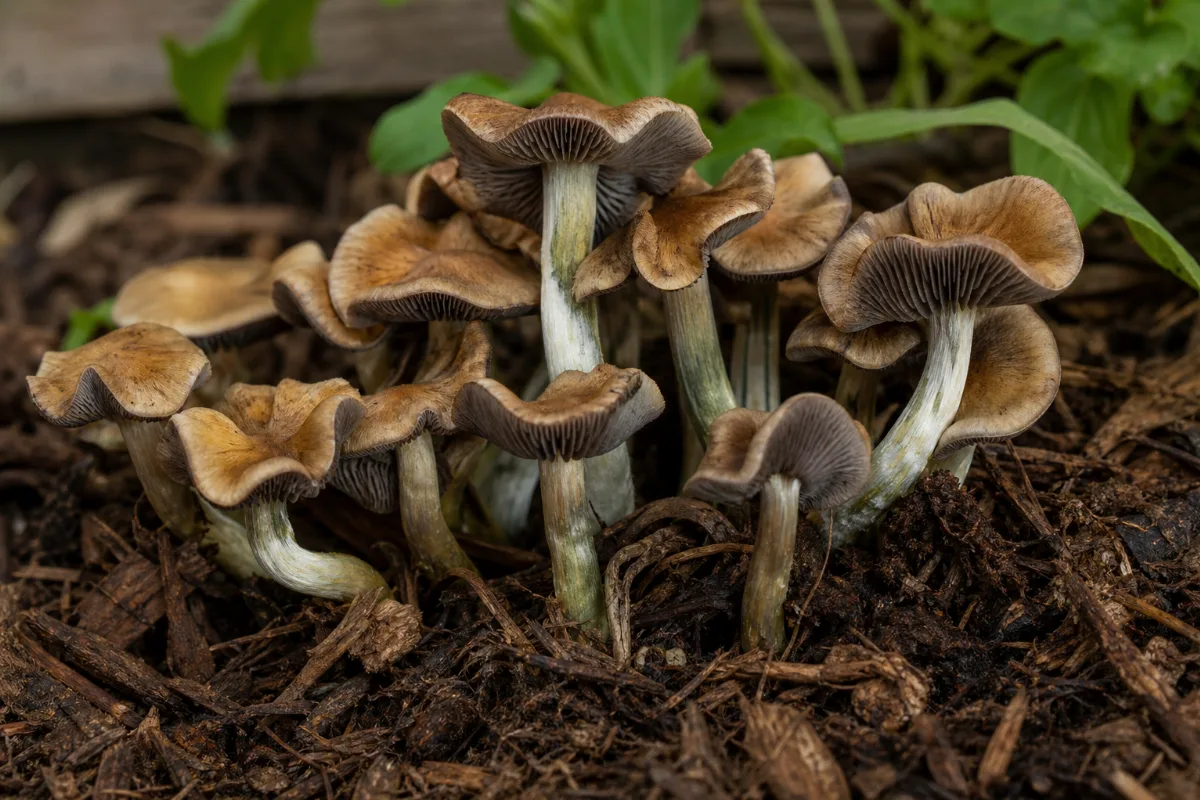 Psilocybe cyanescens
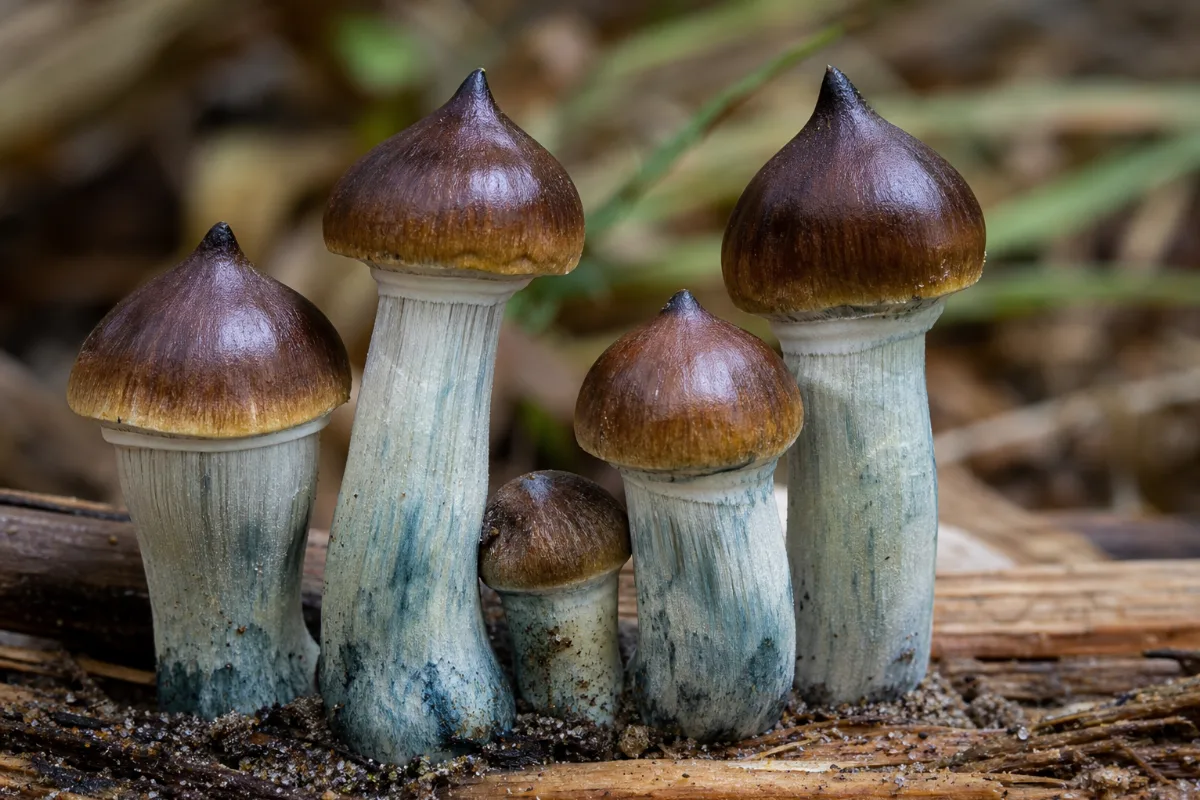 Psilocybe azurescens
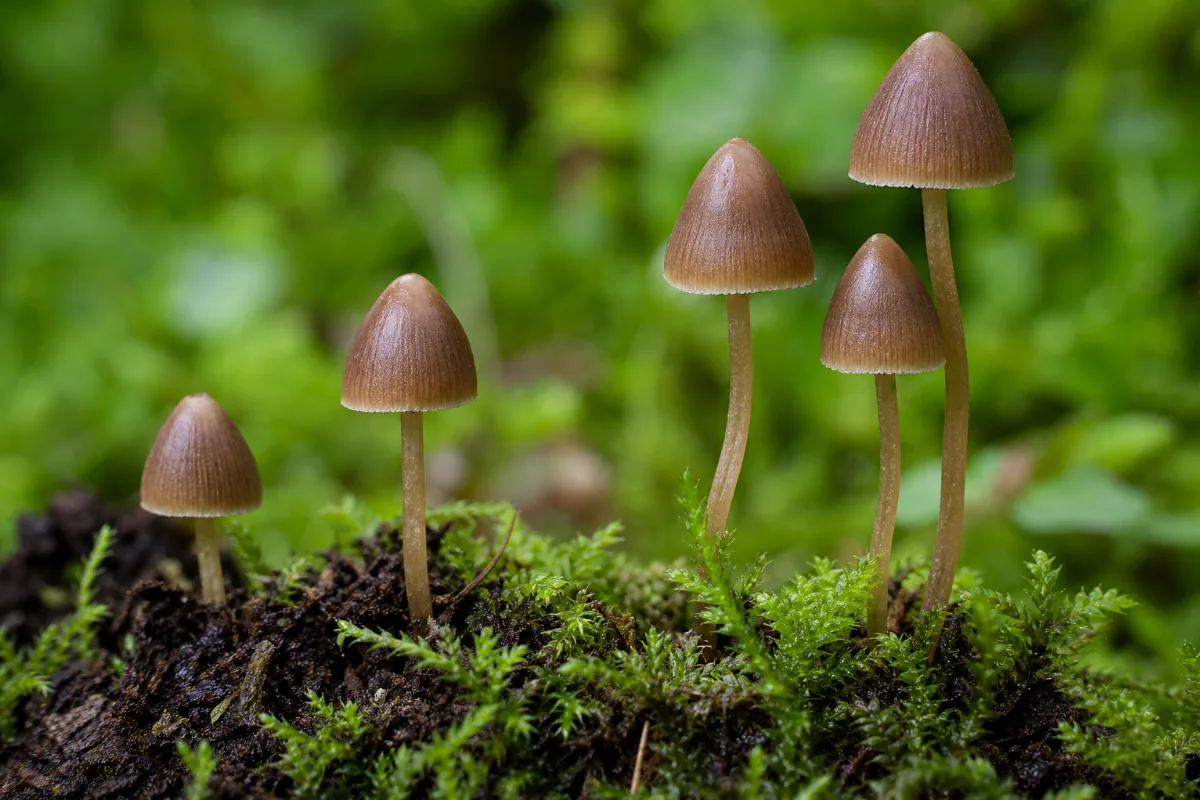 Psilocybe mexicana
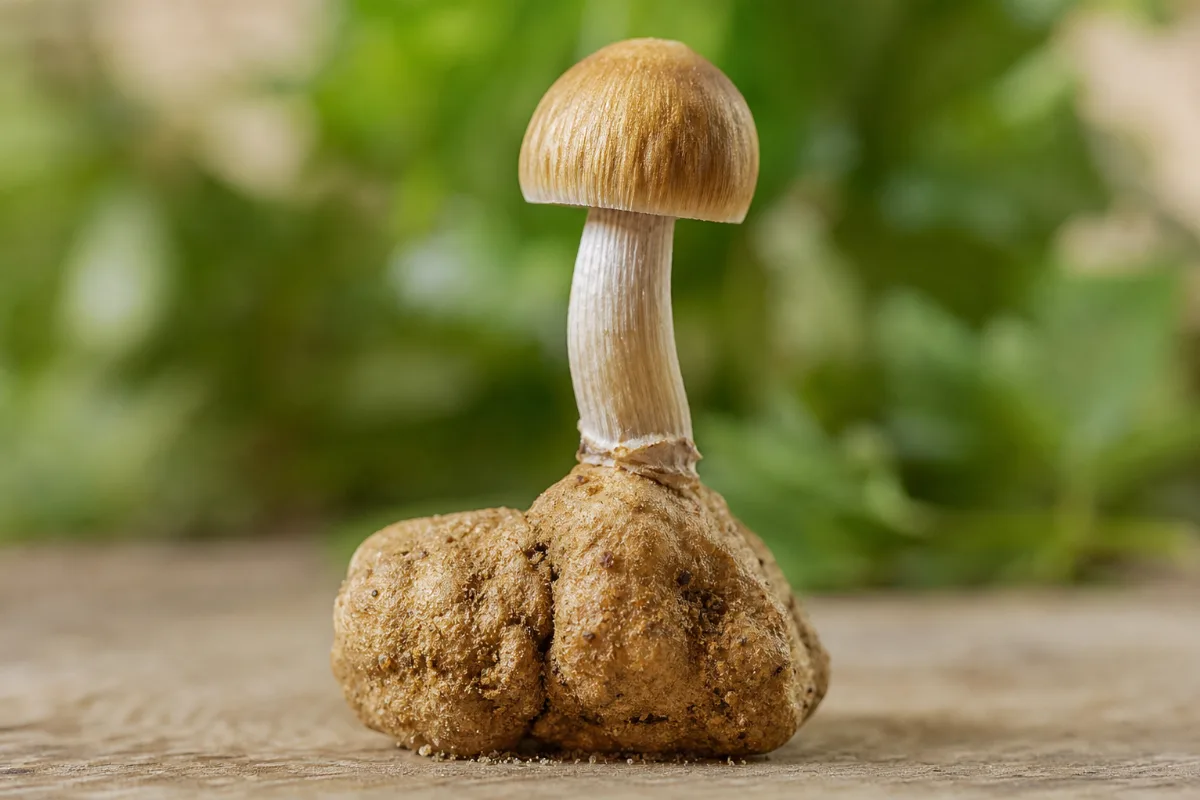 Psilocybe tampanensis
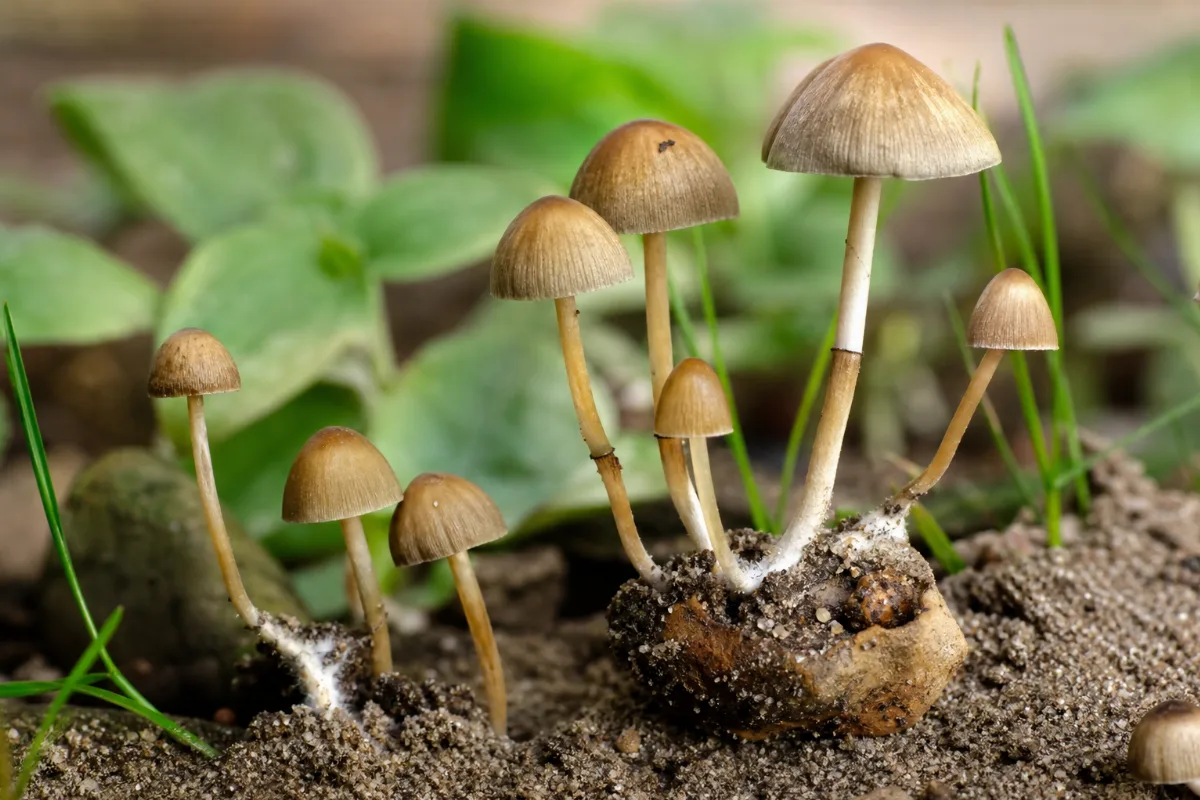 Psilocybe natalensis and Related Naming Questions
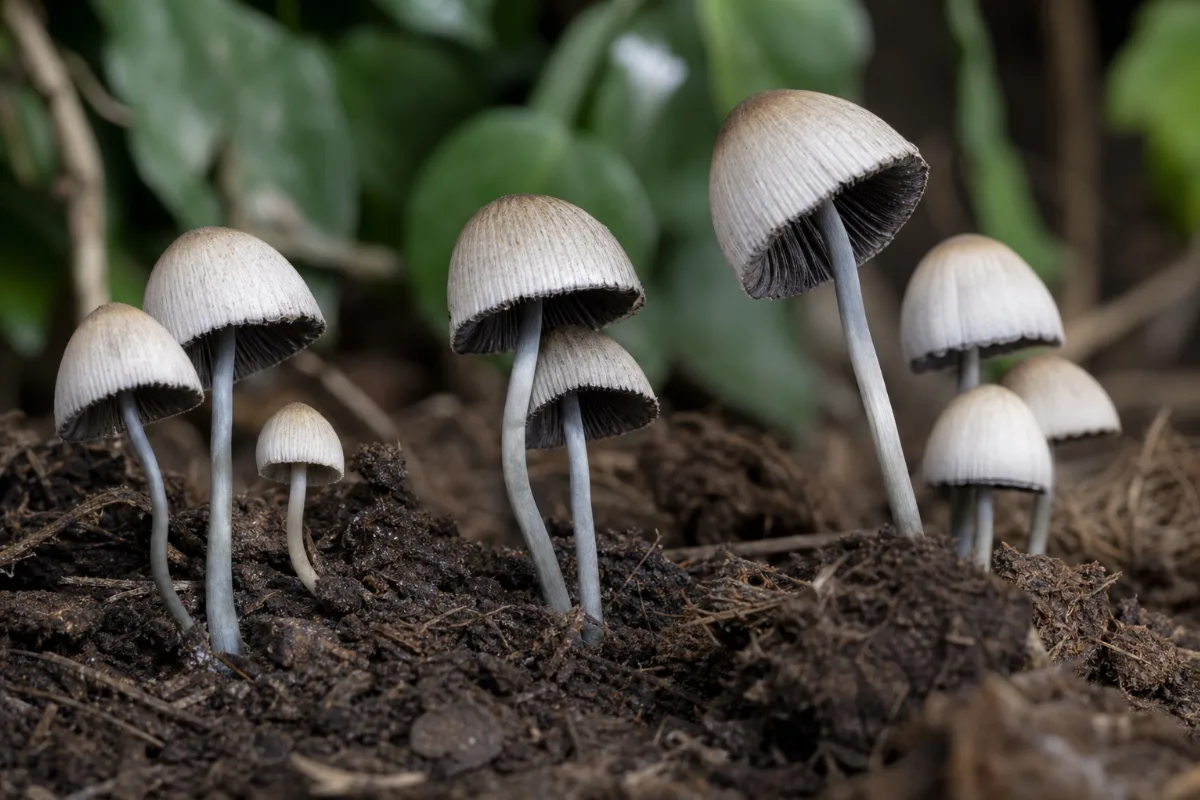 Panaeolus cyanescens
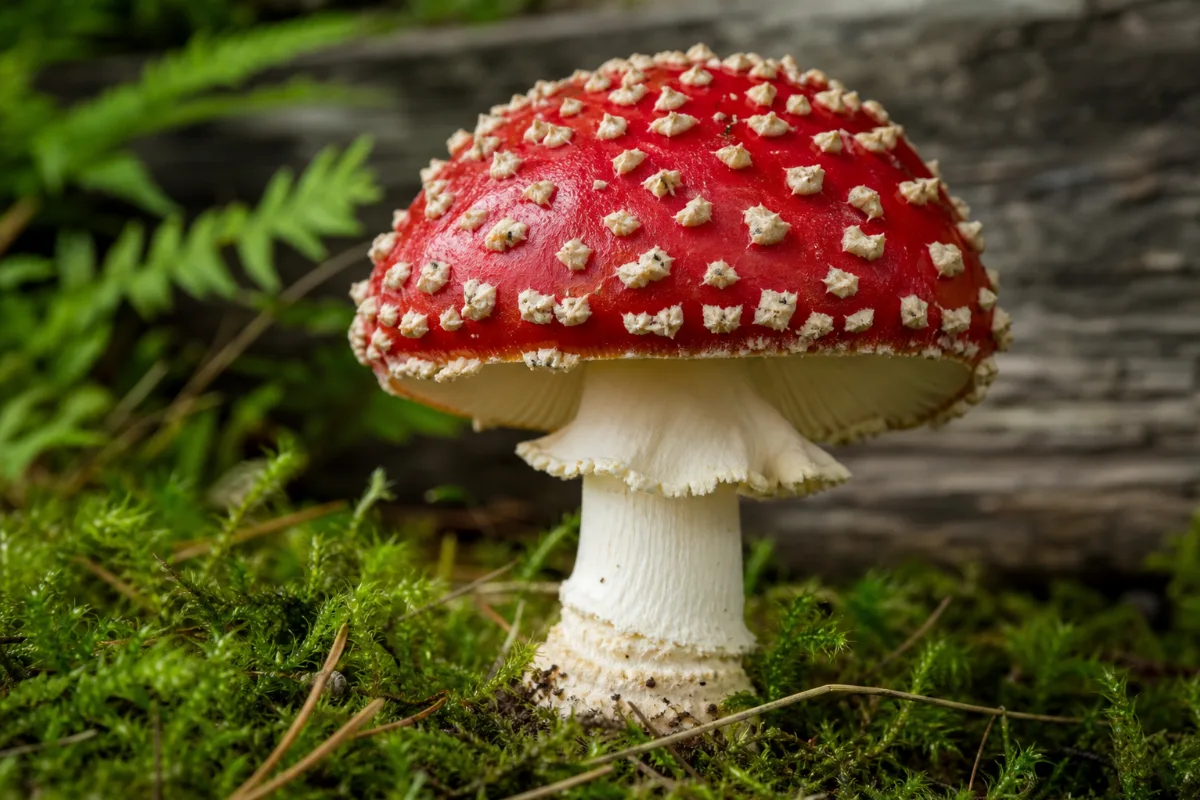 Amanita muscaria (Fly Agaric)
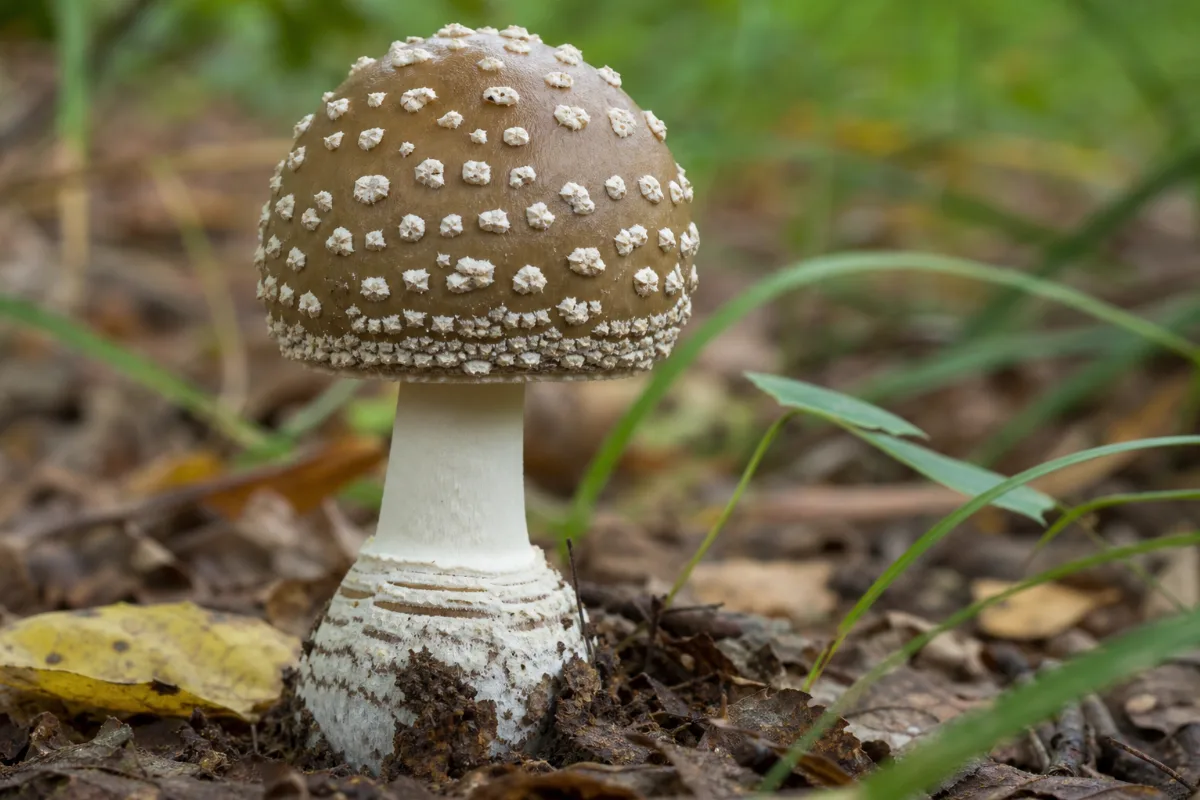 Amanita pantherina (Panther Cap)Commercial Mushroom Names: Species vs Cultivar vs Brand NamesWhy names like Golden Teacher or Penis Envy are labels, not species, and why a commercial name does not tell you what a mushroom product contains.Psilocybin Mushroom Chemistry and Research LimitsWhat laboratory studies show about the compounds in psilocybin mushrooms and sclerotia, why amounts vary widely, and why no typical strength exists.Species Identification and Naming: Why Photos and Names Are Not Safety AssurancesWhy a photo, a common name or a resemblance cannot tell you whether a mushroom is safe, and how scientific names, synonyms and taxonomy changes work.
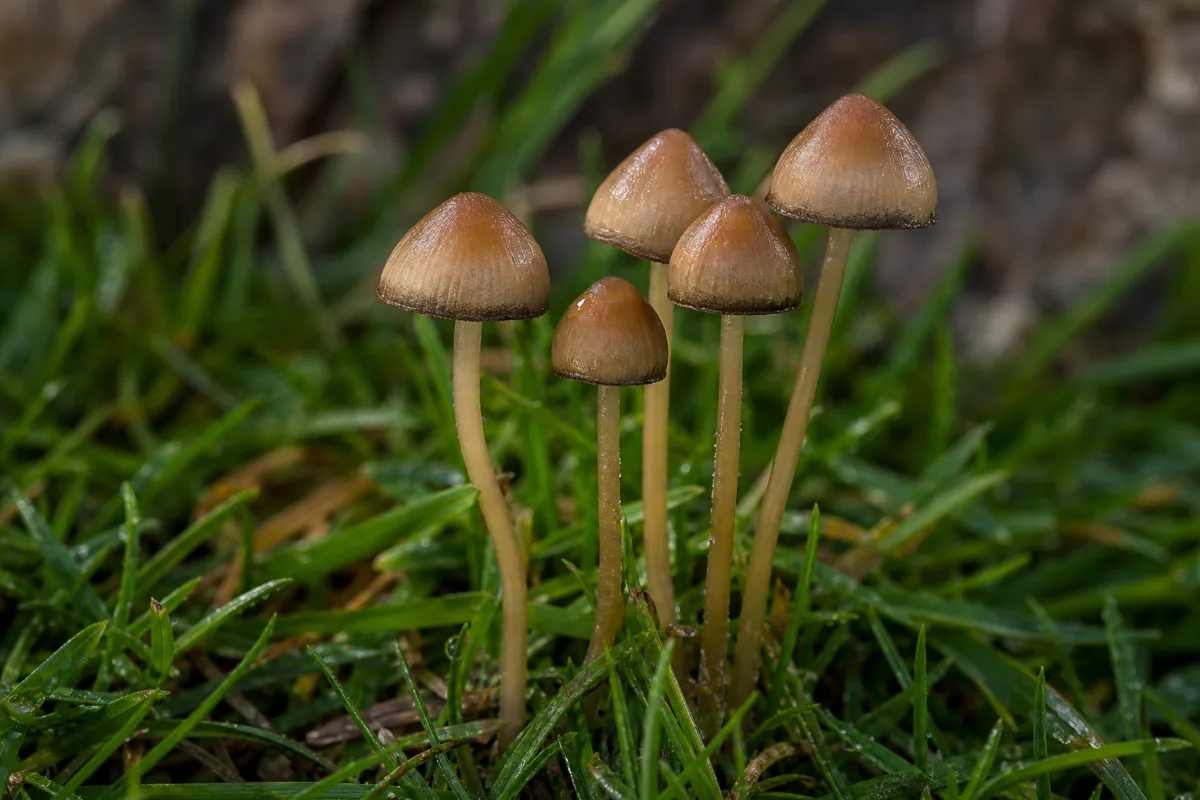 Psilocybe Species Directory
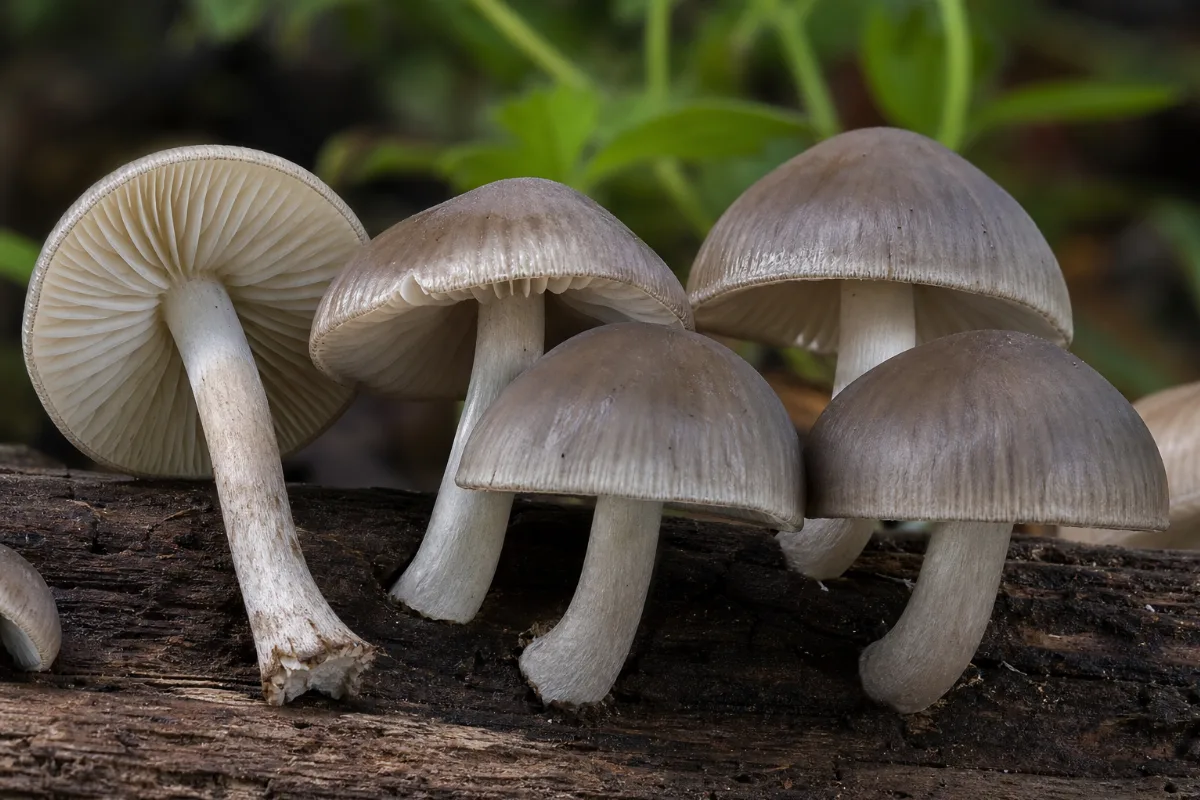 Other Psilocybin-Containing Fungi Supported by Reliable Taxonomy and Sources
Psychoactive Plants & Cacti (23)
Specialized view of psychoactive plants. Botanical profiles live in Herbs & Botanicals.
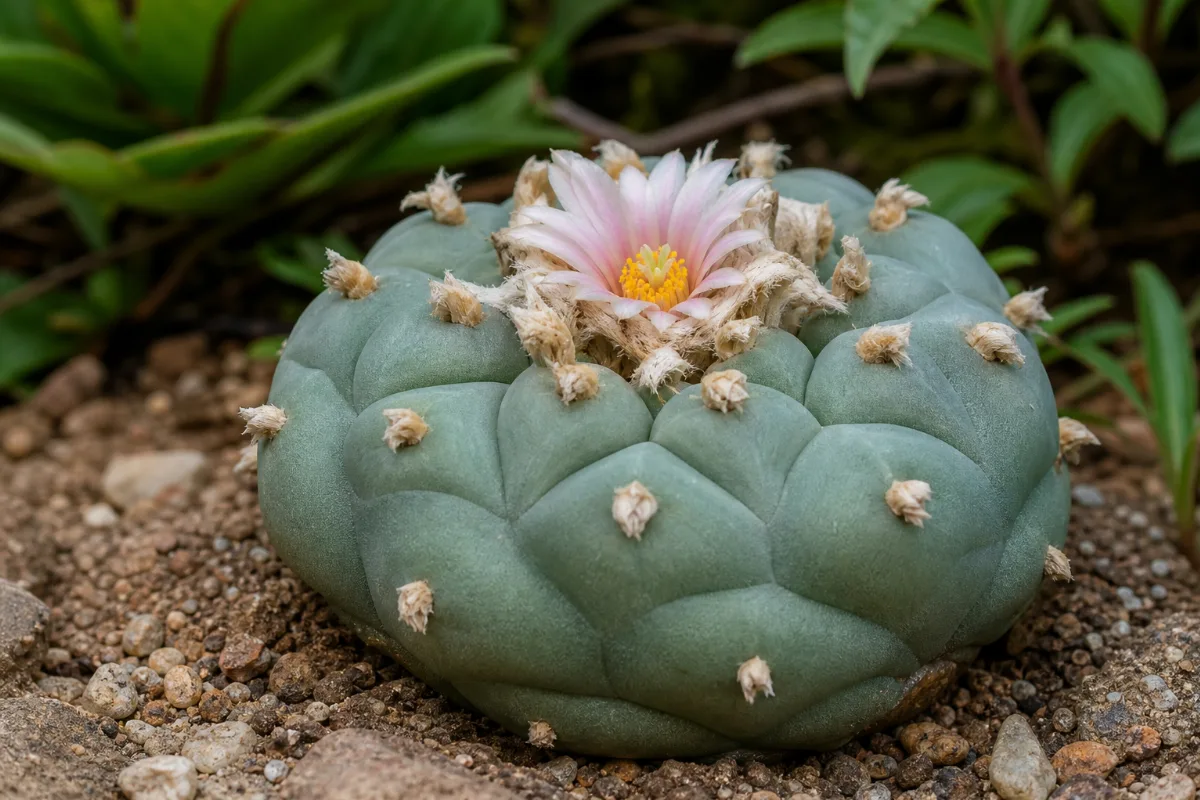 Peyote (Lophophora williamsii)
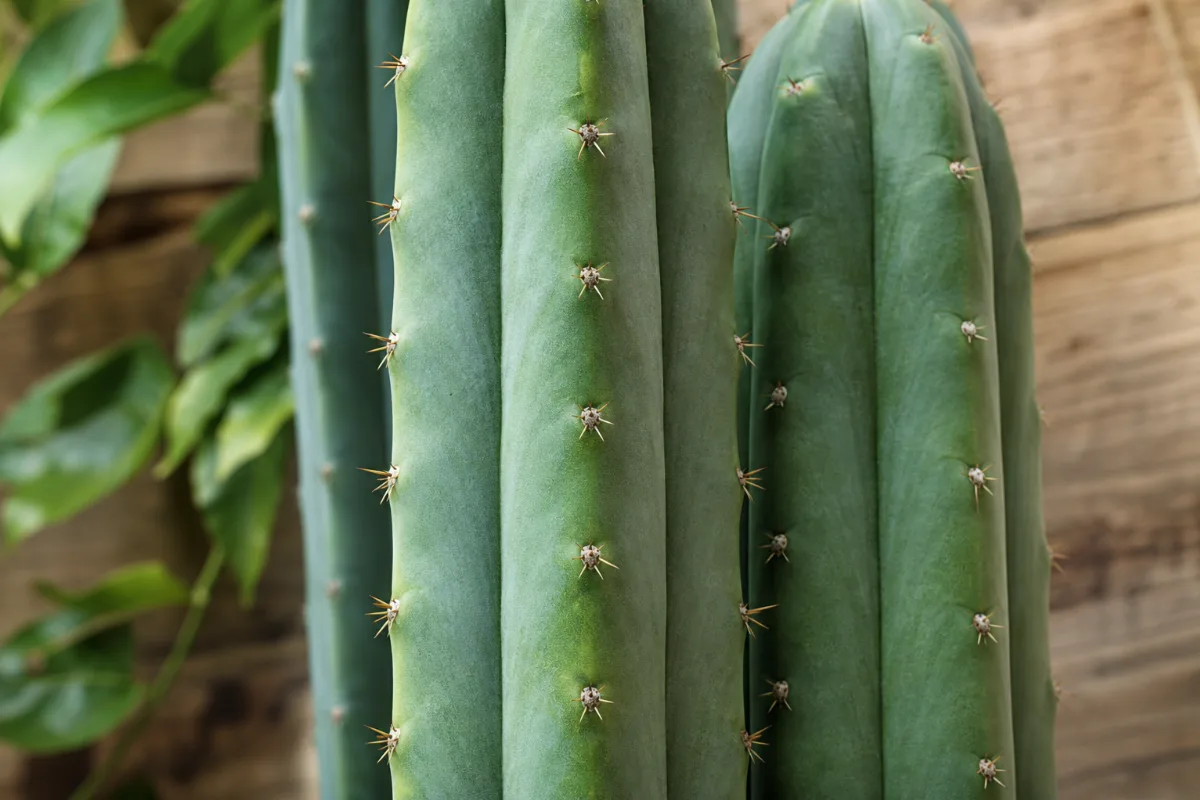 San Pedro Cactus (Echinopsis pachanoi, Trichocereus pachanoi)
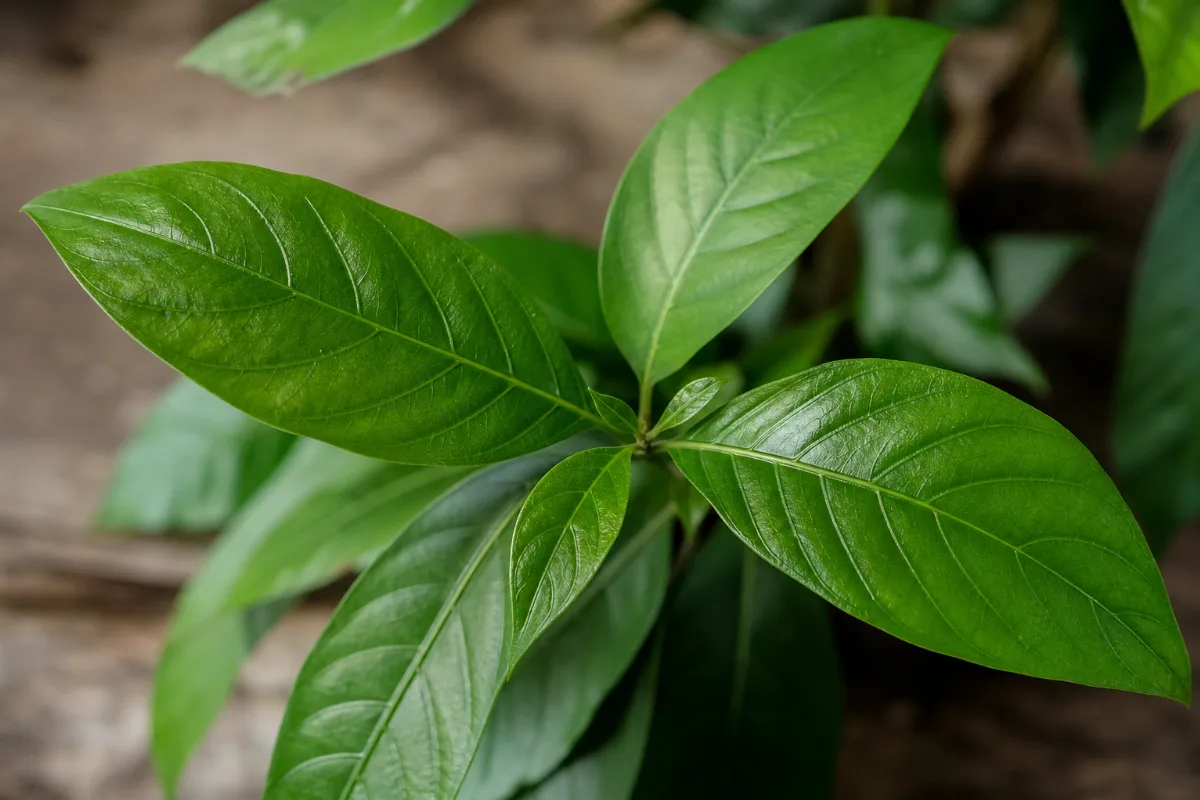 Chacruna (Psychotria viridis)
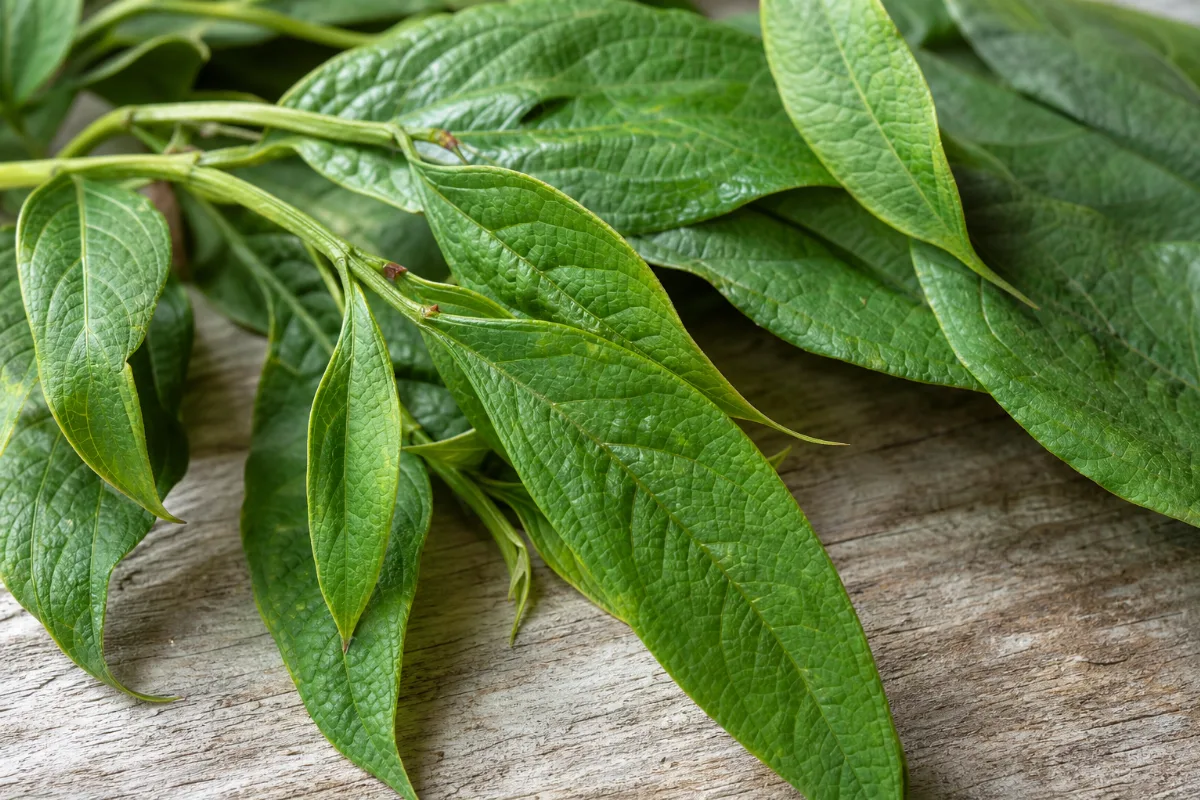 Chaliponga (Diplopterys cabrerana)
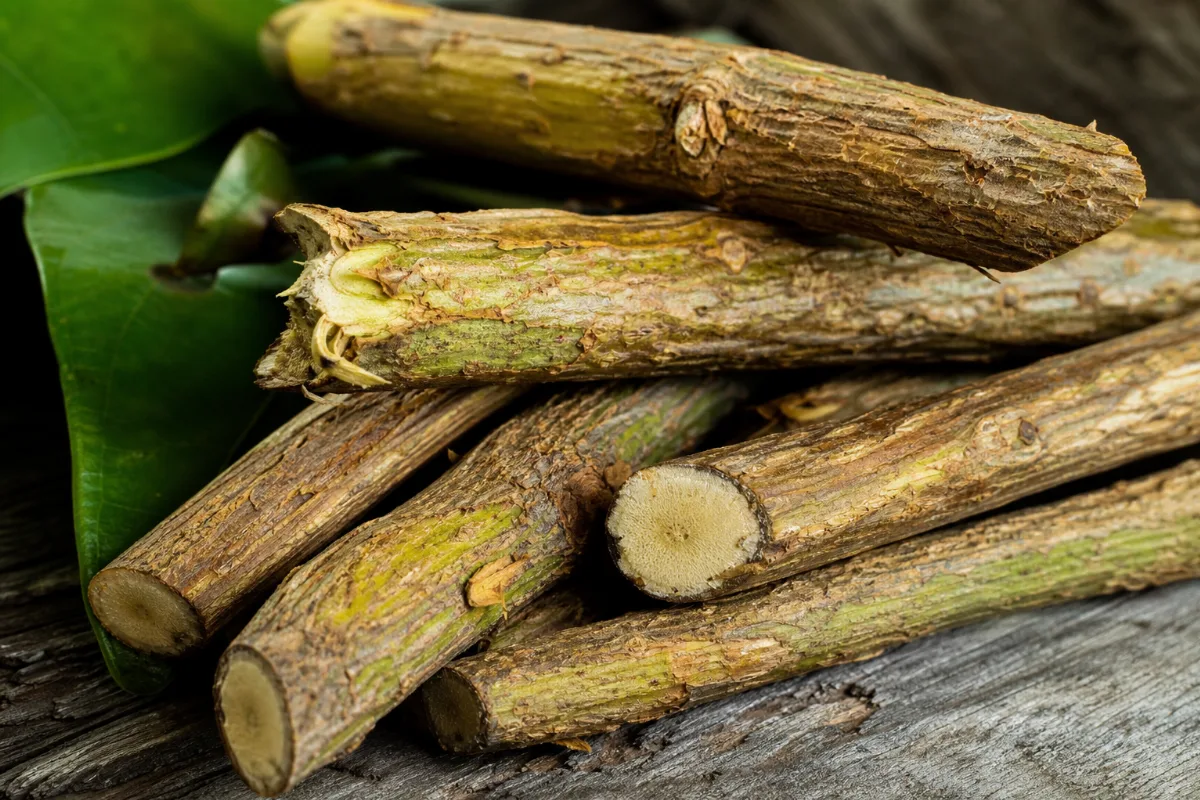 Ayahuasca Vine (Banisteriopsis caapi)
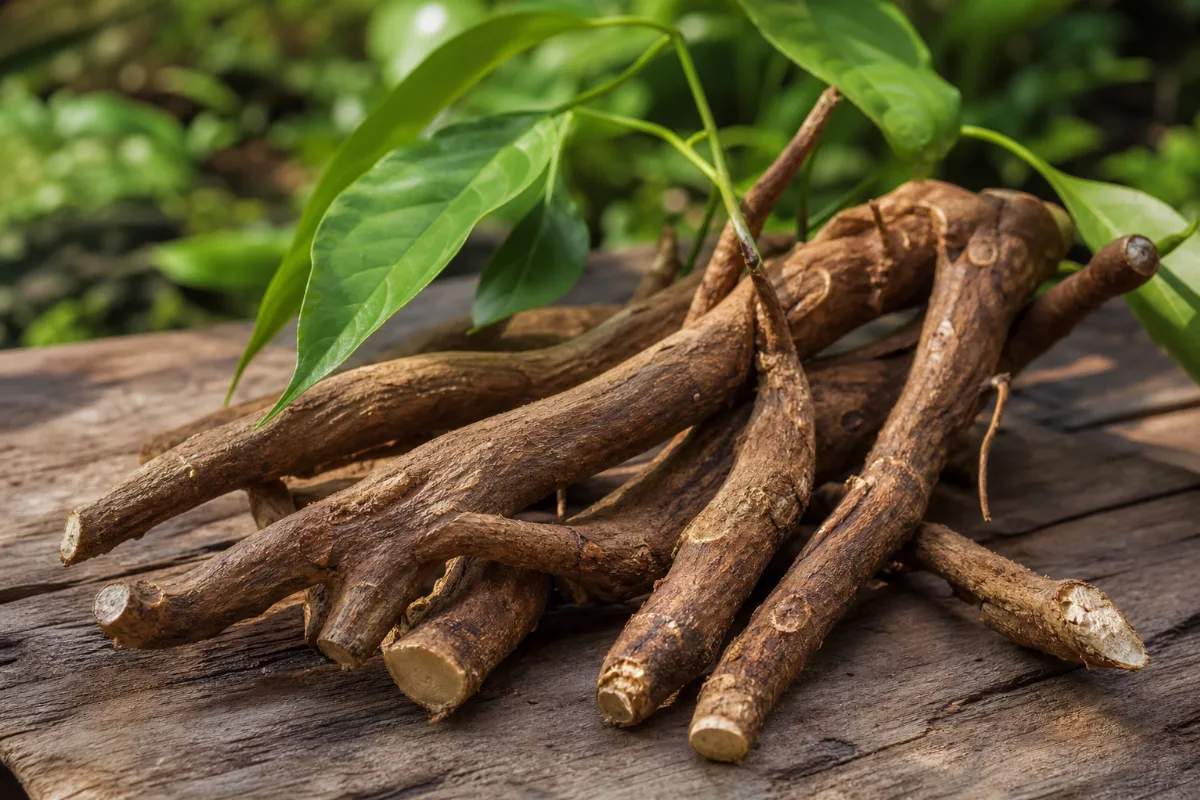 Iboga (Tabernanthe iboga)
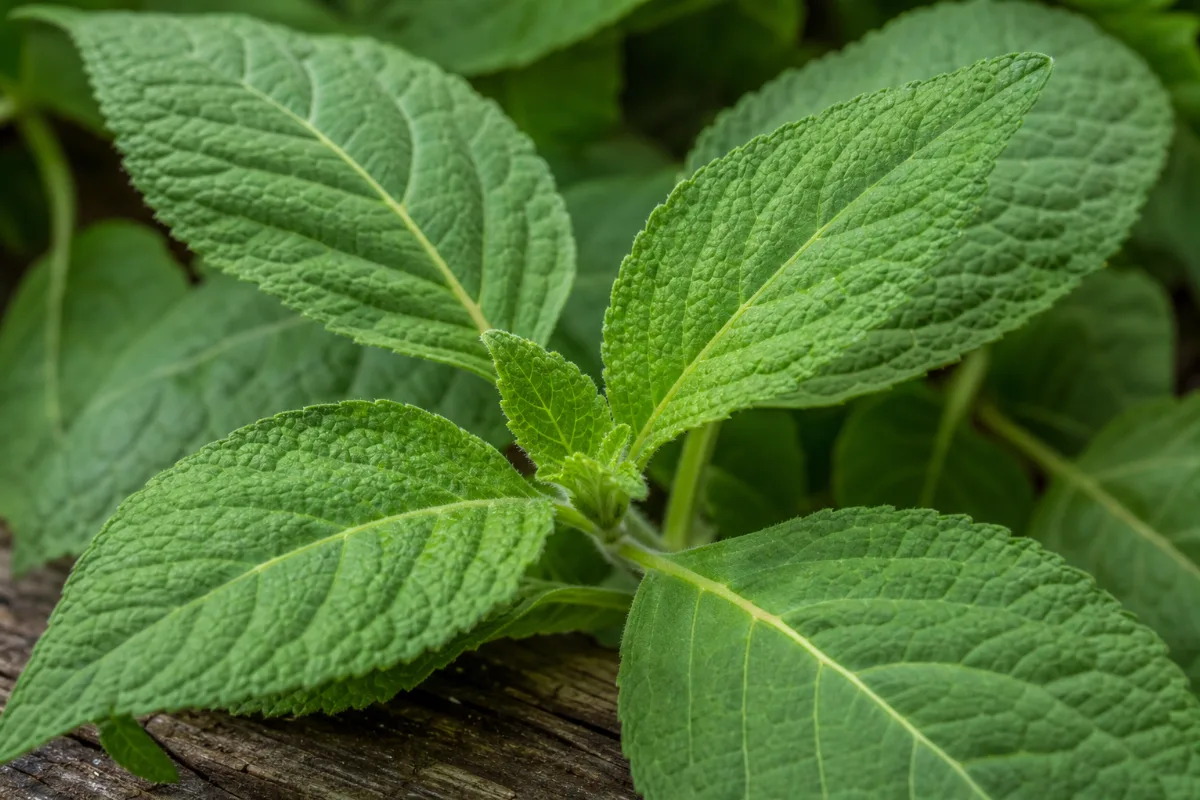 Salvia divinorum
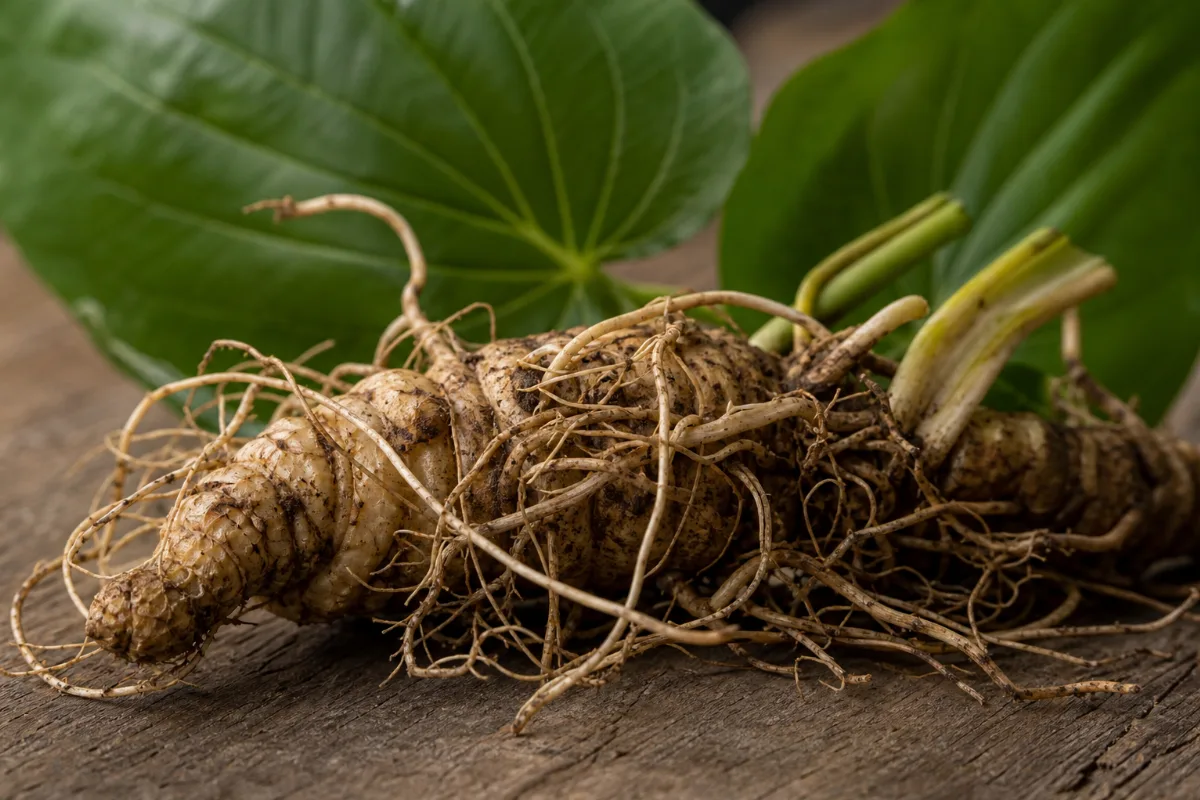 Kava: Traditional Use, Research and Liver SafetyWhat kava is, its place in Pacific Island life, what trials show for anxiety, and why regulators and the NIH raise liver safety, sedative and pregnancy concerns.
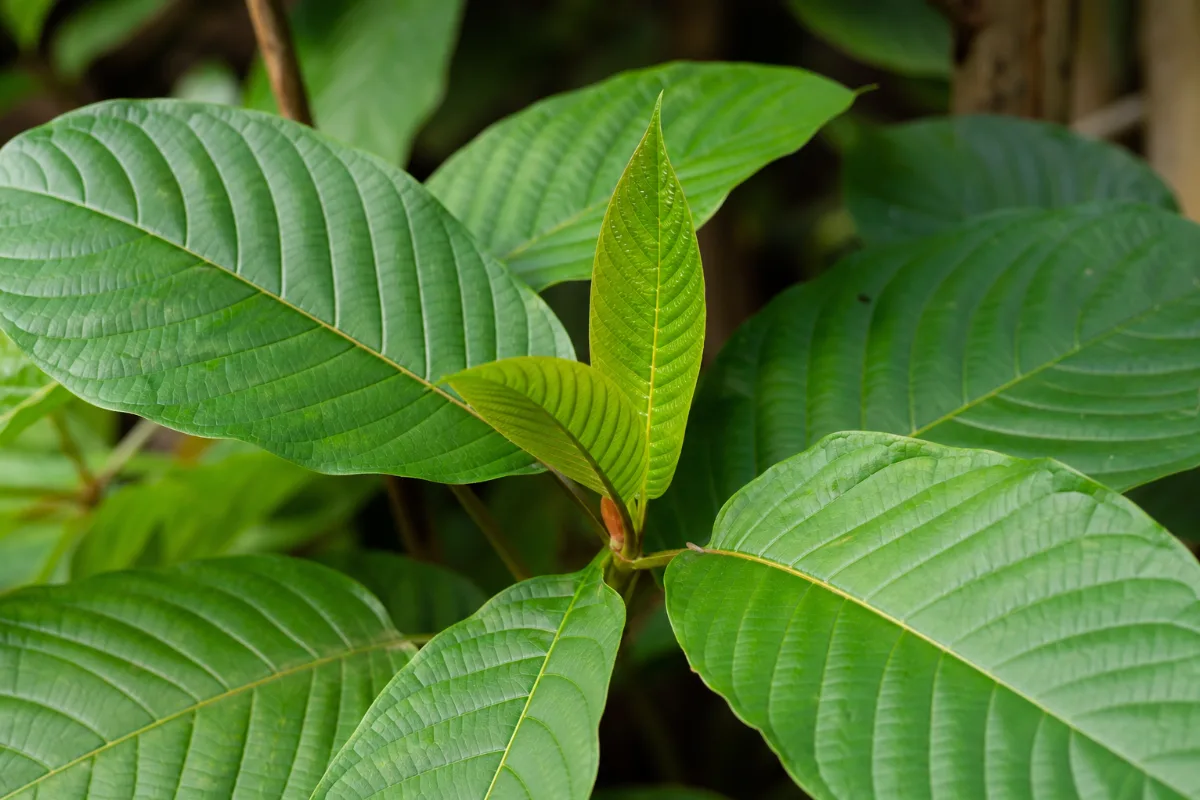 Kratom: What It Is, Regulation and RisksWhat kratom is, how the FDA and NIH describe its risks (liver injury, seizures, dependence), its unapproved legal status in the US, and how little human research exists.
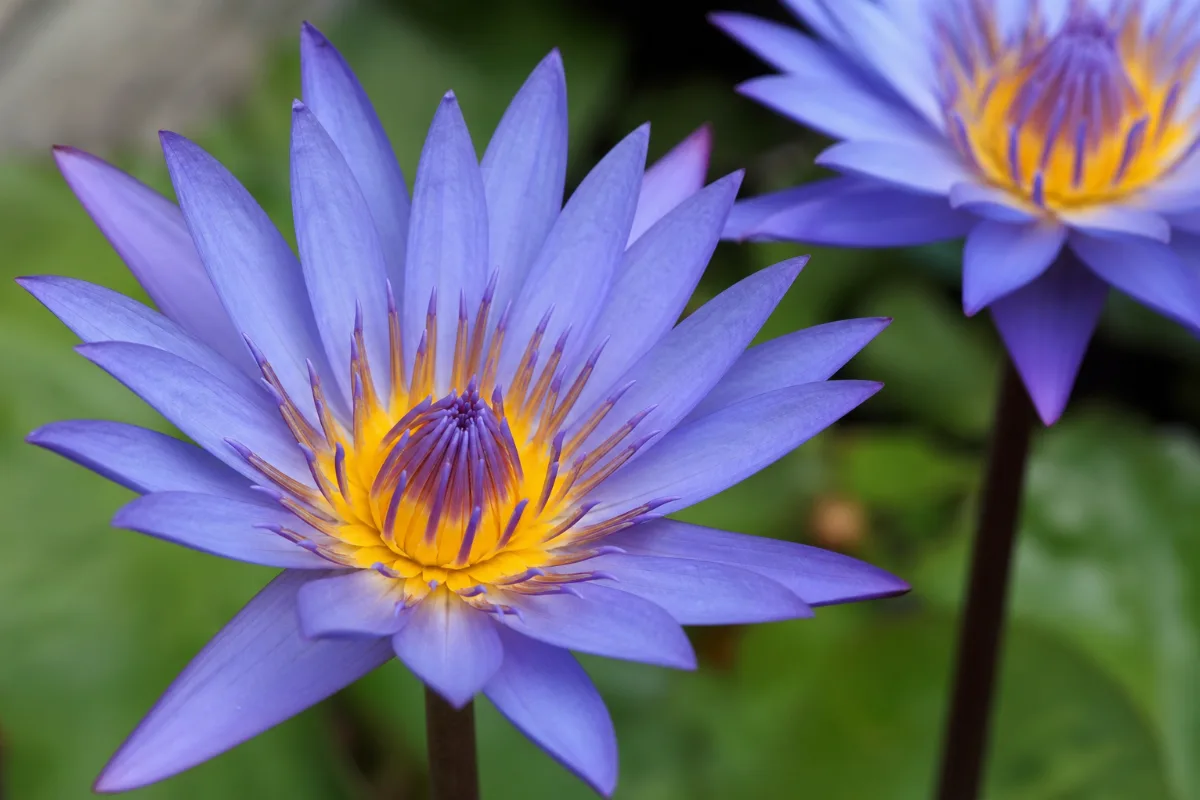 Blue Lotus and Other Relevant BotanicalsWhat is and is not known about blue lotus (Nymphaea caerulea) and a few other mild psychoactive botanicals, with plain labels where proper human evidence was not found.
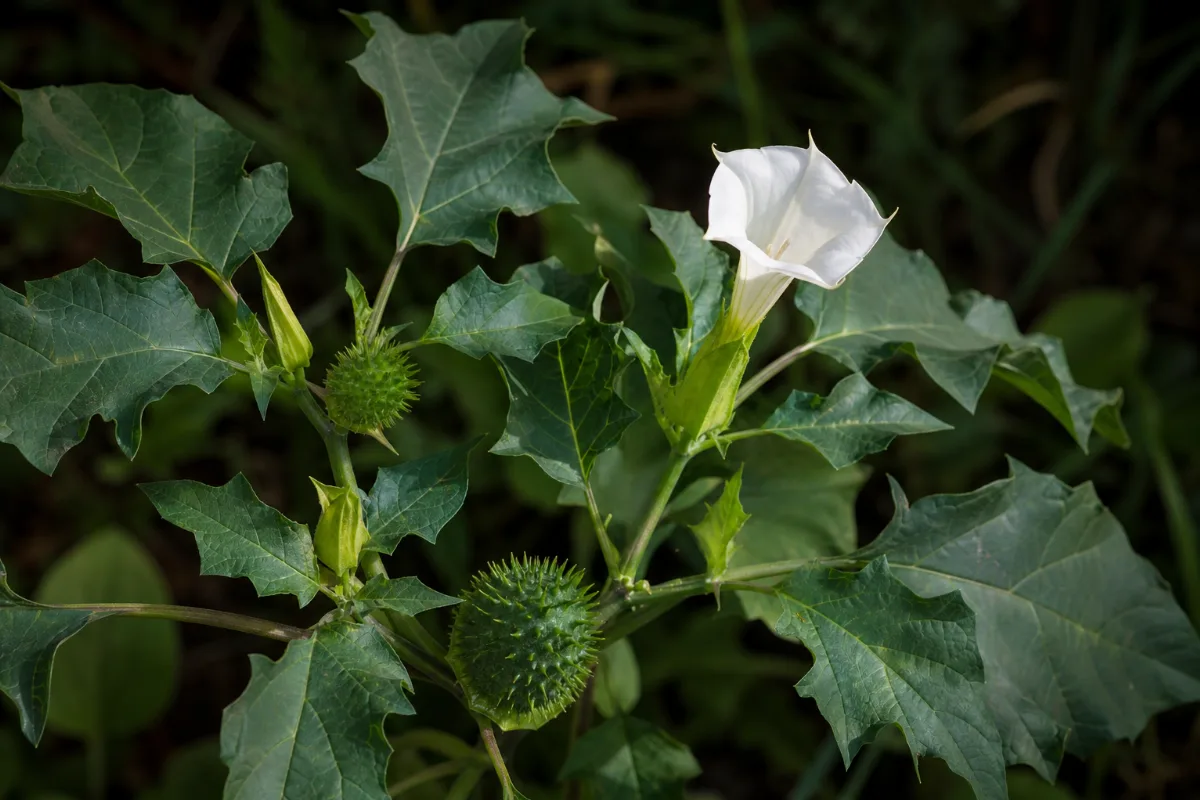 Datura (Jimsonweed): Poisoning DangerA poisonous plant, not a psychedelic: what the tropane alkaloids do, how poisonings happen and why it is dangerous.
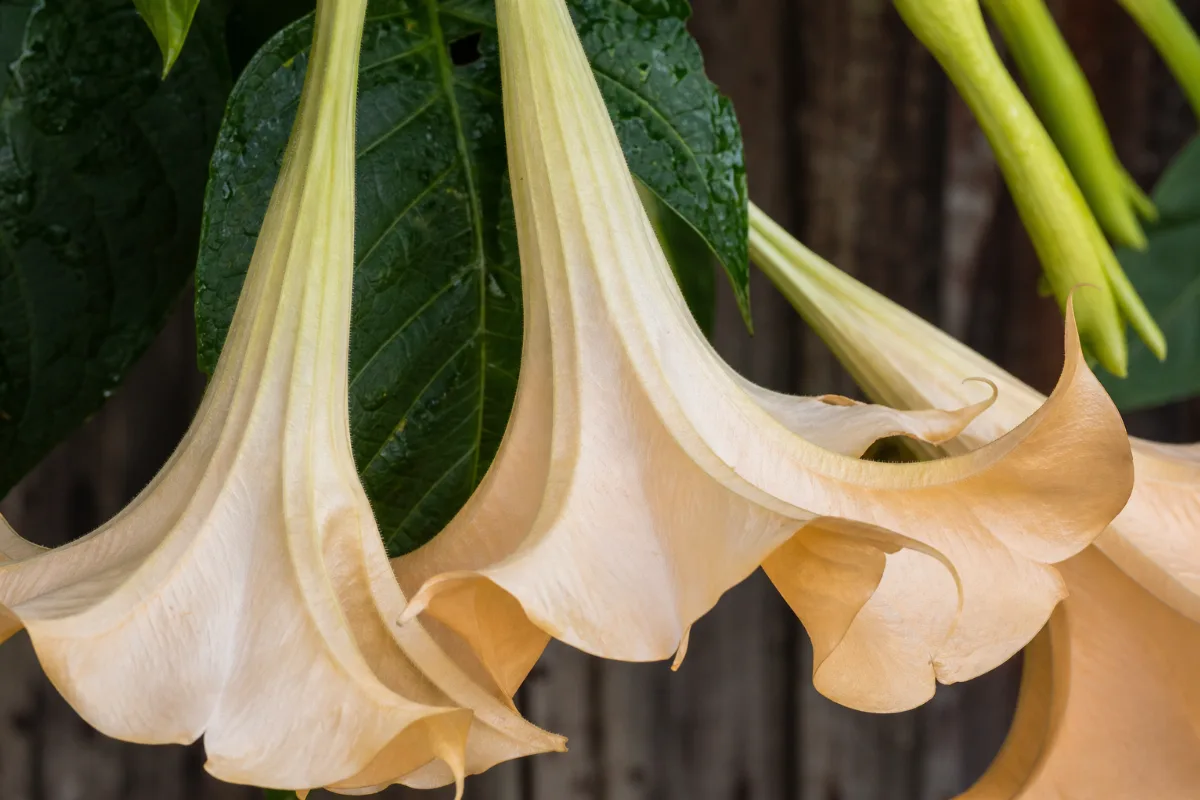 Brugmansia (Angel's Trumpet): Poisoning DangerA garden plant with the same dangerous alkaloids: poisoning risks, history and what the evidence says.
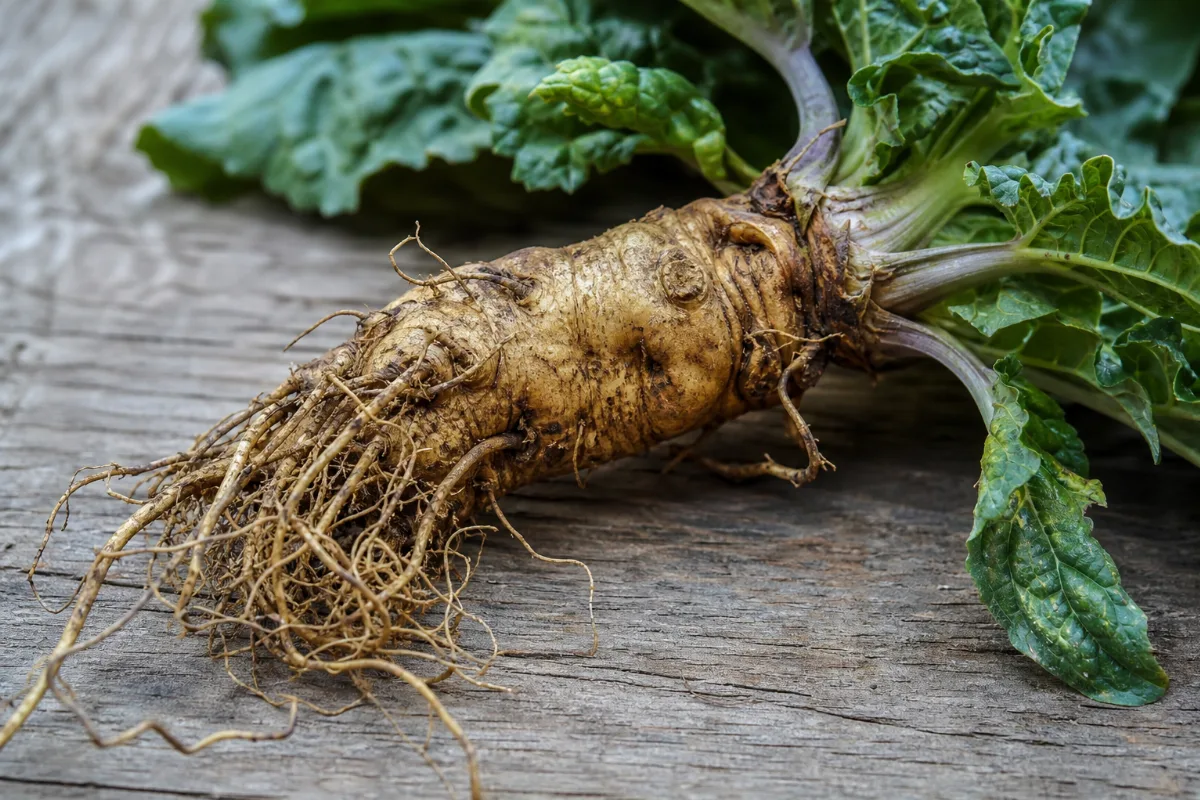 Mandrake (Mandragora officinarum)Folklore versus evidence for a poisonous root, with the real poisoning risks first.
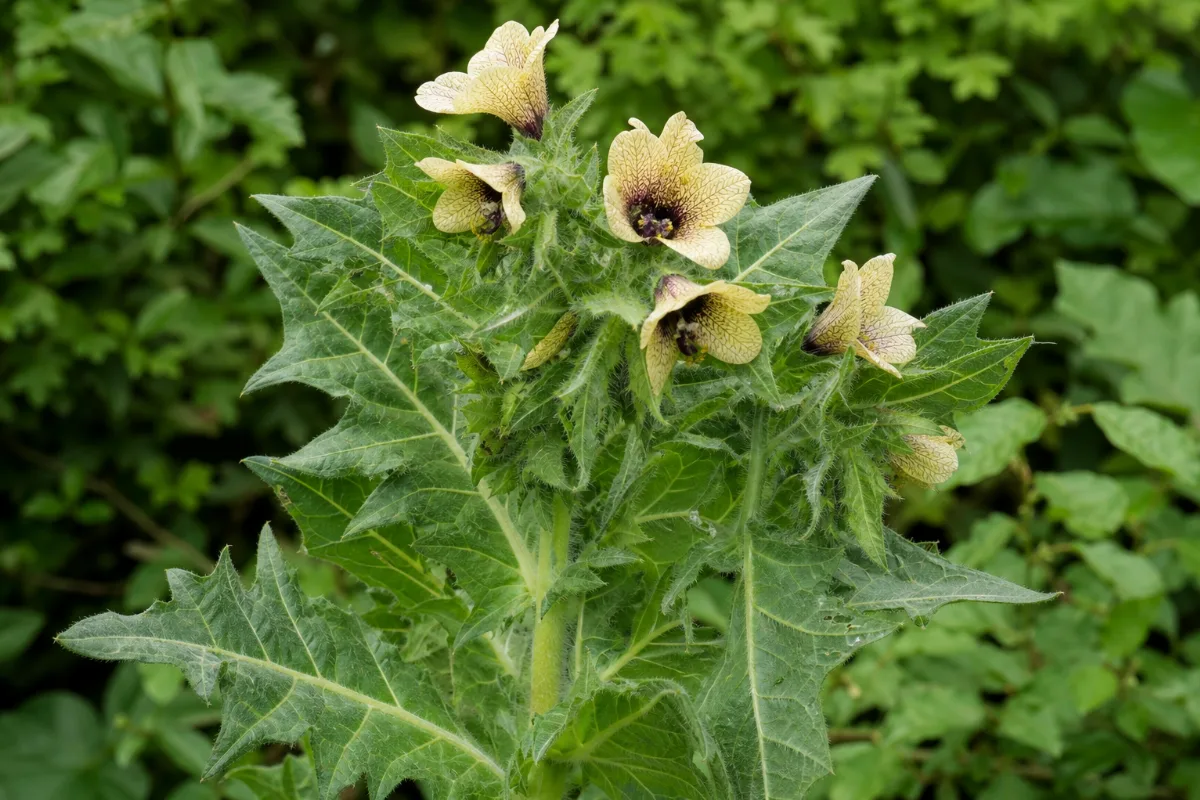 Henbane (Hyoscyamus niger)A poisonous medicinal plant: history, the alkaloids it contains and why poisoning cases occur.
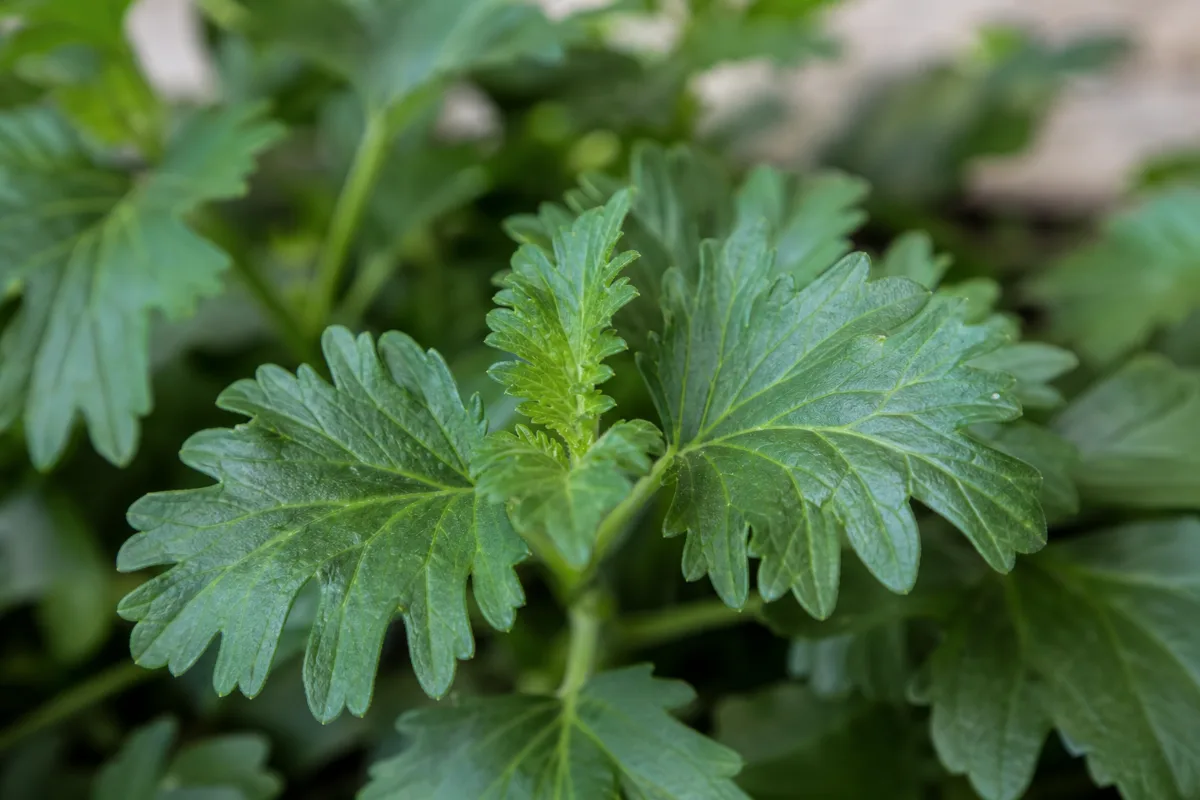 Calea zacatechichi (Dream Herb)A traditional Chontal plant: what little research exists, what is unknown and legal notes.
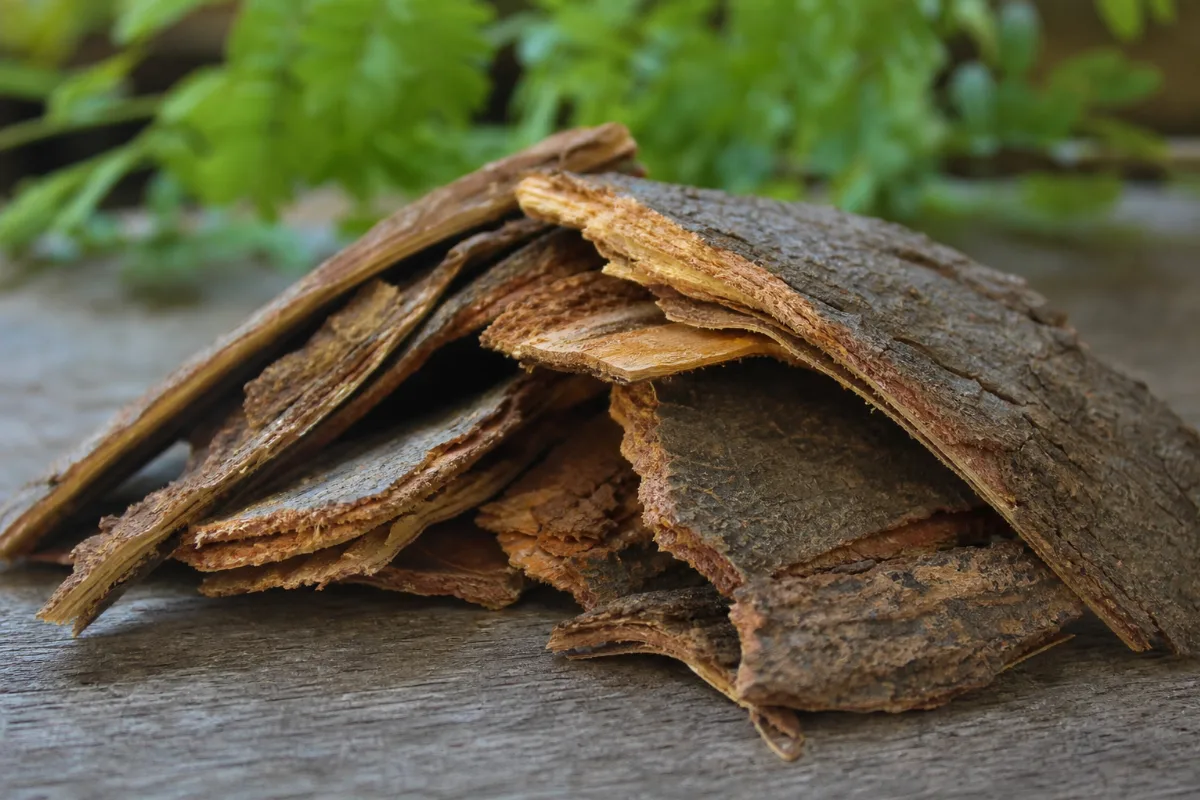 Mimosa tenuiflora (Jurema)Brazilian tradition, DMT in the root bark, skin-research uses and MAOI interaction dangers.
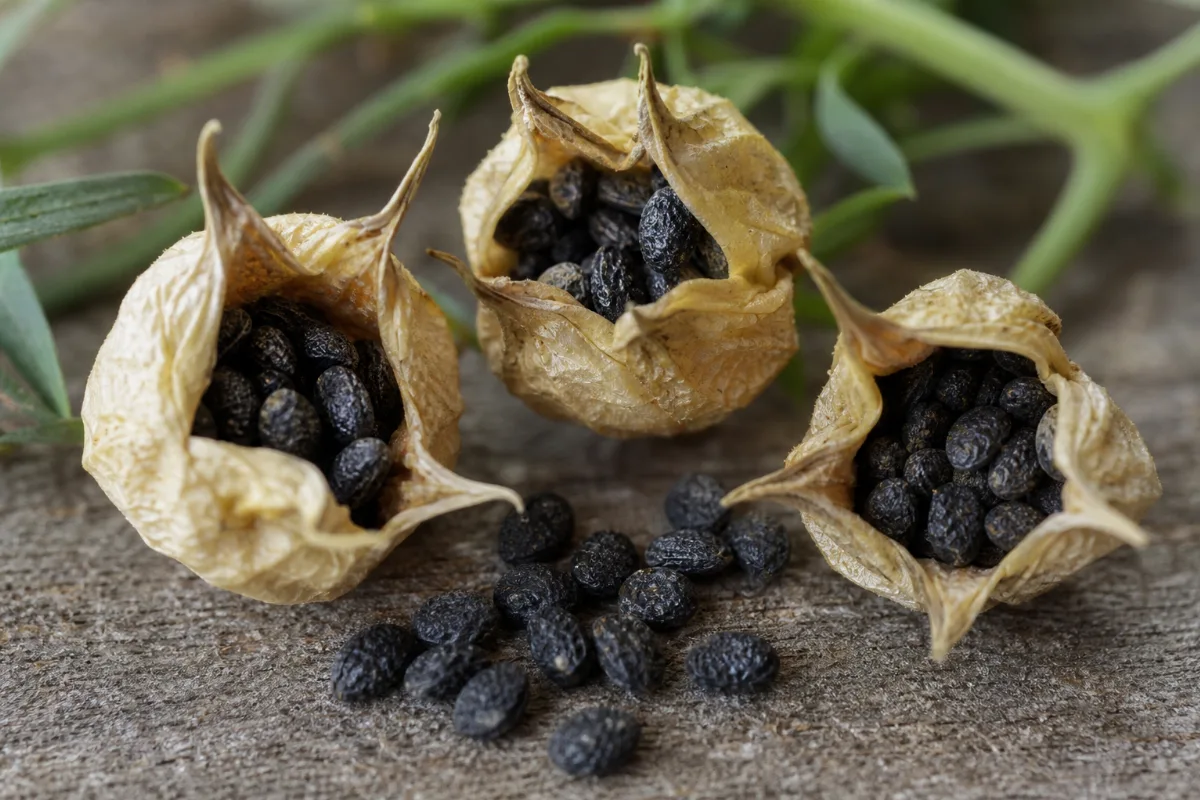 Syrian Rue (Peganum harmala)Harmala alkaloids in a Middle Eastern plant: traditional use, poisoning cases and MAOI interaction dangers.Hawaiian Baby Woodrose (Argyreia nervosa)Ergoline alkaloids in the seeds: what is known, risks and pregnancy warnings.Morning Glory Seeds and OloliuquiMesoamerican history and the ergoline alkaloids in the seeds: evidence, risks and legal notes.Yopo and Cebil (Anadenanthera)Snuff traditions of South America, the tryptamines in the seeds, risks and conservation.Voacanga africanaAn African tree linked to ibogaine-type chemistry: what sources state, toxicity and legal notes.
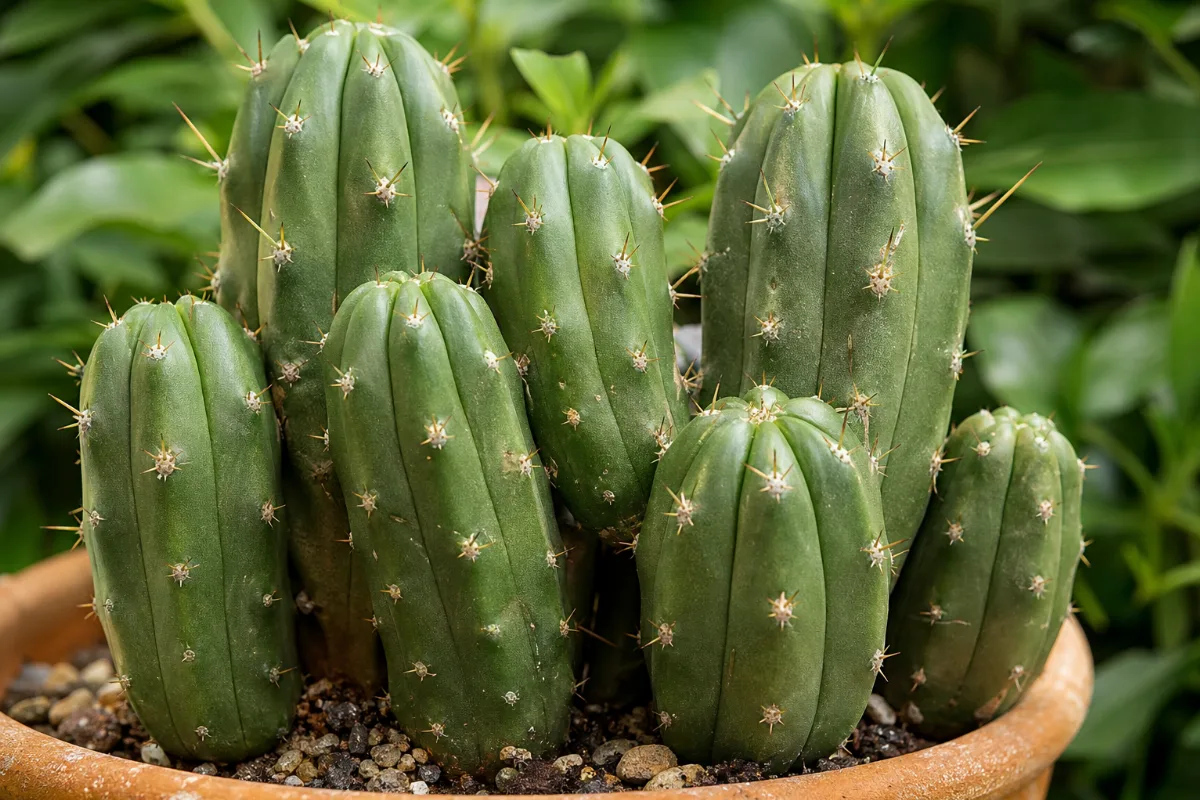 Other Mescaline-Containing Cacti Supported by Sources
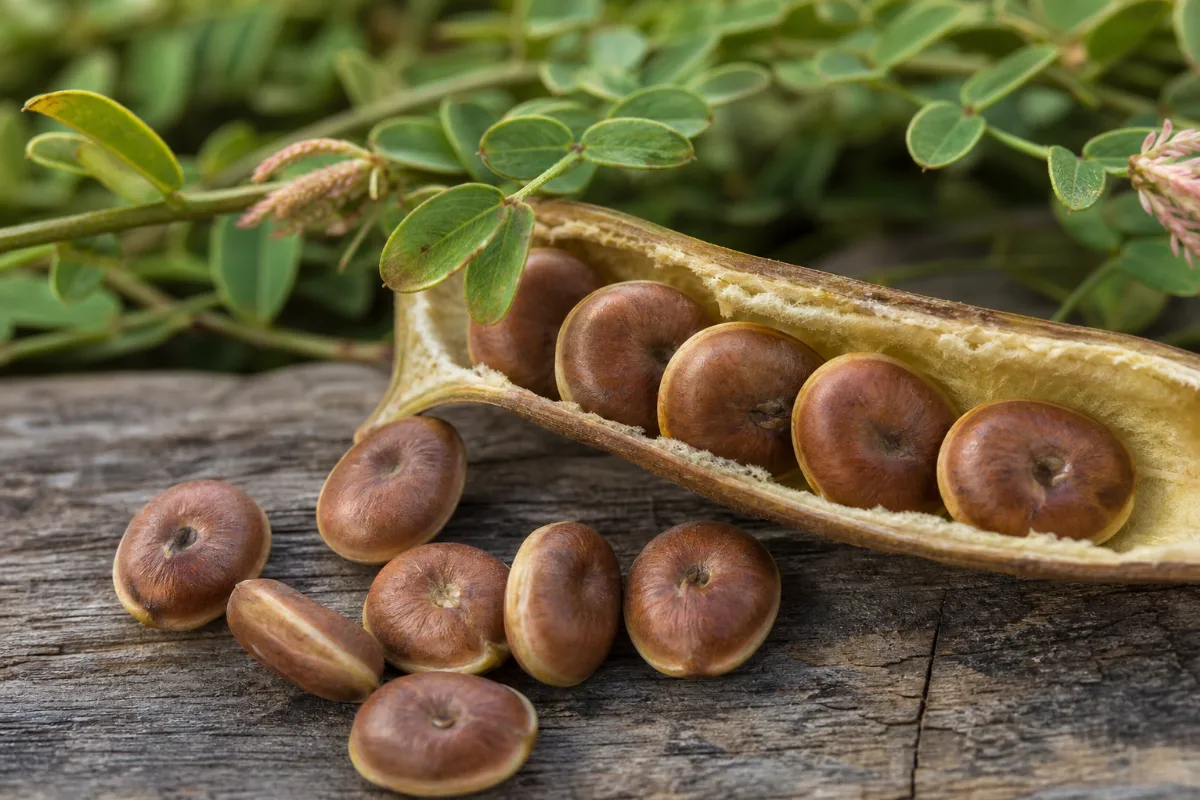 Other Psychoactive Plants: Yopo, Morning Glory Seeds and More
Traditional Preparations (7)
Traditional preparations described respectfully, without recipes or ceremony manuals.
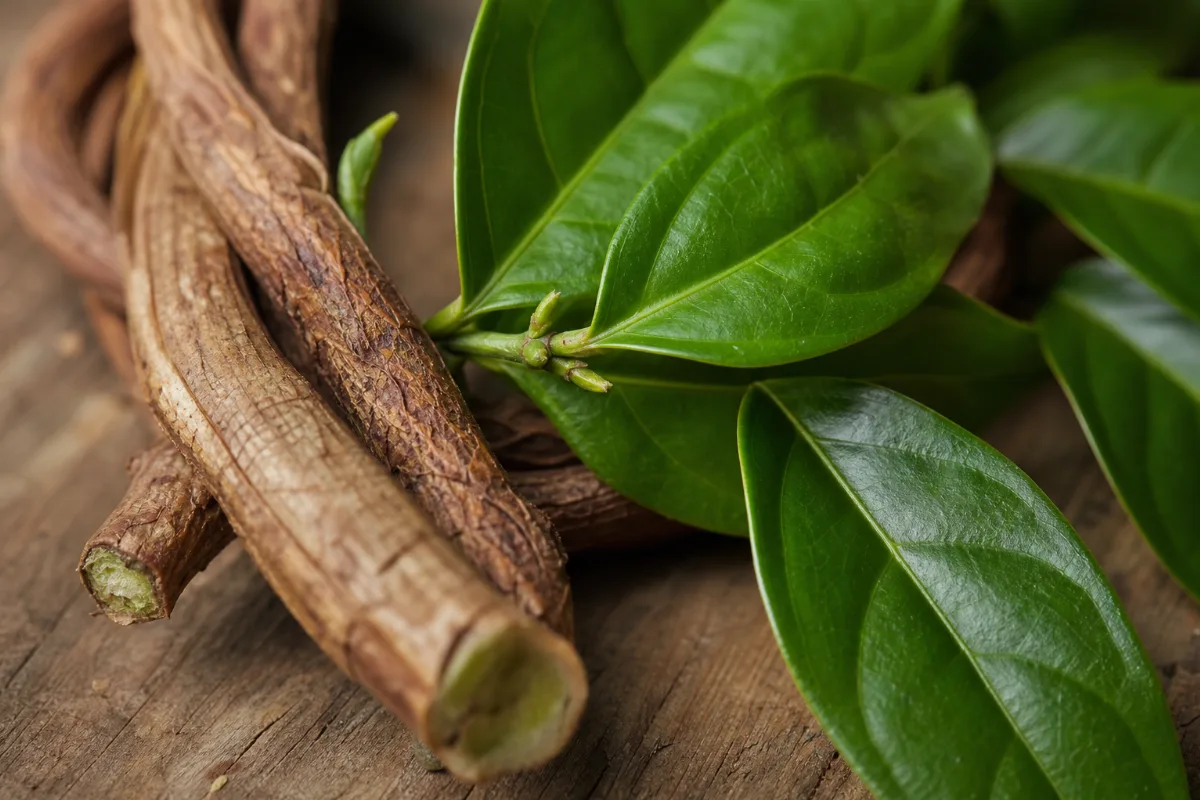 Ayahuasca: Traditional Preparation, Research and SafetyWhat ayahuasca is as a traditional Amazonian preparation, what research and surveys show, why it can interact dangerously with other medicines, and how it differs from DMT.
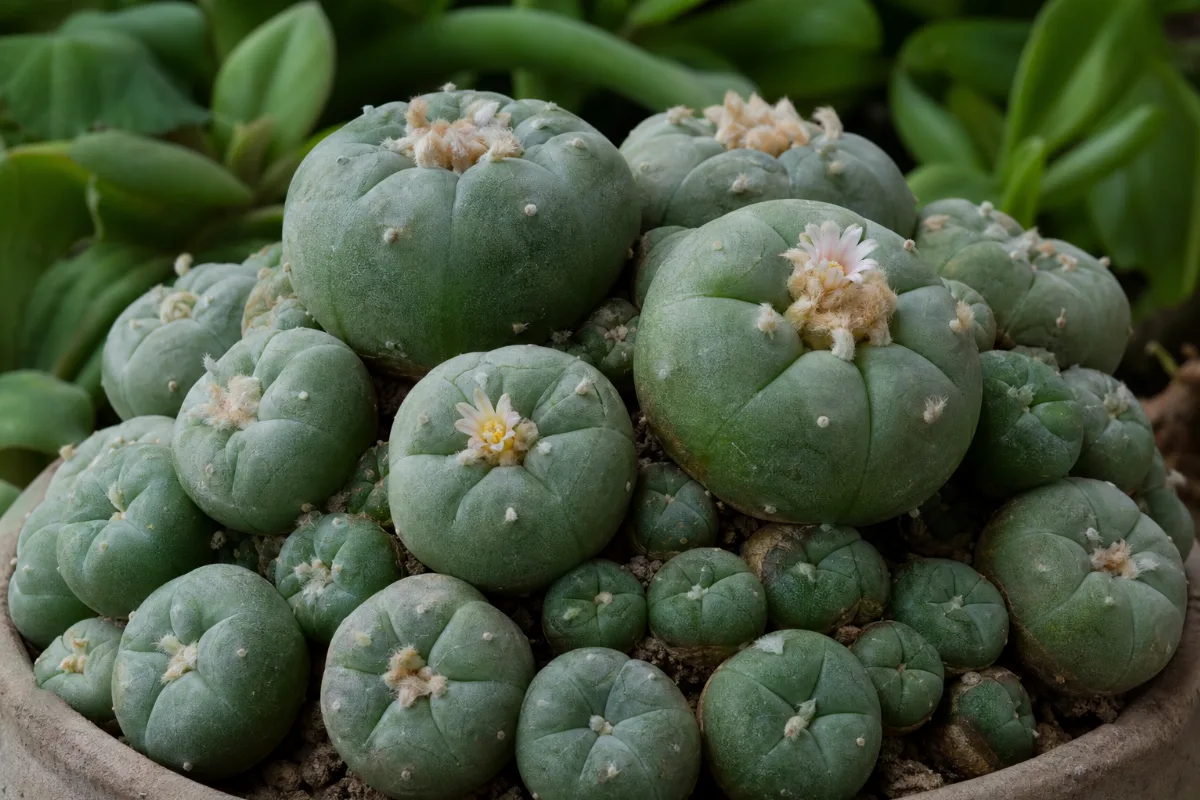 Peyote and Its Traditional ContextsPeyote as a sacrament of the Native American Church and other Indigenous peoples, what community authors ask of outsiders, the conservation concern, and the US legal exemption.
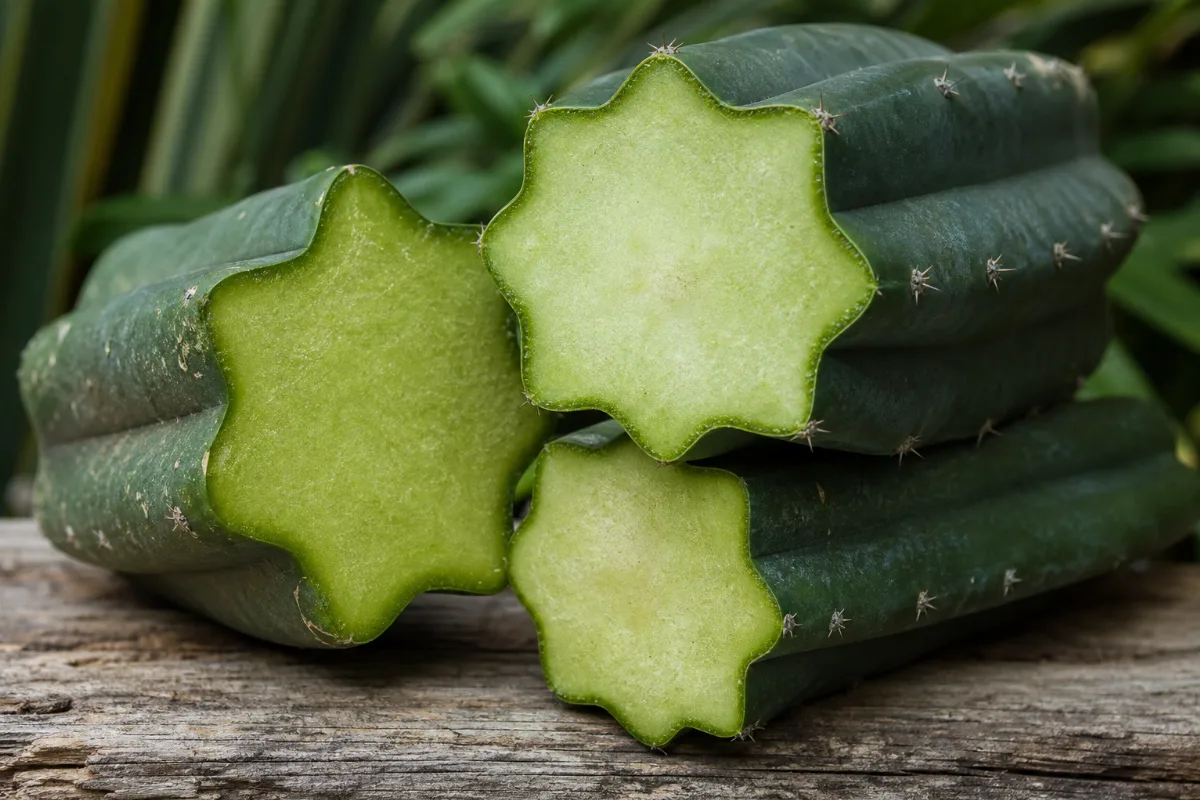 Mescaline-Cactus Traditional Contexts: San Pedro and Related TraditionsWhat sources say about San Pedro, huachuma and related mescaline-containing cacti in Andean traditions, why names are unreliable, and why one sample cannot describe a whole plant.
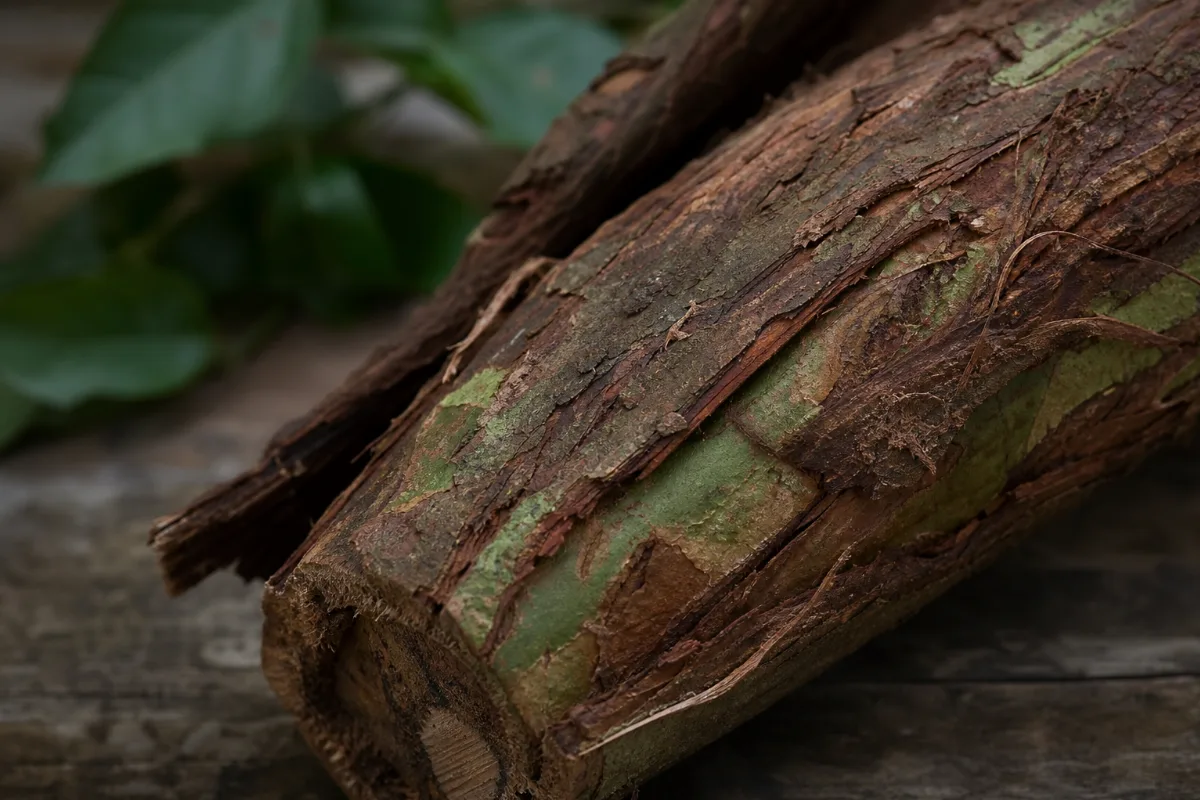 Iboga and Bwiti TraditionsIboga in the Bwiti religious tradition of Central Africa, how that differs from isolated ibogaine, the conservation concerns, and the serious heart risks documented for ibogaine.
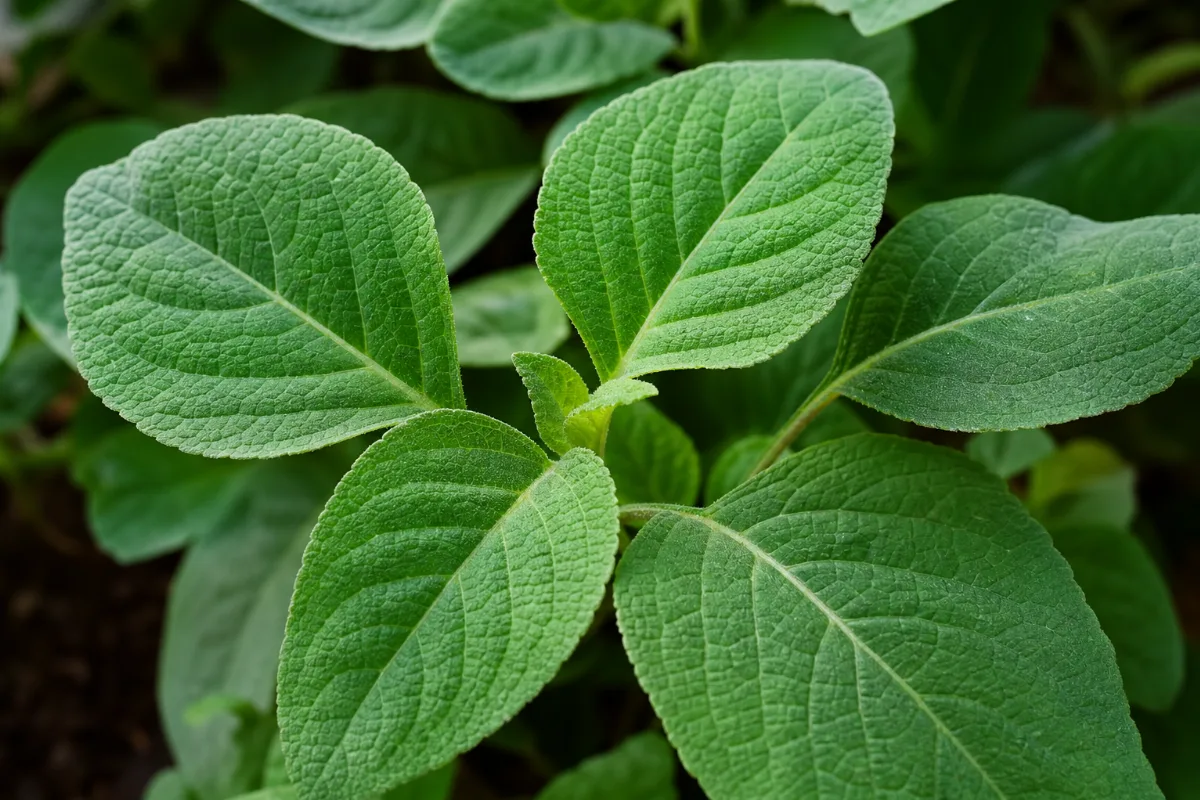 Salvia divinorum Traditional ContextsWhat sources say about Salvia divinorum in Mazatec tradition, how that differs from salvinorin A and modern recreational use, and what is and is not known about its risks.Other Traditional Preparations Where Accurate, Respectful Coverage Is PossibleWhere sources allow accurate coverage, a respectful look at yopo snuff, ololiuqui and other traditional plant and animal preparations, with limits, risks and what is not covered.Traditional Preparations vs Isolated Compounds and Clinical ProductsWhy a traditional plant preparation, an isolated compound and a clinical product are three different things, using ayahuasca, iboga, Salvia divinorum and San Pedro as examples.
Basics & Guides
Start here: what the words mean, how to read a study, and side-by-side comparisons.
Start here: the big picture
- What Are Psychedelics? Natural, Semisynthetic and Synthetic SubstancesStart hereWhat psychedelics are, how the words psychedelic, hallucinogen and entheogen are used, and which substances are natural, semisynthetic or synthetic, with where each is covered.
- What Does Psychoactive Mean?
- Classic Psychedelics: What the Term Covers
- Psychedelics: History and What Neuroscience ShowsA short history of psychedelic plants and fungi in human cultures and the 20th century, and what brain research does and does not show about how they work.
How they work
- Serotonin Receptors in Plain Language: What 5-HT2A Does and Does Not ExplainA plain-language look at the serotonin 5-HT2A receptor, what it is reported to explain about classic psychedelics, and why it does not explain every substance or any benefit.
- Proposed Mechanisms vs Proven Clinical OutcomesThe difference between a proposed brain mechanism, a measurable biomarker such as imaging, and a proven clinical outcome, with what is and is not established for psychedelics.
- Context and Expectancy in Psychedelic ResearchHow mindset, surroundings, expectations and unblinding can shape results in psychedelic research, what regulators and reviewers say, and why trial effect sizes may be over-estimated.
Reading the research and the claims
- Clinical Research vs Recreational UseHow supervised clinical research with psychedelic and related drugs differs from nonmedical use, and why safety findings from trials cannot be applied to unsupervised use.
- Why Different Substances Cannot Be Treated as Equivalent
- Other Hallucinogenic Substances: Atypical Agents and OthersHallucinogenic substances outside the classic psychedelic and dissociative groups, including salvia, Amanita muscaria, ibogaine and anticholinergic plants, with how each acts and the risks.
- Natural vs Synthetic Psychoactive SubstancesHow natural, semisynthetic and synthetic psychoactive substances are labeled, with examples, and why natural origin does not mean a substance or product is safe.
Side-by-side comparisons
Two things that are often confused, explained next to each other.
Compounds
Plants and fungi
Use and research
Education and research information only. This library is about psychedelic therapy built on natural psychedelics: the plants and fungi involved, what research shows by condition, what clinical settings involve, what microdosing claims do and do not hold up, risks and interactions, culture and conservation, and legal context.
It gives no dosing, sourcing, growing, extraction, synthesis or self-administration guidance and no treatment recommendations. Species profiles live in Mushrooms and Herbs & Botanicals. Legal status differs by country and changes.
How we treat evidence. Traditional ideas are described in their own terms, then kept separate from what research has measured. Where research exists we say what it covered; "Proper evidence not found" means we looked and found nothing usable. Every approach is held to the same evidence standard.
Frequently asked questions
Are natural psychedelics safe because they come from plants or fungi?
Not automatically. NIDA says effects are hard to predict, can include fear and anxiety, and that some substances, such as ibogaine, have been associated with deaths. [1]
Can psychedelics treat depression or anxiety?
[7] See PTSD research.
Are they legal?
It depends on the substance, the country and the state. In the US, several are named on the federal Schedule I list. [5] This site states law only where we read the official source.
Is traditional or ceremonial use the same as recreational use?
No. Many traditions have their own rules, teachers and meanings, and some plants are sacred to specific peoples. See Traditional and Ceremonial Contexts.
Do you recommend any of these?
No. This is education, not medical advice, and we do not recommend using any of them.
References
- National Institute on Drug Abuse, Psychedelic and Dissociative Drugs. Read 2026-10-22.
- National Institute on Drug Abuse, Psilocybin (Magic Mushrooms). Read 2026-10-22.
- US Electronic Code of Federal Regulations, 21 CFR 1308.11 Schedule I. Read 2026-10-22.
- US Electronic Code of Federal Regulations, 21 CFR 1307.31 Native American Church. Read 2026-10-22.
- National Institute on Drug Abuse, Psychedelic and Dissociative Drugs as Medicines. Read 2026-10-22.
Search the psychedelics library
Type a substance, plant, condition or question. 146 pages.
Common questions
Research
What studies in people have found, condition by condition, what clinical settings involve, and what is claimed about microdosing.
Clinical Research by Condition (9)
Evidence by condition, substance and study design, with negative and mixed findings.
Therapy, Screening & Treatment Context (13)
What clinical settings involve, how to evaluate claims, and how to find registered trials.
Microdosing & Popular Claims (9)
What research shows about microdosing and other widely repeated claims.
Effects
Reported experiences and effects, kept separate from what has been measured.
Effects & Experiences (9)
What research describes about experiences, and why intensity is not proof of benefit.
Safety
Risks, medicine interactions and when to get urgent help.
Safety & Interactions (19)
Risks, interactions assessed substance by substance, and when to seek urgent help.
Culture
History, Indigenous and traditional context, and the conservation of the plants and fungi involved.
Culture, History & Conservation (7)
Traditional contexts, stewardship, appropriation and conservation.
Legal
Only what regulators say, with dates. Laws differ by country and change. Not legal advice.
Legal & Regulatory Context (11)
Frameworks and definitions, each statement with a jurisdiction, source and verification date.
Content last updated . This section has not been medically reviewed.