Psychedelic Therapy · Plant
Calea zacatechichi
Calea zacatechichi (accepted name: Calea ternifolia) · also called Dream herb, Mexican calea; used in Chontal tradition in Oaxaca
Calea zacatechichi is a Mexican plant in the daisy family. The Chontal people of Oaxaca use it to seek messages in dreams. Almost all research is in animals or the lab, and only one small 1986 volunteer study looked at sleep and dreams. Lab work also raises kidney, liver and nerve-cell toxicity concerns, and no human safety trial exists.
General information, not medical advice. Last substantive update · Not medically reviewed. A named clinician has not signed off on this page. How this page is made
About Calea zacatechichi
Calea zacatechichi is a Mexican daisy-family plant known as the dream herb. Human research is one small 1986 study. Animal and lab work suggests sedation, and also possible nerve, kidney and liver toxicity. Safety in people is unknown.
What it is
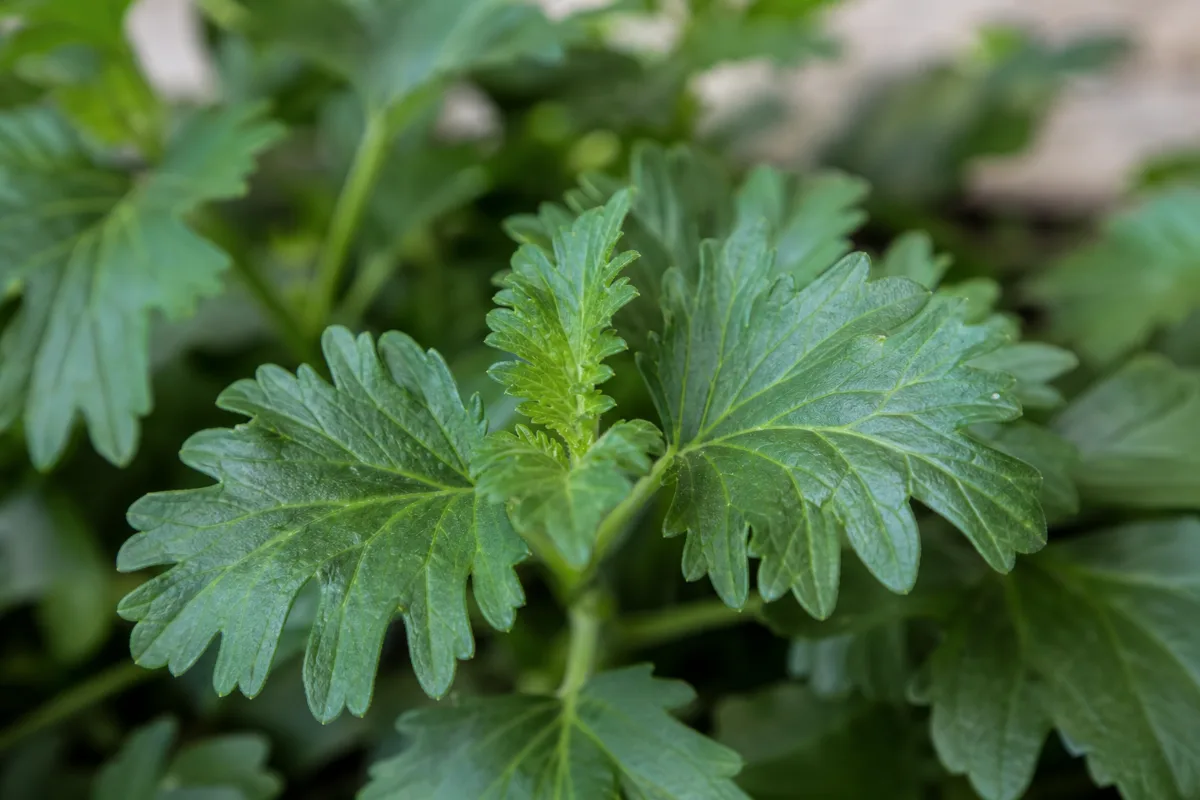
Calea zacatechichi Schltdl. is a plant of the daisy family (Asteraceae). GBIF now lists Calea ternifolia Kunth as the accepted name and Calea zacatechichi as a synonym. Records come from Mexico and Central America and Colombia. Most papers used the aerial parts (leaf, stem, flower).
Chontal tradition and folk use
The Chontal people of Oaxaca, Mexico, use the plant to seek divinatory messages in dreams. This tradition has its own meaning and is separate from clinical evidence. Folk use for cough, asthma, gut complaints and diabetes is also described in research papers.
The human research
A 1986 double-blind study in healthy volunteers found that low amounts of organic extract slowed reaction time and time estimation. A controlled nap study found more light sleep and awakenings and more dream reports than with placebo or diazepam. The abstract gives no numbers of volunteers or results. No modern human trial was found.
Animal and lab research
In cats, extracts caused sleepiness signs on EEG. In rats, an extract increased slow-wave sleep and fast brain waves in REM sleep. Mouse anxiety results conflict. Extracts slowed gut transit and lowered blood sugar in animals. Cell work found acetylcholinesterase and tyrosinase inhibition.
At a glance
Traditional uses history, not proof
- Used by the Chontal people of Oaxaca, Mexico, to seek divinatory messages in dreams (1986 paper).
- Used in Mexican folk medicine for cough, asthma, gut complaints and diabetes (research papers).
Studied for research
- Dream imagery and light sleep, one small human study, very low
- Calm and mood, animal tests only, insufficient
- Gut pain, blood sugar, inflammation, lab and animal only, insufficient
Main compounds
- Sesquiterpene lactones (germacranolides)
- Chromenes and caleins
- Phenolic acids and flavonols
Common forms
Research links: PubMed: Mayagoitia 1986 (human volunteers) · PubMed: Garcia 2025 (cell toxicity) · GBIF: accepted name · Research Library · Genes & Biomarkers Library
What it is and its history
- Accepted scientific name
- Calea ternifolia
- Naming authority
- Kunth
- Synonyms
- Calea zacatechichi Schltdl.
- Common names
- Dream herb (English); Mexican calea (English); Bitter grass (English)
- Family or group
- Asteraceae (the daisy family)
- Classification
- Plantae > Asterales > Asteraceae > Calea > Calea ternifolia
- Native range
- Mexico, Guatemala, Belize, El Salvador, Honduras, Nicaragua, Costa Rica and Colombia (GBIF distribution records, Catalogue of Life / WCVP).
- Habitat
- Not checked.
- What it looks like
- Roots: Not checked.; Stems: Aerial parts (leaf, stem, flower) were the material extracted in the studies read.; Leaves: Leaves and stems were used for compound isolation.; Flowers: Not checked.; Fruit: Not checked.
- Cultivation
- Not covered.
- Harvest and processing
- Not covered.
- Look-alikes and adulterants
- Name: Other Calea species; Note: Calea species are chemically similar; a 2019 and a 2015 paper discuss identifying psychoactive plants by instrument methods (abstracts not used).
- Sustainability and conservation
- Not checked.
Traditional use and history history, not clinical proof
| Tradition or era | Documented use | Source |
|---|---|---|
| Chontal (Oaxaca, Mexico) tradition | The Chontal people use the plant to seek divinatory messages in dreams. | p3821139 |
| Mexican folk medicine | Used for cough, asthma and gastrointestinal disorders, and for diabetes. | p26821073 |
| Recent Western use | The plant has gained popularity in recreational settings in Western societies, according to a 2025 paper. | p39389391 |
| Any further history | Not verified: details of Chontal practice come from secondary sources not read here. Needs Indigenous/cultural review by the owner. | none |
Traditional use shows how it was used. It does not show that it works or is safe today.
What is inside, and how it may work
What it contains and how those compounds act in cells and animals. Laboratory and animal mechanisms are not proven effects in people.
Main compounds
| Compound | Family | Where it is concentrated | Activity studied | Level of evidence |
|---|---|---|---|---|
| Germacranolide sesquiterpene lactones (calealactones C, D and E among them) | sesquiterpene lactone | Leaves and stems | Antileishmanial in lab assays; sesquiterpene lactones of this kind inhibit NF-kappaB in cells (plant-extract data). 11 1 | Laboratory research |
| Chromenes and caleins (demethylisoencecalin, caleins A and C) | chromene / acetophenone derivative | Aerial parts | Lowered blood sugar in mice (reported for Calea ternifolia). 2 | Animal research |
| Phenolic acids and flavonols (chlorogenic acid, dicaffeoylquinic acids, quercetin, kaempferol and isorhamnetin glycosides, acacetin) | polyphenol | Aerial parts | 28 constituents identified in one aqueous extract; 24 were new for the species. 3 10 | Laboratory research |
| Sesquiterpenes in essential oil (curcumene, spathulenol, caryophyllene oxide) | sesquiterpene | Aerial parts 55.67% of the essential oil was sesquiterpenes | Essential oil lowered blood sugar in mice. 2 | Animal research |
Mechanisms, receptors and pathways
| Target or pathway | Gene or receptor | What was found | Level |
|---|---|---|---|
| Cholinergic system (acetylcholinesterase) | acetylcholinesterase | Aqueous extract inhibited it in the lab; the authors suggest a link to dream effects. 3 | Laboratory research |
| Dopamine pathway (tyrosinase) | tyrosinase | Inhibited in the lab (IC50 60.87 ug/mL); no effect on MAO-A. 3 | Laboratory research |
| NF-kappaB | NF-kappaB | Leaf extract inhibited activation in cell extracts. 1 | Laboratory research |
| Brain activity during sleep | not applicable | Cats: EEG signs of sleepiness. Rats: more slow-wave sleep and stronger REM gamma in hippocampus. 6 5 | Animal research |
Absorption, metabolism and elimination
- Absorption
- No human data were found.
- Distribution
- No data.
- Metabolism
- Test-tube inhibition of CYP3A reported; human metabolism not studied.
- Elimination
- No data.
- Bioavailability
- No data.
Isolated compounds versus whole extracts
The studies used lab extracts (aqueous, organic, dichloromethane, ethanolic) or isolated compounds. None tested the plain dried leaf or tea as people use it. No single compound is established as the one that causes dream effects.
Nutritional composition
Not a food or nutrient and has no nutritional claim.
2 very low certainty5 not enough evidence
What was looked at
The 7 benefits and uses checked for Calea zacatechichi, each with how strong the evidence is. Tap one to open it.
- Dream imagery and light sleepVery low certainty
- Slower reaction time and altered time senseVery low certainty
- Calm and low mood (animal tests only)Not enough evidence
- Gut motility and abdominal pain (mice)Not enough evidence
- Blood sugar (rabbits and mice)Not enough evidence
- Inflammation pathways (lab only)Not enough evidence
- Activity against Leishmania parasites (lab only)Not enough evidence
Lab markers tracked in the studies
Light-sleep stages and awakenings during a napReaction timeWhole gut transit time (mice)
What is Calea zacatechichi good for?
What has been studied and how strong the evidence is. None of it shows a medical benefit, and almost all of it is from animals or the lab.
Benefits, one by one
Each card is a research question, not a promise. Tap a goal to filter. Open a card to see the studies, doses and limits.
Dream imagery and light sleep
Very low certaintyIn one small 1986 volunteer study, extracts of the plant increased light sleep, awakenings and reported dream imagery. It has not been repeated in modern trials that we found.
2 studiesNo amounts are given here. Studies used lab extracts, not a tea or le…
Studies, doses and limits
What the trials found
Healthy volunteers took organic extracts or placebo in a double-blind design, then had a controlled nap. Extracts increased superficial sleep stages and spontaneous awakenings. Dream reports were higher than with placebo and diazepam. The number of volunteers is not in the abstract.
Results
Dream reports were significantly higher than with placebo and diazepam; reaction time and time estimation were slowed at low amounts (human, 1986). In rats, more slow-wave sleep and stronger REM gamma activity (animal, 2020).
Effect sizes as reported
No effect sizes are in the abstracts.
Why this rating
One small, old human study with no numbers in the abstract, subjective dream reports, no replication, and a lab extract rather than the tea or leaf people use.
Form and dose studied
No amounts are given here. Studies used lab extracts, not a tea or leaf.
Who was studied
Healthy volunteers (1986); cats and rats.
Limits
Number of volunteers and amounts are not given in the abstract. Dream reports are self-reported and depend on expectation.
Why researchers looked
The plant is called the dream herb because Chontal healers use it to seek dream messages, and a 1986 team tested whether it changes sleep and dreaming.
Traditional use
The Chontal people of Oaxaca, Mexico, have used the plant to seek divinatory messages in dreams (Mayagoitia 1986 abstract). Cultural review by the owner is needed before publishing this wording.
Proposed mechanism Animal and human observation
In rats, an aqueous extract raised slow-wave sleep episodes and fast hippocampal activity during REM sleep. The mechanism in people is unknown.
A proposed mechanism does not show that the effect happens in people.
No safety trial in people exists. Lab and animal work points to possible nerve-cell, kidney and liver toxicity (see the Safety tab).
Slower reaction time and altered time sense
Very low certaintyThe same 1986 volunteer study found that low amounts of extract slowed reaction time and time estimation. This is a drowsy or clouding effect, not a benefit.
1 studiesNo amounts are given here. Studies used lab extracts, not a tea or le…
Studies, doses and limits
What the trials found
Double-blind against placebo in healthy volunteers: increased reaction time and time-lapse estimation.
Results
Both measures were significantly changed versus placebo; size not in the abstract.
Effect sizes as reported
Not given in the abstract.
Why this rating
Same single small study, no numbers available.
Form and dose studied
No amounts are given here. Studies used lab extracts, not a tea or leaf.
Who was studied
Healthy volunteers (1986).
Limits
Same limits as the dream study. People who drive or use machines should treat this as a warning sign, not proof.
Why researchers looked
Researchers wanted to measure whether the plant impairs attention, as expected of a sleep and dream plant.
Traditional use
The Chontal people of Oaxaca, Mexico, have used the plant to seek divinatory messages in dreams (Mayagoitia 1986 abstract). Cultural review by the owner is needed before publishing this wording.
Proposed mechanism Animal and human observation
Not established. Cat EEG and behaviour showed signs of sleepiness.
A proposed mechanism does not show that the effect happens in people.
No safety trial in people exists. Lab and animal work points to possible nerve-cell, kidney and liver toxicity (see the Safety tab).
Calm and low mood (animal tests only)
Not enough evidenceIn rats and mice one lab found anxiety-like and depression-like behaviour improved. Another found no effect on anxiety in mice. No human trial exists.
3 studiesNo amounts are given here. Studies used lab extracts, not a tea or le…
Studies, doses and limits
What the trials found
No human trial was found. Animal findings are mixed: Martinez-Mota 2021 reported anxiolytic-like and antidepressant-like effects in mice and rats; Salaga 2016 reported no change in anxiety or exploratory behaviour in mice.
Results
Animal behaviour only; the two mouse and rat studies disagree.
Effect sizes as reported
No effect sizes are in the abstracts.
Why this rating
Rodent behaviour tests only, with conflicting results and no human data.
Form and dose studied
No amounts are given here. Studies used lab extracts, not a tea or leaf.
Who was studied
Mice and rats.
Limits
Behaviour tests in rodents do not show a mood effect in people.
Why researchers looked
Users and traditional healers describe calm and well-being, so a Mexican lab tested rodent behaviour models.
Traditional use
The Chontal people of Oaxaca, Mexico, have used the plant to seek divinatory messages in dreams (Mayagoitia 1986 abstract). Cultural review by the owner is needed before publishing this wording.
Proposed mechanism Preclinical lab
Unknown. In vitro work found the extract inhibits acetylcholinesterase and tyrosinase but not MAO-A (lab only).
A proposed mechanism does not show that the effect happens in people.
No safety trial in people exists. Lab and animal work points to possible nerve-cell, kidney and liver toxicity (see the Safety tab).
Gut motility and abdominal pain (mice)
Not enough evidenceIn mice, a solvent extract slowed gut transit and reduced gut pain behaviour, and a water extract reduced abdominal pain behaviour. Nothing has been tested in people.
2 studiesNo amounts are given here. Studies used lab extracts, not a tea or le…
Studies, doses and limits
What the trials found
No human study.
Results
Whole-gut transit was 46 minutes in controls versus 117 minutes with the extract (P = 0.0023) in mice; abdominal pain behaviour fell with the water extract.
Effect sizes as reported
Large change in mouse transit time; not translatable to people.
Why this rating
Animals and tissue only.
Form and dose studied
No amounts are given here. Studies used lab extracts, not a tea or leaf.
Who was studied
Mice.
Limits
Solvent extracts, not tea.
Why researchers looked
The plant is used in Mexican folk medicine for stomach and bowel complaints and for cough and asthma.
Traditional use
Folk use for gastrointestinal complaints is described in the study abstracts.
Proposed mechanism Preclinical lab
A dichloromethane extract relaxed mouse colon tissue and slowed transit.
A proposed mechanism does not show that the effect happens in people.
No safety trial in people exists. Lab and animal work points to possible nerve-cell, kidney and liver toxicity (see the Safety tab).
Blood sugar (rabbits and mice)
Not enough evidenceThe plant is sold for diabetes in some markets. In healthy rabbits and in mice, extracts lowered blood sugar after a sugar challenge. No human diabetes trial exists.
3 studiesNo amounts are given here. Studies used lab extracts, not a tea or le…
Studies, doses and limits
What the trials found
No human study.
Results
Eight of 12 plants including Calea zacatechichi lowered induced high sugar in rabbits (p < 0.05). In mice, the main infusion compounds controlled post-sucrose glucose comparably to acarbose.
Effect sizes as reported
Mouse effect compared to acarbose by the authors; figures not in the abstract.
Why this rating
Animal studies only, one on healthy rabbits.
Form and dose studied
No amounts are given here. Studies used lab extracts, not a tea or leaf.
Who was studied
Rabbits, mice (including a diabetes-like mouse model).
Limits
The same plant is linked to kidney and liver toxicity in lab work, so its use for diabetes is a concern.
Why researchers looked
Folk use for diabetes in Mexico led labs to test it.
Traditional use
Used in Mexican traditional medicine for diabetes (Escandon-Rivera 2017; Gonzalez-Yanez 2019).
Proposed mechanism Preclinical lab
Chromenes (demethylisoencecalin) and caleins A and C were the active components in the mouse study.
A proposed mechanism does not show that the effect happens in people.
No safety trial in people exists. Lab and animal work points to possible nerve-cell, kidney and liver toxicity (see the Safety tab).
Inflammation pathways (lab only)
Not enough evidenceIn cell experiments leaf extracts blocked a key inflammation switch called NF-kappaB, and water extract was reported anti-inflammatory in a conference abstract with no data we could read. This says nothing yet about people.
1 studiesNo amounts are given here. Studies used lab extracts, not a tea or le…
Studies, doses and limits
What the trials found
No human study.
Results
Ethanolic leaf extract inhibited NF-kappaB at 25 ug/mL or less in cell extracts.
Why this rating
Cell and egg-membrane tests only.
Form and dose studied
No amounts are given here. Studies used lab extracts, not a tea or leaf.
Who was studied
Cell lines.
Limits
Strongest compound data in that paper came from other plants.
Why researchers looked
Plants rich in sesquiterpene lactones were screened for anti-inflammatory activity.
Traditional use
Folk use for inflammation is not documented in the sources read.
Proposed mechanism Preclinical lab
Sesquiterpene lactones (germacranolide and eudesmanolide types) block NF-kappaB in cells.
A proposed mechanism does not show that the effect happens in people.
No safety trial in people exists. Lab and animal work points to possible nerve-cell, kidney and liver toxicity (see the Safety tab).
Activity against Leishmania parasites (lab only)
Not enough evidenceSix sesquiterpene lactones from the plant were active against the Leishmania parasite in lab dishes. This is chemistry research, not a treatment.
1 studiesNo amounts are given here. Studies used lab extracts, not a tea or le…
Studies, doses and limits
What the trials found
No human or animal infection study.
Results
Significant antileishmanial activity in lab assays.
Why this rating
Isolated compounds in a dish.
Form and dose studied
No amounts are given here. Studies used lab extracts, not a tea or leaf.
Limits
Says nothing about safety or benefit in people.
Why researchers looked
Plant compounds are routinely screened for antiparasite activity.
Traditional use
Not documented.
Proposed mechanism Preclinical lab
Germacranolide sesquiterpene lactones (calealactones).
A proposed mechanism does not show that the effect happens in people.
No safety trial in people exists. Lab and animal work points to possible nerve-cell, kidney and liver toxicity (see the Safety tab).
Connections to the rest of health
How Calea zacatechichi connects to the rest of our health knowledge graph. Every link says what kind of connection it is. A safety link (for example to the liver) is a warning, not a benefit. A study that merely mentions a topic never creates a benefit link.
Explore every connection: goals, body systems, organs, symptoms, genes
B. Body systems
| Connected to | Kind of connection | Evidence status | Context | Studies |
|---|---|---|---|---|
| Nervous System | Biological association | Very low certainty | Studied for: Dream imagery and light sleep Studied for: Slower reaction time and altered time sense | 6 5 10 3 |
| Digestive System | Biological association | Not enough evidence | Studied for: Gut motility and abdominal pain (mice) | 9 10 |
| Endocrine System | Biological association | Not enough evidence | Studied for: Blood sugar (rabbits and mice) | 8 2 7 |
| Immune System | Biological association | Not enough evidence | Studied for: Inflammation pathways (lab only) Studied for: Activity against Leishmania parasites (lab only) | 1 11 |
C. Body parts and organs
| Connected to | Kind of connection | Evidence status | Context | Studies |
|---|---|---|---|---|
| Kidney | Adverse effect or risk | Very low certainty | Human kidney cell toxicity; rat tubule changes. Human kidney cell toxicity and rat tubule changes. Preparation or compound: Aqueous extract; herb material |
7 4 |
| Liver | Adverse effect or risk | Very low certainty | Raised liver enzymes in rats; CYP3A inhibition in vitro. Preparation or compound: Aqueous extract |
4 |
| Brain | Adverse effect or risk | Very low certainty | Nerve and microglial cell toxicity in lab dishes. Preparation or compound: Aqueous extract |
3 |
I. Biomarkers
| Connected to | Kind of connection | Evidence status | Context | Studies |
|---|---|---|---|---|
| Light-sleep stages and awakenings during a nap | Biological association | Very low certainty | Measured in trials: raised. A lab change is not the same as a health benefit. | 6 |
| Reaction time | Biological association | Very low certainty | Measured in trials: raised. A lab change is not the same as a health benefit. | 6 |
| Whole gut transit time (mice) | Biological association | Not enough evidence | Measured in trials: raised. A lab change is not the same as a health benefit. | 9 |
J. Genes, receptors and enzymes
L. Active compounds
| Connected to | Kind of connection | Evidence status | Context | Studies |
|---|---|---|---|---|
| Germacranolide sesquiterpene lactones (calealactones C, D and E among them) | Biological association | In vitro | Antileishmanial in lab assays; sesquiterpene lactones of this kind inhibit NF-kappaB in cells (plant-extract data). Preparation or compound: Leaves and stems |
11 1 |
| Chromenes and caleins (demethylisoencecalin, caleins A and C) | Biological association | Animal | Lowered blood sugar in mice (reported for Calea ternifolia). Preparation or compound: Aerial parts |
2 |
| Phenolic acids and flavonols (chlorogenic acid, dicaffeoylquinic acids, quercetin, kaempferol and isorhamnetin glycosides, acacetin) | Biological association | In vitro | 28 constituents identified in one aqueous extract; 24 were new for the species. Preparation or compound: Aerial parts |
3 10 |
| Sesquiterpenes in essential oil (curcumene, spathulenol, caryophyllene oxide) | Biological association | Animal | Essential oil lowered blood sugar in mice. Preparation or compound: Aerial parts |
2 |
Each connection is stored with the ingredient, the connected record, the kind of connection, the evidence status, the supporting studies, the preparation or compound involved, and a review date (last reviewed October 25, 2026).
Evidence at a glance: what changed in 3 lab markers
Tap a number to show only those markers. Counts are markers, not people.
The evidence
The research centre for Calea zacatechichi. Every record here was checked against PubMed or the publisher's page; we never list a study we have not verified.
Evidence by outcome
Bars show how many studies we found for each outcome, not how well it works. People are added up across trials only (reviews are not added, to avoid double counting).
How we rate evidence
High certainty
Several well-run trials or reviews agree; further research is unlikely to change the picture much.
Moderate certainty
Good trials point the same way, but some doubt remains.
Low certainty
Small, short or inconsistent trials. The finding could change with better research.
Very low certainty
Very little or very weak human data. Treat as a possibility only.
Mixed findings
Trials or reviews disagree with each other.
Not enough evidence
Not enough human research to say either way.
Evidence against
Good research found no benefit, or found harm.
We take the reviewers' own risk-of-bias and GRADE statements where they exist, and otherwise judge from study size, design, consistency, directness and whether a product matches what is sold. Many publications do not make evidence high. Method note: We searched PubMed, read the abstracts of 10 papers, and checked the accepted plant name in GBIF. Legal information came from a secondary source and is not verified. Certainty ratings are the compiler's own reading.
Study library: every study we checked 13
| Study | Design | People | Product, dose, length | Result |
|---|---|---|---|---|
| Bork 1997 Sesquiterpene lactone containing Mexican Indian medicinal plants and pure sesquiterpene lactones as potent inhibitors of transcription factor NF-kappaB. FEBS Letters · PMID 9013864 · DOI |
Laboratory research in vitro |
Cell extracts and HeLa cells; 54 Mexican plants screened | Ethanolic leaf extract Leaf Not given here Lab assays |
Ethanolic leaf extracts of Calea zacatechichi, Artemisia ludoviciana ssp. mexicana and Polymnia maculata, all rich in sesquiterpene lactones, inhibited NF-kappaB at 25 ug/mL or less. Pure sesquiterpene lactones from other plants (isohelenin, parthenolide) were potent. Active plants also delayed capillary reactions in the HET-CAM model. NF-kappaB inhibition in the lab Methods, limits and fundingOutcomes: NF-kappaB activation; chick membrane (HET-CAM) anti-inflammatory model Limitations: Lab and egg-membrane models; the strongest compound data came from other plants. Funding and conflicts: Not stated in the abstract Read: abstract |
| Escandon-Rivera 2017 Anti-Hyperglycemic Activity of Major Compounds from Calea ternifolia. Molecules · PMID 28216594 · DOI |
Animal research mouse |
Normal mice and mice made hyperglycaemic with nicotinamide/streptozotocin | Infusion compounds and essential oil of Calea ternifolia (accepted name; C. zacatechichi is a synonym) Aerial parts Not given here Acute sugar-tolerance tests · vs Acarbose |
Demethylisoencecalin and caleins A and C, the major components of the infusion, controlled blood sugar after a sucrose challenge in normal and hyperglycaemic mice, with effects the authors call comparable to acarbose. The essential oil also lowered blood glucose. Sesquiterpenes made up 55.67% of the essential oil. Lower post-meal blood sugar in mice Methods, limits and fundingOutcomes: Blood glucose after a sucrose challenge Limitations: Mice only; the study is about the plant under its accepted name Calea ternifolia. Funding and conflicts: Not stated in the abstract Read: abstract |
| Garcia 2025 Mexican calea (Calea zacatechichi Schltdl.) interferes with cholinergic and dopaminergic pathways and causes neuroglial toxicity. Journal of Ethnopharmacology · PMID 39389391 · DOI |
Laboratory research in vitro |
Enzyme assays and human nerve-like (SH-SY5Y) and mouse microglial (BV-2) cell lines | Aqueous extract Aerial parts Not given here Cell and enzyme assays · vs Untreated cells |
The extract inhibited acetylcholinesterase and tyrosinase (IC50 60.87 +/- 7.3 ug/mL) but not monoamine oxidase A. It was toxic to nerve-like cells at concentrations as low as 125 ug/mL and to microglial cells at 500 ug/mL, with signs of programmed cell death and, at higher levels, necroptosis. It scavenged some free radicals and inhibited 5-lipoxygenase. Twenty-eight phenolic constituents were identified, 24 of them new for the species. Enzyme inhibition and cell toxicity in the lab Methods, limits and fundingOutcomes: Enzyme inhibition, cell survival, free radicals, phenolic chemistry Limitations: Cell-line work only; concentrations are not blood levels in people; no human neurotoxicity data. Funding and conflicts: No competing interests declared Read: abstract |
| Gonzalez-Yanez 2019 Safety of Aqueous Extract of Calea ternifolia Used in Mexican Traditional Medicine. Evidence-Based Complementary and Alternative Medicine · PMID 31949470 · DOI |
Animal research rat/in vitro |
Brine shrimp, blood cells, rats | Aqueous extract of Calea ternifolia (the authors equate it with C. zacatechichi) Not given here Acute exposure · vs Controls |
Moderate toxicity in brine shrimp. In test-tube work the extract caused eryptosis (suicide of red blood cells) of 73% at 100 ug/mL and inhibited the liver enzyme CYP3A by 99% at 375 ug/mL. In rats, platelets and white cells fell, urea and the liver enzymes ALT, AST and ALP rose, and tissue showed kidney tubule changes and liver lymphoid infiltrate. The authors report kidney and liver toxicity. Signs of liver and kidney toxicity in rats Methods, limits and fundingOutcomes: Toxicity in brine shrimp, red-cell eryptosis, CYP3A inhibition, rat blood tests and tissue Limitations: Rats and test tube only; one extract; sample size not in the abstract. Funding and conflicts: No conflicts declared Read: abstract |
| Martinez-Mota 2020 Calea zacatechichi Schltdl. (Compositae) produces anxiolytic- and antidepressant-like effects, and increases the hippocampal activity during REM sleep in rodents. Journal of Ethnopharmacology · PMID 32866569 · DOI |
Animal research rat/mouse |
Mice and rats | Aqueous extract Not given here Behaviour tests; 6-hour sleep recordings in rats · vs Vehicle and prototype drugs |
The extract produced anxiety-like and depression-like behaviour changes in mice and rats that the authors describe as similar to prototype drugs. At the highest amount tested in rats it caused mild sedation, more slow-wave sleep episodes and stronger fast (gamma) hippocampal activity during REM sleep. Animal behaviour and EEG changes only Methods, limits and fundingOutcomes: Anxiety- and depression-like behaviour tests; sleep-waking stages and hippocampal EEG Limitations: Rodents only; behaviour tests are rough models of human mood; extract not the same as a tea or leaf. Funding and conflicts: Not stated in the abstract Read: abstract |
| Mayagoitia 1986 Psychopharmacologic analysis of an alleged oneirogenic plant: Calea zacatechichi. Journal of Ethnopharmacology · PMID 3821139 · DOI |
Controlled trial |
Healthy human volunteers (number not given in the abstract); cats | Organic extracts of Calea zacatechichi Not given here Single low-dose sessions; nap sleep study · vs Placebo and diazepam (for dream reports) |
In cats, extracts produced EEG and behaviour signs of sleepiness and light sleep; large amounts caused salivation, ataxia, retching and occasional vomiting. In volunteers, low amounts of extract increased reaction time and time-lapse estimation versus placebo (double-blind). In a nap study the extract increased superficial sleep stages and spontaneous awakenings, and dream reports were higher than with both placebo and diazepam, which the authors read as more hypnagogic imagery during light sleep. Slower reaction time, more light sleep and more awakenings, more reported dream imagery Methods, limits and fundingOutcomes: Reaction time, time estimation, nap-sleep stages and spontaneous awakenings, dream reports (volunteers); EEG and behaviour in cats; cingulum discharge Limitations: Number of volunteers and the amounts used are not given in the abstract; 1986 study; organic extracts, not tea or leaf; no replication found; dream reports are subjective. Funding and conflicts: Not stated in the abstract Read: abstract |
| Mossoba 2016 Evaluation of "Dream Herb," Calea zacatechichi, for Nephrotoxicity Using Human Kidney Proximal Tubule Cells. Journal of Toxicology · PMID 27703475 · DOI |
Laboratory research in vitro |
Human kidney proximal tubule (HK-2) cells | Herb material (as a dietary supplement) Not given here Cell exposure to rising amounts · vs Known toxicant and protectant controls |
Even at low amounts there was significant cell toxicity and raised kidney-injury biomarkers. The authors say the herb is marketed in the US for medicinal purposes including diabetes and call for closer safety scrutiny. Kidney-cell toxicity in the lab Methods, limits and fundingOutcomes: Cell and mitochondrial function; kidney injury biomarkers Limitations: Cell culture only; no human or animal kidney outcome. Funding and conflicts: FDA-affiliated laboratory; no conflict statement in the abstract Read: abstract |
| Roman Ramos 1992 Hypoglycemic effect of plants used in Mexico as antidiabetics. Archives of Medical Research · PMID 1308793 |
Animal research rabbit |
27 27 healthy rabbits |
Decoction of Calea zacatechichi (one of 12 plants tested) Not given here Acute, after a glucose challenge · vs Water and tolbutamide |
Tolbutamide and eight of the 12 plants lowered the induced high blood sugar compared with water (p < 0.05). Calea zacatechichi was among the eight, behind Guaiacum coulteri, Marrubium vulgare, Crataegus pubescens and Cynodon dactylon. Lower induced blood sugar in healthy rabbits Methods, limits and fundingOutcomes: Blood glucose after induced high blood sugar Limitations: Healthy rabbits, induced temporary high sugar; not diabetes; abstract gives no exact figure for Calea. Funding and conflicts: Not stated in the abstract Read: abstract |
| Salaga 2015 Calea zacatechichi dichloromethane extract exhibits antidiarrheal and antinociceptive effects in mouse models mimicking irritable bowel syndrome. Naunyn-Schmiedeberg's Archives of Pharmacology · PMID 26068703 · DOI |
Animal research mouse |
Mouse colon tissue and mice | Methanol and dichloromethane (DCM) extracts of leaves, stems and flowers Aerial parts Not given here Acute tests · vs Untreated controls |
The DCM extract reduced contraction of mouse colon tissue and slowed whole gut transit in mice (46 versus 117 minutes in control and treated animals, P = 0.0023). It reduced hypermotility and pain in mouse models that mimic functional gut disorders. Slower gut transit and less gut pain behaviour in mice Methods, limits and fundingOutcomes: Colon contractility in tissue; whole gut transit time; pain and diarrhoea models Limitations: Mice and tissue only; a solvent extract, not a tea; not tested in people. Funding and conflicts: Not stated in the abstract Read: abstract |
| Salaga 2016 Neuropharmacological characterization of the oneirogenic Mexican plant Calea zacatechichi aqueous extract in mice. Metabolic Brain Disease · PMID 26821073 · DOI |
Animal research mouse |
Mice | Aqueous extract Not given here Acute tests · vs Vehicle |
The aqueous extract did not change seizure models, anxiety, exploratory behaviour or muscle strength. It reduced abdominal pain behaviour. The authors concluded the extract had insignificant neuropharmacological effects in vivo. LC-MS found chlorogenic acid, acacetin and germacranolides. No mood or anxiety effect in this study; reduced abdominal pain behaviour Methods, limits and fundingOutcomes: Seizure models, anxiety, exploration, muscle strength, antidepressant-like behaviour, pain tests Limitations: Mice only; this study disagrees with the rat/mouse findings of Martinez-Mota 2021 on anxiety, so results are mixed. Funding and conflicts: Not stated in the abstract Read: abstract |
| Wu 2011 Antileishmanial Germacranolides from Calea zacatechichi. Planta Medica · PMID 21128202 · DOI |
Laboratory research in vitro |
Isolated compounds in lab assays | Leaf and stem compounds Leaves and stems Not given here Lab assays |
Six germacranolide sesquiterpene lactones were isolated (including new calealactone D and calealactone E) with significant activity against Leishmania in lab tests. Antiparasite activity in the lab Methods, limits and fundingOutcomes: Isolation and structure of germacranolides; antimicrobial and antiprotozoal assays Limitations: Isolated compounds in lab dishes; says nothing about people. Funding and conflicts: Not stated in the abstract Read: abstract |
| n/a 2026 GBIF Backbone Taxonomy: Calea ternifolia Kunth (accepted name, key 8388990); Calea zacatechichi Schltdl. is listed as a synonym (key 3147581) n/a · Source |
Database n/a |
n/a | n/a |
Calea ternifolia Kunth is the accepted name; Calea zacatechichi Schltdl. is a synonym; family Asteraceae; distribution records for Mexico, Guatemala, Belize, El Salvador, Honduras, Nicaragua, Costa Rica and Colombia. Methods, limits and fundingOutcomes: Accepted name, synonyms, family, distribution records Limitations: Taxonomy database, not a safety source. Read via the GBIF API on 2026-10-25. POWO could not be opened (blocked). Read: full-text |
| n/a 2026 Legal status summary for Calea zacatechichi (Erowid, secondary source; page itself could not be opened, only a search summary was seen) n/a · Source |
Secondary source n/a |
n/a | n/a |
A search summary of the page says the plant is not federally controlled in the US and that Louisiana Act 159 of 2005 lists it among plants whose products intended for human consumption are prohibited. Not confirmed on a regulator page. Methods, limits and fundingOutcomes: Reported US federal and Louisiana status Limitations: Not a regulator and not read in full (page returned 403). Treat as NOT verified. Read: search-summary |
What we do not know yet
- No modern human trial of any use; the only human study is from 1986 and gives no numbers in its abstract.
- Almost all studies use lab extracts, not the leaf or tea people use.
- No human safety data; toxicity signals are from cells and rats.
- Interactions are reasoned from lab and sedation findings only.
- Legal status is not confirmed on regulator pages.
How new research is added
New studies are found by a saved PubMed search and read by a person before use.
Lab markers
What changed in blood or saliva tests during trials. A changed number is not the same as feeling or being healthier, and we give no "normal ranges".
Other 3
Light-sleep stages and awakenings during a nap
Raised in trials
How much of a nap is spent in light (superficial) sleep and how many times a person wakes by themselves.
Very low certaintyResults and what it means
Why it was measured
Sleep recording is the standard way to check whether a plant really changes sleep.
Statistical vs. clinical meaning
Reported as increased; size not given in the abstract.
Safety implication
More awakenings suggest lighter, not deeper, sleep.
| Study | Result | People | Product |
|---|---|---|---|
| 6 | Extracts increased superficial sleep stages and the number of spontaneous awakenings (no numbers in the abstract). | Healthy volunteers, 1986 | Organic extract versus placebo, controlled nap |
Reaction time
Raised in trials
How quickly a person responds to a signal. Longer times mean slower responses.
Very low certaintyResults and what it means
Why it was measured
It shows whether a substance clouds attention.
Statistical vs. clinical meaning
Statistically significant according to the abstract; numbers not given.
Safety implication
Slower responses matter for driving.
| Study | Result | People | Product |
|---|---|---|---|
| 6 | Reaction time and time-lapse estimation increased with low amounts of extract versus placebo. | Healthy volunteers, 1986 | Organic extract versus placebo, double-blind |
Whole gut transit time (mice)
Raised in trials
How many minutes food markers take to pass through the gut.
Not enough evidenceResults and what it means
Why it was measured
It is used in animal models of diarrhoea and bowel disorders.
Statistical vs. clinical meaning
Large change in mice; no human data.
Safety implication
Slower transit could mean constipation.
| Study | Result | People | Product |
|---|---|---|---|
| 9 | Transit time rose from 46 +/- 1 to 117 +/- 27 minutes with the dichloromethane extract (P = 0.0023). | Mice | Dichloromethane extract versus control |
Safety
What studies and official sources say about side effects, medicines and who should check first. Each point shows what kind of evidence it comes from.
Main points to know 6
- No safety studies in people, and lab work raises concerns. No human safety trial or case series was found. Lab and animal studies report toxicity to nerve-like cells, human kidney cells, and signs of liver and kidney injury in rats. Treat the plant as unstudied for safety. In vitro and animal 3 7 4
- Drowsiness and slower reactions. In the 1986 volunteer study low amounts of extract slowed reaction time and time estimation. Do not drive or do tasks needing alertness after use. Human experimental 6
- Nausea, vomiting and drooling at large amounts (cats). In cats, large amounts caused salivation, ataxia, retching and occasional vomiting. Animal research 6
- May interfere with liver drug processing (test tube). In test-tube work an aqueous extract strongly inhibited CYP3A, a liver enzyme that breaks down many medicines. Whether this happens in people is unknown. Laboratory research 4
- Marketed as a supplement without safety data. A 2016 paper says the herb is marketed in the US for medicinal purposes, including diabetes, even though kidney safety had not been studied. Authoritative statement 7
- Quality and look-alike products are not checked. Calea species are chemically similar and sold as dried herb; identification studies exist but no product quality surveys were read. Contents, strength and contamination are unknown. Gap
Side effects 7
| Effect | How often | Severity and recovery | Evidence |
|---|---|---|---|
| Slower reaction time, altered time sense 1986 volunteer study, organic extracts. | Reported at low amounts in healthy volunteers; no rate in the abstract | mild to moderate Not reported | Human experimental 6 |
| Light, broken sleep Volunteers; nap study only. | Increased light sleep and awakenings in a nap study; no rate | mild Not reported | Human experimental 6 |
| Salivation, ataxia, retching, vomiting (large amounts) Not shown in people. | Cats only | moderate Not reported | Animal research 6 |
| Kidney-cell injury and raised urea Rat kidney tubule changes; human kidney cells showed toxicity at low amounts. | Lab cells and rats | unknown Unknown | In vitro and animal 7 4 |
| Raised liver enzymes (ALT, AST, ALP) and liver tissue changes Not seen or measured in people. | Rats | unknown Unknown | Animal research 4 |
| Nerve and microglial cell toxicity Concentrations tested are not blood levels. | Cell lines | unknown Unknown | Laboratory research 3 |
| Fewer platelets and white blood cells | Rats | unknown Unknown | Animal research 4 |
Liver
No human liver injury report was found. In rats given an aqueous extract of Calea ternifolia (C. zacatechichi), ALT, AST and ALP rose and liver tissue showed lymphoid infiltrate. The extract also strongly inhibited CYP3A in the test tube. 4
How often. Unknown. Only rat and test-tube data exist.
Monitoring. No monitoring advice from any agency was found. LiverTox was not checked.
This is a safety connection. It is not evidence that Calea zacatechichi supports liver health.
Medicines and supplements 5
| With | Why it matters | Importance | Evidence | What to do |
|---|---|---|---|---|
| Alcohol, sedatives, sleep medicines, opioids prescription | The plant slowed reactions and increased light sleep and sedation in volunteers and animals, so additive drowsiness is plausible. | Not studied. Reasoning from the sedation findings only. | Theoretical Very low certainty 6 5 | Ask a pharmacist or doctor before combining. |
| Medicines broken down by CYP3A (many common prescriptions) prescription | Strong CYP3A inhibition by an aqueous extract in the test tube. | Unknown in people. | Laboratory research Very low certainty 4 | Ask a pharmacist before combining. |
| Dementia medicines (cholinesterase inhibitors) and medicines acting on dopamine prescription | The extract inhibited acetylcholinesterase and tyrosinase in the lab but not MAO-A. | Unknown; lab enzyme data only. | Laboratory research Very low certainty 3 | Ask a pharmacist or doctor. |
| Diabetes medicines prescription | Blood sugar lowered in rabbits and mice. | Unknown in people; could add to blood sugar medicines. | Animal research Very low certainty 8 2 | Tell your diabetes care team. |
| Other psychedelics, MAOIs, SSRIs psychoactive | Not studied. The extract did not inhibit MAO-A in a test-tube assay. | No interaction data found. | Gap Not enough evidence 3 | No safety conclusion can be drawn. |
Who should check first 6
| Situation | Advice | Evidence |
|---|---|---|
| Kidney disease or at risk of kidney injury | Avoid unless a doctor agrees. Lab and rat studies show kidney toxicity. | In vitro and animal 7 4 |
| Liver disease or liver-test abnormalities | Avoid unless a doctor agrees. Rat studies show raised liver enzymes. | Animal research 4 |
| Pregnancy and breastfeeding | No data. Ask a doctor. | Gap |
| Children and teenagers | No data. Ask a doctor. | Gap |
| Driving or operating machines | Do not, after use. Reaction time slowed in volunteers. | Human experimental 6 |
| Allergy to daisy-family plants (Asteraceae) | Possible cross-reaction; sesquiterpene lactones are known skin allergens in this family. Not studied for this plant. | Theoretical 12 |
Overdose, product quality and regulators
Summary. Toxicity data are lab and animal only. Aerial parts (leaf, stem, flower) were tested.
Animal. Rats: lower platelets and white cells, higher urea and liver enzymes, kidney tubule and liver tissue changes. Brine shrimp: moderate toxicity. Cats: salivation, ataxia, retching, vomiting at large amounts.
Human doses studied. Not given here; the 1986 volunteer study used low amounts of extract and its abstract does not state them.
High dose or long term signals. No long-term human data. Cell studies show toxicity at low concentrations.
Overdose response. No human overdose report was found. No poison-centre data were read.
Genotoxicity. Not read.
Toxic or hazardous parts. Aerial parts were tested; other parts not compared.
No product testing was found for this plant. Dried herb products are not held to medicine quality rules.
Identification. Lab methods can tell Calea zacatechichi from other plants, but no market survey was read.
| Body | Action | Date |
|---|---|---|
| US supplement market (published paper) (United States) | A 2016 paper says the herb is marketed in the US for medicinal purposes, including diabetes. This is not an FDA approval. source | 2026-10-25 |
When to get medical help
- Seek emergency care for trouble breathing, fainting, seizures, chest pain, or confusion that does not pass.
- Call poison control: US 1-800-222-1222 (Poison Control, US only). Elsewhere, local emergency number (112 in the EU, 999 in the UK, 911 in Canada and the US). Mexico: 911.
If someone may be poisoned or in a crisis, contact a clinician or emergency service straight away. In the US, Poison Control is 1-800-222-1222.
General information only, not medical advice. Ask a clinician or pharmacist before use, especially with medicines, in pregnancy or with a health condition. See the Natural Remedy Safety guide.
Frequently asked questions
What is Calea zacatechichi?
A Mexican daisy-family plant called the dream herb. GBIF lists Calea ternifolia as the accepted name.
Who uses it traditionally?
The Chontal people of Oaxaca use it to seek divinatory messages in dreams. This page treats the tradition with respect and separates it from clinical evidence.
Does it really cause vivid dreams?
One 1986 volunteer study reported more light sleep and more dream reports than placebo or diazepam. It was small, is old and has not been repeated, so certainty is very low.
Is it a psychedelic?
It is better described as a dream-related, mildly sedating plant than a classic psychedelic.
Has it been tested in sleep EEG studies?
What is in it?
Does it help diabetes?
Is it safe?
Can it interact with medicines?
Not studied in people. A test-tube study found strong CYP3A inhibition. Ask a pharmacist.
Is it legal?
Laws differ by country and change. A secondary source says it is not federally controlled in the US but is restricted in Louisiana. We could not confirm that on a regulator page. Check current local law.
Explore by health goal
Editorial transparency
- Written by
- AlternativeMed editorial team. Research compiled with AI assistance, then checked against PubMed records.
- Medical review
- None. This page has not been reviewed by a physician or pharmacist.
- First published
- 2026-10-25
- Last substantive update
- 2026-10-25
- How we research
- We searched PubMed, read the abstracts of 10 papers, and checked the accepted plant name in GBIF. Legal information came from a secondary source and is not verified. Certainty ratings are the compiler's own reading.
- How we rate evidence
- See "How we rate evidence" in the Evidence tab.
- Independence
- No product is promoted. No affiliate links are shown.
Sources 13
Each source was opened and checked. Where we read only the abstract, it says so. The small numbers in the text point here.
- Bork PM, Schmitz ML, Kuhnt M, Escher C, Heinrich M. Sesquiterpene lactone containing Mexican Indian medicinal plants and pure sesquiterpene lactones as potent inhibitors of transcription factor NF-kappaB.. FEBS Letters. 1997. PMID 9013864. DOI 10.1016/s0014-5793(96)01502-5. (abstract)
- Escandon-Rivera S, Perez-Vasquez A, Navarrete A, et al. Anti-Hyperglycemic Activity of Major Compounds from Calea ternifolia.. Molecules. 2017. PMID 28216594. DOI 10.3390/molecules22020289. (abstract)
- Garcia MR, Ferreres F, Mineiro T, et al. Mexican calea (Calea zacatechichi Schltdl.) interferes with cholinergic and dopaminergic pathways and causes neuroglial toxicity.. Journal of Ethnopharmacology. 2025. PMID 39389391. DOI 10.1016/j.jep.2024.118915. (abstract)
- Gonzalez-Yanez MGE, Rivas-Morales C, Oranday-Cardenas MA, et al. Safety of Aqueous Extract of Calea ternifolia Used in Mexican Traditional Medicine.. Evidence-Based Complementary and Alternative Medicine. 2019. PMID 31949470. DOI 10.1155/2019/7478152. (abstract)
- Martinez-Mota L, Cruz-Tavera A, Dorantes-Barron AM, et al. Calea zacatechichi Schltdl. (Compositae) produces anxiolytic- and antidepressant-like effects, and increases the hippocampal activity during REM sleep in rodents.. Journal of Ethnopharmacology. 2020. PMID 32866569. DOI 10.1016/j.jep.2020.113316. (abstract)
- Mayagoitia L, Diaz JL, Contreras CM. Psychopharmacologic analysis of an alleged oneirogenic plant: Calea zacatechichi.. Journal of Ethnopharmacology. 1986. PMID 3821139. DOI 10.1016/0378-8741(86)90002-4. (abstract)
- Mossoba ME, Flynn TJ, Vohra S, Wiesenfeld P, Sprando RL. Evaluation of "Dream Herb," Calea zacatechichi, for Nephrotoxicity Using Human Kidney Proximal Tubule Cells.. Journal of Toxicology. 2016. PMID 27703475. DOI 10.1155/2016/9794570. (abstract)
- Roman Ramos R, Alarcon-Aguilar F, Lara-Lemus A, Flores-Saenz JL. Hypoglycemic effect of plants used in Mexico as antidiabetics.. Archives of Medical Research. 1992. PMID 1308793. (abstract)
- Salaga M, Kowalczuk A, Zielinska M, Blazewicz A, Fichna J. Calea zacatechichi dichloromethane extract exhibits antidiarrheal and antinociceptive effects in mouse models mimicking irritable bowel syndrome.. Naunyn-Schmiedeberg's Archives of Pharmacology. 2015. PMID 26068703. DOI 10.1007/s00210-015-1142-1. (abstract)
- Salaga M, Fichna J, Socala K, et al. Neuropharmacological characterization of the oneirogenic Mexican plant Calea zacatechichi aqueous extract in mice.. Metabolic Brain Disease. 2016. PMID 26821073. DOI 10.1007/s11011-016-9794-1. (abstract)
- Wu H, Fronczek FR, Burandt CL Jr, Zjawiony JK. Antileishmanial Germacranolides from Calea zacatechichi.. Planta Medica. 2011. PMID 21128202. DOI 10.1055/s-0030-1250584. (abstract)
- n/a. GBIF Backbone Taxonomy: Calea ternifolia Kunth (accepted name, key 8388990); Calea zacatechichi Schltdl. is listed as a synonym (key 3147581). n/a. 2026. (full-text)
- n/a. Legal status summary for Calea zacatechichi (Erowid, secondary source; page itself could not be opened, only a search summary was seen). n/a. 2026. (search-summary)


