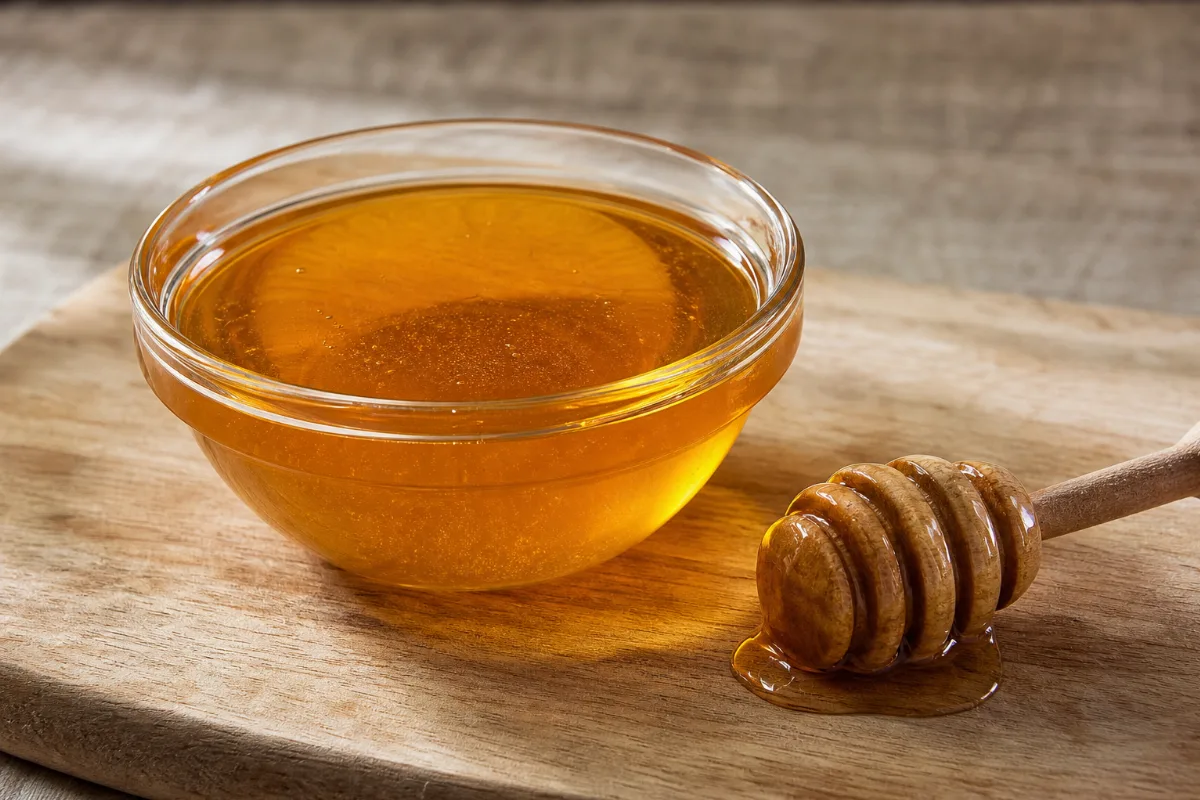
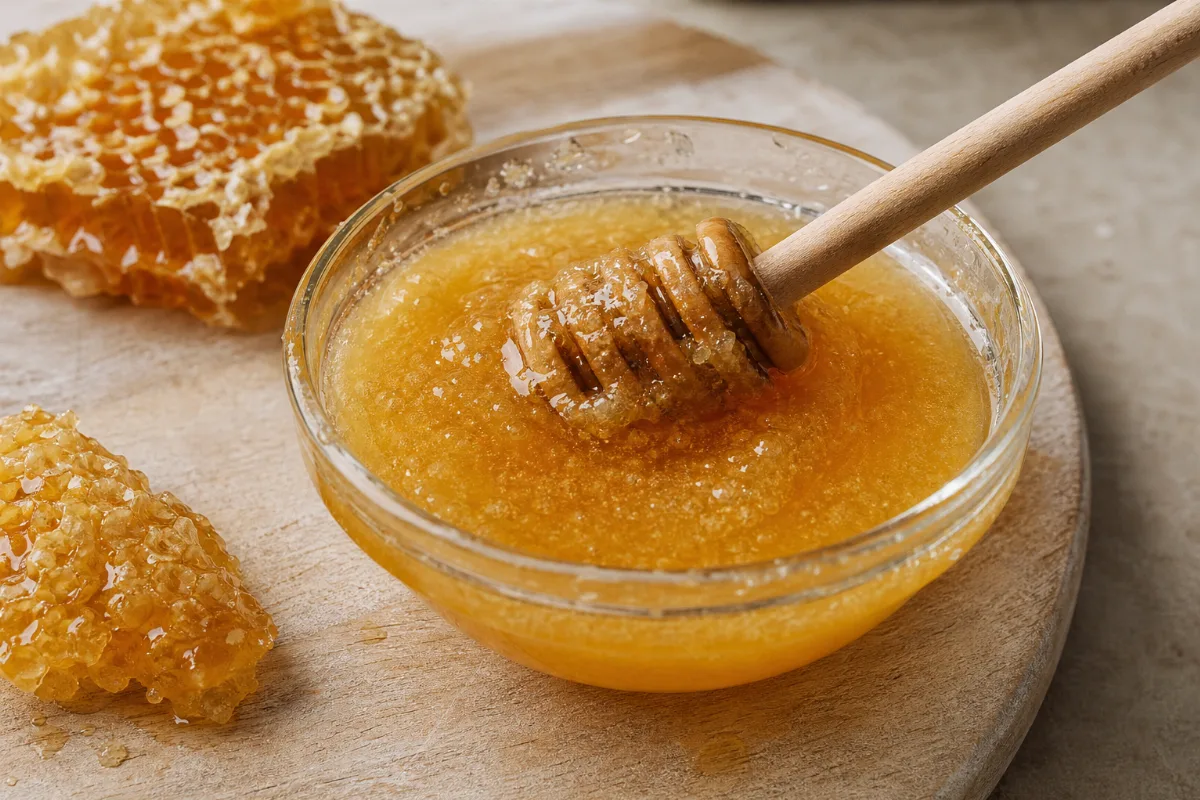
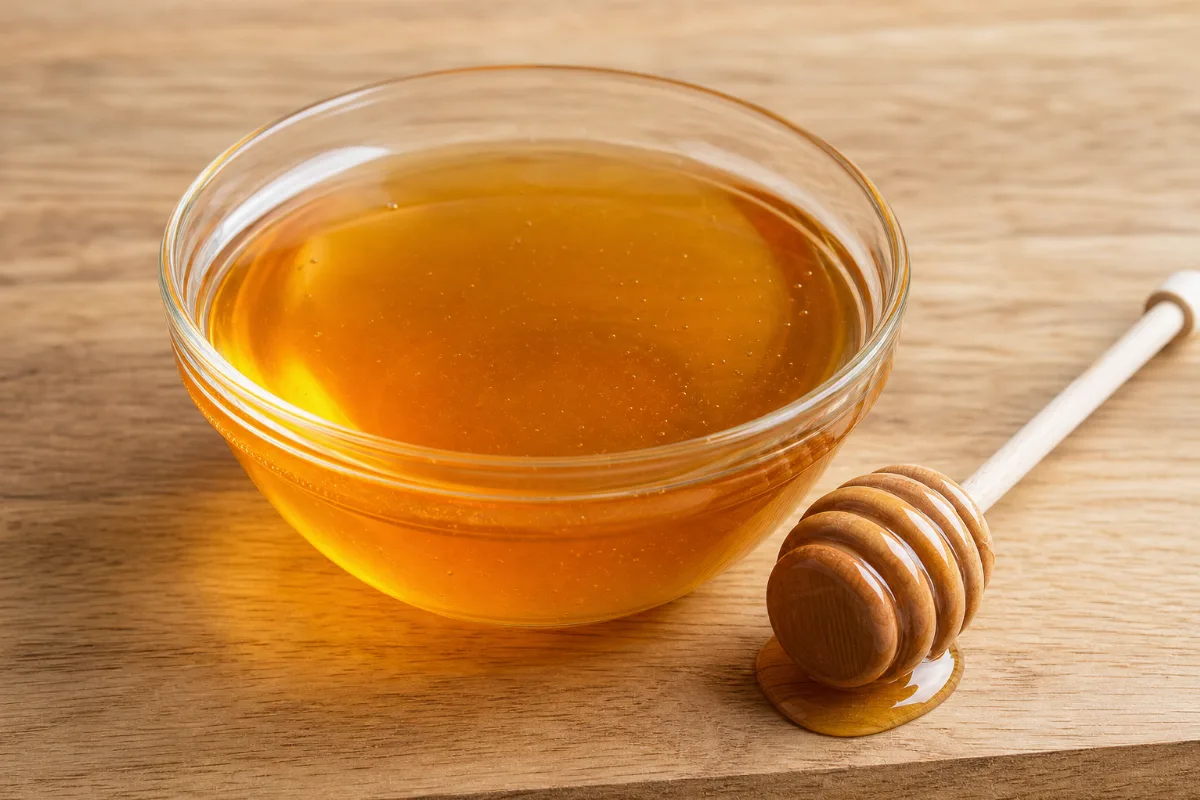
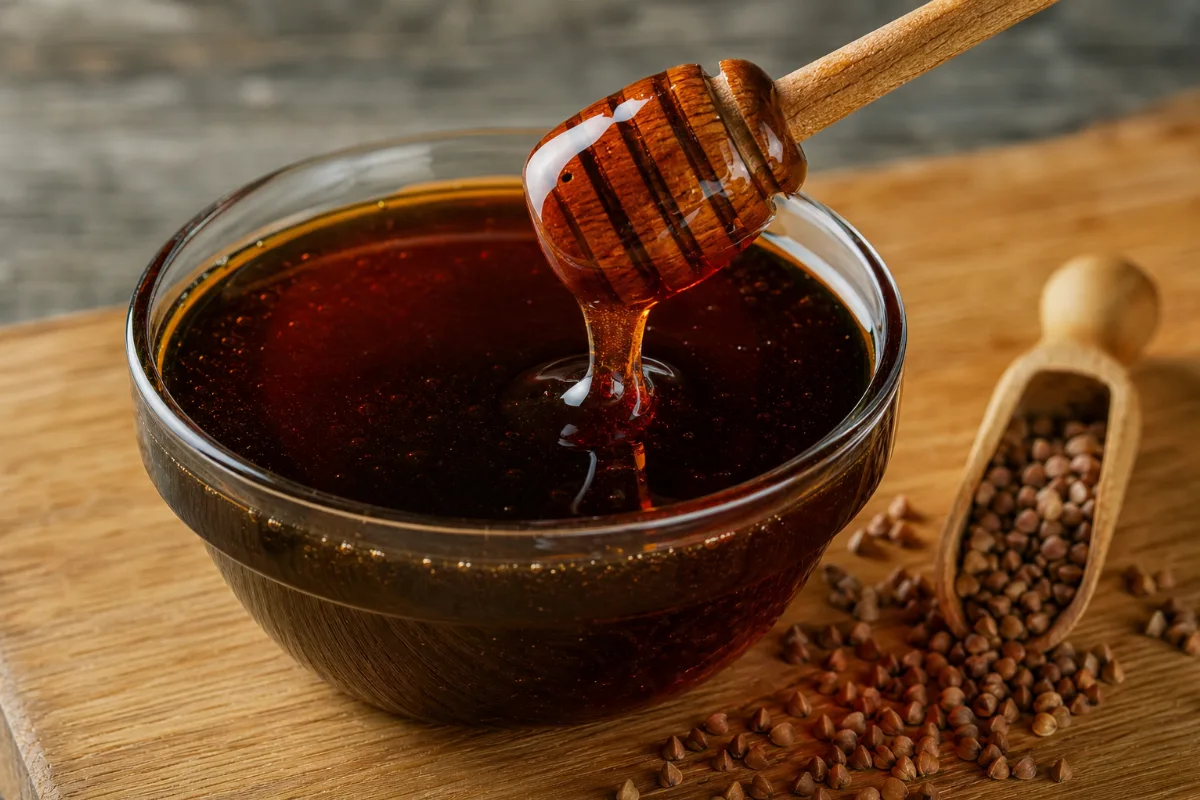
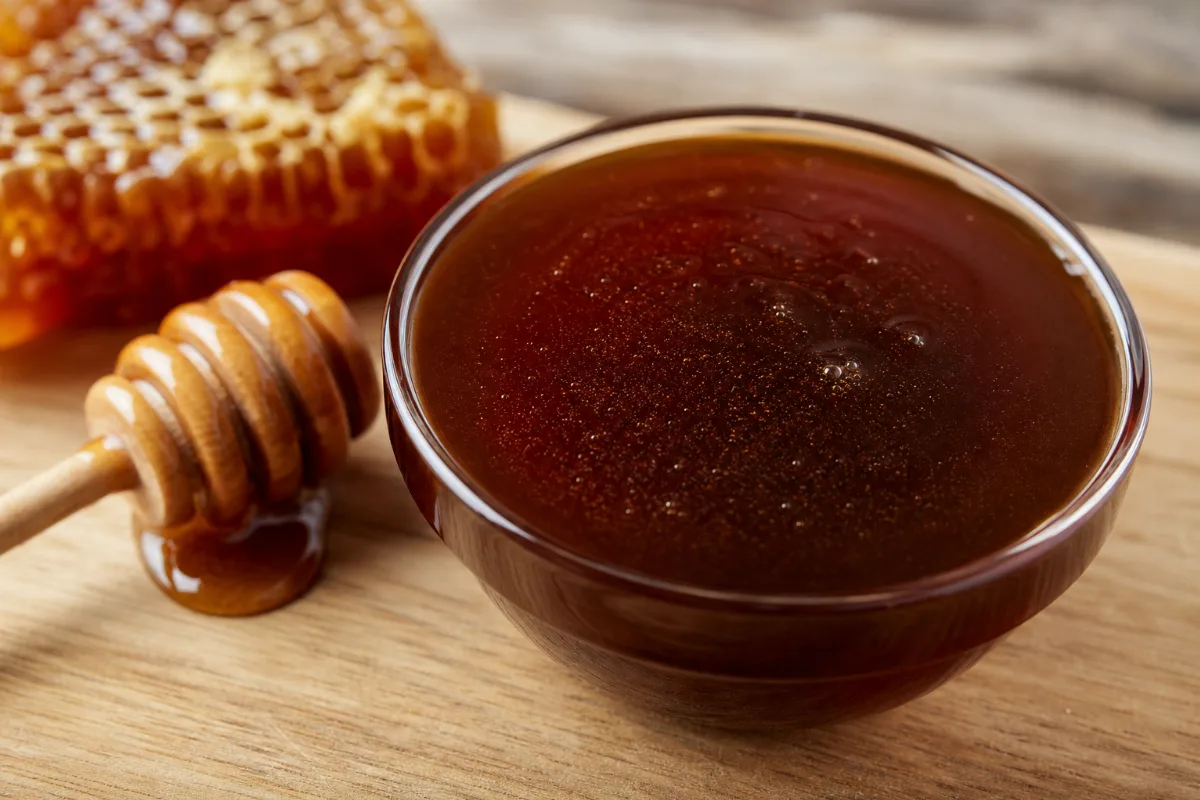
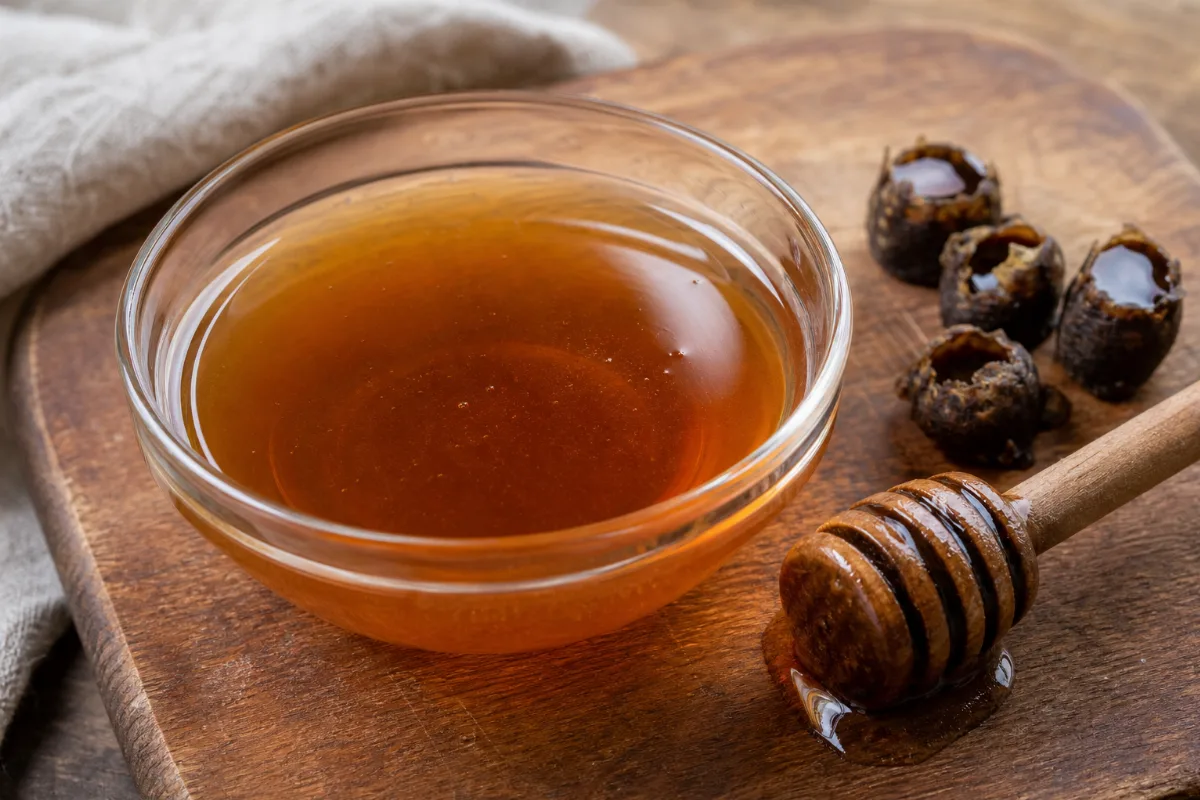
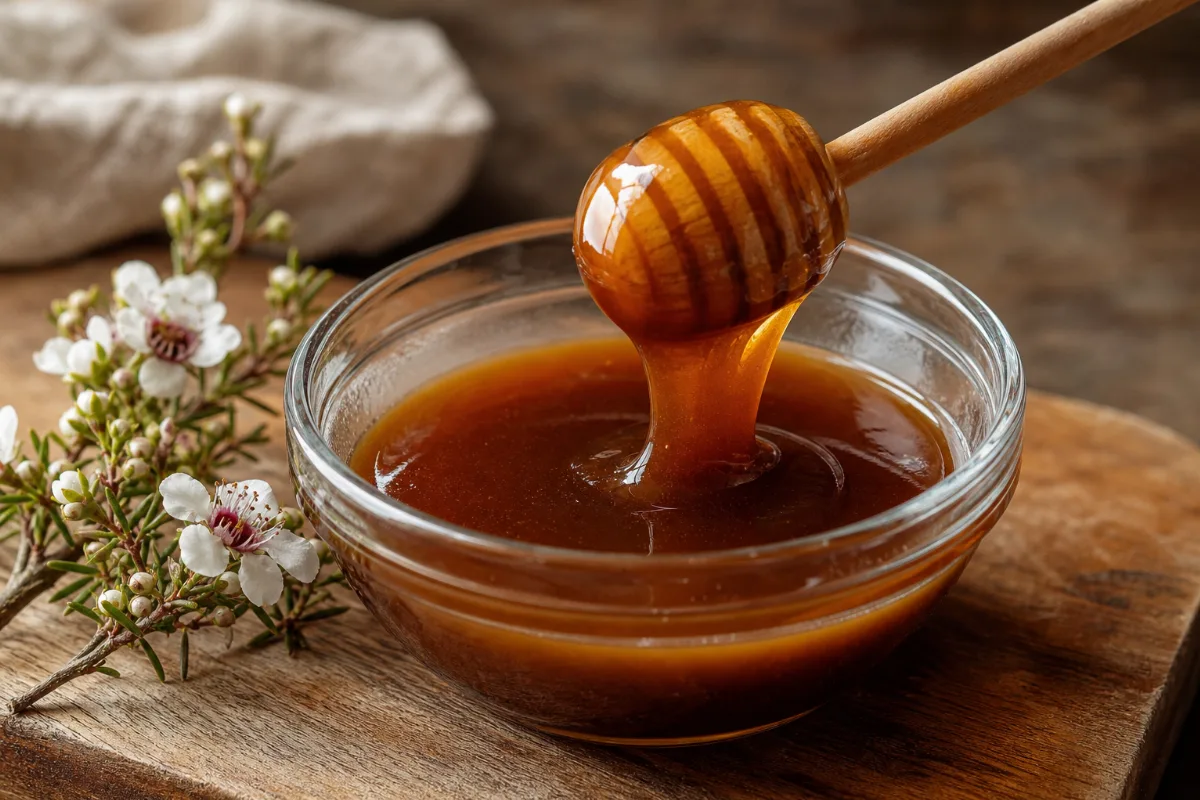
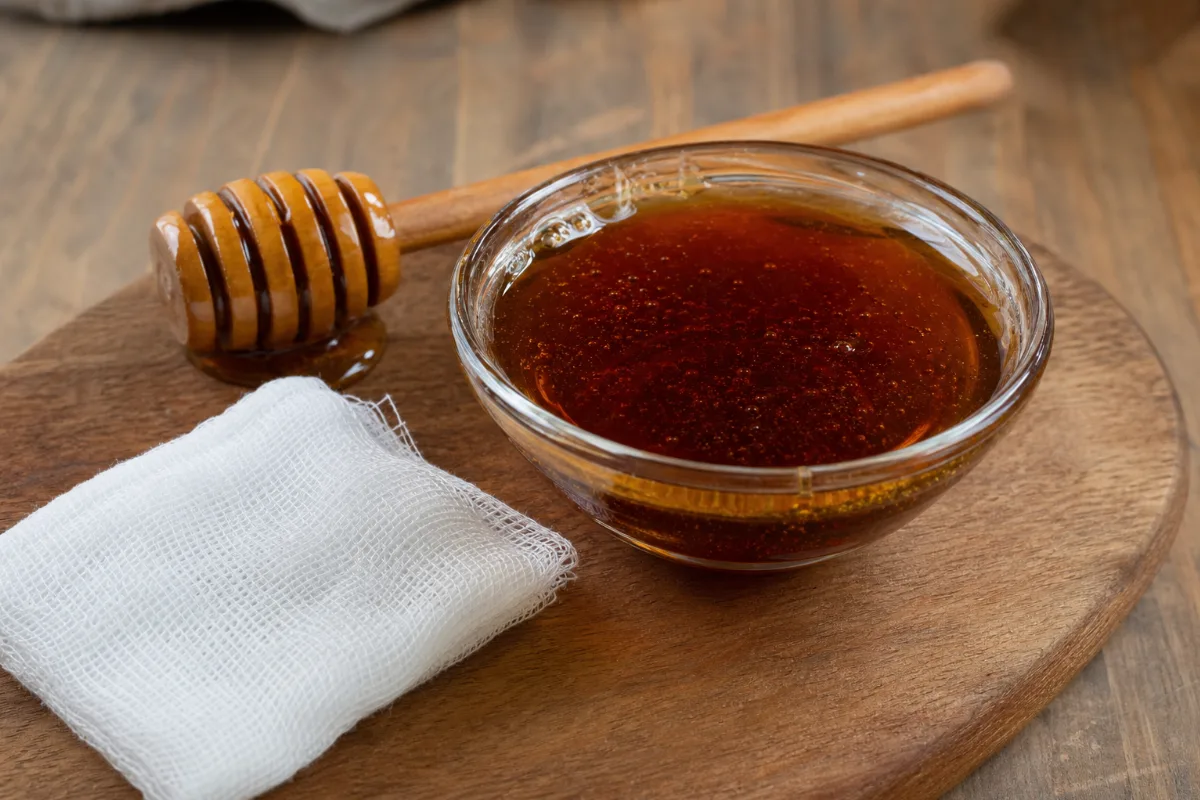
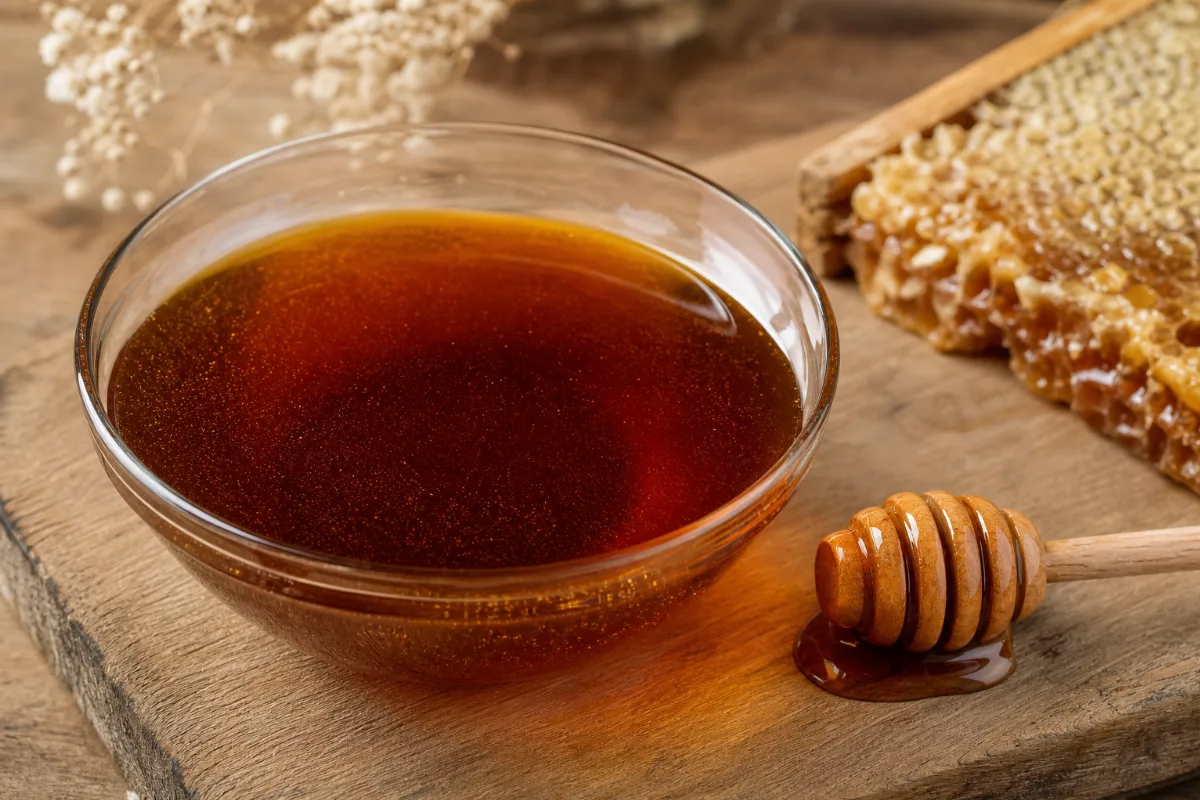
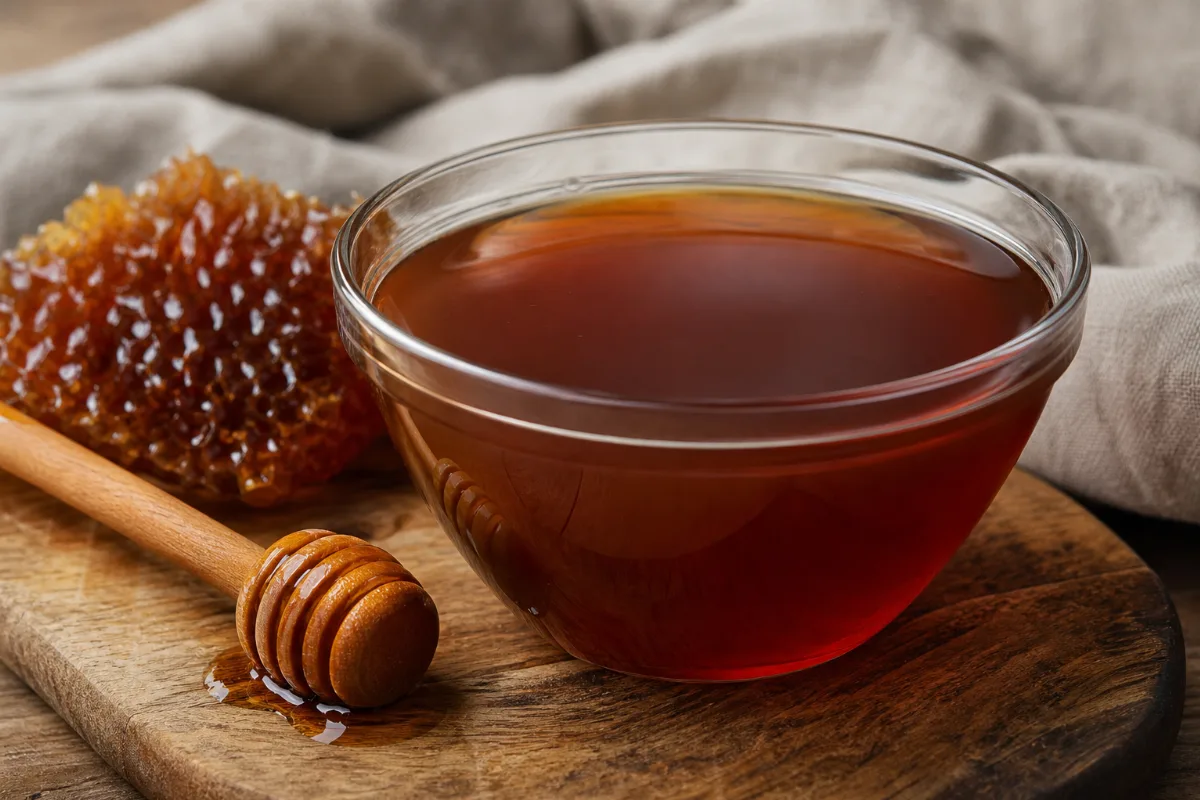
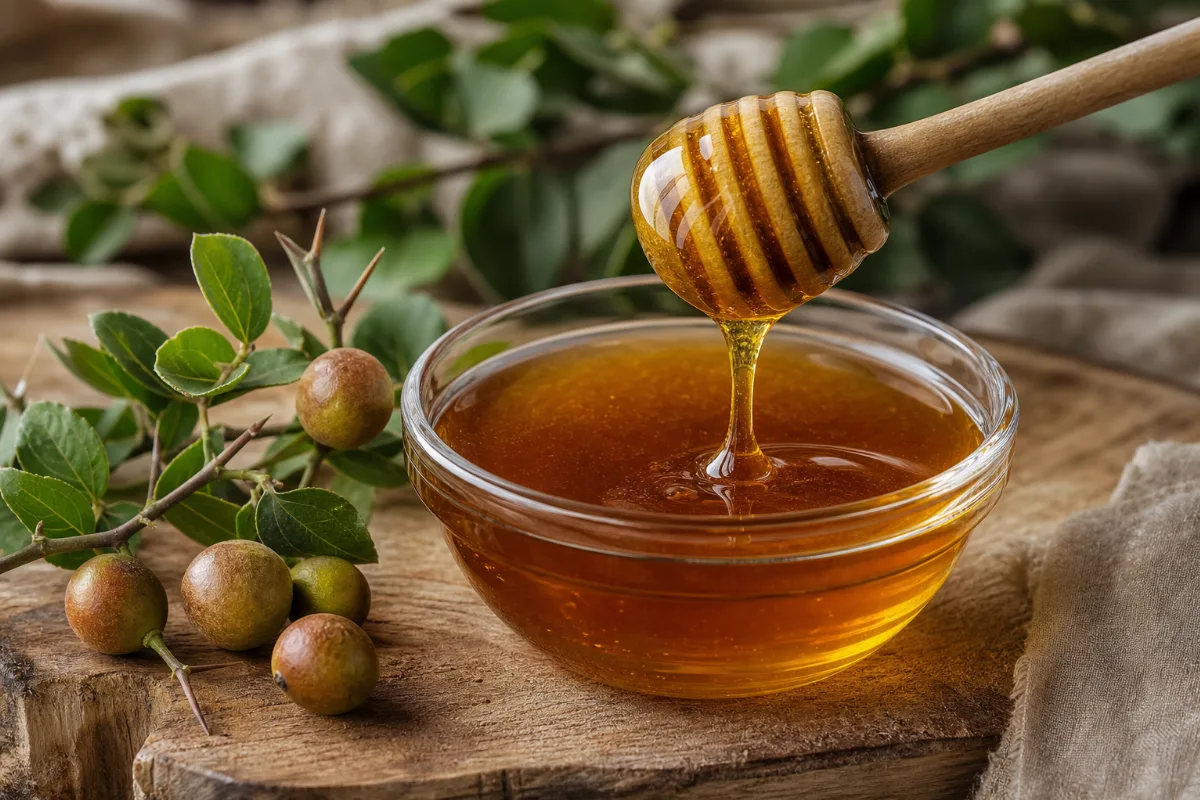
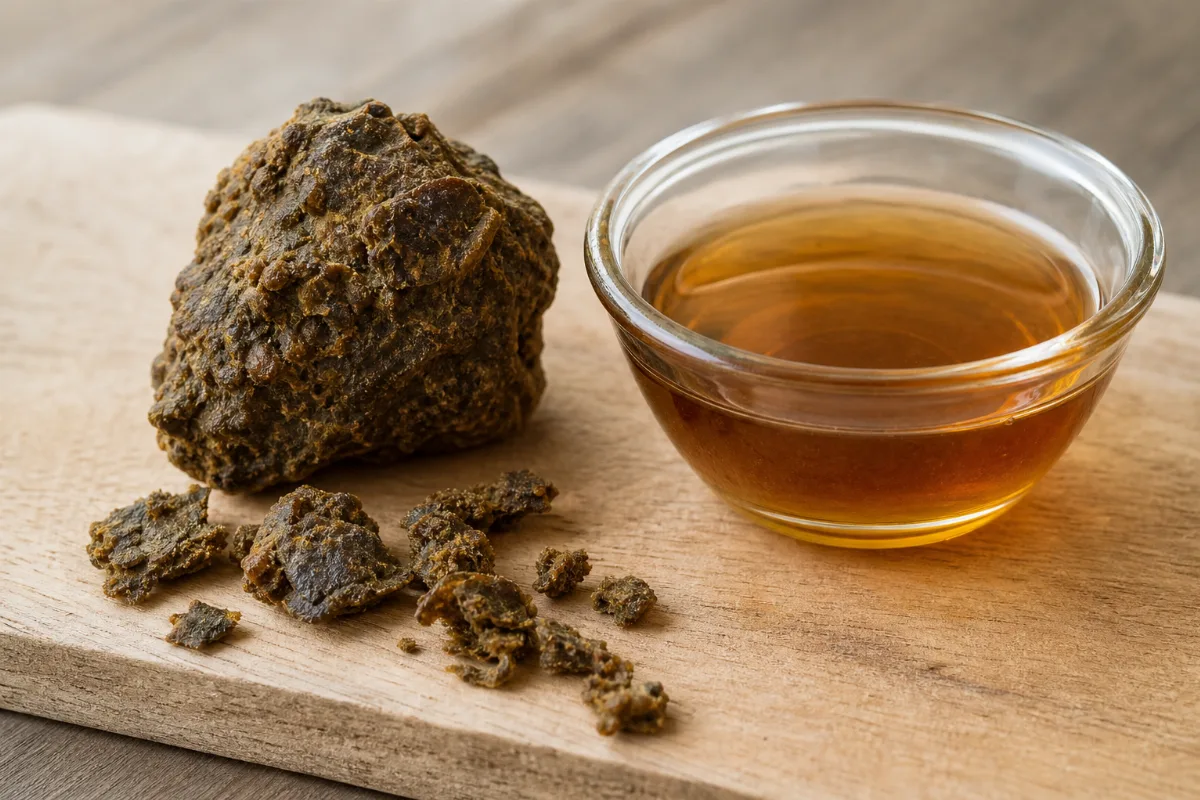
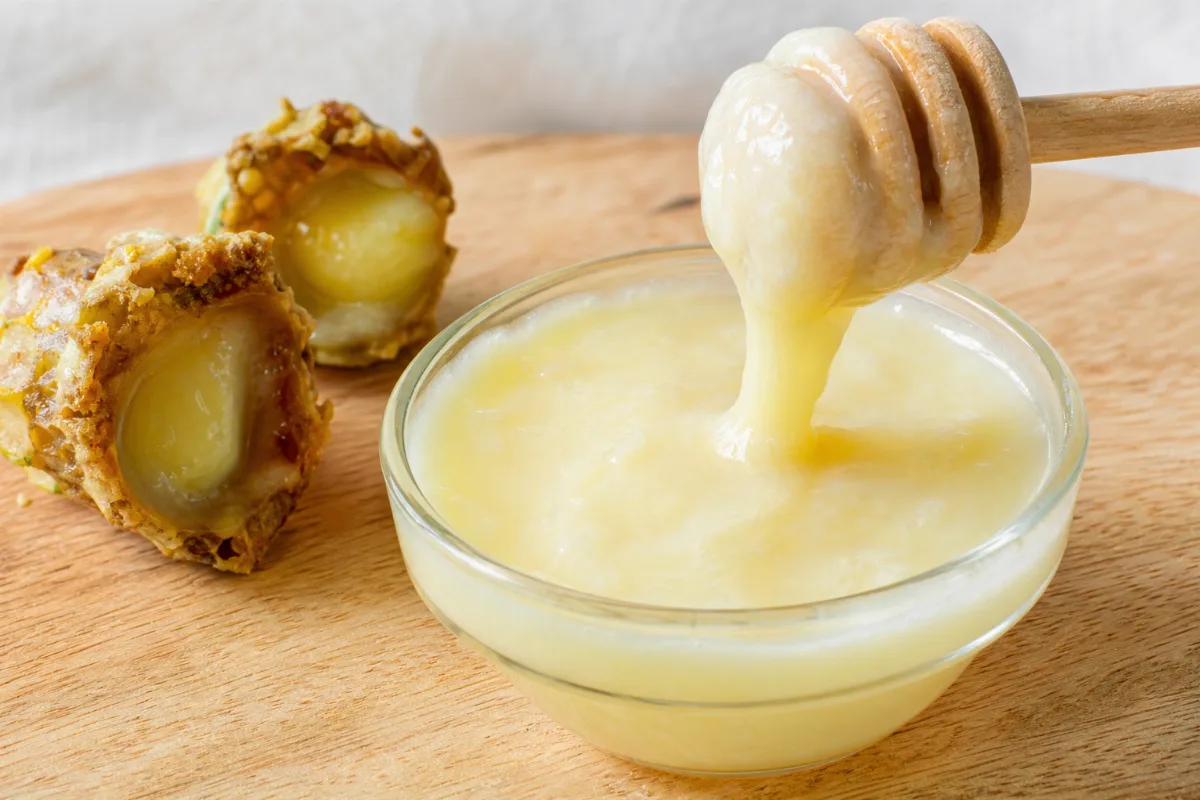
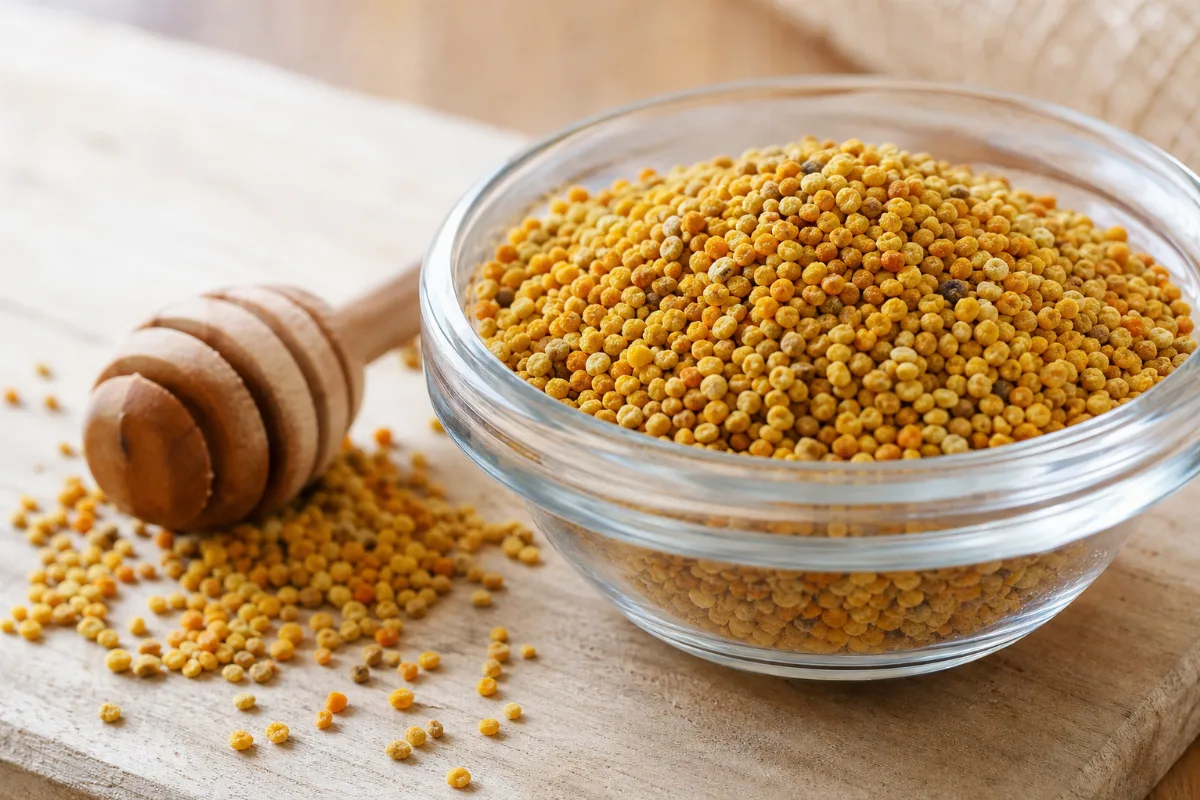
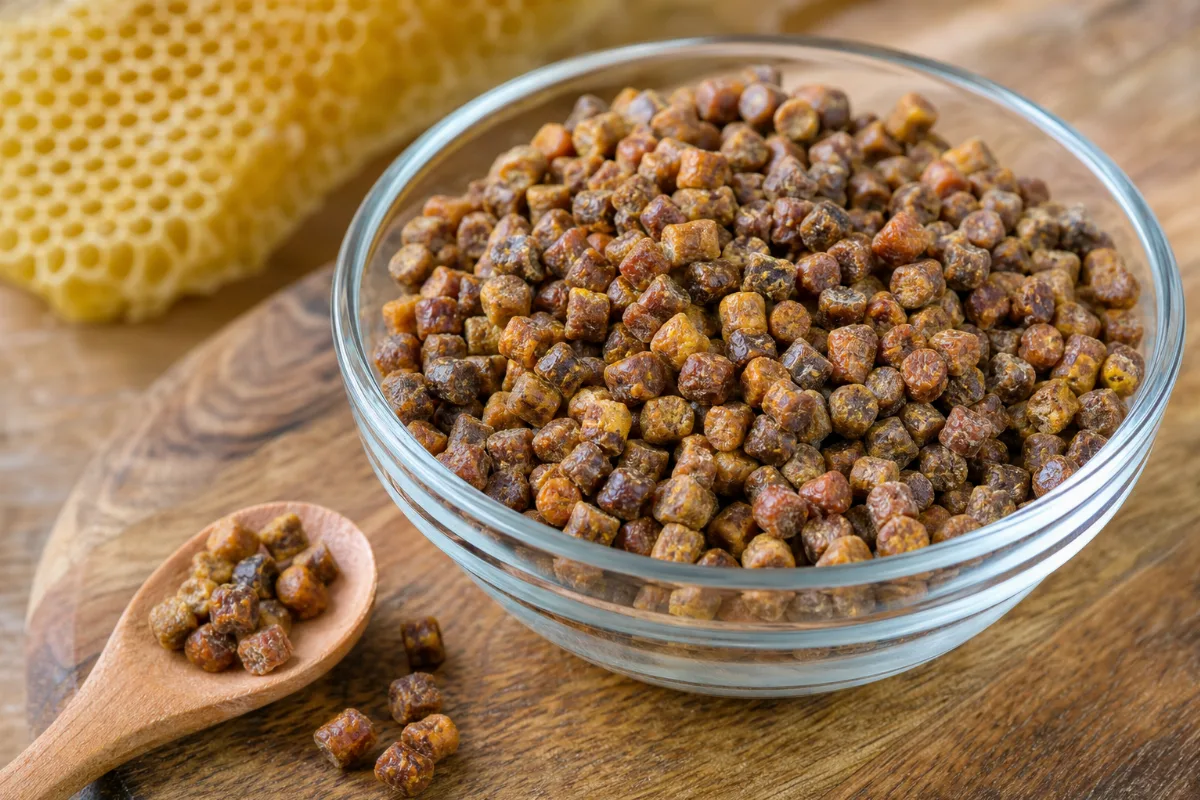
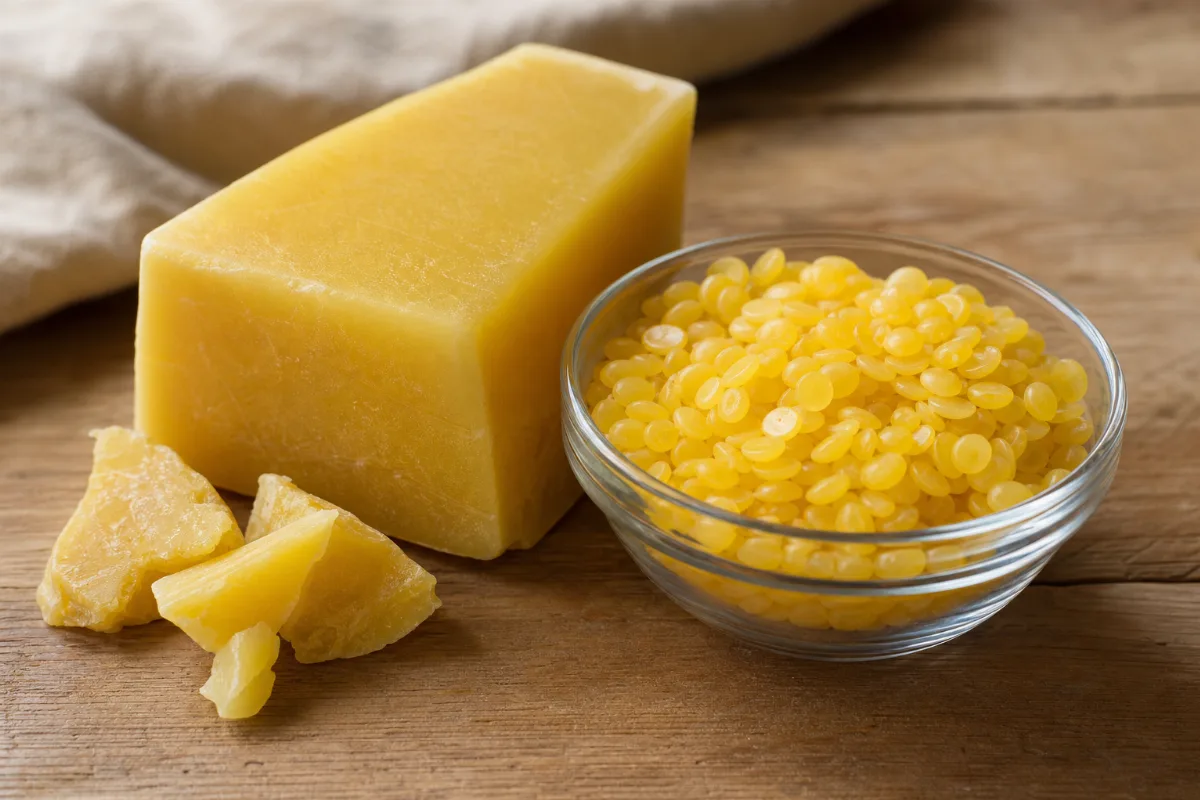
Honey is a food first, and bee products can cause allergy. Explore each honey and hive product: what it is, how bees make it, what studies in people have and have not found (kept apart from lab findings and tradition), medical-grade honey versus jar honey, and what to check before you use it: babies under 12 months, allergy and asthma, diabetes, pregnancy, raw honey, adulteration and wounds.
Honey made by honeybees (Apis mellifera) from flower nectar
Human evidence: Human trials with mixed results
Studied in people for: cough and sore throat, wounds and burns, blood sugar
Never for babies under 12 monthsAllergy, including anaphylaxisBlood sugar and diabetesRaw or unpasteurized+3 more
Honey: why it must never be given to babies under 12 months, what trials found for cough and for wound dressings, and why jar honey and medical honey are different products.
Honey and cough in children over 1 year
Honey and cold or upper respiratory infection symptoms
Honey dressings (medical-grade) for burns and some wounds
Honey made by honey bees (Apis mellifera) from flower nectar
Human evidence: Human trials with mixed results
Studied in people for: hay fever
Never for babies under 12 monthsAllergy, including anaphylaxisRaw or unpasteurizedAdulteration and label quality+1 more
What "raw" honey and regular honey may differ in (heat, filtering, pollen), what lab studies found, what is not shown in people, and why neither is safe for babies under 12 months.
Robinia pseudoacacia honey (honey made mainly from black locust nectar)
Human evidence: Very few human studies
Studied in people for: cough and sore throat
Never for babies under 12 monthsAllergy, including anaphylaxisAsthma and breathingBlood sugar and diabetes+3 more
Acacia honey (from black locust, Robinia pseudoacacia) is a light food honey. What studies show, what they do not, label and fraud issues, and honey safety rules.
Acacia honey and cough in young children
Acacia honey and blood sugar
Acacia honey as a food: sweetness and staying liquid
Trifolium honey (honey from clover nectar, chiefly Trifolium repens and other Trifolium species)
Human evidence: Very few human studies
Studied in people for: cough and sore throat, blood sugar, heart and cholesterol
Never for babies under 12 monthsAllergy, including anaphylaxisBlood sugar and diabetesRaw or unpasteurized+2 more
Clover honey is the mild table honey made from clover nectar. What it is, what the sources say about cough, blood sugar and safety, and why babies under 1 must not have it.
Clover honey as an everyday food
Honey and cough in children
Clover honey and blood lipids versus sugar
Honey, blood sugar and cholesterol markers (pooled trials)
Honey from Fagopyrum esculentum (common buckwheat) nectar
Human evidence: Very few human studies
Studied in people for: cough and sore throat
Never for babies under 12 monthsAllergy, including anaphylaxisBlood sugar and diabetesRaw or unpasteurized+1 more
Buckwheat honey is a dark, strong honey from buckwheat flowers. Here is what the children's night cough trials found and where they fall short, plus allergy and safety notes.
Buckwheat honey and night cough in children
Buckwheat honey compared with cough medicine
Buckwheat honey and children's sleep during a cold
Honey from Eucalyptus nectar (e.g. Eucalyptus camaldulensis)
Human evidence: Mostly lab and animal research
Never for babies under 12 monthsAllergy, including anaphylaxisBlood sugar and diabetesAdulteration and label quality+2 more
Eucalyptus honey is a food honey made from eucalyptus nectar. See how it is identified, what research shows, what it does not show, and the safety rules for any honey.
Forest honeydew honey: honey made by Apis mellifera from excretions of sap-sucking insects (Hemiptera) and plant secretions
Human evidence: Mostly lab and animal research
Never for babies under 12 monthsAllergy, including anaphylaxisBlood sugar and diabetesAdulteration and label quality+1 more
Honeydew honey is made from the sweet excretions of sap-sucking insects, not flower nectar. How it differs, what the Codex says, what research shows, and safety.
What honeydew honey is versus nectar honey
Honeydew honey and human health
Honeydew honey and antioxidant or antibacterial lab findings
Honey and oxidative stress markers (honey type not stated)
Studied in people for: wounds and burns, mouth sores and gums
Never for babies under 12 monthsAllergy, including anaphylaxisBlood sugar and diabetesRaw or unpasteurized+3 more
Stingless bee honey (kelulut, sugarbag, pot-honey) is wetter, more sour and ferments faster than honeybee honey. What small trials show, and the safety rules that still apply.
Stingless bee honey in diabetic wound dressings
Stingless bee honey and cognition after stroke
Stingless bee honey mouth rinse and dental plaque
How stingless bee honey differs from honeybee honey
Honey made by honeybees (Apis mellifera) from Leptospermum scoparium nectar
Human evidence: Human trials with mixed results
Studied in people for: wounds and burns, mouth sores and gums, eyes
Never for babies under 12 monthsAllergy, including anaphylaxisBlood sugar and diabetesNot for wounds unless medical grade+1 more
Manuka honey: how medical wound products differ from jar honey, what reviews found for wounds and dry eye, what UMF and MGO grades are, and the infant botulism warning.
Manuka honey and wound care
Manuka honey and mouth sores from radiation (oral mucositis)
Manuka honey and gum disease or plaque
Manuka honey rinse and dry mouth, and tooth-extraction healing
Sterilised, standardised honey made by Apis mellifera; some products use Leptospermum (manuka) nectar honey
Human evidence: Human trials with mixed results
Studied in people for: wounds and burns
Never for babies under 12 monthsAllergy, including anaphylaxisAdulteration and label qualityNot for wounds unless medical grade
What the Cochrane review found for honey dressings on burns and wounds, how medical-grade honey differs from kitchen honey, and why food honey is not a substitute for wound care.
Medical-grade honey dressings and partial-thickness burns
Honey from Eucalyptus marginata nectar (Western Australia)
Human evidence: Mostly lab and animal research
Never for babies under 12 monthsAllergy, including anaphylaxisNot for wounds unless medical gradeAdulteration and label quality
Jarrah honey from Western Australia: lab studies on its germ-fighting activity, why no human trial was found, and how food honey differs from sterilized medical-grade honey.
Honey of the giant rock bee (Apis dorsata) from Tualang trees (Koompassia excelsa)
Human evidence: Very few human studies
Studied in people for: wounds and burns, blood sugar, heart and cholesterol
Never for babies under 12 monthsAllergy, including anaphylaxisBlood sugar and diabetesNot for wounds unless medical grade
Tualang honey is a wild rainforest honey from Malaysia. Here is what small Malaysian human trials found, what they did not show, and the safety rules for any honey.
Tualang honey and memory in postmenopausal women
Tualang honey and cognition in schizophrenia
Tualang honey and cancer-related fatigue
Tualang honey after tonsillectomy and sinus surgery
Never for babies under 12 monthsAllergy, including anaphylaxisAdulteration and label qualityNot for wounds unless medical grade
Sidr honey comes from the flowers of the sidr tree (Ziziphus spina-christi). What lab studies and a few small dental trials show, what they do not, and safety notes.
Resin collected by honeybees (Apis mellifera) from plant buds and sap
Human evidence: Human trials with mixed results
Studied in people for: mouth sores and gums, skin conditions, blood sugar
Allergy, including anaphylaxisAsthma and breathingAdulteration and label qualityContaminants and residues
Propolis, the resin bees make: a documented allergen with serious reactions reported, what reviews found for wounds, mouth care and inflammation markers, and who should ask first.
Propolis and oral mucositis (mouth sores from cancer treatment)
Propolis and cold sores or genital herpes ointments
Secretion of worker honeybees (Apis mellifera) that feeds larvae and the queen
Human evidence: Human trials with mixed results
Studied in people for: menopause symptoms, blood sugar, skin conditions, exercise
Allergy, including anaphylaxisAsthma and breathingMedicine interactionsAdulteration and label quality
Royal jelly, a honeybee secretion sold as a supplement: reports of asthma and anaphylaxis, what meta-analyses found for blood sugar, liver tests, weight and oxidative stress, and who should ask first.
Pollen granules collected by honeybees (Apis mellifera), mixed with nectar and bee secretions
Human evidence: Mostly traditional use
Allergy, including anaphylaxisAsthma and breathingAdulteration and label qualityContaminants and residues
Bee pollen: reports of anaphylaxis and asthma, why pollen-allergic people are most at risk, FDA warnings about weight-loss products sold under the name, and what clinical trials have covered.
Perga: pollen packed in comb cells and fermented by lactic bacteria and yeasts
Human evidence: Very few human studies
Studied in people for: heart and cholesterol
Allergy, including anaphylaxisAdulteration and label qualityContaminants and residues
Bee bread (perga) is bee pollen fermented in honeycomb cells. What is known about its contents, the very thin human evidence, and allergy and residue cautions.
Cera alba (white beeswax), Cera flava (yellow beeswax), wax secreted by worker honey bees (Apis mellifera, Apis cerana)
Human evidence: Very few human studies
Studied in people for: skin conditions
Allergy, including anaphylaxisAdulteration and label quality
Beeswax in lip balms and ointments: how reviews describe its skin barrier role, how little human research exists, and the occasional contact allergy, especially in people allergic to propolis.
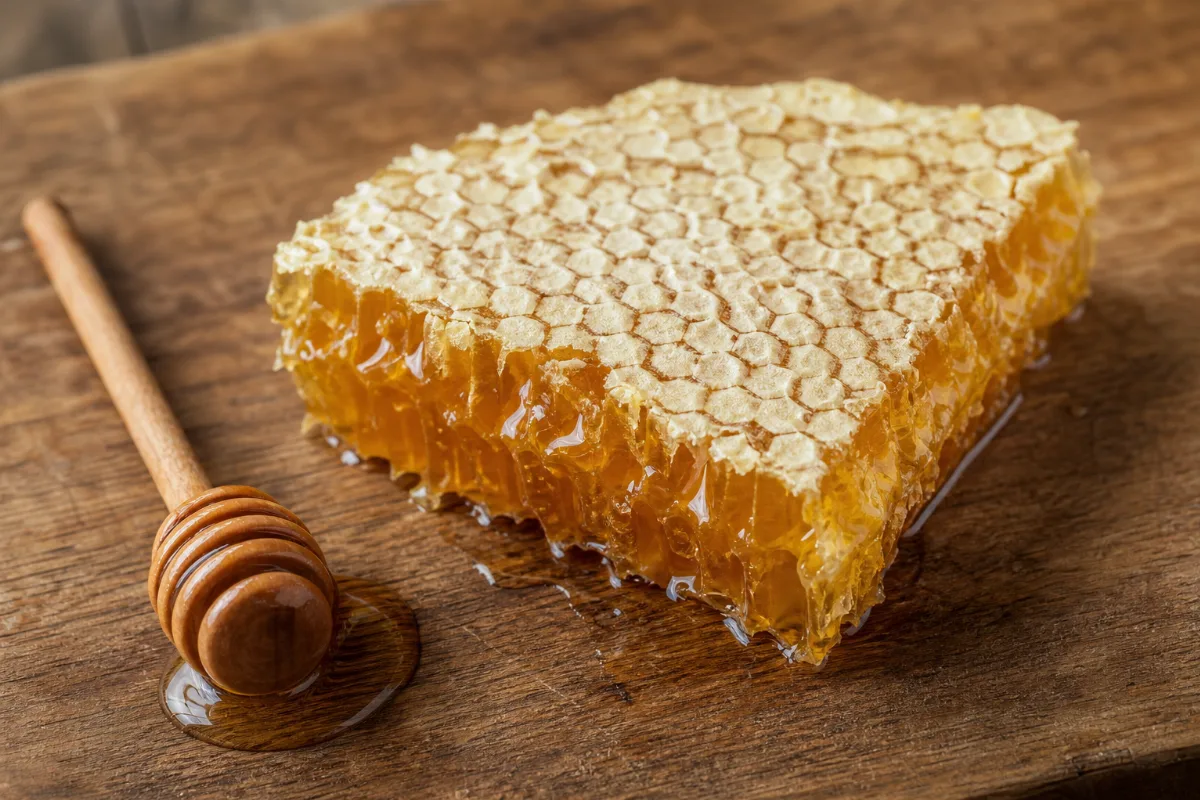
Comb honey: honey still in its beeswax comb, eaten whole (Apis mellifera)
Human evidence: Mostly traditional use
Never for babies under 12 monthsAllergy, including anaphylaxisBlood sugar and diabetesRaw or unpasteurized+1 more
Honeycomb is honey still in its beeswax comb, eaten whole. See what is in it, what sources say about the wax, safety for babies and allergy, and why no trials exist.
Bee venom (apitherapy) is sold as stings, injections and face creams. Read what trials found for MS and pain, the risk of anaphylaxis, and what to do after a sting.
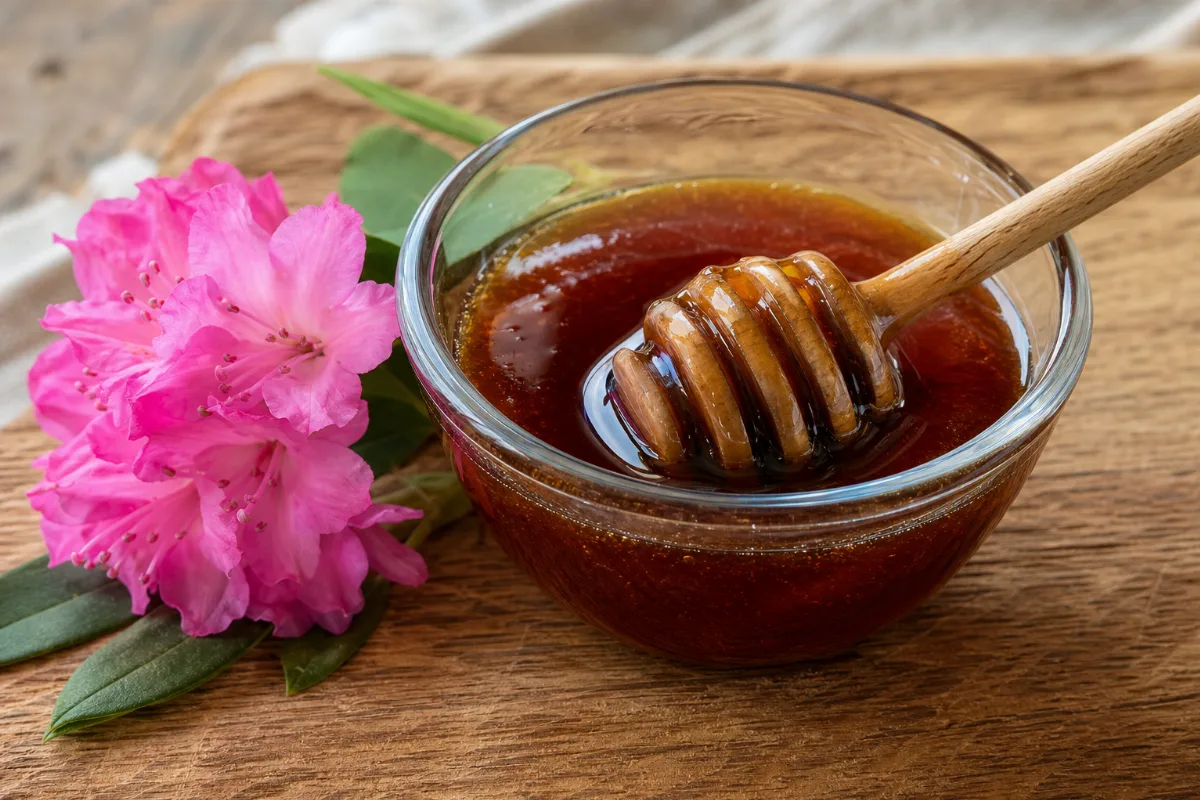
Honey from Rhododendron and other Ericaceae nectar containing grayanotoxins
Human evidence: Mostly traditional use
Natural toxinAdulteration and label quality
Mad honey (grayanotoxin honey) from rhododendron nectar can slow the heart and drop blood pressure. Here is what case reports show, who is at risk, and when to get help.
Mad honey for blood pressure, diabetes and stomach problems (traditional use)
No bee product matches all of these filters. Try removing one. Some topics (for example most herbs) are not bee products and live elsewhere on the site.
"Studied for" means a study in people exists, not that the product works, and a trial of one honey or one product does not carry over to another: jar honey is not medical-grade honey. "Check before you use" lists cautions a source we read raised. It is not a complete list, so ask a pharmacist or clinician if you take medicines, are pregnant, have allergy or asthma, or are caring for a baby. Never give honey to a baby under 12 months.
Browse by bee product group
Honey types
Everyday honeys and single-flower honeys: acacia, clover, buckwheat, eucalyptus, honeydew, stingless-bee honey and raw honey. Foods first; never for babies under 12 months.
Manuka, jarrah, tualang and sidr honey and sterilised medical-grade honey: the honeys studied for wounds, mouth care and other uses. Jar honey is not a wound dressing.
Propolis, royal jelly, bee pollen, bee bread, beeswax, honeycomb and bee venom: made by bees from resin, pollen, glands or wax. These can cause serious allergy.
More Honey and Bee Product Profiles(19)Honey types, medical and traditional-medicine honeys, hive products and the one honey that can poison: one evidence-and-safety page each.
Honey: why it must never be given to babies under 12 months, what trials found for cough and for wound dressings, and why jar honey and medical honey are different produ…
Acacia honey (from black locust, Robinia pseudoacacia) is a light food honey. What studies show, what they do not, label and fraud issues, and honey safety rules.
Manuka honey: how medical wound products differ from jar honey, what reviews found for wounds and dry eye, what UMF and MGO grades are, and the infant botulism warning.
Clover honey is the mild table honey made from clover nectar. What it is, what the sources say about cough, blood sugar and safety, and why babies under 1 must not have …
Propolis, the resin bees make: a documented allergen with serious reactions reported, what reviews found for wounds, mouth care and inflammation markers, and who should …
Buckwheat honey is a dark, strong honey from buckwheat flowers. Here is what the children's night cough trials found and where they fall short, plus allergy and safety n…
Royal jelly, a honeybee secretion sold as a supplement: reports of asthma and anaphylaxis, what meta-analyses found for blood sugar, liver tests, weight and oxidative st…
Eucalyptus honey is a food honey made from eucalyptus nectar. See how it is identified, what research shows, what it does not show, and the safety rules for any honey.
Bee pollen: reports of anaphylaxis and asthma, why pollen-allergic people are most at risk, FDA warnings about weight-loss products sold under the name, and what clinica…
Honeydew honey is made from the sweet excretions of sap-sucking insects, not flower nectar. How it differs, what the Codex says, what research shows, and safety.
Beeswax in lip balms and ointments: how reviews describe its skin barrier role, how little human research exists, and the occasional contact allergy, especially in peopl…
Stingless bee honey (kelulut, sugarbag, pot-honey) is wetter, more sour and ferments faster than honeybee honey. What small trials show, and the safety rules that still …
Jarrah honey from Western Australia: lab studies on its germ-fighting activity, why no human trial was found, and how food honey differs from sterilized medical-grade ho…
Tualang honey is a wild rainforest honey from Malaysia. Here is what small Malaysian human trials found, what they did not show, and the safety rules for any honey.
Sidr honey comes from the flowers of the sidr tree (Ziziphus spina-christi). What lab studies and a few small dental trials show, what they do not, and safety notes.
Bee bread (perga) is bee pollen fermented in honeycomb cells. What is known about its contents, the very thin human evidence, and allergy and residue cautions.
Honeycomb is honey still in its beeswax comb, eaten whole. See what is in it, what sources say about the wax, safety for babies and allergy, and why no trials exist.
Bee venom (apitherapy) is sold as stings, injections and face creams. Read what trials found for MS and pain, the risk of anaphylaxis, and what to do after a sting.
Mad honey (grayanotoxin honey) from rhododendron nectar can slow the heart and drop blood pressure. Here is what case reports show, who is at risk, and when to get help.
Safety, Quality and Blood Sugar Guides(4)The situation-by-situation safety checklist behind the "Check before you use" filter, honey adulteration and labels, honey and diabetes, and apitherapy.
A situation-by-situation safety checklist for honey, pollen, royal jelly, propolis and bee venom: babies, allergy, diabetes, wounds, raw honey, mad honey. Not medical ad…
Honey fraud is documented. What EU and lab testing found, what US, EU and Codex rules say, what raw, pure and organic labels do not guarantee, and how to choose and stor…
Honey is mostly fructose and glucose and counts as a free sugar. Here is what glycemic index values, meta-analyses and diabetes groups say, and what they do not.
Apitherapy means using bee products as medicine. See what each product has and has not shown in human studies, what regulators say, and the allergy and venom safety rule…
Search bee products: popular bee products, A to Z, search with filters, more ways
Well-studied bee products to start with
These bee products have the most human research summarized in our guides (counted from the evidence ratings on each profile). More research does not mean the bee product works or is safe for you: open the guide to see what was found, including negative and mixed results.
Every published bee product guide (21), with its names and what it is made of. Each name opens one guide that brings together identity, traditional use, research, safety, forms and sources.
A (1)
Acacia HoneyRobinia pseudoacacia honey (honey made mainly from black locust nectar)Also: Black locust honey, False acacia honey, Robinia honey
B (5)
Bee BreadPerga: pollen packed in comb cells and fermented by lactic bacteria and yeastsAlso: Perga, Beebread, Fermented bee pollen
Bee PollenPollen granules collected by honeybees (Apis mellifera), mixed with nectar and bee secretionsAlso: Bee-collected pollen, Pollen granules, Corbicular pollen
HoneyHoney made by honeybees (Apis mellifera) from flower nectarAlso: Bee honey, Raw honey, Creamed honey
HoneycombComb honey: honey still in its beeswax comb, eaten whole (Apis mellifera)Also: Comb honey, Honey in the comb, Cut comb
Honeydew HoneyForest honeydew honey: honey made by Apis mellifera from excretions of sap-sucking insects (Hemiptera) and plant secretionsAlso: Forest honey, Fir honeydew honey, Oak honeydew honey
J (1)
Jarrah HoneyHoney from Eucalyptus marginata nectar (Western Australia)Also: Western Australian jarrah honey, Eucalyptus marginata honey
M (3)
Mad Honey (Grayanotoxin Honey)Honey from Rhododendron and other Ericaceae nectar containing grayanotoxinsAlso: Mad honey, Grayanotoxin honey, Rhododendron honey
Manuka HoneyHoney made by honeybees (Apis mellifera) from Leptospermum scoparium nectarAlso: Mānuka honey, Leptospermum honey, UMF manuka
Medical-Grade HoneySterilised, standardised honey made by Apis mellifera; some products use Leptospermum (manuka) nectar honeyAlso: Honey dressing, honey, Honey wound dressing
P (1)
PropolisResin collected by honeybees (Apis mellifera) from plant buds and sapAlso: Bee glue, Bee propolis, Poplar propolis
R (2)
Raw HoneyHoney made by honey bees (Apis mellifera) from flower nectarAlso: Unpasteurized honey, Unfiltered honey, Regular honey
Royal JellySecretion of worker honeybees (Apis mellifera) that feeds larvae and the queenAlso: Bee milk, Queen bee food, Protease-treated royal jelly
S (2)
Sidr HoneyZiziphus spina-christi (honey from its flowers)Also: Sidr tree honey, Christ's thorn jujube honey, Sider honey
Tualang HoneyHoney of the giant rock bee (Apis dorsata) from Tualang trees (Koompassia excelsa)Also: Malaysian jungle honey, Rock bee honey, Madu tualang
Find the bee products that matter to you
Search by bee product, benefit, body system, goal, symptom or lab test. Each result explains why it matches and how strong the evidence is.
Check before you use ▾
Studied for ▾
Evidence in people ▾
Where it comes from ▾
Filters: group, evidence, body system, body part, goal, root cause, habit, biomarker, condition
More ways to find a bee product
Pick a way to look, then pick a choice. Every list links to the full guide.
Bee products whose guide mentions use in a traditional system. A mention shows history, not proof that it works.
Tualang HoneyHoney of the giant rock bee (Apis dorsata) from Tualang trees (Koompassia excelsa)
Bee products whose guide documents a point to check for this concern. Being listed does not mean the bee product is unsafe for everyone. Open the guide to read the details.
Pregnancy and breastfeeding (5 bee products)
Bee BreadPerga: pollen packed in comb cells and fermented by lactic bacteria and yeasts
Bee PollenPollen granules collected by honeybees (Apis mellifera), mixed with nectar and bee secretions
Manuka HoneyHoney made by honeybees (Apis mellifera) from Leptospermum scoparium nectar
PropolisResin collected by honeybees (Apis mellifera) from plant buds and sap
Royal JellySecretion of worker honeybees (Apis mellifera) that feeds larvae and the queen
Children and teenagers (16 bee products)
Acacia HoneyRobinia pseudoacacia honey (honey made mainly from black locust nectar)
Bee BreadPerga: pollen packed in comb cells and fermented by lactic bacteria and yeasts
Buckwheat HoneyHoney from Fagopyrum esculentum (common buckwheat) nectar
Clover HoneyTrifolium honey (honey from clover nectar, chiefly Trifolium repens and other Trifolium species)
Eucalyptus HoneyHoney from Eucalyptus nectar (e.g. Eucalyptus camaldulensis)
HoneyHoney made by honeybees (Apis mellifera) from flower nectar
HoneycombComb honey: honey still in its beeswax comb, eaten whole (Apis mellifera)
Honeydew HoneyForest honeydew honey: honey made by Apis mellifera from excretions of sap-sucking insects (Hemiptera) and plant secretions
Jarrah HoneyHoney from Eucalyptus marginata nectar (Western Australia)
Manuka HoneyHoney made by honeybees (Apis mellifera) from Leptospermum scoparium nectar
Medical-Grade HoneySterilised, standardised honey made by Apis mellifera; some products use Leptospermum (manuka) nectar honey
PropolisResin collected by honeybees (Apis mellifera) from plant buds and sap
Raw HoneyHoney made by honey bees (Apis mellifera) from flower nectar
Sidr HoneyZiziphus spina-christi (honey from its flowers)
The best level of evidence in each bee product guide for any listed benefit. A stronger label for one use says nothing about its other uses or its safety.
Clinical trials support a benefit (4 bee products)
Bee products have been used for health in many cultures for centuries. A traditional use tells you what people have done, not that it works. Here every bee product is listed under the goals, body systems and actions its guide connects it to, and each link carries the strength of the evidence behind it.
Strongest
4 bee products
Clinical trials support a benefit
Promising
14 bee products
Early or mixed human evidence
Early science
3 bee products
Lab or animal research only
Unknown
0 bee products
Too little evidence to say
Each bee product is counted once, at the strongest level its guide documents for any use. A strong label for one use says nothing about its other uses or its safety. "Traditional use" alone is not one of these labels: where a guide only reports history, the link is rated "Too little evidence to say". Read the guide on traditional use and research evidence.
Bee products by wellness goal
Each card shows how many bee products are linked to a goal and how strong the evidence is. Green means clinical trials support a benefit; grey means too little evidence. These are links the guides document, not recommendations. For the wider picture, see the Wellness Goals section.
The same links, organized the way anatomy and physiology textbooks do. "Action" describes what a bee product is said to do (for example calming or digestive support); it names the claim, not the proof.
Side-by-side guides for bee products that people confuse or choose between. They explain differences; they do not rank the bee products.
What research shows, by health concern
Each guide below looks at one concern, from sleep to skin, and separates bee products that were tested in people from bee products that are only traditional or lab-tested.
People have used bee products for health for many centuries. A traditional use tells you what people have done, not that it works. For what research found, see the Health Benefits and Scientific Evidence tabs.
Traditional bee product medicine
Ayurveda, Traditional Chinese Medicine and other traditions each use natural remedies in their own systems. The bee products below are the ones whose guide mentions the tradition in its own text. That a tradition uses a bee product is history, not clinical evidence. Each guide says separately what trials found.
Native American and Indigenous · 1 bee products mention it
Bee products are active substances. Some interact with prescription medicines, some are unsafe in pregnancy or with certain conditions, and some have been linked to serious harm. This tab brings together what the individual bee product guides document, plus the general rules. Medicine interactions have their own tab.
If someone may have been poisoned or is seriously unwell
▸Collapse, seizure, trouble breathing, swelling of the face or throat, chest pain or a fast irregular heartbeat: call your local emergency number now (911 in the United States and Canada, 999 in the UK, 112 in the European Union).
▸Swallowed too much of a bee product, or a child or pet got into a product, and the person seems well: in the United States call Poison Help, 1-800-222-1222 (free, 24 hours). Elsewhere, call your national poison centre or local emergency number.
▸Yellow skin or eyes, dark urine, severe belly pain, or a new rash after starting a bee product: stop it and contact a clinician the same day.
Never give honey to a baby under 12 months. It can carry spores that cause infant botulism.
Bee pollen, royal jelly, propolis, honey and bee venom can cause allergic reactions, including anaphylaxis. People allergic to pollen or with asthma are at higher risk.
Jar honey and medical-grade honey wound dressings are different products. Food honey is not a substitute for wound care.
Honey is sugar: it counts for people managing diabetes. Some honeys are adulterated or wrongly labelled. "Mad honey" from some rhododendrons can poison.
In the US, Poison Help is 1-800-222-1222; call 911 for collapse, trouble breathing or swelling of the face or throat.
"Natural" does not mean safe. Natural products can contain strong substances; some are harmful. Natural Does Not Mean Safe
Tell your pharmacist and clinician about every bee product product you use, and ask before combining one with prescription or over-the-counter medicines.
Be extra careful with narrow-margin medicines such as warfarin, antidepressants, immunosuppressants, diabetes and blood pressure medicines.
Tell the surgical team about every bee product before an operation. Many teams ask people to stop bee product products ahead of surgery; ask yours how long.
Pregnancy, breastfeeding, children and older adults are groups where good safety data are often missing, so official sources usually advise asking first.
Start one product at a time, at the label amount, so a reaction can be traced. Stop and get advice if you feel unwell.
Products vary. Contamination, substitution and mislabelling are documented problems; third-party testing can reduce but not remove the risk.
Each line comes from a bee product's own guide, where it is backed by cited sources: 98 documented risks across 21 of the 21 bee products. A bee product missing from a list is not proven safe: it may simply not have been studied. Open the bee product's guide for the full wording and sources.
Mad honey and slow heart rate, low blood pressure and heart block. Case series from Turkey describe slow heart rate, low blood pressure and complete heart block, treated in hospital with atropine …
Mad honey sold as a sexual stimulant. Case reports and reviews describe the honey being used as an aphrodisiac or sexual stimulant, a motive linked to poisoning; no tr…
Mad honey and heart attack look-alike. One man arrived with a heart attack; pollen testing showed rhododendron pollen. Authors say poisoning can mimic a heart attack.
Pesticide residues in bee bread. Reviews and a Swiss monitoring study found many pesticides in bee bread, including mite-control chemicals, with large variation b…
Weight-loss products sold as bee pollen. The FDA lists several weight-loss products sold under a bee pollen name among its medication health fraud notifications, as conta…
Bee venom and anaphylaxis. Bee venom can cause anaphylaxis, a life-threatening allergic reaction, including during deliberate venom therapy. A fatal case af…
What to do after a bad sting reaction. Signs of a severe reaction are trouble breathing, wheezing, swelling of face or mouth, throat tightness or fainting. Call emergen…
Adverse events with therapeutic bee venom. A review of 105 studies found adverse events were common and unevenly reported, and called for a large objective trial. Bee venom…
Propolis traces in beeswax. A 2026 review and market survey found none of 500 European cosmetics listed propolis. Residual propolis in beeswax cannot be full…
Food honey versus medical-grade honey. Jar eucalyptus honey is not a medical-grade dressing and should not replace care for wounds. Jarrah honey, a eucalyptus honey, ha…
Jar honey is not medical-grade honey (wounds). The wound trials do not support putting kitchen honey on a serious, infected or worrying wound or burn instead of medical care. A…
Honeydew honey is not medical-grade honey. Jar honey of any kind is not a wound dressing; trials of sterilized honey dressings do not carry to food honey.
Food jarrah honey versus medical-grade honey. A guide for health professionals says honey for wounds must be medical grade: sterilized by gamma irradiation and standardized. J…
Mad honey symptom timing and recovery. Symptoms begin about 10 minutes to a few hours after eating, often within 30 to 45 minutes; most patients recover within about 24…
Mad honey emergency treatment. There is no antidote. Care is supportive: heart monitoring, fluids, atropine, sometimes drugs to raise blood pressure. Call 911 f…
Mad honey trade and travel cases. Cases occurred in Qatar, the UK and at a Nevada festival; Nepal's review notes online trade to North America, Europe and East Asi…
Medical-grade dressings versus food-grade jar honey. Wound studies tested honey dressings used in care settings. Jar honey sold as food is a different product, and the sources we rea…
Pain or stinging with honey dressings. A 2024 meta-analysis found honey dressings may reduce pain scores but may also increase painful discomfort during treatment. A 20…
Propolis, asthma and atopy. Sources say people with asthma, atopy or pollen allergy may be at higher risk after bee products, and one review lists severe ast…
What 'raw' on a label means. The FDA labeling guidance page we read does not define raw or pasteurized honey, and we found no official definition of 'raw hone…
Safety gaps for sidr honey. Pregnancy, breastfeeding, medicine interactions and heavy metals or pesticides in sidr honey were not described in the sources re…
Fermentation, storage and hygiene. Higher water content means natural yeasts and bacteria can ferment the honey; the regulator judged this self-limiting and unlikel…
Honey as a sugar and gaps in safety data. Honey is a free sugar. The sources we read do not describe Tualang honey in pregnancy, breastfeeding, children or with medicines,…
Bee product and medicine interactions
Some bee products change how a medicine works, or add to its effect. This matters most for narrow-margin medicines such as blood thinners, antidepressants, immunosuppressants, and diabetes and blood pressure medicines. Always tell your pharmacist and clinician about every bee product you take. Ask before starting, stopping or combining anything.
Each line comes from a bee product's own guide and its cited sources. A bee product missing from a list is not proven free of interactions: it may simply not have been studied. Open the bee product's guide for the full wording.
Medicine interactions (prescription and over the counter) · 7 bee products
Safety gaps: pregnancy, children, medicines, surgery. These points are not described in the sources we read; a 2026 review says safety profile and dose are still to be studied in tria…
Pregnancy, medicines and safe amounts: not described. Pregnancy, breastfeeding, children, kidney and liver disease, surgery and medicine interactions (including blood thinners such as…
Pesticide and drug residues in comb wax. Beeswax collects fat-loving residues; a review estimated that some bee-mite treatments in wax could pose a possible risk to comb …
Hidden drugs in aphrodisiac honey products. An EU alert review found sildenafil and tadalafil in honey products, so aphrodisiac-labelled honey may carry undeclared drugs.
Sugar content, blood sugar, medicines and pregnancy. Honey is described as a supersaturated sugar solution, so people managing diabetes should ask their clinician. Blood-sugar effect…
Pregnancy, breastfeeding, children and medicines. Our searches found no source stating safety in pregnancy or breastfeeding, and no source describing a human interaction with warf…
Possible interaction with warfarin (one case report). A single case report described an 87-year-old man on long-term warfarin whose INR rose to 6.88 with blood in the urine about a we…
Safety gaps: pregnancy, children, medicines, surgery. These points are not described in the sources we read; a 2026 review says safety profile and dose are still to be studied in tria…
Blood sugar and diabetes medicines · 7 bee products
Honey is sugar: blood sugar and diabetes. Honey is a free sugar; trial results on blood sugar are mixed, so people who manage blood sugar should ask a clinician.
Honey sugar content and blood sugar. Honey is mostly sugars and water. A 2025 overview of 69 trials of honey and related products reported lower HbA1c but higher fast…
Honey is a sugar (blood sugar and diabetes). Honey is described as a free sugar. The sources we read do not say what amount is suitable for people with diabetes.
Honey, sugar and blood sugar. Honey is sugar. An umbrella review of honey trials (honey in general) found a lower HbA1c in one analysis but also higher fasting…
Sugar content, blood sugar, medicines and pregnancy. Honey is described as a supersaturated sugar solution, so people managing diabetes should ask their clinician. Blood-sugar effect…
Diabetic foot infection needs medical care. Guidelines from the International Working Group on the Diabetic Foot and the Infectious Diseases Society of America cover diagnos…
Sugar content and blood sugar. Honey from stingless bees is about 62 to 66% sugar in Australian samples. No human blood sugar study was read.
Scientific evidence and research on bee products
For most bee products, good human evidence is limited. Every outcome in our bee product guides is rated for how strong the evidence is, and the rating is shown next to it. Across the 21 guides, 17 bee products have no outcome rated "clinical trials support a benefit".
What the evidence ratings add up to
5Clinical trials support a benefitTrials in people support a defined effect, usually a narrow one.
52Early or mixed human evidenceSmall, short or disagreeing studies. Positive and negative findings both count here.
37Lab or animal research onlySeen in cells or animals. This does not show a benefit in people.
36Too little evidence to sayPopular claims for which we found no usable human trials.
98Documented risksSafety findings, shown in the Safety tab.
How to read bee product research
Lab, animal and human studies answer different questions. A chemical that kills cells in a dish, or helps mice, may do nothing in people.
A mechanism is not proof of benefit. Knowing which compounds a bee product contains, or which pathway they touch, explains how an effect might happen, not that it does.
A study that mentions a bee product does not show the bee product works. Many records only name the bee product, test it in animals, or find no effect.
Product and form matter. A result for one extract, dose or tea does not carry over to another product.
Look at size, length and who paid. Small, short or industry-funded trials are more likely to overstate effects; a single trial is rarely enough.
These are the outcomes our guides rate "clinical trials support a benefit", each with the sources the guide cites. Even here, the effect is usually for one preparation, one group of people and one outcome.
A medically supervised treatment for people allergic to stings; a European guideline calls it the only treatment that prevents further systemic sting reactions. It is different from bee venom therapy.
One small trial (105 children aged 2 to 18) found parents rated one bedtime dose of buckwheat honey better than no treatment for night cough. A Cochrane review of 6 honey trials found honey probably eases cough better than no tre…
A Cochrane review of 6 trials (899 children) found honey probably relieves cough symptoms more than no treatment, placebo or diphenhydramine, and may make little or no difference compared with dextromethorphan. The authors still …
Honey dressings (medical-grade) for burns and some wounds
A Cochrane review (26 trials, 3,011 people) found high-quality evidence that honey dressings heal partial-thickness burns faster than conventional dressings (about 4.7 days in 2 trials), and moderate-quality evidence for infected…
Medical-grade honey dressings and partial-thickness burns
A Cochrane review found honey dressings healed partial-thickness burns about 4.7 days faster than conventional dressings (2 trials, 992 people; high-quality evidence). Against silver sulfadiazine cream, overall healing within 6 w…
How many outcomes each guide rates in each evidence group. Open a guide for the individual outcomes, what was found (including negative results) and the sources.
Many bee product trials are small, short, and test a specific extract that is not what most people buy.
Natural products vary with source, growing or mining conditions and processing, so two products with the same name can differ in what they contain.
Safety is studied less than benefit: long-term use, children, pregnancy and combinations with medicines are often unstudied.
Positive trials are published more often than negative ones, and many reviews pool trials of very different quality.
Bee product forms, preparations and quality
The same material can be sold as a powder, capsule, liquid or concentrated extract, and these are not interchangeable. A study of one preparation does not tell you what another does. This tab shows which forms each guide describes, and how to judge product quality.
Parts used
Different parts can contain different compounds, so the part named on the label matters.
Teas, tinctures, capsules, powders and topical products
For each kind of preparation, the bee products whose guides describe it. The guides say which form was actually studied. Detailed preparation instructions are in Herbal Teas & Extracts, so they are not repeated here.
Teas, infusions and decoctions · 1 guides describe it
Whole bee product, standardized extract, and what the numbers mean
A whole bee product (fresh, dried or powdered) contains everything in the raw material, in amounts that vary. A standardized extract is made to contain a stated amount of one or more marker compounds, which makes batches more consistent but is not the same as the whole bee product.
An extraction ratio such as 4:1 says how much raw material was used per unit of extract. It does not by itself say how much active compound a capsule holds or whether the product works. A marker compound is something measured for quality control; it is not always the compound that causes any effect.
Amounts and duration. We do not give universal dose recommendations. Where a source reports the amount and length of use tested for a named preparation, the bee product's guide gives it in that context; an amount studied in one product does not carry over to another, or to food-level use.
Absorption. Some active constituents are poorly absorbed, which is why concentrated or specially formulated products exist (curcumin is the best-known case). Better absorption can also raise the risk of side effects.
Comparison guides
Identification, labels and product quality
A good label names the species by its scientific name, says which part is used, and states the amount and form. Third-party testing can check identity, strength and contamination, but a seal is not a guarantee of safety or benefit.
No. Honey is not given to babies under 12 months because it can carry spores that cause infant botulism. [1]
Can bee products cause allergic reactions?
Yes. Honey, bee pollen, royal jelly, propolis and beeswax can all cause allergic reactions, and people allergic to pollen are most at risk with bee pollen. Anaphylaxis, a medical emergency, has been reported. [2][3]
Is medical honey the same as honey from a jar?
No. Medical-grade honey wound dressings and jar honey are different products, and food honey is not a substitute for wound care. See our guide to medical-grade honey and wound care.
References
MedlinePlus Medical Encyclopedia. Infant botulism. National Library of Medicine.
Content last updated . The tabs from Health Benefits onward are compiled automatically from the evidence ratings and sources in each bee product's guide (last data update November 14, 2026). This section has not been medically reviewed.
Education, not medical advice. This section is for general information. It does not diagnose or treat any condition and is not a substitute for care from a qualified health professional. Natural does not automatically mean safe.