Honey & Bee Products · Bee product
Royal Jelly
Secretion of nurse bees of Apis mellifera · also called Bee milk, queen bee food, jalea real
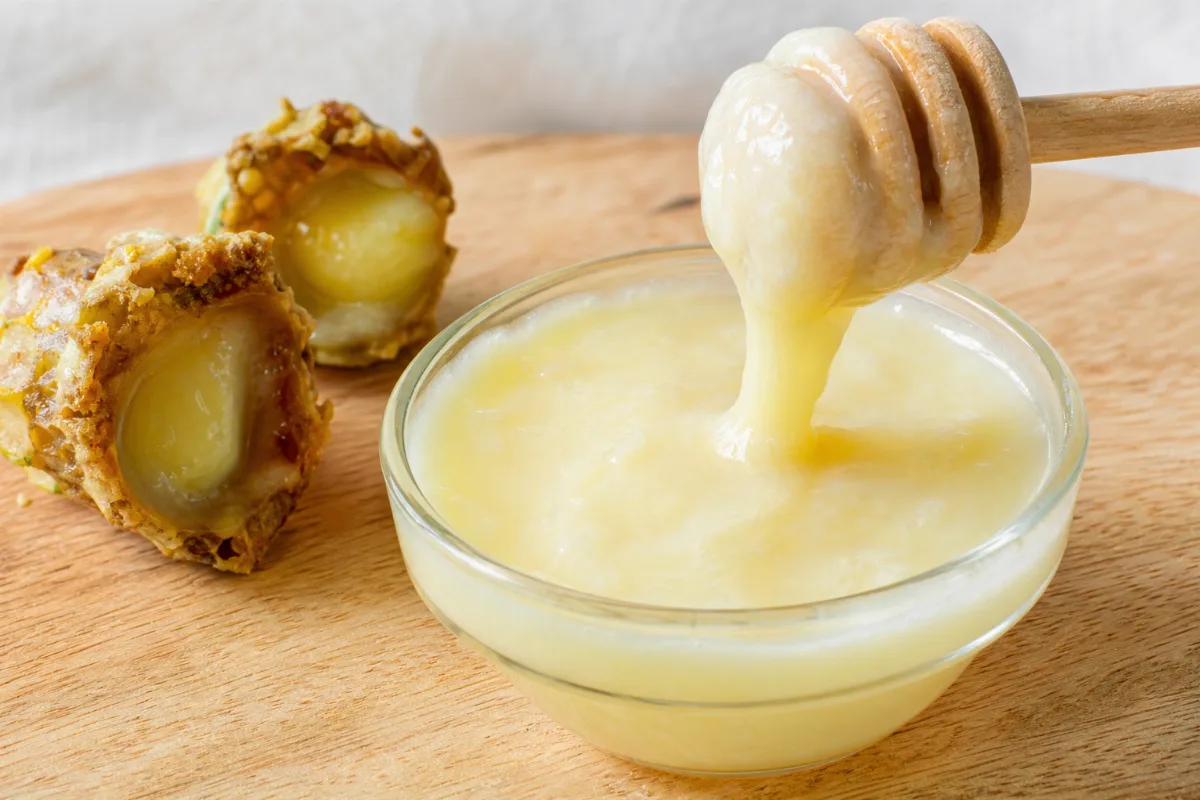
Royal jelly is a creamy secretion that young worker honey bees make to feed larvae and the queen. Safety first: it can cause asthma and anaphylaxis, mostly in people with other allergies. Meta-analyses of trials found no clear effect on blood sugar or weight; evidence for menopause symptoms is limited, and most other findings are small trials or lab work.
General information, not medical advice. Last substantive update · Not medically reviewed. A named clinician has not signed off on this page. How this page is made
About Royal Jelly
Royal jelly is a secretion that young worker honey bees make to feed larvae and the queen. Safety first: it can cause asthma and anaphylaxis, especially in people with other allergies. Trials are small and short. Meta-analyses found no clear effect on blood sugar or body weight, and the menopause result rests on two studies.
What it is
Royal jelly is a milky secretion from young worker honey bees. It feeds the larvae and the queen. It is sold fresh, freeze-dried, in capsules and in blends. Some trials used royal jelly treated with an enzyme that breaks down proteins.
Its main marker is a fatty acid called 10-HDA, along with proteins. The proteins are also what causes allergy. Reviews list flavonoids, peptides and other fatty acids as possible active parts, but that is a theory from lab work.
What the research shows
Meta-analyses of randomized trials in adults found no significant overall effect on fasting glucose, HbA1c, liver enzymes, body weight, BMI or fat mass. A fall in fasting glucose appeared only in some subgroups. Antioxidant markers moved (lower MDA, higher total antioxidant capacity) but results differed a great deal between trials, and the inflammation marker hs-CRP did not change.
For menopause symptoms, a 2026 meta-analysis of 6 studies (471 women) reported benefit, but the pooled result used two studies (312 women). One 12-week trial of 42 women found less anxiety and back pain at week 12 only, and its authors work for a royal jelly company.
Other results come from small trials: longer time to exhaustion in 18 athletes, a cream with treated royal jelly in 70 women (company-linked), a dialysis trial that combined royal jelly with propolis, and a 45-day multiple sclerosis trial. These do not show that royal jelly treats any disease.
Quality and buying
Royal jelly varies with place, plant source and harvest time, and it loses quality in storage through protein changes, browning and fat oxidation. A review says current standards rely mostly on basic chemistry and 10-HDA content, which do not capture freshness.
We read no royal-jelly-specific study of pesticides, metals or adulteration, so we make no claim. Words like natural or pure are not safety claims. No regulator statement on royal jelly was read, so nothing is said about its legal status.
At a glance
Traditional uses history, not proof
- Described as a health tonic made by honey bees; the sources say bee products have been used as medicine since ancient times.
- Long use is not proof that it works. Only trials can show a benefit.
Studied for research
- Menopause symptoms (meta-analysis and one trial), low
- Blood sugar and insulin resistance (meta-analyses), mixed
- Body weight and fat mass (meta-analysis), against
- Oxidative stress and inflammation markers (meta-analysis), low
- Exercise and endurance (small studies), low
- Skin wrinkles with a cream (one trial), very low
- Other small trials and lab findings, very low or insufficient
Main compounds
- 10-hydroxy-2-decenoic acid (10-HDA)
- Proteins, including major royal jelly proteins
- Flavonoids, peptides and other fatty acids
Common forms
- Fresh royal jelly kept cold
- Freeze-dried powder, capsules and tablets
- Protease- or enzyme-treated royal jelly (used in several Japanese trials)
- Blends with honey or in drinks
- Skin creams (a separate use)
Research links: Asthma and anaphylaxis induced by royal jelly (abstract) · Royal jelly use and hypersensitivity in Hong Kong (abstract) · Safety overview of bee products, 2026 (abstract) · Warfarin and royal jelly, case report (abstract) · Royal jelly and menopause, meta-analysis (abstract) · Royal jelly and blood sugar, meta-analysis (abstract) · Research Library · Genes & Biomarkers Library
What it is and its history
- Accepted scientific name
- Royal jelly: a creamy secretion from the head glands of young worker (nurse) honey bees
- Naming authority
- Made by the honey bee Apis mellifera. It feeds young larvae and the queen. The accepted species name was not re-checked in GBIF for this page.
- Synonyms
- Bee milk; Queen bee food
- Common names
- Royal jelly (English); Jalea real (Spanish); Bee milk (English)
- Family or group
- A bee product, not a plant or fungus.
- Classification
- Animalia (the bee that makes it) > Arthropoda > Insecta > Hymenoptera > Apidae > Apis > Apis mellifera
- Habitat
- Brood cells inside the hive.
- Harvest and processing
- A lab study collected royal jelly 72 and 144 hours after larval grafting, which is how beekeepers harvest it. Products are sold fresh, freeze-dried, in capsules, in blends and, in some trials, after protease treatment.
- Look-alikes and adulterants
- Name: Honey; Note: A different product made from nectar; its evidence and risks differ.; Name: Bee pollen and propolis; Note: Other hive products with their own allergy cautions; combined with royal jelly in one trial.
Photographs

Traditional use and history history, not clinical proof
| Tradition or era | Documented use | Source |
|---|---|---|
| Traditional health tonic (general) | The 1996 case series describes royal jelly as a secretion of honey bees used as a health tonic, and a 2019 meta-analysis says bee products including royal jelly have been used as medicine from ancient times. This is traditional use and does not show a benefit. | p8835130 |
Traditional use shows how it was used. It does not show that it works or is safe today.
What is inside, and how it may work
What it contains and how those compounds act in cells and animals. Laboratory and animal mechanisms are not proven effects in people.
Main compounds
| Compound | Family | Where it is concentrated | Activity studied | Level of evidence |
|---|---|---|---|---|
| 10-hydroxy-2-decenoic acid (10-HDA) | fatty acid | Royal jelly 3.39% in samples collected at 72 hours (Ethiopia). | Used as a quality marker; enzyme-blocking and antibacterial activity in the lab. 21 22 | Lab analysis |
| Proteins, including major royal jelly proteins (MRJPs) | proteins | Royal jelly 12.99% in samples collected at 72 hours (Ethiopia). | The source of allergy: 18 IgE-binding components were found, most marked at 25 to 55 kDa. 21 19 22 | Lab analysis |
| Flavonoids, peptides and other fatty acids | mixed | Royal jelly Not given in the abstract. | A review suggests these may account for reported biological activity; unproven in people. 7 | Review |
Mechanisms, receptors and pathways
| Target or pathway | Gene or receptor | What was found | Level |
|---|---|---|---|
| IgE-mediated allergy | IgE antibodies to royal jelly proteins were found in people who reacted, and cross-reactivity with other allergens was seen in the lab. 19 | Human lab | |
| Starch- and sugar-digesting enzymes (alpha-amylase, alpha-glucosidase) | Royal jelly blocked both enzymes in the test tube. 21 | Laboratory research | |
| NF-kB, MAPK and AMPK signalling | A review lists these as proposed pathways from preclinical work. 7 | Review of mostly preclinical work | |
| PGC-1 alpha expression | PPARGC1A (PGC-1 alpha) | Expression rose after 2 weeks of royal jelly in 18 endurance-trained men. 15 | In vivo human |
Absorption, metabolism and elimination
- Absorption
- In a lab digestion model, protein and 10-HDA bioaccessibility was higher in the intestinal stage than in the gastric stage.
- Distribution
- Not studied.
- Metabolism
- Not studied.
- Elimination
- Not studied.
- Bioavailability
- Not studied in people.
Isolated compounds versus whole extracts
Royal jelly is a whole natural product that varies. Some trials used protease-treated royal jelly, which breaks down proteins, so results may not carry over to untreated products, and combination products (with propolis) cannot show what royal jelly alone does.
Nutritional composition
Protein 12.99% and 10-HDA 3.39% in one set of fresh samples; composition varies widely, so this is an example, not a standard.
1 mixed findings3 low certainty4 very low certainty1 not enough evidence1 evidence against
What was looked at
The 10 benefits and uses checked for Royal Jelly, each with how strong the evidence is. Tap one to open it.
- Menopause symptomsLow certainty
- Blood sugar and insulin resistanceMixed findings
- Body weight and fat massEvidence against
- Oxidative stress and inflammation markersLow certainty
- Exercise and enduranceLow certainty
- Skin and wrinkles (cream)Very low certainty
- Cholesterol and inflammation in dialysis patients (with propolis)Very low certainty
- Energy, mood and general health in healthy adultsVery low certainty
- Multiple sclerosis (disability score and lab markers)Very low certainty
- Laboratory findings (antibacterial, enzyme-blocking)Not enough evidence
Lab markers tracked in the studies
Fasting glucoseHbA1cHOMA-IR (insulin resistance)Body weight and BMIMalondialdehyde (MDA)Total antioxidant capacity (TAC)hs-CRPTime to exhaustionBlood lactateTotal cholesterol (with propolis)Crow's-feet wrinkle depthEDSS score
What is Royal Jelly good for?
The uses people ask about and how strong the evidence is for each. None is proven, and all must be read with the Safety tab first.
Benefits, one by one
Each card is a research question, not a promise. Tap a goal to filter. Open a card to see the studies, doses and limits.
Menopause symptoms
Low certaintyA 2026 meta-analysis of 6 studies (471 women) reported better postmenopausal symptom scores than placebo, but the pooled result used only 2 studies (312 women). One 12-week trial of 42 women found less anxiety and back pain at week 12 only. The trial team works for a royal jelly company.
2 studiesTrial amounts are in the study record; this page gives no amount to t…
Studies, doses and limits
What the trials found
One meta-analysis (6 studies, 471 women) and one 12-week placebo-controlled trial (42 women) of an enzyme-treated royal jelly powder.
Results
In the meta-analysis, symptoms improved versus placebo (standardized mean difference 0.73, 95% CI 0.50 to 0.96; 2 studies, 312 women; moderate-quality evidence). In the 42-woman trial, anxiety (P = 0.046) and backache and low back pain (P = 0.040) scores differed from placebo at 12 weeks, not at 4 weeks. No side effects were seen in either group.
Effect sizes as reported
Standardized mean difference 0.73 in the pooled result.
Why this rating
Few, small and short trials. The pooled result rests on two studies, and the single trial is industry-linked with differences just under P = 0.05.
Form and dose studied
Trial amounts are in the study record; this page gives no amount to take.
Who was studied
Postmenopausal women in small trials.
Limits
Small numbers, short follow-up, several outcomes tested, enzyme-treated product may not match others. It has not been shown to replace medical care for menopause.
Why researchers looked
Some women look for non-hormonal options for menopause symptoms.
Traditional use
Royal jelly is described in the sources as a secretion of honey bees used as a health tonic. Long use is not proof that it works.
Proposed mechanism Unknown
Not established.
A proposed mechanism does not show that the effect happens in people.
Check allergy first: see the Safety tab. Royal jelly has caused asthma and anaphylaxis.
Blood sugar and insulin resistance
Mixed findingsTwo meta-analyses of randomized trials found no significant overall effect on fasting glucose or HbA1c. A fall in fasting glucose appeared only in some subgroups (trials of 8 weeks or longer, people with health conditions). A single large dose in people with type 2 diabetes did not change glucose versus placebo; an 8-week trial in 46 people reported lower insulin resistance (HOMA-IR).
4 studiesTrial amounts are in the study records; no amount is advised here.
Studies, doses and limits
What the trials found
Two meta-analyses (5 and 10 trials) and two single trials (40 and 46 adults with type 2 diabetes).
Results
Meta-analysis 2019: fasting glucose -0.95 mg/dl and HbA1c -0.32, neither significant. Meta-analysis 2023: no significant overall effect on glucose measures or liver enzymes; fasting glucose fell by 4.28 mg/dl in trials of 8 weeks or more and in non-healthy groups. One 10 g single-dose trial: no difference from placebo. One 8-week trial: HOMA-IR lower and antioxidant capacity higher; insulin and MDA unchanged.
Effect sizes as reported
No significant overall change; subgroup change of about 4 mg/dl in fasting glucose.
Why this rating
Overall results are null, with a preliminary subgroup signal and one positive marker in one small trial.
Form and dose studied
Trial amounts are in the study records; no amount is advised here.
Who was studied
Adults, some with type 2 diabetes.
Limits
Few trials, different products, diets and groups. Marker studies, not diabetes outcomes. People who take glucose-lowering medicines should not change them because of royal jelly.
Why researchers looked
Royal jelly is sold for blood sugar support, and animal and small human studies prompted trials.
Traditional use
Royal jelly is described in the sources as a secretion of honey bees used as a health tonic. Long use is not proof that it works.
Proposed mechanism Laboratory research
Lab work suggests royal jelly components may block starch- and sugar-digesting enzymes; this is test-tube evidence only.
A proposed mechanism does not show that the effect happens in people.
Check allergy first: see the Safety tab. Royal jelly has caused asthma and anaphylaxis.
Body weight and fat mass
Evidence againstA 2023 meta-analysis of 10 trials (512 adults) found no significant effect on body weight, body mass index or fat mass. The authors advised caution.
1 studiesNo amount advised.
Studies, doses and limits
What the trials found
One meta-analysis of 10 randomized trials (512 adults).
Results
Body weight -0.29 kg (95% CI -1.24 to 0.65), BMI +0.11 kg/m2 (-0.29 to 0.52), fat mass +0.02% (-0.41 to 0.46); none significant. A fall appeared only in the subgroup taking under 3,000 mg a day.
Effect sizes as reported
No significant effect.
Why this rating
A meta-analysis of randomized trials found no overall effect.
Form and dose studied
No amount advised.
Who was studied
Adults.
Limits
The subgroup result is exploratory and was not the main finding.
Why researchers looked
Royal jelly is sometimes marketed for weight management.
Traditional use
Royal jelly is described in the sources as a secretion of honey bees used as a health tonic. Long use is not proof that it works.
Proposed mechanism Unknown
Not established.
A proposed mechanism does not show that the effect happens in people.
Check allergy first: see the Safety tab. Royal jelly has caused asthma and anaphylaxis.
Oxidative stress and inflammation markers
Low certaintyA 2025 meta-analysis of 6 trials found lower malondialdehyde (MDA, an oxidative stress marker) and higher total antioxidant capacity, but no significant change in hs-CRP (an inflammation marker). Results differed a lot between trials.
1 studiesNo amount advised.
Studies, doses and limits
What the trials found
One meta-analysis of 6 randomized trials (7 datasets).
Results
MDA lower (WMD -1.79, 95% CI -3.00 to -0.58), total antioxidant capacity higher (WMD 0.98, 0.24 to 1.71), hs-CRP not significantly changed (WMD -0.24, -0.60 to 0.10). Heterogeneity was about 97 to 98% for the first two.
Effect sizes as reported
Lab markers moved; hs-CRP did not.
Why this rating
Markers only, few trials, very high heterogeneity; no health outcome shown.
Form and dose studied
No amount advised.
Who was studied
Adults in 6 trials.
Limits
Blood markers are not diseases. The authors say the analysis should be updated.
Why researchers looked
Royal jelly contains antioxidant compounds, so blood antioxidant markers are a common outcome.
Traditional use
Royal jelly is described in the sources as a secretion of honey bees used as a health tonic. Long use is not proof that it works.
Proposed mechanism Laboratory research
Antioxidant and anti-inflammatory activity reported in lab and animal studies; not shown to matter in people.
A proposed mechanism does not show that the effect happens in people.
Check allergy first: see the Safety tab. Royal jelly has caused asthma and anaphylaxis.
Exercise and endurance
Low certaintyA 2024 systematic review of 9 studies suggested lower blood lactate and possibly better athletic performance, with no effect on muscle damage markers. A 2025 crossover trial in 18 endurance-trained men found a longer time to exhaustion than with placebo.
2 studiesAmounts are in the study record, not advised.
Studies, doses and limits
What the trials found
One systematic review (9 studies) and one crossover trial (18 men, 2 weeks per period).
Results
Review: lower lactate and better performance, no change in muscle damage markers, body composition unclear. Trial: time to exhaustion 4.63 minutes longer than placebo (95% CI 1.78 to 7.48); expression of PGC-1 alpha was higher; Nrf2, perceived exertion and most oxidative markers unchanged.
Effect sizes as reported
About 4.6 minutes longer in one running test.
Why this rating
Few small studies; no pooled numbers read; one 2-week trial in 18 men.
Form and dose studied
Amounts are in the study record, not advised.
Who was studied
Endurance-trained men and athletes.
Limits
Time to exhaustion also rose slightly with placebo. Results may not apply to other people.
Why researchers looked
Athletes look for supplements that delay tiredness.
Traditional use
Royal jelly is described in the sources as a secretion of honey bees used as a health tonic. Long use is not proof that it works.
Proposed mechanism Animal research
Animal work suggests royal jelly may ease muscle fatigue; not shown in people.
A proposed mechanism does not show that the effect happens in people.
Check allergy first: see the Safety tab. Royal jelly has caused asthma and anaphylaxis.
Skin and wrinkles (cream)
Very low certaintyOne 12-week trial in 70 healthy Japanese women found a cream with protease-treated royal jelly gave a shallower crow's-feet wrinkle and more skin moisture than a placebo cream. Company staff are among the authors. This was a cream, not a supplement.
1 studiesApplied to skin; no swallowing advice.
Studies, doses and limits
What the trials found
One double-blind placebo-controlled trial (70 women).
Results
Maximum and average depth of the biggest crow's-feet wrinkle improved, and skin water content and dermal thickness rose, against placebo cream.
Effect sizes as reported
Not given as numbers in the abstract.
Why this rating
A single industry-linked trial of one product.
Form and dose studied
Applied to skin; no swallowing advice.
Who was studied
Healthy Japanese women concerned about skin aging.
Limits
One product and one population. Skin allergy to bee products is possible: see the Safety tab.
Why researchers looked
Royal jelly is used in cosmetics.
Traditional use
Royal jelly is described in the sources as a secretion of honey bees used as a health tonic. Long use is not proof that it works.
Proposed mechanism Ex vivo
The authors suggest effects on skin stem cells; this was partly from an ex vivo test.
A proposed mechanism does not show that the effect happens in people.
Skin contact can also cause allergy in people who react to bee products.
Cholesterol and inflammation in dialysis patients (with propolis)
Very low certaintyA 2-month trial in 38 people on hemodialysis gave royal jelly together with green propolis. Total cholesterol and IL-6 fell in the treated group but not the placebo group. It cannot separate royal jelly from propolis.
1 studiesAmounts are in the study record, not advised.
Studies, doses and limits
What the trials found
One double-blind placebo-controlled trial (38 completers).
Results
Total cholesterol 138.60 to 111.85 mg/dL (p = 0.03); IL-6 0.78 to 0.63 pg/mL (p = 0.008); uremic toxins unchanged.
Effect sizes as reported
About 19% lower total cholesterol in the treated group.
Why this rating
Combination product, tiny trial, special patient group; one author works for the propolis maker.
Form and dose studied
Amounts are in the study record, not advised.
Who was studied
People on hemodialysis.
Limits
Does not apply to royal jelly alone or to healthy people. People on dialysis should ask their kidney team before any supplement.
Why researchers looked
People with kidney disease on dialysis have high heart risk.
Traditional use
Royal jelly is described in the sources as a secretion of honey bees used as a health tonic. Long use is not proof that it works.
Proposed mechanism Unknown
Not established.
A proposed mechanism does not show that the effect happens in people.
Check allergy first: see the Safety tab. Royal jelly has caused asthma and anaphylaxis.
Energy, mood and general health in healthy adults
Very low certaintyRoyal jelly is sold for tiredness, but no trial in the sources read tested fatigue in a defined group. A 6-month trial in 61 healthy adults reported a higher SF-36 mental health score, plus higher red blood cell counts, among many measures. Both were small and not built to prove a fatigue benefit.
1 studiesAmount is in the study record, not advised.
Studies, doses and limits
What the trials found
One 6-month placebo-controlled trial (61 adults).
Results
Differences from placebo in red blood cell count, hematocrit, fasting glucose, some hormones (testosterone, DHEA-S) and the SF-36 mental health score.
Effect sizes as reported
Small differences across many measures.
Why this rating
Many outcomes in a small group; fatigue was not the primary question.
Form and dose studied
Amount is in the study record, not advised.
Who was studied
Healthy volunteers aged 42 to 83.
Limits
It does not show royal jelly treats tiredness.
Why researchers looked
People take royal jelly hoping for more energy and better wellbeing.
Traditional use
Royal jelly is described in the sources as a secretion of honey bees used as a health tonic. Long use is not proof that it works.
Proposed mechanism Unknown
Not established.
A proposed mechanism does not show that the effect happens in people.
Check allergy first: see the Safety tab. Royal jelly has caused asthma and anaphylaxis.
Multiple sclerosis (disability score and lab markers)
Very low certaintyA 45-day trial in 61 people with relapsing-remitting multiple sclerosis reported lower EDSS disability scores and oxidative stress, and some better fatigue and quality-of-life measures, against placebo. It is a single, short trial and does not show that royal jelly changes the course of the disease.
1 studiesAmount is in the study record, not advised.
Studies, doses and limits
What the trials found
One double-blind placebo-controlled trial (61 people, registered IRCT20220116053732N1).
Results
EDSS and MDA fell; SOD and CAT activity rose; some fatigue and quality-of-life measures improved.
Effect sizes as reported
Not given as numbers in the abstract.
Why this rating
A single 45-day trial; markers and a score that can fluctuate.
Form and dose studied
Amount is in the study record, not advised.
Who was studied
People with relapsing-remitting MS.
Limits
Not a treatment for MS. People with MS should ask their neurologist before adding supplements.
Why researchers looked
Oxidative stress is studied in multiple sclerosis.
Traditional use
Royal jelly is described in the sources as a secretion of honey bees used as a health tonic. Long use is not proof that it works.
Proposed mechanism Unknown
Antioxidant activity is the proposed route; unproven.
A proposed mechanism does not show that the effect happens in people.
Check allergy first: see the Safety tab. Royal jelly has caused asthma and anaphylaxis.
Laboratory findings (antibacterial, enzyme-blocking)
Not enough evidenceIn test-tube work, royal jelly slowed growth of several bacteria and blocked starch- and sugar-digesting enzymes; the content of 10-HDA and protein depended on harvest time. These findings do not show any effect in people.
2 studiesNot applicable.
Studies, doses and limits
What the trials found
No human trial. One lab study of samples from Ethiopia and one systematic review that mixes preclinical and clinical work.
Results
Samples collected at 72 hours had 12.99% protein and 3.39% 10-HDA; enzyme-blocking and antibacterial activity was stronger at 72 hours than at 144 hours.
Effect sizes as reported
Lab measures only.
Why this rating
Test-tube results do not predict results in people.
Who was studied
Lab samples.
Limits
No measurement in the body.
Why researchers looked
Researchers look at royal jelly's fatty acid 10-HDA and proteins.
Traditional use
Royal jelly is described in the sources as a secretion of honey bees used as a health tonic. Long use is not proof that it works.
Proposed mechanism Laboratory research
Lab effects of 10-HDA and proteins; reviews also list NF-kB, MAPK and AMPK signalling as proposed pathways.
A proposed mechanism does not show that the effect happens in people.
Not a safety claim.
Connections to the rest of health
How Royal Jelly connects to the rest of our health knowledge graph. Every link says what kind of connection it is. A safety link (for example to the liver) is a warning, not a benefit. A study that merely mentions a topic never creates a benefit link.
Explore every connection: goals, body systems, organs, symptoms, genes
A. Wellness goals
| Connected to | Kind of connection | Evidence status | Context | Studies |
|---|---|---|---|---|
| Menopause Support | Low certainty | Menopause symptoms: A 2026 meta-analysis of 6 studies (471 women) reported better postmenopausal symptom scores than placebo, but the pooled result used only 2 studies (312 women). One 12-week trial of 42 women found less anxiety and back pain at week 12 only. The trial team works for a royal jelly company. | 4 1 | |
| Endurance Support | Low certainty | Exercise and endurance: A 2024 systematic review of 9 studies suggested lower blood lactate and possibly better athletic performance, with no effect on muscle damage markers. A 2025 crossover trial in 18 endurance-trained men found a longer time to exhaustion than with placebo. | 14 15 |
B. Body systems
| Connected to | Kind of connection | Evidence status | Context | Studies |
|---|---|---|---|---|
| Immune system | Adverse effect or risk | Moderate certainty | IgE-mediated allergy, including anaphylaxis; atopic people at higher risk. Preparation or compound: Royal jelly proteins |
19 9 16 |
| Respiratory health | Adverse effect or risk | Moderate certainty | Acute asthma and severe asthma attacks reported after eating royal jelly. Preparation or compound: Royal jelly eaten as a supplement |
19 9 16 |
| Blood clotting | Very low certainty | One case report of a high INR with bleeding. Preparation or compound: Royal jelly with warfarin |
8 | |
| Hormonal System | Biological association | Low certainty | Studied for: Menopause symptoms | 4 1 |
| Endocrine System | Biological association | Mixed findings | Studied for: Blood sugar and insulin resistance | 10 2 12 17 |
| Metabolic System | Biological association | Evidence against | Studied for: Body weight and fat mass | 20 |
| Immune System | Biological association | Low certainty | Studied for: Oxidative stress and inflammation markers Studied for: Laboratory findings (antibacterial, enzyme-blocking) | 18 21 7 |
| Musculoskeletal System | Biological association | Low certainty | Studied for: Exercise and endurance | 14 15 |
| Skin System | Biological association | Very low certainty | Studied for: Skin and wrinkles (cream) | 5 |
| Cardiovascular System | Biological association | Very low certainty | Studied for: Cholesterol and inflammation in dialysis patients (with propolis) | 6 |
| Nervous System | Biological association | Very low certainty | Studied for: Energy, mood and general health in healthy adults Studied for: Multiple sclerosis (disability score and lab markers) | 13 3 |
I. Biomarkers
| Connected to | Kind of connection | Evidence status | Context | Studies |
|---|---|---|---|---|
| Fasting glucose | Biological association | Mixed findings | Measured in trials: unchanged overall. A lab change is not the same as a health benefit. | 10 2 |
| HbA1c | Biological association | Evidence against | Measured in trials: unchanged. A lab change is not the same as a health benefit. | 10 |
| HOMA-IR (insulin resistance) | Biological association | Very low certainty | Measured in trials: lowered. A lab change is not the same as a health benefit. | 17 |
| Body weight and BMI | Biological association | Evidence against | Measured in trials: unchanged. A lab change is not the same as a health benefit. | 20 |
| Malondialdehyde (MDA) | Biological association | Low certainty | Measured in trials: lowered. A lab change is not the same as a health benefit. | 18 |
| Total antioxidant capacity (TAC) | Biological association | Low certainty | Measured in trials: raised. A lab change is not the same as a health benefit. | 18 |
| hs-CRP | Biological association | Evidence against | Measured in trials: unchanged. A lab change is not the same as a health benefit. | 18 |
| Time to exhaustion | Biological association | Low certainty | Measured in trials: raised. A lab change is not the same as a health benefit. | 15 |
| Blood lactate | Biological association | Low certainty | Measured in trials: lowered. A lab change is not the same as a health benefit. | 14 |
| Total cholesterol (with propolis) | Biological association | Very low certainty | Measured in trials: lowered. A lab change is not the same as a health benefit. | 6 |
| Crow's-feet wrinkle depth | Biological association | Very low certainty | Measured in trials: lowered. A lab change is not the same as a health benefit. | 5 |
| EDSS score | Biological association | Very low certainty | Measured in trials: lowered. A lab change is not the same as a health benefit. | 3 |
J. Genes, receptors and enzymes
| Connected to | Kind of connection | Evidence status | Context | Studies |
|---|---|---|---|---|
| PPARGC1A (PGC-1 alpha) | Preliminary mechanism | In vivo human | Higher expression in a small crossover trial of athletes. | 15 |
L. Active compounds
| Connected to | Kind of connection | Evidence status | Context | Studies |
|---|---|---|---|---|
| 10-hydroxy-2-decenoic acid (10-HDA) | Biological association | Lab analysis | Used as a quality marker; enzyme-blocking and antibacterial activity in the lab. Preparation or compound: Royal jelly |
21 22 |
| Proteins, including major royal jelly proteins (MRJPs) | Biological association | Lab analysis | The source of allergy: 18 IgE-binding components were found, most marked at 25 to 55 kDa. Preparation or compound: Royal jelly |
21 19 22 |
| Flavonoids, peptides and other fatty acids | Biological association | Review | A review suggests these may account for reported biological activity; unproven in people. Preparation or compound: Royal jelly |
7 |
Each connection is stored with the ingredient, the connected record, the kind of connection, the evidence status, the supporting studies, the preparation or compound involved, and a review date (last reviewed October 30, 2026).
Evidence at a glance: what changed in 8 lab markers
Tap a number to show only those markers. Counts are markers, not people.
The evidence
The research centre for Royal Jelly. Every record here was checked against PubMed or the publisher's page; we never list a study we have not verified.
Evidence by outcome
Bars show how many studies we found for each outcome, not how well it works. People are added up across trials only (reviews are not added, to avoid double counting).
How we rate evidence
High certainty
Several well-run trials or reviews agree; further research is unlikely to change the picture much.
Moderate certainty
Good trials point the same way, but some doubt remains.
Low certainty
Small, short or inconsistent trials. The finding could change with better research.
Very low certainty
Very little or very weak human data. Treat as a possibility only.
Mixed findings
Trials or reviews disagree with each other.
Not enough evidence
Not enough human research to say either way.
Evidence against
Good research found no benefit, or found harm.
We take the reviewers' own risk-of-bias and GRADE statements where they exist, and otherwise judge from study size, design, consistency, directness and whether a product matches what is sold. Many publications do not make evidence high. Method note: We read the abstracts of 22 PubMed papers. Certainty ratings are the compiler's own reading unless a review gives its own. Full texts were not read. No regulator page on royal jelly was read.
Study library: every study we checked 22
| Study | Design | People | Product, dose, length | Result |
|---|---|---|---|---|
| Asama 2018 Royal Jelly Supplementation Improves Menopausal Symptoms Such as Backache, Low Back Pain, and Anxiety in Postmenopausal Japanese Women. Evidence-Based Complementary and Alternative Medicine · PMID 29853955 · DOI |
RCT, placebo controlled |
42 42 healthy postmenopausal Japanese women |
Protease-digested (enzyme-treated) freeze-dried royal jelly powder royal jelly 800 mg a day (trial amount, not advice) 12 weeks · vs Placebo (dextrin) |
At 12 weeks, anxiety (P = 0.046) and backache and low back pain (P = 0.040) scores differed from placebo; no differences at 4 weeks. No side effects were observed in either group. Small differences at one time point Methods, limits and fundingOutcomes: Menopausal symptom questionnaire scores every 4 weeks Limitations: Small trial, several outcomes tested, the main differences were only just under P = 0.05. Enzyme-treated royal jelly may not match other products. Funding and conflicts: An author is at the Institute for Bee Products and Health Science, Yamada Bee Company (industry-linked). No funding statement in the abstract. Read: abstract |
| Bahari 2023 The effect of Royal jelly on liver enzymes and glycemic indices: A systematic review and meta-analysis of randomized clinical trials. Complementary Therapies in Medicine · PMID 37619715 · DOI |
Systematic review meta analysis |
Adults in 10 randomized trials (total number of people not given in the abstract) | Royal jelly supplements royal jelly Varied by trial Varied by trial · vs Placebo |
No significant overall effect on liver enzymes or glucose measures. Fasting glucose was lower only in trials of 8 weeks or longer and in people with health conditions (WMD -4.28 mg/dl). No significant overall effect; subgroup change only (Subgroup: -7.41 to -1.14 mg/dl) Methods, limits and fundingOutcomes: Liver enzymes and glucose measures Limitations: Subgroup findings are preliminary. The authors say the analysis should be repeated with more trials. Funding and conflicts: The authors declare no competing interests. Read: abstract |
| Eslamifar 2025 Impact of royal jelly consumption on oxidative stress, anti-oxidant markers and physical activities of patients with multiple sclerosis: a randomized double-blind placebo-controlled study. Irish Journal of Medical Sciences · PMID 40824557 · DOI |
RCT, double blind, placebo controlled |
61 61 people with relapsing-remitting multiple sclerosis |
Royal jelly royal jelly 500 mg a day (trial amount, not advice) 45 days · vs Placebo |
EDSS scores and MDA fell and SOD and CAT activity rose more than with placebo; some fatigue and quality-of-life measures improved. Changes in markers and a disability score Methods, limits and fundingOutcomes: EDSS disability score, oxidative stress and antioxidant enzymes, fatigue and quality of life Limitations: Small and short (45 days). The authors' wording about slowing disease progression goes beyond what a 45-day trial can show. Funding and conflicts: The authors declare no competing interests. Registration: IRCT20220116053732N1 Read: abstract |
| Ferraz 2026 Royal jelly for management of postmenopausal symptoms: a systematic review and meta-analysis. Menopause · PMID 41401249 · DOI |
Systematic review meta analysis |
471 6 studies of postmenopausal women (published 2011 to 2021); the pooled result used 2 studies with 312 women |
Royal jelly supplements royal jelly · vs Placebo |
Royal jelly improved postmenopausal symptoms compared with placebo in the pooled result of two studies (312 women), rated moderate-quality evidence. Standardized mean difference 0.73 (I2 = 0%) (0.50 to 0.96) Methods, limits and fundingOutcomes: Postmenopausal symptoms Limitations: The headline result rests on only 2 of the 6 studies. Studies were small and short. The abstract does not say which symptom scales were pooled. Funding and conflicts: No conflicts of interest reported. Read: abstract |
| Ikegami 2025 Effect of Protease-Treated Royal Jelly Extract on Facial Wrinkles: A Placebo-Controlled, Double-Blind, Parallel-Group Study. Journal of Cosmetic Dermatology · PMID 41134061 · DOI |
RCT, double blind, placebo controlled (cream) |
70 70 healthy Japanese women concerned about skin aging |
Cream containing protease-treated royal jelly (applied to skin, not swallowed) royal jelly (skin cream) 12 weeks · vs Placebo cream, split-face method |
Maximum and average depth of the biggest crow's-feet wrinkle improved, and skin water content and dermal thickness rose, compared with the placebo cream. Shallower wrinkles than placebo cream Methods, limits and fundingOutcomes: Crow's-feet wrinkle depth, skin water content, dermal thickness Limitations: One product, one population, 12 weeks. It tested a cream, not a supplement. Funding and conflicts: Several authors are employees of Yamada Bee Company (industry-linked). Read: abstract |
| Kemp 2025 Apitherapy with Royal Jelly and Green Propolis EPP-AF(R) Improves Cardiovascular Risk Markers in Patients Undergoing Hemodialysis. Toxins · PMID 40864045 · DOI |
RCT, double blind, placebo controlled |
38 38 people on hemodialysis for chronic kidney disease who completed the trial (19 per group) |
Royal jelly plus green propolis combination capsules royal jelly + green propolis 100 mg royal jelly plus 500 mg green propolis a day (trial amount, not advice) 2 months · vs Placebo capsules |
IL-6 (0.78 to 0.63 pg/mL, p = 0.008) and total cholesterol (138.60 to 111.85 mg/dL, p = 0.03) fell in the treated group and not in the placebo group. Uremic toxins did not change. Lower IL-6 and cholesterol in the combination group Methods, limits and fundingOutcomes: Blood cholesterol, IL-6, other inflammatory markers, uremic toxins Limitations: It tested royal jelly together with propolis, so it cannot separate them. Small trial in a special patient group; markers only. Funding and conflicts: One author is employed by ApisFlora (the propolis maker); the others declare no conflicts. Read: abstract |
| Kumar 2024 Royal jelly a promising therapeutic intervention and functional food supplement: A systematic review. Heliyon · PMID 39296128 · DOI |
Systematic review mixed |
Preclinical and clinical studies of royal jelly published 2000 to April 2024 | Royal jelly royal jelly |
Reports anti-inflammatory, antioxidant, antimicrobial and anti-aging activity, with possible effects through NF-kB, MAPK and AMPK signalling. It lists flavonoids, proteins, peptides and fatty acids as likely active components, and names gaps: standardized dosing, long-term safety, and quality control because composition varies by place and plant source. Review of mostly preclinical findings Methods, limits and fundingOutcomes: Reported activities, components, mechanisms, gaps Limitations: The abstract mixes animal, lab and human work; it does not give effect sizes. Funding and conflicts: No conflict declared. Read: abstract |
| Lee 2006 Warfarin and royal jelly interaction. Pharmacotherapy · PMID 16553520 · DOI |
Case report |
1 An 87-year-old man with atrial fibrillation taking warfarin long term (INR steady at 1.9 to 2.4 for 3 months) |
Royal jelly (the only ingredient, by his account) royal jelly Started about 1 week before the emergency visit |
Four weeks after a routine visit he came in with blood in the urine; his INR was 6.88 and later 7.29. He had started royal jelly a week earlier. The authors called an interaction the most probable explanation. INR 6.88 to 7.29 with bleeding in one man Methods, limits and fundingOutcomes: INR and bleeding Limitations: One case: it cannot prove royal jelly was the cause, and the reported dose and product are not given in the abstract. Funding and conflicts: No funding or conflict statement in the abstract. Read: abstract |
| Leung 1997 Royal jelly consumption and hypersensitivity in the community. Clinical and Experimental Allergy · PMID 9088660 |
Cross sectional survey with skin tests |
1472 1,472 hospital employees in Hong Kong answered a questionnaire; 176 respondents and 300 asthma clinic patients had skin tests |
Royal jelly royal jelly |
461 of 1,472 (31.3%) had taken royal jelly. Nine people reported 14 adverse reactions (hives, eczema, rhinitis, acute asthma). 7.4% of 176 respondents and 7.3% of 300 asthma clinic patients had a positive skin test; all but one of the 36 positives were atopic. Atopy and positive skin test: odds ratio 33.73 (OR 33.73, 95% CI 4.51 to 252.11) Methods, limits and fundingOutcomes: Royal jelly use, adverse reactions, skin-test positivity, atopy Limitations: Skin-test positives did not match symptoms well. The background says royal jelly had been linked with asthma, anaphylaxis and death; the original fatal reports were not read. Funding and conflicts: No funding or conflict statement in the abstract. Read: abstract |
| Mahboobi 2019 Royal jelly does not improve markers of glycemia: A systematic review and meta-analysis of Randomized Clinical Trials. Complementary Therapies in Medicine · PMID 31126561 · DOI |
Systematic review meta analysis |
205 Adults in 5 randomized trials (205 people for fasting glucose, 130 for HbA1c) |
Royal jelly supplements royal jelly Varied by trial Varied by trial · vs Placebo |
Fasting glucose fell by 0.95 mg/dl (not significant) and HbA1c by 0.32 (not significant). The authors concluded royal jelly did not beneficially affect markers of glycemia. No significant change (Fasting glucose -5.83 to 3.87 mg/dl; HbA1c -0.87 to 0.23) Methods, limits and fundingOutcomes: Fasting plasma glucose and HbA1c Limitations: Few trials, different populations and diets; HbA1c results varied a lot between trials (I2 = 69%). Funding and conflicts: No funding or conflict statement in the abstract. Read: abstract |
| Matuszewska-Mach 2025 Ensuring the Safe Use of Bee Products: A Review of Allergic Risks and Management. International Journal of Molecular Sciences · PMID 41465502 · DOI |
Narrative review mixed |
Literature on allergy to honey, bee pollen, bee bread, royal jelly, propolis, beeswax and bee brood | Bee products including royal jelly royal jelly |
Bee products can trigger allergic reactions from local dermatitis to anaphylaxis, by IgE-mediated (type I) or T-cell-mediated (type IV) routes. People with atopy and beekeepers are at higher risk. Management centres on avoiding the product and clearer labelling. Allergy is uncommon but can be serious Methods, limits and fundingOutcomes: Allergic reactions, allergens, at-risk groups Limitations: Narrative review, not a count of cases. Its comment that bee bread seems less allergenic is about bee bread, not royal jelly. Funding and conflicts: No conflicts of interest declared. Read: abstract |
| Mobasseri 2015 Effect of Fresh Royal Jelly Ingestion on Glycemic Response in Patients With Type 2 Diabetes. Iranian Red Crescent Medical Journal · PMID 26473074 · DOI |
RCT, single dose |
40 40 adults with type 2 diabetes |
Fresh royal jelly royal jelly 10 g once (trial amount, not advice) Single dose, blood tests at 0, 60 and 120 minutes · vs Placebo |
Glucose fell in both groups with no difference between them (P = 0.77); no significant difference between groups for any glycemic measure. No difference from placebo Methods, limits and fundingOutcomes: Serum glucose, insulin and C-peptide Limitations: A single dose with 2-hour follow-up. It cannot show effects of regular use. Funding and conflicts: No funding or conflict statement in the abstract. Read: abstract |
| Morita 2012 Effect of royal jelly ingestion for six months on healthy volunteers. Nutrition Journal · PMID 22995464 · DOI |
RCT, double blind, placebo controlled |
61 61 healthy volunteers aged 42 to 83 (56 analysed) |
Royal jelly in 100 ml liquid royal jelly 3,000 mg a day (trial amount, not advice) 6 months · vs Placebo liquid |
Differences from placebo were found in red blood cell count, hematocrit, fasting glucose, some hormones (testosterone, DHEA-S) and the SF-36 mental health score. The authors concluded better erythropoiesis, glucose tolerance and mental health. Several small differences in secondary measures Methods, limits and fundingOutcomes: Body measures and blood tests (primary), SF-36 quality of life Limitations: Many measures tested in a small group. It was not a fatigue trial. Funding and conflicts: Research Support, Non-U.S. Gov't; no further detail in the abstract. Read: abstract |
| Pasdar 2024 The Impact of Royal Jelly on Athletic Performance, Lactate Levels, Anthropometric Parameters, and Muscle Damage: A Systematic Review. Preventive Nutrition and Food Science · PMID 39759813 · DOI |
Systematic review |
9 studies in athletes and exercising people (total number not given in the abstract) | Royal jelly royal jelly Varied by study Varied by study · vs Varied by study |
The review found support for lower blood lactate and better athletic performance, no effect on muscle damage markers, and inconclusive body composition effects. Signal for lactate and performance; no effect on muscle damage Methods, limits and fundingOutcomes: Athletic performance, blood lactate, body measures, muscle damage markers Limitations: Only 9 studies, all small; no pooled numbers in the abstract. Funding and conflicts: No conflict declared. Read: abstract |
| Pasdar 2025 Royal Jelly Supplementation Improves Endurance and Mitochondrial Biogenesis in Athletes: A Crossover Trial. Food Science & Nutrition · PMID 40678328 · DOI |
RCT, crossover |
18 18 endurance-trained men |
Royal jelly royal jelly 1000 mg a day (trial amount, not advice) 2 weeks each period, with a 2-week washout · vs Placebo |
Time to exhaustion was 4.63 minutes longer than with placebo and PGC-1 alpha expression was higher. Nrf2, perceived exertion and most oxidative stress markers did not change. Time to exhaustion +4.63 min versus placebo (1.78 to 7.48 min) Methods, limits and fundingOutcomes: Time to exhaustion in a running test, oxidative stress markers, PGC-1 alpha and Nrf2 gene expression Limitations: Only 18 men, 2 weeks. Time to exhaustion also rose a little with placebo. Funding and conflicts: No conflicts declared. Read: abstract |
| Rocha Filho 2026 Pharmacovigilance and toxicological risks associated with apitherapeutic products: a systematic overview. Archives of Toxicology · PMID 41071287 · DOI |
Systematic overview mixed |
Literature and official pharmacovigilance databases on honey, bee venom, propolis, royal jelly, bee pollen and beeswax | Bee products including royal jelly royal jelly |
Reported cases included severe asthma attacks after royal jelly consumption. Allergic responses were the most common adverse event, particularly in atopic people. The authors call for labelling and post-marketing surveillance. Allergy is the main documented harm Methods, limits and fundingOutcomes: Adverse effects and toxicological risks Limitations: Covers six bee products together; the abstract gives no royal-jelly-specific counts. Funding and conflicts: The authors declare no relevant competing interests. Read: abstract |
| Shidfar 2015 Does Supplementation with Royal Jelly Improve Oxidative Stress and Insulin Resistance in Type 2 Diabetic Patients? Iranian Journal of Public Health · PMID 26258092 |
RCT, placebo controlled |
46 46 adults aged 25 to 65 with type 2 diabetes (HbA1c 6 to 8%) |
Royal jelly supplement royal jelly 1000 mg three times a day (trial amount, not advice) 8 weeks · vs Placebo |
Compared with placebo, HOMA-IR was lower (P = 0.015) and total antioxidant capacity higher (P = 0.016). Serum insulin and malondialdehyde did not differ. Lower HOMA-IR; mixed other markers Methods, limits and fundingOutcomes: HOMA-IR (insulin resistance), total antioxidant capacity, malondialdehyde, fasting glucose, insulin Limitations: Small trial with lab markers rather than diabetes outcomes. Fasting glucose result is not stated in the abstract. Funding and conflicts: No funding or conflict statement in the abstract. Read: abstract |
| Taheri 2025 Effects of royal jelly consumption on inflammation and oxidative stress: A systematic review and meta-analysis of randomized controlled trials. Avicenna Journal of Phytomedicine · PMID 40656618 · DOI |
Systematic review meta analysis |
Adults in 6 randomized trials (7 datasets; total number of people not given in the abstract) | Royal jelly supplements royal jelly Varied by trial Varied by trial · vs Placebo |
MDA was lower (WMD -1.79) and TAC higher (WMD 0.98), but hs-CRP did not change significantly (WMD -0.24). Lab markers moved; the inflammation marker did not (MDA -3.00 to -0.58; TAC 0.24 to 1.71; hs-CRP -0.60 to 0.10) Methods, limits and fundingOutcomes: hs-CRP, total antioxidant capacity (TAC), malondialdehyde (MDA) Limitations: Very high heterogeneity (I2 about 97 to 98%) and few trials. These are blood markers, not health outcomes. Funding and conflicts: The authors declare no conflict of interest. Read: abstract |
| Thien 1996 Asthma and anaphylaxis induced by royal jelly. Clinical and Experimental Allergy · PMID 8835130 · DOI |
Case series with lab tests |
7 Seven people who developed asthma, in some cases with anaphylaxis, after eating royal jelly; serum from 63 bee-venom-allergic people and 75 people with other allergies was also tested |
Royal jelly (eaten as a health tonic) royal jelly · vs Control sera from allergic people |
IgE antibodies to royal jelly proteins were found in those who reacted; 18 IgE-binding components were detected. 38% of 63 bee-venom-allergic sera and 52% of 75 sera from people with other allergies also reacted. The authors concluded the reactions were true IgE-mediated hypersensitivity. IgE-mediated reactions confirmed Methods, limits and fundingOutcomes: IgE antibodies to royal jelly, allergenic proteins Limitations: Seven cases. The clinical meaning of the antibodies in other allergic people is not known. Funding and conflicts: No funding or conflict statement in the abstract. Read: abstract |
| Vajdi 2023 The effects of royal jelly supplementation on anthropometric indices: a GRADE-assessed systematic review and dose-response meta-analysis of randomized controlled trials. Frontiers in Nutrition · PMID 37599677 · DOI |
Systematic review meta analysis |
512 512 adults in 10 randomized trials |
Royal jelly supplements royal jelly Varied by trial Varied by trial · vs Placebo |
No significant effect on body weight (-0.29 kg), BMI (+0.11 kg/m2) or fat mass (+0.02%). A fall in weight and BMI appeared only in the subgroup taking less than 3,000 mg a day. No significant effect overall (Body weight -1.24 to 0.65 kg) Methods, limits and fundingOutcomes: Body weight, body mass index, fat mass Limitations: The authors advise caution until more trials exist. The subgroup result is exploratory. Funding and conflicts: No commercial or financial relationships declared. Read: abstract |
| Welelaw 2026 Total Protein and 10-Hydroxy-2-Decenoic Acid Content, In Vitro Bioaccessibility, Antibacterial, and Antidiabetic Properties of Royal Jelly Collected at Different Harvesting Times. Food Science & Nutrition · PMID 42529185 · DOI |
Lab analysis lab |
Royal jelly samples collected 72 and 144 hours after larval grafting (Ethiopia) | Royal jelly samples royal jelly |
Samples collected at 72 hours had more protein (12.99%) and 10-hydroxy-2-decenoic acid (3.39%). In the lab, royal jelly slowed growth of several bacteria and blocked the enzymes alpha-amylase and alpha-glucosidase, more strongly at 72 hours. Content depends on harvest time Methods, limits and fundingOutcomes: Protein, 10-HDA, bioaccessibility, antibacterial and enzyme-blocking activity in the lab Limitations: Test-tube work only. It does not show any effect in people. Funding and conflicts: No conflicts declared. Read: abstract |
| Zhang 2025 Monitoring and Maintaining the Freshness of Royal Jelly: A Review of Analytical Approaches and Preservation Technologies. Foods · PMID 41465005 · DOI |
Narrative review mixed |
Literature on royal jelly freshness, deterioration and preservation | Royal jelly royal jelly |
Royal jelly is highly susceptible to quality loss during storage and processing, through protein denaturation, Maillard (browning) reactions, enzyme inactivation and fat oxidation. Current standards rely mostly on basic chemistry and 10-HDA content, which the authors say do not capture freshness. Preservation methods reviewed include low-temperature storage and drying. Quality can fall in storage Methods, limits and fundingOutcomes: Freshness markers and preservation methods Limitations: A technology review; it gives no home storage rule. Funding and conflicts: No conflict declared. Read: abstract |
What we do not know yet
- No large, long, independent trial of royal jelly for menopause symptoms; the pooled benefit rests on two studies.
- No trial links royal jelly to diabetes outcomes, only to blood markers.
- No source read describes pregnancy, breastfeeding, children, kidney or liver disease, or surgery.
- No regulator statement on royal jelly was read.
- The original reports of deaths mentioned in the Hong Kong survey were not read.
- No royal-jelly-specific study of contaminants or adulteration was read.
How new research is added
New studies are found by a saved PubMed search and are placed in a review queue. A person reads each one before it is added.
Lab markers
What changed in blood or saliva tests during trials. A changed number is not the same as feeling or being healthier, and we give no "normal ranges".
Metabolic 2
Fasting glucose
Unchanged overall in trials
Blood sugar after an overnight fast.
Mixed findingsResults and what it means
Why it was measured
To see whether royal jelly changes blood sugar.
Statistical vs. clinical meaning
No clear change overall; a subgroup signal is preliminary.
Safety implication
Not a reason to change diabetes medicines.
HbA1c
Unchanged in trials
Average blood sugar over about 3 months.
Evidence againstInflammatory 1
hs-CRP
Unchanged in trials
A blood marker of inflammation.
Evidence againstOther 9
HOMA-IR (insulin resistance)
Lowered in trials
A calculated score of how well the body responds to insulin.
Very low certaintyResults and what it means
Body weight and BMI
Unchanged in trials
Weight in kilograms and weight relative to height.
Evidence againstResults and what it means
Malondialdehyde (MDA)
Lowered in trials
A blood marker of damage from oxidation.
Low certaintyTotal antioxidant capacity (TAC)
Raised in trials
A blood measure of the ability to neutralise oxidants.
Low certaintyTime to exhaustion
Raised in trials
How long a person can keep running at a set effort.
Low certaintyResults and what it means
Blood lactate
Lowered in trials
A marker of how hard muscles are working.
Low certaintyResults and what it means
Total cholesterol (with propolis)
Lowered in trials
Total cholesterol in the blood.
Very low certaintyResults and what it means
Crow's-feet wrinkle depth
Lowered in trials
The depth of the biggest wrinkle at the outer corner of the eye.
Very low certaintyResults and what it means
Why it was measured
To measure skin aging.
Statistical vs. clinical meaning
One industry-linked trial of a cream.
Safety implication
Not applicable.
| Study | Result | People | Product |
|---|---|---|---|
| 5 | Maximum and average depth improved versus placebo cream. | 70 healthy Japanese women | Cream with protease-treated royal jelly, 12 weeks |
EDSS score
Lowered in trials
A clinic score of disability in multiple sclerosis.
Very low certaintyResults and what it means
Safety
What studies and official sources say about side effects, medicines and who should check first. Each point shows what kind of evidence it comes from.
Main points to know 6
- Allergy, asthma and anaphylaxis come first. Royal jelly can cause asthma and anaphylaxis in some people. A case series of seven people described asthma, in some cases with anaphylaxis, after eating it, and tests showed true IgE-mediated allergic reactions. A Hong Kong survey noted royal jelly had been linked with acute asthma, anaphylaxis and death; we read that statement in the survey background but not the original reports. A 2026 safety overview lists severe asthma attacks after royal jelly and says allergy was the most common adverse event, especially in atopic people. For trouble breathing, swelling of the face, lips or throat, or collapse, call emergency services. Case series 19 9 16 11
- Higher risk: asthma, hay fever, eczema and other allergies. In the Hong Kong survey of 1,472 hospital staff, 9 people reported 14 reactions (hives, eczema, rhinitis, acute asthma). About 7% of 176 respondents and 7% of 300 asthma clinic patients had a positive skin test to pure royal jelly, and all but one of the 36 positives were atopic to other allergens (odds ratio 33.73). The authors say atopic people are at high risk of becoming sensitized. People with asthma or other allergies should ask an allergist first. Cross sectional 9
- Cross-reactions with other allergens are possible. In the lab, IgE to royal jelly proteins was found in 52% of 75 sera from people with allergies to inhalant or food allergens, and in 38% of 63 sera from bee-venom-allergic people. The authors say the clinical meaning is not known. It means someone with other allergies could react without ever having taken royal jelly. Laboratory 19
- Warfarin: one case report of a high INR. A single case report describes an 87-year-old man on long-term warfarin whose INR rose to 6.88 (later 7.29) with blood in the urine about a week after he started royal jelly. The authors called an interaction the most probable explanation. One case cannot prove cause. People on warfarin or other blood thinners should ask their prescriber or pharmacist first. Case report 8
- Pregnancy, breastfeeding, children and other conditions are not covered. The sources we read do not describe safety in pregnancy, breastfeeding, babies and children, kidney or liver disease, or before surgery. Not knowing is not proof of safety. Ask a doctor or pharmacist. Absence of evidence 7
- Products vary and can lose quality. Royal jelly composition changes with place, plant source and harvest time, and a review says it deteriorates in storage. Current quality standards rely mostly on basic chemistry and 10-HDA content, which a review says do not capture freshness. Review 22 7 21
Side effects 4
| Effect | How often | Severity and recovery | Evidence |
|---|---|---|---|
| Allergic reactions: hives, eczema, runny nose, wheeze, acute asthma, anaphylaxis Higher risk in atopic people and beekeepers. | In the Hong Kong survey, 9 of 1,472 people reported 14 reactions; 461 of 1,472 had ever taken royal jelly. No overall rate is given for severe reactions. | mild to life-threatening Varies; anaphylaxis is an emergency | Cross sectional and case series 9 19 16 |
| Severe asthma attacks Reported after royal jelly consumption in the literature reviewed by the 2026 overview. | No rate found. | Can be severe Not described | Review 16 19 |
| High INR and bleeding in a person on warfarin Not an established interaction. | One case report only. | Hospital care was needed in the case Not described in the abstract | Case report 8 |
| No side effects reported in some small trials Small trials are too small to detect rare allergy. Many trial abstracts do not report side effects at all. | Asama 2018: none in either group (42 women, 12 weeks). | Not applicable Not applicable | Controlled trial 1 |
Liver
No report of liver injury from royal jelly was found in the sources read. A meta-analysis of 10 trials found no significant overall change in liver enzymes. That is reassuring about enzymes in trials, but it is not a safety guarantee. 2
How often. No rate could be found.
Monitoring. No agency monitoring advice was read.
This is a safety connection. It is not evidence that Royal Jelly supports liver health.
Medicines and supplements 3
| With | Why it matters | Importance | Evidence | What to do |
|---|---|---|---|---|
| Warfarin and other blood thinners prescription | Not established. One case report only. | Possible; one man had an INR of 6.88 and blood in the urine a week after starting royal jelly. | Case report Very low certainty 8 | Ask the prescriber or pharmacist before use; do not start or stop on your own. |
| Glucose-lowering medicines and insulin prescription | Not established. Trials mostly found no overall change in blood sugar. | No interaction study was read. | Absence of evidence Not enough evidence 10 2 | Ask a doctor or pharmacist if you take diabetes medicines. |
| Allergy and asthma medicines prescription | No study was read on whether allergy or asthma medicines prevent royal jelly reactions. | Absence of evidence Not enough evidence | Do not rely on antihistamines or inhalers to make royal jelly safe. Ask an allergist. |
Who should check first 6
| Situation | Advice | Evidence |
|---|---|---|
| A past reaction to royal jelly or other bee products | Avoid it. Ask an allergist before any bee product. | Case series 19 11 |
| Asthma, hay fever, eczema or other allergies (atopy) | Ask an allergist first: atopic people were at high risk of sensitization. | Cross sectional 9 16 |
| Taking warfarin or another blood thinner | Ask the prescriber or pharmacist first. | Case report 8 |
| Pregnancy and breastfeeding | Not described in the sources read, so no claim is made. Ask a doctor. | Absence of evidence 7 |
| Babies and children | Not described in the sources read, so no claim is made. Ask a doctor. | Absence of evidence 7 |
| Kidney or liver disease, and before surgery | Not described in the sources read. Ask a doctor, and tell the surgical team about any supplement. | Absence of evidence |
Overdose, product quality and regulators
Summary. The documented harm is allergic. No source read reports other toxicity from royal jelly as a food.
Animal. Not studied in the sources read.
Human doses studied. Not given as advice here.
High dose or long term signals. A systematic review says long-term safety assessments are needed.
Overdose response. Not described in the sources read.
Genotoxicity. Not described.
Royal jelly varies by place, plant source, harvest time and storage. We read no analysis of pesticides, heavy metals or adulteration specific to royal jelly, so none is claimed.
Composition changes with harvest time. Royal jelly collected 72 hours after larval grafting had more protein (12.99%) and 10-HDA (3.39%) than that collected at 144 hours. 21
Freshness and storage. Royal jelly is highly susceptible to quality loss through protein changes, browning reactions and fat oxidation. Standards based on basic chemistry and 10-HDA do not capture freshness. 22
Variation and quality control. A systematic review says composition varies by geography and botanical source and calls for more rigorous quality control. 7
When to get medical help
- Trouble breathing, wheeze, tight chest, swelling of the face, lips, tongue or throat, hives, vomiting or fainting after royal jelly: call emergency services (911 in the US). This can be anaphylaxis.
- New or worse asthma symptoms after royal jelly: stop and get medical help.
- Blood in the urine, black stools or unusual bruising in someone on warfarin who has started royal jelly: contact a doctor the same day.
Stop using the product and contact a clinician or emergency service. In the US, Poison Control is 1-800-222-1222.
General information only, not medical advice. Ask a clinician or pharmacist before use, especially with medicines, in pregnancy or with a health condition. See the Natural Remedy Safety guide.
Frequently asked questions
Can royal jelly cause an allergic reaction?
Who should be careful with royal jelly?
What are the signs of a serious reaction?
Does royal jelly help with menopause symptoms?
Does royal jelly lower blood sugar?
Does royal jelly help with weight loss?
A 2023 meta-analysis of 10 trials (512 adults) found no significant effect on weight, BMI or fat mass.
Does royal jelly interact with warfarin?
One case report describes a high INR and bleeding in a man on warfarin a week after he started royal jelly. It is one case and not an established interaction, so ask a prescriber or pharmacist.
Does royal jelly give you energy?
No trial in the sources we read tested fatigue in a defined group. A 6-month trial in healthy adults found small differences across many measures, including a mental health score. That does not show a fatigue benefit.
Is royal jelly safe in pregnancy or for children?
The sources we read do not describe pregnancy, breastfeeding or children, so we make no claim. Not knowing is not proof of safety. Ask a doctor.
Is royal jelly the same as honey or bee pollen?
No. It is a secretion of young worker bees, not nectar or pollen. Each bee product has its own evidence and allergy cautions.
Does it matter how fresh royal jelly is?
Royal jelly loses quality in storage, and a review says current standards do not capture freshness well. We found no consumer storage rule in the sources read.
Explore by health goal
Editorial transparency
- Written by
- AlternativeMed editorial team. Research compiled with AI assistance, then checked against PubMed records.
- Medical review
- None. This page has not been reviewed by a physician or pharmacist.
- First published
- 2026-10-30
- Last substantive update
- 2026-10-30
- How we research
- We read the abstracts of 22 PubMed papers. Certainty ratings are the compiler's own reading unless a review gives its own. Full texts were not read. No regulator page on royal jelly was read.
- How we rate evidence
- See "How we rate evidence" in the Evidence tab.
- Independence
- No product is promoted on this page. No affiliate links are shown.
Sources 22
Each source was opened and checked. Where we read only the abstract, it says so. The small numbers in the text point here.
- Asama T, Matsuzaki H, Fukushima S, et al. Royal Jelly Supplementation Improves Menopausal Symptoms Such as Backache, Low Back Pain, and Anxiety in Postmenopausal Japanese Women.. Evidence-Based Complementary and Alternative Medicine. 2018. PMID 29853955. DOI 10.1155/2018/4868412. (abstract)
- Bahari H, Taheri S, Rashidmayvan M, et al. The effect of Royal jelly on liver enzymes and glycemic indices: A systematic review and meta-analysis of randomized clinical trials.. Complementary Therapies in Medicine. 2023. PMID 37619715. DOI 10.1016/j.ctim.2023.102974. (abstract)
- Eslamifar Z, Manucheri F, Ghanbari S, et al. Impact of royal jelly consumption on oxidative stress, anti-oxidant markers and physical activities of patients with multiple sclerosis: a randomized double-blind placebo-controlled study.. Irish Journal of Medical Sciences. 2025. PMID 40824557. DOI 10.1007/s11845-025-04009-z. (abstract)
- Ferraz SD, Stangherlin L, Colonetti T, et al. Royal jelly for management of postmenopausal symptoms: a systematic review and meta-analysis.. Menopause. 2026. PMID 41401249. DOI 10.1097/GME.0000000000002688. (abstract)
- Ikegami S, Ito T, Okamoto H, et al. Effect of Protease-Treated Royal Jelly Extract on Facial Wrinkles: A Placebo-Controlled, Double-Blind, Parallel-Group Study.. Journal of Cosmetic Dermatology. 2025. PMID 41134061. DOI 10.1111/jocd.70503. (abstract)
- Kemp JA, Mendonca M, Chrispim P, et al. Apitherapy with Royal Jelly and Green Propolis EPP-AF(R) Improves Cardiovascular Risk Markers in Patients Undergoing Hemodialysis.. Toxins. 2025. PMID 40864045. DOI 10.3390/toxins17080369. (abstract)
- Kumar R, Thakur A, Kumar S, Hajam YA. Royal jelly a promising therapeutic intervention and functional food supplement: A systematic review.. Heliyon. 2024. PMID 39296128. DOI 10.1016/j.heliyon.2024.e37138. (abstract)
- Lee NJ, Fermo JD. Warfarin and royal jelly interaction.. Pharmacotherapy. 2006. PMID 16553520. DOI 10.1592/phco.26.4.583. (abstract)
- Leung R, Ho A, Chan J, et al. Royal jelly consumption and hypersensitivity in the community.. Clinical and Experimental Allergy. 1997. PMID 9088660. (abstract)
- Mahboobi S, Jafarnejad S, Eftekhari MH. Royal jelly does not improve markers of glycemia: A systematic review and meta-analysis of Randomized Clinical Trials.. Complementary Therapies in Medicine. 2019. PMID 31126561. DOI 10.1016/j.ctim.2019.04.017. (abstract)
- Matuszewska-Mach E, Borysewicz P, Krolak J, et al. Ensuring the Safe Use of Bee Products: A Review of Allergic Risks and Management.. International Journal of Molecular Sciences. 2025. PMID 41465502. DOI 10.3390/ijms262412074. (abstract)
- Mobasseri M, Ghiyasvand S, Ostadrahimi A, et al. Effect of Fresh Royal Jelly Ingestion on Glycemic Response in Patients With Type 2 Diabetes.. Iranian Red Crescent Medical Journal. 2015. PMID 26473074. DOI 10.5812/ircmj.20074. (abstract)
- Morita H, Ikeda T, Kajita K, et al. Effect of royal jelly ingestion for six months on healthy volunteers.. Nutrition Journal. 2012. PMID 22995464. DOI 10.1186/1475-2891-11-77. (abstract)
- Pasdar Y, Tadibi V, Sadeghi E, et al. The Impact of Royal Jelly on Athletic Performance, Lactate Levels, Anthropometric Parameters, and Muscle Damage: A Systematic Review.. Preventive Nutrition and Food Science. 2024. PMID 39759813. DOI 10.3746/pnf.2024.29.4.385. (abstract)
- Pasdar Y, Tadibi V, Sadeghi E, et al. Royal Jelly Supplementation Improves Endurance and Mitochondrial Biogenesis in Athletes: A Crossover Trial.. Food Science & Nutrition. 2025. PMID 40678328. DOI 10.1002/fsn3.70497. (abstract)
- Rocha Filho LKA, Silva GI, Silva MS. Pharmacovigilance and toxicological risks associated with apitherapeutic products: a systematic overview.. Archives of Toxicology. 2026. PMID 41071287. DOI 10.1007/s00204-025-04218-6. (abstract)
- Shidfar F, Jazayeri S, Mousavi SN, et al. Does Supplementation with Royal Jelly Improve Oxidative Stress and Insulin Resistance in Type 2 Diabetic Patients?. Iranian Journal of Public Health. 2015. PMID 26258092. (abstract)
- Taheri S, Bahari H, Mirzavi F, et al. Effects of royal jelly consumption on inflammation and oxidative stress: A systematic review and meta-analysis of randomized controlled trials.. Avicenna Journal of Phytomedicine. 2025. PMID 40656618. DOI 10.22038/ajp.2024.25139. (abstract)
- Thien FC, Leung R, Baldo BA, et al. Asthma and anaphylaxis induced by royal jelly.. Clinical and Experimental Allergy. 1996. PMID 8835130. DOI 10.1111/j.1365-2222.1996.tb00082.x. (abstract)
- Vajdi M, Musazadeh V, Khajeh M, et al. The effects of royal jelly supplementation on anthropometric indices: a GRADE-assessed systematic review and dose-response meta-analysis of randomized controlled trials.. Frontiers in Nutrition. 2023. PMID 37599677. DOI 10.3389/fnut.2023.1196258. (abstract)
- Welelaw E, Belay A, Alemu T, et al. Total Protein and 10-Hydroxy-2-Decenoic Acid Content, In Vitro Bioaccessibility, Antibacterial, and Antidiabetic Properties of Royal Jelly Collected at Different Harvesting Times.. Food Science & Nutrition. 2026. PMID 42529185. DOI 10.1002/fsn3.72127. (abstract)
- Zhang Y, Sun J, Chen R, et al. Monitoring and Maintaining the Freshness of Royal Jelly: A Review of Analytical Approaches and Preservation Technologies.. Foods. 2025. PMID 41465005. DOI 10.3390/foods14244300. (abstract)
Where to buy
Check the label first. Whatever you buy, look for these:
- Raw or pasteurized, and the single flower source if stated
- Origin and any lab testing the seller shares
- Not for infants under 12 months
- A sealed jar with a packed-on date
Talk to a pharmacist or doctor before you start any supplement, especially if you take medicines. See the Safety tab for interactions.
Support our free guides: as an Amazon Associate we earn from qualifying purchases. Full disclosure.


