Cardiovascular System
The heart, blood vessels, and circulation.
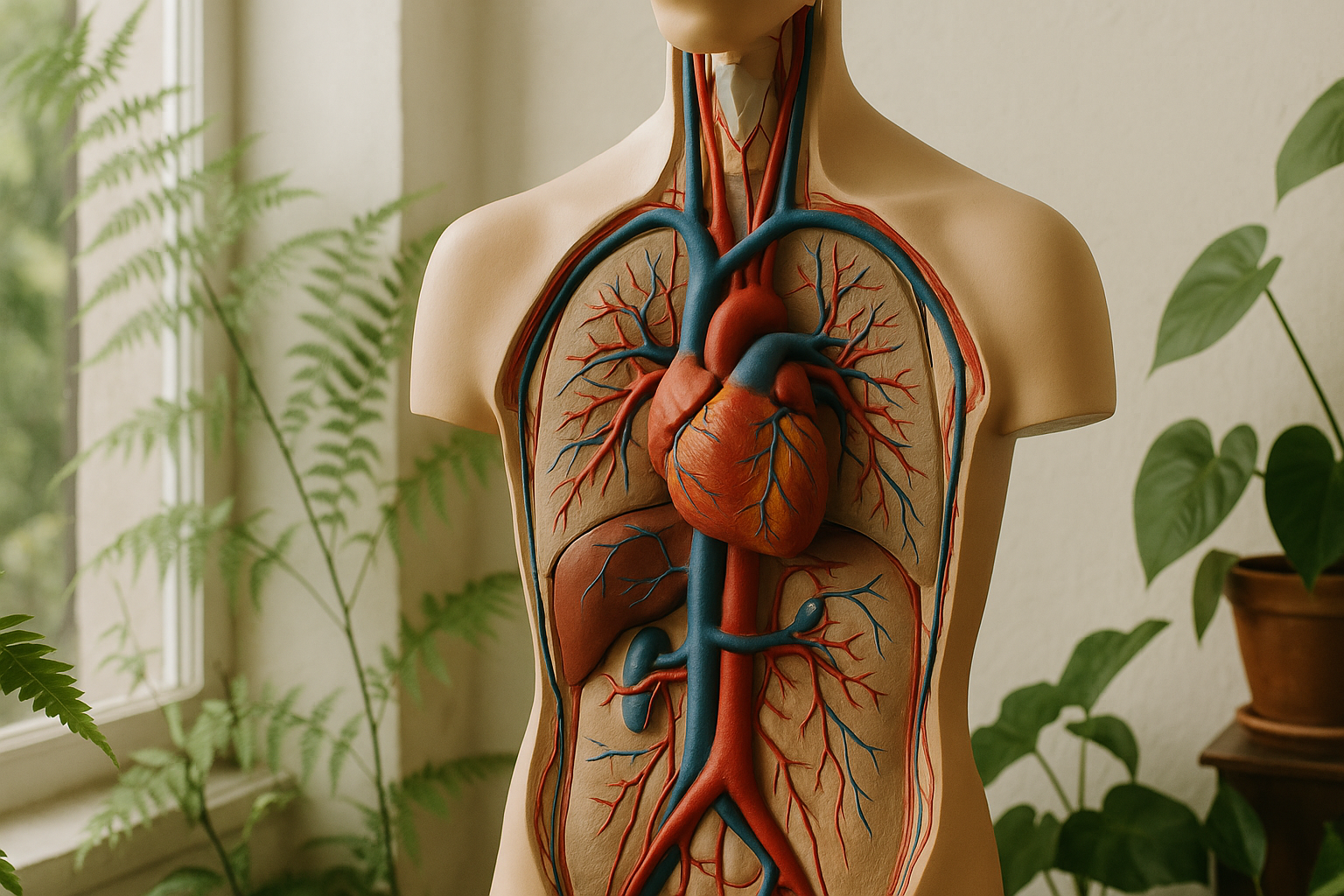
What This System Does
The cardiovascular system, often referred to as the circulatory system, plays a vital role in maintaining the overall health of the body. It consists of the heart, blood vessels (arteries, veins, and capillaries), and blood, all working together to transport nutrients, oxygen, hormones, and waste products throughout the body. The heart acts as a pump, propelling blood through a network of vessels, while the blood carries essential components necessary for cellular function.
In addition to delivering oxygen and nutrients, the cardiovascular system also aids in regulating body temperature and pH levels, facilitating immune responses, and removing waste products from metabolism. By ensuring that each cell receives what it needs to function optimally, the cardiovascular system is integral to maintaining homeostasis and overall health.
Signs This System Is Out of Balance
- Fatigue or weakness
- Shortness of breath during regular activities
- Chest pain or discomfort
- Irregular heartbeat or palpitations
- Swelling in the legs, ankles, or feet
- Cold extremities
- High blood pressure or hypertension
- Frequent headaches or dizziness
While experiencing any of these signs may not necessarily indicate a serious issue, they can suggest that the cardiovascular system may be functioning outside of its optimal range. It is important to approach these symptoms with caution and consider their context.
Common Contributing Factors
Several factors can contribute to imbalances in the cardiovascular system. These may include:
- Lifestyle: Sedentary behavior, smoking, excessive alcohol consumption, and high-stress levels can negatively impact cardiovascular health.
- Environment: Exposure to pollutants, toxins, and high levels of noise can affect cardiovascular function.
- Nutritional: Diets high in saturated fats, trans fats, sugar, and sodium can contribute to cardiovascular issues, while low intake of fruits, vegetables, and whole grains can lead to deficiencies in essential nutrients.
- Hormonal: Hormonal imbalances, such as those related to thyroid function, can influence cardiovascular health.
- Structural: Genetic factors or previous injuries can lead to structural abnormalities in the heart or blood vessels.
Natural Approaches Across the Three Pillars
Ancient Wisdom
Traditional practices have long recognized the importance of maintaining a healthy cardiovascular system. Ancient medicine systems, such as Ayurveda and Traditional Chinese Medicine, emphasize the balance of energy and the role of diet and herbal remedies in supporting heart health. For example, garlic and ginger have been used for their circulatory benefits, while meditation and yoga are recommended for stress reduction and overall well-being.
Natural Remedies
Several natural ingredients are known for their cardiovascular-supportive properties:
- Omega-3 Fatty Acids: Found in fish oil and flaxseeds, these healthy fats can help reduce inflammation and support heart health.
- Coenzyme Q10: An antioxidant that plays a role in energy production and may improve heart function.
- Hawthorn: A herb traditionally used to support heart health and circulation.
- Beetroot: Rich in nitrates, which may help lower blood pressure and improve blood flow.
- Turmeric: Contains curcumin, known for its anti-inflammatory properties.
- Dark Chocolate: Contains flavonoids that may improve circulation and lower blood pressure.
Modern Wellness
In today's wellness landscape, there are various lifestyle strategies and protocols that can support cardiovascular health:
- Regular Exercise: Engaging in aerobic activities, strength training, and flexibility exercises can strengthen the heart and improve circulation.
- Heart-Healthy Diet: Emphasizing whole foods, fiber-rich fruits and vegetables, lean proteins, and healthy fats can provide essential nutrients.
- Stress Management: Incorporating mindfulness practices, meditation, and deep breathing can help reduce stress levels.
- Monitoring Biomarkers: Regular check-ups to monitor blood pressure, cholesterol levels, and blood sugar can help identify potential issues early.
- Hydration: Maintaining adequate fluid intake is essential for optimal blood volume and circulation.
Conditions Frequently Involving This System
- Hypertension (high blood pressure)
- Heart disease
- Coronary artery disease
- Atherosclerosis
- Arrhythmias
- Heart failure
- Peripheral artery disease
- Stroke
- Venous insufficiency
Lifestyle & Habit Foundations That Support It
Building a solid foundation for cardiovascular health involves cultivating healthy habits and lifestyle choices:
- Stay Active: Aim for at least 150 minutes of moderate-intensity exercise each week.
- Eat a Balanced Diet: Focus on whole, minimally processed foods rich in nutrients.
- Maintain a Healthy Weight: Strive for a healthy body weight to reduce strain on the heart.
- Prioritize Sleep: Aim for 7-9 hours of quality sleep each night to support overall health.
- Manage Stress: Develop stress-reduction techniques that work for you.
- Avoid Tobacco: If you smoke, seek support to quit, as tobacco use is a significant risk factor for cardiovascular issues.
When to Seek Professional Care
If you experience persistent symptoms such as chest pain, shortness of breath, or irregular heartbeat, it is essential to seek professional care. Additionally, if you have risk factors such as a family history of heart disease, high blood pressure, or diabetes, regular check-ups with a healthcare provider are crucial for early detection and management.
FAQs
What is the primary function of the cardiovascular system?
The primary function of the cardiovascular system is to transport blood, which carries oxygen, nutrients, hormones, and waste products, to and from cells throughout the body.
How can I support my cardiovascular health naturally?
You can support your cardiovascular health through a balanced diet, regular exercise, stress management, and avoiding tobacco use.
What are some common symptoms of cardiovascular issues?
Common symptoms include chest pain, shortness of breath, fatigue, and swelling in the legs or ankles.
Are there specific foods that promote heart health?
Yes, foods rich in omega-3 fatty acids, antioxidants, fiber, and healthy fats, such as fatty fish, nuts, fruits, and vegetables, promote heart health.
How often should I get my heart health checked?
It is advisable to have your heart health checked regularly, at least once a year, especially if you have risk factors for cardiovascular disease.
Can stress affect my cardiovascular system?
Yes, chronic stress can contribute to cardiovascular issues by raising blood pressure and increasing the risk of heart disease.