Biomarker Testing & Tracking
Explore the world of biomarker testing and tracking in modern wellness. Understand how it works, its biological basis, and the various tests that can help optimize your health.
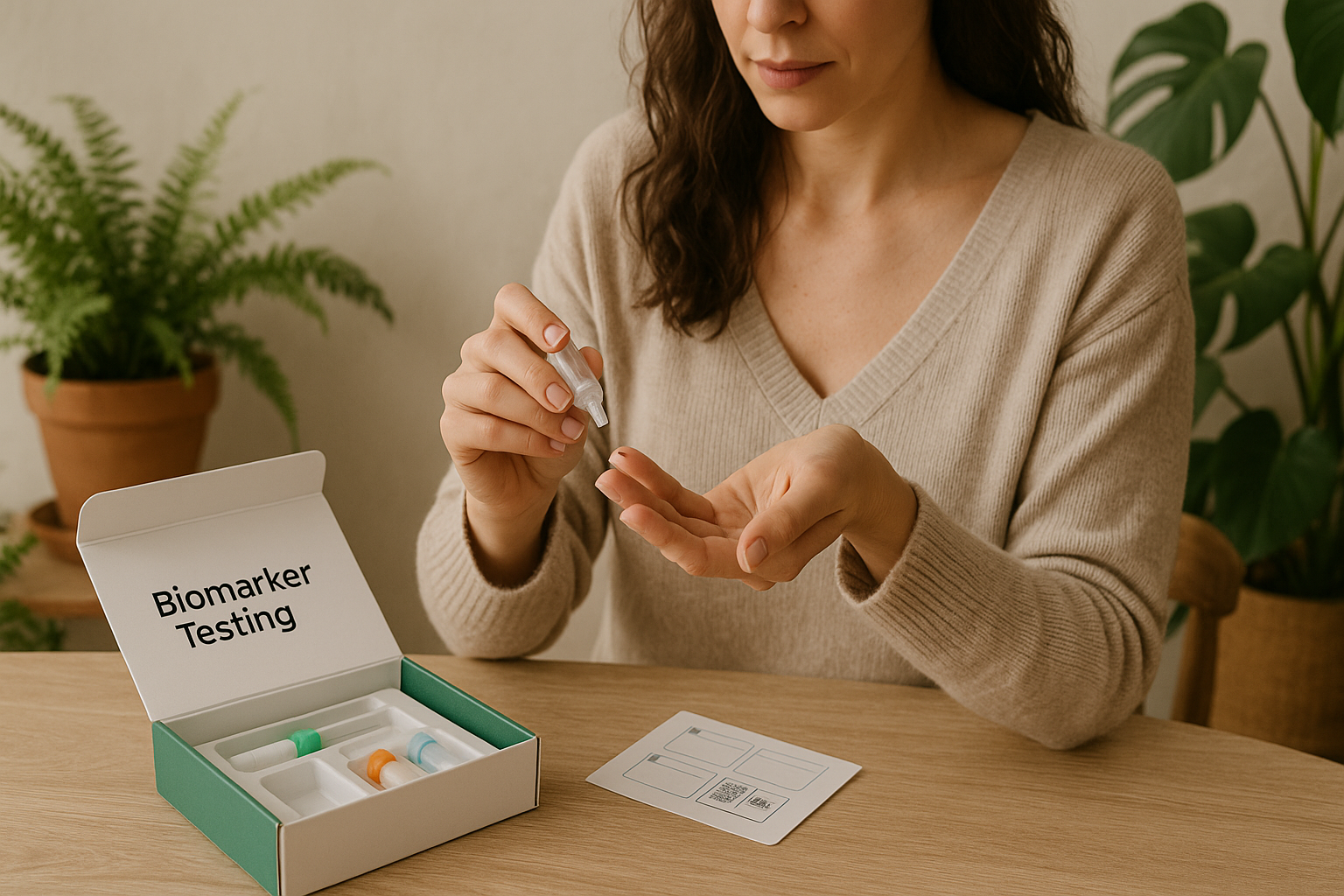
Biomarker testing and tracking is a modern wellness practice focused on measuring biological indicators that reflect health status and wellness. It offers insights into individual health, enabling personalized interventions and proactive health management. In a world where health optimization is paramount, understanding and utilizing biomarkers is crucial for achieving desired health outcomes.
Intro Summary
Biomarker testing and tracking is an innovative approach within modern wellness that focuses on measuring specific biological markers in the body. These markers can provide invaluable insights into health status, helping individuals tailor their wellness journeys to achieve optimal health outcomes. In today's fast-paced world, where preventive health care is gaining prominence, understanding biomarkers is essential for effective health management and personalized interventions.
Biomarkers can be anything from specific proteins in the blood to genetic variations or even metabolic indicators. By tracking these markers over time, individuals can gain a clearer picture of their health, identifying areas for improvement and making informed decisions about lifestyle changes, nutrition, and other health-related interventions.
The Underlying Biology / Mechanism
At the core of biomarker testing is the understanding that our bodies continuously produce various substances that reflect our physiological state. These biomarkers can indicate the presence of disease, the effectiveness of treatments, or even predispositions to certain health conditions.
Biomarkers may include:
- Proteins: These are essential molecules that perform various functions in the body. Changes in protein levels can indicate inflammation, organ function, or disease.
- Metabolites: Small molecules produced during metabolism, which can provide insights into nutritional status and metabolic health.
- Genetic markers: Specific variations in DNA that may indicate susceptibility to certain health conditions or responses to drugs.
- Hormones: Chemical messengers that regulate many bodily functions, including metabolism, growth, and mood.
By understanding these biomarkers, health professionals can create a more comprehensive view of an individual's health and tailor interventions accordingly.
Key Sub-Topics Within This Category
Personalized Nutrition
Genetic Testing
Metabolic Health Monitoring
Chronic Disease Management
Stress and Hormonal Balance
Biomarkers, Tests, and Data Points That Matter
Understanding which biomarkers are important and how they are tested is crucial to effective health management. Some common biomarkers and tests include:
- Blood Glucose Levels: Essential for monitoring diabetes and metabolic health.
- Lipid Profiles: Measure cholesterol and triglyceride levels, important for cardiovascular health.
- Inflammatory Markers: Such as C-reactive protein (CRP), which can indicate inflammation in the body.
- Vitamin and Mineral Levels: Testing for deficiencies, such as Vitamin D or B12, can guide supplementation.
- Hormonal Levels: Testosterone, estrogen, and cortisol levels can impact overall health and well-being.
It is important to note that reference ranges for these biomarkers can vary based on age, sex, and health status. Always consult with a healthcare professional to interpret results accurately.
Functional Actions This Category Targets
Biomarker testing and tracking can target several functional actions, including:
- Identifying nutritional deficiencies and excesses.
- Monitoring metabolic processes and energy levels.
- Assessing the effectiveness of lifestyle changes.
- Detecting early signs of chronic diseases.
- Guiding personalized wellness strategies.
Body Systems It Most Supports
This category of wellness primarily supports:
- Endocrine System: Hormonal balance and regulation.
- Immune System: Monitoring inflammation and immune responses.
- Metabolic System: Assessing metabolic health and energy levels.
- Cardiovascular System: Evaluating heart health and lipid levels.
- Gastrointestinal Health: Understanding nutrient absorption and digestive health.
Common Goals
Individuals engaging in biomarker testing and tracking often aim to achieve:
- Improved metabolic health.
- Enhanced energy and vitality.
- Better management of chronic conditions.
- Personalized nutritional interventions.
- Informed decisions about lifestyle changes.
Approaches & Interventions (lifestyle, nutrition, supplements, devices)
To optimize health based on biomarker testing, various approaches can be employed:
- Lifestyle Changes: Incorporating regular physical activity, improving sleep quality, and managing stress levels.
- Nutritional Adjustments: Tailoring diets to address specific deficiencies or health goals, such as increasing omega-3 fatty acids for heart health.
- Supplements: Using vitamins, minerals, and herbal supplements to correct deficiencies or support overall health.
- Health Devices: Utilizing wearables to track physical activity, heart rate, sleep patterns, and more.
Safety, Edge Cases & When to Consult a Clinician
While biomarker testing can provide valuable insights, it is essential to approach it with caution. Here are some considerations:
- Consult a healthcare professional before starting any new tests or interventions.
- Understand that biomarkers can fluctuate due to various factors, including stress, diet, and medications.
- Be aware of the limitations of at-home testing kits and seek professional guidance for interpretation.
- Consider potential emotional impacts of testing results, especially if they indicate health issues.
How It Bridges to Ancient Wisdom & Natural Remedies
Biomarker testing and tracking may seem like a modern innovation, but it resonates with ancient wisdom that emphasizes holistic health. Traditional practices often focused on understanding bodily signs and symptoms, much like how modern biomarkers function. Ancient healing systems like Ayurveda and Traditional Chinese Medicine have long recognized the importance of balance in bodily functions, akin to what biomarkers aim to measure today.
Moreover, natural remedies have been used for centuries to address imbalances identified through observation of the body, paralleling the insights provided by modern biomarker testing.
FAQs (6)
What is a biomarker?
How can biomarker testing benefit me?
Are at-home biomarker tests reliable?
How often should I get biomarker testing?
Can I change my biomarkers through lifestyle modifications?
What should I do if I receive abnormal biomarker results?
A biomarker is a measurable indicator of a biological state, often used to assess health status or disease risk.
Biomarker testing can help identify health issues early, guide personalized interventions, and improve overall health management.
While some at-home tests can be useful, results should be interpreted with caution and ideally reviewed with a healthcare professional.
The frequency of testing depends on individual health goals and conditions; consulting a healthcare provider can help determine the best schedule.
Yes, lifestyle changes such as improved diet, exercise, and stress management can positively influence various biomarkers.
Consult with a healthcare professional to discuss your results and determine appropriate next steps.
Explore Biomarker Testing & Tracking
15 subcategories












Frequently asked
What is a biomarker?
A biomarker is a measurable indicator of a biological state, often used to assess health status or disease risk.
How can biomarker testing benefit me?
Biomarker testing can help identify health issues early, guide personalized interventions, and improve overall health management.
Are at-home biomarker tests reliable?
While some at-home tests can be useful, results should be interpreted with caution and ideally reviewed with a healthcare professional.
How often should I get biomarker testing?
The frequency of testing depends on individual health goals and conditions; consulting a healthcare provider can help determine the best schedule.
Can I change my biomarkers through lifestyle modifications?
Yes, lifestyle changes such as improved diet, exercise, and stress management can positively influence various biomarkers.
What should I do if I receive abnormal biomarker results?
Consult with a healthcare professional to discuss your results and determine appropriate next steps.