Ayurvedic Medicine
Discover the ancient healing tradition of Ayurvedic Medicine, its origins, core philosophy, diagnostic methods, and how it intersects with modern wellness.

Ayurvedic Medicine is an ancient healing tradition originating from India, focusing on balancing the body, mind, and spirit through natural remedies and lifestyle choices. It is practiced globally today, emphasizing holistic well-being and the interconnectedness of life. Ayurvedic principles are rooted in the belief that health is influenced by the balance of three doshas: Vata, Pitta, and Kapha, which represent various elements and energies within the body. This holistic approach encourages individuals to engage in practices that promote harmony and vitality.
Intro Summary
Ayurvedic Medicine is a holistic healing system that originated in India over 5,000 years ago. It is based on the understanding of the body, mind, and spirit as interconnected elements of health. Practiced widely in India and increasingly across the globe, Ayurveda emphasizes balance and harmony in all aspects of life. The worldview of Ayurveda is rooted in the belief that each person has a unique constitution or dosha—Vata, Pitta, and Kapha—that influences their physical, mental, and emotional health. By understanding these doshas, individuals can make informed choices about their diet, lifestyle, and wellness practices to promote optimal health and well-being.
Origins & Lineage
The origins of Ayurvedic Medicine can be traced back to the ancient texts known as the Vedas, particularly the Atharva Veda, which contains some of the earliest references to healing practices. Key texts such as the Charaka Samhita and Sushruta Samhita were written by revered sages and physicians, outlining the principles of Ayurveda and its various applications. Over the centuries, Ayurveda spread across India and influenced various cultures, integrating with local healing traditions and practices. Its teachings were preserved and passed down through generations, leading to the rich tapestry of knowledge we have today.
Core Philosophy
The core philosophy of Ayurveda is based on several distinctive concepts that guide its approach to health and healing.
Doshas
The doshas—Vata, Pitta, and Kapha—are the three fundamental energies that govern our physiological and psychological processes. Each person has a unique combination of these doshas that influences their physical characteristics, behaviors, and predispositions to certain health conditions. Maintaining a balance among the doshas is essential for overall well-being.
Five Elements
Ayurveda is rooted in the concept of the five elements—earth, water, fire, air, and ether. These elements combine to form the doshas and are reflected in the natural world as well as within the human body. Understanding the interplay of these elements helps practitioners tailor treatments to an individual's unique constitution.
Agni (Digestive Fire)
Agni, or digestive fire, is a central concept in Ayurveda that emphasizes the importance of digestion and metabolism in overall health. A balanced agni is crucial for effective digestion, nutrient absorption, and the elimination of toxins. Ayurveda encourages practices that support and strengthen agni.
Ojas (Vital Energy)
Ojas is considered the essence of vitality and immunity in Ayurveda. It is believed to be a product of optimal digestion and a balanced lifestyle. Enhancing ojas leads to improved health, resilience, and overall well-being.
Dhi, Dhriti, and Smriti (Intellect, Fortitude, and Memory)
These three qualities are essential for mental clarity, emotional stability, and overall cognitive function. Ayurveda teaches that nurturing these qualities can lead to better decision-making and a more balanced life.
Diagnostic / Observational Methods
Ayurvedic practitioners use a variety of diagnostic methods to assess an individual's health and constitution. These methods include:
- Pulse Diagnosis: Practitioners assess the quality of the pulse to determine the balance of doshas and overall vitality.
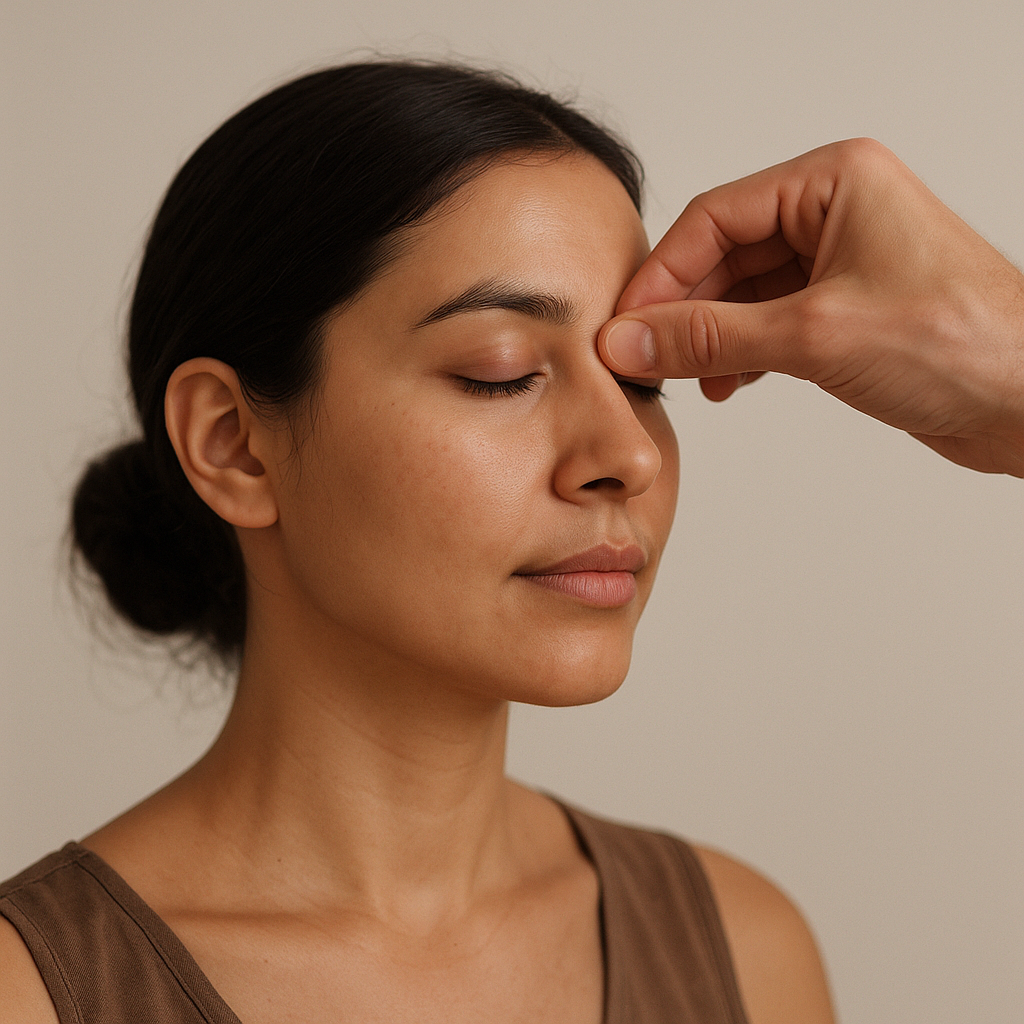
- Tongue Examination: The tongue is examined for color, coating, and shape, which can reveal information about digestion and health.
- Observation: Practitioners observe physical characteristics, such as skin tone and hair texture, to gain insights into an individual's constitution.
- Lifestyle Inquiry: Detailed discussions about diet, lifestyle habits, emotions, and daily routines help practitioners understand the individual's overall health.
Common Modalities Within This Tradition
Ayurvedic Medicine encompasses various modalities aimed at promoting balance and health.
Herbal Remedies
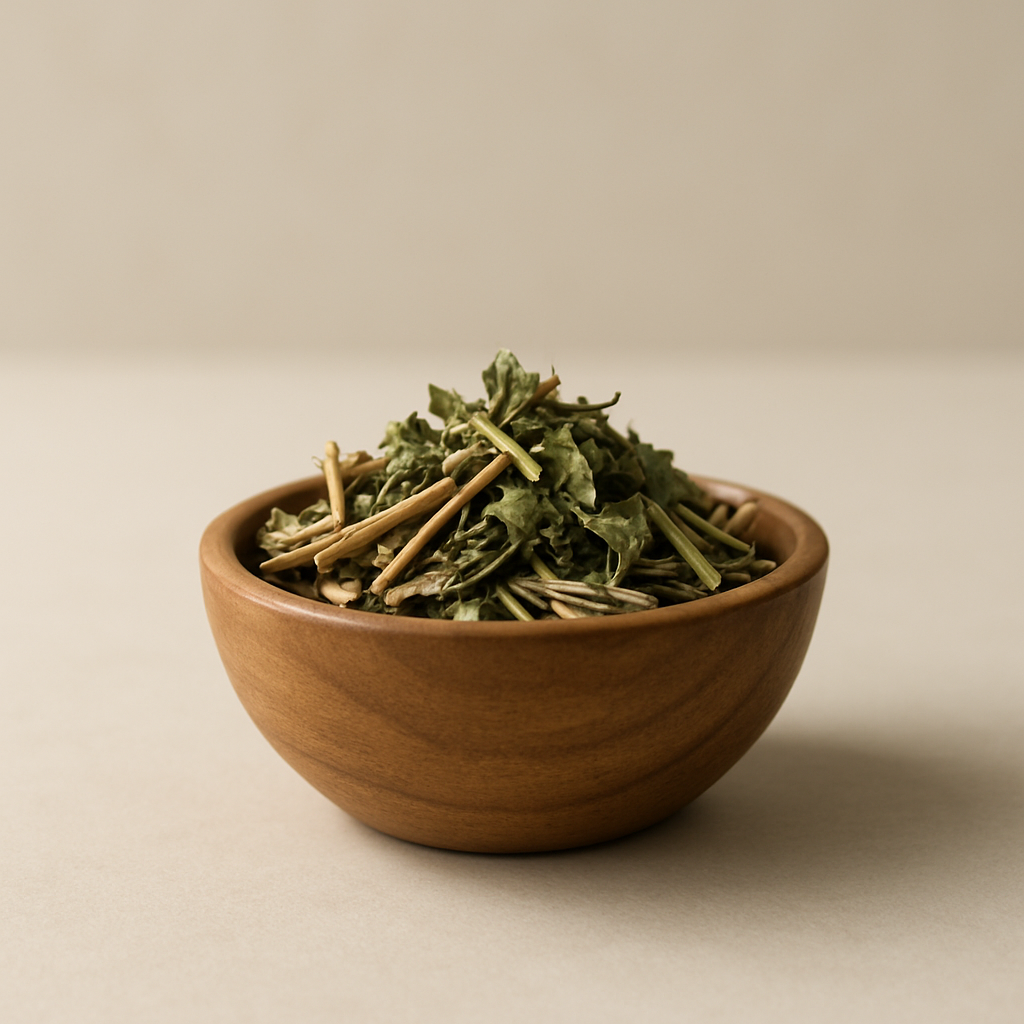
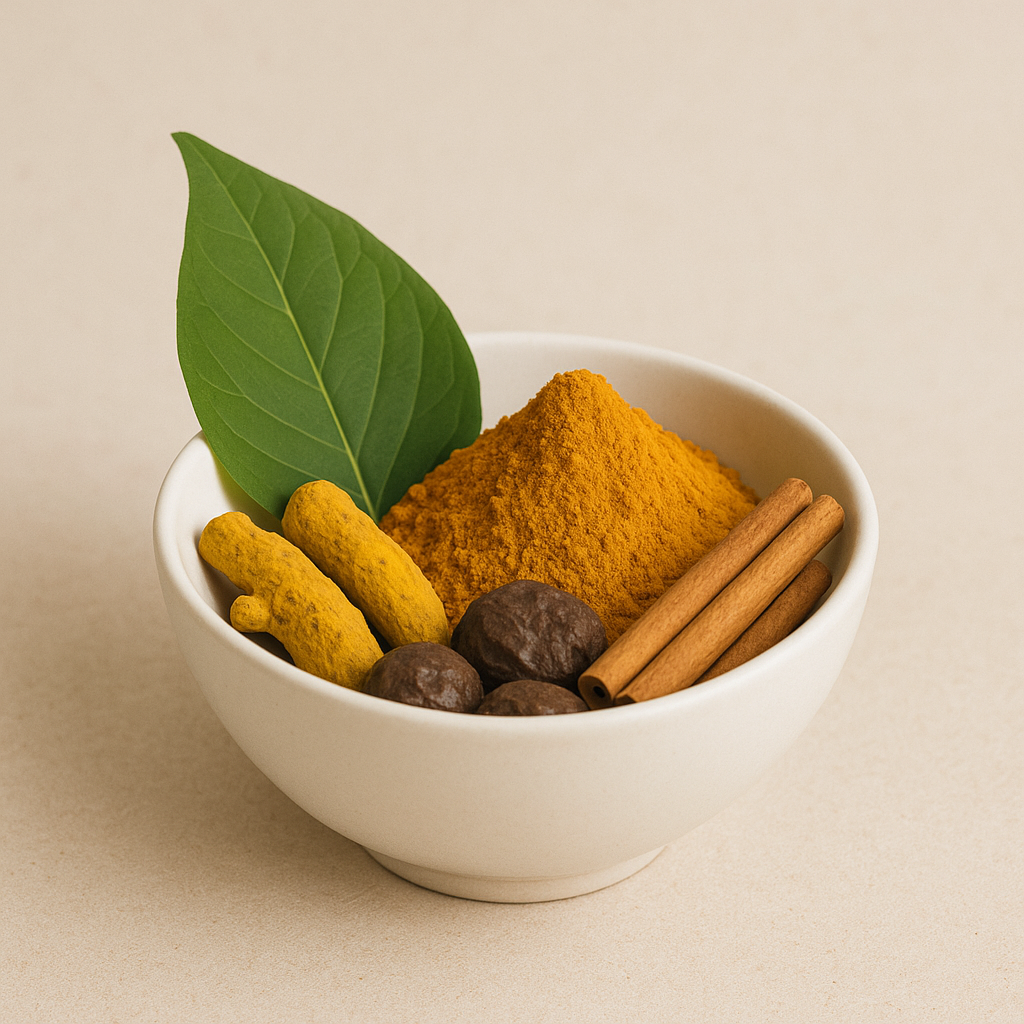
Herbs play a crucial role in Ayurveda, with various plants used for their therapeutic properties. Formulations are tailored to individual needs, addressing specific imbalances and promoting well-being.
Dietary Guidelines
Food is considered medicine in Ayurveda. Practitioners recommend specific diets based on an individual's dosha, emphasizing fresh, seasonal, and whole foods that support digestion and overall health.
Yoga and Movement
Yoga is an integral part of Ayurveda, promoting physical health, mental clarity, and emotional balance. Tailored yoga practices help individuals align with their constitution and enhance well-being.
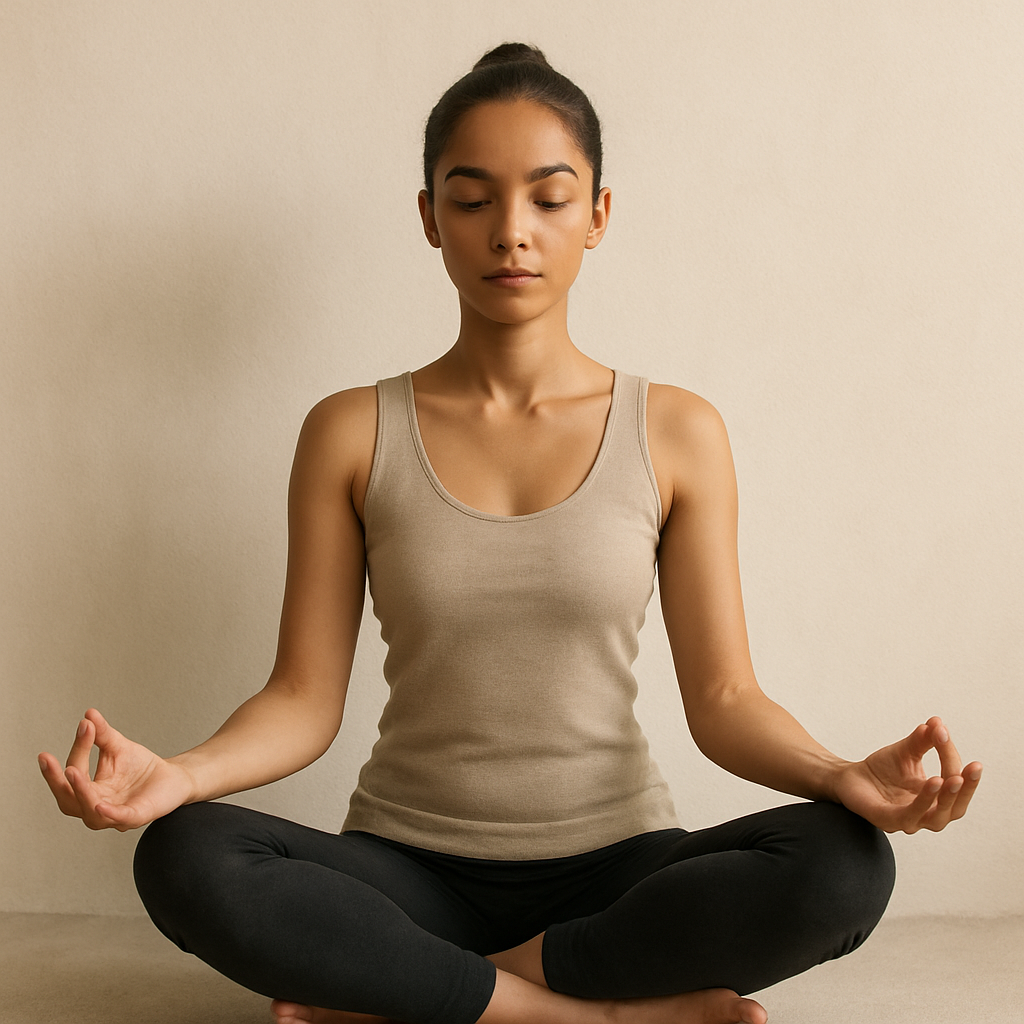
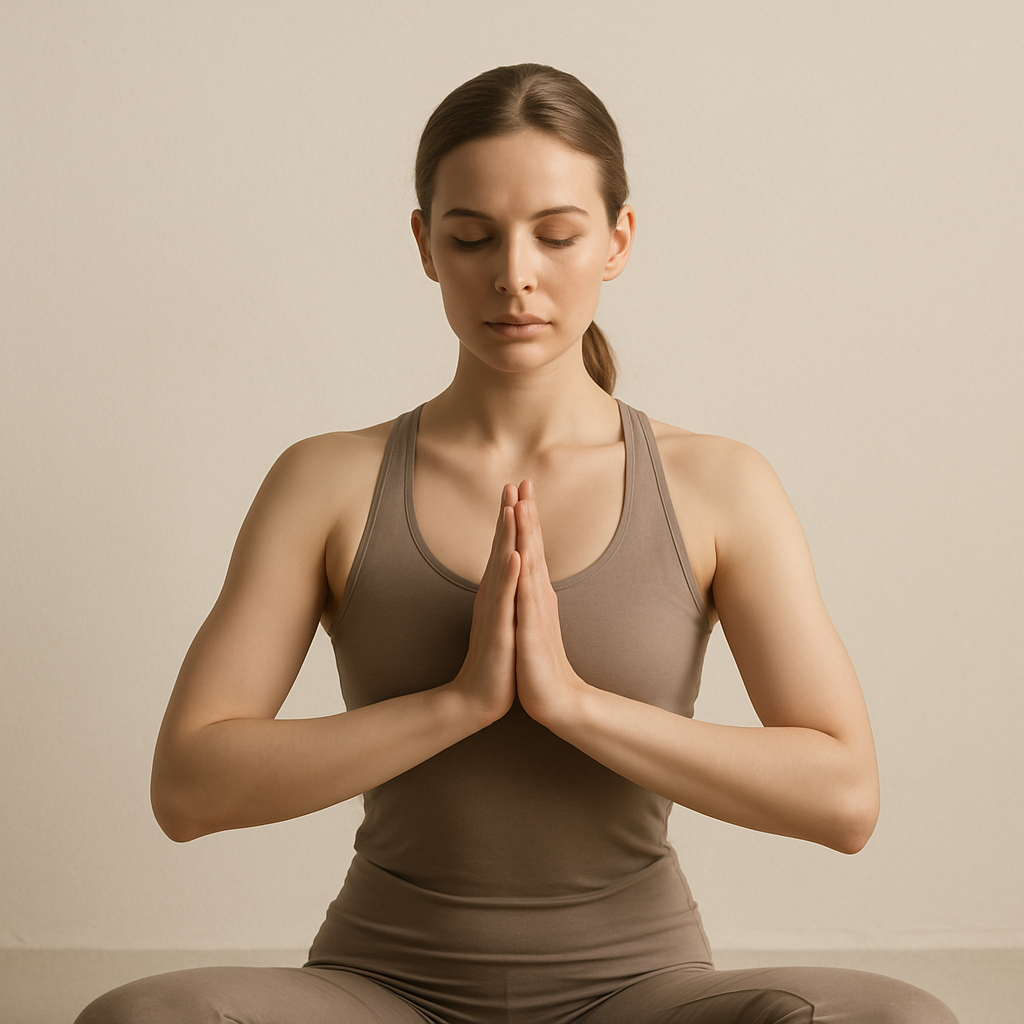
Meditation and Breathwork
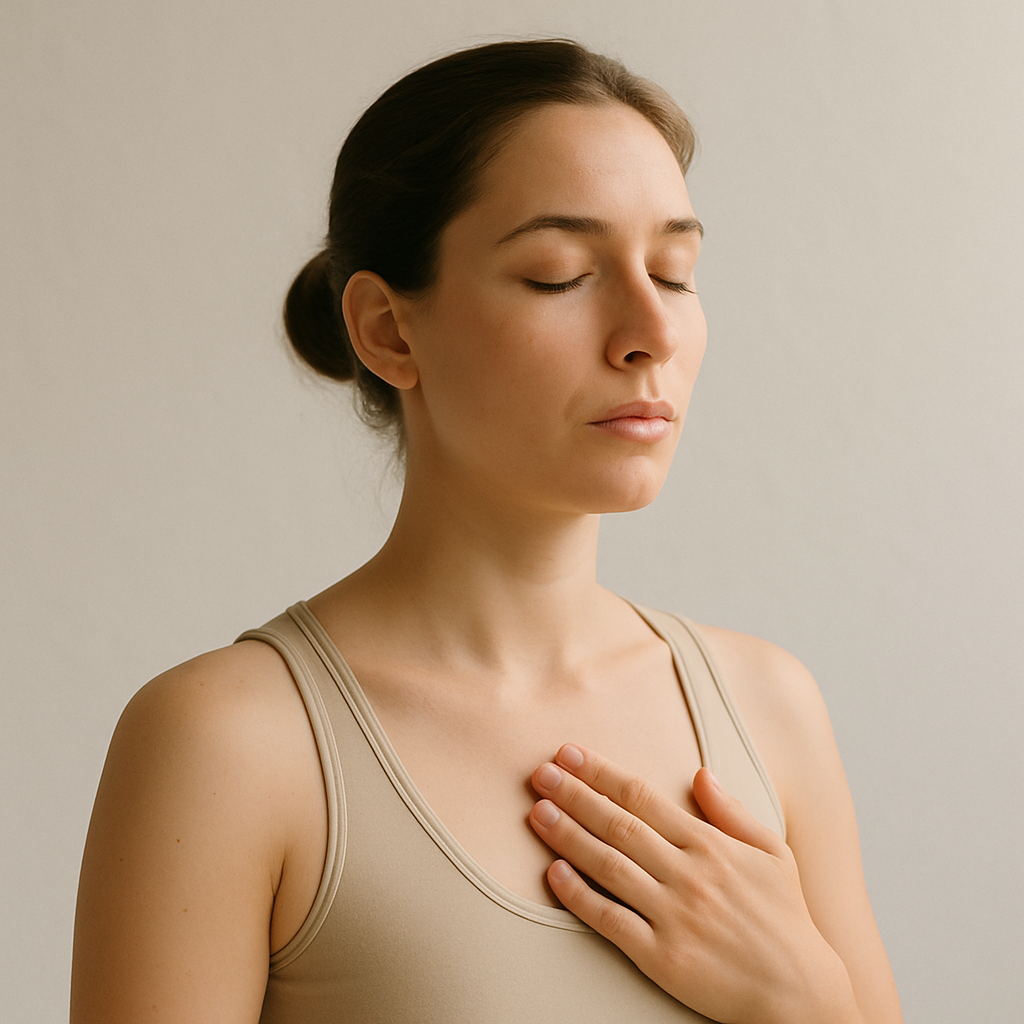
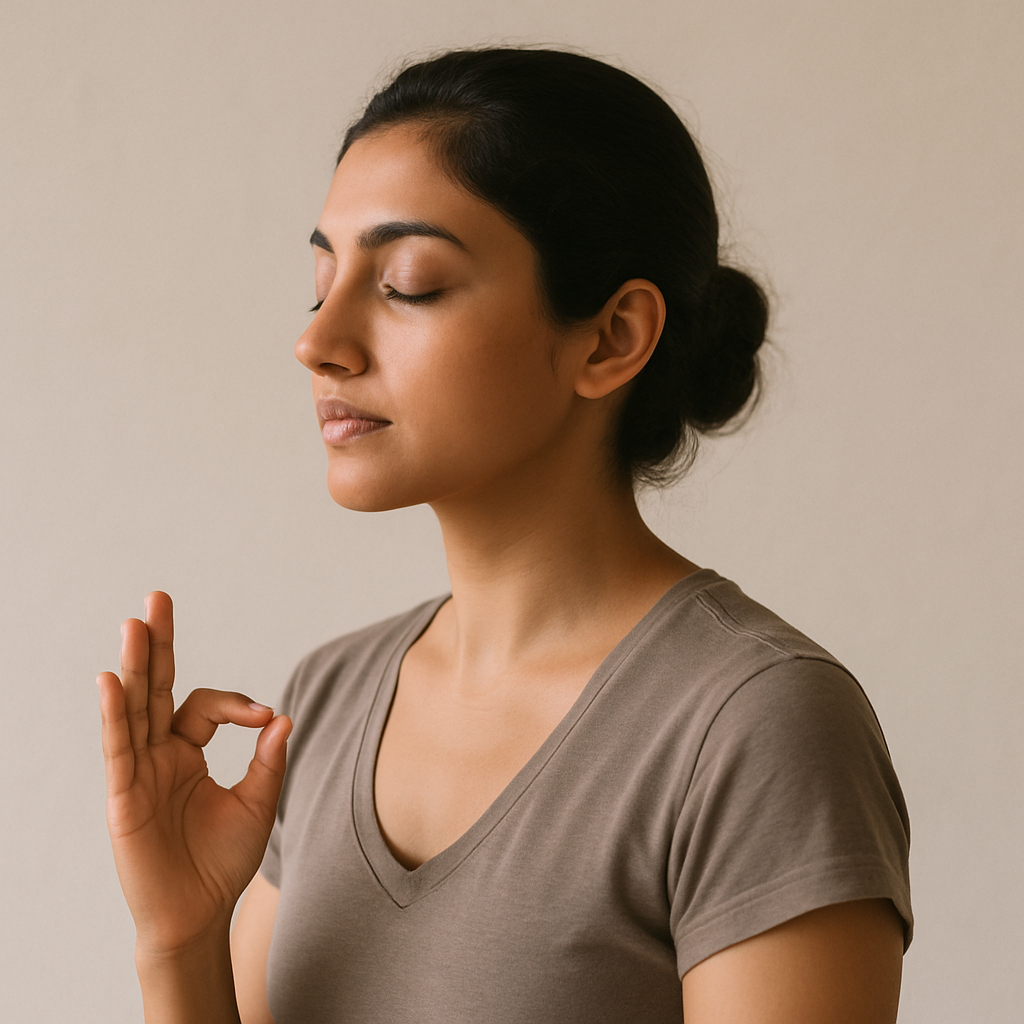
Mindfulness practices such as meditation and pranayama (breath control) are essential for mental and emotional health. These practices help reduce stress, enhance focus, and promote inner peace.
Bodywork and Therapies
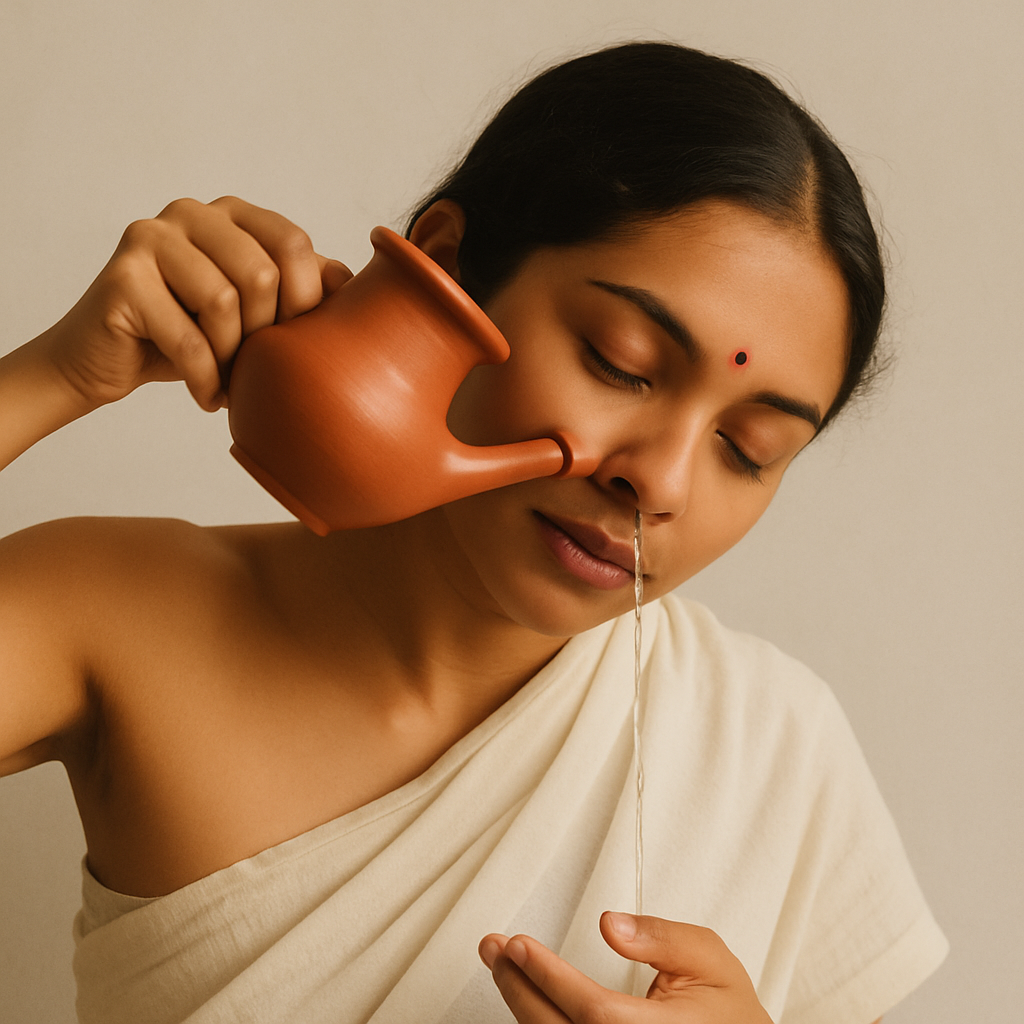
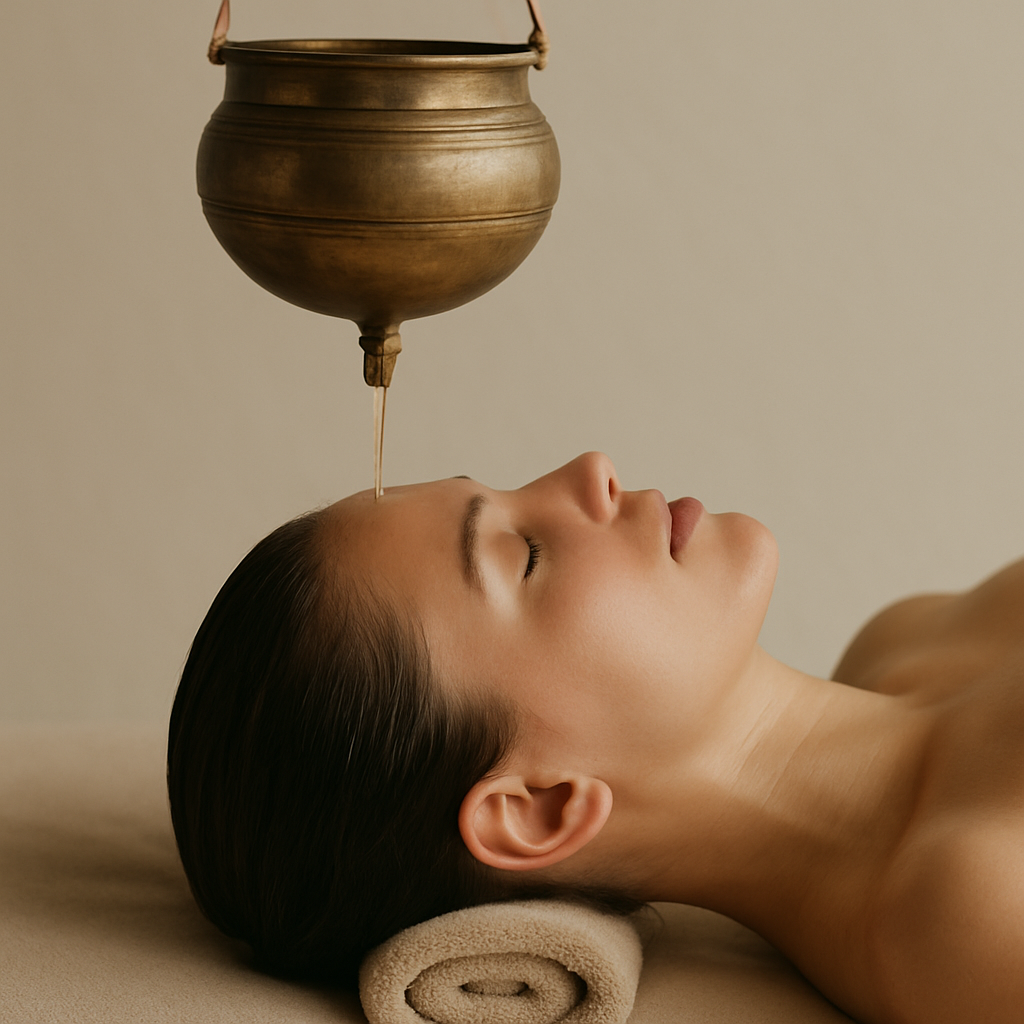
Ayurveda includes various bodywork therapies, such as Abhyanga (oil massage) and Panchakarma (detoxification). These therapies aim to balance the doshas, improve circulation, and promote relaxation.
Conditions & Goals This Tradition Commonly Addresses
Ayurvedic Medicine traditionally explores approaches for various conditions and wellness goals, including:
- Stress management and mental clarity
- Digestive health and metabolic balance
- Skin conditions and beauty enhancement
- Weight management and lifestyle optimization
- Immune support and overall vitality
- Chronic illnesses and maintaining balance
Safety, Sourcing, and Finding Qualified Practitioners
When considering Ayurvedic treatments, it is essential to prioritize safety and sourcing. Look for practitioners who have received formal training and certification from recognized Ayurvedic institutions. Additionally, ensure that herbal products are sourced from reputable suppliers who follow quality standards. As with any healing practice, it is advisable to consult with healthcare professionals, especially if you have existing health conditions or are taking medications.
How It Intersects with Modern Wellness Today
Ayurvedic principles are increasingly recognized within modern wellness paradigms, emphasizing personalized approaches to health. Concepts such as mindfulness, nutrition, and holistic care are gaining traction in contemporary health discussions. Many wellness programs now incorporate Ayurvedic practices, illustrating the tradition's relevance in today's world as individuals seek integrated approaches to well-being.
Related Approaches You Might Explore
If you are interested in exploring Ayurveda further, consider these related approaches:
- Traditional Chinese Medicine (TCM)
- Herbalism
- Homeopathy
- Naturopathy
- Yoga Therapy
FAQs
- What is Ayurveda? Ayurveda is an ancient healing system from India that focuses on balancing the body, mind, and spirit through natural remedies and lifestyle choices.
- How does Ayurveda determine my dosha? Ayurveda uses diagnostic methods like pulse diagnosis, tongue examination, and lifestyle inquiries to determine your unique dosha.
- Can Ayurveda help with chronic conditions? Ayurveda traditionally explores approaches for various chronic conditions by promoting balance and holistic well-being.
- Is Ayurvedic medicine safe? When practiced by qualified practitioners and using reputable herbal sources, Ayurveda can be safe and effective.
- How does Ayurveda differ from Western medicine? Ayurveda takes a holistic approach, focusing on balance and lifestyle, while Western medicine often emphasizes symptom management and disease treatment.
- Can I combine Ayurveda with other healing practices? Yes, many individuals find that integrating Ayurvedic principles with other modalities enhances their overall wellness journey.
Explore Ayurvedic Medicine
15 subcategories




Frequently asked
What is Ayurveda?
Ayurveda is an ancient healing system from India that focuses on balancing the body, mind, and spirit through natural remedies and lifestyle choices.
How does Ayurveda determine my dosha?
Ayurveda uses diagnostic methods like pulse diagnosis, tongue examination, and lifestyle inquiries to determine your unique dosha.
Can Ayurveda help with chronic conditions?
Ayurveda traditionally explores approaches for various chronic conditions by promoting balance and holistic well-being.
Is Ayurvedic medicine safe?
When practiced by qualified practitioners and using reputable herbal sources, Ayurveda can be safe and effective.
How does Ayurveda differ from Western medicine?
Ayurveda takes a holistic approach, focusing on balance and lifestyle, while Western medicine often emphasizes symptom management and disease treatment.
Can I combine Ayurveda with other healing practices?
Yes, many individuals find that integrating Ayurvedic principles with other modalities enhances their overall wellness journey.