Yoga Integration
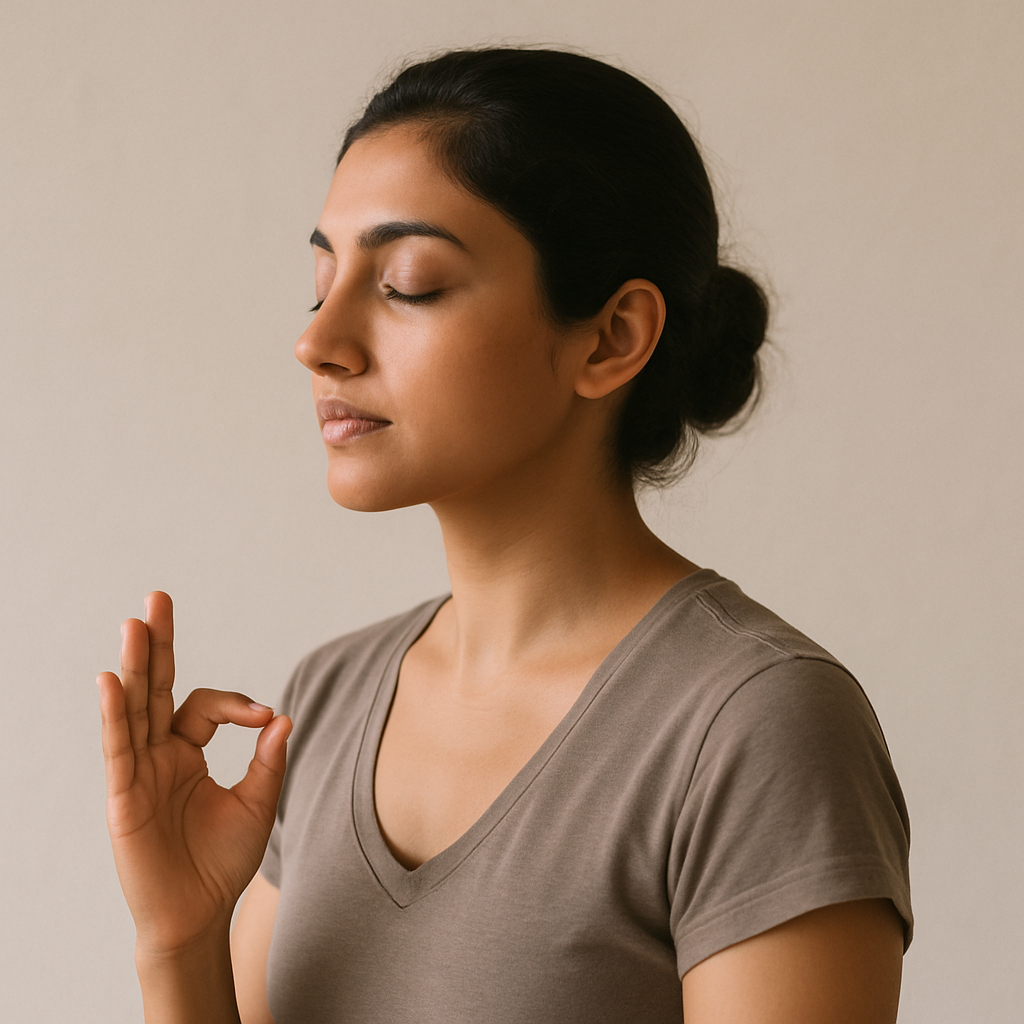
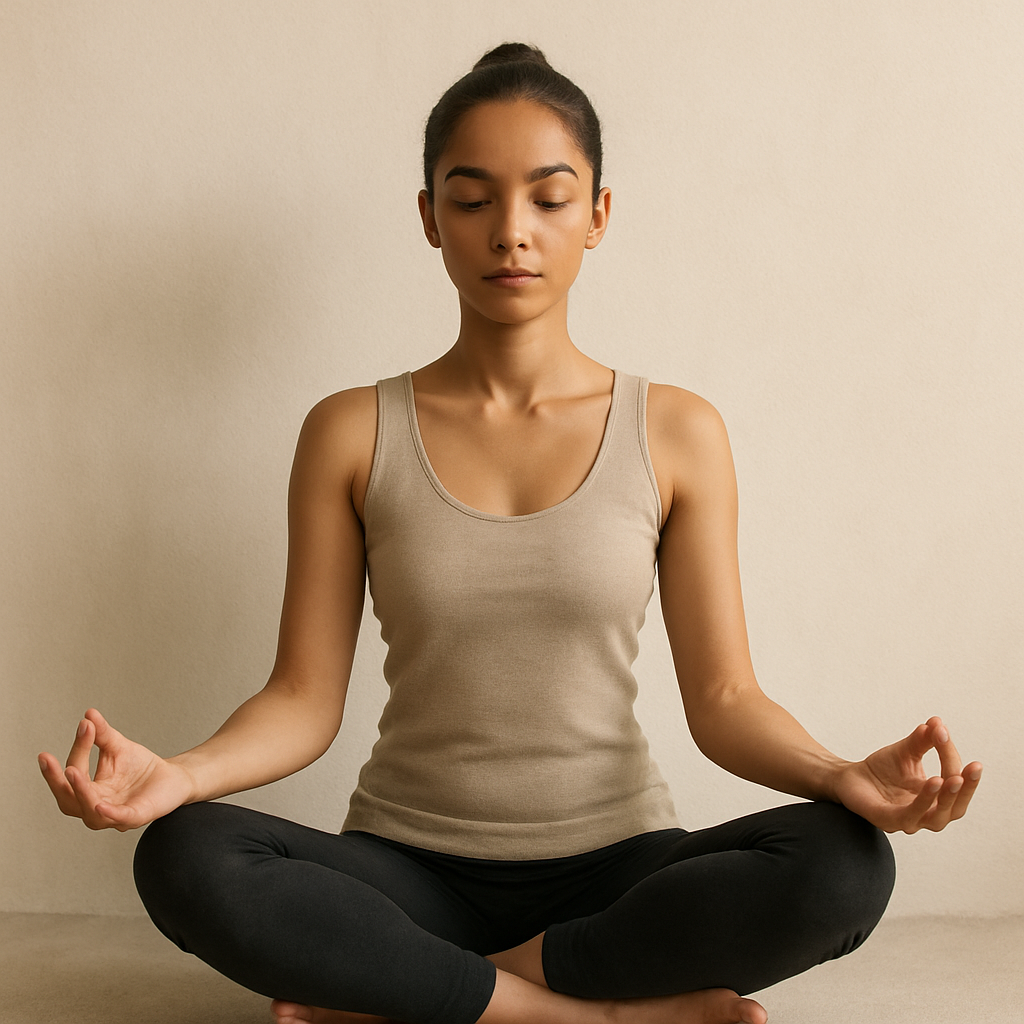
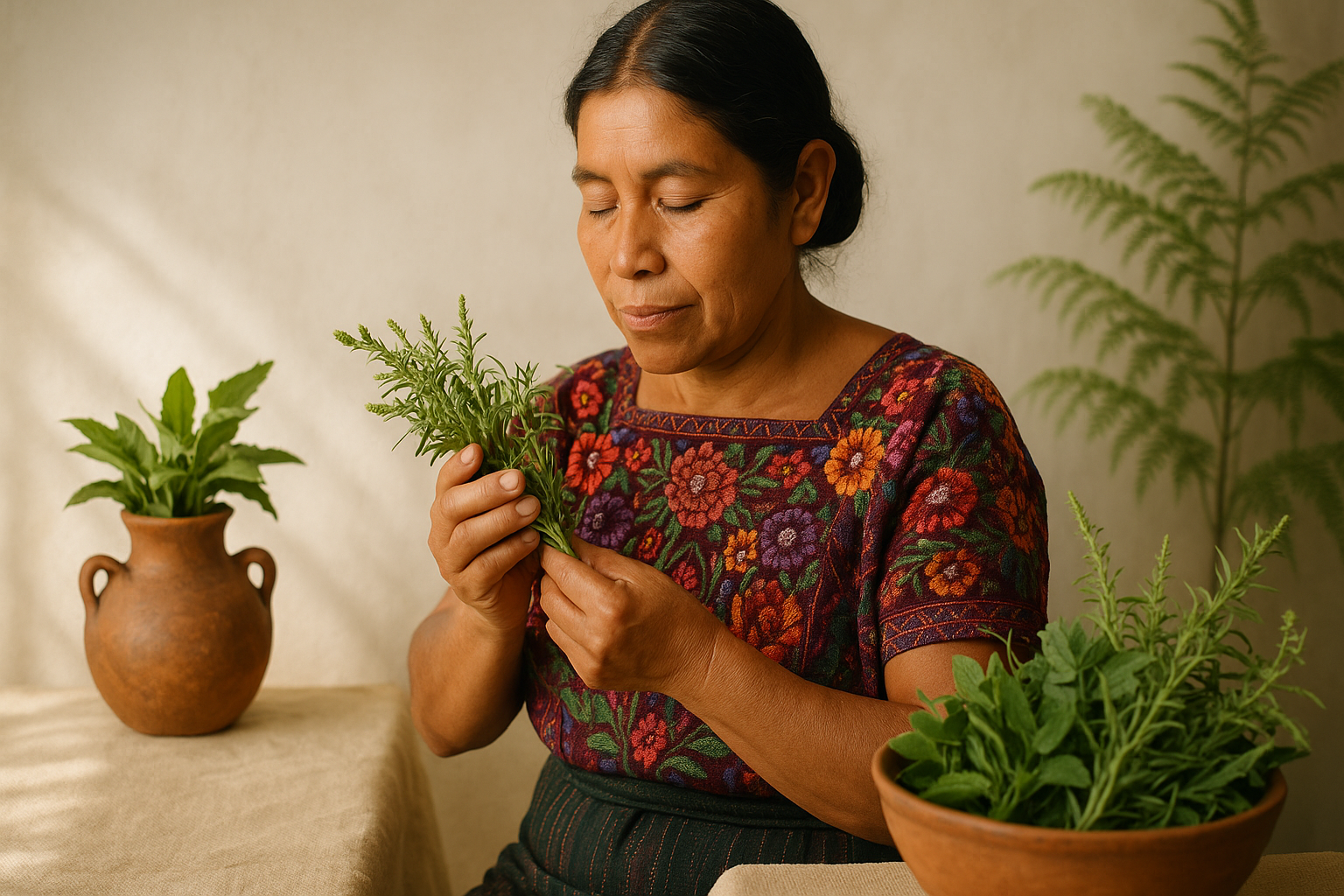
Discover Yoga Integration in Ayurvedic Medicine, a holistic approach that merges physical postures and breath work with ancient healing traditions.
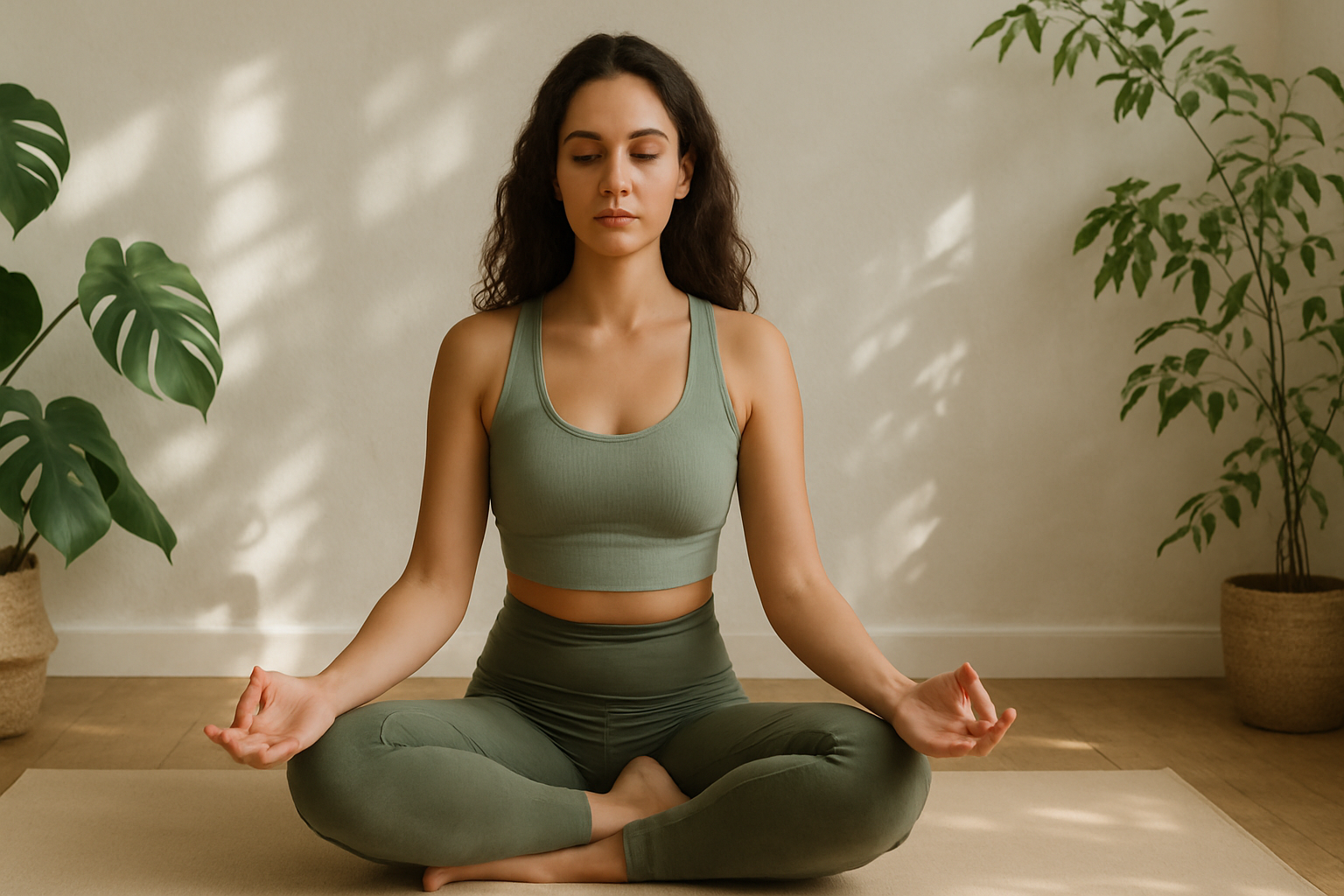
Explore the integration of yoga within Ayurvedic Medicine, a practice that harmonizes body, mind, and spirit through age-old wisdom.
What It Is
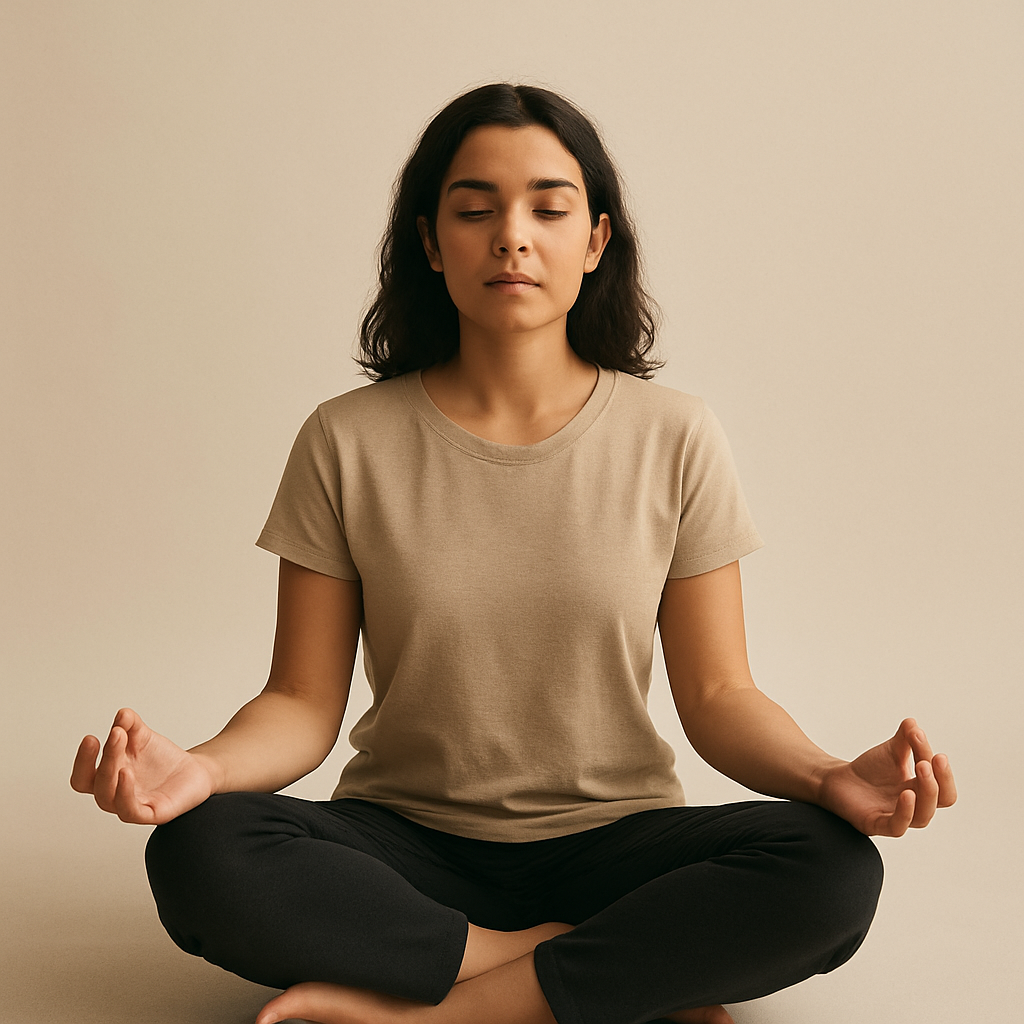
Yoga Integration within Ayurvedic Medicine is a holistic practice that combines the principles of yoga with the ancient healing system of Ayurveda. This integration emphasizes the connection between the body, mind, and spirit, recognizing that true wellness requires balance across all aspects of a person’s life. Through various techniques including asanas (postures), pranayama (breath control), and meditation, Yoga Integration seeks to align an individual's physical health with their emotional and spiritual well-being.
By understanding one’s unique constitution or dosha, practitioners can tailor their yoga practices to meet individual needs, fostering a deeper connection between physical movements and internal harmony. This approach not only enhances the physical benefits of yoga but also incorporates Ayurvedic principles such as dietary considerations and lifestyle adjustments, making it a comprehensive system for health and wellness.
Historical Context Within Ayurvedic Medicine
The integration of yoga into Ayurvedic Medicine has its roots in ancient Indian traditions, where both practices have coexisted for thousands of years. While Ayurveda is believed to have been developed around 5000 years ago, yoga's systematic practice was formalized in texts such as the Yoga Sutras of Patanjali, which emerged around 200 BCE to 200 CE. This historical backdrop laid the foundation for the eventual merging of these two powerful modalities.
Notable figures, such as Sage Patanjali, contributed to the philosophical underpinnings of yoga, while Ayurvedic scholars like Charaka and Sushruta focused on healing practices. Over centuries, practitioners recognized the complementary nature of yoga and Ayurveda, leading to the development of Yoga Integration as a distinct practice aimed at enhancing overall health and spiritual growth.
How It's Practiced
Practicing Yoga Integration involves a series of steps designed to connect the physical, mental, and spiritual aspects of an individual. Here is a general walk-through of how a session might unfold:
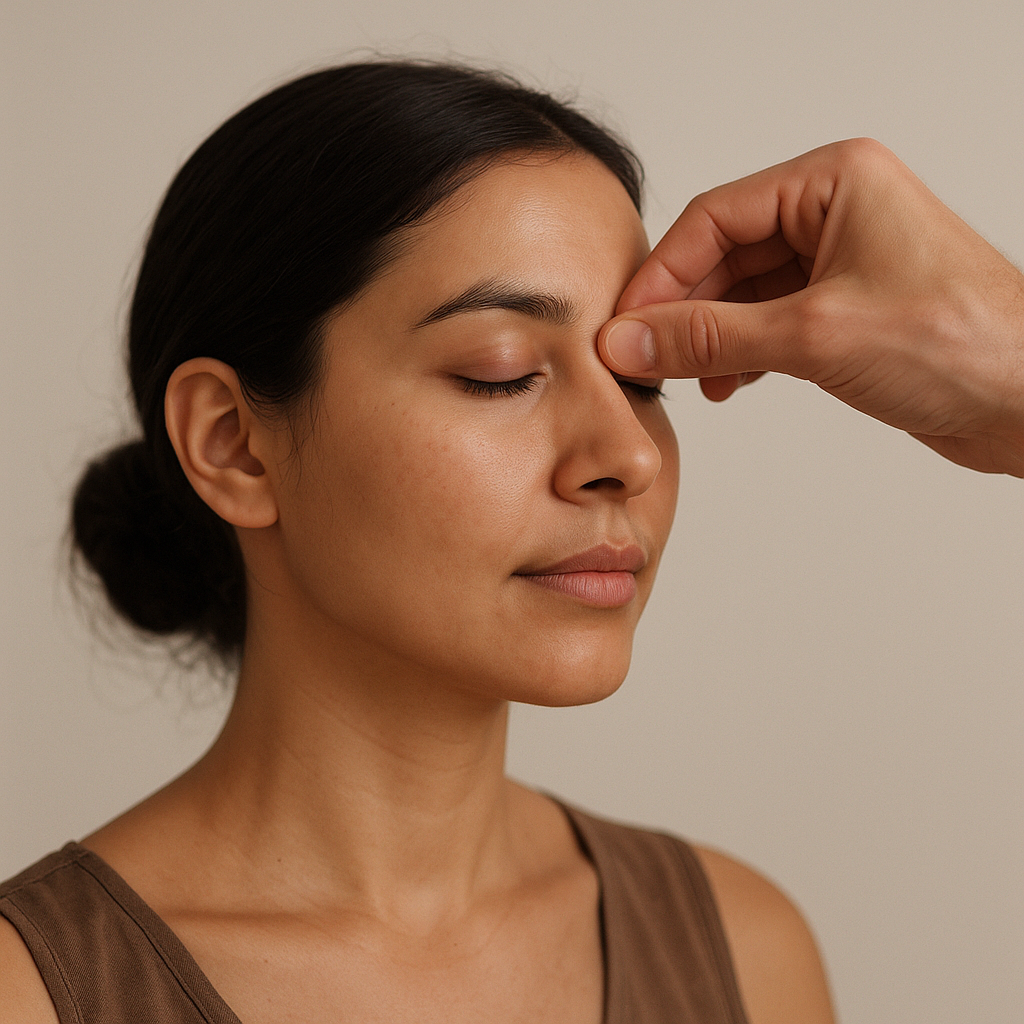
- Assessment: The practitioner assesses the individual's dosha and current state of health to tailor the session accordingly.
- Breath Work: The session often begins with pranayama exercises to calm the mind and prepare the body for movement.
- Asanas: Specific yoga postures are chosen based on the individual's needs, focusing on alignment, flexibility, and strength.
- Mindfulness: Incorporating meditation techniques to foster mental clarity and emotional balance.
- Guidance: Throughout the practice, the instructor provides insights on how the physical movements relate to Ayurvedic principles.
- Post-Session Reflection: Time for reflection on the experience, encouraging integration of insights into daily life.
What It Is Traditionally Explored For
Yoga Integration is traditionally explored for a variety of holistic health goals. While individual experiences may vary, common aims include:
- Enhancing physical flexibility and strength
- Promoting mental clarity and focus
- Reducing stress and anxiety
- Improving digestive health
- Balancing emotional states
- Encouraging spiritual growth and self-awareness
It is important to note that while these practices are traditionally used for such goals, individual results may vary based on personal health conditions and lifestyle factors.
What Modern Research Suggests
Modern research into the effects of Yoga Integration within Ayurvedic frameworks has begun to reveal promising results. Preliminary studies suggest that yoga can be beneficial in reducing stress levels, improving overall mental health, and enhancing the quality of life among practitioners. Some clinical studies have indicated that regular yoga practice may lead to reductions in anxiety and depressive symptoms, supporting its use as a complementary approach in mental health treatment.
While research is still ongoing, early findings highlight the potential of Yoga Integration to enhance physical health as well, with some studies indicating improvements in cardiovascular fitness and flexibility. However, it is essential to approach these findings with caution, as more extensive and rigorous research is needed to fully understand the long-term benefits and mechanisms behind this ancient practice.
Safety, Contraindications & Who Should Skip
While Yoga Integration can be beneficial for many, certain individuals may need to approach this practice with caution or avoid it altogether. Those with specific health conditions such as severe osteoporosis, recent surgeries, or chronic joint pain should consult a qualified healthcare provider before starting their practice. Additionally, pregnant individuals or those with certain cardiovascular conditions may need to adapt their practice.
As with any holistic approach, it is crucial to listen to one’s body and seek guidance from a qualified practitioner to ensure safety and effectiveness.
Pairs Well With (within Ayurvedic Medicine and across pillars)
Yoga Integration pairs well with various modalities and ingredients within Ayurvedic Medicine, enhancing its overall effectiveness. Some complementary practices include:
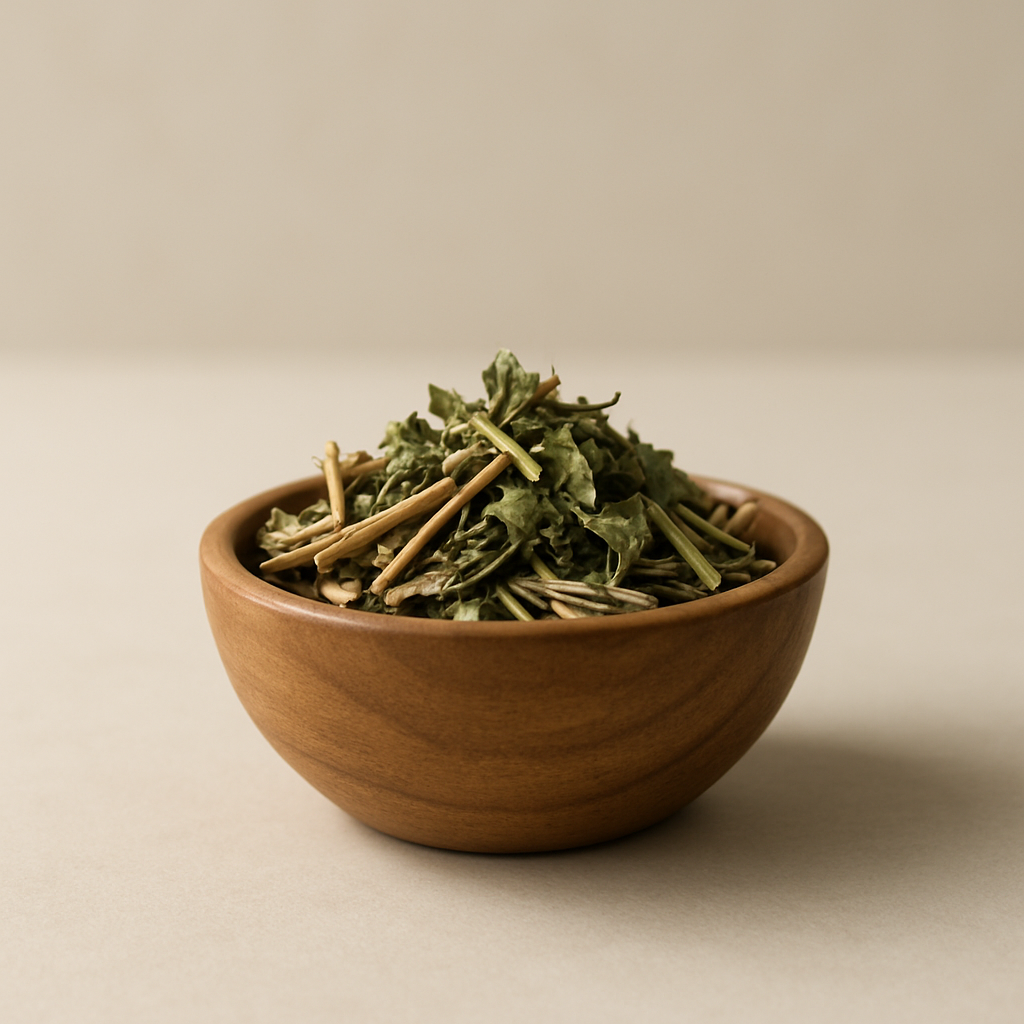
- Ayurvedic herbal treatments
- Dietary recommendations based on dosha
- Meditation and mindfulness practices
- Massage therapies (like Abhyanga)
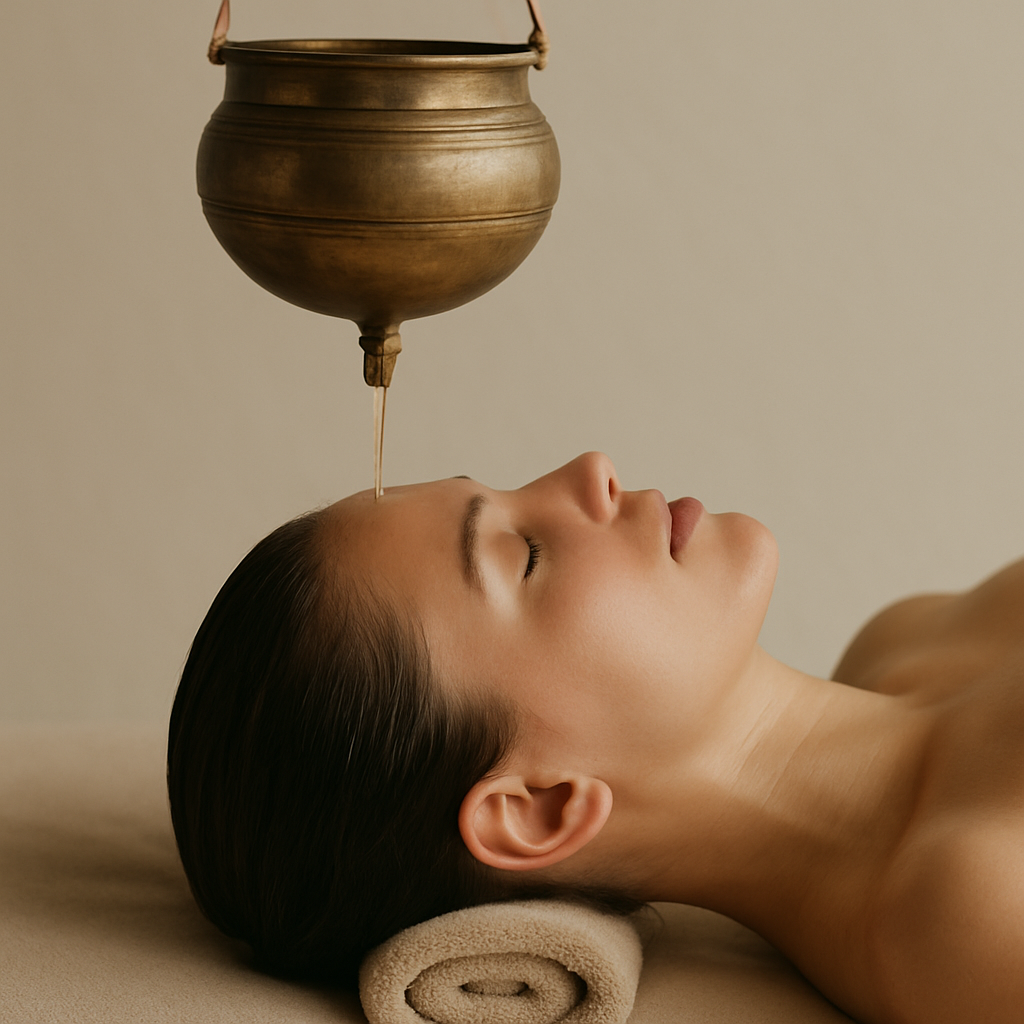
- Detoxification techniques (like Panchakarma)
How to Find a Qualified Practitioner
Finding a qualified practitioner in Yoga Integration requires careful consideration. It is advisable to seek practitioners who have formal training in both yoga and Ayurveda. Look for certifications from recognized organizations and inquire about their experience with integrating these two practices. Personal recommendations, online reviews, and professional directories can also be helpful in locating a skilled practitioner who aligns with your wellness goals.
FAQs (5)
What is the difference between yoga and Yoga Integration?
Yoga Integration combines traditional yoga practices with Ayurvedic principles to address physical, mental, and spiritual well-being holistically.
Can anyone practice Yoga Integration?
Most individuals can practice Yoga Integration, but those with specific health concerns should consult a healthcare provider before starting.
How often should I practice Yoga Integration?
Frequency varies by individual, but regular practice is generally recommended for optimal benefits.
What if I have no prior yoga experience?
Yoga Integration can be adapted for beginners; a qualified instructor can help tailor the practice to your level.
Are there any specific dietary recommendations with Yoga Integration?
Yes, dietary recommendations often align with individual doshas in Ayurveda, which can be integrated into your yoga practice for overall wellness.
Frequently asked
What is the difference between yoga and Yoga Integration?
Yoga Integration combines traditional yoga practices with Ayurvedic principles to address physical, mental, and spiritual well-being holistically.
Can anyone practice Yoga Integration?
Most individuals can practice Yoga Integration, but those with specific health concerns should consult a healthcare provider before starting.
How often should I practice Yoga Integration?
Frequency varies by individual, but regular practice is generally recommended for optimal benefits.
What if I have no prior yoga experience?
Yoga Integration can be adapted for beginners; a qualified instructor can help tailor the practice to your level.
Are there any specific dietary recommendations with Yoga Integration?
Yes, dietary recommendations often align with individual doshas in Ayurveda, which can be integrated into your yoga practice for overall wellness.