Marma Therapy
Marma Therapy, a traditional Ayurvedic practice, focuses on vital energy points in the body. This page delves into its historical context, practical applications, and modern research insights.
Explore the ancient practice of Marma Therapy, a vital aspect of Ayurvedic Medicine. Understand its historical roots, practical applications, and insights from modern research.
What It Is
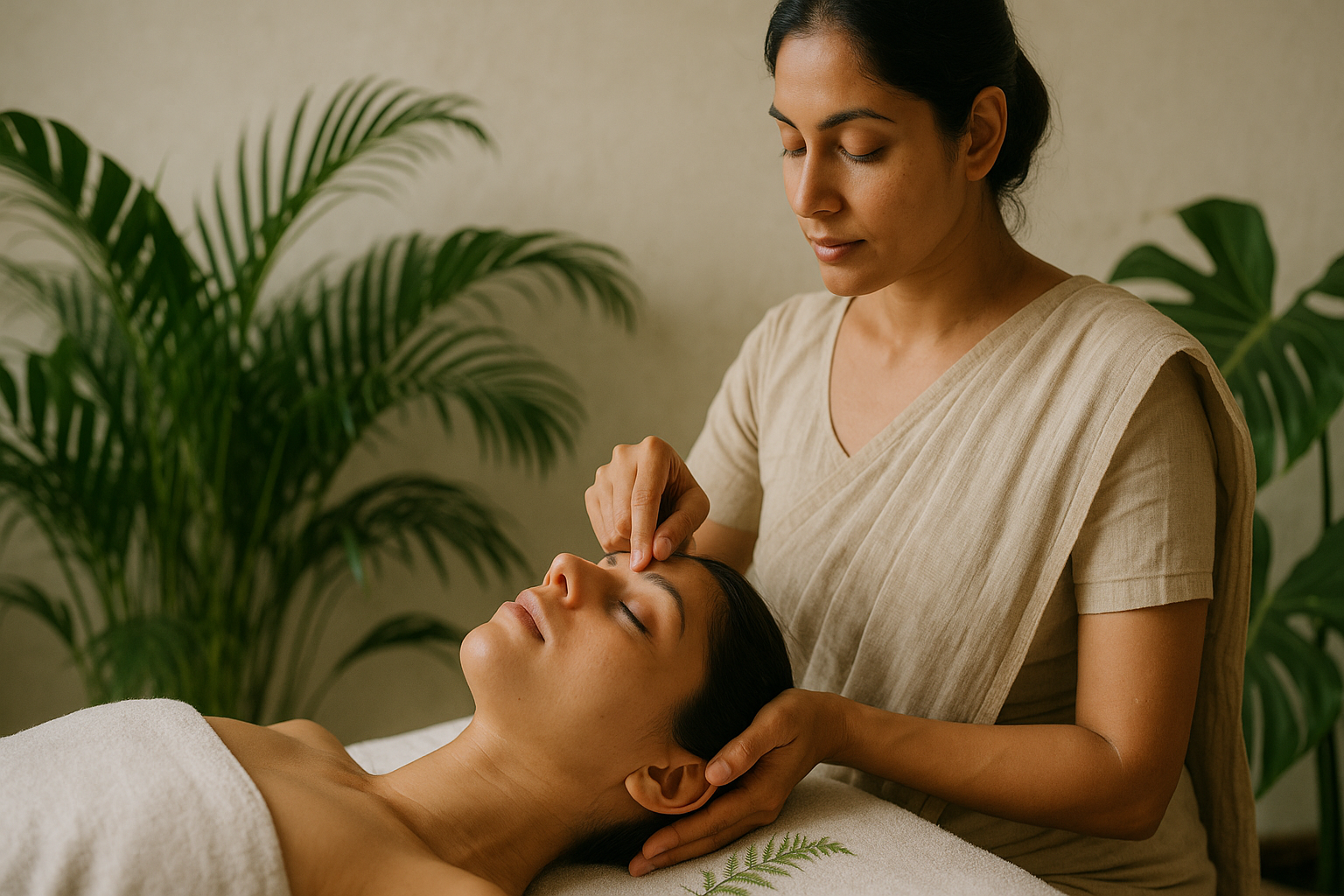
Marma Therapy is an ancient healing practice rooted in Ayurvedic Medicine, emphasizing the significance of specific points on the body known as "marmas." These vital energy points are believed to be intersections of physical and spiritual energy, where the life force, or "prana," flows. The practice involves gentle manipulation, pressure, or massage of these points to promote balance and well-being.
Each marma point corresponds to various organs, tissues, and systems in the body, making Marma Therapy a holistic approach to health. By stimulating these points, practitioners aim to release blocked energy, alleviate discomfort, and enhance overall vitality.
Historical Context Within Ayurvedic Medicine
Marma Therapy has its origins in the ancient texts of Ayurveda, particularly the "Sushruta Samhita," written by the sage Sushruta around 600 BCE. This text outlines various surgical techniques and the importance of marma points in both surgical procedures and therapeutic practices. Over centuries, Marma Therapy has evolved, integrating insights from various Ayurvedic scholars and practitioners, yet its foundational concepts remain deeply rooted in traditional wisdom.
Historically, Marma Therapy was utilized not only for healing physical ailments but also for enhancing spiritual practices. It was believed to be a pathway to greater self-awareness and connection to the universe, embodying the holistic nature of Ayurvedic Medicine.
How It's Practiced
Practicing Marma Therapy typically involves several steps, which may include:
- Initial Consultation: A practitioner assesses the individual's health history, lifestyle, and specific concerns.
- Identification of Marmas: The practitioner identifies relevant marma points based on the individual's needs.
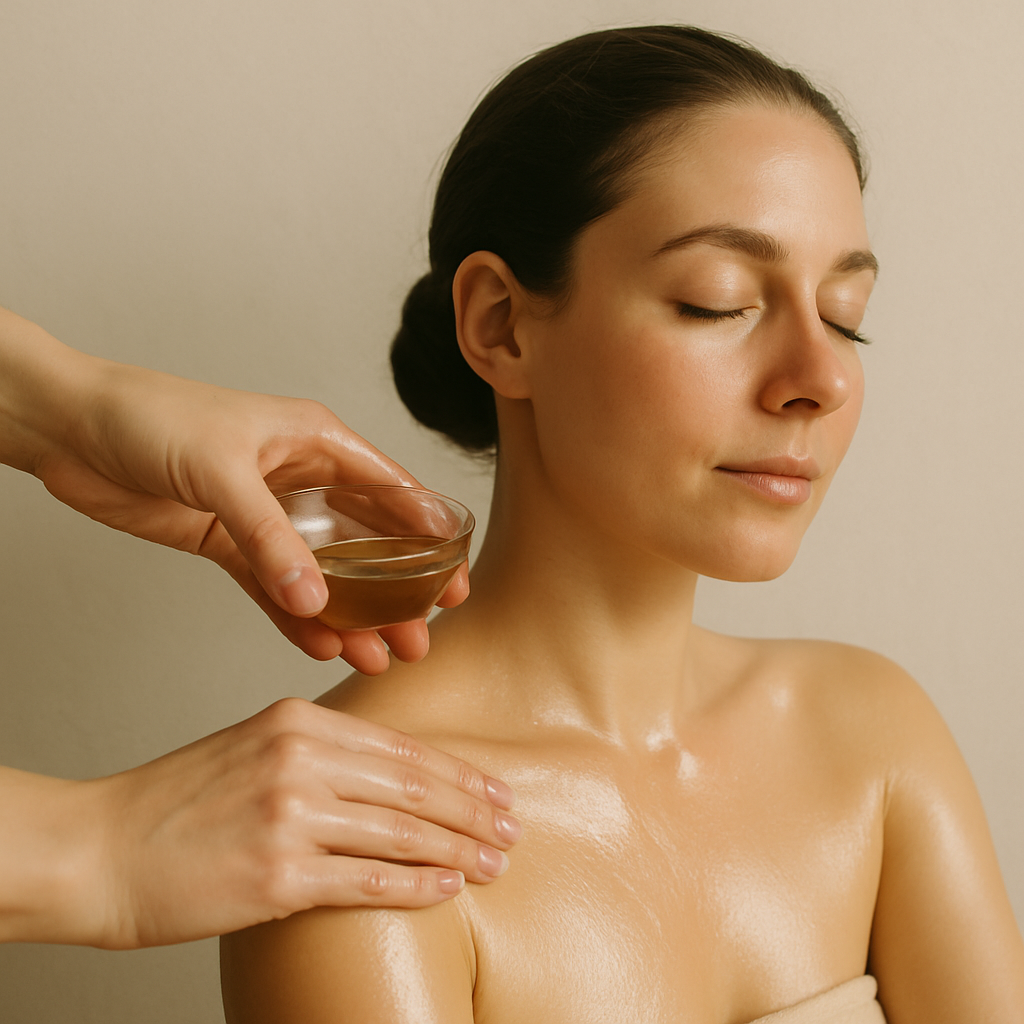
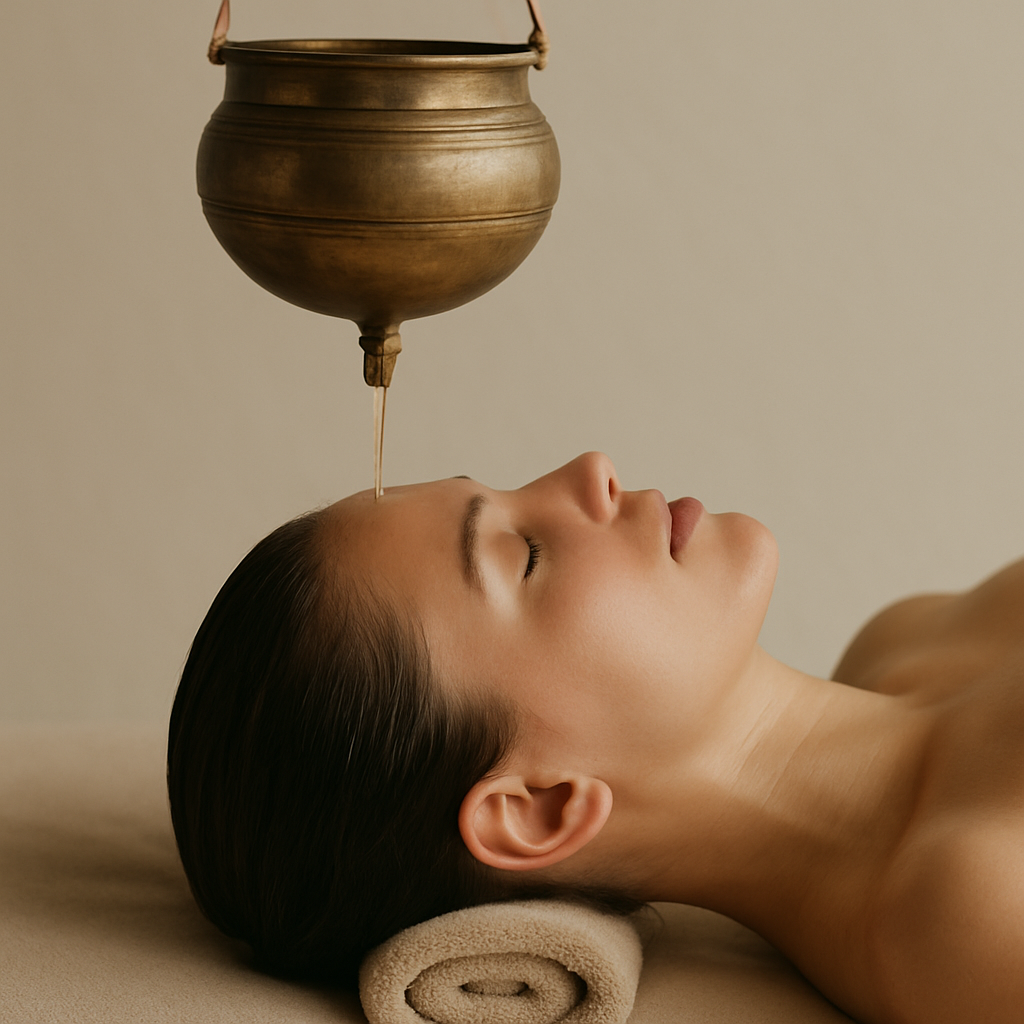
- Techniques: Various techniques may be employed, including gentle pressure, massage, or application of herbal oils on the marma points.
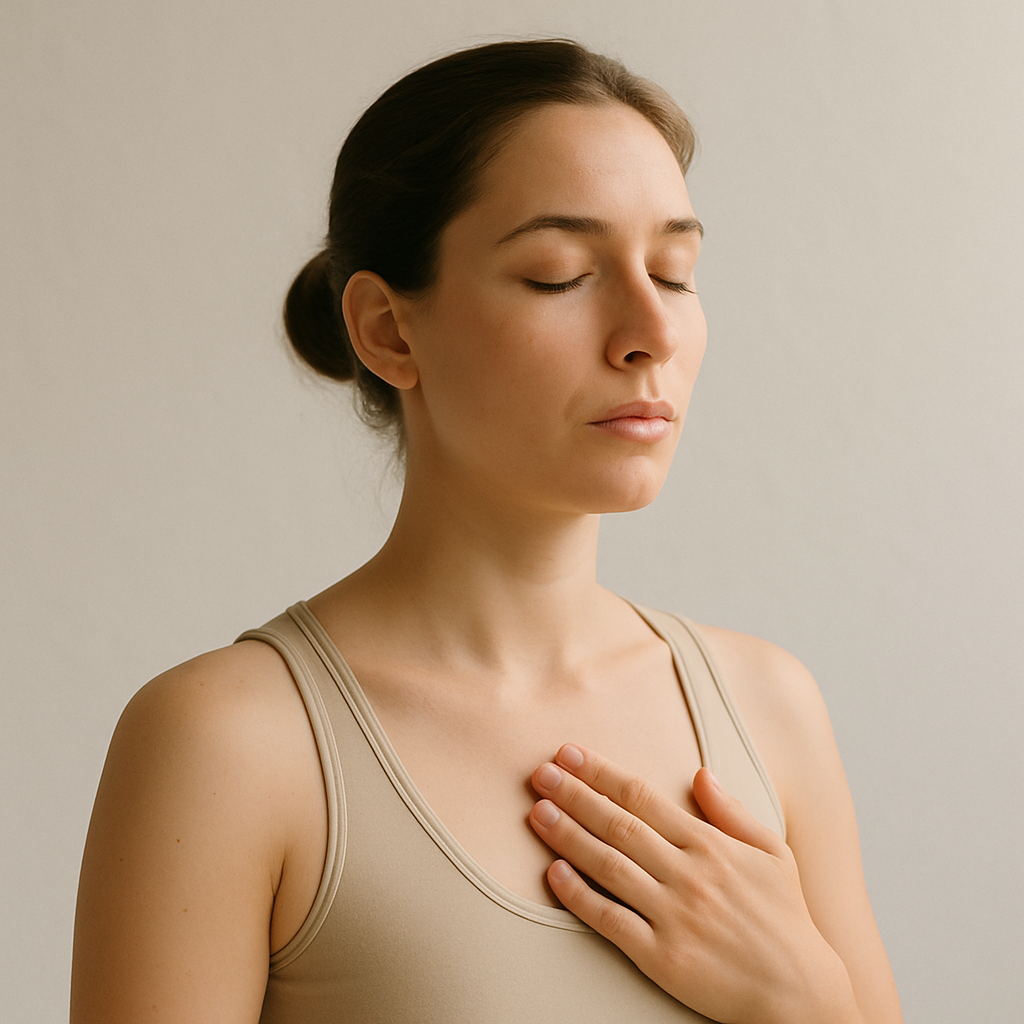
- Mindfulness: Practitioners may encourage mindfulness or breathing exercises during the session to enhance relaxation and energy flow.
- Follow-Up: Recommendations for self-care or follow-up sessions may be provided to support ongoing well-being.
What It Is Traditionally Explored For
Marma Therapy is traditionally used for various health concerns, including:
- Enhancing energy levels and vitality
- Relieving stress and tension
- Balancing emotions and mental clarity
- Supporting digestion and overall metabolic health
- Promoting recovery from injuries or chronic pain
While individual experiences may vary, the practice is generally aimed at fostering a deeper connection between the body, mind, and spirit.
What Modern Research Suggests
Preliminary studies on Marma Therapy suggest that it may provide several benefits, particularly in managing stress and improving overall well-being. Some research has indicated that stimulating marma points can lead to reductions in anxiety and improvements in physical comfort. However, more rigorous scientific studies are needed to fully understand its efficacy and mechanisms.
Additionally, some healthcare professionals are exploring Marma Therapy as a complementary approach in integrative health settings. While the evidence is still emerging, the practice's holistic nature aligns well with contemporary interests in mind-body medicine.
Safety, Contraindications & Who Should Skip
Marma Therapy is generally considered safe for most individuals. However, there are certain considerations:
- Individuals with acute injuries or infections should consult a healthcare provider before undergoing therapy.
- Pregnant women, those with heart conditions, or serious health issues should seek professional guidance.
- Always inform your practitioner of any existing medical conditions or medications being taken.
Pairs Well With (within Ayurvedic Medicine and across pillars)
Marma Therapy complements various Ayurvedic modalities, including:
- Abyanga (oil massage)
- Panchakarma (detoxification therapies)
- Yoga and Pranayama (breath control)
- Herbal remedies tailored to individual doshas
How to Find a Qualified Practitioner
To find a qualified Marma Therapy practitioner, consider the following steps:
- Seek recommendations from trusted sources or health practitioners familiar with Ayurveda.
- Verify credentials and training in Ayurvedic Medicine and specifically in Marma Therapy.
- Look for practitioners who have experience and positive reviews from clients.
- Schedule a preliminary consultation to ensure comfort and alignment with your health goals.
FAQs
- What is the duration of a typical Marma Therapy session? Sessions typically last between 30 to 60 minutes, depending on individual needs.
- Can Marma Therapy be practiced at home? While some techniques can be self-administered, it is recommended to seek guidance from a trained practitioner for effective results.
- How many sessions are usually required? The number of sessions can vary, but many individuals benefit from a series of treatments for optimal results.
- Is Marma Therapy suitable for children? Yes, with appropriate modifications and under the guidance of a qualified practitioner, children can benefit from Marma Therapy.
- What should I expect after a session? Many individuals report feelings of relaxation, clarity, and enhanced well-being following a Marma Therapy session.
Frequently asked
What is the duration of a typical Marma Therapy session?
Sessions typically last between 30 to 60 minutes, depending on individual needs.
Can Marma Therapy be practiced at home?
While some techniques can be self-administered, it is recommended to seek guidance from a trained practitioner for effective results.
How many sessions are usually required?
The number of sessions can vary, but many individuals benefit from a series of treatments for optimal results.
Is Marma Therapy suitable for children?
Yes, with appropriate modifications and under the guidance of a qualified practitioner, children can benefit from Marma Therapy.
What should I expect after a session?
Many individuals report feelings of relaxation, clarity, and enhanced well-being following a Marma Therapy session.