Panchakarma
Explore the ancient Ayurvedic detoxification process of Panchakarma, its historical roots, practices, and modern insights.
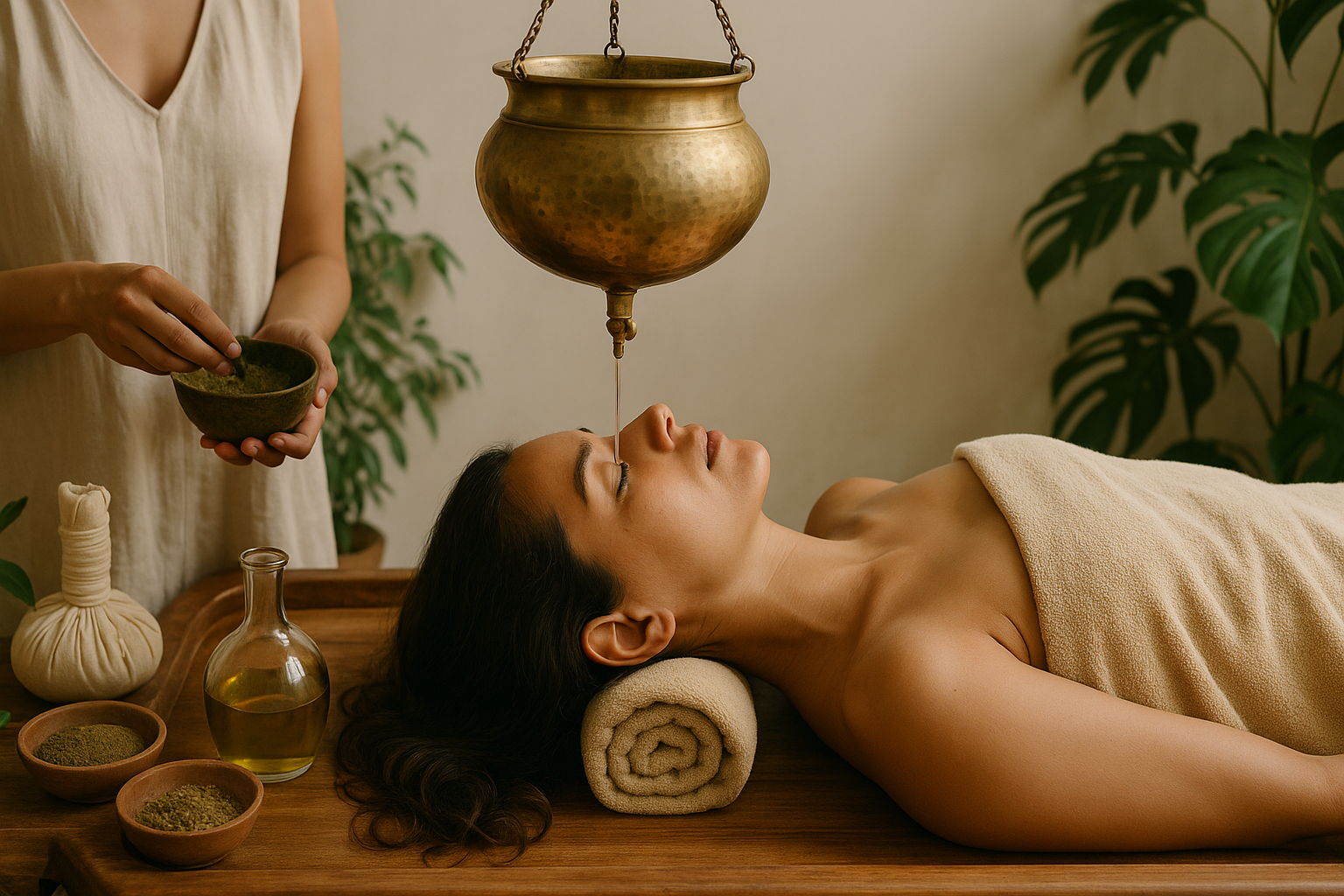
Panchakarma is a key therapeutic practice within Ayurvedic medicine, designed to detoxify and rejuvenate the body. It involves a series of five cleansing therapies aimed at restoring balance and promoting overall health. This ancient practice has been passed down through generations and is recognized for its comprehensive approach to wellness.
What It Is
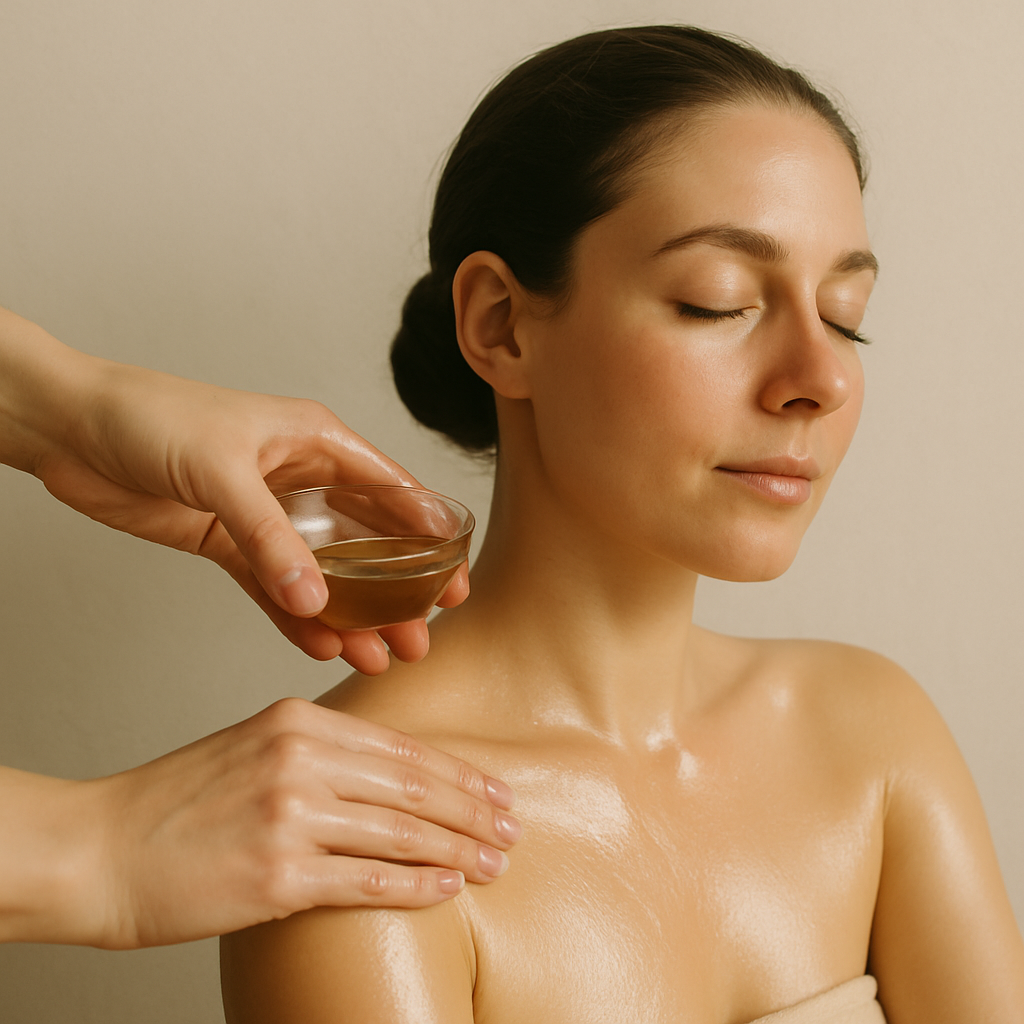
Panchakarma is a fundamental therapeutic practice in Ayurvedic medicine that focuses on detoxification and rejuvenation of the body. The term "Panchakarma" translates to "five actions," referring to the five distinct therapies that are utilized to cleanse the body of toxins (ama) and restore balance among the doshas (the three fundamental energies: Vata, Pitta, and Kapha). This comprehensive approach aims not only to purify the body but also to enhance physical and mental well-being.
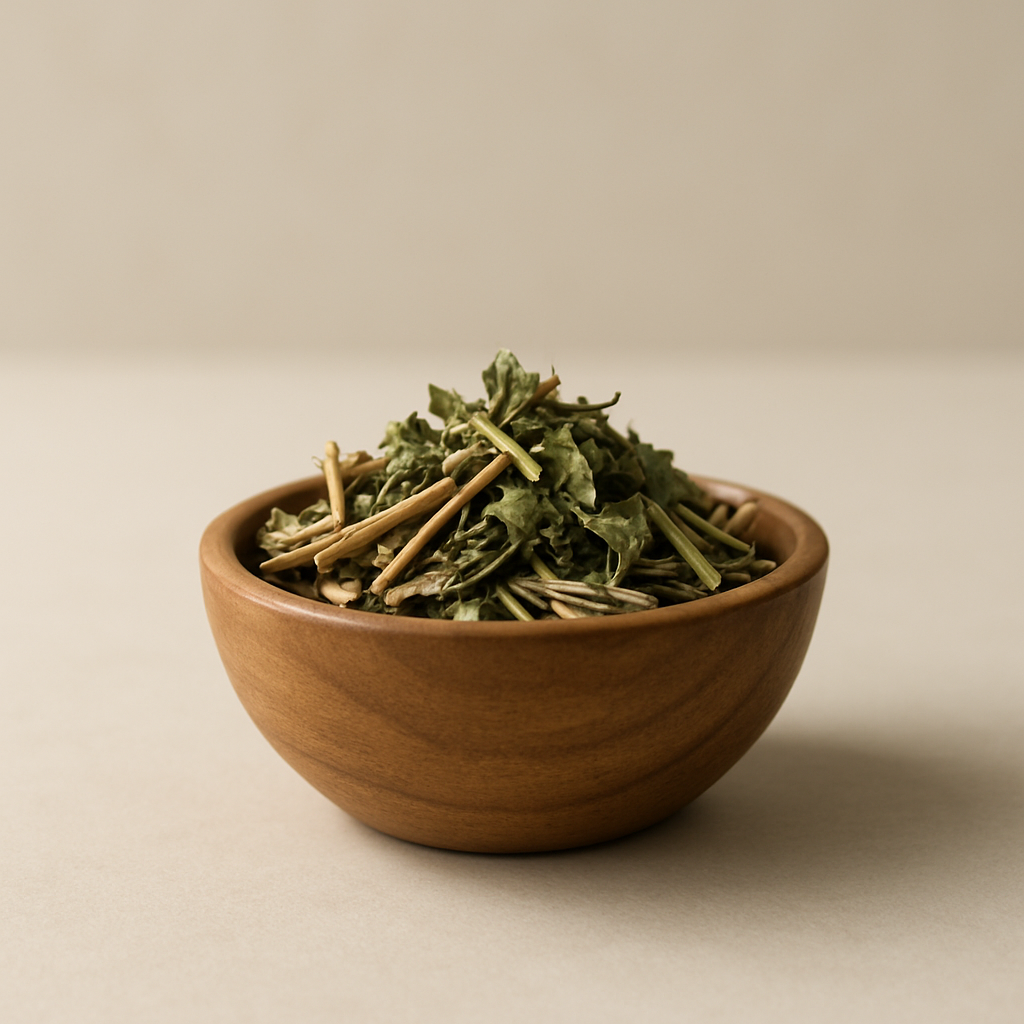
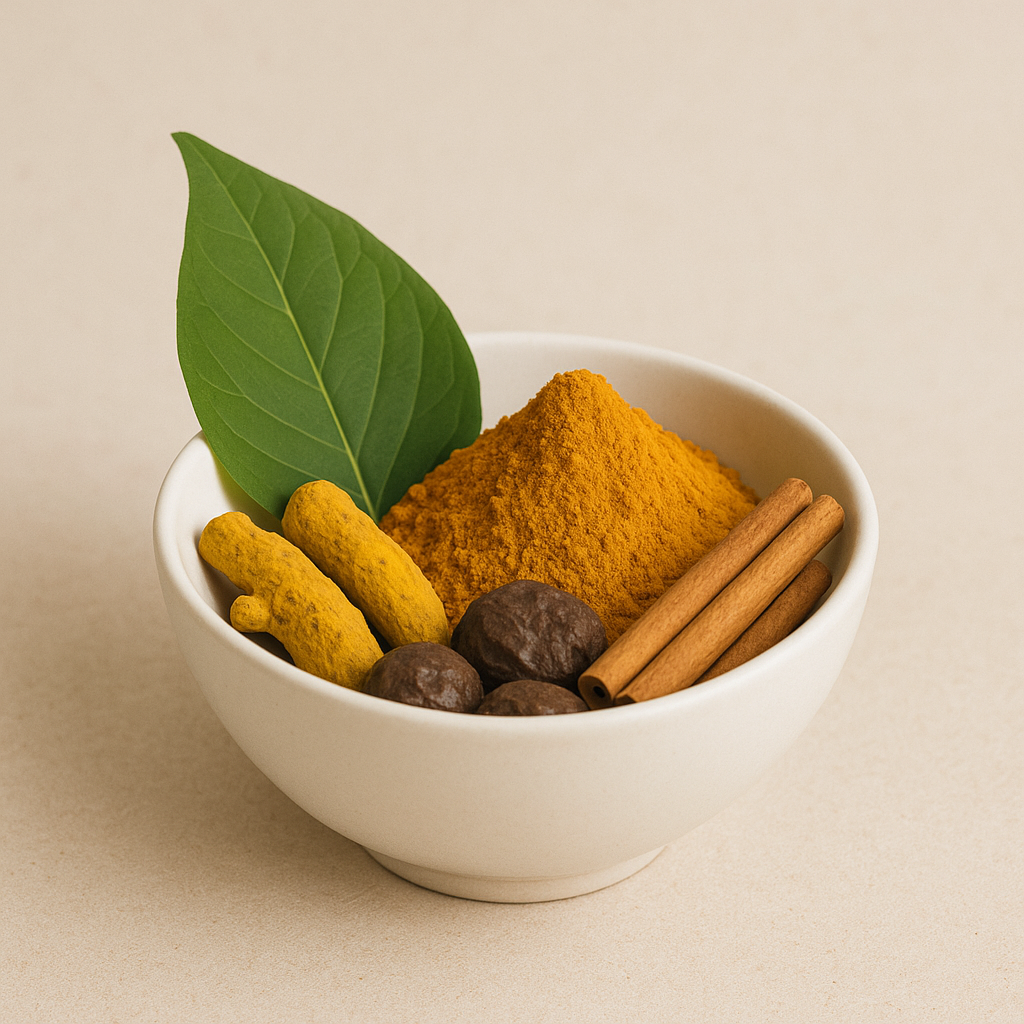
The process is personalized, taking into account an individual's unique constitution (Prakriti), current health conditions, and seasonal influences. Through a combination of herbal treatments, dietary changes, and therapeutic procedures, Panchakarma seeks to may help with harmful substances and promote optimal health, vitality, and longevity.
Historical Context Within Ayurvedic Medicine
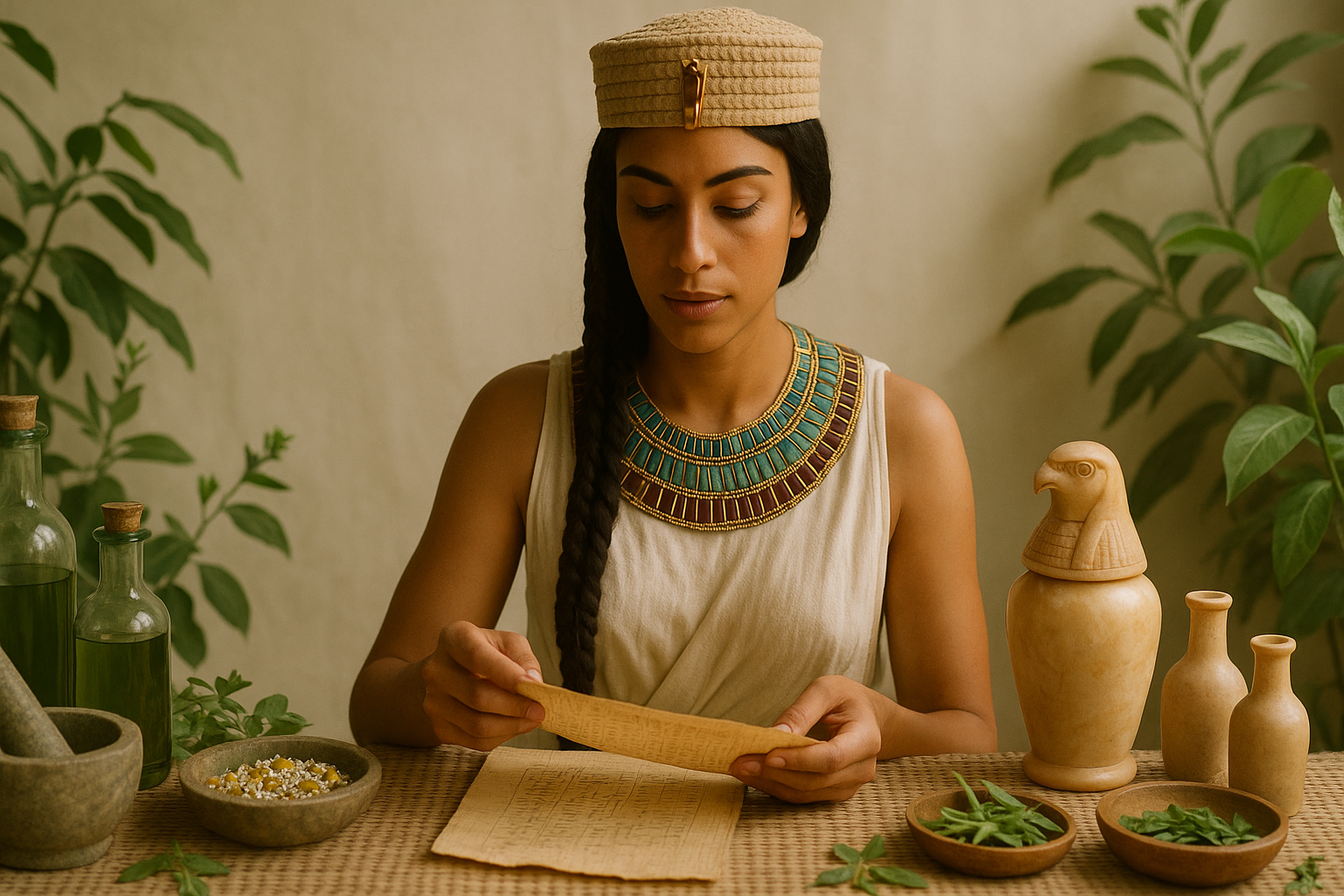
Panchakarma has its roots in the ancient texts of Ayurveda, which date back over 5,000 years. The practice was systematized by sages who meticulously documented various healing methods and therapies. One of the most notable texts, the "Charaka Samhita," contains detailed descriptions of Panchakarma and its applications.
Throughout history, Ayurvedic scholars and practitioners have refined these techniques, ensuring that Panchakarma remains relevant and effective. The methodology has been preserved and passed down through generations, continuing to be practiced in various forms across India and beyond.
How It's Practiced
The practice of Panchakarma typically involves several stages, each tailored to the individual's specific needs. A practitioner's walk-through might include the following steps:
- Consultation: An initial assessment to understand the individual's dosha, health history, and current conditions.
- Preparation: A preparatory phase involves dietary changes and herbal supplementation to prepare the body for detoxification.
- Five Therapies: The core Panchakarma therapies include:
- Vamana: Therapeutic vomiting to may help with excess Kapha.
- Virechana: Purgation therapy to cleanse the Pitta dosha.
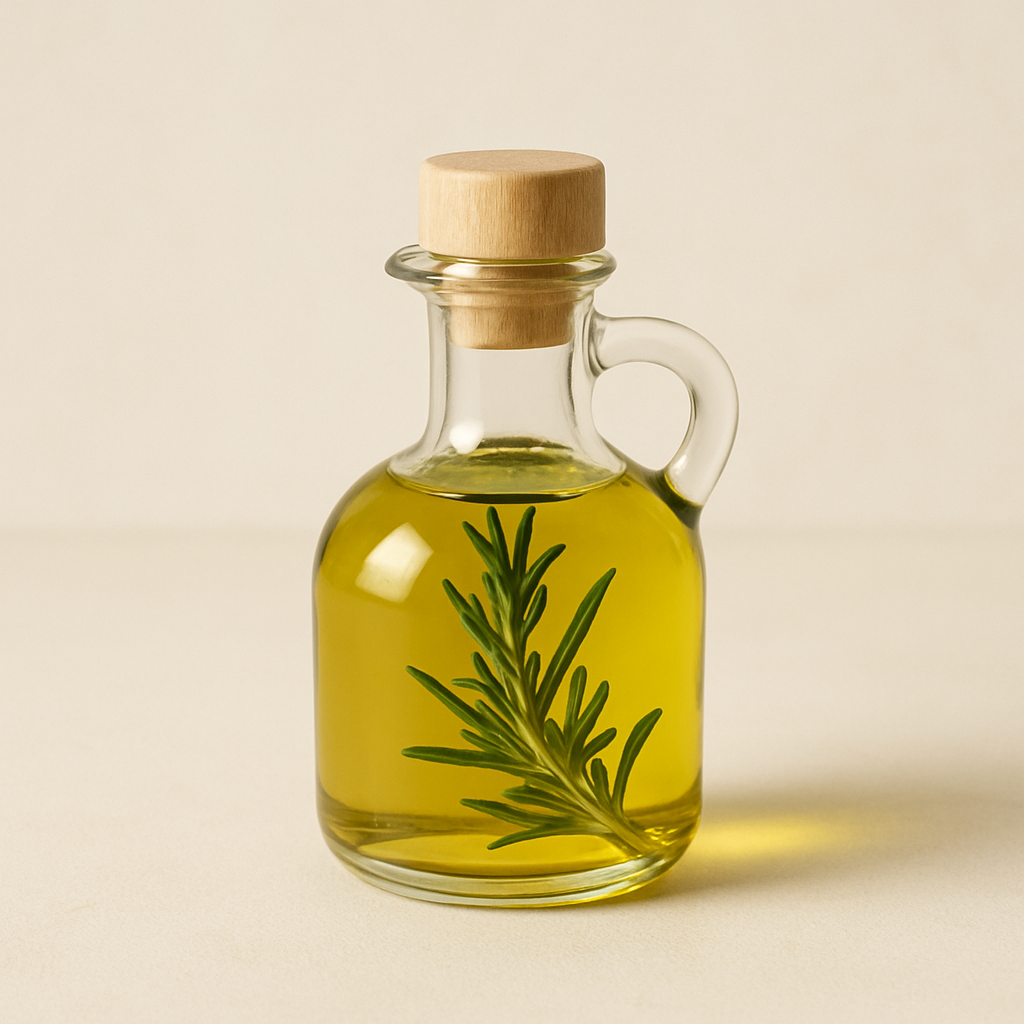
- Basti: Enema treatments using herbal oils or decoctions to detoxify the colon.
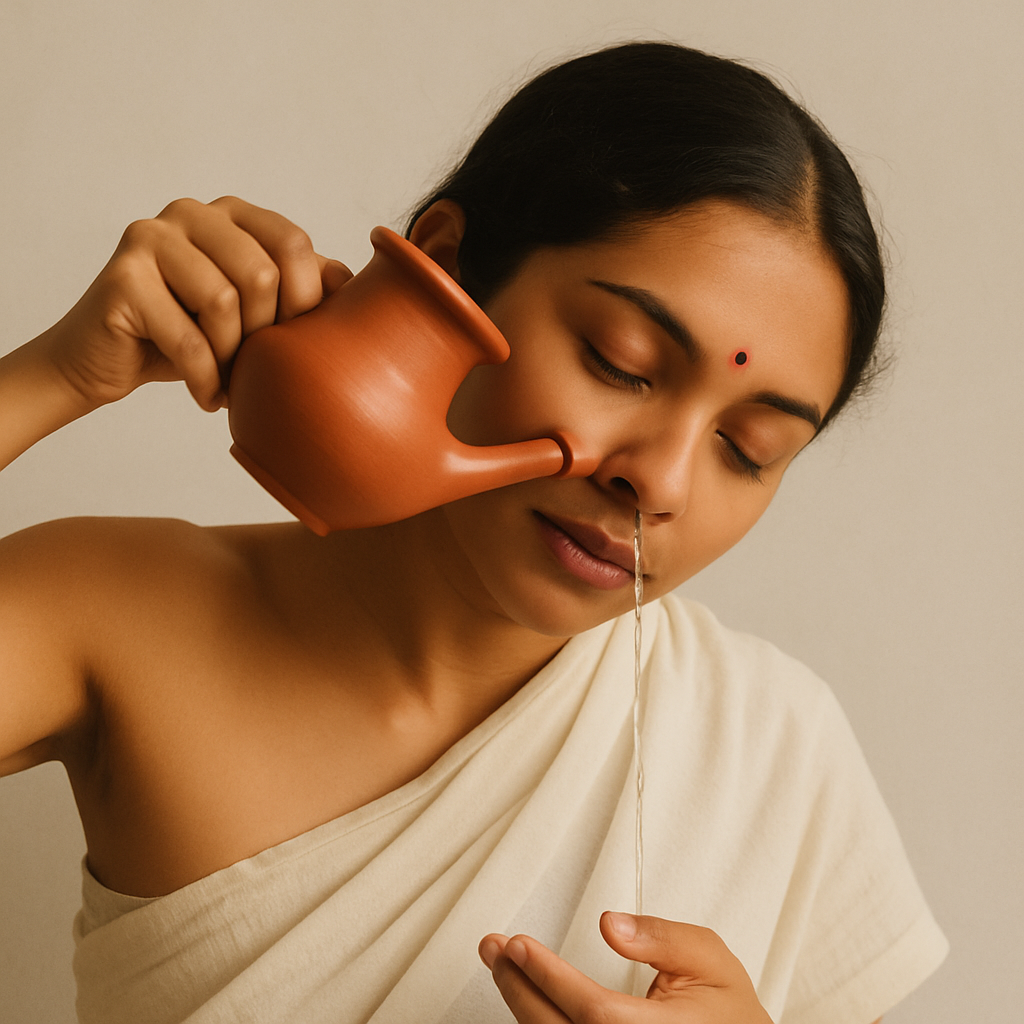
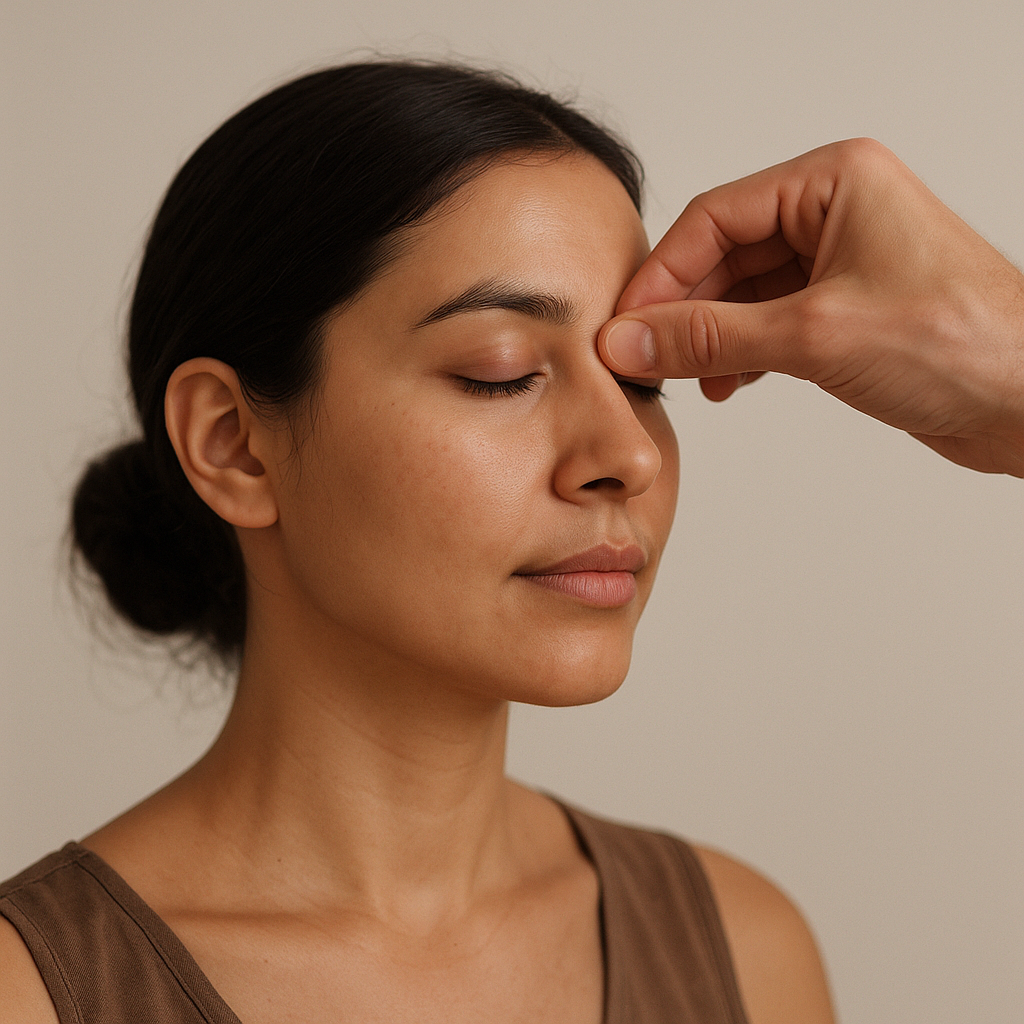
- Nasya: Nasal administration of medicated oils to clear the sinuses and promote mental clarity.
- Raktamokshana: Bloodletting to remove toxins from the bloodstream when necessary.
- Post-Care: After the therapies, a period of rejuvenation is crucial, often involving a nutritious diet and lifestyle adjustments.
What It Is Traditionally Explored For
Panchakarma is traditionally used for a variety of purposes, including:
- Detoxification of the body
- Balancing the doshas
- Improving digestion and metabolism
- Enhancing immune function
- Promoting mental clarity and emotional stability
- Addressing chronic ailments and skin conditions
While many individuals seek Panchakarma for specific health concerns, others may pursue it as a preventive measure to maintain overall well-being.
What Modern Research Suggests
However, it is essential to approach these findings with caution, as more rigorous research is needed to fully understand the efficacy and mechanisms behind these therapies. Ayurveda emphasizes a holistic approach, and the full benefits of Panchakarma may involve factors beyond what can be measured in clinical studies.
Safety, Contraindications & Who Should Skip
While Panchakarma is generally considered safe for most individuals, there are certain contraindications. Those who should avoid this practice include:
- Pregnant or breastfeeding women
- Individuals with severe chronic conditions, such as heart disease or cancer
- People experiencing acute infections or fevers
- Individuals with eating disorders or severe mental health issues
It is crucial to consult with a qualified Ayurvedic practitioner before embarking on Panchakarma to assess individual suitability and ensure safety.
Pairs Well With (within Ayurvedic Medicine and across pillars)
Panchakarma can be effectively paired with various other Ayurvedic modalities and practices, including:
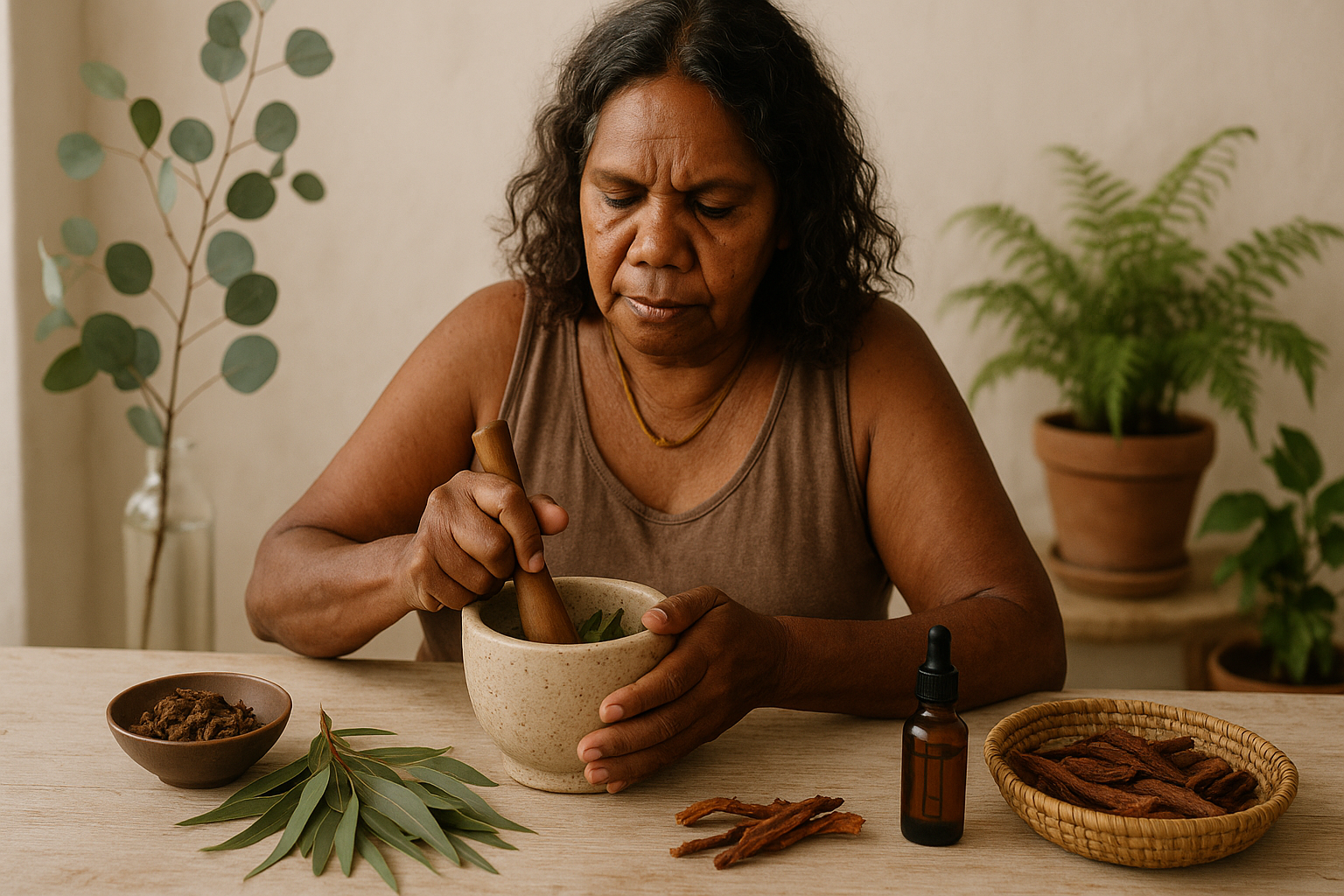
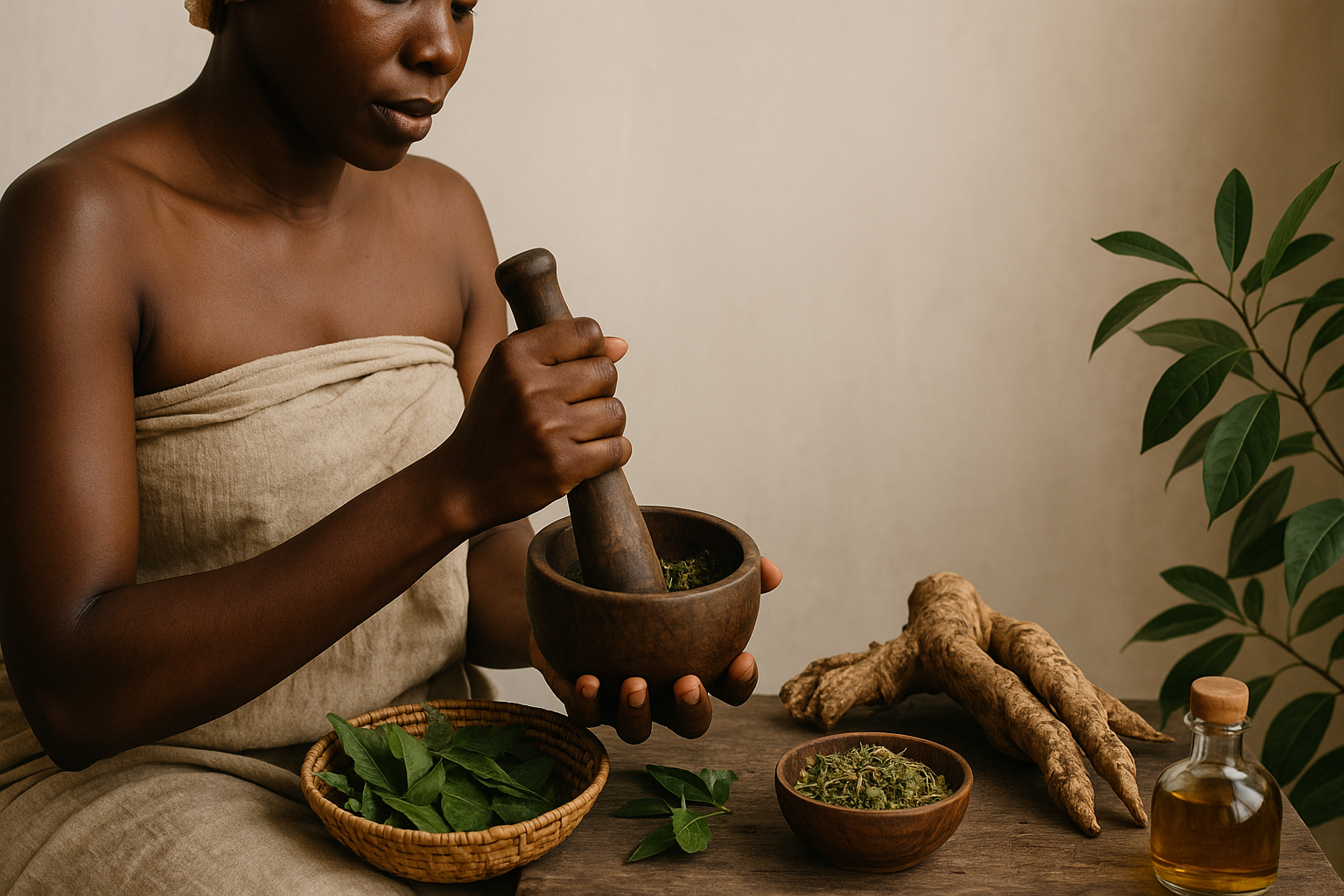
- Herbal remedies: Specific formulations can enhance detoxification and support recovery.
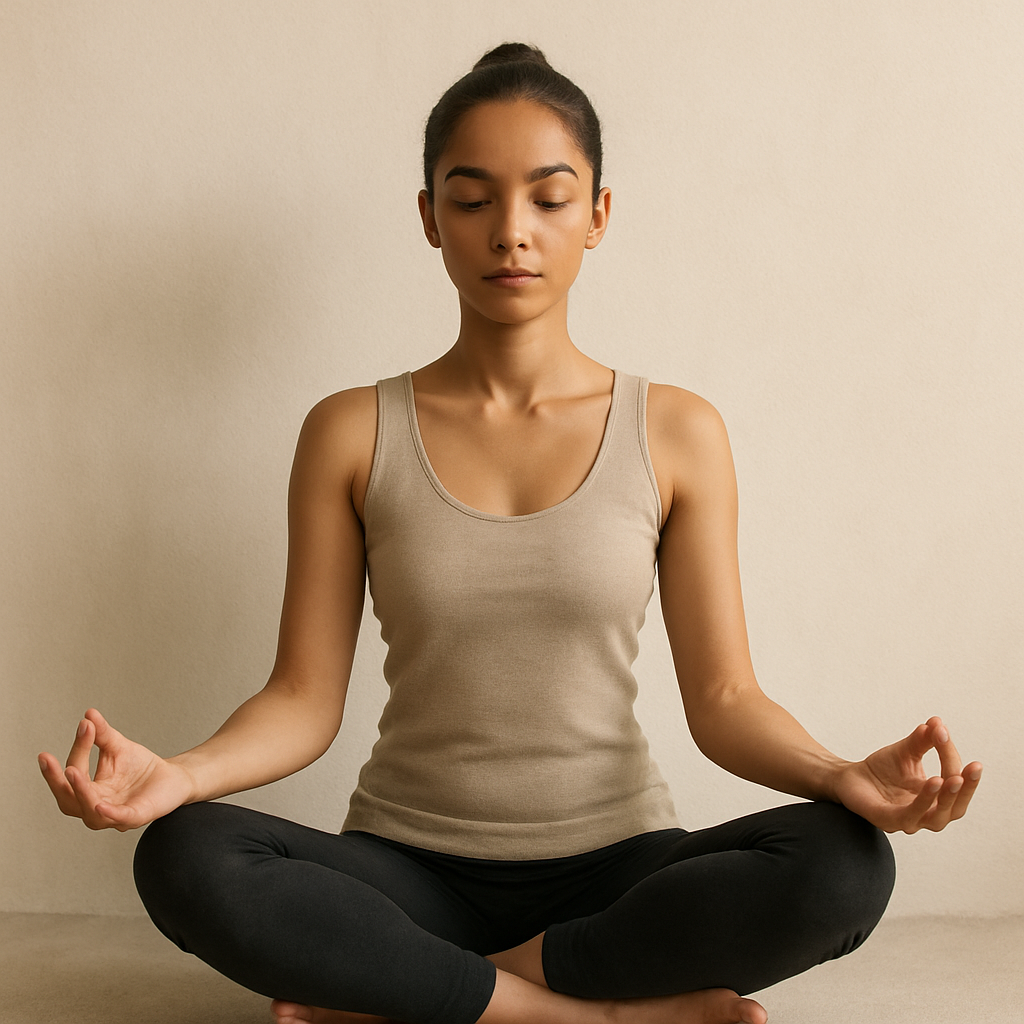
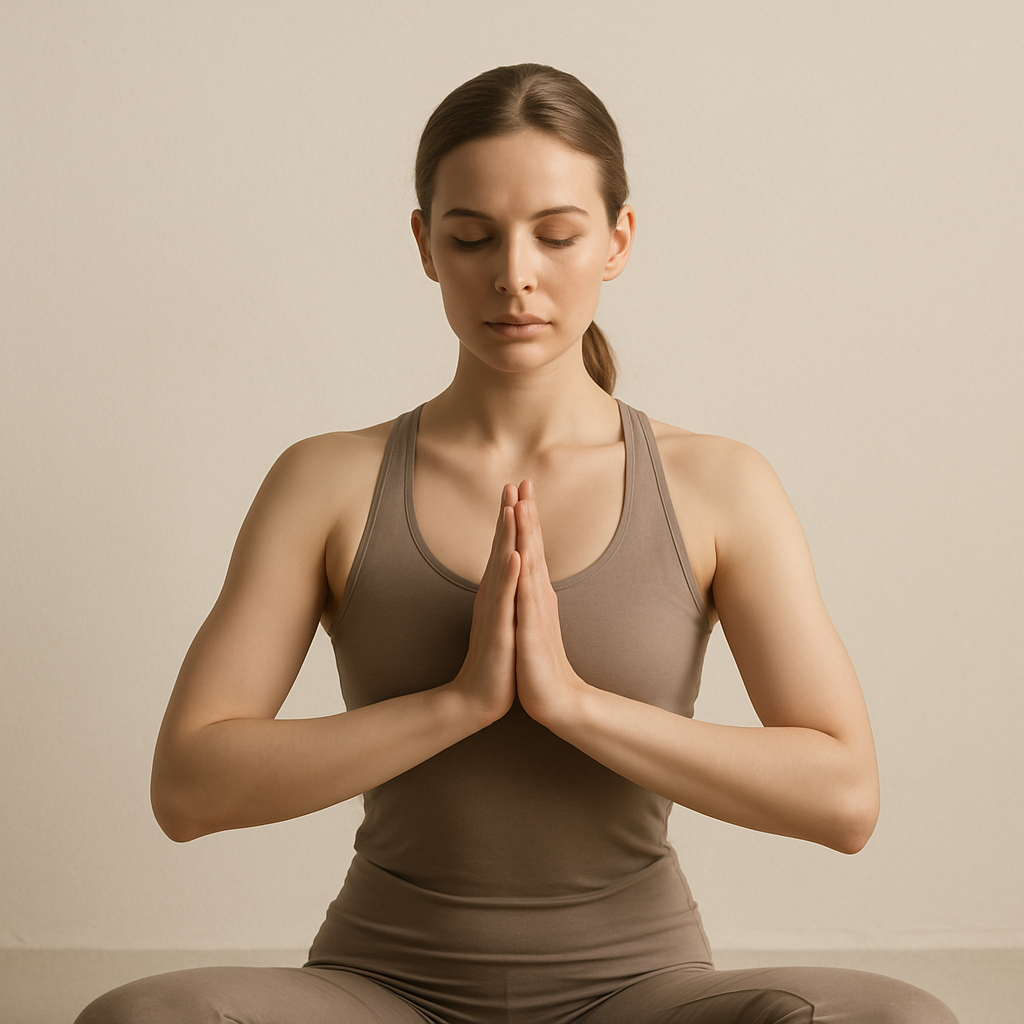
- Yoga: Gentle yoga practices complement the detoxification process, promoting physical and mental harmony.
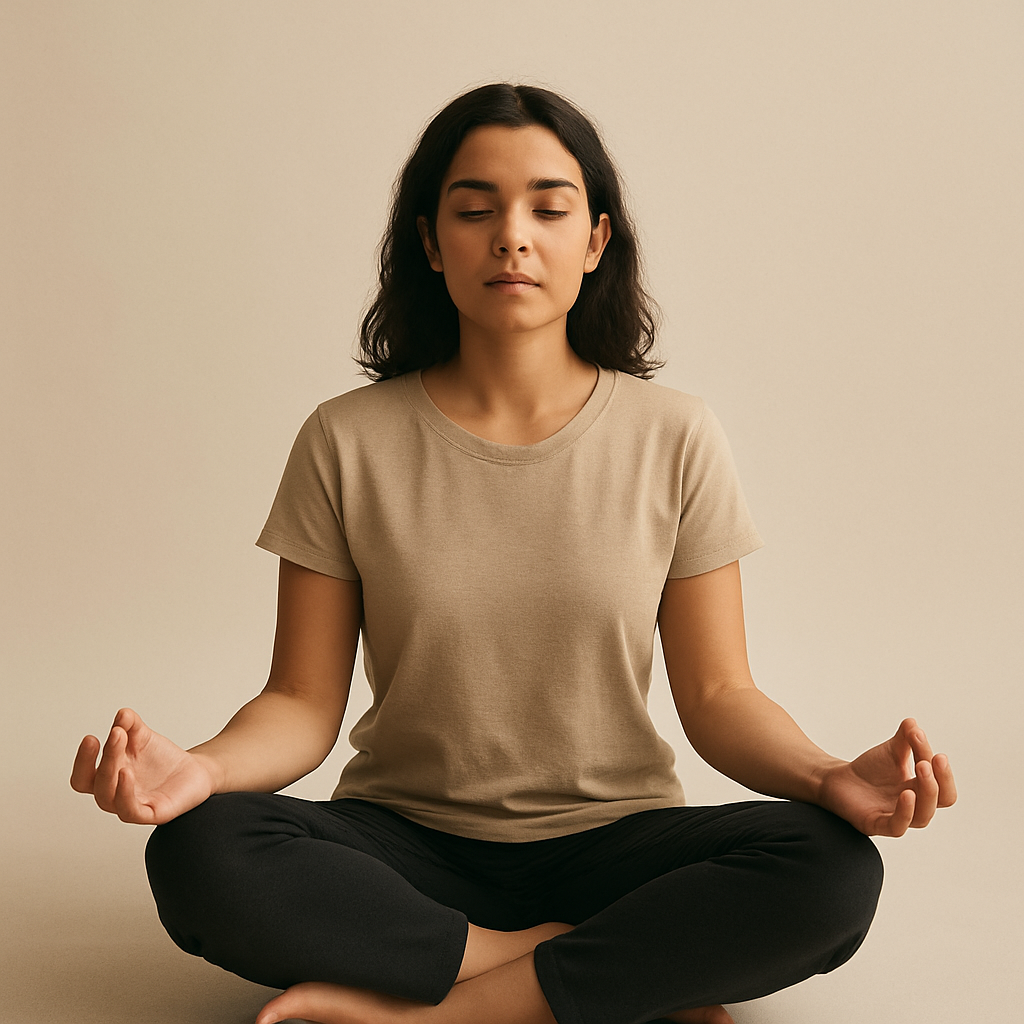
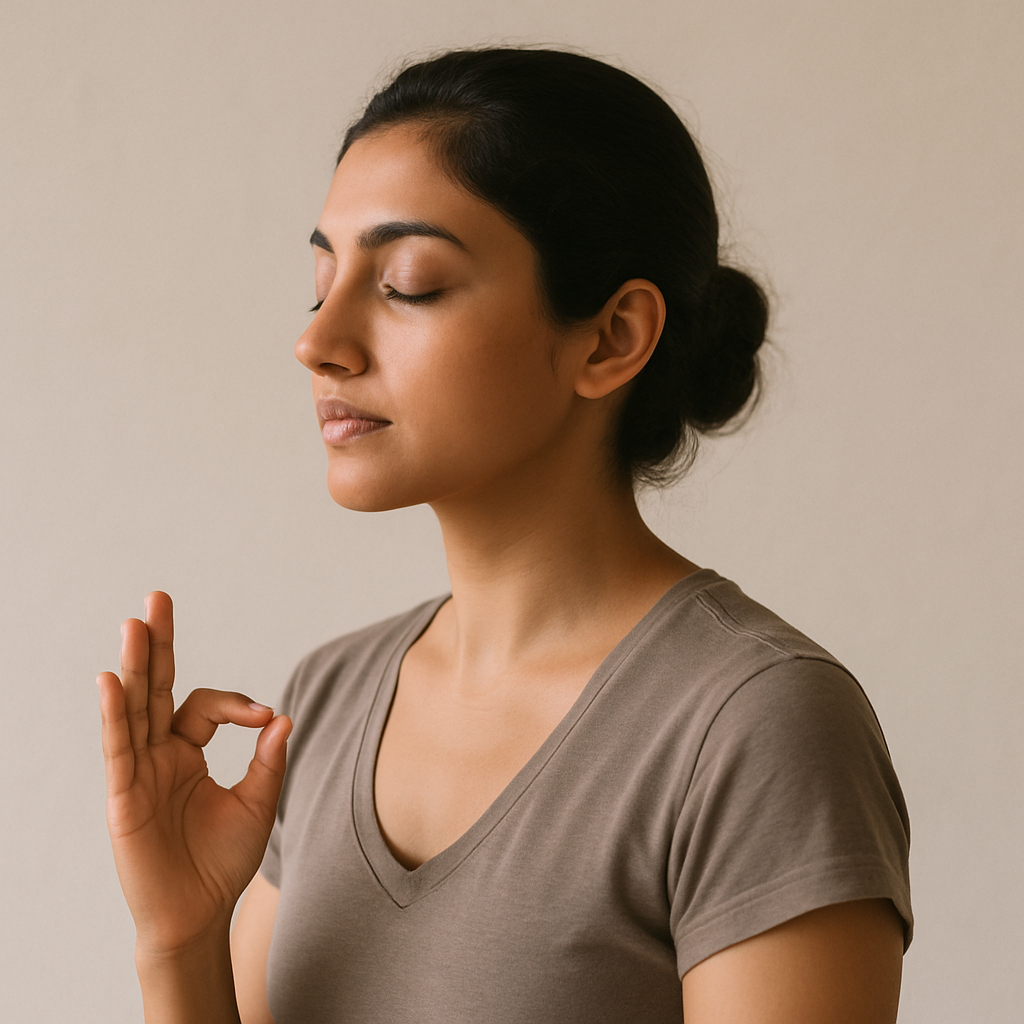
- Meditation: Mindfulness and meditation can enhance emotional well-being during the detoxification journey.
- Dietary adjustments: Following a Sattvic diet can support the cleansing process.
How to Find a Qualified Practitioner
Finding a qualified Panchakarma practitioner involves a few steps:
- Research local Ayurvedic clinics or wellness centers.
- Check the credentials and experience of the practitioner in Panchakarma.
- Read reviews or testimonials from previous clients.
- Schedule a consultation to discuss your health concerns and treatment options.
It is essential to ensure that the practitioner is knowledgeable and adheres to ethical standards in Ayurveda.
FAQs (5)
What is the duration of a typical Panchakarma treatment?
The duration can vary, but a typical Panchakarma program lasts from a few days to several weeks, depending on individual needs.
Is Panchakarma painful?
While some therapies might be uncomfortable, they should not be painful. Practitioners aim to ensure a comfortable experience.
Can I undergo Panchakarma if I have specific health conditions?
It is crucial to consult with a qualified Ayurvedic practitioner to determine if Panchakarma is suitable for your specific health conditions.
How often should I do Panchakarma?
The frequency of Panchakarma treatments can vary; many individuals may benefit from a session once or twice a year.
What should I expect after a Panchakarma treatment?
After treatment, many individuals report feelings of clarity, rejuvenation, and increased energy, though experiences may vary.
Frequently asked
What is the duration of a typical Panchakarma treatment?
The duration can vary, but a typical Panchakarma program lasts from a few days to several weeks, depending on individual needs.
Is Panchakarma painful?
While some therapies might be uncomfortable, they should not be painful. Practitioners aim to ensure a comfortable experience.
Can I undergo Panchakarma if I have specific health conditions?
It is crucial to consult with a qualified Ayurvedic practitioner to determine if Panchakarma is suitable for your specific health conditions.
How often should I do Panchakarma?
The frequency of Panchakarma treatments can vary; many individuals may benefit from a session once or twice a year.
What should I expect after a Panchakarma treatment?
After treatment, many individuals report feelings of clarity, rejuvenation, and increased energy, though experiences may vary.