Traditional Chinese Medicine
Explore the holistic healing tradition of Traditional Chinese Medicine, its core philosophies, diagnostic methods, and its intersection with modern wellness practices.

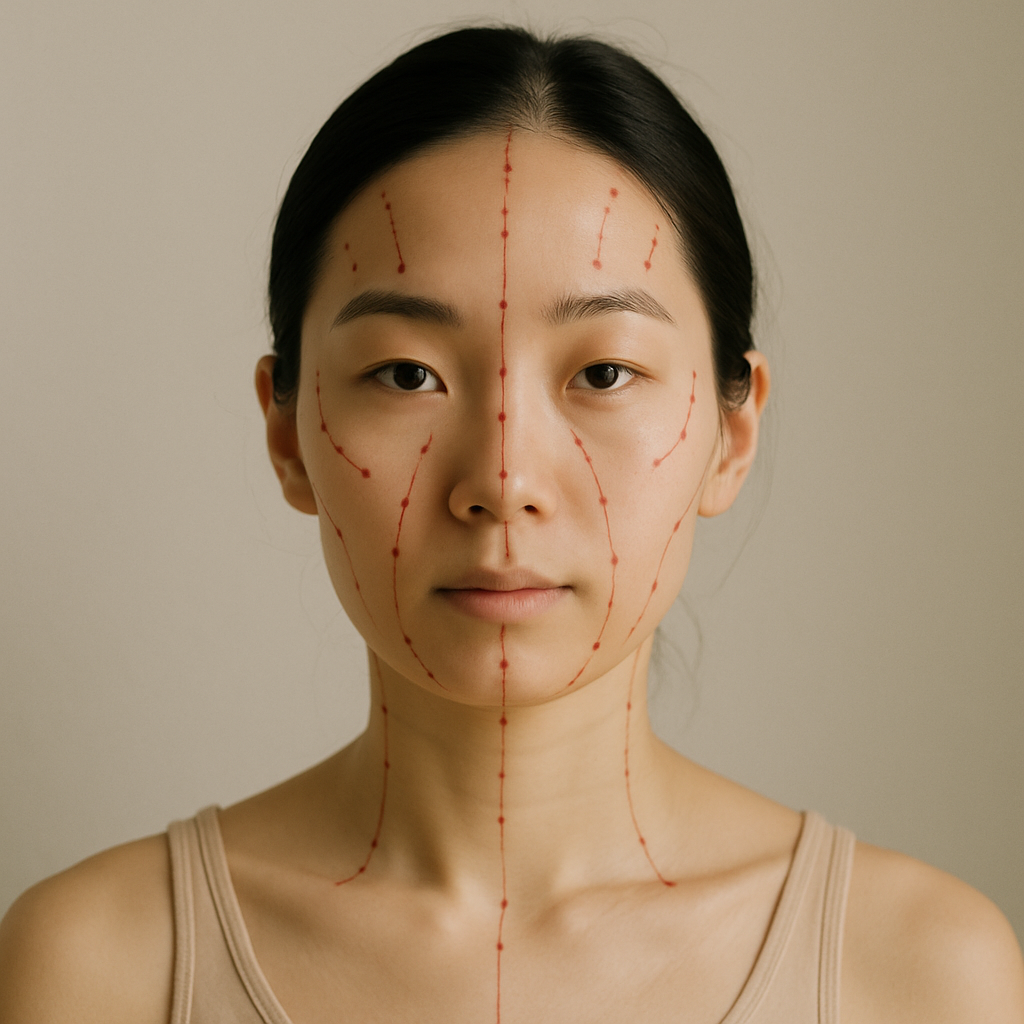
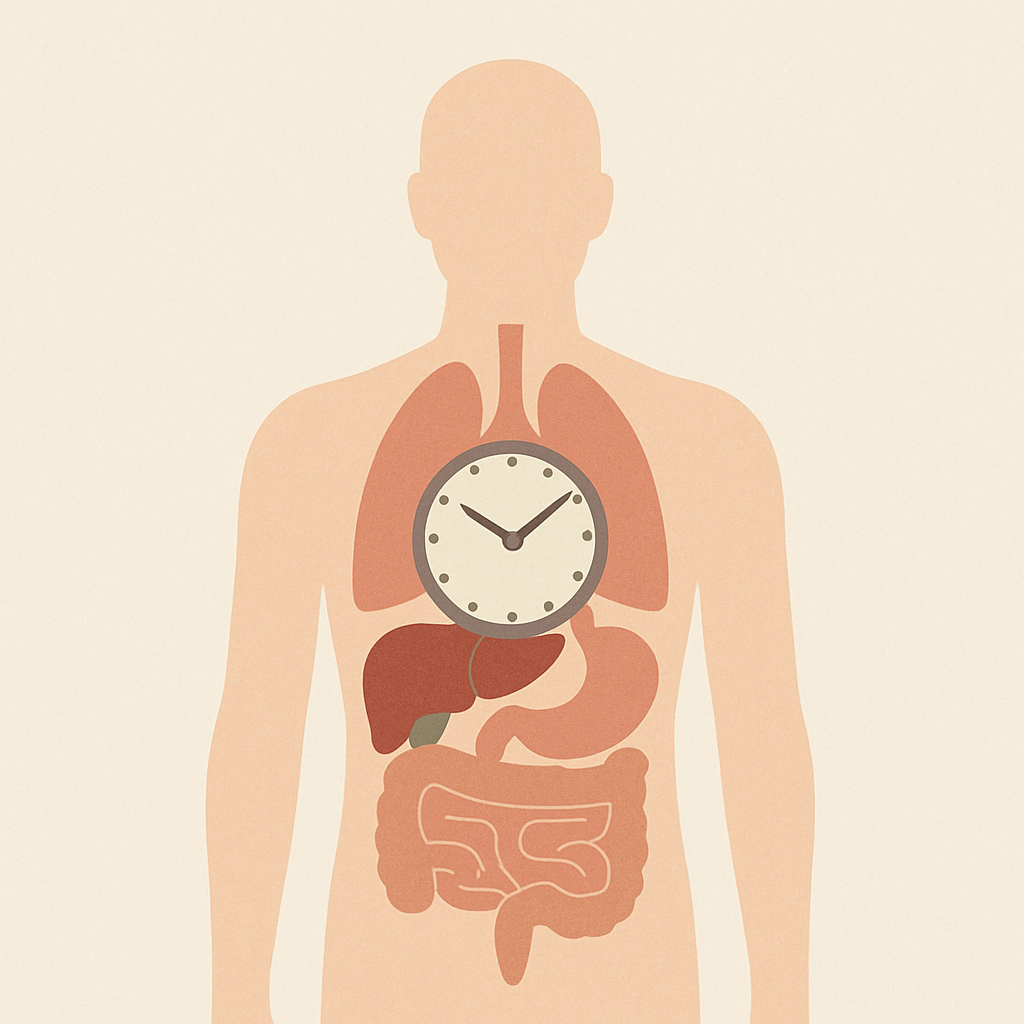
Traditional Chinese Medicine (TCM) is an ancient and holistic healing system that has been practiced for thousands of years in China and other parts of Asia. It emphasizes the balance between the mind, body, and spirit, operating on the philosophy that health is determined by the harmonious flow of energy, or Qi, within the body. TCM encompasses a variety of practices, including acupuncture, herbal medicine, and dietary therapy, and is utilized globally today to promote wellness and address various health concerns. At its core, TCM is rooted in a worldview that sees humans as integral components of the natural world, deeply connected to the rhythms and energies of their environment.
Intro Summary
Traditional Chinese Medicine (TCM) is an ancient system of healing that dates back thousands of years, primarily practiced in China and other Asian countries. It is based on the understanding that health stems from a delicate balance between the mind, body, and spirit. Central to TCM is the concept of Qi (pronounced "chee"), the vital life force that flows through all living things. A healthy body is one where Qi flows freely, while blockages or imbalances can lead to illness. TCM incorporates various modalities including acupuncture, herbal medicine, and dietary therapy, and is increasingly recognized and practiced in Western countries as an alternative or complementary approach to health. This tradition operates from a worldview that emphasizes the interconnectedness of humans and nature, suggesting that maintaining harmony with the environment is essential for overall well-being.
Explore Traditional Chinese Medicine
15 subcategories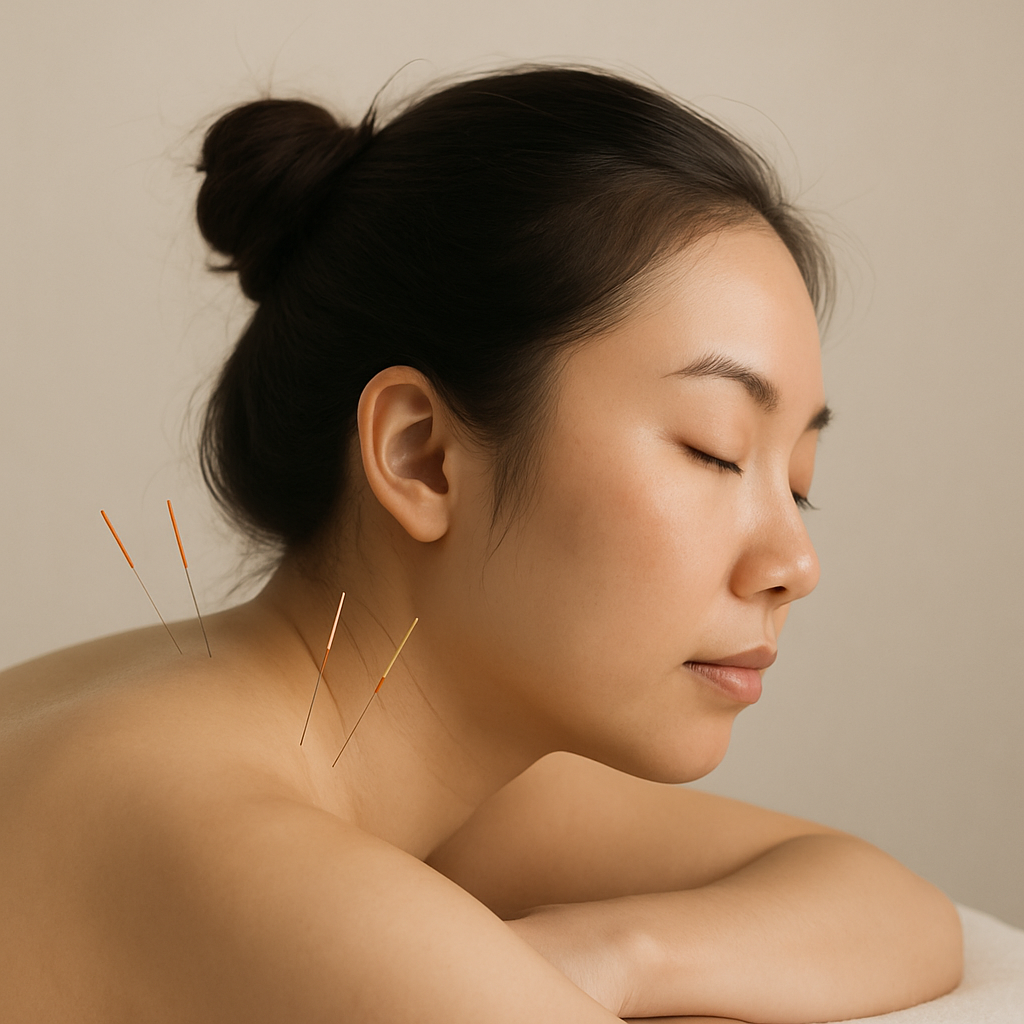

Frequently asked
What is the primary focus of Traditional Chinese Medicine?
The primary focus of Traditional Chinese Medicine is to restore balance and harmony within the body by addressing the flow of Qi and the interplay of Yin and Yang.
How do practitioners diagnose health issues in TCM?
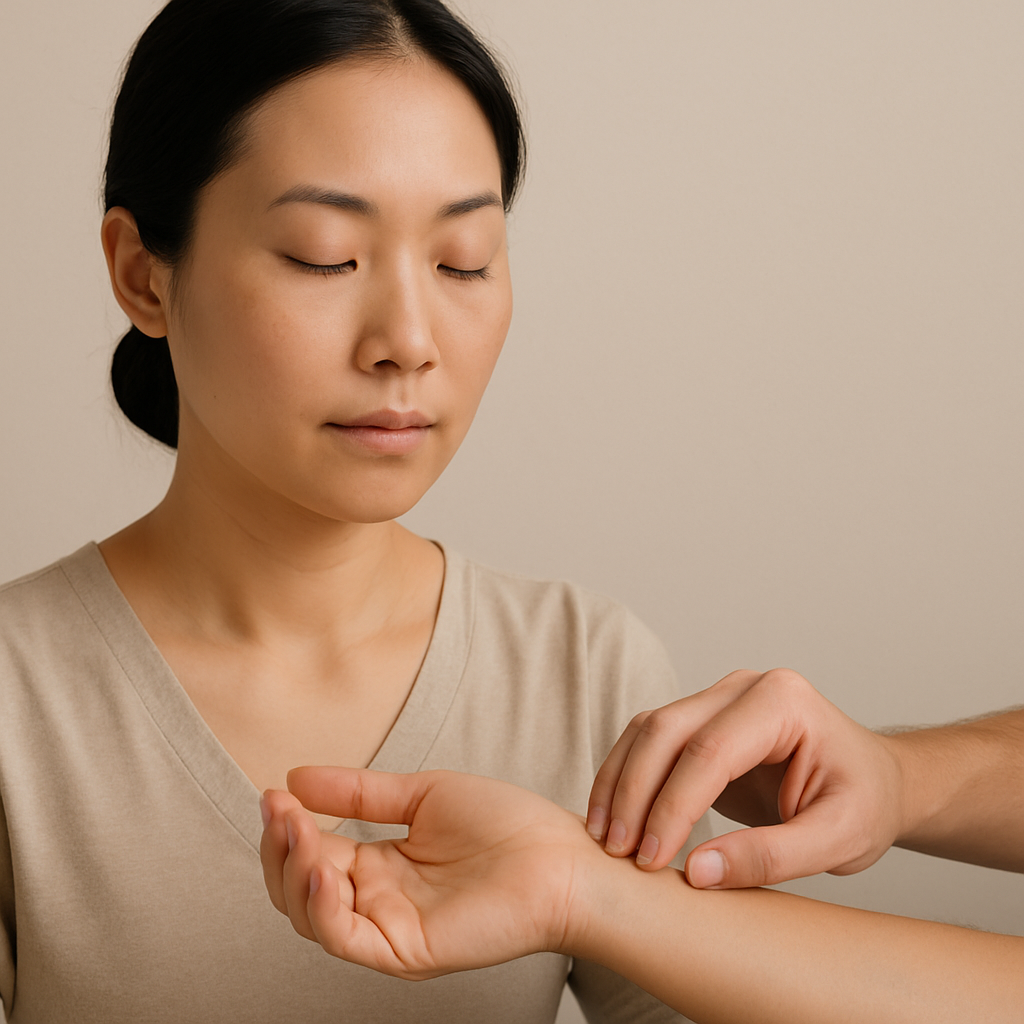
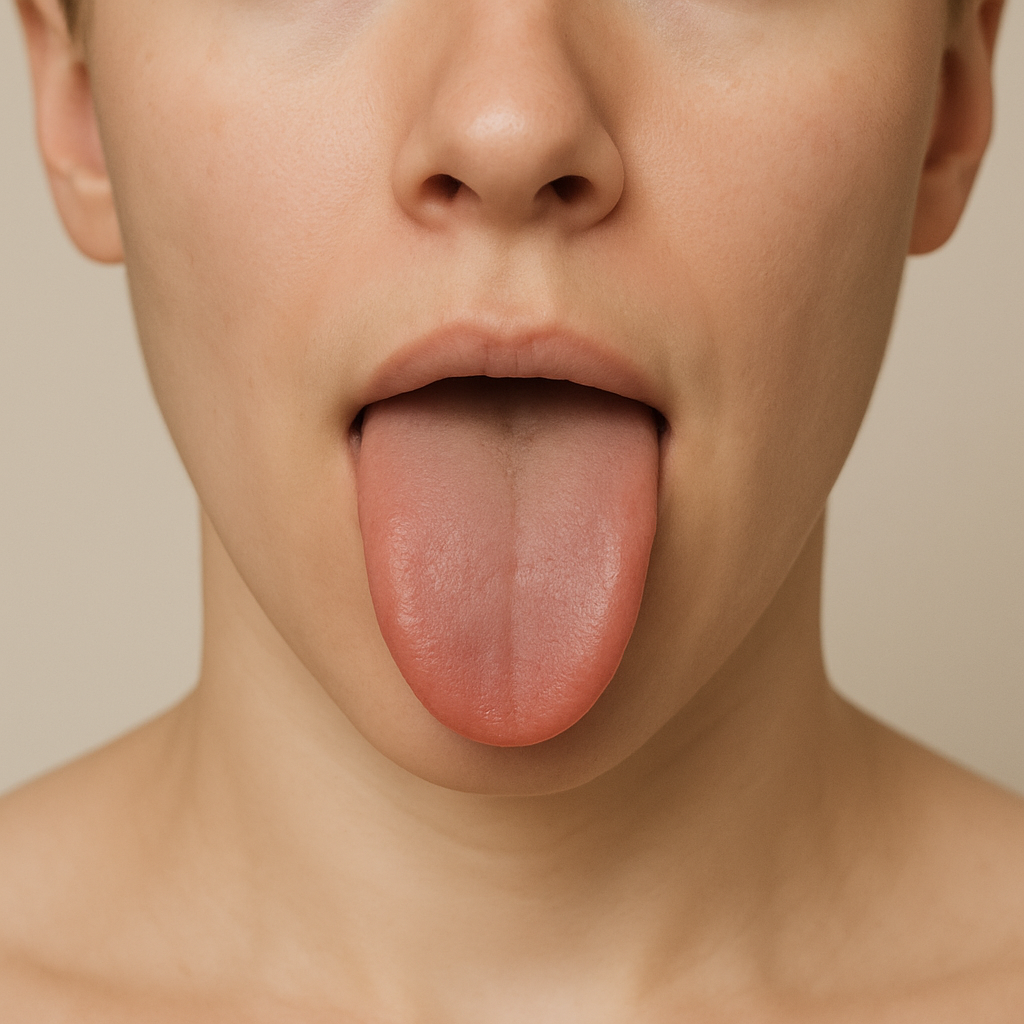
Practitioners typically use methods such as pulse diagnosis, tongue examination, and lifestyle inquiry to assess a person's health and identify imbalances.
What are some common modalities used in TCM?
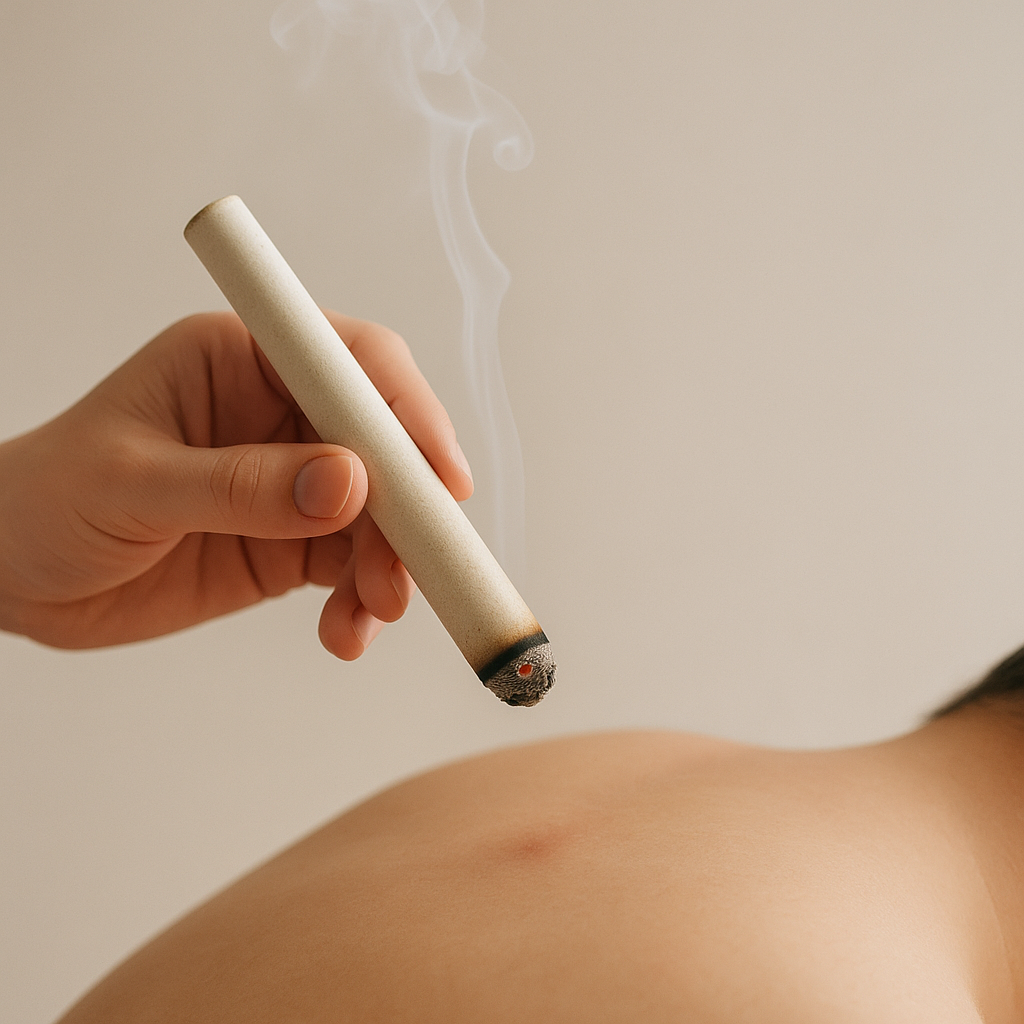
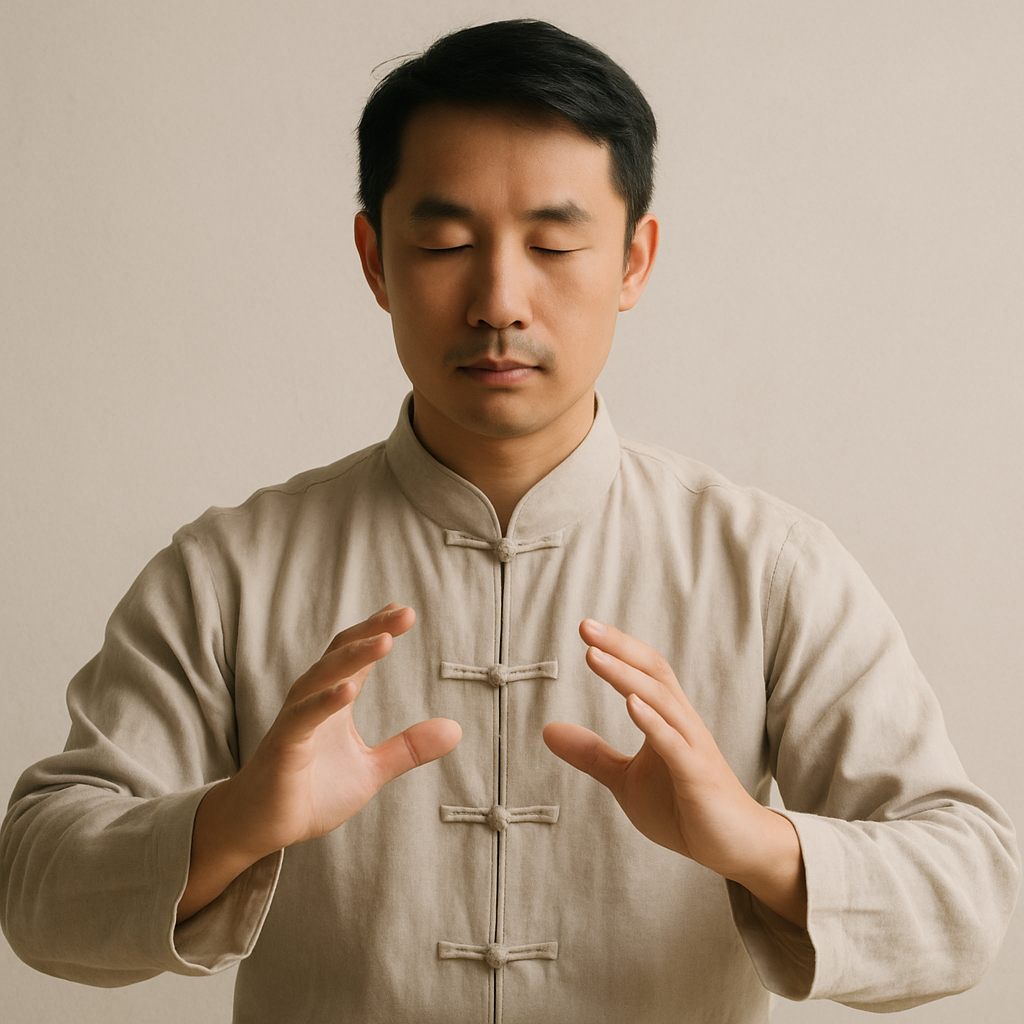
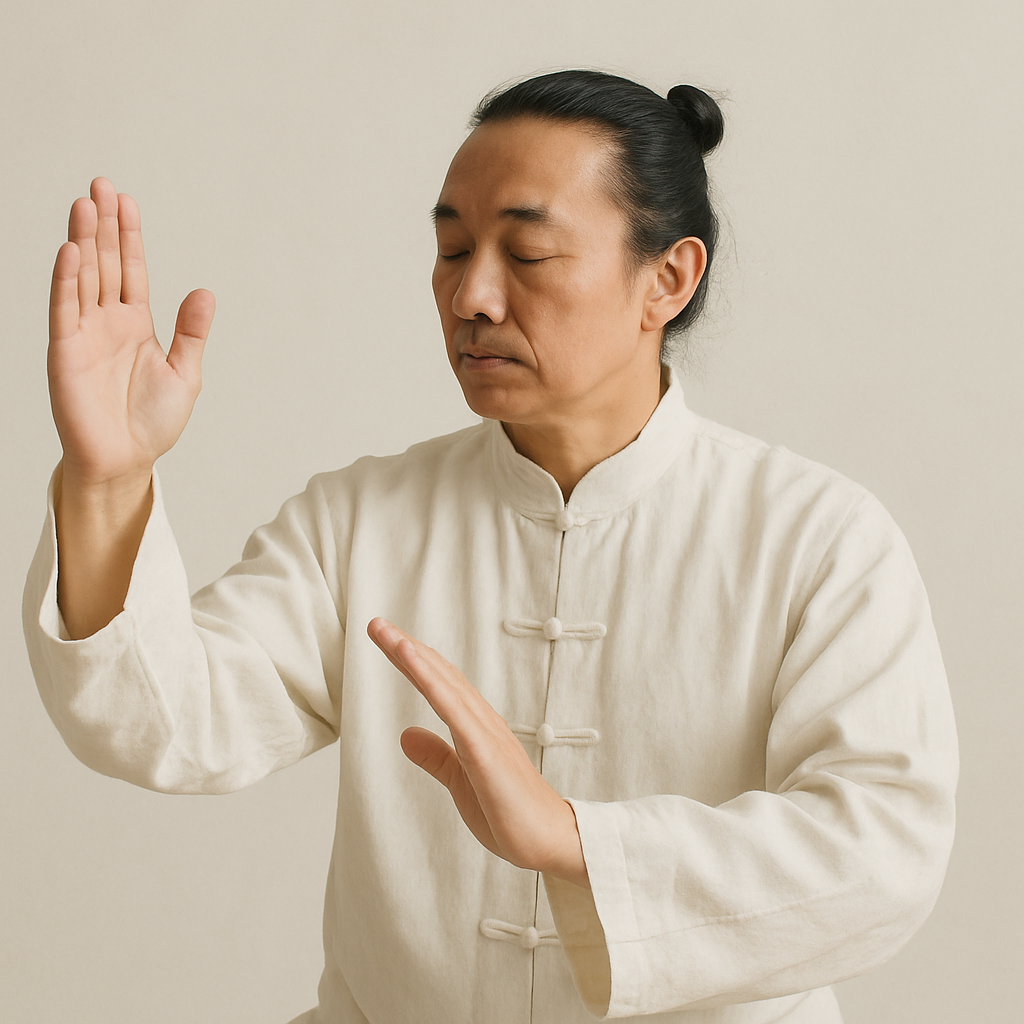
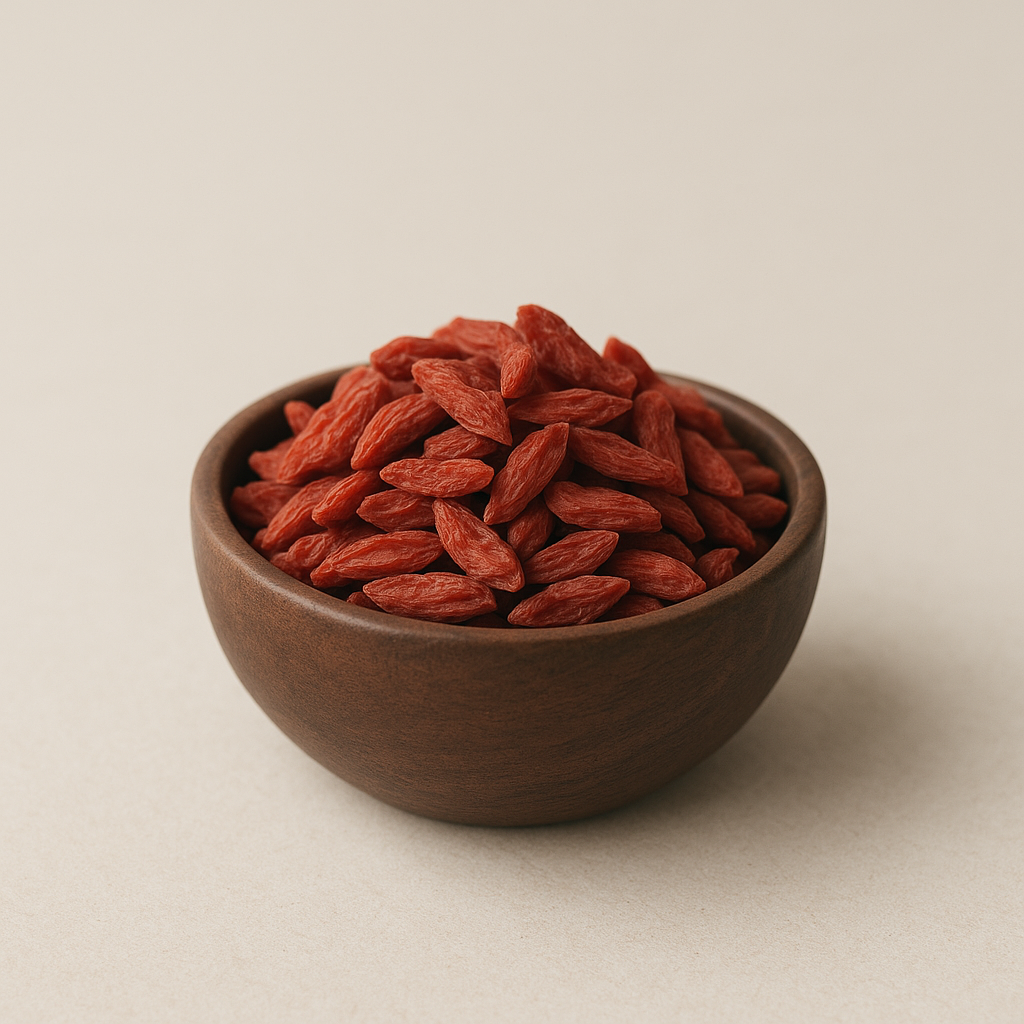
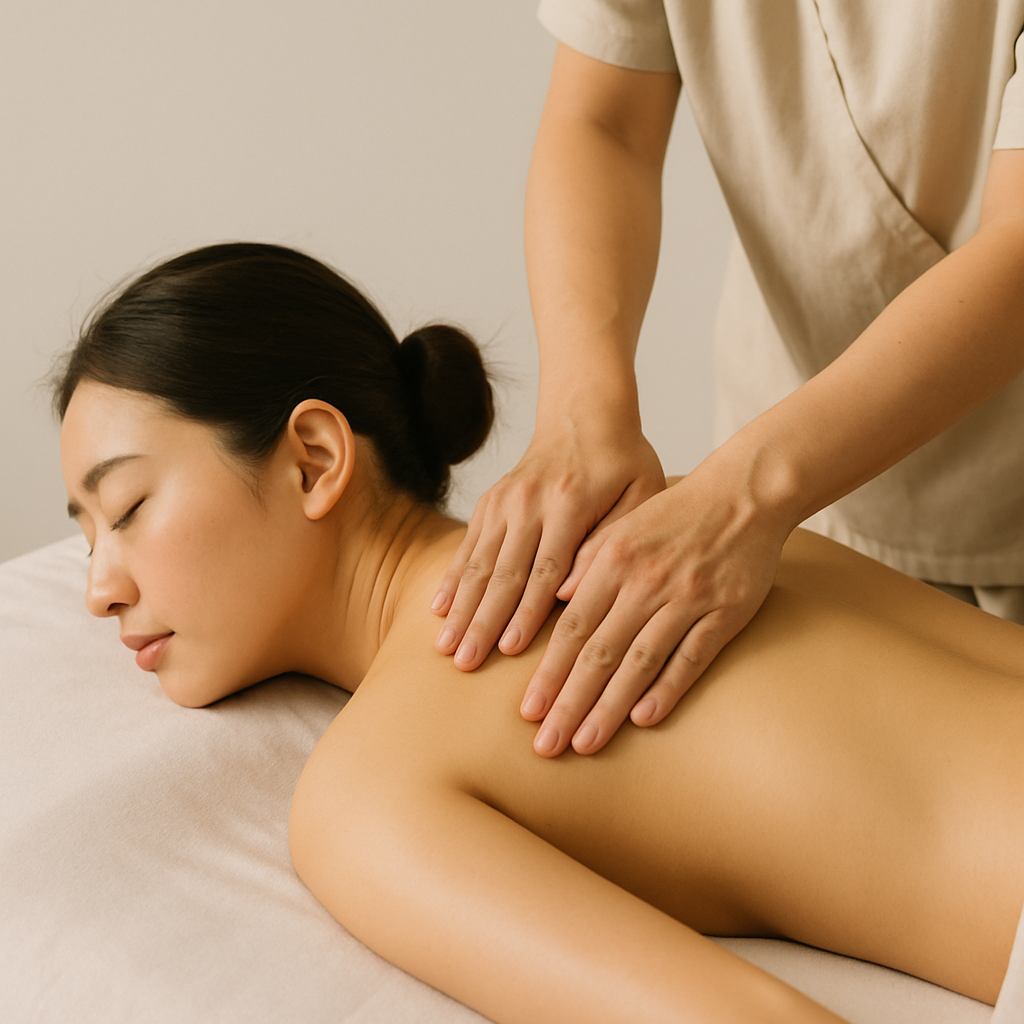
Common modalities in Traditional Chinese Medicine include acupuncture, herbal medicine, dietary therapy, qigong, and tui na (Chinese therapeutic massage).
Is Traditional Chinese Medicine safe?
When practiced by a qualified practitioner, Traditional Chinese Medicine is generally considered safe. However, it is essential to consult with a healthcare provider to ensure it is appropriate for your individual circumstances.
How does TCM differ from Western medicine?
TCM emphasizes prevention and holistic care, focusing on the root causes of illness rather than just symptoms, whereas Western medicine often prioritizes symptom management and specific diagnosis.
Can TCM be used alongside Western medical treatments?
Yes, many individuals find that TCM can complement Western medical treatments. It is important to discuss any concurrent therapies with your healthcare provider.