Tongue Diagnosis
Discover the ancient practice of Tongue Diagnosis in Traditional Chinese Medicine, its historical significance, and its role in holistic health assessment.

Explore Tongue Diagnosis, a key practice within Traditional Chinese Medicine, detailing its historical roots, practical applications, and modern research insights.
What It Is
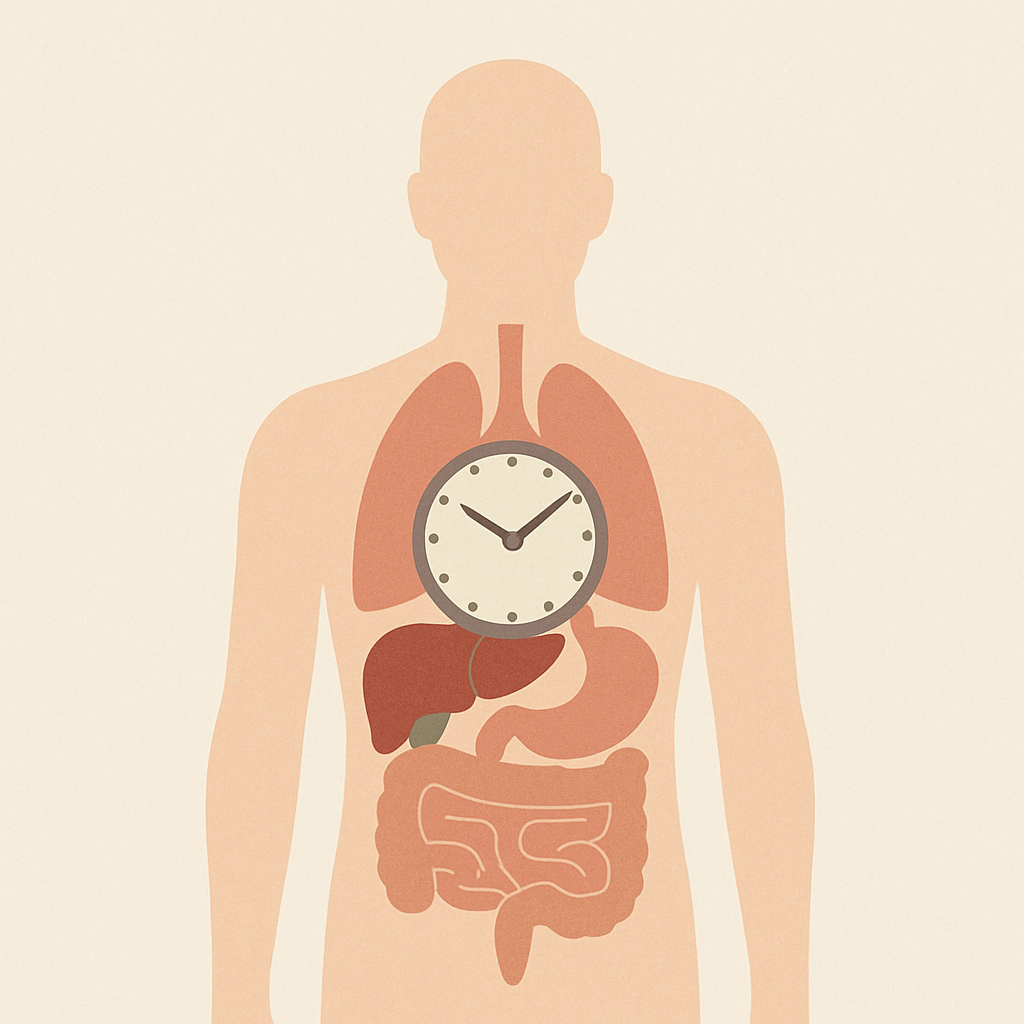
Tongue Diagnosis is a diagnostic technique used in Traditional Chinese Medicine (TCM) that involves examining the tongue's appearance to assess an individual's health. Practitioners believe that the tongue reflects the condition of the body's internal organs and systems. Through careful observation, they can identify imbalances in Qi (energy), blood, and bodily fluids, which may indicate underlying health issues.
This practice is rooted in the belief that various aspects of the tongue, such as its color, shape, coating, and moisture, provide insights into a person's overall health. By interpreting these characteristics, TCM practitioners can develop personalized treatment plans aimed at restoring harmony and balance within the body.
Historical Context Within Traditional Chinese Medicine
Tongue Diagnosis has been practiced for thousands of years, with its origins tracing back to ancient China. It began to take shape as a formal diagnostic tool during the Han Dynasty (206 BCE – 220 CE) when TCM was being systematized. Influential texts, such as the "Huangdi Neijing" (The Yellow Emperor's Inner Canon), detail the significance of tongue observation and its correlation with various internal conditions.
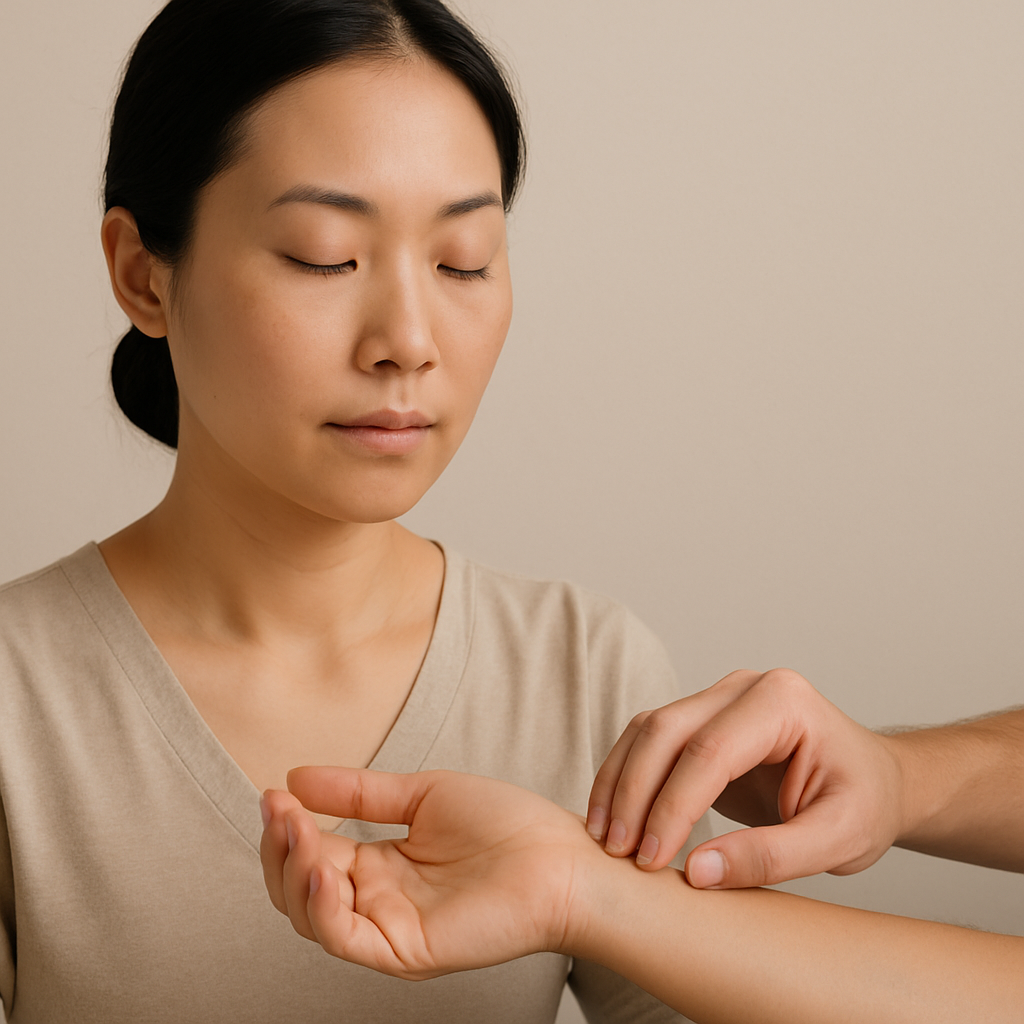
Over centuries, Tongue Diagnosis has evolved, influenced by various TCM scholars and practitioners. It remains an integral component of TCM diagnosis today, used alongside other diagnostic methods such as pulse diagnosis and patient interviews to create a comprehensive understanding of an individual's health.
How It's Practiced
In a typical session involving Tongue Diagnosis, a practitioner will follow several steps to gather information about the patient's health:
- Initial Consultation: The practitioner discusses the patient's health history, symptoms, and concerns.
- Observation: The patient is asked to stick out their tongue for examination.
- Assessment: The practitioner evaluates various tongue characteristics, including:
- Color (e.g., red, pale, purple)
- Shape (e.g., swollen, thin, cracked)
- Coating (e.g., thick, thin, greasy)
- Moisture (e.g., dry, moist)
- Analysis: Based on the observations, the practitioner analyzes the findings in relation to TCM theories.
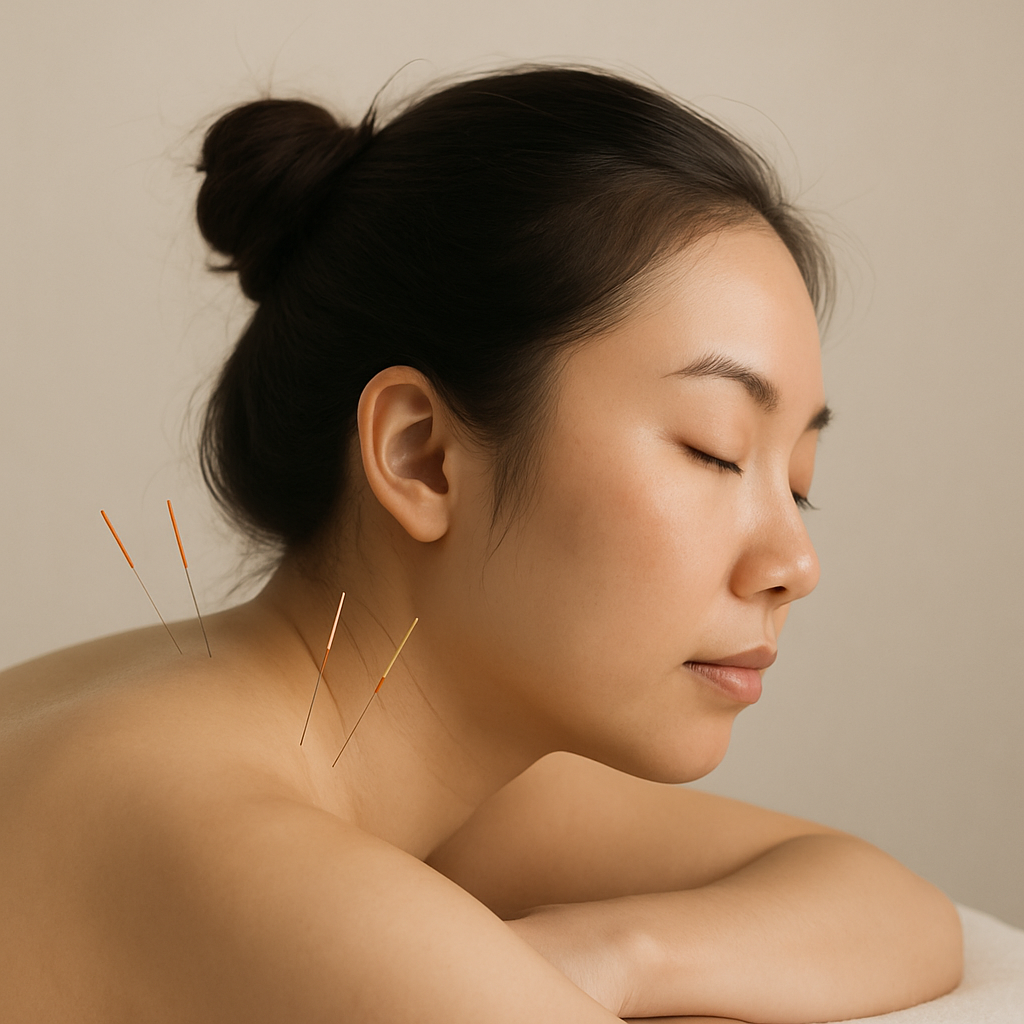
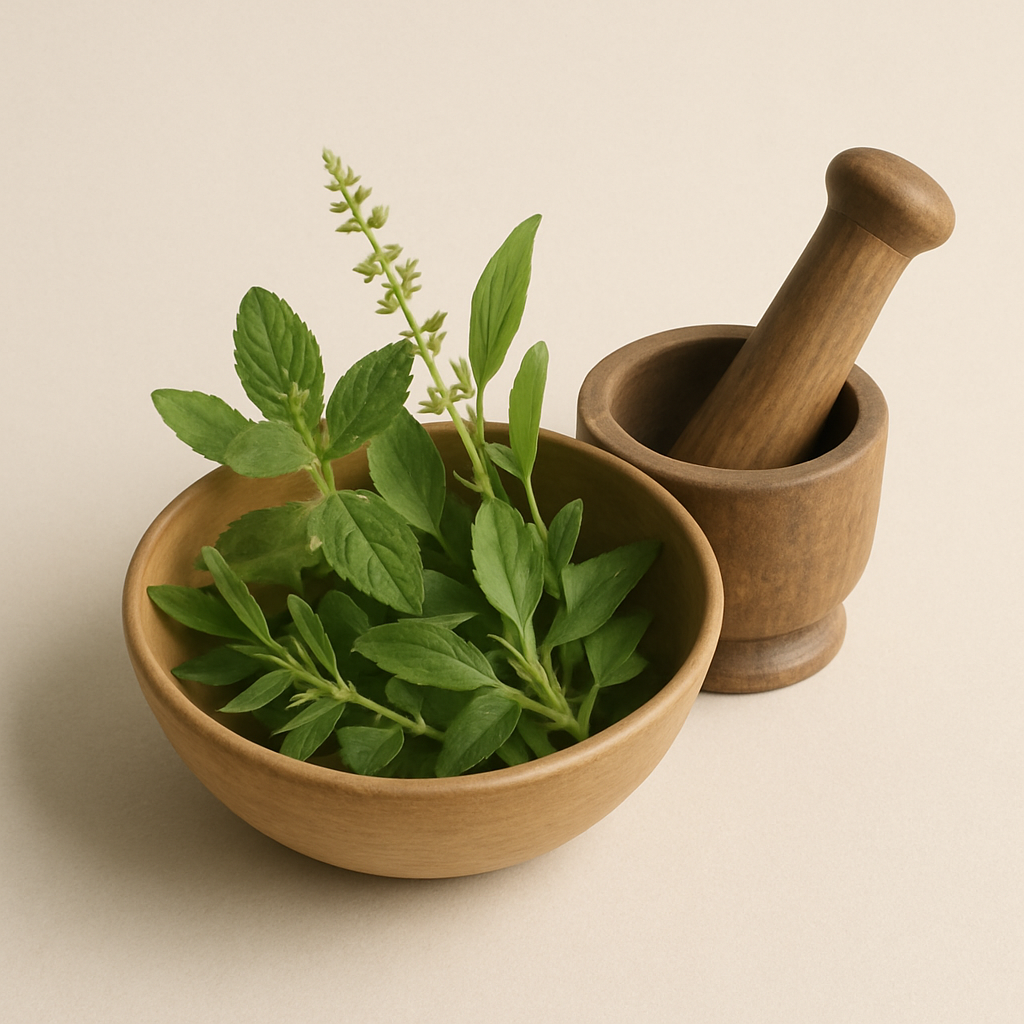
- Recommendation: The practitioner may suggest treatments such as acupuncture, herbal remedies, dietary changes, or lifestyle modifications.
What It Is Traditionally Explored For
Tongue Diagnosis is traditionally used for identifying imbalances in the body and understanding various health conditions. It is commonly explored for:
- Digestive issues
- Respiratory problems
- Emotional imbalances
- Circulatory concerns
- Chronic fatigue
The goal is to restore balance and promote overall well-being by aligning the body's energy and improving the functioning of organ systems.
What Modern Research Suggests
Researchers continue to explore the potential of integrating Tongue Diagnosis with modern medical practices. While it is not meant to replace conventional medical diagnostics, it may offer complementary insights into patient health when used alongside other assessments.
Safety, Contraindications & Who Should Skip
Tongue Diagnosis is generally considered safe, as it is a non-invasive practice. However, individuals with certain conditions or concerns may want to approach it with caution, including:
- Severe oral health issues (e.g., lesions, infections)
- Recent oral surgeries
- Patients with cognitive impairments who may not understand the process
It is always advisable for individuals to consult with a qualified practitioner and discuss any concerns prior to undergoing Tongue Diagnosis.
Pairs Well With (within Traditional Chinese Medicine and across pillars)
Tongue Diagnosis can complement various modalities within Traditional Chinese Medicine and other holistic practices, including:
- Acupuncture
- Herbal Medicine
- Qi Gong
- Dietary Therapy
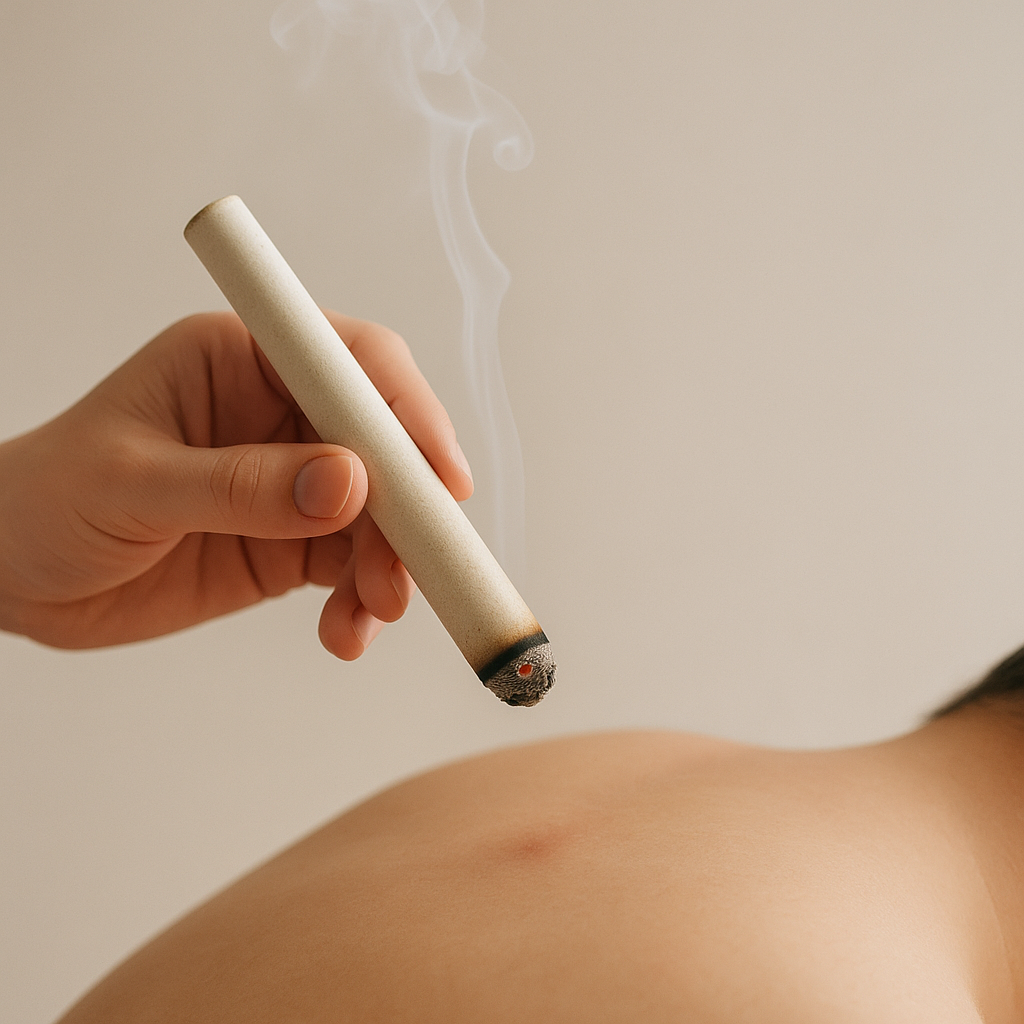
- Moxibustion
How to Find a Qualified Practitioner
To find a qualified practitioner experienced in Tongue Diagnosis, consider the following steps:
- Look for licensed practitioners of Traditional Chinese Medicine or acupuncturists.
- Check their credentials and experience in Tongue Diagnosis.
- Read reviews or seek recommendations from others who have undergone TCM treatments.
- Schedule a consultation to discuss your health concerns and assess the practitioner's approach.
FAQs
- What can Tongue Diagnosis reveal about my health? Tongue Diagnosis can provide insights into internal organ health, energy levels, and potential imbalances.
- Is Tongue Diagnosis painful? No, the process is non-invasive and does not involve any discomfort.
- How often should I have my tongue examined? The frequency can vary based on individual health needs; consult your practitioner for personalized recommendations.
- Can Tongue Diagnosis be used alongside conventional medicine? Yes, it can be used as a complementary diagnostic tool alongside conventional medical practices.
- Are there any dietary restrictions before a Tongue Diagnosis? It is often recommended to avoid colored foods or beverages prior to examination for accurate assessment.
Frequently asked
What can Tongue Diagnosis reveal about my health?
Tongue Diagnosis can provide insights into internal organ health, energy levels, and potential imbalances.
Is Tongue Diagnosis painful?
No, the process is non-invasive and does not involve any discomfort.
How often should I have my tongue examined?
The frequency can vary based on individual health needs; consult your practitioner for personalized recommendations.
Can Tongue Diagnosis be used alongside conventional medicine?
Yes, it can be used as a complementary diagnostic tool alongside conventional medical practices.
Are there any dietary restrictions before a Tongue Diagnosis?
It is often recommended to avoid colored foods or beverages prior to examination for accurate assessment.