Moxibustion
Explore the ancient practice of moxibustion within Traditional Chinese Medicine, its historical roots, modern applications, and safety considerations.
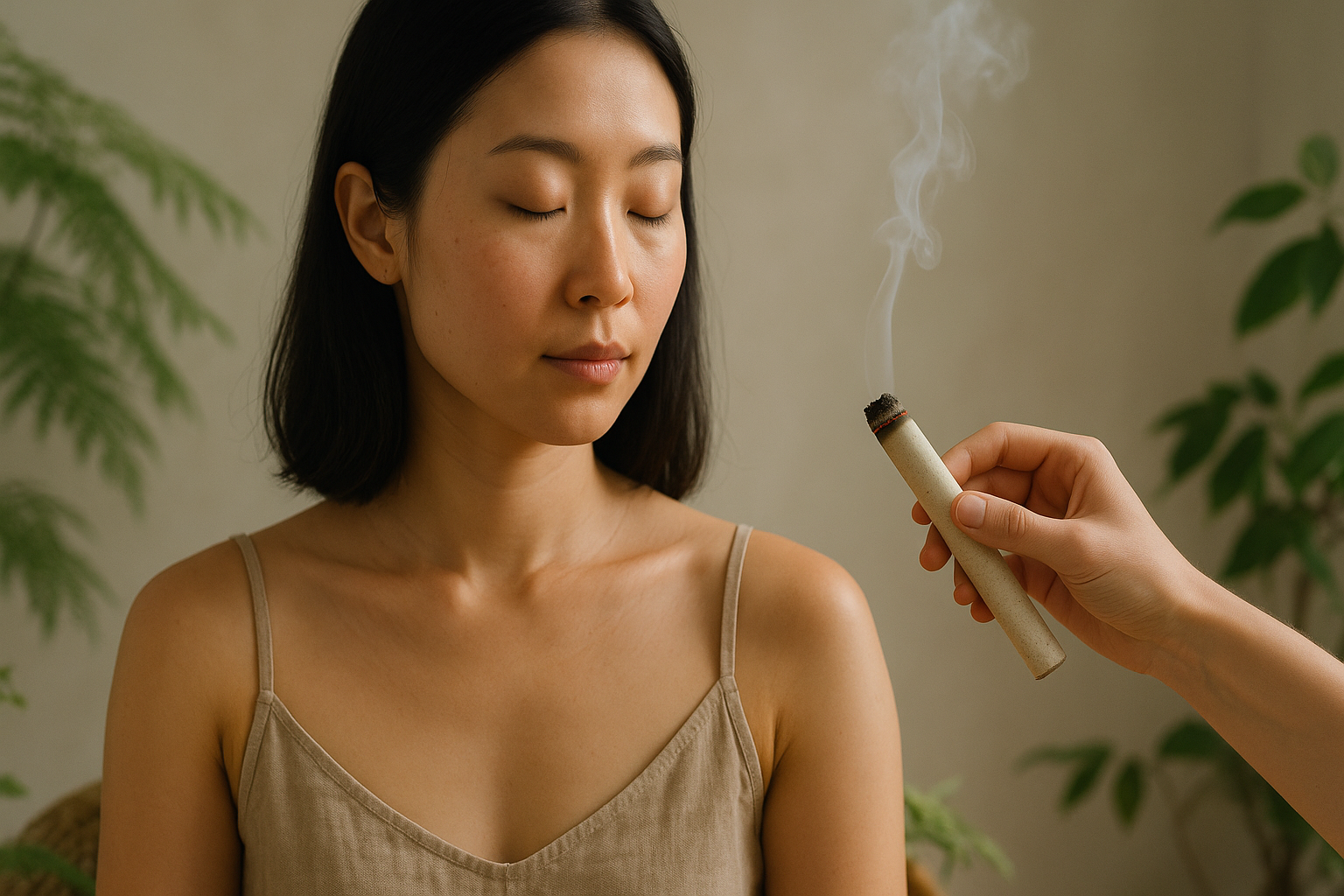
Moxibustion is a traditional healing practice in Traditional Chinese Medicine (TCM) that involves the burning of mugwort (Artemisia vulgaris) near acupuncture points or areas of the body to promote healing and balance. This ancient technique has been utilized for centuries to address a variety of health concerns and is often used in conjunction with acupuncture and other TCM modalities. Understanding how moxibustion works, its historical context, and its applications can provide insight into its role in holistic health.
What It Is
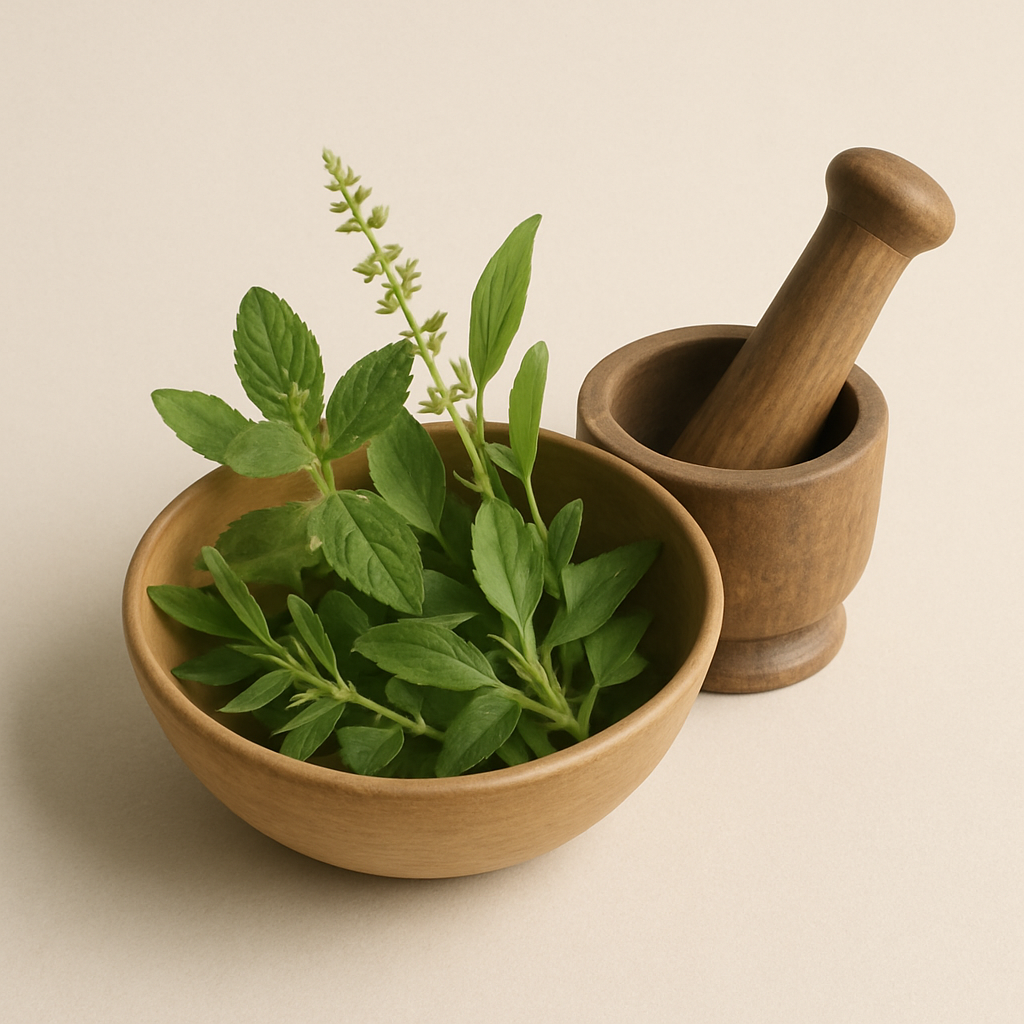
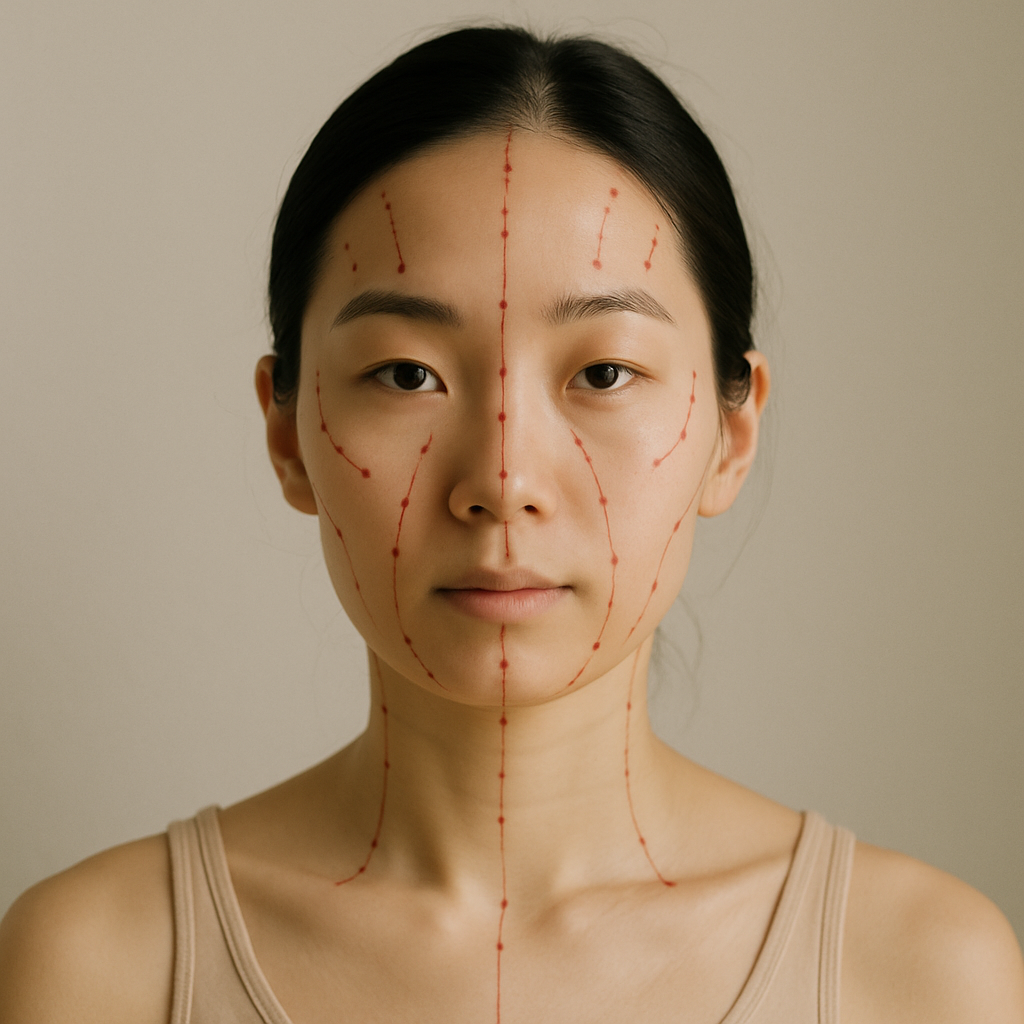
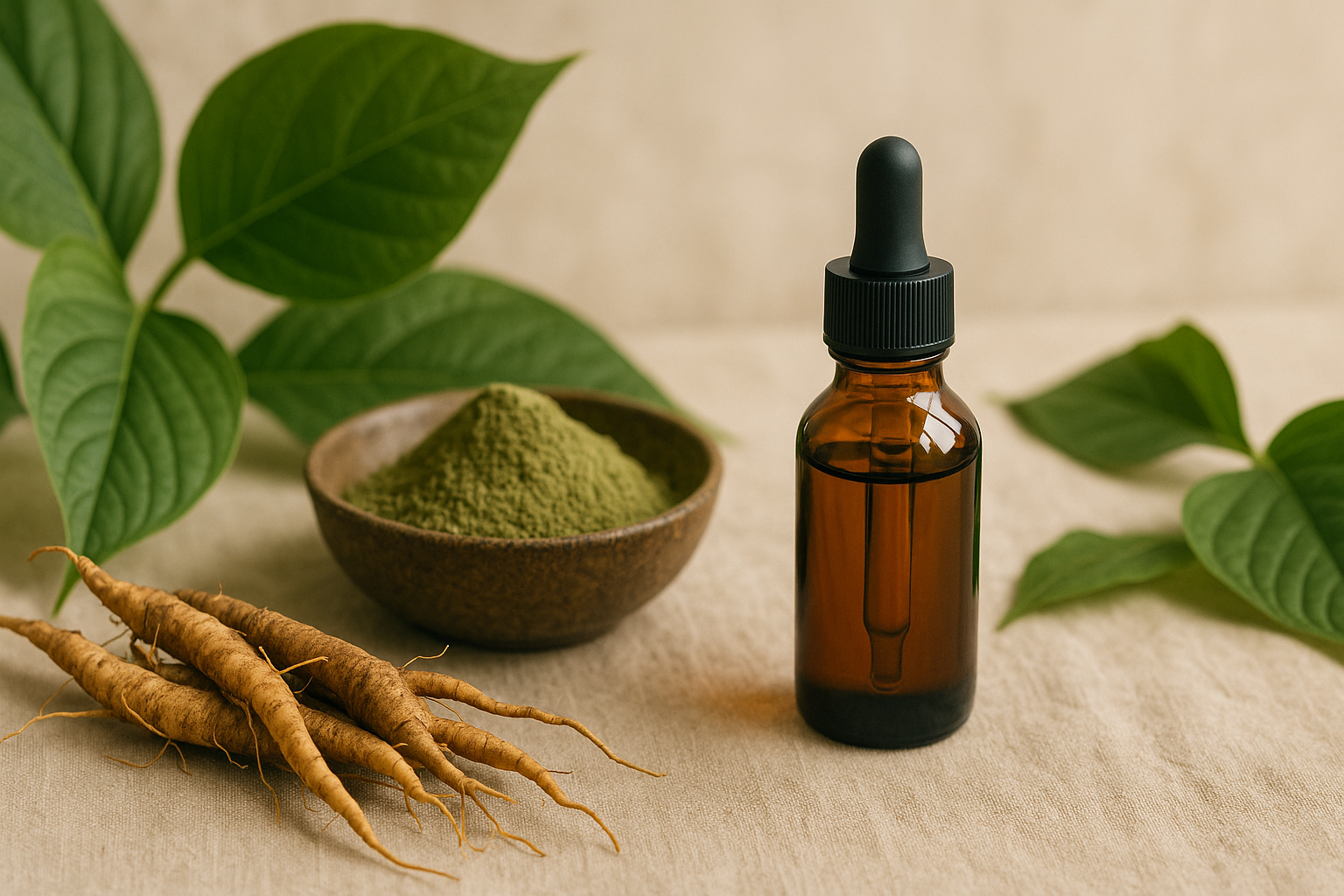
Moxibustion is a traditional healing technique that originates from Traditional Chinese Medicine (TCM). This practice involves the burning of a specific herb called mugwort (Artemisia vulgaris) to create heat, which is then applied to acupuncture points or specific areas of the body. The heat generated from moxibustion is believed to stimulate the flow of Qi (vital energy) and blood, promoting healing and balance within the body.
There are two primary forms of moxibustion: direct and indirect. Direct moxibustion involves placing a small cone of mugwort directly on the skin and lighting it, while indirect moxibustion uses an acupuncture needle or a moxa stick, which is held a short distance above the skin. Both methods aim to warm and invigorate the flow of Qi, addressing various health issues in a holistic manner.
Historical Context Within Traditional Chinese Medicine
Moxibustion has a rich history within the framework of Traditional Chinese Medicine, dating back thousands of years. It is believed to have emerged around the same time as acupuncture, with some historical texts suggesting its use as far back as the Han Dynasty (206 BC – 220 AD). Ancient practitioners recognized the warming properties of mugwort and its ability to enhance the effects of acupuncture.
The practice was developed and refined by early TCM scholars who observed its benefits in treating various ailments. Moxibustion became an integral part of TCM, often used alongside acupuncture, herbal medicine, and other healing modalities. Over time, it has continued to be practiced and adapted, integrating modern understanding while retaining its traditional roots.
How It's Practiced
The practice of moxibustion typically involves the following steps:
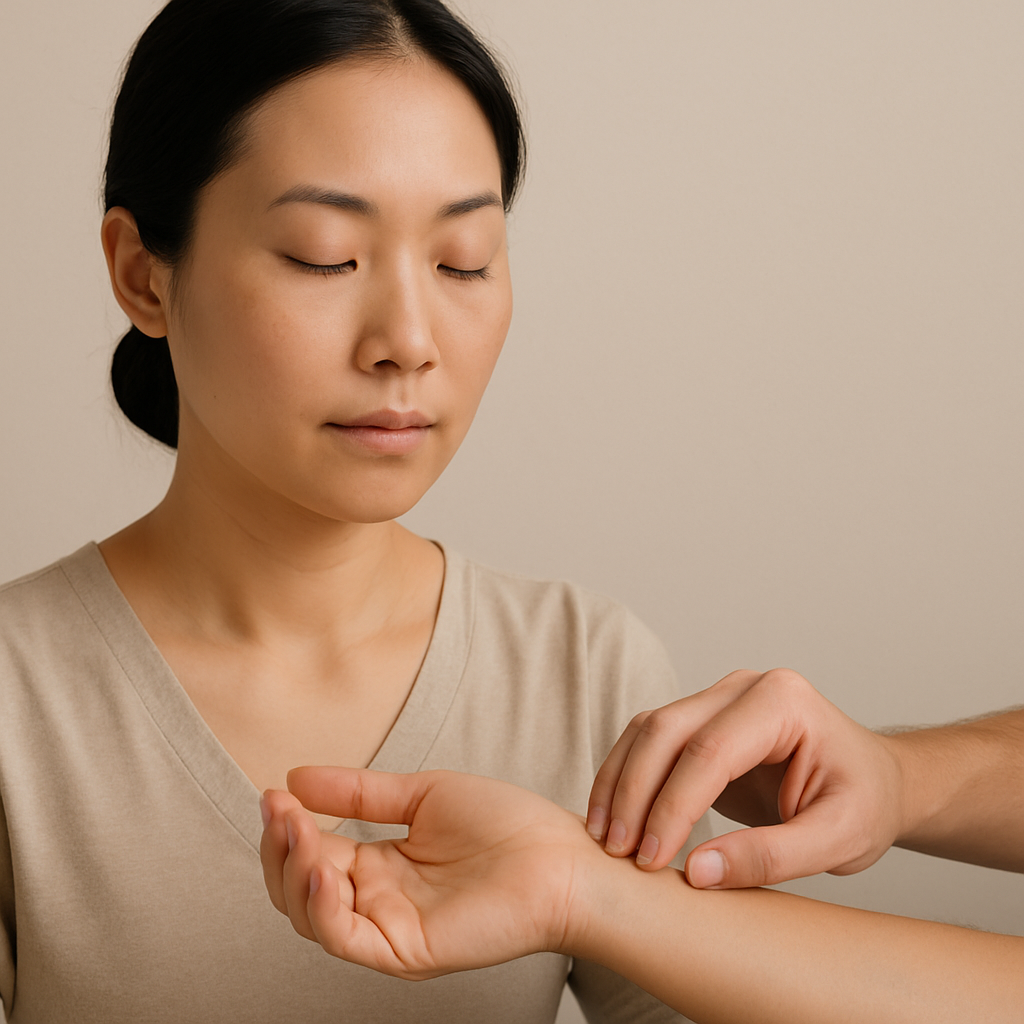
- The practitioner begins by assessing the patient's condition and identifying the appropriate acupuncture points or areas for treatment.
- Depending on the method chosen, the practitioner may prepare a moxa stick or small cones of mugwort.
- If using direct moxibustion, the practitioner places the cone on the skin and lights it, monitoring the heat carefully.
- For indirect moxibustion, the moxa stick or needle is held above the skin, allowing the heat to penetrate without direct contact.
- The treatment usually lasts between 10 to 30 minutes, depending on the individual's needs and tolerance.
- After the session, the practitioner may provide recommendations for follow-up care or lifestyle adjustments.
What It Is Traditionally Explored For
Moxibustion is traditionally used for a variety of health concerns, including:
- Digestive issues
- Menstrual discomfort
- Joint pain and arthritis
- Cold and flu symptoms
- Fatigue and low energy
While these uses are based on historical practices, it is essential to approach moxibustion with caution and consult qualified practitioners for personalized guidance.
What Modern Research Suggests
However, more rigorous clinical trials are needed to establish definitive conclusions regarding its efficacy. While initial findings are promising, it is crucial to consider moxibustion as a complementary approach within a broader healthcare framework rather than a standalone treatment.
Safety, Contraindications & Who Should Skip
While moxibustion is generally considered safe when performed by trained practitioners, there are some precautions to consider:
- Individuals with sensitive skin or skin conditions should avoid direct moxibustion.
- Pregnant women should consult their healthcare provider before undergoing moxibustion, particularly in certain areas of the body.
- Those with a history of burns or allergic reactions to mugwort should exercise caution.
- Patients with certain medical conditions, such as severe cardiovascular issues, may want to skip this treatment.
Pairs Well With (within Traditional Chinese Medicine and across pillars)
Moxibustion can complement various other TCM modalities and practices, such as:
- Acupuncture
- Herbal medicine
- Qi Gong
- Tuina (Chinese therapeutic massage)
- Dietary therapy
How to Find a Qualified Practitioner
To find a qualified moxibustion practitioner, consider the following steps:
- Seek practitioners who are certified in Traditional Chinese Medicine and have specific training in moxibustion.
- Look for reviews or recommendations from previous clients.
- Inquire about their experience and approach to treatment during an initial consultation.
- Ensure they follow safety protocols, particularly regarding hygiene and patient comfort.
FAQs
- What is moxibustion? Moxibustion is a TCM practice that involves burning mugwort to promote healing.
- Is moxibustion painful? Most patients report a warm sensation, but it should not be painful. Communication with the practitioner is key.
- How often should I have moxibustion treatments? Frequency varies based on individual needs; consult your practitioner for personalized advice.
- Can I do moxibustion at home? While some people may use moxa sticks at home, it is recommended to consult a practitioner initially for guidance.
- Is moxibustion safe during pregnancy? Pregnant women should consult their healthcare provider before undergoing moxibustion, as some areas should be avoided.
Frequently asked
What is moxibustion?
Moxibustion is a TCM practice that involves burning mugwort to promote healing.
Is moxibustion painful?
Most patients report a warm sensation, but it should not be painful. Communication with the practitioner is key.
How often should I have moxibustion treatments?
Frequency varies based on individual needs; consult your practitioner for personalized advice.
Can I do moxibustion at home?
While some people may use moxa sticks at home, it is recommended to consult a practitioner initially for guidance.
Is moxibustion safe during pregnancy?
Pregnant women should consult their healthcare provider before undergoing moxibustion, as some areas should be avoided.