Korean Traditional Medicine
Explore the healing tradition of Korean Traditional Medicine, its origins, philosophy, diagnostic methods, and how it intersects with modern wellness practices.
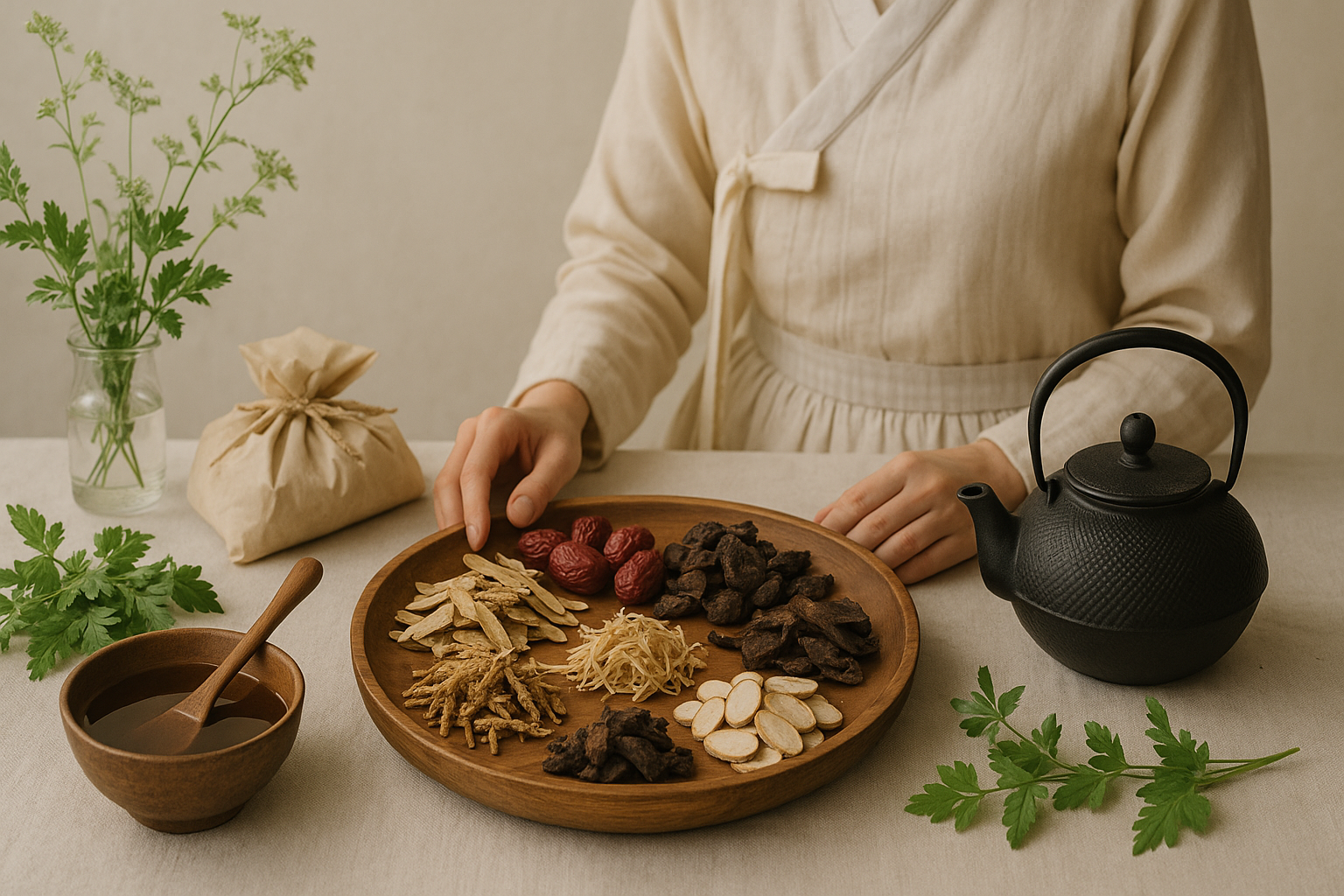
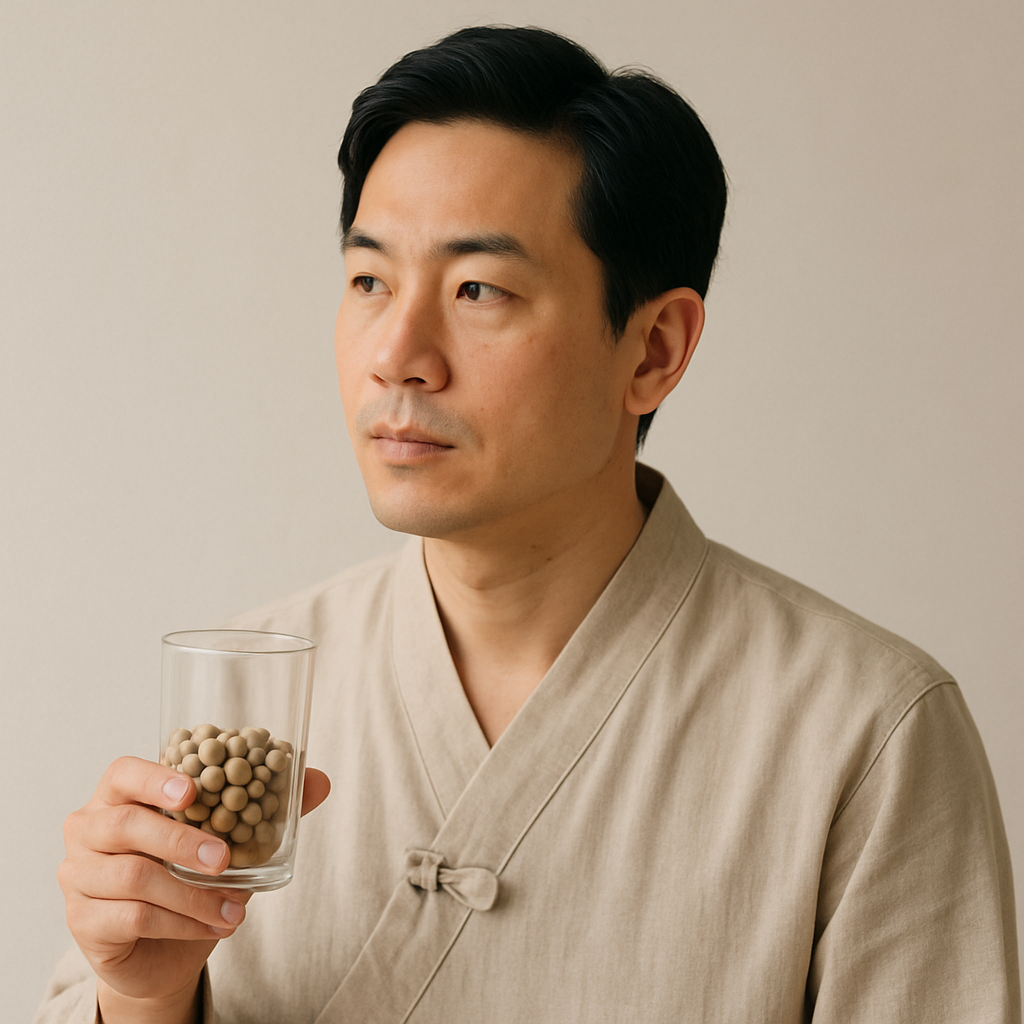
Korean Traditional Medicine (KTM) is a holistic healing system rooted in ancient Korean wisdom, emphasizing balance and harmony within the body and with nature. Practiced primarily in Korea and among Korean communities worldwide, KTM integrates various modalities, including herbal medicine, acupuncture, and dietary therapy, to support well-being. This tradition operates from a worldview that sees health as a dynamic interplay of physical, mental, and spiritual elements, aiming for overall balance and harmony.
Intro Summary
Korean Traditional Medicine (KTM) is a holistic healing system rooted in ancient Korean wisdom, emphasizing balance and harmony within the body and with nature. Practiced primarily in Korea and among Korean communities worldwide, KTM integrates various modalities, including herbal medicine, acupuncture, and dietary therapy, to support well-being. This tradition operates from a worldview that sees health as a dynamic interplay of physical, mental, and spiritual elements, aiming for overall balance and harmony.
Origins & Lineage
Korean Traditional Medicine has its origins in ancient Korea, influenced by Chinese medicine and indigenous healing practices. The earliest texts date back to the Three Kingdoms period (57 BC – 668 AD), where the foundations of medical knowledge were established. Key figures in this lineage include Heo Jun, a renowned physician during the Joseon Dynasty, who authored the influential text, "Donguibogam," which remains a significant reference in Korean medicine today. Over the centuries, KTM evolved, absorbing influences from neighboring cultures while retaining its unique characteristics. The cultural rooting of Korean Traditional Medicine is evident in its integration with Korean spiritual practices, Confucianism, and shamanistic traditions, which emphasize harmony with nature and the importance of community in health and healing.
Core Philosophy
Yin/Yang
Central to Korean Traditional Medicine is the concept of Yin and Yang, representing the dual forces that govern all natural phenomena. Health is viewed as a balance between these opposing yet complementary energies. An excess or deficiency in either can lead to illness.
Qi (Chi)
Qi refers to the vital energy that flows through the body. In Korean Traditional Medicine, it is believed that a smooth flow of Qi is essential for health. Blockages or imbalances in Qi can result in physical or emotional ailments.
Five Elements Theory
This philosophy categorizes all things into five elements: Wood, Fire, Earth, Metal, and Water. Each element corresponds to specific organs, emotions, and seasons, forming a framework for understanding health and disease.
Holistic Perspective
Korean Traditional Medicine emphasizes a holistic view of the individual, considering physical, emotional, and spiritual dimensions of health. This approach encourages the exploration of lifestyle, diet, and emotional well-being in the healing process.
Diagnostic / Observational Methods
Practitioners of Korean Traditional Medicine utilize a variety of diagnostic methods to assess a person's health:
- Tongue Diagnosis: The tongue is examined for color, shape, and coating, providing insights into the internal condition of the body.
- Pulse Diagnosis: Practitioners feel the pulse at various points to assess the state of Qi and blood flow, revealing underlying health issues.
- Observation: Practitioners observe physical appearance, posture, and skin condition to gather information about a person's health.
- Lifestyle Inquiry: Questions about diet, sleep, emotions, and daily habits help practitioners understand the individual's overall health context.
Common Modalities Within This Tradition
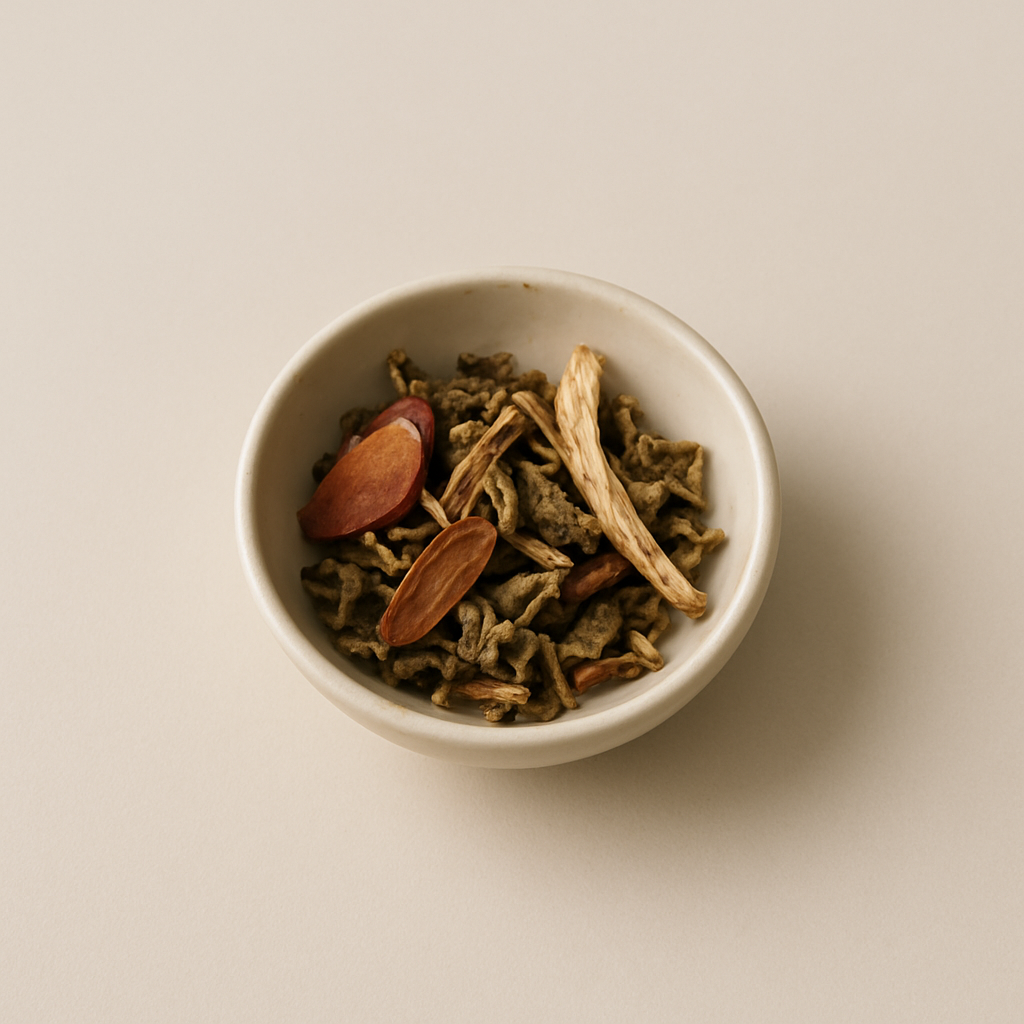
Herbal Medicine
Herbal remedies are a cornerstone of Korean Traditional Medicine, utilizing a wide range of plants to create formulations tailored to individual needs. These remedies aim to restore balance and enhance the body's natural healing abilities.
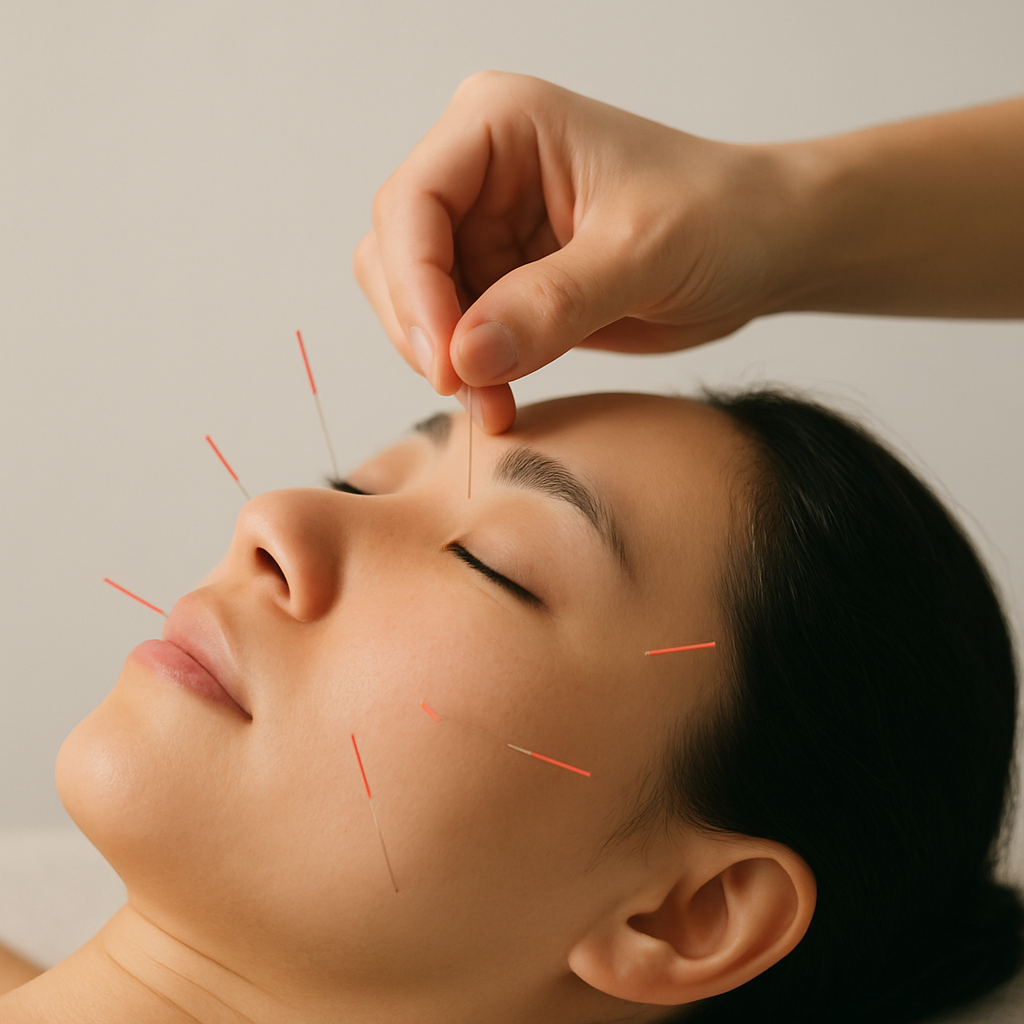
Acupuncture
Acupuncture involves the insertion of fine needles into specific points of the body to stimulate the flow of Qi. This modality is used to alleviate pain, improve circulation, and promote overall well-being.
Dietary Therapy
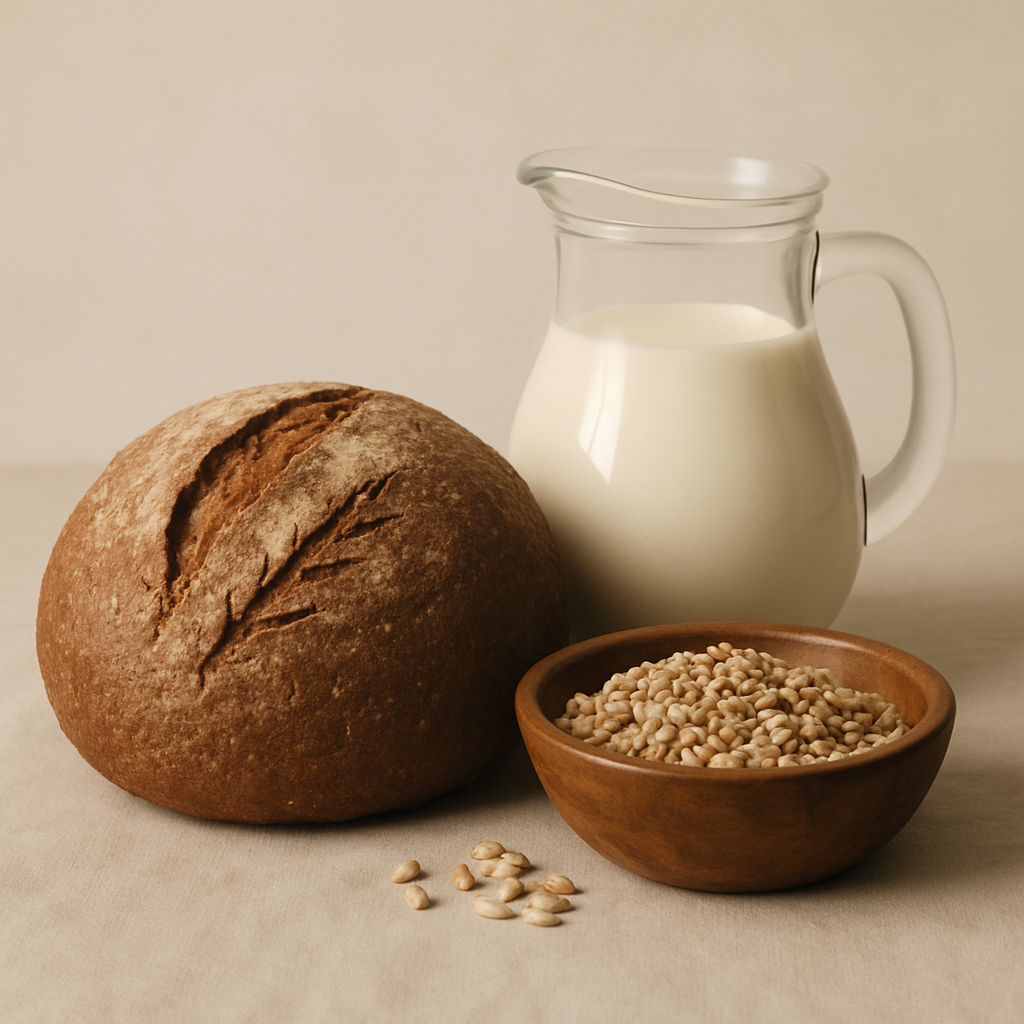
Korean Traditional Medicine places significant emphasis on food as medicine. Practitioners recommend specific foods and dietary practices based on an individual's constitution and health needs to support balance and healing.
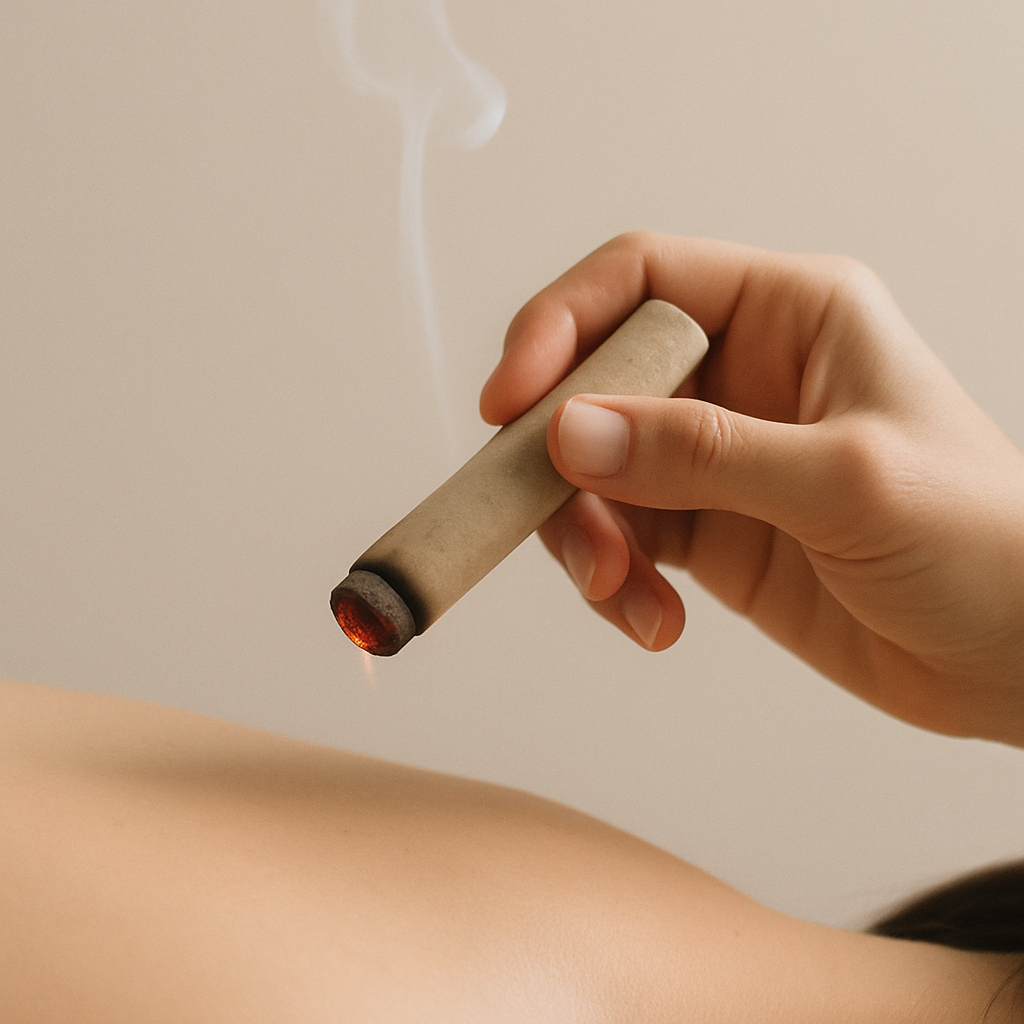
Bodywork
Various forms of bodywork, such as moxibustion and cupping, are employed to enhance circulation, relieve tension, and promote relaxation, further supporting the healing process.
Mindfulness and Breathing Practices
Breathwork and mindfulness are integral to Korean Traditional Medicine, promoting mental clarity and emotional balance. These practices help individuals connect with their inner selves and cultivate a sense of peace.
Conditions & Goals This Tradition Commonly Addresses
Korean Traditional Medicine is traditionally explored for a variety of conditions, including:
- Digestive issues
- Respiratory ailments
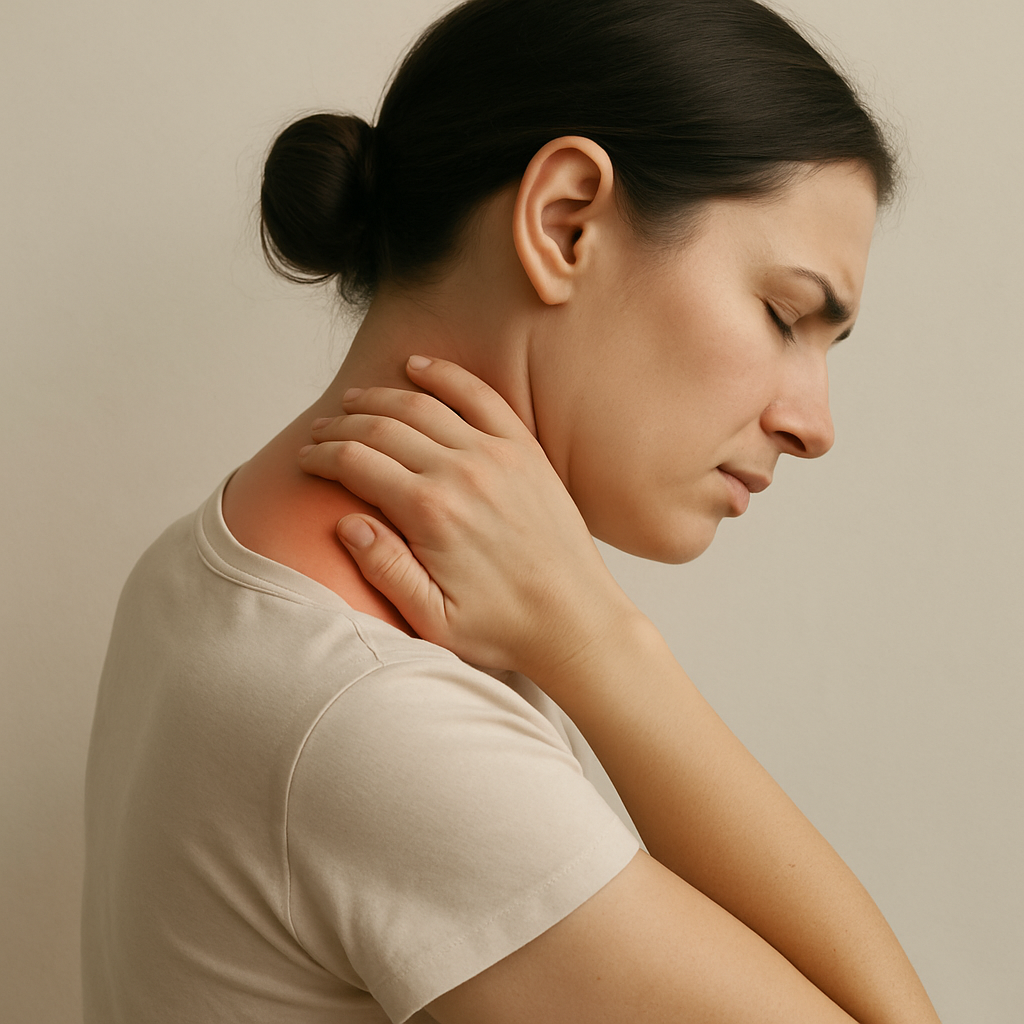
- Musculoskeletal pain
- Stress and anxiety
- Skin conditions
- Women's health issues
The goals of treatment often include restoring balance, enhancing vitality, and supporting overall health and well-being.
Safety, Sourcing, and Finding Qualified Practitioners
When seeking Korean Traditional Medicine practitioners, it’s essential to ensure they are qualified and trained in accredited programs. Practitioners should adhere to safety standards, especially regarding herbal prescriptions. Always consult with a healthcare provider before beginning any new treatment modality.
How It Intersects with Modern Wellness Today
Korean Traditional Medicine is increasingly integrated into modern wellness practices, with many individuals seeking complementary approaches to enhance their health. The principles of balance, holistic care, and natural remedies resonate with contemporary wellness trends, emphasizing preventive care and self-awareness.
Related Approaches You Might Explore
Those interested in Korean Traditional Medicine may also explore related modalities, including:
- Traditional Chinese Medicine
- Japanese Kampo
- Ayurveda
- Western Herbal Medicine
- Mind-Body Practices
FAQs
- What is the main focus of Korean Traditional Medicine?
The primary focus is on achieving balance and harmony within the body and with nature.
- How does Korean Traditional Medicine diagnose health issues?
Practitioners use methods such as tongue and pulse diagnosis, alongside lifestyle inquiries.
- What types of treatments are commonly used in this tradition?
Common treatments include herbal medicine, acupuncture, dietary therapy, and bodywork.
- Is Korean Traditional Medicine safe?
When practiced by qualified professionals, it is generally considered safe, but always consult your healthcare provider before starting treatment.
- Can Korean Traditional Medicine help with chronic conditions?
It is traditionally explored for various conditions, including chronic ailments, focusing on holistic care.
- How can I find a qualified practitioner of Korean Traditional Medicine?
Look for practitioners with accredited training and positive reviews, and consider consulting with healthcare professionals for recommendations.
Explore Korean Traditional Medicine
15 subcategories







Frequently asked
What is the main focus of Korean Traditional Medicine?
The primary focus is on achieving balance and harmony within the body and with nature.
How does Korean Traditional Medicine diagnose health issues?
Practitioners use methods such as tongue and pulse diagnosis, alongside lifestyle inquiries.
What types of treatments are commonly used in this tradition?
Common treatments include herbal medicine, acupuncture, dietary therapy, and bodywork.
Is Korean Traditional Medicine safe?
When practiced by qualified professionals, it is generally considered safe, but always consult your healthcare provider before starting treatment.
Can Korean Traditional Medicine help with chronic conditions?
It is traditionally explored for various conditions, including chronic ailments, focusing on holistic care.
How can I find a qualified practitioner of Korean Traditional Medicine?
Look for practitioners with accredited training and positive reviews, and consider consulting with healthcare professionals for recommendations.