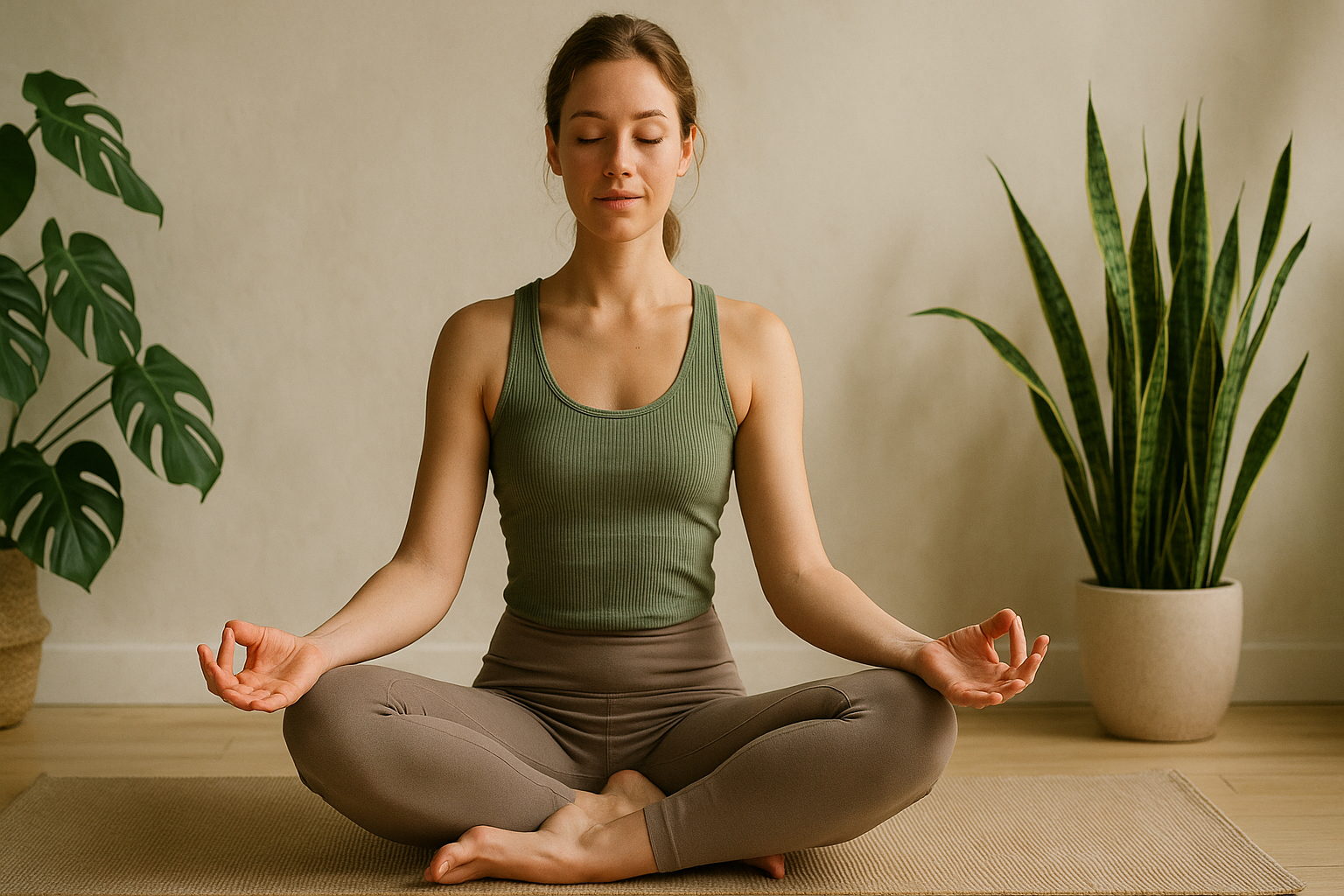
Meditation & Mindfulness
Explore the transformative power of meditation and mindfulness as natural remedies that promote mental clarity, emotional stability, and overall wellness. Learn how these practices can support your journey toward a healthier, more balanced life.
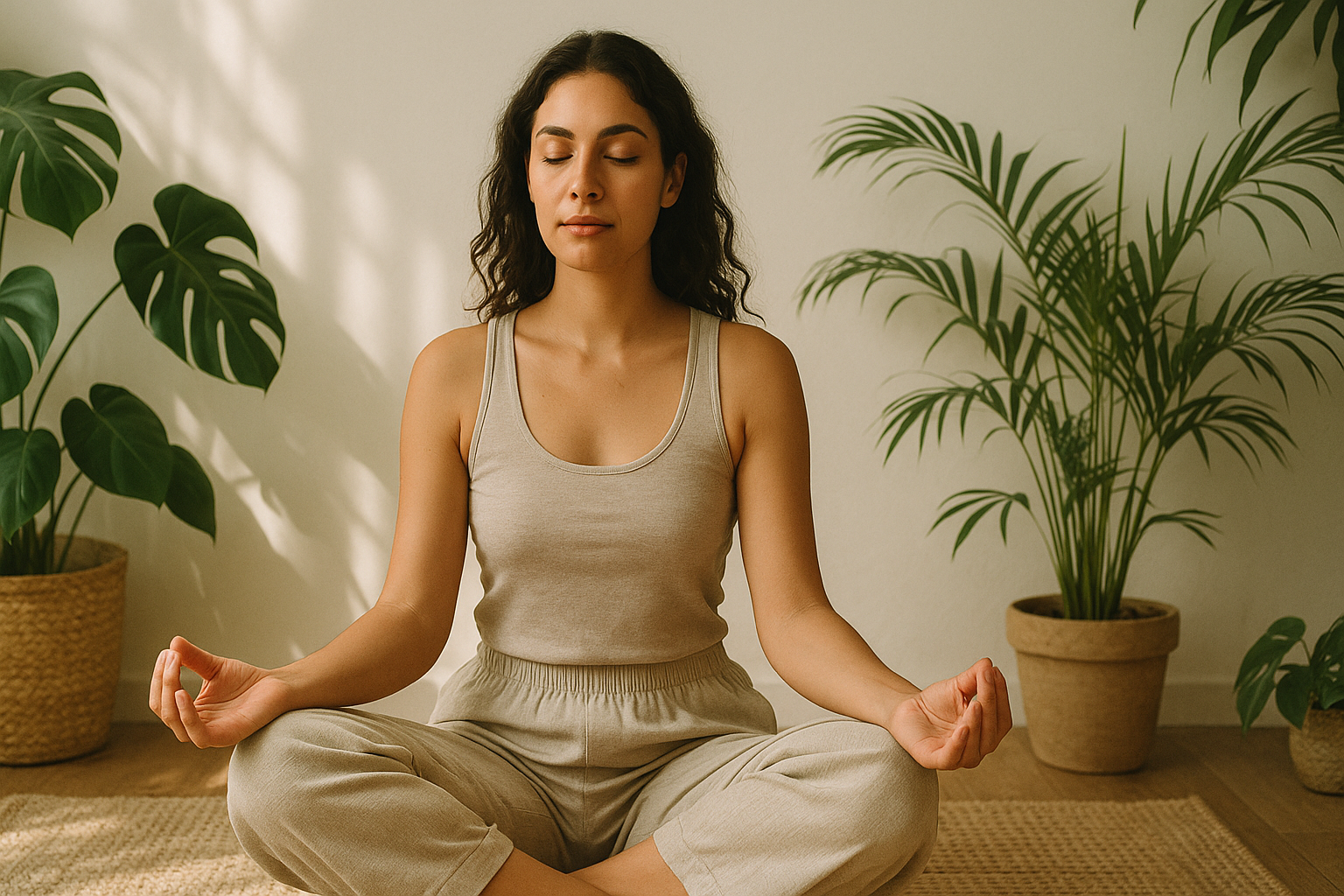
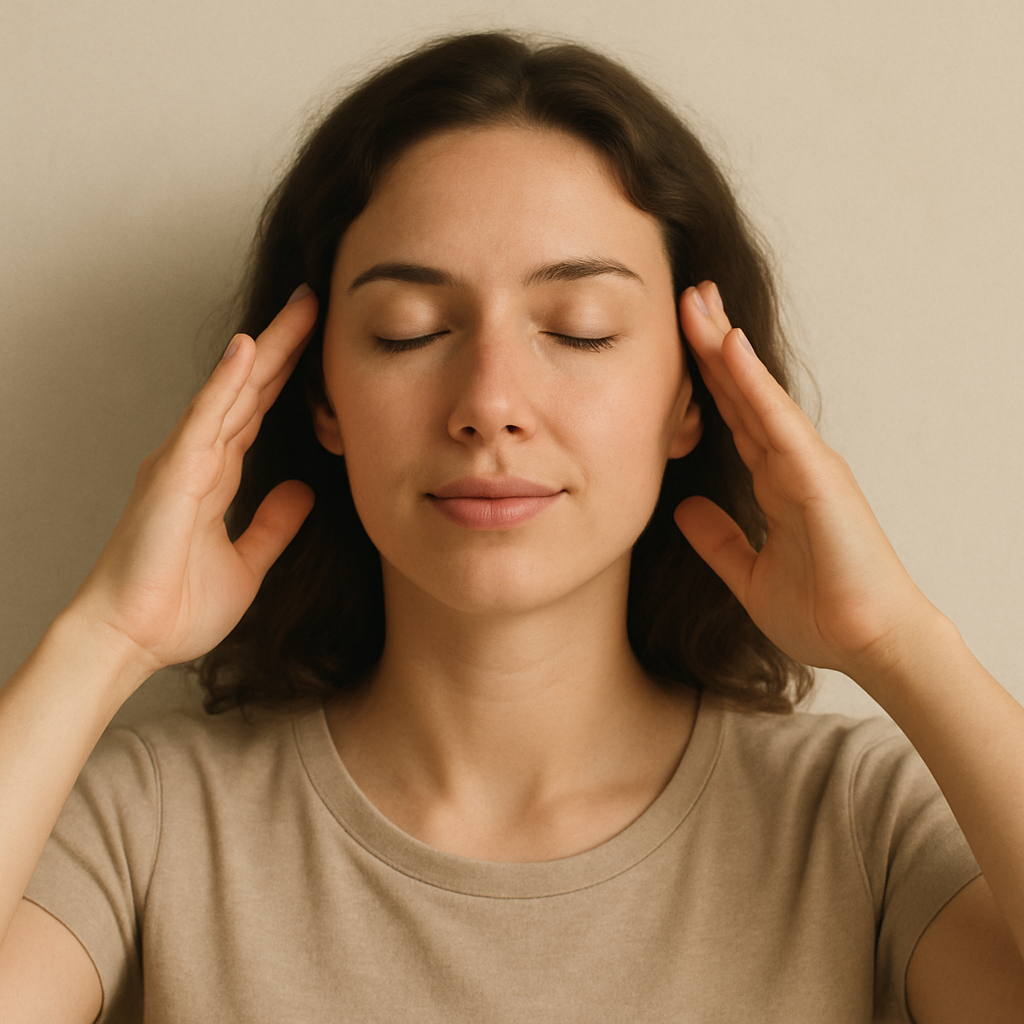
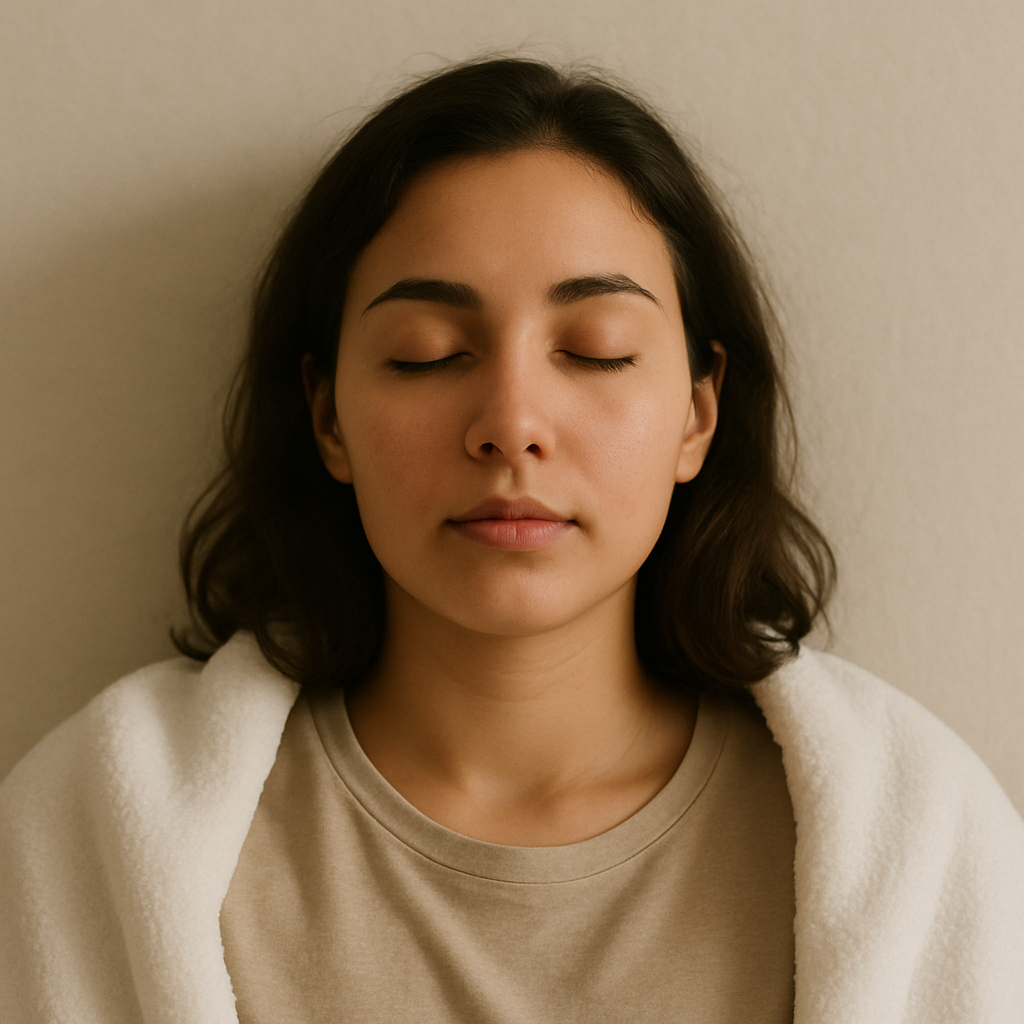
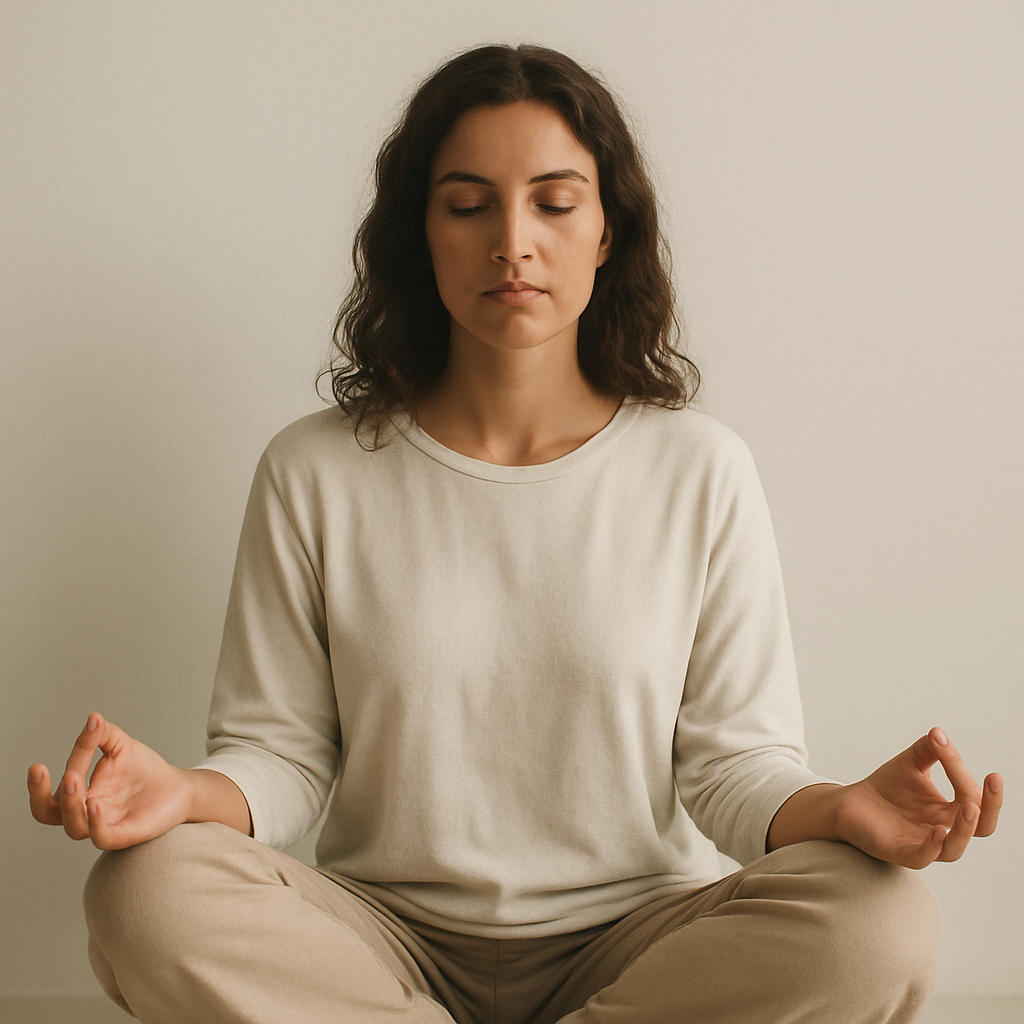
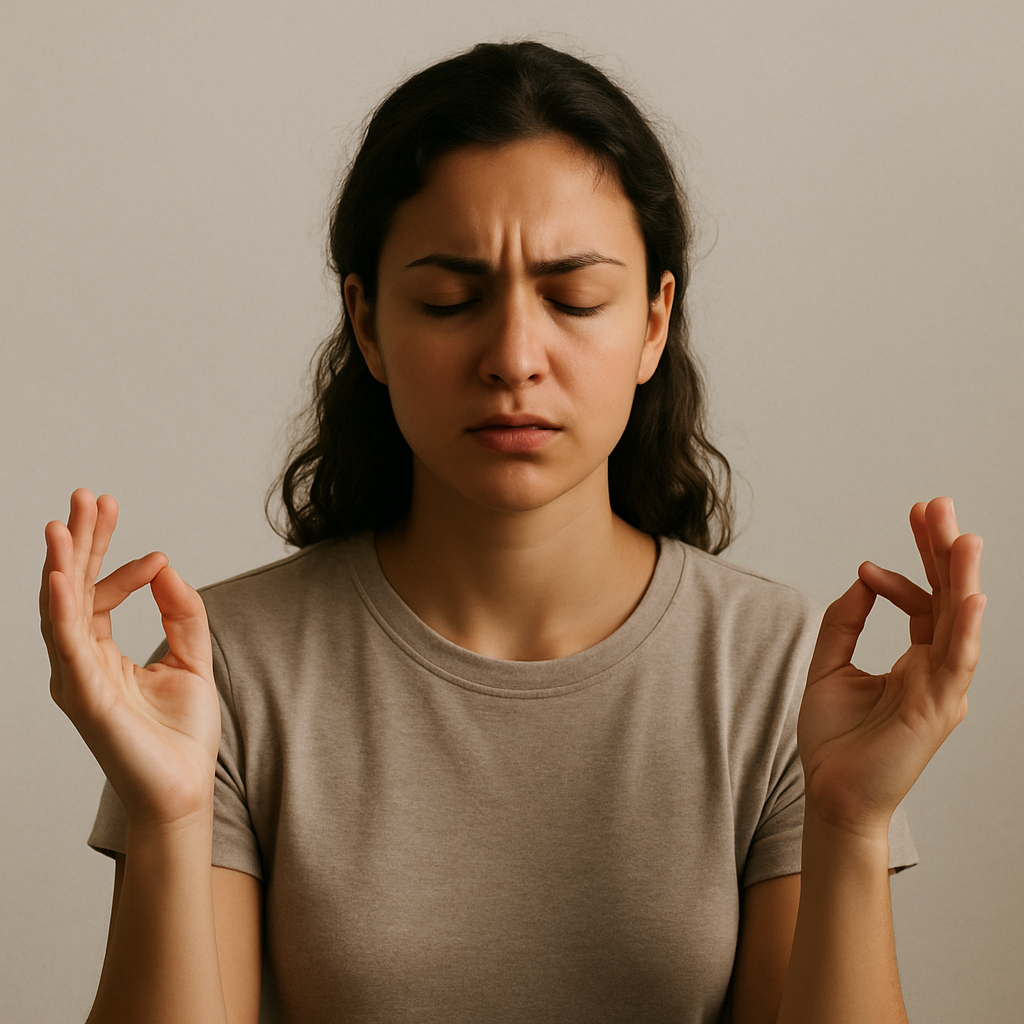
Meditation and mindfulness are essential practices within the realm of natural remedies, offering profound benefits for mental clarity and emotional well-being. These techniques help cultivate a sense of peace and presence, allowing individuals to connect deeply with themselves and their surroundings. In a world filled with distractions, meditation and mindfulness serve as powerful tools for enhancing overall health and wellness.
Intro Summary
Meditation and mindfulness are integral components of natural remedies, focusing on the mental and emotional aspects of health. These practices have been used for centuries across various cultures to promote relaxation, reduce stress, and enhance overall well-being. In today's fast-paced world, where anxiety and distractions are prevalent, meditation and mindfulness offer a sanctuary for individuals seeking peace and clarity. By cultivating a present-moment awareness, these techniques can significantly impact mental health, emotional resilience, and even physical health.
The Active Compounds at Play
While meditation and mindfulness are primarily mental practices, they can influence various biochemical processes in the body. Some of the active compounds and mechanisms involved include:
- Cortisol Reduction: Regular practice of meditation has been shown to lower cortisol levels, the hormone associated with stress.
- Neuroplasticity: Mindfulness practices can promote neuroplasticity, the brain's ability to reorganize itself by forming new neural connections.
- Endorphin Release: Engaging in meditation can lead to the release of endorphins, which are natural mood lifters.
Featured Members of This Category
#Mindfulness Meditation
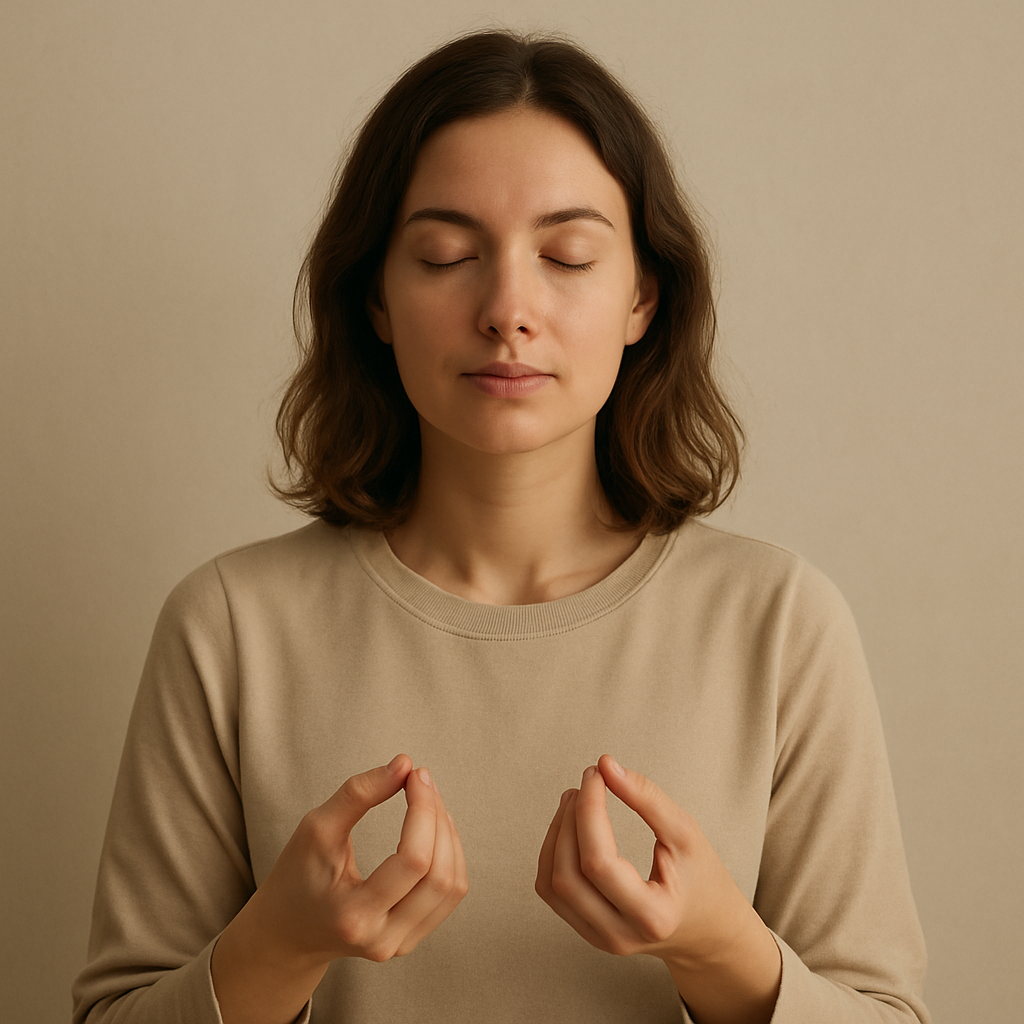
Mindfulness meditation involves focusing on the present moment without judgment. Practitioners learn to observe their thoughts and feelings, fostering a greater awareness of their internal experiences.
#Loving-Kindness Meditation
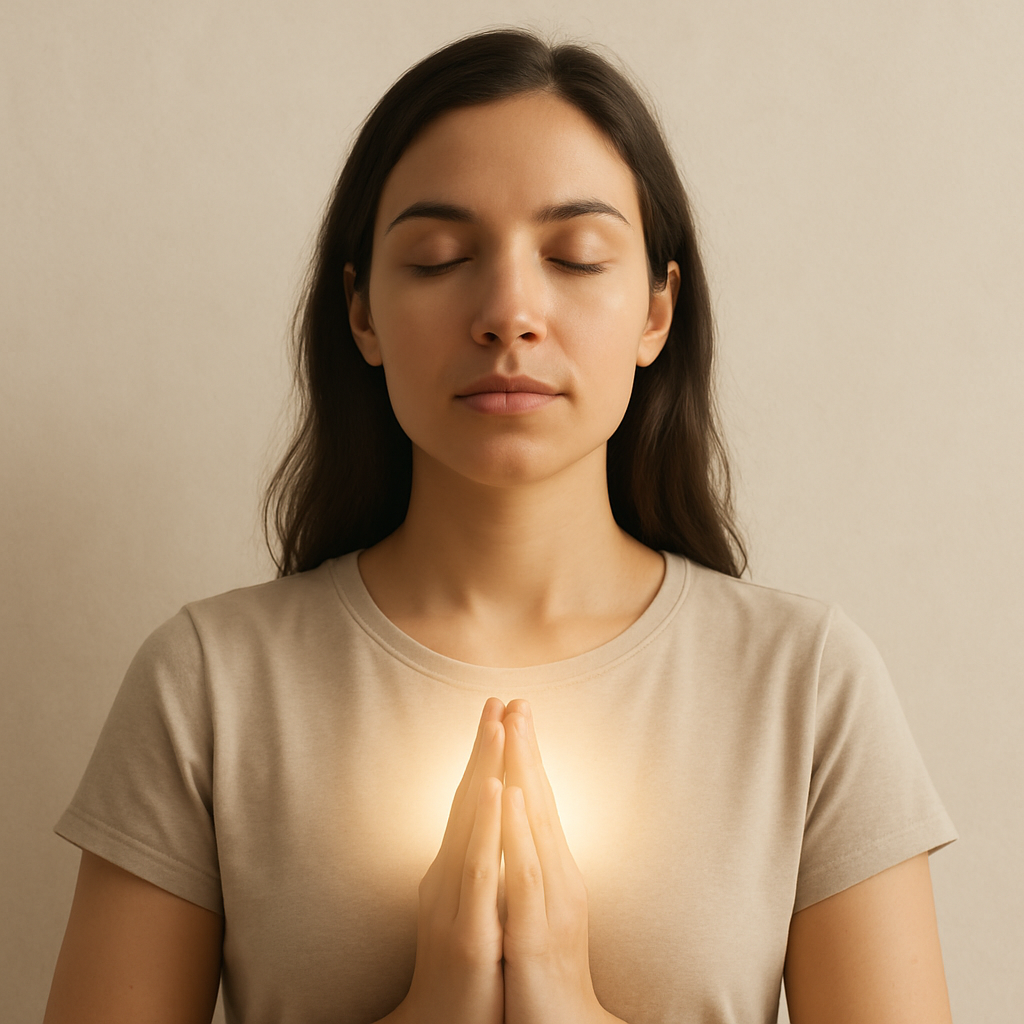
Loving-kindness meditation, or Metta, encourages practitioners to cultivate an attitude of love and compassion toward themselves and others, promoting emotional healing and connection.
#Transcendental Meditation
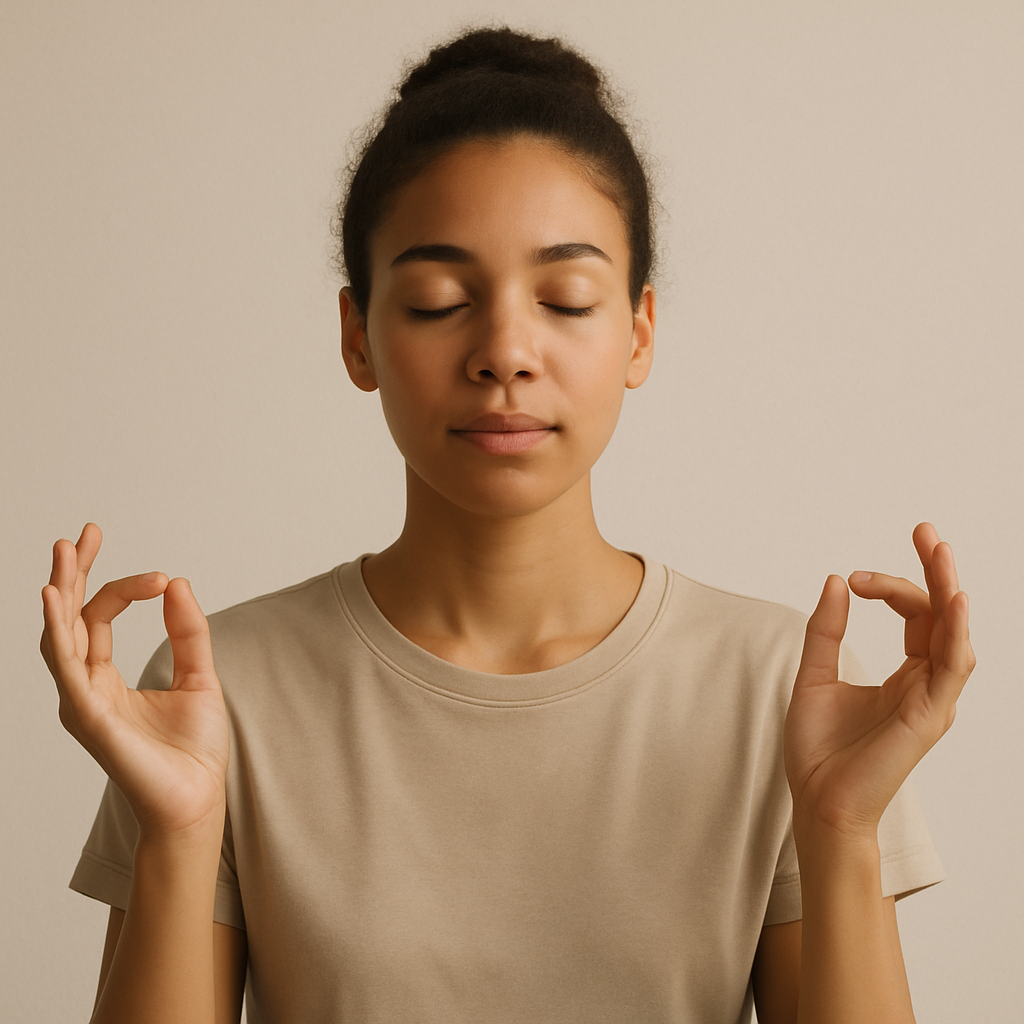
Transcendental meditation is a specific form of silent mantra meditation that aims to settle the body into profound rest and promote a state of deep relaxation and inner peace.
#Yoga
While often seen as a physical practice, yoga incorporates mindfulness and meditation through breath control and focused attention, enhancing both mental and physical well-being.
#Breathwork
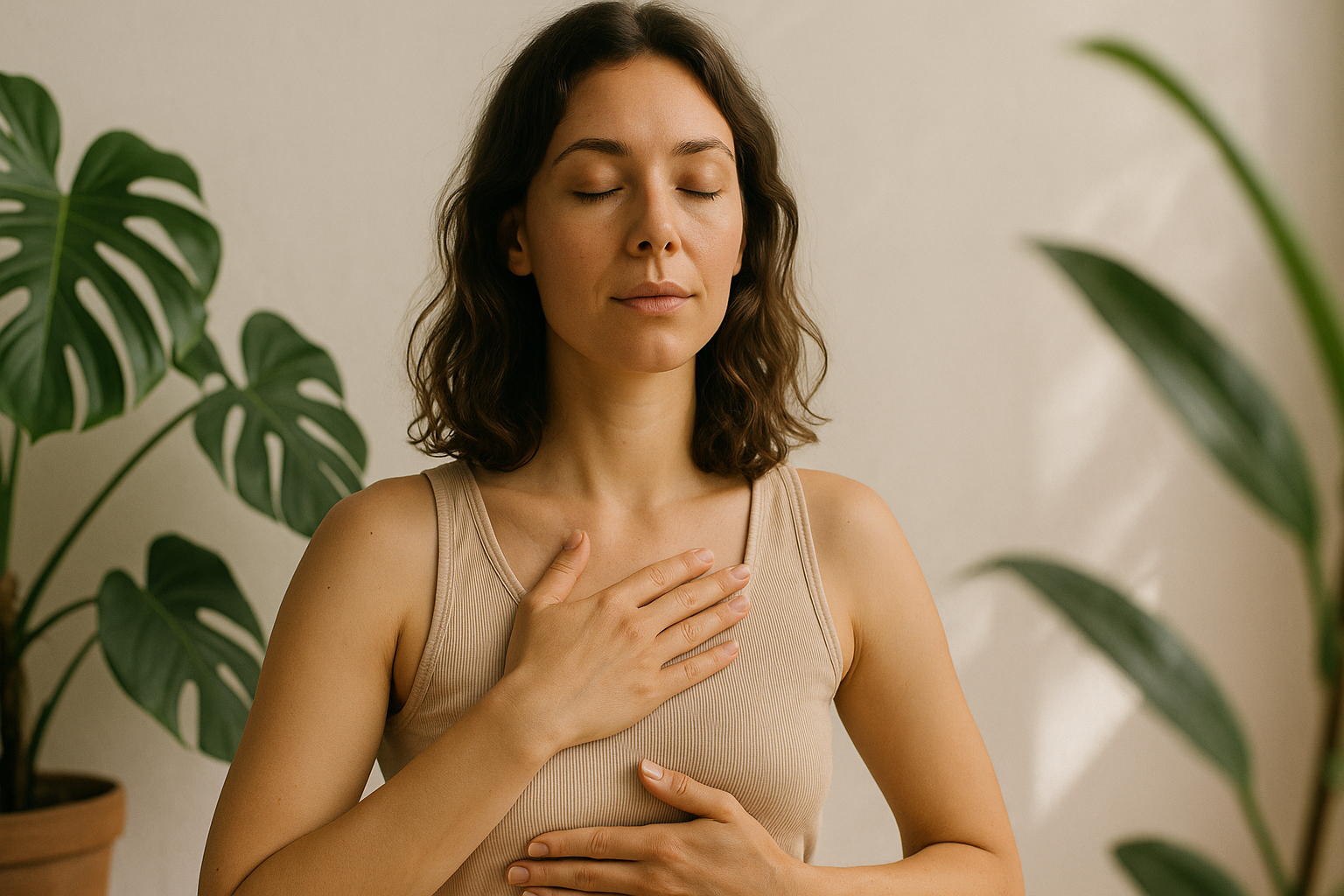
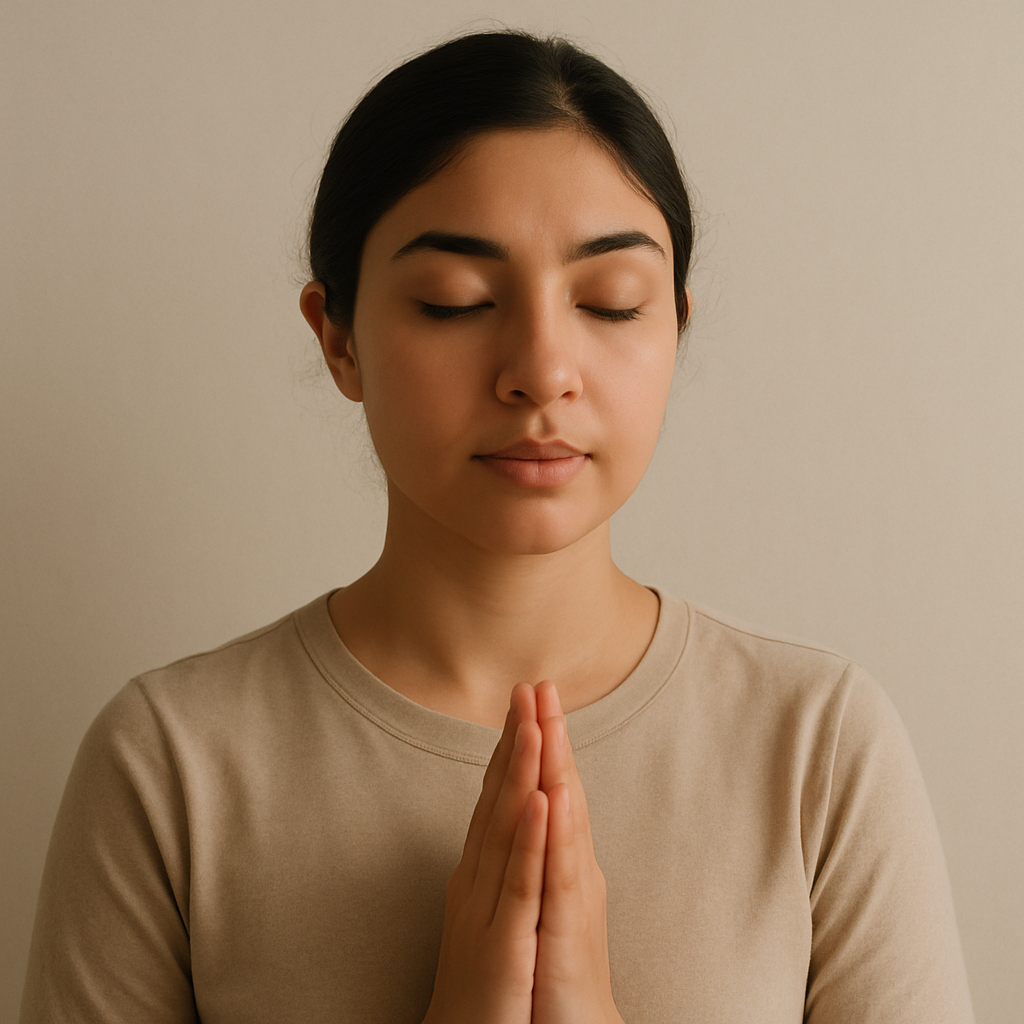
Breathwork involves various breathing techniques that promote relaxation and mindfulness, helping to calm the nervous system and reduce stress.
Common Functional Actions
Meditation and mindfulness practices offer a variety of functional actions that support mental and emotional health:
- Stress Reduction: These practices help lower stress levels by promoting relaxation and calmness.
- Emotional Regulation: They enhance the ability to manage emotions and respond to stressors more effectively.
- Improved Focus: Regular practice can lead to better concentration and cognitive performance.
- Enhanced Self-awareness: Mindfulness fosters a deeper understanding of oneself, leading to personal growth.
Body Systems This Category Most Supports
The practices of meditation and mindfulness primarily support the following body systems:
- Nervous System: Reduces stress, anxiety, and promotes relaxation.
- Endocrine System: Balances hormone production, particularly cortisol.
- Immune System: Enhances immune function by reducing stress-related inflammation.
Wellness Goals People Pursue With It
Individuals often pursue meditation and mindfulness for various wellness goals, including:
- Stress management
- Emotional balance
- Improved focus and concentration
- Enhanced creativity
- Better sleep quality
- Increased overall happiness and life satisfaction
How to Choose & Use (responsibly)
When exploring meditation and mindfulness, consider the following:
- Forms: Choose what works best for you—guided meditations, silent practices, or mindfulness exercises.
- Educational Dose Ranges: Start with short sessions (5-10 minutes) and gradually increase as you become more comfortable.
- Timing: Find a consistent time that suits your schedule, whether it's morning, midday, or evening.
- Who Shouldn't Use: While these practices are generally safe, individuals with certain mental health conditions should consult with a healthcare professional before starting.
Safety, Contraindications & Medication Interactions
Meditation and mindfulness are generally safe practices. However, individuals with severe anxiety, PTSD, or other mental health disorders should seek guidance from a qualified therapist. It's essential to approach these practices with care and an understanding of one's mental health needs.
Pairs Well With (cross-pillar suggestions)
To enhance the benefits of meditation and mindfulness, consider pairing them with:
- Aromatherapy: Essential oils can create a calming environment conducive to meditation.
- Herbal Teas: Herbal blends like chamomile or lavender can complement relaxation practices.
- Yoga: Combining mindfulness with gentle movement can deepen the experience.
FAQs
- What is the difference between meditation and mindfulness? Meditation is a broader practice that can encompass various techniques, while mindfulness specifically focuses on being present in the moment.
- How long should I meditate each day? Starting with 5-10 minutes daily is effective, gradually increasing as you become more comfortable.
- Can mindfulness help with anxiety? Yes, many studies suggest mindfulness can reduce anxiety and improve emotional regulation.
- Is meditation a religious practice? While many religions incorporate meditation, it can also be practiced secularly for wellness purposes.
- Do I need to be in a quiet place to meditate? While a quiet environment can help, you can practice mindfulness anywhere by focusing on your breath or surroundings.
- Can children practice mindfulness? Yes, mindfulness can be beneficial for children, helping them manage stress and improve focus.
Explore Meditation & Mindfulness
15 subcategories

Frequently asked
What is the difference between meditation and mindfulness?
Meditation is a broader practice that can encompass various techniques, while mindfulness specifically focuses on being present in the moment.
How long should I meditate each day?
Starting with 5-10 minutes daily is effective, gradually increasing as you become more comfortable.
Can mindfulness help with anxiety?
Yes, many studies suggest mindfulness can reduce anxiety and improve emotional regulation.
Is meditation a religious practice?
While many religions incorporate meditation, it can also be practiced secularly for wellness purposes.
Do I need to be in a quiet place to meditate?
While a quiet environment can help, you can practice mindfulness anywhere by focusing on your breath or surroundings.
Can children practice mindfulness?
Yes, mindfulness can be beneficial for children, helping them manage stress and improve focus.