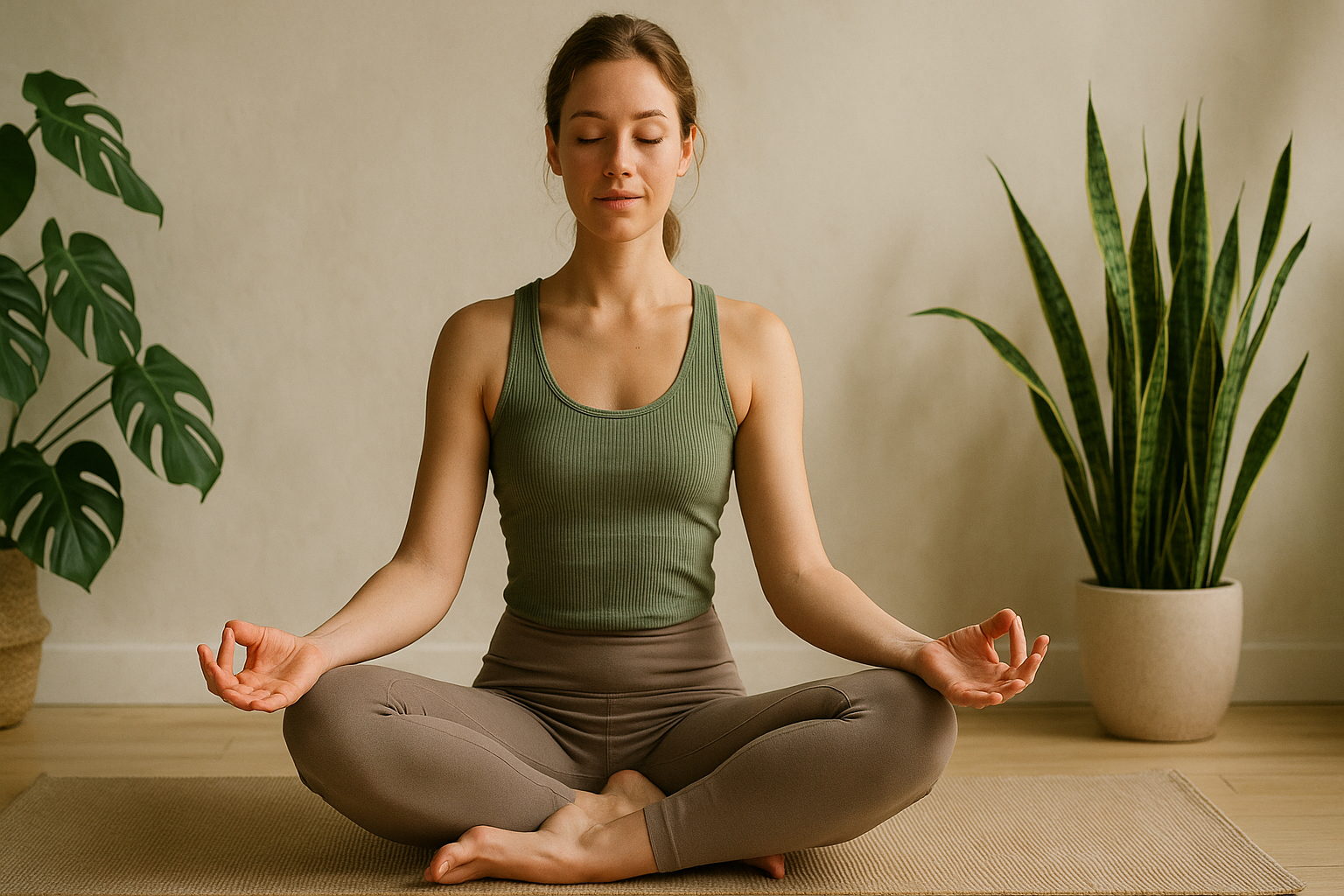
Breathwork
Explore breathwork, a powerful natural remedy that leverages controlled breathing techniques to enhance physical and emotional well-being. Learn its benefits, mechanisms, and how to incorporate it into your wellness routine.
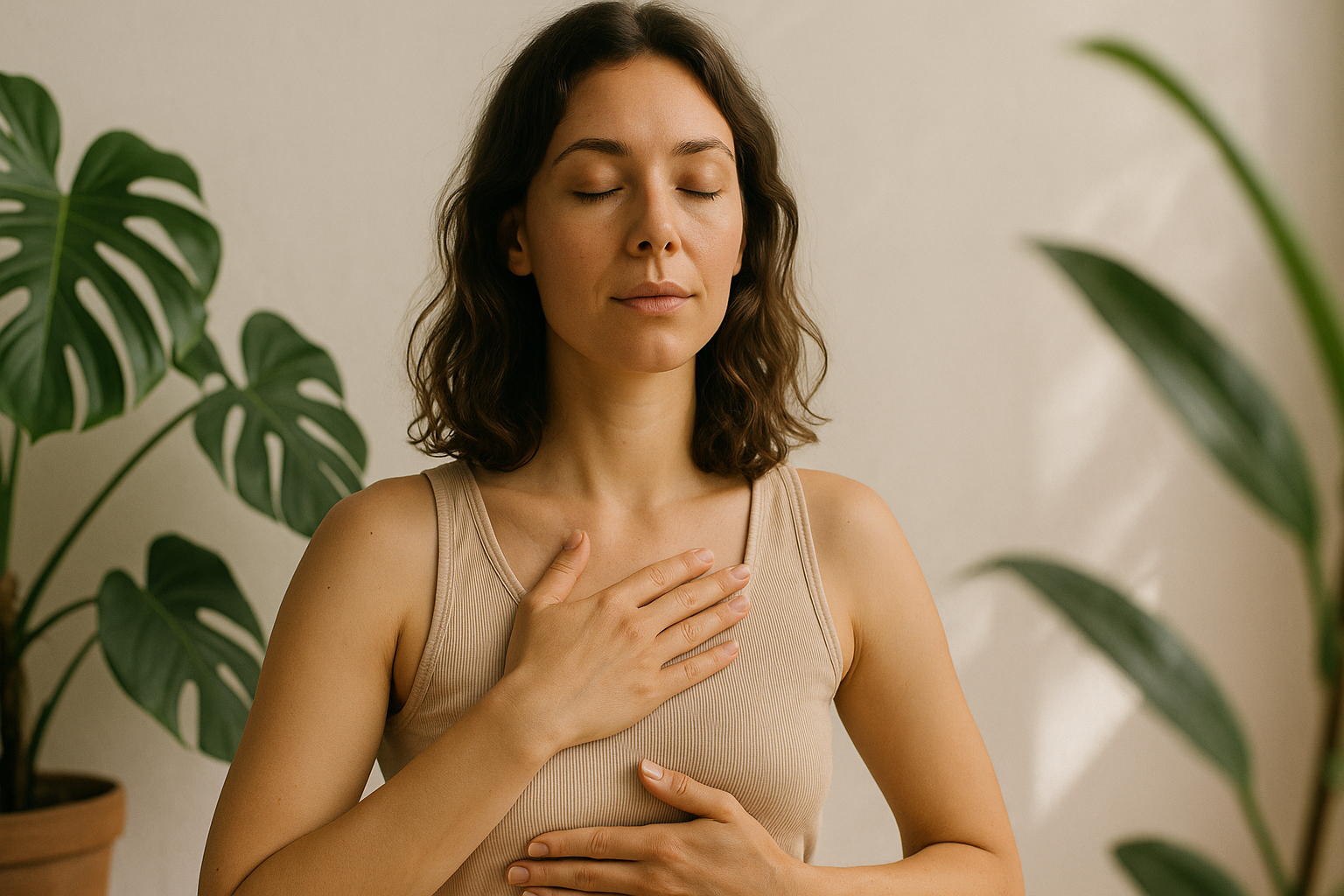
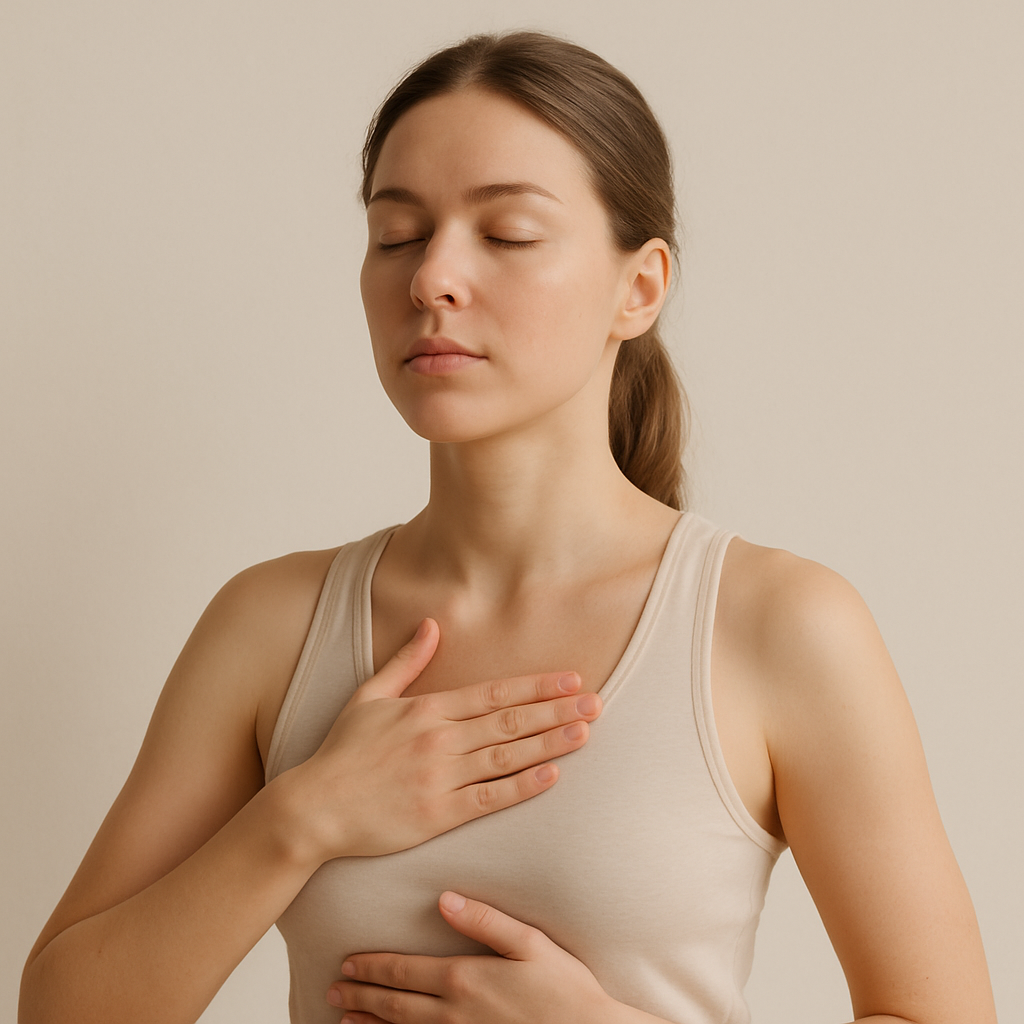
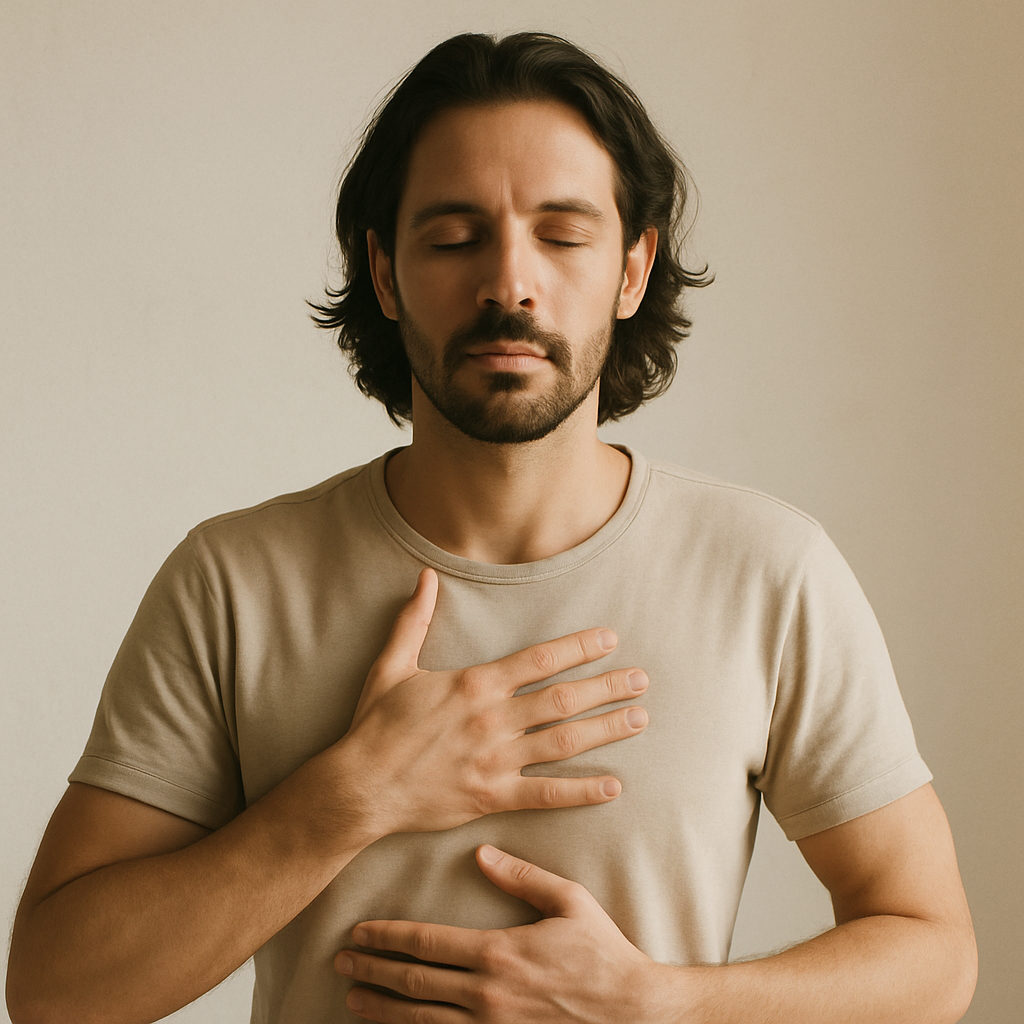
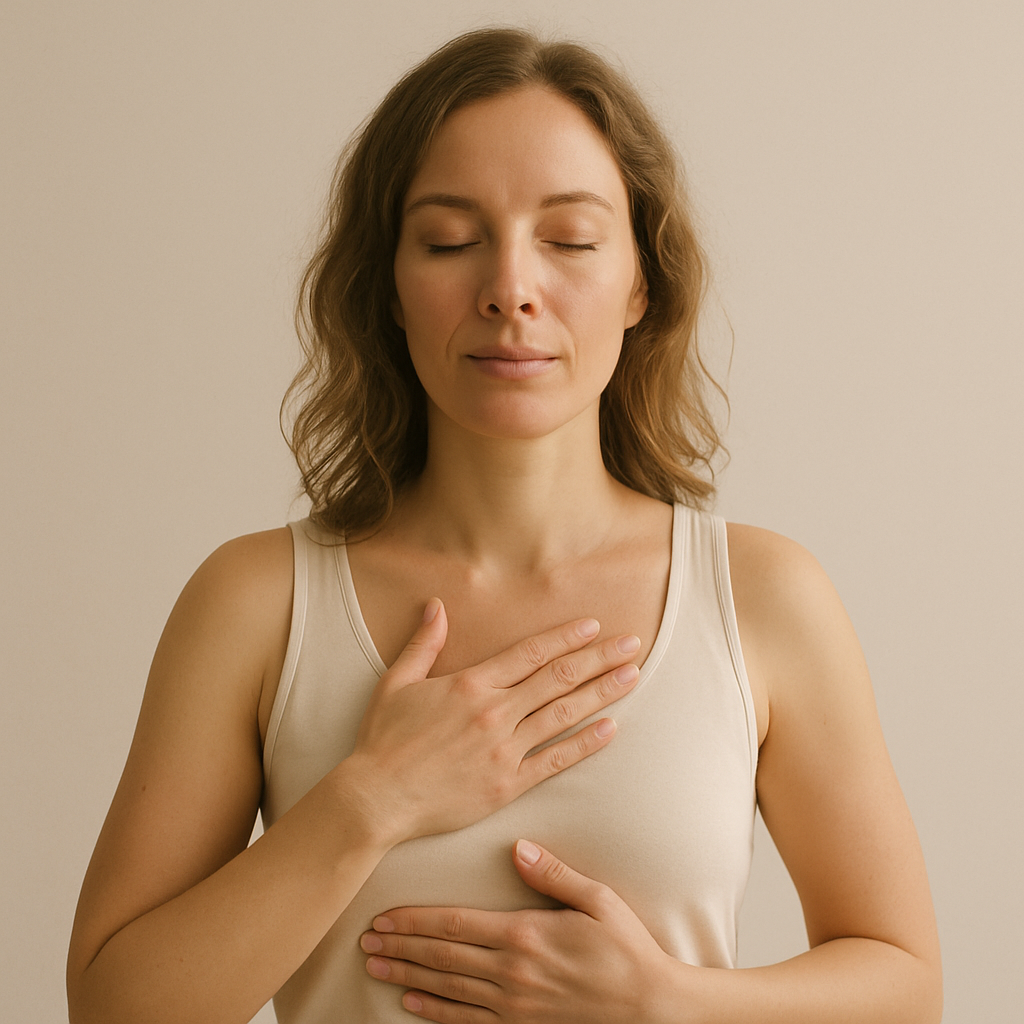
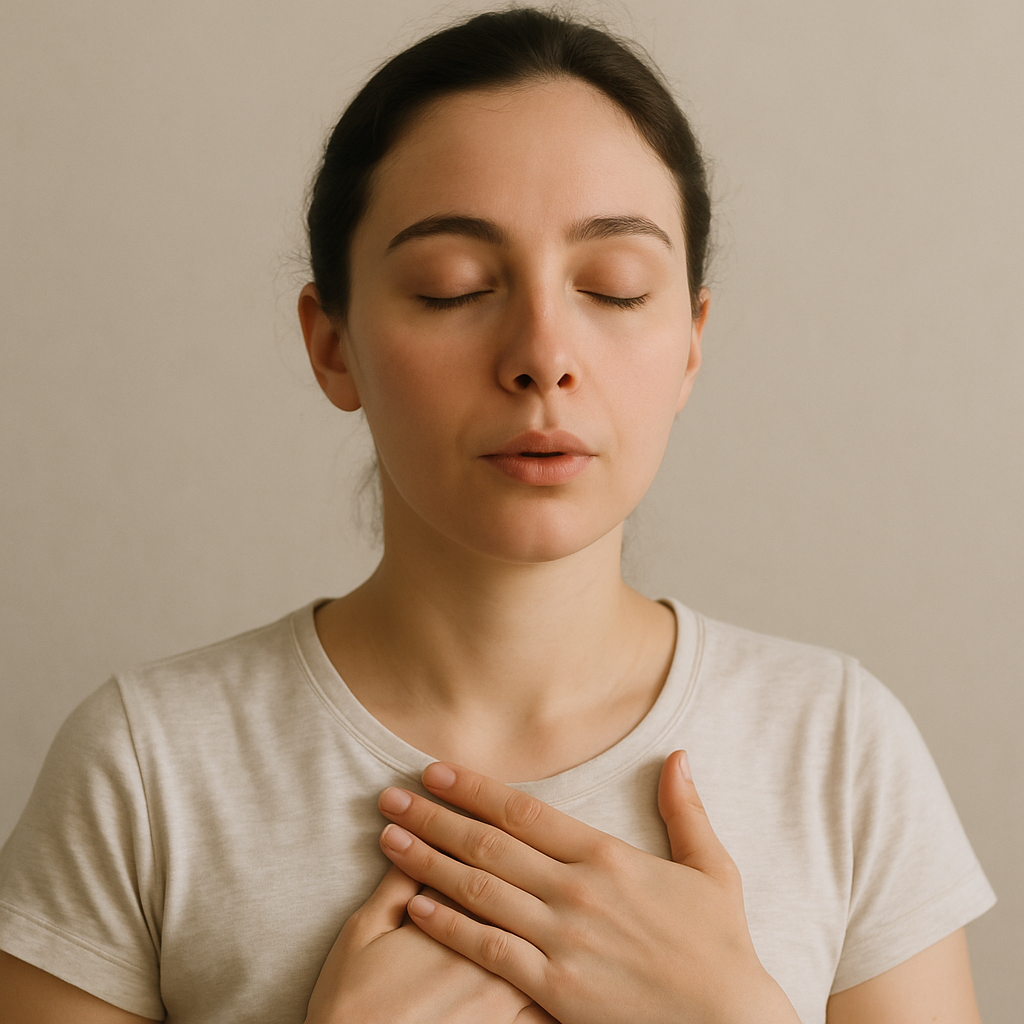
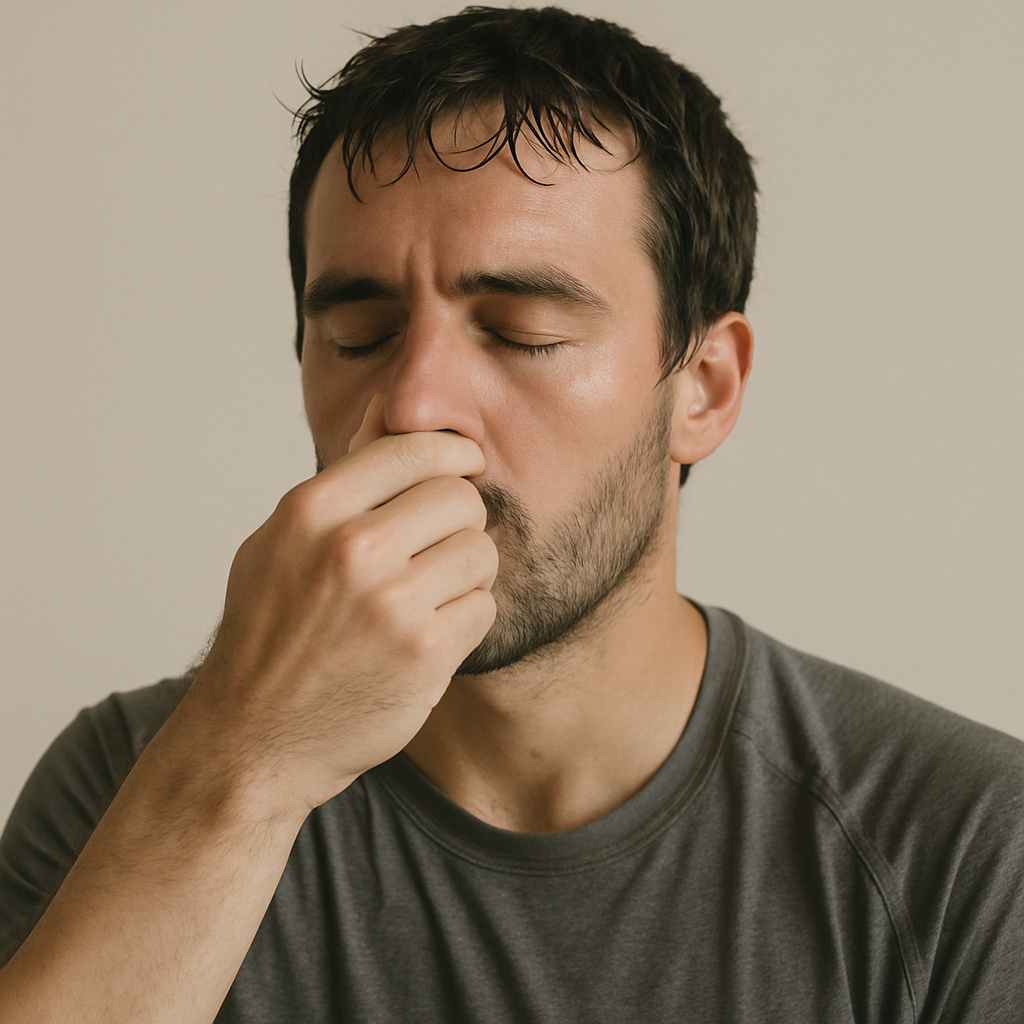
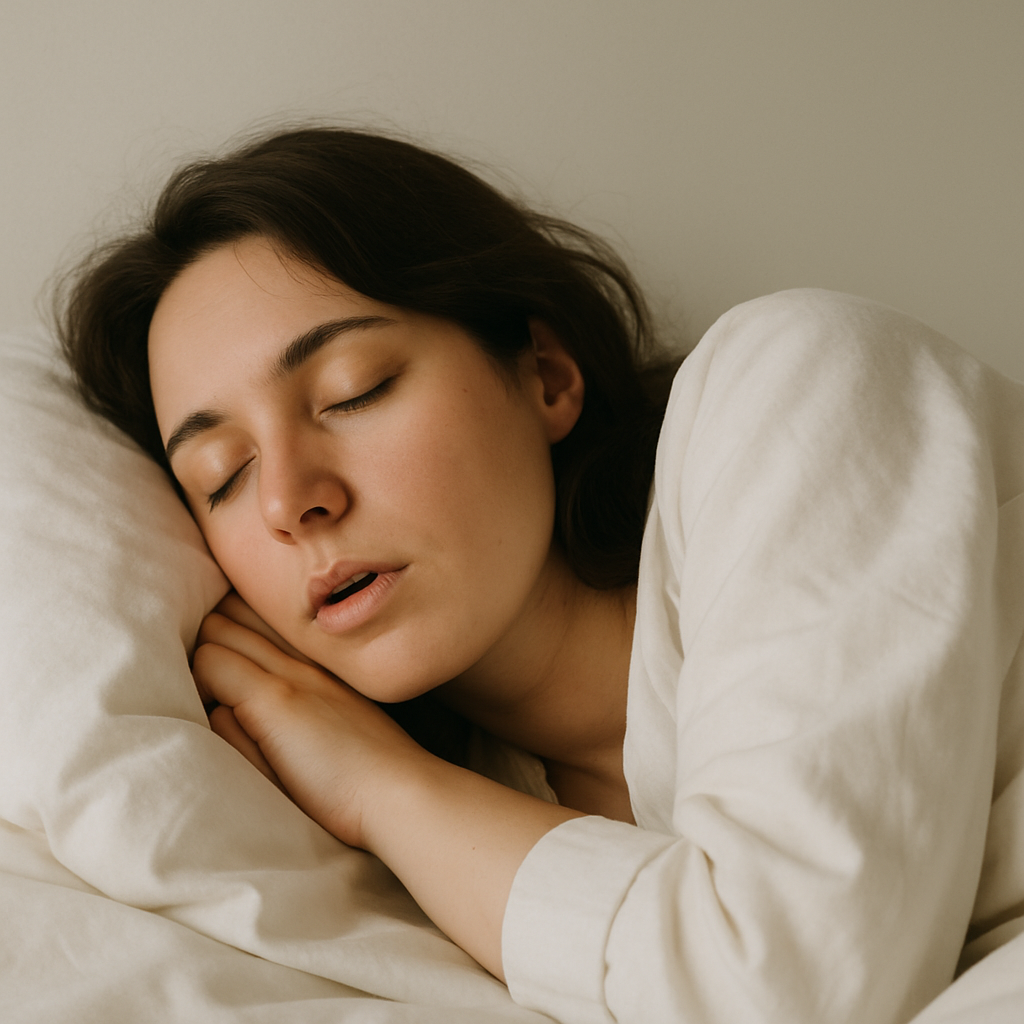
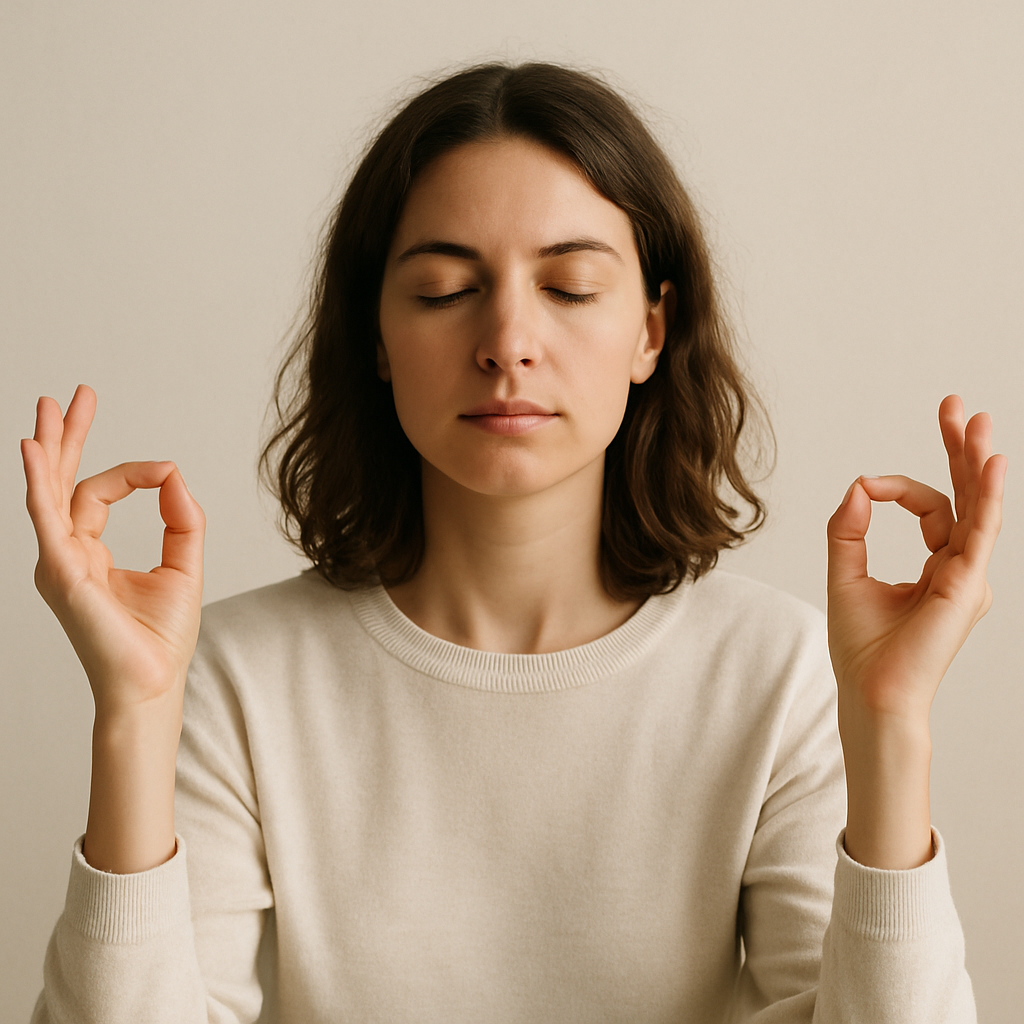
Breathwork encompasses a variety of techniques that utilize controlled breathing to enhance physical, emotional, and spiritual well-being. These practices are rooted in ancient traditions and modern therapeutic approaches, making them a valuable component of natural medicine. By understanding the mechanisms and benefits of breathwork, individuals can harness its potential to improve their overall health and wellness.
Intro Summary
Breathwork is a collection of techniques that focus on conscious breathing patterns to promote physical, emotional, and spiritual wellness. These practices, which date back thousands of years, have gained popularity in modern wellness circles for their ability to enhance mental clarity, reduce stress, and improve overall health. In the realm of natural medicine, breathwork stands out as a versatile method that can be easily integrated into daily routines, providing a pathway to greater self-awareness and well-being.
Many cultures have employed breathwork for centuries, from yogic pranayama to the various techniques of shamanic breathing. As scientific research continues to unveil the physiological and psychological benefits of these practices, more individuals are turning to breathwork as a natural remedy for various ailments. This category aims to explore the different aspects of breathwork, highlighting its importance in holistic health.
The Active Compounds at Play
While breathwork itself does not involve specific phytochemicals or biochemicals in the way that herbal remedies do, it activates various physiological processes within the body. The primary focus is on the following:
- Oxygenation: Enhanced oxygen intake can improve cellular function, increase energy levels, and promote overall vitality.
- Carbon Dioxide Regulation: Breathwork helps regulate levels of carbon dioxide in the body, which can support optimal pH balance and respiratory health.
- Neurotransmitter Release: Controlled breathing can stimulate the release of neurotransmitters such as dopamine and serotonin, contributing to improved mood and reduced anxiety.
Featured Members of This Category
#Pranayama
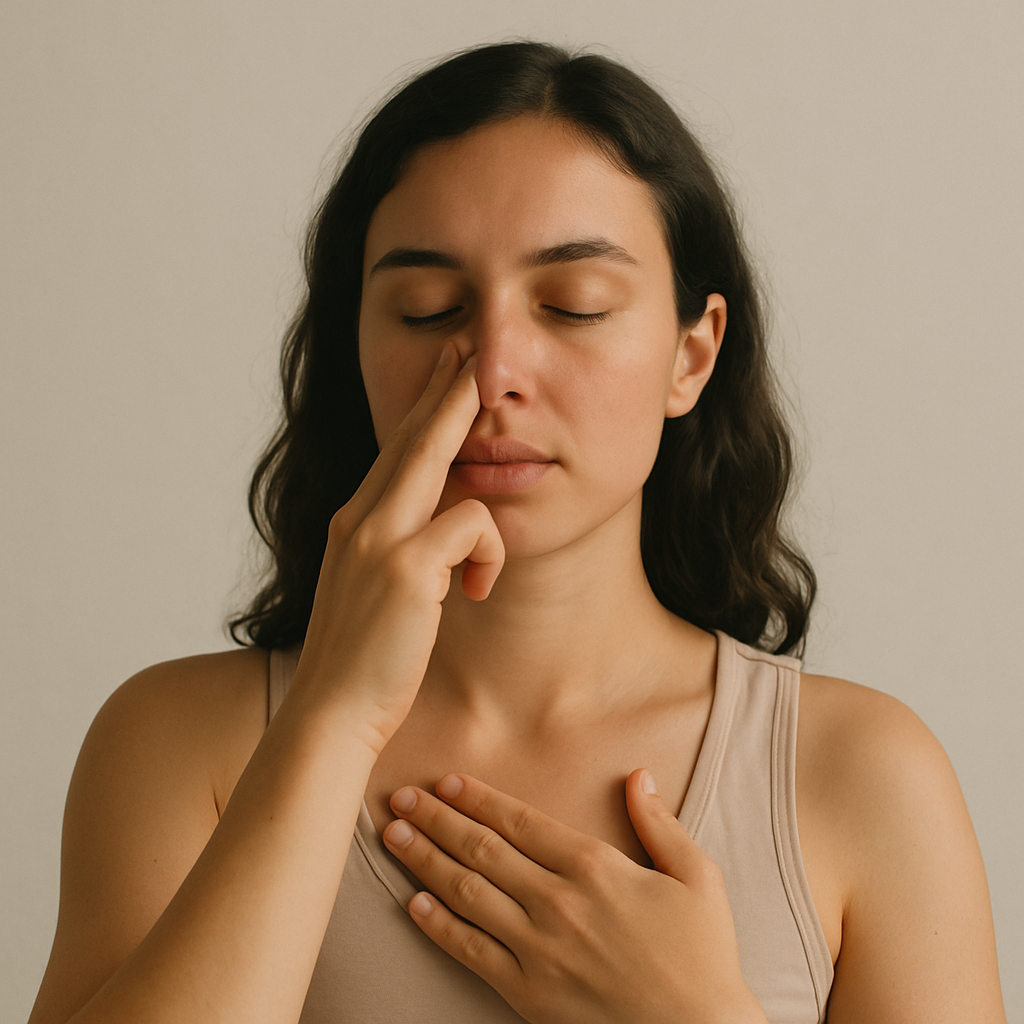
Pranayama is a yogic practice that involves various breathing techniques designed to enhance the flow of prana, or life force, within the body. This practice aims to balance the mind and body, promoting relaxation and mental clarity.
#Holotropic Breathwork
Developed by Stanislav Grof, Holotropic Breathwork combines accelerated breathing techniques with evocative music to facilitate deep psychological exploration. Participants often report profound emotional release and personal insights during sessions.
#Rebirthing Breathwork
This technique focuses on healing trauma and emotional blockages through conscious connected breathing. Rebirthing practitioners believe that this method can help individuals access and may support unresolved issues from their past.
#Wim Hof Method
The Wim Hof Method combines breath control, cold exposure, and meditation to enhance physical performance and emotional resilience. Practitioners often experience increased energy levels and reduced stress.
#Transformational Breath
Transformational Breath is a holistic healing system that integrates conscious breathing with body awareness and sound. This method aims to release emotional blockages and promote self-discovery.
Common Functional Actions
- Stress Reduction: Breathwork techniques can activate the parasympathetic nervous system, promoting relaxation and reducing the physical effects of stress.
- Enhanced Focus: Controlled breathing increases oxygen flow to the brain, which can enhance concentration and cognitive function.
- Emotional Release: Many breathwork practices facilitate emotional processing, allowing individuals to release pent-up feelings and improve emotional health.
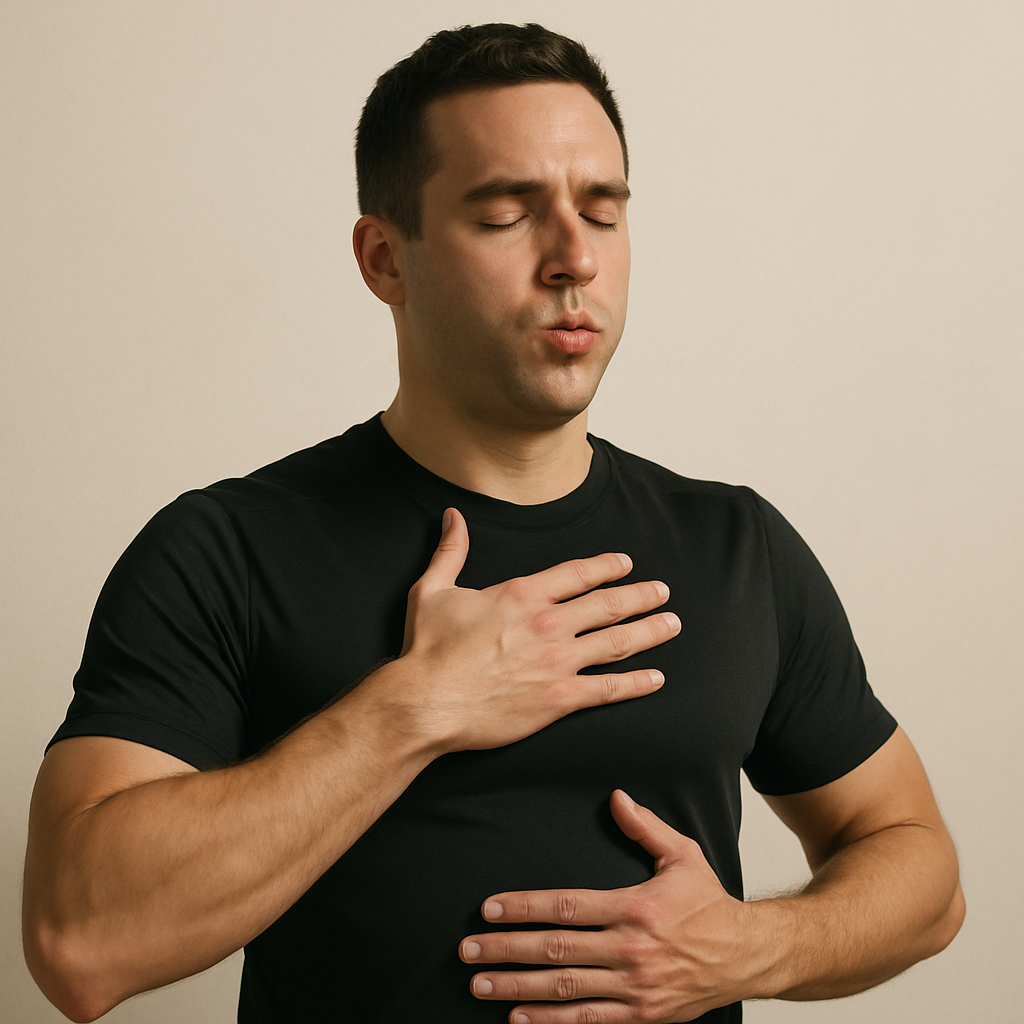
- Improved Respiratory Health: Breathwork can strengthen the respiratory system by increasing lung capacity and improving overall breathing efficiency.
Body Systems This Category Most Supports
Breathwork primarily supports the following body systems:
- Respiratory System: Enhances lung function and oxygen uptake.
- Nervous System: Balances the autonomic nervous system, promoting relaxation and reducing stress response.
- Endocrine System: Influences hormone release, particularly those related to stress and mood regulation.
Wellness Goals People Pursue With It
Many individuals turn to breathwork to achieve various wellness goals, including:
- Reducing anxiety and stress levels
- Improving focus and mental clarity
- Enhancing emotional resilience
- Facilitating personal growth and self-discovery
- Boosting overall physical health and vitality
How to Choose & Use (responsibly)
When exploring breathwork, consider the following tips:
- Forms: Breathwork can be practiced through guided sessions, online tutorials, or in-person workshops. Choose a method that feels comfortable for you.
- Educational Dose Ranges: Start with short sessions (5-10 minutes) and gradually increase duration as you become more comfortable.
- Timing: Practice breathwork at a time when you can focus, such as early morning or before bedtime.
- Who Shouldn't Use: Individuals with certain respiratory conditions, severe anxiety, or other health concerns should consult a healthcare professional before beginning breathwork practices.
Safety, Contraindications & Medication Interactions
While breathwork is generally safe for most people, it is important to consider the following:
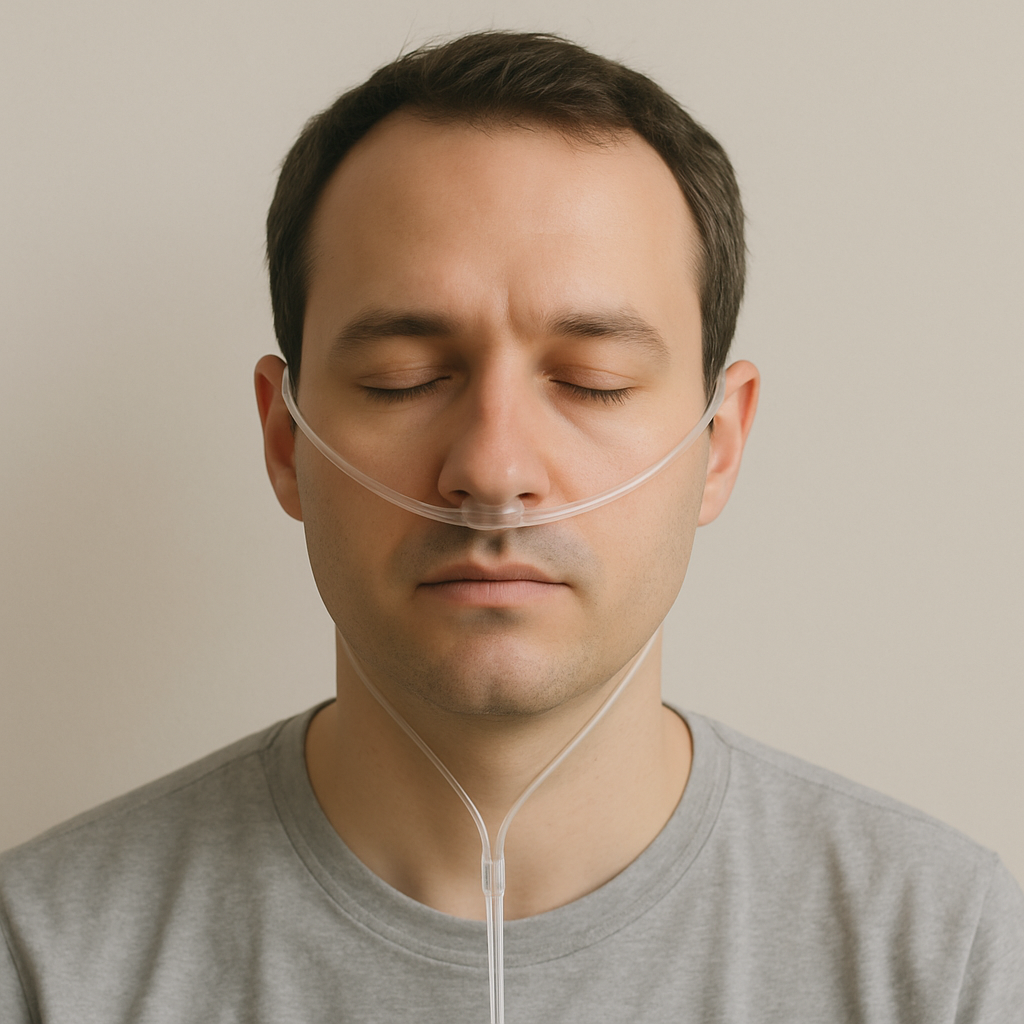
- Individuals with respiratory issues, such as asthma or chronic obstructive pulmonary disease (COPD), should approach breathwork cautiously.
- People with a history of panic attacks or severe anxiety may find some breathwork techniques overwhelming.
- Consult with a healthcare provider if you are taking medications that affect your respiratory or cardiovascular systems, as breath control can influence these systems.
Pairs Well With (cross-pillar suggestions)
Breathwork can be effectively combined with various natural remedies and wellness practices, including:
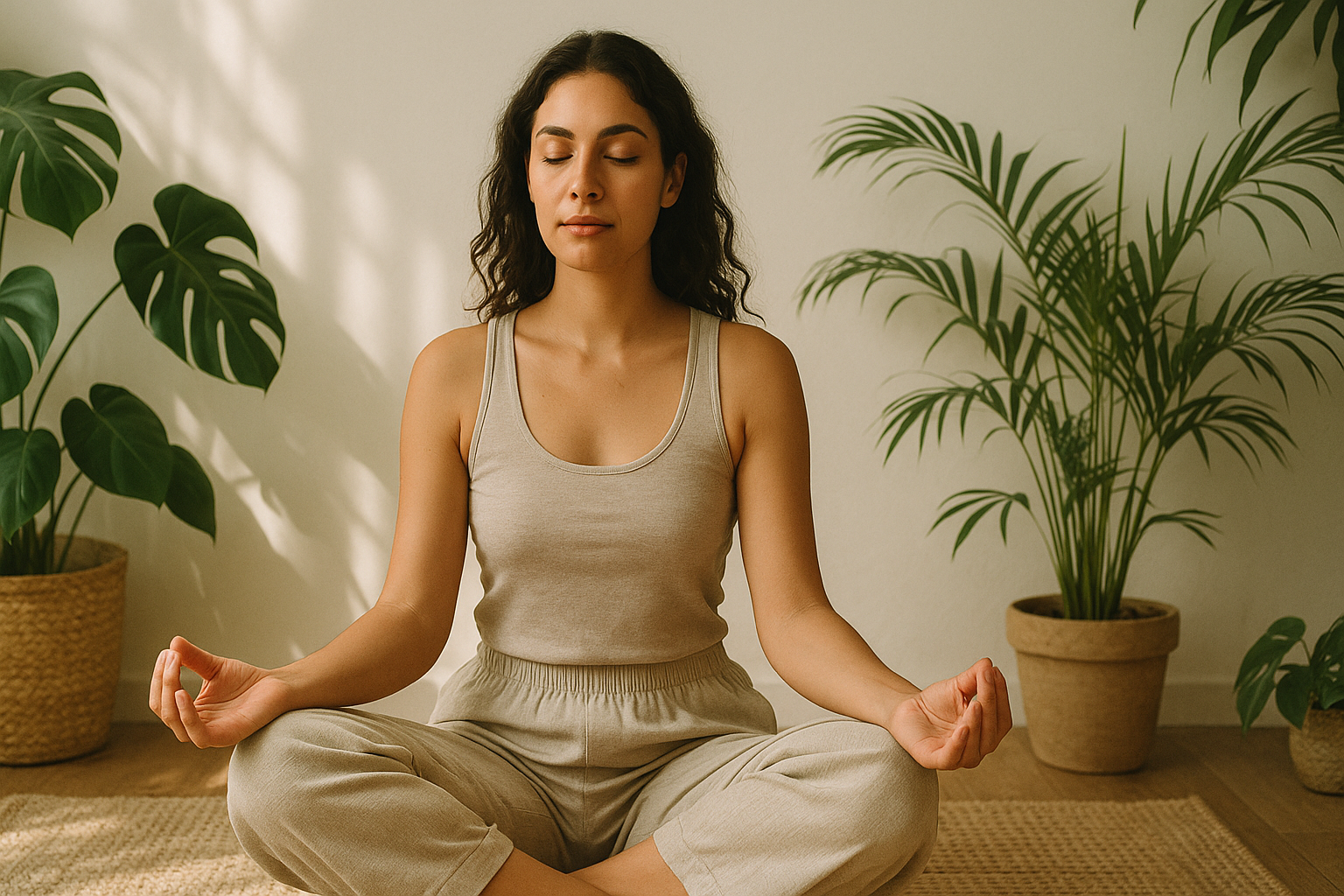
- Meditation: Enhances the calming effects of breathwork.
- Yoga: Integrates breath control with physical movement for a holistic experience.
- Aromatherapy: Use of essential oils can deepen relaxation during breathwork sessions.
FAQs
- What is breathwork? Breathwork refers to techniques that involve conscious control of breathing patterns to improve physical, emotional, and spiritual health.
- How often should I practice breathwork? Regular practice is beneficial; starting with a few minutes daily can yield positive results.
- Can breathwork help with anxiety? Yes, many individuals find that breathwork techniques can help reduce anxiety and promote relaxation.
- Is breathwork safe for everyone? While generally safe, individuals with respiratory or psychological conditions should consult a healthcare provider before starting.
- What is the best time to practice breathwork? Choose a quiet time when you can focus, such as in the morning or before bed.
- Do I need a teacher to practice breathwork? While guidance can be helpful, many techniques can be practiced independently once you feel comfortable.
Explore Breathwork
15 subcategories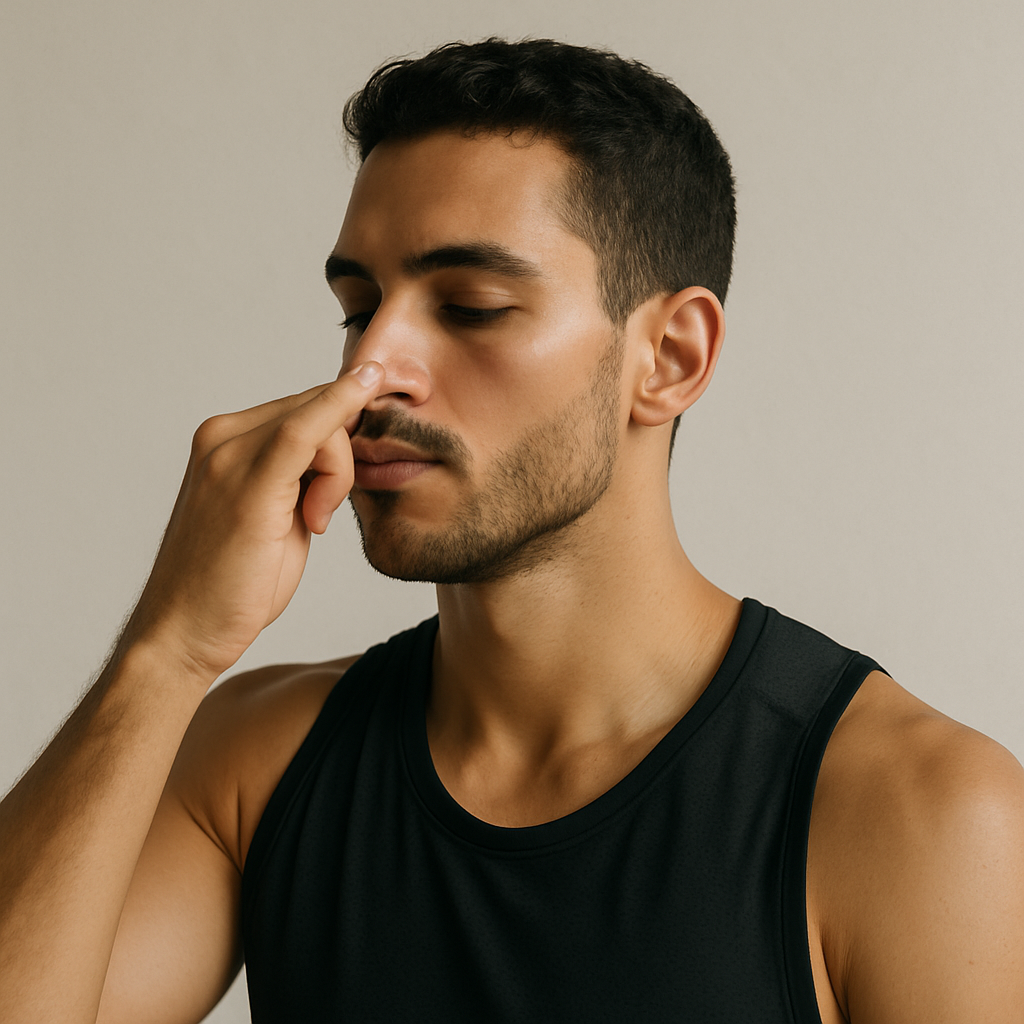


Frequently asked
What is breathwork?
Breathwork refers to techniques that involve conscious control of breathing patterns to improve physical, emotional, and spiritual health.
How often should I practice breathwork?
Regular practice is beneficial; starting with a few minutes daily can yield positive results.
Can breathwork help with anxiety?
Yes, many individuals find that breathwork techniques can help reduce anxiety and promote relaxation.
Is breathwork safe for everyone?
While generally safe, individuals with respiratory or psychological conditions should consult a healthcare provider before starting.
What is the best time to practice breathwork?
Choose a quiet time when you can focus, such as in the morning or before bed.
Do I need a teacher to practice breathwork?
While guidance can be helpful, many techniques can be practiced independently once you feel comfortable.