Athletic Breathing
What It Is
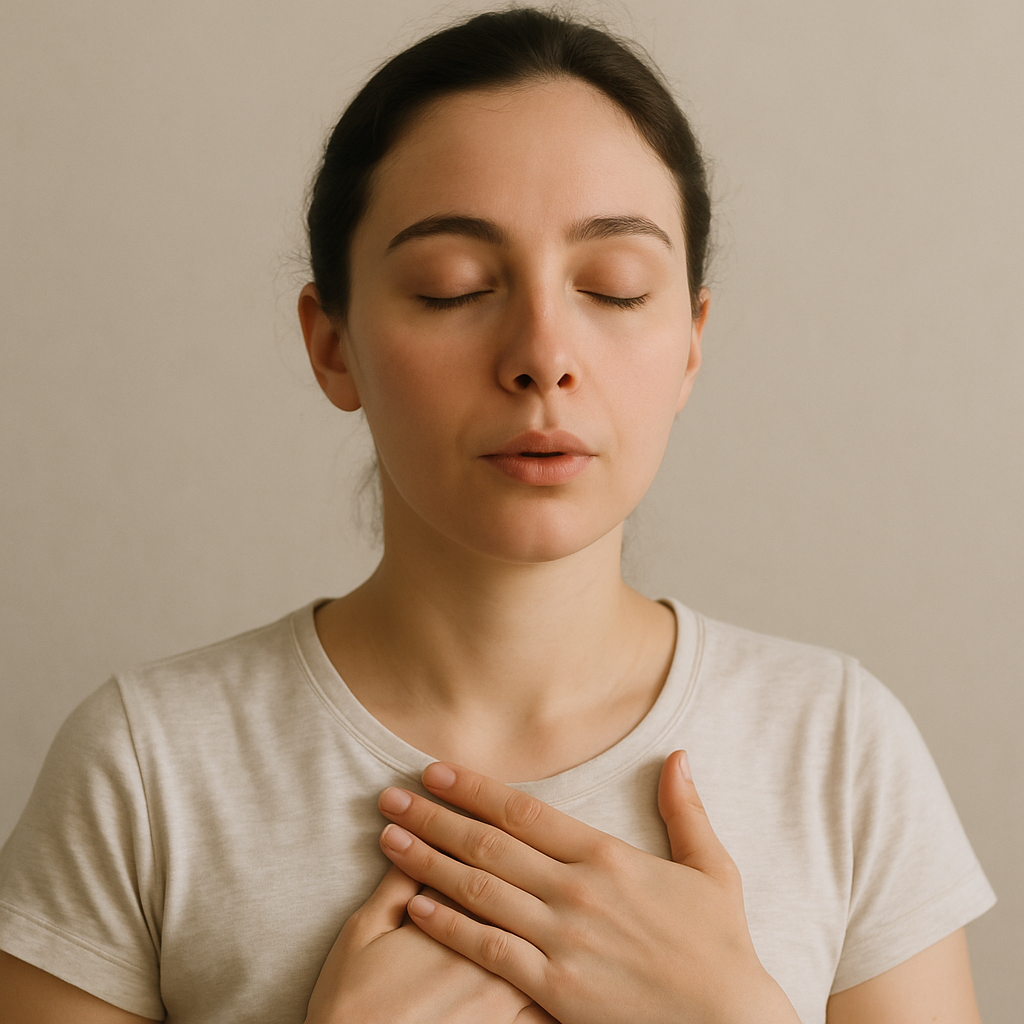
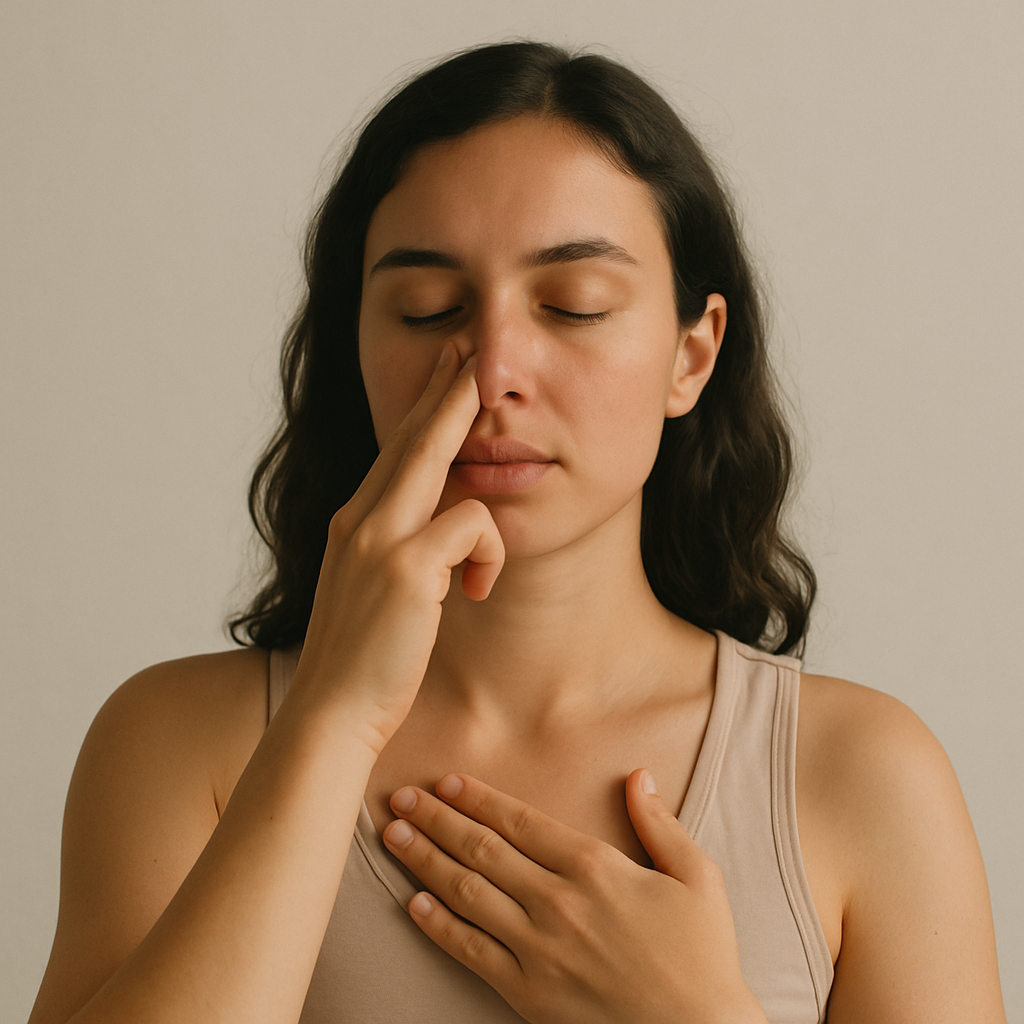
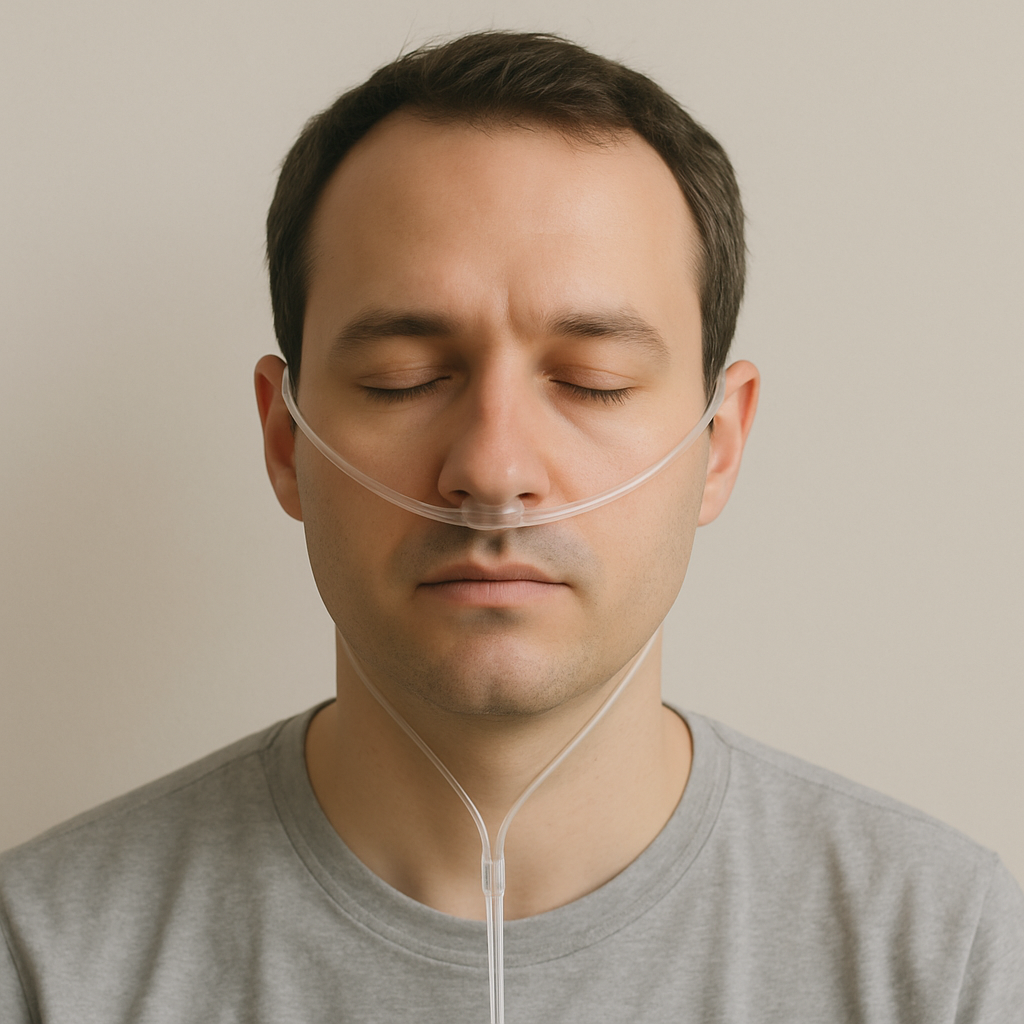
Athletic breathing is a technique that emphasizes the importance of breath control during physical activity. This practice is rooted in various disciplines, including yoga, martial arts, and sports training, aiming to optimize oxygen intake and enhance overall performance. By focusing on breath patterns, athletes can increase endurance, improve focus, and promote recovery.
Key Active Compounds & Mechanisms
While athletic breathing itself does not involve specific compounds, its effectiveness can be linked to physiological mechanisms in the body. Key aspects include:
- Oxygen Utilization: Efficient breathing maximizes oxygen delivery to muscles, improving energy production.
- Carbon Dioxide Regulation: Proper breath control helps maintain optimal carbon dioxide levels, which is crucial for acid-base balance in the body.
- Stress Reduction: Controlled breathing activates the parasympathetic nervous system, reducing stress and anxiety, which can enhance athletic performance.
Traditional Uses
Historically, various cultures have recognized the significance of breath in physical and mental performance. In Ancient India, yogic practices focused on pranayama, or breath control, as a means to enhance physical capabilities and mental clarity. Similarly, martial arts traditions in China and Japan utilized breath techniques to improve focus and energy flow during combat. These practices highlight a longstanding understanding of the connection between breath and physical performance.
What Modern Research Suggests
Recent studies have begun to explore the benefits of athletic breathing techniques. Research indicates that controlled breathing can enhance exercise performance, reduce perceived exertion, and improve recovery times. Some studies suggest that specific breathing patterns, such as diaphragmatic breathing, can lead to better oxygenation of tissues and improved cardiovascular efficiency. However, more research is needed to fully understand the mechanisms at play and to establish standardized practices.
Functional Actions
Athletic breathing serves several functional purposes, including:
- Enhancing Endurance: By improving oxygen delivery and carbon dioxide removal, athletes can train longer and harder.
- Improving Focus: Breath control can help athletes maintain concentration, especially under pressure.
- Facilitating Recovery: Proper breathing techniques can promote relaxation and aid in muscle recovery after intense workouts.
Body Systems Supported
Athletic breathing primarily supports the following body systems:
- Respiratory System: Enhances lung capacity and efficiency.
- Cardiovascular System: Improves blood flow and oxygenation.
- Nervous System: Promotes relaxation and stress management.
Common Forms & Educational Dosing Ranges
Athletic breathing techniques can be practiced in various forms, including:
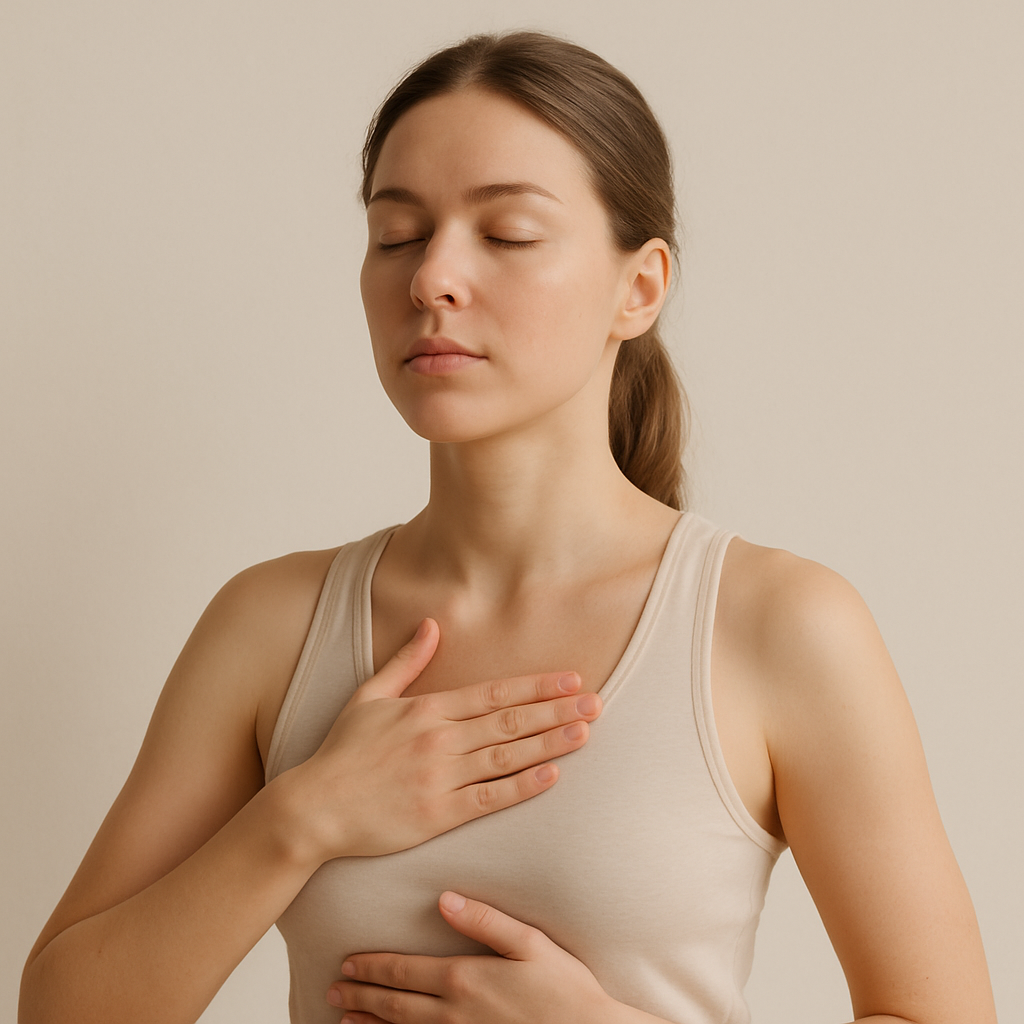
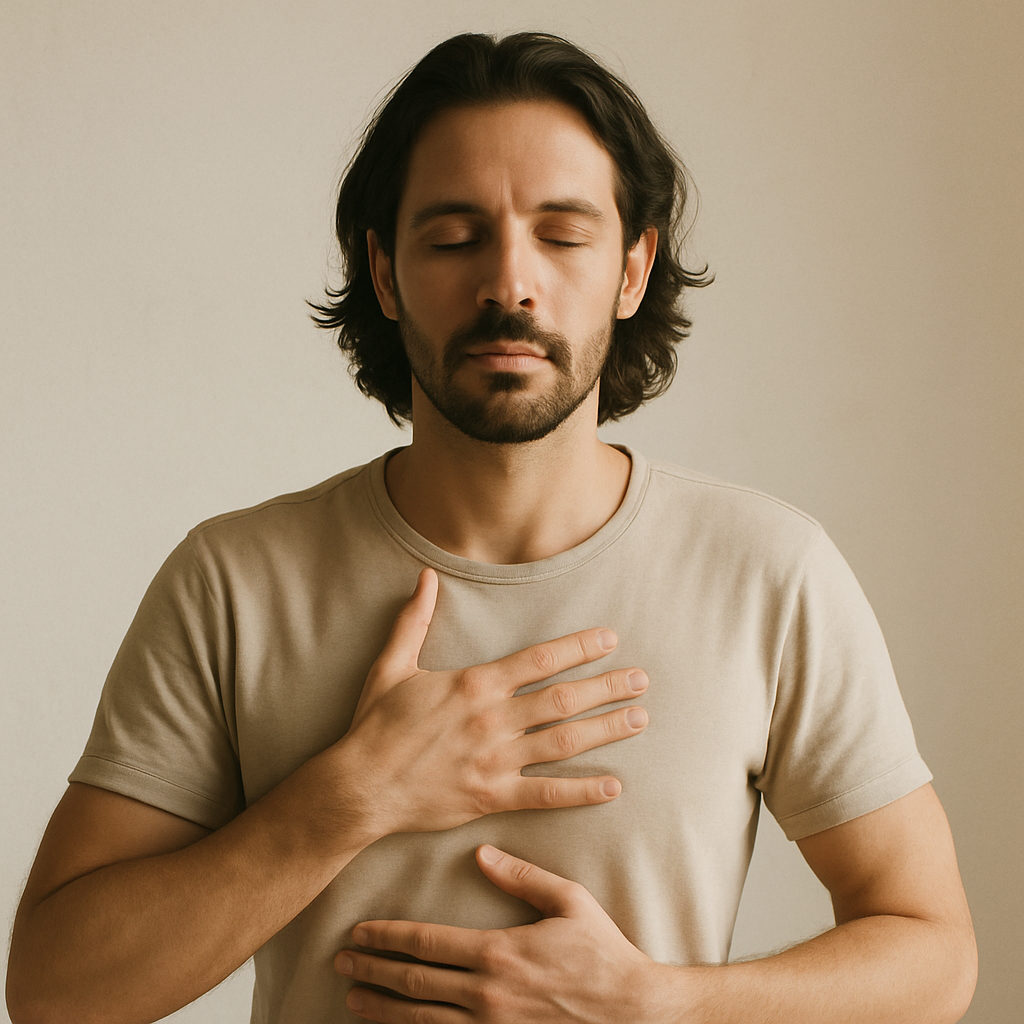
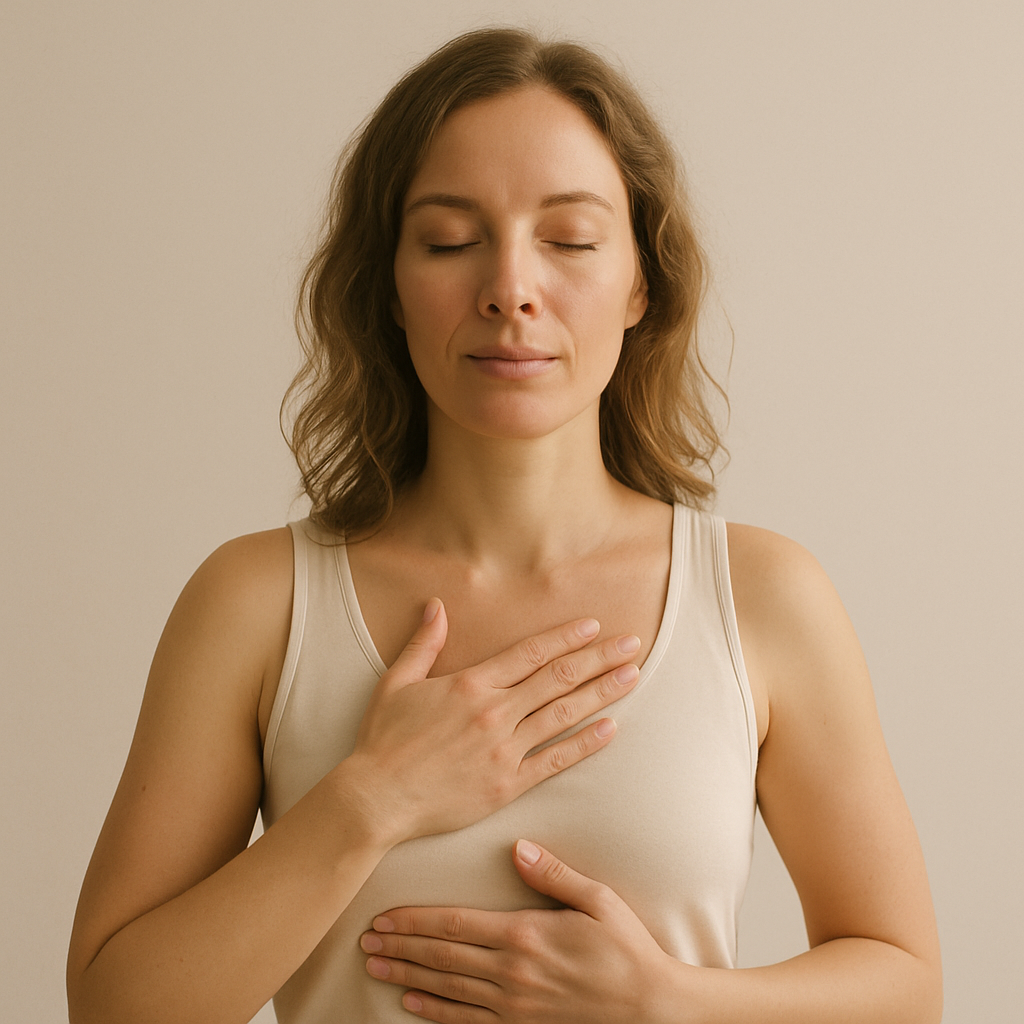
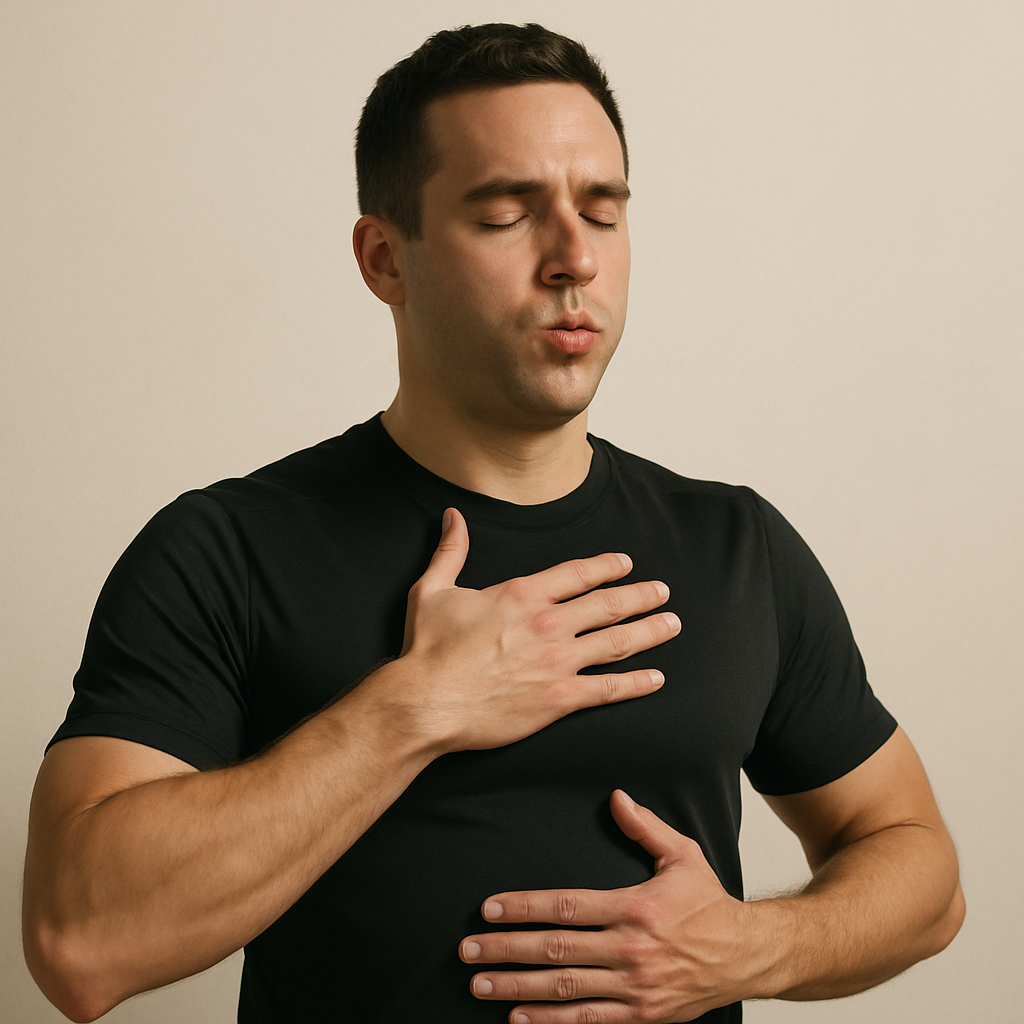
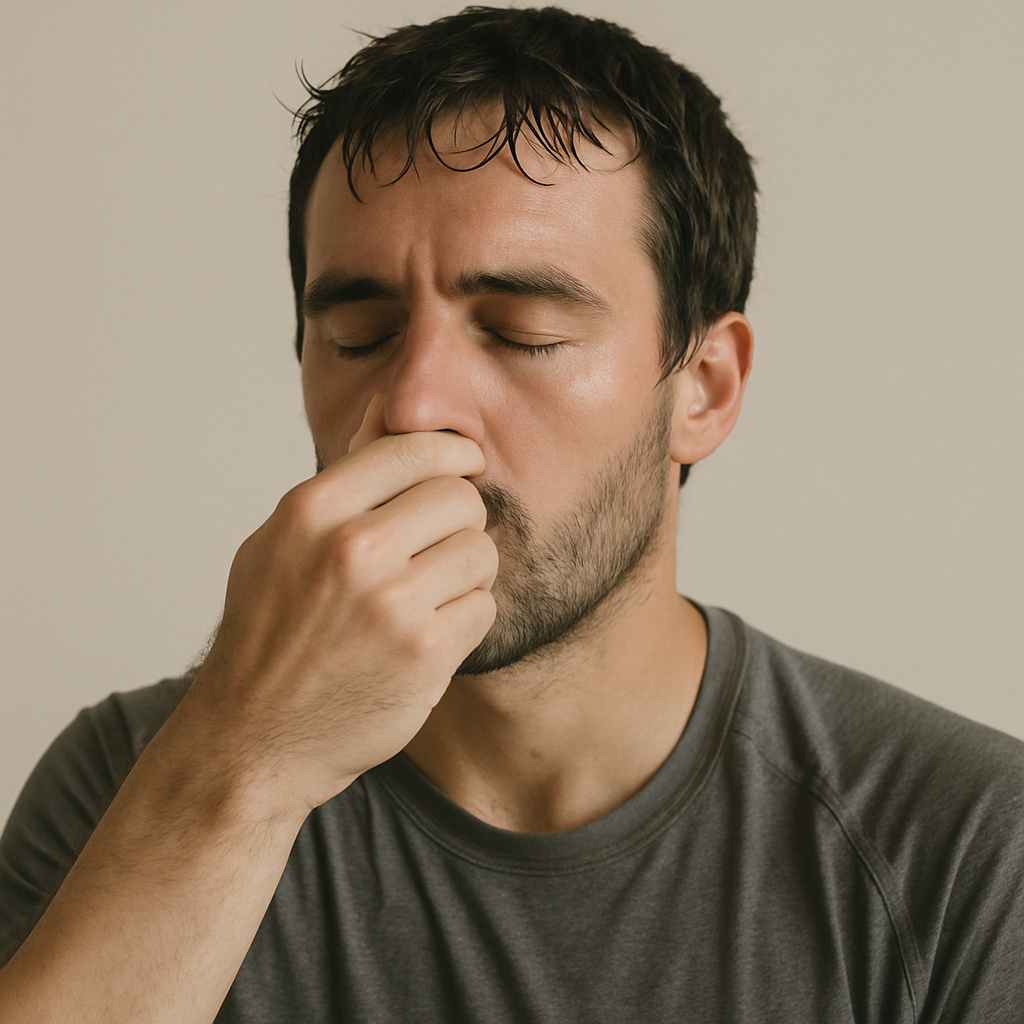
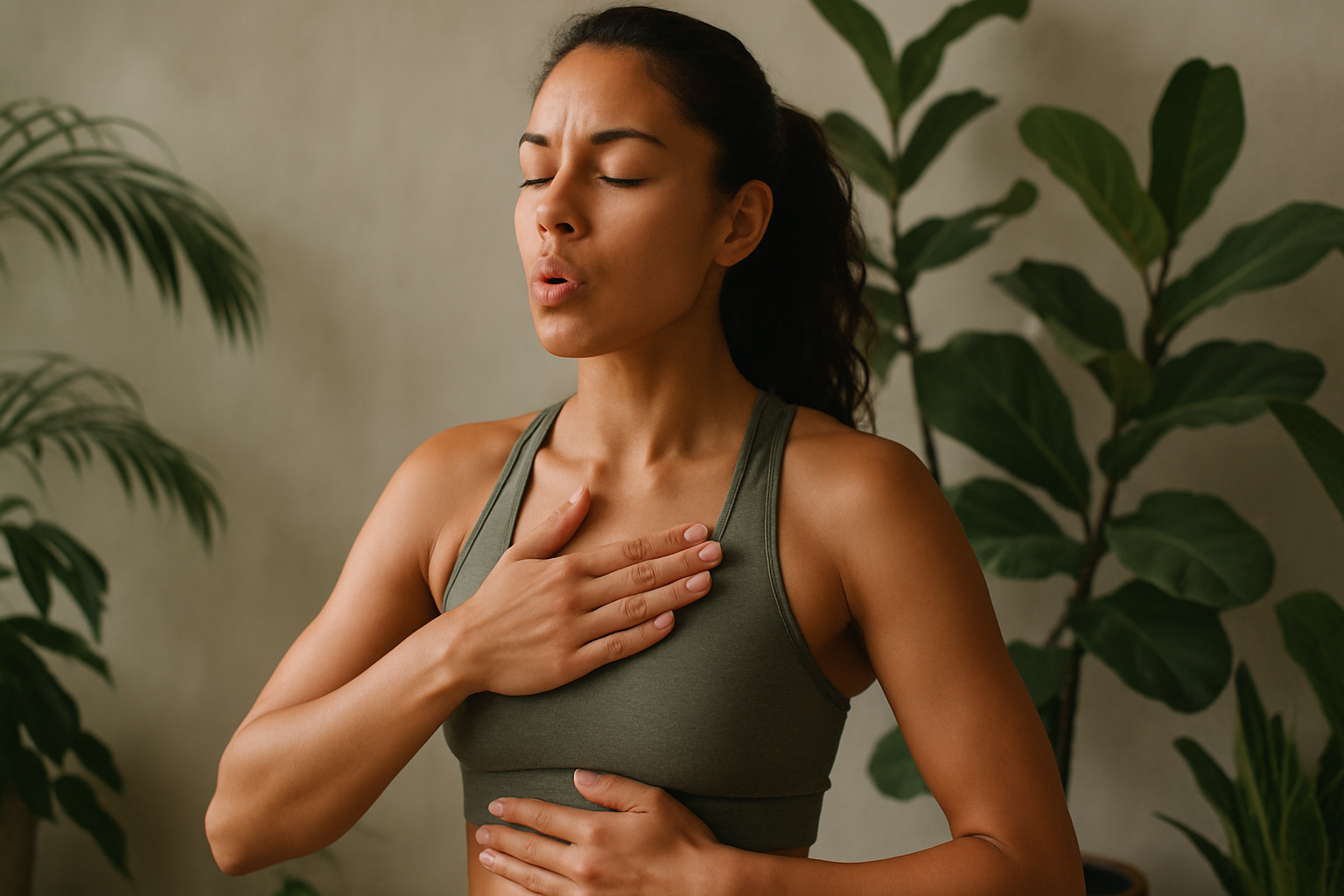
- Diaphragmatic Breathing: Inhale deeply through the nose, allowing the abdomen to expand, and exhale slowly through the mouth.
- Box Breathing: Inhale for four counts, hold for four counts, exhale for four counts, and hold for four counts before repeating.
- 4-7-8 Breathing: Inhale for four counts, hold for seven counts, and exhale for eight counts.
While there are no specific dosing recommendations, athletes are encouraged to practice these techniques regularly, particularly before and after workouts, to maximize their benefits.
Safety, Contraindications & Interactions
Athletic breathing is generally safe for most individuals. However, those with respiratory conditions, such as asthma or chronic obstructive pulmonary disease (COPD), should consult with a healthcare professional before starting any new breathing techniques. Additionally, individuals taking medications that affect the respiratory system, such as bronchodilators, should approach these practices with caution and seek guidance.
Pairs Well With
Athletic breathing can be effectively combined with various practices and techniques, including:
- Yoga: Enhances flexibility and mental focus.
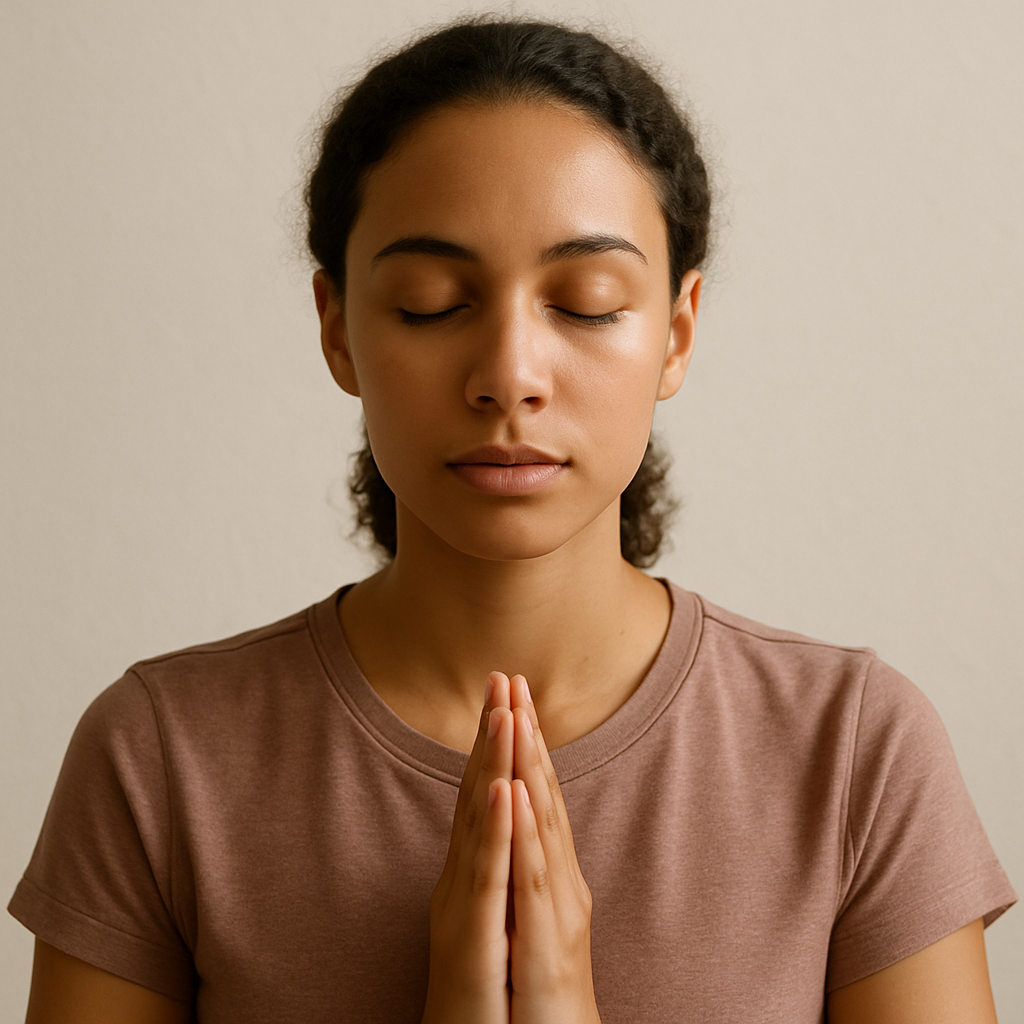
- Mindfulness Meditation: Promotes relaxation and mental clarity.
- Physical Training: Improves overall athletic performance when integrated into workout routines.
FAQs (5)
- What is the best time to practice athletic breathing? It is beneficial to practice before workouts, during training, and after exercise for optimal results.
- Can athletic breathing help with anxiety? Yes, controlled breathing techniques can help reduce anxiety and promote relaxation.
- How long should I practice these techniques? Start with a few minutes each day and gradually increase as you become more comfortable.
- Is athletic breathing suitable for everyone? Most people can benefit from these techniques, but those with respiratory issues should consult a professional first.
- Can I combine athletic breathing with other forms of exercise? Absolutely! It can enhance performance in various physical activities, including running, cycling, and weightlifting.
Frequently asked
What is the best time to practice athletic breathing?
It is beneficial to practice before workouts, during training, and after exercise for optimal results.
Can athletic breathing help with anxiety?
Yes, controlled breathing techniques can help reduce anxiety and promote relaxation.
How long should I practice these techniques?
Start with a few minutes each day and gradually increase as you become more comfortable.
Is athletic breathing suitable for everyone?
Most people can benefit from these techniques, but those with respiratory issues should consult a professional first.
Can I combine athletic breathing with other forms of exercise?
Absolutely! It can enhance performance in various physical activities, including running, cycling, and weightlifting.