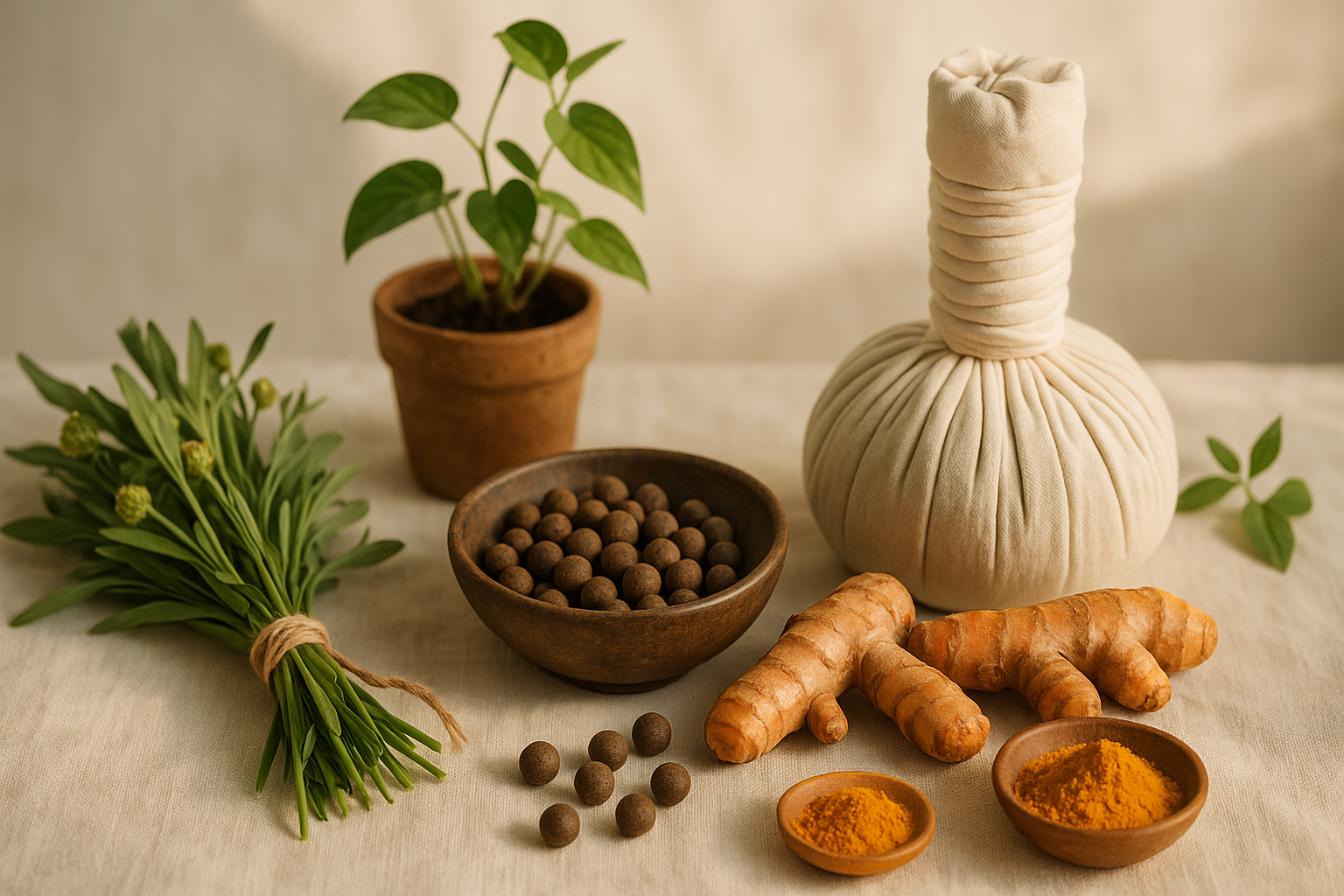
African Traditional Medicine
Explore the rich traditions, philosophies, and practices of African Traditional Medicine, a healing system deeply rooted in the cultures of Africa.
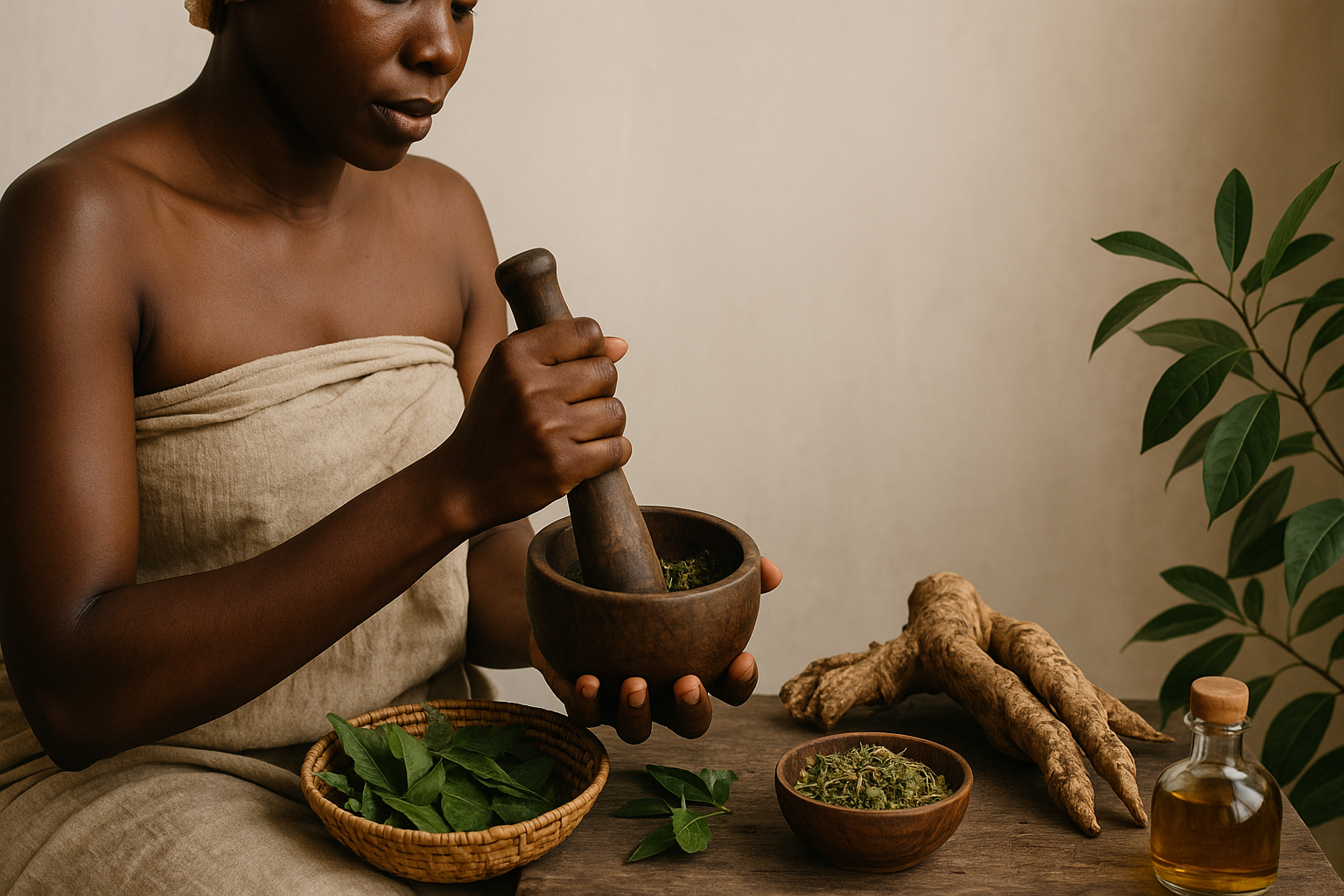
African Traditional Medicine encompasses a diverse array of healing practices rooted in the cultural contexts of the African continent. It is practiced across various regions, integrating spiritual beliefs, herbal remedies, and communal rituals. This holistic approach views health as a balance between the physical body, the community, and the spirit, emphasizing the interconnectedness of all aspects of life.
Intro Summary
African Traditional Medicine (ATM) is a comprehensive healing system that has evolved over thousands of years on the African continent. It is characterized by its integration of spiritual, physical, and social dimensions of health and well-being. ATM is practiced in numerous countries across Africa, from Nigeria to South Africa, and is often intertwined with local customs, beliefs, and rituals. This tradition operates from a worldview that emphasizes the interconnectedness of all beings and the importance of community in the healing process.
Origins & Lineage
The origins of African Traditional Medicine can be traced back to the early inhabitants of the African continent. It is not attributed to a single founder or text but rather has developed through the collective wisdom of various cultures over millennia. Key figures in the history of ATM include healers, shamans, and spiritual leaders who have passed down knowledge through oral traditions.
As societies evolved, so did the practices of ATM, influenced by migration, trade, and cultural exchanges. The spread of these practices often coincided with the movement of peoples and the establishment of trade routes, allowing for the sharing of healing knowledge across different regions.
Core Philosophy
The core philosophy of African Traditional Medicine is deeply rooted in the belief that health and illness are influenced by a range of factors including spiritual, environmental, and social elements. Below are some distinctive concepts of this tradition.
Ancestral Healing
Ancestral healing is a fundamental concept within ATM, emphasizing the connection between the living and their ancestors. Practitioners believe that honoring ancestors can facilitate healing and restore balance in an individual's life, as ancestors are seen as protectors and guides.
Plant–Spirit Allies
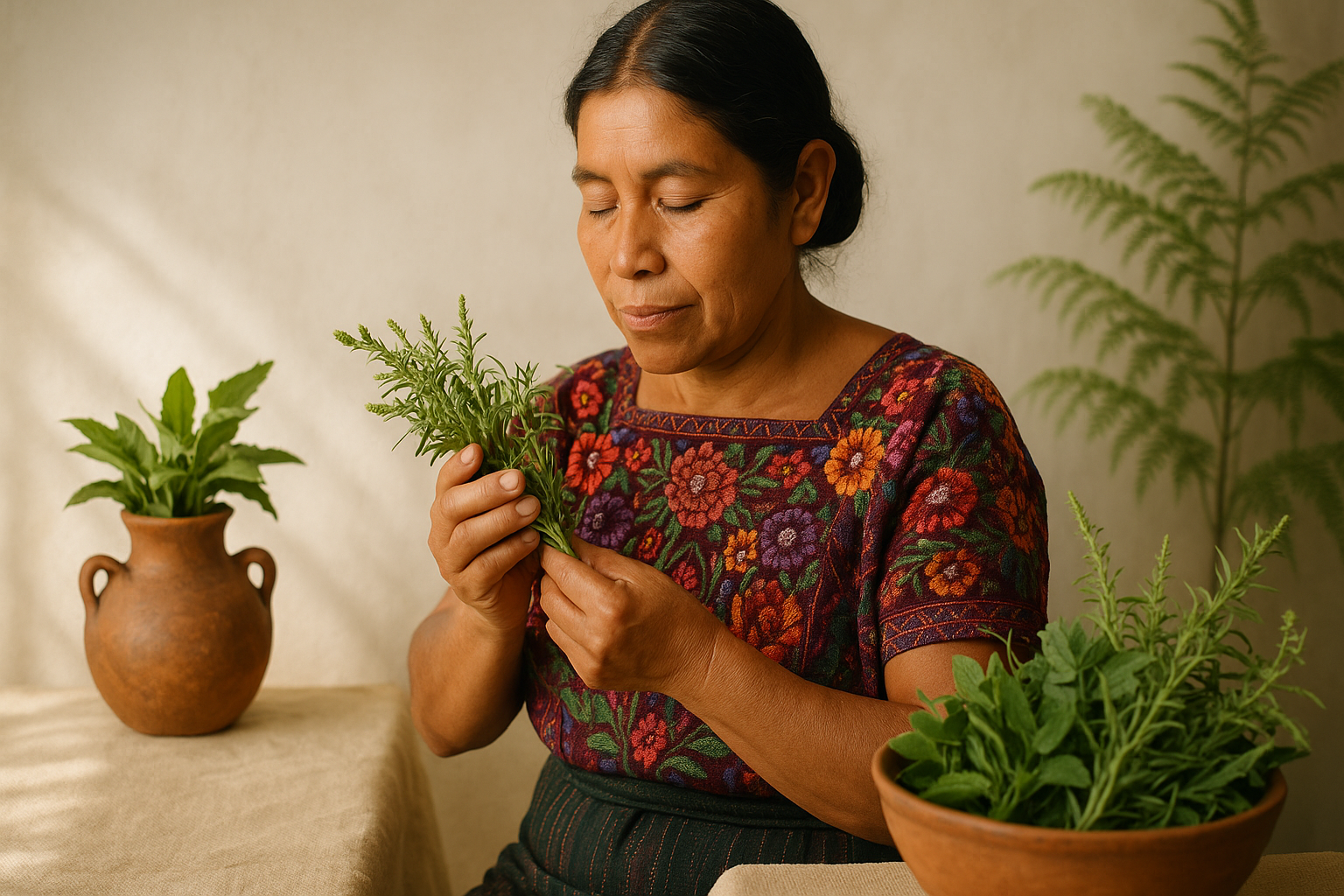
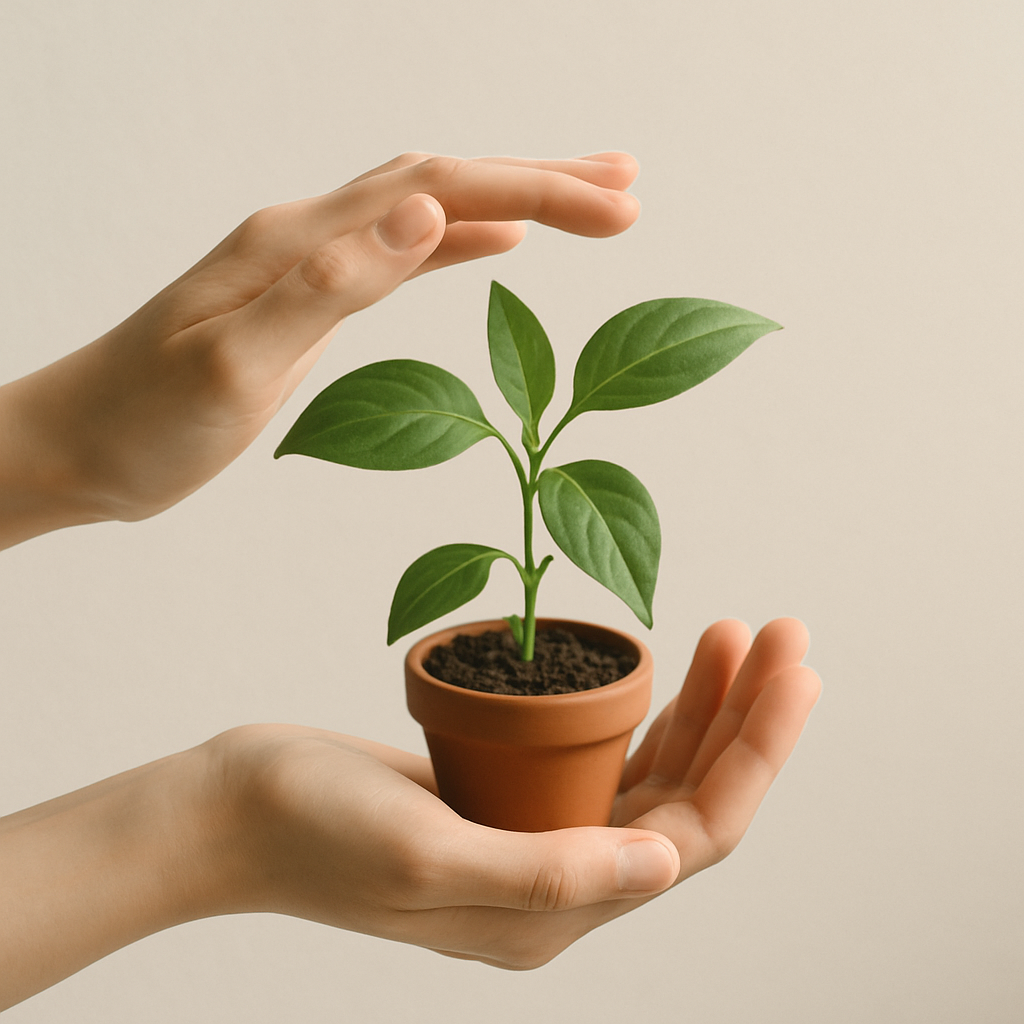
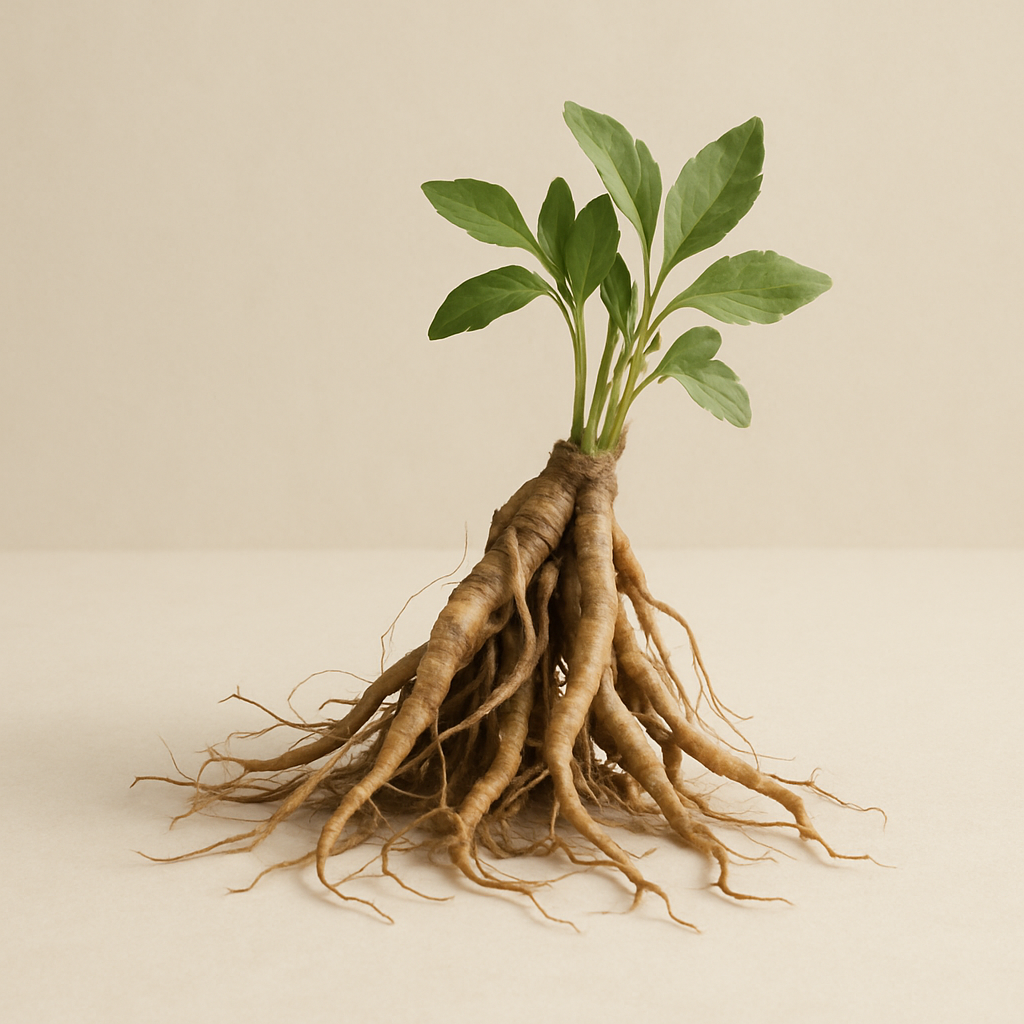
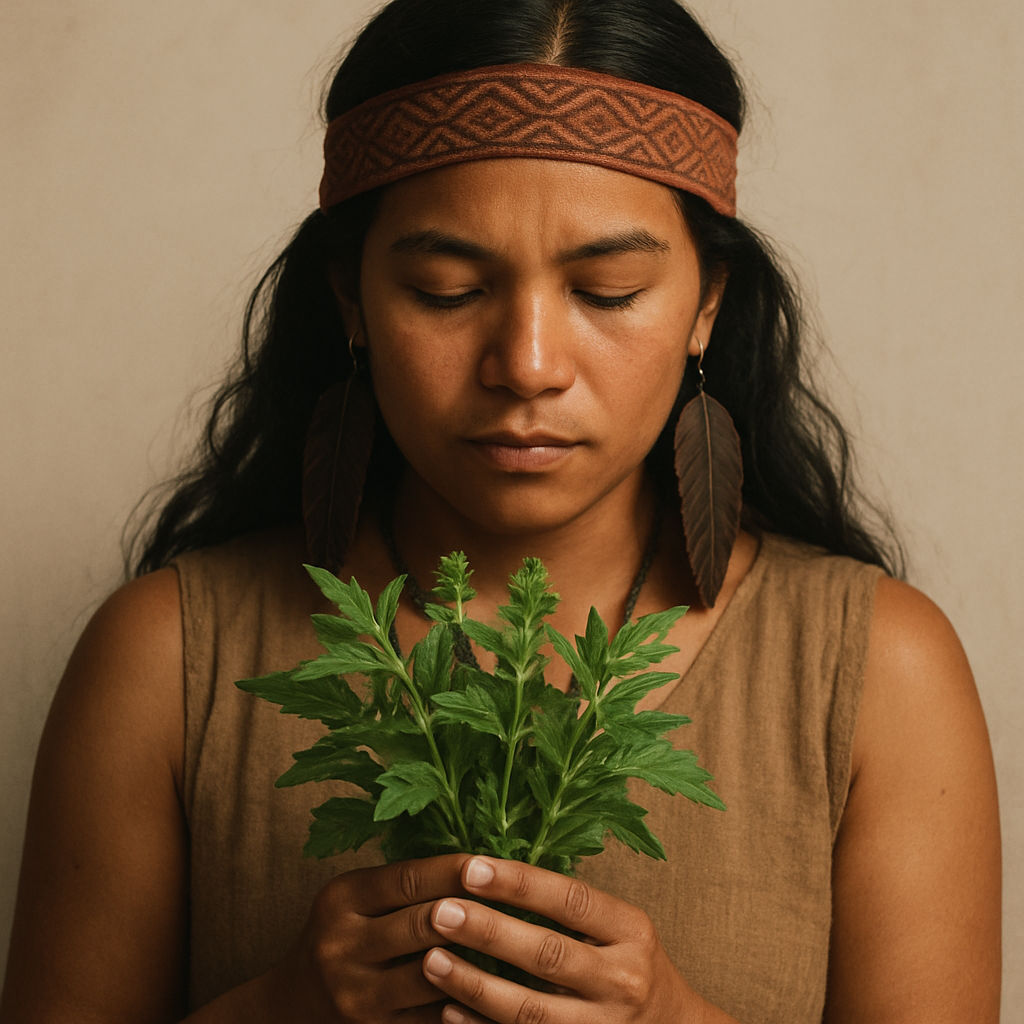
In many African cultures, plants are not just viewed as physical entities but as spiritual allies. Healers often communicate with the spirits of plants to understand their healing properties, believing that each plant has a spirit that contributes to its medicinal effects.
Balance and Harmony
Health is viewed as a state of balance and harmony among the body, mind, and spirit, as well as within the community and environment. Disruptions in this balance can lead to illness, and healing often seeks to restore this equilibrium.
Diagnostic / Observational Methods
African Traditional Medicine employs various diagnostic methods that focus on understanding the individual as a whole. Practitioners may use the following techniques:
- Tongue Diagnosis: Observing the color and texture of the tongue for insights into health.
- Pulse Diagnosis: Assessing the pulse to gauge the state of the body’s energy and vitality.
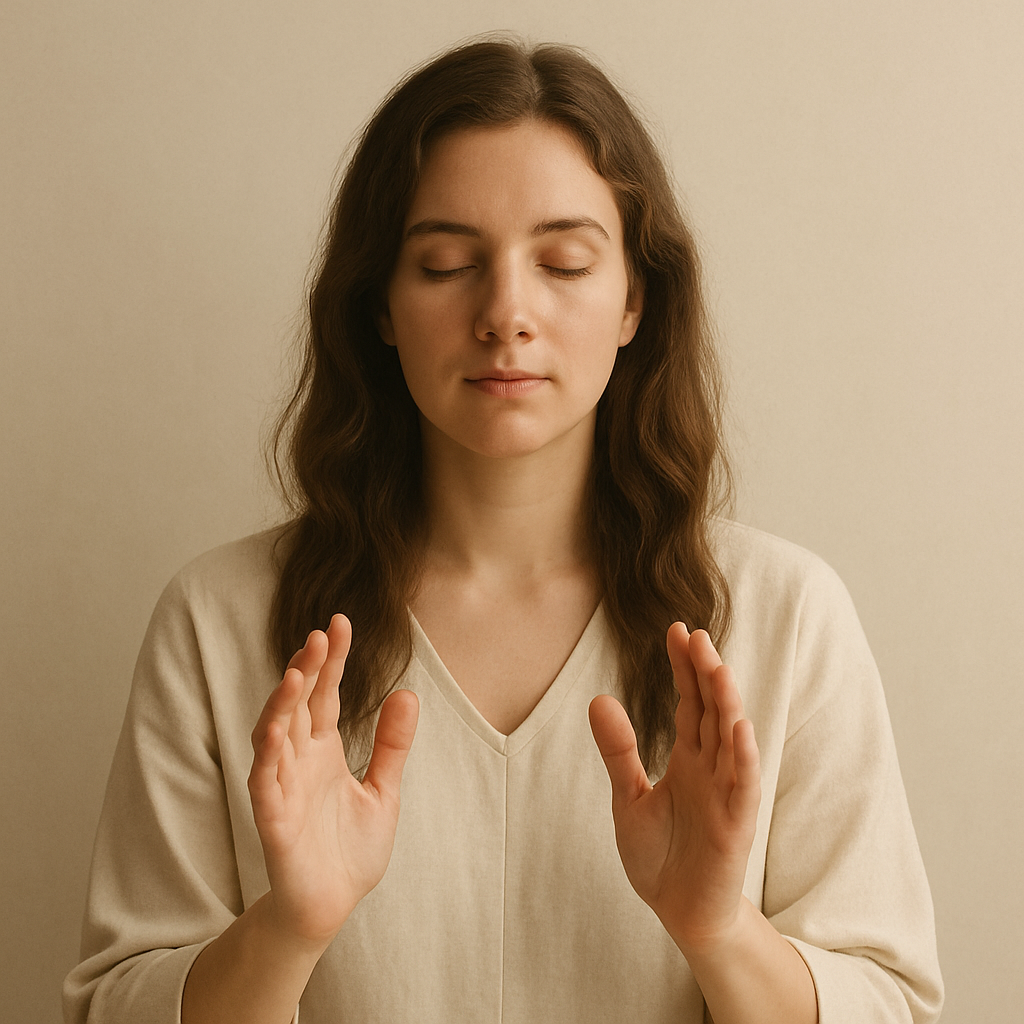
- Energy Assessment: Evaluating the flow of energy within the body to identify blockages or imbalances.
- Lifestyle Inquiry: Engaging in conversations about daily habits, diet, and emotional states to understand the person’s overall health.
Common Modalities Within This Tradition
African Traditional Medicine incorporates a variety of healing modalities, each serving unique purposes and addressing different aspects of health. Below are some common modalities:
Herbal Remedies
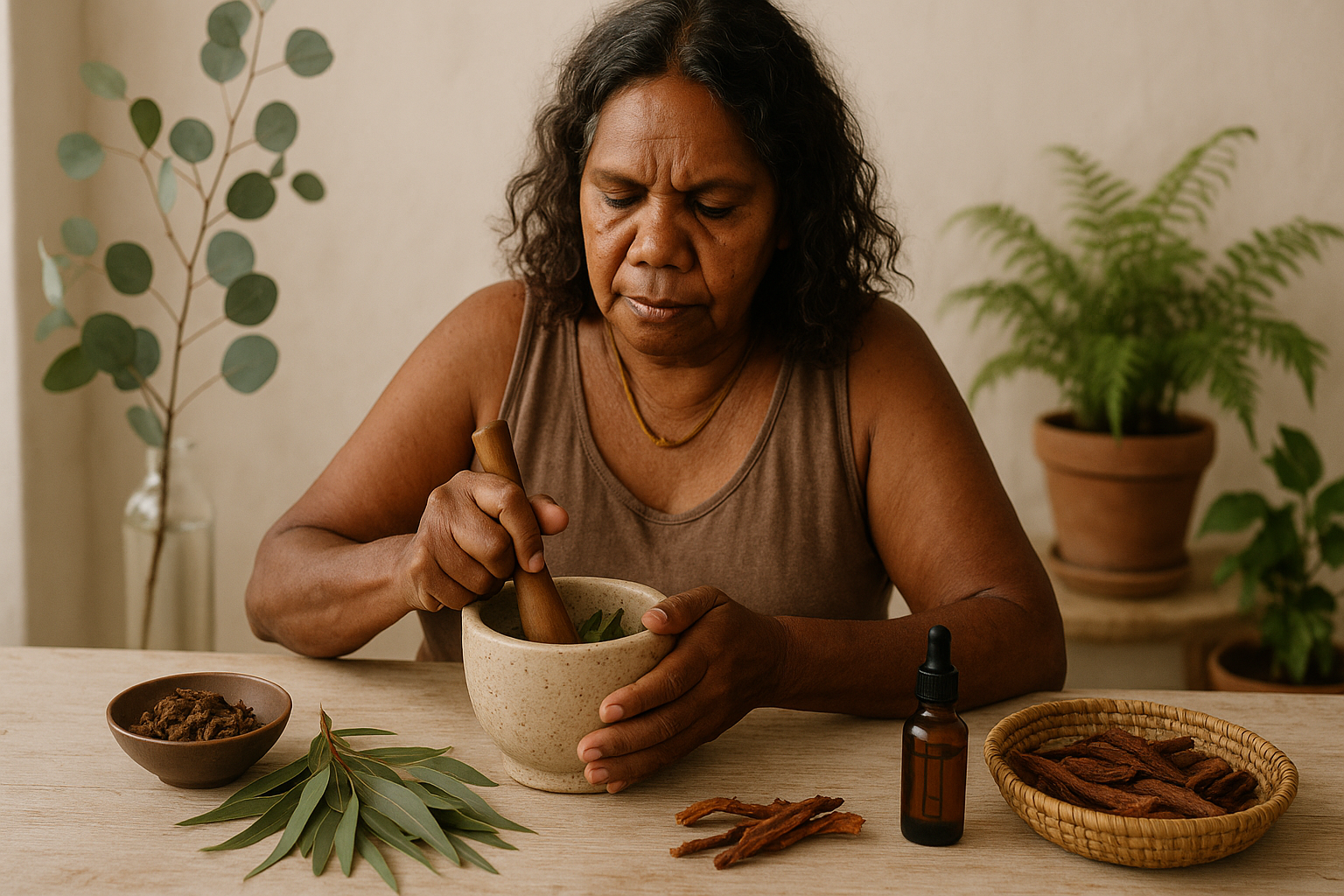
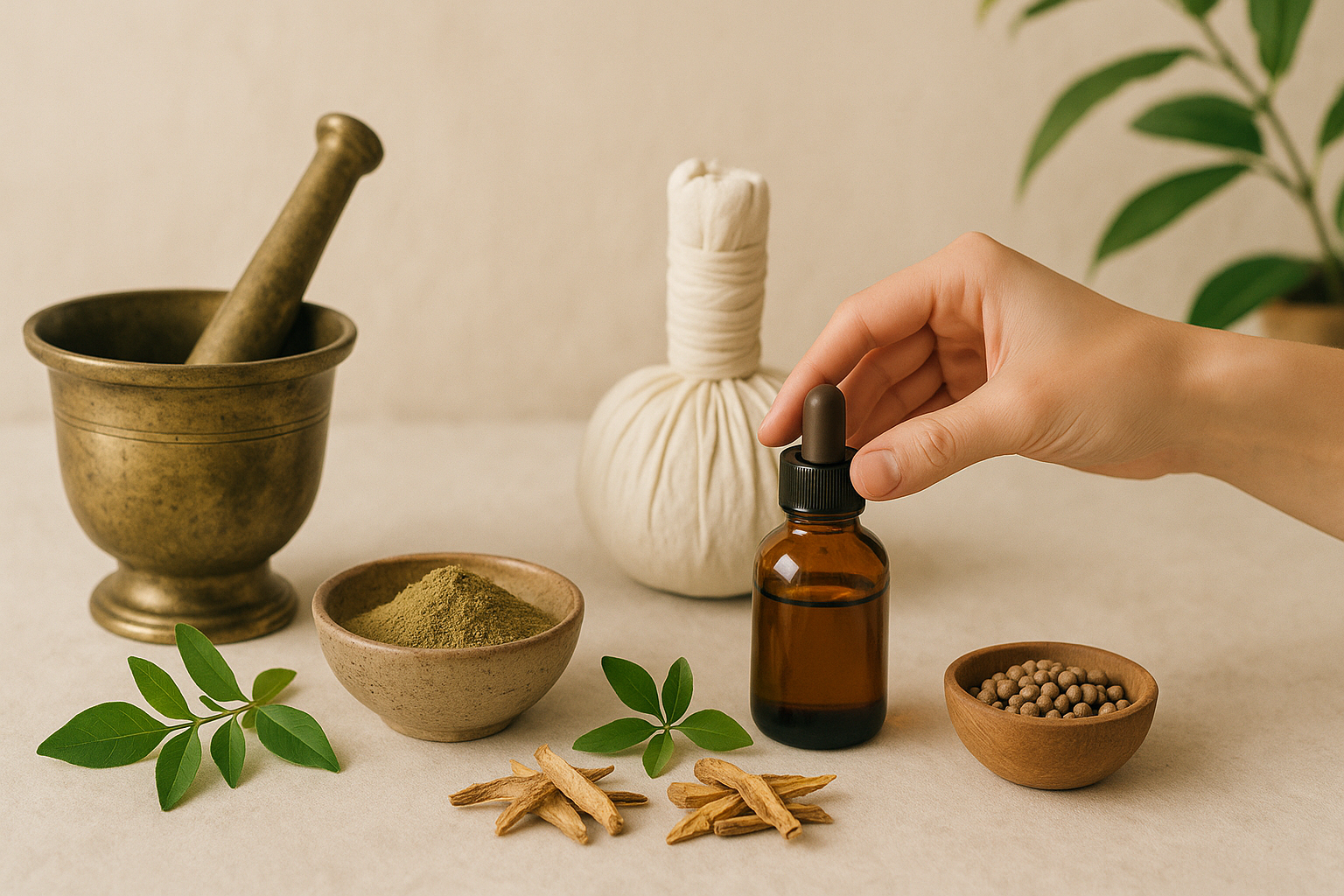
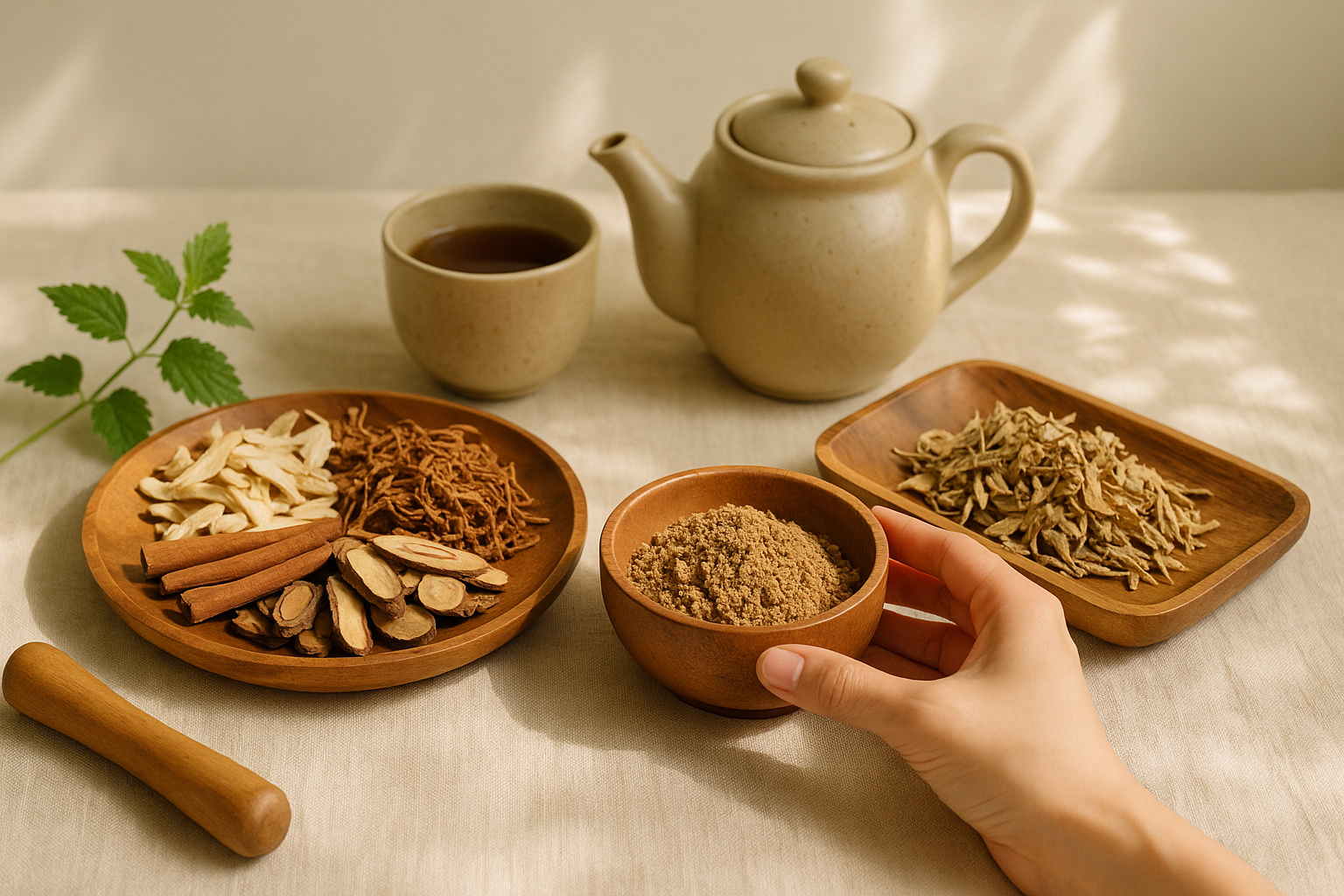
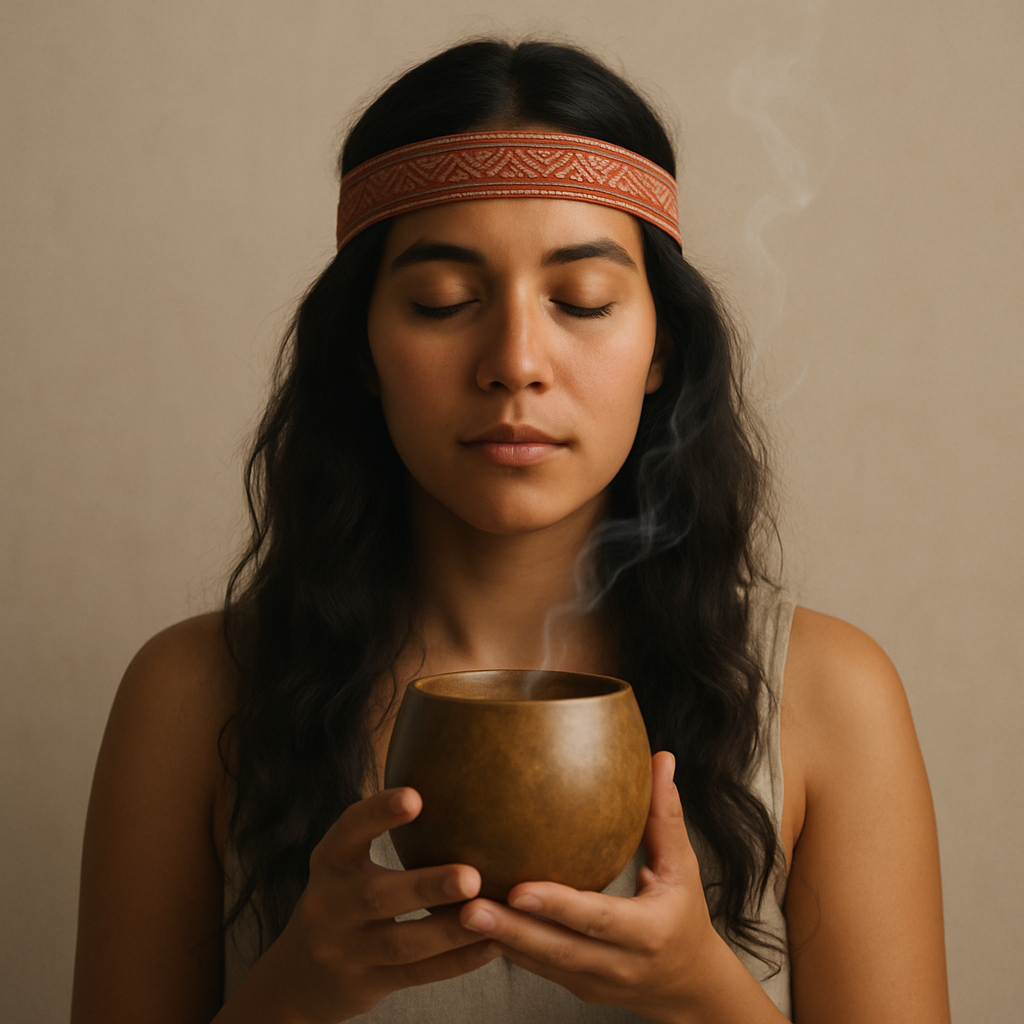
Herbs play a pivotal role in ATM, with practitioners utilizing a vast array of local plants for their therapeutic properties. These remedies are often prepared as teas, infusions, powders, or poultices.
Rituals and Ceremonies
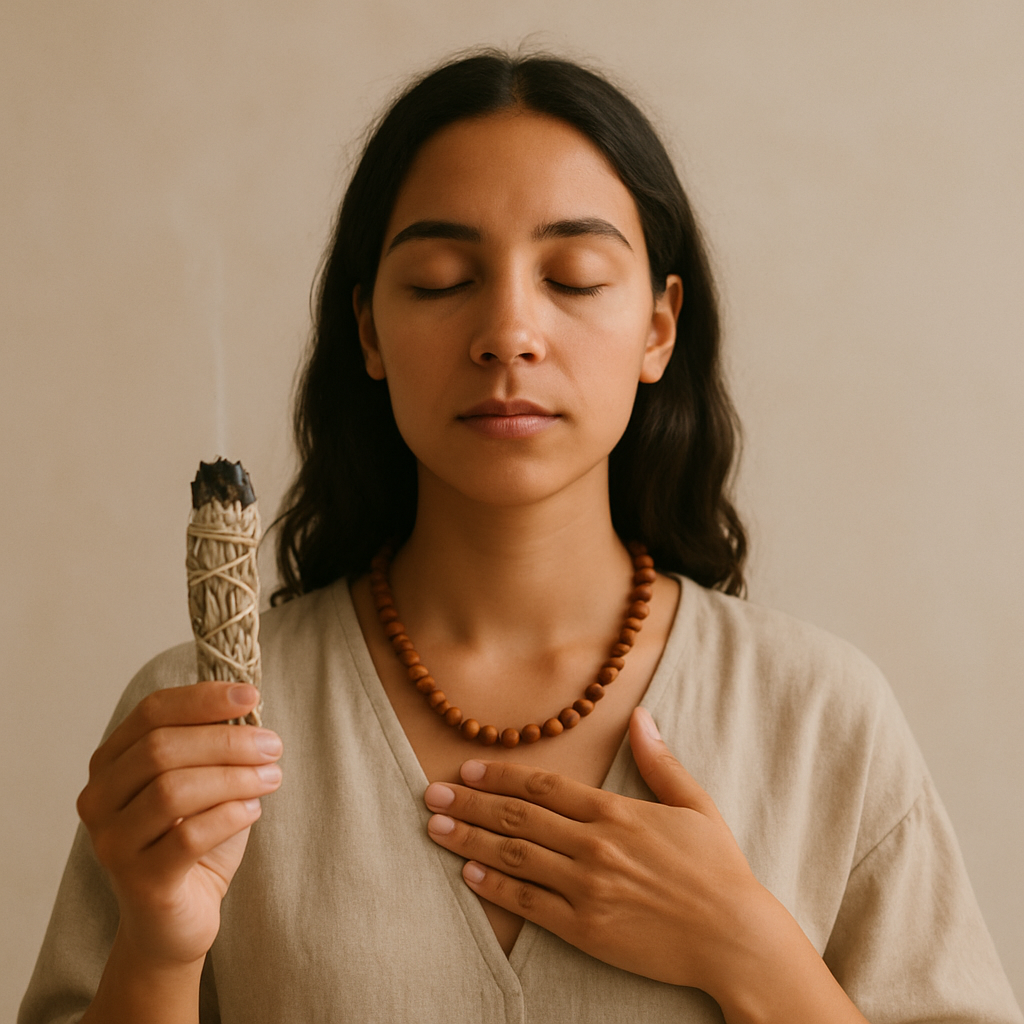
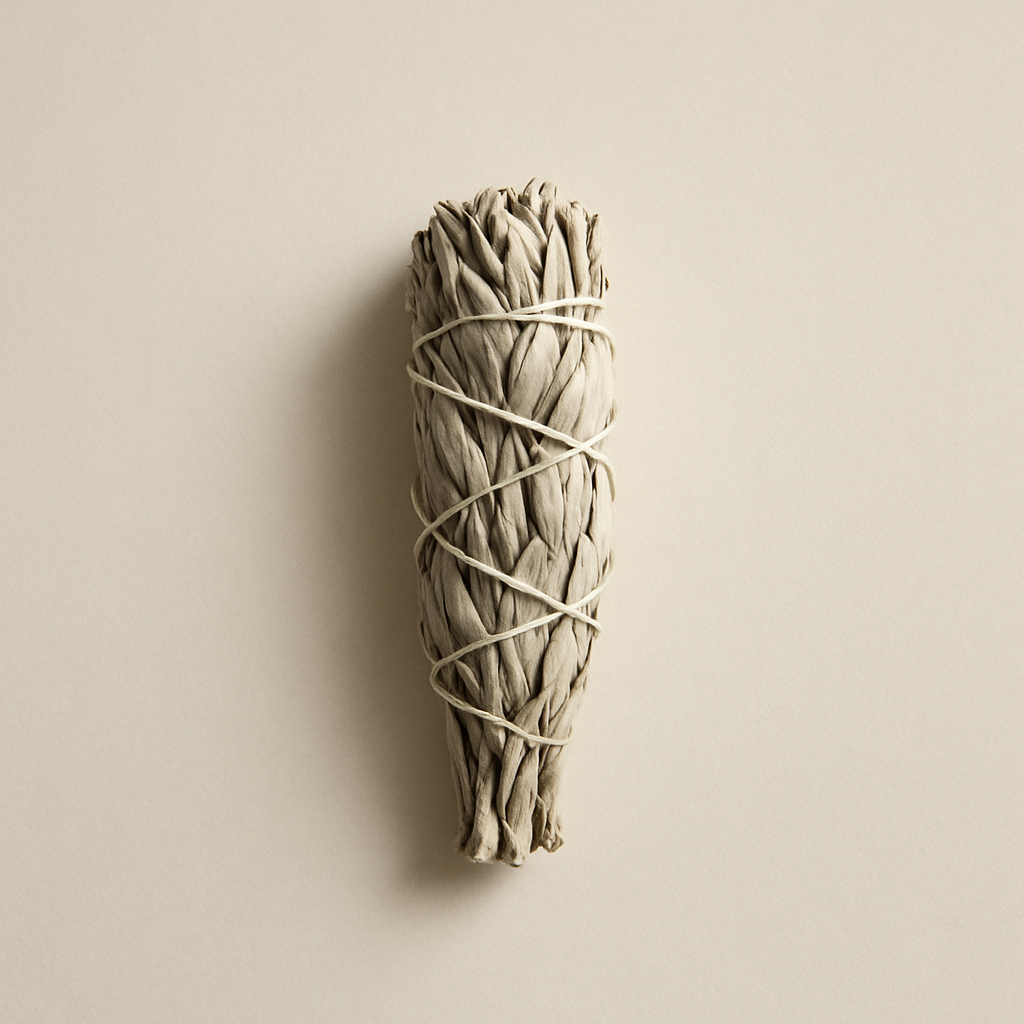
Rituals are integral to the healing process, often involving community participation. These can include ceremonies to honor ancestors, cleanse spiritual blockages, or invoke healing energies.
Bodywork
Bodywork practices, including massage and manipulation, are commonly utilized to relieve physical ailments and restore energy flow. Techniques may vary by region and cultural practices.
Food and Nutrition
Food is considered medicine in ATM, with a focus on using natural, locally sourced ingredients to support health. Dietary practices are tailored to individual needs and conditions.
Breath and Movement
Breathwork and movement practices such as dance or traditional physical exercises are used to promote physical and spiritual health, emphasizing the importance of movement in maintaining balance.
Conditions & Goals This Tradition Commonly Addresses
African Traditional Medicine is traditionally explored for a variety of conditions, focusing on holistic well-being rather than specific diagnoses. Commonly addressed areas include:
- Respiratory ailments
- Digestive issues
- Emotional and psychological disturbances
- Chronic pain and inflammation
- Reproductive health concerns
- Spiritual imbalances
Safety, Sourcing, and Finding Qualified Practitioners
When seeking African Traditional Medicine, it is essential to consider safety and the sourcing of herbal materials. Practitioners should ideally possess a deep understanding of local plants and their uses. It is advisable to seek recommendations and ensure that practitioners are respected members of their communities, often trained through apprenticeship.
How It Intersects with Modern Wellness Today
In contemporary wellness, African Traditional Medicine is increasingly recognized for its holistic approach to health. Many individuals are incorporating ATM principles alongside modern medical practices, particularly in areas such as mental health, chronic illness management, and wellness lifestyle choices. This integration fosters a broader understanding of health, emphasizing the importance of not only physical but also spiritual and emotional well-being.
Related Approaches You Might Explore
For those interested in exploring related healing traditions, consider the following:
- Ayurveda
- Traditional Chinese Medicine
- Native American Healing Practices
- Homeopathy
- Herbalism from various cultural backgrounds
FAQs
- What is African Traditional Medicine? African Traditional Medicine is a holistic healing system that incorporates spiritual, physical, and community-based practices rooted in the cultures of Africa.
- How is ATM practiced today? ATM is practiced across various regions of Africa, often alongside modern medicine, and emphasizes the interconnectedness of the individual with their community and ancestors.
- What are the main components of ATM? The main components include herbal remedies, rituals, bodywork, dietary practices, and breath and movement therapies.
- How do practitioners diagnose health issues? Practitioners use methods such as tongue and pulse diagnosis, energy assessment, and lifestyle inquiry to understand a person’s health.
- Is it safe to use herbal remedies from ATM? It is crucial to consult qualified practitioners and ensure that herbal materials are sourced safely to avoid potential toxicity.
- Can ATM be used alongside modern medicine? Many individuals find value in integrating ATM with modern medical practices, particularly for holistic health approaches.
Explore African Traditional Medicine
15 subcategories





Frequently asked
What is African Traditional Medicine?
African Traditional Medicine is a holistic healing system that incorporates spiritual, physical, and community-based practices rooted in the cultures of Africa.
How is ATM practiced today?
ATM is practiced across various regions of Africa, often alongside modern medicine, and emphasizes the interconnectedness of the individual with their community and ancestors.
What are the main components of ATM?
The main components include herbal remedies, rituals, bodywork, dietary practices, and breath and movement therapies.
How do practitioners diagnose health issues?
Practitioners use methods such as tongue and pulse diagnosis, energy assessment, and lifestyle inquiry to understand a person’s health.
Is it safe to use herbal remedies from ATM?
It is crucial to consult qualified practitioners and ensure that herbal materials are sourced safely to avoid potential toxicity.
Can ATM be used alongside modern medicine?
Many individuals find value in integrating ATM with modern medical practices, particularly for holistic health approaches.