Nutrients, Plant Compounds, What Research Shows & Safety.
Vegetables are food first. Explore each one: what is in it (measured by USDA), what research in people has and has not found for health goals, a normal serving, and what to watch for with medicines, kidney stones, thyroid and digestion.
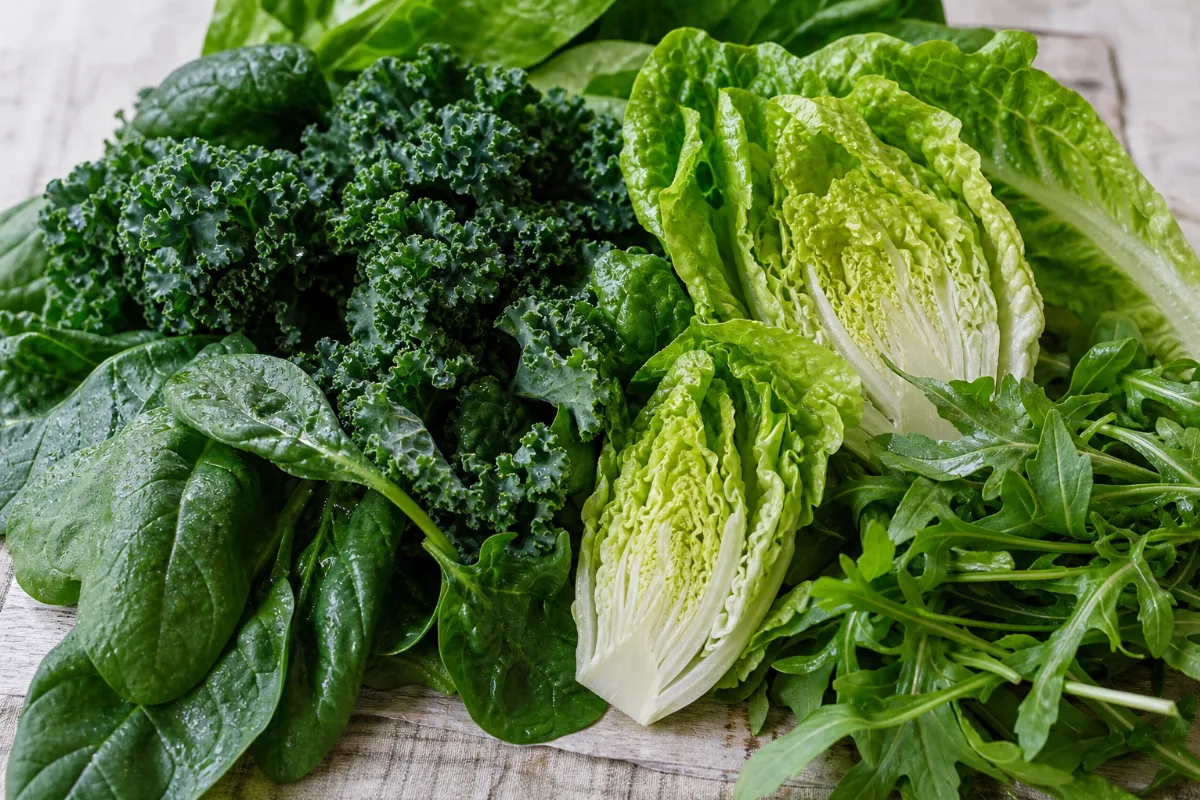
Spinach, kale, lettuce and other leafy greens: what cohort reviews found on heart disease, and the vitamin K advice for people taking warfarin, plus oxalate and food-safety notes.
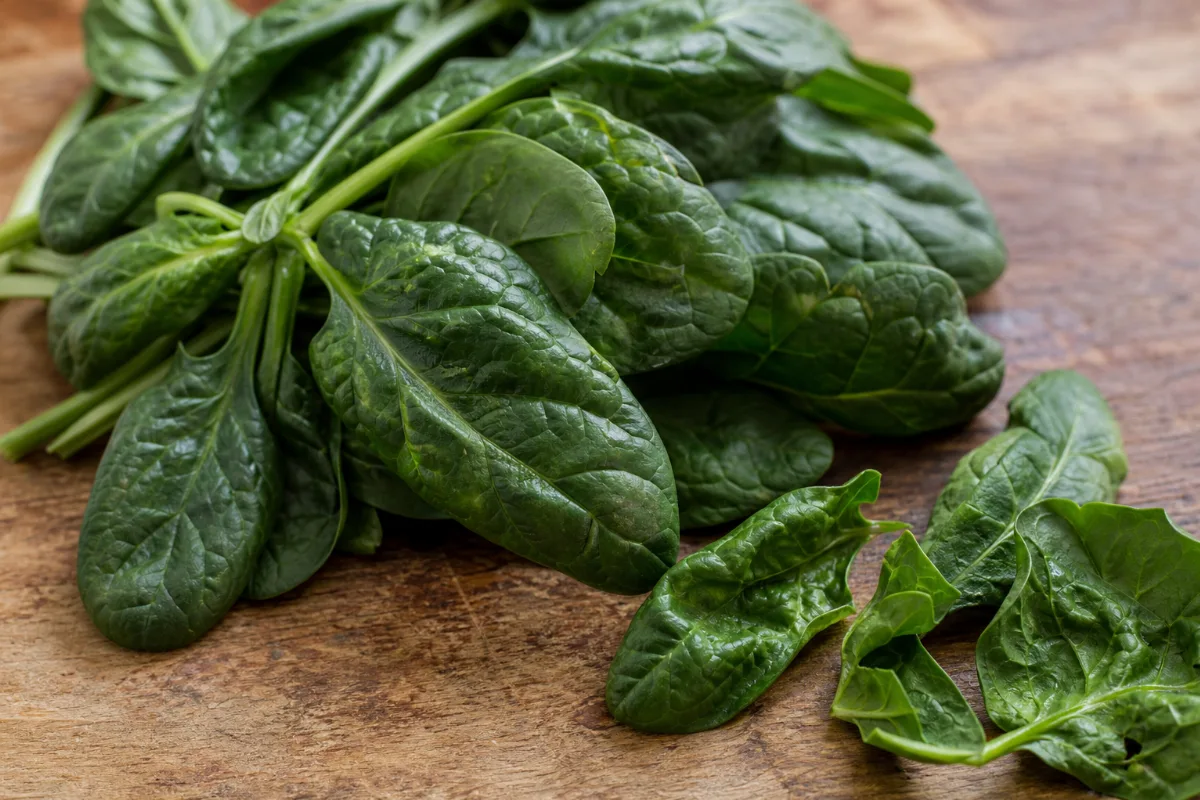
What spinach (Spinacia oleracea) offers, what research shows on heart health and eyes, and the safety facts on warfarin, oxalate stones, nitrate and food safety.
Kale as a food: USDA nutrient values, what studies found, and the safety notes that matter most, including vitamin K with warfarin and thyroid questions.
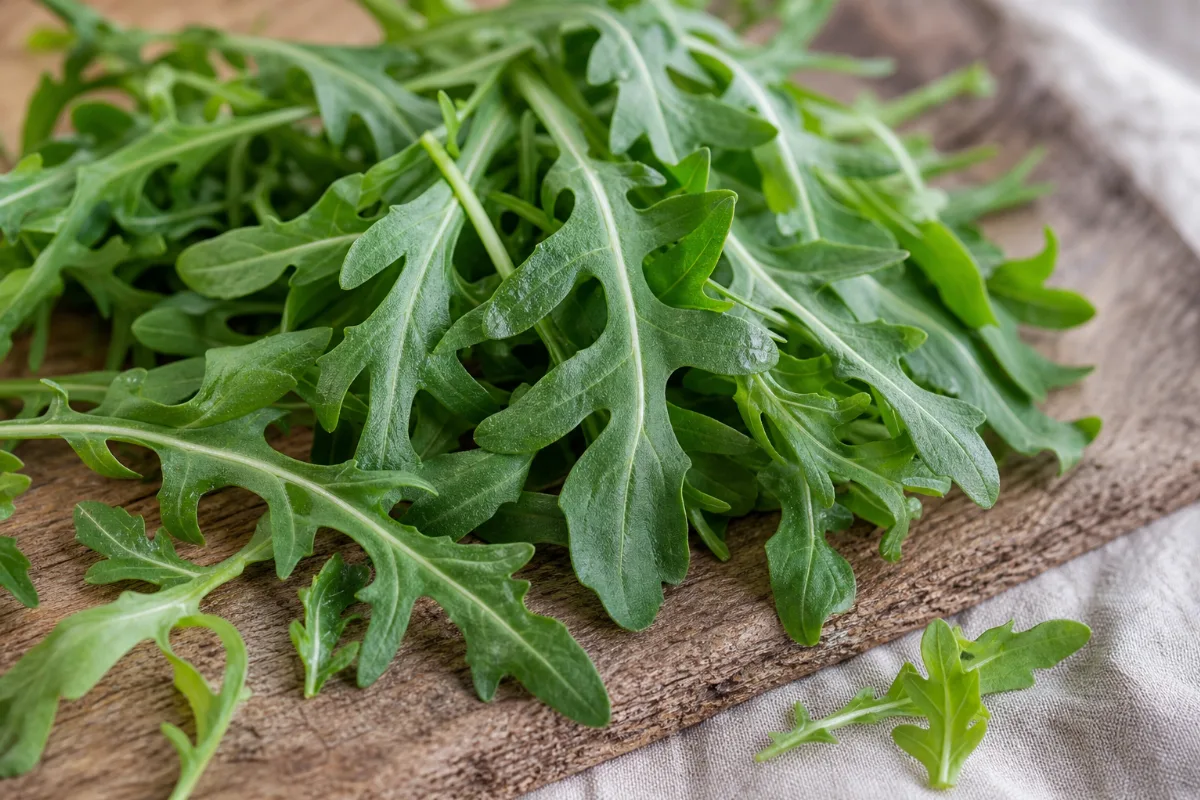
What the sources say about arugula (rocket): its vitamin K, nitrate and glucosinolates, the warfarin question, what trials do not show, and leafy-green food safety.
Normal serving (USDA): 1 cup, shredded romaine (47 g)
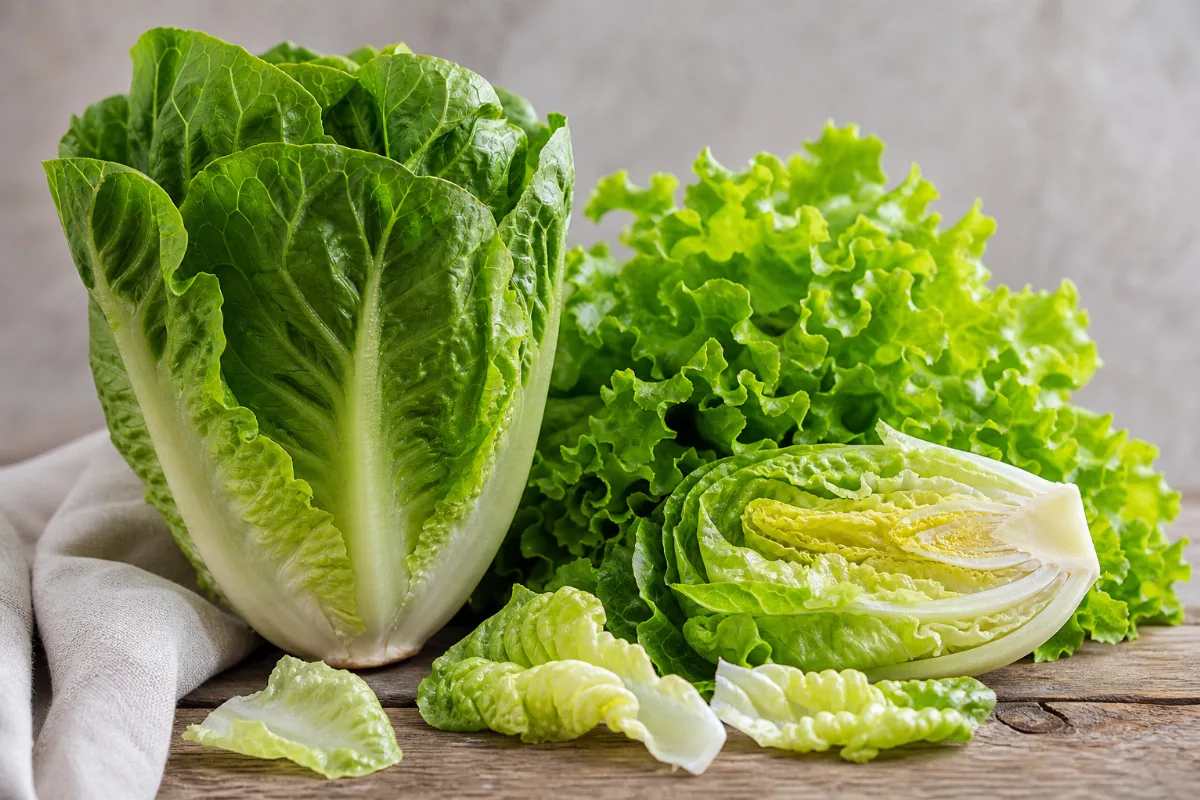
Romaine and green leaf lettuce as food: USDA nutrients, what research found on leafy greens, vitamin K and warfarin, E. coli outbreaks, and how it differs from wild lettuce.
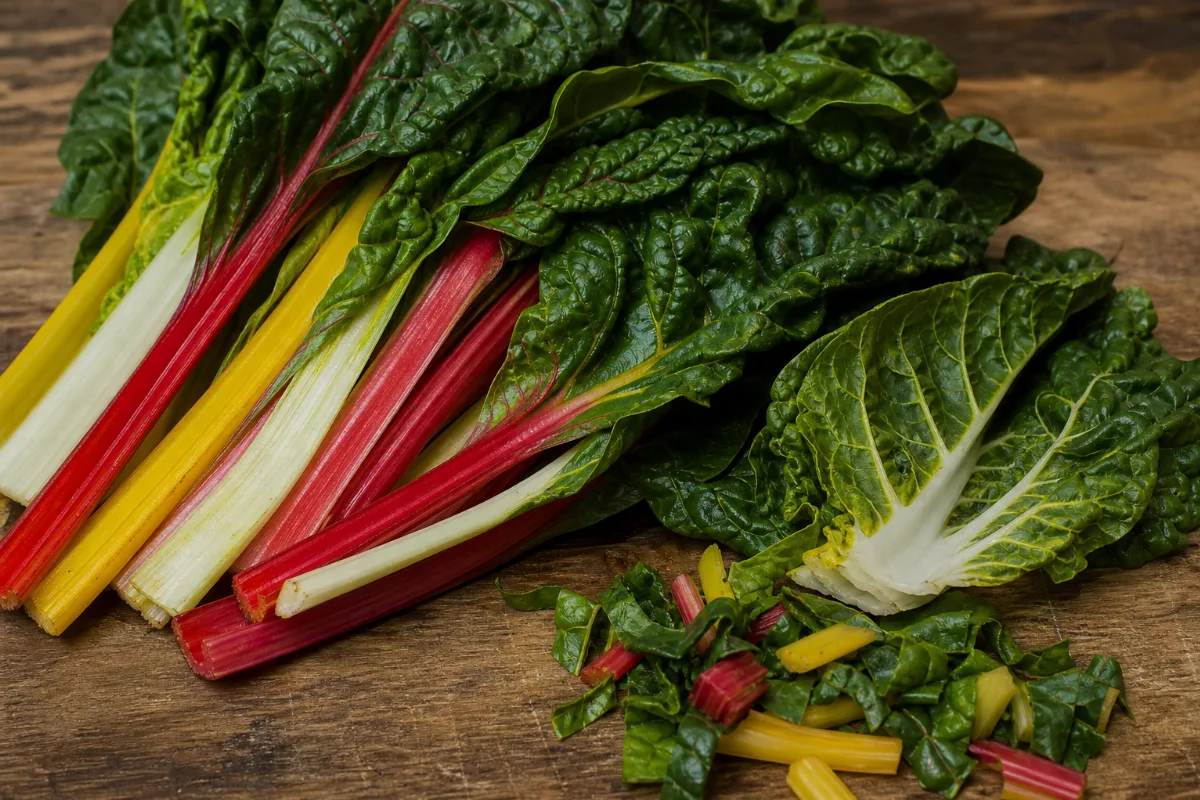
Swiss chard as a food: USDA nutrients, what research says about leafy greens, and safety notes on vitamin K and warfarin, oxalate and kidney stones, and potassium.
Watercress as a food: USDA nutrients, what small trials found, the 'most nutrient-dense' ranking explained, vitamin K and warfarin, and liver fluke risk from wild plants.
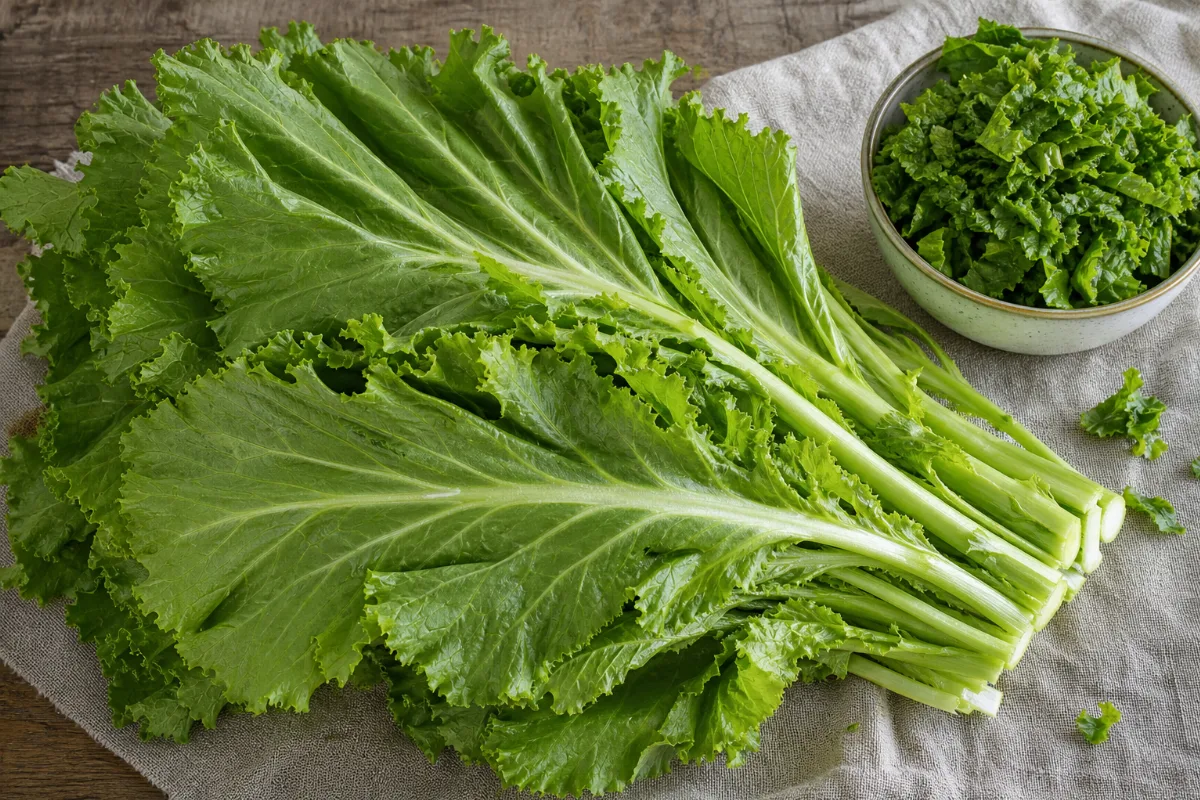
Mustard greens are a peppery leafy green rich in vitamin K and vitamin C. What the research says, plus warfarin, allergy, oxalate and thyroid safety notes.
Normal serving (USDA): 1 cup chopped raw broccoli (91 g)
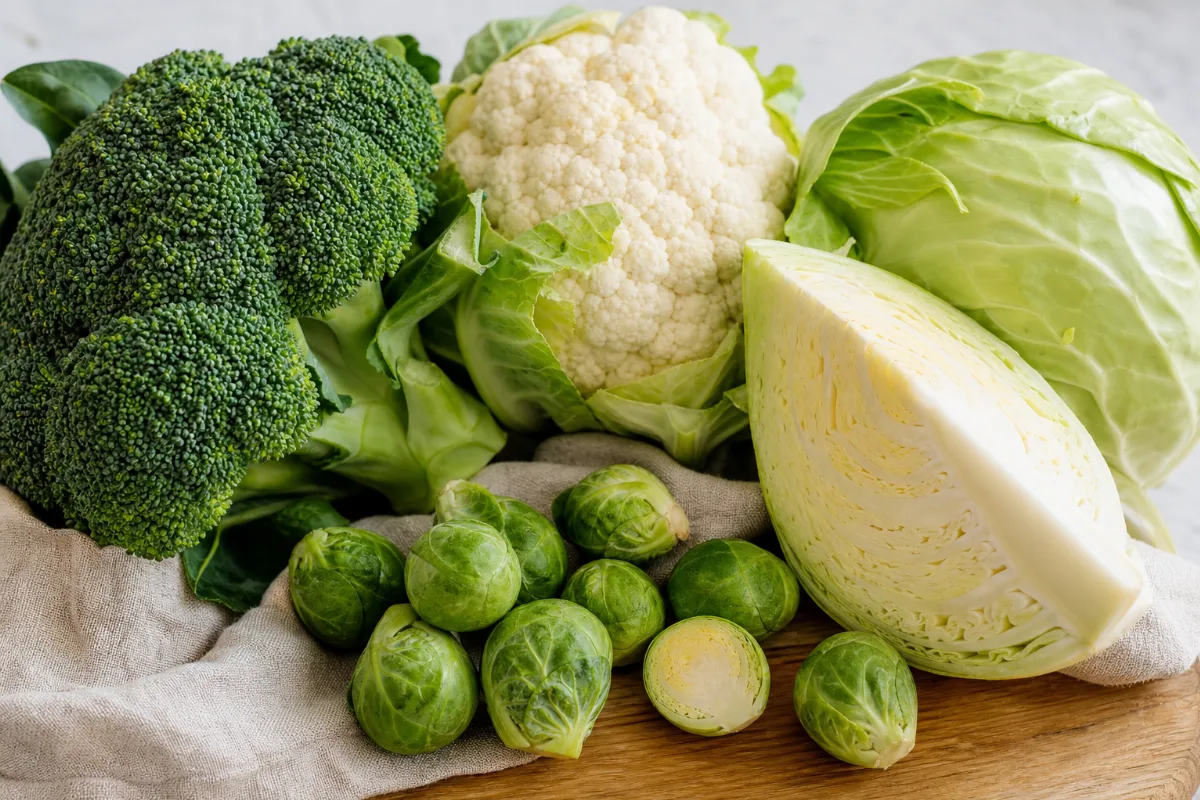
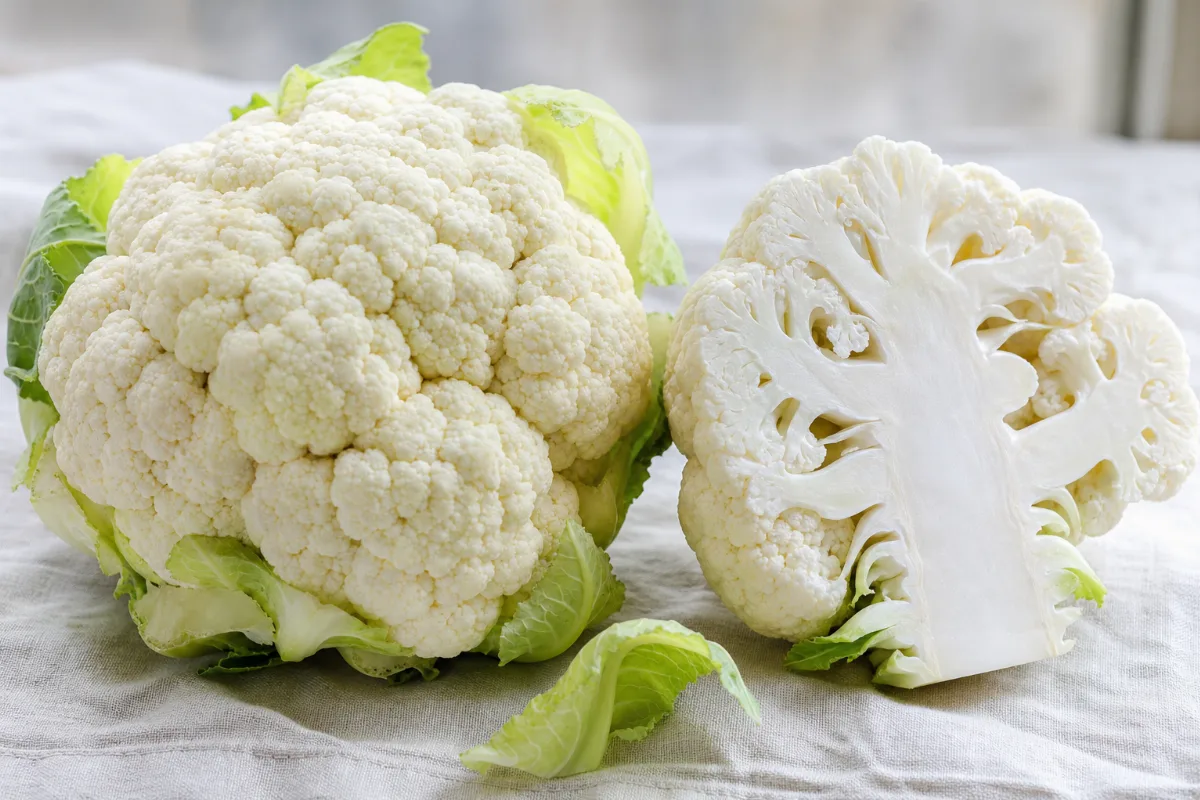
Broccoli, cabbage, kale and other cruciferous vegetables: what observational studies found on cancer and heart risk, thyroid questions, and vitamin K with warfarin.
Vitamin C, vitamin K and folate from the vegetable itself
Broccoli and cancer risk (observational)
Cruciferous vegetables and prostate cancer risk
Heart disease, cancer and death (all fruit and vegetables)
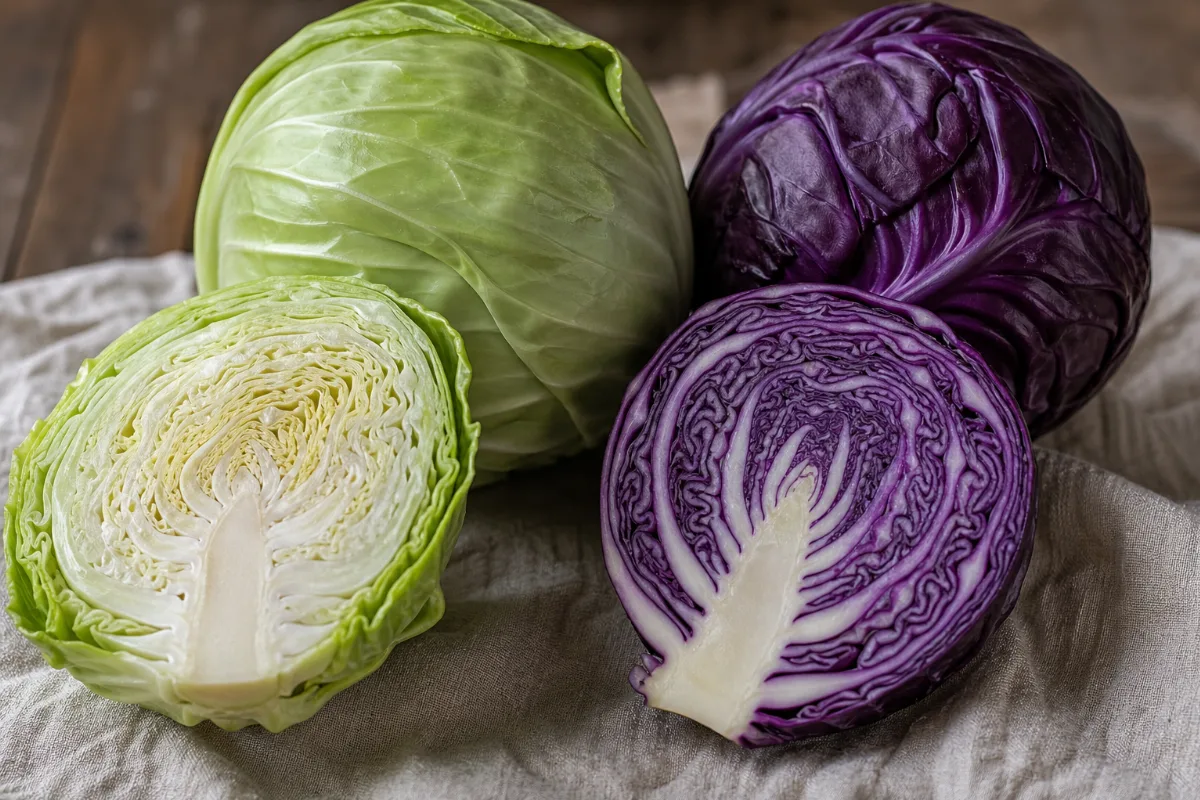
Cabbage, green and red: USDA nutrients, what research says about glucosinolates, red cabbage pigments and cabbage leaf wraps, plus vitamin K, thyroid and gas questions.
Brussels sprouts: USDA nutrients, what studies show on glucosinolates and health, vitamin K with warfarin, cooking effects, bloating and thyroid questions.
Vitamin C source and scurvy prevention
Vitamin K content
Cruciferous vegetable intake, cancer and heart disease
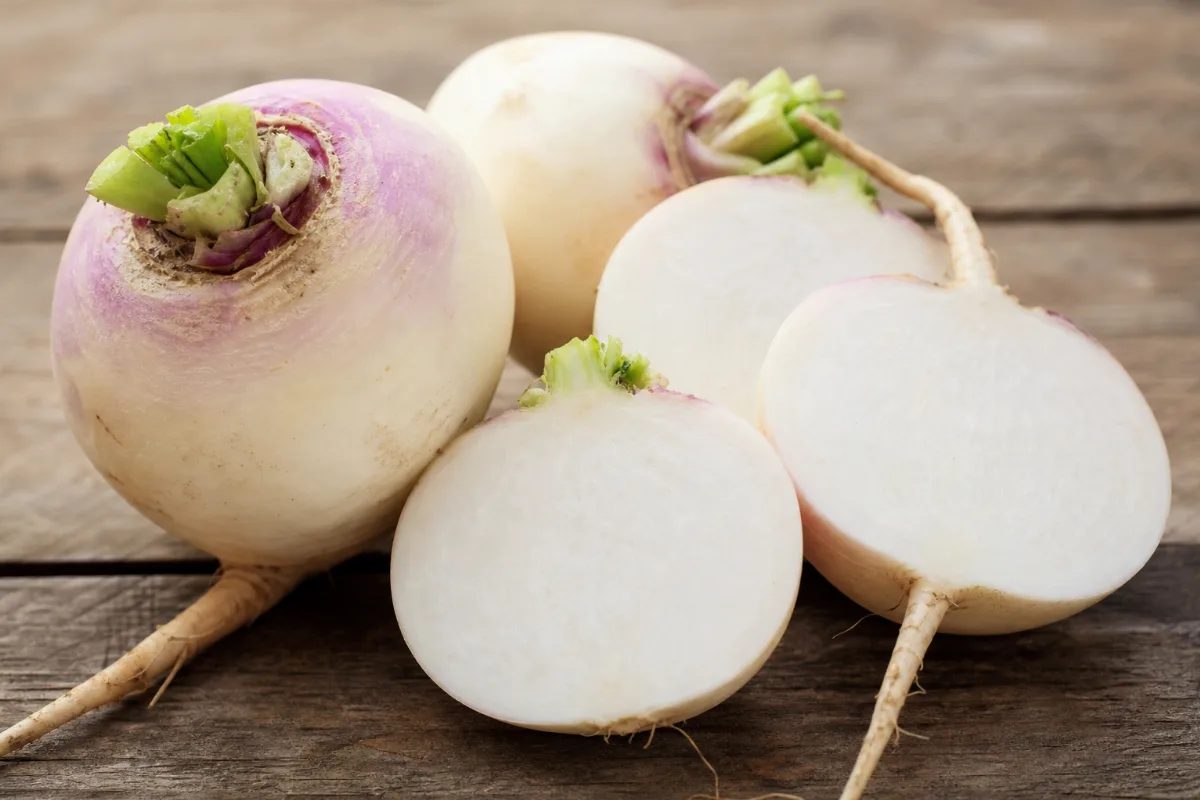
Turnips (Brassica rapa subsp. rapa): USDA nutrition, what research says about glucosinolates, vitamin C, goitrogens, turnip greens and warfarin, and safety notes.
Vitamin C intake and scurvy prevention
Counts toward 5 A DAY and 400 g a day
Vegetable intake, heart disease, cancer and early death
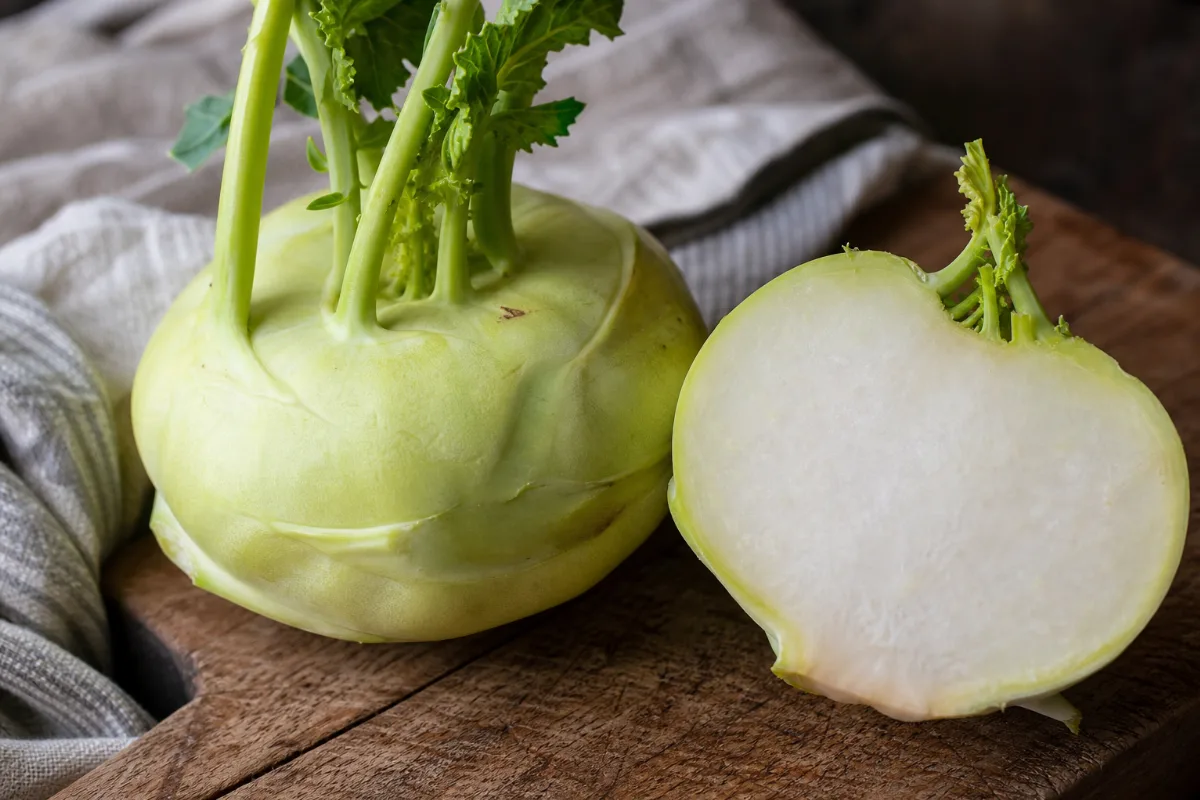
Kohlrabi is rich in vitamin C and fiber. What USDA data and cruciferous vegetable research show, what is not known about kohlrabi itself, and safety notes.
Normal serving (USDA): 1 cup, chopped onion (160 g)
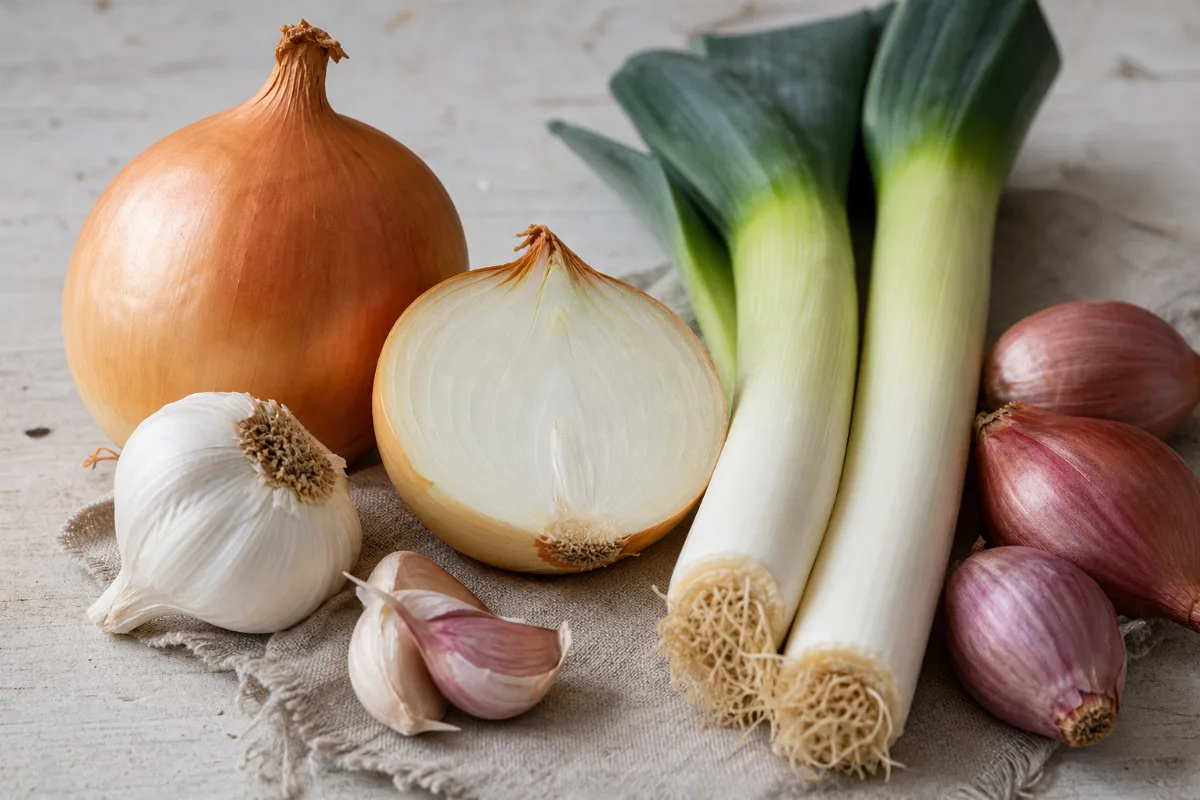
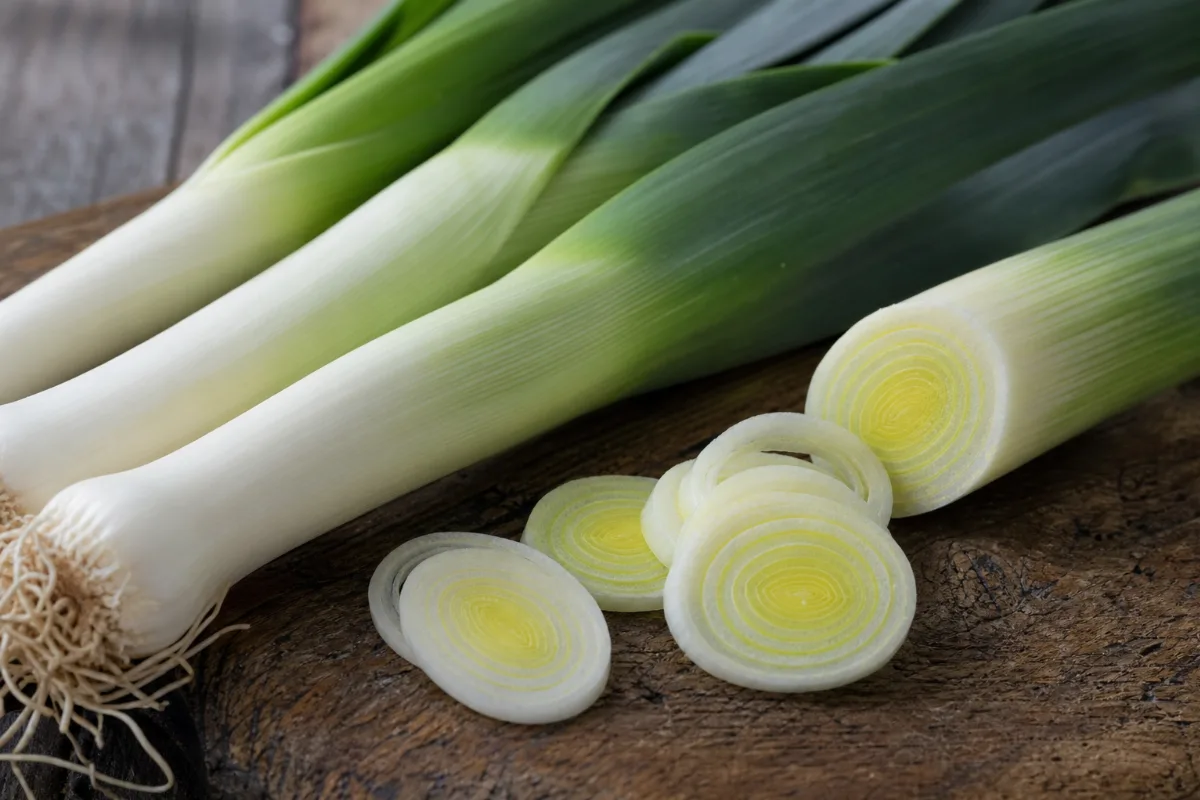
What research found on onions, garlic, leeks and other allium vegetables eaten as food, how food differs from garlic supplements, and the safety points to know.
Allium vegetables and stomach (gastric) cancer risk
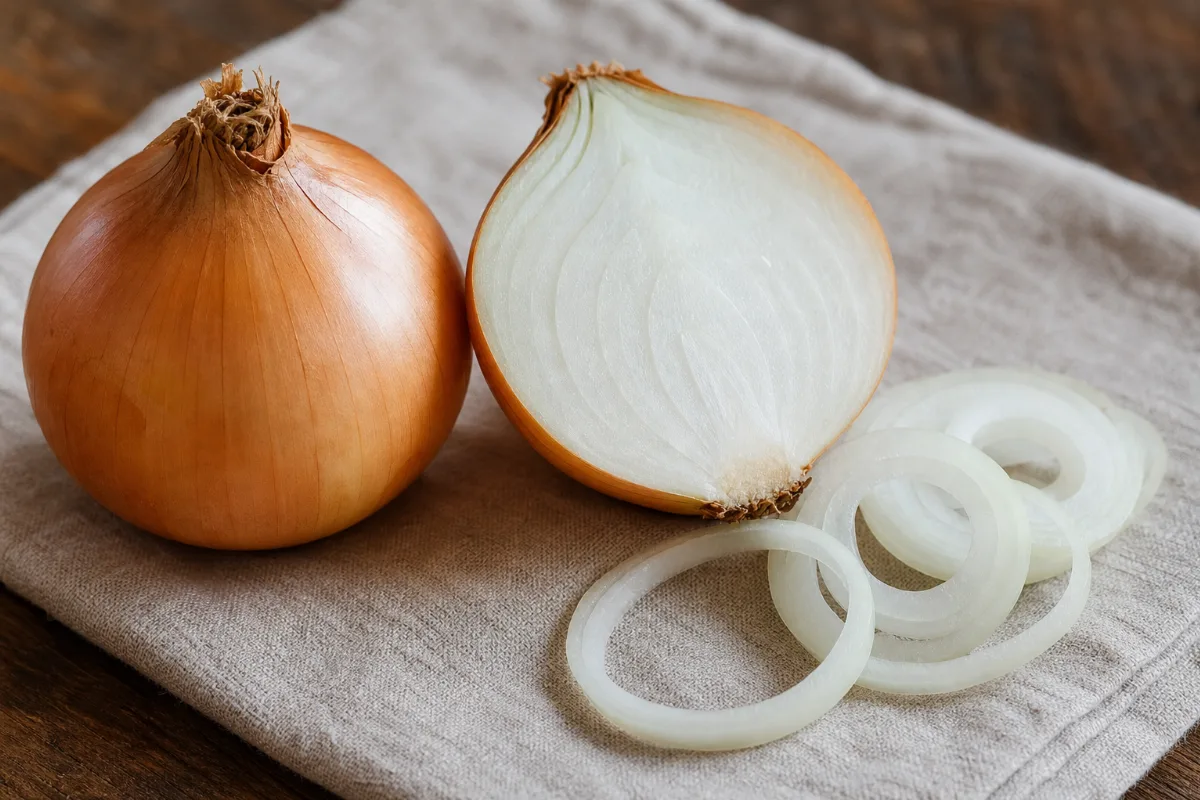
Onions (Allium cepa) as food: USDA nutrients, what studies show on quercetin and blood pressure, blood sugar and IBS, plus onion allergy and a warning for pets.
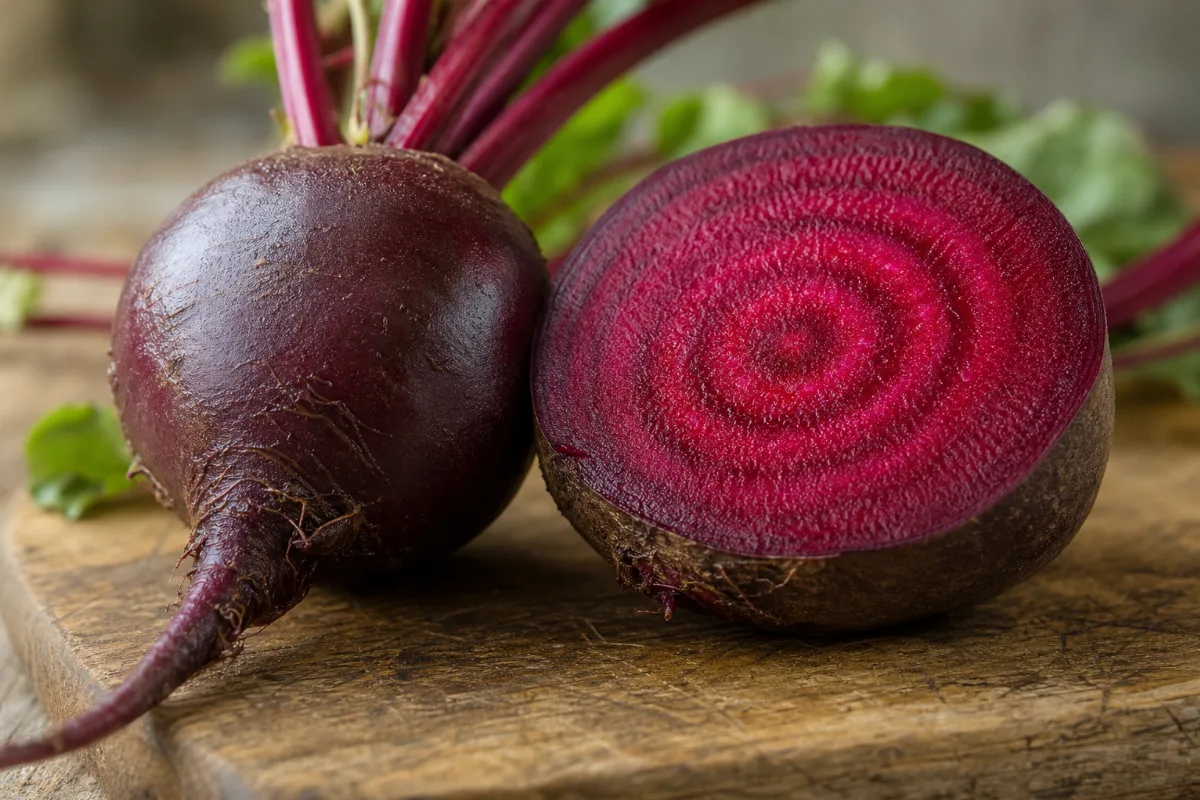
Beetroot and beet juice: what meta-analyses found on dietary nitrate and blood pressure, why certainty is low, and cautions on medicines, kidney stones and red urine.
Beet juice and blood pressure in hypertension
Dietary nitrate and blood pressure in healthy adults
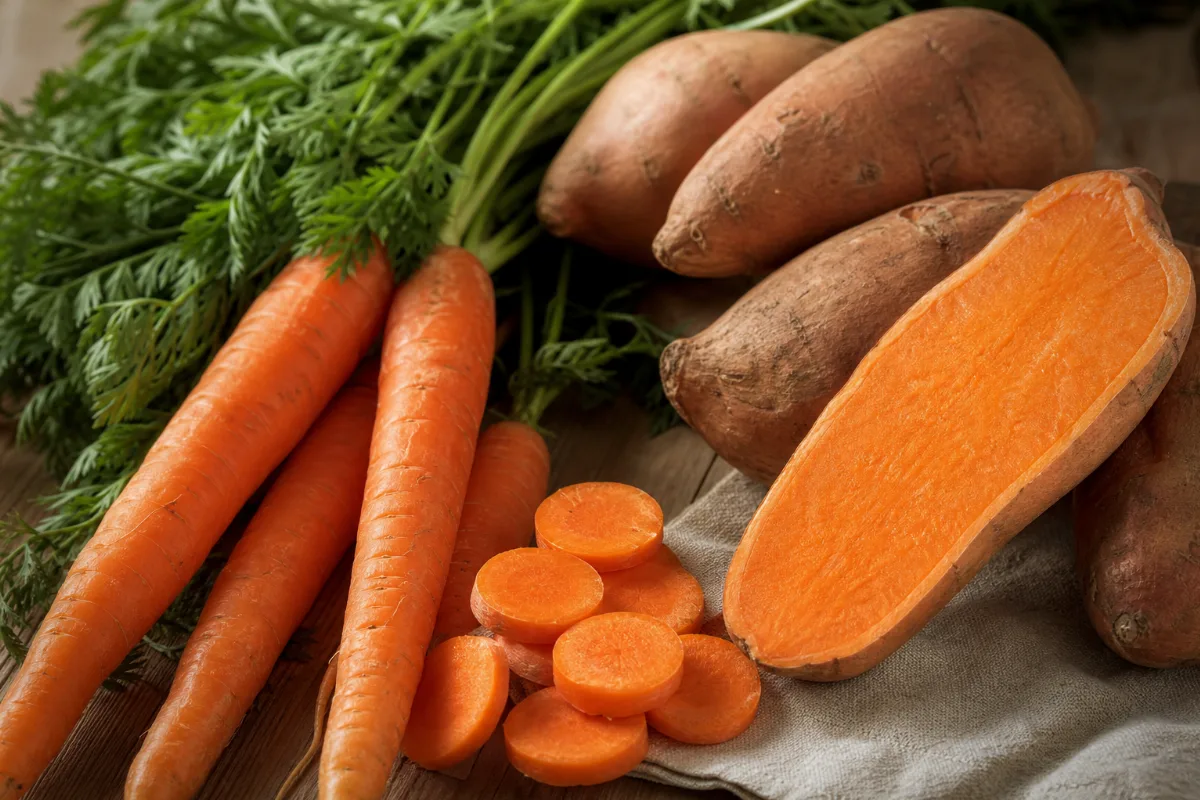
Normal serving (USDA): 1 sweetpotato, 5" long (130 g); or 1 medium carrot (61 g)
What sources say about sweet potatoes, carrots and other orange vegetables, beta-carotene in food versus supplements, and why the two should not be confused, especially for smokers.
Source of provitamin A (beta-carotene)
Orange-fleshed sweet potato and vitamin A status in children
Promoting orange-fleshed sweet potato to pregnant and breastfeeding women
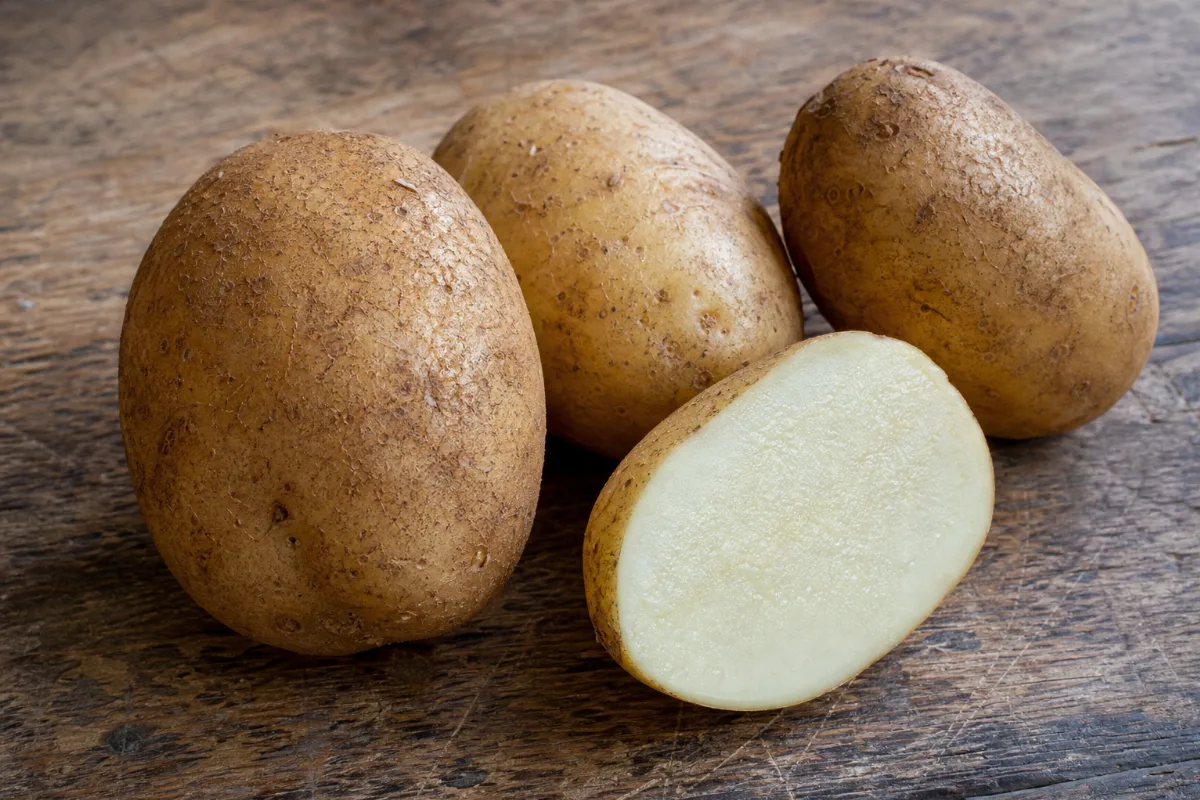
Normal serving (USDA): 1 medium potato (2-1/4" to 3-1/4" dia), raw (213 g)
Potatoes (Solanum tuberosum): USDA nutrition, potassium, what studies show on blood sugar, french fries and boiled potatoes, green potatoes and acrylamide.
Vitamin C intake and scurvy prevention
Potassium source
French fries versus baked, boiled or mashed potatoes and type 2 diabetes
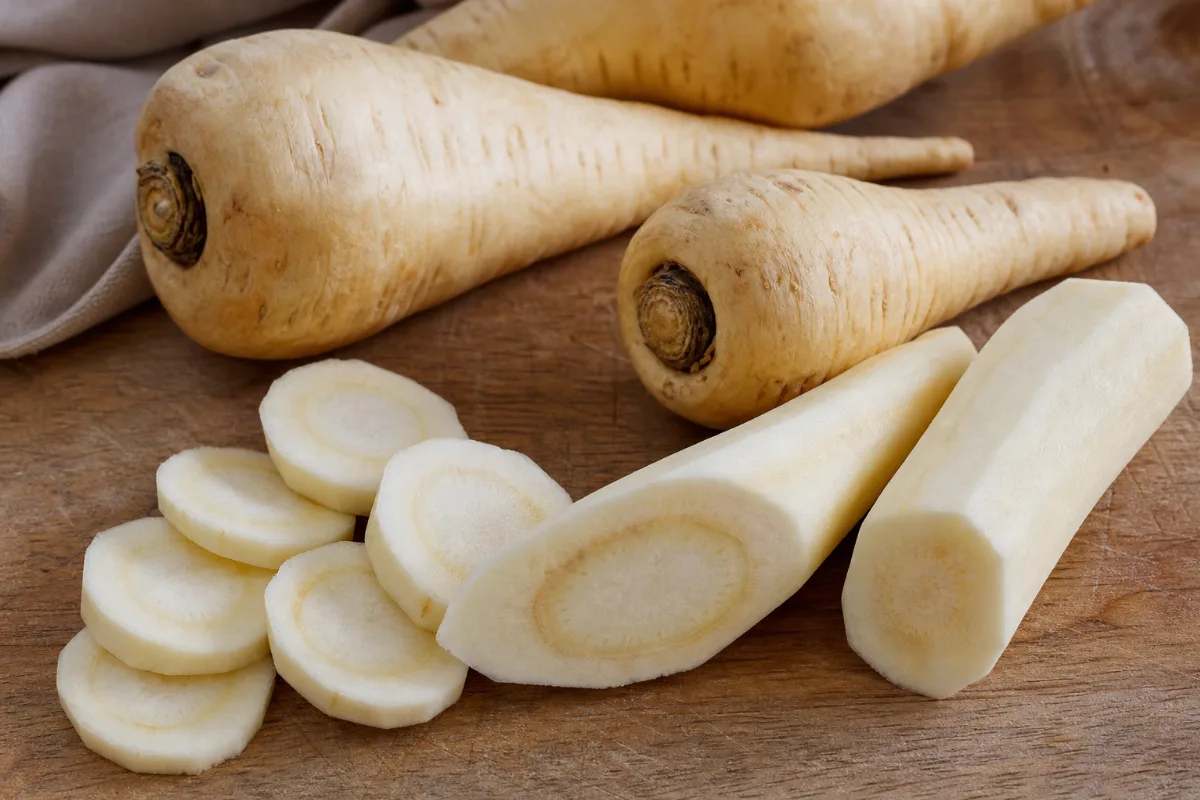
Parsnips (Pastinaca sativa): USDA nutrition, what research says about fiber, folate and potassium, the wild parsnip sap skin reaction, and safety notes.
Cassava (yuca), a starchy root: USDA nutrition, the cyanide safety facts (raw cassava, konzo, flour), how processing works, and what research shows on tapioca and starch.
Starchy staple: energy, vitamin C, manganese and potassium
Glycemic index of cassava foods
Resistant starch and tapioca resistant maltodextrin
Yellow biofortified cassava and vitamin A status in children
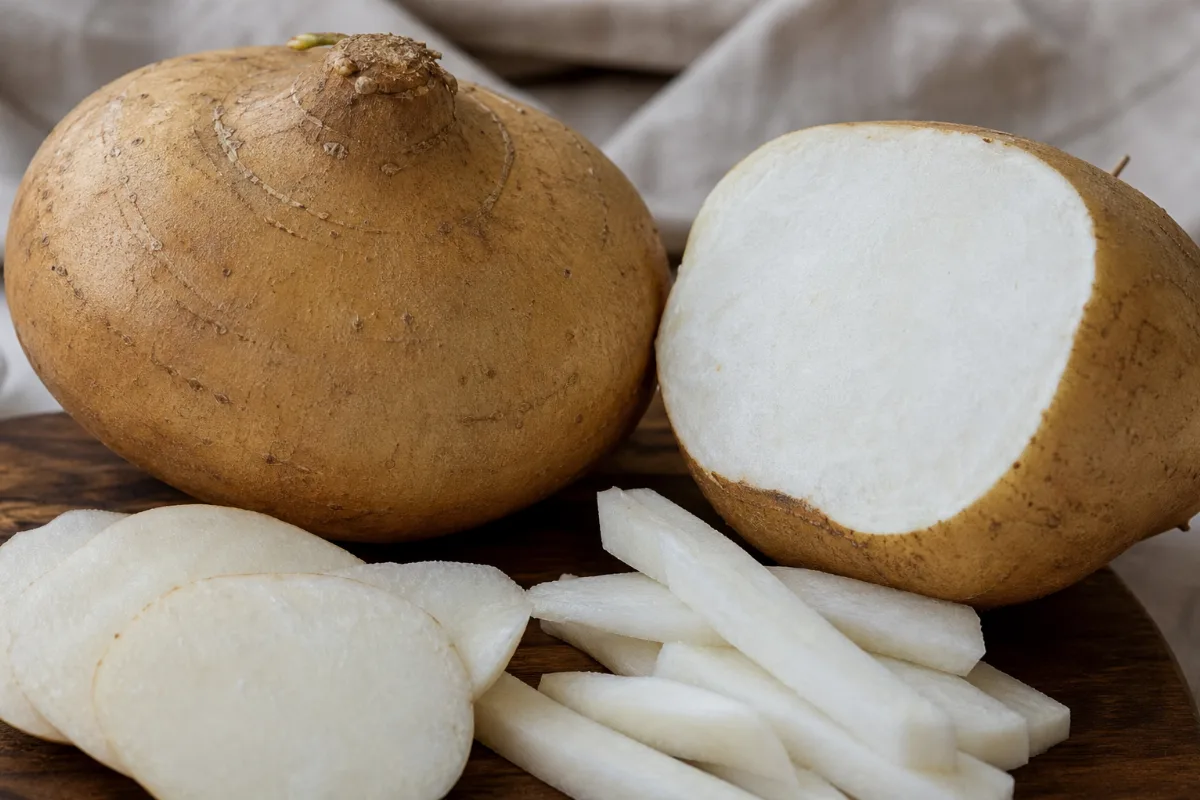
Jicama (Pachyrhizus erosus): USDA nutrition, what research says about inulin fiber, vitamin C and blood sugar, the rotenone in seeds and leaves, and bloating.
Normal serving (USDA): 1 cup, chopped or sliced (180 g)
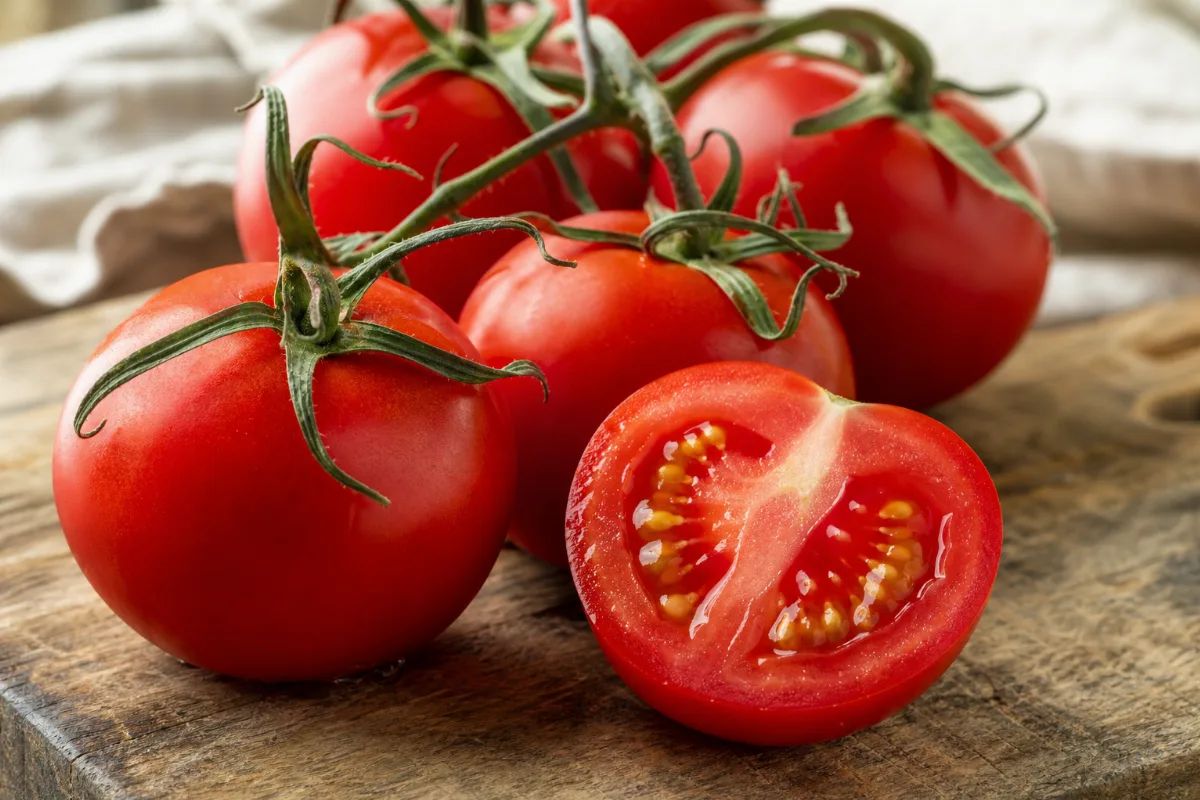
Tomatoes and lycopene: what cohort studies, meta-analyses and trials found on prostate cancer, heart risk markers and blood pressure, and how cooking and oil came into it.
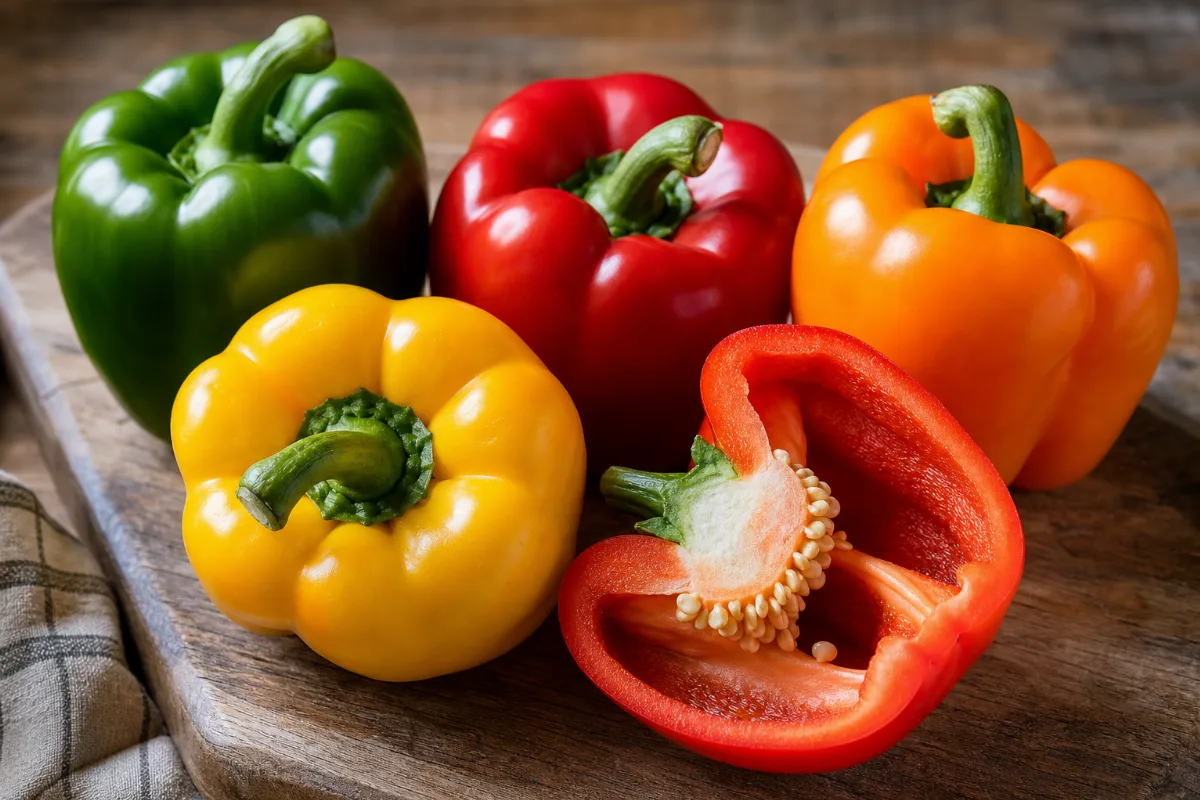
Bell peppers as food: USDA nutrients in red and green, vitamin C and carotenoids, nightshade-avoidance claims checked, and notes on allergy and latex links.
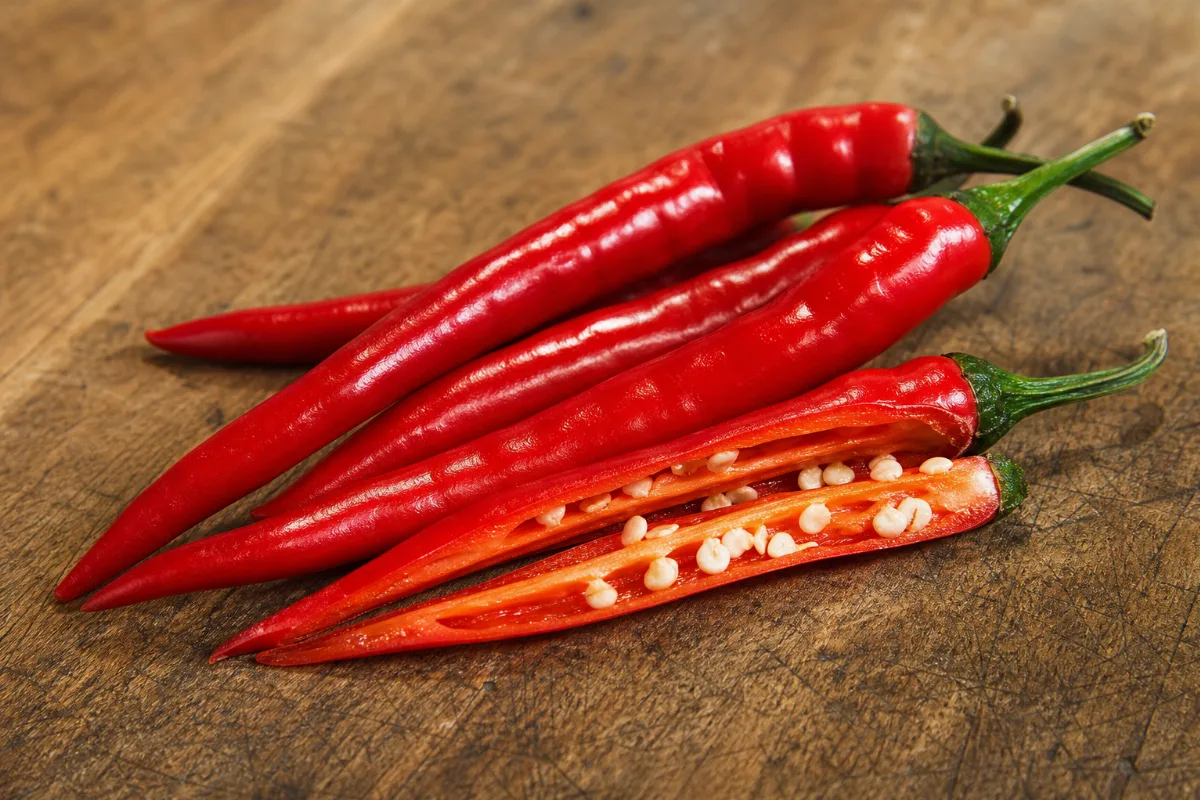
Chili peppers as food: USDA nutrients, what studies of spicy-food eaters found, heartburn, hot-pepper challenges, and how capsaicin creams are a separate medicine.
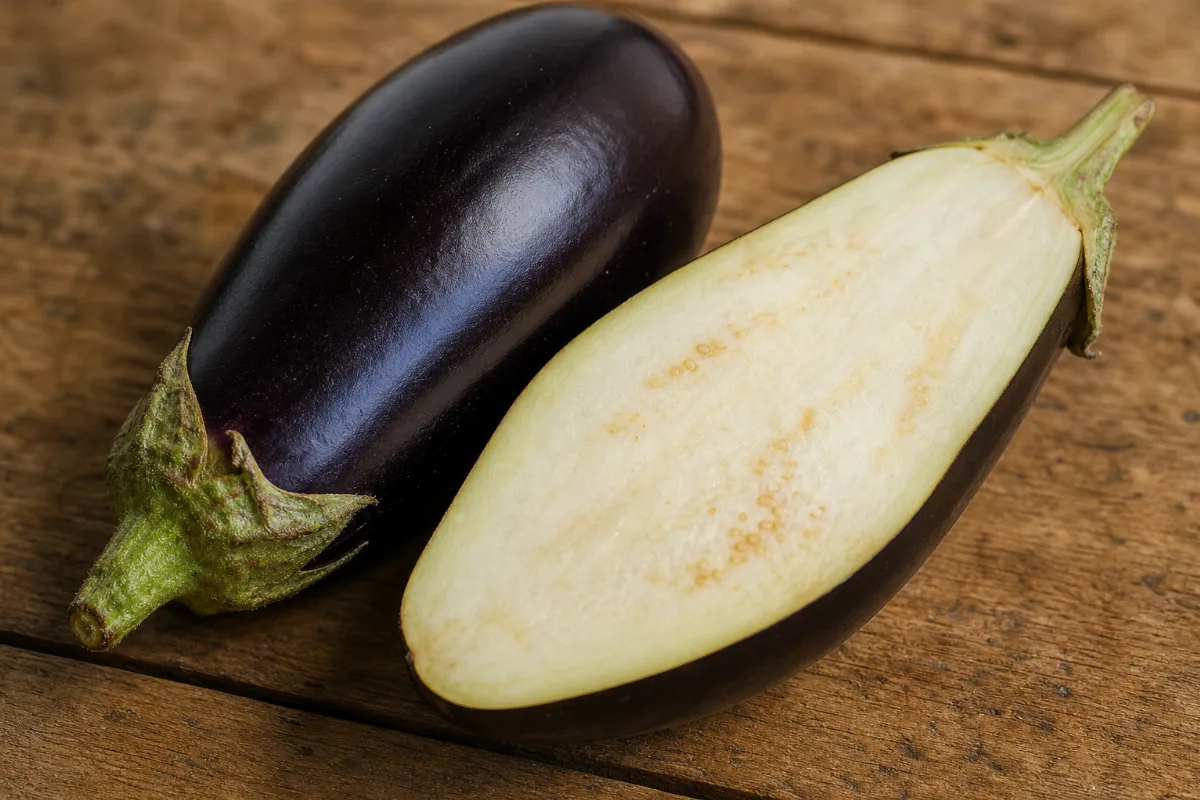
What eggplant (aubergine) offers, what lab and human research shows on its purple pigment, and the facts on nightshade claims, allergy, frying oil and nicotine.
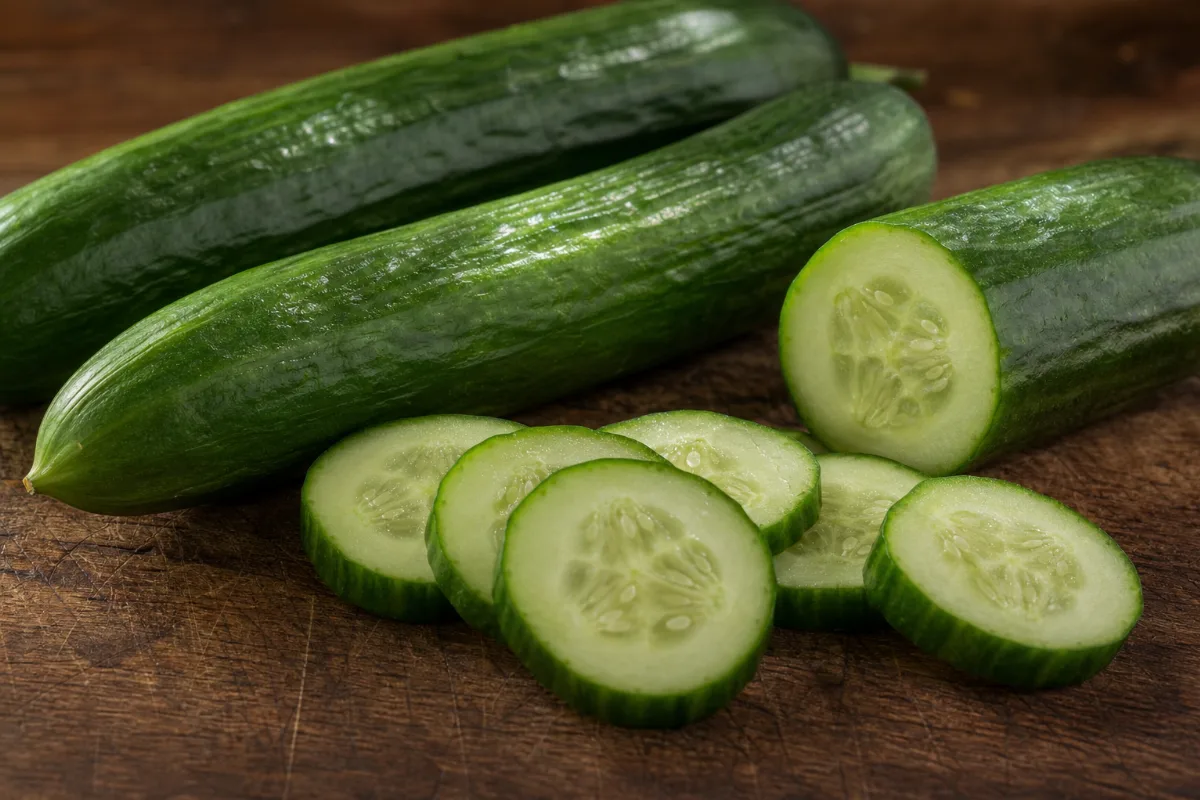
Cucumbers as food: USDA nutrients, water content, vitamin K and warfarin, peel and wax, Salmonella outbreaks, bitterness, and what research does and does not show.
Normal serving (USDA): 1 cup, 1-inch cubes (116 g)
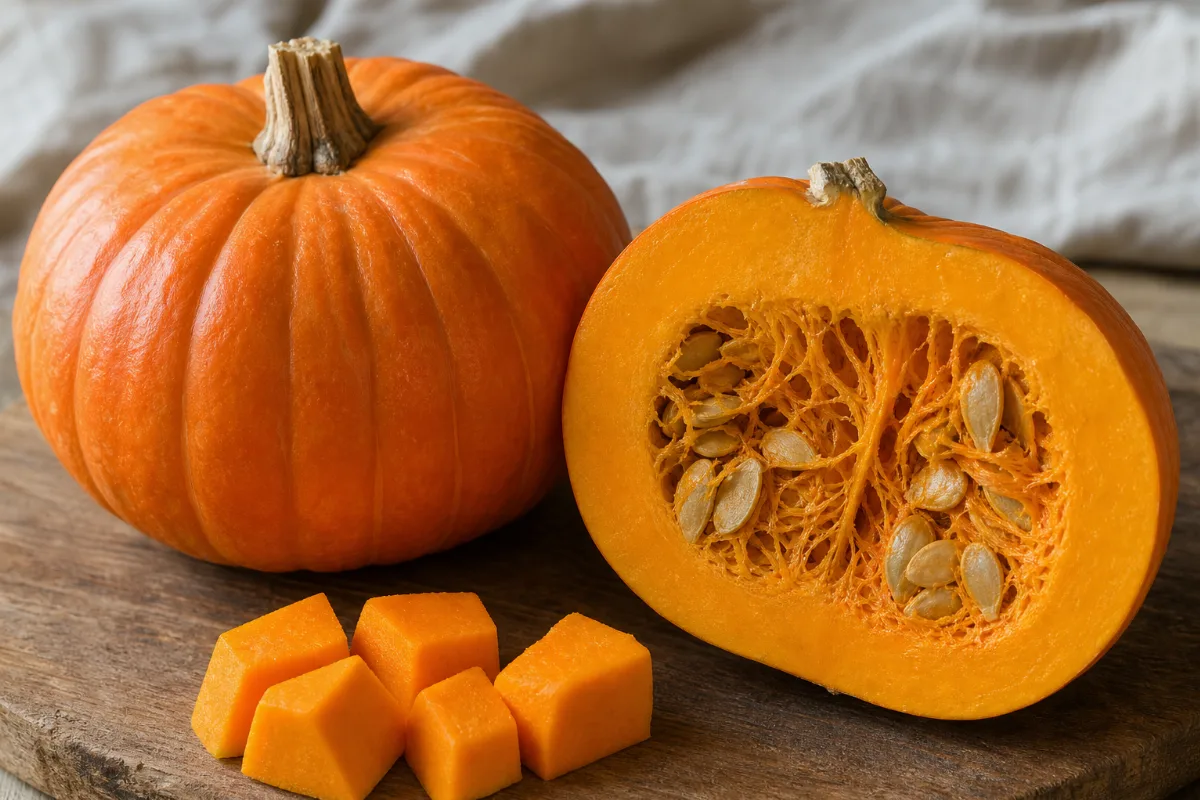
What pumpkin (Cucurbita pepo, C. maxima) offers, beta-carotene and vitamin A, canned pumpkin versus pie filling, fiber and potassium, and the safety facts that matter.
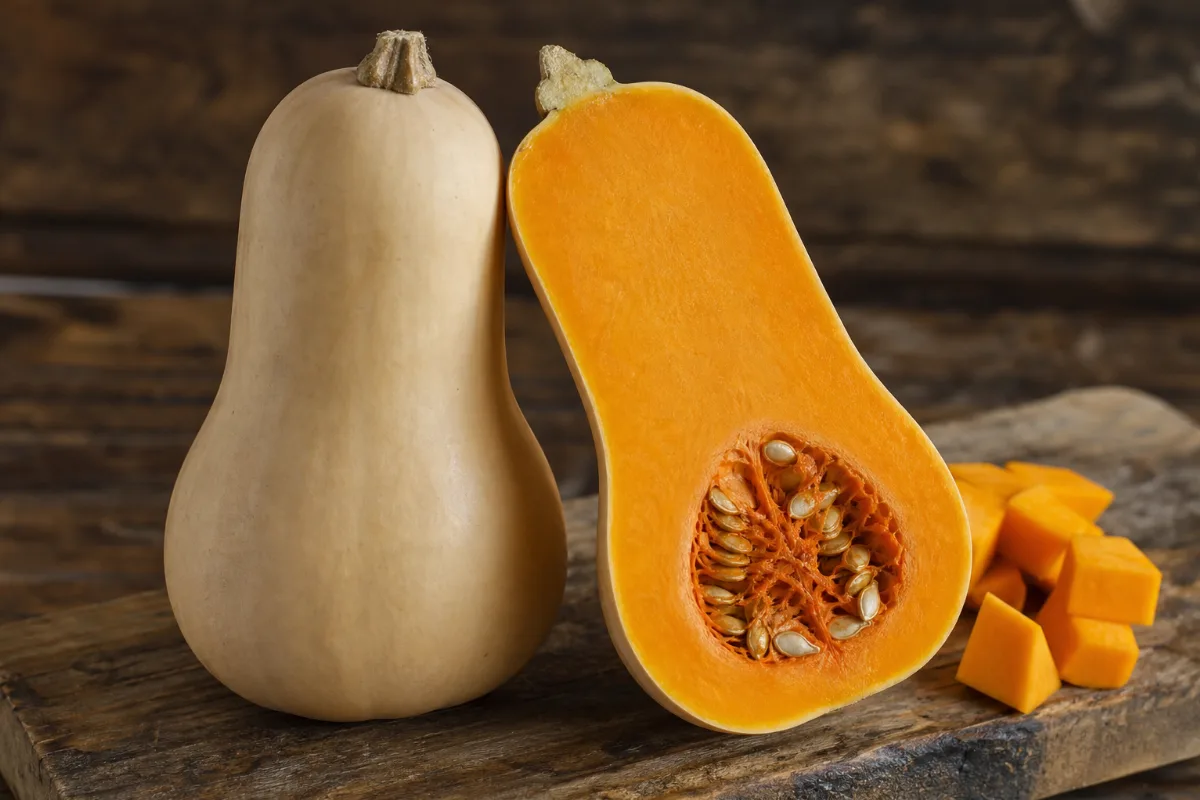
What butternut squash (Cucurbita moschata) offers, what research says on vitamin A, fiber and potassium, and the safety facts on kidneys, medicines and food safety.
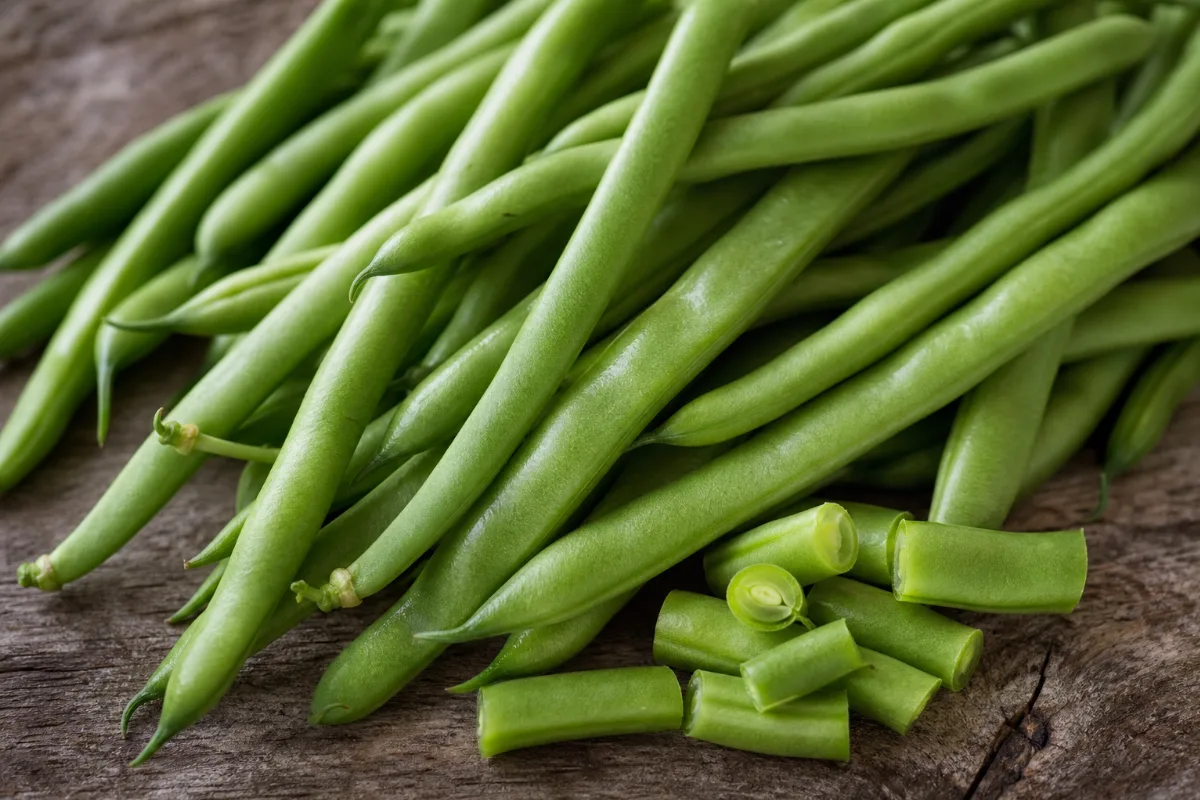
Green beans as a food: USDA nutrient values, what research says about fiber, folate and vitamin K, and safety notes on warfarin, raw beans and canned sodium.
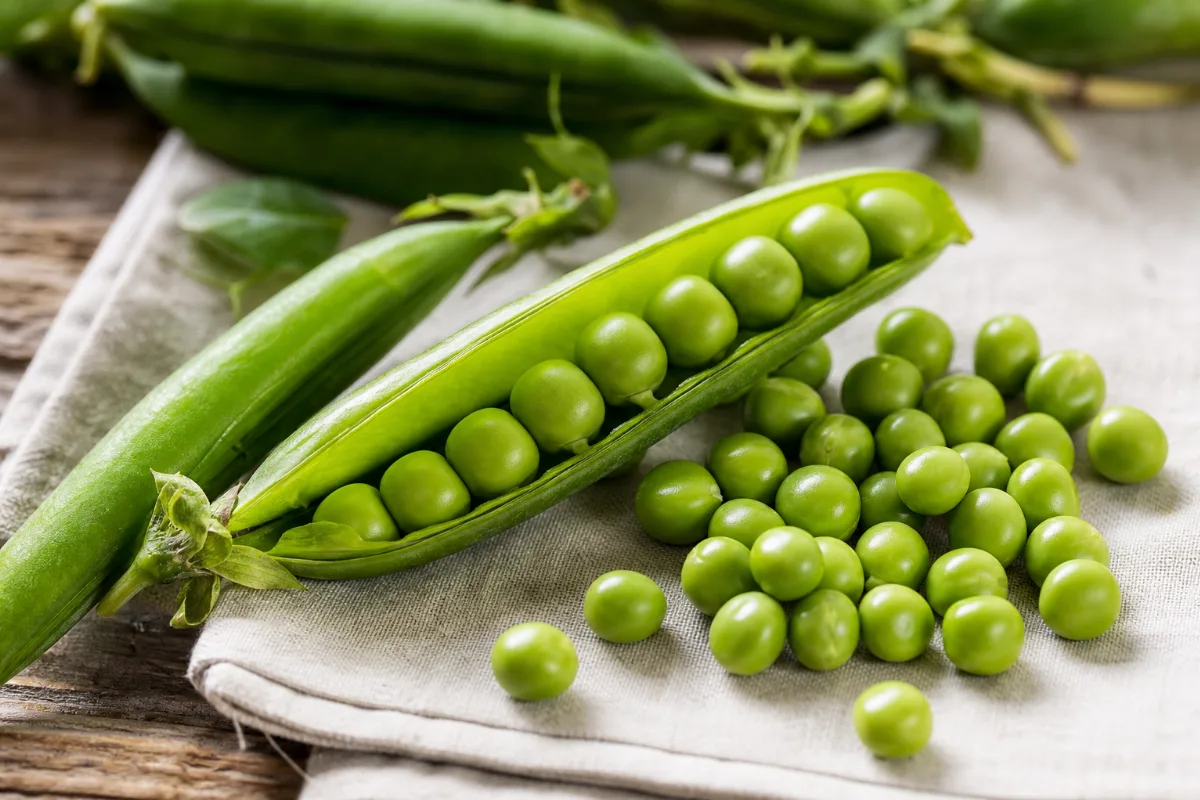
What green peas (Pisum sativum) contain, what research says about fiber, heart health and digestion, and facts on vitamin K, FODMAPs, pea allergy and frozen peas.
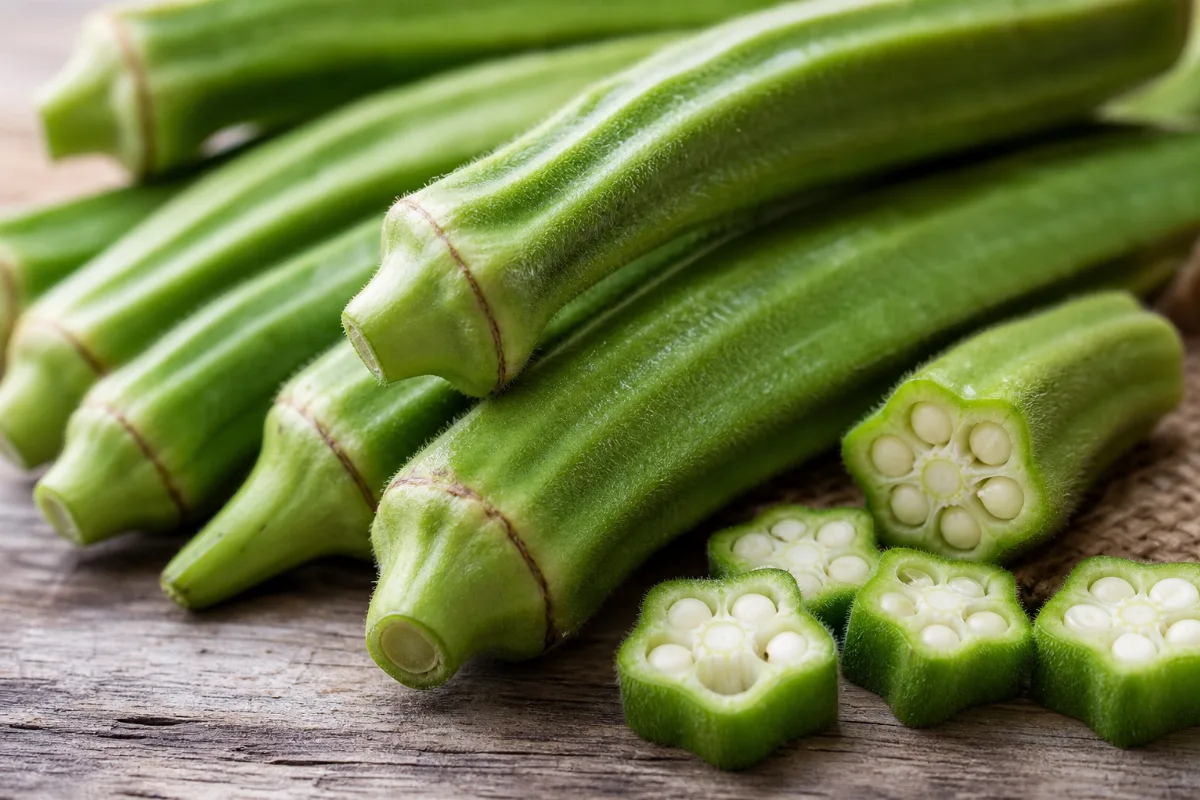
Okra as a food: USDA nutrient values, what trials say about blood sugar and cholesterol, and safety notes on vitamin K and warfarin, oxalate and allergy.
Blood sugar markers in type 2 diabetes and prediabetes
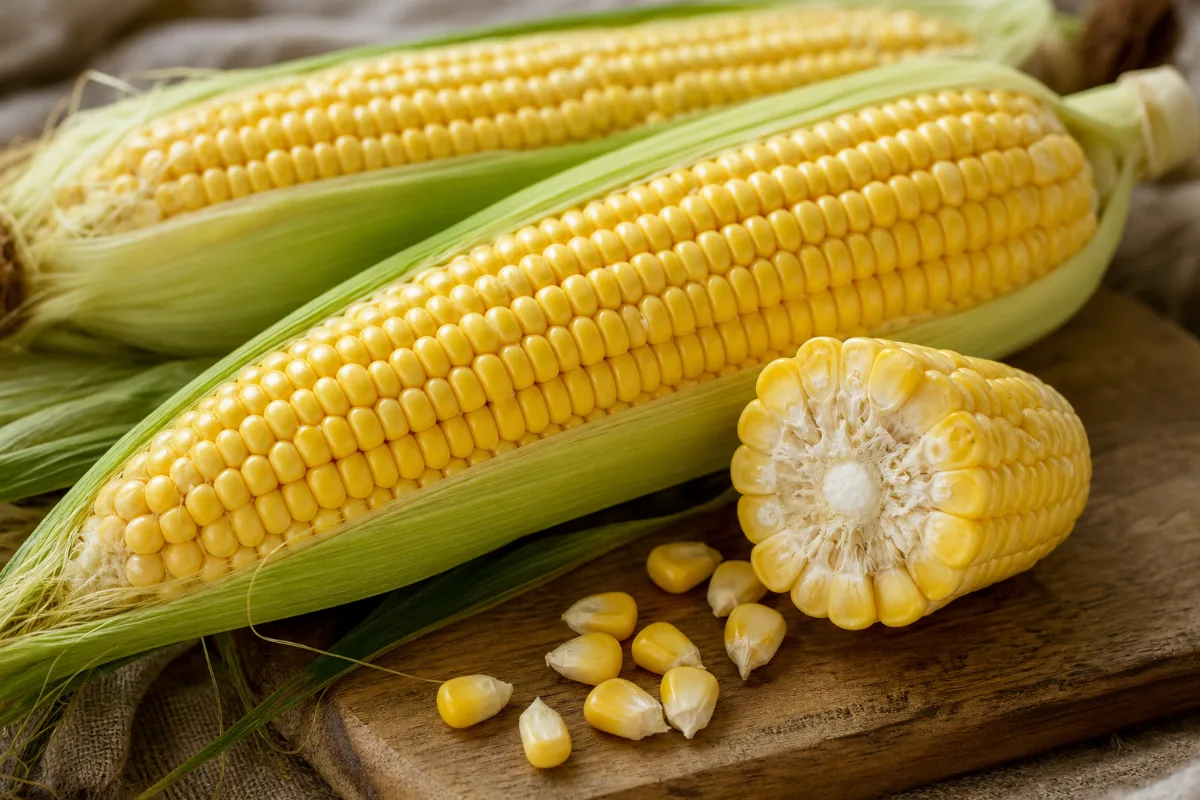
Sweet corn (Zea mays): what is in it per USDA, what research says about lutein and eye health, fiber, starch, mycotoxins and corn allergy, with plain safety notes.
Lutein and zeaxanthin intake and eye health
Lutein supplements and macular degeneration
Fiber and digestion
Folate, magnesium, vitamin C and thiamin from the food
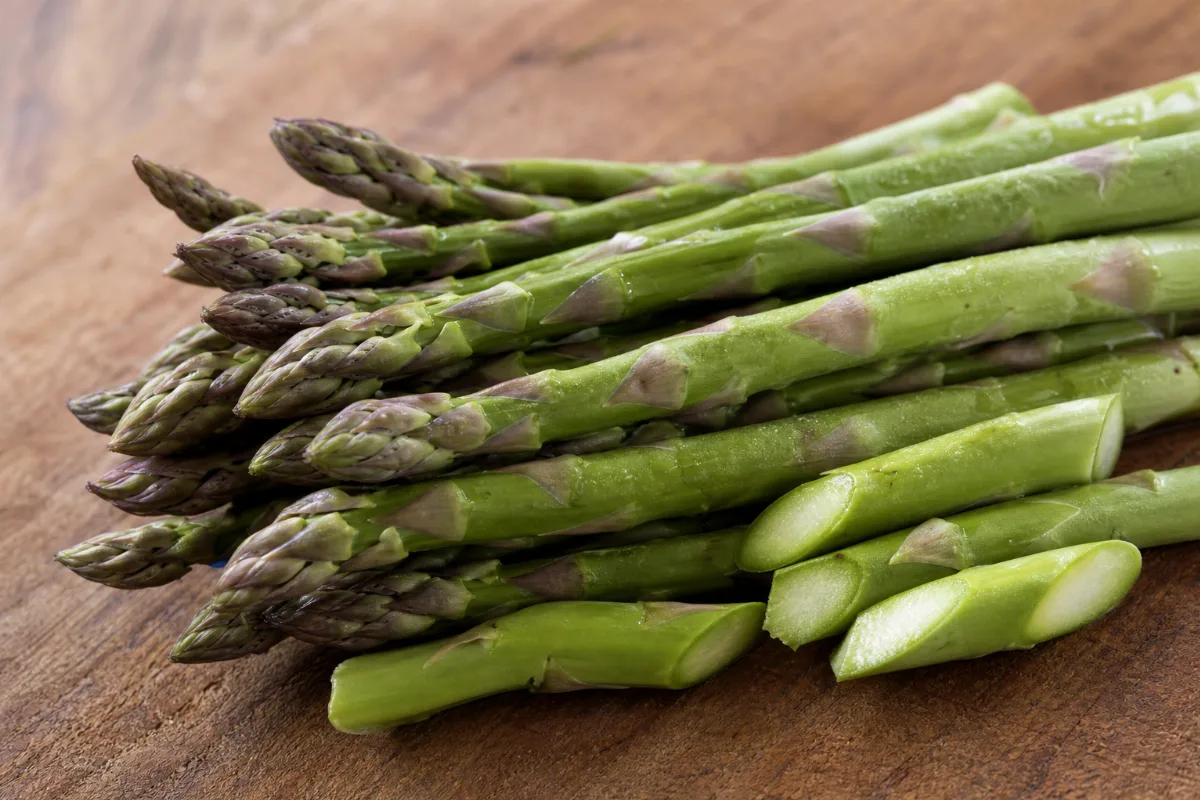
Asparagus as food: USDA nutrients, folate and pregnancy, vitamin K and warfarin, the urine smell, gout and purines, allergy, and what research does not show.
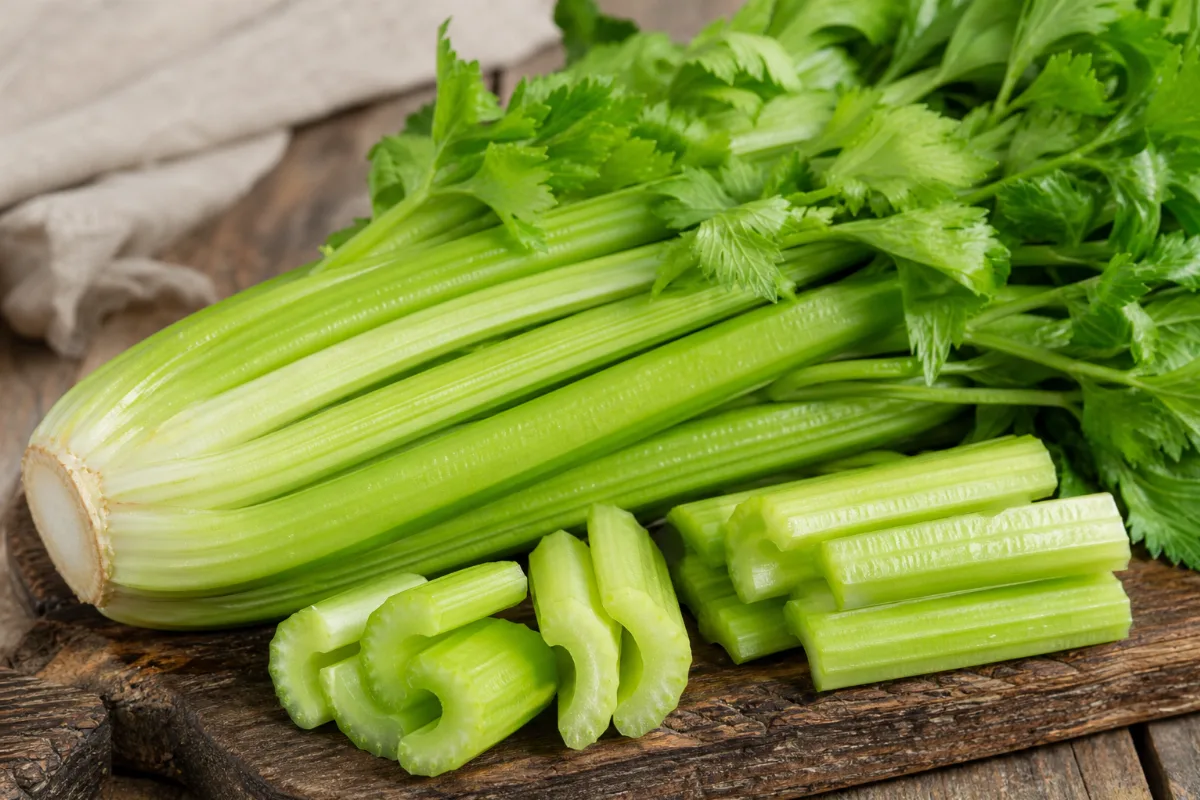
What celery (Apium graveolens) offers as a food, what research shows, and the safety facts on celery allergy, sun-triggered skin reactions, warfarin and juice claims.
Vitamin K intake from the diet
Celery juice trend claims
Blood pressure and blood sugar (celery preparations, mostly seed)
Normal serving (USDA): 1 artichoke, medium (128 g)
Globe artichokes as a food: USDA nutrients, fiber and inulin, folate and vitamin K, daisy-family allergy, and how this differs from artichoke leaf extract.
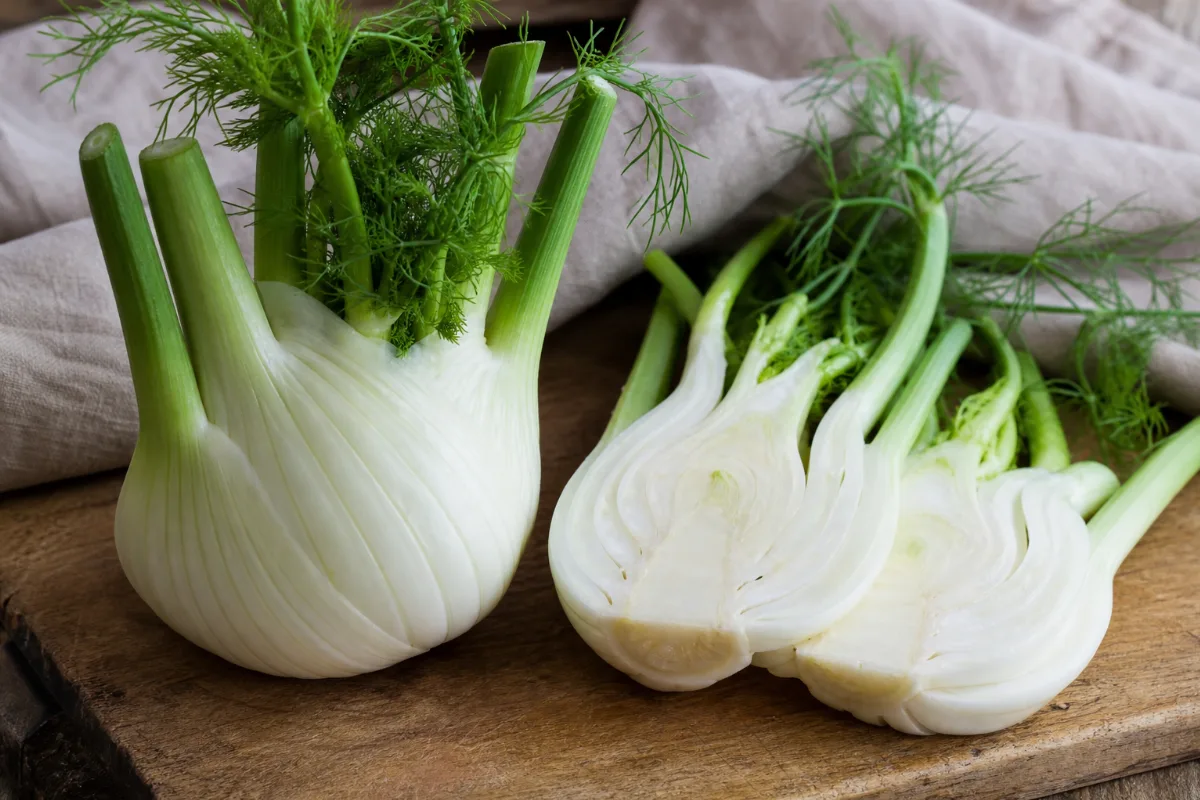
Fennel bulb (Foeniculum vulgare) as a vegetable: USDA nutrients, what research does and does not show, vitamin K, potassium, and celery-mugwort allergy.
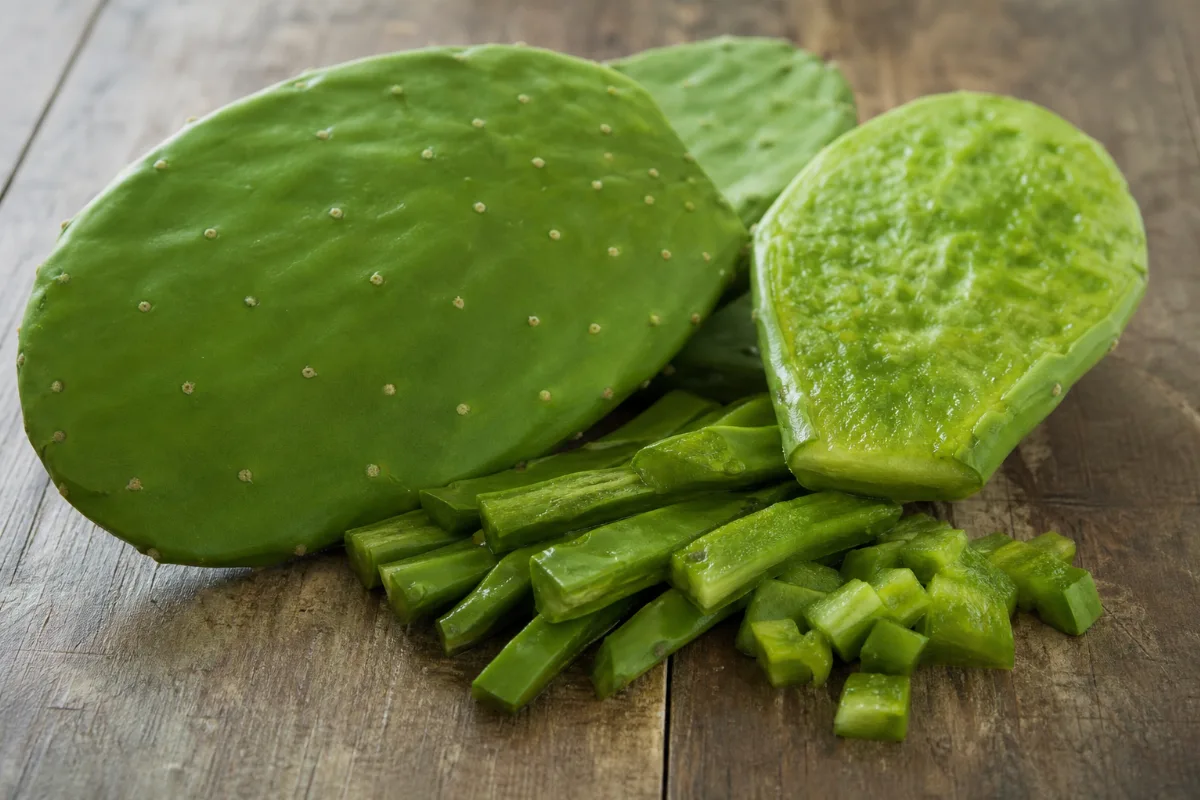
Nopales, the flat green pads of the prickly pear cactus: nutrients, what small studies found on blood sugar and fiber, and spine, canning and medicine cautions.
Kimchi, a traditional Korean fermented vegetable dish: what small human trials found, why a kimchi-derived probiotic is a different product, and sodium and biogenic amine cautions.
Blood sugar and insulin resistance in small trials
Normal serving (USDA): 1 cup (142 g), canned sauerkraut, solids and liquids
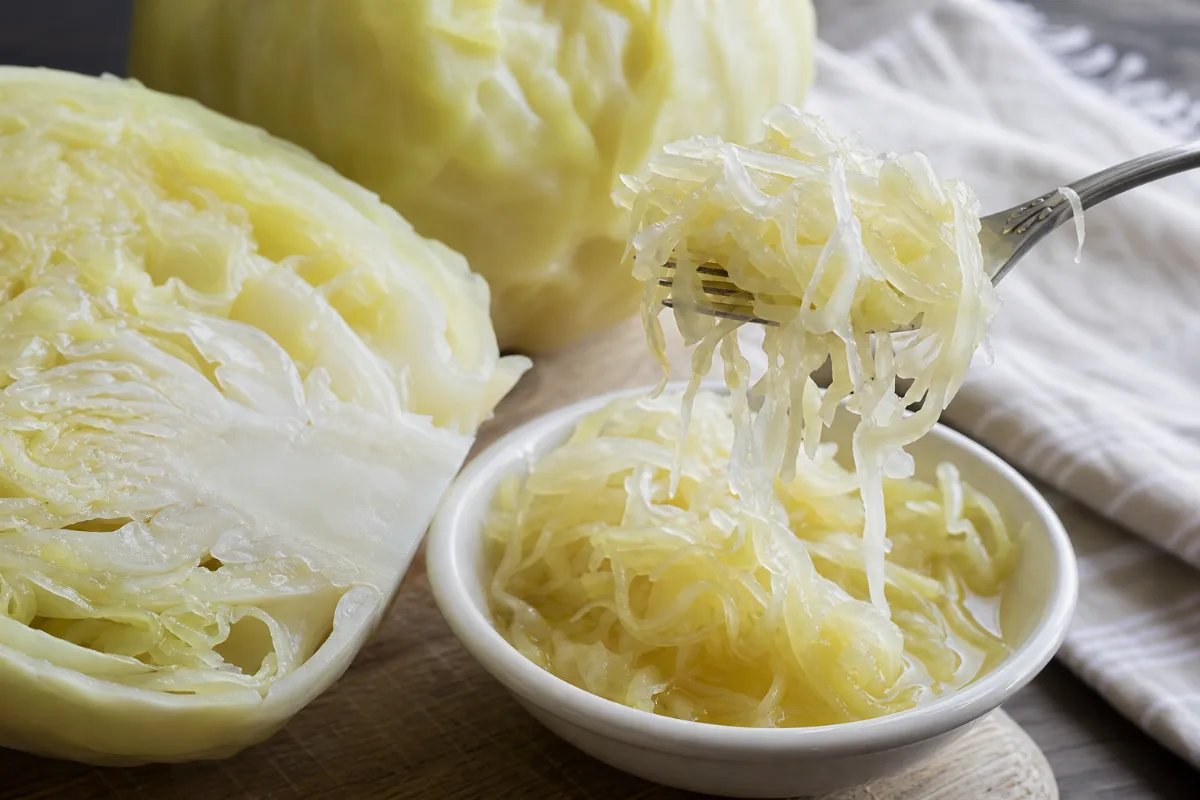
What an 87-person crossover trial found for fresh and pasteurized sauerkraut, why live cultures were not required for the changes seen, and sodium, biogenic amine and pregnancy cautions.
Gut bacteria and short-chain fatty acids (blood markers)
Overall gut microbiome stays stable
Live cultures were not required for the changes seen
No vegetable matches all of these filters. Try removing one. Some topics (for example most herbs) are not vegetables and live elsewhere on the site.
A link between a vegetable and a topic means the body needs the vegetable for that job, or that low intake is linked to it. It does not mean extra supplements help if your intake is already adequate. See each page’s evidence label.
Browse by vegetable vegetable group
Leafy greens
Spinach, kale, lettuce, chard and other leaves: low in calories, high in vitamin K.
What spinach (Spinacia oleracea) offers, what research shows on heart health and eyes, and the safety facts on warfarin, oxalate stones, nitrate and food safety.
Kale as a food: USDA nutrient values, what studies found, and the safety notes that matter most, including vitamin K with warfarin and thyroid questions.
What the sources say about arugula (rocket): its vitamin K, nitrate and glucosinolates, the warfarin question, what trials do not show, and leafy-green food safety.
Romaine and green leaf lettuce as food: USDA nutrients, what research found on leafy greens, vitamin K and warfarin, E. coli outbreaks, and how it differs from wild lett…
Swiss chard as a food: USDA nutrients, what research says about leafy greens, and safety notes on vitamin K and warfarin, oxalate and kidney stones, and potassium.
Watercress as a food: USDA nutrients, what small trials found, the 'most nutrient-dense' ranking explained, vitamin K and warfarin, and liver fluke risk from wild plants.
Mustard greens are a peppery leafy green rich in vitamin K and vitamin C. What the research says, plus warfarin, allergy, oxalate and thyroid safety notes.
Cabbage, green and red: USDA nutrients, what research says about glucosinolates, red cabbage pigments and cabbage leaf wraps, plus vitamin K, thyroid and gas questions.
Brussels sprouts: USDA nutrients, what studies show on glucosinolates and health, vitamin K with warfarin, cooking effects, bloating and thyroid questions.
Turnips (Brassica rapa subsp. rapa): USDA nutrition, what research says about glucosinolates, vitamin C, goitrogens, turnip greens and warfarin, and safety notes.
Kohlrabi is rich in vitamin C and fiber. What USDA data and cruciferous vegetable research show, what is not known about kohlrabi itself, and safety notes.
Onions (Allium cepa) as food: USDA nutrients, what studies show on quercetin and blood pressure, blood sugar and IBS, plus onion allergy and a warning for pets.
Potatoes (Solanum tuberosum): USDA nutrition, potassium, what studies show on blood sugar, french fries and boiled potatoes, green potatoes and acrylamide.
Parsnips (Pastinaca sativa): USDA nutrition, what research says about fiber, folate and potassium, the wild parsnip sap skin reaction, and safety notes.
Cassava (yuca), a starchy root: USDA nutrition, the cyanide safety facts (raw cassava, konzo, flour), how processing works, and what research shows on tapioca and starch.
Jicama (Pachyrhizus erosus): USDA nutrition, what research says about inulin fiber, vitamin C and blood sugar, the rotenone in seeds and leaves, and bloating.
Nightshades(3)Tomatoes, bell peppers, chili peppers and eggplant.
Bell peppers as food: USDA nutrients in red and green, vitamin C and carotenoids, nightshade-avoidance claims checked, and notes on allergy and latex links.
Chili peppers as food: USDA nutrients, what studies of spicy-food eaters found, heartburn, hot-pepper challenges, and how capsaicin creams are a separate medicine.
What eggplant (aubergine) offers, what lab and human research shows on its purple pigment, and the facts on nightshade claims, allergy, frying oil and nicotine.
Squash & Cucumber Family(4)Cucumbers, zucchini, pumpkin and butternut squash.
Cucumbers as food: USDA nutrients, water content, vitamin K and warfarin, peel and wax, Salmonella outbreaks, bitterness, and what research does and does not show.
What pumpkin (Cucurbita pepo, C. maxima) offers, beta-carotene and vitamin A, canned pumpkin versus pie filling, fiber and potassium, and the safety facts that matter.
What butternut squash (Cucurbita moschata) offers, what research says on vitamin A, fiber and potassium, and the safety facts on kidneys, medicines and food safety.
Green beans as a food: USDA nutrient values, what research says about fiber, folate and vitamin K, and safety notes on warfarin, raw beans and canned sodium.
What green peas (Pisum sativum) contain, what research says about fiber, heart health and digestion, and facts on vitamin K, FODMAPs, pea allergy and frozen peas.
Okra as a food: USDA nutrient values, what trials say about blood sugar and cholesterol, and safety notes on vitamin K and warfarin, oxalate and allergy.
Sweet corn (Zea mays): what is in it per USDA, what research says about lutein and eye health, fiber, starch, mycotoxins and corn allergy, with plain safety notes.
Asparagus as food: USDA nutrients, folate and pregnancy, vitamin K and warfarin, the urine smell, gout and purines, allergy, and what research does not show.
What celery (Apium graveolens) offers as a food, what research shows, and the safety facts on celery allergy, sun-triggered skin reactions, warfarin and juice claims.
Globe artichokes as a food: USDA nutrients, fiber and inulin, folate and vitamin K, daisy-family allergy, and how this differs from artichoke leaf extract.
Fennel bulb (Foeniculum vulgare) as a vegetable: USDA nutrients, what research does and does not show, vitamin K, potassium, and celery-mugwort allergy.
Nopales, the flat green pads of the prickly pear cactus: nutrients, what small studies found on blood sugar and fiber, and spine, canning and medicine cautions.
Search vegetables: popular vegetables, A to Z, search with filters, more ways
Well-studied vegetables to start with
These vegetables have the most human research summarized in our guides (counted from the evidence ratings on each profile). More research does not mean the vegetable works or is safe for you: open the guide to see what was found, including negative and mixed results.
Every published vegetable guide (48), with its names and what it is made of. Each name opens one guide that brings together identity, traditional use, research, safety, forms and sources.
Vegetables whose guide documents a point to check for this concern. Being listed does not mean the vegetable is unsafe for everyone. Open the guide to read the details.
The best level of evidence in each vegetable guide for any listed benefit. A stronger label for one use says nothing about its other uses or its safety.
Vegetables have been used for health in many cultures for centuries. A traditional use tells you what people have done, not that it works. Here every vegetable is listed under the goals, body systems and actions its guide connects it to, and each link carries the strength of the evidence behind it.
Strongest
1 vegetables
Clinical trials support a benefit
Promising
46 vegetables
Early or mixed human evidence
Early science
1 vegetables
Lab or animal research only
Unknown
0 vegetables
Too little evidence to say
Each vegetable is counted once, at the strongest level its guide documents for any use. A strong label for one use says nothing about its other uses or its safety. "Traditional use" alone is not one of these labels: where a guide only reports history, the link is rated "Too little evidence to say". Read the guide on traditional use and research evidence.
Vegetables by wellness goal
Each card shows how many vegetables are linked to a goal and how strong the evidence is. Green means clinical trials support a benefit; grey means too little evidence. These are links the guides document, not recommendations. For the wider picture, see the Wellness Goals section.
The same links, organized the way anatomy and physiology textbooks do. "Action" describes what a vegetable is said to do (for example calming or digestive support); it names the claim, not the proof.
Side-by-side guides for vegetables that people confuse or choose between. They explain differences; they do not rank the vegetables.
What research shows, by health concern
Each guide below looks at one concern, from sleep to skin, and separates vegetables that were tested in people from vegetables that are only traditional or lab-tested.
People have used vegetables for health for many centuries. A traditional use tells you what people have done, not that it works. For what research found, see the Health Benefits and Scientific Evidence tabs.
Traditional vegetable medicine
Ayurveda, Traditional Chinese Medicine and other traditions each use natural remedies in their own systems. The vegetables below are the ones whose guide mentions the tradition in its own text. That a tradition uses a vegetable is history, not clinical evidence. Each guide says separately what trials found.
Traditional Chinese Medicine · 1 vegetables mention it
Vegetables are active substances. Some interact with prescription medicines, some are unsafe in pregnancy or with certain conditions, and some have been linked to serious harm. This tab brings together what the individual vegetable guides document, plus the general rules. Medicine interactions have their own tab.
If someone may have been poisoned or is seriously unwell
▸Collapse, seizure, trouble breathing, swelling of the face or throat, chest pain or a fast irregular heartbeat: call your local emergency number now (911 in the United States and Canada, 999 in the UK, 112 in the European Union).
▸Swallowed too much of a vegetable, or a child or pet got into a product, and the person seems well: in the United States call Poison Help, 1-800-222-1222 (free, 24 hours). Elsewhere, call your national poison centre or local emergency number.
▸Yellow skin or eyes, dark urine, severe belly pain, or a new rash after starting a vegetable: stop it and contact a clinician the same day.
Food allergy can be an emergency. Call 911 for trouble breathing or swelling of the face or throat.
Some foods affect medicines: grapefruit and relatives, vitamin K greens with warfarin, and potassium-rich foods with some blood pressure medicines or kidney disease.
Juices, powders and extracts are not the same as the whole food. Ask a pharmacist or clinician if you take medicines or have a medical condition.
"Natural" does not mean safe. Natural products can contain strong substances; some are harmful. Natural Does Not Mean Safe
Tell your pharmacist and clinician about every vegetable product you use, and ask before combining one with prescription or over-the-counter medicines.
Be extra careful with narrow-margin medicines such as warfarin, antidepressants, immunosuppressants, diabetes and blood pressure medicines.
Tell the surgical team about every vegetable before an operation. Many teams ask people to stop vegetable products ahead of surgery; ask yours how long.
Pregnancy, breastfeeding, children and older adults are groups where good safety data are often missing, so official sources usually advise asking first.
Start one product at a time, at the label amount, so a reaction can be traced. Stop and get advice if you feel unwell.
Products vary. Contamination, substitution and mislabelling are documented problems; third-party testing can reduce but not remove the risk.
Each line comes from a vegetable's own guide, where it is backed by cited sources: 162 documented risks across 48 of the 48 vegetables. A vegetable missing from a list is not proven safe: it may simply not have been studied. Open the vegetable's guide for the full wording and sources.
Too much vitamin A comes mainly from liver and supplements. The NHS describes excess vitamin A mainly from liver and from supplements including many multivitamins. The sources we read give …
Kidney stones and oxalate. NIDDK says people who have had calcium oxalate stones may want to reduce high-oxalate foods and should ask a health professional …
Potassium, kidney disease and medicines. People with kidney problems and people taking ACE inhibitors, ARBs or potassium-sparing diuretics can develop high blood potassiu…
Potassium, kidney disease and some medicines. Celery has a moderate amount of potassium. People with kidney problems, or taking ACE inhibitors, ARBs or potassium-sparing diure…
Potassium with kidney disease or certain medicines. Eggplant has moderate potassium (229 mg per 100 g). MedlinePlus says people with kidney problems should not eat too many potassiu…
Potassium, kidney disease and some heart medicines. People with kidney problems may need to limit potassium-rich foods; ACE inhibitors, ARBs and potassium-sparing diuretics can rais…
Potassium, kidney disease and medicines. People with kidney problems, especially on dialysis, should not eat too many potassium-rich foods, and ACE inhibitors can raise b…
Oxalate and kidney stones. The NIDDK stone avoid-list names spinach, not kale. A small study measured very little oxalic acid in kale (0.01 g in 150 g) comp…
Potassium, kidney disease and medicines. Kohlrabi has about 350 mg of potassium per 100 g (10% of the Daily Value per cup). With chronic kidney disease, extra potassium m…
Oxalate and kidney stones. NIDDK says people who have had calcium oxalate stones may want to cut back on some high-oxalate foods, and its list includes spin…
Calcium oxalate and kidney stones: not established. A 2026 lab study found calcium oxalate crystals in the pad tissue. The sources we read do not give oxalate amounts or show whethe…
Oxalate and kidney stones. One oxalate table lists okra at 146 mg per 100 g, among higher-oxalate vegetables, but it names no source and dates from 2006. Pe…
Potassium and kidney disease. MedlinePlus says people with chronic kidney disease may need to limit potassium and that some medicines can raise potassium. A cu…
Potassium, kidney disease and some blood pressure medicines. People with poor kidney function may need to limit high-potassium foods, and ACE inhibitors, ARBs and potassium-sparing diuretics…
Potassium, kidney disease and medicines. Poor kidney function and ACE inhibitors, ARBs and potassium-sparing diuretics can raise blood potassium; people with kidney probl…
Oxalate and kidney stones. Spinach is high in oxalate. NIDDK says to limit it if you have had calcium oxalate stones. A small study in healthy adults found …
Potassium, kidney disease and medicines. Spinach is rich in potassium (558 mg per 100 g). MedlinePlus says people with kidney problems should not eat too many potassium-r…
Oxalate and kidney stones. People who have had calcium oxalate stones are advised by NIDDK to consider limiting oxalate-rich foods such as spinach. The sour…
Oxalate kidney injury after a large chard meal (case report). A 2026 case report describes acute kidney injury with oxalate crystals after one meal of freshly harvested Swiss chard; function …
Potassium and kidney disease. Leafy greens are a potassium source (379 mg per 100 g in chard). In chronic kidney disease potassium may need to be limited; some…
Potassium, kidney disease and certain medicines. MedlinePlus lists poor kidney function, ACE inhibitors, ARBs and potassium-sparing diuretics among causes of too much potassium i…
Blood pressure medicines. The 2024 review asked whether beet juice could add to blood pressure drug treatment, but the abstract we read does not report dru…
Potassium, kidney disease and medicines. People with kidney problems and people taking ACE inhibitors, ARBs or potassium-sparing diuretics can develop high blood potassiu…
Potassium, kidney disease and some medicines. Celery has a moderate amount of potassium. People with kidney problems, or taking ACE inhibitors, ARBs or potassium-sparing diure…
Heartburn, reflux and dyspepsia. Chili can aggravate burning and abdominal pain in some people with dyspepsia, irritable bowel syndrome or non-erosive reflux; sma…
Potassium with kidney disease or certain medicines. Eggplant has moderate potassium (229 mg per 100 g). MedlinePlus says people with kidney problems should not eat too many potassiu…
Potassium, kidney disease and some heart medicines. People with kidney problems may need to limit potassium-rich foods; ACE inhibitors, ARBs and potassium-sparing diuretics can rais…
Potassium, kidney disease and medicines. People with kidney problems, especially on dialysis, should not eat too many potassium-rich foods, and ACE inhibitors can raise b…
Potassium, kidney disease and medicines. Kohlrabi has about 350 mg of potassium per 100 g (10% of the Daily Value per cup). With chronic kidney disease, extra potassium m…
Potassium and kidney disease. MedlinePlus says people with chronic kidney disease may need to limit potassium and that some medicines can raise potassium. A cu…
Potassium, kidney disease and some blood pressure medicines. People with poor kidney function may need to limit high-potassium foods, and ACE inhibitors, ARBs and potassium-sparing diuretics…
Potassium, kidney disease and medicines. Poor kidney function and ACE inhibitors, ARBs and potassium-sparing diuretics can raise blood potassium; people with kidney probl…
Potassium, kidney disease and medicines. Spinach is rich in potassium (558 mg per 100 g). MedlinePlus says people with kidney problems should not eat too many potassium-r…
Potassium and kidney disease. Leafy greens are a potassium source (379 mg per 100 g in chard). In chronic kidney disease potassium may need to be limited; some…
Potassium, kidney disease and certain medicines. MedlinePlus lists poor kidney function, ACE inhibitors, ARBs and potassium-sparing diuretics among causes of too much potassium i…
Beeturia (pink or red urine). Beets can turn urine pink to deep red. StatPearls reports this in roughly 10 to 14 percent of people. A clinician should be asked…
Juice is lower in fiber than the whole vegetable. US dietary guidelines say juice is lower in fiber than whole fruit and favor whole forms. Bottled juices can have added sugars, s…
Very large raw intake and thyroid (case report). A case report describes myxedema coma, a severe form of underactive thyroid, linked to eating raw bok choy.
Washing and food safety. Rinse under running water without soap or produce wash; washing reduces but does not eliminate bacteria and cooking kills harmful…
Beta-carotene supplements in smokers. In male smokers, 20 mg a day of beta-carotene as a supplement was followed by more lung cancer. MedlinePlus says foods with beta-…
Too much vitamin A versus beta-carotene. Serious harm and birth defects are tied to large amounts of preformed vitamin A; large amounts of beta-carotene are not seriously…
Goitrogens and the thyroid. Cabbage-family vegetables contain compounds that can reduce thyroid iodine uptake in theory. A 2024 review found no adverse thyro…
Konzo and long-term reliance on poorly processed bitter cassava. Konzo is a lasting leg paralysis seen mostly in children and women of childbearing age in parts of Africa, associated with a mono…
Cassava flour and cyanide outbreaks. A batch of cassava flour with high cyanogenic content caused an outbreak in Uganda in 2017 (33 people hospitalized after one fune…
How processing lowers cyanide (and what does not). Boiling, steaming, baking or frying whole fresh roots is not very effective (often 50% or more of the cyanide stays). Grating, so…
Thyroid and iodine deficiency. Thyroid problems from cassava cyanide have only been reported where poorly processed cassava was eaten in areas of iodine deficie…
Washing and storing safely. The FDA advises rinsing produce under running water without soap, keeping cut produce at 40 F or below, and using separate cuttin…
Gas and bloating from fiber such as inulin. A review of 103 trials lists gas and bloating among tolerance effects of non-digestible carbohydrates. This applies mainly to con…
Hot-pepper challenges and ultra-hot peppers. A case report describes reversible cerebral vasoconstriction syndrome and a cerebellar infarct in a teenager after eating a Carol…
Goitrogens and thyroid. Cabbage-family vegetables contain goitrogens that can interfere with iodine use; they matter clinically mostly at large intakes o…
Produce food safety. Wash produce under running water without soap; refrigerate perishable and pre-cut produce at 40 F or below; washing reduces but d…
Thyroid questions (goitrin and thiocyanate). Some glucosinolate breakdown products may reduce thyroid hormone production. A 2024 review of 123 articles found most results cas…
Raw bok choy case report. A case report describes myxedema coma after a person ate unusually large amounts of raw bok choy. We read only the title and cita…
Washing and raw produce safety. The FDA says to wash produce under running water; soap or produce wash is not recommended, and washing lowers but does not remove…
Salmonella outbreaks and recalls. In 2024 the FDA and CDC linked 113 illnesses in 23 states and 28 hospitalizations to slicer cucumbers from one grower. Lab work s…
Goitrogens and the thyroid. Crucifers contain goitrogens; they are not of clinical importance unless eaten in large amounts or with iodine deficiency (LPI).
Oil uptake when eggplant is fried. In a laboratory study, frying time and temperature changed how much oil deep-fried eggplant rings took up, and a gel coating cut …
Fructans, gas and bloating (FODMAPs). Fructans are not digested in the small intestine and can cause gut symptoms in some people; artichoke is among the highest vegeta…
Raw or undercooked beans (lectin). FDA says a lectin (phytohaemagglutinin) in raw or undercooked beans can cause nausea, severe vomiting and diarrhea, and names kid…
Canned green beans and sodium. One 1983 study found that replacing the canning liquid with water before heating cut the salt of canned green beans by 33%, while…
Gas and bloating (FODMAPs). Pulse meals caused more digestive symptoms in people with a sensitive gut or IBS than in controls. Peas contain raffinose-family …
Rotenone in seeds, leaves and other plant parts. The seeds contain rotenone, a natural poison; poisoning from yam bean seeds has been reported, including coma. Only the peeled ro…
Gas and bloating from fermentable fiber. Inulin-type fibers are fermented by gut bacteria and can cause gas or bloating in some people, especially in IBS.
Goitrogens and the thyroid. Kale contains goitrogens. The Linus Pauling Institute says they matter only in large amounts or together with low iodine. People …
Washing and food safety of leafy greens. FDA advises rinsing produce under running water, no soap or produce wash, refrigerating pre-cut or packaged produce; washing redu…
Weakened immunity and severe illness. NCCIH notes a higher risk of harm from probiotics in people with severe illness or weakened immune systems. Kimchi-specific data …
Goitrogens and the thyroid. Very high intakes of some crucifers caused underactive thyroid in animals; the Linus Pauling Institute says this does not appear …
Food safety: E. coli and washing. A 2021 review that found benefits also said caution is needed about contamination of greens with potentially harmful organisms, s…
Fructans (FODMAPs) and irritable bowel syndrome. Fructans are a FODMAP that can worsen IBS symptoms; onion was highest among 40 foods measured, and leeks were not reported in the…
Washing grit and soil from leeks. Leeks collect soil between their layers. Illinois Extension suggests rinsing thin rings under cool water; FDA says wash produce u…
Washing and storing lettuce safely. FDA advises washing produce under running water (reduces but does not remove bacteria), no soap or produce wash, no extra washing…
Garden lettuce is not wild lettuce. Salad lettuce (Lactuca sativa) is a different plant from wild lettuce (Lactuca virosa), whose latex has caused poisoning in case …
Goitrogens, thyroid and iodine. Cruciferous vegetables contain goitrogens that can interfere with iodine use. They are not of clinical importance unless eaten in…
Spines and glochids: skin and eye injury. Spines and tiny glochids can embed in skin and eyes and are linked with local inflammation and allergic contact dermatitis; in a …
Botulism from home-canned nopales. A 2024 California outbreak was linked to a salad of home-preserved nopales: 8 of 31 guests became ill, 6 needed intensive care, a…
Fructans (FODMAPs) and IBS symptoms. Onion had the highest fructan content of 40 common foods measured. Fructans can worsen symptoms in some people with irritable bow…
Raw garlic on the skin. NCCIH says fresh raw garlic may cause severe skin irritation and chemical burns when used on the skin. We do not give home-remedy…
Green and sprouted potatoes (solanine). WHO says solanines are higher in sprouts, the bitter peel and green parts and advises not eating green or sprouting parts and sto…
Acrylamide in fried and baked potato foods. Acrylamide forms when potatoes are heated to high temperatures; french fries and chips are major sources. Rodent studies link it …
Beta-carotene supplements and lung cancer in smokers. Beta-carotene pills raised lung cancer risk in smokers and asbestos-exposed workers in large trials; this concerns supplements, n…
Goitrogens and the thyroid. Raw cruciferous vegetables contain goitrogens. A 2024 systematic review of 123 studies found most results cast doubt on antithyro…
Washing and storing produce safely. FDA advises rinsing produce under running water without soap, refrigerating cut produce at 40F or below, and discarding damaged i…
Histamine and biogenic amines. A 2024 review says several fermented foods may contain biogenic amines such as histamine and tyramine. Sauerkraut is not singled …
Weakened immunity and live-culture products. NCCIH notes a greater risk of harm from probiotics in people with severe illness or weakened immune systems. Sauerkraut-specific …
Food safety of leafy greens. The FDA lists a closed 2024 E. coli O157:H7 outbreak linked to spinach (28 cases) and others linked to romaine. Washing under run…
Aflatoxin and fumonisin mold toxins in corn. The FDA says aflatoxin in corn can raise liver cancer risk with regular intake and fumonisins may harm organs in animals; effects…
Washing and storing fresh produce. The FDA advises rinsing produce under running water without soap, and refrigerating cut produce at 40°F or below. Washing lowers …
Beta-carotene supplements and lung cancer in smokers. In the Finnish ATBC trial of 29,133 male smokers, lung cancer was more common in men given beta carotene supplements (20 mg a day…
Food safety of fresh greens. FDA advises rinsing produce under running water without soap, and refrigerating cut or packaged produce at 40 F or below. Washing…
Sodium in sauces, soups and canned tomato products. Processed tomato products can be high in sodium. US dietary guidelines advise less than 2,300 mg of sodium a day for most adults,…
Goitrogens and the thyroid. Some glucosinolates break down to goitrin, which in high amounts can reduce thyroid iodine uptake. Turnip tops contain little (un…
Washing and food safety. FDA advises rinsing produce under running water, scrubbing firm produce, and not using soap or produce wash.
Vegetable and medicine interactions
Some vegetables change how a medicine works, or add to its effect. This matters most for narrow-margin medicines such as blood thinners, antidepressants, immunosuppressants, and diabetes and blood pressure medicines. Always tell your pharmacist and clinician about every vegetable you take. Ask before starting, stopping or combining anything.
Each line comes from a vegetable's own guide and its cited sources. A vegetable missing from a list is not proven free of interactions: it may simply not have been studied. Open the vegetable's guide for the full wording.
Medicine interactions (prescription and over the counter) · 36 vegetables
Vitamin K and warfarin. Vitamin K can reduce warfarin's effect. Keeping intake steady from day to day matters, so people on warfarin should ask their pre…
Vitamin K and warfarin. Sudden changes in vitamin K intake can change how warfarin works, so a steady intake is advised. People on warfarin should tell t…
Blood pressure medicines. The 2024 review asked whether beet juice could add to blood pressure drug treatment, but the abstract we read does not report dru…
Vitamin K and warfarin. Broccoli is rich in vitamin K, which affects how warfarin works. Advice is to keep amounts consistent week to week and talk to th…
Vitamin K and warfarin. Vitamin K affects how warfarin works. Keep intake steady from day to day and tell your anticoagulation clinic before big diet cha…
Potassium, kidney disease and medicines. People with kidney problems and people taking ACE inhibitors, ARBs or potassium-sparing diuretics can develop high blood potassiu…
Vitamin K and warfarin. People on warfarin should keep vitamin K intake fairly steady because sudden changes can change the medicine's effect. Cabbage is…
Vitamin K and warfarin. Cauliflower is listed as a high vitamin K food. People on warfarin are advised to keep intake steady and ask their provider befor…
Vitamin K and warfarin. Celery supplies vitamin K (about 25% of the Daily Value per cup), which can affect how warfarin works if intake changes suddenly.
Potassium, kidney disease and some medicines. Celery has a moderate amount of potassium. People with kidney problems, or taking ACE inhibitors, ARBs or potassium-sparing diure…
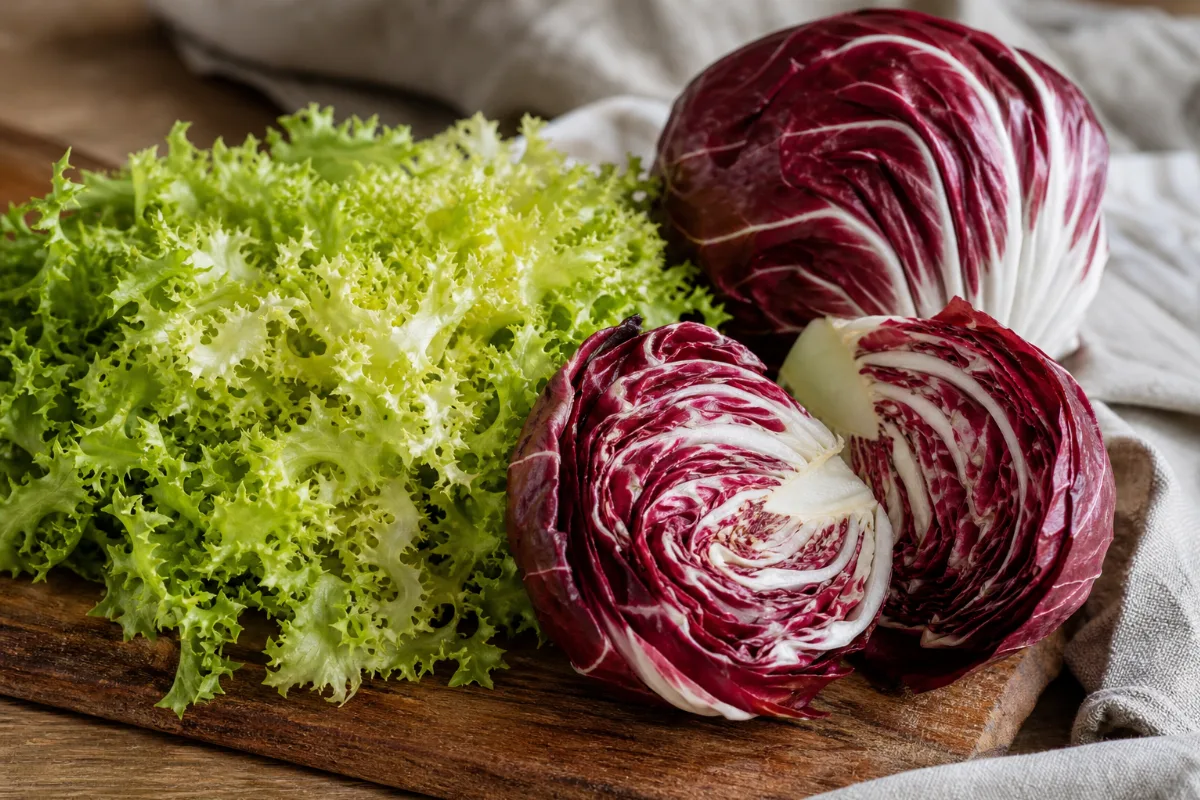
Vitamin K content and warfarin. Endive and radicchio are very rich in vitamin K (about 48% and 85% of the Daily Value in one USDA serving). Vitamin K affects how…
Vitamin K and warfarin. People taking warfarin may need to keep vitamin K intake about the same every day; sudden changes can change the medicine's effec…
Vitamin K and warfarin. Broccoli, kale, collards and Brussels sprouts are listed by a hospital patient guide among vitamin K-rich foods. The advice is to…
Vitamin K and warfarin. Vitamin K can change how warfarin works; sudden changes in vitamin K intake can change its effect, so people on warfarin are advi…
Potassium with kidney disease or certain medicines. Eggplant has moderate potassium (229 mg per 100 g). MedlinePlus says people with kidney problems should not eat too many potassiu…
Potassium, kidney disease and some heart medicines. People with kidney problems may need to limit potassium-rich foods; ACE inhibitors, ARBs and potassium-sparing diuretics can rais…
Vitamin K foods and warfarin. Vitamin K foods can change how warfarin works. MedlinePlus advises consistent amounts week to week and a talk with your doctor be…
Vitamin K and warfarin. People taking warfarin may need to watch vitamin K foods; sudden changes in intake can change the medicine's effect. Peas have le…
Potassium, kidney disease and medicines. People with kidney problems, especially on dialysis, should not eat too many potassium-rich foods, and ACE inhibitors can raise b…
Vitamin K and warfarin. Kale is very high in vitamin K (about 68% of the Daily Value in one raw cup). MedlinePlus advises steady amounts of vitamin K foo…
Biogenic amines, histamine, tyramine and MAOI antidepressants. A 2024 review says several fermented foods may contain biogenic amines such as histamine and tyramine; kimchi is not singled out …
Potassium, kidney disease and medicines. Kohlrabi has about 350 mg of potassium per 100 g (10% of the Daily Value per cup). With chronic kidney disease, extra potassium m…
Vitamin K and blood thinners: low in kohlrabi. USDA lists only 0.1 mcg of vitamin K per 100 g, so kohlrabi is not a vitamin K source like leafy greens.
Vitamin K and warfarin: keep intake consistent. Warfarin is a blood thinner. Leafy greens are rich in vitamin K, so a sudden change in how much you eat can upset the balance wit…
Vitamin K and warfarin. Vitamin K can change how warfarin works. MedlinePlus advises keeping vitamin K intake about the same each day; leeks contain vita…
Vitamin K foods and warfarin. Vitamin K can change how the blood thinner warfarin works. The advice is to keep the usual amount steady and tell the warfarin cl…
Vitamin K and warfarin. Vitamin K can interfere with warfarin. Sudden changes in intake can shift its effect. The NHS says leafy greens need not be avoid…
Questions with blood sugar medicines. Small studies saw lower blood sugar after nopales. The sources we read do not say what this means with diabetes medicines, so a p…
Vitamin K and warfarin. Okra has a moderate amount of vitamin K (31.3 micrograms per 100 g). People on warfarin are advised to keep vitamin K food intake…
Potassium, kidney disease and some blood pressure medicines. People with poor kidney function may need to limit high-potassium foods, and ACE inhibitors, ARBs and potassium-sparing diuretics…
Potassium, kidney disease and medicines. Poor kidney function and ACE inhibitors, ARBs and potassium-sparing diuretics can raise blood potassium; people with kidney probl…
Tyramine and MAOI antidepressants. Some fermented foods contain tyramine. MAOIs reduce the body's ability to handle tyramine, which can cause blood pressure rises. …
Vitamin K foods and warfarin. Spinach can change how the blood thinner warfarin works. The NHS says you do not need to avoid such foods but should ask your war…
Potassium, kidney disease and medicines. Spinach is rich in potassium (558 mg per 100 g). MedlinePlus says people with kidney problems should not eat too many potassium-r…
Vitamin K foods and warfarin. People taking warfarin may need to keep vitamin K foods steady from day to day, because sudden changes can change how the medicin…
Turnip greens, vitamin K and warfarin. The root has almost no vitamin K (0.1 mcg per 100 g). Turnip greens are a different food and we did not find a sourced vitamin K …
Vitamin K and warfarin. Watercress is very high in vitamin K. People on warfarin should keep vitamin K intake steady and ask their clinic before big diet…
Potassium, kidney disease and certain medicines. MedlinePlus lists poor kidney function, ACE inhibitors, ARBs and potassium-sparing diuretics among causes of too much potassium i…
Vitamin K and blood thinners: low in kohlrabi. USDA lists only 0.1 mcg of vitamin K per 100 g, so kohlrabi is not a vitamin K source like leafy greens.
Garlic supplements and bleeding risk. NCCIH says garlic supplements may increase bleeding risk; tell health care providers, especially before surgery or when taking an…
Questions with blood sugar medicines. Small studies saw lower blood sugar after nopales. The sources we read do not say what this means with diabetes medicines, so a p…
Scientific evidence and research on vegetables
For most vegetables, good human evidence is limited. Every outcome in our vegetable guides is rated for how strong the evidence is, and the rating is shown next to it. Across the 48 guides, 47 vegetables have no outcome rated "clinical trials support a benefit".
What the evidence ratings add up to
1Clinical trials support a benefitTrials in people support a defined effect, usually a narrow one.
122Early or mixed human evidenceSmall, short or disagreeing studies. Positive and negative findings both count here.
45Lab or animal research onlySeen in cells or animals. This does not show a benefit in people.
83Too little evidence to sayPopular claims for which we found no usable human trials.
162Documented risksSafety findings, shown in the Safety tab.
How to read vegetable research
Lab, animal and human studies answer different questions. A chemical that kills cells in a dish, or helps mice, may do nothing in people.
A mechanism is not proof of benefit. Knowing which compounds a vegetable contains, or which pathway they touch, explains how an effect might happen, not that it does.
A study that mentions a vegetable does not show the vegetable works. Many records only name the vegetable, test it in animals, or find no effect.
Product and form matter. A result for one extract, dose or tea does not carry over to another product.
Look at size, length and who paid. Small, short or industry-funded trials are more likely to overstate effects; a single trial is rarely enough.
These are the outcomes our guides rate "clinical trials support a benefit", each with the sources the guide cites. Even here, the effect is usually for one preparation, one group of people and one outcome.
Capsaicin creams and the 8% patch are used for pain on the skin. A Cochrane review found modest benefit of the high-concentration patch in some nerve pain (moderate to very low quality evidence). This does not apply to eating chi…
How many outcomes each guide rates in each evidence group. Open a guide for the individual outcomes, what was found (including negative results) and the sources.
Many vegetable trials are small, short, and test a specific extract that is not what most people buy.
Natural products vary with source, growing or mining conditions and processing, so two products with the same name can differ in what they contain.
Safety is studied less than benefit: long-term use, children, pregnancy and combinations with medicines are often unstudied.
Positive trials are published more often than negative ones, and many reviews pool trials of very different quality.
Vegetable forms, preparations and quality
The same material can be sold as a powder, capsule, liquid or concentrated extract, and these are not interchangeable. A study of one preparation does not tell you what another does. This tab shows which forms each guide describes, and how to judge product quality.
Parts used
Different parts can contain different compounds, so the part named on the label matters.
Teas, tinctures, capsules, powders and topical products
For each kind of preparation, the vegetables whose guides describe it. The guides say which form was actually studied. Detailed preparation instructions are in Herbal Teas & Extracts, so they are not repeated here.
Teas, infusions and decoctions · 3 guides describe it
Whole vegetable, standardized extract, and what the numbers mean
A whole vegetable (fresh, dried or powdered) contains everything in the raw material, in amounts that vary. A standardized extract is made to contain a stated amount of one or more marker compounds, which makes batches more consistent but is not the same as the whole vegetable.
An extraction ratio such as 4:1 says how much raw material was used per unit of extract. It does not by itself say how much active compound a capsule holds or whether the product works. A marker compound is something measured for quality control; it is not always the compound that causes any effect.
Amounts and duration. We do not give universal dose recommendations. Where a source reports the amount and length of use tested for a named preparation, the vegetable's guide gives it in that context; an amount studied in one product does not carry over to another, or to food-level use.
Absorption. Some active constituents are poorly absorbed, which is why concentrated or specially formulated products exist (curcumin is the best-known case). Better absorption can also raise the risk of side effects.
Comparison guides
Identification, labels and product quality
A good label names the species by its scientific name, says which part is used, and states the amount and form. Third-party testing can check identity, strength and contamination, but a seal is not a guarantee of safety or benefit.
The World Health Organization advises at least 400 g of fruit and vegetables a day for people older than 10. [1] The UK NHS counts 80 g of fresh, canned or frozen vegetables as one portion. [2]
Do potatoes count?
In the UK NHS 5 A DAY scheme potatoes do not count, because they are classed as starchy food, although they still supply energy, fiber and potassium. Sweet potatoes, parsnips and turnips do count. [2] See potatoes.
Can a vegetable treat or cure a condition?
No vegetable on this site is presented as a treatment. Eating more vegetables is a general dietary recommendation; individual pages say what trials found and how strong the evidence is.
Which vegetables matter with medicines?
Leafy greens contain vitamin K, which matters if you take warfarin; potassium-rich vegetables matter with some blood pressure medicines and kidney disease. See foods and medicine interactions and each vegetable's safety section.
References
World Health Organization. Healthy diet fact sheet. Date shown on the page: 26 January 2026. Read 2026-10-23.
Content last updated . The tabs from Health Benefits onward are compiled automatically from the evidence ratings and sources in each vegetable's guide (last data update November 13, 2026). This section has not been medically reviewed.
Education, not medical advice. This section is for general information. It does not diagnose or treat any condition and is not a substitute for care from a qualified health professional. Natural does not automatically mean safe.