Nervous System
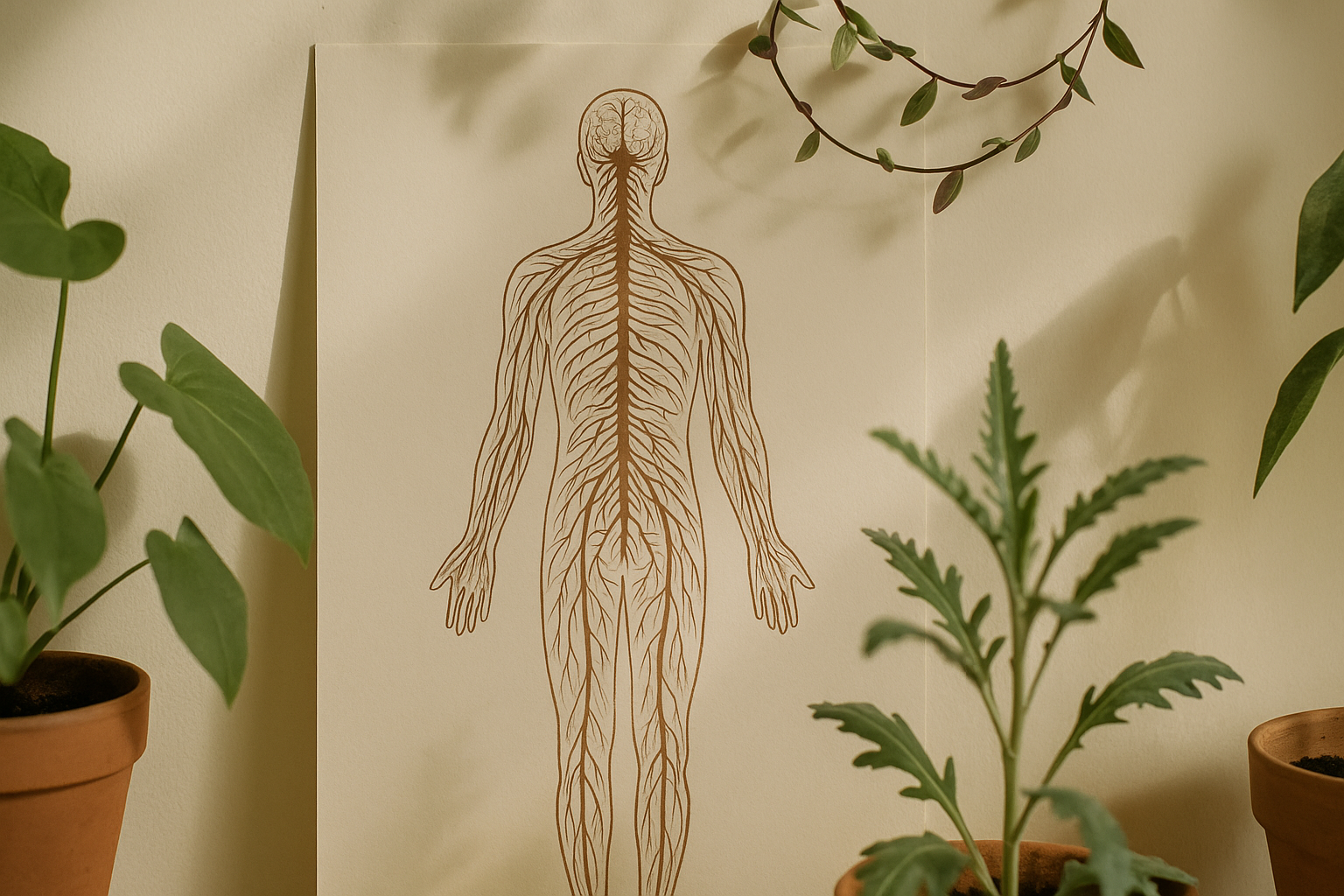
The brain, spinal cord, and nerves.
What This System Does
The nervous system is a complex network that controls and coordinates all bodily functions. It consists of two primary parts: the central nervous system (CNS) and the peripheral nervous system (PNS). The CNS includes the brain and spinal cord, which act as the control center, processing information and sending signals throughout the body. The PNS consists of all the nerves that branch out from the spinal cord and extend to various parts of the body, including organs and limbs.
Functionally, the nervous system is responsible for transmitting signals between different body parts, allowing for communication, movement, sensation, and reflexes. It enables us to perceive our environment, respond to stimuli, and maintain homeostasis - the body's internal balance.
Signs This System Is Out of Balance
- Persistent headaches or migraines
- Memory loss or cognitive decline
- Chronic fatigue or insomnia
- Difficulty concentrating or focusing
- Increased anxiety or mood swings
- Numbness or tingling in extremities
- Unexplained muscle weakness or tremors
- Changes in reflexes or coordination
Common Contributing Factors
There are several factors that can contribute to imbalances within the nervous system:
- Lifestyle: High-stress levels, lack of physical activity, and poor sleep can negatively impact nervous system function.
- Environment: Exposure to toxins, pollutants, and electromagnetic fields can disrupt neural pathways.
- Nutritional: Deficiencies in essential nutrients, such as B vitamins, omega-3 fatty acids, and antioxidants, can impair nerve health.
- Hormonal: Hormonal imbalances, particularly involving stress hormones like cortisol, can affect mood and cognitive function.
- Structural: Misalignments in the spine or injuries can interfere with nerve signaling and overall nervous system function.
Natural Approaches Across the Three Pillars
Ancient Wisdom
Ancient healing practices recognize the importance of balance within the nervous system. Techniques such as yoga, meditation, and tai chi have been used for centuries to promote relaxation, enhance mental clarity, and improve overall well-being. Additionally, traditional herbal remedies have been employed to support nerve health and enhance cognitive function.
Natural Remedies
Some top supportive ingredients for nervous system health include:
- Ginkgo Biloba: Known for improving circulation and cognitive function.
- Omega-3 Fatty Acids: Essential for maintaining nerve health and reducing inflammation.
- B Vitamins: Important for energy production and brain health.
- Ashwagandha: An adaptogen that helps the body manage stress and anxiety.
- Turmeric: Contains curcumin, which has anti-inflammatory properties that may protect nerve cells.
Modern Wellness
Incorporating modern wellness strategies can support nervous system health:
- Lifestyle: Regular physical activity, mindfulness practices, and proper sleep hygiene are crucial.
- Biomarkers: Tracking stress levels, vitamin deficiencies, and inflammation markers can provide insight into nervous system health.
- Protocols: Nutritional support through a balanced diet rich in whole foods, combined with targeted supplementation, can enhance nerve function.
Conditions Frequently Involving This System
- Anxiety Disorders
- Depression
- Neuropathy
- Multiple Sclerosis
- Parkinson's Disease
- Stroke
- Alzheimer's Disease
- Chronic Fatigue Syndrome
Lifestyle & Habit Foundations That Support It
To promote a healthy nervous system, consider adopting the following lifestyle habits:
- Engage in regular physical activity to improve circulation and reduce stress.
- Practice relaxation techniques such as meditation, deep breathing, or yoga.
- Maintain a balanced diet rich in vitamins, minerals, and healthy fats.
- Prioritize quality sleep by establishing a regular sleep schedule and creating a restful environment.
- Limit exposure to environmental toxins and reduce stressors in daily life.
When to Seek Professional Care
If you experience persistent symptoms that may indicate an imbalance in the nervous system, such as severe headaches, memory issues, or significant changes in mood, it is important to consult with a healthcare professional. Early intervention can lead to better outcomes and improved quality of life.
FAQs
What is the primary function of the nervous system?
The primary function of the nervous system is to control and coordinate bodily functions by transmitting signals between different parts of the body.
What are common signs of nervous system imbalance?
Common signs include headaches, memory loss, chronic fatigue, anxiety, and changes in reflexes.
How can lifestyle affect my nervous system health?
Lifestyle factors like stress levels, physical activity, and sleep quality can significantly impact nervous system function and overall health.
Are there natural remedies that support nervous system health?
Yes, natural remedies such as ginkgo biloba, omega-3 fatty acids, and ashwagandha can support nerve health and cognitive function.
When should I seek professional help for nervous system issues?
You should seek professional help if you experience persistent symptoms such as severe headaches, significant memory problems, or drastic changes in mood.
Can diet influence nervous system health?
Absolutely! A well-balanced diet rich in essential nutrients can support nerve health and help maintain optimal function of the nervous system.