Nutrients, Fiber, What Research Shows & What to Check.
Whole grains are food first. Explore each grain and whole-grain food: what is in it (measured by USDA), what research in people has and has not found for health goals, a normal serving, and what to check before you eat it: gluten and celiac disease, arsenic in rice, FODMAPs, and what a label really means.
Normal serving (USDA): 1 cup cooked with water, no salt (234 g)
Oats as a food: what trials found for beta-glucan and LDL cholesterol, what the FDA heart-health claim says, and what to know about gluten and celiac disease.
Oat beta-glucan and LDL cholesterol
The FDA heart-health label claim for oats
Oats and blood sugar in type 2 diabetes
Oat intake, diabetes, heart disease and death (observational)
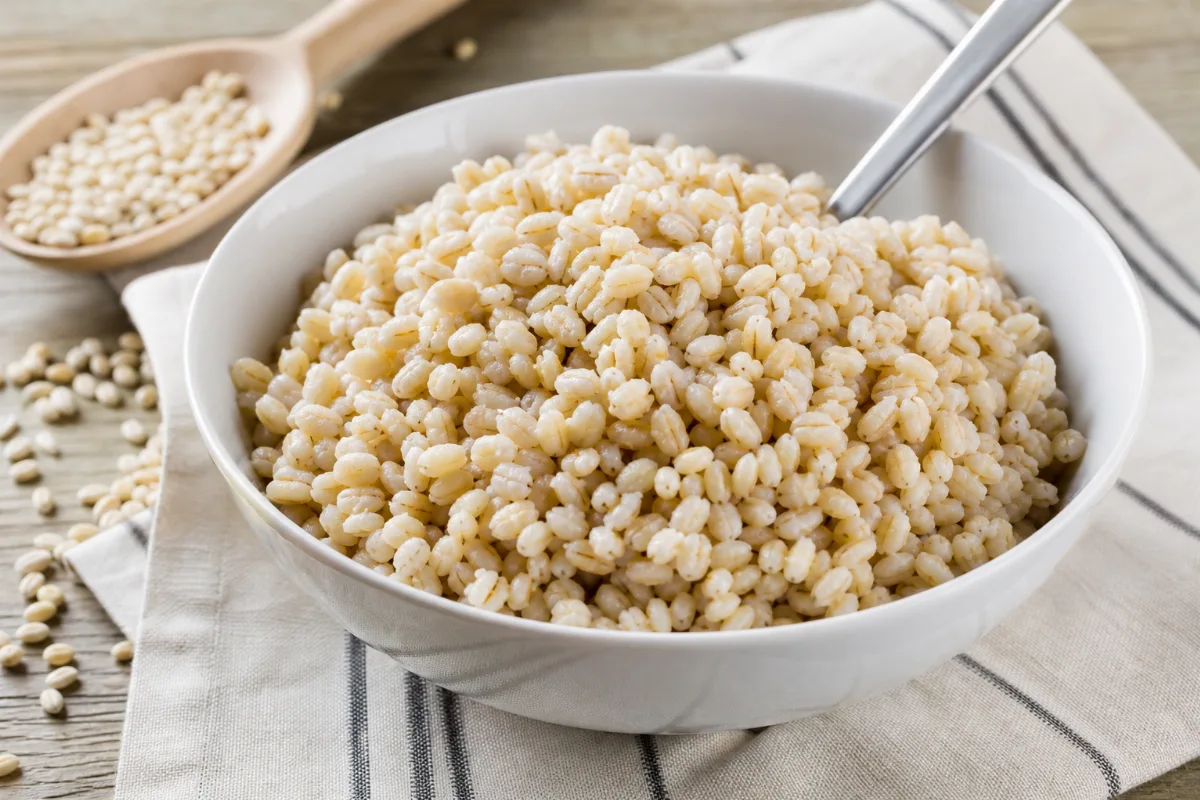
Normal serving (USDA): 1 cup cooked pearled barley (157 g)
Barley as a food: what trials and meta-analyses found for beta-glucan and cholesterol, how the FDA claim treats barley, and why barley contains gluten.
Barley beta-glucan and cholesterol
Barley and blood sugar after meals
Barley and appetite
Whole grains, heart disease and early death (observational)
Brown rice as a food: USDA nutrients, what studies found on diabetes, weight and heart health, why arsenic matters more than in white rice, and safe cooking and storage.
Brown rice and type 2 diabetes risk
Brown rice swapped for white rice and blood sugar
Brown rice, body weight and HDL cholesterol
Whole grains, heart disease and early death (observational)
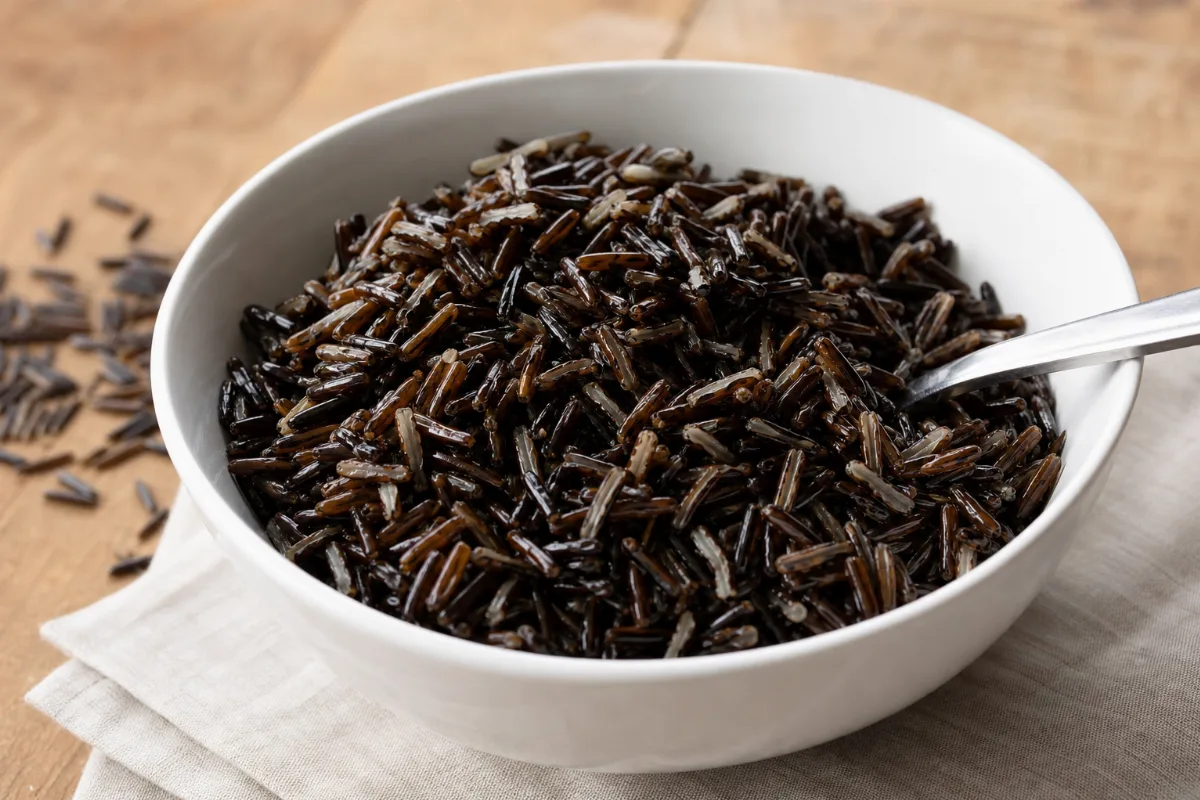
Wild rice as a food: USDA nutrients, how it differs from ordinary rice, the thin human research, gluten, metals, cooked-grain storage and who should check with a clinician.
Wild rice and blood sugar after a meal
Antioxidant compounds in wild rice (lab)
Wild rice, gut bacteria and fatty liver in mice
Protein, zinc, copper and manganese from wild rice
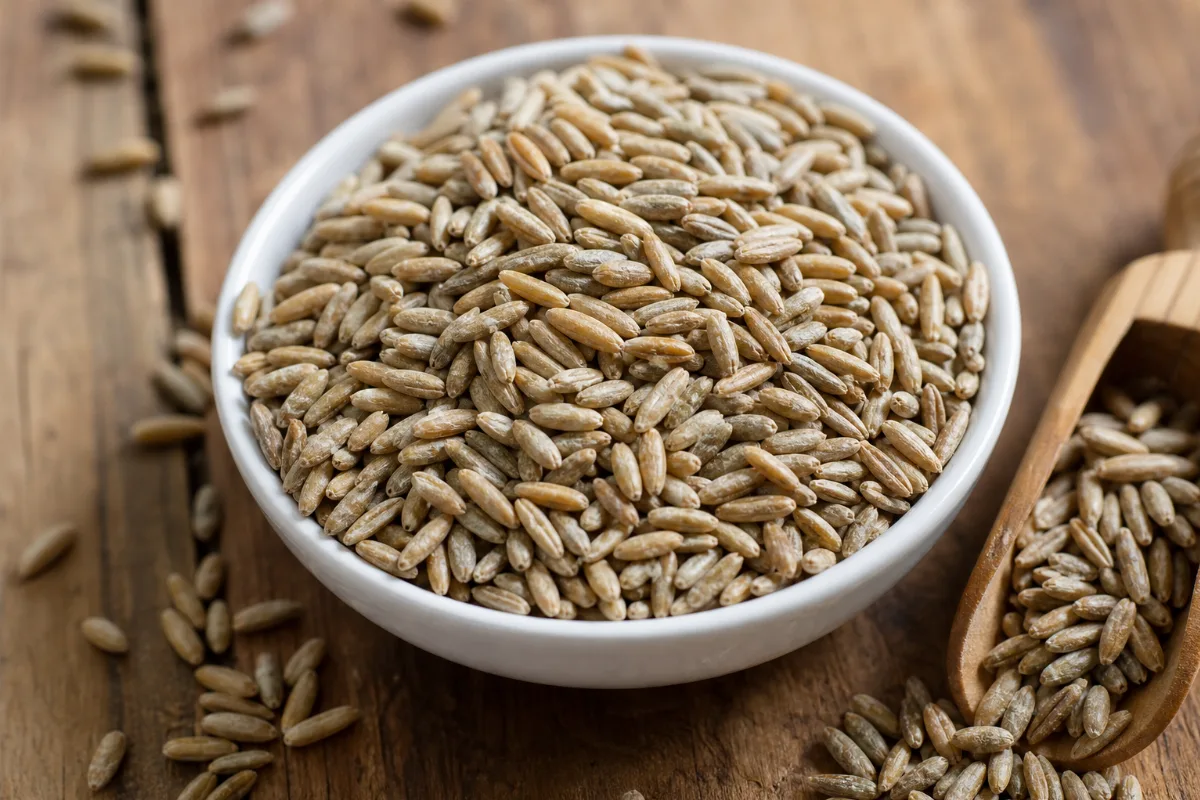
Rye as a food: USDA nutrients, what trials found on blood sugar, fullness and weight, why rye contains gluten, FODMAPs, and what to know about ergot and acrylamide.
Normal serving (USDA): 1 cup dry (192 g), USDA household portion
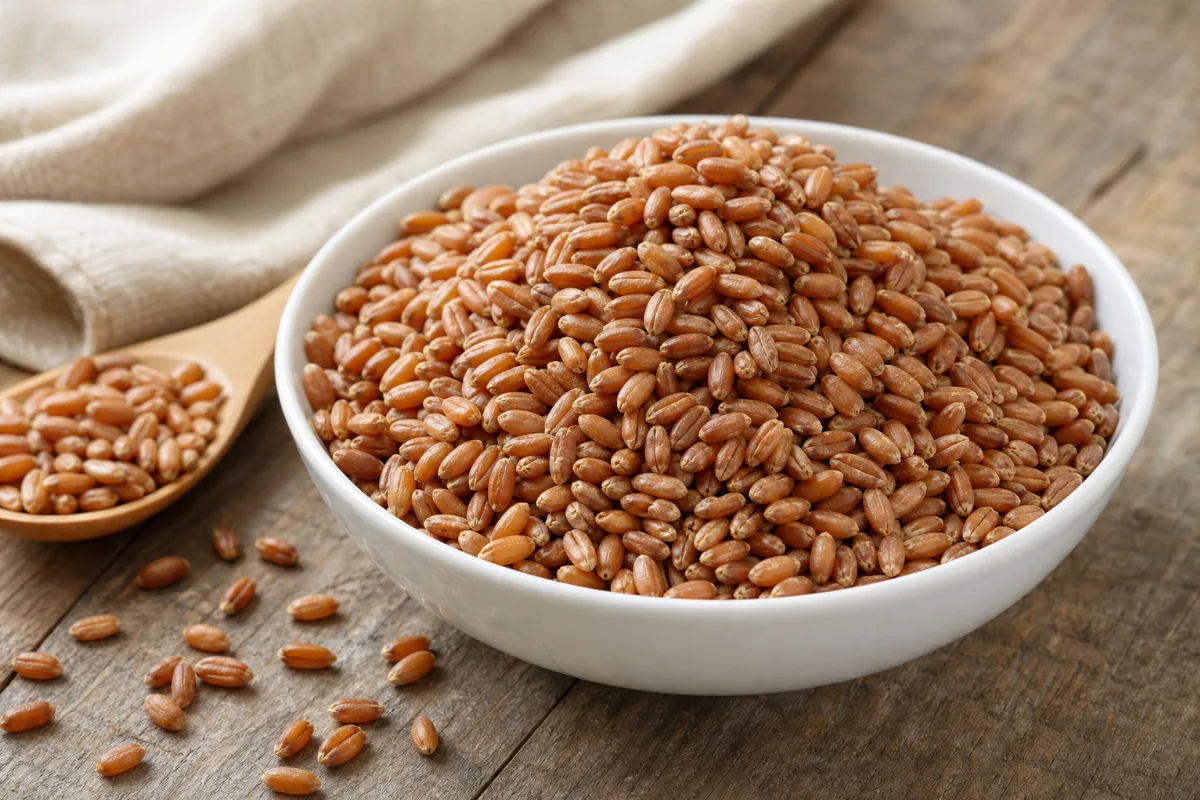
Whole wheat and wheat berries as a food: USDA nutrients, what pooled trials and cohort studies show, gluten and celiac disease, wheat allergy, raw flour and mold toxins.
Normal serving (USDA): 1 cup cooked (194 g), USDA household portion
Spelt as a food: cooked USDA nutrients, why it still contains gluten, what reviews say about ancient wheats, wheat allergy, celiac disease and cooked-grain safety.
Normal serving (USDA): No USDA household portion found for farro
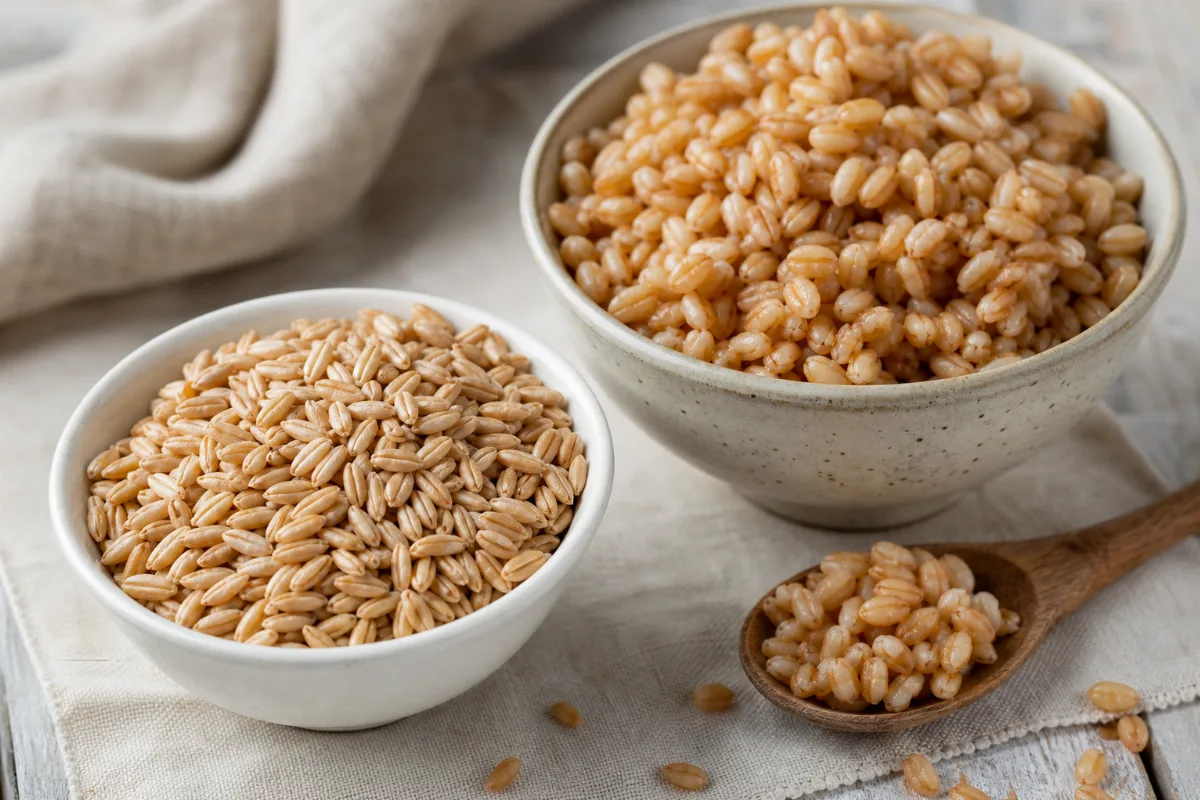
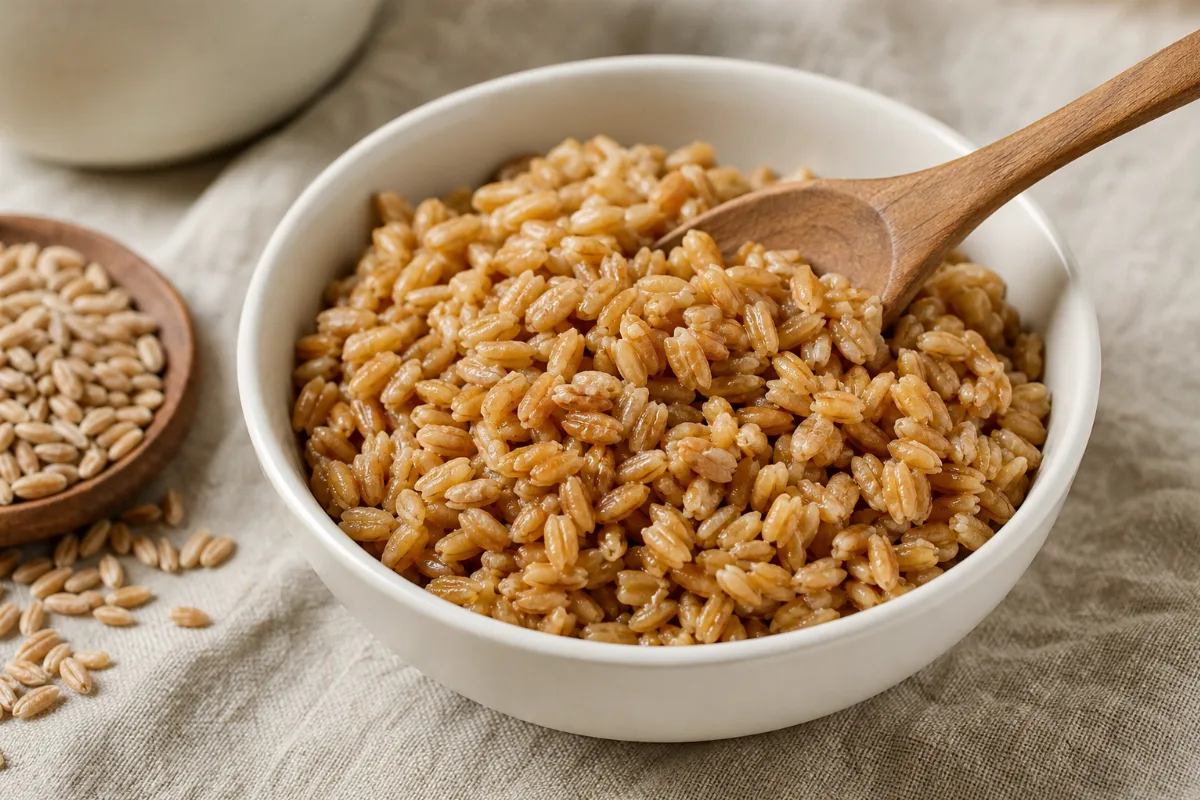
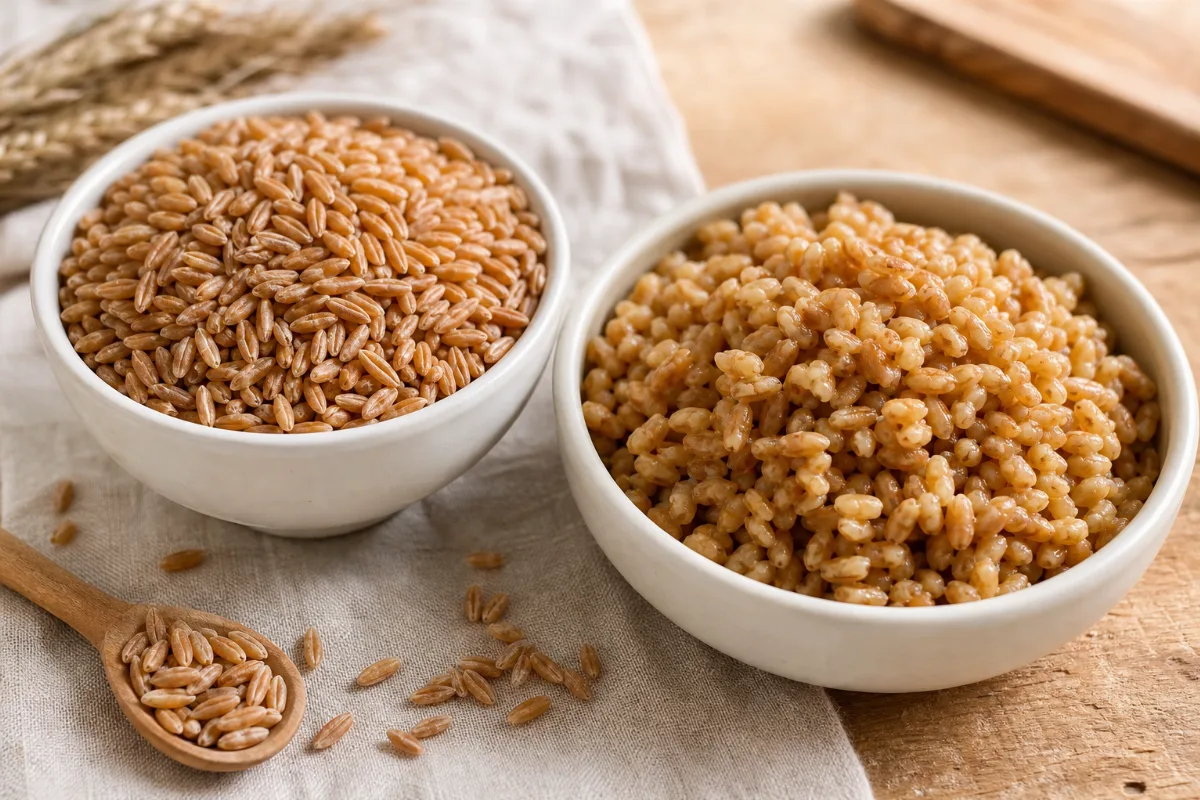
Farro (emmer wheat) as a food: why it still contains gluten, what reviews say about ancient wheats, wheat allergy, label checks, and why we show no nutrient table.
Normal serving (USDA): 1 cup cooked (172 g), USDA household portion
Khorasan wheat (Kamut) as a food: cooked USDA nutrients, small crossover trials on cholesterol and gut bacteria, and why it still has gluten and wheat allergy risk.
Khorasan wheat and cholesterol or heart risk markers
Normal serving (USDA): 1 cup cooked (182 g), USDA household portion
Bulgur as a food: cooked USDA nutrients, why it contains gluten, what a 4-week trial found, wheat allergy, cooked-grain safety and how to read the label.
Bulgur versus rice and other grains for cardiometabolic markers
Fiber content
Whole grains and heart disease or diabetes risk (general)
Normal serving (USDA): No USDA household portion found for freekeh
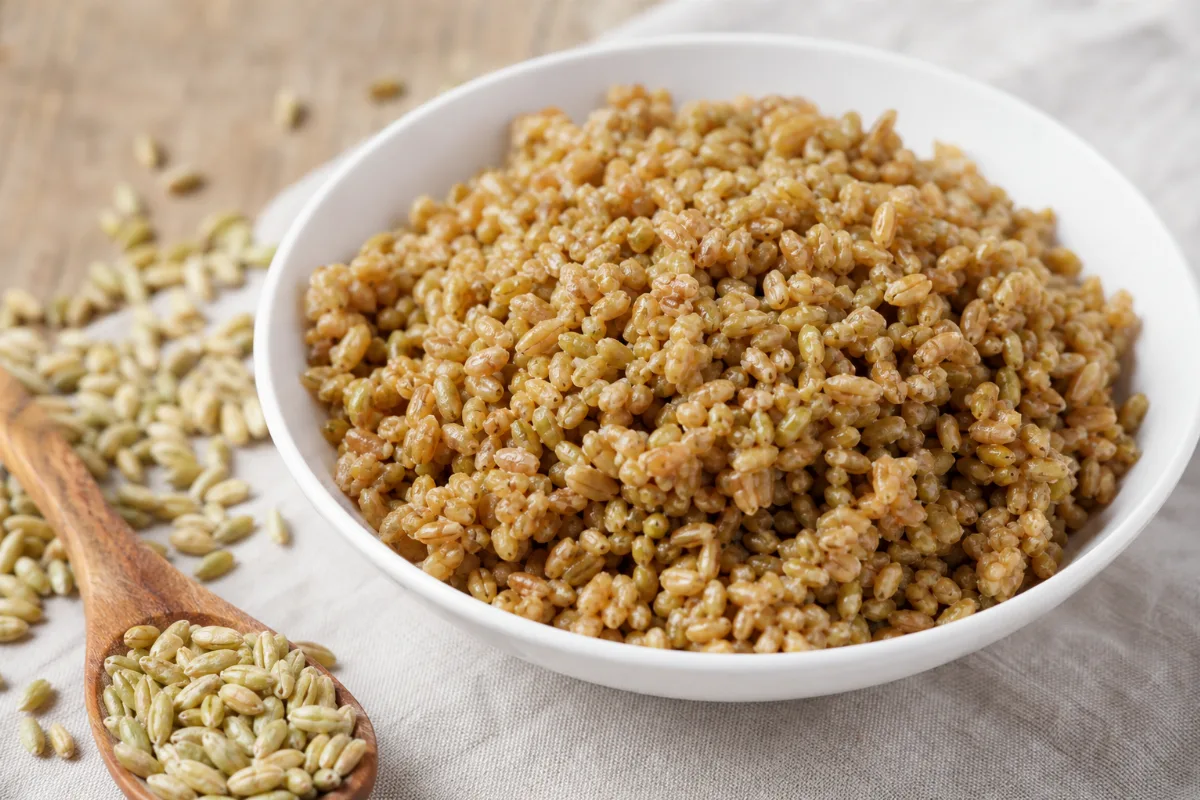
Freekeh (roasted green durum wheat) as a food: reported nutrient ranges because USDA has none, gluten, wheat allergy, a mycotoxin study and cooked-grain safety.
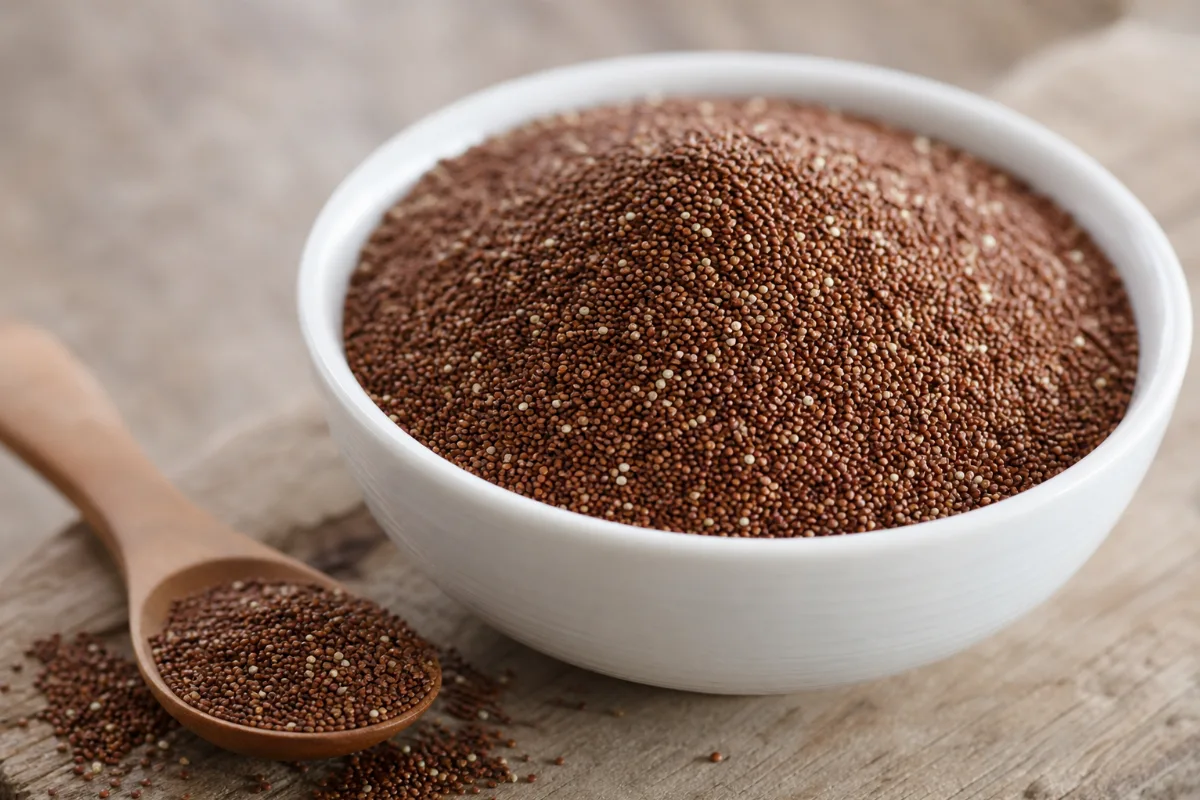
Quinoa as a food: USDA nutrient values, what trials found on blood sugar and cholesterol, why it is gluten-free, the bitter saponin coating and cross-contact.
Amaranth grain as a food: USDA nutrient values, the little human research there is, why it is gluten-free and what is not known about allergy and medicines.
Amaranth grain and body size in pregnancy
Amaranth protein isolate in children with overweight
Antioxidant and anti-inflammatory compounds in amaranth
Millet as a food: USDA nutrient values, a pooled analysis on blood sugar, why it is gluten-free, and what a systematic review found on pearl millet and goiter.
Millet and blood sugar
Biofortified pearl millet and anemia in toddlers
Pearl millet diet in young athletes
Millet, cholesterol and gut health (review claims)
Teff as a food: USDA nutrient values, an honest look at the weak human evidence, why it is gluten-free, phytic acid and what is not known about allergy.
Normal serving (USDA): 1 ounce (28.35 g), about 3.5 cups air-popped
Popcorn as a whole-grain snack: USDA nutrient values, what studies show on whole grains, diverticulitis and blood sugar, and the choking risk for young children.
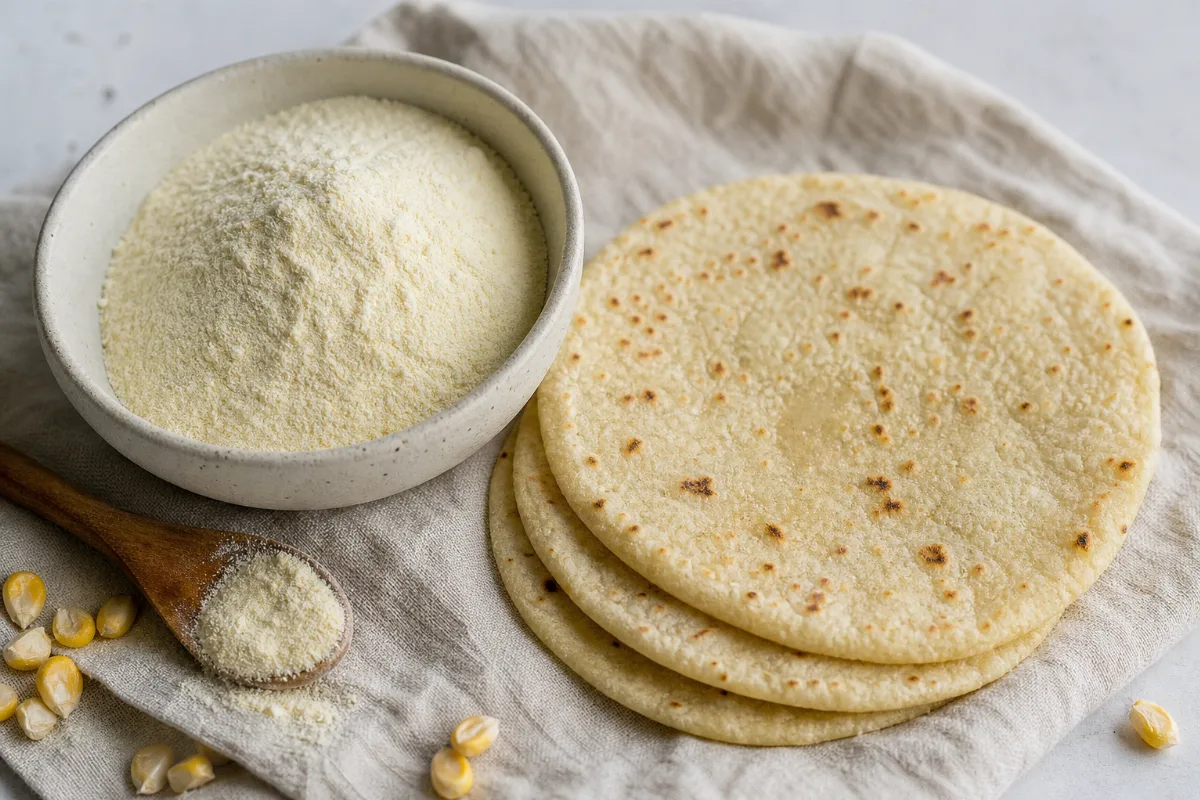
Normal serving (USDA): 1 cup dry masa flour (114 g)
Corn masa and corn tortillas: how lime-treated corn (nixtamalization) frees niacin, USDA values for masa flour, folic acid fortification, mold toxins and gluten label checks.
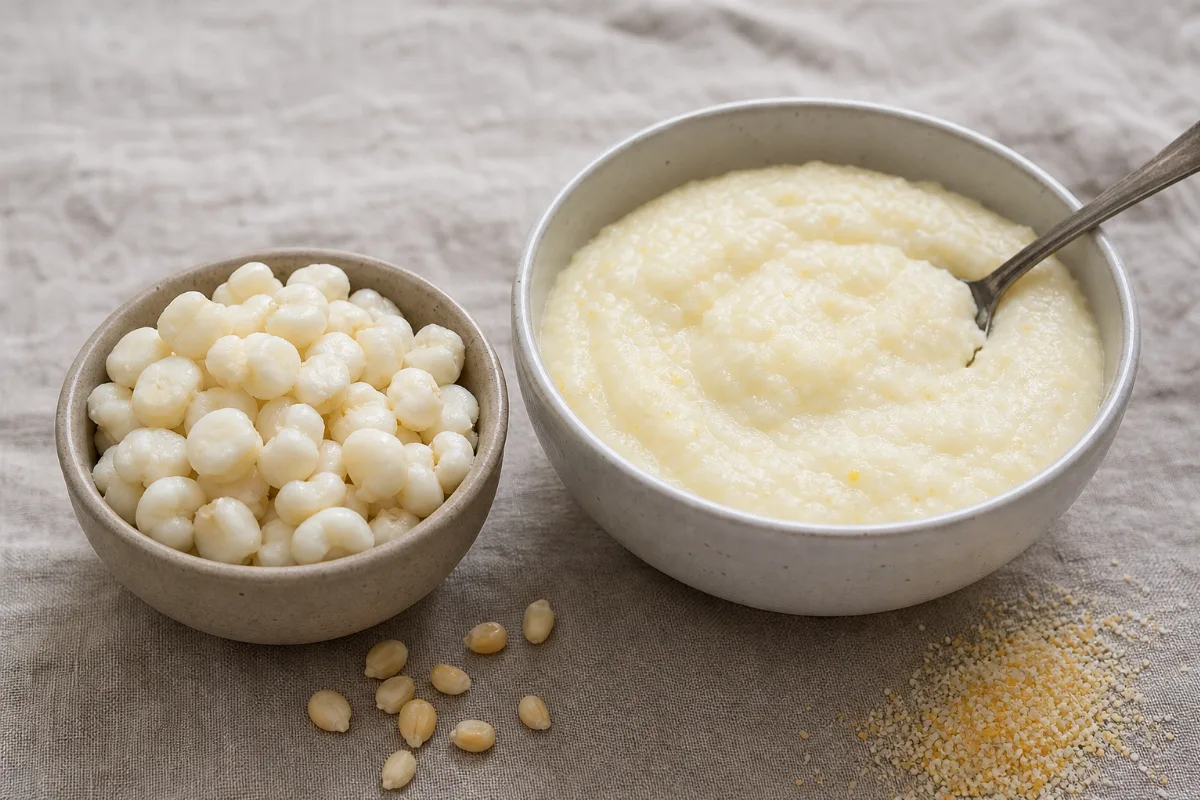
Normal serving (USDA): 1 cup canned white hominy (165 g)
Hominy and grits made from corn: USDA nutrient values, sodium in canned hominy, whole versus refined corn, gluten and allergy label checks, and mold toxins.
Normal serving (USDA): 1 cup cooked oat bran (219 g)
Oat bran as a food: USDA nutrient values, what pooled trials, the FDA and EFSA say about oat beta-glucan and LDL cholesterol, gluten cross-contact and fiber side effects.
Normal serving (USDA): 1 ounce (28.35 g) wheat bran (stated weight; USDA portion is 1 cup, 58 g)
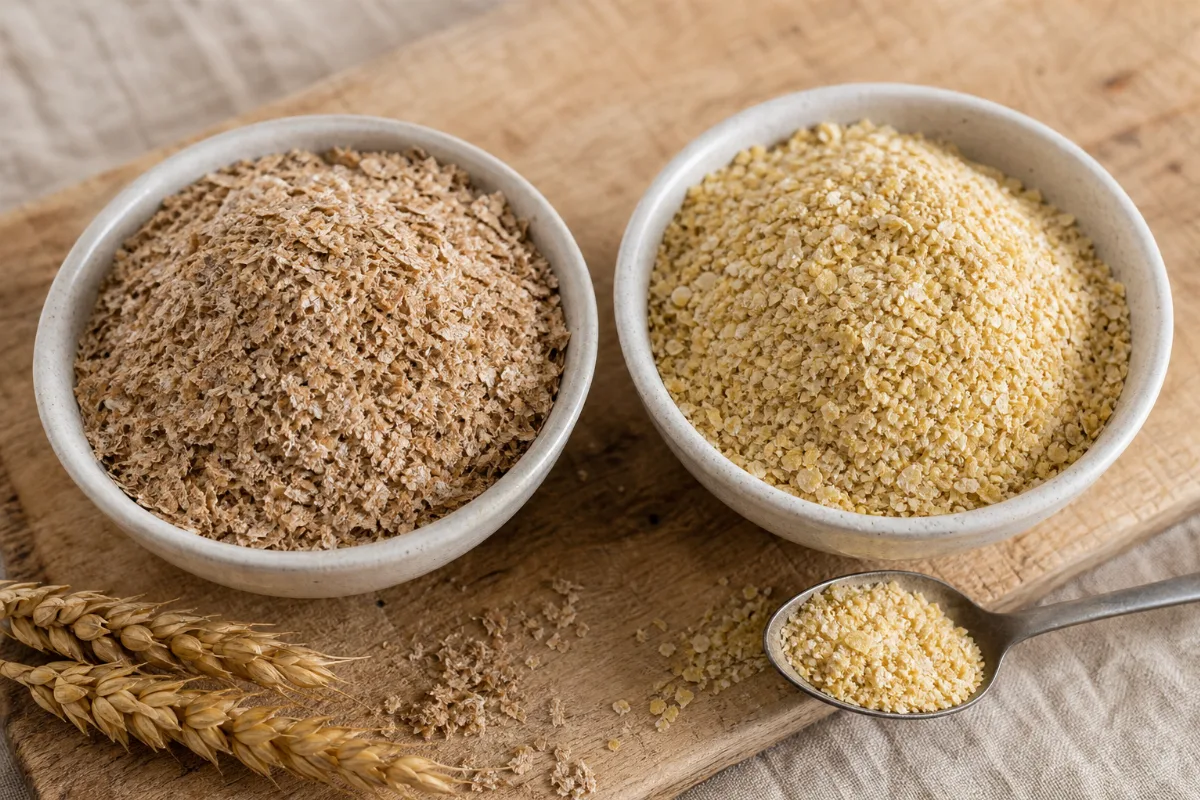
Wheat bran and wheat germ as foods: USDA nutrient values, what trials show on constipation, gluten and wheat allergy, oxalate and kidney limits, and rancidity of the germ.
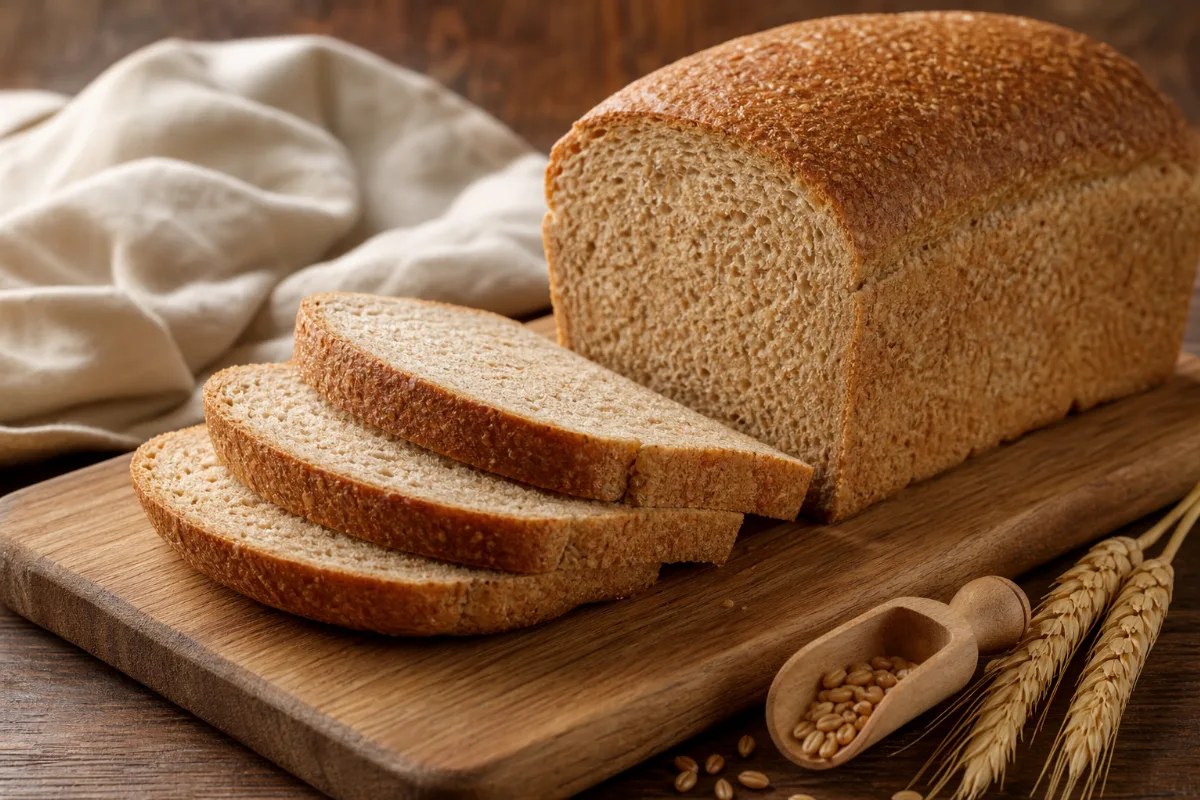
Whole-wheat bread as a food: USDA values per slice, what trials show on blood sugar and fullness, gluten and wheat allergy, sodium, toast acrylamide and label checks.
Whole-wheat bread and blood sugar after a sugar drink
Whole-wheat bread, blood sugar and fullness in healthy adults
Normal serving (USDA): 1 cup cooked spaghetti, not packed (117 g)
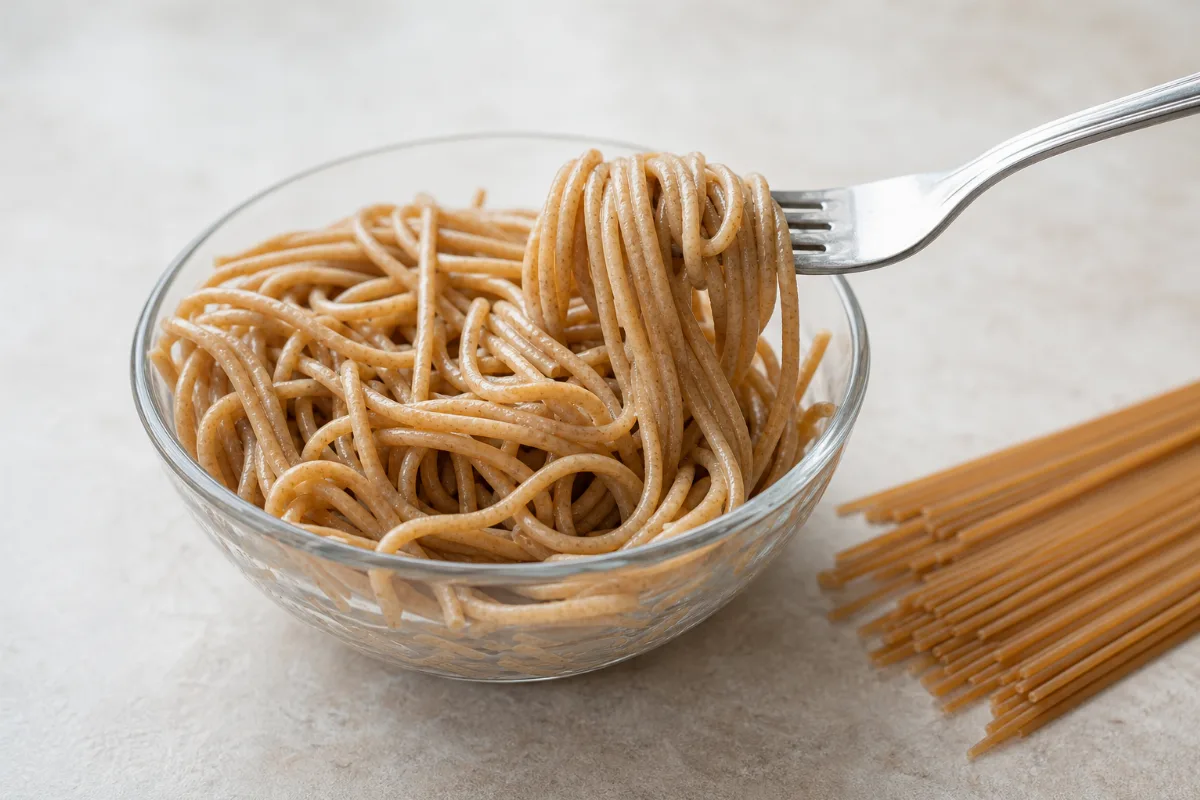
Whole-wheat pasta as a food: USDA values for dry and cooked pasta, what trials show on blood sugar and fullness, fiber, gluten and wheat allergy, and label checks.
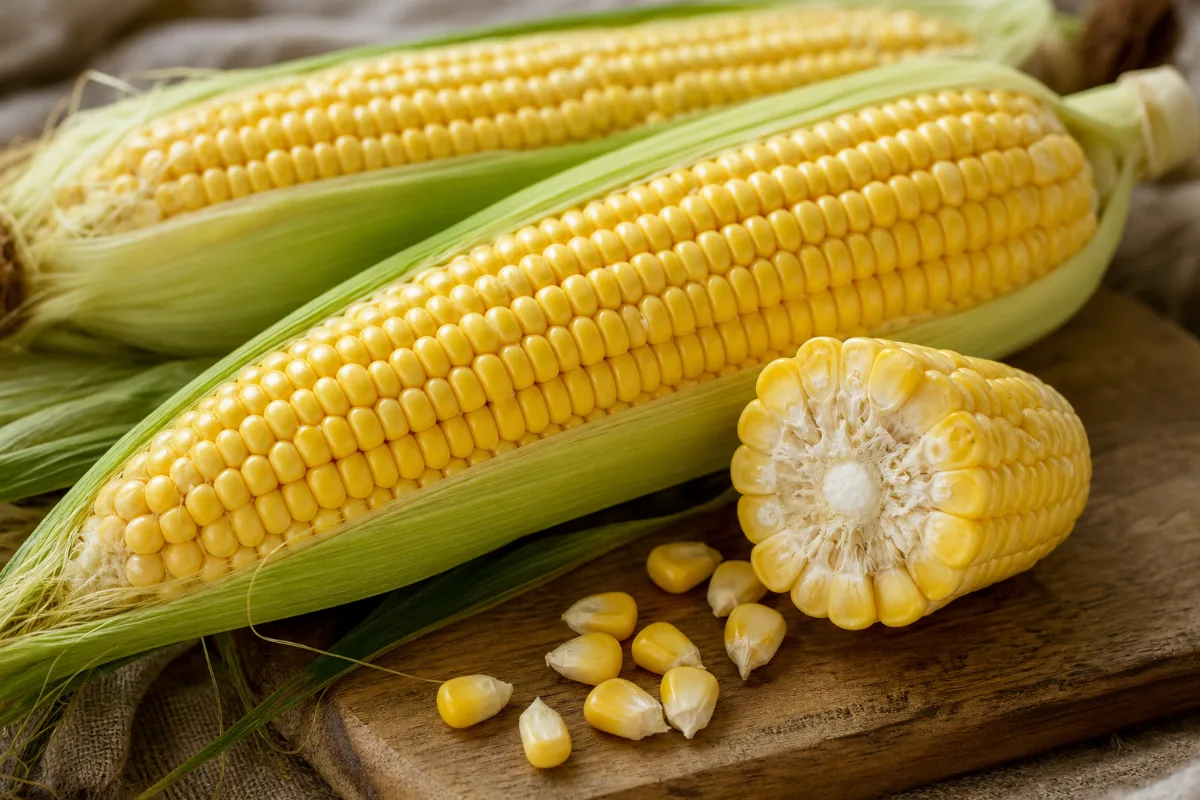
Sweet corn (Zea mays): what is in it per USDA, what research says about lutein and eye health, fiber, starch, mycotoxins and corn allergy, with plain safety notes.
Lutein and zeaxanthin intake and eye health
Lutein supplements and macular degeneration
Fiber and digestion
Folate, magnesium, vitamin C and thiamin from the food
No grain matches all of these filters. Try removing one. Some topics (for example most herbs) are not grains and live elsewhere on the site.
A link between a grain and a topic means the body needs the grain for that job, or that low intake is linked to it. It does not mean extra supplements help if your intake is already adequate. See each page’s evidence label.
Browse by grain grain group
Common cereal grains
Oats, barley, brown and wild rice, rye, wheat, spelt, farro, khorasan wheat, bulgur and freekeh. Several of these contain gluten.
Brown rice as a food: USDA nutrients, what studies found on diabetes, weight and heart health, why arsenic matters more than in white rice, and safe cooking and storage.
Wild rice as a food: USDA nutrients, how it differs from ordinary rice, the thin human research, gluten, metals, cooked-grain storage and who should check with a clinici…
Rye as a food: USDA nutrients, what trials found on blood sugar, fullness and weight, why rye contains gluten, FODMAPs, and what to know about ergot and acrylamide.
Whole wheat and wheat berries as a food: USDA nutrients, what pooled trials and cohort studies show, gluten and celiac disease, wheat allergy, raw flour and mold toxins.
Spelt as a food: cooked USDA nutrients, why it still contains gluten, what reviews say about ancient wheats, wheat allergy, celiac disease and cooked-grain safety.
Farro (emmer wheat) as a food: why it still contains gluten, what reviews say about ancient wheats, wheat allergy, label checks, and why we show no nutrient table.
Khorasan wheat (Kamut) as a food: cooked USDA nutrients, small crossover trials on cholesterol and gut bacteria, and why it still has gluten and wheat allergy risk.
Bulgur as a food: cooked USDA nutrients, why it contains gluten, what a 4-week trial found, wheat allergy, cooked-grain safety and how to read the label.
Freekeh (roasted green durum wheat) as a food: reported nutrient ranges because USDA has none, gluten, wheat allergy, a mycotoxin study and cooked-grain safety.
Ancient & Seed Grains(6)Quinoa, buckwheat, amaranth, millet, teff and sorghum.
Quinoa as a food: USDA nutrient values, what trials found on blood sugar and cholesterol, why it is gluten-free, the bitter saponin coating and cross-contact.
Amaranth grain as a food: USDA nutrient values, the little human research there is, why it is gluten-free and what is not known about allergy and medicines.
Millet as a food: USDA nutrient values, a pooled analysis on blood sugar, why it is gluten-free, and what a systematic review found on pearl millet and goiter.
Teff as a food: USDA nutrient values, an honest look at the weak human evidence, why it is gluten-free, phytic acid and what is not known about allergy.
Popcorn as a whole-grain snack: USDA nutrient values, what studies show on whole grains, diverticulitis and blood sugar, and the choking risk for young children.
Corn masa and corn tortillas: how lime-treated corn (nixtamalization) frees niacin, USDA values for masa flour, folic acid fortification, mold toxins and gluten label ch…
Hominy and grits made from corn: USDA nutrient values, sodium in canned hominy, whole versus refined corn, gluten and allergy label checks, and mold toxins.
Oat bran as a food: USDA nutrient values, what pooled trials, the FDA and EFSA say about oat beta-glucan and LDL cholesterol, gluten cross-contact and fiber side effects.
Wheat bran and wheat germ as foods: USDA nutrient values, what trials show on constipation, gluten and wheat allergy, oxalate and kidney limits, and rancidity of the ger…
Whole-wheat bread as a food: USDA values per slice, what trials show on blood sugar and fullness, gluten and wheat allergy, sodium, toast acrylamide and label checks.
Whole-wheat pasta as a food: USDA values for dry and cooked pasta, what trials show on blood sugar and fullness, fiber, gluten and wheat allergy, and label checks.
Safety & Practical Guides(3)Gluten and celiac disease, arsenic in rice, and what phytates and lectins really do.
Gluten, celiac disease, non-celiac gluten sensitivity and wheat allergy explained: which grains contain gluten, how each is diagnosed, FDA 20 ppm labeling and why to tes…
Why rice carries more inorganic arsenic than most foods, brown vs white rice, infant rice cereal and rice milk, the FDA 100 ppb action level, and simple ways to lower ex…
Phytates and lectins in whole grains: what they are, what human studies show about iron and zinc absorption, what cooking, sourdough and sprouting change, and who should…
Search grains: popular grains, A to Z, search with filters, more ways
Well-studied grains to start with
These grains have the most human research summarized in our guides (counted from the evidence ratings on each profile). More research does not mean the grain works or is safe for you: open the guide to see what was found, including negative and mixed results.
Every published grain guide (24), with its names and what it is made of. Each name opens one guide that brings together identity, traditional use, research, safety, forms and sources.
Grains whose guide documents a point to check for this concern. Being listed does not mean the grain is unsafe for everyone. Open the guide to read the details.
Grains have been used for health in many cultures for centuries. A traditional use tells you what people have done, not that it works. Here every grain is listed under the goals, body systems and actions its guide connects it to, and each link carries the strength of the evidence behind it.
Strongest
3 grains
Clinical trials support a benefit
Promising
21 grains
Early or mixed human evidence
Early science
0 grains
Lab or animal research only
Unknown
0 grains
Too little evidence to say
Each grain is counted once, at the strongest level its guide documents for any use. A strong label for one use says nothing about its other uses or its safety. "Traditional use" alone is not one of these labels: where a guide only reports history, the link is rated "Too little evidence to say". Read the guide on traditional use and research evidence.
Grains by wellness goal
Each card shows how many grains are linked to a goal and how strong the evidence is. Green means clinical trials support a benefit; grey means too little evidence. These are links the guides document, not recommendations. For the wider picture, see the Wellness Goals section.
The same links, organized the way anatomy and physiology textbooks do. "Action" describes what a grain is said to do (for example calming or digestive support); it names the claim, not the proof.
Side-by-side guides for grains that people confuse or choose between. They explain differences; they do not rank the grains.
What research shows, by health concern
Each guide below looks at one concern, from sleep to skin, and separates grains that were tested in people from grains that are only traditional or lab-tested.
People have used grains for health for many centuries. A traditional use tells you what people have done, not that it works. For what research found, see the Health Benefits and Scientific Evidence tabs.
Traditional grain medicine
Ayurveda, Traditional Chinese Medicine and other traditions each use natural remedies in their own systems. The grains below are the ones whose guide mentions the tradition in its own text. That a tradition uses a grain is history, not clinical evidence. Each guide says separately what trials found.
Grains are active substances. Some interact with prescription medicines, some are unsafe in pregnancy or with certain conditions, and some have been linked to serious harm. This tab brings together what the individual grain guides document, plus the general rules. Medicine interactions have their own tab.
If someone may have been poisoned or is seriously unwell
▸Collapse, seizure, trouble breathing, swelling of the face or throat, chest pain or a fast irregular heartbeat: call your local emergency number now (911 in the United States and Canada, 999 in the UK, 112 in the European Union).
▸Swallowed too much of a grain, or a child or pet got into a product, and the person seems well: in the United States call Poison Help, 1-800-222-1222 (free, 24 hours). Elsewhere, call your national poison centre or local emergency number.
▸Yellow skin or eyes, dark urine, severe belly pain, or a new rash after starting a grain: stop it and contact a clinician the same day.
Gluten is in wheat, rye and barley (and in oats that touch them). If you have celiac disease, wheat allergy or gluten sensitivity, check every grain page.
Rice can contain inorganic arsenic. Varying grains is the official advice for infants and for people who eat a lot of rice.
Popcorn and whole kernels are a choking risk for children under 4. "Whole grain" on a label does not always mean 100% whole grain.
"Natural" does not mean safe. Natural products can contain strong substances; some are harmful. Natural Does Not Mean Safe
Tell your pharmacist and clinician about every grain product you use, and ask before combining one with prescription or over-the-counter medicines.
Be extra careful with narrow-margin medicines such as warfarin, antidepressants, immunosuppressants, diabetes and blood pressure medicines.
Tell the surgical team about every grain before an operation. Many teams ask people to stop grain products ahead of surgery; ask yours how long.
Pregnancy, breastfeeding, children and older adults are groups where good safety data are often missing, so official sources usually advise asking first.
Start one product at a time, at the label amount, so a reaction can be traced. Stop and get advice if you feel unwell.
Products vary. Contamination, substitution and mislabelling are documented problems; third-party testing can reduce but not remove the risk.
Each line comes from a grain's own guide, where it is backed by cited sources: 82 documented risks across 24 of the 24 grains. A grain missing from a list is not proven safe: it may simply not have been studied. Open the grain's guide for the full wording and sources.
Phosphorus and potassium for kidney disease. Raw oat bran has 734 mg phosphorus and 566 mg potassium per 100 g (cooked: 119 and 92 mg). NIDDK advises people with kidney disea…
Phosphorus and potassium for kidney disease. Wheat bran has 1,013 mg phosphorus and 1,182 mg potassium per 100 g; wheat germ 842 and 892 mg. NIDDK advises people with kidney …
Phosphorus and potassium for kidney disease. Cooked whole-wheat pasta has 127 mg phosphorus and 96 mg potassium per 100 g. NIDDK advises people with kidney disease to limit a…
Naturally gluten-free grain and cross-contact. Amaranth is naturally gluten-free; flours made from it are listed as safe by NIDDK. It can pick up gluten in processing. A US glu…
Barley, gluten and celiac disease. Barley contains gluten. The NHS and NIDDK name wheat, barley and rye as the cereals that trigger celiac disease. Barley is not su…
Gluten cross-contact. Rice itself is not a gluten grain. The FDA lets inherently gluten-free grains carry a gluten-free label if gluten from cross-cont…
Mold and mycotoxins in stored grain. WHO lists rice among cereals that aflatoxin-producing molds can contaminate, and advises discarding moldy or discolored grain and…
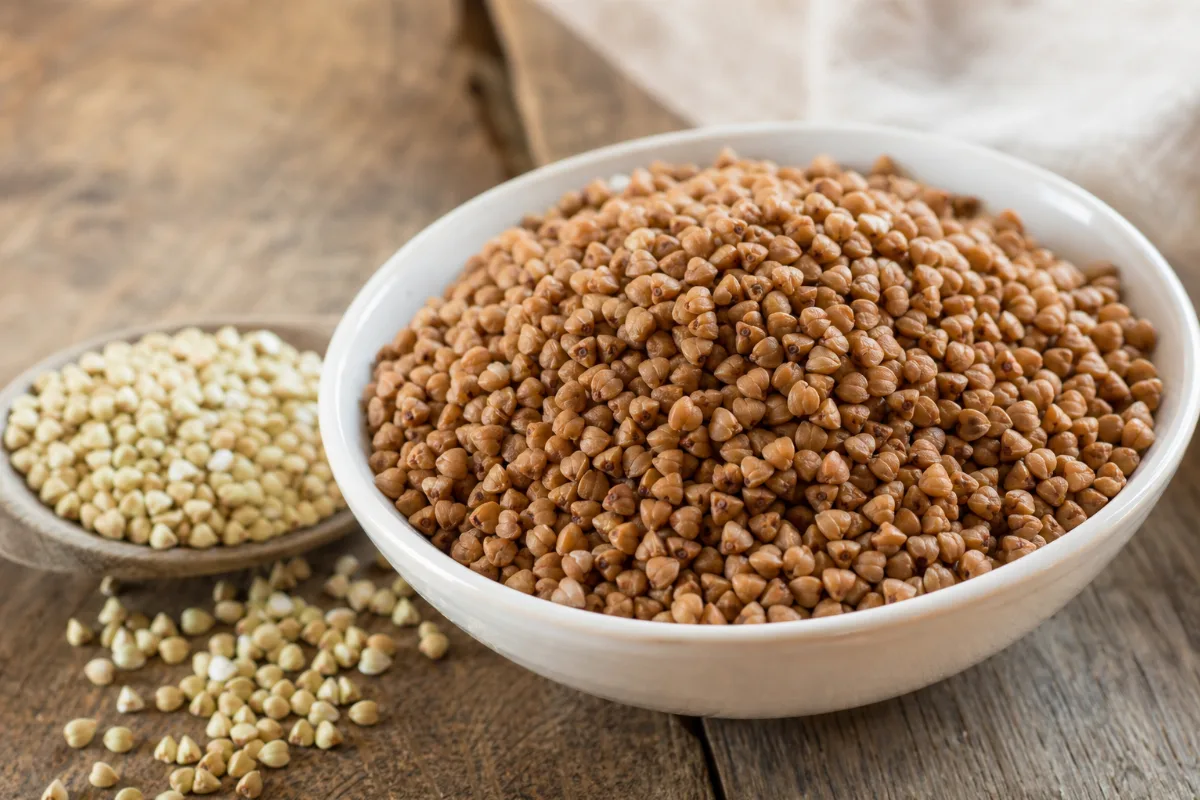
Naturally gluten-free grain and cross-contact. Buckwheat is not wheat and is naturally gluten-free; it can pick up gluten in processing. A US gluten-free label means under 20 p…
Cooked grains, mold and pesticide residues. Cooked grains left out can grow toxin-making bacteria; stored grain can grow mold; cooking reduced many pesticide residues in a p…
Mold toxins in stored maize. WHO says maize is among cereals frequently affected by aflatoxins and links fumonisins in maize to esophageal cancer. Discard mol…
Gluten cross-contact and added wheat in corn tortillas. Corn is not a gluten grain, but products can contain wheat flour or pick up gluten. A gluten-free label means under 20 parts per …
Label and species mix-ups. Hulled wheats (einkorn, emmer, spelt) are sold interchangeably as grains, flours and pasta; a lab method exists to check which is…
Sodium in canned hominy. USDA lists 267 mg of sodium per 100 g, or 441 mg (19% of the Daily Value) in 1 cup. NIDDK describes 20% Daily Value or more as hi…
Mold toxins in stored maize. WHO says maize is among cereals frequently affected by aflatoxins and links fumonisins in maize to esophageal cancer. Discard mol…
Gluten cross-contact in processed corn foods. Corn is not a gluten grain, but processed foods can pick up gluten from ingredients or cross-contact. A gluten-free label means u…
Naturally gluten-free grain and cross-contact. Millet is naturally gluten-free. It can pick up gluten in processing; a US gluten-free label means under 20 ppm. NIDDK's food lis…
Pearl millet and goiter: is there a risk?. A 2024 systematic review of nine papers found the evidence not strong enough to say pearl millet in a balanced diet causes goiter…
Gluten cross-contact in oats and oat bran. Oats do not contain gluten but can cause a reaction if grown or milled with wheat, barley or rye; a few people with celiac diseas…
Oats, gluten cross-contact and celiac disease. The NHS says oats do not contain gluten but can cause a reaction if produced alongside wheat, barley or rye, and a few people wit…
Mold toxins in oats. WHO names T-2 and HT-2 toxins (from Fusarium molds) as mycotoxins associated with oats and advises discarding moldy grain and sto…
Added fat, salt and calories in prepared popcorn. By USDA data, 1 ounce has 110 kcal and 1.3 g fat when air-popped and 142 kcal and about 8 g fat when oil-popped (unsalted). Salt,…
Mold toxins in stored maize. WHO names maize among cereals frequently affected by aflatoxins and fumonisins. Discard grain that looks moldy, discolored or shr…
Gluten cross-contact in flavored or packaged popcorn. Corn is not a gluten grain, but processed foods can pick up gluten from ingredients or cross-contact. A gluten-free label means u…
Naturally gluten-free grain and cross-contact. Quinoa is naturally gluten-free, but grains can pick up gluten in harvest and processing. A US gluten-free label means under 20 p…
Rye, gluten and celiac disease. Rye contains gluten. The NHS and NIDDK name wheat, barley and rye as the grains that trigger celiac disease. Rye is not safe for …
Rye, fructans and irritable bowel symptoms. Rye bread had the most fructan of the breads tested (1.94 g per 100 g). In 87 people with irritable bowel syndrome, low-FODMAP ry…
Ergot alkaloids in rye. EFSA found the highest ergot alkaloid levels in rye and rye products and the highest intake in toddlers and children. In 2012 EFS…
Acrylamide in baked and toasted cereal foods. The FDA says acrylamide forms during frying, roasting and baking of potato and cereal-grain products; it caused cancer in lab ani…
Naturally gluten-free grain and cross-contact. Sorghum is naturally gluten-free. It can pick up gluten in processing; a US gluten-free label means under 20 ppm. NIDDK's food li…
Naturally gluten-free grain and cross-contact. Teff is naturally gluten-free. It can pick up gluten in processing; a US gluten-free label means under 20 ppm. NIDDK's food list …
Phytic acid and mineral absorption. Gluten-free noodles with added teff and flaxseed flours had higher phytic acid in a food-science study. A systematic review on br…
Rancidity of wheat germ. A lab study found wheat germ deteriorates fast because of unsaturated fats and its own enzymes; untreated germ reached its spoila…
Non-coeliac wheat sensitivity. Self-reported in over 10% of people, confirmed by blinded challenge in typically under 30%; fructans and other wheat proteins are…
Acrylamide in toast. FDA says acrylamide forms in high-heat cooking, lists toast among foods with higher levels, and advises toasting to light brown r…
Choking hazard of breads with seeds or whole kernels. The CDC lists breads with seeds, nut pieces or whole grain kernels among grain products to avoid for infants and young children.
Non-coeliac wheat sensitivity. Self-reported in over 10% of people, confirmed by blinded challenge in typically under 30%; fructans and other wheat proteins are…
Gluten status and labels. Wild rice is not wheat, rye or barley. The FDA lets grains other than those carry a gluten-free label if cross-contact gluten is …
Cooked grain storage. The NHS gives refrigerate-within-1-hour, eat-within-24-hours and reheat-once steps for cooked rice; wild rice is not named there.
Grain and medicine interactions
Some grains change how a medicine works, or add to its effect. This matters most for narrow-margin medicines such as blood thinners, antidepressants, immunosuppressants, and diabetes and blood pressure medicines. Always tell your pharmacist and clinician about every grain you take. Ask before starting, stopping or combining anything.
Each line comes from a grain's own guide and its cited sources. A grain missing from a list is not proven free of interactions: it may simply not have been studied. Open the grain's guide for the full wording.
Scientific evidence and research on grains
For most grains, good human evidence is limited. Every outcome in our grain guides is rated for how strong the evidence is, and the rating is shown next to it. Across the 24 guides, 21 grains have no outcome rated "clinical trials support a benefit".
What the evidence ratings add up to
5Clinical trials support a benefitTrials in people support a defined effect, usually a narrow one.
72Early or mixed human evidenceSmall, short or disagreeing studies. Positive and negative findings both count here.
17Lab or animal research onlySeen in cells or animals. This does not show a benefit in people.
20Too little evidence to sayPopular claims for which we found no usable human trials.
82Documented risksSafety findings, shown in the Safety tab.
How to read grain research
Lab, animal and human studies answer different questions. A chemical that kills cells in a dish, or helps mice, may do nothing in people.
A mechanism is not proof of benefit. Knowing which compounds a grain contains, or which pathway they touch, explains how an effect might happen, not that it does.
A study that mentions a grain does not show the grain works. Many records only name the grain, test it in animals, or find no effect.
Product and form matter. A result for one extract, dose or tea does not carry over to another product.
Look at size, length and who paid. Small, short or industry-funded trials are more likely to overstate effects; a single trial is rarely enough.
These are the outcomes our guides rate "clinical trials support a benefit", each with the sources the guide cites. Even here, the effect is usually for one preparation, one group of people and one outcome.
Pooled randomized trials found at least 3 g a day of oat beta-glucan lowered LDL cholesterol by about 0.25 mmol/L. Oat bran is a form named in the FDA heart-health claim.
FDA allows a heart-disease claim for foods with at least 0.75 g soluble fiber per serving and 3 g a day of beta-glucan from whole oats or barley. EFSA (2010) found a cause-and-effect link between 3 g a day of oat beta-glucan and …
A meta-analysis of 28 randomized trials found 3 g a day or more of oat beta-glucan lowered LDL by 0.25 mmol/L and total cholesterol by 0.30 mmol/L, with no change in HDL or triglycerides. A review of 58 trials found a smaller LDL…
US rules allow a claim that diets low in saturated fat and cholesterol that include 3 g or more a day of beta-glucan soluble fiber from whole oats or barley may reduce the risk of heart disease. It names oat bran, rolled oats and…
Pooled randomized trials found whole-grain diets lower LDL cholesterol a little compared with non-whole-grain diets; oats worked best. Not specific to wheat berries.
How many outcomes each guide rates in each evidence group. Open a guide for the individual outcomes, what was found (including negative results) and the sources.
Many grain trials are small, short, and test a specific extract that is not what most people buy.
Natural products vary with source, growing or mining conditions and processing, so two products with the same name can differ in what they contain.
Safety is studied less than benefit: long-term use, children, pregnancy and combinations with medicines are often unstudied.
Positive trials are published more often than negative ones, and many reviews pool trials of very different quality.
Grain forms, preparations and quality
The same material can be sold as a powder, capsule, liquid or concentrated extract, and these are not interchangeable. A study of one preparation does not tell you what another does. This tab shows which forms each guide describes, and how to judge product quality.
Parts used
Different parts can contain different compounds, so the part named on the label matters.
Teas, tinctures, capsules, powders and topical products
For each kind of preparation, the grains whose guides describe it. The guides say which form was actually studied. Detailed preparation instructions are in Herbal Teas & Extracts, so they are not repeated here.
Teas, infusions and decoctions · 1 guides describe it
Whole grain, standardized extract, and what the numbers mean
A whole grain (fresh, dried or powdered) contains everything in the raw material, in amounts that vary. A standardized extract is made to contain a stated amount of one or more marker compounds, which makes batches more consistent but is not the same as the whole grain.
An extraction ratio such as 4:1 says how much raw material was used per unit of extract. It does not by itself say how much active compound a capsule holds or whether the product works. A marker compound is something measured for quality control; it is not always the compound that causes any effect.
Amounts and duration. We do not give universal dose recommendations. Where a source reports the amount and length of use tested for a named preparation, the grain's guide gives it in that context; an amount studied in one product does not carry over to another, or to food-level use.
Absorption. Some active constituents are poorly absorbed, which is why concentrated or specially formulated products exist (curcumin is the best-known case). Better absorption can also raise the risk of side effects.
Comparison guides
Identification, labels and product quality
A good label names the species by its scientific name, says which part is used, and states the amount and form. Third-party testing can check identity, strength and contamination, but a seal is not a guarantee of safety or benefit.
There is no single number in the sources we read. The NHS says starchy foods should make up just over a third of what you eat and suggests choosing wholegrain or higher-fibre versions where you can. [1][2] The World Health Organization says whole grains should make up a significant share of carbohydrate intake, with examples such as oats, wheat, brown rice, millet and maize. [4] Each guide shows the USDA serving size, which is information, not a prescription.
Is gluten-free healthier?
Not for most people. Gluten is found in wheat, barley and rye, and it must be avoided by people with celiac disease, which affects about 1 percent of people worldwide. [5] Harvard's Nutrition Source says most people can eat gluten without problems and that little published research supports doubts about gluten in a healthy diet. [3] The NHS warns that cutting out a whole food group could mean missing nutrients you need. [1] In the US, "gluten-free" on a label means less than 20 parts per million of gluten. [6] See the gluten and celiac basics guide.
Is brown rice safe with arsenic in it?
The FDA says rice absorbs arsenic more readily than many crops, but it can still be part of a balanced diet. [7] The FDA advises eating a varied diet and, for babies, offering a range of grains instead of relying on rice cereal alone. [7] Cooking rice like pasta, in plenty of water that is then drained, can remove roughly 40 to 60 percent of inorganic arsenic, but it also cuts folate, iron, niacin and thiamin in enriched rice. [7] See the arsenic in rice guide.
Are lectins and phytates in grains a problem?
The strong lectin warning is about raw or undercooked beans, not grains: EFSA says properly prepared pulses carry no lectin-related risk. [8] The whole-grain sources we read (NHS, Harvard) recommend whole grains and do not raise phytates or lectins as a reason to avoid them. [1][3] Proper evidence on a measurable harm from these compounds in a normal mixed diet was not found in the sources we read. Our antinutrients guide goes into more detail.
What is the difference between whole and refined grains?
Milling removes the bran and germ and leaves mainly the starchy middle. Harvard says refining wheat removes over half of its B vitamins, about 90 percent of its vitamin E and almost all of its fiber, and fortification restores some nutrients but not plant compounds. [3] Harvard links whole grains to lower risk of heart disease and type 2 diabetes in observational research, with mixed results for cancer. [3]
Content last updated . The tabs from Health Benefits onward are compiled automatically from the evidence ratings and sources in each grain's guide (last data update November 14, 2026). This section has not been medically reviewed.
Education, not medical advice. This section is for general information. It does not diagnose or treat any condition and is not a substitute for care from a qualified health professional. Natural does not automatically mean safe.