Nori, Kelp, Dulse, Spirulina & More: What Research Shows & What to Check.
Seaweed and algae come first as food. Explore each sea vegetable, microalga, extract and seaweed product: what is in it (measured by USDA where USDA has a value), what research in people has and has not found, a normal serving, and what to check before you eat it: too much iodine and thyroid disease, arsenic and cadmium (hijiki), vitamin K and warfarin, microcystins in blue-green algae supplements, sodium, pregnancy and children.
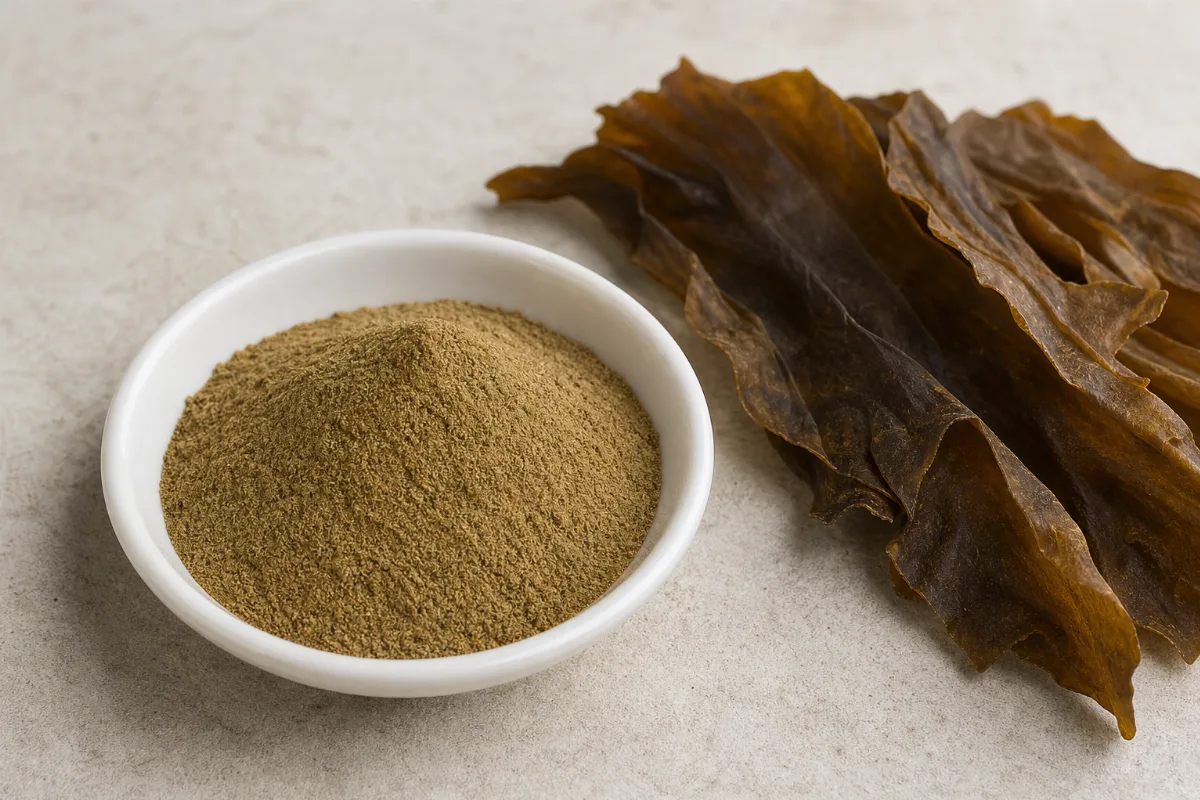
Normal serving (USDA): 2 tbsp (1/8 cup), 10 g raw kelp
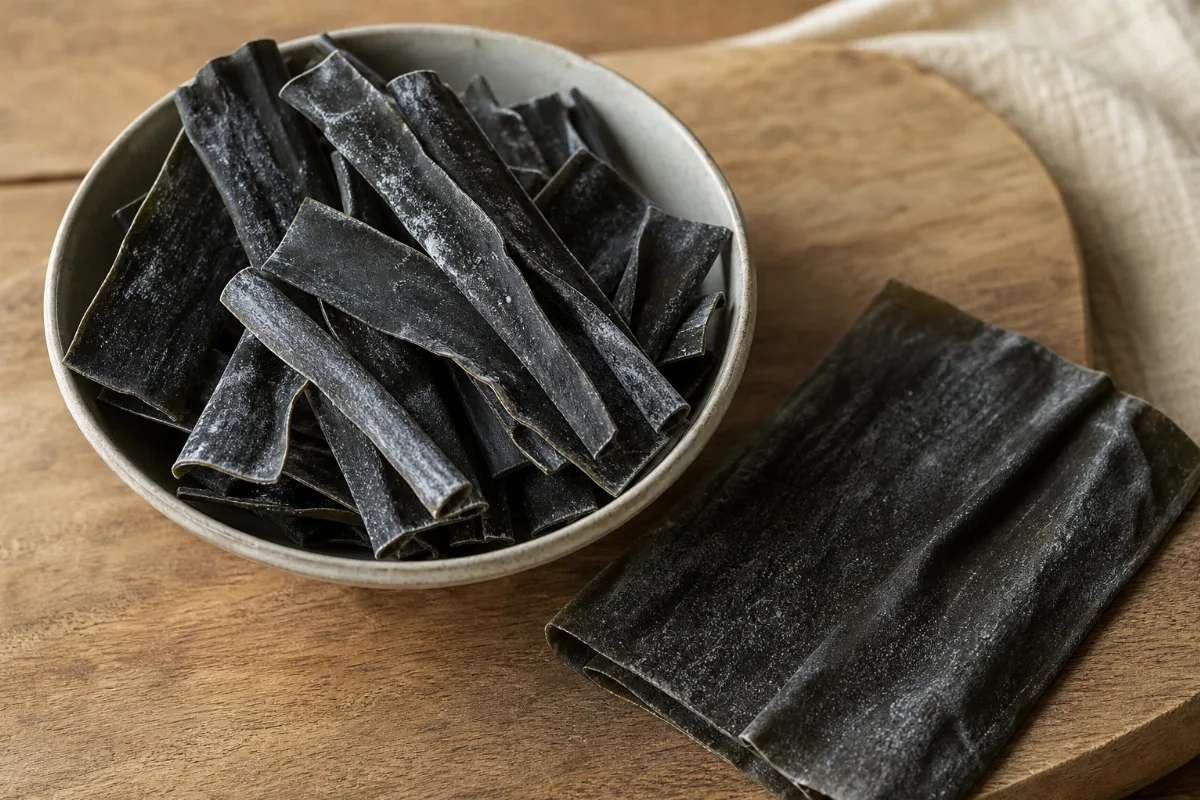
Kombu (kelp) as a food: why iodine comes first, USDA values, what studies found on thyroid, body fat and blood pressure, arsenic and cadmium, and who should check with a clinician.
Kombu iodine and thyroid function in seaweed eaters
Kombu and thyroid hormones in a 12-week trial
Cooking and how much kombu iodine reaches the body
Normal serving (USDA): 2 tablespoons (1/8 cup), 10 g raw
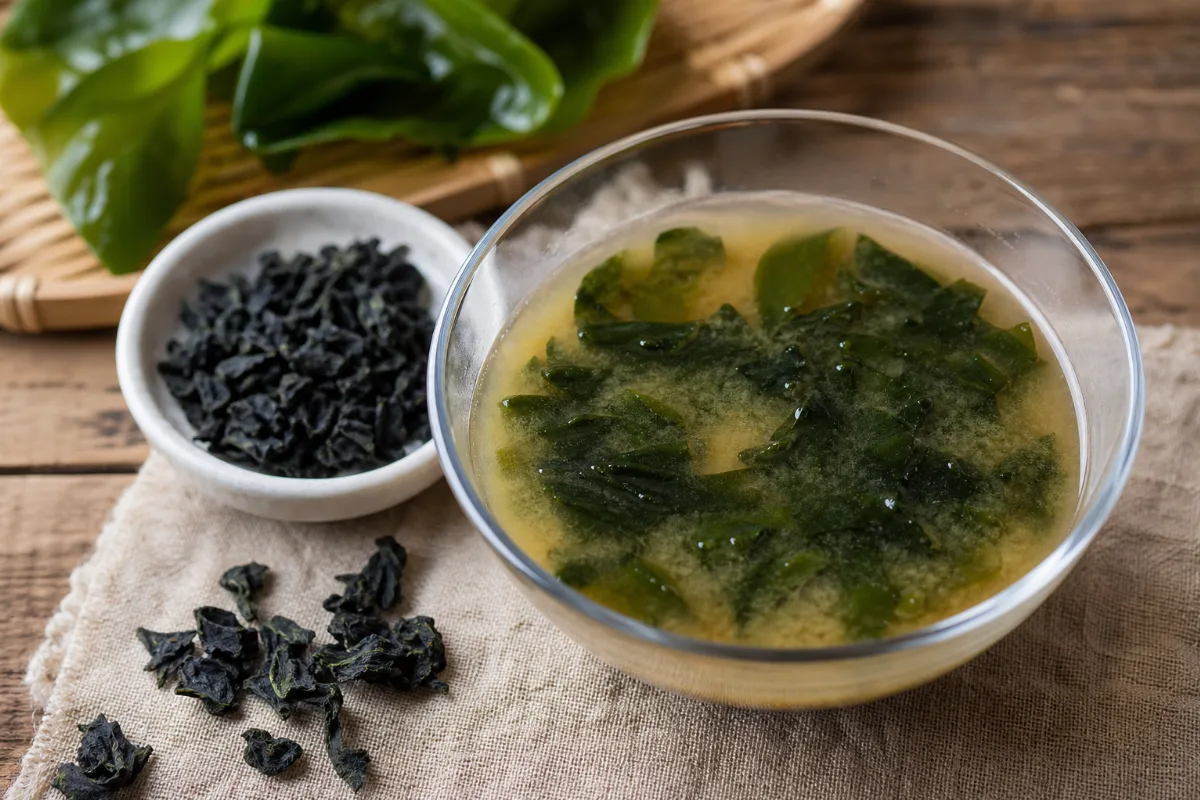
Wakame as a food: iodine is the main safety point, USDA values for raw wakame, miso soup use, what research shows, arsenic and pregnancy notes, and the invasive-species background.
Wakame and iodine intake
Wakame in miso soup and cooking
Minerals in raw wakame
Wakame for heart disease, diabetes or weight: evidence
Normal serving (USDA): No official serving size found
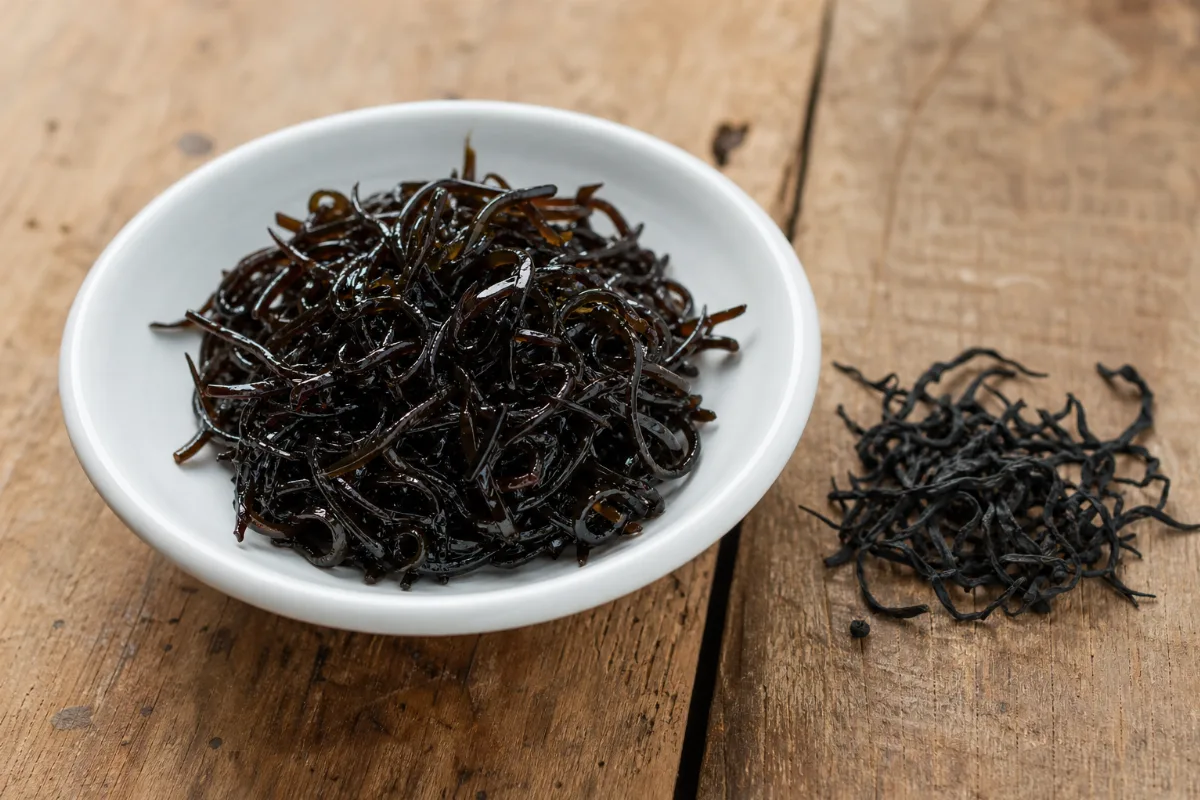
Arame as a food: a mild brown seaweed from Japan. Its iodine, cadmium and arsenic as measured in a recent study, why it is not hijiki, and what research does and does not show.
Normal serving (USDA): No official serving size found; Japanese study estimate for cooked hijiki about 6.5 g a day on average (information only)
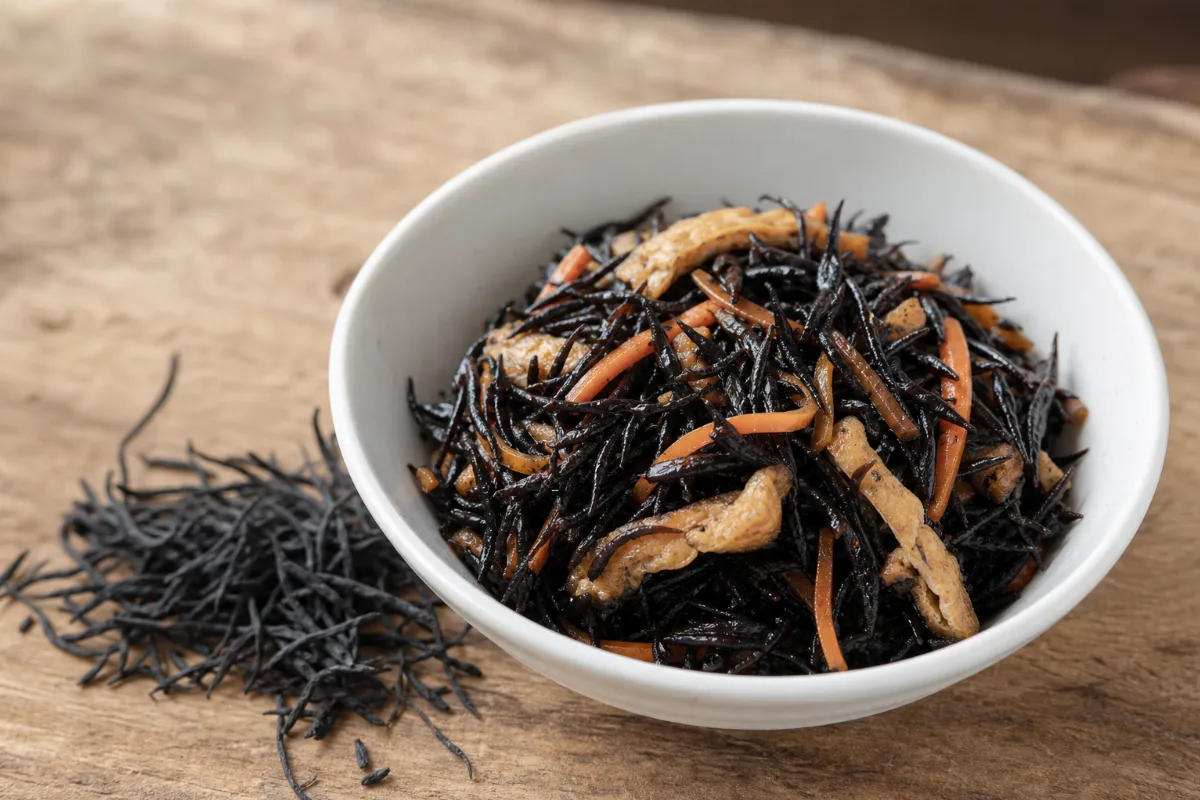
Hijiki as a food: why government agencies disagree about its inorganic arsenic, what each one said, its high iodine, what research shows, and how it is cooked and chosen.
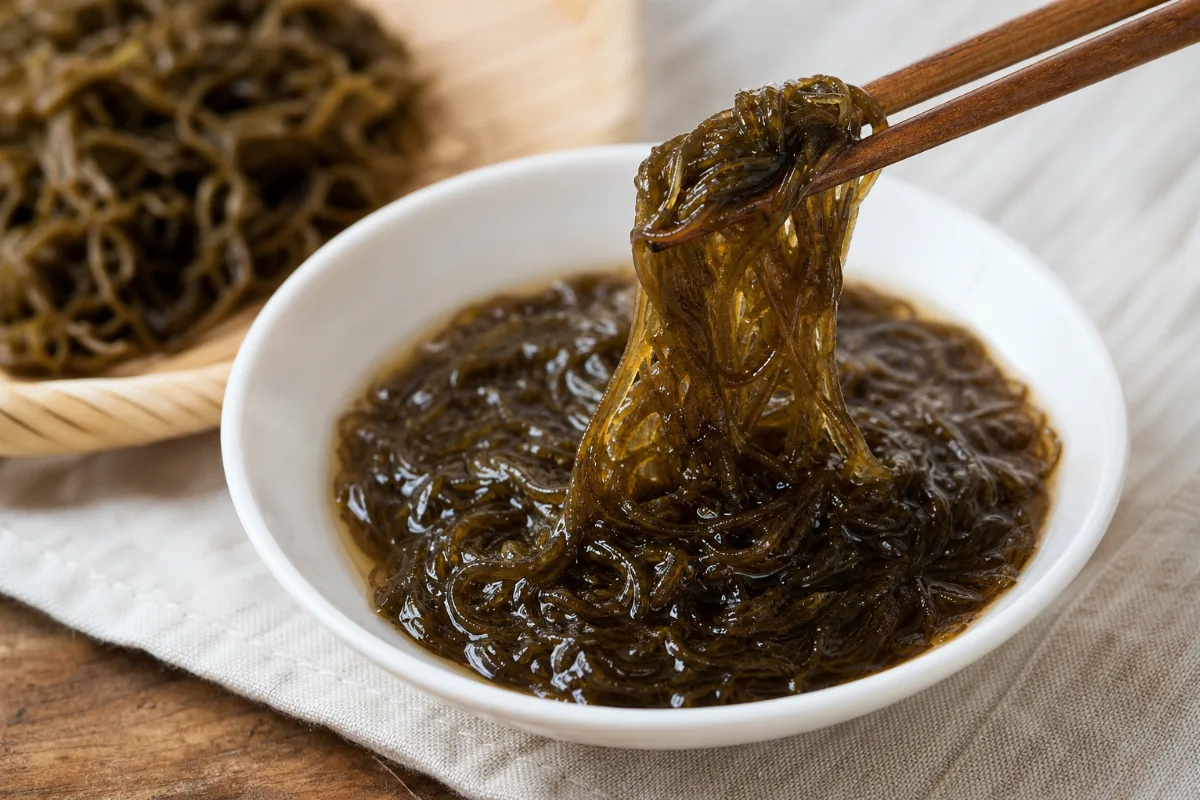
Mozuku (Okinawa mozuku, Cladosiphon okamuranus) as a food: the slimy brown seaweed, its fucoidan, what small trials found, and iodine, arsenic and medicine cautions.
Normal serving (USDA): 10 sheets (26 g), raw laver
Nori (laver) as a food: iodine level, the vitamin B12 question (true versus inactive forms), USDA values for wet laver, snack sheet cautions, and what trials found.
Normal serving (USDA): No official serving found. The Arctic study authors calculated a maximum of 0.63 to 0.92 g dry weight a day for a 70 kg adult from iodine content
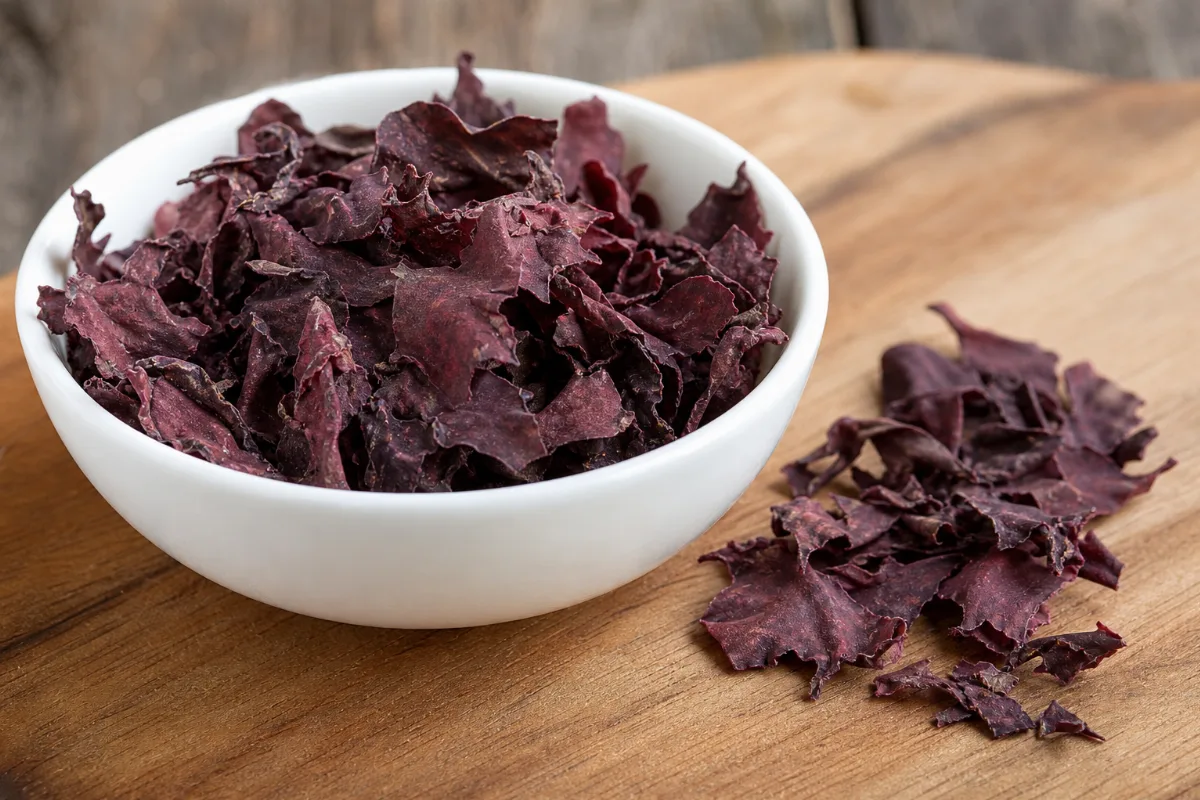
Dulse is a red seaweed from the North Atlantic. What research says about its iodine, protein and metals, who should be careful, and what is hype.
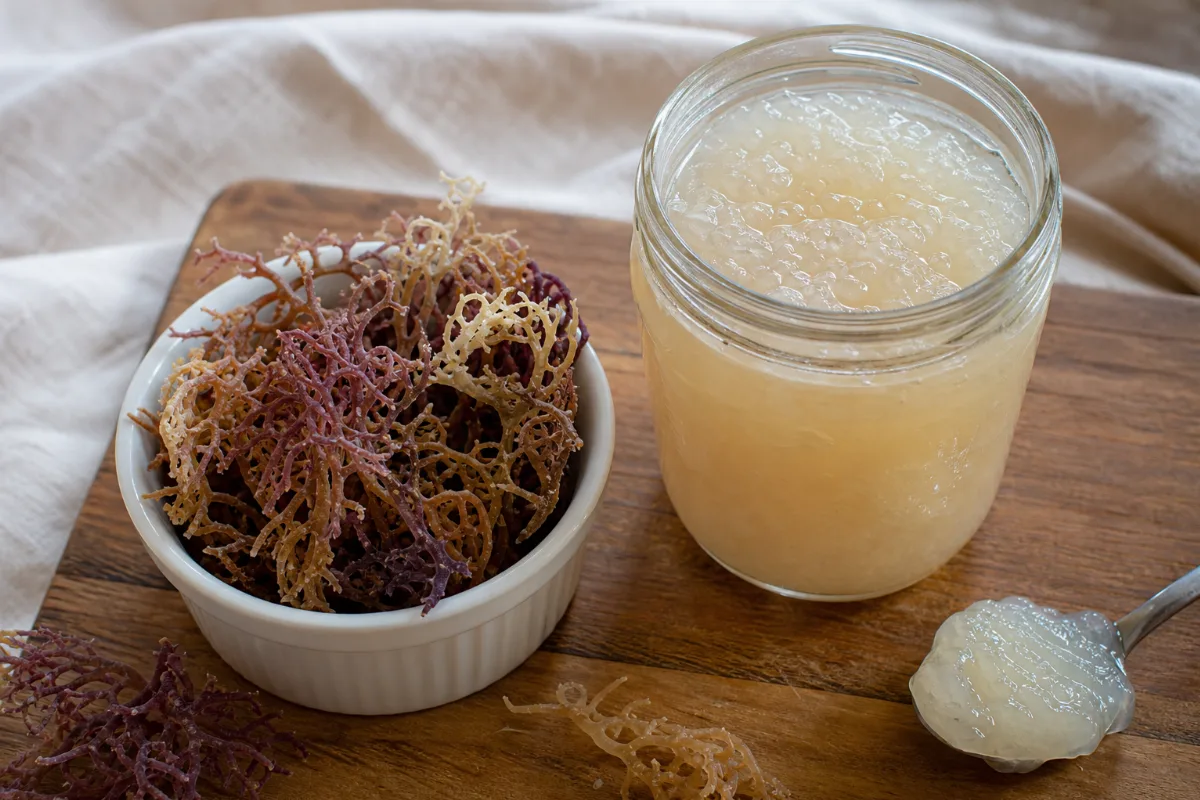
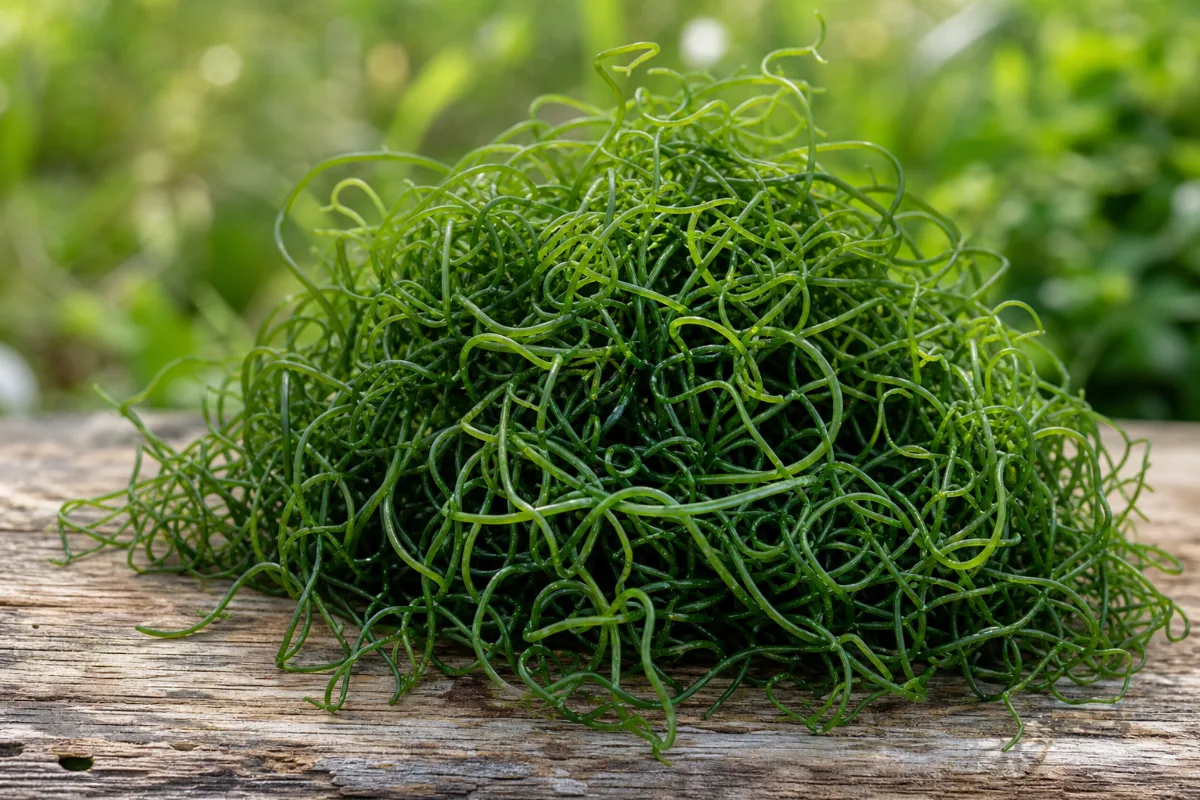
Sea moss (Eucheuma, Kappaphycus, Gracilaria) as a food: what the names mean, USDA values, iodine and metals first, and why "92 minerals" and other claims are not backed.
Sea moss as a source of fiber and minerals
Sea moss and the "92 minerals" claim
Sea moss and vitamin B12 claims
Sea moss for gut health, immunity, skin and weight loss
Normal serving (USDA): 1 g dried flakes (our arithmetic from per-100 g values; no official serving found)
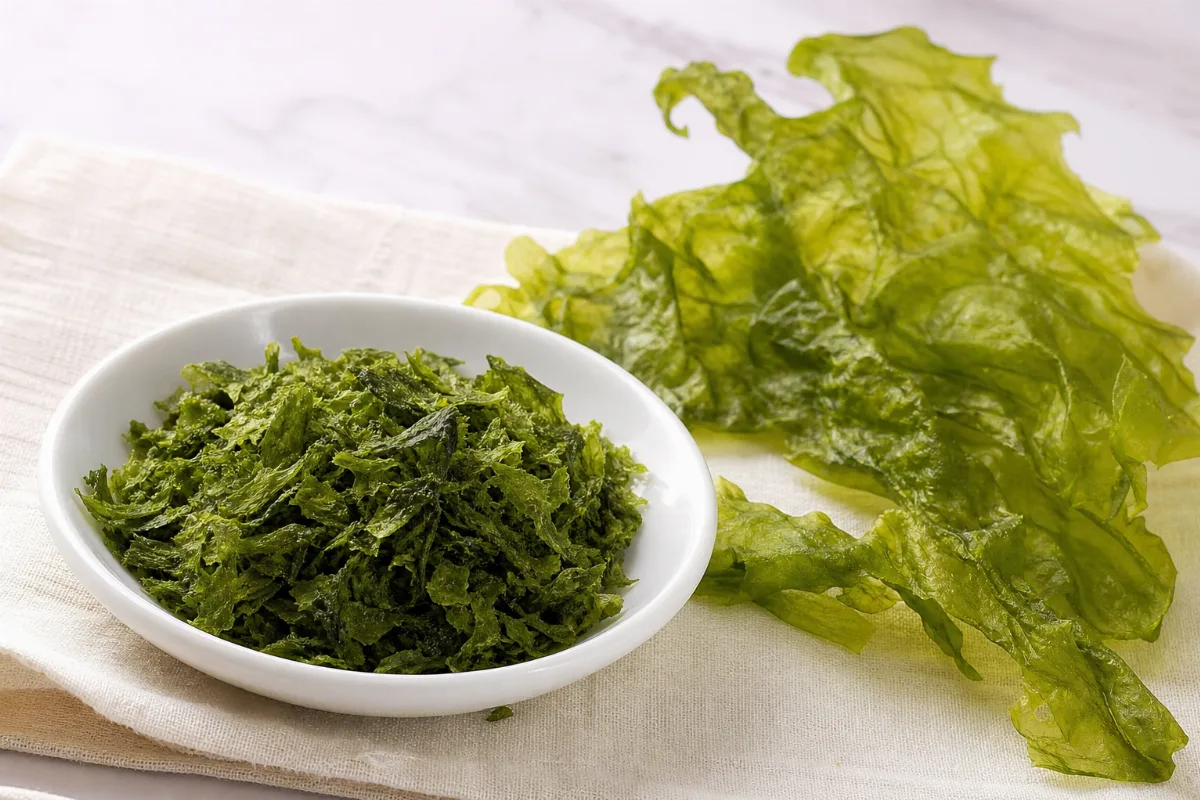
Sea lettuce (Ulva) as a food: Japanese dried "aosa" nutrient values, high iodine per gram, pollutant questions, what small studies of extracts show, and who should be careful.
Nutrients listed for dried sea lettuce
Sea lettuce extract, antioxidant and inflammation markers
Sea lettuce in the lab and animals: liver and antioxidant studies
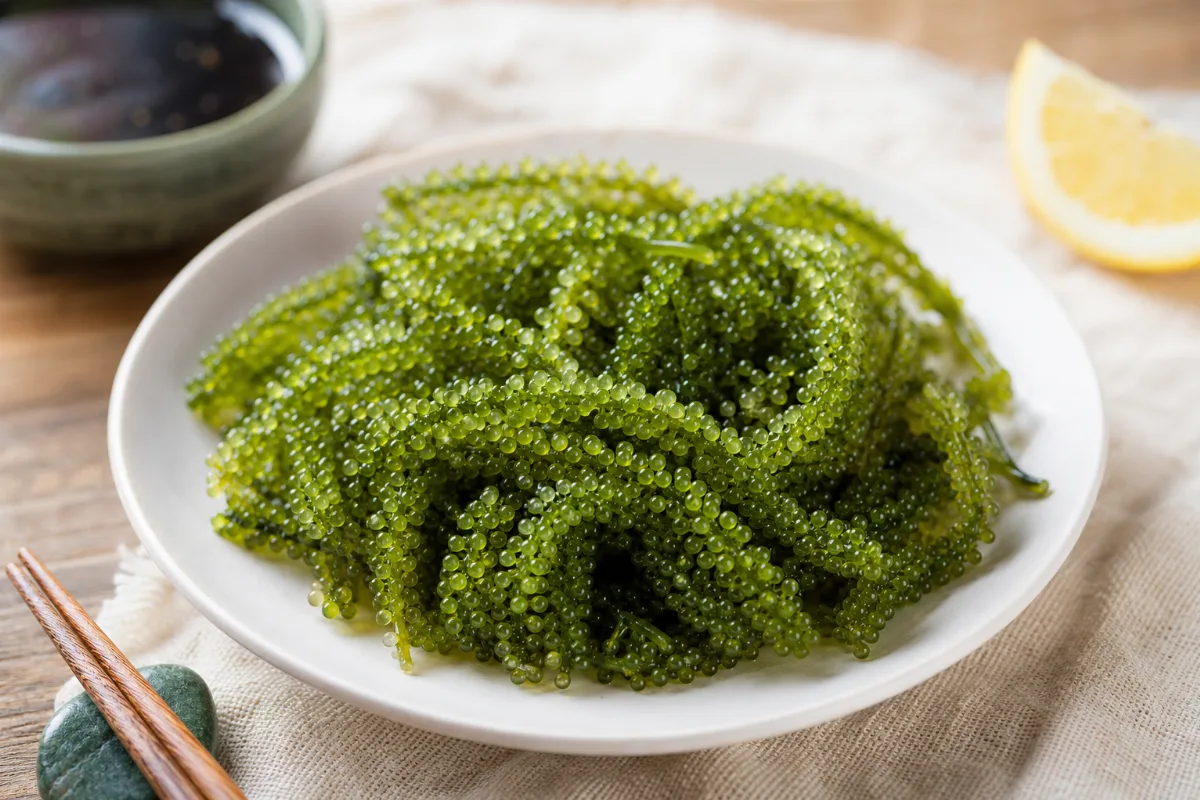
Sea grapes (umibudo, Caulerpa lentillifera) as a food: what farm analyses found, raw-food safety, salt and iodine gaps, and what lab and small human studies do and do not show.
Sea grapes as a food: nutrient content varies by farm
Sea grapes and blood sugar after a meal
Iodine, arsenic and metals in sea grapes: data gaps
Normal serving (USDA): 1 g dried flakes (our arithmetic from per-100 g values; no official serving found)
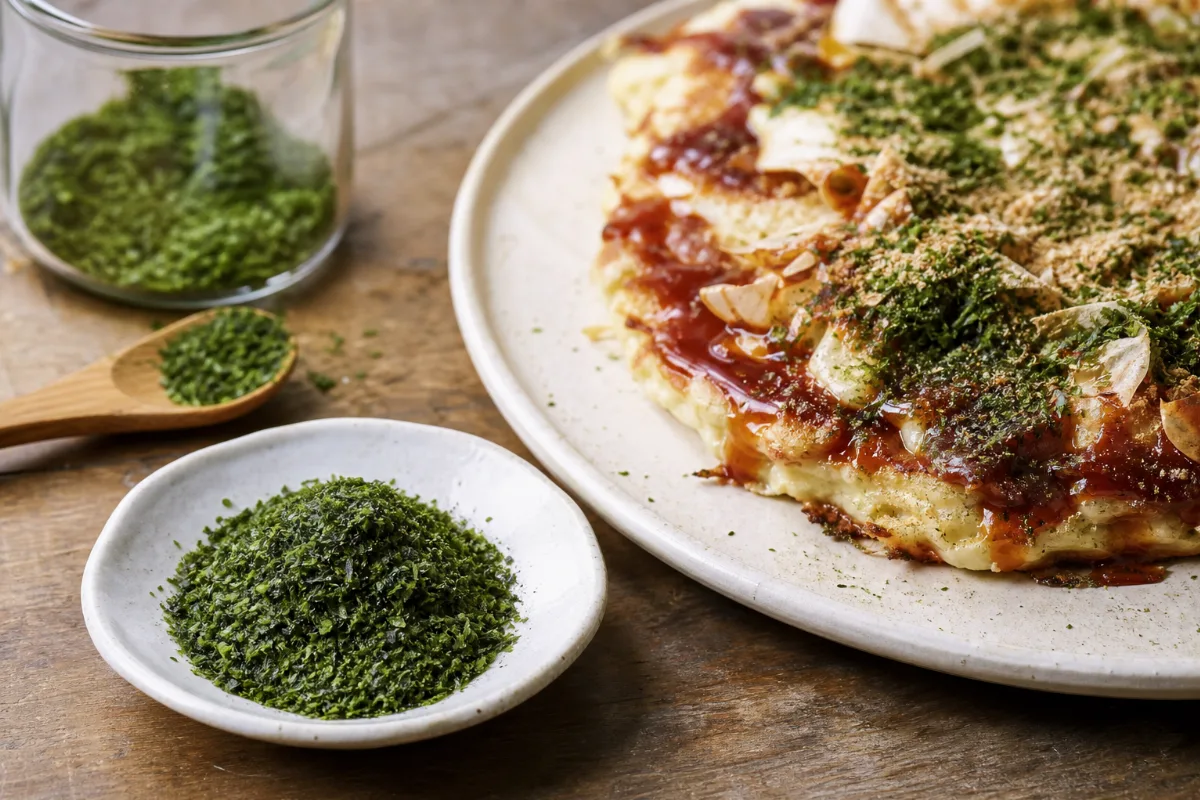
Ao-nori (green laver) as a food: Japanese dried flake nutrient values, iodine per gram, why it is not nori for B12, salt, naming mix-ups, and who should ask a clinician first.
Ao-nori and vitamin B12 claims
Minerals and vitamins listed for dried ao-nori
Fiber and protein in dried ao-nori
Aonori, aosa and hitoegusa: what the label may mean
Normal serving (USDA): No official serving; no USDA entry
Dunaliella, a microalga rich in natural beta-carotene: the smokers and lung cancer warning, what small trials found, and how regulators treat it as a color and supplement.
Dunaliella powder (9-cis beta-carotene) and retinitis pigmentosa
Dunaliella beta-carotene and exercise-induced asthma
Dunaliella: antioxidant, cholesterol and immune claims
Dunaliella as a food: composition and legal status
Normal serving (USDA): No official serving; no USDA entry
Euglena, a single-celled alga rich in paramylon beta-glucan: what Japanese and Korean trials found on colds and immunity, EU novel-food safety opinions, and how thin the human evidence is.
Normal serving (USDA): No official serving; no USDA entry
Nannochloropsis is a marine microalga rich in EPA omega-3. See which forms are sold, what the few human trials found, safety data, and its EU and US status.
Gelidium spp., Gracilaria spp., extract of red seaweeds
Normal serving (USDA): 2 tablespoons raw agar (about 10 g); no USDA portion for dried agar
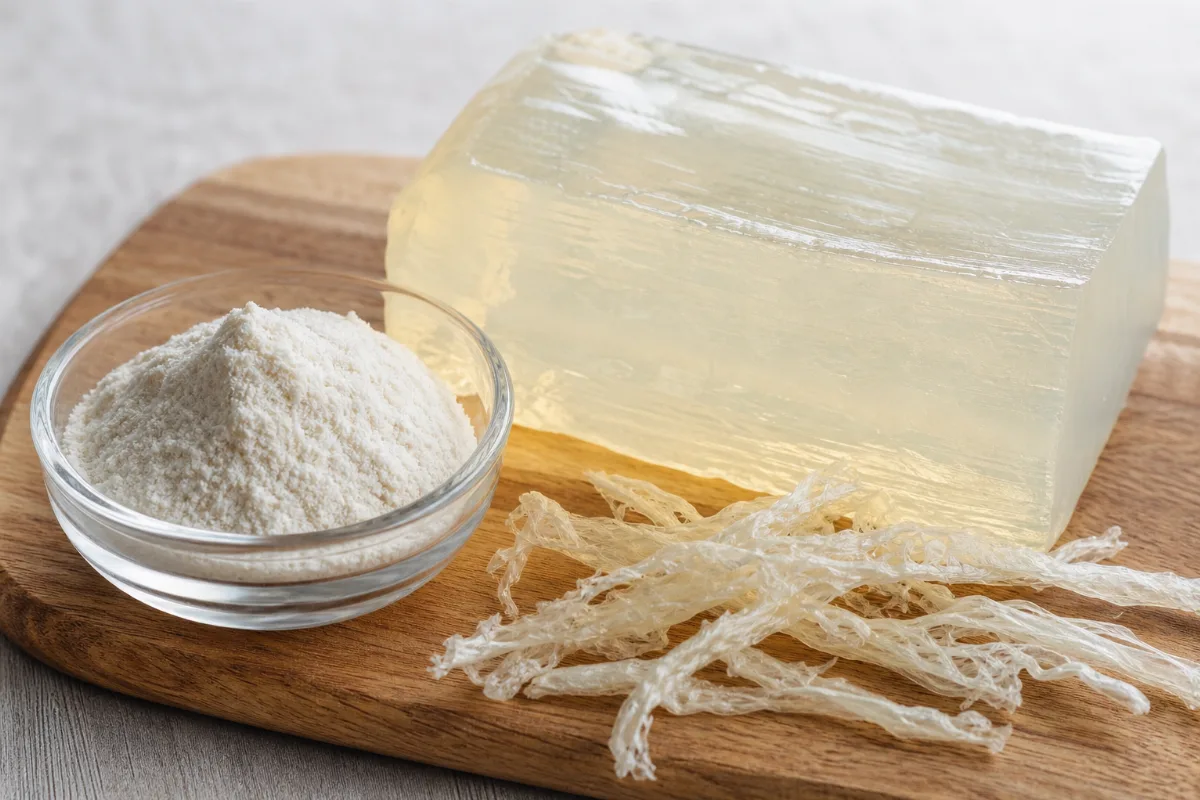
Agar (agar-agar) from red seaweed: a vegetarian gelling agent. USDA values, what the EU safety review found, the dry-swallowing and bowel-blockage caution, and why diet claims lack trials.
Normal serving (USDA): No serving: food additive used in small amounts
Carrageenan (E407) from red seaweeds: food-grade versus degraded poligeenan, what EFSA, JECFA and FDA say, the Tobacman critiques, small human trials, and the 2016 organic board vote.
Carrageenan (E407) safety at current food use
Degraded carrageenan (poligeenan) versus food-grade carrageenan
The Tobacman critique: carrageenan and gut ulcers or tumors in animals
Laminaria spp., Macrocystis pyrifera, Ascophyllum nodosum, extract of brown seaweeds
Normal serving (USDA): No standard serving; alginate is used as an additive or medicine
Alginate from brown seaweed as a food additive, a Gaviscon-type reflux medicine and a diet supplement: what regulators and trials found, and what they did not show.
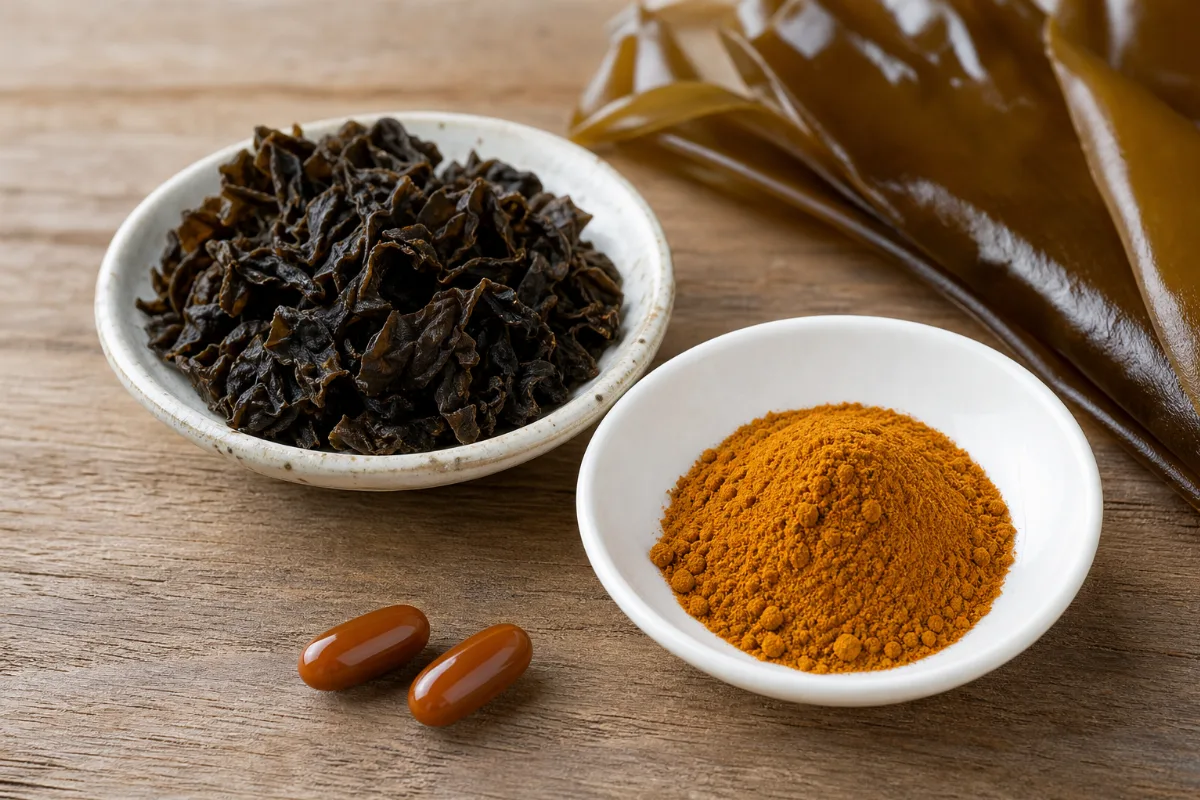
Fucoidan, the sulfated sugar from brown seaweeds, sold as capsules and powders: what human trials found, the blood-thinner caution, iodine and metal questions, and lab-only claims.
Fucoxanthin (carotenoid pigment of brown seaweeds and diatoms)
Normal serving (USDA): No official serving; no USDA entry
Fucoxanthin is an orange pigment of brown seaweeds sold for weight loss. See the human trials, absorption, safety data and the iodine and metal cautions.
Fucoxanthin and weight loss: what trials found
Xanthigen (fucoxanthin plus pomegranate oil) trial
Fucoxanthin, HbA1c and liver fat: lab versus people
Absorption of fucoxanthin and effect of dietary fat
Normal serving (USDA): No official serving; food color used at good manufacturing practice levels
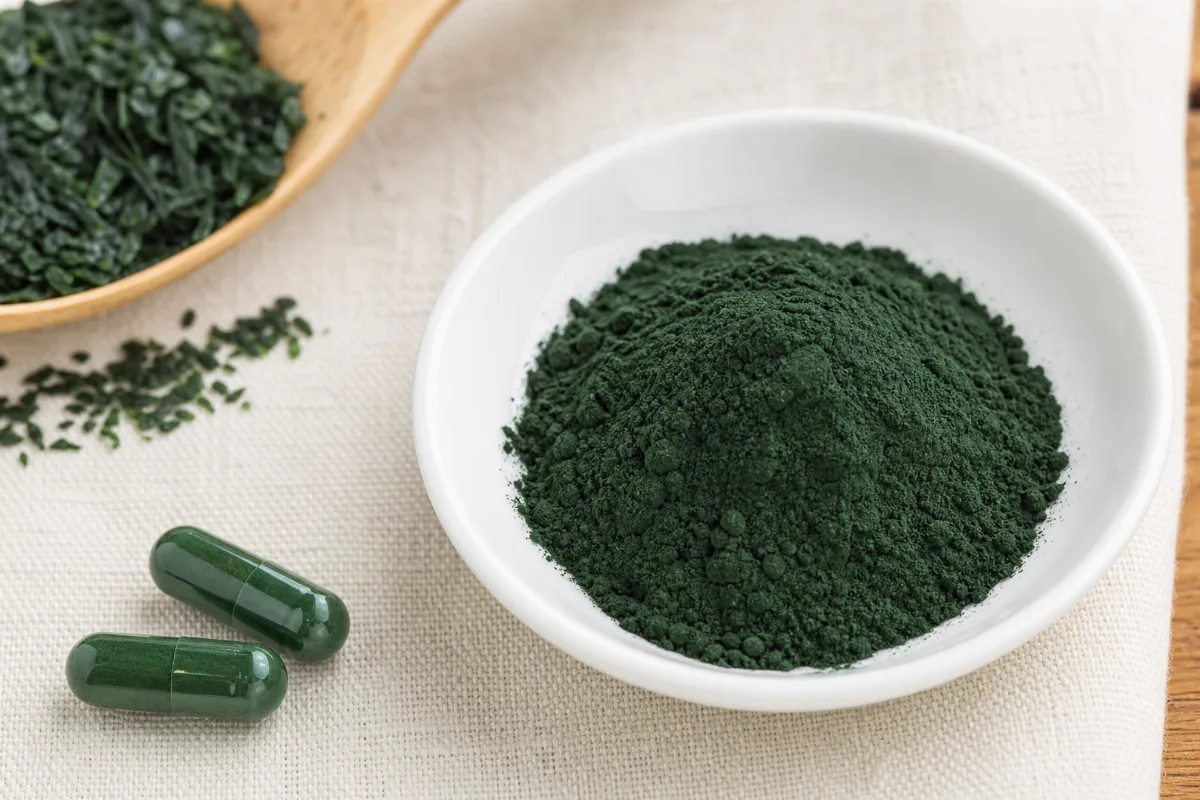
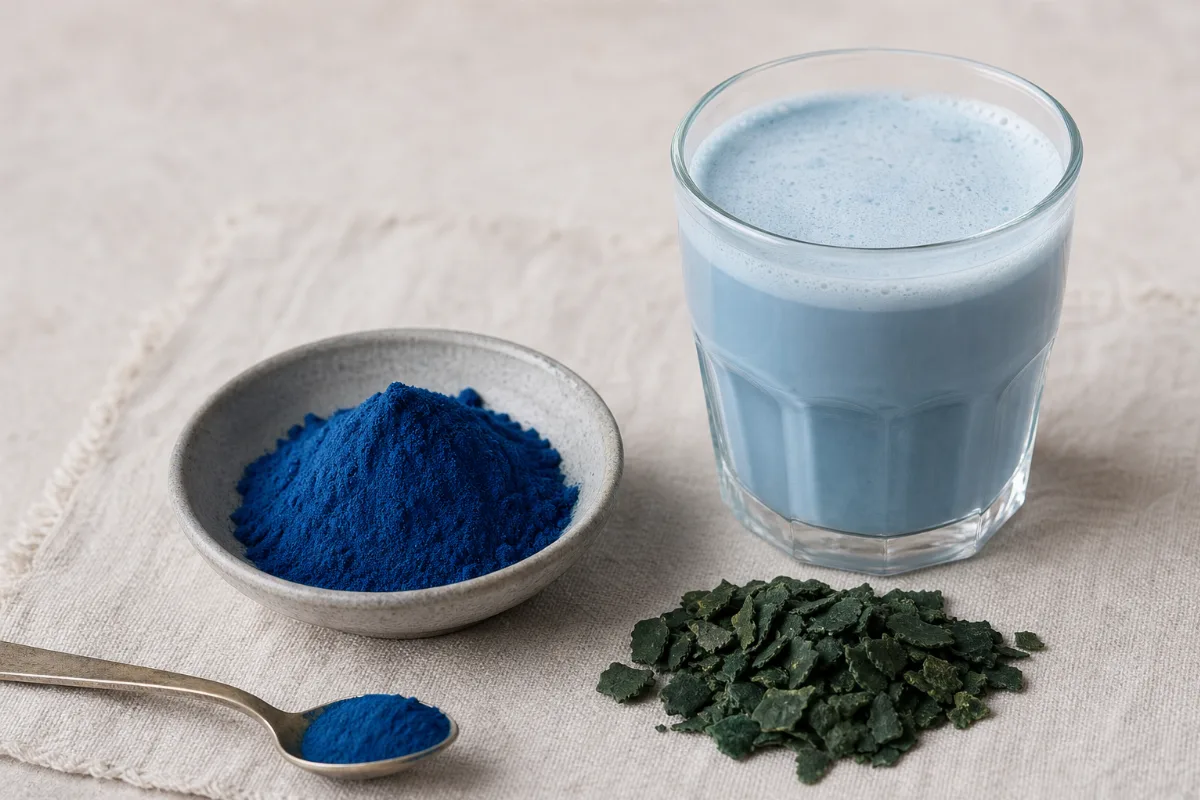
Phycocyanin, the blue pigment from spirulina used in drinks, candy and lattes: FDA color rules, thin human evidence, supplement form, allergy and color stability.
Blue spirulina as a food color (FDA listing)
Phycocyanin and human health: trial evidence
Phycocyanin as antioxidant and anti-inflammatory: lab findings
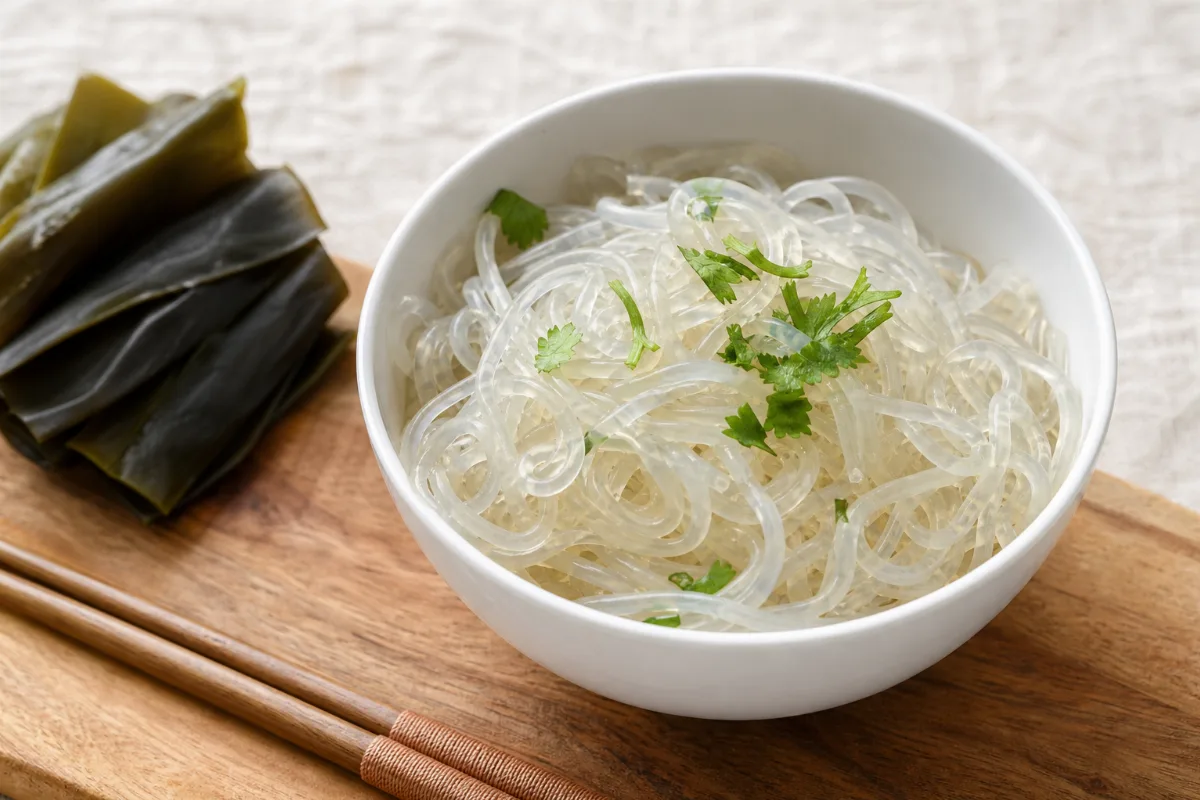
Noodles made from kelp (alginate) gel, Laminaria / Saccharina kelp with sodium alginate
Normal serving (USDA): 4 ounces (about 113 g) per the manufacturer label
Kelp noodles are clear, crunchy noodles made from kelp and alginate gel. What labels show, iodine and thyroid cautions, and what low-carb and weight claims can and cannot say.
Iodine in processed kelp: lab and animal findings
Kelp noodles as a low-calorie, low-carb pasta swap
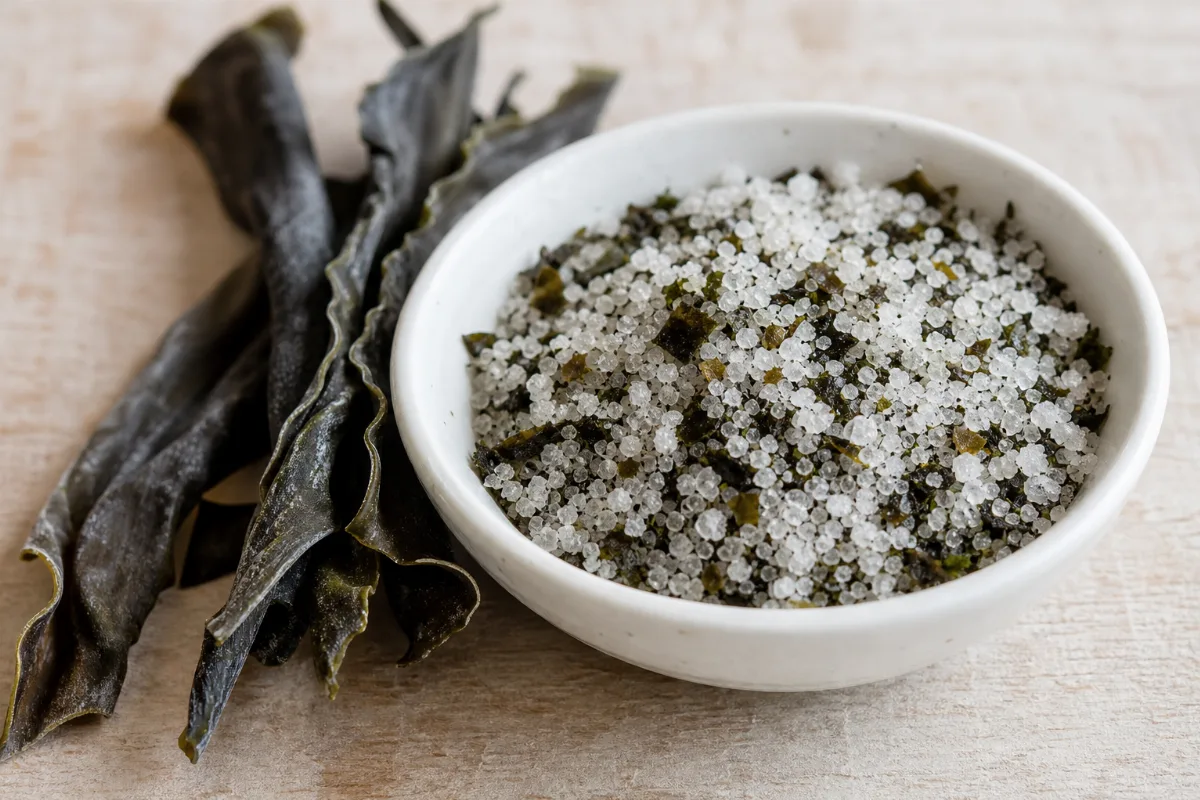
Seaweed salt explained: what the name can mean, why it is still salt, how kelp iodine makes labels matter, what sodium-cutting research exists, and what we could not find.
Normal serving (USDA): No official serving; packages set their own
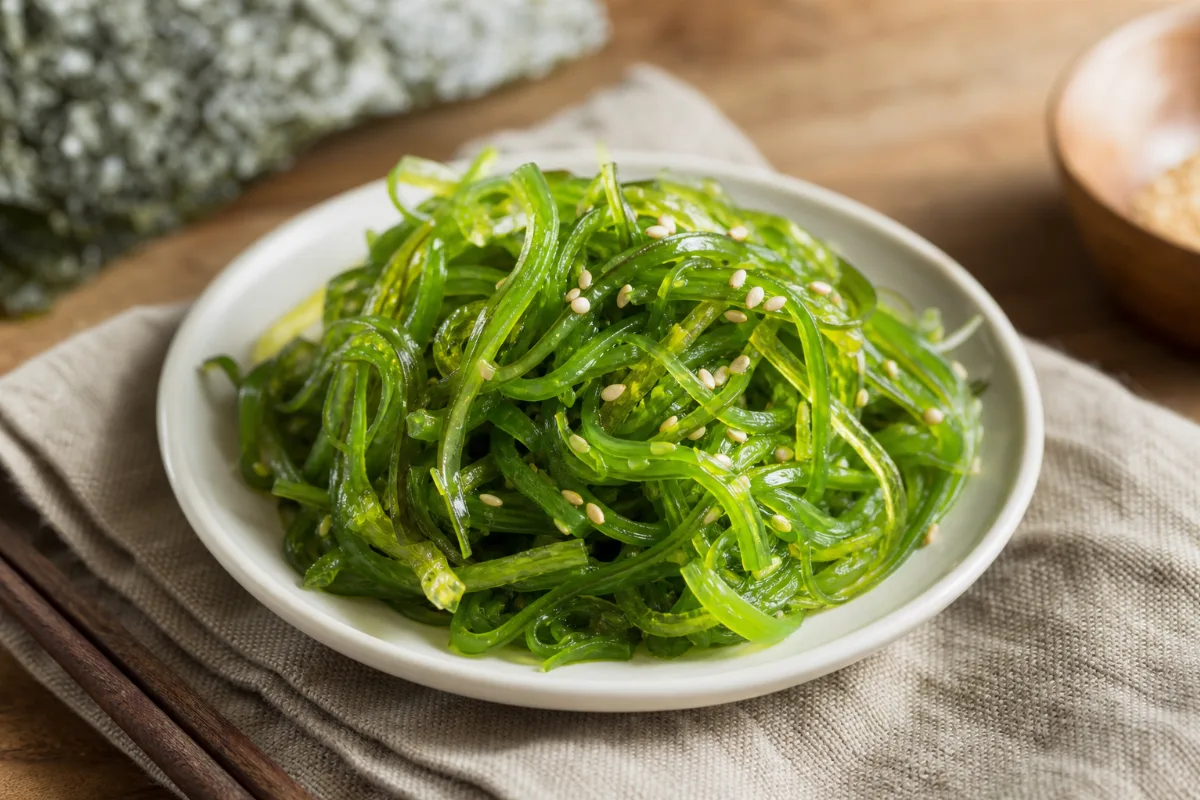
Seaweed salad (chuka wakame) as sold in restaurants and stores: sodium, added sugar, colors, iodine, Listeria findings and what we could and could not verify.
Normal serving (USDA): No official serving found; USDA has no dashi entry
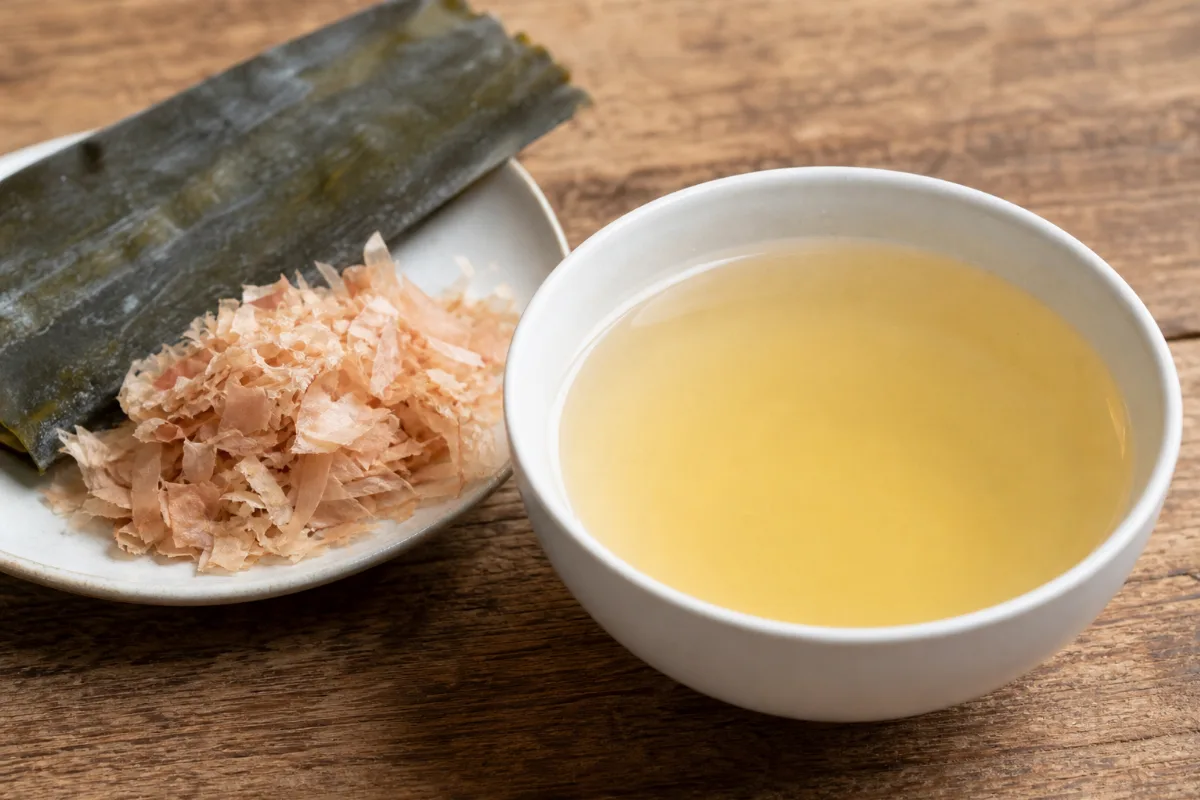
Dashi, the Japanese stock made from kombu: kombu-only vs kombu-and-bonito versions, how much iodine can end up in the stock, fish allergy, instant dashi labels and what is known.
Instant dashi, MSG and labels
Kelp dashi and taste in older adults
Umami and glutamate in kombu broth
Dashi and cooking effects on kombu iodine and arsenic
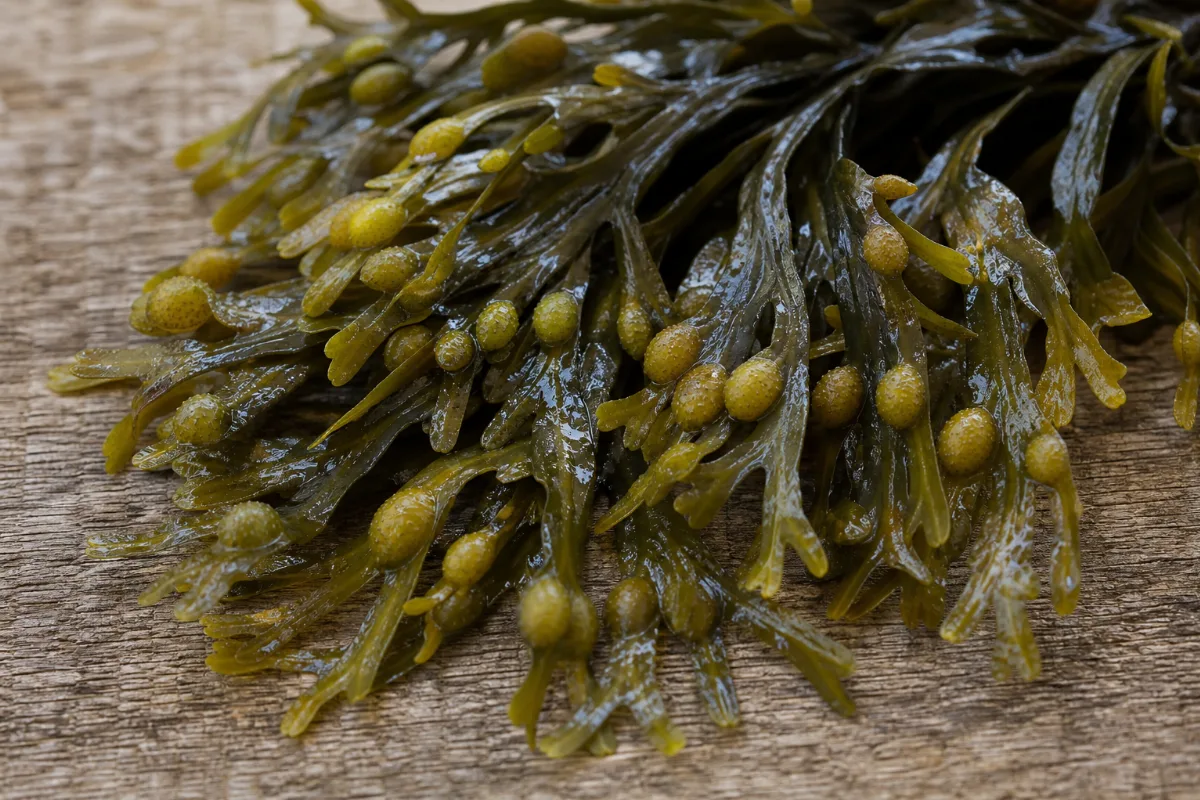
Bladderwrack (Fucus vesiculosus), a brown seaweed: why its iodine can disturb the thyroid, the arsenic and heavy-metal concern, and what EU regulators and trials say about weight-loss claims.
Weight loss as an add-on to a reduced-calorie diet
Underactive thyroid and goitre (traditional claim)
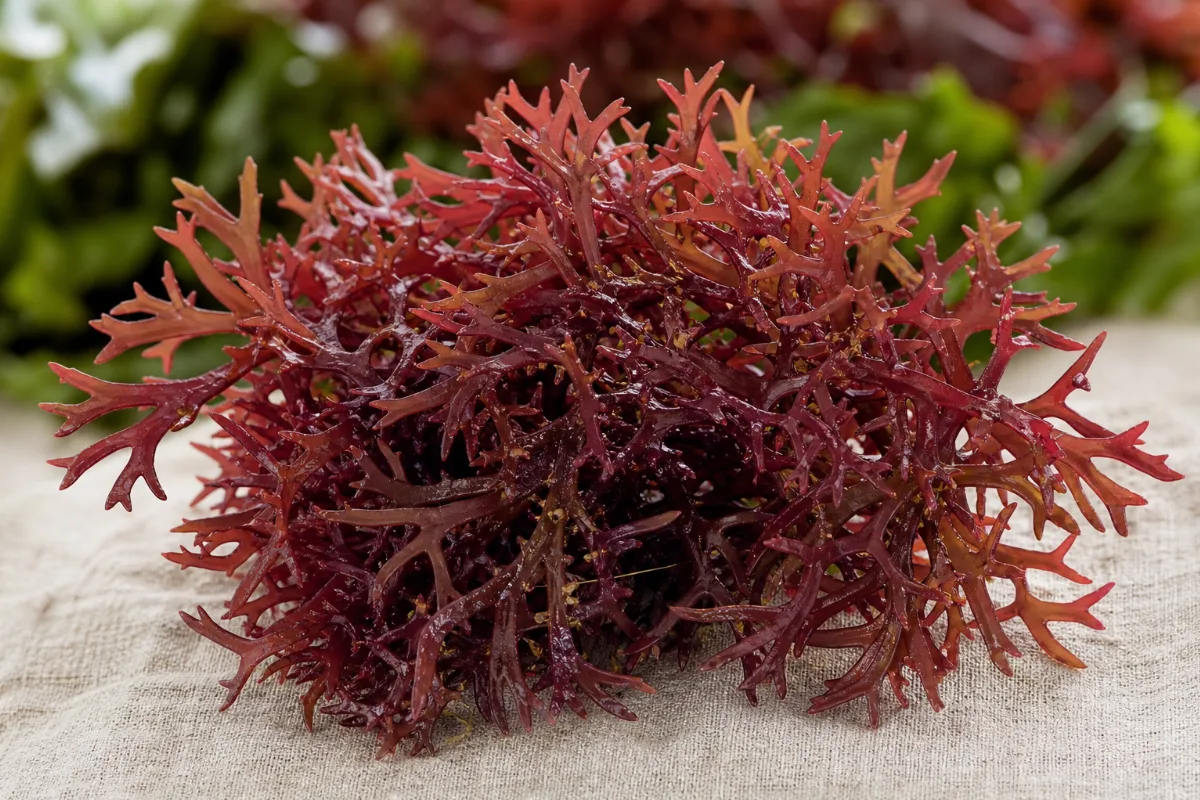
Irish moss or sea moss (Chondrus crispus): what we found on iodine, heavy metals, carrageenan and thyroid cautions, and why the popular sea moss gel claims are not backed by human trials.
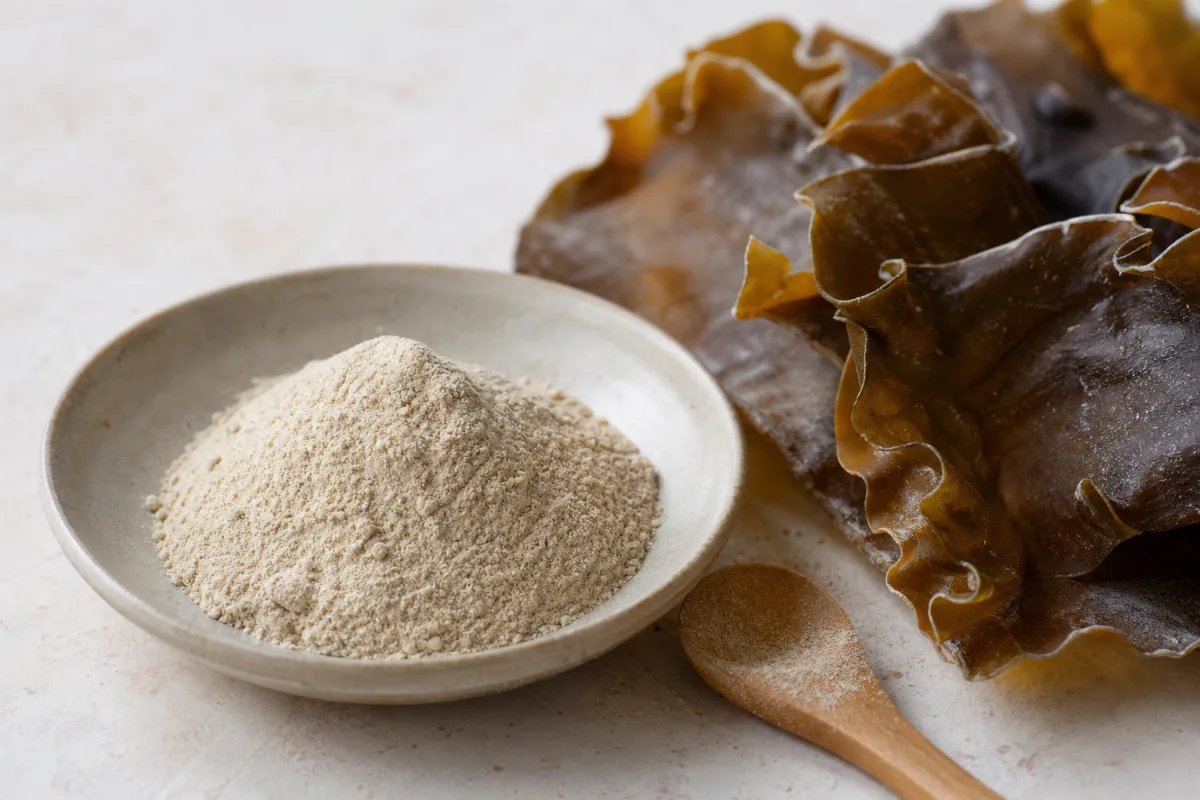
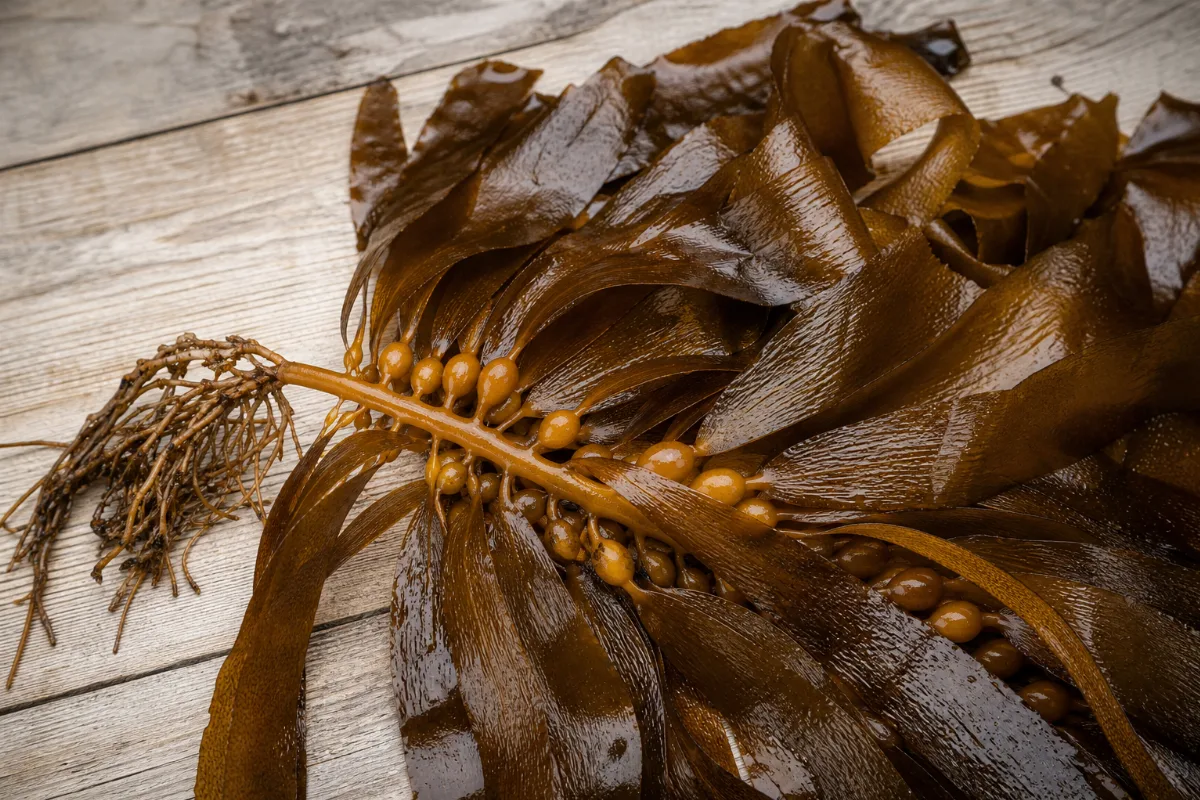
Kelp (Saccharina japonica, also Ascophyllum nodosum), a brown seaweed: why its iodine can upset the thyroid, the arsenic concern, and how little human evidence supports health claims.
Source of dietary iodine
General health benefits in people
Antioxidant and anti-inflammatory compounds (lab findings)
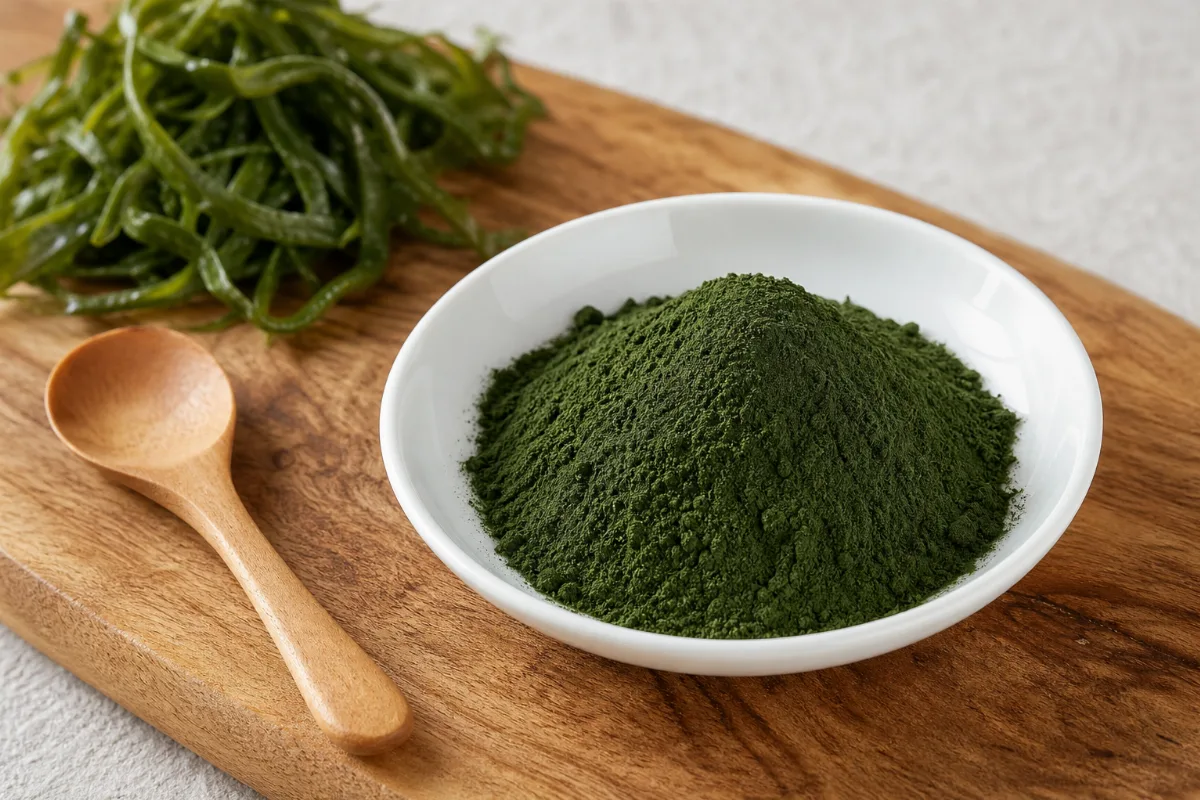
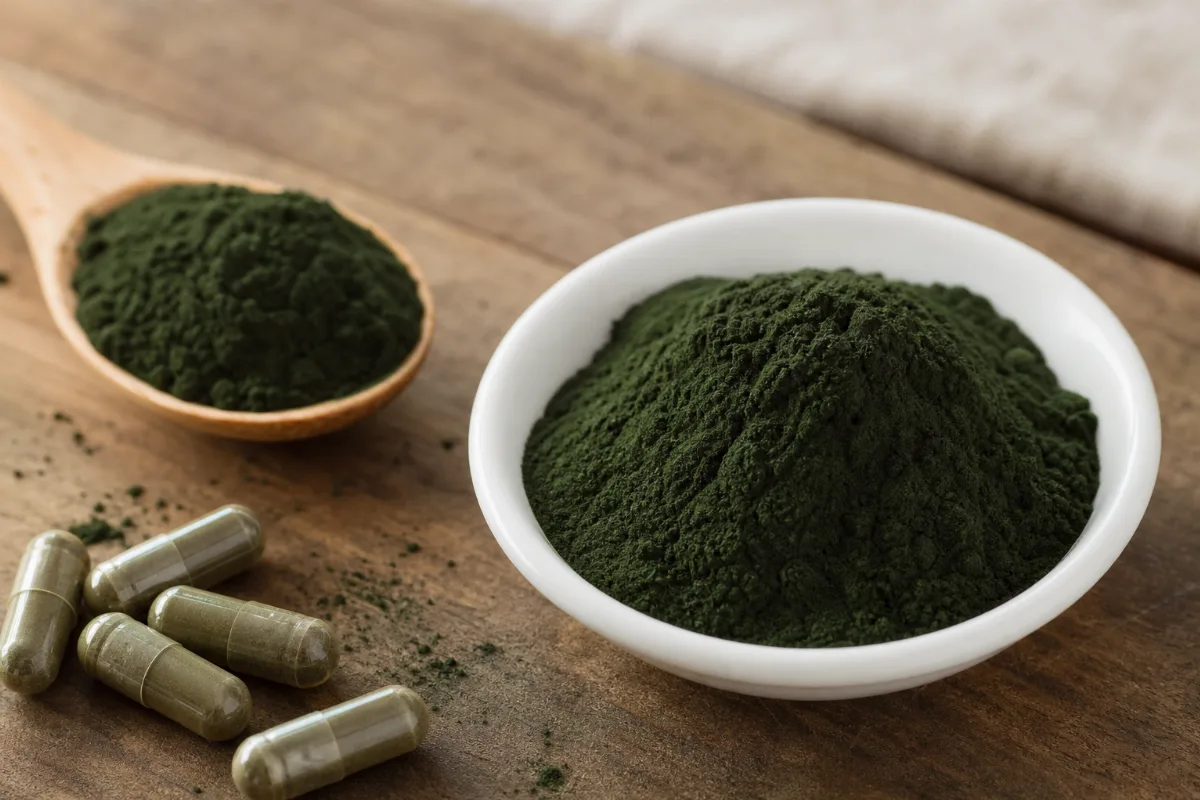
Spirulina (Arthrospira platensis), a blue-green alga sold as powder and tablets: what trials show for cholesterol and blood pressure, plus contamination, allergy and B12 cautions.
Chlorella (Chlorella vulgaris), a green microalga sold as tablets and powder: what trials found, plus vitamin K and warfarin, allergy, contamination and immune-condition cautions.
No seaweed or alga matches all of these filters. Try removing one. Some topics (for example most herbs) are not seaweeds and algae and live elsewhere on the site.
A link between a seaweed or alga and a topic means the body needs the seaweed or alga for that job, or that low intake is linked to it. It does not mean extra supplements help if your intake is already adequate. See each page’s evidence label.
Browse by seaweed or alga group
Brown seaweeds
Kombu, wakame, arame, hijiki, mozuku, kelp and bladderwrack: the big, leathery sea vegetables. Kelp and kombu can hold a lot of iodine; hijiki carries an arsenic advisory.
Agar, carrageenan, alginate, fucoidan, fucoxanthin and phycocyanin: gels, thickeners and concentrated compounds taken from seaweed. A result for an extract does not carry over to the whole seaweed.
Kombu (kelp) as a food: why iodine comes first, USDA values, what studies found on thyroid, body fat and blood pressure, arsenic and cadmium, and who should check with a…
Wakame as a food: iodine is the main safety point, USDA values for raw wakame, miso soup use, what research shows, arsenic and pregnancy notes, and the invasive-species …
Arame as a food: a mild brown seaweed from Japan. Its iodine, cadmium and arsenic as measured in a recent study, why it is not hijiki, and what research does and does no…
Hijiki as a food: why government agencies disagree about its inorganic arsenic, what each one said, its high iodine, what research shows, and how it is cooked and chosen.
Mozuku (Okinawa mozuku, Cladosiphon okamuranus) as a food: the slimy brown seaweed, its fucoidan, what small trials found, and iodine, arsenic and medicine cautions.
Red Seaweeds(3)Nori, dulse and sea moss. Irish moss is listed from Herbs & Botanicals.
Nori (laver) as a food: iodine level, the vitamin B12 question (true versus inactive forms), USDA values for wet laver, snack sheet cautions, and what trials found.
Sea moss (Eucheuma, Kappaphycus, Gracilaria) as a food: what the names mean, USDA values, iodine and metals first, and why "92 minerals" and other claims are not backed.
Green Seaweeds(3)Sea lettuce, sea grapes and ao-nori.
Sea lettuce (Ulva) as a food: Japanese dried "aosa" nutrient values, high iodine per gram, pollutant questions, what small studies of extracts show, and who should be ca…
Sea grapes (umibudo, Caulerpa lentillifera) as a food: what farm analyses found, raw-food safety, salt and iodine gaps, and what lab and small human studies do and do no…
Ao-nori (green laver) as a food: Japanese dried flake nutrient values, iodine per gram, why it is not nori for B12, salt, naming mix-ups, and who should ask a clinician …
Microalgae(4)Blue-green algae (AFA), dunaliella, euglena and nannochloropsis. Spirulina, chlorella, astaxanthin and algal oil are listed from their own sections.
Dunaliella, a microalga rich in natural beta-carotene: the smokers and lung cancer warning, what small trials found, and how regulators treat it as a color and supplemen…
Euglena, a single-celled alga rich in paramylon beta-glucan: what Japanese and Korean trials found on colds and immunity, EU novel-food safety opinions, and how thin the…
Nannochloropsis is a marine microalga rich in EPA omega-3. See which forms are sold, what the few human trials found, safety data, and its EU and US status.
Extracts, Additives & Supplements(6)Agar, carrageenan, alginate, fucoidan, fucoxanthin and phycocyanin.
Agar (agar-agar) from red seaweed: a vegetarian gelling agent. USDA values, what the EU safety review found, the dry-swallowing and bowel-blockage caution, and why diet …
Carrageenan (E407) from red seaweeds: food-grade versus degraded poligeenan, what EFSA, JECFA and FDA say, the Tobacman critiques, small human trials, and the 2016 organ…
Alginate from brown seaweed as a food additive, a Gaviscon-type reflux medicine and a diet supplement: what regulators and trials found, and what they did not show.
Fucoidan, the sulfated sugar from brown seaweeds, sold as capsules and powders: what human trials found, the blood-thinner caution, iodine and metal questions, and lab-o…
Fucoxanthin is an orange pigment of brown seaweeds sold for weight loss. See the human trials, absorption, safety data and the iodine and metal cautions.
Phycocyanin, the blue pigment from spirulina used in drinks, candy and lattes: FDA color rules, thin human evidence, supplement form, allergy and color stability.
Kelp noodles are clear, crunchy noodles made from kelp and alginate gel. What labels show, iodine and thyroid cautions, and what low-carb and weight claims can and canno…
Seaweed salt explained: what the name can mean, why it is still salt, how kelp iodine makes labels matter, what sodium-cutting research exists, and what we could not fin…
Seaweed salad (chuka wakame) as sold in restaurants and stores: sodium, added sugar, colors, iodine, Listeria findings and what we could and could not verify.
Dashi, the Japanese stock made from kombu: kombu-only vs kombu-and-bonito versions, how much iodine can end up in the stock, fish allergy, instant dashi labels and what …
Safety & Practical Guides(7)Iodine by seaweed type, heavy metals and hijiki, vitamin B12 claims, buying and storing, blue-green algae supplement safety, pregnancy, and medicines and health conditions.
Iodine in seaweed by type, from kombu to nori, wakame, hijiki, dulse and spirulina, compared with intake figures, plus what it can mean for your thyroid.
Why several countries advise against hijiki, how arsenic differs by type, what surveys found for cadmium, lead and mercury in seaweed and kelp tablets, and who should ta…
Does seaweed give you vitamin B12? Nori, spirulina, chlorella, AFA and kelp checked: true B12 versus look-alike analogues, what human studies measured, and the plain bot…
A practical guide to buying, reading labels, soaking, cooking and storing seaweed, with what official sources say about iodine, arsenic, allergens and who should ask a c…
Blue-green algae supplements (AFA, spirulina): what microcystins are, what testing found, the Oregon 1 mcg/g limit, who should ask first, and what to ask a seller.
What health agencies say about seaweed, kelp, hijiki and algae products in pregnancy and breastfeeding, and what Korean and other studies of high-seaweed diets found.
Seaweed and algae with warfarin, thyroid drugs, kidney disease, blood pressure medicines, PKU, allergy and swallowing problems: what official sources say, and who to ask.
Search seaweeds and algae: popular seaweeds and algae, A to Z, search with filters, more ways
Well-studied seaweeds and algae to start with
These seaweeds and algae have the most human research summarized in our guides (counted from the evidence ratings on each profile). More research does not mean the seaweed or alga works or is safe for you: open the guide to see what was found, including negative and mixed results.
Every published seaweed or alga guide (27), with its names and what it is made of. Each name opens one guide that brings together identity, traditional use, research, safety, forms and sources.
A (4)
Agar (Agar-Agar)Gelidium spp., Gracilaria spp.Also: agar-agar, kanten, E 406
Fucoidansulfated polysaccharide of brown seaweedsAlso: fucoidin, fucan, mekabu fucoidan
Fucoxanthinfucoxanthin (carotenoid pigment of brown seaweeds and diatoms)Also: brown seaweed carotenoid, wakame extract, brown seaweed extract (fucoxanthin)
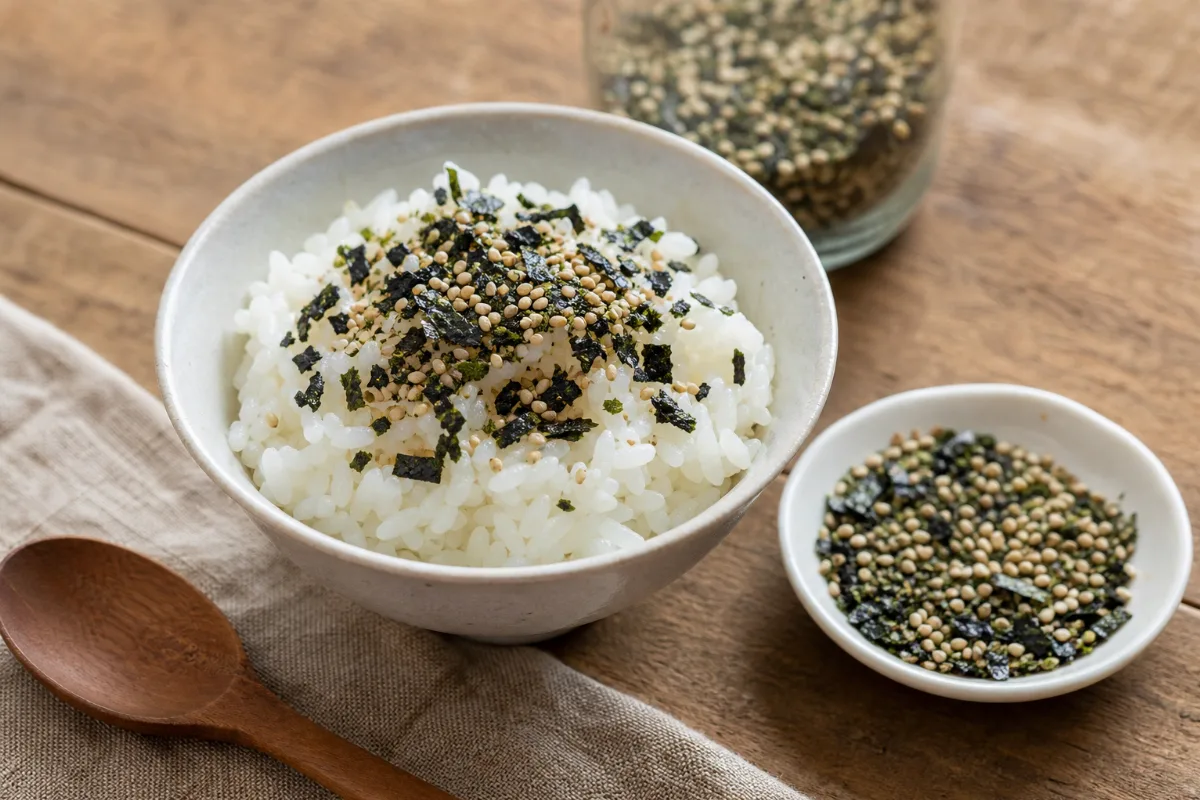
FurikakeRice seasoning with nori, sesame and saltAlso: Japanese rice seasoning, Rice seasoning, Nori komi furikake
Seaweeds and algae whose guide documents a point to check for this concern. Being listed does not mean the seaweed or alga is unsafe for everyone. Open the guide to read the details.
Pregnancy and breastfeeding (10 seaweeds and algae)
The best level of evidence in each seaweed or alga guide for any listed benefit. A stronger label for one use says nothing about its other uses or its safety.
Clinical trials support a benefit (4 seaweeds and algae)
Seaweeds and algae have been used for health in many cultures for centuries. A traditional use tells you what people have done, not that it works. Here every seaweed or alga is listed under the goals, body systems and actions its guide connects it to, and each link carries the strength of the evidence behind it.
Strongest
4 seaweeds and algae
Clinical trials support a benefit
Promising
18 seaweeds and algae
Early or mixed human evidence
Early science
2 seaweeds and algae
Lab or animal research only
Unknown
3 seaweeds and algae
Too little evidence to say
Each seaweed or alga is counted once, at the strongest level its guide documents for any use. A strong label for one use says nothing about its other uses or its safety. "Traditional use" alone is not one of these labels: where a guide only reports history, the link is rated "Too little evidence to say". Read the guide on traditional use and research evidence.
Seaweeds and algae by wellness goal
Each card shows how many seaweeds and algae are linked to a goal and how strong the evidence is. Green means clinical trials support a benefit; grey means too little evidence. These are links the guides document, not recommendations. For the wider picture, see the Wellness Goals section.
Seaweeds and algae by body system, body part and action
The same links, organized the way anatomy and physiology textbooks do. "Action" describes what a seaweed or alga is said to do (for example calming or digestive support); it names the claim, not the proof.
Side-by-side guides for seaweeds and algae that people confuse or choose between. They explain differences; they do not rank the seaweeds and algae.
What research shows, by health concern
Each guide below looks at one concern, from sleep to skin, and separates seaweeds and algae that were tested in people from seaweeds and algae that are only traditional or lab-tested.
People have used seaweeds and algae for health for many centuries. A traditional use tells you what people have done, not that it works. For what research found, see the Health Benefits and Scientific Evidence tabs.
Traditional seaweed or alga medicine
Ayurveda, Traditional Chinese Medicine and other traditions each use natural remedies in their own systems. The seaweeds and algae below are the ones whose guide mentions the tradition in its own text. That a tradition uses a seaweed or alga is history, not clinical evidence. Each guide says separately what trials found.
Seaweeds and algae are active substances. Some interact with prescription medicines, some are unsafe in pregnancy or with certain conditions, and some have been linked to serious harm. This tab brings together what the individual seaweed or alga guides document, plus the general rules. Medicine interactions have their own tab.
If someone may have been poisoned or is seriously unwell
▸Collapse, seizure, trouble breathing, swelling of the face or throat, chest pain or a fast irregular heartbeat: call your local emergency number now (911 in the United States and Canada, 999 in the UK, 112 in the European Union).
▸Swallowed too much of a seaweed or alga, or a child or pet got into a product, and the person seems well: in the United States call Poison Help, 1-800-222-1222 (free, 24 hours). Elsewhere, call your national poison centre or local emergency number.
▸Yellow skin or eyes, dark urine, severe belly pain, or a new rash after starting a seaweed or alga: stop it and contact a clinician the same day.
Some seaweeds, kombu and other kelps above all, hold far more iodine than the body needs. Too much iodine can upset the thyroid; people with thyroid disease and pregnant people should check first.
Hijiki can contain inorganic arsenic, and several governments advise limiting or avoiding it. Kelp supplements and some blue-green algae products can carry metals or toxins.
Seaweed is a source of vitamin K (a point for warfarin) and sodium. Plant foods do not reliably supply vitamin B12: the B12 guide explains the claims.
"Natural" does not mean safe. Natural products can contain strong substances; some are harmful. Natural Does Not Mean Safe
Tell your pharmacist and clinician about every seaweed or alga product you use, and ask before combining one with prescription or over-the-counter medicines.
Be extra careful with narrow-margin medicines such as warfarin, antidepressants, immunosuppressants, diabetes and blood pressure medicines.
Tell the surgical team about every seaweed or alga before an operation. Many teams ask people to stop seaweed or alga products ahead of surgery; ask yours how long.
Pregnancy, breastfeeding, children and older adults are groups where good safety data are often missing, so official sources usually advise asking first.
Start one product at a time, at the label amount, so a reaction can be traced. Stop and get advice if you feel unwell.
Products vary. Contamination, substitution and mislabelling are documented problems; third-party testing can reduce but not remove the risk.
Each line comes from a seaweed or alga's own guide, where it is backed by cited sources: 95 documented risks across 27 of the 27 seaweeds and algae. A seaweed or alga missing from a list is not proven safe: it may simply not have been studied. Open the seaweed or alga's guide for the full wording and sources.
Pregnancy and breastfeeding · 10 seaweeds and algae
Nori with warfarin or kidney disease. The Hong Kong Consumer Council advised people with chronic kidney disease or on warfarin to talk to a doctor or dietitian before …
Seaweed snacks with kidney disease or warfarin. The Council advised people with chronic kidney disease or on warfarin to ask a doctor or dietitian before eating seaweed.
Long-term use of alginate heartburn medicines. The NHS says alginates give short-term relief and should not be taken regularly for long periods; see a GP if heartburn is most d…
Ao-nori and iodine intake. Dried ao-nori is listed at 2,700 mcg iodine per 100 g, about 27 mcg per gram. The ATA says intake above 1,100 mcg a day is not re…
Habitual seaweed eating, iodine and thyroid tests. In 49 regular seaweed eaters (species not named), TSH fell after six weeks without seaweed. People with thyroid disease should as…
Sodium in dried ao-nori. Dried ao-nori lists 8.1 g salt equivalent per 100 g (about 0.08 g per gram). Seasoned mixes and sauces were not measured in sourc…
Arame and iodine intake. One dried sample from Japan held about 79 mg of iodine per kg dry weight: well below kombu (about 3,126) and above nori (about 37…
Carrageenan intake compared with the EU ADI. In EFSA's worst-case brand-loyal scenario, intake at the 95th percentile exceeded the temporary ADI by up to about 10-fold, which…
Kombu dashi and iodine intake. Iodine dissolves from kombu into the stock. One Japanese column quoting the 2015 food composition tables gives 5,400 mcg per 100 …
Dashi and the thyroid. No trial of dashi and thyroid function was read. Regular seaweed eaters show high urinary iodine and TSH changes in small studies.
Dulse and iodine intake. Dulse is a high-iodine seaweed. A 2025 study of dulse harvested through the year in the Arctic found iodine content varied a lot …
Dunaliella and beta-carotene supplements: lung cancer in smokers. Beta-carotene pills raised lung cancer risk in smokers and asbestos-exposed workers in ATBC (18% more) and CARET (relative risk 1…
Beta-carotene as a food color: EFSA and FDA. EFSA (2012) could not set an acceptable daily intake and said use as a color is not a safety concern if intake from additive and …
Safety assessment and novel-food status of Euglena. EFSA judged dried whole-cell Euglena gracilis and isolated paramylon safe at the proposed uses and use levels, from a 90-day rat …
Fucoidan, iodine and thyroid. Brown seaweeds can hold a lot of iodine (kombu 3,522 mcg per gram dry weight in one study); iodine in fucoidan products was not m…
Safety data on fucoxanthin. In rats no deaths at doses above 2000 mg/kg and a 13-week no-effect level of 200 mg/kg; some high animal doses raised blood chole…
Iodine in brown-seaweed extracts and powders. Kelp-type seaweeds can carry very large amounts of iodine. We found no iodine data for fucoxanthin products, so check labels and …
Fucoxanthin from diatoms: EFSA opinion. EFSA could not conclude a diatom (Phaeodactylum) extract was safe, citing a 90-day animal effect level, incomplete composition an…
Furikake and sodium. One furikake label we read lists 0.25 g (250 mg) sodium in a 6 g tablespoon, about 4.2 g sodium per 100 g. WHO advises under 2,00…
Furikake and iodine from nori. The nori in furikake is a small part of the product (about 6 percent by weight on the label we read, estimated). In the Teas 2004…
Hijiki and cancer risk calculations. A risk model for cooked hijiki in 14 Japanese households gave a skin cancer risk above the level the authors called acceptable. E…
Hijiki and iodine intake. A Korean survey of 53 wild and 34 farmed hijiki samples averaged about 527 mg of iodine per kg dry weight (range 159 to 1,548), f…
Kelp noodles and iodine intake. Kelp can hold a lot of iodine, and the amount in a product depends on the kelp and processing. One manufacturer states 54.8 mcg p…
Kelp noodles and thyroid conditions. High iodine can change thyroid function; people with thyroid disease should ask a clinician about kelp foods. Kelp supplements ca…
Kombu and iodine intake. Kombu is one of the highest-iodine foods. Product surveys found averages of thousands of micrograms per gram, so a small piece ca…
Mozuku and iodine intake. Brown seaweeds can hold a lot of iodine, and too much can upset the thyroid. We found no measured iodine figure for mozuku itself.
Nori and iodine intake. Nori is a lower-iodine seaweed than kombu or wakame, but still a real source. One survey found about 16 mcg per gram and another …
Nori and the thyroid. Seaweed iodine can affect the thyroid at high intakes, mostly with high-iodine kelps. Ask a clinician if you have thyroid disease.
Nori wrappers and snack products: big differences. A Hong Kong test found nori for rice balls with up to 34,600 mcg iodine per 100 g (450 mcg in a 1.3 g serving) and labels that di…
Raw sea grapes and food safety. Fresh sea grapes carried coliform bacteria in a lab study; CDC describes Vibrio risks from raw shellfish and coastal water but do…
Sea lettuce and iodine intake. Dried sea lettuce (aosa) is listed at 2,200 mcg iodine per 100 g, about 22 mcg per gram. The ATA says intake above 1,100 mcg a da…
Habitual seaweed eating, iodine and thyroid tests. In 49 regular seaweed eaters (species not named), TSH fell after six weeks without seaweed. People with thyroid disease should as…
Pollutants and metals in Ulva. Ulva can accumulate pollutants, so water quality and monitoring matter. In one Ulva species, microwave or ultrasound treatment lo…
Sodium in dried sea lettuce flakes. Dried aosa lists 9.9 g salt equivalent per 100 g (about 0.1 g per gram), which matters mainly in large amounts or salted mixes.
Sea moss and iodine intake. Seaweed iodine varies enormously. A survey of 96 Norwegian seaweed products found up to 62,400 micrograms per portion, and we fou…
Metals and microbes in sea moss products. A 2026 test of 66 online products found bacteria in dried products and gels, and arsenic, cobalt and mercury in dried products; d…
Seaweed salad and Listeria. A Canadian Food Inspection Agency survey found Listeria monocytogenes in 16 of 858 seaweed salad samples (1.9%), all frozen, belo…
Added sugar in seaweed salad. The same article lists about 6 g sugar per 100 g and says premade versions often contain added sugar or high fructose corn syrup.
Food colors in seaweed salad. Premade versions often contain colors such as yellow #5 and blue #1; the article says there is little data that they are inherent…
Iodine in seaweed salad. Seaweed foods ranged from 30 to 25,300 mcg iodine per portion in a Norwegian survey, and few UK products stated iodine on the lab…
Seaweed salt is still salt: sodium. The WHO advises adults to eat less than 2,000 mg sodium (under 5 g salt) a day; seaweed in a salt blend does not change that. No …
Seaweed salt and iodine intake. Kelp holds very large amounts of iodine (4.6 to 10.0 mg per gram of dried Laminaria japonica; Korean sea tangle mean 2,432 mg per…
Seaweed snacks and iodine for adults. ConsumerLab found 4 of 6 US snacks exceeded the iodine upper limit in one serving, one by more than 16 times for adults. A Norweg…
Seaweed snacks and sodium. 70% of 27 ready-to-eat seaweed samples were high in sodium (614 to 4,840 mg per 100 g); a whole 27 g box of the highest snack gav…
Seaweed snacks: oil and calories. 10 of 27 samples had more than 20 g fat per 100 g (29.1 to 60.4 g). Council advice was to choose original or lightly seasoned typ…
Seaweed snacks and metals. Hong Kong found cadmium and inorganic arsenic in all 27 samples, within limits. ConsumerLab found lead and cadmium of concern in …
Reading seaweed snack labels. The Hong Kong Council asked makers to list iodine, found some label values that did not match test results, and advised checking …
Iodine excess, thyroid disease and wakame. Too much iodine can cause overactive or underactive thyroid in some people. The American Thyroid Association says people with thy…
Wakame, sodium and salted forms. USDA lists 872 mg sodium per 100 g raw wakame; salted wakame and soups add more but no figure was found in the sources read.
Seaweed or alga and medicine interactions
Some seaweeds and algae change how a medicine works, or add to its effect. This matters most for narrow-margin medicines such as blood thinners, antidepressants, immunosuppressants, and diabetes and blood pressure medicines. Always tell your pharmacist and clinician about every seaweed or alga you take. Ask before starting, stopping or combining anything.
Each line comes from a seaweed or alga's own guide and its cited sources. A seaweed or alga missing from a list is not proven free of interactions: it may simply not have been studied. Open the seaweed or alga's guide for the full wording.
Medicine interactions (prescription and over the counter) · 8 seaweeds and algae
Long-term use of alginate heartburn medicines. The NHS says alginates give short-term relief and should not be taken regularly for long periods; see a GP if heartburn is most d…
Fucoidan and blood thinners (anticoagulant-like effect). In the lab fucoidan binds clotting-control proteins like heparin; MSK warns it may add to warfarin and heparin. A short rat study…
Omega-3 and blood thinners or surgery. We found no Nannochloropsis-specific interaction data. EPA oils in general are covered on the site's omega-3 safety pages.
Nori with warfarin or kidney disease. The Hong Kong Consumer Council advised people with chronic kidney disease or on warfarin to talk to a doctor or dietitian before …
Sea moss, thyroid disease and thyroid medicines. High iodine with anti-thyroid medicines can add to their effect and cause an underactive thyroid; people with thyroid disease sho…
Iodine, thyroid disease and thyroid medicine. Excess iodine can upset the thyroid; people who regularly ate seaweed had iodine above the upper level, and TSH fell after six we…
Seaweed snacks with kidney disease or warfarin. The Council advised people with chronic kidney disease or on warfarin to ask a doctor or dietitian before eating seaweed.
Bleeding, surgery and anesthesia · 3 seaweeds and algae
Fucoidan and blood thinners (anticoagulant-like effect). In the lab fucoidan binds clotting-control proteins like heparin; MSK warns it may add to warfarin and heparin. A short rat study…
Omega-3 and blood thinners or surgery. We found no Nannochloropsis-specific interaction data. EPA oils in general are covered on the site's omega-3 safety pages.
Scientific evidence and research on seaweeds and algae
For most seaweeds and algae, good human evidence is limited. Every outcome in our seaweed or alga guides is rated for how strong the evidence is, and the rating is shown next to it. Across the 27 guides, 23 seaweeds and algae have no outcome rated "clinical trials support a benefit".
What the evidence ratings add up to
5Clinical trials support a benefitTrials in people support a defined effect, usually a narrow one.
42Early or mixed human evidenceSmall, short or disagreeing studies. Positive and negative findings both count here.
27Lab or animal research onlySeen in cells or animals. This does not show a benefit in people.
39Too little evidence to sayPopular claims for which we found no usable human trials.
95Documented risksSafety findings, shown in the Safety tab.
How to read seaweed or alga research
Lab, animal and human studies answer different questions. A chemical that kills cells in a dish, or helps mice, may do nothing in people.
A mechanism is not proof of benefit. Knowing which compounds a seaweed or alga contains, or which pathway they touch, explains how an effect might happen, not that it does.
A study that mentions a seaweed or alga does not show the seaweed or alga works. Many records only name the seaweed or alga, test it in animals, or find no effect.
Product and form matter. A result for one extract, dose or tea does not carry over to another product.
Look at size, length and who paid. Small, short or industry-funded trials are more likely to overstate effects; a single trial is rarely enough.
These are the outcomes our guides rate "clinical trials support a benefit", each with the sources the guide cites. Even here, the effect is usually for one preparation, one group of people and one outcome.
A pooled analysis of 14 trials found alginates beat placebo or antacids for reflux symptoms but not clearly acid-lowering medicines. Children were excluded.
EFSA saw no safety concern for E 400 to E 404 at estimated exposures; no numerical limit needed. Infants and young children should not exceed therapeutic doses.
Wakame holds much less iodine than kombu, but a review lists 30 to 185 mcg per gram of dried wakame, enough that 2 to 6 g dried reaches the adult 150 mcg recommended intake.
How many outcomes each guide rates in each evidence group. Open a guide for the individual outcomes, what was found (including negative results) and the sources.
Show the evidence table for all 27 seaweeds and algae
Many seaweed or alga trials are small, short, and test a specific extract that is not what most people buy.
Natural products vary with source, growing or mining conditions and processing, so two products with the same name can differ in what they contain.
Safety is studied less than benefit: long-term use, children, pregnancy and combinations with medicines are often unstudied.
Positive trials are published more often than negative ones, and many reviews pool trials of very different quality.
Seaweed or alga forms, preparations and quality
The same material can be sold as a powder, capsule, liquid or concentrated extract, and these are not interchangeable. A study of one preparation does not tell you what another does. This tab shows which forms each guide describes, and how to judge product quality.
Parts used
Different parts can contain different compounds, so the part named on the label matters.
Teas, tinctures, capsules, powders and topical products
For each kind of preparation, the seaweeds and algae whose guides describe it. The guides say which form was actually studied. Detailed preparation instructions are in Herbal Teas & Extracts, so they are not repeated here.
Tinctures and liquid extracts · 1 guides describe it
Whole seaweed or alga, standardized extract, and what the numbers mean
A whole seaweed or alga (fresh, dried or powdered) contains everything in the raw material, in amounts that vary. A standardized extract is made to contain a stated amount of one or more marker compounds, which makes batches more consistent but is not the same as the whole seaweed or alga.
An extraction ratio such as 4:1 says how much raw material was used per unit of extract. It does not by itself say how much active compound a capsule holds or whether the product works. A marker compound is something measured for quality control; it is not always the compound that causes any effect.
Amounts and duration. We do not give universal dose recommendations. Where a source reports the amount and length of use tested for a named preparation, the seaweed or alga's guide gives it in that context; an amount studied in one product does not carry over to another, or to food-level use.
Absorption. Some active constituents are poorly absorbed, which is why concentrated or specially formulated products exist (curcumin is the best-known case). Better absorption can also raise the risk of side effects.
Comparison guides
Identification, labels and product quality
A good label names the species by its scientific name, says which part is used, and states the amount and form. Third-party testing can check identity, strength and contamination, but a seal is not a guarantee of safety or benefit.
Content last updated . The tabs from Health Benefits onward are compiled automatically from the evidence ratings and sources in each seaweed or alga's guide (last data update November 13, 2026). This section has not been medically reviewed.
Education, not medical advice. This section is for general information. It does not diagnose or treat any condition and is not a substitute for care from a qualified health professional. Natural does not automatically mean safe.