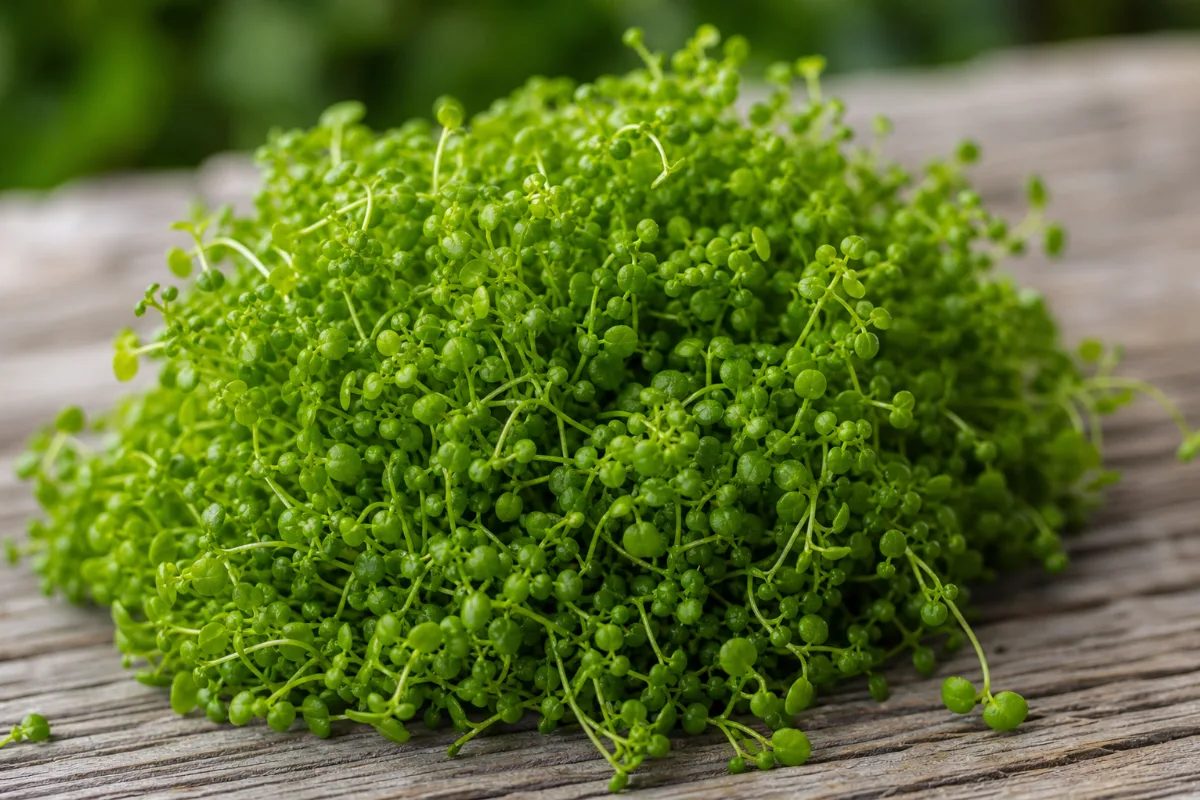
Herbs & Botanicals · Green microalga supplement
Chlorella
Chlorella vulgaris · also called Green algae, green microalga, Chlorella pyrenoidosa
Chlorella is a single-celled green alga sold as tablets and powder, mostly for cholesterol, weight, immune support and B12. Pooled trials show small changes in lab markers, but the authors rate the certainty low or very low. The key caution: its high vitamin K can weaken warfarin, and it may stimulate the immune system, so ask a doctor first if you have autoimmune disease.
General information, not medical advice. Last substantive update · Not medically reviewed. A named clinician has not signed off on this page. How this page is made
About Chlorella
Chlorella (Chlorella vulgaris and C. pyrenoidosa) is a green microalga taken as a supplement for cholesterol, weight, blood sugar, immune support and vitamin B12. A 2026 pooled analysis of 24 studies found small average drops in weight (about 1.3 kg) and LDL cholesterol (about 6 mg/dL), but the authors rate certainty very low for most results and a 2025 pooled analysis found no blood-fat effect. Detox claims have no human evidence in the sources we read. The main cautions are vitamin K and warfarin, possible immune stimulation, allergy, photosensitivity and product contamination. Related: spirulina. Ask a doctor or pharmacist about amounts.
What it is
Chlorella is a single-celled green alga that grows in fresh water. It is sold as tablets, capsules and powder, and added to greens powders. Labels use the names Chlorella vulgaris and Chlorella pyrenoidosa.
Chlorella is not spirulina. Spirulina is a blue-green cyanobacterium; chlorella is a green alga.
What makes it distinctive
Chlorella is rich in chlorophyll, protein, carotenoids and vitamin K, and some products contain vitamin B12. Its tough cell wall limits how much of it is digested, which is why "broken cell wall" versions exist.
Historical and current uses
A 2026 review calls chlorella one of the most popular algae supplements. It is taken for cholesterol, weight, blood sugar, immune support, B12 and "detox". We did not verify any traditional use.
What the research shows
Pooled trials found small average changes in cholesterol, weight and insulin resistance, but the authors rate the certainty low or very low and one pooled analysis found no blood-fat effect. A trial in 51 healthy adults found immune markers rose, while a flu-vaccine trial found no better antibody response. A 17-person open-label study suggested B12 improved in vegans.
Gut, brain and iron claims rest mostly on animal studies. We found no human trial showing chlorella removes heavy metals.
At a glance
Traditional uses history, not proof
- None verified; a modern supplement and food alga
Studied for research
- Cholesterol and blood fats: very low certainty, studies disagree
- Weight, insulin resistance and inflammation markers: very low certainty
- Fatty liver markers (Iran): very low certainty
- Vitamin B12 in vegans: very low certainty (17 people, no control)
- Immune function: mixed
- Heavy-metal detox: no human evidence found
Main compounds
- Chlorophyll and carotenoids (lutein, beta-carotene)
- Vitamin K1 and, in some products, vitamin B12
- Protein and cell-wall polysaccharides
Common forms
- Whole dried alga tablets, capsules or powder
- "Broken" or "split" cell-wall products
- Extracts and "growth factor" products (not covered by sources read)
- Ingredient in greens powders
Research links: General-population meta-analysis (Nutr Diabetes 2026) · Cardiovascular meta-analysis (Nutrients 2025) · Warfarin case report (1995) · LactMed record · Research Library · Genes & Biomarkers Library
The plant and its history
- Accepted scientific name
- Chlorella vulgaris Beij.
- Naming authority
- Beij.
- Synonyms
- Chlorella pyrenoidosa H.Chick (GBIF synonym of Auxenochlorella pyrenoidosa)
- Common names
- Chlorella (English); Green algae (English); Green microalga (English)
- Botanical family
- Chlorellaceae (green microalgae).
- Classification
- Plantae > Chlorophyta > Trebouxiophyceae > Chlorellales > Chlorellaceae > Chlorella > Chlorella vulgaris
- Native range
- Not verified.
- Habitat
- LactMed describes chlorella as a fresh-water green alga.
- Cultivation
- Not verified.
- Harvest and processing
- Products are sold as whole dried alga or "broken/split cell wall" versions meant to improve digestion (p39610880); processing methods were not verified.
- Look-alikes and adulterants
- Name: Spirulina (Arthrospira); Note: Often sold alongside chlorella but is a cyanobacterium (blue-green), not a green alga. The cyanotoxin review treats them as separate supplement types (p42874982).; Name: Auxenochlorella pyrenoidosa; Note: The name "Chlorella pyrenoidosa" is a GBIF synonym; many products still use it.
- Sustainability and conservation
- Not assessed.
Traditional use and history history, not clinical proof
| Tradition or era | Documented use | Source |
|---|---|---|
| Modern supplement | Described in a 2026 review as one of the most popular algae supplements; also promoted as a protein source in food-science literature. | p42356400 |
Traditional use shows how a plant was used. It does not show that a supplement works or is safe today.
What is inside, and how it may work
What the plant contains and how those compounds act in cells and animals. Laboratory and animal mechanisms are not proven effects in people.
Main compounds
| Compound | Family | Where it is concentrated | Activity studied | Level of evidence |
|---|---|---|---|---|
| Chlorophyll a PubChem 12085802 | green pigment (tetrapyrrole) | whole alga not reported | Named as a main pigment in the reviews. No human effect of the pigment alone was read. 2 23 | Not established |
| Lutein PubChem 5281243 | carotenoid | whole alga not reported | Carotenoids are named in reviews as bioactive components; effects in people were not read. 2 24 | Not established |
| Beta-carotene PubChem 5280489 | carotenoid | whole alga not reported | LactMed lists carotenes among chlorella nutrients. 10 22 | Not established |
| Phylloquinone (vitamin K1) PubChem 5284607 | vitamin K | whole alga High (LactMed); no figure read | Source of the warfarin interaction concern. 10 11 25 | Case report |
| Vitamin B12 (cobalamin) PubChem 5311498 | vitamin | whole alga not reported | In an open-label study of 17 vegans and vegetarians, a deficiency marker fell. Whether the B12 is the active form was not established in the sources read. 9 21 | Human uncontrolled |
| Polysaccharides (beta-glucans) | cell-wall carbohydrates | cell wall not reported | A narrative review lists polysaccharides among bioactive components. The specific compound beta-1,3-glucan was not confirmed in the abstracts read, and no PubChem record was looked up. 14 | In vitro / animal |
| Protein and peptides | protein | whole alga not reported | Amino-acid quality is comparable to reference proteins, but the cell wall limits digestibility; whole-cell chlorella gave lower blood amino acids than milk in 10 people. 5 18 | Human data |
Mechanisms, receptors and pathways
| Target or pathway | Gene or receptor | What was found | Level |
|---|---|---|---|
| Nrf2 antioxidant response | NFE2L2 (Nrf2) | A narrative review says chlorella and spirulina activate Nrf2-dependent antioxidant responses; mostly lab and animal work. 14 | In vitro / animal |
| NF-kB inflammation signalling | NF-kB | Reported to be reduced in the narrative review, while a scoping review lists chlorella among immune-STIMULATING herbs; the two are not settled together. 14 17 | Mixed lab / animal |
| Immune activation | NK cells; interferon-gamma; IL-1 beta | In 51 healthy adults, NK cell activity and these cytokines rose more than with placebo. 6 | Human data |
| Metabolic signalling | AMPK / AKT | Described in the narrative review as a metabolic axis; not shown in people. 14 | In vitro / animal |
| Gut microbiota | not established | Mostly animal studies show changes in gut bacteria with chlorella. 2 | Animal research |
Absorption, metabolism and elimination
- Absorption
- Protein availability from whole-cell chlorella was lower than from milk or spirulina in 10 people; split-cell was slightly higher.
- Distribution
- No human data found.
- Metabolism
- No human data found.
- Elimination
- No human data found.
- Bioavailability
- B12: a marker improved in a 17-person open-label study. Not established otherwise.
Isolated compounds versus whole extracts
"Whole cell" and "split cell" chlorella differed in protein absorption in 10 people. No other whole-versus-extract comparison was read; "growth factor" extracts were not covered by the sources.
Nutritional composition
Chlorella is a whole food rich in protein, pigments, vitamin K and B12 per the sources read, but no verified nutrient table was read. Content varies between products.
1 mixed findings3 low certainty8 very low certainty2 not enough evidence
What was looked at
The 14 benefits and uses checked for Chlorella, each with how strong the evidence is. Tap one to open it.
- Cholesterol and triglyceridesVery low certainty
- Blood pressureLow certainty
- Weight and body compositionVery low certainty
- Blood sugar and insulin resistanceVery low certainty
- Inflammation and oxidative stress markersVery low certainty
- Fatty liver (NAFLD) markersVery low certainty
- Vitamin B12 for vegans and vegetariansVery low certainty
- Iron status and anaemia markersVery low certainty
- Immune function and vaccinationMixed findings
- Exercise performance and recoveryLow certainty
- Constipation in pregnancyVery low certainty
- Gut bacteria and brain healthNot enough evidence
- Heavy-metal detox claimsNot enough evidence
- Protein and cell-wall digestibilityLow certainty
Lab markers tracked in the studies
LDL cholesterolTotal cholesterolTriglyceridesBody weight and BMIhs-CRP (inflammation marker)Insulin resistance (HOMA-IR)Liver enzymes AST and ALPMethylmalonic acid (MMA)Ferritin and haemoglobinNatural killer (NK) cell activityFlu-vaccine antibody responseCreatine kinase (muscle damage)Blood amino acids after a meal
What is Chlorella good for?
What chlorella has been studied for and how strong the human evidence is. For chlorella, "very low" means the pooled trials are small and the authors themselves urge caution.
Benefits, one by one
Each card is a research question, not a promise. Tap a goal to filter. Open a card to see the studies, doses and limits.
Cholesterol and triglycerides
Very low certaintyA 2026 pooled analysis found small average drops in LDL ("bad") cholesterol, total cholesterol and triglycerides with chlorella. A 2025 pooled analysis of 12 chlorella trials found no clear effect on blood fats. The certainty is very low.
3 studiesWhole-alga tablets, capsules or powder were used. This page does not …
Studies, doses and limits
What the trials found
Two reviews disagree. Pinto-Leite 2025 pooled 12 chlorella trials (168 to 279 people per outcome) and found a neutral effect on blood pressure and blood fats. Mardani 2026 pooled 24 studies and found small drops in LDL, total cholesterol and triglycerides; the authors rate certainty as very low for most outcomes.
Results
Small average drops in a 2026 pooled analysis; no clear effect in a 2025 pooled analysis.
Effect sizes as reported
2026 (24 studies): LDL -6.20 mg/dL (95% CI -8.33 to -4.08); total cholesterol -8.03 mg/dL (-10.60 to -5.46); triglycerides -2.91 mg/dL (-5.70 to -0.12). 2025: neutral on lipids.
Why this rating
Reviews disagree, the trials are small and varied, and the 2026 authors themselves rate most outcomes very low.
Form and dose studied
Whole-alga tablets, capsules or powder were used. This page does not compare products or give amounts; ask a doctor or pharmacist.
Who was studied
Adults in the general population in the pooled trials; many in the NAFLD group came from Iran.
Limits
Abstracts only. The two reviews overlap in trials but reach different conclusions. Different chlorella products. No trial measured heart attacks or strokes.
Why researchers looked
Chlorella supplies fibre, protein, pigments and fats that might change how the body handles fat. Small trials made blood fats an easy thing to test.
Traditional use
The sources we read describe chlorella as a modern food supplement. They do not document a traditional medicinal use for this goal.
Proposed mechanism Preliminary mechanism
Not settled. A narrative review describes antioxidant, inflammation and metabolic pathways (Nrf2, NF-kB, AMPK/AKT), mostly from lab and animal work.
A proposed mechanism does not show that the effect happens in people.
Not a replacement for prescribed cholesterol treatment. See the Safety tab for vitamin K and warfarin.
Blood pressure
Low certaintyA 2025 pooled analysis of chlorella trials found no clear change in blood pressure. A 2026 narrative review says chlorella may help blood pressure regulation, but cites no new human numbers in its abstract.
2 studiesWhole-alga tablets, capsules or powder were used. This page does not …
Studies, doses and limits
What the trials found
Pinto-Leite 2025 found a neutral effect of chlorella on blood pressure across 12 randomised trials. The 2026 narrative review (Rzeski) says chlorella shows effects in blood pressure regulation, but the abstract gives no figures and mixes lab, animal and human work.
Results
No clear effect on blood pressure in pooled trials.
Effect sizes as reported
Neutral in the 2025 pooled analysis (no figures in the abstract).
Why this rating
Only one pooled analysis of chlorella alone, and it found no effect; the narrative review is not a trial.
Form and dose studied
Whole-alga tablets, capsules or powder were used. This page does not compare products or give amounts; ask a doctor or pharmacist.
Who was studied
Adults in randomised trials.
Limits
Abstract only; small trials; narrative review claims are not backed by figures in the abstract.
Why researchers looked
Algae proteins and minerals are sometimes suggested to affect blood pressure, so trials looked at it.
Traditional use
The sources we read describe chlorella as a modern food supplement. They do not document a traditional medicinal use for this goal.
Proposed mechanism Pharmacological theory
Not tested in people. Lab work suggests antioxidant effects, but no blood-pressure mechanism is established in the sources we read.
A proposed mechanism does not show that the effect happens in people.
If you take blood-pressure medicine, do not change it because of a supplement.
Weight and body composition
Very low certaintyA 2026 pooled analysis of 24 studies found small average drops in weight (about 1.3 kg), BMI and body fat with chlorella. The authors rate the certainty low or very low.
2 studiesWhole-alga tablets, capsules or powder were used. This page does not …
Studies, doses and limits
What the trials found
Mardani 2026 pooled 24 studies in the general population. Weight, BMI, body fat percentage and waist-to-hip ratio were slightly lower on average. In people with fatty liver, Jafari 2026 (7 Iranian trials, 375 people) also found lower weight.
Results
Small average drops, not a treatment for obesity.
Effect sizes as reported
Weight -1.28 kg (95% CI -2.00 to -0.56); BMI -0.30 kg/m2 (-0.48 to -0.13); body fat -0.73% (-1.18 to -0.29). Fatty-liver group: weight -1.62 kg (-2.24 to -1.00).
Why this rating
GRADE: low for BMI and very low for most other outcomes (authors). Fatty-liver group rated very low.
Form and dose studied
Whole-alga tablets, capsules or powder were used. This page does not compare products or give amounts; ask a doctor or pharmacist.
Who was studied
General population adults; people with fatty liver (Iran).
Limits
Abstracts only. Small changes, short trials, risk of bias. Not shown to treat obesity.
Why researchers looked
Chlorella is marketed as a "green" supplement for weight control, so trials measured weight and body fat.
Traditional use
The sources we read describe chlorella as a modern food supplement. They do not document a traditional medicinal use for this goal.
Proposed mechanism Pharmacological theory
Not settled; fibre and protein content are sometimes suggested, but the sources we read did not test a mechanism in people.
A proposed mechanism does not show that the effect happens in people.
Not a substitute for medical care. Pregnancy and children: see Safety tab.
Blood sugar and insulin resistance
Very low certaintyPooled trials found small average drops in insulin and insulin resistance (HOMA-IR) with chlorella, and in fasting blood sugar in people with fatty liver. Certainty is very low.
2 studiesWhole-alga tablets, capsules or powder were used. This page does not …
Studies, doses and limits
What the trials found
Mardani 2026 (24 studies) found lower insulin and HOMA-IR. Jafari 2026 (7 trials in fatty liver) found lower fasting blood sugar.
Results
Small average drops in insulin and insulin resistance; not shown to treat diabetes.
Effect sizes as reported
HOMA-IR -0.22 (95% CI -0.35 to -0.09); insulin -0.86 uU/mL (-1.45 to -0.27); fasting glucose -6.25 (-9.02 to -3.47) in the fatty-liver group (units as in the abstract).
Why this rating
Authors rate most outcomes very low; trials are small and short.
Form and dose studied
Whole-alga tablets, capsules or powder were used. This page does not compare products or give amounts; ask a doctor or pharmacist.
Who was studied
General population; people with fatty liver in Iran.
Limits
Abstracts only. No long-term outcomes such as diabetes complications.
Why researchers looked
Because chlorella may affect weight and inflammation, researchers looked at blood sugar control.
Traditional use
The sources we read describe chlorella as a modern food supplement. They do not document a traditional medicinal use for this goal.
Proposed mechanism Preliminary mechanism
Narrative reviews point to AMPK/AKT metabolic signalling, mainly from lab and animal work.
A proposed mechanism does not show that the effect happens in people.
People on diabetes medicine should not change it because of a supplement; ask your doctor.
Inflammation and oxidative stress markers
Very low certaintyPooled trials found lower hs-CRP (an inflammation marker) and MDA (an oxidative-stress marker) and higher catalase (an antioxidant enzyme) with chlorella. These are lab markers, and certainty is very low.
3 studiesWhole-alga tablets, capsules or powder were used. This page does not …
Studies, doses and limits
What the trials found
Mardani 2026 (24 studies) found lower hs-CRP, MDA and leptin and higher catalase. Jafari 2026 found lower hs-CRP in fatty liver. These are blood markers, not illness outcomes.
Results
Lower marker levels on average; no illness outcome shown.
Effect sizes as reported
hs-CRP -0.56 ug/mL (95% CI -1.02 to -0.11); MDA -1.84 nmol/mL (-3.24 to -0.45); catalase +22.06 U/g Hb (3.19 to 40.93). Fatty liver: hs-CRP -1.02 (-1.84 to -0.19).
Why this rating
Very low GRADE (authors); marker changes do not prove a health benefit.
Form and dose studied
Whole-alga tablets, capsules or powder were used. This page does not compare products or give amounts; ask a doctor or pharmacist.
Who was studied
Adults; people with fatty liver.
Limits
Abstracts only. A separate 2025 scoping review lists chlorella among immune-STIMULATING herbs, so "anti-inflammatory" is not the whole picture.
Why researchers looked
Chlorella contains chlorophyll and carotenoids (LactMed, 2026 reviews), so antioxidant and anti-inflammatory effects are often claimed.
Traditional use
The sources we read describe chlorella as a modern food supplement. They do not document a traditional medicinal use for this goal.
Proposed mechanism Preliminary mechanism
A narrative review links chlorella to Nrf2 antioxidant and NF-kB inflammation pathways; evidence is mainly from lab and animal studies.
A proposed mechanism does not show that the effect happens in people.
See Safety tab on immune effects and autoimmune disease.
Fatty liver (NAFLD) markers
Very low certaintyA 2026 pooled analysis of 7 trials (375 people with fatty liver, all in Iran) found lower liver enzymes (AST, ALP), blood sugar and cholesterol with Chlorella vulgaris. The authors rate the certainty very low.
1 studiesWhole-alga tablets, capsules or powder were used. This page does not …
Studies, doses and limits
What the trials found
Jafari 2026 pooled 7 randomised trials of 8 to 12 weeks. AST and ALP were lower on average; ALT was not in the abstract list of significant results.
Results
Lower liver enzymes and blood-sugar and fat markers on average.
Effect sizes as reported
AST -4.99 (95% CI -7.26 to -2.71); ALP -14.84 (-27.81 to -1.87); LDL -6.45 (-12.25 to -0.64); total cholesterol -7.18 (-10.84 to -3.52).
Why this rating
All trials from Iran, risk of bias, short; authors say the findings should be read with caution.
Form and dose studied
Whole-alga tablets, capsules or powder were used. This page does not compare products or give amounts; ask a doctor or pharmacist.
Who was studied
Adults with non-alcoholic fatty liver disease in Iran.
Limits
Abstract only. No liver scans or biopsy results in the abstract.
Why researchers looked
Fatty liver goes along with weight, blood sugar and cholesterol problems that chlorella is thought to touch.
Traditional use
The sources we read describe chlorella as a modern food supplement. They do not document a traditional medicinal use for this goal.
Proposed mechanism Pharmacological theory
Not tested in people beyond lab markers.
A proposed mechanism does not show that the effect happens in people.
Do not replace fatty-liver care from your doctor. LiverTox was not checked (see Safety tab).
Vitamin B12 for vegans and vegetarians
Very low certaintyOne small open-label study of 17 vegans and vegetarians with signs of B12 shortage found a marker of B12 deficiency (MMA) fell by about a third on chlorella. There was no control group, so this is only a first signal.
1 studiesWhole-alga tablets, capsules or powder were used. This page does not …
Studies, doses and limits
What the trials found
Merchant 2015: 17 vegan or vegetarian adults with raised methylmalonic acid (MMA) added a whole-food chlorella supplement for about 60 days. MMA fell on average by about 34% (P < .05) and 15 of 17 had at least a 10% drop. B12 and homocysteine "trended" in the expected direction; blood counts did not change.
Results
MMA fell about 34% on average; no control group.
Effect sizes as reported
MMA about -34% (P < .05); 15 of 17 with at least 10% drop.
Why this rating
Open label, 17 people, no placebo or control, exploratory; a single product.
Form and dose studied
Whole-alga tablets, capsules or powder were used. This page does not compare products or give amounts; ask a doctor or pharmacist.
Who was studied
Healthy vegan or vegetarian adults with raised MMA.
Limits
Tiny, uncontrolled. Does not show that chlorella prevents or treats B12 deficiency, and does not compare with proven B12 supplements.
Why researchers looked
Chlorella is often promoted as a plant source of vitamin B12, which plant foods mostly lack.
Traditional use
The sources we read describe chlorella as a modern food supplement. They do not document a traditional medicinal use for this goal.
Proposed mechanism Preliminary mechanism
The authors say the B12 in chlorella appears bioavailable; the abstract does not show how the form was checked.
A proposed mechanism does not show that the effect happens in people.
Do not rely on chlorella alone if you may be deficient in B12; ask your doctor to test.
Iron status and anaemia markers
Very low certaintyA 2025 systematic review of 32 studies (7 in people, 25 in animals) of chlorella or spirulina found better iron and blood markers. Most of the evidence was animal, and the authors call for longer human trials.
1 studiesWhole-alga tablets, capsules or powder were used. This page does not …
Studies, doses and limits
What the trials found
Lacurezeanu 2025 pooled 7 human and 25 animal studies. Both algae improved haemoglobin, ferritin and red cell counts. The abstract does not separate chlorella from spirulina for the human studies, and no adverse effects were reported in the included studies.
Results
Better blood counts and ferritin in the included studies; mostly animal.
Effect sizes as reported
Narrative; no pooled numbers in the abstract.
Why this rating
Mostly animal; no pooled estimates; human studies not separated by alga.
Form and dose studied
Whole-alga tablets, capsules or powder were used. This page does not compare products or give amounts; ask a doctor or pharmacist.
Who was studied
Mainly animals; some people.
Limits
Abstract only. Not shown to treat iron-deficiency anaemia in people.
Why researchers looked
Chlorella and spirulina contain iron and antioxidants, so researchers asked whether they improve iron status.
Traditional use
The sources we read describe chlorella as a modern food supplement. They do not document a traditional medicinal use for this goal.
Proposed mechanism Animal research
In animal and lab work the review reports lower hepcidin (a hormone that blocks iron absorption) and more antioxidant enzymes.
A proposed mechanism does not show that the effect happens in people.
Anaemia needs a proper diagnosis; do not use chlorella instead of treatment.
Immune function and vaccination
Mixed findingsIn healthy adults one trial found chlorella raised natural killer cell activity and some immune signals; another found no difference in flu-vaccine antibody response. Chlorella is listed among herbs that stimulate the immune system.
3 studiesWhole-alga tablets, capsules or powder were used. This page does not …
Studies, doses and limits
What the trials found
Kwak 2012 (51 healthy adults, 8 weeks, placebo-controlled) found higher natural killer cell activity and higher interferon-gamma and interleukin-1 beta with chlorella. Halperin 2003 (124 healthy adults aged 50+, flu vaccine) found no difference in the share with a 4-fold antibody rise, with a few higher titres in the younger group on one strength. Weiner 2025 (scoping review) lists chlorella among 15 herbs with the most immune-stimulating evidence.
Results
Marker changes in one trial; no vaccine benefit in the other.
Effect sizes as reported
Kwak: NK activity and IFN-gamma higher vs placebo (p < 0.05), IL-1 beta p < 0.001. Halperin: p > 0.05 for all antibody comparisons.
Why this rating
Two small trials point different ways, outcomes were lab markers not infections, and the scoping review mixes lab, animal and human work.
Form and dose studied
Whole-alga tablets, capsules or powder were used. This page does not compare products or give amounts; ask a doctor or pharmacist.
Who was studied
Healthy adults.
Limits
No trial measured colds, infections or illness days. Product and manufacturer links not read.
Why researchers looked
Chlorella is widely sold for "immune support" and its cell-wall components can stimulate immune cells in the lab.
Traditional use
The sources we read describe chlorella as a modern food supplement. They do not document a traditional medicinal use for this goal.
Proposed mechanism Laboratory research
Lab and animal work reports activation of toll-like receptors and NF-kB/MAPK signalling for immune-stimulating herbs in general (including chlorella).
A proposed mechanism does not show that the effect happens in people.
Immune stimulation matters in autoimmune disease and after transplant: see the Safety tab.
Exercise performance and recovery
Low certaintyA 2026 pooled analysis of 22 trials of algae products (spirulina, chlorella and others) found longer time to exhaustion and lower muscle-damage markers, but no benefit in time trials. The abstract does not report chlorella on its own.
1 studiesWhole-alga tablets, capsules or powder were used. This page does not …
Studies, doses and limits
What the trials found
Wei 2026 pooled 22 randomised trials (822 people). Time to exhaustion and maximal work rate improved and creatine kinase fell; time-trial performance did not improve. A subgroup analysis suggested larger effects for chlorella.
Results
Modest effects on endurance and a muscle-damage marker; none in time trials.
Effect sizes as reported
Time to exhaustion SMD 1.06 (95% CI 0.16 to 1.96); creatine kinase SMD -0.78 (-1.28 to -0.28); time-trial SMD -0.27 (-0.74 to 0.21).
Why this rating
Mixed algae products, wide confidence intervals; chlorella not isolated.
Form and dose studied
Whole-alga tablets, capsules or powder were used. This page does not compare products or give amounts; ask a doctor or pharmacist.
Who was studied
Healthy and athletic adults.
Limits
Abstract only. Not a chlorella-specific result.
Why researchers looked
Athletes use algae for antioxidants and protein.
Traditional use
The sources we read describe chlorella as a modern food supplement. They do not document a traditional medicinal use for this goal.
Proposed mechanism Pharmacological theory
Antioxidant effects are suggested; not tested in these trials.
A proposed mechanism does not show that the effect happens in people.
See Safety tab.
Constipation in pregnancy
Very low certaintyOne small open-label trial of 22 pregnant women with low-grade inflammation found no constipation in the chlorella group (0 of 10) and constipation in 8 of 12 controls. It is too small to show safety.
1 studiesWhole-alga tablets, capsules or powder were used. This page does not …
Studies, doses and limits
What the trials found
Uchiyama-Tanaka 2024 randomised 22 pregnant women (16 weeks gestation) with raised CRP. Constipation: 0 of 10 with chlorella vs 8 of 12 controls. The authors report no problems in this small group.
Results
Fewer cases of constipation in a tiny trial.
Effect sizes as reported
0/10 vs 8/12 with constipation.
Why this rating
22 people, open label, one centre; safety cannot be concluded.
Form and dose studied
Whole-alga tablets, capsules or powder were used. This page does not compare products or give amounts; ask a doctor or pharmacist.
Who was studied
Pregnant women with low-grade inflammation, Japan.
Limits
Does not show chlorella is safe in pregnancy.
Why researchers looked
Constipation is common in pregnancy, and chlorella contains fibre.
Traditional use
The sources we read describe chlorella as a modern food supplement. They do not document a traditional medicinal use for this goal.
Proposed mechanism Pharmacological theory
Fibre content is the suggested reason; not tested.
A proposed mechanism does not show that the effect happens in people.
Ask your midwife or doctor before using chlorella in pregnancy.
Gut bacteria and brain health
Not enough evidenceA 2026 review found that nearly all chlorella studies on gut bacteria and brain markers were in animals, with only a few human trials.
1 studiesWhole-alga tablets, capsules or powder were used. This page does not …
Studies, doses and limits
What the trials found
Felip 2026 reviewed 21 studies; 19 reported positive links, but most were animal studies and none looked at both gut and brain outcomes together.
Results
Mostly animal results.
Effect sizes as reported
Narrative; 19 of 21 studies positive, mostly animal.
Why this rating
Mostly animal; few human trials; no study joins gut and brain outcomes.
Form and dose studied
Whole-alga tablets, capsules or powder were used. This page does not compare products or give amounts; ask a doctor or pharmacist.
Who was studied
Mainly animals.
Limits
Abstract only. No human brain-health claim can be made.
Why researchers looked
Chlorella fibre and pigments are thought to feed gut bacteria that may talk to the brain.
Traditional use
The sources we read describe chlorella as a modern food supplement. They do not document a traditional medicinal use for this goal.
Proposed mechanism Animal research
In animals, chlorella changed gut bacteria and brain markers (BDNF, brain cell density).
A proposed mechanism does not show that the effect happens in people.
None specific.
Heavy-metal detox claims
Not enough evidenceChlorella is often sold for "detox", but the sources we read did not describe any human trial showing it removes heavy metals. A narrative review only mentions "detoxification-related contexts".
3 studiesWhole-alga tablets, capsules or powder were used. This page does not …
Studies, doses and limits
What the trials found
Rzeski 2026 mentions "detoxification-related contexts" for chlorella but gives no human metal-removal data in the abstract. The LactMed record notes chlorella during pregnancy may lower dioxin in breast milk; we did not read the underlying study. A Polish test found the highest average mercury in chlorella-containing products, so chlorella can also contain metals.
Results
No human proof of metal removal found.
Why this rating
No human trial of metal removal was read; two sources are a narrative review and a database record.
Form and dose studied
Whole-alga tablets, capsules or powder were used. This page does not compare products or give amounts; ask a doctor or pharmacist.
Limits
Do not treat these claims as established. LactMed dioxin statement not independently verified.
Why researchers looked
The usual claim is that chlorella binds metals. We found no human trial testing this in the sources read.
Traditional use
The sources we read describe chlorella as a modern food supplement. They do not document a traditional medicinal use for this goal.
Proposed mechanism Laboratory research
No mechanism in people was shown in the abstracts we read.
A proposed mechanism does not show that the effect happens in people.
Do not use chlorella to treat suspected metal poisoning; see a doctor.
Protein and cell-wall digestibility
Low certaintyChlorella is promoted as a protein-rich food, but its tough cell wall makes it hard to digest. In a small crossover study, whole-cell chlorella gave the lowest amino-acid levels in the blood and split-cell chlorella slightly more.
2 studiesWhole-alga tablets, capsules or powder were used. This page does not …
Studies, doses and limits
What the trials found
Williamson 2024 gave 10 healthy young adults drinks of whole-cell chlorella, split-cell chlorella, spirulina or milk protein. Amino-acid availability was highest for milk and spirulina and lowest for whole-cell chlorella; split-cell chlorella was in between (marginal difference from whole-cell, p = 0.09). Kumar 2022 (review) says the recalcitrant cell wall limits digestibility.
Results
Whole-cell chlorella gave the lowest amino-acid response.
Effect sizes as reported
Total amino acids: whole-cell lowest (p < 0.05 vs milk and spirulina); split-cell marginally higher (p = 0.09).
Why this rating
10 young volunteers, one meal; a protein-absorption test, not a health outcome.
Form and dose studied
Whole-alga tablets, capsules or powder were used. This page does not compare products or give amounts; ask a doctor or pharmacist.
Who was studied
Healthy young adults.
Limits
"Broken cell wall" products are not proven better for any health outcome in the sources we read.
Why researchers looked
Chlorella is promoted as a plant protein source; the cell wall is a known barrier.
Traditional use
The sources we read describe chlorella as a modern food supplement. They do not document a traditional medicinal use for this goal.
Proposed mechanism Preliminary mechanism
The thick cell wall resists digestion; "split cell" processing is meant to open it.
A proposed mechanism does not show that the effect happens in people.
Uric acid rose after both algae in this study: ask your doctor if you have gout.
Connections to the rest of health
How Chlorella connects to the rest of our health knowledge graph. Every link says what kind of connection it is. A safety link (for example to the liver) is a warning, not a benefit. A study that merely mentions a topic never creates a benefit link.
Explore every connection: goals, body systems, organs, symptoms, genes
A. Wellness goals
| Connected to | Kind of connection | Evidence status | Context | Studies |
|---|---|---|---|---|
| Cholesterol Balance | Very low certainty | Cholesterol and triglycerides: A 2026 pooled analysis found small average drops in LDL ("bad") cholesterol, total cholesterol and triglycerides with chlorella. A 2025 pooled analysis of 12 chlorella trials found no clear effect on blood fats. The certainty is very low. | 12 8 14 | |
| Heart Health | Very low certainty | Cholesterol and triglycerides: A 2026 pooled analysis found small average drops in LDL ("bad") cholesterol, total cholesterol and triglycerides with chlorella. A 2025 pooled analysis of 12 chlorella trials found no clear effect on blood fats. The certainty is very low. Blood pressure: A 2025 pooled analysis of chlorella trials found no clear change in blood pressure. A 2026 narrative review says chlorella may help blood pressure regulation, but cites no new human numbers in its abstract. | 12 8 14 | |
| Metabolic Health | Very low certainty | Cholesterol and triglycerides: A 2026 pooled analysis found small average drops in LDL ("bad") cholesterol, total cholesterol and triglycerides with chlorella. A 2025 pooled analysis of 12 chlorella trials found no clear effect on blood fats. The certainty is very low. Weight and body composition: A 2026 pooled analysis of 24 studies found small average drops in weight (about 1.3 kg), BMI and body fat with chlorella. The authors rate the certainty low or very low. | 12 8 14 4 | |
| Blood Pressure Support | Low certainty | Blood pressure: A 2025 pooled analysis of chlorella trials found no clear change in blood pressure. A 2026 narrative review says chlorella may help blood pressure regulation, but cites no new human numbers in its abstract. | 12 14 | |
| Weight Management | Very low certainty | Weight and body composition: A 2026 pooled analysis of 24 studies found small average drops in weight (about 1.3 kg), BMI and body fat with chlorella. The authors rate the certainty low or very low. | 8 4 | |
| Blood Sugar Balance | Very low certainty | Blood sugar and insulin resistance: Pooled trials found small average drops in insulin and insulin resistance (HOMA-IR) with chlorella, and in fasting blood sugar in people with fatty liver. Certainty is very low. | 8 4 | |
| Inflammation Balance | Very low certainty | Inflammation and oxidative stress markers: Pooled trials found lower hs-CRP (an inflammation marker) and MDA (an oxidative-stress marker) and higher catalase (an antioxidant enzyme) with chlorella. These are lab markers, and certainty is very low. | 8 4 14 | |
| Cellular Protection | Very low certainty | Inflammation and oxidative stress markers: Pooled trials found lower hs-CRP (an inflammation marker) and MDA (an oxidative-stress marker) and higher catalase (an antioxidant enzyme) with chlorella. These are lab markers, and certainty is very low. | 8 4 14 | |
| Liver Support | Very low certainty | Fatty liver (NAFLD) markers: A 2026 pooled analysis of 7 trials (375 people with fatty liver, all in Iran) found lower liver enzymes (AST, ALP), blood sugar and cholesterol with Chlorella vulgaris. The authors rate the certainty very low. | 4 | |
| Womens Wellness | Very low certainty | Vitamin B12 for vegans and vegetarians: One small open-label study of 17 vegans and vegetarians with signs of B12 shortage found a marker of B12 deficiency (MMA) fell by about a third on chlorella. There was no control group, so this is only a first signal. Iron status and anaemia markers: A 2025 systematic review of 32 studies (7 in people, 25 in animals) of chlorella or spirulina found better iron and blood markers. Most of the evidence was animal, and the authors call for longer human trials. | 9 7 15 | |
| Daily Vitality | Very low certainty | Vitamin B12 for vegans and vegetarians: One small open-label study of 17 vegans and vegetarians with signs of B12 shortage found a marker of B12 deficiency (MMA) fell by about a third on chlorella. There was no control group, so this is only a first signal. | 9 | |
| Energy Boost | Very low certainty | Iron status and anaemia markers: A 2025 systematic review of 32 studies (7 in people, 25 in animals) of chlorella or spirulina found better iron and blood markers. Most of the evidence was animal, and the authors call for longer human trials. | 7 | |
| Immune Support | Mixed findings | Immune function and vaccination: In healthy adults one trial found chlorella raised natural killer cell activity and some immune signals; another found no difference in flu-vaccine antibody response. Chlorella is listed among herbs that stimulate the immune system. | 6 3 17 | |
| Endurance Support | Low certainty | Exercise performance and recovery: A 2026 pooled analysis of 22 trials of algae products (spirulina, chlorella and others) found longer time to exhaustion and lower muscle-damage markers, but no benefit in time trials. The abstract does not report chlorella on its own. | 16 | |
| Muscle Recovery | Low certainty | Exercise performance and recovery: A 2026 pooled analysis of 22 trials of algae products (spirulina, chlorella and others) found longer time to exhaustion and lower muscle-damage markers, but no benefit in time trials. The abstract does not report chlorella on its own. | 16 | |
| Peak Performance | Low certainty | Exercise performance and recovery: A 2026 pooled analysis of 22 trials of algae products (spirulina, chlorella and others) found longer time to exhaustion and lower muscle-damage markers, but no benefit in time trials. The abstract does not report chlorella on its own. | 16 | |
| Digestive Support | Very low certainty | Constipation in pregnancy: One small open-label trial of 22 pregnant women with low-grade inflammation found no constipation in the chlorella group (0 of 10) and constipation in 8 of 12 controls. It is too small to show safety. | 15 | |
| Gut Health | Preliminary mechanism | Not enough evidence | Gut bacteria and brain health: A 2026 review found that nearly all chlorella studies on gut bacteria and brain markers were in animals, with only a few human trials. | 2 |
| Microbiome Balance | Preliminary mechanism | Not enough evidence | Gut bacteria and brain health: A 2026 review found that nearly all chlorella studies on gut bacteria and brain markers were in animals, with only a few human trials. | 2 |
| Brain Health | Preliminary mechanism | Not enough evidence | Gut bacteria and brain health: A 2026 review found that nearly all chlorella studies on gut bacteria and brain markers were in animals, with only a few human trials. | 2 |
| Detoxification Support | Preliminary mechanism | Not enough evidence | Heavy-metal detox claims: Chlorella is often sold for "detox", but the sources we read did not describe any human trial showing it removes heavy metals. A narrative review only mentions "detoxification-related contexts". | 14 10 1 |
| Daily Vitality | Biological association | Low certainty | Protein and cell-wall digestibility: Chlorella is promoted as a protein-rich food, but its tough cell wall makes it hard to digest. In a small crossover study, whole-cell chlorella gave the lowest amino-acid levels in the blood and split-cell chlorella slightly more. | 18 5 |
B. Body systems
| Connected to | Kind of connection | Evidence status | Context | Studies |
|---|---|---|---|---|
| Cardiovascular System | Biological association | Very low certainty | Studied for: Cholesterol and triglycerides Studied for: Blood pressure | 12 8 14 |
| Metabolism Weight | Biological association | Very low certainty | Studied for: Cholesterol and triglycerides Studied for: Weight and body composition | 12 8 14 4 |
| Endocrine System | Biological association | Very low certainty | Studied for: Blood sugar and insulin resistance | 8 4 |
| Immune System | Biological association | Very low certainty | Studied for: Inflammation and oxidative stress markers Studied for: Immune function and vaccination | 8 4 14 6 3 17 |
| Digestive System | Biological association | Very low certainty | Studied for: Fatty liver (NAFLD) markers Studied for: Constipation in pregnancy | 4 15 2 14 10 1 18 5 |
| Blood System | Biological association | Very low certainty | Studied for: Vitamin B12 for vegans and vegetarians Studied for: Iron status and anaemia markers | 9 7 |
| Nervous System | Biological association | Very low certainty | Studied for: Vitamin B12 for vegans and vegetarians Studied for: Gut bacteria and brain health | 9 2 |
| Musculoskeletal System | Biological association | Low certainty | Studied for: Exercise performance and recovery | 16 |
E. Health conditions
| Connected to | Kind of connection | Evidence status | Context | Studies |
|---|---|---|---|---|
| Autoimmune disease | Not enough evidence | Scoping review lists chlorella among immune-stimulating herbs; no flare proven. Preparation or compound: Chlorella (immune-stimulating) |
17 6 | |
| Fatty liver disease | Potential benefit | Very low certainty | Lower liver enzymes in 7 Iranian trials; very low certainty. Preparation or compound: Chlorella vulgaris |
4 |
I. Biomarkers
| Connected to | Kind of connection | Evidence status | Context | Studies |
|---|---|---|---|---|
| LDL cholesterol | Biological association | Measured in trials: mixed. A lab change is not the same as a health benefit. | ||
| Total cholesterol | Biological association | Measured in trials: lowered. A lab change is not the same as a health benefit. | ||
| Triglycerides | Biological association | Measured in trials: lowered. A lab change is not the same as a health benefit. | ||
| Body weight and BMI | Biological association | Measured in trials: lowered. A lab change is not the same as a health benefit. | ||
| hs-CRP (inflammation marker) | Biological association | Measured in trials: lowered. A lab change is not the same as a health benefit. | ||
| Insulin resistance (HOMA-IR) | Biological association | Measured in trials: lowered. A lab change is not the same as a health benefit. | ||
| Liver enzymes AST and ALP | Biological association | Measured in trials: lowered. A lab change is not the same as a health benefit. | ||
| Methylmalonic acid (MMA) | Biological association | Measured in trials: lowered. A lab change is not the same as a health benefit. | ||
| Ferritin and haemoglobin | Biological association | Measured in trials: raised. A lab change is not the same as a health benefit. | ||
| Natural killer (NK) cell activity | Biological association | Measured in trials: raised. A lab change is not the same as a health benefit. | ||
| Flu-vaccine antibody response | Biological association | Measured in trials: mixed. A lab change is not the same as a health benefit. | ||
| Creatine kinase (muscle damage) | Biological association | Measured in trials: lowered. A lab change is not the same as a health benefit. | ||
| Blood amino acids after a meal | Biological association | Measured in trials: mixed. A lab change is not the same as a health benefit. |
K. Biological pathways
| Connected to | Kind of connection | Evidence status | Context | Studies |
|---|---|---|---|---|
| Nrf2 antioxidant pathway | Preliminary mechanism | In vitro / animal | Described in a narrative review. | 14 |
| NF-kB signalling | Preliminary mechanism | Mixed findings | Described in reviews; direction not settled. | 14 17 |
| AMPK/AKT | Preliminary mechanism | In vitro / animal | Narrative review. | 14 |
L. Active compounds
| Connected to | Kind of connection | Evidence status | Context | Studies |
|---|---|---|---|---|
| Chlorophyll a | Biological association | Not established | Named as a main pigment in the reviews. No human effect of the pigment alone was read. Preparation or compound: whole alga |
2 23 |
| Lutein | Biological association | Not established | Carotenoids are named in reviews as bioactive components; effects in people were not read. Preparation or compound: whole alga |
2 24 |
| Beta-carotene | Biological association | Not established | LactMed lists carotenes among chlorella nutrients. Preparation or compound: whole alga |
10 22 |
| Phylloquinone (vitamin K1) | Biological association | Case report | Source of the warfarin interaction concern. Preparation or compound: whole alga |
10 11 25 |
| Vitamin B12 (cobalamin) | Biological association | Human uncontrolled | In an open-label study of 17 vegans and vegetarians, a deficiency marker fell. Whether the B12 is the active form was not established in the sources read. Preparation or compound: whole alga |
9 21 |
| Polysaccharides (beta-glucans) | Biological association | In vitro / animal | A narrative review lists polysaccharides among bioactive components. The specific compound beta-1,3-glucan was not confirmed in the abstracts read, and no PubChem record was looked up. Preparation or compound: cell wall |
14 |
| Protein and peptides | Biological association | Human | Amino-acid quality is comparable to reference proteins, but the cell wall limits digestibility; whole-cell chlorella gave lower blood amino acids than milk in 10 people. Preparation or compound: whole alga |
5 18 |
Each connection is stored with the ingredient, the connected record, the kind of connection, the evidence status, the supporting studies, the preparation or compound involved, and a review date (last reviewed October 25, 2026).
Evidence at a glance: what changed in 13 lab markers
Tap a number to show only those markers. Counts are markers, not people.
The evidence
The research centre for Chlorella. Every record here was checked against PubMed or the publisher's page; we never list a study we have not verified.
Evidence by outcome
Bars show how many studies we found for each outcome, not how well it works. People are added up across trials only (reviews are not added, to avoid double counting).
How we rate evidence
High certainty
Several well-run trials or reviews agree; further research is unlikely to change the picture much.
Moderate certainty
Good trials point the same way, but some doubt remains.
Low certainty
Small, short or inconsistent trials. The finding could change with better research.
Very low certainty
Very little or very weak human data. Treat as a possibility only.
Mixed findings
Trials or reviews disagree with each other.
Not enough evidence
Not enough human research to say either way.
Evidence against
Good research found no benefit, or found harm.
We take the reviewers' own risk-of-bias and GRADE statements where they exist, and otherwise judge from study size, design, consistency, directness and whether a product matches what is sold. Many publications do not make evidence high. Method note: We searched PubMed and checked GBIF, PubChem and NCCIH for chlorella. Most sources were abstracts only. No study is cited that we could not verify.
Study library: every study we checked 25
| Study | Design | People | Product, dose, length | Result |
|---|---|---|---|---|
| Brodziak-Dopierała 2025 Analysis of Mercury Concentration in Dietary Supplements Supporting Weight Loss and Health Risk Assessment. Nutrients · PMID 40507068 · DOI |
Laboratory analysis n/a |
47 47 slimming supplements sold in Poland |
Supplements with various main ingredients, including chlorella finished products not extracted not extracted · vs see results |
Mercury ranged 0.12 to 46.27 ug/kg. The highest average (21.58 ug/kg) was in chlorella-containing products. None exceeded the EU limit. A risk index (THQ) was above 1 for 11 products overall. Chlorella-containing products: mean mercury 21.58 ug/kg (not applicable) Methods, limits and fundingOutcomes: Mercury content Limitations: Slimming supplements, not only chlorella; one country; the abstract does not say how many contained chlorella or which ones had the high risk index. Funding and conflicts: not read Read: abstract |
| Felip 2026 Effects of the Edible Microalga Chlorella on Gut Microbiota and on Brain Health: Current Evidence and Emerging Links. Nutrients · PMID 42356400 · DOI |
Systematic review mixed |
21 studies (mostly animal) of chlorella and gut bacteria or brain outcomes | Chlorella (various forms) whole alga not extracted not extracted · vs see results |
19 of 21 studies (mostly animal) reported positive links with gut or brain markers. Only a limited number were human trials. Narrative synthesis (not applicable) Methods, limits and fundingOutcomes: Gut microbiota, short-chain fatty acids, BDNF, behaviour tests Limitations: Mostly animal work; no study covered both gut bacteria and brain outcomes together (authors). Funding and conflicts: not read Read: abstract |
| Halperin 2003 Safety and immunoenhancing effect of a Chlorella-derived dietary supplement in healthy adults undergoing influenza vaccination: randomized, double-blind, placebo-controlled trial. CMAJ · PMID 12874157 |
Controlled trial |
124 Healthy adults aged 50 or older, Canada; flu vaccine on day 21 |
Chlorella pyrenoidosa-derived supplement vs placebo, 28 days (two strengths) alga-derived product not extracted not extracted · vs see results |
No difference between supplement groups and placebo in the share with a 4-fold antibody rise. Some higher antibody titres in those aged 55 or younger on the higher strength for two strains. Adverse events were similar to placebo except more fatigue on the lower strength. No difference in 4-fold rise (p > 0.05 for all comparisons) (not given in abstract) Methods, limits and fundingOutcomes: Flu antibody responses after vaccination; adverse events Limitations: Product was a chlorella-derived supplement, not whole alga; abstract read only; funding not read. Funding and conflicts: not read Read: abstract |
| Jafari 2026 The beneficial effects of Chlorella vulgaris supplementation on health-related indices in patients with non-alcoholic fatty liver disease: a GRADE-assessed systematic review and meta-analysis. BMC Cardiovasc Disord · PMID 41652544 · DOI |
Meta-analysis |
375 People with non-alcoholic fatty liver disease; 7 trials, all in Iran, 8 to 12 weeks |
Chlorella vulgaris supplements vs control whole alga not extracted not extracted · vs see results |
Lower weight, fasting blood sugar, hs-CRP, LDL, total cholesterol, ALP and AST. Certainty very low because of risk of bias. Weight -1.62 kg; fasting glucose -6.25; LDL -6.45; total cholesterol -7.18; ALP -14.84; AST -4.99 (Weight -2.24 to -1.00; AST -7.26 to -2.71; LDL -12.25 to -0.64) Methods, limits and fundingOutcomes: Weight, blood sugar, hs-CRP, cholesterol, liver enzymes Limitations: All trials from Iran; short; very low certainty (authors). Abstract read only. Funding and conflicts: not read Read: abstract |
| Kumar 2022 Microalgae as a sustainable source of edible proteins and bioactive peptides - Current trends and future prospects. Food Res Int · PMID 35761613 · DOI |
Narrative review n/a |
Review of microalgae as protein sources | Microalgal proteins (chlorella and spirulina among them) whole alga not extracted not extracted · vs see results |
Amino-acid quality is comparable to reference proteins, but the tough cell wall limits digestibility, and taste is a barrier. Narrative (not applicable) Methods, limits and fundingOutcomes: Protein quality, processing, digestibility Limitations: Food-science review; not a human trial. Abstract read. Funding and conflicts: not read Read: abstract |
| Kwak 2012 Beneficial immunostimulatory effect of short-term Chlorella supplementation: enhancement of natural killer cell activity and early inflammatory response (randomized, double-blinded, placebo-controlled trial). Nutr J · PMID 22849818 · DOI |
Controlled trial |
51 Healthy adults (23 chlorella, 28 placebo), 8 weeks, Korea |
Chlorella tablets vs placebo whole alga not extracted not extracted · vs see results |
Interferon-gamma, IL-1 beta and natural killer cell activity rose more with chlorella than placebo; IL-12 tended to rise. The authors read this as an immune-stimulating effect in healthy people. NK activity and IFN-gamma higher vs placebo (p < 0.05); IL-1 beta p < 0.001 (not given in abstract) Methods, limits and fundingOutcomes: Natural killer cell activity, interferon-gamma, IL-1 beta, IL-12 Limitations: Small; lab markers only, no infections or illness outcomes; product maker involvement and funding not read. Funding and conflicts: not read Read: abstract |
| Lacurezeanu 2025 Arthrospira platensis and Chlorella vulgaris Consumption on Iron Status: A Systematic Review of In Vivo Studies. Mol Nutr Food Res · PMID 41255135 · DOI |
Systematic review mixed |
32 studies (7 human, 25 animal) of spirulina or chlorella and iron outcomes | Arthrospira platensis (spirulina) and Chlorella vulgaris whole alga not extracted not extracted · vs see results |
Both algae improved blood counts and iron markers in the included studies; no adverse effects or organ toxicity were reported. Most studies were in animals. Narrative; no pooled numbers in the abstract (not applicable) Methods, limits and fundingOutcomes: Haemoglobin, ferritin, red cells, antioxidant enzymes, hepcidin Limitations: Mostly animal data; the abstract does not separate chlorella from spirulina for the human studies; authors ask for longer human trials. Funding and conflicts: not read Read: abstract |
| Mardani 2026 Beneficial effects of Chlorella species supplementation in the general population: a GRADE-assessed systematic review and dose-response meta-analysis. Nutr Diabetes · PMID 42420253 · DOI |
Meta-analysis |
General population; 24 studies (the abstract does not give the total number of people) | Chlorella supplements vs control whole alga not extracted not extracted · vs see results |
Small average drops in weight, BMI, body fat, insulin resistance, hs-CRP, LDL, total cholesterol, triglycerides, MDA and leptin; catalase rose. GRADE: low for BMI, very low for most others. Weight -1.28 kg; BMI -0.30 kg/m2; LDL -6.20 mg/dL; total cholesterol -8.03 mg/dL; triglycerides -2.91 mg/dL; HOMA-IR -0.22; hs-CRP -0.56 ug/mL (Weight -2.00 to -0.56; LDL -8.33 to -4.08; total cholesterol -10.60 to -5.46; triglycerides -5.70 to -0.12; hs-CRP -1.02 to -0.11) Methods, limits and fundingOutcomes: Body measures, insulin resistance, inflammation, blood fats, oxidative stress markers Limitations: Authors rate certainty low or very low and ask for cautious reading. Abstract read; full text not read. Mixed chlorella products and populations. Funding and conflicts: not read Read: abstract |
| Merchant 2015 Nutritional Supplementation with Chlorella pyrenoidosa Lowers Serum Methylmalonic Acid in Vegans and Vegetarians with a Suspected Vitamin B₁₂ Deficiency. J Med Food · PMID 26485478 · DOI |
Open label trial |
17 Vegan or vegetarian adults aged 26 to 57 with raised methylmalonic acid (suspected B12 deficiency) |
Chlorella pyrenoidosa whole-food supplement whole alga not extracted not extracted · vs see results |
MMA fell by about 34% on average at 30 and 60 days; 15 of 17 had at least a 10% drop. B12 and homocysteine moved in the expected direction but "trended". Blood counts unchanged. MMA about -34% (P < .05) (not given in abstract) Methods, limits and fundingOutcomes: Serum methylmalonic acid (MMA), B12, homocysteine, blood counts Limitations: 17 people, no control group, open label, exploratory. Authors are linked to a supplement research firm; funding not read. Funding and conflicts: not read Read: abstract |
| National Library of Medicine 2006 Chlorella (LactMed record) LactMed (NLM) · PMID 30000882 |
Regulatory record |
LactMed drug and lactation database record: Chlorella | Chlorella supplements whole alga not extracted not extracted · vs see results |
Usually well tolerated; nausea, diarrhoea, cramping, wind and green stools. Allergic reactions including asthma and anaphylaxis, and photosensitivity, have been reported. High vitamin K content may reduce warfarin effect. Probably acceptable in breastfeeding; green breast milk reported. Supplements are not pre-approved by the FDA. Authoritative summary, not a study (not applicable) Methods, limits and fundingOutcomes: Safety in lactation, adverse effects, interactions Limitations: Database record; the underlying case reports are not listed in the abstract text we read. Revision date not read. Funding and conflicts: US National Library of Medicine Read: abstract |
| Ohkawa 1995 [Warfarin therapy and chlorella]. Rinsho Shinkeigaku · PMID 8777808 |
Case report |
1 75-year-old man in Japan with atrial fibrillation and a past stroke, on warfarin |
Chlorella whole alga not extracted not extracted · vs see results |
Clotting values had been well controlled, then rose above the target range after he began chlorella. No other cause (changed warfarin, vitamin K drugs, natto) was found. The authors note chlorella is rich in vitamin K and may weaken warfarin. One case: values out of range after chlorella (not applicable) Methods, limits and fundingOutcomes: Thrombotest (clotting) values Limitations: Single case from 1995; abstract is in English but the paper is Japanese; cannot prove cause. Funding and conflicts: not read Read: abstract |
| Pinto-Leite 2025 The Role of Chlorella and Spirulina as Adjuvants of Cardiovascular Risk Factor Control: A Systematic Review and Meta-Analysis of Randomised Controlled Trials. Nutrients · PMID 40289965 · DOI |
Meta-analysis |
Adults in 12 randomised trials of chlorella (and 9 of spirulina); 168 to 279 people per chlorella outcome | Chlorella supplements (whole alga) vs control whole alga not extracted not extracted · vs see results |
Chlorella had a neutral effect on blood pressure and blood fats. Spirulina, in the same review, lowered diastolic pressure slightly. Neutral for chlorella; spirulina diastolic BP -0.42 (95% CI -0.81 to -0.02) (see effect) Methods, limits and fundingOutcomes: Blood pressure, cholesterol, triglycerides, glucose, weight Limitations: Searched only PubMed (3 Feb 2023); trials small and used different outcomes; abstract read, not the full text. Funding and conflicts: not read Read: abstract |
| Rajput 2026 Health risks of cyanotoxin contamination in dietary supplements: Mechanistic insights into organ-specific toxicity. Food Chem Toxicol · PMID 42874982 · DOI |
Narrative review mixed |
Review of cyanotoxins in spirulina, Aphanizomenon and chlorella supplements | Algae supplements and cyanotoxins finished products not extracted not extracted · vs see results |
Calls cyanotoxin contamination of algae supplements an emerging concern; knowledge gaps on long-term low-dose exposure in people. Narrative (not applicable) Methods, limits and fundingOutcomes: Occurrence and organ toxicity of microcystins, anatoxins and related toxins Limitations: Review; the abstract does not give how often chlorella products are affected. Funding and conflicts: not read Read: abstract |
| Rzeski 2026 Chlorella and Arthrospira (Spirulina) as Multi-Pathway Biological Response Modulators: Molecular Mechanisms, Signaling Pathways and Clinical Evidence. Molecules · PMID 42197149 · DOI |
Narrative review mixed |
Review of lab, animal and clinical work on chlorella and spirulina | Chlorella and Arthrospira (spirulina) whole alga and extracts not extracted not extracted · vs see results |
Describes three pathways (Nrf2 antioxidant, NF-kB inflammation, AMPK/AKT metabolism). Says spirulina has more consistent clinical evidence; chlorella shows effects in antioxidant capacity, blood pressure, gut bacteria and detoxification-related contexts. Authors note differences in study design and products limit firm conclusions. Narrative (not applicable) Methods, limits and fundingOutcomes: Mechanisms and clinical evidence overview Limitations: Narrative review (no formal pooling). Abstract only. The abstract does not describe any human trial of metal removal. Funding and conflicts: not read Read: abstract |
| Uchiyama-Tanaka 2024 The effect of Chlorella supplementation in pregnant women with low-grade inflammation. Food Sci Nutr · PMID 38268875 · DOI |
Controlled trial |
22 Pregnant women with low-grade inflammation (CRP above 0.05 mg/dL) at 16 weeks; Japan |
Chlorella supplement vs no supplement (open label) whole alga not extracted not extracted · vs see results |
Constipation: 0 of 10 in the chlorella group vs 8 of 12 in the control group. The authors report it was safe in this small group. 0/10 vs 8/12 with constipation (not given in abstract) Methods, limits and fundingOutcomes: Constipation (Rome IV), laxative use, side effects, complications, offspring status Limitations: Tiny, open-label (no placebo, people knew their group), one centre. Cannot prove safety in pregnancy. Funding and conflicts: not read Read: abstract |
| Wei 2026 The Effects of Seaweed and Microalgae Supplementation on Exercise Performance and Recovery: A Systematic Review and Meta-Analysis. Nutrients · PMID 42075102 · DOI |
Meta-analysis |
822 Healthy and athletic adults; 22 randomised trials of spirulina, chlorella, brown-algae polysaccharides or astaxanthin |
Algae products (mixed) vs control mixed algae products not extracted not extracted · vs see results |
Time to exhaustion improved; creatine kinase (muscle-damage marker) lower; no benefit for time-trial performance. The abstract says effects looked larger for chlorella in subgroup analysis but does not report chlorella alone. Time to exhaustion SMD 1.06; creatine kinase SMD -0.78; time-trial SMD -0.27 (not significant) (TTE 0.16 to 1.96; CK -1.28 to -0.28; time-trial -0.74 to 0.21) Methods, limits and fundingOutcomes: VO2max, time to exhaustion, work-rate, time-trial, creatine kinase Limitations: Mixes very different products; chlorella not separated in the abstract. Abstract read only. Funding and conflicts: not read Read: abstract |
| Weiner 2025 Identifying immunostimulatory herbal supplements that may flare autoimmune skin diseases: a systematic scoping review. Lupus Sci Med · PMID 41475897 · DOI |
Scoping review mixed |
469 studies of immune-stimulating herbal supplements (human, animal, lab) | 227 herbal supplements; chlorella among 15 with the most evidence various not extracted not extracted · vs see results |
Chlorella was one of 15 herbs with the most evidence of immune-stimulating effects (alongside e.g. echinacea, garlic, spirulina). The authors suggest clinicians use it when counselling people with autoimmune skin disease. Narrative (not applicable) Methods, limits and fundingOutcomes: Immune-stimulating effects relevant to autoimmune skin disease Limitations: Evidence mixes lab, animal and human studies; it does not show that chlorella causes flares. Funding and conflicts: not read Read: abstract |
| Williamson 2024 Ingestion of 'whole cell' or 'split cell' Chlorella sp., Arthrospira sp., and milk protein show divergent postprandial plasma amino acid responses with similar postprandial blood glucose control in humans. Front Nutr · PMID 39610880 · DOI |
Crossover trial |
10 10 healthy young adults, UK |
Whole-cell chlorella, split-cell chlorella, spirulina, or milk protein drinks whole alga biomass not extracted not extracted · vs see results |
Amino-acid availability was highest for milk and spirulina and lowest for whole-cell chlorella; split-cell chlorella was in between (not clearly different from whole-cell). Glucose and insulin responses did not differ. Uric acid rose after both algae only. Total amino acid response: whole-cell chlorella lowest (p < 0.05 vs milk and spirulina); split-cell marginally higher (p = 0.09) (not applicable) Methods, limits and fundingOutcomes: Blood amino acids, glucose, insulin, uric acid over 5 hours Limitations: Ten young healthy volunteers, single meal; this was a protein study, not a health-outcome trial. Funding and conflicts: not read Read: abstract |
| s-gbif-pyrenoidosa GBIF: Chlorella pyrenoidosa H.Chick (key 5270947) · Source |
Reference database n/a |
Methods, limits and fundingRead: full-text | ||
| s-gbif-vulgaris GBIF: Chlorella vulgaris Beij. (key 5270961) · Source |
Reference database n/a |
Methods, limits and fundingRead: full-text | ||
| s-pubchem-b12 PubChem: vitamin B12 / cyanocobalamin (CID 5311498) · Source |
Reference database n/a |
Methods, limits and fundingRead: full-text | ||
| s-pubchem-bcar PubChem: beta-carotene (CID 5280489) · Source |
Reference database n/a |
Methods, limits and fundingRead: full-text | ||
| s-pubchem-chla PubChem: chlorophyll a (CID 12085802) · Source |
Reference database n/a |
Methods, limits and fundingRead: full-text | ||
| s-pubchem-lutein PubChem: lutein (CID 5281243) · Source |
Reference database n/a |
Methods, limits and fundingRead: full-text | ||
| s-pubchem-vitk1 PubChem: phylloquinone, vitamin K1 (CID 5284607) · Source |
Reference database n/a |
Methods, limits and fundingRead: full-text |
What we do not know yet
- No trial measured heart attacks, strokes or disease outcomes; only lab markers.
- Most trials are small, short and (for fatty liver) all from Iran.
- No human trial of heavy-metal removal was found.
- Iodine and thyroid data, LiverTox and EMA/HMPC were not found or read; NCCIH has no chlorella page (404).
- Only abstracts were read; the full papers were not.
- Whether broken-cell-wall products are better or safer was not shown.
How new research is added
New studies are found by a saved PubMed search and are placed in a review queue. A person reads each one before it changes any evidence rating or safety wording.
Lab markers
What changed in blood or saliva tests during trials. A changed number is not the same as feeling or being healthier, and we give no "normal ranges".
Metabolic 4
LDL cholesterol
Mixed results in trials
LDL is the "bad" cholesterol that can build up in artery walls.
Results and what it means
Why it was measured
Measured to see whether chlorella changes blood fat levels.
Total cholesterol
Lowered in trials
All the cholesterol carried in the blood.
Triglycerides
Lowered in trials
A type of fat in the blood.
Results and what it means
Why it was measured
High levels go with heart and metabolic risk.
| Study | Result | People | Product |
|---|---|---|---|
| 8 | -2.91 mg/dL (95% CI -5.70 to -0.12); very low certainty | 24 studies | Chlorella |
Body weight and BMI
Lowered in trials
Body weight and body mass index.
Inflammatory 1
hs-CRP (inflammation marker)
Lowered in trials
A blood protein that rises with inflammation.
Other 8
Insulin resistance (HOMA-IR)
Lowered in trials
A calculated score of how well the body responds to insulin.
Results and what it means
Why it was measured
Linked to type 2 diabetes risk.
| Study | Result | People | Product |
|---|---|---|---|
| 8 | HOMA-IR -0.22 (95% CI -0.35 to -0.09); insulin -0.86 uU/mL | 24 studies | Chlorella |
Liver enzymes AST and ALP
Lowered in trials
Enzymes that leak into the blood when liver cells are stressed.
Results and what it means
Why it was measured
Used to follow fatty liver.
| Study | Result | People | Product |
|---|---|---|---|
| 4 | AST -4.99 (95% CI -7.26 to -2.71); ALP -14.84 (-27.81 to -1.87) | 375 people with fatty liver (Iran) | Chlorella vulgaris, 8 to 12 weeks |
Methylmalonic acid (MMA)
Lowered in trials
A blood marker that rises when the body is short of active vitamin B12.
Results and what it means
Why it was measured
Used to detect B12 shortage.
| Study | Result | People | Product |
|---|---|---|---|
| 9 | About -34% at 30 and 60 days; 15 of 17 dropped at least 10% | 17 vegans/vegetarians, open label | Chlorella pyrenoidosa, about 60 days |
Ferritin and haemoglobin
Raised in trials
Ferritin is the body iron store; haemoglobin carries oxygen in red cells.
Results and what it means
Why it was measured
Used to check iron status and anaemia.
| Study | Result | People | Product |
|---|---|---|---|
| 7 | Haemoglobin, ferritin and red cells improved across 32 studies (mostly animal) | 7 human and 25 animal studies | Spirulina or chlorella |
Natural killer (NK) cell activity
Raised in trials
NK cells are immune cells that attack infected or abnormal cells.
Results and what it means
Why it was measured
A lab marker of immune activity.
| Study | Result | People | Product |
|---|---|---|---|
| 6 | NK activity rose more than placebo; interferon-gamma and IL-1 beta also rose | 51 healthy adults, 8 weeks | Chlorella tablets |
Flu-vaccine antibody response
Mixed results in trials
The antibody level made after a flu shot.
Results and what it means
Why it was measured
Tests whether a supplement boosts the vaccine response.
| Study | Result | People | Product |
|---|---|---|---|
| 3 | No difference in 4-fold rises; some higher titres in those 55 or younger on the higher strength | 124 healthy adults 50+ | Chlorella-derived supplement, 28 days |
Creatine kinase (muscle damage)
Lowered in trials
An enzyme that leaks from damaged muscle.
Results and what it means
Why it was measured
A marker of exercise muscle damage.
| Study | Result | People | Product |
|---|---|---|---|
| 16 | SMD -0.78 (95% CI -1.28 to -0.28) | 22 trials of algae products, 822 people | Spirulina, chlorella and other algae |
Blood amino acids after a meal
Mixed results in trials
How much protein-building material reaches the blood after eating.
Results and what it means
Why it was measured
Shows how well a protein is digested and absorbed.
| Study | Result | People | Product |
|---|---|---|---|
| 18 | Whole-cell chlorella lowest; split-cell in between; milk and spirulina highest | 10 healthy young adults | Whole-cell or split-cell chlorella vs spirulina vs milk |
Safety
What studies and official sources say about side effects, medicines and who should check first. Each point shows what kind of evidence it comes from.
Main points to know 4
- Vitamin K can weaken warfarin. Chlorella is rich in vitamin K. LactMed says this may decrease warfarin effectiveness, and a 1995 case report describes a man whose clotting values rose out of the target range after he started chlorella. Anyone on warfarin should tell their prescriber before starting, stopping or changing chlorella. Case report 10 11
- It may stimulate the immune system. A 2025 scoping review lists chlorella among 15 herbs with the strongest evidence of immune stimulation, and a trial in healthy adults found higher natural killer cell activity. People with autoimmune disease or who take immune-suppressing medicine should ask their specialist first. No flare has been proven to be caused by chlorella in the sources we read. Other observational 17 6
- Allergy and sun sensitivity. LactMed reports allergic reactions, including asthma and anaphylaxis, in people taking chlorella and in people preparing chlorella tablets. It also reports sun-sensitivity (photosensitivity) reactions after taking it. Authoritative guidance 10
- Product quality: metals and blue-green algae toxins. A 2025 Polish test found the highest average mercury in chlorella-containing slimming products, though none exceeded the EU limit. A 2026 review calls contamination of algae supplements with cyanotoxins (liver and nerve toxins from blue-green algae) an emerging concern. Choose products with independent testing. Other observational 1 13
Side effects 6
| Effect | How often | Severity and recovery | Evidence |
|---|---|---|---|
| Nausea, diarrhoea, abdominal cramping, wind, green stools LactMed says chlorella is usually well tolerated but can cause these effects. | Not given in LactMed. | mild Not stated in sources | Authoritative guidance 10 |
| Allergic reactions (asthma, anaphylaxis) Reported in people taking tablets and in those handling or preparing them. | Not given. | severe unknown | Authoritative guidance 10 |
| Photosensitivity (sunburn-like skin reaction in sunlight) LactMed says photosensitivity reactions occurred after ingestion. | Not given. | moderate Not stated in sources | Authoritative guidance 10 |
| Fatigue Not seen at the higher strength in the same trial (8 of 40); the pattern is unexplained. | 18 of 41 on the lower strength vs 8 of 42 on placebo (Halperin 2003). | mild Not stated | Controlled trial 3 |
| Higher blood uric acid after a single algae meal Seen after chlorella and spirulina drinks in 10 young adults; relevance to gout not studied. | Not given. | unknown unknown | Controlled trial 18 |
| Green discolouration of breast milk Reported in LactMed. | Not given. | mild Not stated | Authoritative guidance 10 |
Liver
We found no case of chlorella liver injury in the sources read. Trials in people with fatty liver found lower liver enzymes, not higher. The NCBI LiverTox record for chlorella was not located or read, so absence of evidence here is not proof of safety. Contaminated products (cyanotoxins such as microcystins, which are liver toxins) are a theoretical liver concern. 4 13
How often. Unknown. No case reports were read.
Monitoring. No agency monitoring advice was found.
This is a safety connection. It is not evidence that Chlorella supports liver health.
Medicines and supplements 4
| With | Why it matters | Importance | Evidence | What to do |
|---|---|---|---|---|
| Warfarin (blood thinner) and other vitamin-K-antagonist medicines prescription | Chlorella contains vitamin K, which works against warfarin. | One 1995 case report and LactMed guidance; no controlled study found. | Case report Low certainty 11 10 | Tell your prescriber and keep your INR checked. Do not start, stop or change chlorella without telling them. |
| Immune-suppressing medicines (after a transplant or for autoimmune disease) prescription | Chlorella appears immune-stimulating in lab, animal and some human work, which could in theory work against suppression. | Not studied directly. Theoretical. | Pharmacological theory Not enough evidence 17 6 | Ask the prescribing doctor before using chlorella. Do not stop medicines. |
| Other vitamin-K-rich foods and "greens" powders food | Adds to total vitamin K intake. | Relevant mainly with warfarin. No study found. | Expert precaution Not enough evidence 10 | If on warfarin, keep vitamin K intake steady and tell your clinic about greens powders. |
| Thyroid medicines or thyroid disease (iodine content) prescription | Not established in any source we read. | We found no iodine or thyroid data for chlorella. This is an open question, not a known interaction. | Expert precaution Not enough evidence | If you have thyroid disease or take thyroid medicine, ask your doctor. We cannot say whether chlorella products contain meaningful iodine. |
Who should check first 7
| Situation | Advice | Evidence |
|---|---|---|
| Autoimmune disease or organ transplant (immune-suppressing treatment) | Ask your specialist first. Chlorella may stimulate the immune system; no proven flare was found. | Other observational 17 6 |
| Taking warfarin | Do not start without telling your prescriber; vitamin K may weaken warfarin. | Case report 11 10 |
| Allergy to algae, or a history of asthma or anaphylaxis to supplements | Avoid unless an allergist agrees; severe reactions are reported. | Authoritative guidance 10 |
| Pregnancy | Ask your midwife or doctor first. One 22-woman open-label trial reported fewer cases of constipation and no problems, which is too small to prove safety. | Controlled trial 15 |
| Breastfeeding | LactMed says maternal use would not be expected to harm most breastfed infants and is probably acceptable; green milk has been reported. Quality and allergy cautions still apply. | Authoritative guidance 10 |
| Children | No safety study in children was read. Ask a paediatrician. | Expert precaution |
| Sun-sensitive skin or taking sun-sensitising medicines | Photosensitivity has been reported; protect your skin and ask your doctor. | Authoritative guidance 10 |
Overdose, product quality and regulators
Summary. No toxic dose or toxic plant part was found. Chlorella is a food alga, and the main concerns are contamination, allergy, vitamin K and immune effects, not poisoning by the alga itself.
Animal. A 2025 review of 25 animal and 7 human studies reported no significant adverse effects or organ toxicity (spirulina and chlorella).
Human doses studied. Not given here. No safe upper amount has been established.
High dose or long term signals. Not found in the sources read.
Overdose response. Not found.
Genotoxicity. Not found.
Algae products can carry metals and blue-green algae toxins. Chlorella is not a detox cure, and sold products vary.
Mercury. In 47 Polish slimming supplements, the highest average mercury (21.58 ug/kg) was in chlorella-containing products. None passed the EU limit, though a risk index was above 1 for 11 products overall. 1
Cyanotoxins. A 2026 review says microcystins and other cyanotoxins are an emerging concern in spirulina, Aphanizomenon and chlorella supplements; long-term low-dose effects in people are unknown. 13
Detox claims. We found no human trial showing chlorella removes heavy metals from the body. A narrative review only mentions "detoxification-related contexts". 14
Cell-wall processing. Whole-cell chlorella gave the lowest amino-acid levels in a 10-person study; "broken" or "split" cell products are meant to be more digestible. Safety of the processing was not studied. 18 5
Label accuracy. LactMed notes that supplements are not pre-approved by the FDA and that actual contents often differ from the label. 10
| Body | Action | Date |
|---|---|---|
| LactMed (US National Library of Medicine) (United States) | Chlorella usually well tolerated; allergy, photosensitivity and warfarin cautions; probably acceptable while breastfeeding; supplements are not pre-approved by the FDA. source | 2026-10-25 |
When to get medical help
- Trouble breathing, wheeze, swelling of the face, lips or throat, or hives after taking chlorella (possible anaphylaxis): get emergency help.
- Unusual bruising, bleeding, black stools or a sudden change in INR if you take warfarin.
- A severe sunburn-like rash or blistering after sun exposure while taking chlorella.
- New or worsening autoimmune symptoms (for example skin rash, joint pain or fever) after starting it.
- Yellow skin or eyes, dark urine or severe stomach pain (possible liver problem from a contaminated product).
Stop the supplement and contact a clinician or emergency service. In the US, Poison Control is 1-800-222-1222.
General information only, not medical advice. Ask a clinician or pharmacist before use, especially with medicines, in pregnancy or with a health condition. See the Natural Remedy Safety guide.
Frequently asked questions
What is chlorella?
Does chlorella lower cholesterol or blood pressure?
Can chlorella help with weight loss?
Pooled studies found a small average drop of about 1.3 kg. That is a small change with very low certainty, and it is not a treatment for obesity.
Does chlorella interact with warfarin?
Is chlorella safe if I have an autoimmune disease or take immune-suppressing drugs?
Does chlorella contain iodine, and is it safe for the thyroid?
We did not find iodine or thyroid data for chlorella in the sources we read, so we cannot say. If you have thyroid disease or take thyroid medicine, ask your doctor or pharmacist.
Can chlorella make you sensitive to the sun?
LactMed reports photosensitivity reactions after taking chlorella. Protect your skin and stop and seek advice if you develop a severe rash.
What side effects does chlorella cause?
Usually mild: nausea, diarrhoea, cramps, wind and green stools. Allergic reactions including asthma and anaphylaxis have been reported.
Does chlorella remove heavy metals from the body?
Is chlorella a good source of vitamin B12?
One small open-label study of 17 vegans and vegetarians found a B12 deficiency marker fell by about a third. With no control group, that is only a first signal. Ask your doctor to test your B12.
Is chlorella safe in pregnancy or while breastfeeding?
Does "broken cell wall" chlorella work better?
Explore by health goal
Metabolic HealthWomens WellnessHeart HealthDaily VitalityCholesterol BalanceBlood Pressure SupportWeight ManagementBlood Sugar BalanceInflammation BalanceCellular ProtectionLiver SupportEnergy BoostImmune SupportEndurance SupportMuscle RecoveryPeak PerformanceDigestive SupportGut HealthMicrobiome BalanceBrain HealthDetoxification Support
Editorial transparency
- Written by
- AlternativeMed editorial team. Research compiled with AI assistance, then checked against PubMed records.
- Medical review
- None. This page has not been reviewed by a physician or pharmacist.
- First published
- 2026-10-25
- Last substantive update
- 2026-10-25
- How we research
- We searched PubMed and checked GBIF, PubChem and NCCIH for chlorella. Most sources were abstracts only. No study is cited that we could not verify.
- How we rate evidence
- See "How we rate evidence" in the Evidence tab.
- Independence
- No product is promoted on this page. No affiliate links are shown. If one is added later it will be labelled and kept apart from the evidence.
Sources 25
Each source was opened and checked. Where we read only the abstract, it says so. The small numbers in the text point here.
- Brodziak-Dopierała B, Fischer A, Wilk Z, Roczniak W, Babuśka-Roczniak M. Analysis of Mercury Concentration in Dietary Supplements Supporting Weight Loss and Health Risk Assessment.. Nutrients. 2025. PMID 40507068. DOI 10.3390/nu17111799. (abstract)
- Felip O, García I, Santocildes G, Torrella JR, Viscor G, Torres JL, Ramos-Romero S. Effects of the Edible Microalga Chlorella on Gut Microbiota and on Brain Health: Current Evidence and Emerging Links.. Nutrients. 2026. PMID 42356400. DOI 10.3390/nu18122014. (abstract)
- Halperin SA, Smith B, Nolan C, Shay J, Kralovec J. Safety and immunoenhancing effect of a Chlorella-derived dietary supplement in healthy adults undergoing influenza vaccination: randomized, double-blind, placebo-controlled trial.. CMAJ. 2003. PMID 12874157. (abstract)
- Jafari A, Mardani H, Nezhad BP, Hekmatdoost A. The beneficial effects of Chlorella vulgaris supplementation on health-related indices in patients with non-alcoholic fatty liver disease: a GRADE-assessed systematic review and meta-analysis.. BMC Cardiovasc Disord. 2026. PMID 41652544. DOI 10.1186/s12872-025-05433-w. (abstract)
- Kumar R, Hegde AS, Sharma K, Parmar P, Srivatsan V. Microalgae as a sustainable source of edible proteins and bioactive peptides - Current trends and future prospects.. Food Res Int. 2022. PMID 35761613. DOI 10.1016/j.foodres.2022.111338. (abstract)
- Kwak JH, Baek SH, Woo Y, Han JK, Kim BG, Kim OY, Lee JH. Beneficial immunostimulatory effect of short-term Chlorella supplementation: enhancement of natural killer cell activity and early inflammatory response (randomized, double-blinded, placebo-controlled trial).. Nutr J. 2012. PMID 22849818. DOI 10.1186/1475-2891-11-53. (abstract)
- Lacurezeanu A, Vodnar DC. Arthrospira platensis and Chlorella vulgaris Consumption on Iron Status: A Systematic Review of In Vivo Studies.. Mol Nutr Food Res. 2025. PMID 41255135. DOI 10.1002/mnfr.70318. (abstract)
- Mardani H, Karimi MA, Sharifi M, Ghazvineh D, Yari Z, Jafari A. Beneficial effects of Chlorella species supplementation in the general population: a GRADE-assessed systematic review and dose-response meta-analysis.. Nutr Diabetes. 2026. PMID 42420253. DOI 10.1038/s41387-026-00449-3. (abstract)
- Merchant RE, Phillips TW, Udani J. Nutritional Supplementation with Chlorella pyrenoidosa Lowers Serum Methylmalonic Acid in Vegans and Vegetarians with a Suspected Vitamin B₁₂ Deficiency.. J Med Food. 2015. PMID 26485478. DOI 10.1089/jmf.2015.0056. (abstract)
- National Library of Medicine, LactMed. Chlorella (LactMed record). LactMed (NLM). 2006. PMID 30000882. (abstract)
- Ohkawa S, Yoneda Y, Ohsumi Y, Tabuchi M. [Warfarin therapy and chlorella].. Rinsho Shinkeigaku. 1995. PMID 8777808. (abstract)
- Pinto-Leite M, Martins D, Ferreira AC, Silva C, Trindade F, Saraiva F, Vitorino R, Barros R, Lima PA, Leite-Moreira A, Ferreira JP, S Barros A, Miranda IM. The Role of Chlorella and Spirulina as Adjuvants of Cardiovascular Risk Factor Control: A Systematic Review and Meta-Analysis of Randomised Controlled Trials.. Nutrients. 2025. PMID 40289965. DOI 10.3390/nu17060943. (abstract)
- Rajput S, Jain S, Mandal N, Mehrotra A, Pandey VK, Upadhyay CP, Koiri RK. Health risks of cyanotoxin contamination in dietary supplements: Mechanistic insights into organ-specific toxicity.. Food Chem Toxicol. 2026. PMID 42874982. DOI 10.1016/j.fct.2026.116449. (abstract)
- Rzeski W, Rzeska W. Chlorella and Arthrospira (Spirulina) as Multi-Pathway Biological Response Modulators: Molecular Mechanisms, Signaling Pathways and Clinical Evidence.. Molecules. 2026. PMID 42197149. DOI 10.3390/molecules31101595. (abstract)
- Uchiyama-Tanaka Y, Shimabukuro F, Okumura E, Fujishima M. The effect of Chlorella supplementation in pregnant women with low-grade inflammation.. Food Sci Nutr. 2024. PMID 38268875. DOI 10.1002/fsn3.3759. (abstract)
- Wei Y, Liu S, You T, Liu X, Zhong W, Wu Y, Azhati S, Han Q, Jiang W, Liu C. The Effects of Seaweed and Microalgae Supplementation on Exercise Performance and Recovery: A Systematic Review and Meta-Analysis.. Nutrients. 2026. PMID 42075102. DOI 10.3390/nu18081289. (abstract)
- Weiner JD, Hill A, Shen C, On A, Werth VP. Identifying immunostimulatory herbal supplements that may flare autoimmune skin diseases: a systematic scoping review.. Lupus Sci Med. 2025. PMID 41475897. DOI 10.1136/lupus-2025-001803. (abstract)
- Williamson E, Monteyne AJ, Van der Heijden I, Abdelrahman DR, Murton AJ, Hankamer B, Stephens FB, Wall BT. Ingestion of 'whole cell' or 'split cell' Chlorella sp., Arthrospira sp., and milk protein show divergent postprandial plasma amino acid responses with similar postprandial blood glucose control in humans.. Front Nutr. 2024. PMID 39610880. DOI 10.3389/fnut.2024.1487778. (abstract)
- . GBIF: Chlorella pyrenoidosa H.Chick (key 5270947). . . (full-text)
- . GBIF: Chlorella vulgaris Beij. (key 5270961). . . (full-text)
- . PubChem: vitamin B12 / cyanocobalamin (CID 5311498). . . (full-text)
- . PubChem: beta-carotene (CID 5280489). . . (full-text)
- . PubChem: chlorophyll a (CID 12085802). . . (full-text)
- . PubChem: lutein (CID 5281243). . . (full-text)
- . PubChem: phylloquinone, vitamin K1 (CID 5284607). . . (full-text)
Where to buy
Check the label first. Whatever you buy, look for these:
- The plant part and the extract type or ratio on the label
- A standardized amount of the active compounds, where relevant
- A third-party testing mark (USP, NSF or ConsumerLab)
- Interactions: ask a pharmacist if you take medicines, are pregnant or have a medical condition
Talk to a pharmacist or doctor before you start any supplement, especially if you take medicines. See the Safety tab for interactions.
Support our free guides: as an Amazon Associate we earn from qualifying purchases. Full disclosure.


