Nutrients, Plant Compounds, What Research Shows & Safety.
Fruit is food first. Explore each fruit: what is in it (measured by USDA), what research in people has and has not found for health goals, a normal serving, and what to watch for with allergies, medicines and kidney conditions.
What randomized trials and reviews found for blueberries and blueberry powder, mainly on blood vessel function, what they did not show, and food-safety notes.
Blood vessel function (flow-mediated dilation)
Blood pressure
Memory in older adults with mild cognitive decline
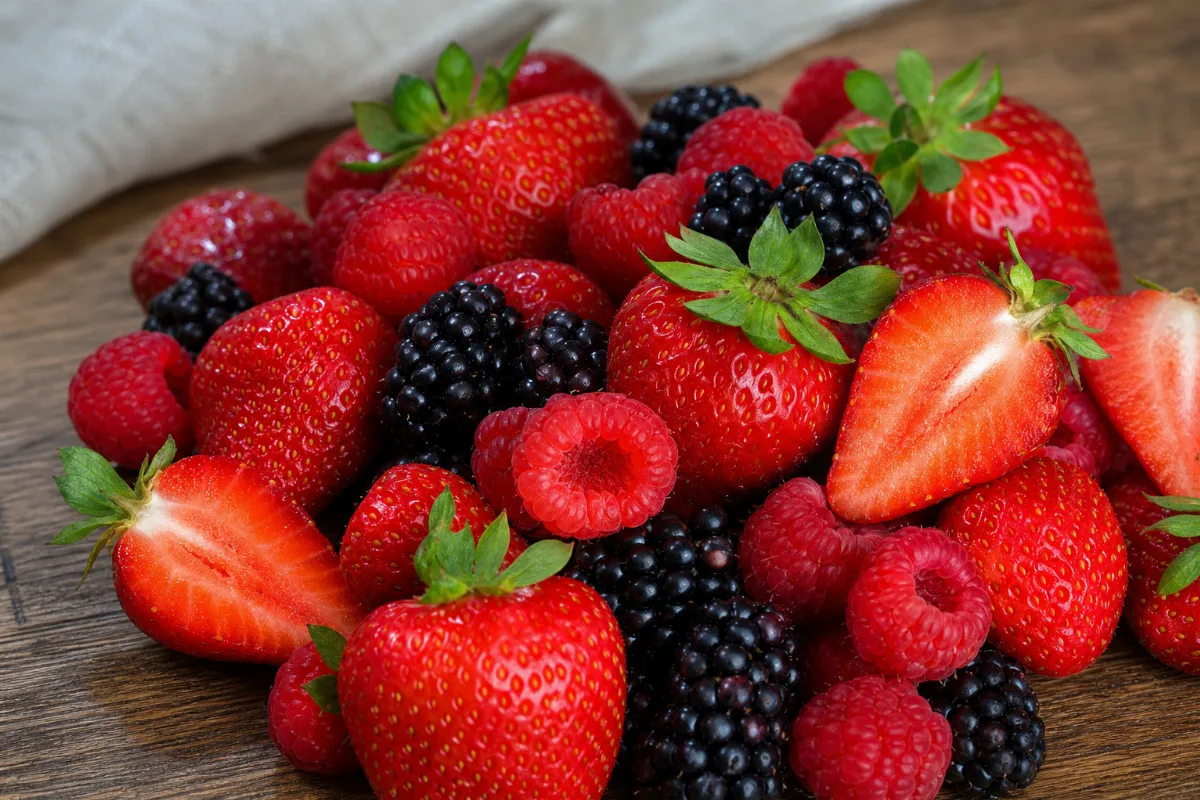
Fragaria x ananassa, Rubus idaeus, Rubus fruticosus
Vitamin CManganeseFiber
Normal serving (USDA): 1 cup of strawberries, halves (152 g)
What human studies found for strawberries, raspberries and blackberries as foods, with the form studied, the strength of the evidence and what is still unknown.
Berries as part of the fruit group
Fiber, vitamin C and manganese in the fruit
Strawberries and blood vessel function and blood pressure (short term)
What blackcurrants contain (USDA values), what trials of the fruit, juice and extract found for blood vessels, thinking and exercise, and safety notes.
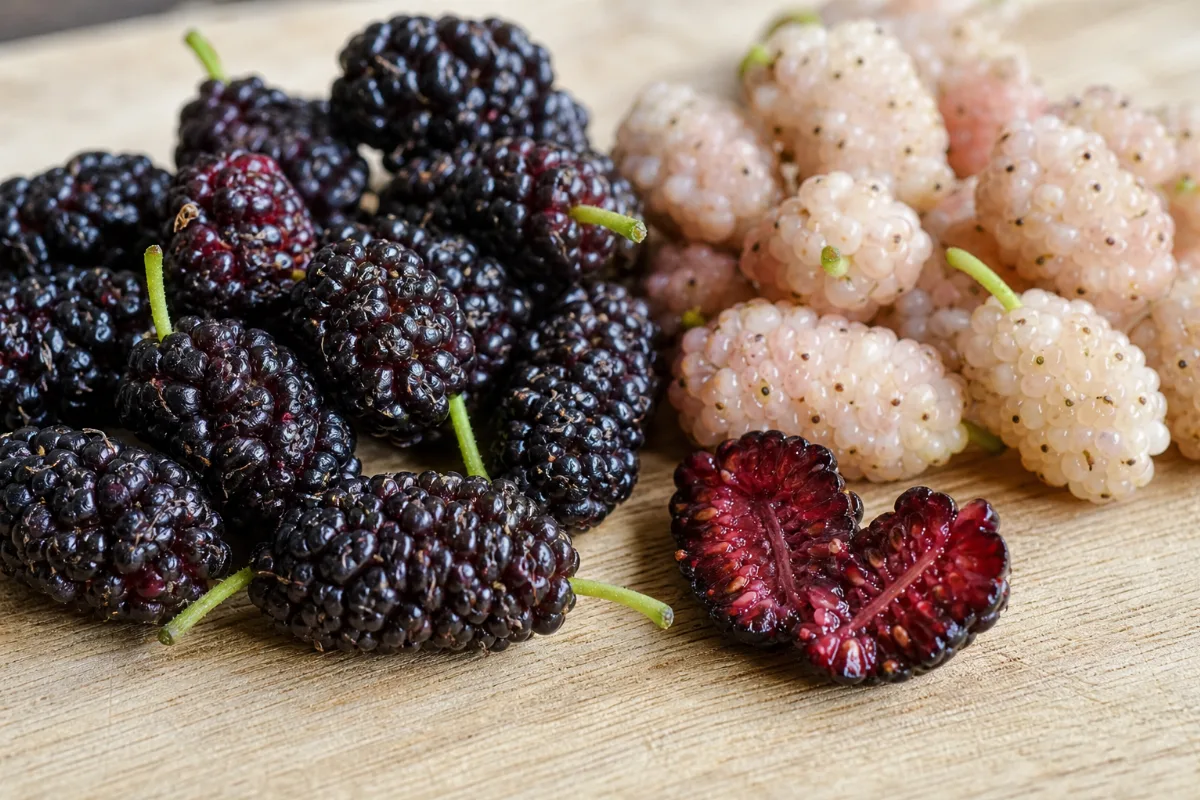
What mulberries contain, what research says about eating them, how they differ from mulberry leaf products, and the safety points: allergy, medicines and storage.
Vitamin C intake and scurvy prevention
Fruit and vegetable intake and long-term disease risk
Iron content
Mulberry fruit extract and blood sugar after a meal
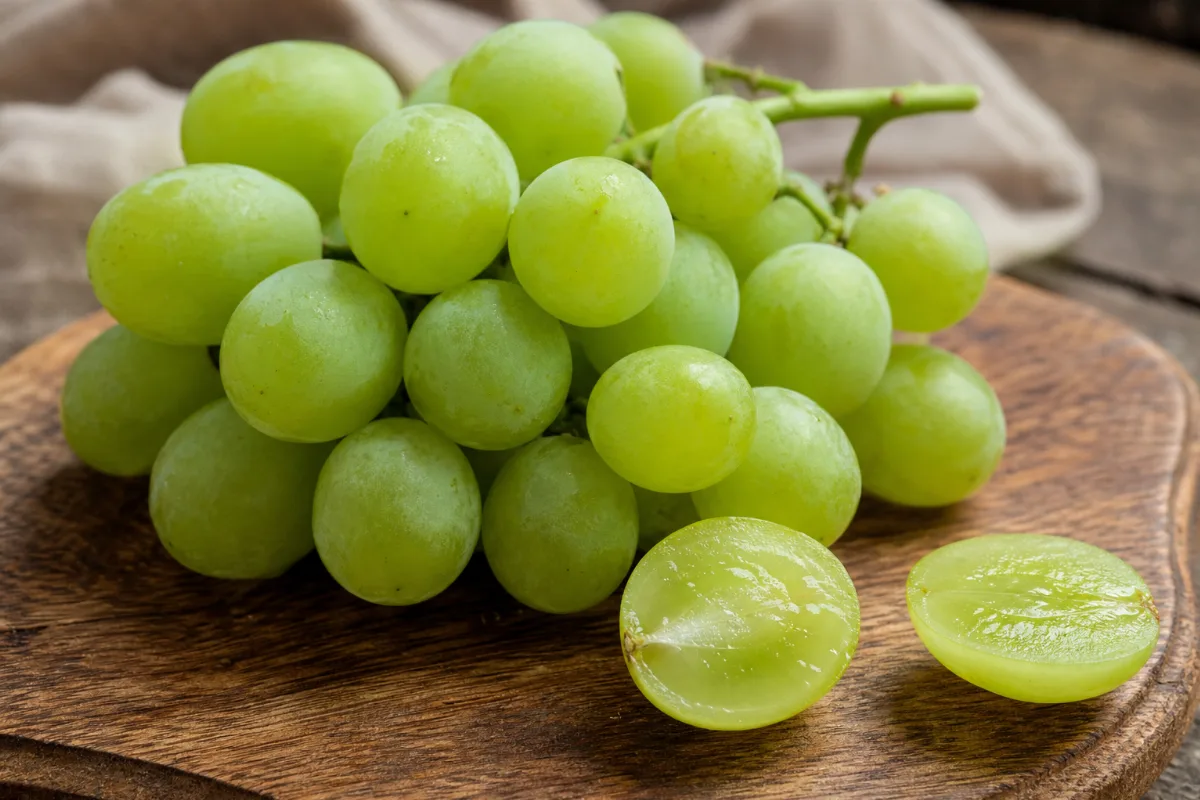
What grapes contain (USDA values), what trials and large cohort studies found, and the safety notes: allergy, choking in young children, medicines and sugar.
Normal serving (USDA): 1 cup, sections (180 g) of raw oranges
Oranges, orange juice and other citrus: what trials and cohort reviews found, why hesperidin supplement trials are a separate question, and grapefruit and medicines.
Vitamin C intake and scurvy prevention
Fiber and everyday nutrition
Heart disease and death (eating patterns)
Blood vessel function and blood pressure with orange juice
Normal serving (USDA): 1 fruit (2-1/8" dia) (58 g)
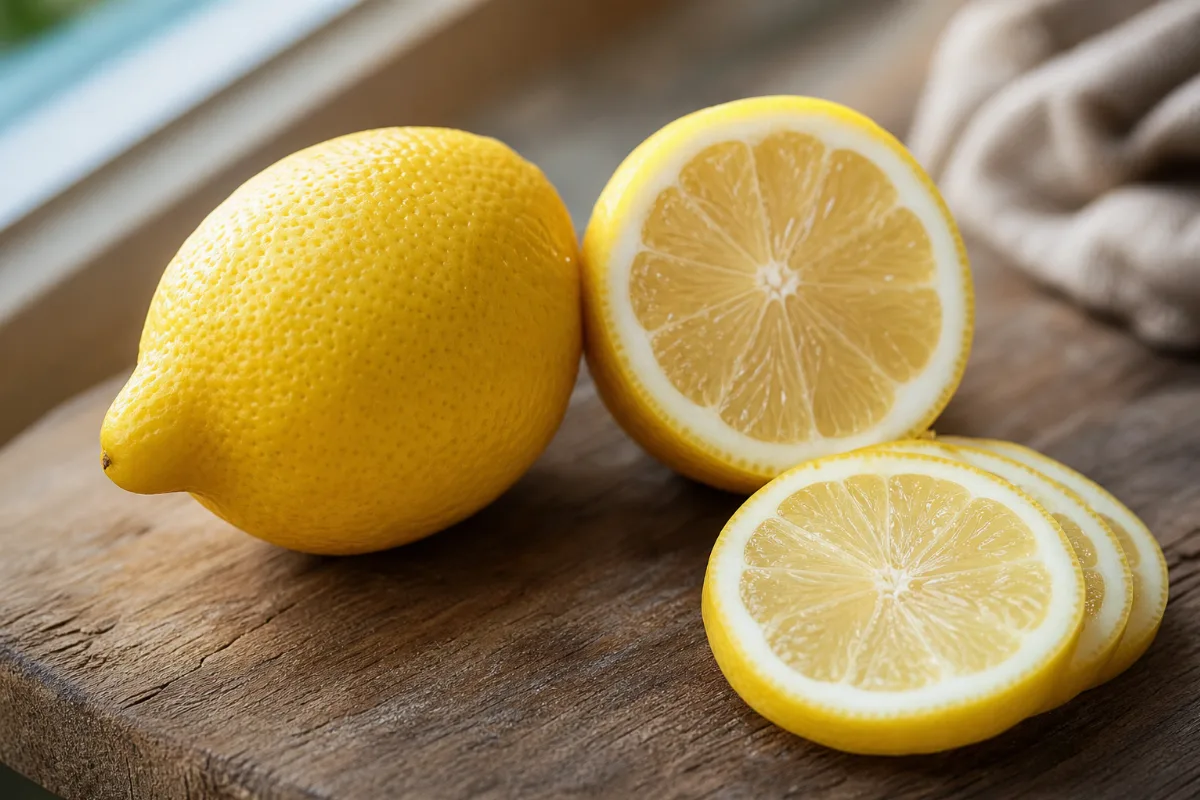
Lemons as a food: vitamin C and scurvy, what research says about colds and kidney stones, skin and tooth cautions, and how this differs from supplements.
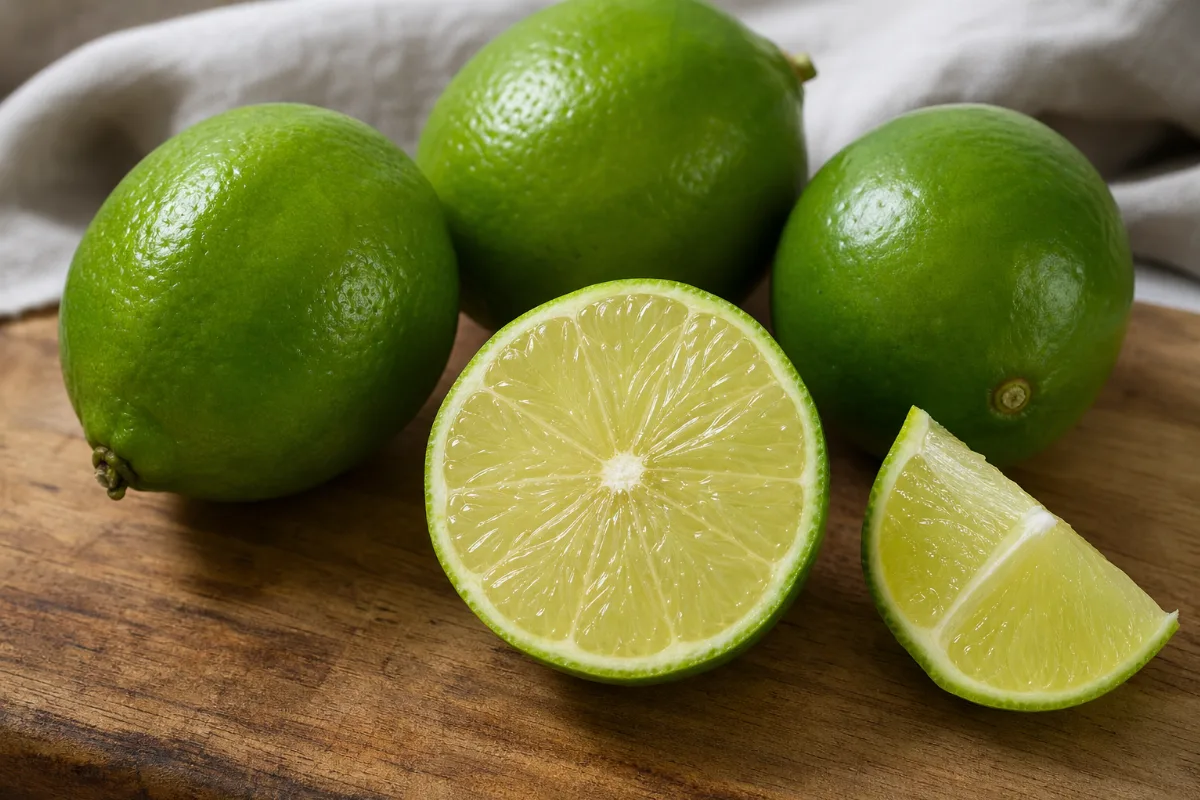
Limes as a food: USDA nutrition, vitamin C and scurvy, what the research does and does not show, and safety notes such as sun-sensitive skin reactions.
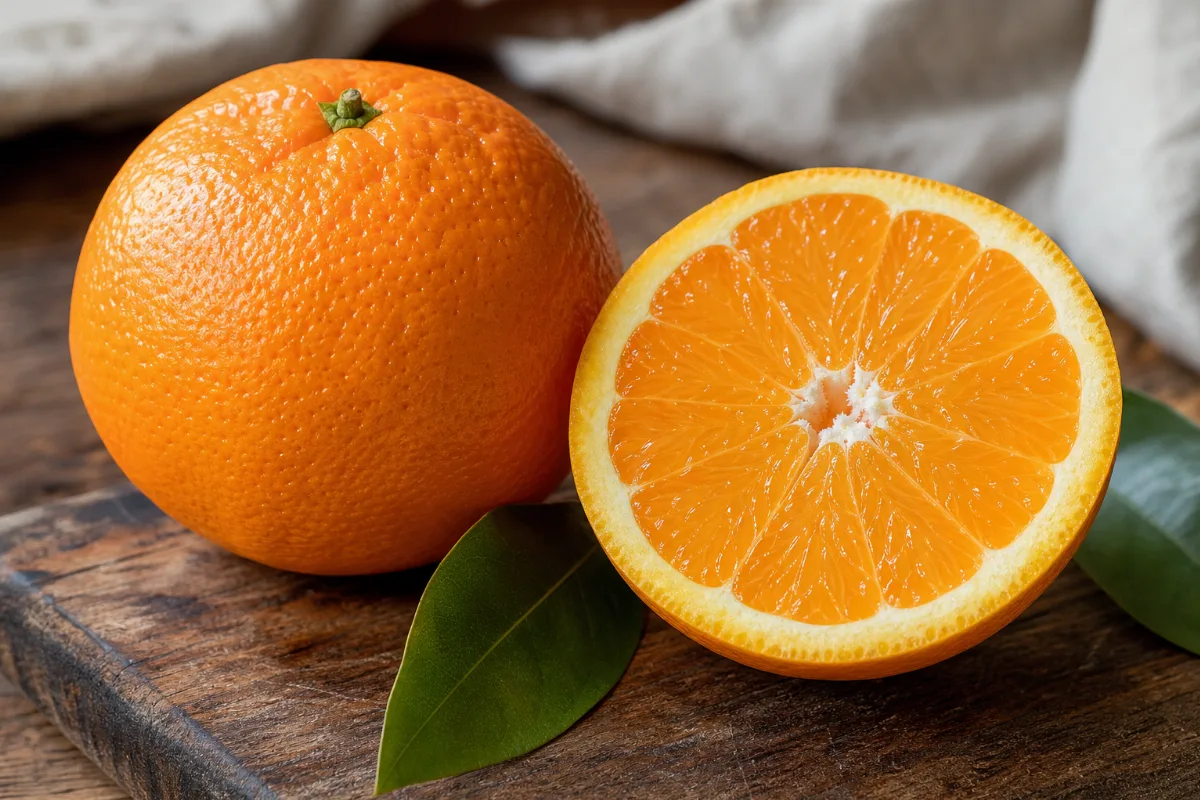
Oranges as a food: vitamin C and scurvy, what research says about juice, colds and heart health, medicine and potassium cautions, and how this differs from supplements.
Vitamin C intake and scurvy prevention
Vitamin C and iron absorption
Vitamin C, collagen and wound healing
Fruit and citrus intake patterns, heart disease and death
Normal serving (USDA): 1 cup sections, with juice (230 g)
Grapefruit nutrition from USDA, what studies found on weight, blood pressure and cancer risk, and the well-documented way it can change how some medicines work.
Normal serving (USDA): 1 medium (2-1/2 inch dia) (88 g)
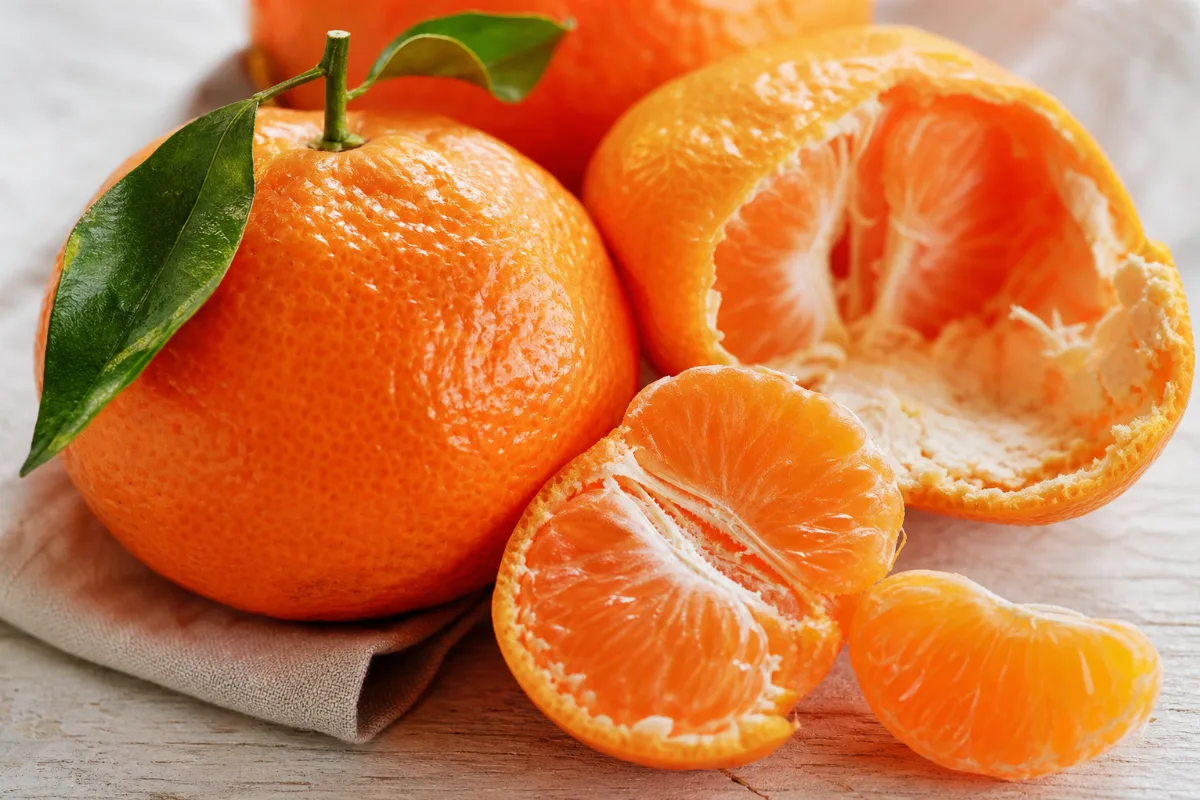
Mandarins and tangerines as food: USDA nutrients, what research does and does not show for vitamin C and carotenoids, allergy and medicine notes, and safe handling.
Vitamin C intake and scurvy prevention
Skin, blood vessels and wound healing (vitamin C role)
Colds and vitamin C
Fruit and vegetable intake and heart disease or early death
Normal serving (USDA): 1 cup, without pits (155 g)
What research found on tart cherries and tart cherry juice for sleep, gout and exercise recovery, with the form studied, strength of evidence, sugar and safety points.
Normal serving (USDA): 1 cup, without pits (154 g)
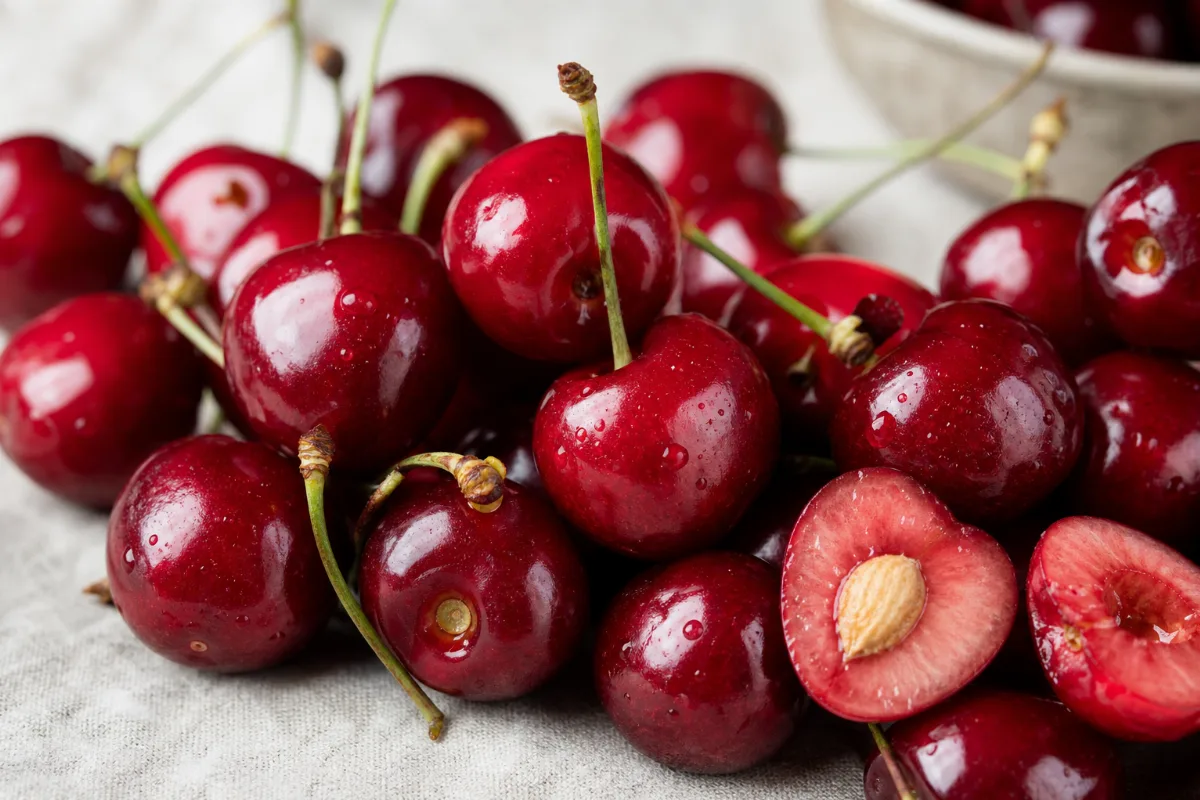
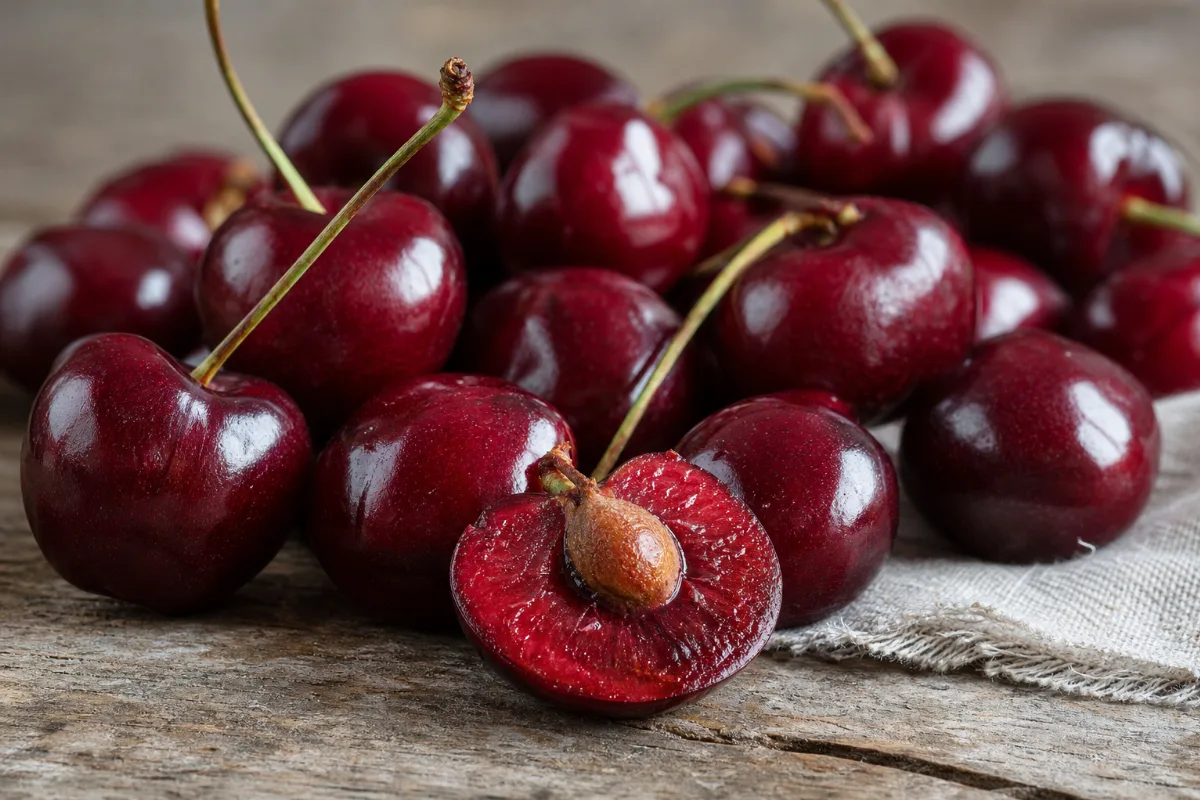
What is in sweet cherries (USDA values), what research does and does not show for eating them, and the main safety points: allergy, pits, sugar and washing.
Normal serving (USDA): 1 medium (2-1/2" dia) (142 g)
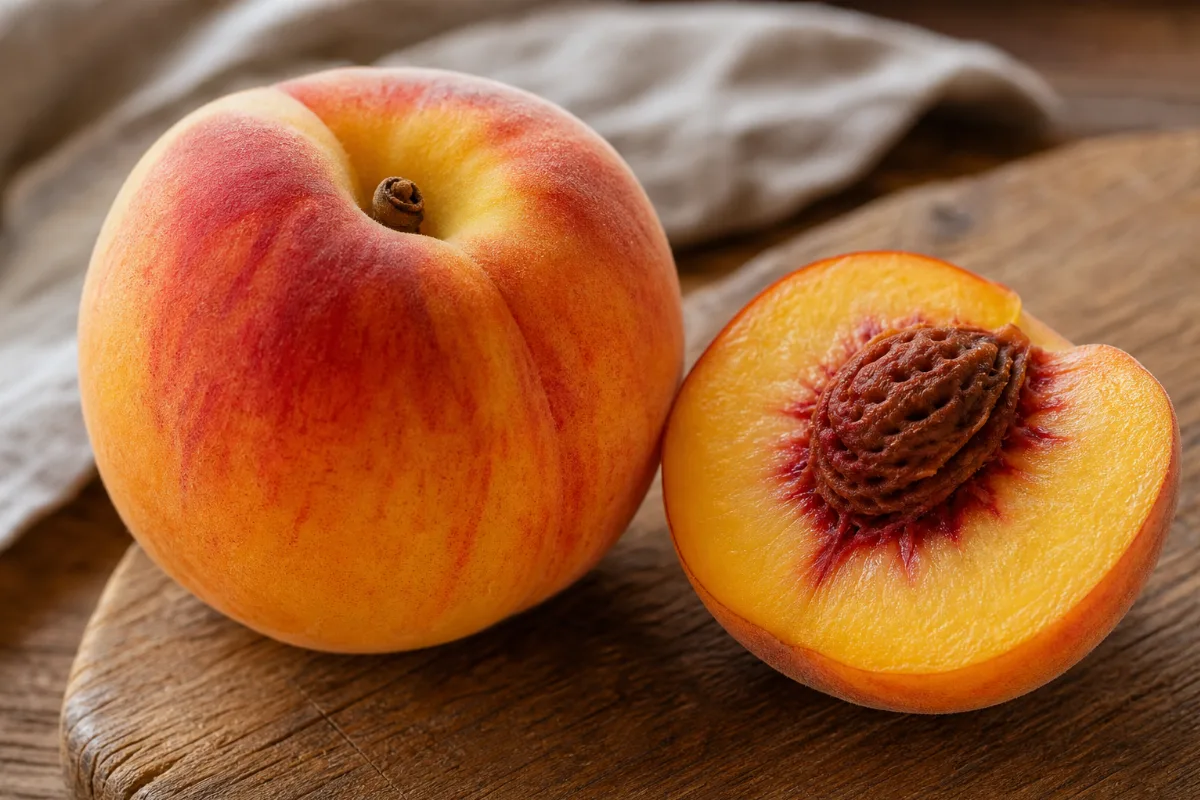
What is in a nectarine (USDA values), how it differs from a peach, what research does and does not show, and the main safety points such as allergy and washing.
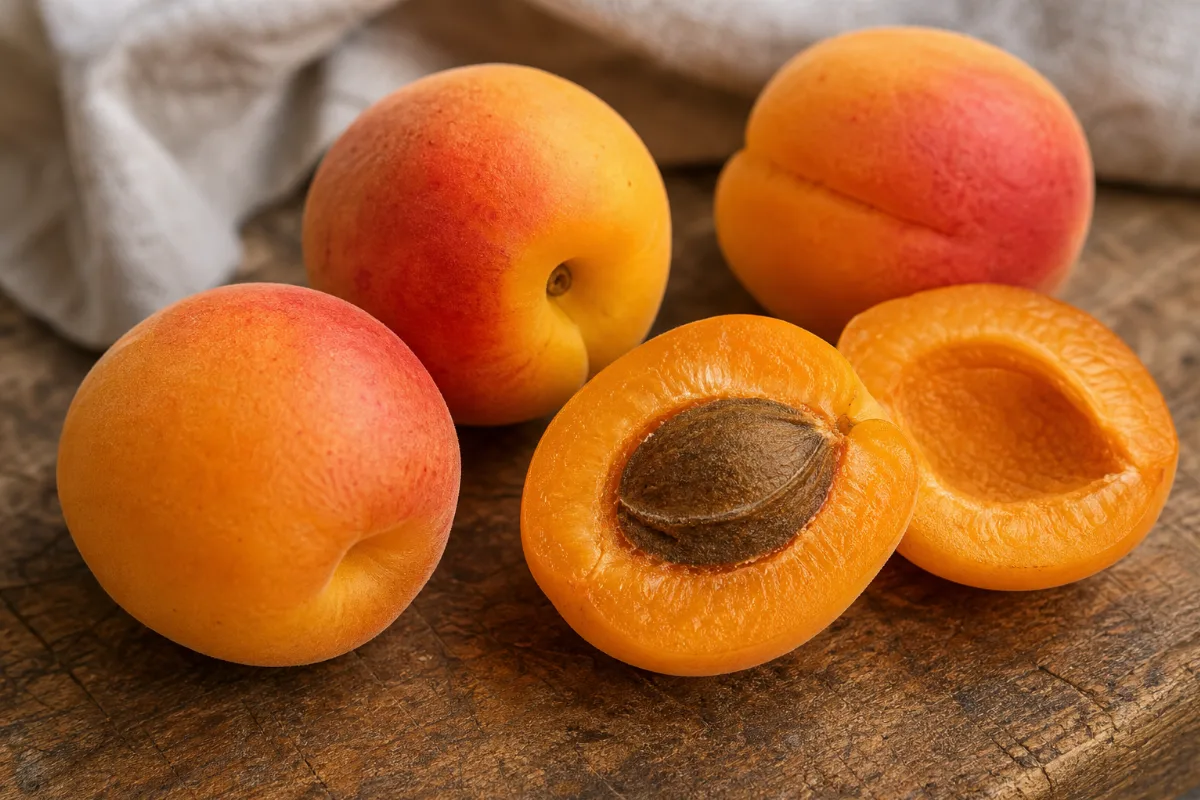
What apricots contain, what research says about eating them, and the real safety points: apricot kernels and cyanide, pollen-related allergy, and dried apricots.
Vitamin A and vitamin C intake
Fruit and vegetable pattern and long-term disease risk
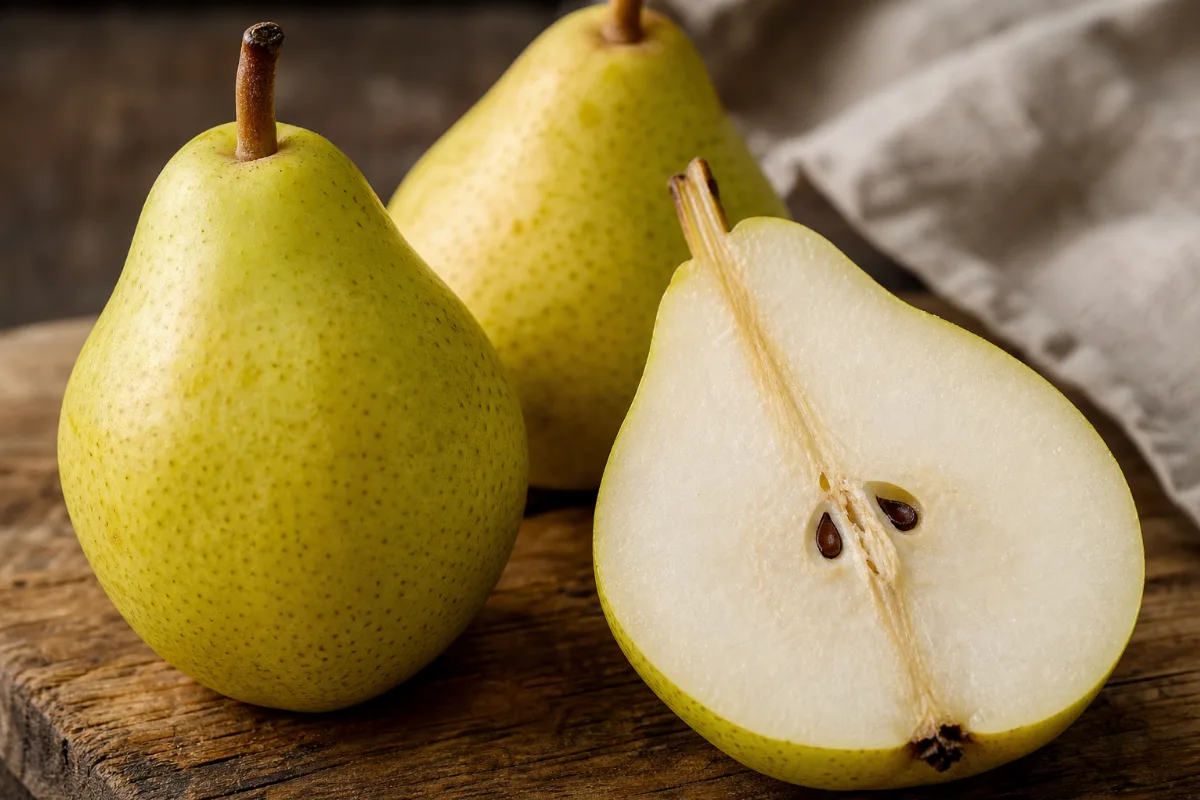
What the sources say about pears: fiber and nutrients from USDA, studies on diabetes risk and heart health, allergy and food-safety notes, and what is still unknown.
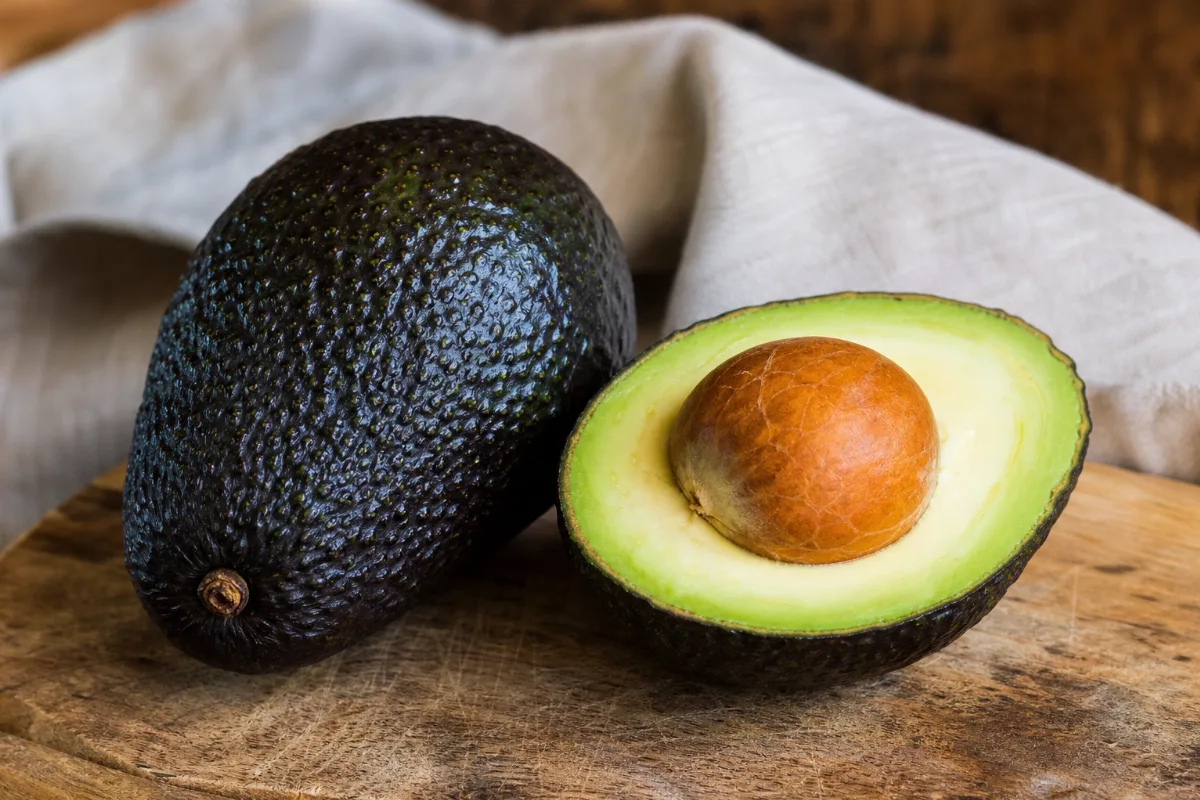
Avocado as a food: what small trials and reviews found on cholesterol, blood sugar and eye pigment, what they did not show, and latex-fruit allergy and warfarin cautions.
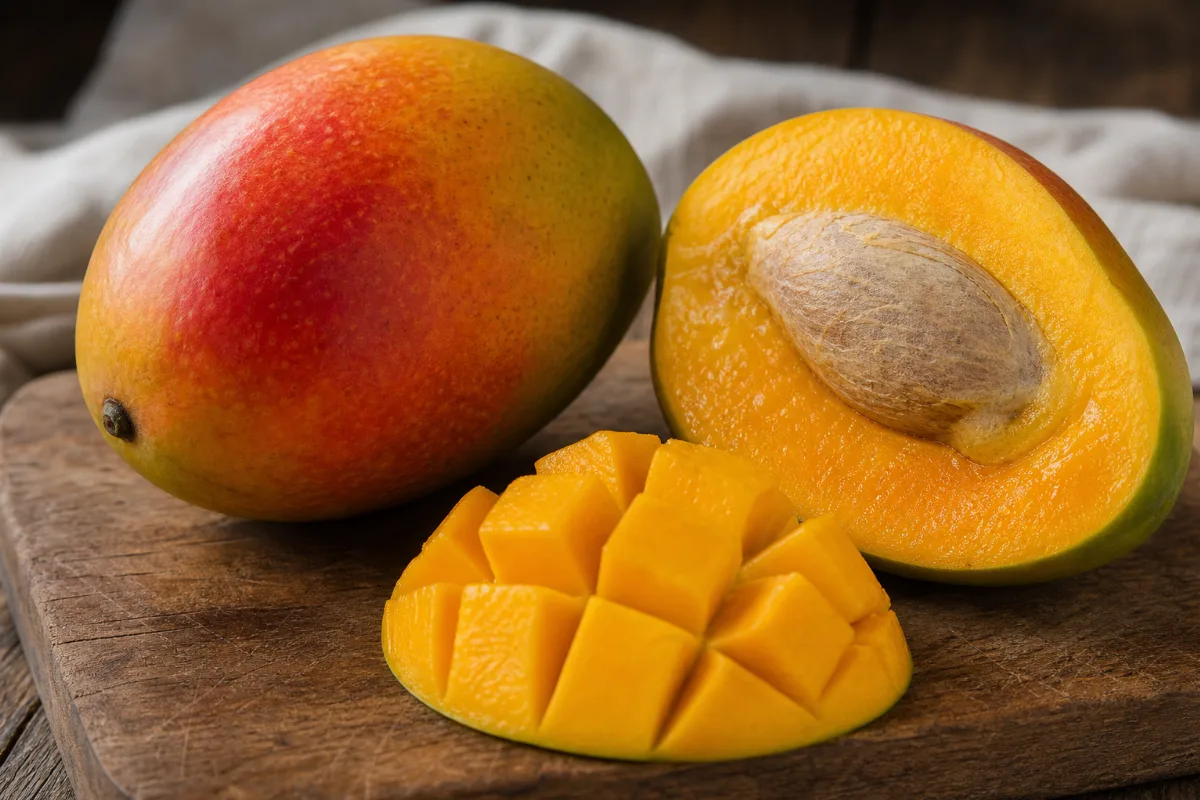
What the research shows for mango, a tropical fruit rich in vitamin C, plus USDA nutrient values, skin and allergy cautions, sugar content and food safety.
Normal serving (USDA): 1 cup, 1-inch pieces (145 g)
What papaya (Carica papaya) contains per USDA, what research shows for the fruit versus leaf or fermented products, and allergy, latex and food-safety notes.
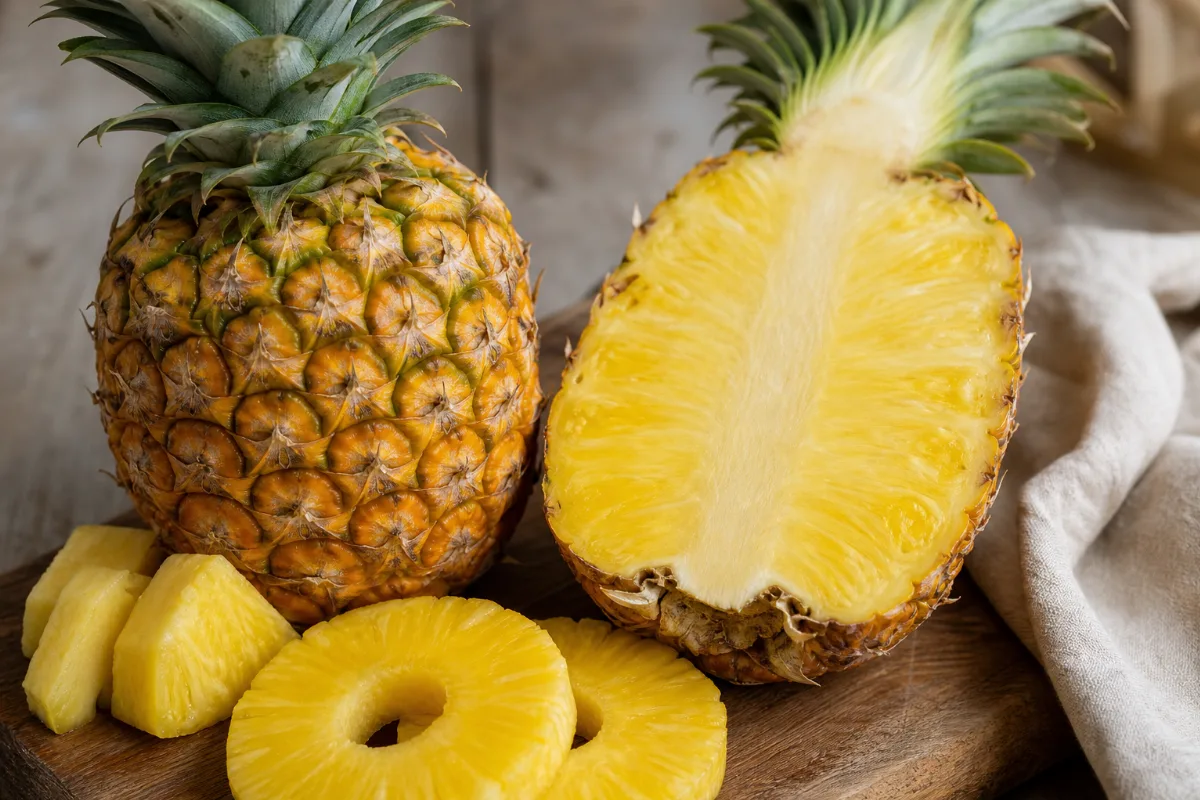
Pineapple nutrition from USDA data, what research says about the fruit and about bromelain, and plain safety notes on allergy, medicines and food safety.
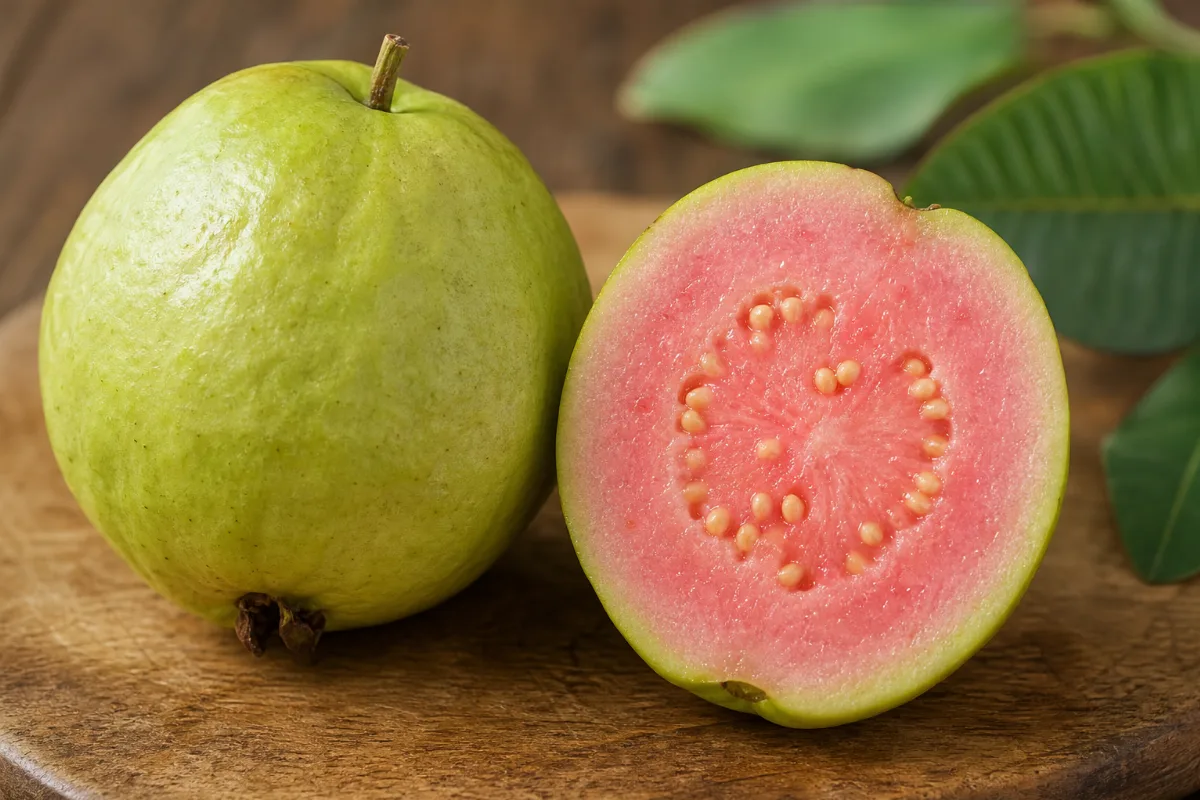
What research shows for guava, a tropical fruit very rich in vitamin C and fiber, with USDA nutrient values, trial results, safety notes and food-safety tips.
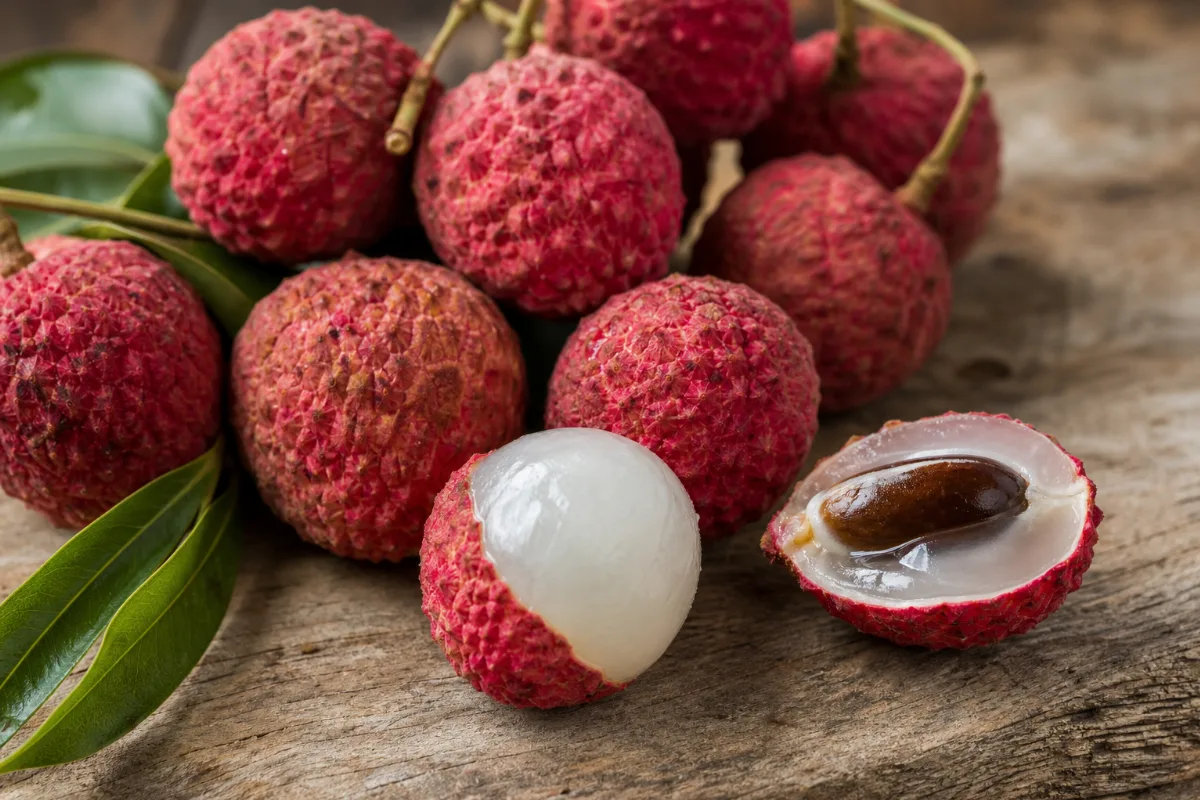
What the sources say about lychee, a juicy tropical fruit: vitamin C and copper, allergy, the link with low blood sugar in India, and what research does not show.
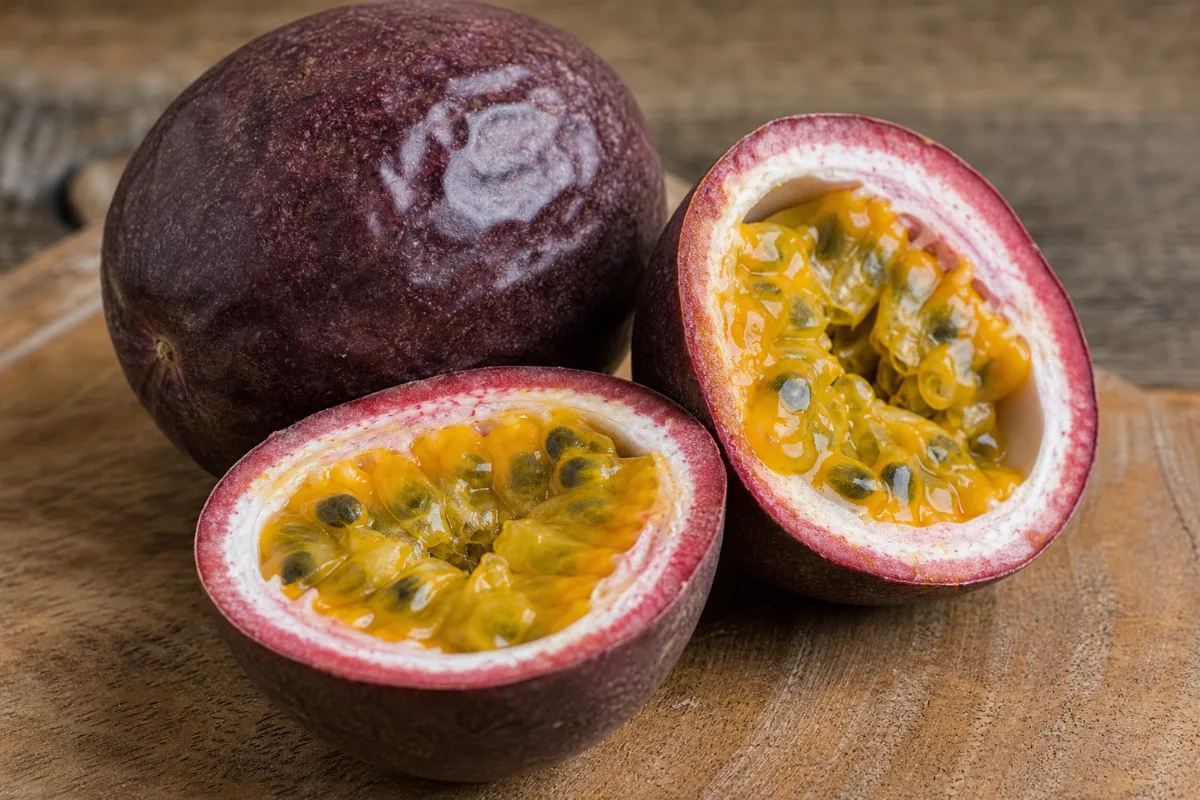
Normal serving (USDA): 1 cup, pulp with seeds (236 g)
What passion fruit contains (USDA values), what research says about the pulp and the peel extract, and the real safety points: latex-related allergy and natural cyanide compounds.
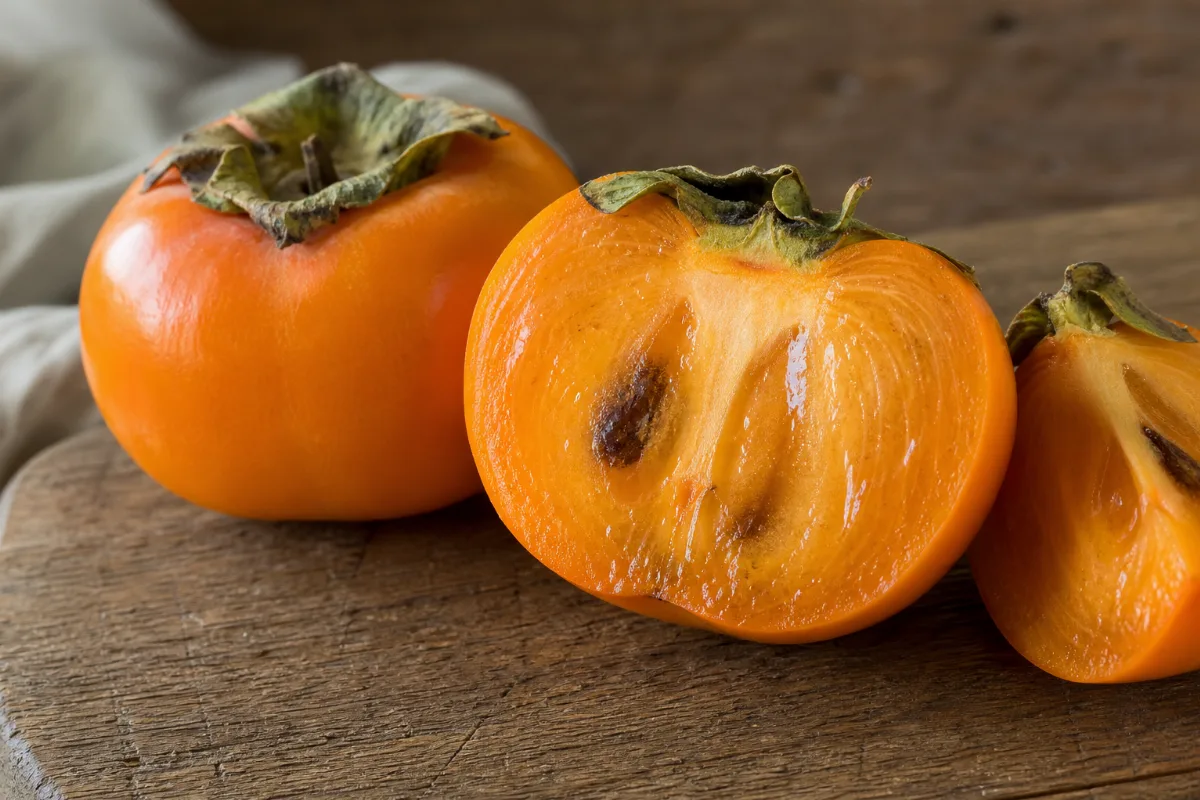
Normal serving (USDA): 1 fruit, 2-1/2 in diameter (168 g)
Persimmons (Diospyros kaki) as a food: USDA nutrients, what research does and does not show, and safety notes on tannin bezoars, warfarin, potassium and allergy.
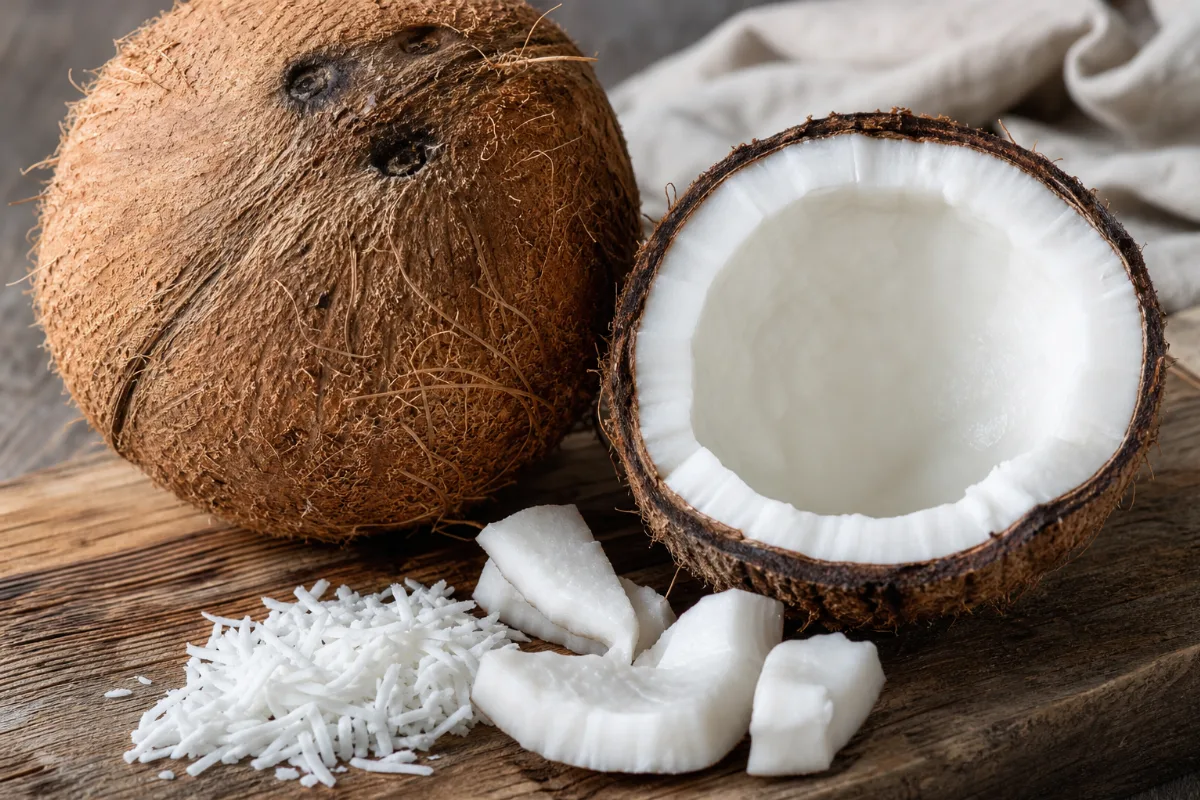
What the research shows for coconut meat, with USDA nutrient values, a clear look at its saturated fat, and short notes on coconut water, milk and oil, allergy and food safety.
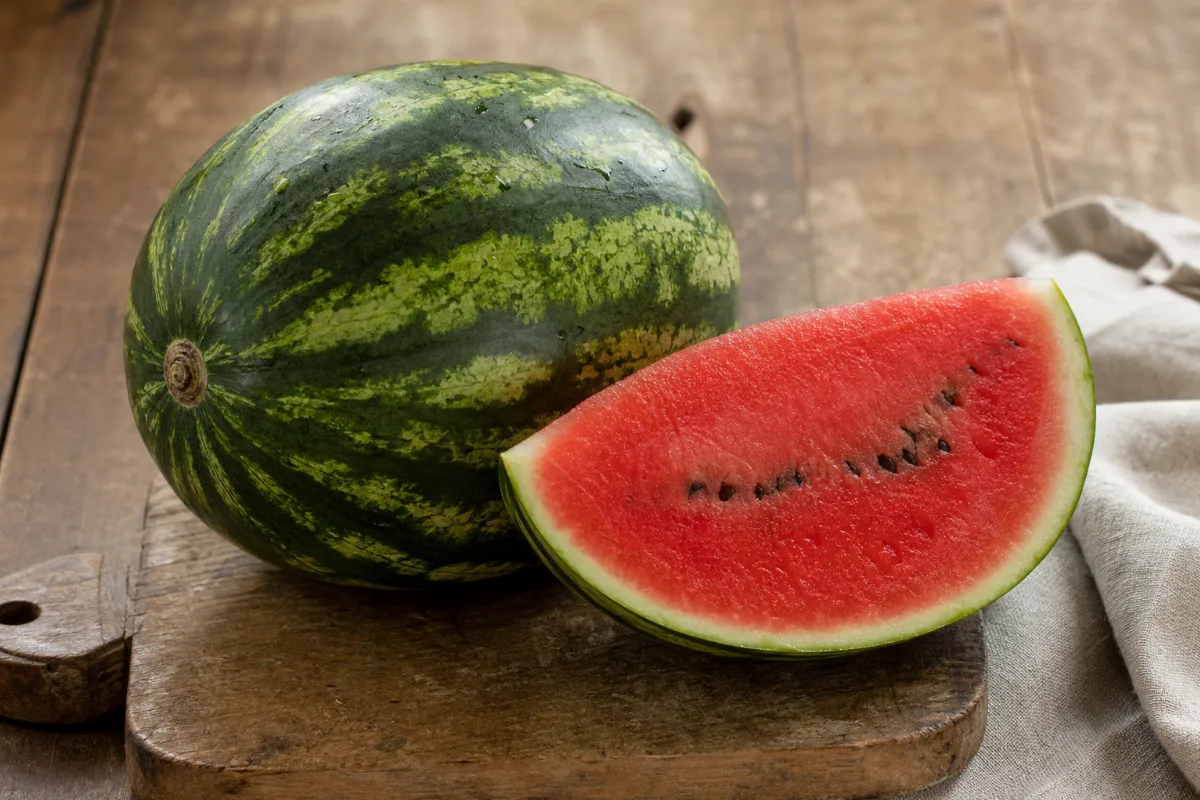
What the evidence says about watermelon as a food: nutrients, lycopene and citrulline, blood pressure and exercise studies, allergy and food-safety notes.
Normal serving (USDA): 1 cup, chopped (147 g), Deglet Noor
Dates (Phoenix dactylifera) as a food: USDA nutrients, what trials found on digestion, blood sugar and late pregnancy, and safety notes on sugar, potassium and sulphites.
Fiber and bowel regularity
Blood sugar in type 2 diabetes
Late pregnancy and labour
Potassium, magnesium, copper and manganese in the diet
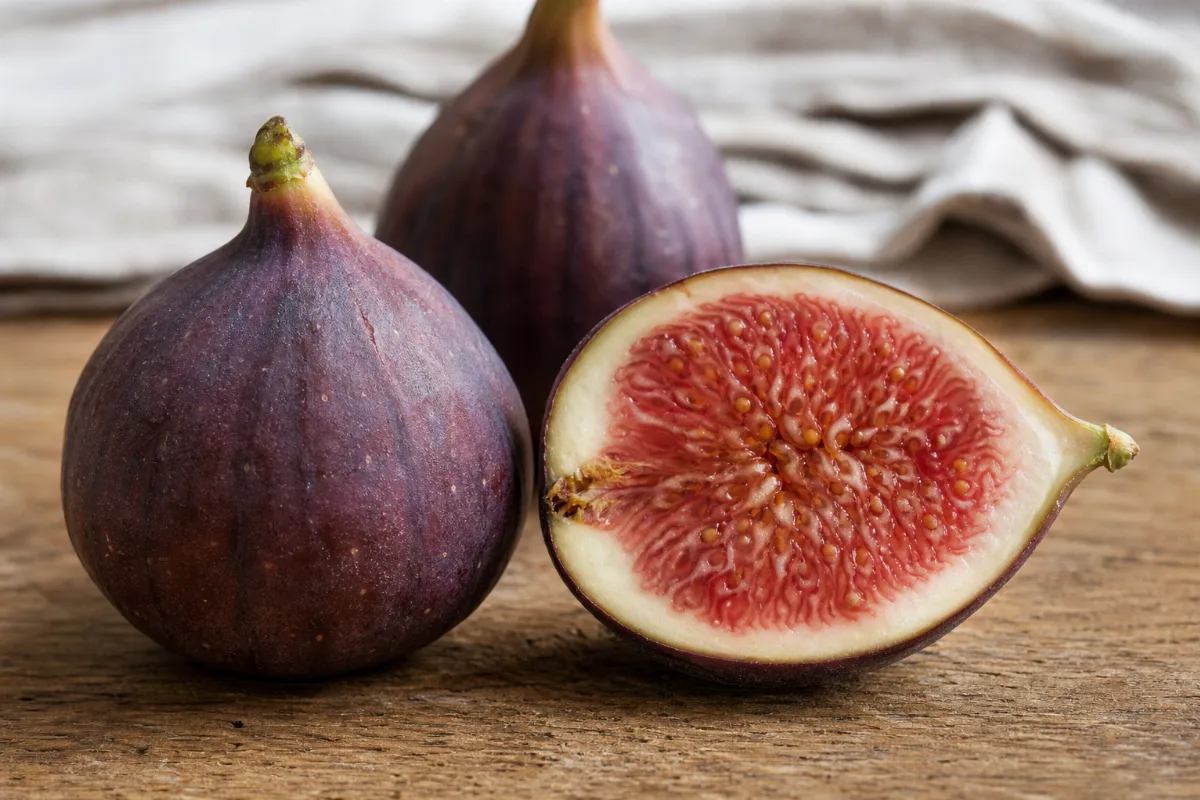
Normal serving (USDA): 1 large fig, 2-1/2 inch diameter (64 g)
Figs (Ficus carica) as a food: USDA nutrients, what trials found on constipation, plus allergy, skin-sap and potassium notes, with weak evidence called out.
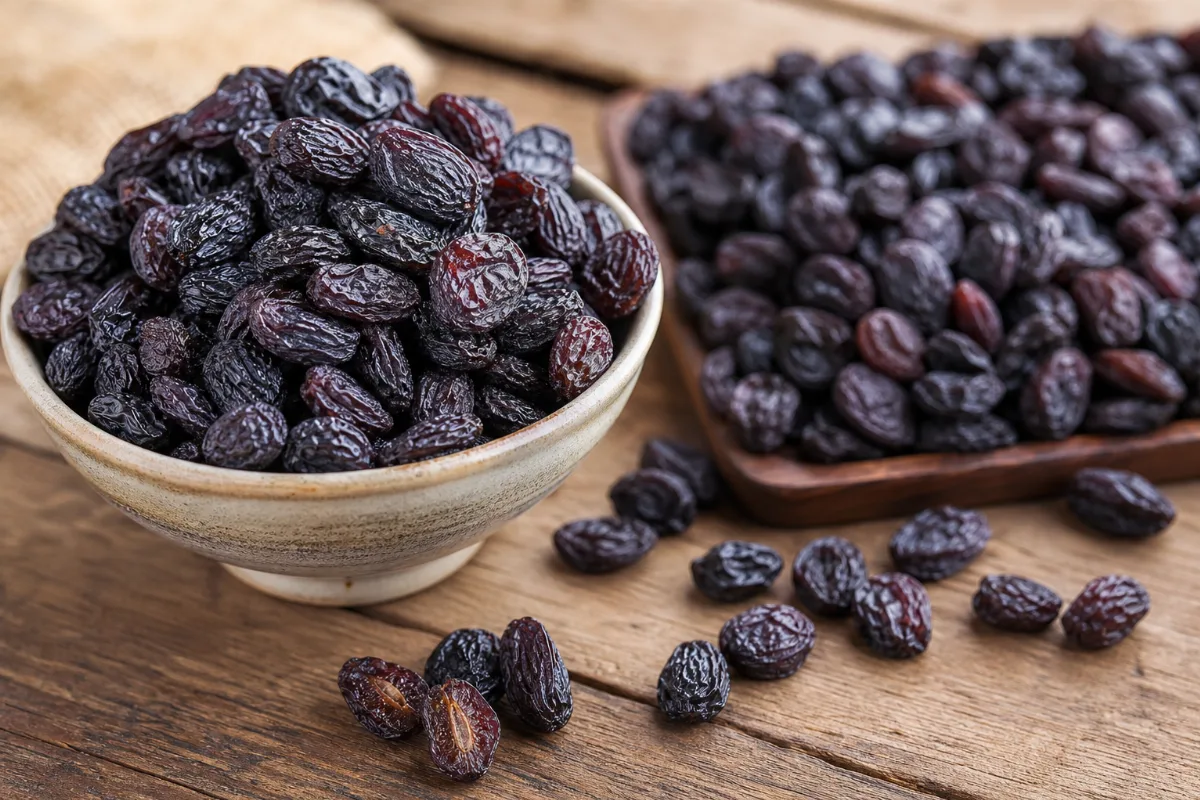
What raisins contain (USDA values), what studies found on blood sugar and blood pressure, and the safety notes: sugar, sulfites, potassium, teeth and dogs.
Pomegranate fruit and juice: what meta-analyses of trials found on blood pressure and blood sugar, the thin evidence on memory, and cautions for people on medicines.
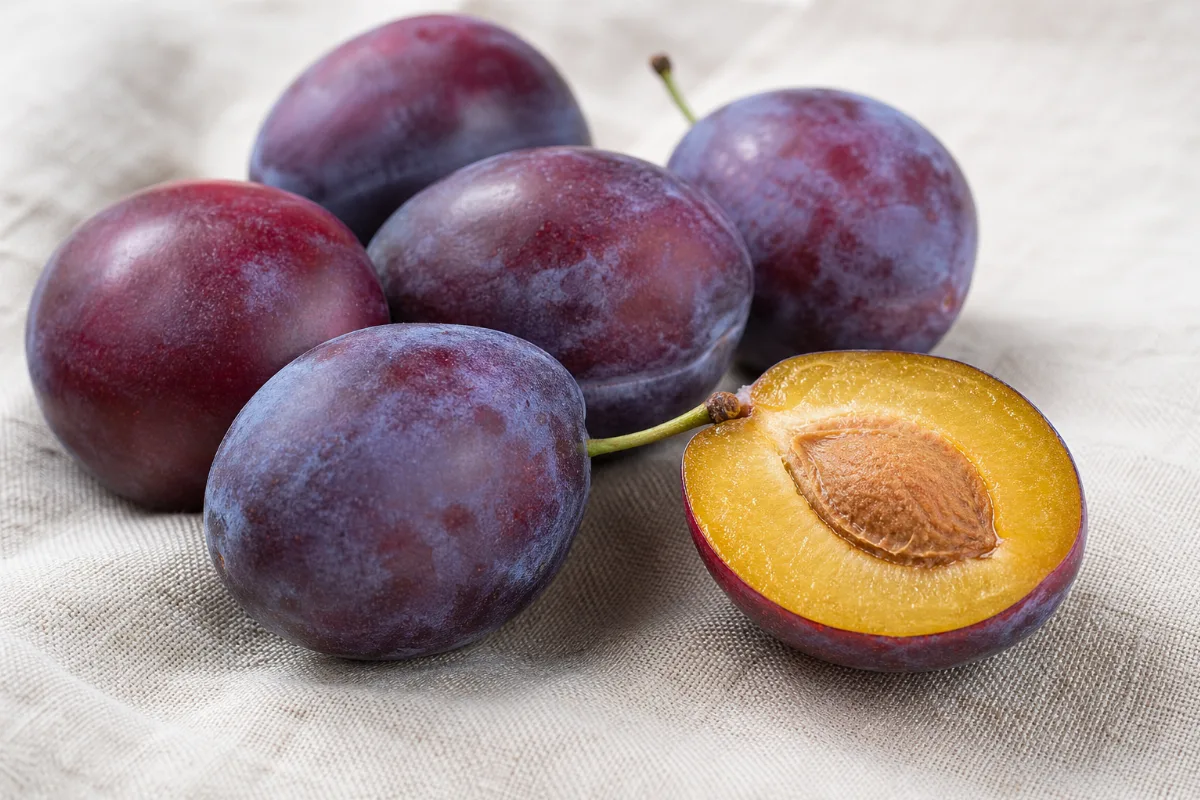
What plums (Prunus domestica) and dried plums (prunes) contain, what trials show for bowel regularity and bones, and allergy, medicine and food-safety notes.
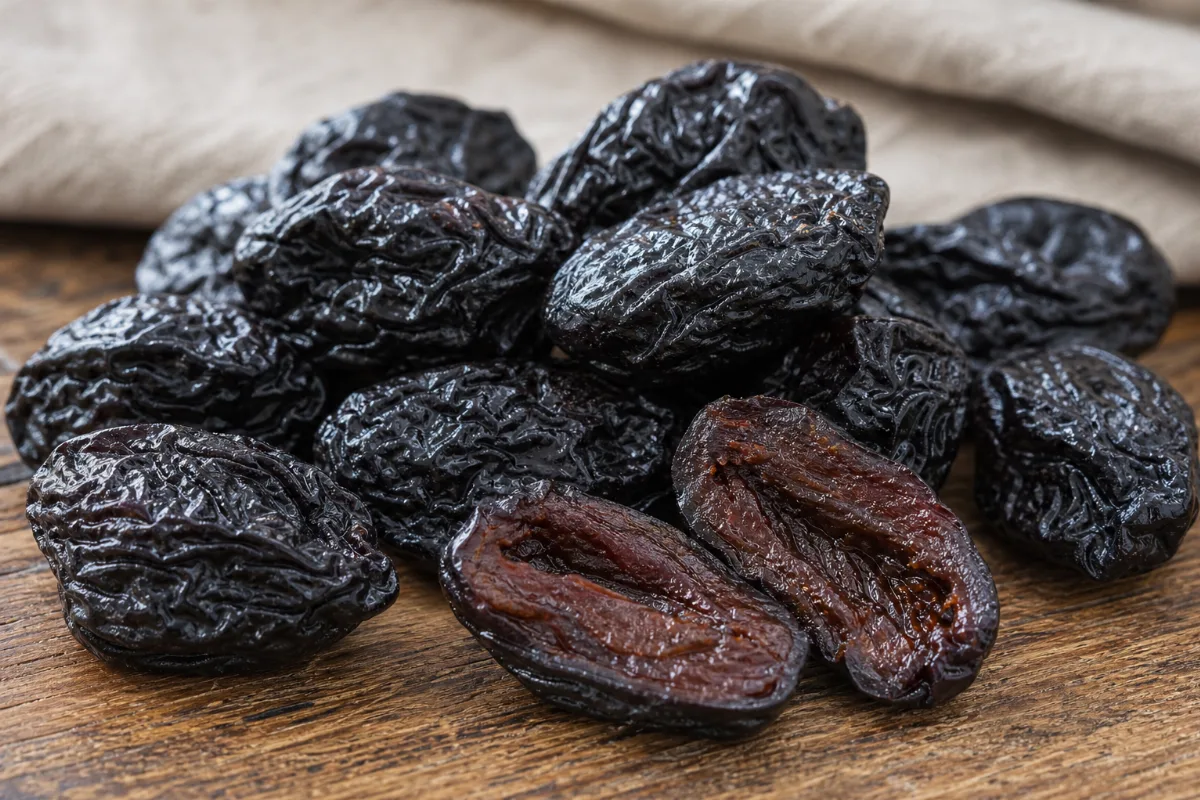
What prunes (dried plums) contain, what trials show for constipation and bone density, and the sugar, potassium, vitamin K and bowel-comfort points to know.
No fruit matches all of these filters. Try removing one. Some topics (for example most herbs) are not fruits and live elsewhere on the site.
A link between a fruit and a topic means the body needs the fruit for that job, or that low intake is linked to it. It does not mean extra supplements help if your intake is already adequate. See each page’s evidence label.
Browse by fruit fruit group
Berries and grapes
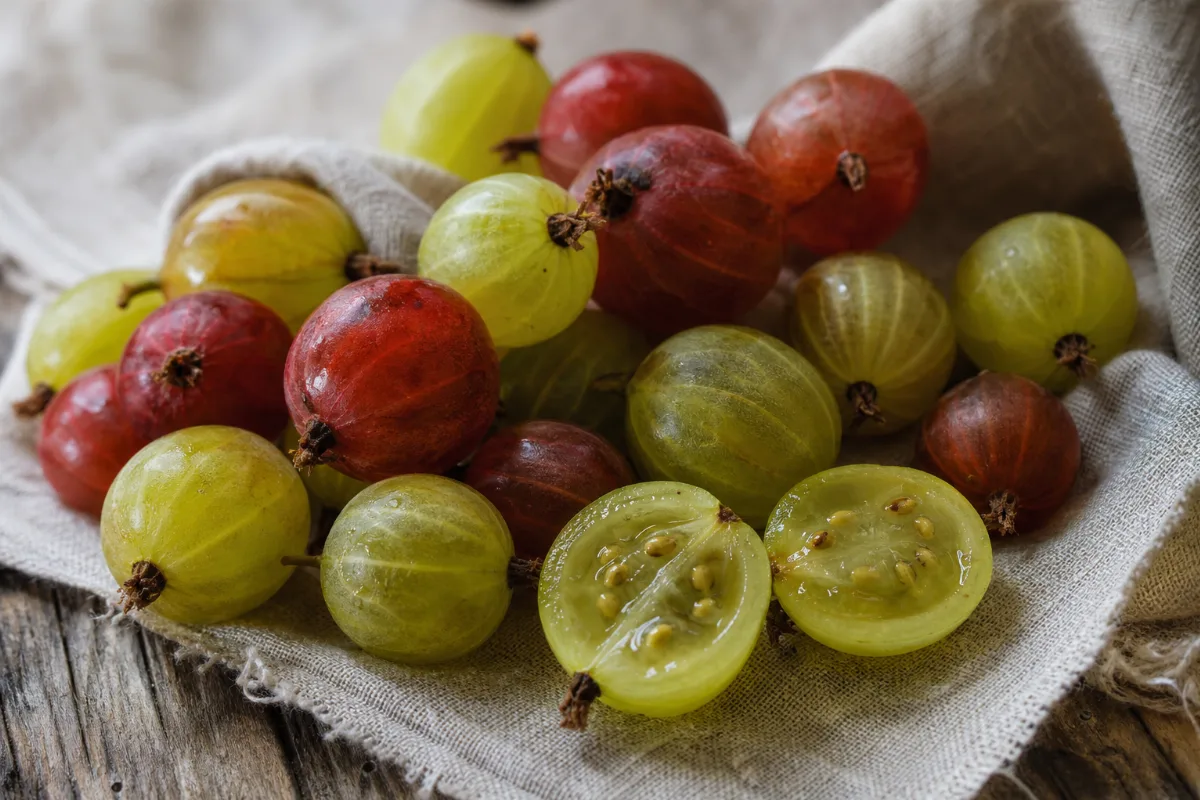
Blueberries, blackcurrants, mulberries, grapes and relatives: small, juicy, often deeply coloured fruit.
What blackcurrants contain (USDA values), what trials of the fruit, juice and extract found for blood vessels, thinking and exercise, and safety notes.
What mulberries contain, what research says about eating them, how they differ from mulberry leaf products, and the safety points: allergy, medicines and storage.
What grapes contain (USDA values), what trials and large cohort studies found, and the safety notes: allergy, choking in young children, medicines and sugar.
Citrus Fruits(5)Oranges, lemons, limes, grapefruit and mandarins, including the medicine cautions that go with the grapefruit family.
Lemons as a food: vitamin C and scurvy, what research says about colds and kidney stones, skin and tooth cautions, and how this differs from supplements.
Limes as a food: USDA nutrition, vitamin C and scurvy, what the research does and does not show, and safety notes such as sun-sensitive skin reactions.
Oranges as a food: vitamin C and scurvy, what research says about juice, colds and heart health, medicine and potassium cautions, and how this differs from supplements.
Grapefruit nutrition from USDA, what studies found on weight, blood pressure and cancer risk, and the well-documented way it can change how some medicines work.
Mandarins and tangerines as food: USDA nutrients, what research does and does not show for vitamin C and carotenoids, allergy and medicine notes, and safe handling.
Stone Fruit(5)Cherries, peaches, nectarines, plums and apricots.
What is in sweet cherries (USDA values), what research does and does not show for eating them, and the main safety points: allergy, pits, sugar and washing.
What is in a nectarine (USDA values), how it differs from a peach, what research does and does not show, and the main safety points such as allergy and washing.
What plums (Prunus domestica) and dried plums (prunes) contain, what trials show for bowel regularity and bones, and allergy, medicine and food-safety notes.
What apricots contain, what research says about eating them, and the real safety points: apricot kernels and cyanide, pollen-related allergy, and dried apricots.
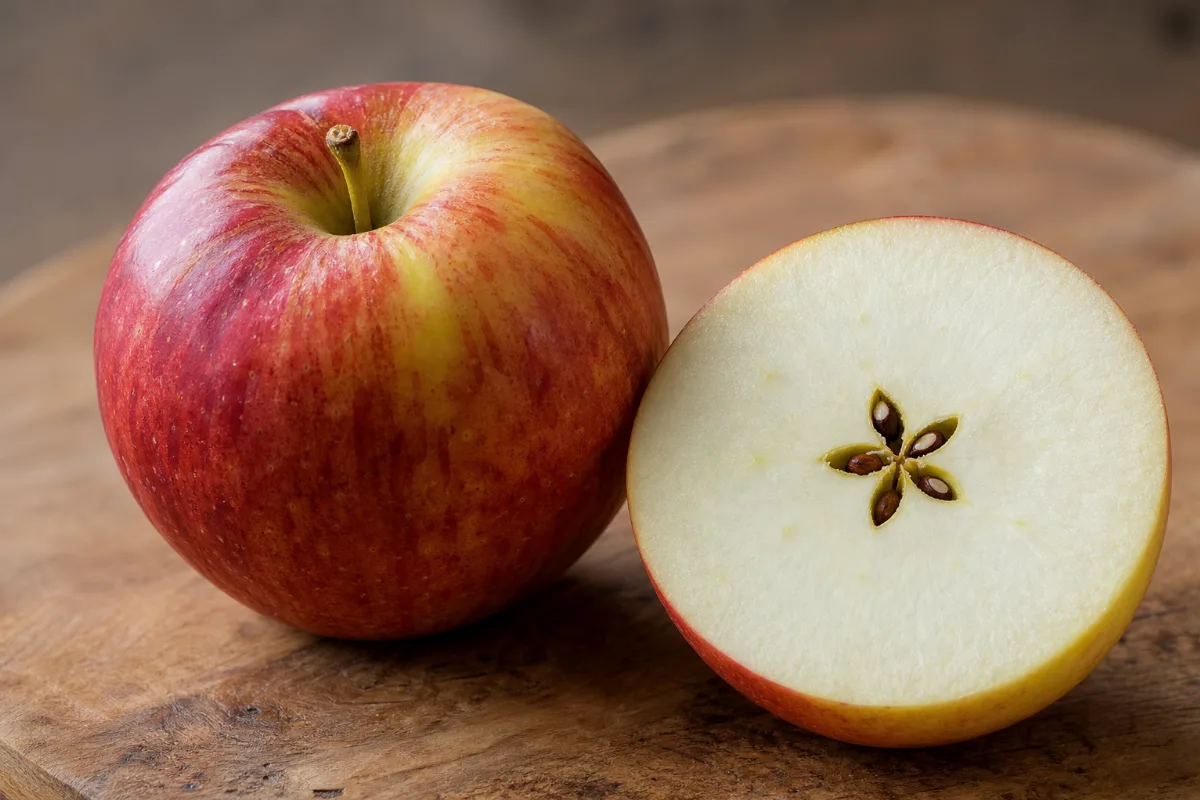
What the sources say about pears: fiber and nutrients from USDA, studies on diabetes risk and heart health, allergy and food-safety notes, and what is still unknown.
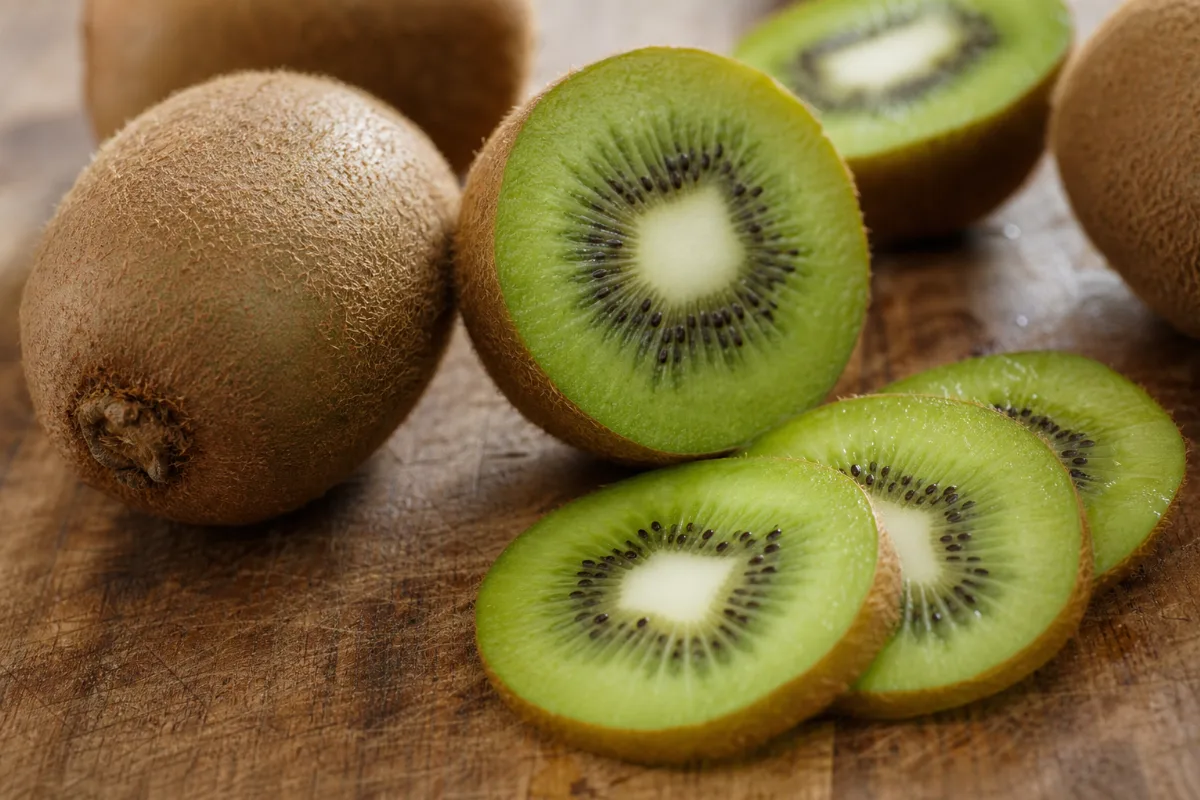
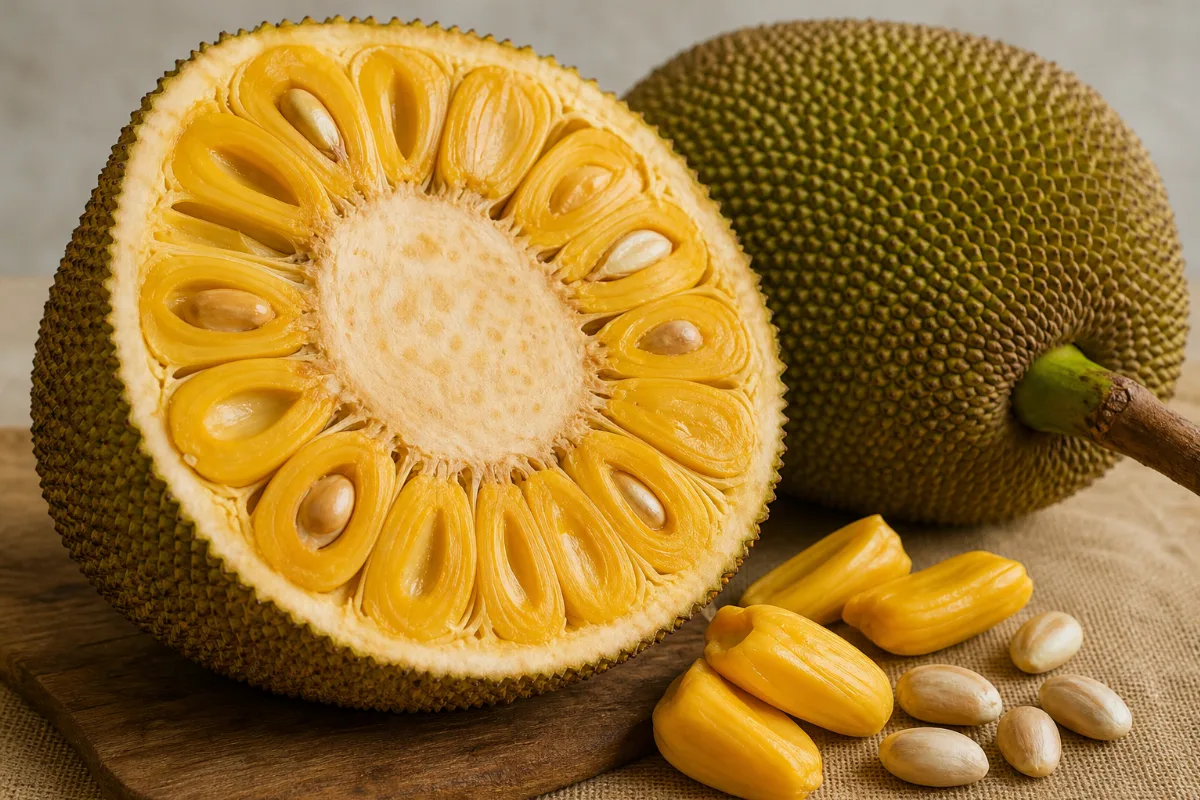
Tropical & Other Fresh Fruit(12)Banana, mango, papaya, pineapple, kiwifruit, guava, lychee, passion fruit, persimmon, jackfruit, star fruit and coconut.
What the research shows for mango, a tropical fruit rich in vitamin C, plus USDA nutrient values, skin and allergy cautions, sugar content and food safety.
What papaya (Carica papaya) contains per USDA, what research shows for the fruit versus leaf or fermented products, and allergy, latex and food-safety notes.
Pineapple nutrition from USDA data, what research says about the fruit and about bromelain, and plain safety notes on allergy, medicines and food safety.
What research shows for guava, a tropical fruit very rich in vitamin C and fiber, with USDA nutrient values, trial results, safety notes and food-safety tips.
What the sources say about lychee, a juicy tropical fruit: vitamin C and copper, allergy, the link with low blood sugar in India, and what research does not show.
What passion fruit contains (USDA values), what research says about the pulp and the peel extract, and the real safety points: latex-related allergy and natural cyanide …
Persimmons (Diospyros kaki) as a food: USDA nutrients, what research does and does not show, and safety notes on tannin bezoars, warfarin, potassium and allergy.
What the research shows for coconut meat, with USDA nutrient values, a clear look at its saturated fat, and short notes on coconut water, milk and oil, allergy and food …
What the evidence says about watermelon as a food: nutrients, lycopene and citrulline, blood pressure and exercise studies, allergy and food-safety notes.
Dates (Phoenix dactylifera) as a food: USDA nutrients, what trials found on digestion, blood sugar and late pregnancy, and safety notes on sugar, potassium and sulphites.
Figs (Ficus carica) as a food: USDA nutrients, what trials found on constipation, plus allergy, skin-sap and potassium notes, with weak evidence called out.
What raisins contain (USDA values), what studies found on blood sugar and blood pressure, and the safety notes: sugar, sulfites, potassium, teeth and dogs.
What prunes (dried plums) contain, what trials show for constipation and bone density, and the sugar, potassium, vitamin K and bowel-comfort points to know.
Table olives (Olea europaea) as a food: USDA nutrients, why brining makes them high in sodium, what research does and does not show, and safety notes.
Search fruits: popular fruits, A to Z, search with filters, more ways
Well-studied fruits to start with
These fruits have the most human research summarized in our guides (counted from the evidence ratings on each profile). More research does not mean the fruit works or is safe for you: open the guide to see what was found, including negative and mixed results.
Every published fruit guide (41), with its names and what it is made of. Each name opens one guide that brings together identity, traditional use, research, safety, forms and sources.
Fruits whose guide documents a point to check for this concern. Being listed does not mean the fruit is unsafe for everyone. Open the guide to read the details.
Fruits have been used for health in many cultures for centuries. A traditional use tells you what people have done, not that it works. Here every fruit is listed under the goals, body systems and actions its guide connects it to, and each link carries the strength of the evidence behind it.
Strongest
0 fruits
Clinical trials support a benefit
Promising
38 fruits
Early or mixed human evidence
Early science
3 fruits
Lab or animal research only
Unknown
0 fruits
Too little evidence to say
Each fruit is counted once, at the strongest level its guide documents for any use. A strong label for one use says nothing about its other uses or its safety. "Traditional use" alone is not one of these labels: where a guide only reports history, the link is rated "Too little evidence to say". Read the guide on traditional use and research evidence.
Fruits by wellness goal
Each card shows how many fruits are linked to a goal and how strong the evidence is. Green means clinical trials support a benefit; grey means too little evidence. These are links the guides document, not recommendations. For the wider picture, see the Wellness Goals section.
The same links, organized the way anatomy and physiology textbooks do. "Action" describes what a fruit is said to do (for example calming or digestive support); it names the claim, not the proof.
Side-by-side guides for fruits that people confuse or choose between. They explain differences; they do not rank the fruits.
What research shows, by health concern
Each guide below looks at one concern, from sleep to skin, and separates fruits that were tested in people from fruits that are only traditional or lab-tested.
People have used fruits for health for many centuries. A traditional use tells you what people have done, not that it works. For what research found, see the Health Benefits and Scientific Evidence tabs.
Traditional fruit medicine
Ayurveda, Traditional Chinese Medicine and other traditions each use natural remedies in their own systems. The fruits below are the ones whose guide mentions the tradition in its own text. That a tradition uses a fruit is history, not clinical evidence. Each guide says separately what trials found.
Traditional Chinese Medicine · 1 fruits mention it
Fruits are active substances. Some interact with prescription medicines, some are unsafe in pregnancy or with certain conditions, and some have been linked to serious harm. This tab brings together what the individual fruit guides document, plus the general rules. Medicine interactions have their own tab.
If someone may have been poisoned or is seriously unwell
▸Collapse, seizure, trouble breathing, swelling of the face or throat, chest pain or a fast irregular heartbeat: call your local emergency number now (911 in the United States and Canada, 999 in the UK, 112 in the European Union).
▸Swallowed too much of a fruit, or a child or pet got into a product, and the person seems well: in the United States call Poison Help, 1-800-222-1222 (free, 24 hours). Elsewhere, call your national poison centre or local emergency number.
▸Yellow skin or eyes, dark urine, severe belly pain, or a new rash after starting a fruit: stop it and contact a clinician the same day.
Food allergy can be an emergency. Call 911 for trouble breathing or swelling of the face or throat.
Some foods affect medicines: grapefruit and relatives, vitamin K greens with warfarin, and potassium-rich foods with some blood pressure medicines or kidney disease.
Juices, powders and extracts are not the same as the whole food. Ask a pharmacist or clinician if you take medicines or have a medical condition.
"Natural" does not mean safe. Natural products can contain strong substances; some are harmful. Natural Does Not Mean Safe
Tell your pharmacist and clinician about every fruit product you use, and ask before combining one with prescription or over-the-counter medicines.
Be extra careful with narrow-margin medicines such as warfarin, antidepressants, immunosuppressants, diabetes and blood pressure medicines.
Tell the surgical team about every fruit before an operation. Many teams ask people to stop fruit products ahead of surgery; ask yours how long.
Pregnancy, breastfeeding, children and older adults are groups where good safety data are often missing, so official sources usually advise asking first.
Start one product at a time, at the label amount, so a reaction can be traced. Stop and get advice if you feel unwell.
Products vary. Contamination, substitution and mislabelling are documented problems; third-party testing can reduce but not remove the risk.
Each line comes from a fruit's own guide, where it is backed by cited sources: 142 documented risks across 41 of the 41 fruits. A fruit missing from a list is not proven safe: it may simply not have been studied. Open the fruit's guide for the full wording and sources.
Other medicines and liver enzymes. A review reports pomegranate constituents inhibit the enzymes CYP3A4 and CYP2C9 that process many drugs, mostly shown in animals;…
Potassium, kidney disease and medicines. People with kidney disease may be told to limit higher-potassium foods; the NKF lists half a banana among them. MedlinePlus says …
Vitamin C supplements, oxalate and kidney stones. Supplemental vitamin C raises urine oxalate; it is not known whether this raises stone risk. No source read covers blackcurrants …
Potassium and kidney disease. A cup gives about 8% of the potassium Daily Value (USDA). People with kidney disease or on potassium-affecting medicines should a…
Potassium and kidney disease or certain medicines. USDA lists 267 mg potassium per 100 g (427 mg in 1 cup of cubes). MedlinePlus says that with chronic kidney disease the kidneys m…
Potassium with kidney disease and some medicines. With chronic kidney disease the kidneys may not remove extra potassium and some medicines can raise it; dates are potassium-rich.…
Potassium, kidney disease and some blood pressure medicines. MedlinePlus says fruits are rich in potassium and that people with poor kidney function, or taking ACE inhibitors, ARBs or potass…
Potassium, kidney disease and some heart medicines. MedlinePlus lists citrus as potassium-rich and says ACE inhibitors, ARBs and potassium-sparing diuretics can raise blood potassiu…
Potassium and kidney disease. One cup has about 288 mg potassium (6% Daily Value). MedlinePlus notes that in chronic kidney disease extra potassium may not be …
Potassium and kidney disease. One cup gives about 15% of the Daily Value of potassium (USDA). The NHS notes older people may be more at risk of harm from potas…
Potassium and kidney disease. Jackfruit has about 739 mg of potassium per cup of sliced fruit. With chronic kidney disease the kidneys may not remove extra pot…
Potassium and kidney disease. The National Kidney Foundation lists whole tangerines and mandarin oranges as lower-potassium fruits, unlike oranges; individual …
Potassium, sugar and kidney disease. A medium nectarine has about 285 mg potassium and 11 g natural sugar. People limiting potassium or managing diabetes can ask thei…
Potassium and kidney disease. The National Kidney Foundation lists one medium orange and orange juice as higher-potassium foods for people with kidney disease …
Potassium and kidney disease. One cup gives about 264 mg of potassium (6% of the Daily Value); people on potassium limits should follow their care team's advic…
Potassium, sugar and kidney disease. A medium peach has about 285 mg potassium and 12.6 g natural sugar. People told to limit potassium, or managing diabetes, can ask…
Potassium and kidney disease. Persimmon has a modest amount of potassium (about 270 mg per fruit, 6% of the Daily Value). MedlinePlus says people with chronic …
Potassium content and kidney-disease diets. Raw plums contain 157 mg potassium per 100 g (USDA); people on potassium-restricted diets should follow their care team's advice,…
Potassium: kidney disease and some medicines. Prunes hold 732 mg potassium per 100 g (about 1,274 mg per cup). MedlinePlus says in chronic kidney disease extra potassium may b…
Potassium and kidney disease. With chronic kidney disease the kidneys may not clear extra potassium, and some medicines raise potassium; raisins have 744 mg po…
Kidney disease and star fruit neurotoxicity. The National Kidney Foundation says people with kidney disease should avoid star fruit. Its neurotoxin is cleared by healthy kidn…
Oxalate kidney injury in people without known kidney disease. Large amounts of sour star fruit juice, especially on an empty stomach, have caused sudden kidney failure from calcium oxalate cr…
Potassium and kidney disease. A cup of cherries gives about 342 mg of potassium (7% of the Daily Value). People told to limit potassium should ask their care t…
Potassium, kidney disease and medicines. People with kidney disease may be told to limit higher-potassium foods; the NKF lists half a banana among them. MedlinePlus says …
Too much potassium from supplements. The NHS says excess potassium can cause stomach pain, nausea and diarrhoea and that older people should not take potassium supple…
Potassium and kidney disease. A cup gives about 8% of the potassium Daily Value (USDA). People with kidney disease or on potassium-affecting medicines should a…
Potassium and kidney disease or certain medicines. USDA lists 267 mg potassium per 100 g (427 mg in 1 cup of cubes). MedlinePlus says that with chronic kidney disease the kidneys m…
Potassium with kidney disease and some medicines. With chronic kidney disease the kidneys may not remove extra potassium and some medicines can raise it; dates are potassium-rich.…
Potassium, kidney disease and some blood pressure medicines. MedlinePlus says fruits are rich in potassium and that people with poor kidney function, or taking ACE inhibitors, ARBs or potass…
Potassium, kidney disease and some heart medicines. MedlinePlus lists citrus as potassium-rich and says ACE inhibitors, ARBs and potassium-sparing diuretics can raise blood potassiu…
Potassium and kidney disease. One cup has about 288 mg potassium (6% Daily Value). MedlinePlus notes that in chronic kidney disease extra potassium may not be …
Potassium and kidney disease. One cup gives about 15% of the Daily Value of potassium (USDA). The NHS notes older people may be more at risk of harm from potas…
Potassium and kidney disease. Jackfruit has about 739 mg of potassium per cup of sliced fruit. With chronic kidney disease the kidneys may not remove extra pot…
Potassium and kidney disease. The National Kidney Foundation lists whole tangerines and mandarin oranges as lower-potassium fruits, unlike oranges; individual …
Potassium, sugar and kidney disease. A medium nectarine has about 285 mg potassium and 11 g natural sugar. People limiting potassium or managing diabetes can ask thei…
Sodium from brining and blood pressure. Curing puts salt into olives: USDA lists 735 mg of sodium per 100 g in canned ripe olives and 1,556 mg in pickled green olives. P…
Potassium and kidney disease. The National Kidney Foundation lists one medium orange and orange juice as higher-potassium foods for people with kidney disease …
Potassium and kidney disease. One cup gives about 264 mg of potassium (6% of the Daily Value); people on potassium limits should follow their care team's advic…
Fiber side effects and potassium load. One cup is high in fiber and has about 17% of the potassium Daily Value; people with kidney disease should ask a clinician.
Potassium, sugar and kidney disease. A medium peach has about 285 mg potassium and 12.6 g natural sugar. People told to limit potassium, or managing diabetes, can ask…
Potassium and kidney disease. Persimmon has a modest amount of potassium (about 270 mg per fruit, 6% of the Daily Value). MedlinePlus says people with chronic …
Potassium content and kidney-disease diets. Raw plums contain 157 mg potassium per 100 g (USDA); people on potassium-restricted diets should follow their care team's advice,…
Potassium: kidney disease and some medicines. Prunes hold 732 mg potassium per 100 g (about 1,274 mg per cup). MedlinePlus says in chronic kidney disease extra potassium may b…
Potassium and kidney disease. With chronic kidney disease the kidneys may not clear extra potassium, and some medicines raise potassium; raisins have 744 mg po…
Potassium and kidney disease. A cup of cherries gives about 342 mg of potassium (7% of the Daily Value). People told to limit potassium should ask their care t…
Apricot kernels and cyanide. Raw apricot kernels contain amygdalin that can release cyanide. EFSA set a single-sitting limit of 20 micrograms per kg body weig…
Laetrile or 'vitamin B17' for cancer. Laetrile (amygdalin) is not a vitamin. NCI found no anticancer activity in human trials, and it can cause cyanide poisoning.
Juice and sweetened blueberry products. US dietary guidelines say at least half of fruit should come from whole fruit rather than 100% juice, and juice is lower in fiber…
Very high saturated fat. One cup of shredded meat has about 24 g of saturated fat, more than the whole Daily Value (USDA). WHO advises under 10% of energy…
Coconut oil and LDL cholesterol. A meta-analysis of 16 trials found coconut oil raised LDL by 10.5 mg/dL and HDL by 4.0 mg/dL compared with non-tropical vegetable…
Washing and storing whole and cut coconut. Rinse the outside under running water without soap, refrigerate cut produce at 40 F or below, and discard produce that looks rott…
Sulphites in some dried fruit. The FDA requires sulphites to be declared at 10 ppm or more because of reactions such as asthma in sensitive people. Check the la…
Very high vitamin C from supplements. More than 1,000 mg a day from supplements can cause stomach pain and diarrhea; high doses can rarely cause kidney stones. This co…
Citrus intake and skin cancer risk (observation). The EPIC cohort (270,112 people) found a slightly higher skin cancer risk with higher citrus intake (hazard ratio 1.10 for the hi…
Tooth enamel and acidic juice. In a laboratory study on extracted teeth, lemon juice strongly eroded enamel; the authors say it should not be read as a clinical…
High-dose vitamin C supplements. Over 2,000 mg a day is not recommended per MedlinePlus (stomach upset, diarrhea, rarely kidney stones); NHS says over 1,000 mg ca…
Very large vitamin C doses (supplements). Supplement amounts above about 1,000 mg a day can cause stomach pain and diarrhoea; above 2,000 mg a day rarely kidney stones. Fo…
Pesticide residues on limes. A method-testing paper found residues in 14 of 22 Tahiti lime samples, some above EU limits. It is one study and does not give a …
Too much vitamin C from supplements. More than 1,000 mg a day from supplements can cause stomach pain and diarrhoea (NHS); MedlinePlus says above 2,000 mg is not reco…
FODMAPs and bloating. Monash University lists mango among fruits high in excess fructose, which can trigger symptoms in some people with irritable bowe…
Food safety: washing and cutting. Wash fruit under running water without soap and refrigerate cut fruit; a 2026 lab study found Salmonella can grow in both the rin…
Safety of mulberry berry products is unstudied. NCCIH says there is insufficient reliable information about the safety of white mulberry berries as a product; little is known ab…
Skin, washing and pesticide residues. The thin skin is usually eaten. A 2025 Croatian survey found over 60% of households did not peel peaches and nectarines. Wash und…
Botulism risk from home-cured olives. A 2003 Italian outbreak was linked to green olives cured in salt water with no standard salt level or acidity; a jar made at the …
High-dose vitamin C supplements. The NHS says over 1,000 mg a day can cause stomach pain and diarrhoea; MedlinePlus says over 2,000 mg a day is not recommended an…
Natural cyanide compounds in peel, fiber and juice. Cyanogenic glycosides were measured in passion fruit peel, juice and by-product fiber. Effect of eating pulp was not tested; a re…
Peach pit and kernel. A systematic review of seeds used as food or medicine found many serious adverse events with bitter apricot seed. We found no sou…
Washing and food safety of fresh pears. The FDA advises rinsing produce under running water (no soap or produce wash), washing before cutting, refrigerating cut produce,…
Lab findings on bromelain at high concentrations. A 2026 cell study reported cell-damage markers at higher bromelain concentrations in the test tube; this does not show harm from …
Peel, root and stem are not for use. NCCIH says pomegranate root, stem and peel may not be safe in large amounts. This page gives no preparation instructions for them.
Loose stools, gas and cramps. The same sorbitol that eases constipation can cause diarrhea, gas or cramps in larger amounts, and people with irritable bowel sy…
High sugar and energy density. Raisins carry about 65 g sugar and 299 kcal per 100 g (USDA); people who count carbohydrates should treat them as a carbohydrate …
Sulfites in some dried fruit. An FDA notice describes golden raisins recalled for undeclared sulfites; sulfite-sensitive people can have serious reactions. Che…
Grapes and raisins are harmful to dogs. A veterinary study notes that grapes or raisins have been reported to cause acute kidney injury in dogs; keep them away from pets.
Status epilepticus and seizures. In people with chronic kidney disease, star fruit has caused seizures that do not stop (status epilepticus). A review of publishe…
Washing and handling produce. The FDA advises washing produce under running water without soap, cutting away bruised areas and refrigerating cut produce at 40 …
Cherry pits in the airway. Doctors have reported cherry pits stuck in the airway of adults, causing repeated pneumonia. The sources we read did not describe…
Gout needs a clinician; urgent signs. Cherries are not a treatment for gout. The NHS advises seeing a GP for first symptoms or when treatment is not helping, and says …
Food safety of cut melon. FDA advises scrubbing melons before cutting, refrigerating cut melon at 40 F or below, and buying only pre-cut pieces that are ch…
Fruit and medicine interactions
Some fruits change how a medicine works, or add to its effect. This matters most for narrow-margin medicines such as blood thinners, antidepressants, immunosuppressants, and diabetes and blood pressure medicines. Always tell your pharmacist and clinician about every fruit you take. Ask before starting, stopping or combining anything.
Each line comes from a fruit's own guide and its cited sources. A fruit missing from a list is not proven free of interactions: it may simply not have been studied. Open the fruit's guide for the full wording.
Medicine interactions (prescription and over the counter) · 17 fruits
Warfarin and vitamin K foods. MedlinePlus says people on warfarin may need to limit vitamin K foods and keep the amount steady from day to day. USDA lists 21 m…
Potassium, kidney disease and medicines. People with kidney disease may be told to limit higher-potassium foods; the NKF lists half a banana among them. MedlinePlus says …
Potassium and kidney disease or certain medicines. USDA lists 267 mg potassium per 100 g (427 mg in 1 cup of cubes). MedlinePlus says that with chronic kidney disease the kidneys m…
Grapefruit and medicine interactions. The FDA says grapefruit juice and grapefruit can change how some medicines work, including some statins, blood pressure medicines…
Other juices and medicine absorption. A review of randomized trials found that juices other than grapefruit did not cause severely harmful interactions, but orange jui…
Potassium with kidney disease and some medicines. With chronic kidney disease the kidneys may not remove extra potassium and some medicines can raise it; dates are potassium-rich.…
Potassium, kidney disease and some blood pressure medicines. MedlinePlus says fruits are rich in potassium and that people with poor kidney function, or taking ACE inhibitors, ARBs or potass…
Grapefruit and medicine interactions. Grapefruit juice can raise the blood level of some medicines (some statins, calcium-channel blockers, transplant, anti-anxiety an…
Potassium, kidney disease and some heart medicines. MedlinePlus lists citrus as potassium-rich and says ACE inhibitors, ARBs and potassium-sparing diuretics can raise blood potassiu…
Medicine interactions (grapefruit-type). The FDA page on grapefruit and medicines names grapefruit, Seville oranges, pomelos and tangelos; it does not mention lemons or l…
Medicines: grapefruit-type citrus, not named for mandarins. The FDA names grapefruit, Seville oranges, pomelos and tangelos as citrus that may affect some medicines; mandarins and tangerine…
Mulberry leaf products and diabetes medicines. NCCIH says white mulberry leaf taken with diabetes medicines may carry a risk of low blood sugar. This is about the leaf, not the…
Medicine interactions: Seville oranges and orange juice. The FDA says Seville oranges might act like grapefruit juice on some medicines, and that fexofenadine may not work as well with o…
Possible interaction with warfarin. A 2026 case report describes a woman on warfarin whose clotting tests rose after eating unripe persimmons daily for two weeks; th…
Possible interaction with warfarin. A case report described a possible interaction between pomegranate juice and warfarin, and the authors said it does not prove it.…
Other medicines and liver enzymes. A review reports pomegranate constituents inhibit the enzymes CYP3A4 and CYP2C9 that process many drugs, mostly shown in animals;…
Potassium: kidney disease and some medicines. Prunes hold 732 mg potassium per 100 g (about 1,274 mg per cup). MedlinePlus says in chronic kidney disease extra potassium may b…
Vitamin K and warfarin. Prunes contain 59.5 ug vitamin K per 100 g (86% of the Daily Value per cup). MedlinePlus says sudden changes in vitamin K intake …
Allergy, medicines and pregnancy: no cautions found in sources read. The sources read for the site page did not describe medicine interactions, pregnancy, breastfeeding, kidney or allergy cautions f…
Low blood sugar and brain illness in children (India 2014). A case-control study linked lychee eating, especially without an evening meal, to a serious illness with low blood sugar; hypogly…
Sugar content and diabetes planning. A 1-cup USDA serving has about 29 g of sugars, so people managing blood sugar should ask their care team how it fits.
Natural sugar and diabetes. One cup has about 22 g of sugars (USDA). Small trials did not report worse blood sugar in the groups studied, but people on diabe…
Mulberry leaf products and diabetes medicines. NCCIH says white mulberry leaf taken with diabetes medicines may carry a risk of low blood sugar. This is about the leaf, not the…
Sugar content and diabetes. Prunes have 38 g of sugars per 100 g. In a 12-month trial, prunes did not change blood sugar control in postmenopausal women.
Scientific evidence and research on fruits
For most fruits, good human evidence is limited. Every outcome in our fruit guides is rated for how strong the evidence is, and the rating is shown next to it. Across the 41 guides, 41 fruits have no outcome rated "clinical trials support a benefit".
What the evidence ratings add up to
0Clinical trials support a benefitTrials in people support a defined effect, usually a narrow one.
109Early or mixed human evidenceSmall, short or disagreeing studies. Positive and negative findings both count here.
37Lab or animal research onlySeen in cells or animals. This does not show a benefit in people.
79Too little evidence to sayPopular claims for which we found no usable human trials.
142Documented risksSafety findings, shown in the Safety tab.
How to read fruit research
Lab, animal and human studies answer different questions. A chemical that kills cells in a dish, or helps mice, may do nothing in people.
A mechanism is not proof of benefit. Knowing which compounds a fruit contains, or which pathway they touch, explains how an effect might happen, not that it does.
A study that mentions a fruit does not show the fruit works. Many records only name the fruit, test it in animals, or find no effect.
Product and form matter. A result for one extract, dose or tea does not carry over to another product.
Look at size, length and who paid. Small, short or industry-funded trials are more likely to overstate effects; a single trial is rarely enough.
How many outcomes each guide rates in each evidence group. Open a guide for the individual outcomes, what was found (including negative results) and the sources.
Many fruit trials are small, short, and test a specific extract that is not what most people buy.
Natural products vary with source, growing or mining conditions and processing, so two products with the same name can differ in what they contain.
Safety is studied less than benefit: long-term use, children, pregnancy and combinations with medicines are often unstudied.
Positive trials are published more often than negative ones, and many reviews pool trials of very different quality.
Fruit forms, preparations and quality
The same material can be sold as a powder, capsule, liquid or concentrated extract, and these are not interchangeable. A study of one preparation does not tell you what another does. This tab shows which forms each guide describes, and how to judge product quality.
Parts used
Different parts can contain different compounds, so the part named on the label matters.
Teas, tinctures, capsules, powders and topical products
For each kind of preparation, the fruits whose guides describe it. The guides say which form was actually studied. Detailed preparation instructions are in Herbal Teas & Extracts, so they are not repeated here.
Teas, infusions and decoctions · 2 guides describe it
Whole fruit, standardized extract, and what the numbers mean
A whole fruit (fresh, dried or powdered) contains everything in the raw material, in amounts that vary. A standardized extract is made to contain a stated amount of one or more marker compounds, which makes batches more consistent but is not the same as the whole fruit.
An extraction ratio such as 4:1 says how much raw material was used per unit of extract. It does not by itself say how much active compound a capsule holds or whether the product works. A marker compound is something measured for quality control; it is not always the compound that causes any effect.
Amounts and duration. We do not give universal dose recommendations. Where a source reports the amount and length of use tested for a named preparation, the fruit's guide gives it in that context; an amount studied in one product does not carry over to another, or to food-level use.
Absorption. Some active constituents are poorly absorbed, which is why concentrated or specially formulated products exist (curcumin is the best-known case). Better absorption can also raise the risk of side effects.
Comparison guides
Identification, labels and product quality
A good label names the species by its scientific name, says which part is used, and states the amount and form. Third-party testing can check identity, strength and contamination, but a seal is not a guarantee of safety or benefit.
How much fruit and vegetables do health bodies advise?
The World Health Organization advises at least 400 g of fruit and vegetables a day for people older than 10. [1] The UK NHS counts 80 g of fresh, canned or frozen fruit as one portion, and 30 g of dried fruit as one portion. [2]
Does fruit juice count?
The NHS counts juice and smoothies as one portion at most, with a combined limit of 150 ml a day, ideally with meals to lower the risk of tooth decay. [2] See also fruit juice vs whole fruit.
Can a fruit treat or cure a condition?
No fruit on this site is presented as a treatment. Eating more fruit and vegetables is a general dietary recommendation; individual fruit pages say what trials found and how strong the evidence is.
Which fruits matter with medicines?
Grapefruit and its relatives can change how some medicines work, and potassium-rich foods matter with some blood pressure medicines and kidney disease. See foods and medicine interactions and each fruit's safety section.
References
World Health Organization. Healthy diet fact sheet. Date shown on the page: 26 January 2026. Read 2026-10-23.
Content last updated . The tabs from Health Benefits onward are compiled automatically from the evidence ratings and sources in each fruit's guide (last data update November 13, 2026). This section has not been medically reviewed.
Education, not medical advice. This section is for general information. It does not diagnose or treat any condition and is not a substitute for care from a qualified health professional. Natural does not automatically mean safe.