Musculoskeletal System
Bones, joints, muscles, and connective tissue.
What This System Does
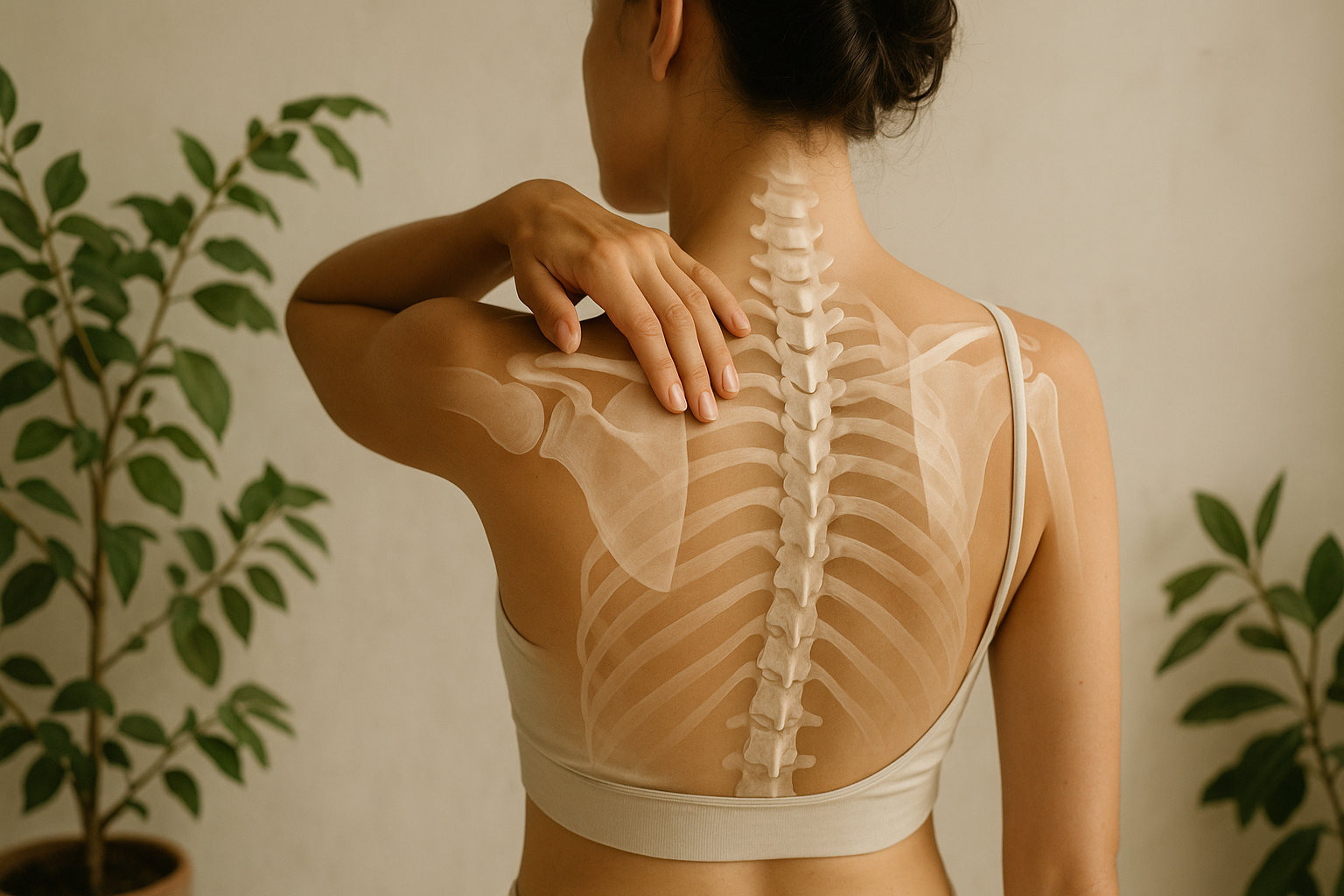
The musculoskeletal system is an intricate network that provides the framework for the human body. It is composed of bones, muscles, tendons, ligaments, and cartilage, all working together to support movement, stability, and protection of vital organs. The bones form the skeleton, which not only gives shape to the body but also serves as a reservoir for minerals such as calcium and phosphorus. Muscles, attached to bones by tendons, are responsible for movement through contraction and relaxation. Ligaments connect bones to other bones at joints, ensuring stability and support, while cartilage cushions joints and absorbs shock during movement.
Signs This System Is Out of Balance
- Chronic pain in joints or muscles
- Stiffness, especially after periods of inactivity
- Swelling in joints
- Reduced range of motion
- Frequent muscle cramps or spasms
- Fatigue after moderate physical activity
Common Contributing Factors
Several factors can contribute to imbalances in the musculoskeletal system, including:
- Lifestyle: Sedentary behavior, lack of exercise, or improper physical training can weaken muscles and lead to joint problems.
- Environment: Poor ergonomics in the workplace, inadequate footwear, and exposure to harmful substances can affect musculoskeletal health.
- Nutritional: A diet lacking essential nutrients, particularly calcium and vitamin D, can weaken bones and muscles.
- Hormonal: Hormonal imbalances, such as those occurring during menopause, can lead to bone density loss.
- Structural: Genetic predispositions or previous injuries can lead to deformities or weaknesses in the musculoskeletal system.
Natural Approaches Across the Three Pillars
Ancient Wisdom
Traditional practices from various cultures have long recognized the importance of maintaining musculoskeletal health. For example, practices such as yoga and Tai Chi emphasize flexibility, strength, and balance, promoting overall joint and muscle function. Herbal remedies have also been utilized for centuries to alleviate pain and inflammation.
Natural Remedies
Some top supportive ingredients include:
- Turmeric: Known for its anti-inflammatory properties.
- Ginger: Can help reduce muscle pain and soreness.
- Glucosamine: Often used to support joint health and function.
- Omega-3 fatty acids: Found in fish oil, they can reduce inflammation and improve joint mobility.
- Boswellia: An herb known for its ability to support joint function and mobility.
Modern Wellness
In contemporary wellness, a holistic approach focuses on lifestyle changes, nutrition, and monitoring biomarkers:
- Regular exercise: Incorporating strength training, flexibility exercises, and aerobic activities can enhance musculoskeletal health.
- Healthy diet: Consuming a balanced diet rich in nutrients essential for bone and muscle health.
- Posture and ergonomics: Paying attention to body alignment and workspace setup can prevent strain and injuries.
- Monitoring biomarkers: Keeping track of vitamin D and calcium levels can guide dietary adjustments.
- Protocols: Utilizing modalities such as physiotherapy or chiropractic care to address structural issues can be beneficial.
Conditions Frequently Involving This System
- Arthritis
- Osteoporosis
- Muscle strains
- Tendinitis
- Back pain
- Fibromyalgia
- Carpal tunnel syndrome
Lifestyle & Habit Foundations That Support It
Building a strong foundation for musculoskeletal health involves adopting certain lifestyle habits:
- Stay active: Aim for a mix of aerobic, strength, and flexibility exercises.
- Maintain a healthy weight: Excess weight can strain joints and muscles.
- Prioritize nutrition: Ensure adequate intake of calcium, vitamin D, and other nutrients.
- Stay hydrated: Proper hydration supports joint lubrication and overall health.
- Practice good posture: Be mindful of body alignment during daily activities.
When to Seek Professional Care
It is advisable to seek professional care if you experience:
- Persistent pain that does not improve with rest or home remedies
- Sudden swelling or redness in a joint
- Inability to move a joint or limb
- Signs of an injury, such as a fracture or severe strain
- Symptoms of systemic conditions, such as fever or unexplained weight loss
FAQs
What are the main components of the musculoskeletal system?
The main components include bones, muscles, tendons, ligaments, and cartilage.
How can I improve my musculoskeletal health?
Improving musculoskeletal health can be achieved through regular exercise, a balanced diet, maintaining a healthy weight, and practicing good posture.
What role does nutrition play in musculoskeletal health?
Nutrition provides essential nutrients needed for the maintenance and repair of bones and muscles, such as calcium, vitamin D, and protein.
Can stress affect my musculoskeletal system?
Yes, stress can lead to muscle tension and pain, and it may exacerbate existing musculoskeletal conditions.
Are there natural remedies for musculoskeletal pain?
Yes, remedies like turmeric, ginger, and omega-3 fatty acids are known for their anti-inflammatory properties and can help alleviate pain.
When should I consider seeing a specialist?
Consider seeing a specialist if you experience persistent pain, swelling, or loss of function in any part of your musculoskeletal system.