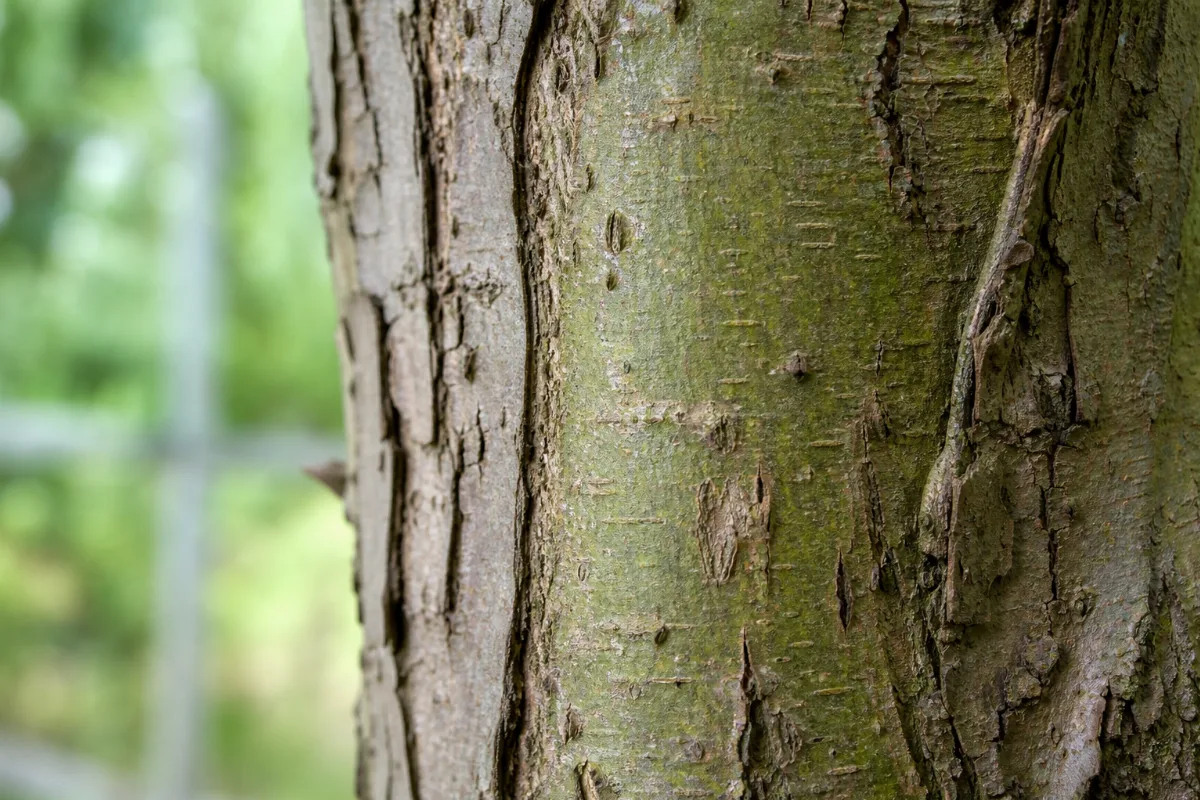
Herbs & Botanicals · Herbs · Tree bark used for pain, with moderate evidence for short-term low back pain only
Willow Bark
Salix alba L. and other Salix species (S. purpurea, S. daphnoides) · also called White willow bark, willow bark extract, salicin extract, Salicis cortex (Latin pharmacy name), corteza de sauce (Spanish), écorce de saule (French), Weidenrinde (German)
Willow bark is the bark of willow trees, used for pain and fever since ancient times. It contains salicin, which the body turns into a compound in the same family as aspirin. Only one use is rated moderate: short-term low back pain. Osteoarthritis results are mixed; rheumatoid arthritis, headache, fever, sports and weight loss have little or no human evidence. Because it is a salicylate source, it is not for people with aspirin allergy, for children and teenagers, or in pregnancy and breastfeeding, and it can add to blood thinners.
General information, not medical advice. Last substantive update · Not medically reviewed. A named clinician has not signed off on this page. How this page is made
About Willow Bark
Willow bark is the bark of several Salix species, rich in salicin, which the body turns into salicylic acid. The best-supported use is short-term low back pain, rated moderate by Cochrane. Osteoarthritis trials disagree, and headache, fever, rheumatoid arthritis, sports and weight loss lack human trials. Because it is a salicylate, it carries aspirin-type warnings: allergy, children, pregnancy, bleeding and some medicines.
What it is
Willow bark is the bark of willow trees, mainly white willow (Salix alba), purple willow (Salix purpurea) and violet willow (Salix daphnoides). It is used as a dry or liquid extract, and as powder or tea. Its main marker compound is salicin, and supplements are often labelled by their salicin content.
In the body salicin becomes salicylic acid, the same family of compounds as aspirin, but at a much lower level than a pain-relieving aspirin dose. Lab work suggests plant polyphenols add to the effect.
What people use it for, and what the research shows
Most human research looks at joint and back pain. Cochrane found moderate-quality evidence that willow bark extract eases short-term low back pain better than placebo. In osteoarthritis one small trial was positive and a larger one was not. A rheumatoid arthritis trial of 26 people found nothing.
Headache and fever with a cold are accepted in Europe by long use only; no trial was found. Claims for sport and weight loss have no human trials. Mixed joint supplements that contain willow bark have positive results, but the effect cannot be credited to willow bark.
Willow bark is not aspirin, and not every willow works
Willow bark delivers far less salicylate than a pain-relieving dose of aspirin, so aspirin and willow bark are not interchangeable. It does not work in exactly the same way, but it still carries salicylate warnings.
Different willow species hold very different amounts of salicin, from about 0.04% to 12% in one lab study. The trials mostly used particular European extracts, so a different product may behave differently.
How strong is the research?
Low back pain is moderate: two placebo-controlled trials with 261 people, rated moderate quality by Cochrane. Everything else is mixed, low, very low or insufficient. Trials last 2 to 8 weeks, and none followed patients for joint damage or other long-term outcomes.
At a glance
Traditional uses history, not proof
- Ancient medicine: willow bark was used as an anti-inflammatory since written records began, for example by Hippocrates, according to a historical commentary (older claims were not checked).
- 18th century England: Edward Stone described willow bark for fevers ('agues') in 1763.
- European herbal medicine: accepted by the EU herbal committee for short-term lower back pain (well established) and, by long use, for minor joint pain, fever with a cold and headache, in adults only.
Studied for research
- Low back pain, moderate
- Knee and hip osteoarthritis, mixed
- Rheumatoid arthritis, insufficient
- Longer-term joint and back pain, very low
- Compared with usual painkillers, low
- Headache, insufficient
- Fever with a cold, insufficient
- Inflammation signals, very low
- Blood clotting effect, low
- Sports and weight loss, insufficient
Main compounds
- Salicin, the main marker compound, turned into salicylic acid in the body
- Related compounds such as salicortin and tremulacin
- Polyphenols and flavonoids, including catechin
- Catechol, a phenol also found in the bark
Common forms
- Dry bark extracts (often ethanol)
- Aqueous (water) bark extracts
- Powdered bark and teas
- Mixed supplements that include willow bark
- Not the same as aspirin or as other salicylate plants
Research links: EMA: Salicis cortex (willow bark) · Cochrane: herbal medicine for low back pain (PubMed) · USP safety review of willow bark (PubMed) · Willow bark for arthritis pain: meta-analysis (PubMed) · Research Library · Genes & Biomarkers Library
The plant and its history
- Accepted scientific name
- Salix alba L.
- Naming authority
- L., Sp. Pl.: 1021 (1753) (GBIF)
- Synonyms
- Salix alba f. sericea Wimm.; Salix alba var. argentea Nimmer; Salix alba var. ovalis Wimm., 1866
- Common names
- White willow (English); Willow bark (the herb, from several Salix species) (English); Silver willow / European willow (English); Sauce blanco (Spanish); Saule blanc (French); Silber-Weide (German)
- Botanical family
- Salicaceae (willow family), which also includes poplars.
- Classification
- Plantae > Tracheophyta > Magnoliopsida > Malpighiales > Salicaceae > Salix > Salix alba
- Native range
- Not verified from a primary source in this file.
- Habitat
- Not verified.
- What the plant looks like
- Roots: Not verified.; Stems: Bark is the part used; a deciduous tree (general knowledge, not verified in a source read).; Leaves: Not verified.; Flowers: Not verified.; Fruit: Not verified.
- Cultivation
- Not verified. Willow bark for research has come from cultivated clones (see plant chemistry studies p17880029, p28315389).
- Harvest and processing
- Not verified in detail. A Lithuanian study found 2-year-old bark collected in autumn contained about 25% more salicylates than 1-year-old bark collected in spring (p19773624).
- Look-alikes and adulterants
- Name: Other Salix species (for example S. viminalis, S. triandra); Note: Some contain very little salicin (0.04% in S. viminalis 'Americana'), so a plant that looks like willow bark can lack the compounds the trials relied on (p19773624).; Name: Salix purpurea (purple willow); Note: A species named in the EU monograph, with some of the highest salicin levels reported (p17880029, p28315389).; Name: Salix daphnoides (violet willow); Note: In one study clone 1095 had 96.47 mg/g total salicin, the highest value in that report (p17880029).; Name: Meadowsweet (Filipendula ulmaria) and wintergreen; Note: Different plants that also contain salicylates; not willow (general knowledge, not read in a source for this profile).
- Sustainability and conservation
- Not verified.
Traditional use and history history, not clinical proof
| Tradition or era | Documented use | Source |
|---|---|---|
| Ancient Greece (Hippocrates) and written records | Willow bark was used as an anti-inflammatory since written records began, for example by Hippocrates, according to a historical commentary. | p25750237 |
| 18th century England (Edward Stone, 1763) | The English cleric Edward Stone gave the first convincing demonstration that willow bark lowers fever ('agues'), according to the same commentary. This led to the later development of aspirin-like drugs. | p25750237 |
| Modern European medicine (EMA/HMPC) | Dry willow bark extract has well-established use for short-term lower back pain, and traditional use for minor joint pain, fever with the common cold, and headache; adults only. The first EU monograph was published in 2009 and replaced by a revised one in 2017. | s-ema-salicis-cortex |
| Dietary supplements (United States) | Willow bark is an ingredient in some dietary supplements, including joint-pain, sports and weight-loss products. | p31604354 |
| Not verified | Claims about willow in Egyptian, Sumerian, Native American or Chinese medicine were not checked against primary sources and are not made here. |
Traditional use shows how a plant was used. It does not show that a supplement works or is safe today.
What is inside, and how it may work
What the plant contains and how those compounds act in cells and animals. Laboratory and animal mechanisms are not proven effects in people.
Main compounds
| Compound | Family | Where it is concentrated | Activity studied | Level of evidence |
|---|---|---|---|---|
| Salicin PubChem 439503 | phenolic glucoside (salicylate prodrug) | Bark Varies widely: 0.04% to 12.06% of bark depending on species (p19773624); 25.4 to 96.47 mg/g total salicin across six species or clones (p17880029). An aqueous commercial extract is described as about 24% salicin (p16366042). | The usual marker for standardisation. Converted in the body to salicylic acid, which accounts for 86% of the salicylates in blood after a dose (p11599656). 31 17 28 19 | Human (pharmacokinetics), clinical effect not explained by salicin alone |
| Salicortin PubChem 115158 | phenolic glucoside | Bark Present in all 91 Salix purpurea genotypes tested (p28315389); content not given in the abstract. | Another salicylate precursor; produced salicylic acid and catechol in rats (p24146062). 33 20 | Animal and plant chemistry |
| Tremulacin PubChem 442544 | phenolic glucoside | Bark Present in S. purpurea bark (p28315389) and a marker in HPLC work (p17880029). | Salicylate precursor; activity not separately read. 33 28 | Plant chemistry |
| Salicylic acid PubChem 338 | phenolic acid | Formed in the body from salicin Peak serum level 1.2 mg/L after 240 mg salicin of extract (p11599656). | Active metabolite. The exposure matched that expected from about 87 mg of aspirin (p11599656); authors say salicylic acid alone is unlikely to explain the pain relief. 31 37 | Human data |
| Catechol (pyrocatechol) PubChem 289 | phenol | Bark and formed in the body Up to 2.25 mg/g in S. purpurea bark (p20333613); serum peak 1.46 mg/L in people after the extract, measured after enzyme processing (p24146062). | Described as anti-inflammatory; authors also raise doubts about safety (p20333613). 29 20 | Human (levels) and plant chemistry |
| (+)-Catechin PubChem 9064 | flavan-3-ol | Bark Detected in all 91 S. purpurea genotypes (p28315389). | Polyphenol; contribution to willow bark effect is suggested but not shown. 33 24 | Plant chemistry; lab |
| Naringenin and its glucosides PubChem 439246 | flavanone | Bark Present in S. purpurea genotypes (p28315389). | Flavonoid; role in willow bark effect is unclear. 33 | Plant chemistry |
| Isosalipurposide PubChem 5318659 | chalcone glucoside | Bark Present in S. purpurea genotypes (p28315389). | Not studied separately in the sources read. 33 | Plant chemistry |
| Salicyluric acid and gentisic acid PubChem 10253 | salicylic acid metabolites | Formed in the body Salicyluric acid 10% and gentisic acid (CID 3469) 4% of serum salicylates (p11599656). | Waste products; the kidneys excrete salicyluric acid mostly. 31 | Human data |
| Aspirin (acetylsalicylic acid), comparison only PubChem 2244 | synthetic salicylate | Not a willow compound None; used as a comparator. | Unlike aspirin, salicin and its metabolites cannot acetylate (permanently block) the COX enzymes, so they act differently (p17704985). 24 37 | Pharmacology |
Mechanisms, receptors and pathways
| Target or pathway | Gene or receptor | What was found | Level |
|---|---|---|---|
| Conversion of salicin to salicylic acid | n/a | After willow extract providing 240 mg salicin, salicylic acid made up 86% of serum salicylates and peaked within 2 hours. Exposure was about the same as from 87 mg of aspirin, much less than an analgesic aspirin dose, so salicylic acid alone is unlikely to explain pain relief. 31 37 | Human data |
| Inflammatory signalling (COX-2, TNF-alpha, NF-kappa B) | PTGS2, TNF, NFKB1 / RELA | In human white blood cells in the lab, the aqueous extract STW 33-I lowered TNF-alpha, COX-2 and nitric oxide and blocked entry of NF-kappa B p65 into the cell nucleus. 9 | Laboratory research |
| Prostaglandins, leukotrienes, cytokines and COX enzymes in inflamed tissue | PTGS1, PTGS2 | In rats, the extract was at least as active as aspirin on inflammatory fluid, white cell entry and cytokines per mg/kg, was stronger on leukotrienes and COX-2, and equal on prostaglandins. 19 | Animal research |
| Antioxidant defences | glutathione system | The extract raised reduced glutathione in rats and lowered a lipid-damage marker at higher doses, more than aspirin or celecoxib did. 19 | Animal research |
| Contribution of polyphenols and flavonoids | unknown | Experimental work found the polyphenol and flavonoid fractions contribute to the effect, which salicin cannot fully explain. The responsible compounds are not identified. 24 19 | In vitro and animal |
| Catechol conjugates as possible active forms | n/a | Catechol sulphate and glucuronides appeared in the blood of rats and volunteers; catechol is described as anti-inflammatory. 20 | Human and animal |
| Platelet aggregation | arachidonic acid pathway | In 35 people with back pain, the extract lowered platelet aggregation induced by arachidonic acid and ADP versus placebo, much less than aspirin. 21 | Human data |
| Drug-metabolising liver enzymes | CYP1A2, CYP3A4, CYP2C19 | Two willow bark extracts reduced activity of these enzymes in lab liver cells at 25 micrograms/ml or higher. 16 | Laboratory research |
| Predicted adverse-event gene signals | blood gene expression (rat) | A rat gene-activity screen predicted possible kidney-filter and heart-muscle signals, strongest for a salicin-rich fraction; not confirmed in humans. 35 | Animal research |
Absorption, metabolism and elimination
- Absorption
- After 240 mg salicin as extract in two doses 3 hours apart, peak serum salicylic acid was reached in under 2 hours (p11599656).
- Distribution
- Not established beyond serum levels.
- Metabolism
- Salicin becomes salicylic acid (86% of serum salicylates), salicyluric acid (10%) and gentisic acid (4%) (p11599656). Catechol conjugates, mainly catechol sulphate, also appear (p24146062).
- Elimination
- Mostly in urine as salicyluric acid (p11599656). A half-life figure was calculated in the study but is not in the abstract.
- Bioavailability
- Mean peak serum salicylic acid 1.2 mg/L; area under the curve equal to about 87 mg of acetylsalicylic acid (p11599656).
Isolated compounds versus whole extracts
Willow bark is not simply a natural aspirin. Its salicylate dose is much lower than a pain-relieving aspirin dose, and lab and animal work suggests polyphenols and flavonoids add to the effect through other routes. Isolated salicin has not been tested as a pain treatment in the studies read. The trials tested whole-bark extracts, which differ by species and extraction (ethanol versus water).
Nutritional composition
Willow bark is a bitter medicinal bark, not a food. It supplies no meaningful vitamins or minerals. Its relevant content is phenolic compounds, mainly salicin, which the body turns into salicylates.
2 moderate certainty1 mixed findings2 low certainty3 very low certainty4 not enough evidence
What was looked at
The 12 benefits and uses checked for Willow Bark, each with how strong the evidence is. Tap one to open it.
- Low back pain (flare-ups)Moderate certainty
- Less need for rescue painkillersModerate certainty
- Knee and hip osteoarthritisMixed findings
- Rheumatoid arthritisNot enough evidence
- Longer-term use for rheumatic and back painVery low certainty
- Compared with standard painkillersLow certainty
- Mixed joint-pain supplements that contain willow barkVery low certainty
- HeadacheNot enough evidence
- Fever with a coldNot enough evidence
- Inflammation markers and how the extract worksVery low certainty
- Effect on blood clotting (platelets)Low certainty
- Sports performance and weight lossNot enough evidence
Lab markers tracked in the studies
Pain-free in the final week (low back pain)WOMAC pain score (osteoarthritis)Pain on a 0 to 100 mm scale (long term)C-reactive protein (CRP)Platelet aggregationBlood salicylic acid level
What is Willow Bark good for?
The main proposed uses and how strong the human evidence is for each. "Moderate" means placebo-controlled trials point the same way but are short; "mixed" means trials disagree; "low" and "very low" mean small or uncontrolled studies; "insufficient" means no human trial was found.
Benefits, one by one
Each card is a research question, not a promise. Tap a goal to filter. Open a card to see the studies, doses and limits.
Low back pain (flare-ups)
Moderate certaintyWillow bark extract probably eases short-term low back pain better than a dummy pill, according to Cochrane. The evidence is only moderate quality and the trials were short.
7 studiesDry ethanolic or aqueous bark extracts standardised to salicin. Trial…
Studies, doses and limits
What the trials found
A Cochrane review of herbs for low back pain (14 trials in all, 2050 people) found that Salix alba standardised to 120 mg or 240 mg salicin a day is probably better than placebo for short-term pain and for use of rescue painkillers (two trials, 261 people, moderate-quality evidence) (p25536022, p26630428). In the main placebo-controlled trial, 210 people with a flare of chronic low back pain took the extract or placebo for 4 weeks, with tramadol as the only rescue medicine; in the last week 39% of the high-dose group, 21% of the low-dose group and 6% of the placebo group were pain-free (p10936472). One further open trial found no significant difference between willow bark and rofecoxib 12.5 mg a day (228 people) (p11752510); an open, non-randomised study of 451 people was also reported (p11515713). A 2009 systematic review rated the evidence for low back pain as moderate (p19140170). The EU herbal committee accepts the dry extract for short-term lower back pain (s-ema-salicis-cortex).
Results
Positive for short-term pain in people having a flare-up of chronic low back pain. The trials were short and the effect of the lower dose was smaller.
Effect sizes as reported
Pain-free in the last week: 39% (high dose), 21% (low dose), 6% (placebo), P below 0.001 (p10936472). Versus rofecoxib: no significant difference (p11752510).
Why this rating
The Cochrane review graded the two placebo-controlled trials as moderate quality. Trials were short (about 4 weeks), reporting was poor, and the main trial allowed a strong rescue painkiller (tramadol).
Form and dose studied
Dry ethanolic or aqueous bark extracts standardised to salicin. Trials used 120 mg or 240 mg salicin a day for about 4 weeks. Trial doses are not advice; ask a doctor or pharmacist about amounts.
Who was studied
Adults with non-specific low back pain, mostly in Europe and Israel. No trials in children, pregnancy or older frail adults were found.
Limits
Short trials (about 4 weeks), small numbers, one main placebo-controlled trial, extract-specific results that may not carry to other products. No long-term data from controlled trials.
Why researchers looked
People with back pain look for plant-based pain relief, and willow bark extract has been tested in several trials.
Traditional use
Willow bark has been used for pain, fever and aches since ancient times, and in the 18th century Edward Stone described it as a fever remedy (p25750237).
Proposed mechanism Preliminary mechanism
The bark contains salicin and related compounds that become salicylates in the body, but the blood levels are low. Polyphenols and flavonoids probably add to the effect (lab and animal findings).
A proposed mechanism does not show that the effect happens in people.
Willow bark contains salicin, which the body turns into a salicylate (aspirin-like) compound. Aspirin allergy, children, pregnancy, bleeding problems and blood-thinning medicines all matter. See the safety section.
Less need for rescue painkillers
Moderate certaintyIn the back pain trials, people on willow bark extract needed less of the strong painkiller tramadol than people on placebo.
2 studiesWillow bark extract standardised to 120 mg or 240 mg salicin a day in…
Studies, doses and limits
What the trials found
In the 210-person back pain trial, significantly more placebo patients than willow patients needed tramadol in every week of the study (p10936472). The Cochrane review also lists reduced rescue medicine use as a likely benefit (p25536022).
Results
Fewer people on willow bark needed rescue medicine than on placebo (P below 0.001 for the comparison across weeks). The exact numbers of tramadol users are not in the abstract.
Effect sizes as reported
Not given in the abstract.
Why this rating
Rests on the same trials as low back pain, so it is not independent evidence.
Form and dose studied
Willow bark extract standardised to 120 mg or 240 mg salicin a day in the trial.
Who was studied
Adults with a flare of chronic low back pain.
Limits
One main trial; tramadol is itself a medicine with risks and interactions.
Why researchers looked
A drop in rescue medicine use is a practical sign that pain relief was real.
Traditional use
Willow bark has been used for pain, fever and aches since ancient times, and in the 18th century Edward Stone described it as a fever remedy (p25750237).
Proposed mechanism Preliminary mechanism
Same as for low back pain: salicin-derived salicylates plus polyphenols (preliminary).
A proposed mechanism does not show that the effect happens in people.
Willow bark contains salicin, which the body turns into a salicylate (aspirin-like) compound. Aspirin allergy, children, pregnancy, bleeding problems and blood-thinning medicines all matter. See the safety section.
Knee and hip osteoarthritis
Mixed findingsResults conflict. One small trial found a modest pain benefit and a larger trial with a drug comparison found no real benefit.
6 studiesStandardised willow bark extract, 240 mg salicin a day in both trials…
Studies, doses and limits
What the trials found
A 2-week trial of 78 people with osteoarthritis found WOMAC pain fell 14% with willow bark and rose 2% with placebo (difference 6.5 mm, 95% CI 0.2 to 12.7 mm, p = 0.047) (p11406860). A 6-week trial of 127 people with hip or knee osteoarthritis found willow bark did not beat placebo: pain fell 17% with willow bark, 10% with placebo and 47% with diclofenac; the willow versus placebo difference was -2.8 mm (95% CI -12.1 to 6.4, p = 0.55) (p15517622). An open cohort of 139 people with knee or hip osteoarthritis judged willow bark comparable to standard care (not randomised) (p18815018). A 2023 meta-analysis of 5 studies (6 trials, 329 people with arthritis) found pain relief and better physical status versus placebo, but the authors say certainty is inadequate (p37895439). A 2009 review called the osteoarthritis results conflicting (p19140170).
Results
Mixed. Positive in a small 2-week trial, null in a 6-week trial with a diclofenac comparison.
Effect sizes as reported
WOMAC pain: +6.5 mm over placebo (CI 0.2 to 12.7) in p11406860; -2.8 mm (CI -12.1 to 6.4, not significant) in p15517622.
Why this rating
The trials disagree, are small, and the pooled review itself calls its certainty inadequate.
Form and dose studied
Standardised willow bark extract, 240 mg salicin a day in both trials, 2 to 6 weeks.
Who was studied
Adults with hip or knee osteoarthritis in Germany.
Limits
Few trials, short duration, small numbers, different outcomes. The German rheumatology committee found sparse evidence of benefit (p39900858).
Why researchers looked
Osteoarthritis is a major reason people reach for pain herbs.
Traditional use
Willow bark has been used for pain, fever and aches since ancient times, and in the 18th century Edward Stone described it as a fever remedy (p25750237).
Proposed mechanism Laboratory research
Lab and animal work suggests lowered TNF-alpha, COX-2 and NF-kappa B activity (lab and animal findings, not shown in joints).
A proposed mechanism does not show that the effect happens in people.
Willow bark contains salicin, which the body turns into a salicylate (aspirin-like) compound. Aspirin allergy, children, pregnancy, bleeding problems and blood-thinning medicines all matter. See the safety section.
Rheumatoid arthritis
Not enough evidenceThere is no good evidence. The one small trial found no effect.
3 studiesWillow bark extract at 240 mg salicin a day for 6 weeks.
Studies, doses and limits
What the trials found
In a 6-week trial, 26 people with active rheumatoid arthritis took willow bark extract or placebo (13 each). Pain fell 8 mm (15%) with willow bark and 2 mm (4%) with placebo, a difference that was not significant (-0.8 mm; 95% CI -20.9 to 19.3; p = 0.93) (p15517622). A 2009 review called the study grossly underpowered (p19140170). A 2025 German rheumatology committee said none of the herbs it reviewed, willow bark among them, justify use in inflammatory joint diseases (p39900858).
Results
No benefit shown. The trial was far too small to rule one out.
Effect sizes as reported
Difference -0.8 mm, 95% CI -20.9 to 19.3 (p15517622).
Why this rating
A single trial of 26 people.
Form and dose studied
Willow bark extract at 240 mg salicin a day for 6 weeks.
Who was studied
Adults with active rheumatoid arthritis.
Limits
Very small trial. People with rheumatoid arthritis should not replace their prescribed treatment.
Why researchers looked
Rheumatoid arthritis causes joint inflammation, so an anti-inflammatory bark is a natural idea.
Traditional use
Willow bark has been used for pain, fever and aches since ancient times, and in the 18th century Edward Stone described it as a fever remedy (p25750237).
Proposed mechanism Animal research
Lab and animal anti-inflammatory effects exist but have not translated to rheumatoid arthritis in people.
A proposed mechanism does not show that the effect happens in people.
Willow bark contains salicin, which the body turns into a salicylate (aspirin-like) compound. Aspirin allergy, children, pregnancy, bleeding problems and blood-thinning medicines all matter. See the safety section. Rheumatoid arthritis treatments such as methotrexate may interact with salicylates.
Longer-term use for rheumatic and back pain
Very low certaintyA 6-month uncontrolled study saw pain scores fall steadily, but with no comparison group we cannot say how much was the extract.
1 studiesAqueous bark extract STW 33-I; amounts not read in the abstract.
Studies, doses and limits
What the trials found
In an observational study of 436 outpatients with rheumatic pain, mostly osteoarthritis (56.2%) and back pain (59.9%), taking the aqueous extract STW 33-I, average pain fell from 58.4 to 31.8 mm on a 100 mm scale over 24 weeks, with a significant fall by week 3. People could also take NSAIDs and opioids. Tolerability was rated good and no relevant drug interactions were reported (p23731658).
Results
Pain scores fell over 6 months, but this is not a controlled trial.
Effect sizes as reported
Pain 58.4 mm down to 31.8 mm at 24 weeks (p23731658).
Why this rating
No control group, other painkillers allowed, branded extract, sponsor not checked.
Form and dose studied
Aqueous bark extract STW 33-I; amounts not read in the abstract.
Who was studied
Outpatients with mainly osteoarthritis or back pain.
Limits
Uncontrolled; cannot separate natural recovery, placebo effect and other medicines.
Why researchers looked
Most trials last 2 to 6 weeks, but joint and back pain are long-term problems.
Traditional use
Willow bark has been used for pain, fever and aches since ancient times, and in the 18th century Edward Stone described it as a fever remedy (p25750237).
Proposed mechanism Preliminary mechanism
As above.
A proposed mechanism does not show that the effect happens in people.
Willow bark contains salicin, which the body turns into a salicylate (aspirin-like) compound. Aspirin allergy, children, pregnancy, bleeding problems and blood-thinning medicines all matter. See the safety section.
Compared with standard painkillers
Low certaintyIn two trials willow bark was about as good as rofecoxib for back pain. In a trial of knee and hip osteoarthritis diclofenac worked clearly better than willow bark.
3 studiesStandardised extract at 240 mg salicin a day, 4 to 6 weeks.
Studies, doses and limits
What the trials found
Open back-pain trial: no significant difference between Assalix willow bark (240 mg salicin a day) and rofecoxib 12.5 mg a day over 4 weeks; about 60% in each group responded well (p11752510). Osteoarthritis trial: diclofenac cut WOMAC pain by 47% against 17% for willow bark and 10% for placebo (p15517622). A 2008 open cohort found willow bark comparable to usual care for knee and hip osteoarthritis (p18815018).
Results
Mixed. Equal to rofecoxib in an open back-pain trial; clearly weaker than diclofenac in osteoarthritis.
Effect sizes as reported
Rofecoxib comparison: no significant difference (p11752510). Diclofenac comparison: -18.0 mm versus placebo for diclofenac, willow bark not significant (p15517622).
Why this rating
Head-to-head comparisons are few and designed differently; one had no placebo group and rofecoxib is no longer a usual comparator.
Form and dose studied
Standardised extract at 240 mg salicin a day, 4 to 6 weeks.
Who was studied
Adults with low back pain or osteoarthritis.
Limits
Open designs and small numbers.
Why researchers looked
People want to know whether the herb can stand in for an anti-inflammatory drug.
Traditional use
Willow bark has been used for pain, fever and aches since ancient times, and in the 18th century Edward Stone described it as a fever remedy (p25750237).
Proposed mechanism Pharmacological theory
Not applicable.
A proposed mechanism does not show that the effect happens in people.
Willow bark contains salicin, which the body turns into a salicylate (aspirin-like) compound. Aspirin allergy, children, pregnancy, bleeding problems and blood-thinning medicines all matter. See the safety section.
Mixed joint-pain supplements that contain willow bark
Very low certaintySome supplements that combine willow bark with many other ingredients eased aches in short trials, but we cannot tell what the willow bark did.
2 studiesCommercial multi-ingredient products; willow bark is one ingredient a…
Studies, doses and limits
What the trials found
A 100-person, 8-week trial of a multi-ingredient joint supplement (willow bark extract with 15% salicin plus glucosamine, MSM, ginger, boswellia, turmeric, cayenne and hyaluronic acid) found WOMAC pain fell 37% versus 16% with placebo; blood markers of inflammation did not differ (p24274358). A crossover trial in 27 healthy adults of Pain Bloc-R (ten ingredients including white willow bark) found 'worst pain' fell 21.8% versus 9.8% with acetaminophen after 7 days; one author works for the product company (p32575480).
Results
Positive for the whole products, but not for willow bark itself.
Effect sizes as reported
WOMAC pain -37% vs -16% (p24274358); worst pain -21.8% vs -9.8% (p32575480).
Why this rating
Whole products, many ingredients, small trials, one industry-linked.
Form and dose studied
Commercial multi-ingredient products; willow bark is one ingredient among 8 to 10.
Who was studied
Adults aged 50 to 75 with joint pain; healthy adults with aches.
Limits
Impossible to credit willow bark; commercial products.
Why researchers looked
Willow bark is a common ingredient in 'joint support' products.
Traditional use
Willow bark has been used for pain, fever and aches since ancient times, and in the 18th century Edward Stone described it as a fever remedy (p25750237).
Proposed mechanism Pharmacological theory
Not applicable.
A proposed mechanism does not show that the effect happens in people.
Willow bark contains salicin, which the body turns into a salicylate (aspirin-like) compound. Aspirin allergy, children, pregnancy, bleeding problems and blood-thinning medicines all matter. See the safety section.
Headache
Not enough evidenceWillow bark is accepted in Europe for headache on the basis of long use only. We found no trial in people that tested it for headache.
2 studiesNot applicable.
Studies, doses and limits
What the trials found
The EMA page says the headache conclusion rests on long-standing use because studies were limited (s-ema-salicis-cortex). A PubMed search for willow bark, Salix alba or Salicis cortex with headache returned no clinical trial of willow bark for headache that we could identify.
Results
No human trial found.
Why this rating
No trial evidence; the regulator's position is based on traditional use.
Who was studied
Adults only (EU monograph).
Limits
Absence of a search result is not proof that no study exists; only PubMed was searched.
Why researchers looked
Headache is one of the traditional uses listed by the EU herbal committee.
Traditional use
Willow bark has been used for pain, fever and aches since ancient times (p25750237). The EU herbal committee lists traditional use for fever with the common cold, minor joint pain and headache (s-ema-salicis-cortex).
Proposed mechanism Pharmacological theory
Salicylates reduce pain and inflammation signals; this is theory for headache, not tested.
A proposed mechanism does not show that the effect happens in people.
Willow bark contains salicin, which the body turns into a salicylate (aspirin-like) compound. Aspirin allergy, children, pregnancy, bleeding problems and blood-thinning medicines all matter. See the safety section. The EU monograph limits willow bark to adults.
Fever with a cold
Not enough evidenceWillow bark has an old reputation for lowering fever and is accepted in Europe on the basis of traditional use. No modern trial was found.
4 studiesNot applicable.
Studies, doses and limits
What the trials found
The EMA lists relief of fever linked with the common cold as a traditional use, for adults only (s-ema-salicis-cortex). A historical commentary describes Stone's first convincing demonstration of a fever-reducing effect (p25750237). A PubMed search for willow bark with fever or antipyretic found no human trial. Giving aspirin-like products to children or teenagers with a fever or virus is linked to Reye syndrome (p17147458); the EU says children and adolescents under 18 must not take willow bark (s-ema-salicis-cortex).
Results
No human trial found.
Why this rating
Traditional and historical sources only.
Who was studied
Adults only.
Limits
No modern controlled data. Do not give to children or teenagers.
Why researchers looked
Edward Stone's 18th-century work on willow bark and agues is the best known early account.
Traditional use
Willow bark has been used for pain, fever and aches since ancient times (p25750237). The EU herbal committee lists traditional use for fever with the common cold, minor joint pain and headache (s-ema-salicis-cortex).
Proposed mechanism Pharmacological theory
Salicylates lower fever; the amounts reached by willow bark are lower than from analgesic aspirin (p11599656).
A proposed mechanism does not show that the effect happens in people.
Willow bark contains salicin, which the body turns into a salicylate (aspirin-like) compound. Aspirin allergy, children, pregnancy, bleeding problems and blood-thinning medicines all matter. See the safety section.
Inflammation markers and how the extract works
Very low certaintyIn lab and animal tests willow bark calms inflammation signals. In people, a mixed joint product did not change blood inflammation markers.
6 studiesNot applicable.
Studies, doses and limits
What the trials found
In rats the standardised extract STW 33-I was at least as active as aspirin on inflammation markers on a mg-per-kg basis and raised glutathione (p16366042). In human white blood cells in the lab it lowered TNF-alpha and COX-2 and blocked NF-kappa B entry to the nucleus (p20570123). Authors argue salicin alone cannot explain the effect and that polyphenols contribute (p17704985, p21226125). In the only human trial that measured it, a multi-ingredient supplement including willow bark did not change C-reactive protein or nine blood cytokines compared with placebo (p24274358).
Results
Strong lab and animal signals; no human confirmation of an anti-inflammatory effect in blood.
Effect sizes as reported
No effect sizes in humans.
Why this rating
Evidence is lab, animal and one mixed-product human trial with no change in blood markers.
Who was studied
Cells and rats; adults in one trial.
Limits
Lab results seldom translate directly to people.
Why researchers looked
People want to know whether the bark has a real anti-inflammatory action.
Traditional use
Willow bark has been used for pain, fever and aches since ancient times (p25750237). The EU herbal committee lists traditional use for fever with the common cold, minor joint pain and headache (s-ema-salicis-cortex).
Proposed mechanism Animal research
Lab and animal work shows lower TNF-alpha, COX-2, nitric oxide and NF-kappa B activity, with polyphenols probably contributing (animal and in-vitro findings).
A proposed mechanism does not show that the effect happens in people.
Willow bark contains salicin, which the body turns into a salicylate (aspirin-like) compound. Aspirin allergy, children, pregnancy, bleeding problems and blood-thinning medicines all matter. See the safety section.
Effect on blood clotting (platelets)
Low certaintyWillow bark slightly reduces platelet stickiness, far less than aspirin. This is a safety point more than a benefit.
5 studiesExtract at 240 mg salicin a day.
Studies, doses and limits
What the trials found
In a trial of 51 people, 35 with low back pain took willow bark (240 mg salicin a day) or placebo and 16 with heart disease took aspirin 100 mg a day. Maximal platelet aggregation (arachidonic acid) was 61% with willow bark, 78% with placebo and 13% with aspirin. Aspirin lowered it far more than willow bark (p = 0.001); willow bark was lower than placebo (p = 0.04) (p11345689). The Cochrane review summarises this as minimal effect compared with aspirin (p25536022). A review listed willow bark among herbs found to reduce platelet aggregation (p25839871).
Results
Small effect on platelets, much weaker than aspirin. Not shown to protect the heart.
Effect sizes as reported
Platelet aggregation 61% vs 78% placebo vs 13% aspirin (p11345689).
Why this rating
One small trial, different patient groups, only a lab test.
Form and dose studied
Extract at 240 mg salicin a day.
Who was studied
People with a back pain flare; separate group with heart disease on aspirin.
Limits
No heart-attack or stroke outcomes. Not a reason to use willow bark in place of prescribed aspirin.
Why researchers looked
Aspirin protects some people's hearts by making platelets less sticky, so people ask whether willow bark can do the same.
Traditional use
Willow bark has been used for pain, fever and aches since ancient times (p25750237). The EU herbal committee lists traditional use for fever with the common cold, minor joint pain and headache (s-ema-salicis-cortex).
Proposed mechanism Pharmacological theory
Salicylates can reduce platelet function; amounts from willow bark are lower than from aspirin (p11599656).
A proposed mechanism does not show that the effect happens in people.
Because it affects platelets a little, tell a doctor before surgery or if you take blood thinners.
Sports performance and weight loss
Not enough evidenceWillow bark is sold for these uses, but no human study shows a benefit.
1 studiesNot applicable.
Studies, doses and limits
What the trials found
A 2015 review found no published human studies that specifically document benefit for sports performance or weight loss, even though extracts are widely used in such products (p25997859).
Results
No human evidence.
Why this rating
No studies found by the reviewers.
Limits
Products for these uses may combine willow bark with stimulants; read labels with a pharmacist.
Why researchers looked
Willow bark extract is added to sports and weight-loss products because it is thought to reduce inflammation and pain.
Traditional use
Willow bark has been used for pain, fever and aches since ancient times (p25750237). The EU herbal committee lists traditional use for fever with the common cold, minor joint pain and headache (s-ema-salicis-cortex).
Proposed mechanism Pharmacological theory
Theory only.
A proposed mechanism does not show that the effect happens in people.
Willow bark contains salicin, which the body turns into a salicylate (aspirin-like) compound. Aspirin allergy, children, pregnancy, bleeding problems and blood-thinning medicines all matter. See the safety section.
Connections to the rest of health
How Willow Bark connects to the rest of our health knowledge graph. Every link says what kind of connection it is. A safety link (for example to the liver) is a warning, not a benefit. A study that merely mentions a topic never creates a benefit link.
Explore every connection: goals, body systems, organs, symptoms, genes
A. Wellness goals
| Connected to | Kind of connection | Evidence status | Context | Studies |
|---|---|---|---|---|
| Joint Support | Demonstrated clinical effect | Moderate certainty | Low back pain (flare-ups): Willow bark extract probably eases short-term low back pain better than a dummy pill, according to Cochrane. The evidence is only moderate quality and the trials were short. Less need for rescue painkillers: In the back pain trials, people on willow bark extract needed less of the strong painkiller tramadol than people on placebo. | 27 14 10 11 12 36 4 |
| Inflammation Balance | Demonstrated clinical effect | Moderate certainty | Low back pain (flare-ups): Willow bark extract probably eases short-term low back pain better than a dummy pill, according to Cochrane. The evidence is only moderate quality and the trials were short. | 27 14 10 11 12 36 4 |
| Joint Support | Potential benefit | Mixed findings | Knee and hip osteoarthritis: Results conflict. One small trial found a modest pain benefit and a larger trial with a drug comparison found no real benefit. Rheumatoid arthritis: There is no good evidence. The one small trial found no effect. | 30 8 7 22 36 18 34 11 25 13 |
| Inflammation Balance | Potential benefit | Mixed findings | Knee and hip osteoarthritis: Results conflict. One small trial found a modest pain benefit and a larger trial with a drug comparison found no real benefit. Rheumatoid arthritis: There is no good evidence. The one small trial found no effect. | 30 8 7 22 36 18 |
| Calm Relaxation | Traditional use | Not enough evidence | Headache: Willow bark is accepted in Europe for headache on the basis of long use only. We found no trial in people that tested it for headache. | 4 38 |
| Immune Support | Traditional use | Not enough evidence | Fever with a cold: Willow bark has an old reputation for lowering fever and is accepted in Europe on the basis of traditional use. No modern trial was found. | 4 38 31 15 |
| Inflammation Balance | Preliminary mechanism | Very low certainty | Inflammation markers and how the extract works: In lab and animal tests willow bark calms inflammation signals. In people, a mixed joint product did not change blood inflammation markers. | 19 9 24 37 25 32 |
| Heart Health | Biological association | Low certainty | Effect on blood clotting (platelets): Willow bark slightly reduces platelet stickiness, far less than aspirin. This is a safety point more than a benefit. | 21 27 23 31 37 |
| Weight Management | Traditional use | Not enough evidence | Sports performance and weight loss: Willow bark is sold for these uses, but no human study shows a benefit. | 32 |
| Physical Stamina | Traditional use | Not enough evidence | Sports performance and weight loss: Willow bark is sold for these uses, but no human study shows a benefit. | 32 |
B. Body systems
| Connected to | Kind of connection | Evidence status | Context | Studies |
|---|---|---|---|---|
| Musculoskeletal System | Biological association | Moderate certainty | Studied for: Low back pain (flare-ups) Studied for: Less need for rescue painkillers | 27 14 10 11 12 36 4 30 8 7 22 18 34 25 13 19 9 24 37 32 |
| Immune System | Biological association | Not enough evidence | Studied for: Rheumatoid arthritis Studied for: Fever with a cold | 8 36 18 4 38 31 15 19 9 24 37 25 32 |
| Nervous System | Biological association | Not enough evidence | Studied for: Headache | 4 38 |
| Cardiovascular System | Biological association | Low certainty | Studied for: Effect on blood clotting (platelets) | 21 27 23 31 37 |
| Metabolism Weight | Biological association | Not enough evidence | Studied for: Sports performance and weight loss | 32 |
C. Body parts and organs
| Connected to | Kind of connection | Evidence status | Context | Studies |
|---|---|---|---|---|
| Joints | Potential benefit | Moderate certainty | Low back pain: moderate-quality evidence of short-term benefit; osteoarthritis mixed; rheumatoid arthritis none. Low back pain: moderate-quality evidence of short-term benefit; osteoarthritis mixed. Preparation or compound: Standardised willow bark extract |
27 30 8 |
| Blood and platelets | Biological association | Low certainty | Small reduction in platelet clumping versus placebo. Preparation or compound: Willow bark extract |
21 |
| Kidneys | Biological association | Very low certainty | Rat gene screen predicted possible kidney-filter effects; EU monograph lists severe kidney disease. Preparation or compound: Salicin-rich fraction |
35 5 |
| Stomach | Adverse effect or risk | Low certainty | Stomach upset is the most common side effect; active ulcer is a contraindication. Preparation or compound: Willow bark |
26 5 |
E. Health conditions
| Connected to | Kind of connection | Evidence status | Context | Studies |
|---|---|---|---|---|
| Aspirin allergy and salicylate-sensitive asthma | Contraindication | Low certainty | Do not use. Preparation or compound: Willow bark (salicylate source) |
26 37 |
| Reye syndrome | Contraindication | Low certainty | EU limits willow bark to adults. Children and teenagers should not take willow bark. Preparation or compound: Salicylates in children and teenagers |
15 4 |
| Pregnancy | Contraindication | Low certainty | Avoid; salicylates cross the placenta. Preparation or compound: Willow bark |
26 5 |
| Breastfeeding | Contraindication | Not enough evidence | Avoid; no human data. Preparation or compound: Willow bark |
26 |
| Aspirin allergy | Contraindication | Low certainty | Do not use if allergic to aspirin or salicylates. Preparation or compound: Willow bark |
26 37 |
I. Biomarkers
| Connected to | Kind of connection | Evidence status | Context | Studies |
|---|---|---|---|---|
| Pain-free in the final week (low back pain) | Biological association | Moderate certainty | Measured in trials: lowered. A lab change is not the same as a health benefit. | 10 12 27 |
| WOMAC pain score (osteoarthritis) | Biological association | Mixed findings | Measured in trials: mixed. A lab change is not the same as a health benefit. | 30 8 25 |
| Pain on a 0 to 100 mm scale (long term) | Biological association | Very low certainty | Measured in trials: lowered. A lab change is not the same as a health benefit. | 34 8 |
| C-reactive protein (CRP) | Biological association | Very low certainty | Measured in trials: no-change. A lab change is not the same as a health benefit. | 25 |
| Platelet aggregation | Biological association | Low certainty | Measured in trials: lowered. A lab change is not the same as a health benefit. | 21 27 |
| Blood salicylic acid level | Biological association | Moderate certainty | Measured in trials: raised. A lab change is not the same as a health benefit. | 31 20 26 |
J. Genes, receptors and enzymes
| Connected to | Kind of connection | Evidence status | Context | Studies |
|---|---|---|---|---|
| PTGS2 (COX-2) | Preliminary mechanism | In vitro and animal | Lowered at mRNA level in human white cells in the lab; COX-2 effect stronger than aspirin in rats. | 9 19 |
| TNF (tumour necrosis factor) | Preliminary mechanism | In vitro and animal | Protein and mRNA lowered in activated monocytes; cytokines lowered in rats. | 9 19 |
| NFKB1 / RELA (NF-kappa B p65) | Preliminary mechanism | In vitro | Entry of p65 into the nucleus blocked in lab macrophages. | 9 |
| CYP1A2, CYP3A4, CYP2C19 | Preliminary mechanism | In vitro | Activity reduced in lab liver cells at higher concentrations. | 16 |
K. Biological pathways
| Connected to | Kind of connection | Evidence status | Context | Studies |
|---|---|---|---|---|
| Platelet arachidonic-acid pathway | Preliminary mechanism | Human | Reduced platelet aggregation in 35 people compared with placebo, far less than aspirin. | 21 |
| Glutathione antioxidant system | Preliminary mechanism | Animal | Glutathione raised in rats. | 19 |
L. Active compounds
| Connected to | Kind of connection | Evidence status | Context | Studies |
|---|---|---|---|---|
| Salicin | Biological association | Human (pharmacokinetics), clinical effect not explained by salicin alone | The usual marker for standardisation. Converted in the body to salicylic acid, which accounts for 86% of the salicylates in blood after a dose (p11599656). Preparation or compound: Bark |
31 17 28 19 |
| Salicortin | Biological association | Animal and plant chemistry | Another salicylate precursor; produced salicylic acid and catechol in rats (p24146062). Preparation or compound: Bark |
33 20 |
| Tremulacin | Biological association | Plant chemistry | Salicylate precursor; activity not separately read. Preparation or compound: Bark |
33 28 |
| Salicylic acid | Biological association | Human | Active metabolite. The exposure matched that expected from about 87 mg of aspirin (p11599656); authors say salicylic acid alone is unlikely to explain the pain relief. Preparation or compound: Formed in the body from salicin |
31 37 |
| Catechol (pyrocatechol) | Biological association | Human (levels) and plant chemistry | Described as anti-inflammatory; authors also raise doubts about safety (p20333613). Preparation or compound: Bark and formed in the body |
29 20 |
| (+)-Catechin | Biological association | Plant chemistry; lab | Polyphenol; contribution to willow bark effect is suggested but not shown. Preparation or compound: Bark |
33 24 |
| Naringenin and its glucosides | Biological association | Plant chemistry | Flavonoid; role in willow bark effect is unclear. Preparation or compound: Bark |
33 |
| Isosalipurposide | Biological association | Plant chemistry | Not studied separately in the sources read. Preparation or compound: Bark |
33 |
| Salicyluric acid and gentisic acid | Biological association | Human | Waste products; the kidneys excrete salicyluric acid mostly. Preparation or compound: Formed in the body |
31 |
| Aspirin (acetylsalicylic acid), comparison only | Biological association | Pharmacology | Unlike aspirin, salicin and its metabolites cannot acetylate (permanently block) the COX enzymes, so they act differently (p17704985). Preparation or compound: Not a willow compound |
24 37 |
Each connection is stored with the ingredient, the connected record, the kind of connection, the evidence status, the supporting studies, the preparation or compound involved, and a review date (last reviewed October 25, 2026).
Evidence at a glance: what changed in 6 lab markers
Tap a number to show only those markers. Counts are markers, not people.
The evidence
The research centre for Willow Bark. Every record here was checked against PubMed or the publisher's page; we never list a study we have not verified.
Evidence by outcome
Bars show how many studies we found for each outcome, not how well it works. People are added up across trials only (reviews are not added, to avoid double counting).
How we rate evidence
High certainty
Several well-run trials or reviews agree; further research is unlikely to change the picture much.
Moderate certainty
Good trials point the same way, but some doubt remains.
Low certainty
Small, short or inconsistent trials. The finding could change with better research.
Very low certainty
Very little or very weak human data. Treat as a possibility only.
Mixed findings
Trials or reviews disagree with each other.
Not enough evidence
Not enough human research to say either way.
Evidence against
Good research found no benefit, or found harm.
We take the reviewers' own risk-of-bias and GRADE statements where they exist, and otherwise judge from study size, design, consistency, directness and whether a product matches what is sold. Many publications do not make evidence high. Method note: We searched PubMed for willow bark, Salix and Salicis cortex trials, reviews, safety and plant-chemistry studies and read the abstracts. We read the EMA willow bark page through a fetch summary; the full EU monograph could not be read, and its contraindication list is from a web-search summary. Plant names were checked in GBIF and NCBI Taxonomy and compounds in PubChem. Only abstracts were read for studies. NCCIH, FDA, LactMed, LiverTox, WHO and Commission E were not read. Certainty ratings are the compiler's own reading, not formal grades, except where reviewers' own ratings are quoted. No study is cited that we could not verify.
Study library: every study we checked 38
| Study | Design | People | Product, dose, length | Result |
|---|---|---|---|---|
WHO monograph on Cortex Salicis (second-hand mention) · Source |
Authoritative guidance |
Willow bark bark |
NOT VERIFIED: a web-search summary said the WHO monograph uses an age cut-off of under 12 years for children, unlike the EU limit of 18. The WHO text was not read. Methods, limits and fundingRead: summary-only | |
LactMed (NLM): salicylates and breastfeeding - not read · Source |
Authoritative guidance |
Willow bark bark |
NOT VERIFIED: LactMed was not opened. Listed only as a place to check; this file makes no LactMed claim. Methods, limits and fundingRead: summary-only | |
| 2009 EMA superseded Community herbal monograph on Salix (2009) · Source |
Authoritative guidance |
Willow bark bark |
NOT VERIFIED from the original: superseded 2009 monograph, known only from a web-search summary. It said willow bark may increase the effect of anticoagulants such as coumarins and that use with other salicylates or NSAIDs is not recommended without medical advice. Superseded, so the current wording may differ. Methods, limits and fundingRead: summary-only | |
| 2017 EMA: Salicis cortex (willow bark) - herbal medicinal product page · Source |
Authoritative guidance |
Willow bark bark |
EMA page (read through a fetch tool summary on 2026-10-25). Species covered: Salix purpurea L., S. daphnoides Vill., S. fragilis L. Well-established use of the dry extract: short-term treatment of lower back pain. Traditional use: relief of minor joint pain, of fever with the common cold, and of headache. Only to be used in adults; children and adolescents must not take it. Final monograph first published 2017-07-07 (superseded 2009 version). Methods, limits and fundingRead: summary-only | |
| 2017 EMA/HMPC European Union herbal monograph on Salix (willow bark), EMA/HMPC/80630/2016 - contraindication wording (second-hand) · Source |
Authoritative guidance |
Willow bark bark |
NOT VERIFIED from the original PDF: the PDF text could not be extracted. The wording below comes from a web-search summary of the monograph. Contraindications: hypersensitivity to the active substance or to salicylates or other NSAIDs (for example angioedema, bronchial spasm or chronic urticaria); asthma due to salicylate sensitivity; active peptic ulcer; third trimester of pregnancy; children and adolescents under 18 because of the risk of Reye syndrome; G6PD deficiency; severe liver or kidney dysfunction; coagulation disorders. Use in the first and second trimester and during breastfeeding is not recommended. Check the current PDF before relying on this list. Methods, limits and fundingRead: summary-only | |
| 2026 GBIF backbone: Salix alba L. (key 5372513) · Source |
Database |
Willow bark bark |
GBIF API read 2026-10-25: accepted species, Salicaceae, Malpighiales, Sp. Pl.: 1021 (1753). S. purpurea L. key 5372800, S. daphnoides Vill. key 9153437, S. fragilis L. key 5372829, all accepted. Synonyms and common names listed from GBIF. Methods, limits and fundingRead: summary-only | |
| Beer 2008 Willow bark extract (Salicis cortex) for gonarthrosis and coxarthrosis--results of a cohort study with a control group Phytomedicine · PMID 18815018 · DOI |
Observational |
139 Adults with knee or hip osteoarthritis (90 on willow bark, 41 on standard therapy, 8 on both) |
Standardised willow bark extract bark 6 weeks · vs Standard therapy chosen by the doctor |
Doctors and patients judged effectiveness comparable between groups; willow bark tended to be rated better at 6 weeks, but acted more slowly. No drug adverse effects in the willow bark group; reflux symptoms occurred in the reference group. Comparable to standard therapy (not a controlled comparison). Methods, limits and fundingOutcomes: Doctor and patient assessments; WOMAC pain and stiffness; adverse events Limitations: Abstract only. Open, not randomised; groups chosen by treatment given. The abstract text is cut off at the end of the adverse-event line. Funding and conflicts: Not stated in the abstract. Read: abstract |
| Biegert 2004 Efficacy and safety of willow bark extract in the treatment of osteoarthritis and rheumatoid arthritis: results of 2 randomized double-blind controlled trials J Rheumatol · PMID 15517622 |
Controlled trial |
153 127 outpatients with hip or knee osteoarthritis (3 groups) and 26 with active rheumatoid arthritis (2 groups) |
Standardised willow bark extract bark 240 mg salicin a day 6 weeks · vs Placebo; diclofenac 100 mg a day (OA trial) |
OA: WOMAC pain fell 8 mm (17%) with willow bark, 23 mm (47%) with diclofenac and 5 mm (10%) with placebo. Willow versus placebo was not significant (-2.8 mm; 95% CI -12.1 to 6.4; p = 0.55); diclofenac versus placebo was (-18.0 mm; p = 0.0002). RA: pain fell 8 mm (15%) with willow bark and 2 mm (4%) with placebo, not significant (p = 0.93). Authors found no relevant efficacy in either condition. OA: -2.8 mm vs placebo (not significant). RA: -0.8 mm (not significant). (OA: -12.1 to 6.4 mm; RA: -20.9 to 19.3 mm) Methods, limits and fundingOutcomes: WOMAC pain (OA); patient pain VAS (RA) Limitations: Abstract only. The RA trial had only 13 people per group, far too small. Same extract dose as the positive Schmid trial. Funding and conflicts: Not stated in the abstract. Read: abstract |
| Bonaterra 2010 Anti-inflammatory effects of the willow bark extract STW 33-I (Proaktiv(®)) in LPS-activated human monocytes and differentiated macrophages Phytomedicine · PMID 20570123 · DOI |
Laboratory research in-vitro |
Human white blood cells (monocytes and macrophages) in the lab | Aqueous willow bark extract STW 33-I and a water-soluble fraction bark Lab concentrations · vs Aspirin; diclofenac |
The extract lowered TNF-alpha, COX-2 and nitric oxide in activated cells and blocked entry of NF-kappa B into the cell nucleus. Lab result only. Methods, limits and fundingOutcomes: TNF-alpha, COX-2, nitric oxide, NF-kappa B Limitations: Abstract only. Test-tube work. Funding and conflicts: Not stated in the abstract. Read: abstract |
| Chrubasik 2000 Treatment of low back pain exacerbations with willow bark extract: a randomized double-blind study Am J Med · PMID 10936472 · DOI |
Controlled trial |
210 Adults with an exacerbation of chronic low back pain (pain 5 or more out of 10) |
Oral willow (Salix) bark extract bark 120 mg or 240 mg salicin a day 4 weeks · vs Placebo; tramadol allowed as rescue medicine |
Pain-free in the last week: 27 of 65 (39%) high dose, 15 of 67 (21%) low dose, 4 of 59 (6%) placebo (P below 0.001). The high-dose effect appeared after 1 week. More placebo patients needed tramadol. One patient had a severe allergic reaction, perhaps to the extract. 39% vs 21% vs 6% pain-free in final week. Methods, limits and fundingOutcomes: Proportion pain-free without tramadol for at least 5 days in the final week Limitations: Abstract only. 4 weeks; 191 of 210 finished; people could use tramadol, a strong painkiller, which complicates the picture. Funding and conflicts: Not stated in the abstract. Read: abstract |
| Chrubasik 2001 Treatment of low back pain with a herbal or synthetic anti-rheumatic: a randomized controlled study. Willow bark extract for low back pain Rheumatology (Oxford) · PMID 11752510 · DOI |
Controlled trial |
228 Adults aged 18 to 80 with acute low back pain exacerbations (open-label) |
Willow bark extract Assalix bark 240 mg salicin a day 4 weeks · vs Rofecoxib 12.5 mg a day |
No significant difference between willow bark and rofecoxib after 4 weeks. About 60% in each group responded well; about 20 in each group were pain-free. Adverse events were similar. Rofecoxib cost about 40% more. No significant difference between groups. Methods, limits and fundingOutcomes: Arhus index, pain component, Total Pain Index Limitations: Abstract only. Open-label, no placebo group, so it cannot show willow works; rofecoxib has since been withdrawn from the market (general knowledge, not from this abstract). Funding and conflicts: Not stated in the abstract. Read: abstract |
| Chrubasik 2001 Potential economic impact of using a proprietary willow bark extract in outpatient treatment of low back pain: an open non-randomized study Phytomedicine · PMID 11515713 · DOI |
Observational |
451 Adults aged 18 to 80 with acute low back pain exacerbations, in general practice and orthopaedic clinics |
Willow bark extract Assalix bark 120 mg or 240 mg salicin a day 4 weeks · vs Conventional treatment only |
After 4 weeks about 40% of the 240 mg group were pain-free, about 19% of the 120 mg group and 18% of the conventional-treatment group. Average cost per patient was lower in the willow groups. About 40% vs 19% vs 18% pain-free. Methods, limits and fundingOutcomes: Pain-free proportion; Arhus index; cost Limitations: Abstract only. Open and non-randomised; groups came from different clinic types. Companion to p10936472. Funding and conflicts: Not stated in the abstract. Read: abstract |
| Evans 2020 Pain Bloc-R Alleviates Unresolved, Non-Pathological Aches and Discomfort in Healthy Adults-A Randomized, Double-Blind, Placebo-Controlled, Crossover Study Nutrients · PMID 32575480 · DOI |
Controlled trial |
27 27 healthy adults aged 22 to 63 with unresolved, non-pathological aches (crossover) |
Pain Bloc-R, a mixed product (B6, B12, D, white willow bark extract, Angelica root, acetyl L-carnitine, caffeine, L-theanine, benfotiamine, L-tetrahydropalmatine) bark (one of ten ingredients) 7 days per period · vs Acetaminophen; placebo |
'Pain at its worst' fell 21.8% with Pain Bloc-R versus 9.8% with acetaminophen (p = 0.026) after seven days. Total musculoskeletal discomfort fell 34% (p = 0.040). Combination product; willow bark effect cannot be separated. Methods, limits and fundingOutcomes: Brief Pain Inventory; Cornell musculoskeletal discomfort Limitations: Abstract only. 27 healthy people; ten-ingredient product so no conclusion about willow bark alone; post hoc subgroup claims. Funding and conflicts: Industry-linked: one author is an employee of the product company (LifeSeasons). Read: abstract |
| Gagnier 2016 Herbal Medicine for Low Back Pain: A Cochrane Review Spine (Phila Pa 1976) · PMID 26630428 · DOI |
Systematic review |
2050 Adults with non-specific low back pain (14 randomised trials, 2050 people, all herbs) |
Herbal medicines for low back pain, including Salix alba bark extract bark · vs Placebo or standard treatment |
White willow bark, devil's claw, comfrey, Brazilian arnica and lavender oil seemed to reduce pain more than placebo, but evidence was moderate quality at best. Cayenne was the best-supported herb. No significant adverse events were noted in the included trials. Reporting in the trials was generally poor. Qualitative. Methods, limits and fundingOutcomes: Pain and function Limitations: Abstract only. Journal version of the Cochrane review; the herb-by-herb willow findings are in the Cochrane abstract (p25536022). Funding and conflicts: Not stated in the abstract. Read: abstract |
| Glasgow 2006 Reye's syndrome: the case for a causal link with aspirin Drug Saf · PMID 17147458 · DOI |
Narrative review |
Review of Reye syndrome and aspirin | Aspirin (acetylsalicylic acid), not willow bark |
The author concludes that evidence points to a causal link between aspirin given during a viral illness and Reye syndrome in children and teenagers, and that in a viral infection no dose of aspirin can be considered safe. Case numbers fell after health warnings were added to aspirin labels. Not applicable. Methods, limits and fundingOutcomes: Link between aspirin and Reye syndrome in children and teenagers under 18 Limitations: Abstract only. This is about aspirin, not willow bark; the link for willow comes from the shared salicylate chemistry and from regulators, not from a willow case report. The author notes others may disagree. Funding and conflicts: Not stated in the abstract. Read: abstract |
| Gomes 2021 Drug-Drug Interaction Potential, Cytotoxicity, and Reactive Oxygen Species Production of Salix Cortex Extracts Using Human Hepatocyte-Like HepaRG Cells Front Pharmacol · PMID 34867410 · DOI |
Laboratory research in-vitro |
Human liver-like (HepaRG) cells in the lab | Two Salix bark extracts (one from S. pentandra with 0.08 mg/ml salicin; an industrial reference with 2.26 mg/ml salicin) bark Lab concentrations 0.5 to 48 hours · vs Untreated cells |
No relevant cell damage. At 25 micrograms/ml or more the extracts reduced CYP1A2 and CYP3A4 activity after 48 hours (significant only for the S. pentandra extract) and CYP2C19 activity at 0.5 hours. The authors conclude there is drug-interaction potential at higher concentrations. Lab result only. Methods, limits and fundingOutcomes: Cell survival, oxidative stress, CYP450 enzyme activity Limitations: Abstract only. Liver cells in a dish; real blood levels may be lower. Shows how much extracts differ: salicin 0.08 versus 2.26 mg/ml at the same phenolic content. Funding and conflicts: Authors declare no commercial or financial relationships. Read: abstract |
| Kenstaviciene 2009 Application of high-performance liquid chromatography for research of salicin in bark of different varieties of Salix Medicina (Kaunas) · PMID 19773624 |
Laboratory research plant chemistry |
Bark of 12 and then 32 willow taxa grown in Lithuania (plant chemistry) | Willow bark from many Salix species and varieties bark |
Salicin ranged from 0.08% to 12.6% in the first year of study and from 0.04% (Salix viminalis 'Americana') to 12.06% (Salix acutifolia) in the second. Salix alba, S. mollissima, S. triandra, S. viminalis 'Americana' and S. dasyclados had extremely low salicin. Two-year-old bark collected in autumn was richer. Some species contain too little salicylate to use as an anti-inflammatory or fever remedy. Plant chemistry only. Methods, limits and fundingOutcomes: Salicin content by HPLC Limitations: Abstract only. Samples came from one country and the clones tested may not match commercial bark. Funding and conflicts: Not stated in the abstract. Read: abstract |
| Keyßer 2025 [Recommendations of the DGRh Committee on Complementary Medicine and Nutrition on the application of selected phytotherapeutic drugs and herbal medicines in rheumatology] Z Rheumatol · PMID 39900858 · DOI |
Authoritative guidance |
Rheumatology practice recommendations | Selected herbal preparations including willow bark bark |
A German rheumatology committee found lab and animal anti-inflammatory effects for all herbs it reviewed, but sparse evidence of clinically relevant benefit. It says none justify use in inflammatory joint diseases. Rheumatologists need not advise against willow bark that patients take for degenerative joint disease, if a sensible overall treatment plan is followed. Not applicable. Methods, limits and fundingOutcomes: Evidence review for rheumatology Limitations: Abstract only; German-language paper with an English abstract. Expert-committee consensus, not a trial. Funding and conflicts: Not stated in the abstract. Read: abstract |
| Khayyal 2005 Mechanisms involved in the anti-inflammatory effect of a standardized willow bark extract Arzneimittelforschung · PMID 16366042 · DOI |
Animal research animal |
Rats (air pouch inflammation; adjuvant arthritis) | Standardised aqueous willow bark extract STW 33-I bark Two doses (mg/kg) · vs Aspirin; celecoxib |
On a mg per kg basis the extract was at least as effective as aspirin on inflammatory markers, and it raised glutathione. The extract is only about 24% salicin, so the authors suggest other constituents, such as polyphenols, add to the effect. Animal result only. Methods, limits and fundingOutcomes: Inflammatory fluid, white cells, cytokines, prostaglandins, COX enzymes, glutathione Limitations: Abstract only. Rats; not shown in people. Funding and conflicts: Not stated in the abstract. Read: abstract |
| Knuth 2013 Catechol conjugates are in vivo metabolites of Salicis cortex Planta Med · PMID 24146062 · DOI |
Pharmacology study human and animal |
Rats, and healthy volunteers who took the extract | Willow bark extract (Salicis cortex) equal to 240 mg salicin; salicortin in rats bark 240 mg salicin equivalent in volunteers Single dose |
Salicylic acid and catechol were found in the blood of rats and in volunteers who took the extract (after enzyme processing). Catechol sulphate was the main form. Peak catechol in people was about 1.46 mg/L after 1.2 hours. Lab and small human measurement only. Methods, limits and fundingOutcomes: Blood levels of salicylic acid and catechol Limitations: Abstract only. Number of volunteers not stated in the abstract. Catechol is described as anti-inflammatory but its role in people is untested. Funding and conflicts: Not stated in the abstract. Read: abstract |
| Krivoy 2001 Effect of salicis cortex extract on human platelet aggregation Planta Med · PMID 11345689 · DOI |
Controlled trial |
51 35 people with a flare of chronic low back pain (willow bark or placebo) plus 16 people with stable ischemic heart disease taking aspirin |
Salicis cortex (willow bark) extract bark 240 mg salicin a day · vs Placebo; aspirin 100 mg a day in the heart-disease group |
Maximal arachidonic-acid platelet aggregation was 61% (willow bark), 78% (placebo) and 13% (aspirin). Aspirin lowered aggregation far more than willow bark (p = 0.001). Willow bark was lower than placebo for arachidonic acid (p = 0.04) and ADP (p = 0.01); no difference for collagen. Platelet aggregation 61% vs 78% placebo vs 13% aspirin. Methods, limits and fundingOutcomes: Platelet aggregation (arachidonic acid, ADP, collagen) Limitations: Abstract only. Small; the aspirin group was a different patient group, not randomised against the others; clinical relevance in people with weak platelet function is unclear. Funding and conflicts: Not stated in the abstract. Read: abstract |
| Lin 2023 Willow Bark (Salix spp.) Used for Pain Relief in Arthritis: A Meta-Analysis of Randomized Controlled Trials Life (Basel) · PMID 37895439 · DOI |
Meta-analysis |
329 Adults with arthritis (5 studies, 6 randomised trials) |
Willow bark (Salix spp.) products, various bark · vs Placebo |
Pain relief and physical status were better with willow bark than placebo. Adverse events did not differ from placebo. The authors say bias risk means the certainty is still inadequate. Direction favoured willow bark; numbers not read in the abstract. Methods, limits and fundingOutcomes: Pain, physical status, adverse events Limitations: Abstract only. Few, small trials with possible bias; GRADE certainty described as inadequate by the authors. Fixed-effects model. Funding and conflicts: Authors declare no conflict of interest. Read: abstract |
| McEwen 2015 The influence of herbal medicine on platelet function and coagulation: a narrative review Semin Thromb Hemost · PMID 25839871 · DOI |
Narrative review |
Review of herbs and platelet function | Willow bark and other herbs bark |
Willow bark is among the herbs found to reduce platelet aggregation. Platelet function and clotting tests may be worth repeating in people on warfarin after herbal medicines are excluded. Not applicable. Methods, limits and fundingOutcomes: Platelet aggregation and coagulation Limitations: Abstract only. Narrative review; the willow bark detail is not in the abstract. Funding and conflicts: Not stated in the abstract. Read: abstract |
| Nahrstedt 2007 Willow bark extract: the contribution of polyphenols to the overall effect Wien Med Wochenschr · PMID 17704985 · DOI |
Laboratory research in-vitro |
Lab and animal pharmacology work | Aqueous willow bark extract STW 33-I bark |
The authors say salicin alone cannot satisfactorily explain the clinical efficacy of willow bark. All models they studied pointed to a contribution from polyphenols and flavonoids. They add that salicin metabolites lack the acetylating action of aspirin and so must work differently. Not applicable. Methods, limits and fundingOutcomes: Which fractions explain the effect Limitations: Abstract only. Lab and animal models; the active compounds remain unknown. Funding and conflicts: Not stated in the abstract. Read: abstract |
| Nieman 2013 A commercialized dietary supplement alleviates joint pain in community adults: a double-blind, placebo-controlled community trial Nutr J · PMID 24274358 · DOI |
Controlled trial |
100 Adults aged 50 to 75 with joint pain for more than 3 months |
Instaflex, a mixed supplement (glucosamine sulfate, MSM, white willow bark extract at 15% salicin, ginger, boswellia, turmeric, cayenne, hyaluronic acid) bark (one of eight ingredients) 3 capsules a day 8 weeks · vs Placebo |
WOMAC joint pain fell 37% with the supplement versus 16% with placebo (interaction P = 0.025). Blood inflammation markers (CRP and 9 cytokines), quality-of-life scores and the walk test did not differ between groups. WOMAC pain -37% vs -16%. Methods, limits and fundingOutcomes: WOMAC pain, stiffness, function; C-reactive protein and cytokines; 6-minute walk Limitations: Abstract only. Combination product; the benefit cannot be credited to willow bark. Marked as a commercial supplement. Funding and conflicts: Not stated in the abstract. A commercial product was tested. Read: abstract |
| Oketch-Rabah 2019 United States Pharmacopeia Safety Review of Willow Bark Planta Med · PMID 31604354 · DOI |
Authoritative guidance |
Safety review of willow bark trials and case information | Willow bark (Salix spp.) extracts bark 120 to 240 mg salicin a day in the trials reviewed Up to 8 weeks |
No serious adverse effects in trials of 120 to 240 mg salicin a day for up to 8 weeks, all in adults. Most common effects were gastrointestinal, with a few allergic reactions. Risks cited: increased bleeding in vulnerable people; salicylates cross the placenta and clear slowly in newborns; aspirin sensitivity; Reye syndrome in children. 240 mg salicin could yield about 113 mg salicylic acid, versus 62 mg from an 81 mg aspirin. USP recommends a label: not for children, pregnant or nursing women, or people with known aspirin sensitivity. Not applicable. Methods, limits and fundingOutcomes: Safety, adverse effects, labelling Limitations: Abstract only. No trials in pregnant or breastfeeding women or children, so the cautions are precautionary. Funding and conflicts: Authors declare no conflict of interest. Authors are US Pharmacopeia staff and advisory-panel members. Read: abstract |
| Oltean 2014 Herbal medicine for low-back pain Cochrane Database Syst Rev · PMID 25536022 · DOI |
Systematic review |
2050 Adults with non-specific low back pain (14 randomised trials, 2050 people, all herbs) |
Herbal medicines for low back pain; for willow, Salix alba bark extract standardised to salicin bark 120 mg or 240 mg salicin a day Short term (trials of about 4 weeks) · vs Placebo; one trial against rofecoxib 12.5 mg a day |
Cochrane: daily Salix alba standardised to 120 mg or 240 mg salicin is probably better than placebo for short-term pain and rescue-medicine use (two trials, 261 people, moderate-quality evidence). One further trial found it about as good as rofecoxib 12.5 mg a day (228 people), graded very low quality. White willow bark minimally affected platelet clotting compared with a heart-protective dose of aspirin (one trial, 51 people). No significant adverse events were noted. Moderate-quality evidence for short-term pain benefit against placebo (two trials, 261 people). Methods, limits and fundingOutcomes: Pain and function; rescue medicine Limitations: Abstract only. Short trials; complete reporting of herbal trials was poor; authors call for larger trials against standard treatments. Funding and conflicts: Cochrane declaration: the senior author previously worked as a scientist for a company that produced and sold ingredients reviewed in the review. Read: abstract |
| Pobłocka-Olech 2007 Chromatographic analysis of salicylic compounds in different species of the genus Salix J Sep Sci · PMID 17880029 · DOI |
Laboratory research plant chemistry |
Bark of six Salix species and clones (plant chemistry) | Bark of S. purpurea, S. daphnoides, S. alba, S. triandra, S. viminalis, S. herbacea bark |
Total salicin ranged from 25.4 mg/g in S. alba clone 1100 to 96.47 mg/g in S. daphnoides clone 1095. The phenol make-up differed between species. Plant chemistry only. Methods, limits and fundingOutcomes: Phenol glycosides by HPLC Limitations: Abstract only. A handful of clones; not commercial products. Funding and conflicts: Not stated in the abstract. Read: abstract |
| Pobłocka-Olech 2010 Chromatographic analysis of simple phenols in some species from the genus Salix Phytochem Anal · PMID 20333613 · DOI |
Laboratory research plant chemistry |
Bark of several Salix species and clones (plant chemistry) | Willow bark of several Salix species bark |
Pyrocatechol (catechol) was found in willow bark, highest in S. purpurea at 2.25 mg/g. The authors say this may raise doubts about the safety of the herb. Plant chemistry only. Methods, limits and fundingOutcomes: Phenolic acids and pyrocatechol Limitations: Abstract only. Presence only; no safety test in people. Funding and conflicts: Not stated in the abstract. Read: abstract |
| Schmid 2001 Efficacy and tolerability of a standardized willow bark extract in patients with osteoarthritis: randomized placebo-controlled, double blind clinical trial Phytother Res · PMID 11406860 · DOI |
Controlled trial |
78 Adults with osteoarthritis |
Standardised willow bark extract bark 240 mg salicin a day 2 weeks · vs Placebo |
WOMAC pain fell 14% with willow bark and rose 2% with placebo. Difference 6.5 mm (95% CI 0.2 to 12.7 mm, p = 0.047). Patient diary and overall assessments also favoured willow bark. The authors call the effect moderate and well tolerated. 6.5 mm on the WOMAC pain scale. (0.2 to 12.7 mm) Methods, limits and fundingOutcomes: WOMAC pain; stiffness; function; daily pain scores Limitations: Abstract only. 78 people, only 2 weeks; the lower end of the confidence interval is close to zero. Funding and conflicts: Not stated in the abstract. Read: abstract |
| Schmid 2001 Pharmacokinetics of salicin after oral administration of a standardised willow bark extract Eur J Clin Pharmacol · PMID 11599656 · DOI |
Pharmacology study |
10 10 healthy volunteers |
Standardised willow bark extract bark 240 mg salicin (1,360 mg extract) in two doses 3 hours apart Single day |
Salicylic acid was 86% of the serum salicylates (salicyluric acid 10%, gentisic acid 4%). Peaks within 2 hours. Mean peak serum salicylic acid 1.2 mg/L. The area under the curve matched that expected from 87 mg of acetylsalicylic acid. The authors conclude that salicylic acid alone is unlikely to explain the pain-relieving effect. Exposure similar to about 87 mg aspirin. Methods, limits and fundingOutcomes: Blood and urine salicylates over 24 hours Limitations: Abstract only. Ten healthy people; single day. Funding and conflicts: Not stated in the abstract. Read: abstract |
| Shara 2015 Efficacy and Safety of White Willow Bark (Salix alba) Extracts Phytother Res · PMID 25997859 · DOI |
Systematic review |
Narrative review of human, animal and lab studies | White willow bark (Salix alba) extracts bark |
A small number of clinical studies support willow bark extracts in chronic low back and joint pain and osteoarthritis. No human studies directly document benefits for sports performance or weight loss, though extracts are sold for them. Lab and animal work links the anti-inflammatory action to lower TNF-alpha and NF-kappa B. Adverse effects appear minimal compared with NSAIDs including aspirin; the main concern is allergy in salicylate-sensitive people. Narrative. Methods, limits and fundingOutcomes: Efficacy and safety overview Limitations: Abstract only. A narrative review, not a systematic search with pooled data. Funding and conflicts: Not stated in the abstract. Read: abstract |
| Sulima 2017 Variations in the chemical composition and content of salicylic glycosides in the bark of Salix purpurea from natural locations and their significance for breeding Fitoterapia · PMID 28315389 · DOI |
Laboratory research plant chemistry |
91 Salix purpurea genotypes from natural locations (plant chemistry) | Salix purpurea bark extracts bark |
All genotypes contained salicin, salicortin and tremulacin; total salicylic glycoside content ranged from 3.04 to 10.96 (units not given in the abstract). Content varied widely between genotypes. Plant chemistry only. Methods, limits and fundingOutcomes: Salicylic glycoside content Limitations: Abstract only. Units are not stated in the abstract. Funding and conflicts: Not stated in the abstract. Read: abstract |
| Uehleke 2013 Willow bark extract STW 33-I in the long-term treatment of outpatients with rheumatic pain mainly osteoarthritis or back pain Phytomedicine · PMID 23731658 · DOI |
Observational |
436 Outpatients with rheumatic pain, mainly osteoarthritis (56.2%) and back pain (59.9%) |
Aqueous willow bark extract STW 33-I (Proaktiv) bark 24 weeks |
Mean pain fell from 58.4 to 31.8 mm at 24 weeks. A drop of 26 mm (45.6%) was reported at the end; the fall was significant even at 3 weeks. Tolerability was rated good and no relevant drug interactions were reported. Pain 58.4 to 31.8 mm over 24 weeks, no control group. Methods, limits and fundingOutcomes: Pain on a 0 to 100 mm scale; adverse events; use of other painkillers Limitations: Abstract only. No placebo group, so improvement could be natural course or placebo; other painkillers were allowed. Funding and conflicts: Not stated in the abstract; the extract is a branded product and the sponsor was not checked. Read: abstract |
| Ulrich-Merzenich 2012 Prediction of adverse events by in vivo gene expression profiling exemplified for phytopharmaceuticals containing salicylates and the antidepressant imipramine Phytomedicine · PMID 22119042 · DOI |
Animal research animal |
Rats; gene-activity screening (4 per group) | Standardised willow bark extract STW 33-I; a salicin-rich ethanol fraction bark 30 mg/kg (fraction) · vs Imipramine |
The whole extract crossed the threshold for one possible adverse-event group (cardiac hypertrophy); the salicin-rich fraction crossed it for five (including glomerular injury and raised alkaline phosphatase). The authors note glomerular injury is part of the known side-effect profile of salicylic acid derivatives. They state the finding is not backed by clinical data. Prediction from rat gene data only. Methods, limits and fundingOutcomes: Computer-predicted adverse events from gene activity in blood Limitations: Abstract only. Four rats per group; a screening model, not proof of harm. Funding and conflicts: Not stated in the abstract. Read: abstract |
| Vlachojannis 2009 A systematic review on the effectiveness of willow bark for musculoskeletal pain Phytother Res · PMID 19140170 · DOI |
Systematic review |
Adults with low back pain, osteoarthritis or rheumatoid arthritis (7 manuscripts; 4 confirmatory and 4 exploratory trials) | Ethanolic willow bark (Salix) extracts bark Up to 240 mg salicin a day Up to 6 weeks · vs Placebo, rofecoxib or diclofenac depending on trial |
One confirmatory and two exploratory studies showed a dose-dependent pain-relieving effect not inferior to rofecoxib in low back pain. Results in osteoarthritis conflicted. No significant effect in rheumatoid arthritis, in a study that was grossly underpowered. Minor adverse events. The authors rate the evidence for low back pain as moderate. Moderate evidence for low back pain; conflicting for osteoarthritis. Methods, limits and fundingOutcomes: Pain Limitations: Abstract only. Small, short trials; the same research group authored several of the included trials (author names in this review match those of the Assalix trials listed here). Funding and conflicts: Not stated in the abstract. Read: abstract |
| Vlachojannis 2011 Willow species and aspirin: different mechanism of actions Phytother Res · PMID 21226125 · DOI |
Narrative review |
Letter reviewing pharmacology | Willow (Salix) bark bark |
Willow contains only a low amount of salicin, which becomes salicylate derivatives during absorption. The authors argue the salicin dose is too low to explain pain relief; salicylic acid levels after an analgesic aspirin dose are about ten times higher. They write that flavonoids and polyphenols contribute, that a 240 mg salicin dose had no major effect on clotting, and that willow products are contraindicated in people with known aspirin allergy. Not applicable. Methods, limits and fundingOutcomes: Salicin dose versus aspirin; safety Limitations: Abstract only. A letter, not a systematic review. The claim that willow does not damage the stomach lining is the authors' view; it is not shown by the trials we read. Funding and conflicts: Not stated in the abstract. One author (Chrubasik) also wrote several of the Assalix trials listed here, so this is not an independent view. Read: abstract |
| Wood 2015 From plant extract to molecular panacea: a commentary on Stone (1763) 'An account of the success of the bark of the willow in the cure of the agues' Philos Trans R Soc Lond B Biol Sci · PMID 25750237 · DOI |
Historical |
Historical commentary | Willow bark bark |
Willow bark has been used as an anti-inflammatory since written records began, for example by Hippocrates. In the 18th century the English cleric Edward Stone made the first convincing demonstration of a fever-reducing effect of willow bark. Not applicable. Methods, limits and fundingOutcomes: History of salicylates Limitations: Abstract only. A commentary, not a trial. Funding and conflicts: Not stated in the abstract. Read: abstract |
What we do not know yet
- Most trials tested one or two European extracts for 2 to 8 weeks; no controlled long-term data.
- No trial of willow bark for headache, fever, sports performance or weight loss was found.
- No safety study in pregnancy, breastfeeding or children.
- No drug interaction studies in people; interaction notes come from pharmacology and small trials.
- The full EU monograph and LiverTox, NCCIH, FDA, LactMed, WHO and Commission E pages could not be read in original form.
- Salicin content varies widely and no market survey of willow bark supplements was found.
How new research is added
New studies are found by a saved PubMed search and are placed in a review queue. A person reads each one before it changes any evidence rating or safety wording. New publications never change ratings automatically.
Lab markers
What changed in blood or saliva tests during trials. A changed number is not the same as feeling or being healthier, and we give no "normal ranges".
Inflammatory 1
C-reactive protein (CRP)
No clear change in trials
A blood marker that rises with inflammation.
Very low certaintyResults and what it means
Why it was measured
Used to see whether inflammation in the body changes.
Statistical vs. clinical meaning
One trial of a mixed product; the finding is null.
Safety implication
Not a safety marker.
| Study | Result | People | Product |
|---|---|---|---|
| 25 | Blood CRP and 9 cytokines did not differ between groups over 8 weeks | 100 adults aged 50 to 75 with joint pain | Multi-ingredient joint supplement including willow bark extract |
Other 5
Pain-free in the final week (low back pain)
Lowered in trials
The share of people who report no pain during the last week of treatment without rescue medicine.
Moderate certaintyResults and what it means
Why it was measured
The main question in a pain trial: did the person get back to normal?
Statistical vs. clinical meaning
A direct patient-reported outcome, but it comes from one main placebo trial that allowed tramadol as rescue.
Safety implication
Willow bark is a salicylate; see the safety section.
| Study | Result | People | Product |
|---|---|---|---|
| 10 | 27/65 (39%) high dose, 15/67 (21%) low dose, 4/59 (6%) placebo were pain-free without tramadol for at least 5 days in the final week (P below 0.001) | 210 adults with a flare of chronic low back pain | Willow bark extract 120 mg or 240 mg salicin a day for 4 weeks |
| 12 | About 40% (240 mg group), 19% (120 mg group) and 18% (conventional treatment only) were pain-free at 4 weeks | 451 adults, open non-randomised | Assalix 120 or 240 mg salicin a day |
WOMAC pain score (osteoarthritis)
Mixed results in trials
A questionnaire score for knee and hip pain on a 0 to 100 mm scale, where lower is better.
Mixed findingsResults and what it means
Why it was measured
The standard way to measure osteoarthritis pain in trials.
Statistical vs. clinical meaning
Two willow bark trials disagree; the mixed-product trial cannot be credited to willow bark.
Safety implication
Not a safety marker.
| Study | Result | People | Product |
|---|---|---|---|
| 30 | WOMAC pain fell 14% with willow bark vs rose 2% with placebo; difference 6.5 mm (95% CI 0.2 to 12.7 mm, p = 0.047) | 78 adults with osteoarthritis | Willow bark 240 mg salicin a day for 2 weeks |
| 8 | WOMAC pain fell 17% with willow bark, 10% with placebo, 47% with diclofenac; willow vs placebo -2.8 mm (95% CI -12.1 to 6.4, p = 0.55) | 127 adults with hip or knee osteoarthritis | Willow bark 240 mg salicin a day for 6 weeks |
| 25 | WOMAC pain fell 37% vs 16% with placebo (interaction P = 0.025); combination product | 100 adults aged 50 to 75 with joint pain | Multi-ingredient supplement for 8 weeks |
Pain on a 0 to 100 mm scale (long term)
Lowered in trials
A line scale on which people mark their pain, 0 being no pain.
Very low certaintyResults and what it means
Why it was measured
Used to track pain change over months.
Statistical vs. clinical meaning
The positive result has no control group; the controlled trial in rheumatoid arthritis was too small.
Safety implication
Not a safety marker.
| Study | Result | People | Product |
|---|---|---|---|
| 34 | Mean pain fell from 58.4 to 31.8 mm at 24 weeks | 436 outpatients with rheumatic pain | Aqueous willow bark extract STW 33-I; uncontrolled |
| 8 | RA: fell 8 mm (15%) with willow bark vs 2 mm (4%) with placebo; not significant | 26 adults with rheumatoid arthritis | Willow bark 240 mg salicin a day for 6 weeks |
Platelet aggregation
Lowered in trials
How easily blood platelets clump together to form clots.
Low certaintyResults and what it means
Why it was measured
Reduced aggregation means less clotting and a possible bleeding risk.
Statistical vs. clinical meaning
Lab test only; a small trial.
Safety implication
Slight effect; relevant for people on blood thinners or before surgery.
| Study | Result | People | Product |
|---|---|---|---|
| 21 | Maximal arachidonic-acid aggregation 61% (willow bark) vs 78% (placebo) vs 13% (aspirin 100 mg); ADP p = 0.01 vs placebo; no difference with collagen | 35 people with low back pain (19 willow bark, 16 placebo) plus 16 heart patients on aspirin | Salicis cortex extract, 240 mg salicin a day |
Blood salicylic acid level
Raised in trials
The amount of salicylic acid, the active aspirin-family compound, in the blood.
Moderate certaintyResults and what it means
Why it was measured
Shows how much salicylate a willow bark dose delivers.
Statistical vs. clinical meaning
Directly measured in people, but in very few volunteers.
Safety implication
Salicylate exposure explains why aspirin-allergy and Reye warnings apply.
| Study | Result | People | Product |
|---|---|---|---|
| 31 | Salicylic acid was 86% of serum salicylates; mean peak 1.2 mg/L; exposure equal to about 87 mg aspirin | 10 healthy volunteers | Willow bark extract equal to 240 mg salicin in two doses |
| 20 | Salicylic acid and catechol both found in human serum after the extract; catechol peak about 1.46 mg/L at 1.2 hours | Healthy volunteers (number not given in abstract) and rats | Willow bark extract equal to 240 mg salicin |
Safety
What studies and official sources say about side effects, medicines and who should check first. Each point shows what kind of evidence it comes from.
Main points to know 7
- Aspirin allergy or salicylate-sensitive asthma: do not use. Willow bark is a source of salicylate, the same family of compounds as aspirin. A review says the main concern is allergic reaction in salicylate-sensitive people, and USP advises a label saying not for people with known aspirin sensitivity. One person in the 210-person back pain trial had a severe allergic reaction, perhaps to the extract. The EU monograph is reported to list salicylate sensitivity and aspirin-sensitive asthma as contraindications (second-hand, not verified from the PDF). Authoritative guidance 26 32 10 37 5
- Children and teenagers: do not use (Reye syndrome). Reye syndrome is a rare but serious brain and liver illness linked to aspirin given to children and teenagers during a viral illness. USP says children are at risk of Reye syndrome from salicylates; the EU herbal committee says willow bark medicines are for adults only and must not be given to children or adolescents (EU wording read on the EMA page; the contraindication reason is reported second-hand). No case of Reye syndrome from willow bark was found; the caution comes from the shared salicylate chemistry. Authoritative guidance 15 26 4 5
- Pregnancy and breastfeeding: avoid. USP says salicylates cross the placenta and clear slowly in newborns, and its label advice is not for pregnant or nursing women. No trial included pregnant or breastfeeding women. The EU monograph is reported to contraindicate use in the third trimester and not recommend it in the first two trimesters or during breastfeeding (second-hand, not verified from the PDF). Authoritative guidance 26 5
- Bleeding risk and blood thinners. Willow bark made platelets slightly less sticky in one small trial, far less than aspirin. USP lists a risk of increased bleeding in vulnerable people. Anyone on warfarin, clopidogrel, aspirin or other blood thinners, with a bleeding disorder, or facing surgery should ask a doctor or pharmacist first. Controlled trial 21 26 23
- Stomach, kidney and liver cautions. Stomach upset is the most common side effect in the reviews. The EU monograph is reported to exclude active stomach ulcer and severe liver or kidney disease (second-hand). A rat gene-activity screen predicted possible kidney-filter (glomerular) effects for a salicin-rich fraction; this is a prediction only. Authoritative guidance 26 5 35
- Do not stack with aspirin or other salicylate or NSAID painkillers without advice. USP states that using willow bark with other salicylate-containing medicines increases the risks above. In a 6-month observational study some people also took NSAIDs and opioids and no relevant drug interactions were reported, but that study was uncontrolled. Authoritative guidance 26 34
- Products differ a lot in salicin. Lab studies found salicin in willow bark ranges from about 0.04% to 12% depending on species, age and season, and some common willows are very low. A label saying only willow bark does not tell you the strength. Laboratory research 17 28 33
Side effects 5
| Effect | How often | Severity and recovery | Evidence |
|---|---|---|---|
| Stomach and gut upset (for example nausea, stomach pain) USP says gastrointestinal effects are the most common. The Cochrane review found no significant adverse events in the included trials; a 2023 meta-analysis found no difference from placebo. | Not established | mild Not stated in the sources read | Systematic review 26 36 |
| Allergic reaction, including one severe reaction The trial authors wrote 'perhaps to the extract'. USP also reports a few allergic reactions. | 1 of 210 people in one back pain trial (severe) | severe in the one case Not stated in the abstract | Controlled trial 10 26 |
| Minor adverse events in short trials Not different from placebo in the 2023 meta-analysis of arthritis trials. Trials were short (2 to 8 weeks). | Not established | mild Not stated | Systematic review 36 22 |
| Slightly reduced platelet clumping Far smaller than aspirin; bleeding events were not reported in the abstracts read. | Not established | mild Presumably reversible after stopping (not tested) | Controlled trial 21 27 |
| Fewer side effects than the comparison drug in one open study No drug side effects in the willow group; reflux symptoms occurred in the comparison group. Not randomised. | Not established | n/a n/a | Observational 7 |
Liver
No published case of liver injury from willow bark was found in the sources read, but liver injury was not searched for in depth: no LiverTox entry was opened, and an attempt to search PubMed for willow bark case reports of liver harm returned nothing usable. The trials reported no liver signals in the abstracts read. A rat gene-activity screen predicted raised alkaline phosphatase for a salicin-rich fraction, which is a prediction, not an observation. The EU monograph is reported to list severe liver dysfunction as a contraindication (second-hand). Aspirin-family drugs can harm the liver in rare cases (general knowledge, not read here). 35 5
How often. No frequency of liver injury was found. Not finding reports is not the same as proof of safety.
Monitoring. No agency advice on liver blood tests was found. People with liver disease should ask a doctor first.
This is a safety connection. It is not evidence that Willow Bark supports liver health.
Medicines and supplements 6
| With | Why it matters | Importance | Evidence | What to do |
|---|---|---|---|---|
| Warfarin and other anticoagulants or antiplatelet drugs (clopidogrel, aspirin) prescription | Salicylates reduce platelet function a little and can add to the effect of blood thinners (pharmacological theory plus a small trial). | Willow bark lowered platelet clumping versus placebo but far less than aspirin (51 people). A review lists willow bark among herbs that reduce platelet aggregation. The superseded 2009 EU monograph is reported to say willow bark may increase the effect of anticoagulants such as coumarins (second-hand). No case report of bleeding with warfarin was found. | Pharmacological theory Low certainty 21 23 3 | Avoid unless a doctor who knows both agrees. If already taking both, the doctor may want extra clotting tests. |
| Aspirin, other salicylates and NSAIDs (ibuprofen, naproxen, diclofenac) prescription | Same family of compounds, so effects and side effects may add up (stomach, bleeding, kidney, allergy). | USP states that concurrent use increases the risks. In a 6-month observational study of 436 people, some took NSAIDs or opioids and no relevant interactions were reported, but this is uncontrolled evidence. | Authoritative guidance Low certainty 26 34 | Do not combine without a clinician's advice. |
| Methotrexate prescription | Salicylates can reduce how fast the kidneys clear methotrexate and raise its levels (general pharmacology, not read in a source for this herb). | No study or case of willow bark with methotrexate was found. The concern is by analogy with aspirin. This matters because methotrexate is used in rheumatoid arthritis, a condition people sometimes treat with herbs. | Pharmacological theory Not enough evidence 26 | Ask the prescribing doctor before using willow bark with methotrexate. |
| ACE inhibitors, other blood pressure medicines and diuretics (water pills) prescription | Salicylates and NSAIDs can blunt the blood-pressure effect of these drugs and strain the kidneys, especially with dehydration (general pharmacology, not read in a source for this herb). | No willow bark study of this was found. Willow bark gives much lower salicylate exposure than analgesic aspirin (about 87 mg aspirin equivalent from 240 mg salicin in 10 volunteers), so any effect would probably be smaller; this has not been tested. | Pharmacological theory Not enough evidence 31 26 | Ask a doctor or pharmacist, especially if you have kidney disease or take several blood pressure drugs. |
| Medicines cleared by liver enzymes CYP1A2, CYP3A4 and CYP2C19 prescription | Two willow bark extracts reduced the activity of these enzymes in lab liver cells at higher concentrations. | Lab result in a cell line only; real blood levels may be lower. The extracts differed in strength, so effects may depend on the product. | Laboratory research Very low certainty 16 | Mention willow bark to a pharmacist if you take medicines with narrow safety margins. |
| Other salicylate sources (products with white willow, meadowsweet, wintergreen oil, aspirin) supplement | Salicylates add up across products. | USP notes that concurrent use with other salicylate medicines increases risks; the exact amounts from supplements vary. | Authoritative guidance Low certainty 26 | Check every label for salicylates. |
Who should check first 7
| Situation | Advice | Evidence |
|---|---|---|
| Known aspirin or salicylate allergy; aspirin-sensitive asthma | Do not use. | Authoritative guidance 26 37 32 5 |
| Children and adolescents under 18 | Do not use. Reye syndrome is the stated reason. WHO is reported to use an under-12 cut-off but the EU limit is stricter (WHO second-hand, not verified). | Authoritative guidance 15 26 4 1 |
| Pregnancy (especially the third trimester) and breastfeeding | Avoid. Third trimester is a stated contraindication in the EU monograph (second-hand); earlier pregnancy and breastfeeding are not recommended. | Authoritative guidance 26 5 |
| Active stomach or duodenal ulcer | Avoid (EU monograph, second-hand). | Authoritative guidance 5 |
| Bleeding disorders, or taking blood thinners | Ask a doctor first; avoid unless advised. | Pharmacological theory 21 23 5 |
| Severe liver or kidney disease; G6PD deficiency | Avoid (EU monograph, second-hand). | Authoritative guidance 5 |
| Before surgery or dental work | Tell the surgeon. Because willow bark can slightly reduce platelet function, many clinicians ask people to stop salicylate products ahead of surgery; the length of time to stop is not given in any source read. | Pharmacological theory 21 26 |
Overdose, product quality and regulators
Summary. In trials of willow bark extract with 120 to 240 mg salicin a day for up to 8 weeks, no serious adverse effects were reported, all in adults. Bigger doses and long-term use are not well studied. Because willow bark makes salicylates, very high intake could in theory cause salicylate poisoning (general knowledge, no willow-specific case found).
Animal. A rat gene-activity screen of a standardised extract (STW 33-I) and a salicin-rich fraction predicted possible kidney-filter and heart-muscle effects at 30 mg/kg, a prediction rather than observed damage (p22119042).
Human doses studied. Trials gave extract with 120 mg or 240 mg salicin a day for 2 to 8 weeks; one uncontrolled study followed 436 people for 24 weeks. This is not dose advice; ask a doctor or pharmacist about amounts.
High dose or long term signals. No long-term controlled safety study was found. The 24-week observational study reported good tolerability and no relevant interactions (p23731658).
Overdose response. No willow bark overdose report was found in the sources read. Aspirin overdose is dangerous (general knowledge, not from a source here).
Genotoxicity. Not read for this herb.
Toxic plant parts. The bark is the part used. Bark contains catechol (pyrocatechol), highest in Salix purpurea at 2.25 mg/g in one study, and the authors say this may raise doubts about safety; whether this matters in people is not known (p20333613). Leaves, twigs and catkins were not assessed.
The main issue is identity and strength. 'Willow bark' on a label can mean different Salix species, and their salicin content differs enormously. Heavy metals, pesticides and mislabelling surveys of willow bark supplements were not found in the searches done.
Large differences in salicin between species. A Lithuanian study of 32 willow taxa found salicin from 0.04% to 12.06% of bark. Salix alba, S. triandra and some others had very low amounts; the authors say some species contain too little for an anti-inflammatory or fever remedy. 17
Salix alba can be low. In another HPLC study total salicin ranged from 25.4 mg/g in a S. alba clone to 96.47 mg/g in a S. daphnoides clone. This does not mean all S. alba is low, but it shows that species and clone matter. 28
Variation inside one species. Among 91 Salix purpurea genotypes the total salicylic glycoside content varied from 3.04 to 10.96 (units not given in the abstract). 33
Extracts of the same phenolic strength can differ. Two extracts standardised to the same total phenolic content had salicin of 0.08 mg/ml (S. pentandra) and 2.26 mg/ml (industrial reference). 16
Other trade names. The EU monograph covers S. purpurea, S. daphnoides and S. fragilis, while many supplements say white willow (S. alba). Products sold as willow bark may therefore be different species from the trial extracts. 4 27
Adulteration surveys. No published survey of adulteration or mislabelling in commercial willow bark supplements was found in PubMed searches done for this profile. Absence of a result is not proof that it does not happen.
| Body | Action | Date |
|---|---|---|
| EMA / HMPC (European Medicines Agency herbal committee) (European Union) | Willow bark (Salix purpurea, S. daphnoides, S. fragilis) dry extract has well-established use for short-term lower back pain; traditional use for minor joint pain, fever with the common cold, and headache. Adults only; children and adolescents must not take it. source | 2017-07 |
| United States Pharmacopeia (USP) (United States) | Safety review recommends a label: not for use in children, women who are pregnant or nursing, or persons with known sensitivity to aspirin. source | 2019 |
| DGRh (German Society for Rheumatology) committee (Germany) | 2025 recommendations: evidence for herbs including willow bark is sparse; rheumatologists need not advise against willow bark taken for degenerative joint disease within a sensible overall treatment plan. source | 2025-02 |
When to get medical help
- Wheezing, swelling of the lips or face, hives or trouble breathing after taking willow bark: get emergency help (possible allergy to salicylates).
- Black or bloody stools, vomiting blood, or severe stomach pain: stop and get urgent medical help.
- Unusual bruising, nose bleeds that do not stop, or blood in the urine, especially if you take blood thinners: seek care.
- A child or teenager with a flu-like illness or chickenpox who was given willow bark or aspirin and is vomiting, confused or very sleepy: emergency help now (Reye syndrome warning signs).
- Ringing in the ears, fast breathing, confusion or severe vomiting after a large amount: seek urgent care (possible salicylate overdose, a general warning not specific to a willow study).
- Little or no urine, new swelling of the legs, or a sharp rise in blood pressure while taking it with a diuretic or ACE inhibitor: call a doctor.
Stop the supplement and contact a clinician or emergency service. In the US, Poison Control is 1-800-222-1222.
General information only, not medical advice. Ask a clinician or pharmacist before use, especially with medicines, in pregnancy or with a health condition. See the Natural Remedy Safety guide.
Frequently asked questions
What is willow bark?
Willow bark is the bark of willow trees, mostly white willow (Salix alba), purple willow (Salix purpurea) and violet willow (Salix daphnoides). It contains salicin, which the body turns into salicylic acid, the same family of compounds as aspirin. The plant has been used for pain and fever since ancient times.
Is willow bark the same as aspirin?
No. It makes some of the same type of compound, but the amount is much lower than from a pain-relieving aspirin dose. In one study of ten volunteers, the blood exposure from a full extract was equal to a small fraction of a usual aspirin pain dose. Willow bark also does not work in exactly the same way, and lab work suggests plant polyphenols add to its effect. It still carries aspirin-type risks.
Does willow bark help low back pain?
Does willow bark help arthritis?
Does willow bark help headache or fever?
Is willow bark safe?
In short trials in adults, no serious side effects were reported, and stomach upset was the most common complaint. A small number of allergic reactions were reported, including one severe reaction in a 210-person trial. Because it is a salicylate source, the same people who must avoid aspirin should avoid it. Long-term safety is not well studied.
Can I take willow bark if I am allergic to aspirin?
Is willow bark safe for children?
Is willow bark safe in pregnancy or breastfeeding?
It should be avoided. Salicylates cross the placenta and clear slowly in newborns, and no trial included pregnant or breastfeeding women. The US Pharmacopeia asks for a label saying it is not for pregnant or nursing women.
Does willow bark interact with medicines?
It can. It slightly reduces platelet stickiness, so it may add to blood thinners such as warfarin. It belongs to the same family as aspirin and NSAIDs, so combining them raises the risks. Salicylates may also affect methotrexate, ACE inhibitors and water pills; for those no willow-specific study was found, and the worry comes from how aspirin-type drugs behave. Ask a doctor or pharmacist before combining.
Does willow bark thin the blood?
Do all willow bark products work the same way?
Explore by health goal
Joint SupportInflammation BalanceCalm RelaxationImmune SupportHeart HealthWeight ManagementPhysical Stamina
Editorial transparency
- Written by
- AlternativeMed editorial team. Research compiled with AI assistance, then checked against PubMed records.
- Medical review
- None. This page has not been reviewed by a physician or pharmacist.
- First published
- 2026-10-25
- Last substantive update
- 2026-10-25
- How we research
- We searched PubMed for willow bark, Salix and Salicis cortex trials, reviews, safety and plant-chemistry studies and read the abstracts. We read the EMA willow bark page through a fetch summary; the full EU monograph could not be read, and its contraindication list is from a web-search summary. Plant names were checked in GBIF and NCBI Taxonomy and compounds in PubChem. Only abstracts were read for studies. NCCIH, FDA, LactMed, LiverTox, WHO and Commission E were not read. Certainty ratings are the compiler's own reading, not formal grades, except where reviewers' own ratings are quoted. No study is cited that we could not verify.
- How we rate evidence
- See "How we rate evidence" in the Evidence tab.
- Independence
- No product is promoted on this page. No affiliate links are shown. If one is added later it will be labelled and kept apart from the evidence.
Sources 38
Each source was opened and checked. Where we read only the abstract, it says so. The small numbers in the text point here.
- . WHO monograph on Cortex Salicis (second-hand mention). . . (summary-only)
- . LactMed (NLM): salicylates and breastfeeding - not read. . . (summary-only)
- . EMA superseded Community herbal monograph on Salix (2009). . 2009. (summary-only)
- . EMA: Salicis cortex (willow bark) - herbal medicinal product page. . 2017. (summary-only)
- . EMA/HMPC European Union herbal monograph on Salix (willow bark), EMA/HMPC/80630/2016 - contraindication wording (second-hand). . 2017. (summary-only)
- . GBIF backbone: Salix alba L. (key 5372513). . 2026. (summary-only)
- Beer AM, Wegener T. Willow bark extract (Salicis cortex) for gonarthrosis and coxarthrosis--results of a cohort study with a control group. Phytomedicine. 2008. PMID 18815018. DOI 10.1016/j.phymed.2008.07.010. (abstract)
- Biegert C, Wagner I, Lüdtke R, et al.. Efficacy and safety of willow bark extract in the treatment of osteoarthritis and rheumatoid arthritis: results of 2 randomized double-blind controlled trials. J Rheumatol. 2004. PMID 15517622. (abstract)
- Bonaterra GA, Heinrich EU, Kelber O, et al.. Anti-inflammatory effects of the willow bark extract STW 33-I (Proaktiv(®)) in LPS-activated human monocytes and differentiated macrophages. Phytomedicine. 2010. PMID 20570123. DOI 10.1016/j.phymed.2010.03.022. (abstract)
- Chrubasik S, Eisenberg E, Balan E, et al.. Treatment of low back pain exacerbations with willow bark extract: a randomized double-blind study. Am J Med. 2000. PMID 10936472. DOI 10.1016/s0002-9343(00)00442-3. (abstract)
- Chrubasik S, Künzel O, Model A, et al.. Treatment of low back pain with a herbal or synthetic anti-rheumatic: a randomized controlled study. Willow bark extract for low back pain. Rheumatology (Oxford). 2001. PMID 11752510. DOI 10.1093/rheumatology/40.12.1388. (abstract)
- Chrubasik S, Künzel O, Black A, et al.. Potential economic impact of using a proprietary willow bark extract in outpatient treatment of low back pain: an open non-randomized study. Phytomedicine. 2001. PMID 11515713. DOI 10.1078/0944-7113-00048. (abstract)
- Evans M, Sulley AM, Crowley DC, et al.. Pain Bloc-R Alleviates Unresolved, Non-Pathological Aches and Discomfort in Healthy Adults-A Randomized, Double-Blind, Placebo-Controlled, Crossover Study. Nutrients. 2020. PMID 32575480. DOI 10.3390/nu12061831. (abstract)
- Gagnier JJ, Oltean H, van Tulder MW, et al.. Herbal Medicine for Low Back Pain: A Cochrane Review. Spine (Phila Pa 1976). 2016. PMID 26630428. DOI 10.1097/BRS.0000000000001310. (abstract)
- Glasgow JF. Reye's syndrome: the case for a causal link with aspirin. Drug Saf. 2006. PMID 17147458. DOI 10.2165/00002018-200629120-00003. (abstract)
- Gomes JVD, Herz C, Helmig S, et al.. Drug-Drug Interaction Potential, Cytotoxicity, and Reactive Oxygen Species Production of Salix Cortex Extracts Using Human Hepatocyte-Like HepaRG Cells. Front Pharmacol. 2021. PMID 34867410. DOI 10.3389/fphar.2021.779801. (abstract)
- Kenstaviciene P, Nenortiene P, Kiliuviene G, et al.. Application of high-performance liquid chromatography for research of salicin in bark of different varieties of Salix. Medicina (Kaunas). 2009. PMID 19773624. (abstract)
- Keyßer G, Seifert O, Frohne I, et al.. [Recommendations of the DGRh Committee on Complementary Medicine and Nutrition on the application of selected phytotherapeutic drugs and herbal medicines in rheumatology]. Z Rheumatol. 2025. PMID 39900858. DOI 10.1007/s00393-024-01612-w. (abstract)
- Khayyal MT, El-Ghazaly MA, Abdallah DM, et al.. Mechanisms involved in the anti-inflammatory effect of a standardized willow bark extract. Arzneimittelforschung. 2005. PMID 16366042. DOI 10.1055/s-0031-1296917. (abstract)
- Knuth S, Abdelsalam RM, Khayyal MT, et al.. Catechol conjugates are in vivo metabolites of Salicis cortex. Planta Med. 2013. PMID 24146062. DOI 10.1055/s-0033-1350898. (abstract)
- Krivoy N, Pavlotzky E, Chrubasik S, et al.. Effect of salicis cortex extract on human platelet aggregation. Planta Med. 2001. PMID 11345689. DOI 10.1055/s-2001-12000. (abstract)
- Lin CR, Tsai SHL, Wang C, et al.. Willow Bark (Salix spp.) Used for Pain Relief in Arthritis: A Meta-Analysis of Randomized Controlled Trials. Life (Basel). 2023. PMID 37895439. DOI 10.3390/life13102058. (abstract)
- McEwen BJ. The influence of herbal medicine on platelet function and coagulation: a narrative review. Semin Thromb Hemost. 2015. PMID 25839871. DOI 10.1055/s-0035-1549089. (abstract)
- Nahrstedt A, Schmidt M, Jäggi R, et al.. Willow bark extract: the contribution of polyphenols to the overall effect. Wien Med Wochenschr. 2007. PMID 17704985. DOI 10.1007/s10354-007-0437-3. (abstract)
- Nieman DC, Shanely RA, Luo B, et al.. A commercialized dietary supplement alleviates joint pain in community adults: a double-blind, placebo-controlled community trial. Nutr J. 2013. PMID 24274358. DOI 10.1186/1475-2891-12-154. (abstract)
- Oketch-Rabah HA, Marles RJ, Jordan SA, et al.. United States Pharmacopeia Safety Review of Willow Bark. Planta Med. 2019. PMID 31604354. DOI 10.1055/a-1007-5206. (abstract)
- Oltean H, Robbins C, van Tulder MW, et al.. Herbal medicine for low-back pain. Cochrane Database Syst Rev. 2014. PMID 25536022. DOI 10.1002/14651858.CD004504.pub4. (abstract)
- Pobłocka-Olech L, van Nederkassel AM, Vander Heyden Y, et al.. Chromatographic analysis of salicylic compounds in different species of the genus Salix. J Sep Sci. 2007. PMID 17880029. DOI 10.1002/jssc.200700137. (abstract)
- Pobłocka-Olech L, Krauze-Baranowska M, Głód D, et al.. Chromatographic analysis of simple phenols in some species from the genus Salix. Phytochem Anal. 2010. PMID 20333613. DOI 10.1002/pca.1220. (abstract)
- Schmid B, Lüdtke R, Selbmann HK, et al.. Efficacy and tolerability of a standardized willow bark extract in patients with osteoarthritis: randomized placebo-controlled, double blind clinical trial. Phytother Res. 2001. PMID 11406860. DOI 10.1002/ptr.981. (abstract)
- Schmid B, Kötter I, Heide L. Pharmacokinetics of salicin after oral administration of a standardised willow bark extract. Eur J Clin Pharmacol. 2001. PMID 11599656. DOI 10.1007/s002280100325. (abstract)
- Shara M, Stohs SJ. Efficacy and Safety of White Willow Bark (Salix alba) Extracts. Phytother Res. 2015. PMID 25997859. DOI 10.1002/ptr.5377. (abstract)
- Sulima P, Krauze-Baranowska M, Przyborowski JA. Variations in the chemical composition and content of salicylic glycosides in the bark of Salix purpurea from natural locations and their significance for breeding. Fitoterapia. 2017. PMID 28315389. DOI 10.1016/j.fitote.2017.03.005. (abstract)
- Uehleke B, Müller J, Stange R, et al.. Willow bark extract STW 33-I in the long-term treatment of outpatients with rheumatic pain mainly osteoarthritis or back pain. Phytomedicine. 2013. PMID 23731658. DOI 10.1016/j.phymed.2013.03.023. (abstract)
- Ulrich-Merzenich G, Koptina A, Kelber O, et al.. Prediction of adverse events by in vivo gene expression profiling exemplified for phytopharmaceuticals containing salicylates and the antidepressant imipramine. Phytomedicine. 2012. PMID 22119042. DOI 10.1016/j.phymed.2011.09.078. (abstract)
- Vlachojannis JE, Cameron M, Chrubasik S. A systematic review on the effectiveness of willow bark for musculoskeletal pain. Phytother Res. 2009. PMID 19140170. DOI 10.1002/ptr.2747. (abstract)
- Vlachojannis J, Magora F, Chrubasik S. Willow species and aspirin: different mechanism of actions. Phytother Res. 2011. PMID 21226125. DOI 10.1002/ptr.3386. (abstract)
- Wood JN. From plant extract to molecular panacea: a commentary on Stone (1763) 'An account of the success of the bark of the willow in the cure of the agues'. Philos Trans R Soc Lond B Biol Sci. 2015. PMID 25750237. DOI 10.1098/rstb.2014.0317. (abstract)
Where to buy
Check the label first. Whatever you buy, look for these:
- The plant part and the extract type or ratio on the label
- A standardized amount of the active compounds, where relevant
- A third-party testing mark (USP, NSF or ConsumerLab)
- Interactions: ask a pharmacist if you take medicines, are pregnant or have a medical condition
Talk to a pharmacist or doctor before you start any supplement, especially if you take medicines. See the Safety tab for interactions.
Support our free guides: as an Amazon Associate we earn from qualifying purchases. Full disclosure.


