
Natural Ingredients
Honey, algae, oils, clays and other natural substances: what they are and what is known.
Choose a place to start
-
Understanding "Natural" Ingredients
What natural means on a label, natural versus organic versus synthetic, the A to Z directory and how to read claims.
8 guides
- Explore Natural Ingredients
- What Does "Natural" Mean?
- Natural vs Organic vs Synthetic: What Each Word Means for Ingredients
- "Chemical Free", "Clean" and "Non-Toxic" Claims Checked
-
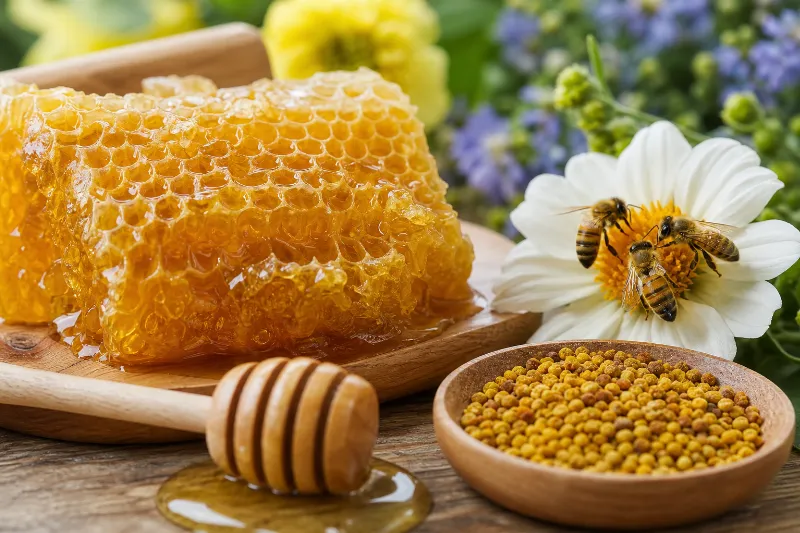
Bee-Derived Ingredients
Honey, manuka honey, propolis, royal jelly, bee pollen and beeswax. Bee products can cause allergic reactions.
6 guides
- Honey for Cough and Sore Throat: What Trials Found
- Honey and Infant Botulism: Why Babies Under 12 Months Should Not Have It
- Raw Honey vs Regular Honey: What Differs
- Medical-Grade Honey and Wound Care: Cochrane Findings
-
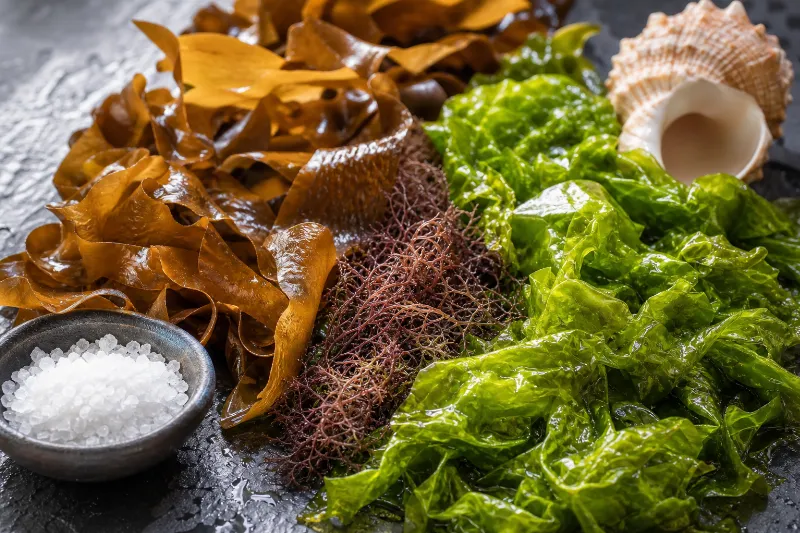
Sea Vegetables, Algae & Salts
Spirulina, chlorella, sea moss, kelp, sea salt and Dead Sea products. Seaweed can contain a lot of iodine.
3 guides
- Sea Moss and Sea Moss Gel: Claims Checked
- Seaweed, Iodine and the Thyroid
- Sea Salt, Himalayan Salt and "Mineral" Claims Checked
-
Food-Based Ingredients
Apple cider vinegar, cacao, molasses, maple syrup, lemon water, colloidal oatmeal and other foods used for health or skin care.
7 guides
- Apple Cider Vinegar
- Cacao & Cocoa
- Colloidal Oatmeal
- Apple Cider Vinegar for Weight Loss and Blood Sugar: What Trials Found
-
Oils, Fats & Butters
Coconut, olive, castor, jojoba, black seed, sea buckthorn, argan and other fixed oils; tallow, lanolin and butters. Different from essential oils.
3 guides
- Beef Tallow for Skin and Cooking: Claims Checked
- Oil Pulling: What Dental Reviews Found
- Castor Oil Packs and Hair Growth Claims Checked
-
Resins & Complex Natural Substances
Mastic gum, shilajit, fulvic and humic acid and other ingredients whose identity and composition vary.
3 guides
- Shilajit
- Shilajit Contamination and Heavy Metals
- Fulvic Acid and Humic Acid: What They Are and What Is Known
-
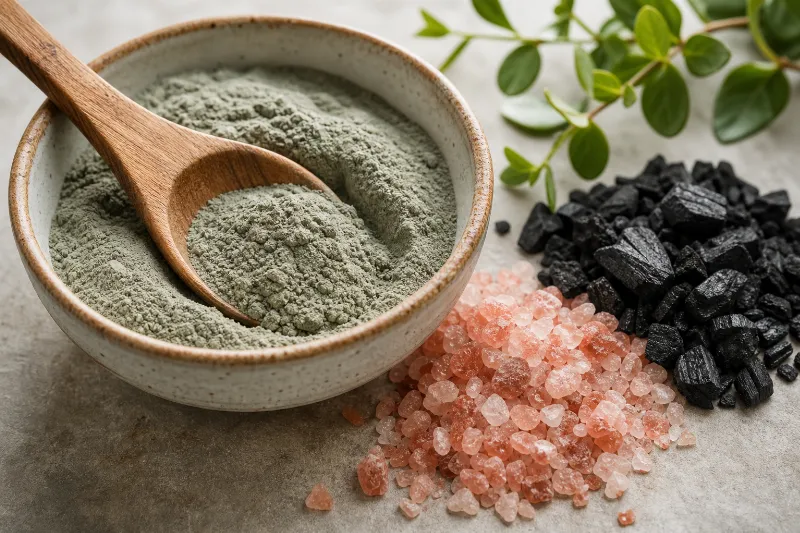
Clays, Charcoal, Salts & Mineral Products
Bentonite and kaolin clay, activated charcoal, Epsom salt, baking soda, diatomaceous earth, zeolite and magnesium oil. Several are not meant to be sw…
6 guides
- Activated Charcoal for Teeth Whitening, Detox and Gas: Claims Checked
- Activated Charcoal and Poisoning: Why You Should Call Poison Help First
- Bentonite Clay and Swallowing Claims: Lead and Interaction Concerns
- Diatomaceous Earth: Claims Checked (Food Grade vs Pool Grade)
-
Popular Home Remedies: Claim Checks
Colloidal silver, hydrogen peroxide, raw milk, oil pulling, baking soda for heartburn, hydrogen water and other popular home remedies, checked agains…
9 guides
- Detox & Cleanse Claims
- Colloidal Silver: Risks, Argyria and Claims Checked
- Hydrogen Peroxide Taken by Mouth or in Other Ways: Why Poison Centers Warn
- Raw Milk: Claims vs Food-Safety Evidence
-
Natural Ingredients by Goal
What research shows for coughs, blood sugar, weight, skin, hair, digestion and muscle aches. Evidence, not promises.
7 guides
- Natural Ingredients for Cough and Sore Throat: What the Research Shows
- Natural Ingredients for Blood Sugar and Weight: Claims Checked
- Natural Ingredients for Constipation and Digestion: Castor Oil, Epsom Salt, Charcoal and Others
- Natural Ingredients for Muscle Aches and Joint Pain: Epsom Salt, Magnesium and Others
-
Skin, Hair & Topical Use
Skin barrier care, natural skincare claims, patch testing and ingredients that commonly cause contact allergy.
5 guides
- Skin Moisturizing & Barrier Care
- Natural Skincare Claims Checked
- Patch Testing Natural Ingredients: What Dermatology Sources Say
- Common Contact Allergens in "Natural" Products: Propolis, Lanolin, Essential Oils, Balsam of Peru
-
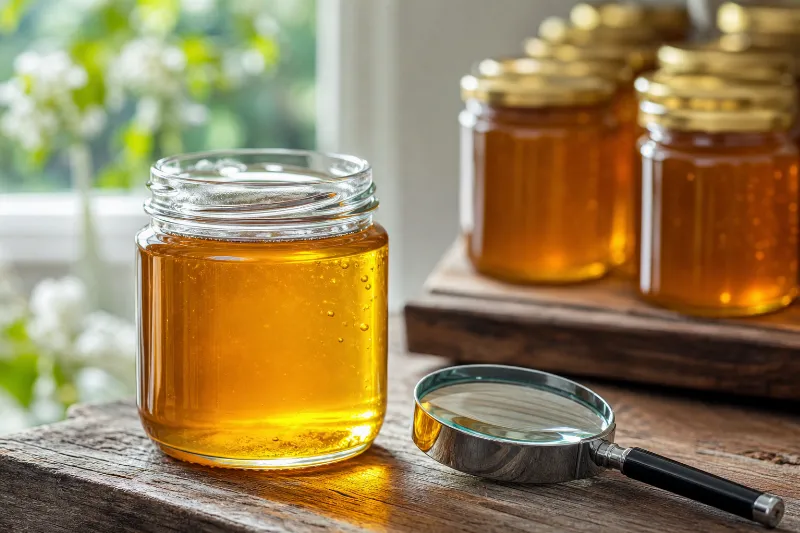
Quality, Labels & Sourcing
Raw, organic, "food grade", purity, contamination and honey authenticity.
5 guides
- Quality, Labels & Identity
- Raw, Organic, Cold-Pressed and Unrefined Claims Checked
- Food Grade vs Cosmetic Grade vs Pharmaceutical Grade
- Heavy Metals in Natural Ingredients: Clays, Seaweed, Cocoa, Shilajit
-
Safety & Interactions
Allergy, medicines, pregnancy, babies and children, swallowing hazards, heavy metals and when to get help.
9 guides
- Natural Ingredient Safety
- Natural Substances Not Meant to Be Swallowed: Clays, Hydrogen Peroxide, Colloidal Silver and Others
- Natural Ingredient and Medicine Interactions: Vinegar, Charcoal, Clay, Black Seed and More
- Natural Ingredients in Pregnancy and Breastfeeding
-
Science, History & Policy
How ingredient trials are done, human versus lab research, traditional use and regulation.
6 guides
- Natural Ingredient Research & Evidence
- Human Clinical Studies of Natural Ingredients: What Exists, Limits and Conflicts
- Research by Ingredient: Evidence Snapshot Table
- Traditional Use vs Clinical Evidence for Natural Ingredients
-
Comparisons
Side-by-side comparisons that answer one question each. No rankings and no universal winners.
7 guides
See the 7 pages -
Glossary & Quick Reference
Terms, an ingredient table, frequently asked questions and a safety quick reference.
4 guides
- Glossary of Natural Ingredient Terms
- Natural Ingredients at a Glance: Evidence and Safety Table
- Natural Ingredients: Frequently Asked Questions
- Natural Ingredient Safety Quick Reference: Warning Signs and Whom to Call








Related departments
Search ingredients and A to Z list
88 pages, A to Z
#
A
- Activated Charcoal and Poisoning: Why You Should Call Poison Help FirstClays, Charcoal, Salts & Mineral Products
- Activated Charcoal for Teeth Whitening, Detox and Gas: Claims CheckedClays, Charcoal, Salts & Mineral Products
- Alkaline Water and "pH Diet" Claims CheckedPopular Home Remedies: Claim Checks
- Apple Cider VinegarFood-Based Ingredients
- Apple Cider Vinegar for Weight Loss and Blood Sugar: What Trials FoundFood-Based Ingredients
- Apple Cider Vinegar Gummies and Supplements: Labels and EvidenceFood-Based Ingredients
- Apple Cider Vinegar Side Effects: Teeth, Throat and MedicinesFood-Based Ingredients
B
- Baking Soda for Heartburn: Why Sources Advise CautionPopular Home Remedies: Claim Checks
- Bee Product Allergy: Warning Signs and Emergency HelpBee-Derived Ingredients
- Beef Tallow for Skin and Cooking: Claims CheckedOils, Fats & Butters
- Bentonite Clay and Swallowing Claims: Lead and Interaction ConcernsClays, Charcoal, Salts & Mineral Products
C
- Cacao & CocoaFood-Based Ingredients
- Castor Oil Packs and Hair Growth Claims CheckedOils, Fats & Butters
- Coconut Oil vs Olive OilComparisons
- Colloidal OatmealFood-Based Ingredients
- Colloidal Silver: Risks, Argyria and Claims CheckedPopular Home Remedies: Claim Checks
- Common Contact Allergens in "Natural" Products: Propolis, Lanolin, Essential Oils, Balsam of PeruSkin, Hair & Topical Use
- ComparisonsComparisons
D
E
F
G
H
- Heavy Metals in Natural Ingredients: Clays, Seaweed, Cocoa, ShilajitQuality, Labels & Sourcing
- Honey and Infant Botulism: Why Babies Under 12 Months Should Not Have ItBee-Derived Ingredients
- Honey for Cough and Sore Throat: What Trials FoundBee-Derived Ingredients
- Honey vs Manuka HoneyComparisons
- How to Compare Natural Ingredient Products: A Checklist With No RankingsQuality, Labels & Sourcing
- How to Read an Ingredient Label: INCI Names, Food Labels and Supplement FactsUnderstanding "Natural" Ingredients
- Human Clinical Studies of Natural Ingredients: What Exists, Limits and ConflictsScience, History & Policy
- Hydrogen Peroxide Taken by Mouth or in Other Ways: Why Poison Centers WarnPopular Home Remedies: Claim Checks
L
M
N
- Natural Does Not Mean Hypoallergenic: Allergy and SensitizationUnderstanding "Natural" Ingredients
- Natural Ingredient and Medicine Interactions: Vinegar, Charcoal, Clay, Black Seed and MoreSafety & Interactions
- Natural Ingredient Research & EvidenceScience, History & Policy
- Natural Ingredient Research Limitations and Unanswered QuestionsScience, History & Policy
- Natural Ingredient SafetySafety & Interactions
- Natural Ingredient Safety Quick Reference: Warning Signs and Whom to CallGlossary & Quick Reference
- Natural Ingredient vs Medical Treatment: When Each FitsComparisons
- Natural Ingredients and Food Allergy: Bee Products, Nuts, Seeds and OilsSafety & Interactions
- Natural Ingredients and Kidney, Liver or Thyroid ConditionsSafety & Interactions
- Natural Ingredients at a Glance: Evidence and Safety TableGlossary & Quick Reference
- Natural Ingredients for "Immune Support": Honey, Propolis, Elderberry and Others CheckedNatural Ingredients by Goal
- Natural Ingredients for Acne, Eczema and Dry Skin: What the Research ShowsNatural Ingredients by Goal
- Natural Ingredients for Babies and Children: Honey, Charcoal, Salt and MoreSafety & Interactions
- Natural Ingredients for Blood Sugar and Weight: Claims CheckedNatural Ingredients by Goal
- Natural Ingredients for Constipation and Digestion: Castor Oil, Epsom Salt, Charcoal and OthersNatural Ingredients by Goal
- Natural Ingredients for Cough and Sore Throat: What the Research ShowsNatural Ingredients by Goal
- Natural Ingredients for Hair Growth and Scalp: Castor, Coconut, Rosemary and Others CheckedNatural Ingredients by Goal
- Natural Ingredients for Muscle Aches and Joint Pain: Epsom Salt, Magnesium and OthersNatural Ingredients by Goal
- Natural Ingredients in Pregnancy and BreastfeedingSafety & Interactions
- Natural Ingredients: Frequently Asked QuestionsGlossary & Quick Reference
- Natural Remedies, Home Remedies and Medicines: How They DifferUnderstanding "Natural" Ingredients
- Natural Skincare Claims CheckedSkin, Hair & Topical Use
- Natural Substances Not Meant to Be Swallowed: Clays, Hydrogen Peroxide, Colloidal Silver and OthersSafety & Interactions
- Natural Sweeteners: Honey, Maple Syrup, Agave, Stevia and Monk Fruit CheckedUnderstanding "Natural" Ingredients
- Natural vs Organic vs Synthetic: What Each Word Means for IngredientsUnderstanding "Natural" Ingredients
O
P
Q
R
- Raw Honey vs Regular Honey: What DiffersBee-Derived Ingredients
- Raw Milk: Claims vs Food-Safety EvidencePopular Home Remedies: Claim Checks
- Raw, Organic, Cold-Pressed and Unrefined Claims CheckedQuality, Labels & Sourcing
- Recalls and Regulator Warnings About Natural ProductsSafety & Interactions
- Regulation of Natural Ingredients: Food, Cosmetic, Supplement or Drug?Science, History & Policy
- Research by Ingredient: Evidence Snapshot TableScience, History & Policy
S
- Salt Water Gargles and Nasal Rinses: What Sources Say and the Water Safety RulePopular Home Remedies: Claim Checks
- Sea Moss and Sea Moss Gel: Claims CheckedSea Vegetables, Algae & Salts
- Sea Salt, Himalayan Salt and "Mineral" Claims CheckedSea Vegetables, Algae & Salts
- Seaweed, Iodine and the ThyroidSea Vegetables, Algae & Salts
- Shea Butter vs Cocoa ButterComparisons
- ShilajitResins & Complex Natural Substances
- Shilajit Contamination and Heavy MetalsResins & Complex Natural Substances
- Skin Moisturizing & Barrier CareSkin, Hair & Topical Use
- Spirulina vs ChlorellaComparisons
T
W
Safety first with natural ingredients
- Some natural substances are dangerous if swallowed, including food-grade hydrogen peroxide, colloidal silver, clays and baking soda in large amounts. If someone has swallowed something and you are worried, call Poison Help first.
- Honey is never for babies under 12 months. Bee products (propolis, royal jelly, bee pollen) can cause severe allergic reactions.
- Home remedies do not replace care for infections, wounds, burns or ongoing symptoms.
- Tell your pharmacist or clinician about what you use, especially if you take medicines. In the US, Poison Help is 1-800-222-1222; call 911 for collapse, seizure, trouble breathing or swelling of the face or throat.
Frequently asked questions
What counts as a natural ingredient here?
Naturally derived substances that are not herbs, mushrooms or essential oils, such as honey, algae and clays.
Does natural mean safe?
No. Honey can cause infant botulism, and seaweed can contain large amounts of iodine. [1][2]
Do detox products work?
NIH's NCCIH found no compelling research that detox diets eliminate toxins. [3]
References
- MedlinePlus Medical Encyclopedia. Infant botulism. National Library of Medicine.
- American Thyroid Association. ATA Statement on the Potential Risks of Excess Iodine Ingestion and Exposure.
- National Center for Complementary and Integrative Health (NIH). "Detoxes" and "Cleanses": What You Need To Know.
Content last updated .
Helpful tools
All tools → Medicine Interaction CheckerAdd your medicines and supplements and see what our safety pages say about each…
 Compare Side by SidePick two or three supplements, herbs or foods and compare evidence and safety n…
 Label ReaderPaste a supplement label and see each ingredient explained, with flags for blen…
 Find What's Right For MePick a goal and see what research has looked at for it, strongest evidence firs…