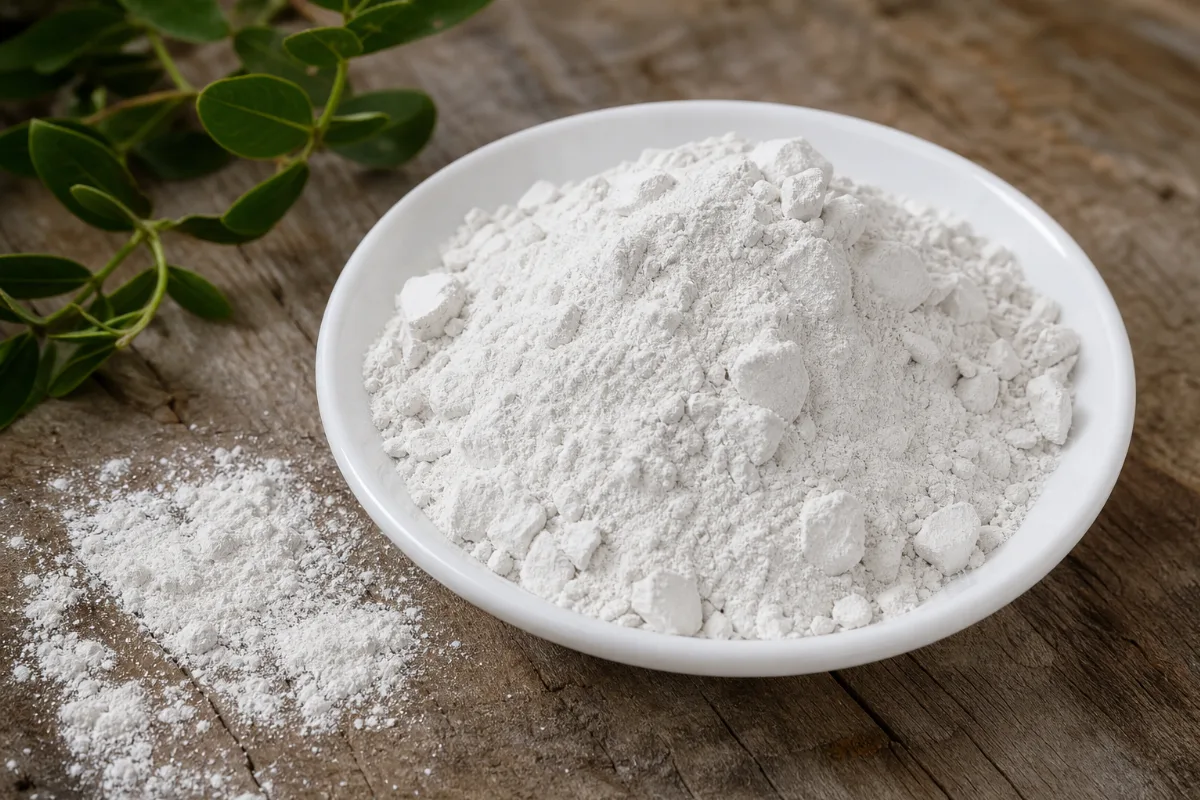
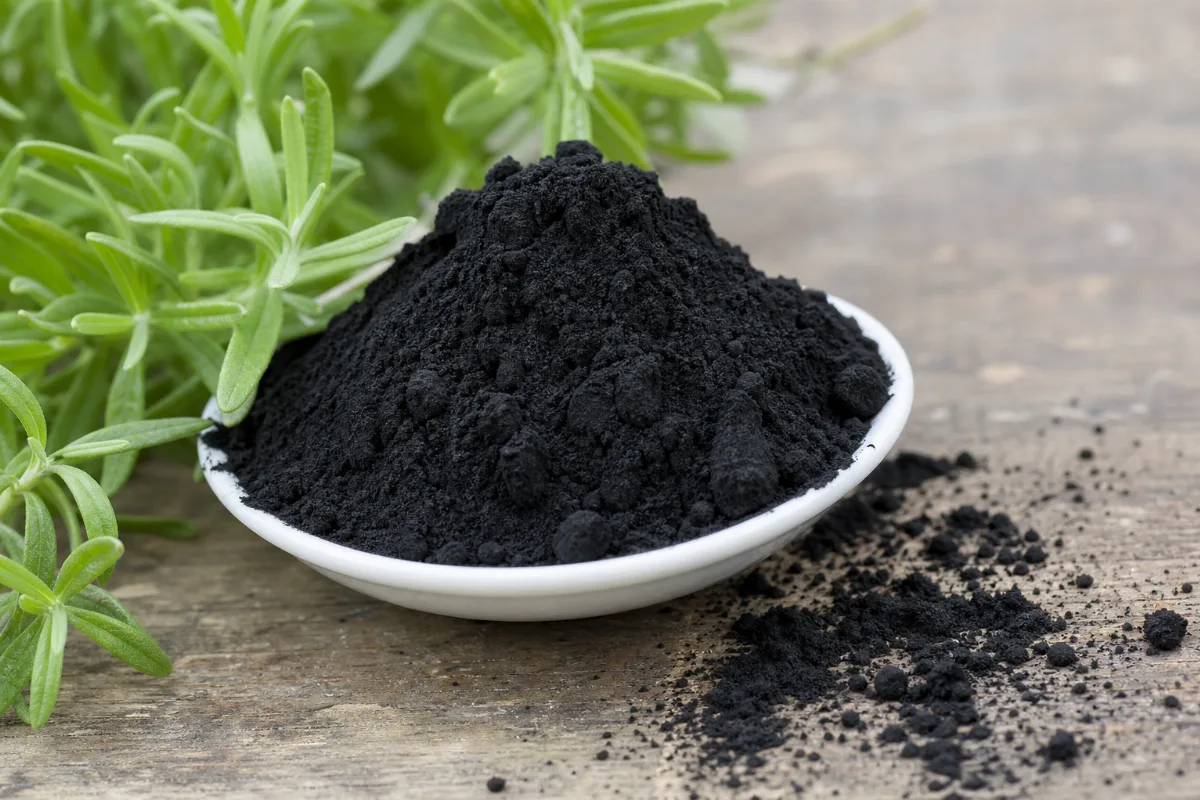
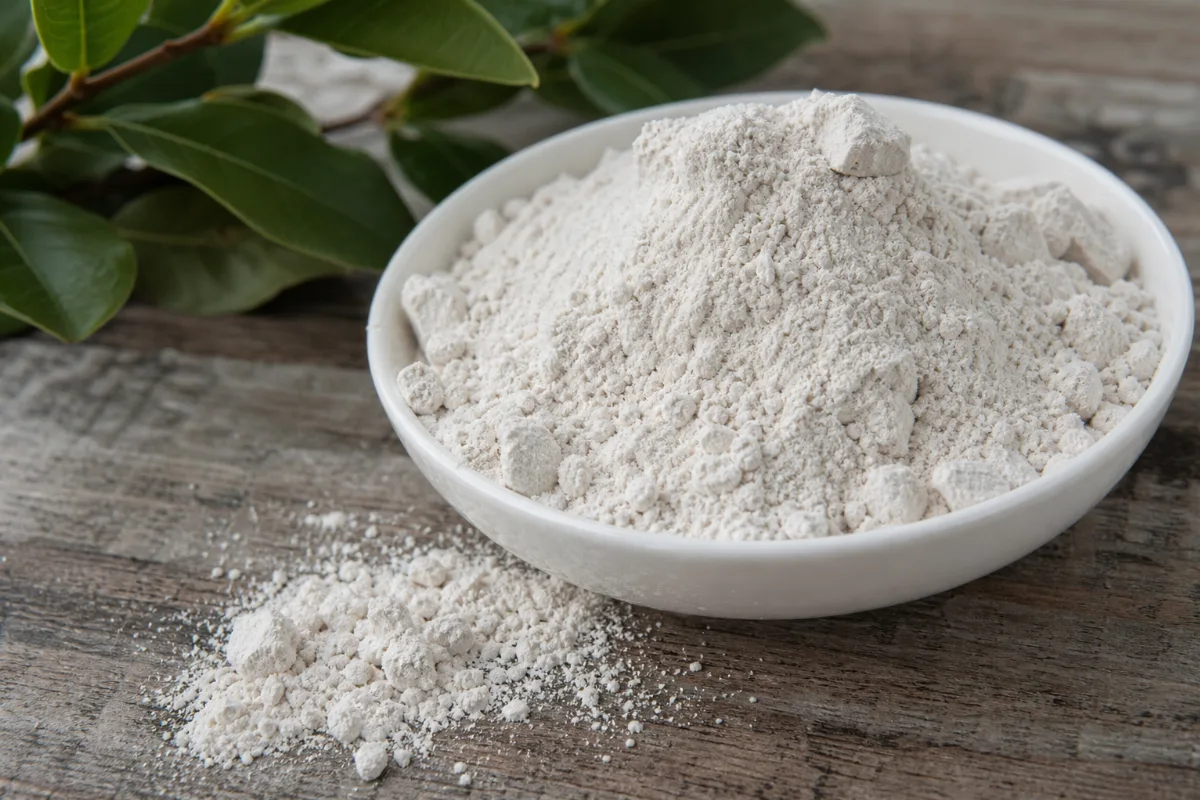
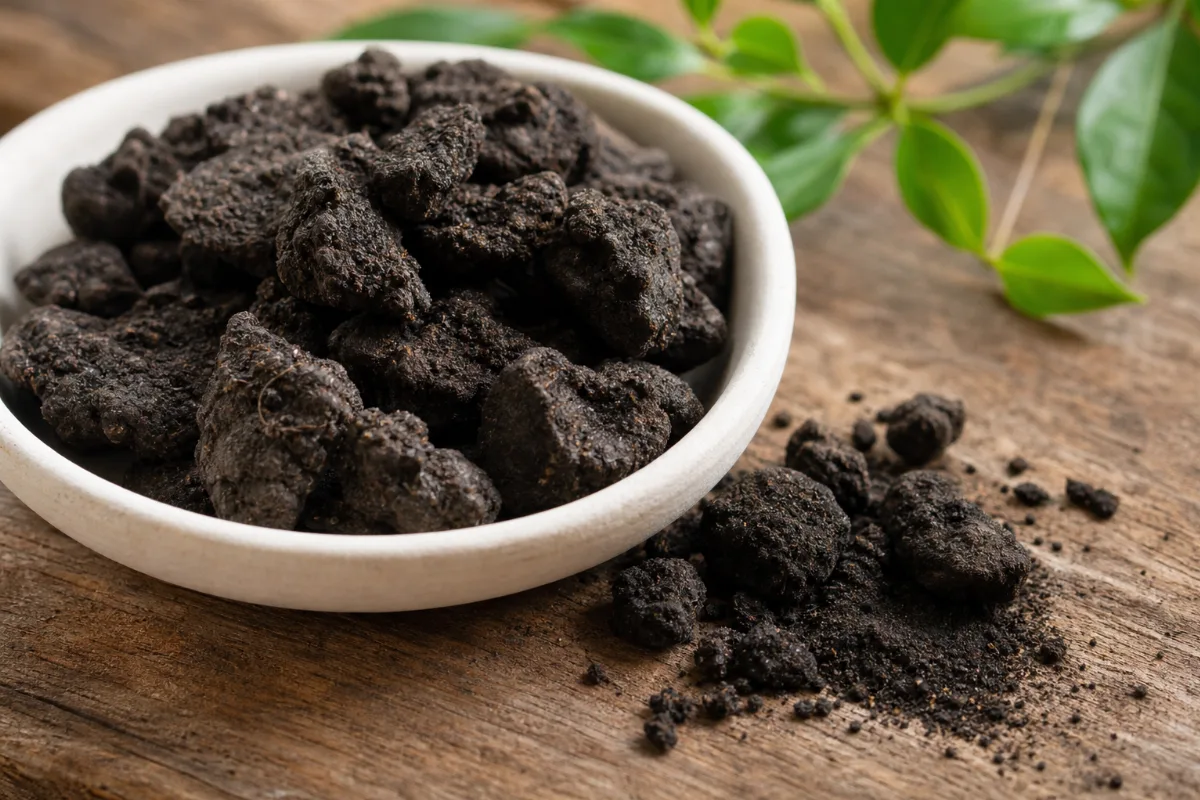
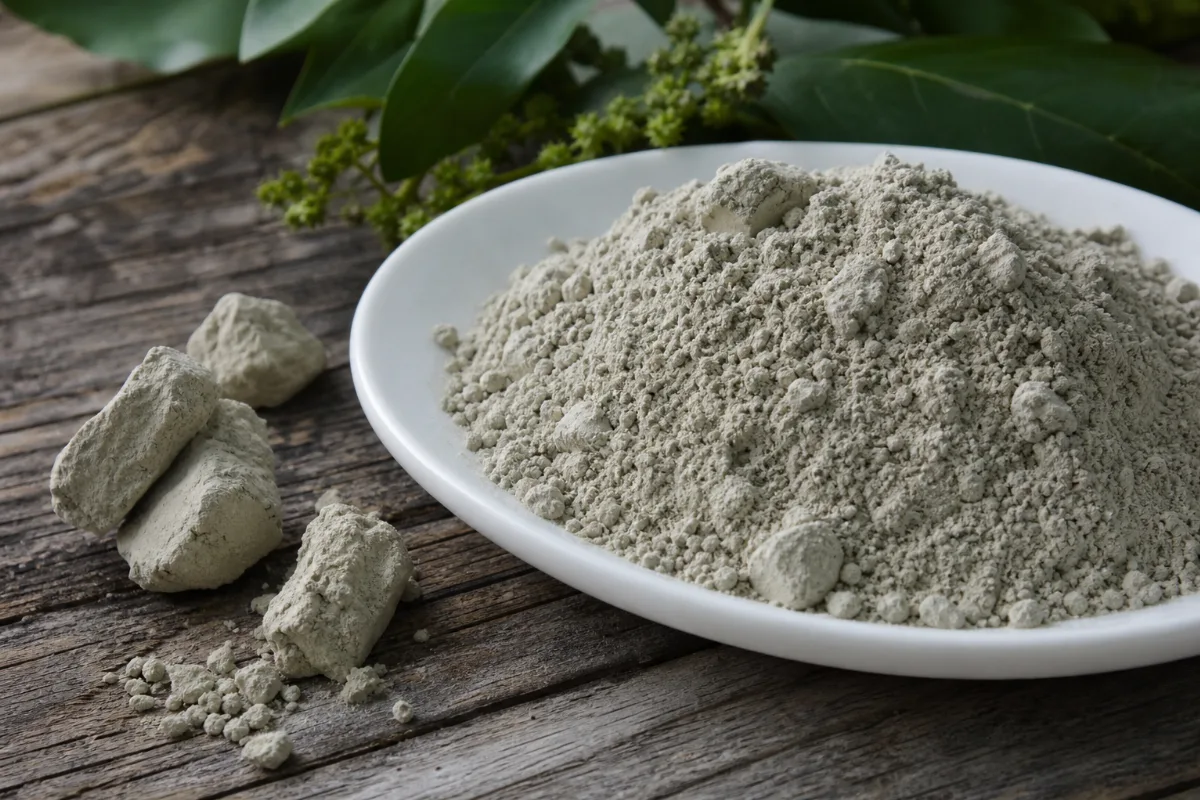
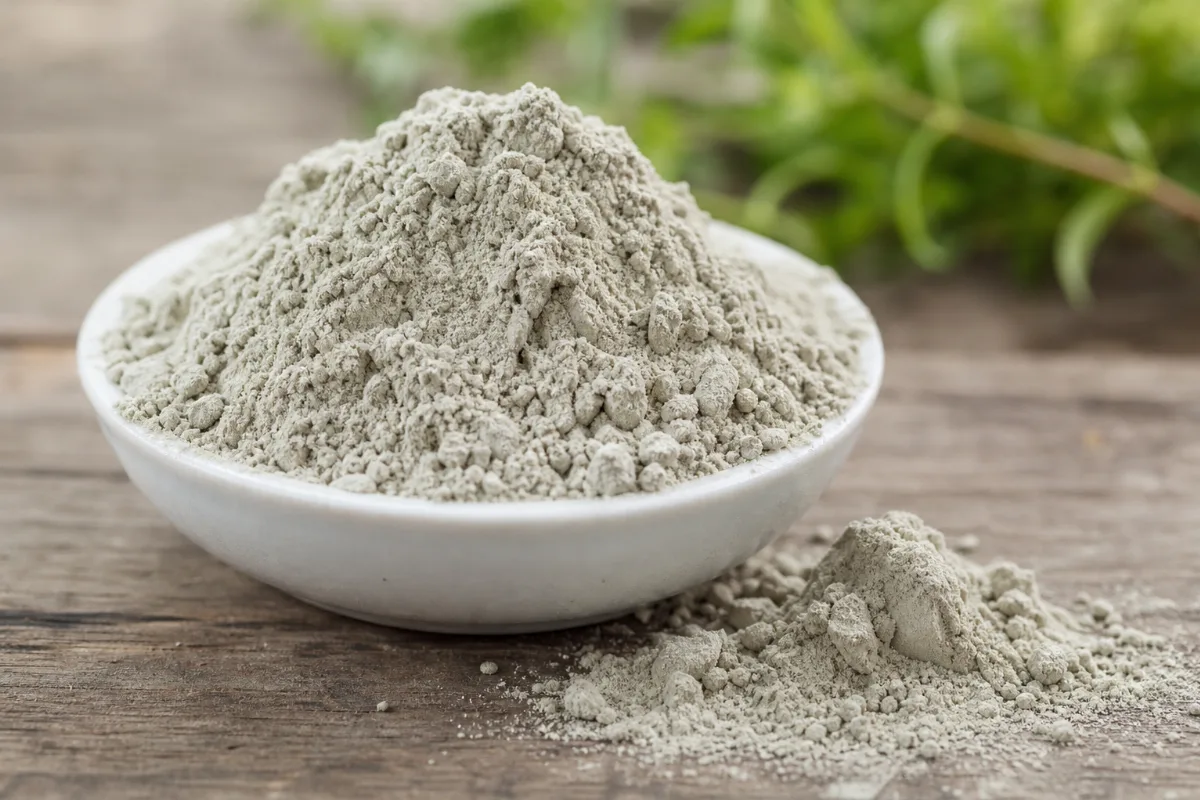
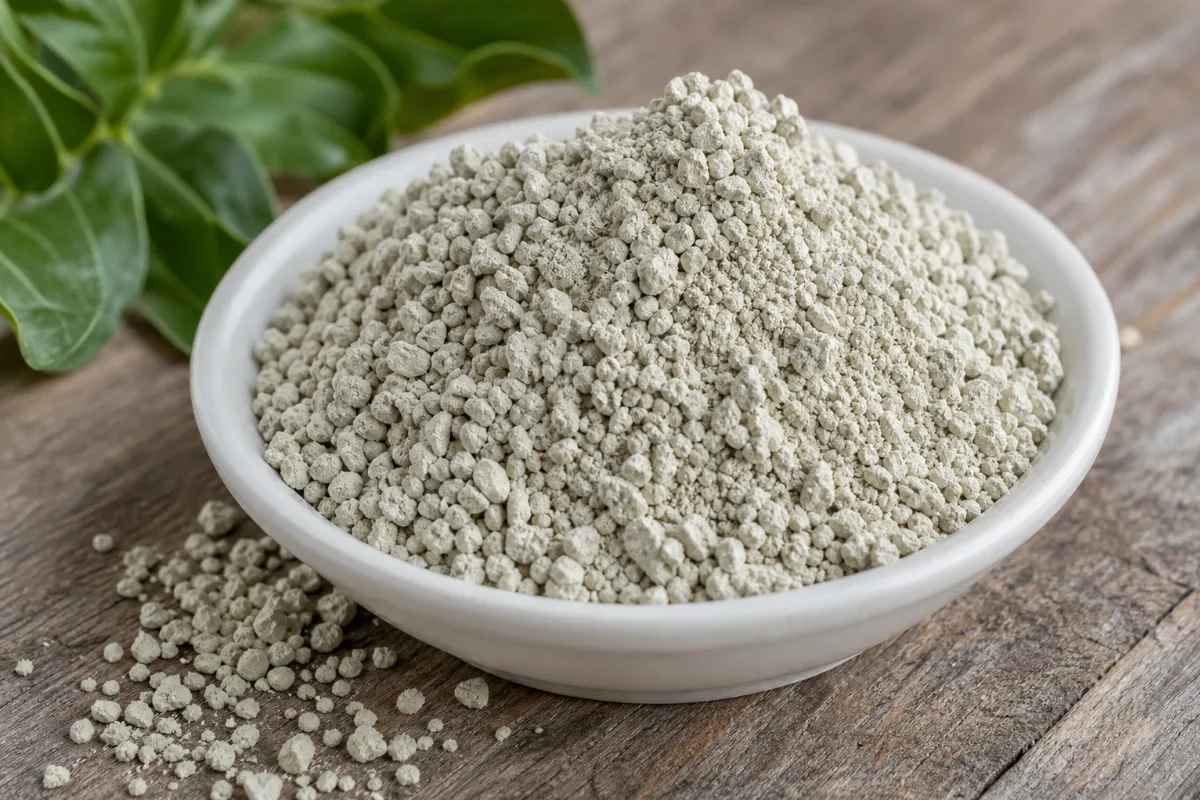
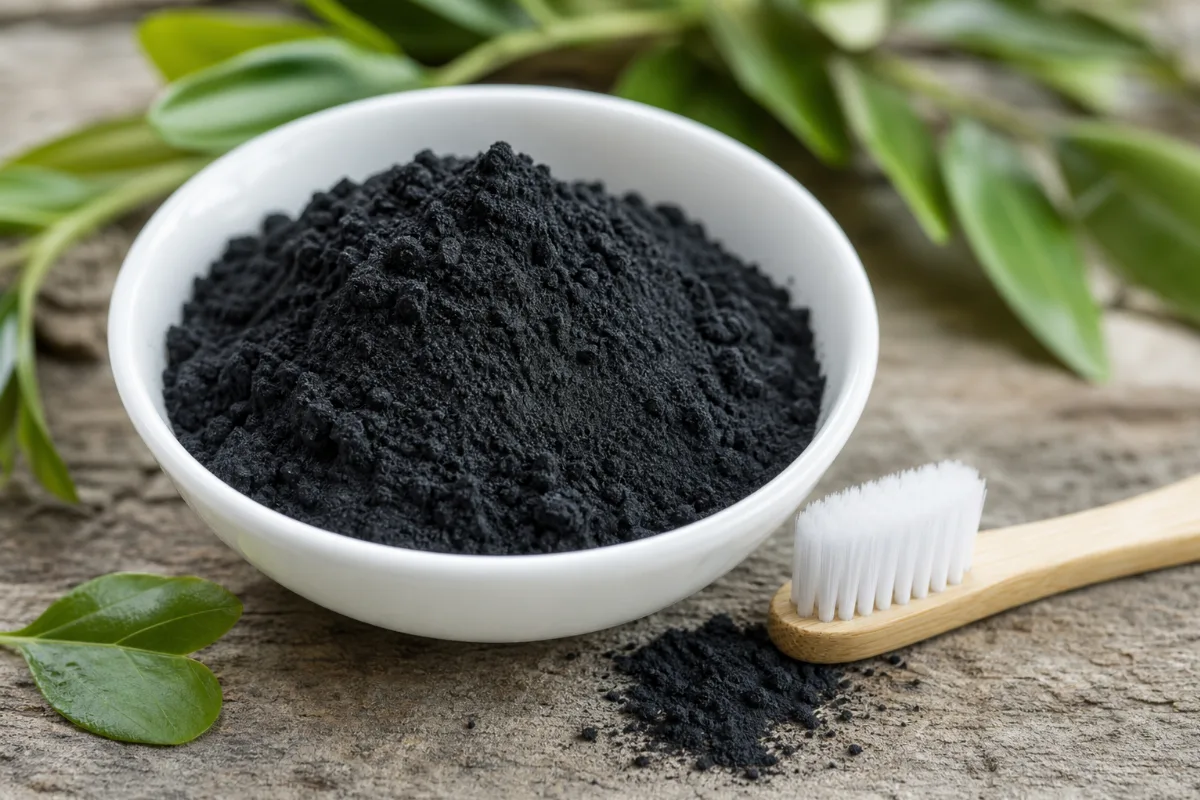
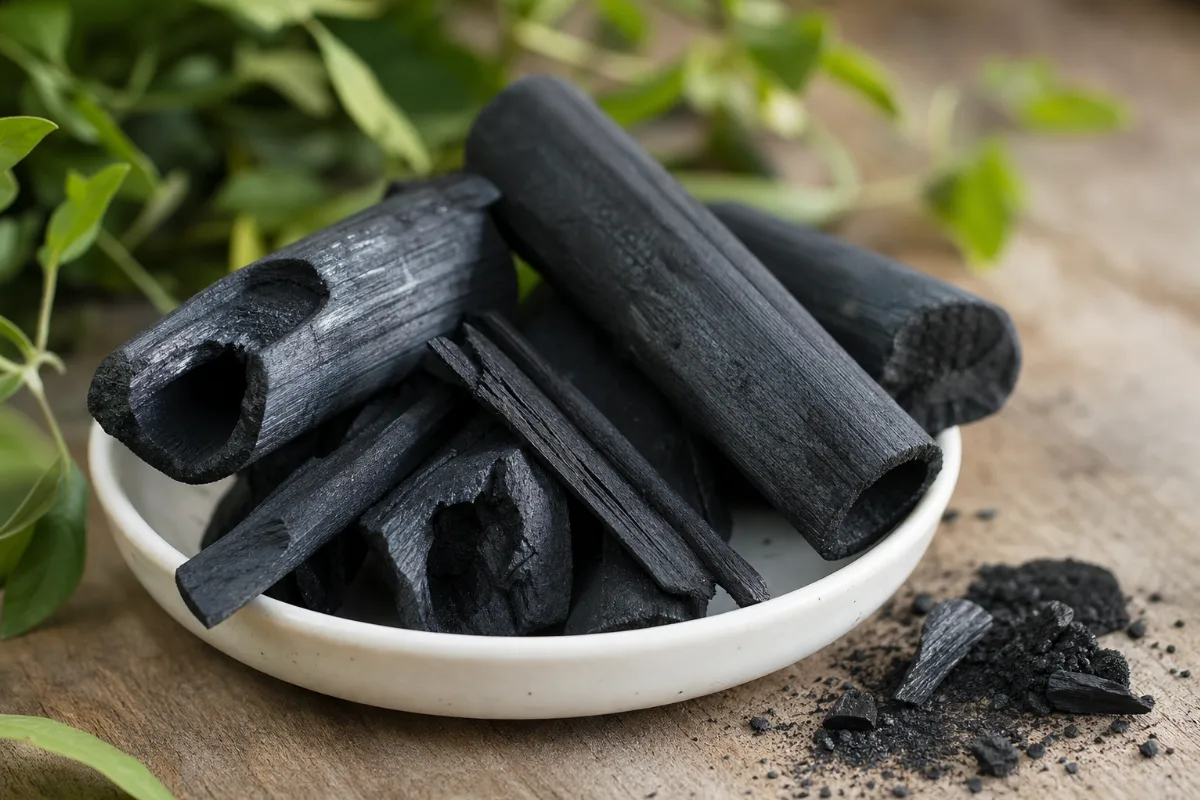
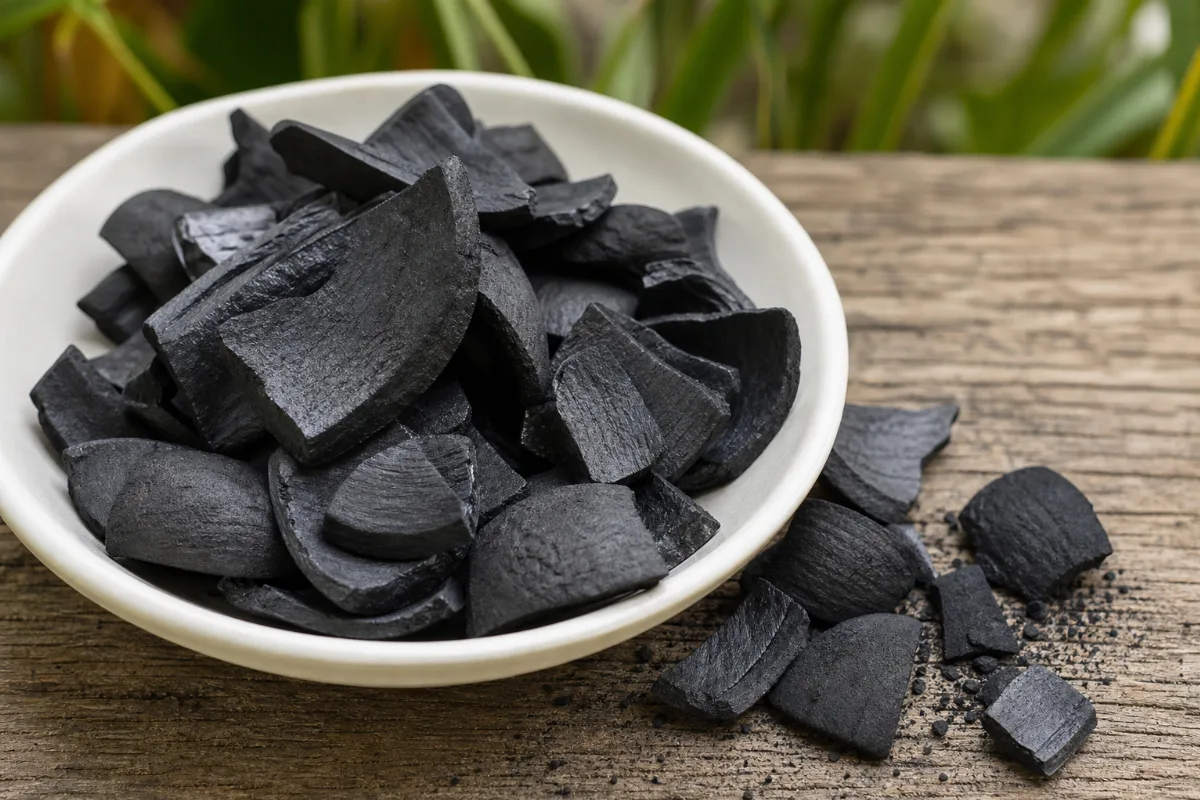
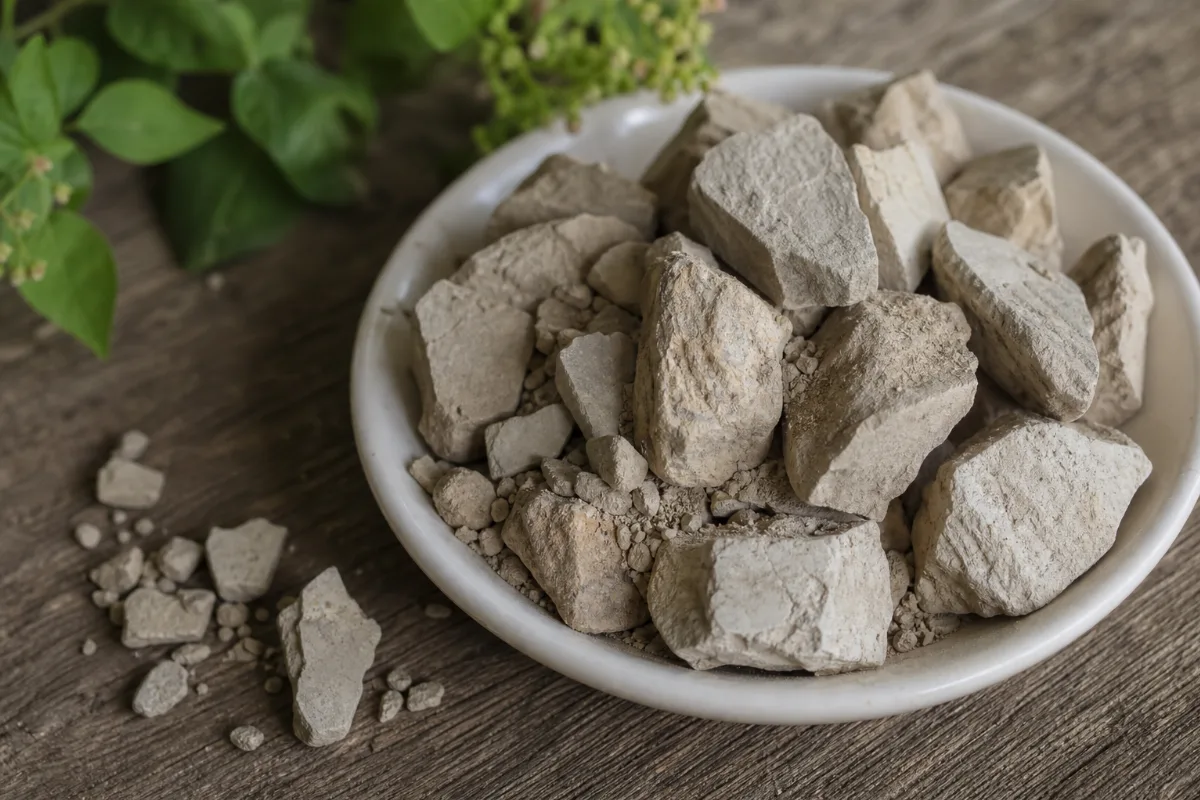
Safety comes first with clays and charcoal. Explore each clay, charcoal and related earth: what it is, how it is used on skin, on teeth and in medicine, what studies in people have and have not found (and what was only in the lab), and what to check before you use it: lead and other metals, medicines it can bind, breathing in dust, swallowing, pregnancy and children. Activated charcoal is a hospital poison treatment, and the popular detox claims have little support in human research.
Used: on the skin, swallowed or eaten, medical or hospital use
Studied in people for: binding food toxins (aflatoxin)
Lead, arsenic or other metalsSwallowing is not a home remedyBinds medicines (interactions)Pregnancy and breastfeeding+1 more
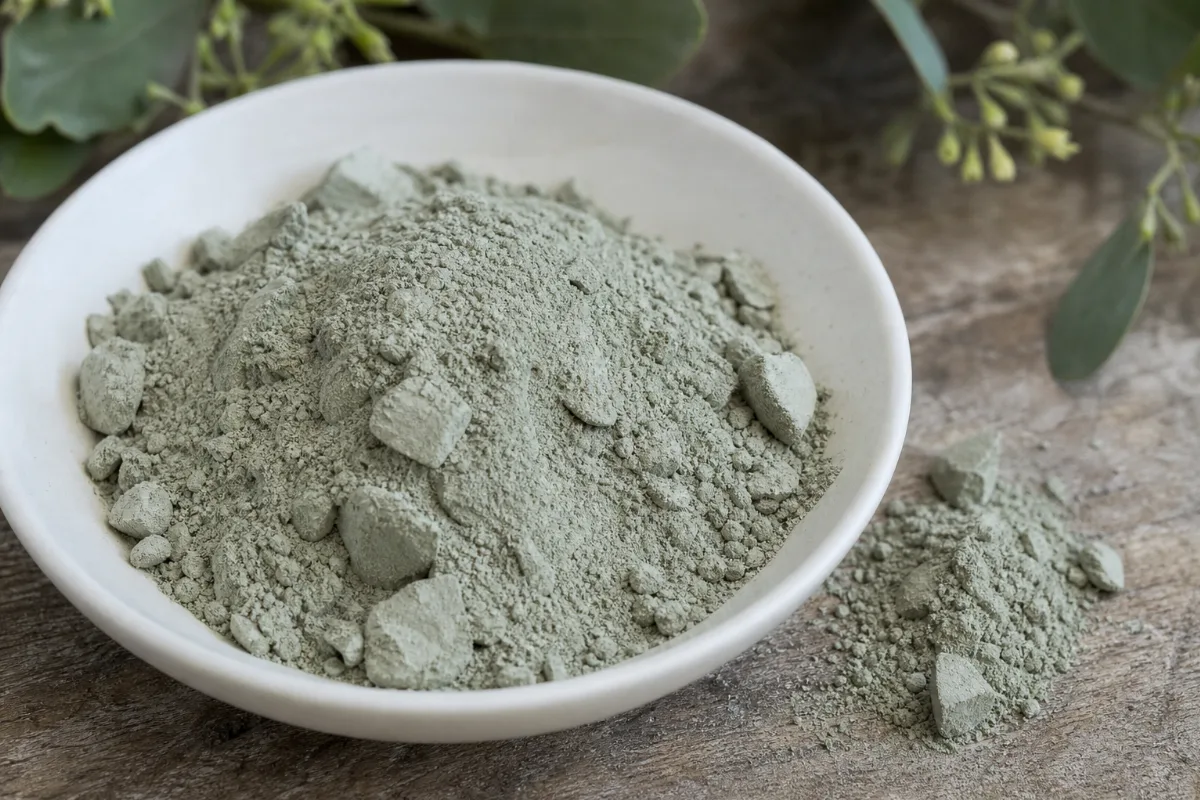
Bentonite clay for skin masks and for swallowing: what a 2024 review and case reports show, why detox claims are unsupported, and what the sources say about lead and metals.
Swallowing for 'detox': claim check
Clay masks and skin (oil, inflammation, wound healing)
Refined calcium montmorillonite and aflatoxin exposure in children
Calcium montmorillonite in medicine (narrative review)
Human evidence: Mostly traditional or marketing claims
Used: on the skin, medical or hospital use, swallowed or eaten
Swallowing is not a home remedyDust can harm the lungsPregnancy and breastfeedingEating earth (pica) and anemia
Kaolin clay on skin, in the digestive tract and in clay eating: what FDA's rule allows, what reviews found, and the powder warnings and anemia case reports.
Skin protectant (poison ivy and similar rashes): regulatory listing
Human evidence: Established for a specific medical use
Used: medical or hospital use, swallowed or eaten, in the mouth (toothpaste, rinse, gargle), household or cleaning
Studied in people for: poisoning (hospital treatment), gas, bloating and digestion, teeth whitening and mouth, kidney disease (medical carbon)
Swallowing is not a home remedyBinds medicines (interactions)Breathing into the lungs or chokingTooth enamel wear
Activated charcoal is a hospital poison treatment, not a home remedy. What poison centers, toxicology bodies and reviews say about detox, gas, teeth and medicines.
Human evidence: Mostly traditional or marketing claims
Used: household or cleaning, industrial, animal or pool use, on the skin, swallowed or eaten
Dust can harm the lungsSkin irritation or allergyEyes
Diatomaceous earth checked against sources: what it is, the breathing hazard from fine dust and crystalline silica, why "food grade" is not a health claim, and what was found on parasite cleanses.
Used: swallowed or eaten, industrial, animal or pool use
Lead, arsenic or other metals
What fulvic and humic acids are, where products come from, what lab, animal and human studies show, and why composition and metal content differ between products.
Fulvic or humic acid taken for any condition in people
Binding metals: 'removes heavy metals' claim check
Combination supplement in a nursing-home COVID-19 chart review
Lead, arsenic or other metalsSwallowing is not a home remedyDust can harm the lungsSkin irritation or allergy
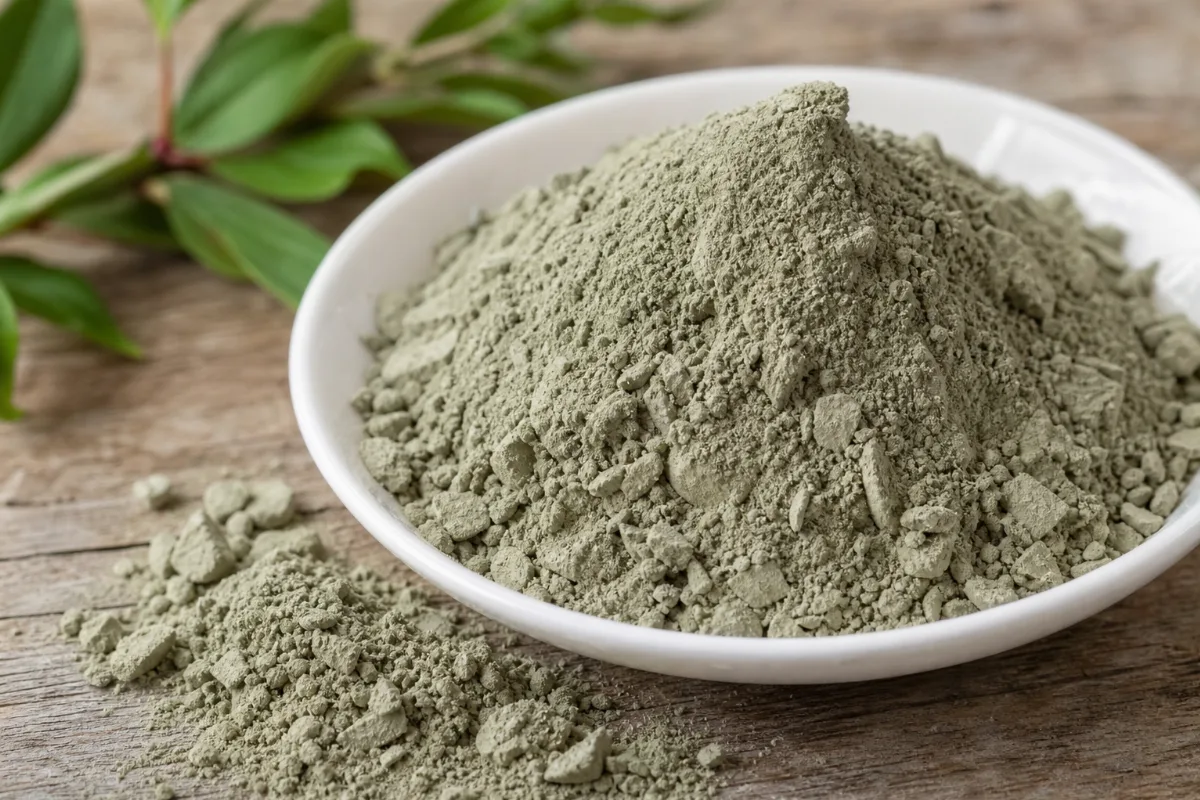
French green clay (illite-smectite): what lab studies show, why mask and detox claims lack human trials, and the metals and dust cautions found in the sources.
Human evidence: Mostly traditional or marketing claims
Used: on the skin, household or cleaning
Lead, arsenic or other metalsDust can harm the lungsSkin irritation or allergySwallowing is not a home remedy
Rhassoul (ghassoul) clay from Morocco: what it is made of, what we found on skin and hair claims (little), a small ostomy case series, and mercury and swallowing cautions.
Used: on the skin, medical or hospital use, industrial, animal or pool use
Lead, arsenic or other metalsDust can harm the lungsSwallowing is not a home remedySkin irritation or allergy
Fuller's earth: an adsorbent clay used in industry and in chemical-skin-decontamination research; what we found on face-mask and detox claims, paraquat, and dust and metal cautions.
Skin decontamination after chemical exposure
Water suspensions versus dry powder (lab work)
Face masks and oily skin: seller claims
Swallowed to adsorb poison (paraquat): hospital use only
Lead, arsenic or other metalsDust can harm the lungsSwallowing is not a home remedyPregnancy and breastfeeding
Illite clay on skin and in "detox" claims: two small skin studies, no proof it removes toxins, metal and dust cautions, and why eating clay is not safe.
Illite face packs and oily skin (on the skin)
Illite extract in a lotion and skin barrier (on the skin)
Kaolinite (pink clay as labeled by sellers), illite (one red clay studied), iron oxides (colorant)
Human evidence: Mostly traditional or marketing claims
Used: on the skin
Lead, arsenic or other metalsDust can harm the lungsSwallowing is not a home remedyPregnancy and breastfeeding
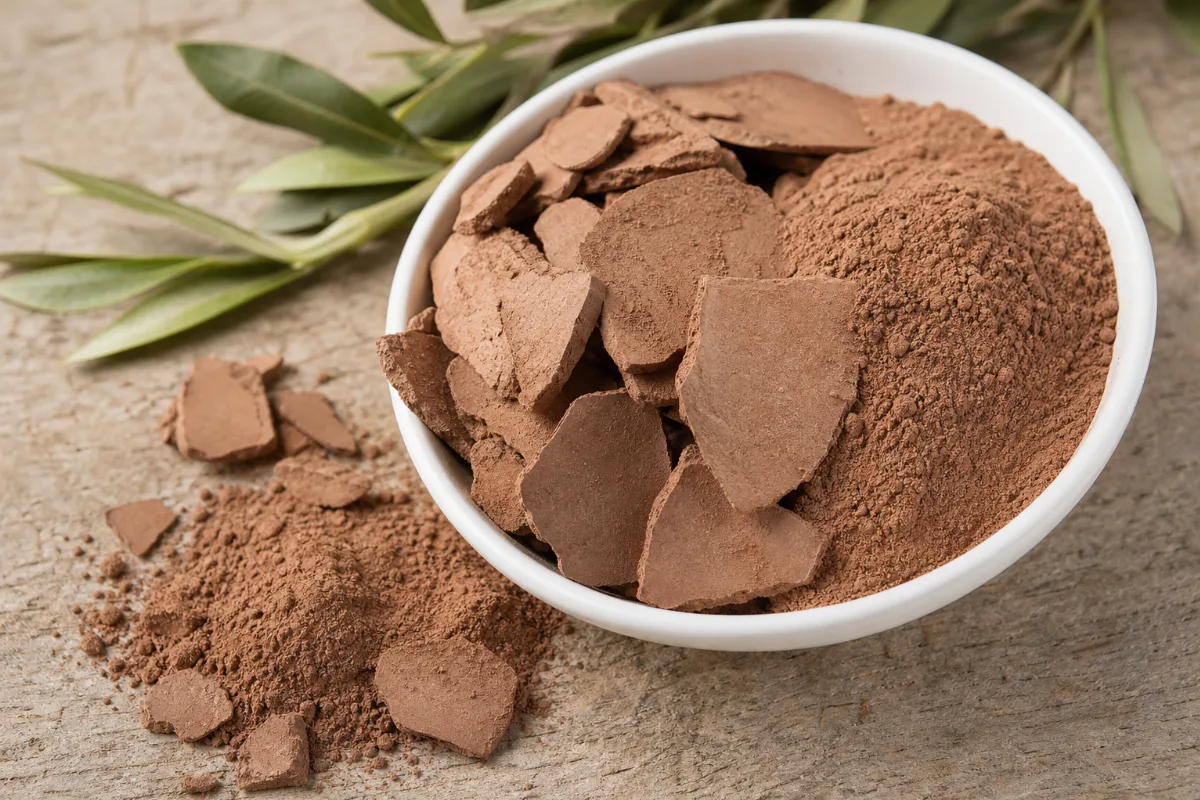
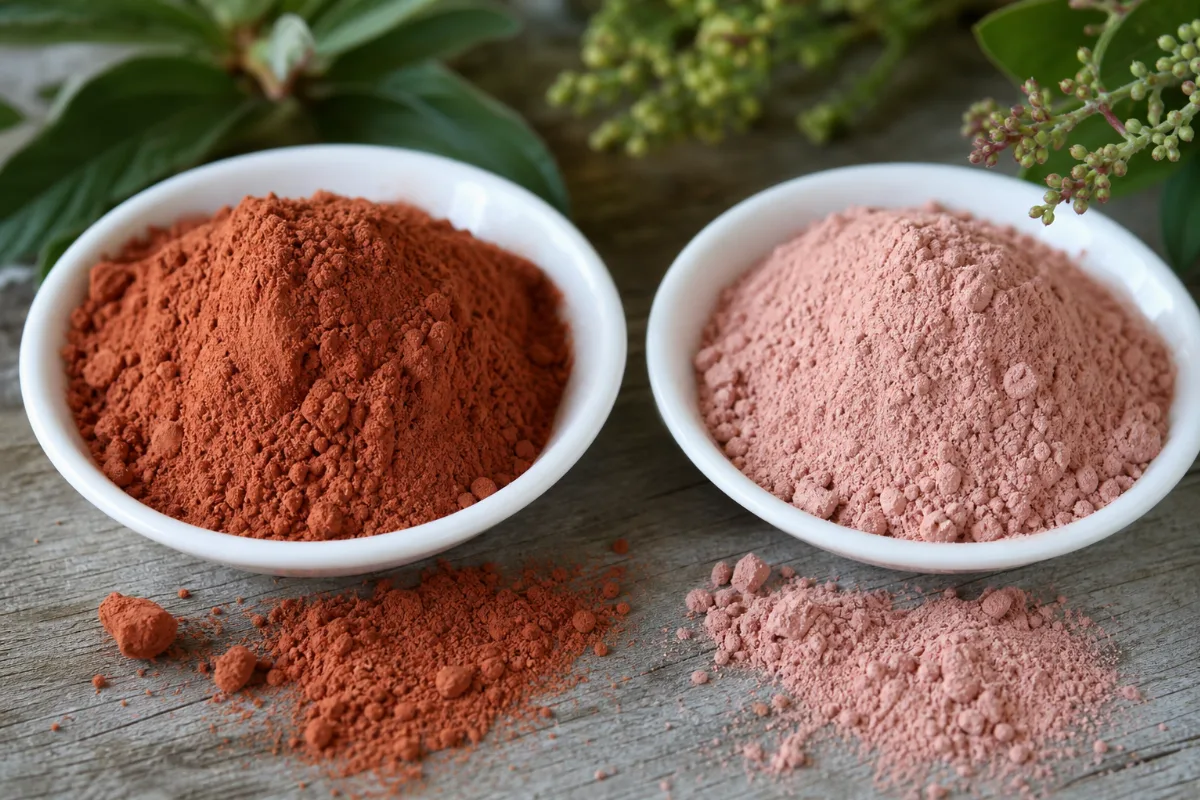
Red and pink clay face masks: what gives them color, why no skin trial was found, metal and dust cautions, and why swallowing clay for a "detox" is not safe.
Face masks for sensitive or dull skin (seller claim)
Mineral-rich lake-shore mud (varies; no single mineral)
Human evidence: Human trials with mixed results
Used: on the skin, bath or soak, medical or hospital use
Studied in people for: joint pain (mud packs), skin and face masks
Lead, arsenic or other metalsSwallowing is not a home remedySkin irritation or allergy
Dead Sea mud for skin and joints: what trials found for knee osteoarthritis, why detox and mineral claims are unproven, and a 2026 study that found metals in some mud products.
Mud packs for knee osteoarthritis (on the skin, many muds)
Dead Sea treatment programs for rheumatic disease and psoriasis
Mud-based preparations (clay or fine solids plus mineral, sea or salt-lake water)
Human evidence: Human trials with mixed results
Used: on the skin, bath or soak, medical or hospital use
Studied in people for: joint pain (mud packs), skin and face masks
Skin irritation or allergy
Peloids are therapeutic muds used as warm packs and baths in spas. See what trials show for knee osteoarthritis, what is unproven for skin and detox, and the safety points.
Mud packs and baths for knee osteoarthritis (warm mud, spa or clinic)
Spa therapy that includes mud, for knee osteoarthritis
Montmorillonite, smectite clay (calcium or sodium montmorillonite)
Human evidence: Very few human studies
Used: on the skin, swallowed or eaten, medical or hospital use, industrial, animal or pool use
Studied in people for: binding food toxins (aflatoxin)
Lead, arsenic or other metalsSwallowing is not a home remedyBinds medicines (interactions)Dust can harm the lungs+1 more
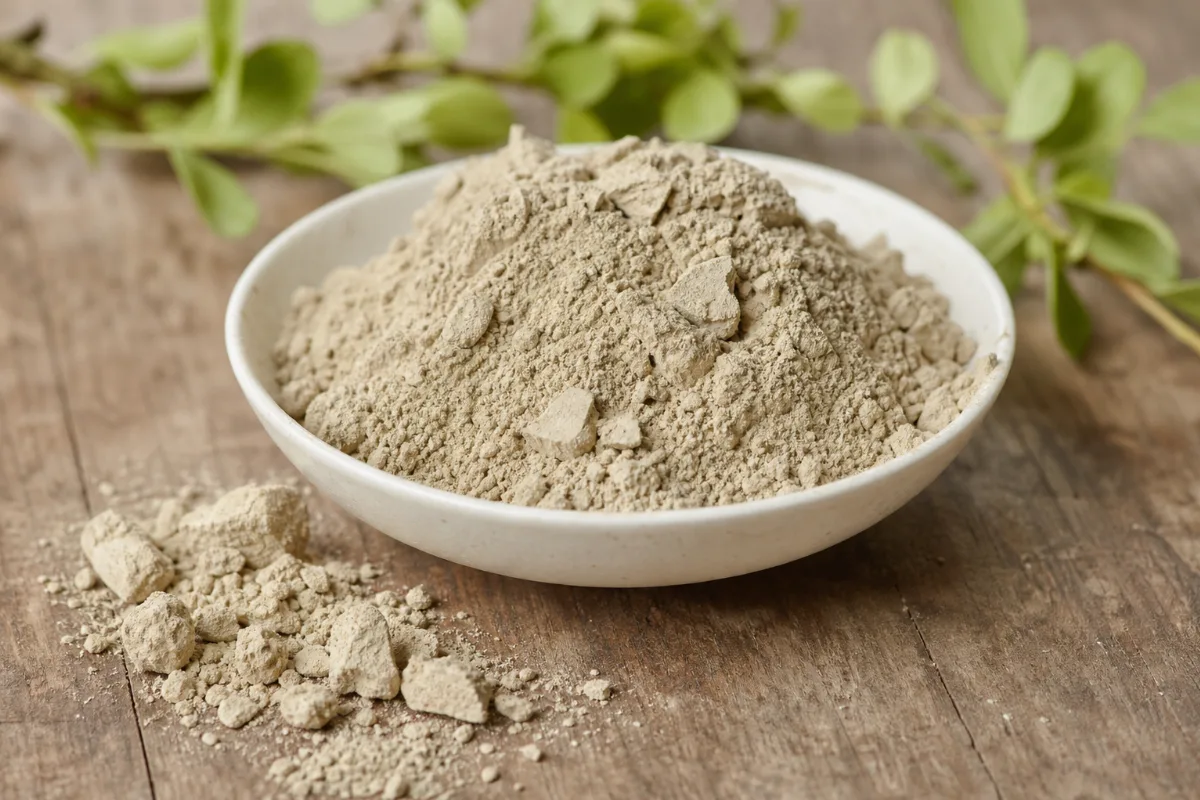
Montmorillonite clay on skin and by mouth: what reviews and one children's trial found, why detox claims lack proof, and the lead, medicine and poison-help facts.
Clay face masks and skin (on the skin)
Swallowing for detox: claim check
Binding metals and toxins in lab tests
Calcium montmorillonite and aflatoxin exposure in children
Used: medical or hospital use, industrial, animal or pool use, on the skin
Studied in people for: diarrhea (medical clays)
Dust can harm the lungs
Attapulgite (palygorskite) clay: a former US anti-diarrhea ingredient with small, mixed trials, an IARC fiber-length warning, and no sourced support for detox claims.
Acute diarrhea medicine in adults (activated attapulgite tablets)
Acute diarrhea in infants and children (medicine, older studies)
Used: swallowed or eaten, medical or hospital use, industrial, animal or pool use, on the skin
Studied in people for: detox and heavy-metal claims, poisoning (hospital treatment)
Lead, arsenic or other metalsBinds medicines (interactions)Dust can harm the lungsSwallowing is not a home remedy+1 more
Zeolite (clinoptilolite) powders and supplements: one small lead-poisoning trial, thin evidence for detox claims, FDA warning letters, and medicine and dust cautions.
Heavy-metal removal and detox: claim check
Lead poisoning: tablets added to standard care (one trial)
Supplement safety trials of one micronized clinoptilolite
Tooth enamel wearSwallowing is not a home remedyBinds medicines (interactions)
Charcoal toothpaste and whitening powder checked against dental trials and lab studies: whitening is minor, many products lack fluoride, and enamel wear results are mixed.
Charcoal toothpaste and powder for whitening teeth: claim check
Used: swallowed or eaten, household or cleaning, industrial, animal or pool use
Studied in people for: kidney disease (medical carbon), cholesterol
Swallowing is not a home remedyBinds medicines (interactions)Lead, arsenic or other metalsBreathing into the lungs or choking
Bamboo charcoal as a food color, "detox" product and wellness powder: the animal and lab findings, one small kidney trial, and what regulators say about impurities.
Carbon from Cocos nucifera shell, coconut shell activated carbon
Human evidence: Mostly traditional or marketing claims
Used: household or cleaning, medical or hospital use, on the skin, industrial, animal or pool use
Studied in people for: poisoning (hospital treatment), teeth whitening and mouth
Swallowing is not a home remedyBinds medicines (interactions)Breathing into the lungs or chokingLead, arsenic or other metals+1 more
Coconut shell charcoal and activated carbon: what it is, why it is used in water filters, and why hospital poison use does not support a home detox claim.
Drinking-water filters: taste, smell and certified lead reduction
Swallowing for detox: claim check
Hospital poison treatment (activated charcoal, not coconut-specific)
No clay or charcoal matches all of these filters. Try removing one. Some topics (for example most herbs) are not clays and charcoals and live elsewhere on the site.
"Studied for" means a study in people exists, not that the material works: many studies are small, short or tested a specific medical product, not the wellness product on a shelf. "Evidence in people" describes the overall picture, and "Mostly traditional or marketing claims" means we found no human trials for the popular claims. "Check before you use" lists cautions a source we read raised. It is not a complete list, so ask a pharmacist or clinician if you take medicines, are pregnant, or have a health condition.
A link between a clay or charcoal and a topic means the body needs the clay or charcoal for that job, or that low intake is linked to it. It does not mean extra supplements help if your intake is already adequate. See each page’s evidence label.
Browse by clay or charcoal group
Healing clays and muds
Bentonite, kaolin, French green, rhassoul and other clays and muds used on the skin and in baths. Most claims here are about skin care, not detox.
Clays & Muds(10)French green, rhassoul, fuller's earth, illite, red and pink clay, montmorillonite, Dead Sea mud and mud therapy: one guide each, with what sources found for skin and what they did not.
Bentonite clay for skin masks and for swallowing: what a 2024 review and case reports show, why detox claims are unsupported, and what the sources say about lead and met…
French green clay (illite-smectite): what lab studies show, why mask and detox claims lack human trials, and the metals and dust cautions found in the sources.
Kaolin clay on skin, in the digestive tract and in clay eating: what FDA's rule allows, what reviews found, and the powder warnings and anemia case reports.
Rhassoul (ghassoul) clay from Morocco: what it is made of, what we found on skin and hair claims (little), a small ostomy case series, and mercury and swallowing caution…
Fuller's earth: an adsorbent clay used in industry and in chemical-skin-decontamination research; what we found on face-mask and detox claims, paraquat, and dust and met…
Illite clay on skin and in "detox" claims: two small skin studies, no proof it removes toxins, metal and dust cautions, and why eating clay is not safe.
Red and pink clay face masks: what gives them color, why no skin trial was found, metal and dust cautions, and why swallowing clay for a "detox" is not safe.
Dead Sea mud for skin and joints: what trials found for knee osteoarthritis, why detox and mineral claims are unproven, and a 2026 study that found metals in some mud pr…
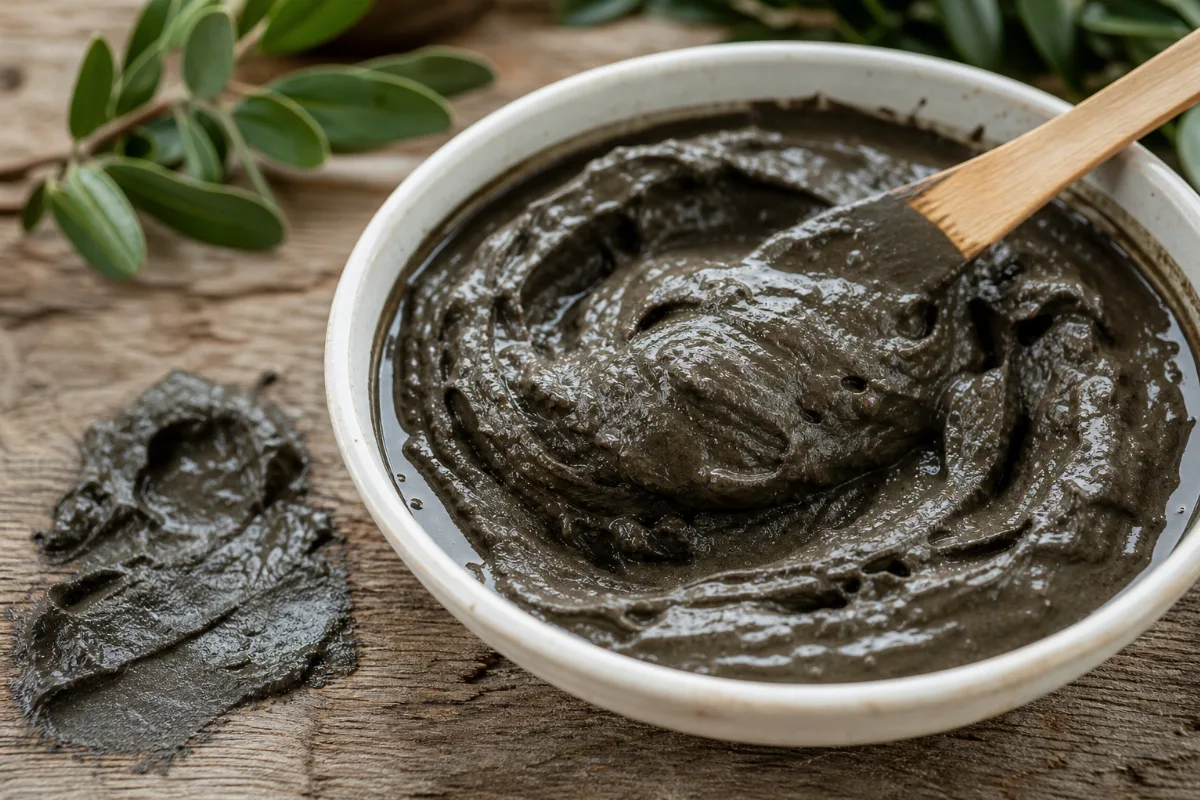
Peloids are therapeutic muds used as warm packs and baths in spas. See what trials show for knee osteoarthritis, what is unproven for skin and detox, and the safety poin…
Montmorillonite clay on skin and by mouth: what reviews and one children's trial found, why detox claims lack proof, and the lead, medicine and poison-help facts.
Medical Clays(2)Diosmectite and attapulgite: clays used as anti-diarrheal medicines, and what that does and does not say about wellness clays.
Attapulgite (palygorskite) clay: a former US anti-diarrhea ingredient with small, mixed trials, an IARC fiber-length warning, and no sourced support for detox claims.
Zeolite(1)Zeolite supplements: claims checked and safety.
Zeolite (clinoptilolite) powders and supplements: one small lead-poisoning trial, thin evidence for detox claims, FDA warning letters, and medicine and dust cautions.
Charcoals(4)Charcoal toothpaste, bamboo charcoal and coconut-shell charcoal: what is known, what is claimed, and the enamel and medicine cautions.
Charcoal toothpaste and whitening powder checked against dental trials and lab studies: whitening is minor, many products lack fluoride, and enamel wear results are mixe…
Bamboo charcoal as a food color, "detox" product and wellness powder: the animal and lab findings, one small kidney trial, and what regulators say about impurities.
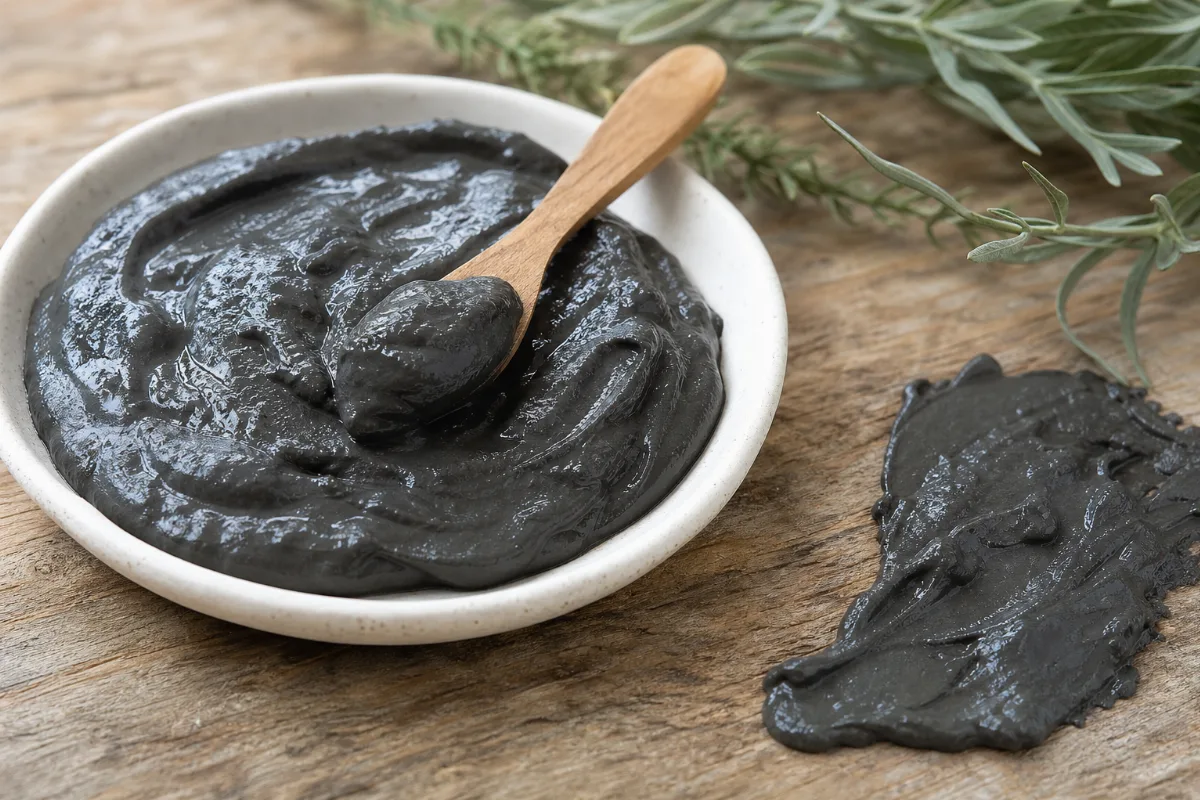
Activated charcoal is a hospital poison treatment, not a home remedy. What poison centers, toxicology bodies and reviews say about detox, gas, teeth and medicines.
Coconut shell charcoal and activated carbon: what it is, why it is used in water filters, and why hospital poison use does not support a home detox claim.
Eating Clay(1)Geophagy, the old practice of eating clay or earth, and its risks.
What small human studies, mouse studies and reviews say about clay on wounds, infections and skin conditions, and why dirt in a wound is a tetanus concern.
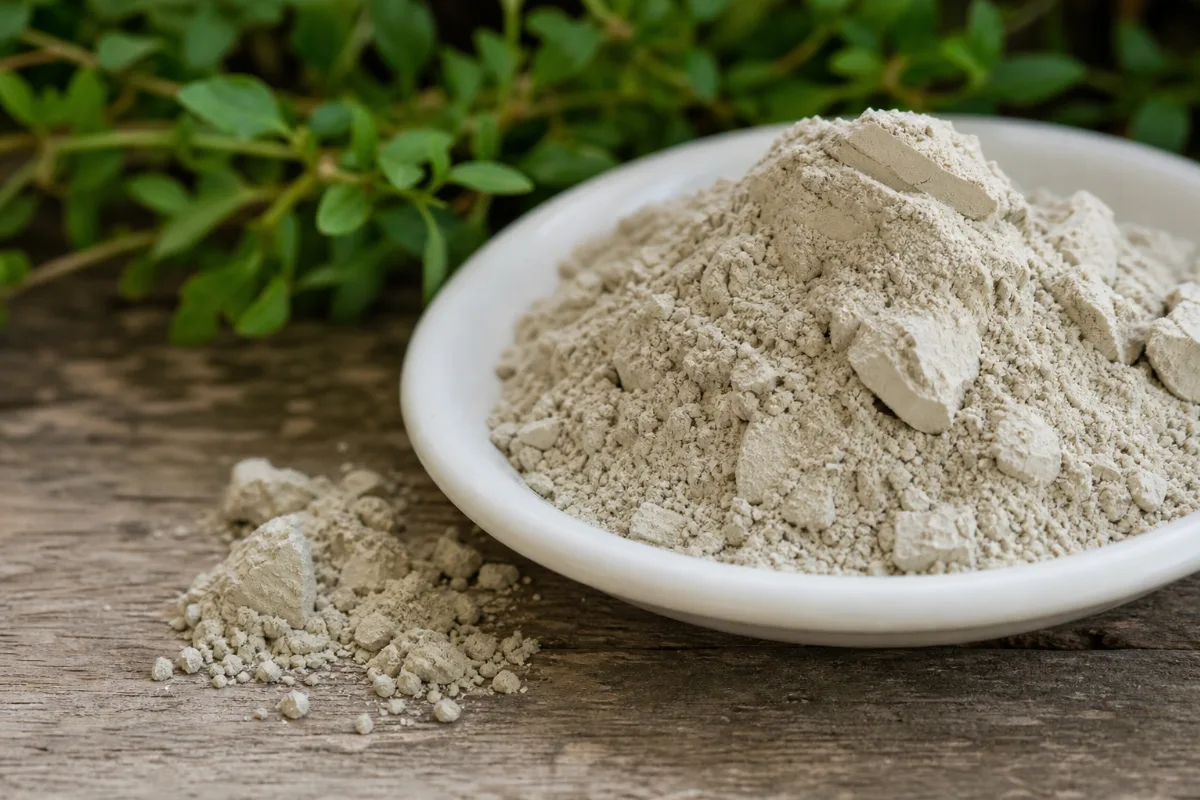
A plain comparison of bentonite, kaolin, illite and medical smectite: what each is, what the sources we read found, and why one clay's results do not transfer to another.
Search clays and charcoals: popular clays and charcoals, A to Z, search with filters, more ways
Well-studied clays and charcoals to start with
These clays and charcoals have the most human research summarized in our guides (counted from the evidence ratings on each profile). More research does not mean the clay or charcoal works or is safe for you: open the guide to see what was found, including negative and mixed results.
Every published clay or charcoal guide (20), with its names and what it is made of. Each name opens one guide that brings together identity, traditional use, research, safety, forms and sources.
A (2)
Activated Charcoalactivated carbonAlso: activated carbon, charcoal, black charcoal powder
Clays and charcoals whose guide documents a point to check for this concern. Being listed does not mean the clay or charcoal is unsafe for everyone. Open the guide to read the details.
Pregnancy and breastfeeding (7 clays and charcoals)
The best level of evidence in each clay or charcoal guide for any listed benefit. A stronger label for one use says nothing about its other uses or its safety.
Clinical trials support a benefit (7 clays and charcoals)
Red and Pink Claykaolinite (pink clay as labeled by sellers), illite (one red clay studied)
Health benefits of clays and charcoals
Clays and charcoals have been used for health in many cultures for centuries. A traditional use tells you what people have done, not that it works. Here every clay or charcoal is listed under the goals, body systems and actions its guide connects it to, and each link carries the strength of the evidence behind it.
Strongest
7 clays and charcoals
Clinical trials support a benefit
Promising
10 clays and charcoals
Early or mixed human evidence
Early science
3 clays and charcoals
Lab or animal research only
Unknown
0 clays and charcoals
Too little evidence to say
Each clay or charcoal is counted once, at the strongest level its guide documents for any use. A strong label for one use says nothing about its other uses or its safety. "Traditional use" alone is not one of these labels: where a guide only reports history, the link is rated "Too little evidence to say". Read the guide on traditional use and research evidence.
Clays and charcoals by wellness goal
Each card shows how many clays and charcoals are linked to a goal and how strong the evidence is. Green means clinical trials support a benefit; grey means too little evidence. These are links the guides document, not recommendations. For the wider picture, see the Wellness Goals section.
Clays and charcoals by body system, body part and action
The same links, organized the way anatomy and physiology textbooks do. "Action" describes what a clay or charcoal is said to do (for example calming or digestive support); it names the claim, not the proof.
Side-by-side guides for clays and charcoals that people confuse or choose between. They explain differences; they do not rank the clays and charcoals.
What research shows, by health concern
Each guide below looks at one concern, from sleep to skin, and separates clays and charcoals that were tested in people from clays and charcoals that are only traditional or lab-tested.
People have used clays and charcoals for health for many centuries. A traditional use tells you what people have done, not that it works. For what research found, see the Health Benefits and Scientific Evidence tabs.
Traditional clay or charcoal medicine
Ayurveda, Traditional Chinese Medicine and other traditions each use natural remedies in their own systems. The clays and charcoals below are the ones whose guide mentions the tradition in its own text. That a tradition uses a clay or charcoal is history, not clinical evidence. Each guide says separately what trials found.
Latin American and Caribbean · 1 clays and charcoals mention it
Clays and charcoals are active substances. Some interact with prescription medicines, some are unsafe in pregnancy or with certain conditions, and some have been linked to serious harm. This tab brings together what the individual clay or charcoal guides document, plus the general rules. Medicine interactions have their own tab.
If someone may have been poisoned or is seriously unwell
▸Collapse, seizure, trouble breathing, swelling of the face or throat, chest pain or a fast irregular heartbeat: call your local emergency number now (911 in the United States and Canada, 999 in the UK, 112 in the European Union).
▸Swallowed too much of a clay or charcoal, or a child or pet got into a product, and the person seems well: in the United States call Poison Help, 1-800-222-1222 (free, 24 hours). Elsewhere, call your national poison centre or local emergency number.
▸Yellow skin or eyes, dark urine, severe belly pain, or a new rash after starting a clay or charcoal: stop it and contact a clinician the same day.
"Natural" does not mean safe. Natural products can contain strong substances; some are harmful. Natural Does Not Mean Safe
Tell your pharmacist and clinician about every clay or charcoal product you use, and ask before combining one with prescription or over-the-counter medicines.
Be extra careful with narrow-margin medicines such as warfarin, antidepressants, immunosuppressants, diabetes and blood pressure medicines.
Tell the surgical team about every clay or charcoal before an operation. Many teams ask people to stop clay or charcoal products ahead of surgery; ask yours how long.
Pregnancy, breastfeeding, children and older adults are groups where good safety data are often missing, so official sources usually advise asking first.
Start one product at a time, at the label amount, so a reaction can be traced. Stop and get advice if you feel unwell.
Products vary. Contamination, substitution and mislabelling are documented problems; third-party testing can reduce but not remove the risk.
Each line comes from a clay or charcoal's own guide, where it is backed by cited sources: 75 documented risks across 20 of the 20 clays and charcoals. A clay or charcoal missing from a list is not proven safe: it may simply not have been studied. Open the clay or charcoal's guide for the full wording and sources.
Pregnancy and breastfeeding · 7 clays and charcoals
Medicines, pregnancy, children, kidney. The sources we read do not describe interactions with medicines, pregnancy or breastfeeding effects. NPIC found no data that chil…
Swallowing: low potassium and bowel problems (case report). A 3-year-old developed a dangerously low potassium level after a home remedy with colloidal bentonite was given by mouth and by r…
Allergy and skin reactions · 1 clays and charcoals
Breathing it in (aspiration). Poison Control lists breathing the powder or slurry into the lungs as a risk, mainly in a very drowsy person; the toxicology pape…
Breathing long attapulgite fibers. IARC rates long fibers (about 5 micrometers or more) as possibly carcinogenic to humans (Group 2B) and short fibers as not classi…
PAHs and metals in charcoal food colorings. In 2026, EFSA reviewed 22 samples of charcoal food coloring (E 153): all met the current benzo[a]pyrene limit, 4 exceeded the hig…
Fine particles and unclear source material. EFSA found a fraction of small particles, including nanoparticles, in vegetable carbon, and said a read-across from bamboo-derive…
Enamel and tooth wear from abrasive charcoal products. Lab studies disagree. Most studies in a 2023 review found charcoal toothpaste more abrasive; a lab test of 12 charcoal toothpaste…
Missing fluoride in many charcoal products. In a 2021 survey of 36 charcoal toothpastes and powders sold in Brazil, only 3 contained fluoride. A lab study found no detectabl…
Raw charcoal or soot brushed on teeth. In the 2017 review, none of 13 studies on brushing with raw charcoal or soot met the review's trial criteria; three of them repor…
Metals in Dead Sea mud cosmetics. A 2026 study of 95 samples found most metals lower in cosmetics than in raw mud, nickel, chromium and cobalt under the limits use…
Swallowing Dead Sea water or mud. A review reports that swallowing a lot of Dead Sea water, usually in near-drowning cases, is toxic and can disturb heart rhythm t…
Skin redness, sun damage and hot packs. A 2026 meta-analysis of mud therapy trials reported skin redness (6.5%) and brief tiredness (4.8%) as common effects, with no sig…
Breathing the dust (silicosis risk). NPIC says long-term inhalation of crystalline silica is linked to silicosis; the amorphous form is linked to mild, reversible lun…
Worm infection from eating soil. In 404 pregnant women in Eastern Ethiopia, geophagy was linked to soil-transmitted worm infection (adjusted odds ratio 2.9).
Swallowing green clay as a 'detox'. Sellers describe taking green clay by mouth in water. The sources we read give no trial showing a detox benefit. A review says ea…
Dust, skin and breathing reactions (related montmorillonite-illite clay). EFSA's 2026 opinion on a montmorillonite-illite mixed-layer clay used as a feed additive says it should be considered a skin and …
Metals in cosmetic clays. A 2025 study of cosmetic clays sold in Poland found mercury in every sample (1.87 to 200.81 micrograms per kilogram), highest on …
Breathing dust from dry powder. The 2026 CIR expert panel judged natural cosmetic clays safe as used but said data were insufficient for products that may be inc…
Eating kaolin clay and iron deficiency anemia (case report). A published case describes iron deficiency anemia caused by eating clay that resolved when the habit stopped.
Dry powder: keep away from face and mouth, not on broken skin. The label wording required for such skin-protectant products in the US includes 'For external use only' and a stop-use warning. T…
Skin safety and inhaled dust. The Cosmetic Ingredient Review panel judged naturally sourced clays safe at current cosmetic use levels, except that data were in…
Metals in red and cosmetic clays. A 2025 study of cosmetic clays sold in Poland found mercury in every sample (1.87 to 200.81 micrograms per kilogram). One red cla…
Breathing dust and quartz. The 2026 CIR expert panel judged natural cosmetic clays safe as used but said data were insufficient for products that may be inc…
Metals in cosmetic clays (mercury and others). A 2025 Polish study found mercury in every cosmetic clay sample tested (1.87 to 200.81 micrograms per kilogram) and said such pro…
Breathing in the dry powder. CIR's 2026 review found data insufficient to call these clays safe in products that may be incidentally inhaled. Its 2003 report …
Dust, nickel and breathing. EFSA treats sedimentary clinoptilolite as a skin and respiratory sensitizer (nickel) and says inhalation and skin contact should …
Clay or charcoal and medicine interactions
Some clays and charcoals change how a medicine works, or add to its effect. This matters most for narrow-margin medicines such as blood thinners, antidepressants, immunosuppressants, and diabetes and blood pressure medicines. Always tell your pharmacist and clinician about every clay or charcoal you take. Ask before starting, stopping or combining anything.
Each line comes from a clay or charcoal's own guide and its cited sources. A clay or charcoal missing from a list is not proven free of interactions: it may simply not have been studied. Open the clay or charcoal's guide for the full wording.
Medicine interactions (prescription and over the counter) · 11 clays and charcoals
Binds medicines in the gut. In a crossover study of eight healthy volunteers, charcoal sharply cut absorption of the medicine cimetidine. The sources we read…
Binds medicines in the gut (activated charcoal). Activated charcoal can reduce absorption of many swallowed substances. In 8 volunteers, it lowered absorption of one medicine (ci…
Binds other substances in the gut (medicines). Clays can bind other substances. The sources we read do not describe specific bentonite-medicine interactions.
Binds medicines in the gut (swallowed charcoal). Activated charcoal reduces absorption of many swallowed substances. In 8 volunteers, it lowered the absorption of one medicine (c…
Binds medicines and nutrients. A food-regulators' resolution says charcoal can bind some medicines (some antidepressants and anti-inflammatory drugs), vitamins …
Medicines, pregnancy, children, kidney. The sources we read do not describe interactions with medicines, pregnancy or breastfeeding effects. NPIC found no data that chil…
Binds other medicines in the gut. A 2009 review says that because of its adsorbent properties other oral drugs, including antibiotics, should be given 60 to 90 min…
Binds medicines in the gut. Adsorbent clays can bind other substances, but the sources we read did not describe medicine interactions for fuller's earth.
Binds medicines in the gut. In rats, montmorillonite powder given 30 minutes after a cancer drug cut the drug's exposure by about 31 percent; a 2-hour gap la…
Binds medicines and may cause interactions. MSK says zeolites may bind other substances, reduce absorption, and cause enteric-coated products to break down early; it advises…
Scientific evidence and research on clays and charcoals
For most clays and charcoals, good human evidence is limited. Every outcome in our clay or charcoal guides is rated for how strong the evidence is, and the rating is shown next to it. Across the 20 guides, 13 clays and charcoals have no outcome rated "clinical trials support a benefit".
What the evidence ratings add up to
7Clinical trials support a benefitTrials in people support a defined effect, usually a narrow one.
27Early or mixed human evidenceSmall, short or disagreeing studies. Positive and negative findings both count here.
24Lab or animal research onlySeen in cells or animals. This does not show a benefit in people.
41Too little evidence to sayPopular claims for which we found no usable human trials.
75Documented risksSafety findings, shown in the Safety tab.
How to read clay or charcoal research
Lab, animal and human studies answer different questions. A chemical that kills cells in a dish, or helps mice, may do nothing in people.
A mechanism is not proof of benefit. Knowing which compounds a clay or charcoal contains, or which pathway they touch, explains how an effect might happen, not that it does.
A study that mentions a clay or charcoal does not show the clay or charcoal works. Many records only name the clay or charcoal, test it in animals, or find no effect.
Product and form matter. A result for one extract, dose or tea does not carry over to another product.
Look at size, length and who paid. Small, short or industry-funded trials are more likely to overstate effects; a single trial is rarely enough.
These are the outcomes our guides rate "clinical trials support a benefit", each with the sources the guide cites. Even here, the effect is usually for one preparation, one group of people and one outcome.
Activated charcoal sticks to some poisons in the gut. A joint toxicology position paper says it should not be given routinely, may be considered within about an hour for a harmful swallow of something charcoal binds, and notes th…
Drinking-water filters: taste, smell and certified lead reduction
The CDC says pitcher and refrigerator filters often use activated carbon, mainly to improve taste and smell rather than safety, and that carbon filters may remove heavy metals like lead; NSF Standard 53 covers lead reduction.
A 2026 cosmetic-ingredient expert panel concluded diatomaceous earth is safe in cosmetics at current use and concentration. NPIC notes it can dry and irritate skin and eyes.
A 2018 Cochrane review of 18 trials (2,616 children) found smectite may shorten diarrhea by about 24 hours and raise the chance of cure by day 3 (risk ratio 2.10), with low-certainty evidence; 8 trials were manufacturer-funded.
CIR (2003) concluded fuller's earth and related silicates were safe as currently used in cosmetic formulations and advised sprays be made to limit inhalation. The 2026 update on eight clays found them safe as used except for inha…
Skin protectant (poison ivy and similar rashes): regulatory listing
FDA's skin-protectant rule lists kaolin at 4 to 20 percent as an active ingredient for over-the-counter skin protectant drug products. This is a regulatory listing for labeled drug products, not trial evidence.
CIR's expert panel (2026) found eight naturally sourced clays safe in cosmetics as used, except for products that may be inhaled. We could not confirm from the abstract that rhassoul is one of the eight.
How many outcomes each guide rates in each evidence group. Open a guide for the individual outcomes, what was found (including negative results) and the sources.
Show the evidence table for all 20 clays and charcoals
Many clay or charcoal trials are small, short, and test a specific extract that is not what most people buy.
Natural products vary with source, growing or mining conditions and processing, so two products with the same name can differ in what they contain.
Safety is studied less than benefit: long-term use, children, pregnancy and combinations with medicines are often unstudied.
Positive trials are published more often than negative ones, and many reviews pool trials of very different quality.
Clay or charcoal forms, preparations and quality
The same material can be sold as a powder, capsule, liquid or concentrated extract, and these are not interchangeable. A study of one preparation does not tell you what another does. This tab shows which forms each guide describes, and how to judge product quality.
Parts used
Different parts can contain different compounds, so the part named on the label matters.
Teas, tinctures, capsules, powders and topical products
For each kind of preparation, the clays and charcoals whose guides describe it. The guides say which form was actually studied. Detailed preparation instructions are in Herbal Teas & Extracts, so they are not repeated here.
Tinctures and liquid extracts · 4 guides describe it
Whole clay or charcoal, standardized extract, and what the numbers mean
A whole clay or charcoal (fresh, dried or powdered) contains everything in the raw material, in amounts that vary. A standardized extract is made to contain a stated amount of one or more marker compounds, which makes batches more consistent but is not the same as the whole clay or charcoal.
An extraction ratio such as 4:1 says how much raw material was used per unit of extract. It does not by itself say how much active compound a capsule holds or whether the product works. A marker compound is something measured for quality control; it is not always the compound that causes any effect.
Amounts and duration. We do not give universal dose recommendations. Where a source reports the amount and length of use tested for a named preparation, the clay or charcoal's guide gives it in that context; an amount studied in one product does not carry over to another, or to food-level use.
Absorption. Some active constituents are poorly absorbed, which is why concentrated or specially formulated products exist (curcumin is the best-known case). Better absorption can also raise the risk of side effects.
Comparison guides
Identification, labels and product quality
A good label names the species by its scientific name, says which part is used, and states the amount and form. Third-party testing can check identity, strength and contamination, but a seal is not a guarantee of safety or benefit.
NIH's NCCIH found no compelling research that detox diets eliminate toxins. [1] Our guides found no human evidence that swallowing clay or charcoal "detoxes" the body.
Is activated charcoal a home remedy?
No. Poison centers describe activated charcoal as a treatment given under clinician direction. If someone may have swallowed a poison, call Poison Help first (US 1-800-222-1222). [2]
Is it safe to swallow clay?
Harm has been reported. One case report describes severe low potassium after bentonite was given by mouth and rectum to a child. [3] Some healing clays have also been found to contain lead and arsenic; see our guide to bentonite clay and lead.
Severe hypokalemia caused by oral and rectal administration of bentonite in a pediatric patient. Pediatr Emerg Care. 2006. PubMed 16871112. Case report.
Content last updated . The tabs from Health Benefits onward are compiled automatically from the evidence ratings and sources in each clay or charcoal's guide (last data update November 14, 2026). This section has not been medically reviewed.
Education, not medical advice. This section is for general information. It does not diagnose or treat any condition and is not a substitute for care from a qualified health professional. Natural does not automatically mean safe.