Clays & Charcoal · Mud therapy
Peloids and Mud Therapy
Peloid: a mud-based preparation (clay or fine solids plus mineral, sea or salt-lake water), not a plant · also called Therapeutic mud, medical mud, mud packs and mud baths, pelotherapy
A peloid is a mud used warm as a pack or bath, mostly in spas and clinics. The best-studied use is knee osteoarthritis, where several analyses of trials found less pain and better function. Trials are mixed in quality, and it is not shown that the mud adds anything beyond the heat. No study shows mud detoxes the body, and nothing read shows it is safe to swallow.
General information, not medical advice. Last substantive update · Not medically reviewed. A named clinician has not signed off on this page. How this page is made
About Peloids and Mud Therapy
A peloid is a mud used warm on the body. The research is mostly about spa packs and baths for knee osteoarthritis, with mixed quality. It is for the outside of the body, and nothing read supports swallowing it or using it to detox.
What it is
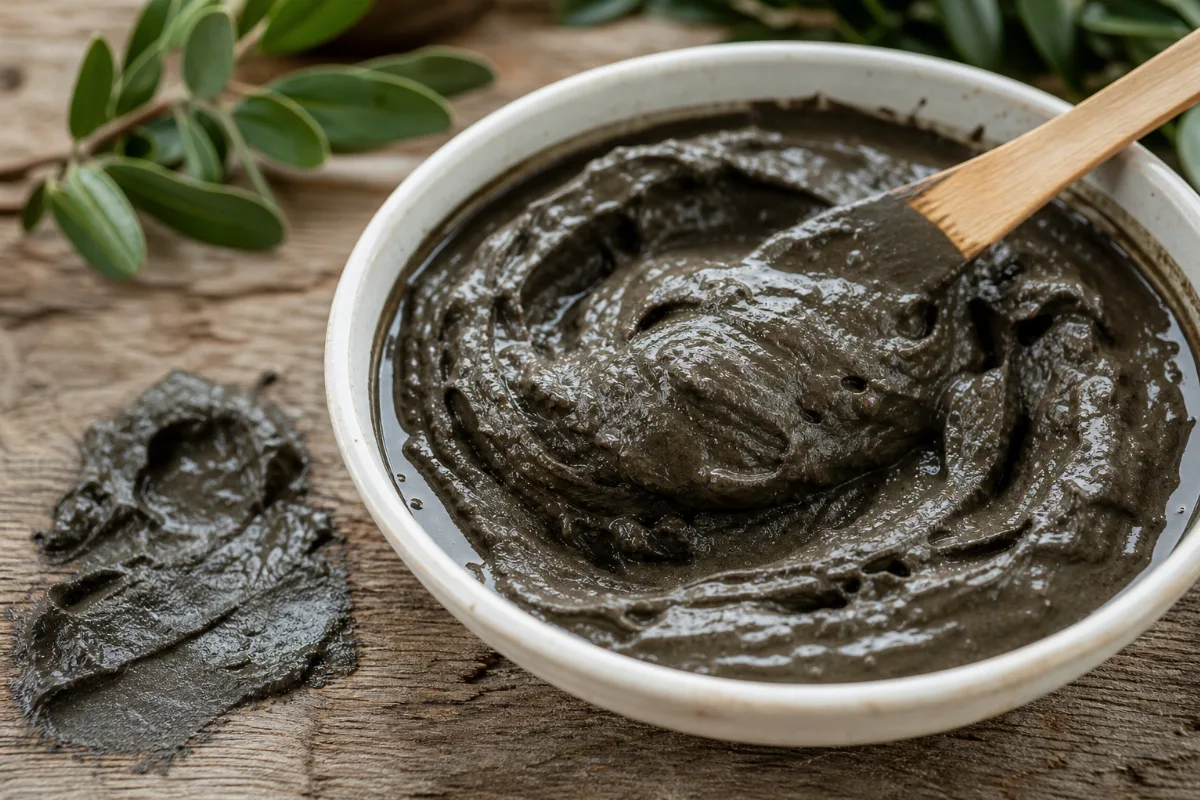
A peloid is a mud used for treatment or beauty. It has a liquid part, often mineral or sea water, and a solid part, such as clay or other fine material, sometimes with organic matter. The solid part helps the mixture stay stable and easy to handle.
Peloids are used warm. In a lab study of 16 spa peloids, they gave off heat up to four times more slowly than the same amount of water. Medical spas use them mostly for knee osteoarthritis, less for back pain and psoriatic arthritis.
Traditional and current uses
Using mud as a heat treatment goes back to antiquity. A 2026 review says mud therapy is practised in at least 40 countries as a non-drug add-on for muscle and joint disorders.
Today it is given as packs, baths or compresses in spas and clinics, as part of seaside or Dead Sea programs, and sold as masks and wraps. Trial results are for spa-grade programs and do not carry over to cosmetic jars.
What the research shows
For knee osteoarthritis, a 2026 meta-analysis of 28 randomised trials found less pain right after treatment and at 3 and 6 months, with the largest effect in knee osteoarthritis. Meta-analyses in 2020, 2021, 2024 and 2013 also favoured mud. A 2016 analysis found no significant difference in function at the end of follow-up under 4 months, with very high variation between trials.
Whether it is the mud or the heat is open. A double-blind pilot of 53 people found no difference between a hot mud pack and a hot pack of another substance. A trial of 217 people found 42 and 45 degree packs worked better than 39 degree packs.
Back pain, hand osteoarthritis and rheumatoid arthritis each rest on one to three small trials, usually with the mud given together with baths or compared with no treatment. No trial of a mud mask for skin was found, and no study shows detox.
How it is used and what to look for
In spas: a warm pack or bath of mud, usually on the knee or back, often as a course of visits. A clinic should explain temperature, time and who should not use it.
At home: mud masks and wraps are cosmetic products. Look for where the mud comes from and whether metals are tested, and be wary of words like detoxifies, removes heavy metals or safe to eat. A label cannot tell you what is in the jar.
At a glance
Traditional uses history, not proof
- Used as a heat treatment for muscles and joints, a use that dates back to antiquity (Maraver 2021).
- Used in spas in at least 40 countries as a non-drug add-on for muscle and joint disorders (2026 review).
- Seaside and Dead Sea mud is part of climate treatment programs for joint and rheumatic disorders (2026 review).
Studied for research
- Knee osteoarthritis pain and function, low certainty
- Whether the mud or only the heat helps, mixed evidence
- Mud baths on top of usual care, very low certainty
- Chronic low back pain, very low certainty
- Hand osteoarthritis, very low certainty
- Rheumatoid arthritis (peloid plus sulphur baths), very low certainty
- Seaside and Dead Sea programs, low certainty
- Skin masks and detox claims, insufficient evidence
Main compounds
- Solid part: clay or other fine material, sometimes with organic matter
- Liquid part: mineral or sea water with dissolved salts
- Natural radionuclides (a safety measure, within usual ranges in 13 Serbian muds)
- Contaminants that vary by deposit: metals, petroleum products, pesticides
Common forms
- Warm mud pack on a joint (spa or clinic)
- Mud bath (spa course)
- Compress at home (studied once, Dead Sea mud)
- Cosmetic mask or wrap (not studied in trials)
- Swallowed (not supported by any source read)
Research links: 2026 meta-analysis of mud therapy (abstract) · Hot mud pack versus hot control pack, 2013 (abstract) · Pack temperature trial, 2025 (abstract) · Serbian spa muds, chemistry and radioactivity, 2026 (abstract) · NCCIH: Detoxes and cleanses · Poison Control · Research Library · Genes & Biomarkers Library
What it is and its history
- Accepted scientific name
- Peloid (therapeutic mud)
- Synonyms
- Therapeutic mud; Medical mud; Mud-pack and mud-bath material; Pelotherapy (the treatment); Mud therapy
- Common names
- Mud therapy (English); Pelotherapy (English); Peloid (English)
- Family or group
- Mud-based preparation: a liquid part (often mineral or sea water) plus a solid part (clay or other fine material, sometimes with organic matter)
- Native range
- Used in spas in many countries; a 2026 review says mud therapy is practised in at least 40 countries.
- Habitat
- Dug or dredged from spring, lake, marine or peat deposits. Studied examples in the papers read come from Serbia, Estonia and the Dead Sea; other deposits were not checked.
- Harvest and processing
- Not checked beyond Maraver 2021, which tested nine raw materials mixed with distilled water as possible solid phases and says they can be used to prepare peloids with mineral waters. How each spa prepares its mud was not read.
- Look-alikes and adulterants
- Name: Clay face masks and cosmetic mud jars; Note: Sold for home use. Trial results are for spa-grade programs and do not carry over to jars.; Name: Dead Sea mud; Note: A named mud with its own page; one trial of Dead Sea mud for low back pain is read here.; Name: Single clays such as kaolin or bentonite; Note: A peloid can use clay as its solid part, but the finished mud is a mixture and behaves differently from the dry powder.
Traditional use and history history, not clinical proof
| Tradition or era | Documented use | Source |
|---|---|---|
| Antiquity to today | Maraver 2021 says the use of peloids as heat-providing therapeutic systems dates back to antiquity. | p33670514 |
| Modern spas | Medical spas use peloids as thermotherapeutic agents for muscle and joint problems, especially knee osteoarthritis and to a lesser extent back pain and psoriatic arthritis (Maraver 2021). | p33670514 |
| Worldwide | A 2026 review says pelotherapy is practised in at least 40 countries as a non-drug add-on for muscle and joint disorders. | p42719543 |
| Seaside and Dead Sea | Marine and Dead Sea mud therapy is part of climatotherapy for joint and rheumatic disorders (Muller 2026). | p42489765 |
| Clays in general | Clay eating has been seen in all parts of the world since antiquity (Gomes 2018). | p28150053 |
Traditional use shows how it was used. It does not show that it works or is safe today.
What is inside, and how it may work
What it contains and how those compounds act in cells and animals. Laboratory and animal mechanisms are not proven effects in people.
Main compounds
| Compound | Family | Where it is concentrated | Activity studied | Level of evidence |
|---|---|---|---|---|
| Solid phase (clay or other fine material) | mineral particles, sometimes with organic matter | Varies by deposit; Maraver 2021 tested 16 reference peloids and nine raw materials. | Helps the mixture stay stable and easy to handle, and changes its texture and how fast it gives off heat. 21 | Laboratory |
| Liquid phase (mineral, sea or other water) | water with dissolved salts | Serbian peloids ranged from below detection to 4% salinity and pH 6.59 to 9.52. | Carries heat and dissolved minerals. A benefit from the minerals is not established. 25 21 | Laboratory |
| Natural radionuclides (for example radium-226, thorium-232, potassium-40) | radioactive elements in rock | Within ranges commonly reported for therapeutic muds in 13 Serbian samples. | A safety measure, not a benefit. 25 | Laboratory |
| Potentially toxic elements and contaminants | metals, petroleum products, pesticides | Site-specific; Estonian samples showed petroleum products at some sites and pesticides at one. | Safety concern. 25 16 | Laboratory |
Mechanisms, receptors and pathways
| Target or pathway | Gene or receptor | What was found | Level |
|---|---|---|---|
| Slow heat release | None | Spa peloids and test pastes released heat up to four times more slowly than the same amount of water. 21 | Laboratory |
| Temperature of the pack | None | Packs at 42 and 45 degrees C gave more clinically important improvement in knee osteoarthritis than packs at 39 degrees C. 13 | Human data |
| Heat versus a chemical effect of mud | None | A hot mud pack was not clearly better than a hot pack of another substance in a 53-person double-blind pilot; the authors say more patients are needed to test a chemical effect. 27 | Human data |
| Inflammation and cartilage molecules (proposed) | Several cytokines (not named in the abstract) | The authors of a 2021 meta-analysis write that mud-bath therapy likely acts by modulating several cytokines and other molecules involved in inflammation and cartilage breakdown. The abstract gives no data for this. 22 | Hypothesis |
Absorption, metabolism and elimination
- Absorption
- Whether minerals or contaminants pass through the skin from a mud pack was not measured in the studies read. Gomes 2018 says dermal uptake of heavy metals from clay is possible (theory). The Serbian study modelled skin exposure rather than measuring it in people.
- Distribution
- Not studied.
- Elimination
- Not studied.
- Bioavailability
- Not studied.
Isolated compounds versus whole extracts
Mud is a mixture. Heat, wet weight on the joint, minerals in the water and the whole spa stay all act together in the trials. The best attempt to separate heat from mud (a 53-person pilot) found no clear difference between a hot mud pack and another hot pack.
Nutritional composition
Mud is not a food or nutrient and has no nutrition claim. Claims that mud feeds the body minerals through the skin are not supported by any study read.
1 mixed findings2 low certainty5 very low certainty2 not enough evidence
What was looked at
The 10 benefits and uses checked for Peloids and Mud Therapy, each with how strong the evidence is. Tap one to open it.
- Warm mud packs and mud baths for knee osteoarthritisLow certainty
- Is it the mud, or the heat?Mixed findings
- Mud baths as an add-on to usual careVery low certainty
- Chronic low back painVery low certainty
- Hand osteoarthritisVery low certainty
- Rheumatoid arthritisVery low certainty
- Seaside and Dead Sea programs (mud as one part)Low certainty
- Mud masks and body wraps for skinNot enough evidence
- 'Detox' and mineral-absorption claimsNot enough evidence
- Holding and releasing heatVery low certainty
Lab markers tracked in the studies
Knee pain score (VAS)WOMAC osteoarthritis indexPainkiller and anti-inflammatory useOswestry disability indexDisease Activity Score 28 (DAS28)Erythrocyte sedimentation rate (ESR)Hand osteoarthritis function (FIHOA)
What is Peloids and Mud Therapy good for?
The uses people ask about and how strong the evidence is for each. Knee osteoarthritis has the most research, and for every use the question of mud versus plain heat is open.
Benefits, one by one
Each card is a research question, not a promise. Tap a goal to filter. Open a card to see the studies, doses and limits.
Warm mud packs and mud baths for knee osteoarthritis
Low certaintySeveral pooled analyses of trials found less knee pain and better function after warm mud packs or mud baths, and the biggest 2026 analysis found the largest effect in knee osteoarthritis. An earlier 2016 analysis found no significant difference in function at the end of follow-up under 4 months. People cannot be blinded to a warm mud pack, and most trials did not use a warm pack without mud, so heat and attention explain some of the result.
8 studiesWarm mud pack or mud bath given in a spa or clinic, usually as a cour…
Studies, doses and limits
What the trials found
A 2026 meta-analysis pooled 28 randomised trials (2,186 people) in muscle and joint disorders and reported less pain right after treatment and at 3 and 6 months, with the largest effect in knee osteoarthritis. A 2020 meta-analysis of 11 trials (1,106 people) found less pain and better function in the short term. A 2024 meta-analysis of 10 studies (560 people) found less pain and better WOMAC scores. A 2013 meta-analysis of 7 studies (410 people) found less pain. A 2021 meta-analysis of 21 studies also found less pain and better function. A 2016 meta-analysis of 10 publications (1,010 people) found function was not significantly different from controls at the end of follow-up under 4 months, with very high variation between trials. A 2013 systematic review of 20 studies rated the risk of bias as moderate.
Results
2026 (28 trials): pain SMD -0.74 (95% CI -0.91 to -0.57) after treatment, -0.61 at 3 months, -0.49 at 6 months; knee osteoarthritis SMD -0.86; the authors rate this moderate certainty for muscle and joint disorders overall. 2024 (10 studies): pain SMD -0.36 (-0.56 to -0.16), WOMAC SMD -0.49 (-0.68 to -0.29). 2013 (7 studies): VAS pain SMD -0.73, WOMAC pain SMD -0.30. 2016: function -0.30 (-0.62 to 0.02) under 4 months, not significant.
Effect sizes as reported
Small to medium differences in pain and function in favour of mud. SMD stands for standardised mean difference; values near 0.5 are usually called moderate.
Why this rating
Many pooled analyses agree on the direction, but the trials are small, patients know they got mud, pain and function are self-reported, most comparison groups got no heat, and variation between trials is high. One analysis found no significant function difference early on. The 2026 authors rate their pooled pain result moderate for all muscle and joint disorders; for knee osteoarthritis alone with these limits, low is the fair reading.
Form and dose studied
Warm mud pack or mud bath given in a spa or clinic, usually as a course of daily sessions over about 2 weeks. Temperature, time and type of mud differ between trials (see the next card).
Who was studied
Adults with knee osteoarthritis in spa or clinic trials.
Limits
Short follow-up in most trials. Mud types differ between spas. A result for one named spa mud is not a promise for another mud or a cosmetic product. Several analyses searched few databases or included only trials with positive results.
Why researchers looked
Knee osteoarthritis is the most common reason spas and clinics give mud packs and baths. Sources describe it as the main use of therapeutic peloids.
Traditional use
Mud has been used as a warm treatment for joints in spas for a long time (Maraver 2021 describes use of peloids as heat-providing systems dating back to antiquity).
Proposed mechanism Laboratory
Mud is thick and holds heat. In a lab study spa peloids released heat up to four times more slowly than the same amount of water, which is why they are used as warm packs. Whether minerals in mud add anything beyond the heat is not established.
A proposed mechanism does not show that the effect happens in people.
Mud and peloid use is for the outside of the body only. Skin redness and tiredness were the most common side effects in trials; heat, site-to-site differences in mud and the lack of data for pregnancy are covered on the Safety tab.
Is it the mud, or the heat?
Mixed findingsTwo small trials tried to separate the mud from plain heat. In a double-blind pilot of 53 people with knee osteoarthritis, a hot mud pack did not beat a hot pack made of another substance on any outcome. In a larger trial of 217 people, hotter mud packs (42 and 45 degrees C) worked better than a cooler one (39 degrees C). So temperature matters, and a benefit from the minerals themselves is not shown.
5 studiesHot mud packs at about 39, 42 or 45 degrees C for 30 minutes in the t…
Studies, doses and limits
What the trials found
Tefner 2013: 53 adults, double-blind, hot Neydharting mud pack versus hot packs of a manufactured substance, 10 sessions over 2 weeks, followed to week 12. Guneri 2025: 217 adults with severe (Kellgren-Lawrence 3 or 4) knee osteoarthritis got a mud pack at 39, 42 or 45 degrees C for 30 minutes on 12 weekdays. Abu-Shakra 2014 (low back pain, see the Benefits tab) compared mineral-rich with mineral-depleted compresses and found less pain only with the mineral-rich mud, in 44 people.
Results
Tefner: WOMAC and quality-of-life scores improved in both groups; the difference between mud and control hot pack was not significant at any visit. Medicine need fell significantly only in the mud group. Guneri: more people in the 42 and 45 degree groups reached a clinically important improvement than in the 39 degree group (p < 0.001); 42 and 45 did not differ.
Effect sizes as reported
No difference between mud and hot control pack (pilot). Better results at 42 to 45 degrees than at 39 degrees.
Why this rating
One underpowered double-blind pilot found no difference from a hot pack, one larger trial shows temperature matters but has no mud-free group, and one small back pain trial favoured mineral-rich mud. The question of whether minerals add benefit is open.
Form and dose studied
Hot mud packs at about 39, 42 or 45 degrees C for 30 minutes in the trials. These are spa-supervised settings, not advice.
Who was studied
Adults with knee osteoarthritis (53 and 217 people).
Limits
Pilot was too small to rule out a mud effect. The temperature trial has no non-mud group.
Why researchers looked
Heat is a known way to ease sore joints, so researchers ask whether mud adds anything beyond a warm pack.
Traditional use
NHS notes that hot or cold packs can relieve osteoarthritis pain in some people.
Proposed mechanism Laboratory
Mud is thick and holds heat. In a lab study spa peloids released heat up to four times more slowly than the same amount of water, which is why they are used as warm packs. Whether minerals in mud add anything beyond the heat is not established.
A proposed mechanism does not show that the effect happens in people.
Higher temperature means more risk of skin harm; burns from hot packs are not described in detail in the trials read. Ask a clinician about temperature.
Mud baths as an add-on to usual care
Very low certaintyIn one trial of 103 people with knee osteoarthritis in both knees, a 2-week cycle of mud baths on top of usual treatment was followed over 12 months by more quality-adjusted life years and lower costs than usual treatment alone. A small trial added mud baths to glucosamine. These are open trials of whole spa courses, so they cannot show the mud itself did the work.
5 studiesTwo-week spa-style course of mud baths on top of usual care.
Studies, doses and limits
What the trials found
Ciani 2017: 103 adults (53 mud bath, 50 usual care), 12 months, economic analysis alongside a randomised trial. Peluso 2016: 45 adults, crossover, mud baths plus glucosamine sulfate versus glucosamine alone. A 2018 systematic review of 12 comparative trials of spa, mud pack, balneotherapy and mud bath could not pool the data but reported less pain, less anti-inflammatory use and less functional limitation. A 2025 systematic review of 40 controlled trials found better long-term outcomes with mineral water or mud therapy than with standard rehabilitation heat treatments. A 2021 overview of 17 reviews rated the reviews low to critically low quality, while mud therapy reduced pain and stiffness on re-analysis.
Results
Ciani: quality-adjusted life years 0.835 (mud) versus 0.753 (usual care), P < 0.001; direct costs EUR 303 versus EUR 975 per patient, mainly from fewer knee replacement admissions and hyaluronic acid injections. Peluso: the authors report gains with the combination; the abstract gives no figures.
Effect sizes as reported
Higher quality of life and lower health-care use over 12 months in one open trial.
Why this rating
Open (unblinded) trials of whole spa courses, one economic analysis, a 45-person crossover without numbers in the abstract, and an overview that rates the review literature low to critically low.
Form and dose studied
Two-week spa-style course of mud baths on top of usual care.
Who was studied
Adults with knee osteoarthritis, mostly in Europe.
Limits
Spa courses combine heat, bathing, exercise, rest and a change of place. Cost results depend on the health system.
Why researchers looked
Researchers also ask whether a spa course given on top of normal care changes drug use, quality of life and costs.
Traditional use
Spa therapy courses are part of routine care for rheumatic disease in several European countries; see the balneotherapy page.
Proposed mechanism Hypothesis
Possible effects of heat, rest, minerals in the water and attention from staff are mixed together in a spa course.
A proposed mechanism does not show that the effect happens in people.
Mud and peloid use is for the outside of the body only. Skin redness and tiredness were the most common side effects in trials; heat, site-to-site differences in mud and the lack of data for pregnancy are covered on the Safety tab.
Chronic low back pain
Very low certaintyThree small trials of warm mud or peloid packs for chronic low back pain reported less pain than comparison groups. They are small, short and flawed: one comparison group got no heat, one trial was a 31-person pilot lasting 4 days, and one had uneven groups (32 versus 12). Results are promising but weak.
4 studiesWarm mud pack or peloid at 45 degrees C or home compresses; spa and c…
Studies, doses and limits
What the trials found
Karaarslan 2021: 106 adults, peloid at 45 degrees C plus home exercise versus home exercise alone (15 sessions over 3 weeks). Hahm 2020: 31 adults, pilot, mud pack plus core exercise versus core exercise (8 sessions over 4 days). Abu-Shakra 2014: 44 adults, Dead Sea mud compresses at home for 3 weeks versus mineral-depleted compresses. Two trials of chronic back pain caused by lumbar osteoarthritis are counted in a 2024 systematic review.
Results
Karaarslan: at 3 weeks, better Oswestry disability (p = 0.013), pain (p = 0.039) and physician global (p = 0.002); at 1 month, pain and disability p < 0.001. Hahm: pain at rest p = 0.048, pressure pain threshold p = 0.045 and 0.015, balance better. Abu-Shakra: pain fell significantly only with mineral-rich mud; function scores improved in both groups.
Effect sizes as reported
Modest differences in pain and function.
Why this rating
Small trials, one not described as randomised, no heat-matched comparison, and many outcomes tested. The Dead Sea trial's authors say they cannot tell if it is a true mud effect.
Form and dose studied
Warm mud pack or peloid at 45 degrees C or home compresses; spa and clinic settings.
Who was studied
Adults with chronic (mostly nonspecific) low back pain.
Limits
Short follow-up (up to 1 month); self-reported outcomes.
Why researchers looked
Back pain is the second most common reason spas use peloids, after knee osteoarthritis.
Traditional use
Used in spa medicine for back and joint pain.
Proposed mechanism Laboratory
Mud is thick and holds heat. In a lab study spa peloids released heat up to four times more slowly than the same amount of water, which is why they are used as warm packs. Whether minerals in mud add anything beyond the heat is not established.
A proposed mechanism does not show that the effect happens in people.
Mud and peloid use is for the outside of the body only. Skin redness and tiredness were the most common side effects in trials; heat, site-to-site differences in mud and the lack of data for pregnancy are covered on the Safety tab.
Hand osteoarthritis
Very low certaintyTwo trials in hand osteoarthritis found benefit but cannot separate the mud. In 60 people, a course of local mud packs and mineral-water baths was better than usual care for up to 6 months. In 80 women, peloid and paraffin warm treatments worked about equally for pain, function and grip.
3 studiesLocal mud packs and baths in spa courses; peloid sessions in a clinic.
Studies, doses and limits
What the trials found
Fioravanti 2014: 60 outpatients, single-blind, 12 daily mud packs plus thermal baths versus usual care, followed for 12 months. Aksanyar 2022: 80 women, peloid versus paraffin, each with home exercise, 15 sessions over 3 weeks, assessed to 1 month after.
Results
Fioravanti: spa group better on all measures at 2 weeks and 3 months; function, disability and drug use still better at 6 months; control group unchanged. Aksanyar: both groups improved on pain, function and grip; peloid did better on HAQ (3 weeks and 1 month) and on depression score at 3 weeks and on some quality-of-life parts.
Effect sizes as reported
Similar pain and function gains with peloid and paraffin.
Why this rating
Small trials. One mixes mud with baths and compares with no treatment. The other shows mud was not clearly better than paraffin for pain.
Form and dose studied
Local mud packs and baths in spa courses; peloid sessions in a clinic.
Who was studied
Adults with hand osteoarthritis (60 people; 80 women).
Limits
Single-blind only; short follow-up in one trial.
Why researchers looked
Heat treatments are used for hand joints, and spas offer mud packs for the hands.
Traditional use
Spa medicine for hand osteoarthritis.
Proposed mechanism Laboratory
Mud is thick and holds heat. In a lab study spa peloids released heat up to four times more slowly than the same amount of water, which is why they are used as warm packs. Whether minerals in mud add anything beyond the heat is not established.
A proposed mechanism does not show that the effect happens in people.
Mud and peloid use is for the outside of the body only. Skin redness and tiredness were the most common side effects in trials; heat, site-to-site differences in mud and the lack of data for pregnancy are covered on the Safety tab.
Rheumatoid arthritis
Very low certaintyOne 2026 study of 70 people with active rheumatoid arthritis found a bigger fall in disease activity after cool sulphurous peloid packs plus sulphur-water baths than after galvanic baths, with no serious side effects reported. The mud and the sulphur baths were given together, and it is not clear people were randomly assigned.
1 studies21 daily sessions in a spa; cool peloids and sulphur water.
Studies, doses and limits
What the trials found
Grujic 2026: 70 adults with active rheumatoid arthritis, 21 daily sessions of local low-temperature sulphurous peloids then partial sulphurous baths, versus galvanic baths, with identical physiotherapy and magnetic-field therapy in both groups.
Results
DAS28 fell from 6.17 to 4.65 with peloids and baths versus 6.00 to 5.41 with galvanic baths (p < 0.001). Pain, joint counts and ESR favoured the peloid group; 77.1% versus 20.0% reduced analgesic dose. No serious adverse events.
Effect sizes as reported
About 1.5 points of DAS28 versus 0.6 points in the comparison group.
Why this rating
One study, combined treatment, randomisation not described in the abstract, short follow-up, and several authors also wrote other spa-mud papers cited here.
Form and dose studied
21 daily sessions in a spa; cool peloids and sulphur water.
Who was studied
Adults with active rheumatoid arthritis in Serbia.
Limits
The peloid alone is not tested. Rheumatoid arthritis needs medical treatment; this is an add-on study.
Why researchers looked
Spas also offer peloids to people with rheumatoid arthritis alongside medicines.
Traditional use
Spa medicine for rheumatic disease.
Proposed mechanism Hypothesis
Not tested. Heat is not the explanation here, because the peloids were cool (24 degrees C).
A proposed mechanism does not show that the effect happens in people.
Mud and peloid use is for the outside of the body only. Skin redness and tiredness were the most common side effects in trials; heat, site-to-site differences in mud and the lack of data for pregnancy are covered on the Safety tab. In this study no serious adverse events were reported.
Seaside and Dead Sea programs (mud as one part)
Low certaintyA 2026 review of nine studies (465 people) found short-term gains in pain, function and quality of life after seaside or Dead Sea programs that include mud, with a large effect in osteoarthritis and a smaller, non-significant one in fibromyalgia. The pooled pain result was inconclusive, and the authors say limits prevent firm conclusions.
1 studiesClimate programs at the sea or the Dead Sea.
Studies, doses and limits
What the trials found
Muller 2026: systematic review, JBI method and PRISMA 2020, PEDro scale for quality, registered in PROSPERO; 9 studies from 10 articles (n = 465). Pooling was possible only for pain (2 studies).
Results
Consistent short-term improvements in pain, function and quality of life; pooled pain inconclusive; large significant effect in osteoarthritis; smaller non-significant effect in fibromyalgia; no serious adverse events, though safety was inconsistently assessed.
Effect sizes as reported
Not pooled with confidence.
Why this rating
Few trials with different programs; mud is one of several elements.
Form and dose studied
Climate programs at the sea or the Dead Sea.
Who was studied
Adults with musculoskeletal and rheumatologic disorders.
Limits
Safety was not reported the same way across trials.
Why researchers looked
Dead Sea and marine mud is popular for joint and muscle problems and fibromyalgia.
Traditional use
Seaside and Dead Sea treatment is traditional in several countries.
Proposed mechanism Hypothesis
Heat, sun, sea water, salt and rest all act together; the mud cannot be separated.
A proposed mechanism does not show that the effect happens in people.
Mud and peloid use is for the outside of the body only. Skin redness and tiredness were the most common side effects in trials; heat, site-to-site differences in mud and the lack of data for pregnancy are covered on the Safety tab.
Mud masks and body wraps for skin
Not enough evidenceNo trial was found that shows a mud mask or wrap treats acne, eczema or ageing skin. A 2025 review of mud for skin discusses ideas and future research and gives no skin trial results in its abstract.
1 studiesFace and body masks.
Studies, doses and limits
What the trials found
Almeida 2025 is a narrative review of pelotherapy, thalassotherapy and electropelotherapy for the skin. It reports growing interest and says more studies are needed.
Results
No skin trial results in the abstract.
Why this rating
No skin trial of a mud mask was found; the review is narrative.
Form and dose studied
Face and body masks.
Limits
A review with no pooled data. Cosmetic mud jars are not the same as spa-grade peloids.
Why researchers looked
Mud masks are sold for skin care and spa wraps.
Traditional use
Used for skin and beauty in spas.
Proposed mechanism Pharmacological theory
Fine clay can soak up oils and water because of its large surface area. That is a property of the powder, not proof of an effect on skin disease.
A proposed mechanism does not show that the effect happens in people.
Mud on the skin can cause redness. Patch testing a small area first is a common precaution; see the clay face mask page.
'Detox' and mineral-absorption claims
Not enough evidenceSellers say mud pulls toxins out through the skin or feeds the body minerals. No study found shows either. NCCIH reports a 2015 review that found no compelling research that detox programs remove toxins. A review of healing clays warns that clay can also pick up and pass on metals.
2 studiesNot applicable.
Studies, doses and limits
What the trials found
No trial of mud for detox or mineral absorption was found. NCCIH's page covers detox diets and cleanses in general and does not mention mud. Gomes 2018 says clay can adsorb toxic elements for removal or for uptake, so the effect can go either way.
Results
No results.
Why this rating
No human study of the claim; only a general statement about detox programs.
Limits
The NCCIH statement is about detox diets, not mud, so it is not direct evidence either way.
Why researchers looked
These are common seller claims, so they are checked here.
Traditional use
Traditional spa and folk use includes cleansing language.
Proposed mechanism Pharmacological theory
Clays can bind substances in lab settings (Gomes 2018), but that is not proof they remove toxins from a living body through skin.
A proposed mechanism does not show that the effect happens in people.
Do not eat or drink mud for a detox; see the Safety tab.
Holding and releasing heat
Very low certaintyIn a lab study of 16 reference spa peloids, the muds released heat up to four times more slowly than the same amount of water. That helps explain why they are used as warm packs. It does not show mud works better than any other warm pack.
1 studiesSpa peloids and test pastes.
Studies, doses and limits
What the trials found
Maraver 2021 measured composition, texture and thermal behaviour of 16 reference peloids from medical spas and nine raw materials mixed with distilled water.
Results
Heat flow rate up to four times lower than for the same amount of water.
Effect sizes as reported
Up to four times slower heat release than water.
Why this rating
Laboratory measurement, not a human outcome.
Form and dose studied
Spa peloids and test pastes.
Limits
No people were studied.
Why researchers looked
A pack that stays warm longer is the practical reason mud is used.
Traditional use
Peloids have been used as heat-providing systems since antiquity.
Proposed mechanism Laboratory
Mud is thick and holds heat. In a lab study spa peloids released heat up to four times more slowly than the same amount of water, which is why they are used as warm packs. Whether minerals in mud add anything beyond the heat is not established.
A proposed mechanism does not show that the effect happens in people.
Slow heat release also means a pack applied too hot stays hot on the skin; temperatures in trials were set by staff.
Connections to the rest of health
How Peloids and Mud Therapy connects to the rest of our health knowledge graph. Every link says what kind of connection it is. A safety link (for example to the liver) is a warning, not a benefit. A study that merely mentions a topic never creates a benefit link.
Explore every connection: goals, body systems, organs, symptoms, genes
A. Wellness goals
| Connected to | Kind of connection | Evidence status | Context | Studies |
|---|---|---|---|---|
| Joint Support | Low certainty | Warm mud packs and mud baths for knee osteoarthritis: Several pooled analyses of trials found less knee pain and better function after warm mud packs or mud baths, and the biggest 2026 analysis found the largest effect in knee osteoarthritis. An earlier 2016 analysis found no significant difference in function at the end of follow-up under 4 months. People cannot be blinded to a warm mud pack, and most trials did not use a warm pack without mud, so heat and attention explain some of the result. Is it the mud, or the heat?: Two small trials tried to separate the mud from plain heat. In a double-blind pilot of 53 people with knee osteoarthritis, a hot mud pack did not beat a hot pack made of another substance on any outcome. In a larger trial of 217 people, hotter mud packs (42 and 45 degrees C) worked better than a cooler one (39 degrees C). So temperature matters, and a benefit from the minerals themselves is not shown. | 4 15 5 19 22 28 8 20 27 13 1 21 29 6 26 10 23 7 17 14 9 2 12 24 | |
| Mobility Support | Low certainty | Warm mud packs and mud baths for knee osteoarthritis: Several pooled analyses of trials found less knee pain and better function after warm mud packs or mud baths, and the biggest 2026 analysis found the largest effect in knee osteoarthritis. An earlier 2016 analysis found no significant difference in function at the end of follow-up under 4 months. People cannot be blinded to a warm mud pack, and most trials did not use a warm pack without mud, so heat and attention explain some of the result. Mud baths as an add-on to usual care: In one trial of 103 people with knee osteoarthritis in both knees, a 2-week cycle of mud baths on top of usual treatment was followed over 12 months by more quality-adjusted life years and lower costs than usual treatment alone. A small trial added mud baths to glucosamine. These are open trials of whole spa courses, so they cannot show the mud itself did the work. | 4 15 5 19 22 28 8 20 6 26 10 23 7 | |
| Pain Relief | Low certainty | Warm mud packs and mud baths for knee osteoarthritis: Several pooled analyses of trials found less knee pain and better function after warm mud packs or mud baths, and the biggest 2026 analysis found the largest effect in knee osteoarthritis. An earlier 2016 analysis found no significant difference in function at the end of follow-up under 4 months. People cannot be blinded to a warm mud pack, and most trials did not use a warm pack without mud, so heat and attention explain some of the result. Is it the mud, or the heat?: Two small trials tried to separate the mud from plain heat. In a double-blind pilot of 53 people with knee osteoarthritis, a hot mud pack did not beat a hot pack made of another substance on any outcome. In a larger trial of 217 people, hotter mud packs (42 and 45 degrees C) worked better than a cooler one (39 degrees C). So temperature matters, and a benefit from the minerals themselves is not shown. | 4 15 5 19 22 28 8 20 27 13 1 21 29 17 14 9 2 12 24 | |
| Healthy Skin | Not enough evidence | Mud masks and body wraps for skin: No trial was found that shows a mud mask or wrap treats acne, eczema or ageing skin. A 2025 review of mud for skin discusses ideas and future research and gives no skin trial results in its abstract. | 3 | |
| Detoxification Support | Not enough evidence | 'Detox' and mineral-absorption claims: Sellers say mud pulls toxins out through the skin or feeds the body minerals. No study found shows either. NCCIH reports a 2015 review that found no compelling research that detox programs remove toxins. A review of healing clays warns that clay can also pick up and pass on metals. | 30 11 | |
| Joint Support | Very low certainty | Holding and releasing heat: In a lab study of 16 reference spa peloids, the muds released heat up to four times more slowly than the same amount of water. That helps explain why they are used as warm packs. It does not show mud works better than any other warm pack. | 21 |
B. Body systems
| Connected to | Kind of connection | Evidence status | Context | Studies |
|---|---|---|---|---|
| Bones Joints Muscles | Biological association | Low certainty | Studied for: Warm mud packs and mud baths for knee osteoarthritis Studied for: Is it the mud, or the heat? | 4 15 5 19 22 28 8 20 27 13 1 21 29 6 26 10 23 7 17 14 9 2 12 24 |
| Pain Inflammation | Biological association | Low certainty | Studied for: Warm mud packs and mud baths for knee osteoarthritis Studied for: Chronic low back pain | 4 15 5 19 22 28 8 20 17 14 1 24 |
| Integumentary System | Biological association | Not enough evidence | Studied for: Mud masks and body wraps for skin Studied for: 'Detox' and mineral-absorption claims | 3 30 11 |
D. Symptoms
| Connected to | Kind of connection | Evidence status | Context | Studies |
|---|---|---|---|---|
| Skin redness | Adverse effect or risk | Moderate certainty | 6.5% in the 2026 meta-analysis. Preparation or compound: Mud packs and baths |
4 |
E. Health conditions
| Connected to | Kind of connection | Evidence status | Context | Studies |
|---|---|---|---|---|
| Osteoarthritis, knee | Low certainty | Most studied use; many pooled analyses with mixed quality. Most studied use; meta-analyses mostly favour mud, quality mixed. Preparation or compound: Warm mud packs and mud baths |
4 15 28 | |
| Chronic low back pain | Very low certainty | Three small trials. Preparation or compound: Warm peloid or mud packs |
17 14 1 | |
| Hand osteoarthritis | Very low certainty | Two small trials. Preparation or compound: Mud packs and peloid |
9 2 | |
| Rheumatoid arthritis | Very low certainty | One 70-person study. Preparation or compound: Sulphurous peloids plus baths |
12 |
I. Biomarkers
| Connected to | Kind of connection | Evidence status | Context | Studies |
|---|---|---|---|---|
| Knee pain score (VAS) | Biological association | Low certainty | Measured in trials: lowered. A lab change is not the same as a health benefit. | 19 4 |
| WOMAC osteoarthritis index | Biological association | Low certainty | Measured in trials: lowered. A lab change is not the same as a health benefit. | 5 27 15 |
| Painkiller and anti-inflammatory use | Biological association | Very low certainty | Measured in trials: lowered. A lab change is not the same as a health benefit. | 27 6 |
| Oswestry disability index | Biological association | Very low certainty | Measured in trials: lowered. A lab change is not the same as a health benefit. | 17 |
| Disease Activity Score 28 (DAS28) | Biological association | Very low certainty | Measured in trials: lowered. A lab change is not the same as a health benefit. | 12 |
| Erythrocyte sedimentation rate (ESR) | Biological association | Very low certainty | Measured in trials: lowered. A lab change is not the same as a health benefit. | 12 |
| Hand osteoarthritis function (FIHOA) | Biological association | Very low certainty | Measured in trials: improved. A lab change is not the same as a health benefit. | 9 |
K. Biological pathways
| Connected to | Kind of connection | Evidence status | Context | Studies |
|---|---|---|---|---|
| Inflammatory cytokines | Preliminary mechanism | Hypothesis | Proposed by the authors of a 2021 meta-analysis; no data in the abstract. | 22 |
L. Active compounds
| Connected to | Kind of connection | Evidence status | Context | Studies |
|---|---|---|---|---|
| Solid phase (clay or other fine material) | Biological association | Laboratory | Helps the mixture stay stable and easy to handle, and changes its texture and how fast it gives off heat. | 21 |
| Liquid phase (mineral, sea or other water) | Biological association | Laboratory | Carries heat and dissolved minerals. A benefit from the minerals is not established. | 25 21 |
| Natural radionuclides (for example radium-226, thorium-232, potassium-40) | Biological association | Laboratory | A safety measure, not a benefit. | 25 |
| Potentially toxic elements and contaminants | Biological association | Laboratory | Safety concern. | 25 16 |
Each connection is stored with the ingredient, the connected record, the kind of connection, the evidence status, the supporting studies, the preparation or compound involved, and a review date (last reviewed October 25, 2026).
Evidence at a glance: what changed in 6 lab markers
Tap a number to show only those markers. Counts are markers, not people.
The evidence
The research centre for Peloids and Mud Therapy. Every record here was checked against PubMed or the publisher's page; we never list a study we have not verified.
Evidence by outcome
Bars show how many studies we found for each outcome, not how well it works. People are added up across trials only (reviews are not added, to avoid double counting).
How we rate evidence
High certainty
Several well-run trials or reviews agree; further research is unlikely to change the picture much.
Moderate certainty
Good trials point the same way, but some doubt remains.
Low certainty
Small, short or inconsistent trials. The finding could change with better research.
Very low certainty
Very little or very weak human data. Treat as a possibility only.
Mixed findings
Trials or reviews disagree with each other.
Not enough evidence
Not enough human research to say either way.
Evidence against
Good research found no benefit, or found harm.
We take the reviewers' own risk-of-bias and GRADE statements where they exist, and otherwise judge from study size, design, consistency, directness and whether a product matches what is sold. Many publications do not make evidence high. Method note: We searched PubMed, read the abstract of each cited paper, and read the NHS, NCCIH, FDA cosmetics and Poison Control pages. Certainty ratings are the compiler's own reading, except where a review gives its own GRADE (stated in the text). Funding is not stated in most abstracts, and this is noted where relevant. No study is cited that we could not verify.
Study library: every study we checked 32
| Study | Design | People | Product, dose, length | Result |
|---|---|---|---|---|
| Abu-Shakra 2014 Dead Sea mud packs for chronic low back pain. Israel Medical Association Journal · PMID 25351016 |
Controlled trial |
44 44 of 46 adults with chronic low back pain completed |
Dead Sea mineral-rich mud compresses at home mud or clay (a mineral preparation, not a plant) 5 times a week 3 weeks, followed one month · vs Mineral-depleted compresses |
Pain fell significantly only in the group with mineral-rich mud (32 people versus 12 with the depleted packs), improvement lasted a month, and Roland-Morris scores improved in both groups. The authors say it is a modest effect and cannot tell whether it is a true mud effect. Methods, limits and fundingOutcomes: Patient-rated overall back pain; Roland-Morris score Limitations: Very small and unevenly split (32 versus 12). Not clear from the abstract whether the control pack was equally warm. Funding and conflicts: Not stated in the abstract. Read: abstract |
| Aksanyar 2022 Comparison of the effectiveness of peloid and paraffin treatment for symptomatic hand osteoarthritis in women: a single-blind randomized controlled study. International Journal of Biometeorology · PMID 35794487 · DOI |
Controlled trial |
80 80 women with symptomatic hand osteoarthritis |
Peloid therapy plus home exercise mud or clay (a mineral preparation, not a plant) 15 sessions 3 weeks, assessed at 3 weeks and 1 month after · vs Paraffin therapy plus home exercise |
Both groups improved on all measures except SF-36. Pain, function and grip strength were similar between peloid and paraffin. The peloid group did better on HAQ (3 weeks and 1 month) and on the Beck depression score at 3 weeks, and on some SF-36 parts. Methods, limits and fundingOutcomes: Pain (VAS), grip strength, AUSCAN function, HAQ, depression, SF-36 Limitations: Both are warm treatments, so the study mostly shows that mud was not clearly better than paraffin for pain. Women only; one month of follow-up. Funding and conflicts: Not stated in the abstract. Read: abstract |
| Almeida 2025 Pelotherapy, thalassotherapy, and electrotherapy for skin treatment: current insights and future perspectives on electropelotherapy. International Journal of Biometeorology · PMID 40531339 · DOI |
Narrative review |
Narrative review of muds for skin and physical rehabilitation | Peloids, thalassotherapy and electropelotherapy mud or clay (a mineral preparation, not a plant) |
The review says there is growing interest in natural muds linked to documented health benefits and that studies of combining mud with electrotherapy are few (one pilot study in horses). The abstract gives no skin trial results. Methods, limits and fundingOutcomes: Overview of reported benefits and future research Limitations: A narrative review with no pooled results in the abstract. It does not show that a mud mask treats any skin condition. Funding and conflicts: Not stated in the abstract. Read: abstract |
| Balakrishna 2026 Effectiveness and Safety of Mud Therapy (Pelotherapy) for Musculoskeletal Disorders: A Systematic Review and Meta-Analysis. Journal of Lifestyle Medicine · PMID 42719543 · DOI |
Meta-analysis |
2186 Adults with musculoskeletal disorders; 33 studies (n = 2,651) in the review, 28 randomised trials (n = 2,186) pooled |
Natural mineral-rich mud, peat or clay (pelotherapy) mud or clay (a mineral preparation, not a plant) Not given in the abstract Not given in the abstract · vs Sham, usual care or no treatment |
Pain after treatment was lower with mud therapy (SMD -0.74; 95% CI -0.91 to -0.57; I2 = 62%; moderate certainty by the authors' GRADE), still lower at 3 months (SMD -0.61; -0.81 to -0.41) and 6 months (SMD -0.49; -0.71 to -0.27). Function improved (SMD -0.69; -0.87 to -0.51). Largest effects were in osteoarthritis, knee osteoarthritis SMD -0.86. Most common adverse events: skin redness 6.5% and passing tiredness 4.8%. Serious adverse events were not more common (RR 0.98; 0.61 to 1.58). SMD -0.74 pain; SMD -0.86 knee osteoarthritis (-0.91 to -0.57) Methods, limits and fundingOutcomes: Pain, physical function, adverse events Limitations: Abstract only. Moderate heterogeneity (I2 62%). People cannot be blinded to a warm mud pack, so pain and function scores are self-reported by people who know their treatment. Control groups were sham, usual care or no treatment, so heat and attention are not separated from mud. The abstract does not give funding. The authors' conclusion supports use as an adjunct 'in naturopathic and integrative medicine'. Funding and conflicts: Not stated in the abstract. Read: abstract |
| Boopalan 2024 Effect of local mud application in patients with knee osteoarthritis - A systematic review and meta-analysis. International Journal of Biometeorology · PMID 38916766 · DOI |
Meta-analysis |
560 Adults with knee osteoarthritis; 10 studies |
Local mud application mud or clay (a mineral preparation, not a plant) Not given in the abstract Not given in the abstract · vs Control groups in the trials |
Pain SMD -0.36 (95% CI -0.56 to -0.16); WOMAC SMD -0.49 (-0.68 to -0.29), both in favour of mud. The authors say it may serve as a supplement to conventional care and that further high-quality trials are needed. Pain SMD -0.36; WOMAC SMD -0.49 (-0.56 to -0.16; -0.68 to -0.29) Methods, limits and fundingOutcomes: Pain and WOMAC score Limitations: Fixed-effects model; abstract does not give heterogeneity. Abstract only. Funding and conflicts: Not stated in the abstract. Read: abstract |
| Ciani 2017 Mud-Bath Therapy in Addition to Usual Care in Bilateral Knee Osteoarthritis: An Economic Evaluation Alongside a Randomized Controlled Trial. Arthritis Care and Research · PMID 27723261 · DOI |
Controlled trial |
103 103 adults with bilateral knee osteoarthritis (53 mud-bath, 50 control) |
2-week cycle of mud-bath therapy in addition to usual treatment mud or clay (a mineral preparation, not a plant) 2-week cycle Followed for 12 months · vs Usual treatment alone |
Over 12 months the mud-bath group gained more quality-adjusted life years (0.835 versus 0.753; P < 0.001). Average direct costs per patient were EUR 303 versus EUR 975, mainly because controls had more knee replacement hospital stays and hyaluronic acid injections. The authors judge mud baths a dominant strategy and a useful complementary therapy. Methods, limits and fundingOutcomes: Quality-adjusted life years (EuroQol), health-care costs, hospitalisation Limitations: An economic analysis of one open trial (patients know which treatment they get), so quality-of-life scores are self-reported by unblinded people. Costs depend on the health system studied (the abstract does not name the country). The cost difference was driven by a few high-cost events. Funding and conflicts: Not stated in the abstract. Read: abstract |
| D'Angelo 2021 The efficacy of balneotherapy, mud therapy and spa therapy in patients with osteoarthritis: an overview of reviews. International Journal of Biometeorology · PMID 33740137 · DOI |
Systematic review |
17 systematic reviews containing 27 unique studies in osteoarthritis | Balneotherapy, mud therapy and spa therapy mud or clay (a mineral preparation, not a plant) Not given in the abstract Short term · vs Various |
Quality of the reviews was low to critically low. On re-analysing primary data, mud therapy significantly reduced pain and stiffness. The authors warn that the evidence may be seriously flawed by quality, small samples, varied treatments, high heterogeneity and no double-blind design, but call it encouraging short-term evidence. Methods, limits and fundingOutcomes: Pain, stiffness, quality of life Limitations: An overview of reviews; the reviews it covers overlap and are of weak quality by its own rating. Funding and conflicts: Not stated in the abstract. Read: abstract |
| Espejo-Antunez 2013 Clinical effectiveness of mud pack therapy in knee osteoarthritis. Rheumatology (Oxford) · PMID 23236190 · DOI |
Systematic review |
Adults with knee osteoarthritis; 20 studies chosen from 115 publications | Mud pack therapy mud or clay (a mineral preparation, not a plant) Not given in the abstract Not given in the abstract · vs Various |
All 20 included studies reported a significant improvement in the outcome they analysed (12 on function, 17 on perceived pain, 5 on quality of life). The authors rated the risk of bias as moderate and called for studies with better methods. Methods, limits and fundingOutcomes: Pain, function, quality of life Limitations: Studies with non-significant results were excluded by design ('showing conclusive results'), which could bias the summary toward benefit. Abstract only. Funding and conflicts: Not stated in the abstract. Read: abstract |
| Fioravanti 2014 Short- and long-term effects of mud-bath treatment on hand osteoarthritis: a randomized clinical trial. International Journal of Biometeorology · PMID 23314489 · DOI |
Controlled trial |
60 60 outpatients with primary bilateral hand osteoarthritis |
12 daily local mud packs plus thermal baths in sulfate-calcium-magnesium-fluoride mineral water, added to usual treatment mud or clay (a mineral preparation, not a plant) 12 daily sessions 2 weeks, followed 12 months · vs Usual outpatient care (exercise, NSAIDs, analgesics) |
The spa group was better on all measures at the end and at 3 months. FIHOA, HAQ and drug use were still better at 6 months. The control group did not change. Tolerability seemed good. Methods, limits and fundingOutcomes: Hand pain (VAS), function index (FIHOA), HAQ, morning stiffness, SF-36, drug use Limitations: Single-blind only; the control group had no spa visits, so mud cannot be separated from the baths, rest and attention. Funding and conflicts: Not stated in the abstract. Read: abstract |
| Fraioli 2018 Efficacy of Spa Therapy, Mud-Pack Therapy, Balneotherapy, and Mud-Bath Therapy in the Management of Knee Osteoarthritis. A Systematic Review. BioMed Research International · PMID 30046586 · DOI |
Systematic review |
Adults with knee osteoarthritis; 12 comparative trials chosen from 35 studies (2002 to 2017) | Spa therapy, mud packs, balneotherapy and mud baths mud or clay (a mineral preparation, not a plant) Not given in the abstract Not given in the abstract · vs Various |
The studies differed too much to pool, so the authors re-tested each with a Student's t-test and report improved pain scores, less anti-inflammatory drug use and less functional limitation. Methods, limits and fundingOutcomes: Pain (VAS), WOMAC, Lequesne, painkiller use, quality of life Limitations: No meta-analysis possible. Mixes whole spa programs (bathing, climate, exercise) with mud alone. Publication bias possible. Funding and conflicts: Not stated in the abstract. Read: abstract |
| Gomes 2018 Healing and edible clays: a review of basic concepts, benefits and risks. Environmental Geochemistry and Health · PMID 28150053 · DOI |
Narrative review |
Review of healing clays for therapeutic and cosmetic use, and edible clays | Healing clays in general mud or clay (a mineral preparation, not a plant) |
The review says clay particles can adsorb toxic elements and make them available for removal, but can also adsorb heavy metals and make them available for uptake through eating or through the skin. It notes that clay eating has been seen in all parts of the world since antiquity. Methods, limits and fundingOutcomes: Benefits and risks Limitations: A general review of clays, not a study of therapeutic muds. Abstract read. Funding and conflicts: Not stated in the abstract. Read: abstract |
| Grujic 2026 Low-temperature sulphurous peloids and sulphurous mineral water in active rheumatoid arthritis at the Banja Koviljaca Spa (Serbia): a prospective controlled clinical study. International Journal of Biometeorology · PMID 42340428 · DOI |
Controlled trial |
70 70 adults with active rheumatoid arthritis (35 per group) |
Local low-temperature (24 degrees C) sulphurous peloids for 20 minutes, then partial baths in sulphurous mineral water at 30 degrees C for 15 minutes, added to rehabilitation mud or clay (a mineral preparation, not a plant) 21 daily sessions 21 days · vs Four-cell galvanic baths; both groups also got the same physiotherapy and magnetic-field therapy |
DAS28 fell from 6.17 to 4.65 in the peloid group and from 6.00 to 5.41 in the comparison group (p < 0.001 between groups). Pain, tender and swollen joint counts and ESR also favoured the peloid group, and 77.1% of the peloid group versus 20.0% of the other group reduced analgesic dose. No serious adverse events were reported. Methods, limits and fundingOutcomes: Disease Activity Score 28 (DAS28), pain, morning stiffness, joint counts, ESR, analgesic use Limitations: The abstract does not say people were randomly assigned. Peloid and sulphur bath are given together, so the peloid alone is not tested. Cooler peloids than the 42 to 45 degree packs used in osteoarthritis. Some authors also wrote the other spa papers cited here; no conflict statement in the abstract. Funding and conflicts: Not stated in the abstract. Read: abstract |
| Guneri 2025 Medical mud-pack treatment with different temperatures in patients with knee osteoarthritis. International Journal of Biometeorology · PMID 39928107 · DOI |
Controlled trial |
217 217 adults with Kellgren-Lawrence stage 3 or 4 knee osteoarthritis analysed (68, 81 and 68 per group) |
Medical mud pack on both knees at 39, 42 or 45 degrees C mud or clay (a mineral preparation, not a plant) 30 minutes a day 12 weekdays · vs The three temperatures were compared with each other; no non-mud group |
All three groups improved. More people in the 42 and 45 degree groups reached the minimal clinically important improvement than in the 39 degree group (p < 0.001); 42 and 45 degrees did not differ. The authors conclude 42 to 45 degrees is more effective than 39 degrees for pain and function in severe knee osteoarthritis. Methods, limits and fundingOutcomes: Minimal clinically important improvement (pain, patient global, WOMAC function), VAS pain, WOMAC Limitations: No mud-free comparison group, so it shows the effect of temperature, not of mud. Short, measured at the end of treatment only. The abstract does not describe how patients were blinded. Funding and conflicts: Not stated in the abstract. Read: abstract |
| Hahm 2020 Mud Therapy Combined with Core Exercise for Chronic Nonspecific Low Back Pain: A Pilot, Single-Blind, Randomized Controlled Trial. Evidence-Based Complementary and Alternative Medicine · PMID 32328139 · DOI |
Controlled trial |
31 31 adults with chronic nonspecific low back pain (16 mud, 15 control) |
Mud pack plus core exercises mud or clay (a mineral preparation, not a plant) 30 minutes of mud pack and 50 minutes of exercise, twice a day 4 days (8 sessions) · vs Core exercise alone |
Pain at rest differed between groups (p = 0.048) and pressure pain threshold at two sites (p = 0.045 and 0.015). Static and dynamic balance were better in the mud group (p = 0.026 and 0.019). Muscle properties did not differ. Methods, limits and fundingOutcomes: VAS pain, pressure pain threshold, Oswestry disability, balance Limitations: Pilot of 31 people over only 4 days, with many outcomes tested. P values close to 0.05 are fragile. Comparison group got no heat. Funding and conflicts: Not stated in the abstract. Read: abstract |
| Hou 2020 The short-term efficacy of mud therapy for knee osteoarthritis: A meta-analysis. Medicine (Baltimore) · PMID 32332614 · DOI |
Meta-analysis |
1106 Adults with knee osteoarthritis; 11 randomised trials |
Mud therapy mud or clay (a mineral preparation, not a plant) Not given in the abstract Short term · vs Control treatments in the trials |
Significant differences favouring mud therapy on VAS pain and WOMAC pain, stiffness and function. Heterogeneity was low (I2 below 25%). Methods, limits and fundingOutcomes: VAS pain, WOMAC pain, stiffness and function Limitations: Abstract gives no effect sizes or risk-of-bias findings. Short-term only. Blinding is not possible for mud packs and baths. Funding and conflicts: Not stated in the abstract. Read: abstract |
| Kapanen 2024 Mud matters: exploring the quality and composition of Estonia's curative mud deposits. Environmental Geochemistry and Health · PMID 39368022 · DOI |
Laboratory study n/a |
64 curative mud samples collected in Estonia in 2022 | Curative mud from marine and lake sediments mud or clay (a mineral preparation, not a plant) |
Microbiological contamination was relatively low. Petroleum products varied (for example 42 mg/kg at Haapsalu, 118.6 mg/kg at Varska, below the limit at Kaina). Phenols were mostly below the limit except at Varska. Pesticides were found in Varska samples but not in the others. Average heavy metal concentrations fell between 2013-14 and 2022 and stayed below the target value. Methods, limits and fundingOutcomes: Organic and mineral matter, microbiology, heavy metals, petroleum products, phenols, pesticides Limitations: One country. Shows that quality differs between deposits; does not cover cosmetic or imported products. Funding and conflicts: Not stated in the abstract. Read: abstract |
| Karaarslan 2021 Effectiveness of peloid therapy in patients with chronic low back pain: a single-blind controlled study. International Journal of Biometeorology · PMID 33931829 · DOI |
Controlled trial |
106 106 adults with chronic low back pain, split into two equal groups |
Peloid therapy at 45 degrees C plus a home exercise program mud or clay (a mineral preparation, not a plant) 30 minutes a day, 15 sessions 5 days a week for 3 weeks · vs Home exercise program alone |
At 3 weeks the peloid group had better Oswestry disability (p = 0.013), pain (p = 0.039) and physician global (p = 0.002) scores than the exercise-only group. One month after the end, pain, disability, both global scores and one SF-36 score were better (most p < 0.001). The authors say peloid therapy may be recommended. Methods, limits and fundingOutcomes: VAS pain, Oswestry disability index, global assessments, SF-36, Beck Depression Inventory Limitations: The abstract does not say people were randomly assigned. The comparison group had no heat or attention, so heat and clinic visits are not separated from mud. Self-reported scores in people who know their treatment. Funding and conflicts: Not stated in the abstract. Read: abstract |
| Kolasinski 2020 2019 American College of Rheumatology/Arthritis Foundation Guideline for the Management of Osteoarthritis of the Hand, Hip, and Knee. Arthritis and Rheumatology · PMID 31908163 · DOI |
Authoritative guidance n/a |
Adults with osteoarthritis of the hand, hip or knee | Guideline covering exercise, weight loss, drugs, injections and other therapies mud or clay (a mineral preparation, not a plant) |
The abstract lists strong recommendations (for example exercise and weight loss) and conditional recommendations including 'thermal modalities'. It does not name mud, mud packs or spa therapy. Methods, limits and fundingOutcomes: Strong and conditional recommendations Limitations: Heat is covered only as a general 'thermal modality'; the abstract does not say whether mud was assessed. Only the abstract was read for this page. Funding and conflicts: Not stated in the abstract. Read: abstract |
| Liu 2013 The effect of mud therapy on pain relief in patients with knee osteoarthritis: a meta-analysis of randomized controlled trials. Journal of International Medical Research · PMID 24008567 · DOI |
Meta-analysis |
410 Adults with knee osteoarthritis; 7 studies |
Mud therapy mud or clay (a mineral preparation, not a plant) Not given in the abstract Not given in the abstract · vs Control group treatments |
VAS pain SMD -0.73 and WOMAC pain SMD -0.30, both favouring mud therapy. The authors say more high-quality trials are needed. VAS SMD -0.73; WOMAC pain SMD -0.30 Methods, limits and fundingOutcomes: VAS pain and WOMAC pain Limitations: Only PubMed/MEDLINE searched, before March 2013. Older and small. Funding and conflicts: Not stated in the abstract. Read: abstract |
| Maier 2024 Effectiveness of Mud-Pack Therapy and Mud-Bath Therapy in Osteoarthritis: A Systematic Review. Complementary Medicine Research · PMID 38008065 · DOI |
Systematic review |
Adults with osteoarthritis; 19 studies, 15 of them on mud baths in knee osteoarthritis, one hand, one hip and knee, two chronic low back pain from lumbar osteoarthritis | Mud packs and mud baths mud or clay (a mineral preparation, not a plant) Not given in the abstract Not given in the abstract · vs Various |
The authors report significant improvements in function, quality of life and perceived pain, and call mud therapy a promising part of a combined approach with drugs or physiotherapy. Methods, limits and fundingOutcomes: Function, quality of life, pain Limitations: No pooled numbers and no risk-of-bias findings in the abstract. Searched 2000 to 2020 only. Funding and conflicts: Not stated in the abstract. Read: abstract |
| Maraver 2021 Peloids as Thermotherapeutic Agents. International Journal of Environmental Research and Public Health · PMID 33670514 · DOI |
Laboratory study n/a |
16 reference peloids from medical spas and nine raw materials mixed with distilled water (laboratory) | Spa peloids (liquid plus clay or other solid) mud or clay (a mineral preparation, not a plant) · vs Same amount of water |
Spa peloids and test pastes showed a heat flow rate up to four times lower than the same amount of water, so they hold and release heat slowly. The authors say medical spas use peloids mostly for knee osteoarthritis, less for back pain and psoriatic arthritis, and that experience in those centres is of less pain and better function. The paper also says a peloid has a liquid part and a solid part (clay or other fine material, sometimes with organic matter). Methods, limits and fundingOutcomes: Composition, texture, heat flow Limitations: Laboratory measurement and spa experience, not a trial. Does not show mud works better than any warm pack. Funding and conflicts: Not stated in the abstract. Read: abstract |
| Mennuni 2021 A meta-analysis of the effectiveness of mud-bath therapy on knee osteoarthritis. La Clinica Terapeutica · PMID 34247222 · DOI |
Meta-analysis |
Adults with knee osteoarthritis; 21 studies | Mud-bath therapy mud or clay (a mineral preparation, not a plant) Not given in the abstract Not given in the abstract · vs Various |
Significant improvement in function scores and pain after mud-bath therapy. The authors say it cannot replace conventional therapy but can be added to it. Methods, limits and fundingOutcomes: WOMAC and VAS pain Limitations: No numbers in the abstract. Funding and conflicts: Not stated in the abstract. Read: abstract |
| Montvydaite-Kreivaitiene 2025 Comparative efficacy of mineral water and mud therapy vs standard rehabilitative interventions: a systematic review of osteoarthritis studies from 2000. International Journal of Biometeorology · PMID 40272486 · DOI |
Systematic review |
40 controlled trials in peripheral-joint osteoarthritis, mostly knee; 62.7% of participants were women | Mineral water and mud therapy in sanatorium or resort settings mud or clay (a mineral preparation, not a plant) Not given in the abstract Not given in the abstract · vs Standard rehabilitative thermal procedures |
Significant between-group differences in pain, stiffness and physical performance, with better long-term outcomes after mineral-water or mud therapy than in controls. The authors say standard thermal rehabilitation also has a proven positive effect. Methods, limits and fundingOutcomes: Pain, stiffness, physical performance Limitations: Mud and mineral-water treatments are pooled together, and the benefit may come from a whole sanatorium stay. Abstract only. Funding and conflicts: Not stated in the abstract. Read: abstract |
| Muller 2026 Climatotherapy in marine and dead sea environments for musculoskeletal and rheumatologic conditions: a systematic review of effectiveness and safety. International Journal of Biometeorology · PMID 42489765 · DOI |
Systematic review |
465 Adults with musculoskeletal and rheumatologic disorders; 9 studies (10 articles) |
Climatotherapy in marine or Dead Sea settings (thalassotherapy, sun and marine mud therapy) mud or clay (a mineral preparation, not a plant) Varied Varied · vs Various |
Short-term improvements in pain, function and quality of life were consistent. Pooling was possible only for pain (2 studies) and was inconclusive. In osteoarthritis there was a large, significant effect; in fibromyalgia a smaller, non-significant one. No serious adverse events were reported, though safety was inconsistently assessed. The authors say limits stop firm pooled conclusions. Registered in PROSPERO (CRD42024534694). Methods, limits and fundingOutcomes: Pain, physical function, quality of life, safety Limitations: Mud is one part of a seaside or Dead Sea stay with sun, bathing and rest. Few trials and much variation. Funding and conflicts: Not stated in the abstract. Read: abstract |
| Mutic 2026 Chemical and Radiological Characterization of Serbian Peloids: Implications for Therapeutic Safety. Toxics · PMID 42198481 · DOI |
Laboratory study n/a |
Peloid samples from 13 spa locations in four regions of Serbia | Spa peloids mud or clay (a mineral preparation, not a plant) |
pH ranged 6.59 to 9.52, conductivity 77.5 to 6610 microsiemens per cm, salinity from below detection to 4%. Elements varied by site, with limited signs of human pollution. Radioactivity was within ranges commonly reported for therapeutic muds, and radiological hazard indices were below recommended limits. A preliminary screening of skin exposure to potentially toxic elements found no significant non-cancer risk (HI below 1) and acceptable cancer-risk levels. The authors stress site-specific testing. Methods, limits and fundingOutcomes: pH, salt, elements, natural radioactivity, skin-exposure screening Limitations: 13 sites in one country; not every spa or any cosmetic product. A modelled screening, not a study of people. Funding and conflicts: Not stated in the abstract. Read: abstract |
| Peluso 2016 Mud-bath therapy and oral glucosamine sulfate in patients with knee osteoarthritis: a randomized, controlled, crossover study. Clinical and Experimental Rheumatology · PMID 27050908 |
Controlled trial |
45 45 adults with knee osteoarthritis |
Mud-bath therapy plus oral glucosamine sulfate mud or clay (a mineral preparation, not a plant) Not given in the abstract 6 months with a crossover at 3 months · vs Glucosamine sulfate alone |
The authors report that adding mud baths to glucosamine improved most measures; in the group that stopped mud baths after 3 months the gains were kept but did not grow further. They conclude the combination is positive and safe. Methods, limits and fundingOutcomes: Osteoarthritis severity and activity, pain, function, quality of life Limitations: Only 45 people, no mud-free-and-glucosamine-free group, and the abstract gives no numbers. Glucosamine has its own mixed evidence, so the mud's own effect cannot be separated. Funding and conflicts: Not stated in the abstract. Read: abstract |
| Tefner 2013 The effect of Neydharting mud-pack therapy on knee osteoarthritis: a randomized, controlled, double-blind follow-up pilot study. Rheumatology International · PMID 23689969 · DOI |
Controlled trial |
53 53 adults with knee osteoarthritis |
Hot Neydharting mud pack (peat mud) mud or clay (a mineral preparation, not a plant) 10 applications 2 weeks, followed to week 12 · vs Hot packs of a manufactured substance (a hot pack without mud) |
WOMAC and quality-of-life scores improved from baseline in both groups and kept improving through follow-up. Medication need fell significantly only in the mud group. The difference between mud and the hot control pack was not significant for any outcome at any visit. The authors say the number of patients should be larger to judge any chemical effect. Methods, limits and fundingOutcomes: WOMAC, EuroQoL-5D, need for painkillers and anti-inflammatory drugs Limitations: Pilot trial with 53 people, too small to rule out a mud effect. The result suggests that heat explains much of the improvement. Funding and conflicts: Not stated in the abstract. Read: abstract |
| Xiang 2016 Clinical Efficacy of Mudpack Therapy in Treating Knee Osteoarthritis: A Meta-Analysis of Randomized Controlled Studies. American Journal of Physical Medicine and Rehabilitation · PMID 26203645 · DOI |
Meta-analysis |
1010 Adults with knee osteoarthritis; 10 publications |
Mudpack therapy mud or clay (a mineral preparation, not a plant) Not given in the abstract Follow-up under 4 months in some trials, 4 months or more in others · vs Control groups in the trials |
Where follow-up was under 4 months, the pooled effect on joint function was -0.30 (-0.62 to 0.02) and not significant. Where follow-up reached 4 months, it was -1.10 (-2.07 to -0.14) and significant, but I2 was 93.8%. The authors conclude function was not significantly different from controls at the end of the 4-month follow-up and that quality of the papers added to the variation. -0.30 (under 4 months); -1.10 (4 months or more) (-0.62 to 0.02; -2.07 to -0.14) Methods, limits and fundingOutcomes: Joint function at final follow-up Limitations: Very high heterogeneity in one group (I2 93.8%). Only four studies in the under-4-month pool. Abstract only. Funding and conflicts: Not stated in the abstract. Read: abstract |
| n/a 2023 NHS: Osteoarthritis, treatment (page last reviewed 20 March 2023) n/a · Source |
Authoritative guidance n/a |
n/a | n/a |
Lists lifestyle changes, medicines and supportive treatments including hot or cold packs, which it says can relieve pain and symptoms of osteoarthritis in some people. The page text read does not mention mud or spa treatment. Methods, limits and fundingOutcomes: Standard osteoarthritis care Limitations: An overview page for patients; absence of mud is not evidence for or against it. Read: full-text |
| n/a 2025 NCCIH (NIH): Detoxes and Cleanses: What You Need To Know (last updated March 2025) n/a · Source |
Authoritative guidance n/a |
n/a | n/a |
Says a 2015 review concluded there was no compelling research to support 'detox' diets for weight management or for eliminating toxins from the body. The page is about detox diets and cleanses in general and does not mention mud in the passage read. Methods, limits and fundingOutcomes: Whether detox diets and programs remove toxins Limitations: A health agency fact sheet about detoxes in general, not a mud study. Read: full-text |
| n/a 2025 US FDA: FDA authority over cosmetics: how cosmetics are not FDA-approved, but are FDA-regulated (content current as of 11/18/2025) n/a · Source |
Authoritative guidance n/a |
n/a | n/a |
Says cosmetic products and ingredients, except colour additives, do not need FDA premarket approval, but FDA can take enforcement action against products on the market that break the law. The page text read does not mention mud or clay. Methods, limits and fundingOutcomes: How cosmetics are regulated Limitations: A general regulatory page; it does not say anything about mud products. Read: full-text |
| n/a 2026 Poison Control (America's Poison Centers / National Capital Poison Center): home page n/a · Source |
Authoritative guidance n/a |
n/a | n/a |
Gives the US Poison Help line 1-800-222-1222. The home page was read for the number only; it holds no information on therapeutic mud. Methods, limits and fundingOutcomes: Where to get poisoning help Limitations: A general emergency contact page. Read: full-text |
What we do not know yet
- No large trial compares a mud pack with an equally warm pack without mud, so a benefit from the mud itself is not shown.
- Most trials are open to bias because people can see and feel the mud; the main outcomes are self-reported.
- No trial of a mud mask or wrap for any skin condition, and no study showing detox or mineral absorption.
- No rate of burns, allergy or infection, and no data for pregnancy, children, heart problems or medicines.
- Cosmetic mud jars for home use, and national rules for spa muds, were not covered by the sources read.
How new research is added
New studies are found by a saved PubMed search and are placed in a review queue. A person reads each one before it changes any evidence rating or safety wording.
Lab markers
What changed in blood or saliva tests during trials. A changed number is not the same as feeling or being healthier, and we give no "normal ranges".
Inflammatory 1
Erythrocyte sedimentation rate (ESR)
Lowered in trials
A blood test that rises with inflammation.
Very low certaintyResults and what it means
Why it was measured
Used to follow inflammation in rheumatoid arthritis.
Statistical vs. clinical meaning
One study; no figures in the abstract.
Safety implication
None specific.
| Study | Result | People | Product |
|---|---|---|---|
| 12 | Greater reduction in the peloid and bath group than in the comparison group (numbers not in the abstract). | 70 adults with active rheumatoid arthritis | As above |
Other 6
Knee pain score (VAS)
Lowered in trials
A person marks how bad knee pain is on a 0 to 100 mm line.
Low certaintyResults and what it means
Why it was measured
To see if mud treatment lowers pain.
Statistical vs. clinical meaning
Self-reported by people who know they got mud; the size of the gain varies across trials.
Safety implication
Redness and brief tiredness were the main side effects.
| Study | Result | People | Product |
|---|---|---|---|
| 19 | VAS pain SMD -0.73 in favour of mud (7 studies, 410 people). | Knee osteoarthritis | Mud therapy versus control treatments |
| 4 | Pain lower after treatment (SMD -0.74), still lower at 3 and 6 months, largest in knee osteoarthritis. | 28 trials, 2,186 people with musculoskeletal disorders | Pelotherapy versus sham, usual care or no treatment |
WOMAC osteoarthritis index
Lowered in trials
A questionnaire that scores knee and hip pain, stiffness and difficulty with daily tasks.
Low certaintyResults and what it means
Why it was measured
The standard way to measure osteoarthritis symptoms and function.
Statistical vs. clinical meaning
Pooled results favour mud, but the one trial with a heat-matched control found no difference.
Safety implication
None specific.
| Study | Result | People | Product |
|---|---|---|---|
| 5 | WOMAC SMD -0.49 (95% CI -0.68 to -0.29) in favour of mud. | 10 studies, 560 people with knee osteoarthritis | Local mud application |
| 27 | WOMAC improved in both groups; no significant difference between hot mud and a hot control pack. | 53 adults with knee osteoarthritis | Neydharting mud pack versus hot pack of another substance |
Painkiller and anti-inflammatory use
Lowered in trials
How much pain medicine people use during follow-up.
Very low certaintyResults and what it means
Why it was measured
A fall in medicine use is a practical sign of less pain.
Statistical vs. clinical meaning
Small and open trials.
Safety implication
Less medicine use would also lower drug side-effect risk, but this was not measured.
| Study | Result | People | Product |
|---|---|---|---|
| 27 | Need for medicines for knee pain fell significantly in the mud group only (p < 0.001) versus baseline; the difference between groups was not significant. | 53 adults | Hot mud pack versus hot control pack |
| 6 | Direct costs lower in the mud-bath group, mainly through fewer hospital stays for knee replacement and fewer hyaluronic acid injections. | 103 adults with bilateral knee osteoarthritis | Mud baths plus usual care versus usual care |
Oswestry disability index
Lowered in trials
A questionnaire scoring how much back pain limits daily tasks.
Very low certaintyResults and what it means
Why it was measured
The usual way to measure back pain disability.
Statistical vs. clinical meaning
Not described as randomised; comparison group got no heat.
Safety implication
None specific.
| Study | Result | People | Product |
|---|---|---|---|
| 17 | Better than exercise alone at 3 weeks (p = 0.013) and 1 month (p < 0.001). | 106 adults with chronic low back pain | Peloid at 45 degrees C plus home exercise versus home exercise |
Disease Activity Score 28 (DAS28)
Lowered in trials
A score for rheumatoid arthritis activity based on tender and swollen joints, blood tests and the patient's rating.
Very low certaintyResults and what it means
Why it was measured
The standard measure of rheumatoid arthritis activity.
Statistical vs. clinical meaning
One study, combined treatment.
Safety implication
No serious adverse events reported.
| Study | Result | People | Product |
|---|---|---|---|
| 12 | Fell from 6.17 to 4.65 with peloids and sulphur baths versus 6.00 to 5.41 with galvanic baths (p < 0.001). | 70 adults with active rheumatoid arthritis | Local sulphurous peloids plus partial baths versus galvanic baths |
Hand osteoarthritis function (FIHOA)
Improved in trials
A questionnaire on how well the hands work in daily tasks.
Very low certaintyResults and what it means
Why it was measured
Measures hand function in osteoarthritis.
Statistical vs. clinical meaning
Single-blind; control group had no spa visits.
Safety implication
None specific.
| Study | Result | People | Product |
|---|---|---|---|
| 9 | Better than usual care at 15 days, 3 months and 6 months. | 60 outpatients with hand osteoarthritis | Mud packs plus mineral baths versus usual care |
Safety
What studies and official sources say about side effects, medicines and who should check first. Each point shows what kind of evidence it comes from.
Main points to know 6
- Mud therapy is for the outside of the body. Nothing read shows it is safe to swallow.. The mud studies read are all about packs, baths and compresses on the skin. None describes swallowing therapeutic mud. A review of healing clays says clay can also pick up heavy metals and pass them on through eating or through the skin, and that eaten clay has a long history but real risks. If someone has swallowed a mud product and feels unwell, call Poison Help (US 1-800-222-1222) or your local emergency number. Narrative review 11 32
- Heat: the packs and baths are warm on purpose. Trials used mud at 39, 42 or 45 degrees C for about 30 minutes a day, set and watched by staff. A trial of 217 people found 42 and 45 degrees worked better than 39 degrees, so hotter packs are used on purpose. The abstracts read do not describe burns or how often they happen, so there is no figure to give. Mud holds heat for a long time, so a pack that is too hot stays hot on the skin. A home mud pack is not the same as a supervised spa one. Controlled trial 13 17 21
- Side effects in trials: skin redness and passing tiredness. In the 2026 meta-analysis of 28 trials, the most common side effects were skin redness (6.5%) and brief tiredness (4.8%). Serious side effects were not more common than in comparison groups (RR 0.98; 0.61 to 1.58). The review of seaside and Dead Sea programs found no serious adverse events but says safety was reported inconsistently. A rheumatoid arthritis trial reported no serious adverse events. Meta-analysis 4 24 12
- Muds differ from place to place, and jars have no pre-sale approval. A study of peloids from 13 Serbian spas found pH from 6.59 to 9.52 and large differences in salt and elements. Radioactivity was within ranges commonly reported for therapeutic muds, and a screening of skin exposure to potentially toxic elements found no significant non-cancer risk, yet the authors stress testing each source. In Estonia, 64 curative mud samples showed low microbial contamination, but petroleum products were found at some sites and pesticides in one place. In the US, cosmetics (except colour additives) do not need FDA approval before sale, so a label on a jar says little about what is inside. Laboratory 25 16 31
- Not a detox, and not a replacement for care. No study found shows mud removes toxins or feeds the body minerals through the skin. NCCIH reports a 2015 review that found no compelling research that detox programs remove toxins; that statement covers detox diets in general. For osteoarthritis, the NHS page on treatment lists exercise, weight loss, medicines and supportive treatments such as hot or cold packs and does not mention mud. A 2019 US guideline gives a conditional recommendation for 'thermal modalities' and does not name mud in its abstract. Authoritative guidance 30 29 18
- Pregnancy, babies, heart problems and medicines: not described. The mud sources read give no separate information for pregnancy, breastfeeding, babies, children, people with heart or blood pressure problems, kidney disease, open wounds or skin infection, or people who take medicines. Not described is not the same as safe. Ask a clinician before using a heated mud pack in any of these situations. Gap 4 24
Side effects 6
| Effect | How often | Severity and recovery | Evidence |
|---|---|---|---|
| Skin redness (erythema) Most common side effect across 28 trials. | 6.5% in the 2026 meta-analysis | mild Not described in the abstract | Meta-analysis 4 |
| Passing tiredness (fatigue) Seen after treatment in trials. | 4.8% in the 2026 meta-analysis | mild Described as transient | Meta-analysis 4 |
| Serious adverse events Safety was reported inconsistently between trials (also noted for seaside programs). | No increase versus comparison groups (RR 0.98; 95% CI 0.61 to 1.58) | serious n/a | Meta-analysis 4 |
| Skin burns from packs that are too hot The trials read used 39 to 45 degrees C in supervised settings; the abstracts do not describe burns, so no rate is known. | Not established | unknown Not described | Gap 13 |
| Skin allergy or irritation from a particular mud Not described in the abstracts read. See the clay face mask page for patch testing. | Not established | unknown Not described | Gap 4 |
| Taking in metals or other contaminants through skin or by mouth A review says clay can adsorb heavy metals and make them available through the skin or by eating. The Serbian screening found no significant non-cancer risk for the 13 spa muds tested, with modelling rather than measurement in people. | Not established | unknown Not described | Narrative review 11 25 |
Liver
No report of liver injury from mud packs or baths was found in the sources read. Not searched in LiverTox. 4
How often. Not known.
Monitoring. No monitoring advice was found.
This is a safety connection. It is not evidence that Peloids and Mud Therapy supports liver health.
Medicines and supplements 4
| With | Why it matters | Importance | Evidence | What to do |
|---|---|---|---|---|
| Medicines taken by mouth (if mud or clay were swallowed) prescription | Clay can bind other substances, which could in theory reduce how much of a medicine is absorbed. | No interaction study with therapeutic mud was found; mud is not meant to be swallowed. | Pharmacological theory Not enough evidence 11 | Do not swallow mud products. Ask a pharmacist before taking any clay near medicine times. |
| Medicines or creams used on the same skin area prescription | Not studied. | No source read describes how skin medicines, patches or creams behave under a heated mud pack. | Gap Not enough evidence 4 | Ask a pharmacist or doctor before putting a heated pack over a patch, cream or wound dressing. |
| Blood thinners, immunosuppressants, heart and blood pressure medicines prescription | Not studied. Heat can change blood flow in general, but no mud source read describes this. | No data from the mud trials read. | Gap Not enough evidence 4 | Tell the spa clinician about all medicines. |
| Other treatments given in the same spa course (baths, exercise, physiotherapy) other | In most trials mud was one part of a course, so effects cannot be pulled apart. | This is about study design, not a harmful interaction. | Controlled trial Low certainty 9 12 20 | Read trial results as results for the whole course. |
Who should check first 5
| Situation | Advice | Evidence |
|---|---|---|
| Swallowing or eating mud | Not supported by any source read. Do not swallow mud products; call Poison Help if swallowed and unwell. | Narrative review 11 32 |
| Pregnancy and breastfeeding | No data in the sources read. Not described is not proof of safety. Ask a clinician before using heated mud packs or hot mud baths. | Gap 4 |
| Babies and children | No data in the sources read. Ask a clinician. | Gap 4 |
| Heart or blood pressure problems | The mud trials read give no separate figures. Ask a clinician about heat treatments. | Gap 24 |
| Open wounds, skin infection or skin disease | Not described in the sources read. Ask a clinician before putting mud on broken or inflamed skin. | Gap 3 |
Overdose, product quality and regulators
Summary. Therapeutic mud is a mineral preparation, not a plant, so there are no toxic plant parts. The concerns are heat, site-to-site differences in contaminants, and swallowing.
Animal. Not read.
Human doses studied. Trials used packs at 39, 42 or 45 degrees C for about 30 minutes a day, for up to 3 weeks, in supervised settings.
High dose or long term signals. No long-term safety data beyond about a year of follow-up in the trials read.
Overdose response. If someone has swallowed a mud product and feels unwell, call Poison Help (US 1-800-222-1222) or your local emergency number. Call 911 for collapse, seizure or trouble breathing.
Genotoxicity. Not read.
Mud is dug from the ground, a lake or the sea floor, so its make-up depends on the deposit. Two country surveys found differences, and neither covers cosmetic jars.
13 Serbian spa peloids. pH 6.59 to 9.52; salinity from below detection to 4%; elements varied by site with limited signs of human pollution; radioactivity within ranges commonly reported for therapeutic muds; no significant non-cancer risk (HI below 1) in a skin-exposure screening. 25
64 Estonian curative mud samples. Low microbial contamination. Petroleum products ranged from below the limit to 118.6 mg/kg. Pesticides found at one site (Varska). Average heavy metals fell between 2013-14 and 2022 and stayed below the target value. 16
Clays in general. Clay can adsorb toxic elements and make them available for removal, or adsorb heavy metals and make them available for uptake through eating or the skin. 11
| Body | Action | Date |
|---|---|---|
| US FDA (United States) | Cosmetic products and ingredients (except colour additives) do not need premarket approval; FDA can take enforcement action against non-compliant products on the market. source | 2025-11-18 |
| NCCIH (NIH) (United States) | Says a 2015 review found no compelling research that detox diets remove toxins from the body. source | 2025-03 |
| NHS (United Kingdom) | Lists hot or cold packs as a supportive treatment for osteoarthritis; mud or spa treatment is not mentioned on the page. source | 2023-03-20 |
| American College of Rheumatology and Arthritis Foundation (United States) | 2019 guideline gives conditional recommendations including 'thermal modalities' for osteoarthritis. The abstract does not name mud. source | 2020-02 |
| Poison Control (United States) | Poison Help line 1-800-222-1222 for swallowed products. source | 2026-10-25 |
When to get medical help
- Someone swallowed a mud product and feels unwell: call Poison Help (US 1-800-222-1222) or your local emergency number.
- Collapse, seizure, trouble breathing, or swelling of the face or throat: call emergency services now.
- Blistering, severe pain or broken skin after a hot pack or bath: stop and get medical care.
- Spreading redness, warmth, pus or fever after mud was on broken skin: see a doctor.
Stop using the product and contact a clinician or emergency service. In the US, Poison Control is 1-800-222-1222.
General information only, not medical advice. Ask a clinician or pharmacist before use, especially with medicines, in pregnancy or with a health condition. See the Natural Remedy Safety guide.
Frequently asked questions
What is a peloid?
Does mud therapy work for knee osteoarthritis?
It may ease knee pain and improve function for some months. A 2026 analysis of 28 trials and a 2020 analysis of 11 trials found benefit, while a 2016 analysis found no significant difference in function early on. People know when they have mud on, and most trials had no warm comparison pack, so the result is uncertain.
Is it the mud or just the heat?
Is mud therapy safe?
In trials, the most common side effects were skin redness (6.5%) and brief tiredness (4.8%), and serious side effects were not more common than in comparison groups. Trials were done in spas with staff who set the temperature. Burns, allergy and infection were not described in the abstracts read, so their rates are unknown.
Can I swallow therapeutic mud?
Does mud detox the body?
No study found shows that it does. NCCIH reports a 2015 review that found no compelling research that detox programs remove toxins. That statement covers detox diets in general and does not mention mud.
Does a mud mask help acne, eczema or skin ageing?
No trial was found. A 2025 review of mud for skin discusses ideas and future research. Cosmetic mud jars are not the same as spa-grade peloids.
Does mud therapy help back pain or hand osteoarthritis?
Is the mud clean? Are there metals in it?
It depends on where it comes from. In 13 Serbian spa muds, radioactivity was within ranges commonly reported and a skin-exposure screening found no significant non-cancer risk, but the authors stress testing each source. In Estonia, petroleum products and pesticides were found at some sites. A study of one spa tells you nothing about another mud or a cosmetic jar.
Is it safe in pregnancy, for children, or with heart problems or medicines?
Is a spa mud pack better than an ordinary hot pack?
Are mud products approved or checked before sale?
In the US, cosmetic products and ingredients, apart from colour additives, do not need FDA approval before they are sold. A jar label therefore tells you little about metals or other contaminants. Rules for spa muds in other countries were not checked.
Explore by health goal
Joint SupportPain ReliefMobility SupportHealthy SkinDetoxification Support
Editorial transparency
- Written by
- AlternativeMed editorial team. Research compiled with AI assistance, then checked against PubMed records.
- Medical review
- None. This page has not been reviewed by a physician or pharmacist.
- First published
- 2026-10-25
- Last substantive update
- 2026-10-25
- How we research
- We searched PubMed, read the abstract of each cited paper, and read the NHS, NCCIH, FDA cosmetics and Poison Control pages. Certainty ratings are the compiler's own reading, except where a review gives its own GRADE (stated in the text). Funding is not stated in most abstracts, and this is noted where relevant. No study is cited that we could not verify.
- How we rate evidence
- See "How we rate evidence" in the Evidence tab.
- Independence
- No product is promoted on this page. No affiliate links are shown.
Sources 32
Each source was opened and checked. Where we read only the abstract, it says so. The small numbers in the text point here.
- Abu-Shakra M, Mayer A, Friger M, Harari M. Dead Sea mud packs for chronic low back pain.. Israel Medical Association Journal. 2014. PMID 25351016. (abstract)
- Aksanyar B, Yilmaz H, Karaarslan F, Yilmaz R, Karpuz S. Comparison of the effectiveness of peloid and paraffin treatment for symptomatic hand osteoarthritis in women: a single-blind randomized controlled study.. International Journal of Biometeorology. 2022. PMID 35794487. DOI 10.1007/s00484-022-02324-z. (abstract)
- Almeida L, Rocha F, Candeias C. Pelotherapy, thalassotherapy, and electrotherapy for skin treatment: current insights and future perspectives on electropelotherapy.. International Journal of Biometeorology. 2025. PMID 40531339. DOI 10.1007/s00484-025-02955-y. (abstract)
- Balakrishna S, Hansoge Manjanna P, Mudalahippe Kumaraswamy N, et al. Effectiveness and Safety of Mud Therapy (Pelotherapy) for Musculoskeletal Disorders: A Systematic Review and Meta-Analysis.. Journal of Lifestyle Medicine. 2026. PMID 42719543. DOI 10.15280/jlm.2026.16.2.39. (abstract)
- Boopalan D, Vijayakumar V, Kalidas S, et al. Effect of local mud application in patients with knee osteoarthritis - A systematic review and meta-analysis.. International Journal of Biometeorology. 2024. PMID 38916766. DOI 10.1007/s00484-024-02725-2. (abstract)
- Ciani O, Pascarelli NA, Giannitti C, et al. Mud-Bath Therapy in Addition to Usual Care in Bilateral Knee Osteoarthritis: An Economic Evaluation Alongside a Randomized Controlled Trial.. Arthritis Care and Research. 2017. PMID 27723261. DOI 10.1002/acr.23116. (abstract)
- D'Angelo D, Coclite D, Napoletano A, et al. The efficacy of balneotherapy, mud therapy and spa therapy in patients with osteoarthritis: an overview of reviews.. International Journal of Biometeorology. 2021. PMID 33740137. DOI 10.1007/s00484-021-02102-3. (abstract)
- Espejo-Antunez L, Cardero-Duran MA, Garrido-Ardila EM, et al. Clinical effectiveness of mud pack therapy in knee osteoarthritis.. Rheumatology (Oxford). 2013. PMID 23236190. DOI 10.1093/rheumatology/kes322. (abstract)
- Fioravanti A, Tenti S, Giannitti C, Fortunati NA, Galeazzi M. Short- and long-term effects of mud-bath treatment on hand osteoarthritis: a randomized clinical trial.. International Journal of Biometeorology. 2014. PMID 23314489. DOI 10.1007/s00484-012-0627-6. (abstract)
- Fraioli A, Mennuni G, Fontana M, et al. Efficacy of Spa Therapy, Mud-Pack Therapy, Balneotherapy, and Mud-Bath Therapy in the Management of Knee Osteoarthritis. A Systematic Review.. BioMed Research International. 2018. PMID 30046586. DOI 10.1155/2018/1042576. (abstract)
- Gomes CSF. Healing and edible clays: a review of basic concepts, benefits and risks.. Environmental Geochemistry and Health. 2018. PMID 28150053. DOI 10.1007/s10653-016-9903-4. (abstract)
- Grujic Z, Carbajo JM, Pavlov-Dolijanovic S, et al. Low-temperature sulphurous peloids and sulphurous mineral water in active rheumatoid arthritis at the Banja Koviljaca Spa (Serbia): a prospective controlled clinical study.. International Journal of Biometeorology. 2026. PMID 42340428. DOI 10.1007/s00484-026-03249-7. (abstract)
- Guneri FD, Karaarslan F, Ozen H, Odabasi E. Medical mud-pack treatment with different temperatures in patients with knee osteoarthritis.. International Journal of Biometeorology. 2025. PMID 39928107. DOI 10.1007/s00484-025-02864-0. (abstract)
- Hahm SC, Shin HJ, Lee MG, et al. Mud Therapy Combined with Core Exercise for Chronic Nonspecific Low Back Pain: A Pilot, Single-Blind, Randomized Controlled Trial.. Evidence-Based Complementary and Alternative Medicine. 2020. PMID 32328139. DOI 10.1155/2020/7547452. (abstract)
- Hou C, Liang L, Chu X, et al. The short-term efficacy of mud therapy for knee osteoarthritis: A meta-analysis.. Medicine (Baltimore). 2020. PMID 32332614. DOI 10.1097/MD.0000000000019761. (abstract)
- Kapanen G, Vaasma T, Vandel E, Terasmaa J. Mud matters: exploring the quality and composition of Estonia's curative mud deposits.. Environmental Geochemistry and Health. 2024. PMID 39368022. DOI 10.1007/s10653-024-02250-6. (abstract)
- Karaarslan F, Yilmaz H, Akkurt HE, et al. Effectiveness of peloid therapy in patients with chronic low back pain: a single-blind controlled study.. International Journal of Biometeorology. 2021. PMID 33931829. DOI 10.1007/s00484-021-02137-6. (abstract)
- Kolasinski SL, Neogi T, Hochberg MC, et al. 2019 American College of Rheumatology/Arthritis Foundation Guideline for the Management of Osteoarthritis of the Hand, Hip, and Knee.. Arthritis and Rheumatology. 2020. PMID 31908163. DOI 10.1002/art.41142. (abstract)
- Liu H, Zeng C, Gao SG, et al. The effect of mud therapy on pain relief in patients with knee osteoarthritis: a meta-analysis of randomized controlled trials.. Journal of International Medical Research. 2013. PMID 24008567. DOI 10.1177/0300060513488509. (abstract)
- Maier GS, Rosar G, Dietz G, et al. Effectiveness of Mud-Pack Therapy and Mud-Bath Therapy in Osteoarthritis: A Systematic Review.. Complementary Medicine Research. 2024. PMID 38008065. DOI 10.1159/000535437. (abstract)
- Maraver F, Armijo F, Fernandez-Toran MA, et al. Peloids as Thermotherapeutic Agents.. International Journal of Environmental Research and Public Health. 2021. PMID 33670514. DOI 10.3390/ijerph18041965. (abstract)
- Mennuni G, Fontana M, Perricone C, et al. A meta-analysis of the effectiveness of mud-bath therapy on knee osteoarthritis.. La Clinica Terapeutica. 2021. PMID 34247222. DOI 10.7417/CT.2021.2343. (abstract)
- Montvydaite-Kreivaitiene O, Kubilius R, Burbulyte A, et al. Comparative efficacy of mineral water and mud therapy vs standard rehabilitative interventions: a systematic review of osteoarthritis studies from 2000.. International Journal of Biometeorology. 2025. PMID 40272486. DOI 10.1007/s00484-025-02889-5. (abstract)
- Muller TL, Hellmann F, de Oliveira Rodrigues DM, et al. Climatotherapy in marine and dead sea environments for musculoskeletal and rheumatologic conditions: a systematic review of effectiveness and safety.. International Journal of Biometeorology. 2026. PMID 42489765. DOI 10.1007/s00484-026-03279-1. (abstract)
- Mutic T, Milicevic T, Vukicevic E, et al. Chemical and Radiological Characterization of Serbian Peloids: Implications for Therapeutic Safety.. Toxics. 2026. PMID 42198481. DOI 10.3390/toxics14050355. (abstract)
- Peluso R, Caso F, Costa L, et al. Mud-bath therapy and oral glucosamine sulfate in patients with knee osteoarthritis: a randomized, controlled, crossover study.. Clinical and Experimental Rheumatology. 2016. PMID 27050908. (abstract)
- Tefner IK, Gaal R, Koroknai A, et al. The effect of Neydharting mud-pack therapy on knee osteoarthritis: a randomized, controlled, double-blind follow-up pilot study.. Rheumatology International. 2013. PMID 23689969. DOI 10.1007/s00296-013-2776-2. (abstract)
- Xiang J, Wu D, Li J. Clinical Efficacy of Mudpack Therapy in Treating Knee Osteoarthritis: A Meta-Analysis of Randomized Controlled Studies.. American Journal of Physical Medicine and Rehabilitation. 2016. PMID 26203645. DOI 10.1097/PHM.0000000000000354. (abstract)
- n/a. NHS: Osteoarthritis, treatment (page last reviewed 20 March 2023). n/a. 2023. (full-text)
- n/a. NCCIH (NIH): Detoxes and Cleanses: What You Need To Know (last updated March 2025). n/a. 2025. (full-text)
- n/a. US FDA: FDA authority over cosmetics: how cosmetics are not FDA-approved, but are FDA-regulated (content current as of 11/18/2025). n/a. 2025. (full-text)
- n/a. Poison Control (America's Poison Centers / National Capital Poison Center): home page. n/a. 2026. (full-text)


