
Food & Nutrition
Whole foods explained: what is in them, what research shows, and what to check before you eat them.
Choose a place to start
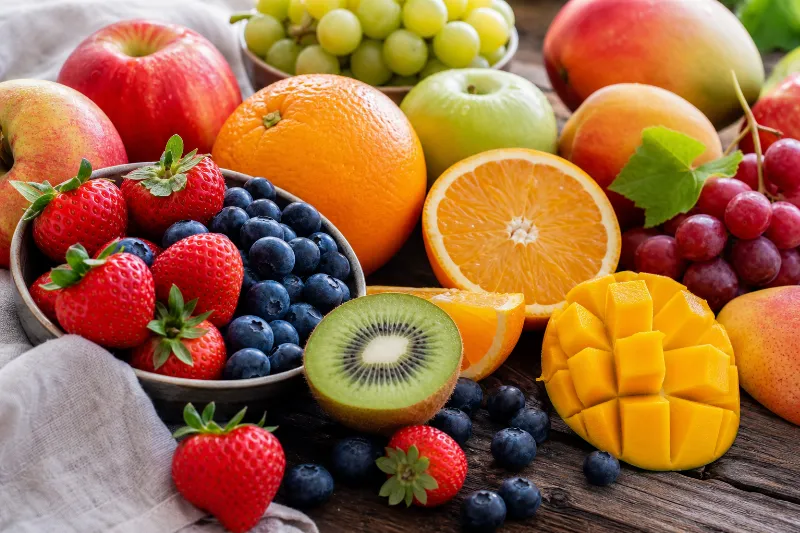
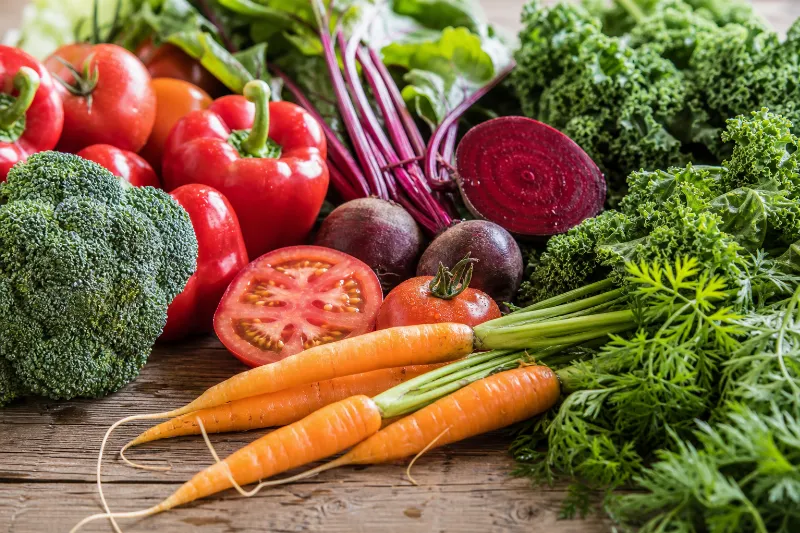
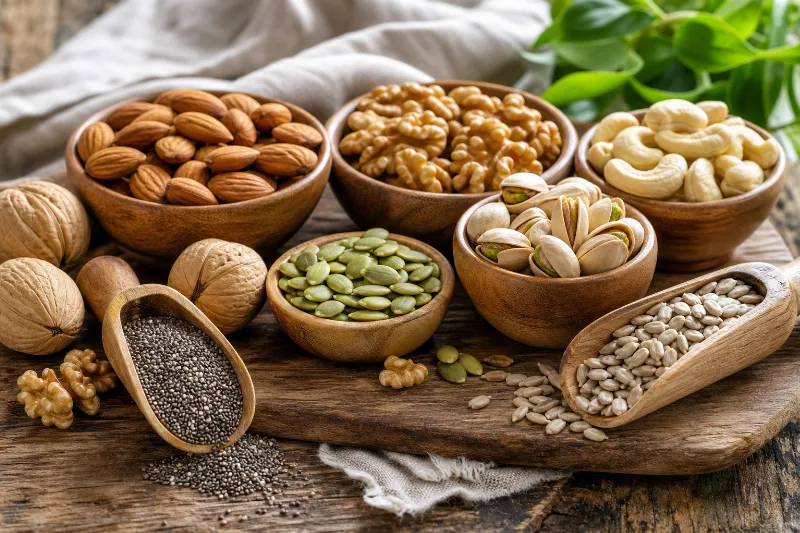
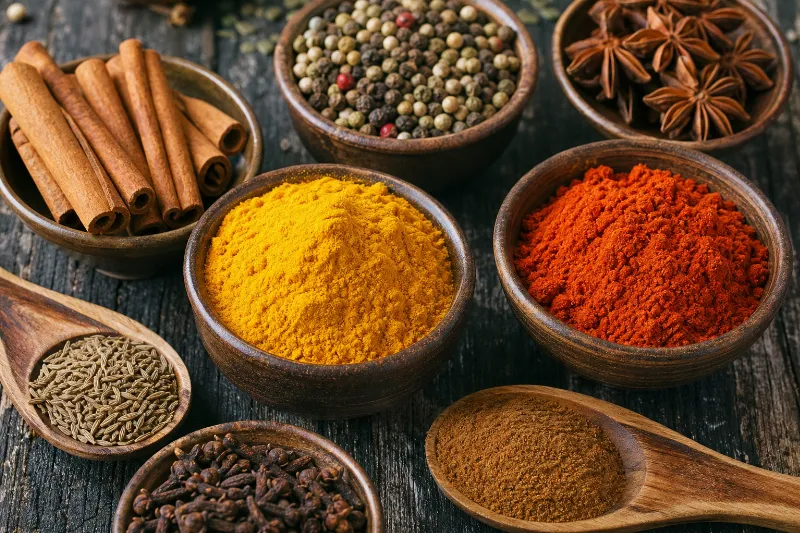

Search foods and A to Z list
11 pages, A to Z
Safety first with food
- Allergy: tree nut, peanut and sesame are different allergies. Each food page lists what its sources say.
- Some foods interact with medicines, for example vitamin K in leafy greens with warfarin, and grapefruit with several medicines.
- Kidney conditions can limit potassium, phosphorus and oxalate. Ask a clinician before changing your diet.
- A whole food, a juice, a powder and a capsule are different things. Studies of one do not automatically apply to another.
Frequently asked questions
Where did the food pages go?
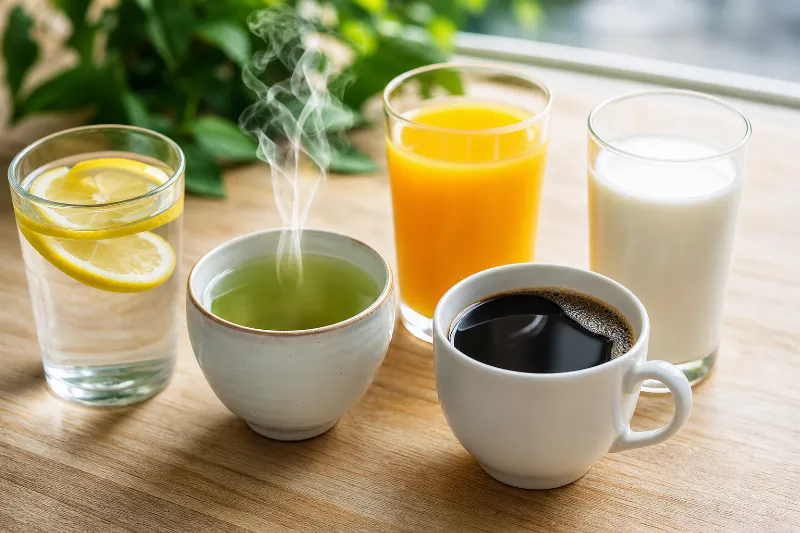
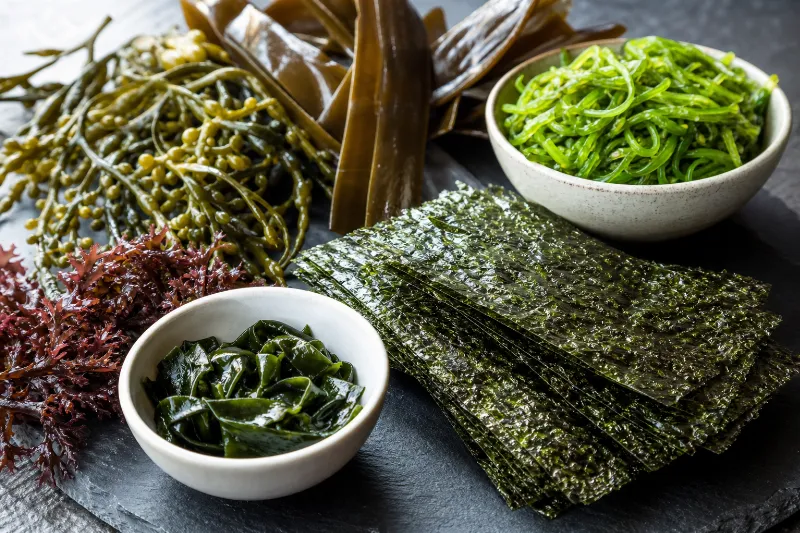
Nothing moved. Fruits, Vegetables, Nuts & Seeds, Spices and Functional Foods keep their addresses (for example /fruits). They now sit together under Food & Nutrition instead of Natural Remedies, joined by Whole Grains, Legumes, Fermented Foods, Oils & Fats, Beverages and Seaweed & Algae.
Is a food the same as a supplement?
No. A whole food, a juice, a powder and a capsule are different products, and studies of one do not automatically apply to another. Vitamins & Supplements is a separate department, linked from here.
Where do the nutrient amounts come from?
From USDA measurements of the food, shown on each food's guide. Research findings are kept apart from the measured amounts.
Content last updated .
Education, not medical advice. This section is for general information. It does not diagnose or treat any condition and is not a substitute for care from a qualified health professional. Natural does not automatically mean safe.
Helpful tools
All tools → Medicine Interaction CheckerAdd your medicines and supplements and see what our safety pages say about each…
 Compare Side by SidePick two or three supplements, herbs or foods and compare evidence and safety n…
 Label ReaderPaste a supplement label and see each ingredient explained, with flags for blen…
 Find What's Right For MePick a goal and see what research has looked at for it, strongest evidence firs…