Intro Summary
Modern wellness is an evolving concept that embraces a holistic approach to health and well-being. It integrates elements of functional and integrative medicine, focusing on performance, longevity, prevention, and personalized data. This multifaceted perspective encourages individuals to take charge of their wellness journeys, utilizing a variety of tools and practices that support overall health and vitality.
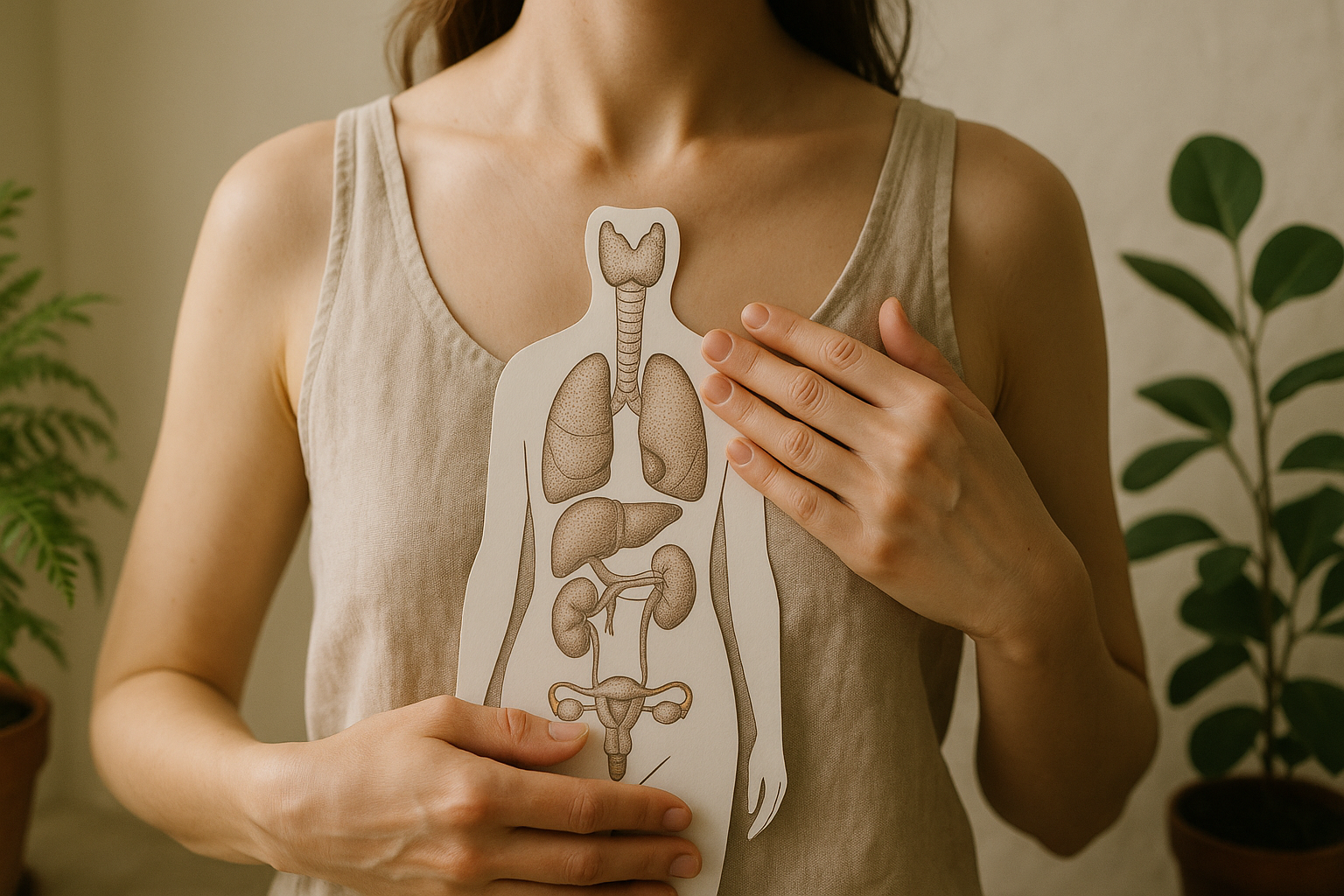
The foundation of modern wellness lies in understanding that health is not merely the absence of disease but a dynamic state of physical, mental, and social well-being. It emphasizes the interconnectedness of various lifestyle factors, including nutrition, sleep, stress management, and exercise, allowing for a personalized path to wellness tailored to individual needs and goals.
The Modern Wellness Toolbox
Modern wellness encompasses a diverse array of tools and practices that individuals can utilize to enhance their well-being. Here are some key components of the modern wellness toolbox:
- Nutrition: Emphasizing whole foods, balanced macronutrients, and micronutrient-rich diets to support optimal health.
- Sleep: Prioritizing quality sleep as a cornerstone of health, including practices to improve sleep hygiene.
- Stress Management: Techniques such as mindfulness, meditation, and yoga to reduce stress levels.
- Hormone Support: Understanding hormonal balance and its impact on overall health and well-being.
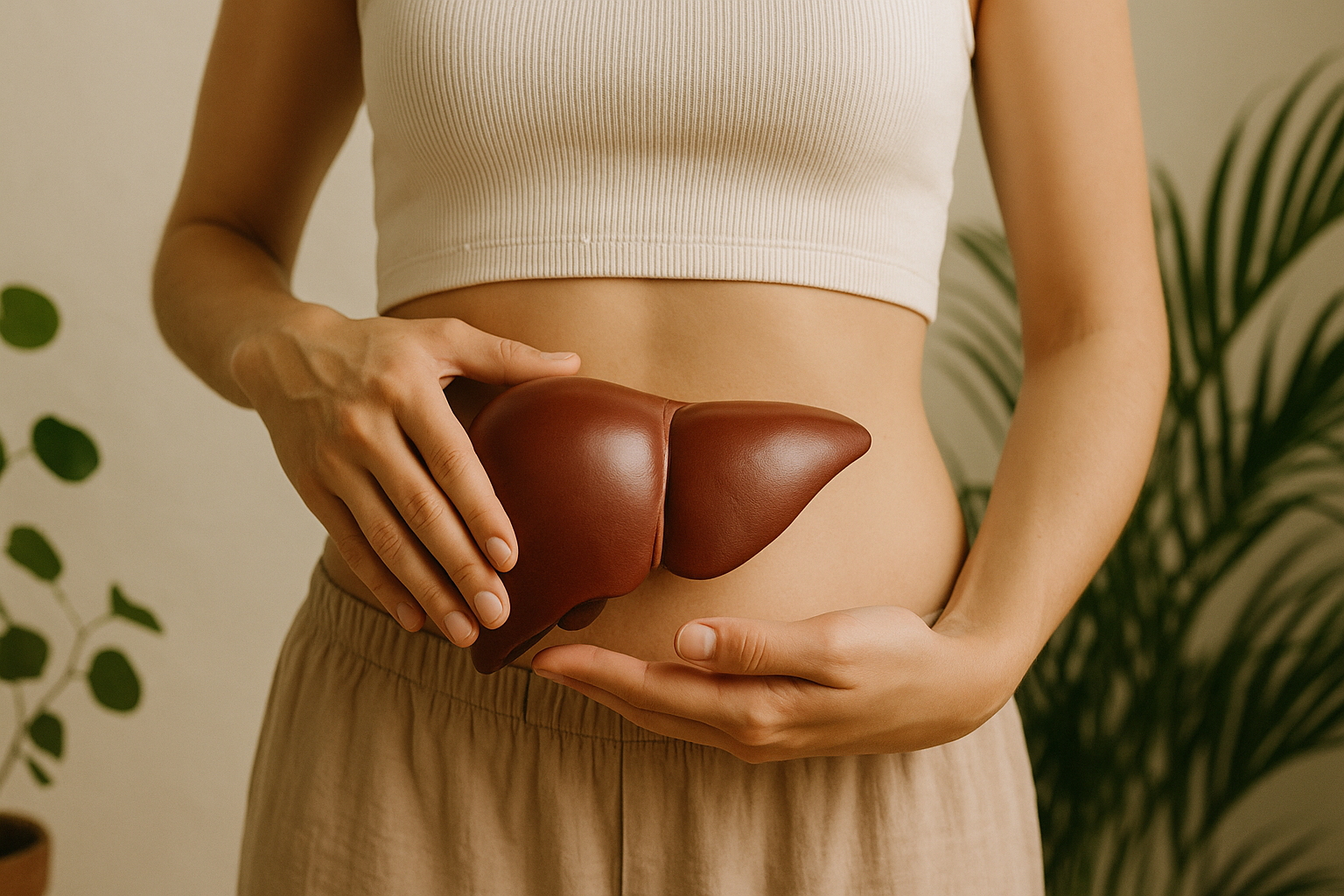
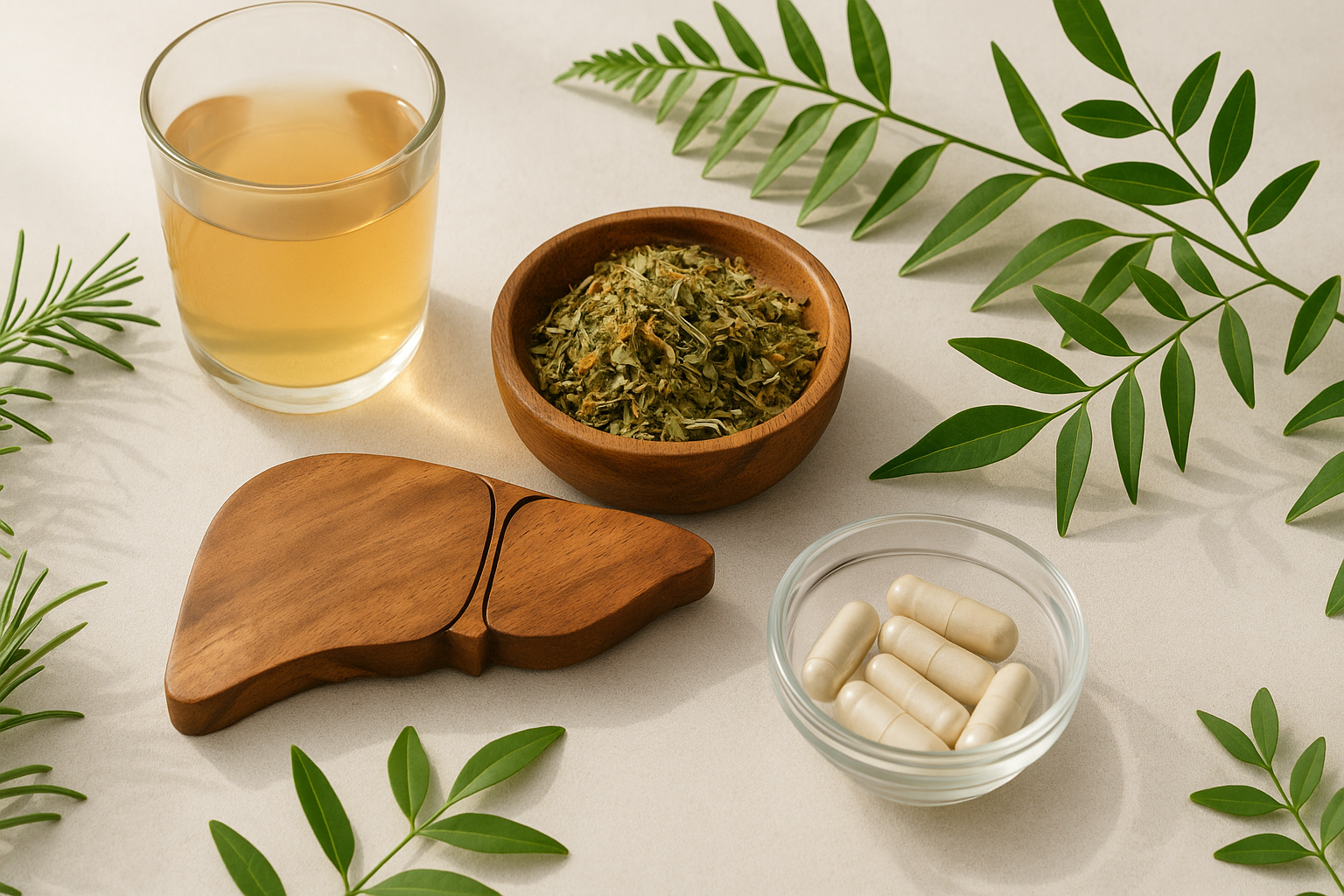
- Detox Support: Strategies to support the body’s natural detoxification processes.
- Longevity: Practices and interventions aimed at extending healthspan and lifespan.
- Fitness & Movement: Incorporating regular physical activity tailored to individual needs and goals.
- Biohacking: Utilizing technology and self-experimentation to optimize health and performance.
- Mindfulness: Cultivating present-moment awareness to enhance mental clarity and emotional resilience.
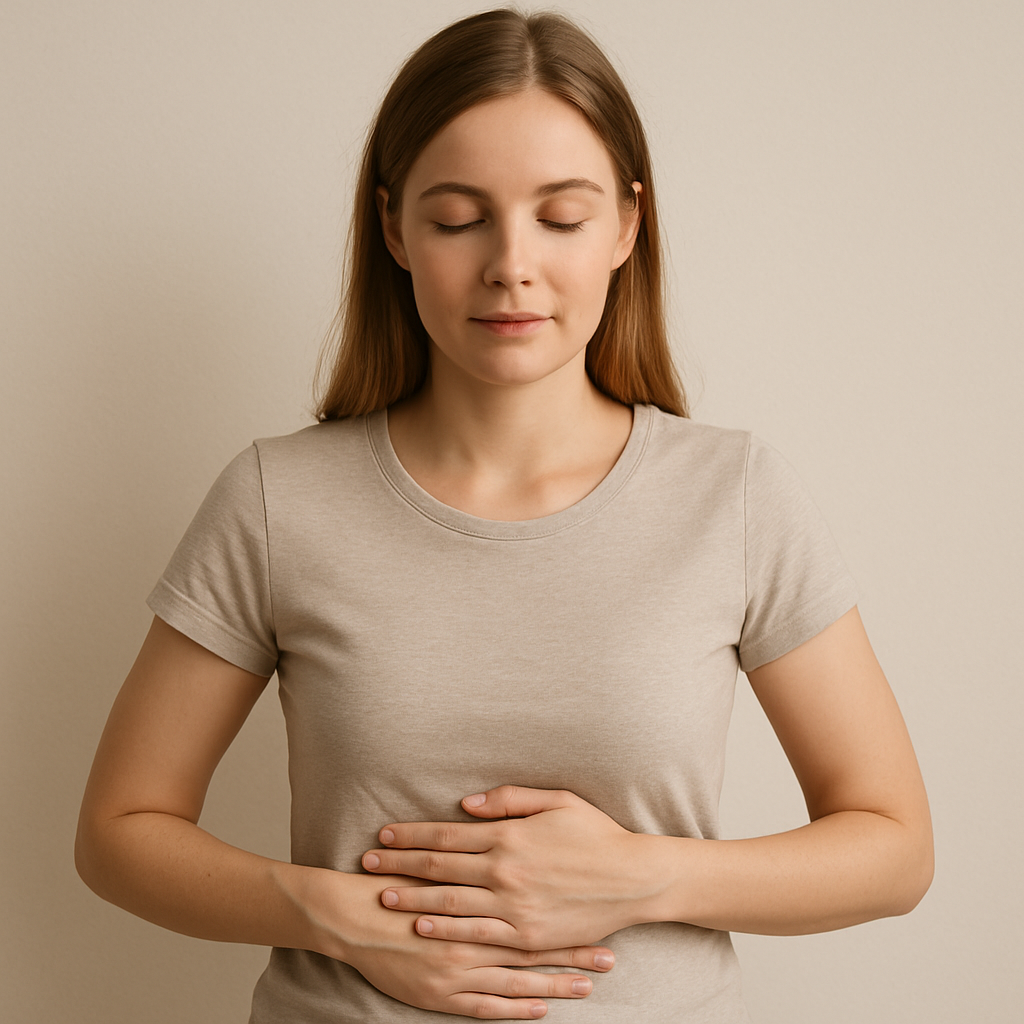
- Breathwork: Exploring breathing techniques to promote relaxation and reduce anxiety.
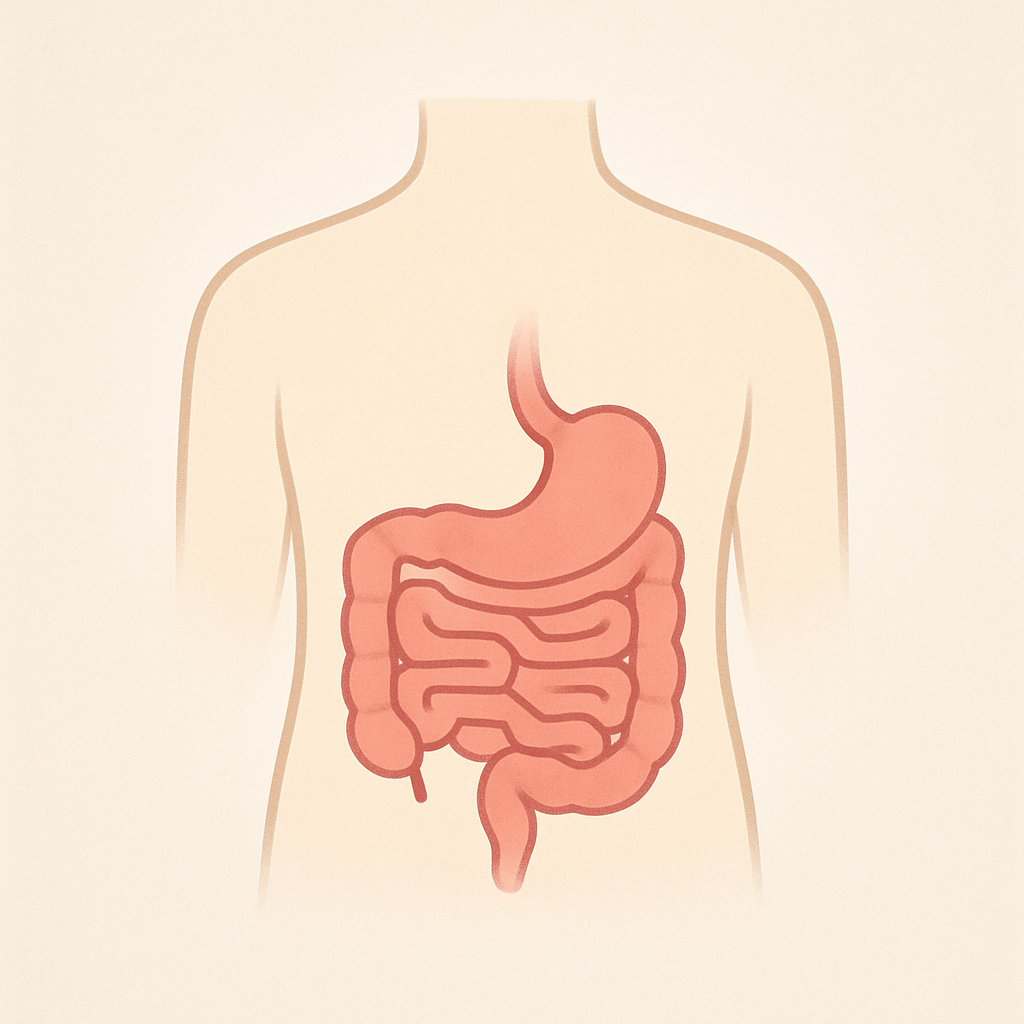
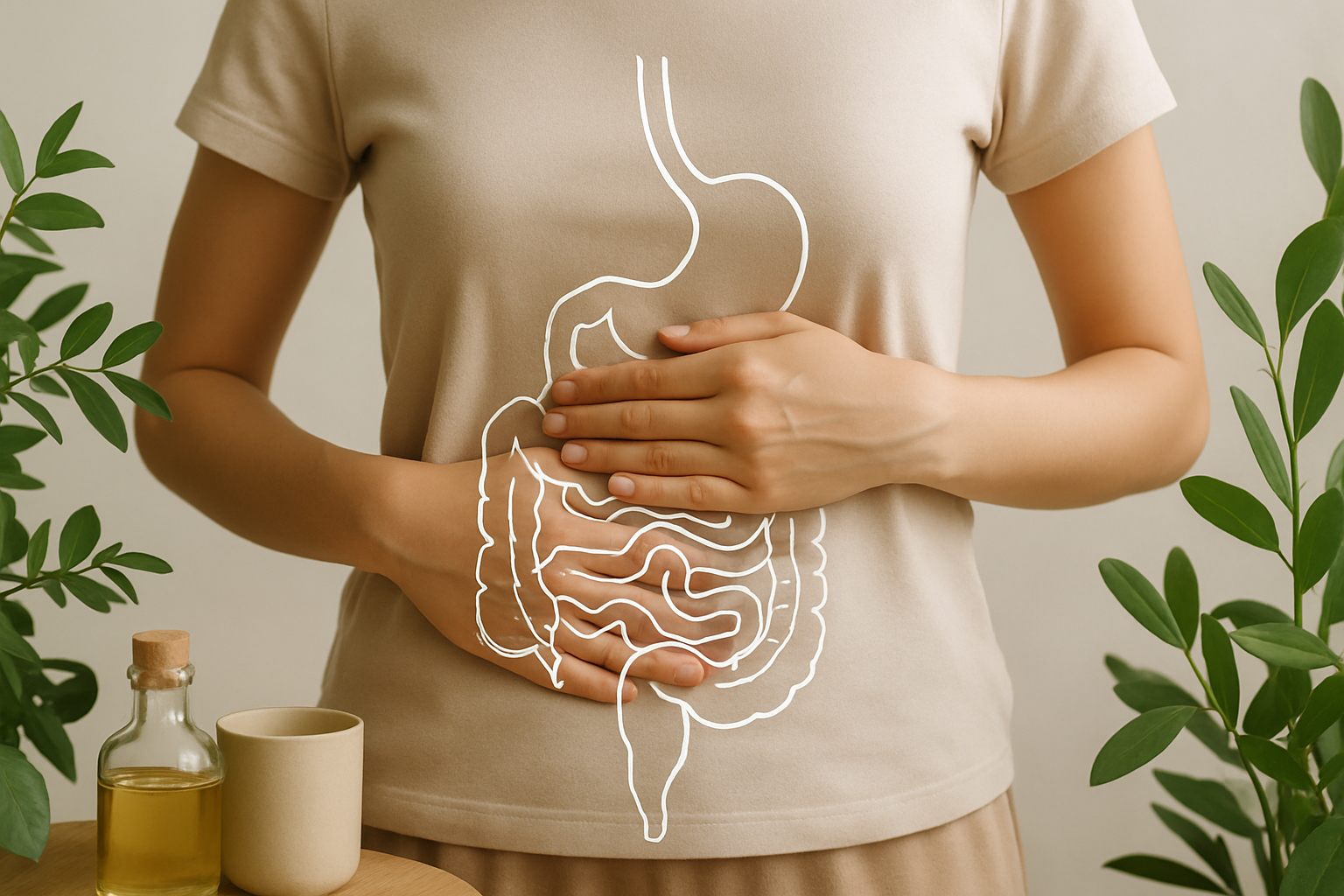
- Gut Health: Understanding the gut microbiome's role in overall health and implementing dietary and lifestyle changes.
- Preventive & Personalized Wellness: Emphasizing individualized approaches to prevent disease and promote health.
Foundational Inputs (the non-negotiables)
In the realm of modern wellness, certain foundational inputs are considered non-negotiables for achieving optimal health. These include:
- Light: Exposure to natural light and managing artificial light to regulate circadian rhythms.
- Food: Prioritizing nutrient-dense, whole foods over processed options.
- Sleep: Ensuring adequate, restorative sleep to support physiological and psychological functions.
- Movement: Engaging in regular physical activity to promote cardiovascular health and muscular strength.
- Stress: Implementing strategies to manage stress effectively and promote resilience.
- Social Connection: Nurturing relationships and community ties to enhance emotional well-being.
Lab-Driven & Data-Driven Approaches
Modern wellness increasingly relies on lab-driven and data-driven approaches to inform health decisions. Some key biomarkers, wearables, and tests that are commonly utilized include:
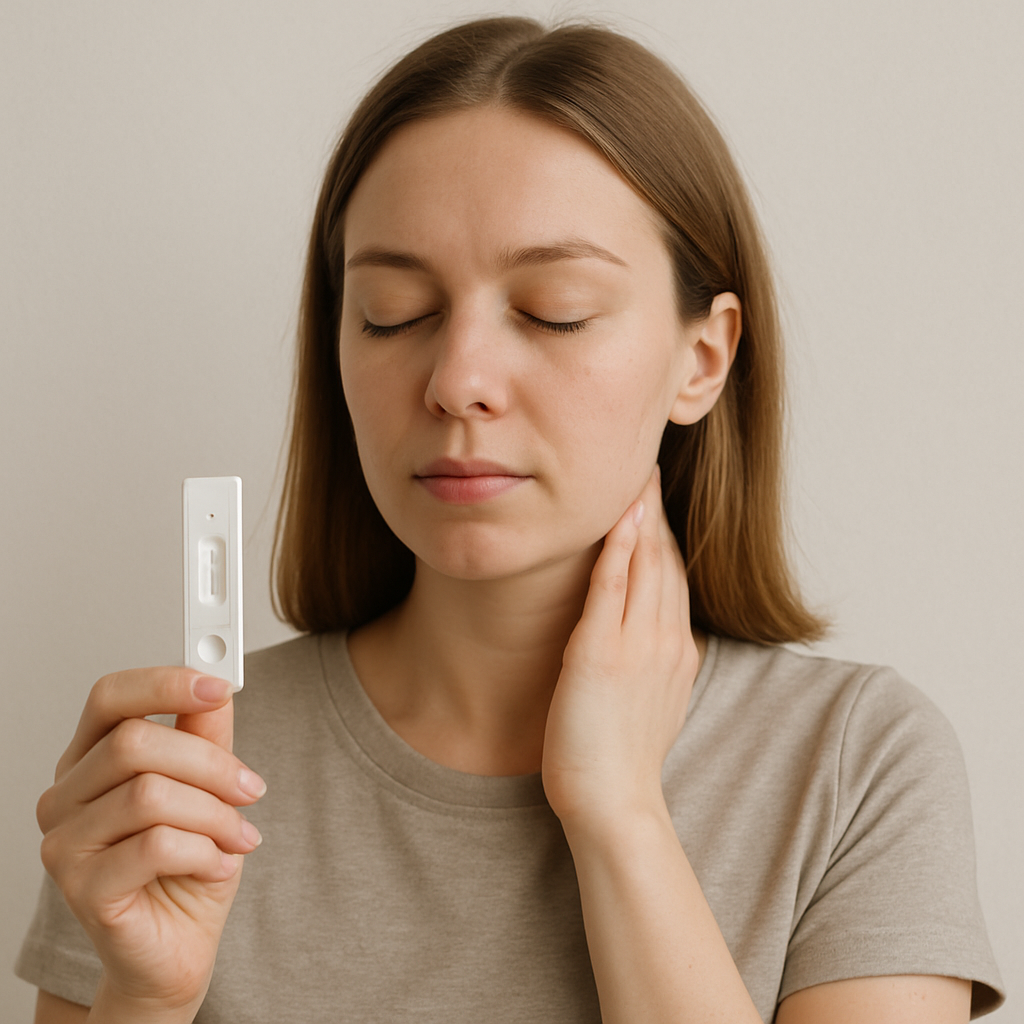
- Blood Tests: Comprehensive panels to assess nutrient deficiencies, hormonal imbalances, and inflammatory markers.
- Genetic Testing: Insights into genetic predispositions that may influence health and wellness strategies.
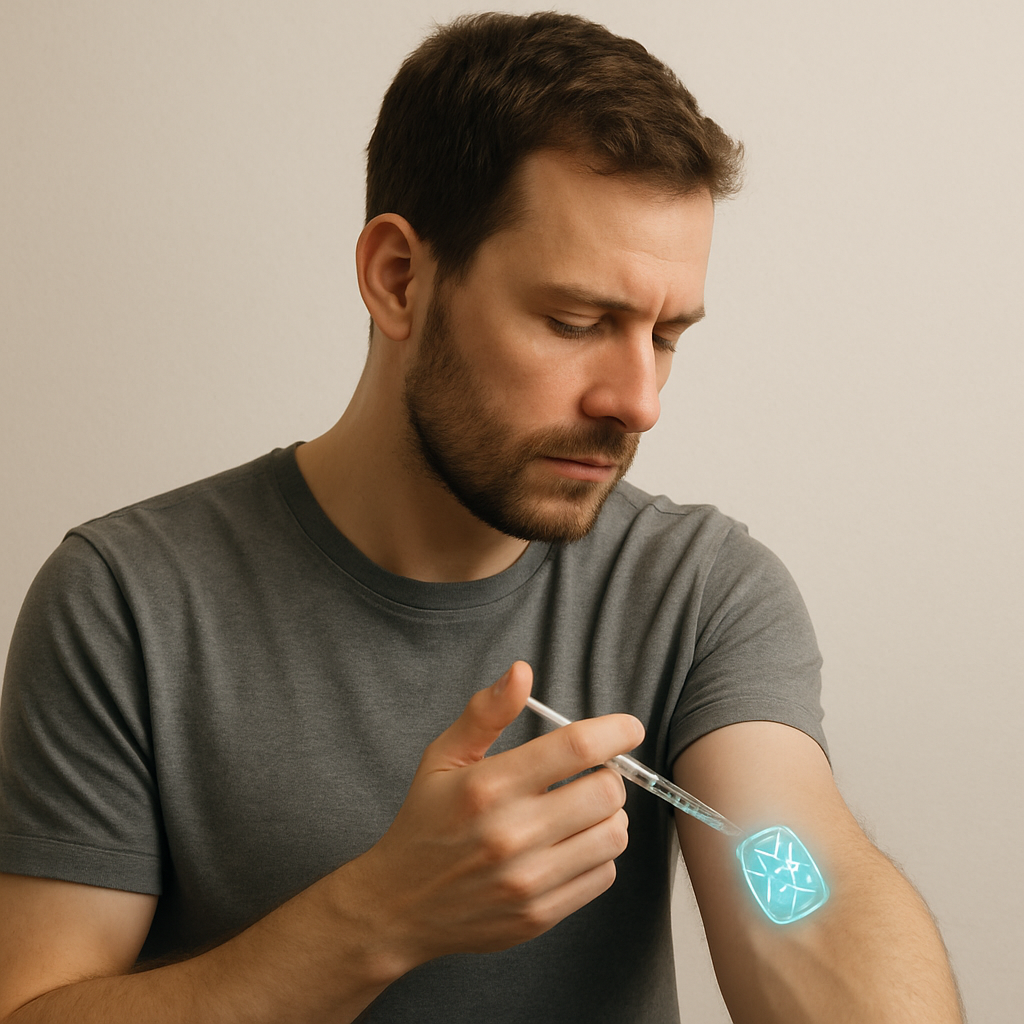
- Continuous Glucose Monitors (CGMs): Tracking blood sugar levels to optimize dietary choices and metabolic health.
- Wearable Technology: Devices that monitor physical activity, heart rate variability, and sleep patterns.
- Microbiome Testing: Assessing gut health and guiding dietary and lifestyle interventions.
Common Goals People Pursue
Individuals pursuing modern wellness often have a variety of goals, including:
- Enhancing physical fitness and strength.
- Improving mental clarity and focus.
- Achieving better sleep quality.
- Managing stress and anxiety levels.
- Supporting hormonal balance.
- Promoting gut health and digestion.
- Extending healthspan and lifespan.
Functional Medicine vs Conventional Medicine
Functional medicine and conventional medicine offer different perspectives on health and disease management. Functional medicine focuses on identifying the root causes of health issues by considering the whole person, including their lifestyle, genetics, and environment. It seeks to understand the interconnectedness of bodily systems and often employs a more personalized treatment approach.
In contrast, conventional medicine typically emphasizes symptom management and may rely more heavily on pharmaceutical interventions. While both approaches have their merits, functional medicine advocates for a more holistic view that prioritizes prevention and long-term health outcomes.
Safety, Ethics, and Finding Qualified Practitioners
When exploring modern wellness practices, it is essential to prioritize safety and ethics. Individuals should seek qualified practitioners who adhere to evidence-based practices and prioritize patient well-being. Here are some tips for finding reputable professionals:
- Look for licensed practitioners with relevant certifications and training.
- Seek referrals from trusted sources or conduct online research.
- Ensure the practitioner values informed consent and shared decision-making.
- Inquire about their approach to evidence-based practices.
How Modern Wellness Connects to Ancient Wisdom & Natural Remedies
Modern wellness often draws inspiration from ancient wisdom and traditional healing practices. Many natural remedies and holistic approaches have stood the test of time, offering valuable insights into health and well-being. By integrating ancient practices with contemporary understanding, individuals can create a balanced approach to wellness that honors both tradition and innovation.
FAQs
Here are some frequently asked questions about modern wellness:
- What is the difference between functional medicine and conventional medicine? Functional medicine focuses on root cause analysis and personalized treatment, while conventional medicine typically emphasizes symptom management.
- How can I start my modern wellness journey? Begin by assessing your lifestyle factors, setting clear health goals, and seeking guidance from qualified practitioners.
- Is modern wellness suitable for everyone? Modern wellness principles can be adapted to suit individual needs, but it is essential to consider personal health conditions and consult healthcare professionals.
- What role does nutrition play in modern wellness? Nutrition is a foundational component, emphasizing whole foods and balanced diets to support overall health.
- How can I optimize my sleep? Establishing a consistent sleep schedule, creating a restful environment, and practicing good sleep hygiene can help improve sleep quality.
- What are some effective stress management techniques? Techniques such as mindfulness, meditation, and physical activity can help manage stress effectively.