Brain & Focus
Explore the functions of the brain and focus, signs of imbalance, contributing factors, and holistic approaches to enhance cognitive health and focus.
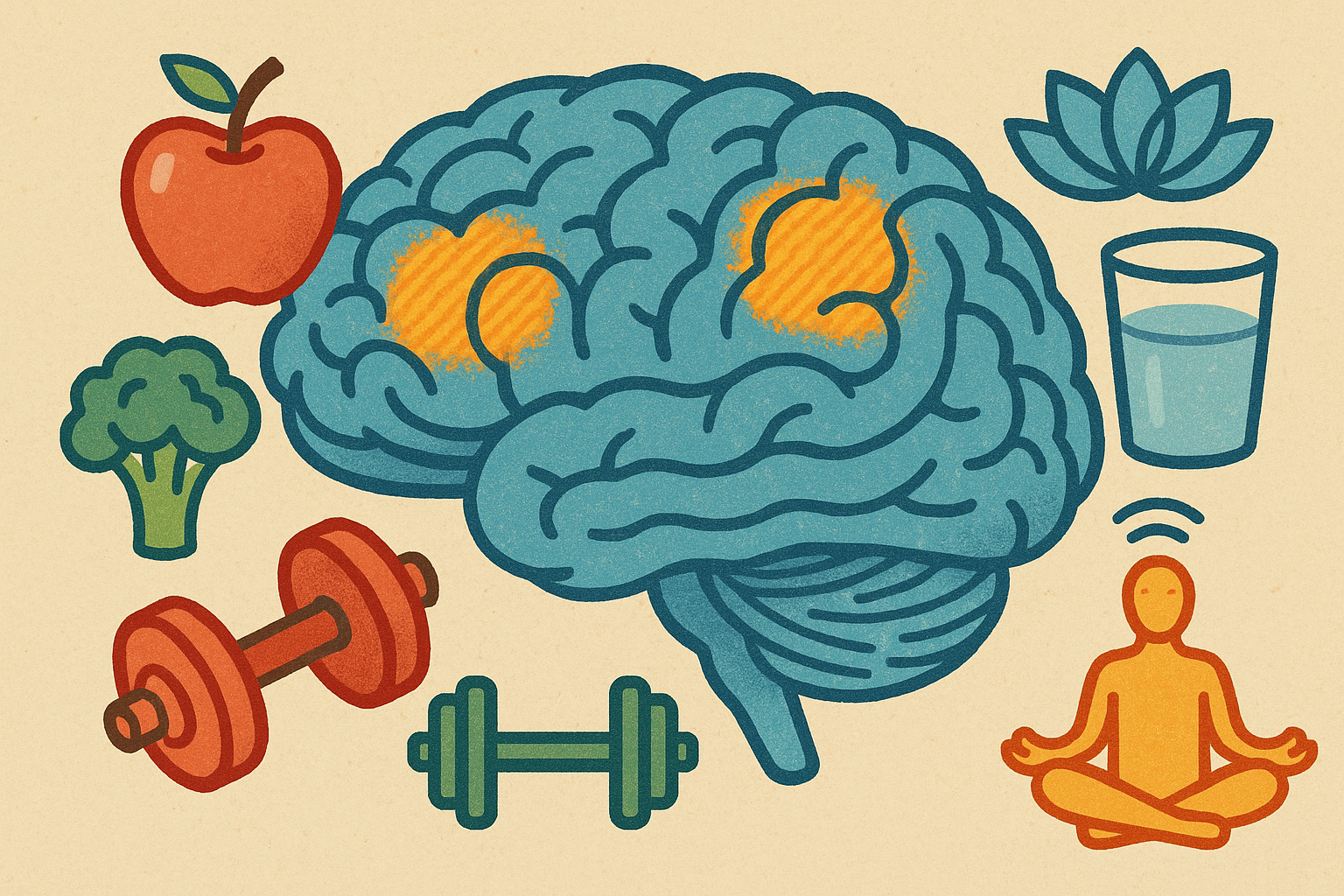
This comprehensive guide explores the complex interplay of the brain and focus, outlining its functions, signs of imbalance, contributing factors, and natural approaches to support cognitive health. It emphasizes the importance of lifestyle habits and when to seek professional help.
What This System Does
The brain is the central organ of the <a href="/body-systems/nervous-system" class="internal-link">nervous system</a>, responsible for processing sensory information, controlling motor functions, and regulating bodily functions. It plays a crucial role in cognition, emotions, memory, and focus. When we talk about focus specifically, we refer to the brain's ability to concentrate attention on a specific task or thought while filtering out distractions. This ability relies heavily on various brain regions and neurotransmitters, such as dopamine and norepinephrine, which facilitate communication between neurons.
Signs the System Is Out of Balance
When the brain and focus are out of balance, a person may experience several cognitive and emotional symptoms, including:
- Difficulty concentrating: Trouble staying focused on tasks or conversations.
- Memory issues: Challenges in recalling information or learning new concepts.
- Mood swings: Increased irritability, anxiety, or depression.
- Mental fatigue: Feeling mentally drained or overwhelmed.
- Sleep disturbances: Trouble falling or staying asleep, which can further affect cognitive function.
- Physical symptoms: Headaches, dizziness, or other stress-related symptoms.
Common Contributing Factors
Several factors can contribute to an imbalance in brain function and focus:
- Poor diet: A diet lacking in essential nutrients can impair cognitive function. Omega-3 fatty acids, antioxidants, and vitamins are vital for brain health.
- Lack of sleep: Sleep is crucial for memory consolidation and overall cognitive function. Sleep deprivation can severely affect focus and mental clarity.
- Chronic stress: Prolonged stress can lead to hormonal imbalances, impacting brain function and focus.
- Sedentary lifestyle: Physical inactivity can reduce blood flow to the brain, negatively affecting cognitive abilities.
- Substance use: Alcohol, recreational drugs, and even excessive caffeine can impair cognitive function over time.
- Medical conditions: Conditions such as ADHD, depression, anxiety, and neurodegenerative diseases can affect focus and cognitive health.
Natural Approaches Across the 3 Pillars
Ancient Wisdom
- Mindfulness and Meditation: Practiced for centuries in various cultures, mindfulness meditation can enhance focus and reduce stress. It encourages present-moment awareness, which improves cognitive control.
- Herbal Remedies: Herbs like ginkgo biloba and rosemary have been used traditionally to enhance cognitive function and memory.
Natural Remedies
- Nutrition: A balanced diet rich in omega-3 fatty acids (found in fatty fish), antioxidants (found in berries), and whole grains can support brain health. Supplements such as fish oil and vitamin B complex may also benefit cognitive function.
- Physical Activity: Regular exercise increases blood flow to the brain, promoting neurogenesis (the creation of new neurons) and improving focus and mood.
Modern Wellness
- Cognitive Behavioral Therapy (CBT): This evidence-based approach can help individuals develop strategies to enhance focus and manage stress and anxiety.
- Technology-Assisted Learning: Apps designed for focus enhancement, like Pomodoro timers and concentration music, can help improve productivity and cognitive performance.
Lifestyle and Habit Support
To support brain health and improve focus, consider incorporating the following habits into your daily routine:
- Establish a regular sleep schedule: Aim for 7-9 hours of quality sleep each night, creating a calming bedtime routine.
- Stay hydrated: Dehydration can impair cognitive function, so ensure adequate water intake throughout the day.
- Limit distractions: Create a dedicated workspace free from distractions, using tools like noise-canceling headphones if necessary.
- Practice gratitude: Keeping a gratitude journal can promote positive mental health and reduce stress levels.
- Engage in social activities: Maintaining social connections can improve emotional well-being and cognitive function.
When to Seek Professional Care
If you experience persistent symptoms affecting your focus and cognitive abilities, consider seeking professional help. This includes:
- If cognitive issues interfere with daily life or work.
- If you experience significant mood changes, anxiety, or depression.
- If you have a family history of neurological disorders.
- If you have underlying medical conditions that may affect cognitive function, such as diabetes or cardiovascular disease.
FAQs
- What foods are best for brain health?
- How does stress affect focus?
- Can supplements improve focus?
- What role does sleep play in focus?
- How can I improve my focus naturally?
<aside class="disclaimer"><strong>Disclaimer:</strong> This information is educational and not a substitute for medical advice. Speak with a qualified healthcare provider before making changes, especially during pregnancy, breastfeeding, or while taking medications.</aside>
Frequently asked
What foods are best for brain health?
Foods rich in omega-3 fatty acids, antioxidants, and vitamins, such as fatty fish, berries, leafy greens, nuts, and whole grains, are beneficial for brain health.
How does stress affect focus?
Chronic stress can lead to the release of cortisol, which impairs cognitive function and can make concentrating difficult.
Can supplements improve focus?
Some supplements, like omega-3 fatty acids and certain vitamins, may support cognitive health, but it’s essential to consult a healthcare provider before starting any new supplement.
What role does sleep play in focus?
Sleep is critical for cognitive function, memory consolidation, and emotional regulation. Lack of sleep can lead to difficulties in concentration and memory.
How can I improve my focus naturally?
Natural methods to enhance focus include regular physical activity, mindfulness practices, maintaining a balanced diet, and establishing a consistent sleep routine.