Vitamins & Minerals
Explore the essential role of vitamins and minerals in natural remedies, their health benefits, and how to safely incorporate them into your wellness routine.

Vitamins and minerals play a crucial role in supporting overall health and wellness. As essential nutrients, they contribute to various bodily functions and help maintain balance within the body. In natural medicine, understanding how to utilize these nutrients can empower individuals to make informed choices about their health. This category explores the importance of vitamins and minerals in the context of natural remedies, their benefits, and how to incorporate them into your wellness routine.
Intro Summary
Vitamins and minerals are vital nutrients that our bodies need to function optimally. They are essential for a myriad of physiological processes, from supporting our immune system to maintaining healthy bones and skin. In natural medicine, vitamins and minerals are often employed to enhance health, prevent deficiencies, and promote holistic well-being. Understanding their roles and benefits can empower individuals to make informed choices about their health and wellness.
This category on vitamins and minerals provides insights into how these nutrients can support various body systems, their active compounds, and how to responsibly choose and use them as part of a natural remedy approach.
The Active Compounds at Play
Vitamins and minerals function through specific biochemical pathways in the body. Here are some key groups of active compounds:
- Vitamins: These are organic compounds that are essential in small quantities for various metabolic processes. They are categorized into water-soluble (like Vitamin C and B vitamins) and fat-soluble (like Vitamins A, D, E, and K).
- Minerals: These inorganic elements are crucial for numerous bodily functions, including building bones, making hormones, and regulating heartbeat. Examples include calcium, potassium, magnesium, and iron.
- Phytochemicals: Although not classified as vitamins or minerals, these bioactive compounds found in plants can enhance the bioavailability and efficacy of vitamins and minerals.
Featured Members of This Category
Vitamin C
Vitamin C, or ascorbic acid, is a water-soluble vitamin known for its antioxidant properties. It supports the immune system, promotes wound healing, and enhances iron absorption from plant-based foods.
Vitamin D
Vitamin D is a fat-soluble vitamin that plays a critical role in calcium absorption and bone health. It is also essential for immune function and may help regulate mood.
Magnesium
Magnesium is a vital mineral involved in over 300 enzymatic reactions in the body, including energy production and muscle function. It also helps regulate blood pressure and supports heart health.
Zinc
Zinc is crucial for immune function, wound healing, and DNA synthesis. It is also involved in the body's ability to taste and smell.
Calcium
Calcium is the most abundant mineral in the body, primarily known for its role in building and maintaining strong bones and teeth. It also supports muscle function and nerve transmission.
Common Functional Actions
Vitamins and minerals offer a variety of functional actions that can contribute to overall health:
- Anti-inflammatory: Certain vitamins and minerals, like Vitamin C and magnesium, can help reduce inflammation in the body, potentially lowering the risk of chronic diseases.
- Adaptogenic: Some vitamins and minerals can support the body's response to stress, promoting balance and resilience.
- Digestive Support: Magnesium and certain B vitamins aid in digestive processes, promoting gut health and nutrient absorption.
- Immune Support: Vitamins A, C, D, and minerals like zinc play crucial roles in strengthening the immune response.
- Bone Health: Calcium and Vitamin D are essential for maintaining bone density and preventing osteoporosis.
Body Systems This Category Most Supports
The vitamins and minerals discussed in this category primarily support the following body systems:
- Immune System: Vitamins and minerals play a significant role in maintaining a robust immune response.
- Musculoskeletal System: Calcium, magnesium, and Vitamin D are essential for bone strength and muscle function.
- Nervous System: Certain B vitamins and minerals like magnesium support nerve health and cognitive function.
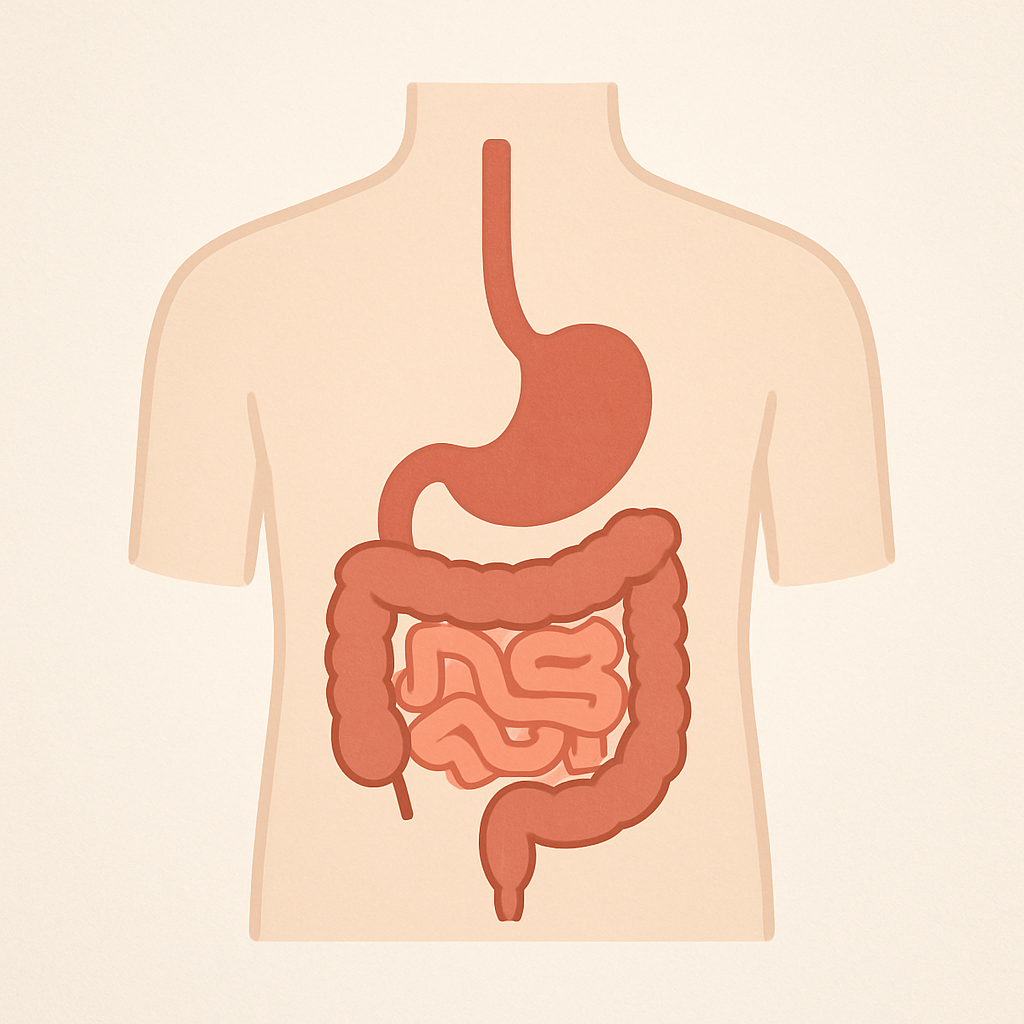
- Digestive System: Vitamins and minerals aid in digestion and nutrient absorption, contributing to gut health.
- Cardiovascular System: Nutrients like potassium, magnesium, and omega fatty acids can help maintain heart health and regulate blood pressure.
Wellness Goals People Pursue With It
Individuals may seek to incorporate vitamins and minerals into their wellness routines for various reasons:
- Boosting Immune Function: Many people aim to enhance their immunity, especially during cold and flu seasons.
- Improving Energy Levels: B vitamins and iron are commonly sought for their role in energy metabolism.
- Supporting Bone Health: Calcium and Vitamin D are crucial for individuals looking to maintain strong bones.
- Enhancing Mood and Mental Clarity: Certain vitamins, like B12 and D, are linked to improved mood and cognitive function.
- Promoting Healthy Skin: Vitamins A, C, and E are often pursued for their skin health benefits.
How to Choose & Use (responsibly)
Choosing and using vitamins and minerals responsibly is essential for maximizing their benefits:
- Forms: Vitamins and minerals can be found in various forms, including capsules, tinctures, powders, and teas. The choice may depend on personal preference and specific health goals.
- Educational Dose Ranges: It is important to research appropriate dosages based on individual needs and to consult with a healthcare professional.
- Timing: Some vitamins and minerals are better absorbed at certain times; for example, fat-soluble vitamins are best taken with meals that contain fat.
- Who Shouldn't Use: Individuals with certain health conditions or those taking medications should consult a healthcare provider before starting any new supplementation.
Safety, Contraindications & Medication Interactions
While vitamins and minerals are generally safe when taken appropriately, there are some considerations:
- Contraindications: Some individuals may have specific contraindications based on health conditions, such as kidney disease or certain metabolic disorders.
- Medication Interactions: Certain vitamins and minerals can interact with medications. For instance, Vitamin K can affect blood thinners, and calcium can interfere with certain antibiotics.
- Excessive Intake: High doses of certain vitamins and minerals can lead to toxicity. It is crucial to adhere to recommended dosages.
Pairs Well With (cross-pillar suggestions)
Vitamins and minerals can complement other natural remedies:
- Herbal Remedies: Pairing with herbs like ashwagandha or turmeric can enhance overall health benefits.
- Probiotics: Combining vitamins and minerals with probiotics can support gut health.
- Healthy Diet: Incorporating a balanced diet rich in fruits, vegetables, and whole grains can enhance the absorption and efficacy of vitamins and minerals.
FAQs
- What is the difference between water-soluble and fat-soluble vitamins? Water-soluble vitamins dissolve in water and are not stored in the body, while fat-soluble vitamins are absorbed with dietary fat and stored in the body's fatty tissues.
- Can I get enough vitamins and minerals from food alone? Many people can meet their nutritional needs through a balanced diet, but some individuals may require supplementation based on their specific health conditions or dietary restrictions.
- How do I know if I have a vitamin or mineral deficiency? Symptoms can vary widely, and it's best to consult a healthcare provider for testing and diagnosis.
- Are there any side effects of taking vitamins and minerals? While generally safe, excessive intake can lead to side effects. It's essential to follow recommended dosages.
- Can I take vitamins and minerals during pregnancy? Many vitamins and minerals are important during pregnancy, but it's crucial to consult with a healthcare provider for personalized recommendations.
- Is it safe to take multiple supplements at once? Combining supplements can lead to interactions or excessive intake. Always consult a healthcare professional before starting new supplements.
Explore Vitamins & Minerals
15 subcategories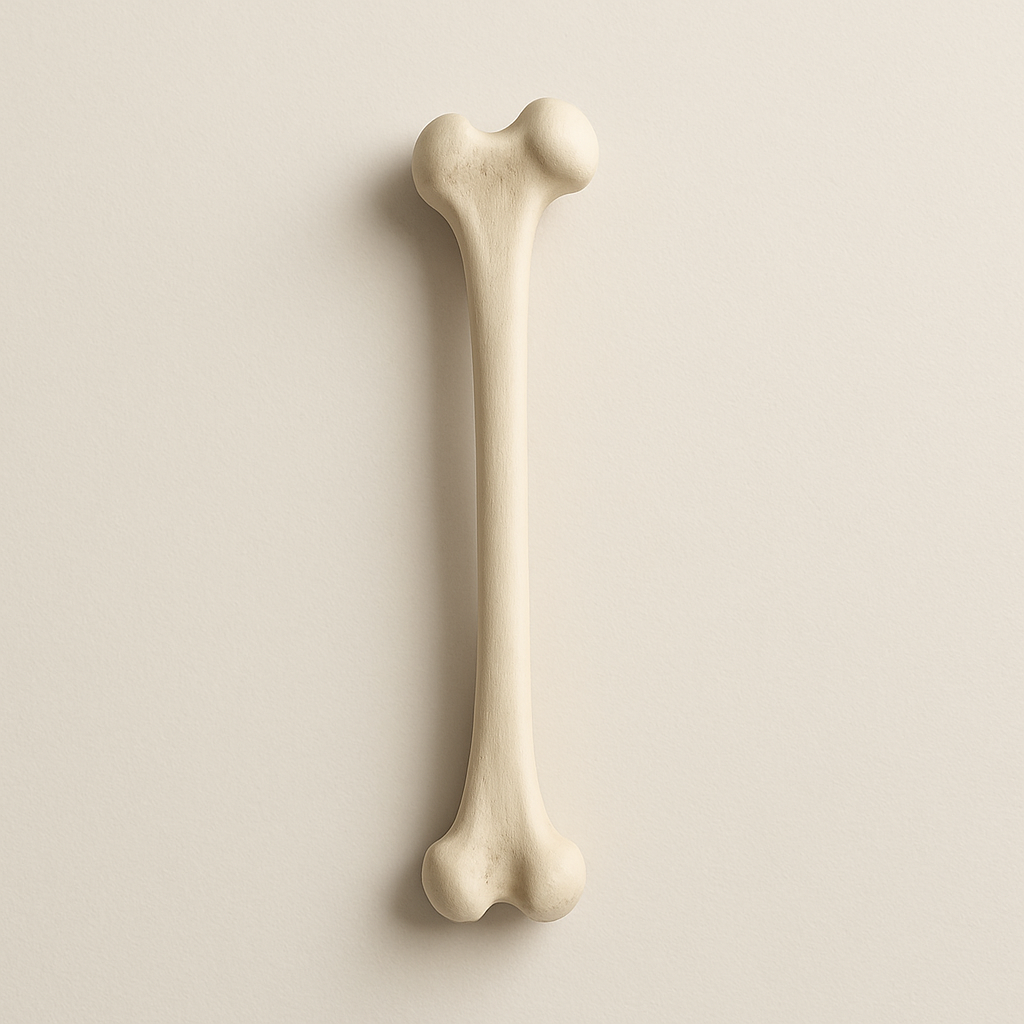












Frequently asked
What is the difference between water-soluble and fat-soluble vitamins?
Water-soluble vitamins dissolve in water and are not stored in the body, while fat-soluble vitamins are absorbed with dietary fat and stored in the body's fatty tissues.
Can I get enough vitamins and minerals from food alone?
Many people can meet their nutritional needs through a balanced diet, but some individuals may require supplementation based on their specific health conditions or dietary restrictions.
How do I know if I have a vitamin or mineral deficiency?
Symptoms can vary widely, and it's best to consult a healthcare provider for testing and diagnosis.
Are there any side effects of taking vitamins and minerals?
While generally safe, excessive intake can lead to side effects. It's essential to follow recommended dosages.
Can I take vitamins and minerals during pregnancy?
Many vitamins and minerals are important during pregnancy, but it's crucial to consult with a healthcare provider for personalized recommendations.
Is it safe to take multiple supplements at once?
Combining supplements can lead to interactions or excessive intake. Always consult a healthcare professional before starting new supplements.