Vitamin Therapy
Discover Vitamin Therapy, its benefits, traditional uses, and safety considerations in natural health.

Explore the benefits of Vitamin Therapy, a natural remedy that utilizes essential vitamins to support overall health. This comprehensive guide covers its definition, active compounds, traditional uses, modern research, functional actions, and safety considerations.
What It Is
Vitamin Therapy refers to the use of vitamins, essential organic compounds required by the body in small amounts for various physiological functions. These nutrients play crucial roles in processes such as metabolism, immunity, and cellular function. Common vitamins include Vitamin A (retinol), Vitamin B complex (including B1 - thiamine, B2 - riboflavin, B3 - niacin, B6 - pyridoxine, B12 - cobalamin), Vitamin C (ascorbic acid), Vitamin D (calciferol), Vitamin E (tocopherol), and Vitamin K (phylloquinone).
Key Active Compounds & Mechanisms
The key active compounds in Vitamin Therapy are the vitamins themselves, each with unique mechanisms of action:
- Vitamin A: Supports vision, immune function, and skin health.
- B Vitamins: Play vital roles in energy production, brain function, and red blood cell formation.
- Vitamin C: An antioxidant that aids in collagen synthesis and boosts immune response.
- Vitamin D: Essential for calcium absorption and bone health.
- Vitamin E: Acts as an antioxidant, protecting cells from oxidative damage.
- Vitamin K: Important for blood clotting and bone metabolism.
Traditional Uses
Historically, vitamins have been recognized for their health benefits in various cultures. For instance:
- In Ancient Egypt, cod liver oil (rich in Vitamin A and D) was used to is traditionally explored for ailments and enhance general health.
- Traditional Chinese Medicine utilized fermented foods rich in B vitamins to support energy and vitality.
- Indigenous peoples around the world recognized the importance of Vitamin C sources, such as camu camu, to prevent scurvy.
What Modern Research Suggests
Modern research into Vitamin Therapy has shown promising results, although it is crucial to approach these findings with caution. Some studies suggest:
- Vitamin D supplementation may reduce the risk of respiratory infections.
- Vitamin C has been associated with shorter durations of colds and improved immune function.
- B Vitamins may play a role in cognitive health and reducing the risk of neurodegenerative diseases.
Functional Actions
Vitamin Therapy is known for its diverse functional actions, including:
- Enhancing immune function
- Supporting energy metabolism
- Contributing to skin health
- Promoting bone density
- Improving mood and cognitive function
Body Systems Supported
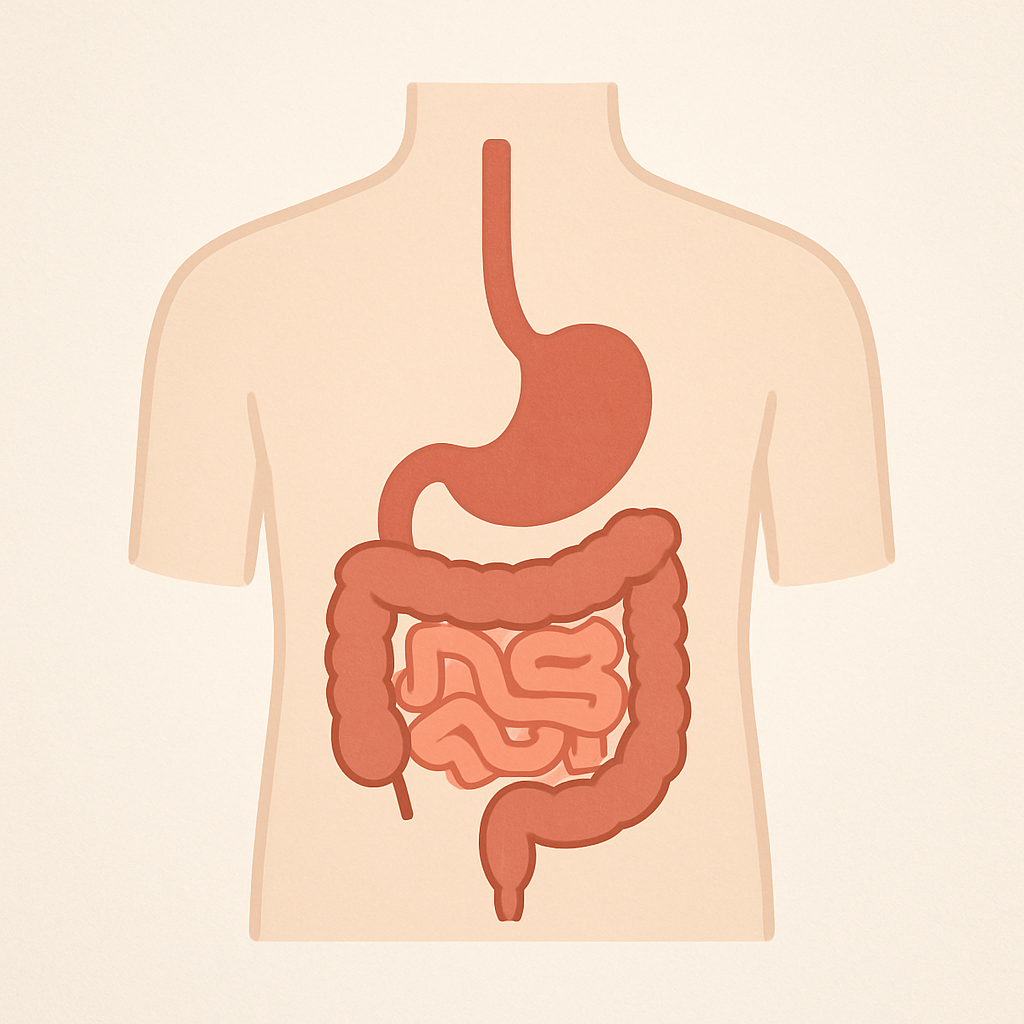
Vitamin Therapy supports multiple body systems, including:
- Immune System: Vitamins A, C, and D help bolster immune defenses.
- Nervous System: B vitamins are essential for nerve health and function.
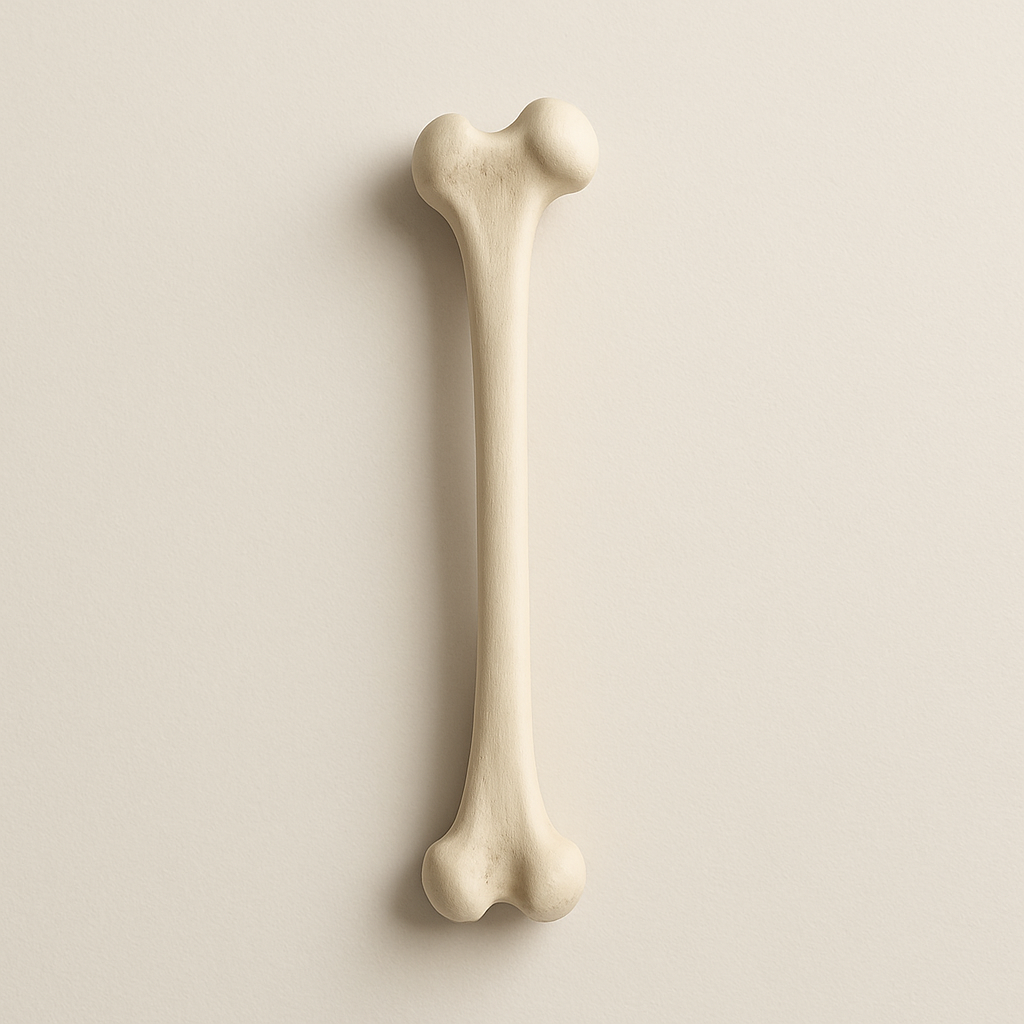
- Musculoskeletal System: Vitamins D and K are critical for bone health.
- Skin: Vitamins A, C, and E contribute to skin integrity and healing.
Common Forms & Educational Dosing Ranges
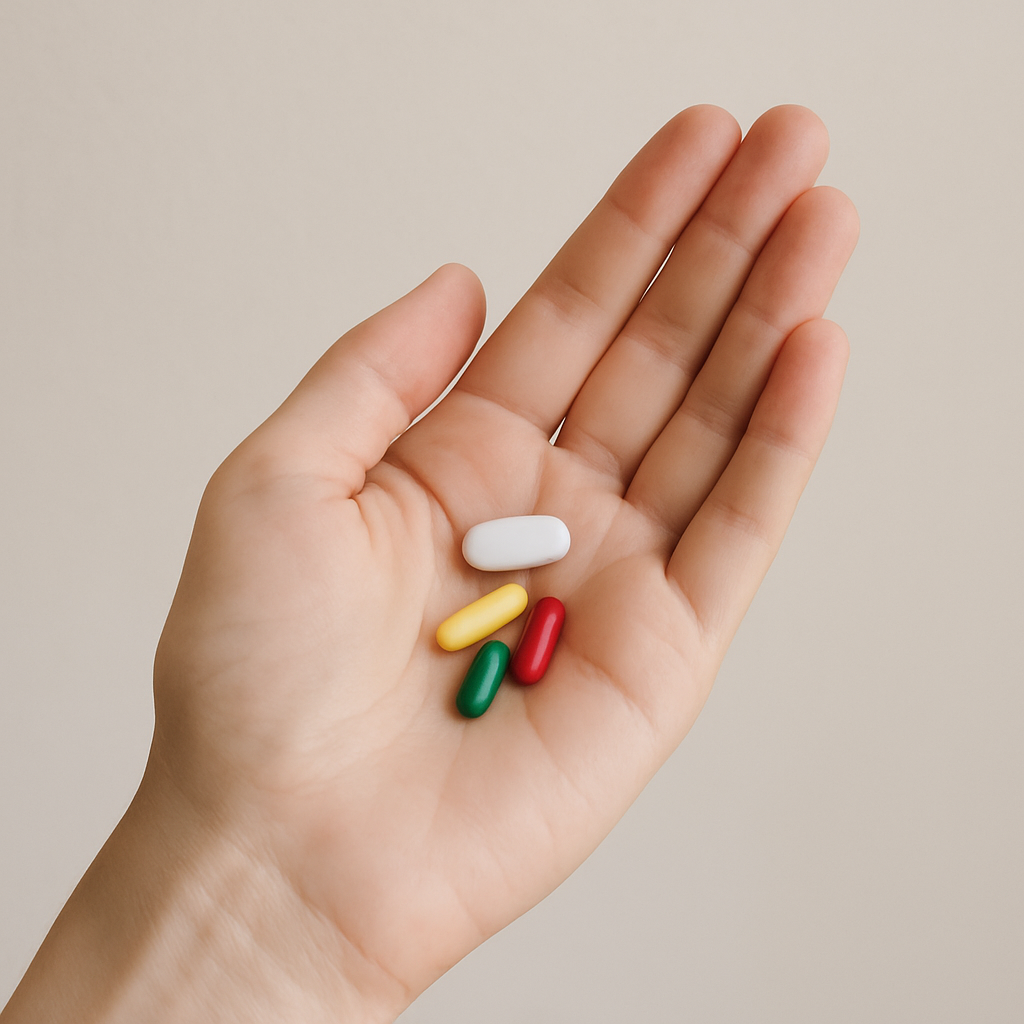
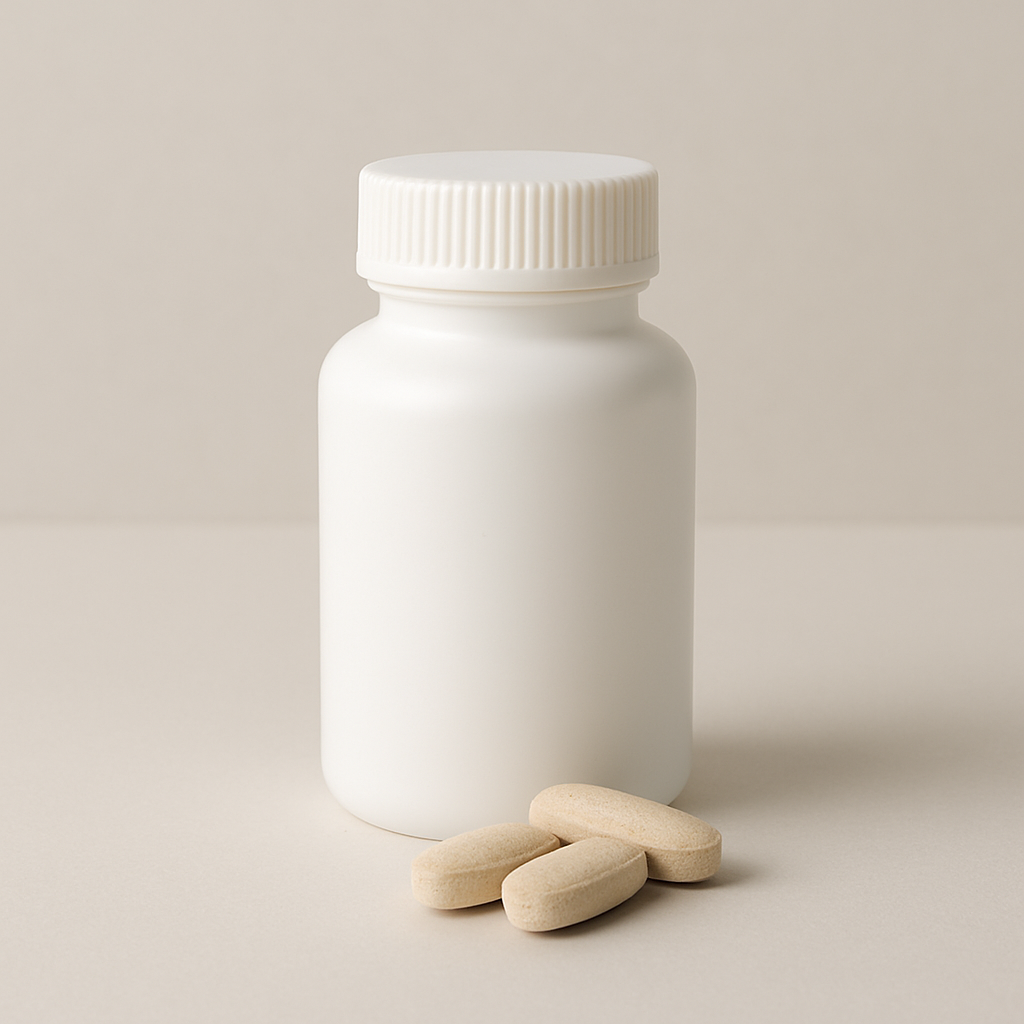
Vitamins can be found in various forms, including:
- Capsules: Convenient for daily supplementation.
- Tablets: Often combined in multivitamins.
- Powders: For mixing with beverages or foods.
- Liquid: Easy to swallow, especially for children.
Educational dosing ranges vary widely, but general guidelines include:
- Vitamin A: 700-900 mcg for adults
- B Vitamins: B1 (1.1-1.2 mg), B12 (2.4 mcg)
- Vitamin C: 75-90 mg
- Vitamin D: 600-800 IU
- Vitamin E: 15 mg
Safety, Contraindications & Interactions
While vitamin supplementation can be beneficial, it is essential to consider safety and possible interactions:
- Vitamin A: Excessive intake can lead to toxicity; caution in pregnancy.
- Vitamin K: May interact with anticoagulant medications like warfarin.
- Vitamin D: High doses can cause hypercalcemia; monitor with certain medications.
Pairs Well With
Vitamin Therapy can be enhanced by pairing with:
- Minerals: Magnesium and zinc work synergistically with B vitamins.
- Antioxidants: CoQ10 and flavonoids can complement Vitamin C and E.
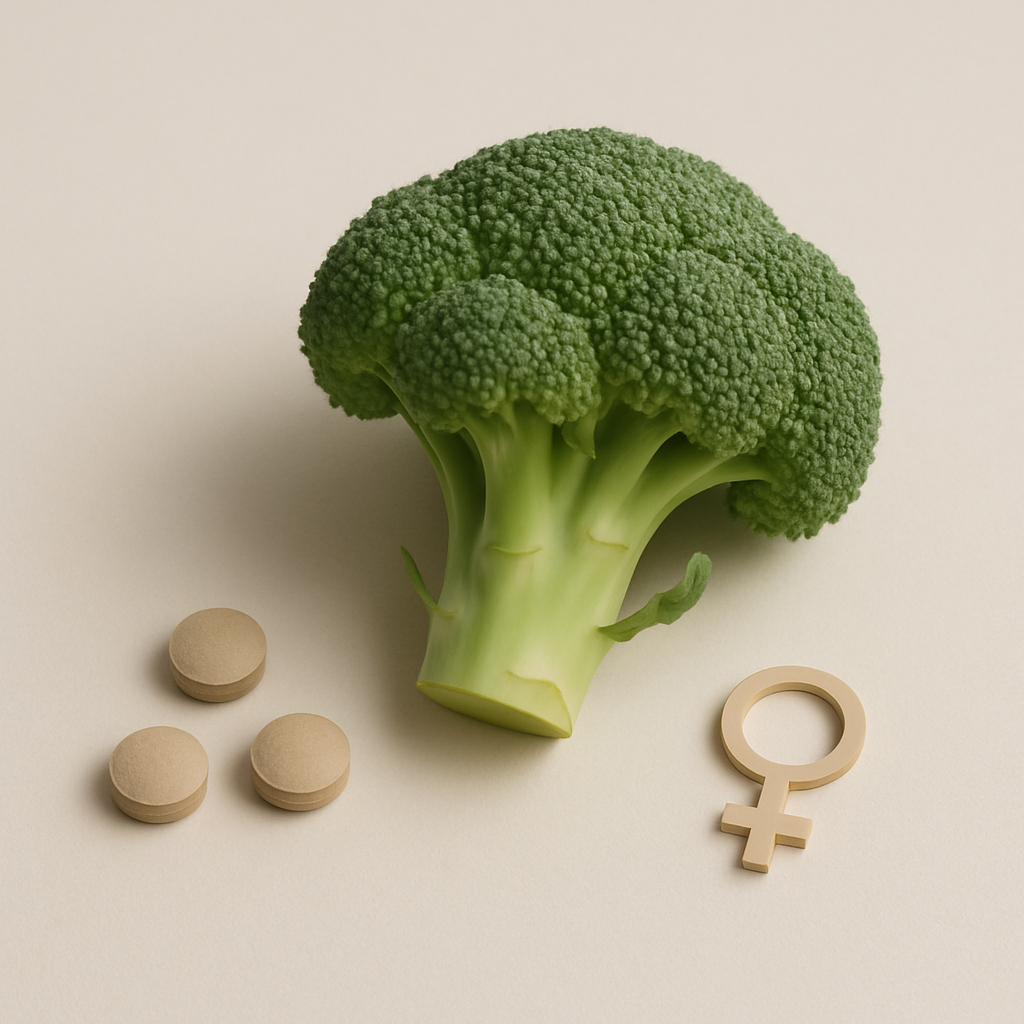
- Healthy Fats: Enhance the absorption of fat-soluble vitamins (A, D, E, K).
FAQs (5)
- What is Vitamin Therapy? Vitamin Therapy involves the use of vitamins to support health and well-being.
- Can I get enough vitamins from diet alone? A balanced diet can provide essential vitamins, but supplementation may be necessary for some individuals.
- Are there risks associated with vitamin supplementation? Yes, excessive intake of certain vitamins can lead to toxicity, and they may interact with medications.
- How do I choose the right vitamin supplements? Consult with a healthcare professional to determine individual needs and appropriate dosages.
- Is Vitamin Therapy suitable for everyone? While generally safe, those with specific health conditions or on certain medications should consult a healthcare provider first.
Frequently asked
What is Vitamin Therapy?
Vitamin Therapy involves the use of vitamins to support health and well-being.
Can I get enough vitamins from diet alone?
A balanced diet can provide essential vitamins, but supplementation may be necessary for some individuals.
Are there risks associated with vitamin supplementation?
Yes, excessive intake of certain vitamins can lead to toxicity, and they may interact with medications.
How do I choose the right vitamin supplements?
Consult with a healthcare professional to determine individual needs and appropriate dosages.
Is Vitamin Therapy suitable for everyone?
While generally safe, those with specific health conditions or on certain medications should consult a healthcare provider first.