Polynesian Medicine
Explore the rich tradition of Polynesian Medicine, its origins, core philosophies, diagnostic methods, and how it intersects with modern wellness.
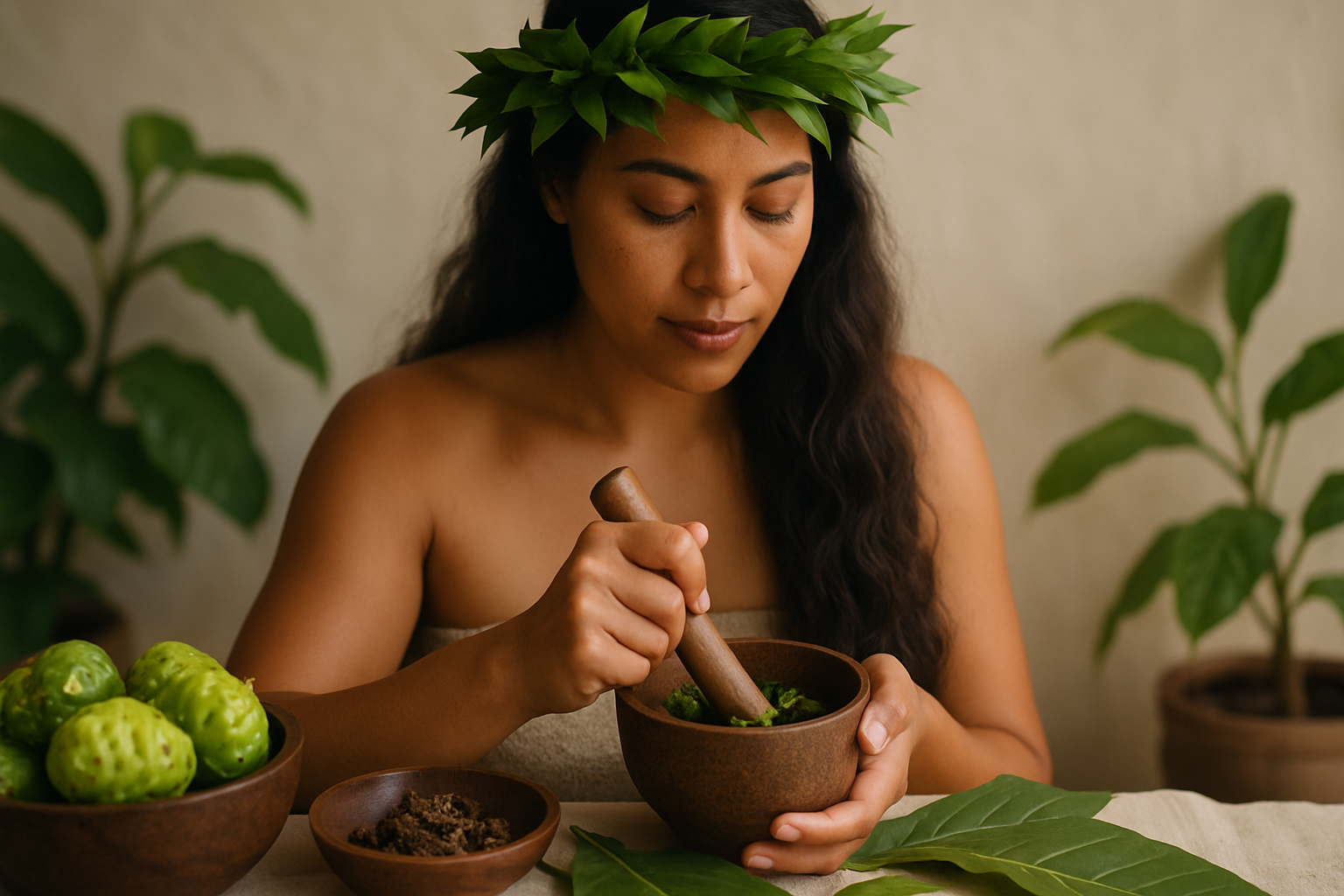
Polynesian Medicine is a holistic healing tradition rooted in the cultural and spiritual practices of the Pacific Islands. It emphasizes the interconnectedness of body, mind, and spirit, and utilizes a variety of natural modalities, including herbal remedies, rituals, and traditional bodywork techniques. Today, Polynesian Medicine is practiced across the islands of Hawaii, Tahiti, Samoa, and other regions, where the ancient wisdom continues to thrive alongside modern healthcare practices.
Intro Summary
Polynesian Medicine is a holistic healing tradition rooted in the cultural and spiritual practices of the Pacific Islands. It emphasizes the interconnectedness of body, mind, and spirit, and utilizes a variety of natural modalities, including herbal remedies, rituals, and traditional bodywork techniques. Today, Polynesian Medicine is practiced across the islands of Hawaii, Tahiti, Samoa, and other regions, where the ancient wisdom continues to thrive alongside modern healthcare practices.
Origins & Lineage
Polynesian Medicine has its origins in the vast array of islands that make up Polynesia, including Hawaii, Samoa, Tonga, and Tahiti. The tradition is deeply intertwined with the cultural heritage of these islands, passed down through generations via oral traditions and practices. Key figures in the lineage of Polynesian Medicine include ancient healers known as kahunas in Hawaii, who were revered for their knowledge of herbs, healing rituals, and spiritual practices.
The spread of Polynesian Medicine can be attributed to the migration of Polynesian peoples, who brought their healing practices with them as they settled across the Pacific Islands. Over time, these traditions adapted to local environments and cultures, resulting in a rich and diverse tapestry of healing practices.
Core Philosophy
The core philosophy of Polynesian Medicine is based on the understanding that health is a balance of physical, emotional, and spiritual well-being. Various concepts underpin this holistic approach:
Connection to Nature
Polynesian Medicine emphasizes a deep connection to the natural world, where plants, animals, and elements are seen as integral to healing. Practitioners believe that nature holds the key to understanding health and that individuals must harmonize with their environment.
Ancestral Healing
This tradition places great importance on ancestral connections and the wisdom inherited from previous generations. Healing practices often involve honoring ancestors and seeking guidance from them, believing that their energy and knowledge can aid in healing.
Spirituality and Energy
In Polynesian Medicine, spirituality is a cornerstone of health. Practitioners believe that an individual's energy, known as mana, can be influenced by spiritual practices, rituals, and relationships with others.
Diagnostic / Observational Methods
Polynesian healers employ various diagnostic methods to assess a person's health. These observational techniques focus on understanding the individual holistically rather than merely identifying symptoms:
- Tongue Examination: Practitioners may observe the tongue's color and texture to glean insights into a person's health.
- Pulse Reading: The pulse can reveal information about energy flow and overall vitality.
- Energy Assessment: Healers may sense the flow of mana and assess any blockages or imbalances.
- Lifestyle Inquiry: Understanding an individual's lifestyle, diet, and emotional state is essential for holistic assessment.
Common Modalities Within This Tradition
The modalities within Polynesian Medicine reflect its holistic nature, encompassing various practices:
Herbal Remedies
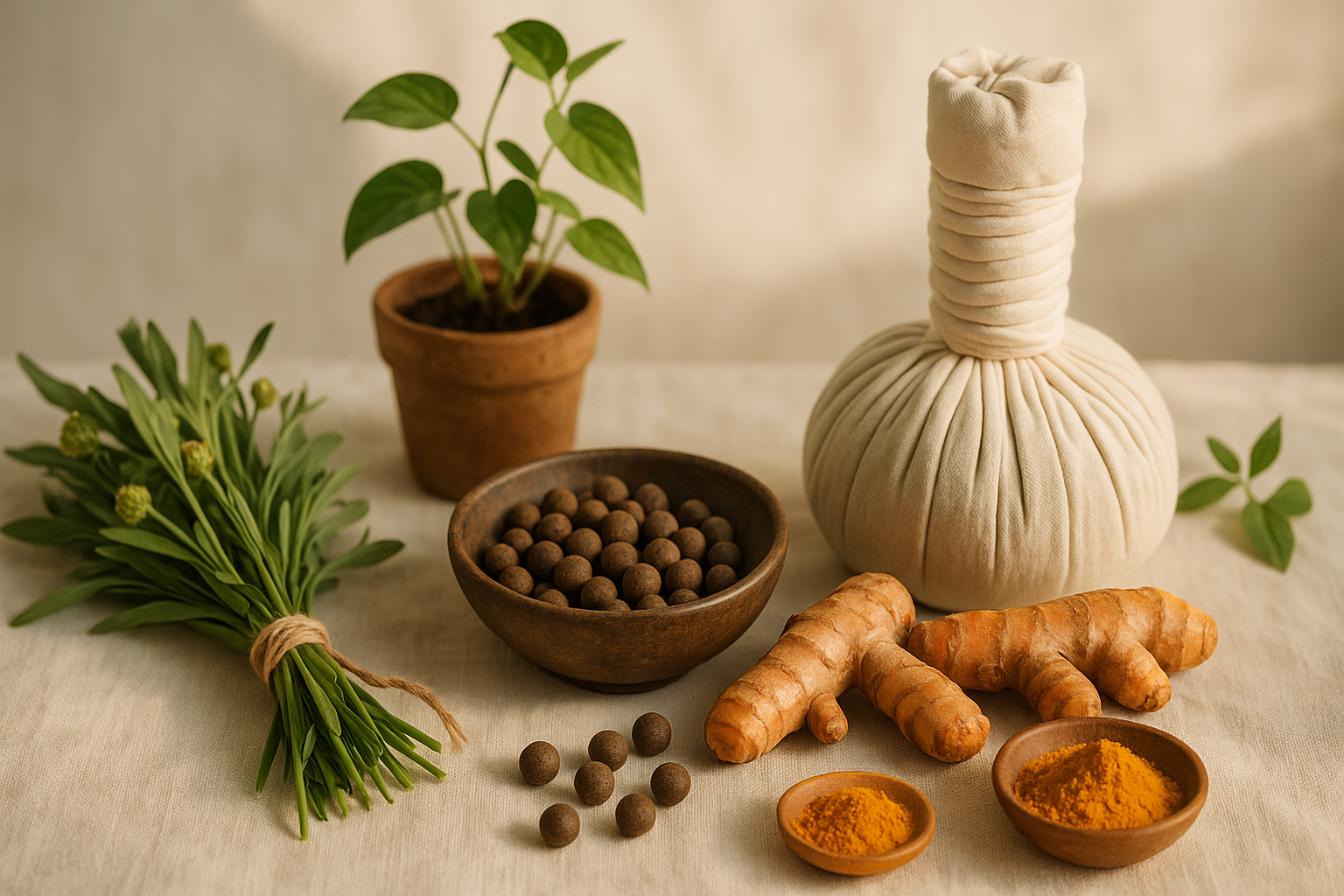
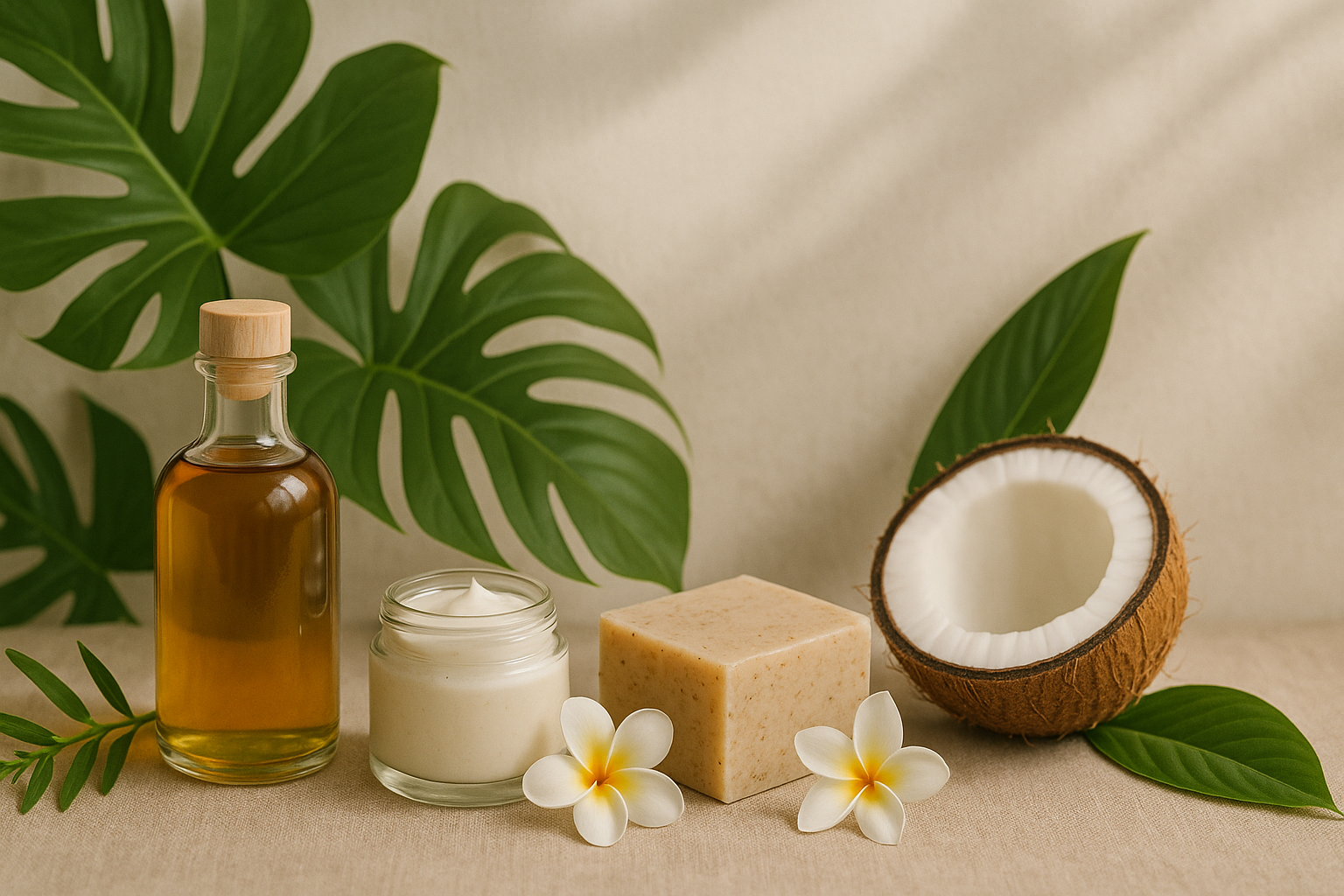
Herbs play a vital role in healing, with practitioners utilizing native plants for their medicinal properties. Each herb is believed to carry specific energies and healing potentials.
Food as Medicine
Diet is considered a cornerstone of health in Polynesian Medicine. Practitioners emphasize the consumption of natural, whole foods that are aligned with the individual's needs and environment.
Breathwork and Movement
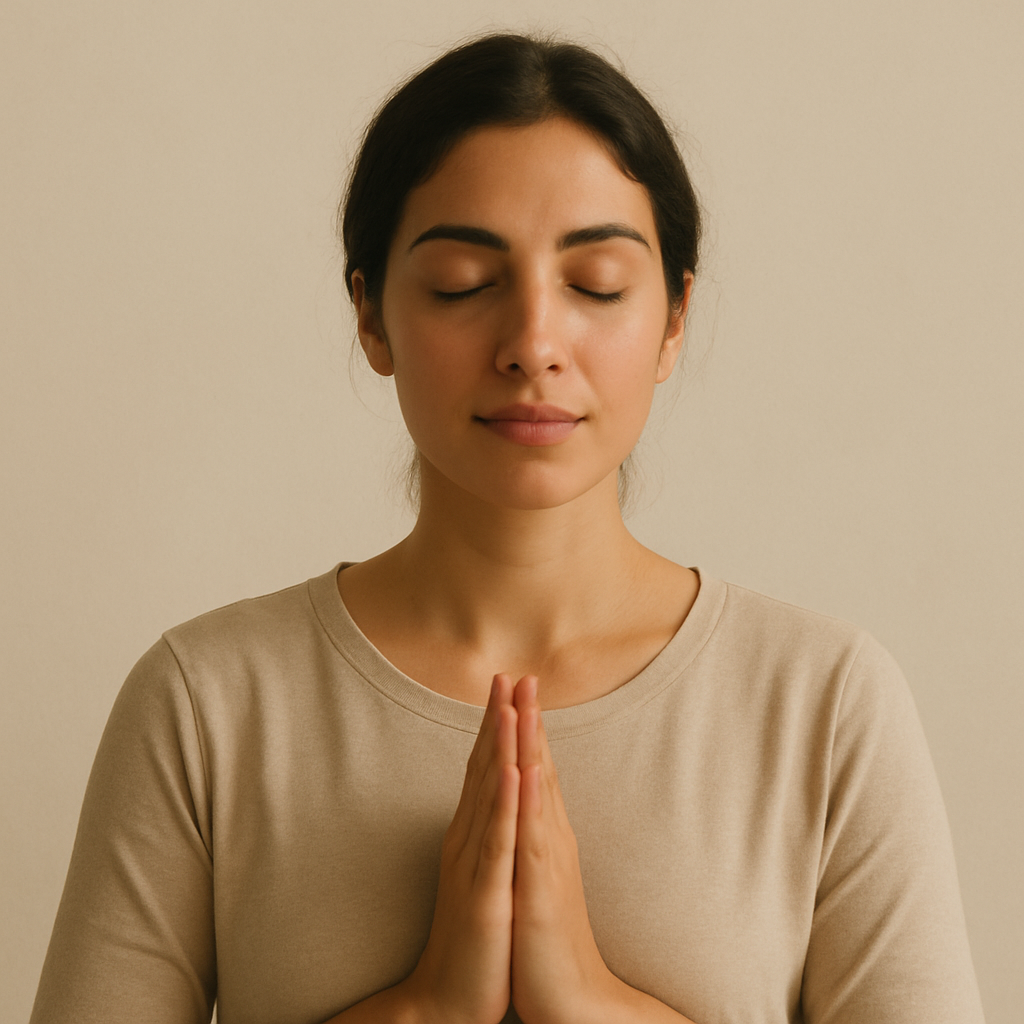
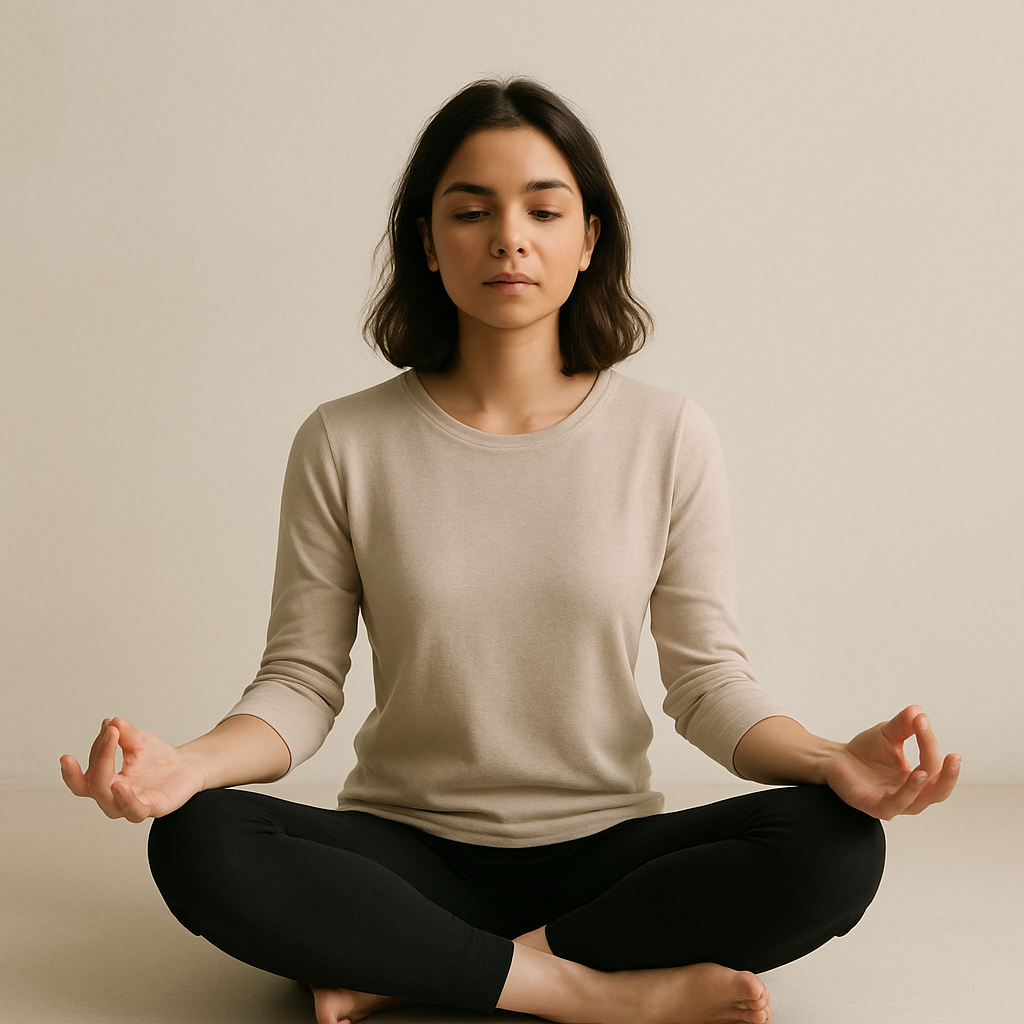
Breath is viewed as a vital force in Polynesian culture. Practices such as hula, which combines movement with breath, are used to promote physical and spiritual well-being.
Ritual and Ceremony
Rituals are integral to Polynesian Medicine, serving as a means of connecting with the spiritual realm and honoring ancestors. These practices can include chants, dances, and offerings.
Bodywork Techniques
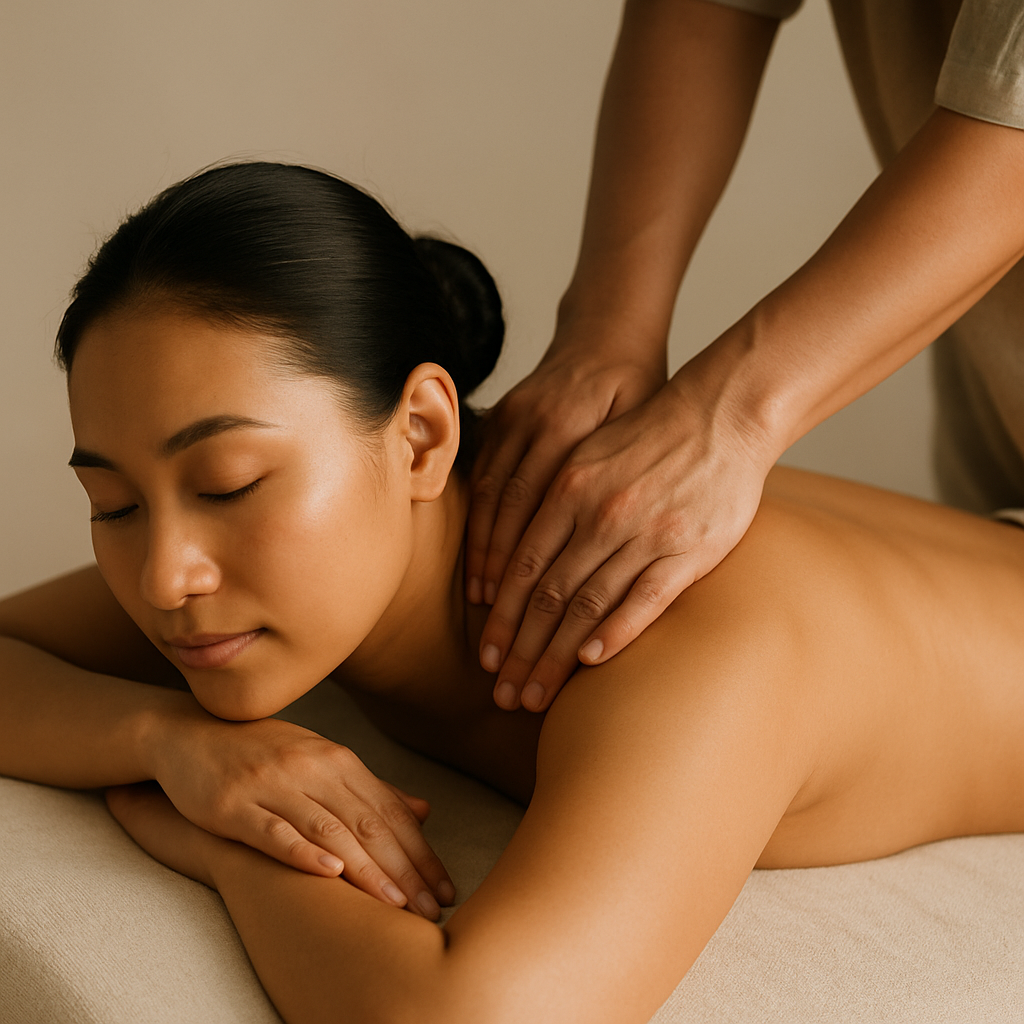
Traditional bodywork, such as lomilomi massage, is utilized to facilitate healing through touch and energy work. These techniques aim to restore balance and harmony within the body.
Conditions & Goals This Tradition Commonly Addresses
Polynesian Medicine traditionally explores various conditions and health goals:
- Chronic Pain: Techniques such as bodywork and herbal remedies are often explored for pain relief.
- Stress and Anxiety: The holistic approach aims to address emotional well-being through spiritual practices and lifestyle adjustments.
- Digestive Issues: Dietary recommendations and herbal remedies may be utilized to support digestive health.
- Spiritual Imbalance: Rituals and ancestral healing practices are explored to restore spiritual harmony.
Safety, Sourcing, and Finding Qualified Practitioners
When seeking Polynesian Medicine practitioners, it is essential to ensure they are qualified and knowledgeable in the tradition. Look for practitioners who have undergone extensive training and are recognized within their communities. It is advisable to have an open dialogue about safety and sourcing of herbs and other materials used in treatments.
How It Intersects with Modern Wellness Today
Polynesian Medicine is increasingly recognized within the context of modern wellness. Many individuals are drawn to its holistic approach, which emphasizes self-care, connection to nature, and community. Some practitioners integrate aspects of Polynesian Medicine with contemporary health practices, offering a unique blend of ancient wisdom and modern science.
Related Approaches You Might Explore
Those interested in Polynesian Medicine may also find value in exploring related approaches:
- Ayurveda: An ancient Indian system of medicine that shares a holistic approach to health.
- Traditional Chinese Medicine (TCM): A system that emphasizes balance and harmony in the body.
- Native American Healing: Indigenous practices that focus on nature and spirituality in healing.
FAQs
- What is Polynesian Medicine? Polynesian Medicine is a traditional healing practice rooted in the cultural and spiritual practices of the Pacific Islands, emphasizing holistic health.
- What types of conditions can it address? It traditionally explores conditions such as chronic pain, stress, digestive issues, and spiritual imbalances.
- How do practitioners diagnose health issues? Practitioners may use tongue examination, pulse reading, energy assessment, and lifestyle inquiry.
- What are some common modalities used? Common modalities include herbal remedies, food as medicine, breathwork, rituals, and bodywork techniques.
- How can I find a qualified practitioner? Look for practitioners who have undergone extensive training and are recognized in their communities.
- How does Polynesian Medicine relate to modern wellness? It intersects with modern wellness by promoting self-care, connection to nature, and integrating ancient wisdom with contemporary practices.
Explore Polynesian Medicine
15 subcategories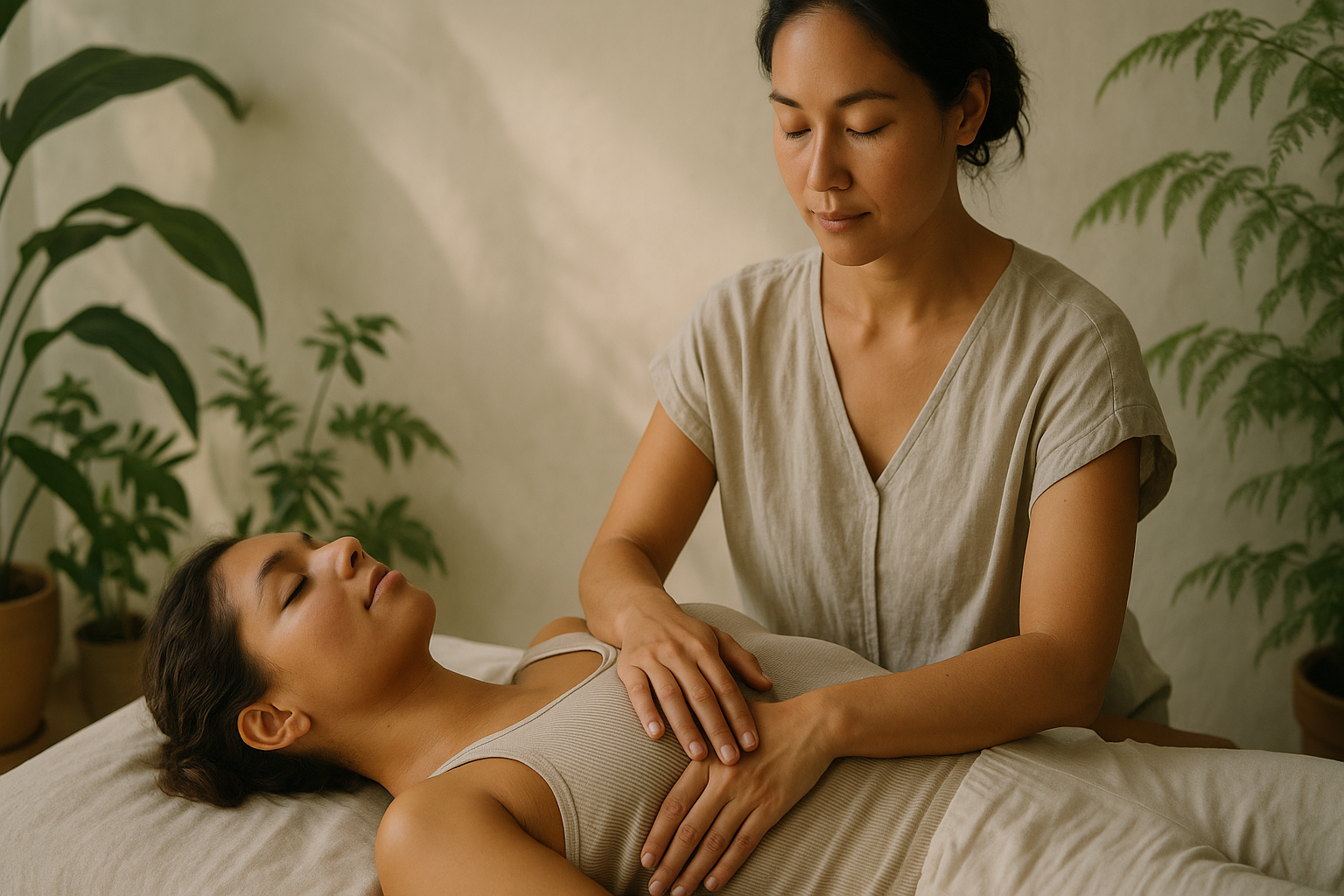


Frequently asked
What is Polynesian Medicine?
Polynesian Medicine is a traditional healing practice rooted in the cultural and spiritual practices of the Pacific Islands, emphasizing holistic health.
What types of conditions can it address?
It traditionally explores conditions such as chronic pain, stress, digestive issues, and spiritual imbalances.
How do practitioners diagnose health issues?
Practitioners may use tongue examination, pulse reading, energy assessment, and lifestyle inquiry.
What are some common modalities used?
Common modalities include herbal remedies, food as medicine, breathwork, rituals, and bodywork techniques.
How can I find a qualified practitioner?
Look for practitioners who have undergone extensive training and are recognized in their communities.
How does Polynesian Medicine relate to modern wellness?
It intersects with modern wellness by promoting self-care, connection to nature, and integrating ancient wisdom with contemporary practices.