Kampo Medicine
Explore the ancient healing tradition of Kampo Medicine, its origins, philosophy, diagnostic methods, and its relevance in modern wellness.
Kampo Medicine is a traditional Japanese healing system rooted in ancient Chinese medicine, focusing on herbal remedies and holistic approaches to health. Practiced primarily in Japan, it integrates body, mind, and spirit, emphasizing balance and harmony. This tradition operates on the belief that health is a state of equilibrium, influenced by various internal and external factors.
Intro Summary
Kampo Medicine is a traditional Japanese healing system that evolved from ancient Chinese medicine, focusing on the use of herbal remedies to promote health and wellbeing. It is primarily practiced in Japan, where it has become integrated into the healthcare system alongside modern medicine. The worldview of Kampo holds that health is a dynamic balance between the body, mind, and spirit, influenced by a variety of internal and external factors. This holistic approach emphasizes the importance of understanding the unique constitution of each individual, enabling tailored treatments that resonate with the person’s specific needs.
Origins & Lineage
Kampo Medicine traces its origins back to ancient China, where traditional Chinese medicine (TCM) was developed. It was introduced to Japan during the early centuries of the Common Era, particularly during the Nara period (710-794). Key texts such as the Huangdi Neijing (The Inner Canon of the Yellow Emperor) laid the groundwork for Kampo practices. Over the centuries, Japanese scholars and physicians adapted TCM principles to better fit the cultural and environmental context of Japan, leading to the formation of a distinct system known as Kampo.
During the Edo period (1603-1868), Kampo flourished, with prominent figures like Yamamoto Soshun and Shizuto Masunaga contributing to its development and documentation. The tradition continued to evolve through the 20th century, where it faced challenges from Western medicine but ultimately found a place within Japan’s healthcare system. Today, Kampo is recognized as a legitimate form of medicine, often used in conjunction with modern medical practices.
Core Philosophy
Balance and Harmony
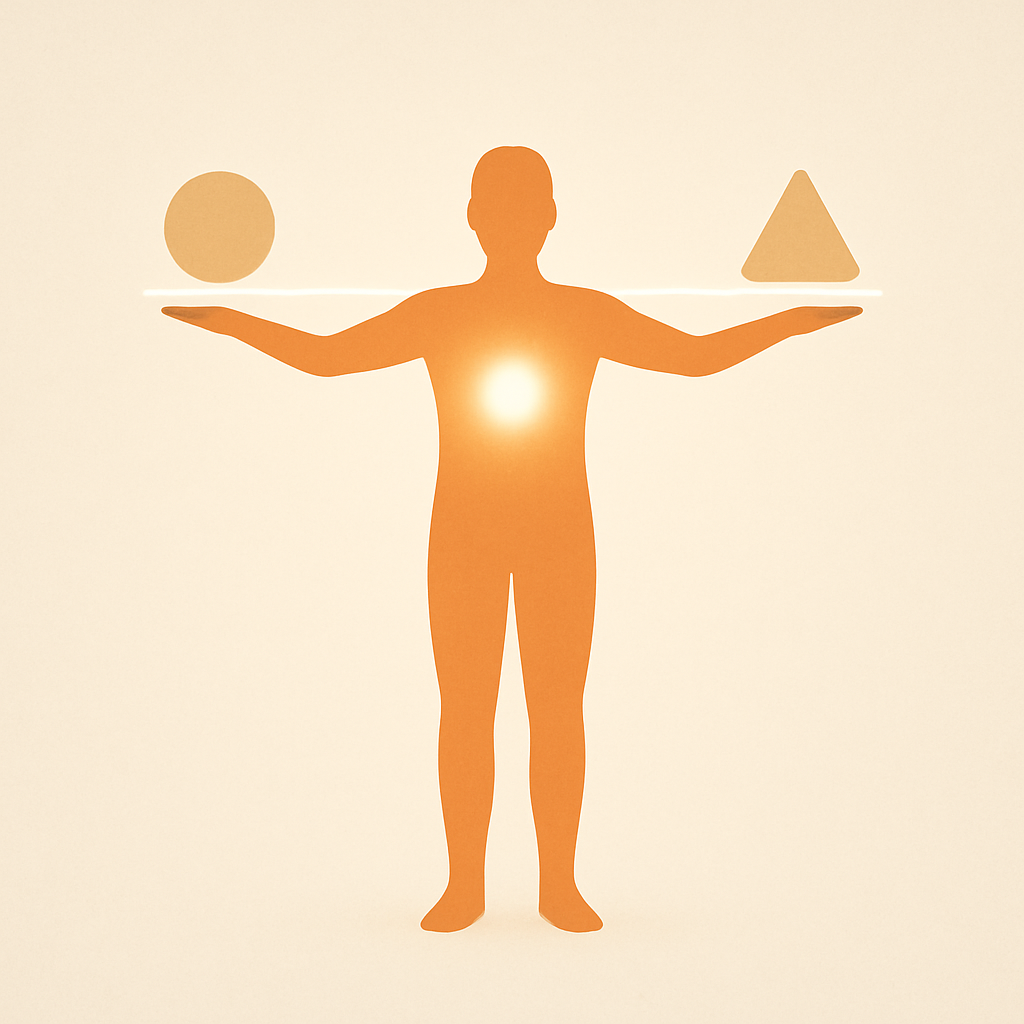
At the heart of Kampo Medicine is the concept of balance and harmony, both within the body and with the environment. This philosophy emphasizes that health is not merely the absence of disease but a state of equilibrium that must be maintained.
Constitutional Approach
Kampo practitioners believe that each individual has a unique constitution, influenced by factors such as genetics, lifestyle, and environment. Understanding this constitution is essential for tailoring treatments that address the root causes of health issues.
Holistic View
Kampo takes a holistic view of health, considering physical, emotional, and spiritual aspects. This perspective recognizes that emotional states can impact physical health and vice versa.
Natural Cycles
The philosophy of Kampo also embraces the natural cycles of life, such as the seasons and the body's rhythms. Practitioners often adjust treatments based on these cycles to enhance their effectiveness.
Diagnostic / Observational Methods
Kampo practitioners employ several diagnostic methods to assess a person's health, focusing on understanding the individual’s unique constitution and imbalances. These methods include:
- Tongue Diagnosis: Practitioners examine the color, shape, and coating of the tongue to gain insights into a person's internal health.
- Pulse Diagnosis: The quality, strength, and rhythm of the pulse are carefully evaluated to determine the state of different organs and systems.
- Observation: Practitioners observe physical characteristics, skin tone, and overall demeanor to assess health.
- Lifestyle Inquiry: Detailed discussions about diet, sleep, stress levels, and emotional wellbeing help practitioners understand the patient's overall health context.
Common Modalities Within This Tradition
Herbal Remedies
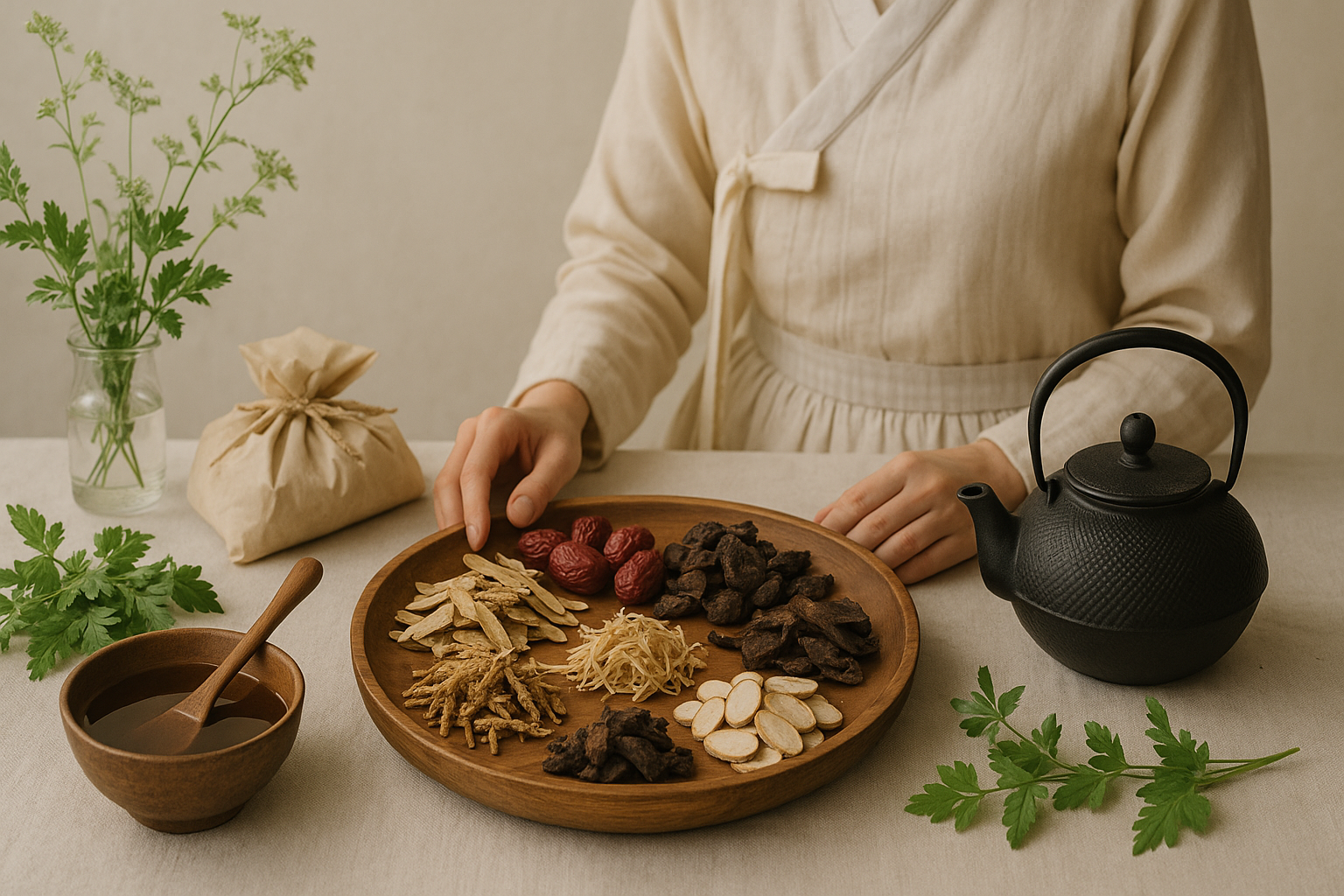
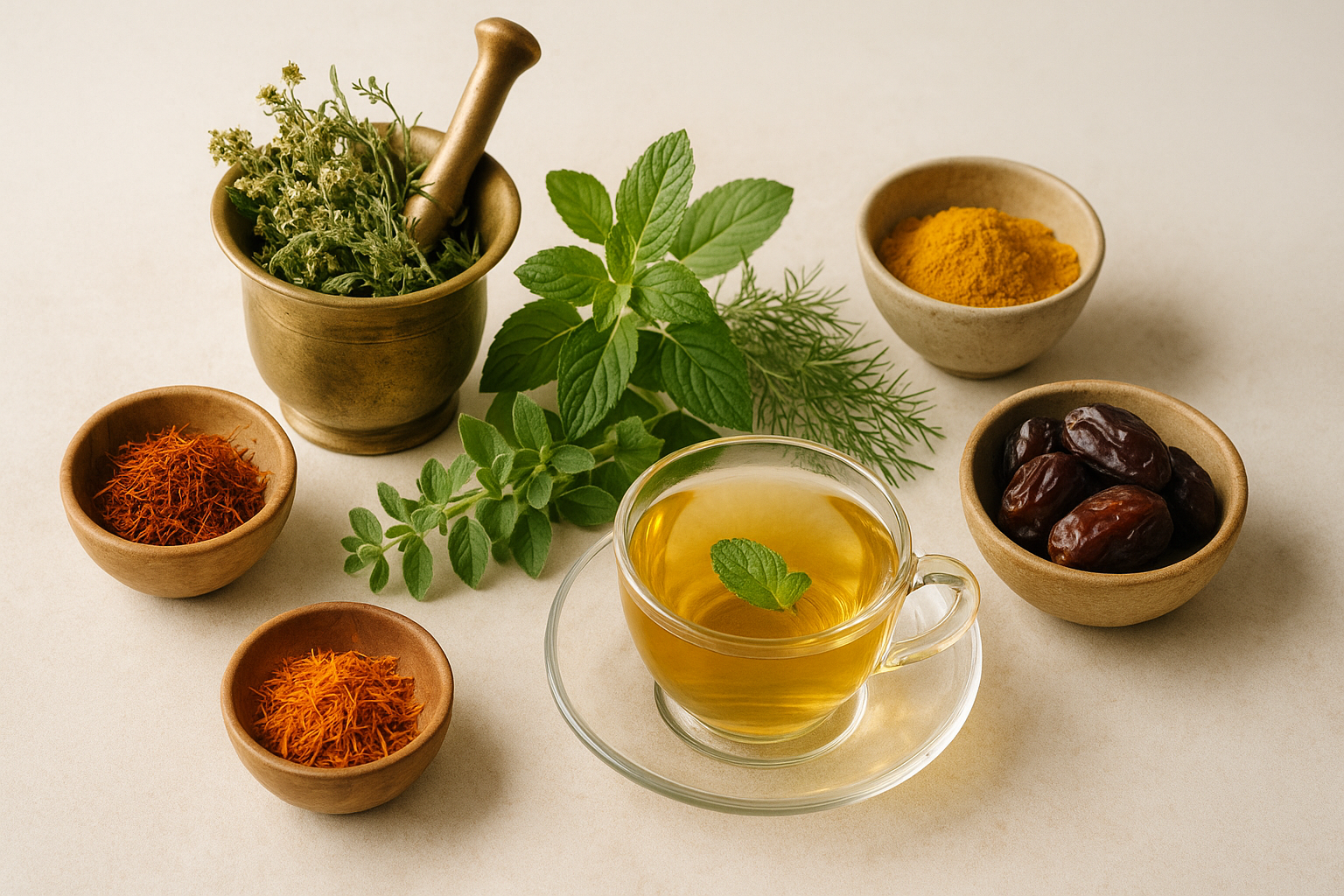
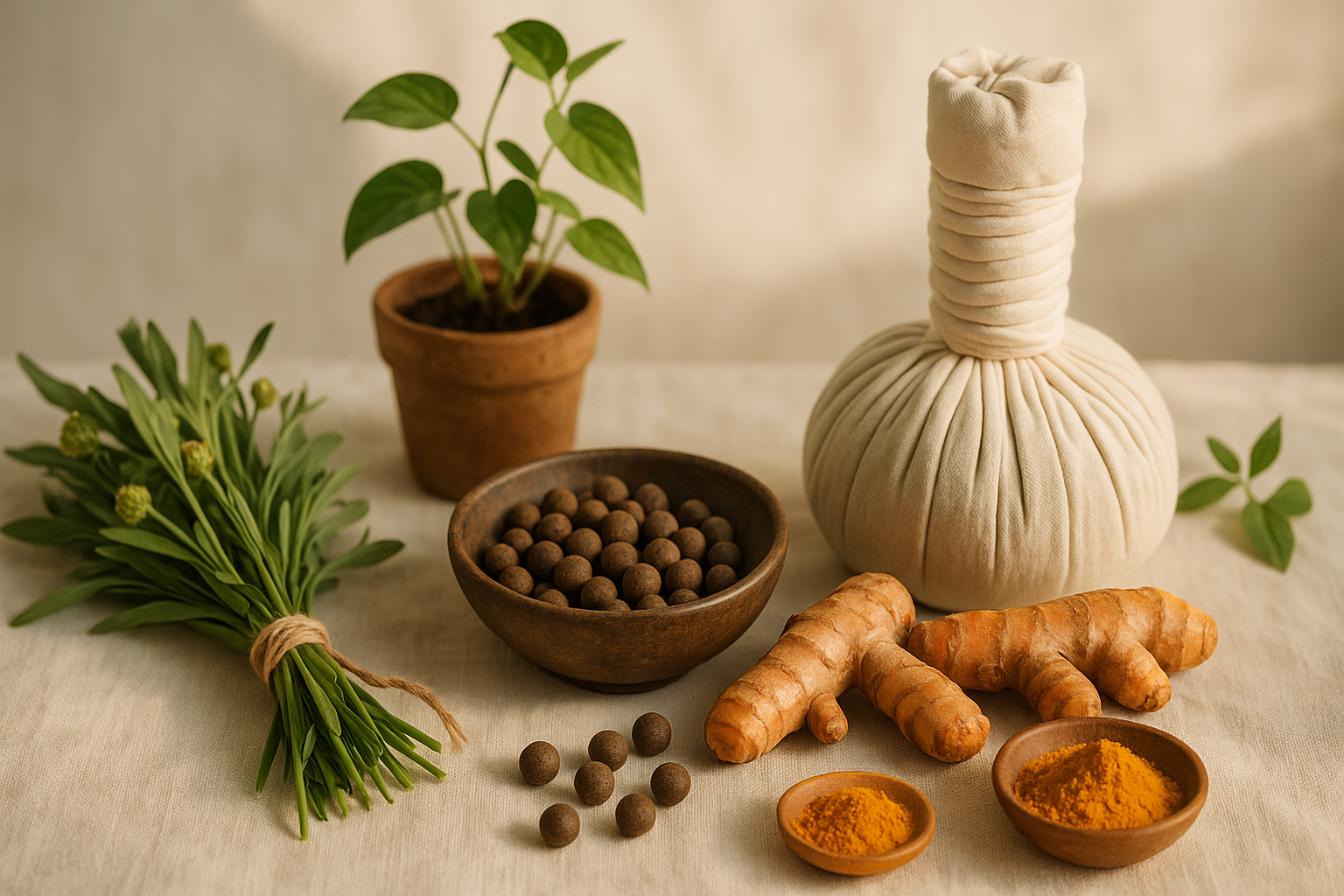
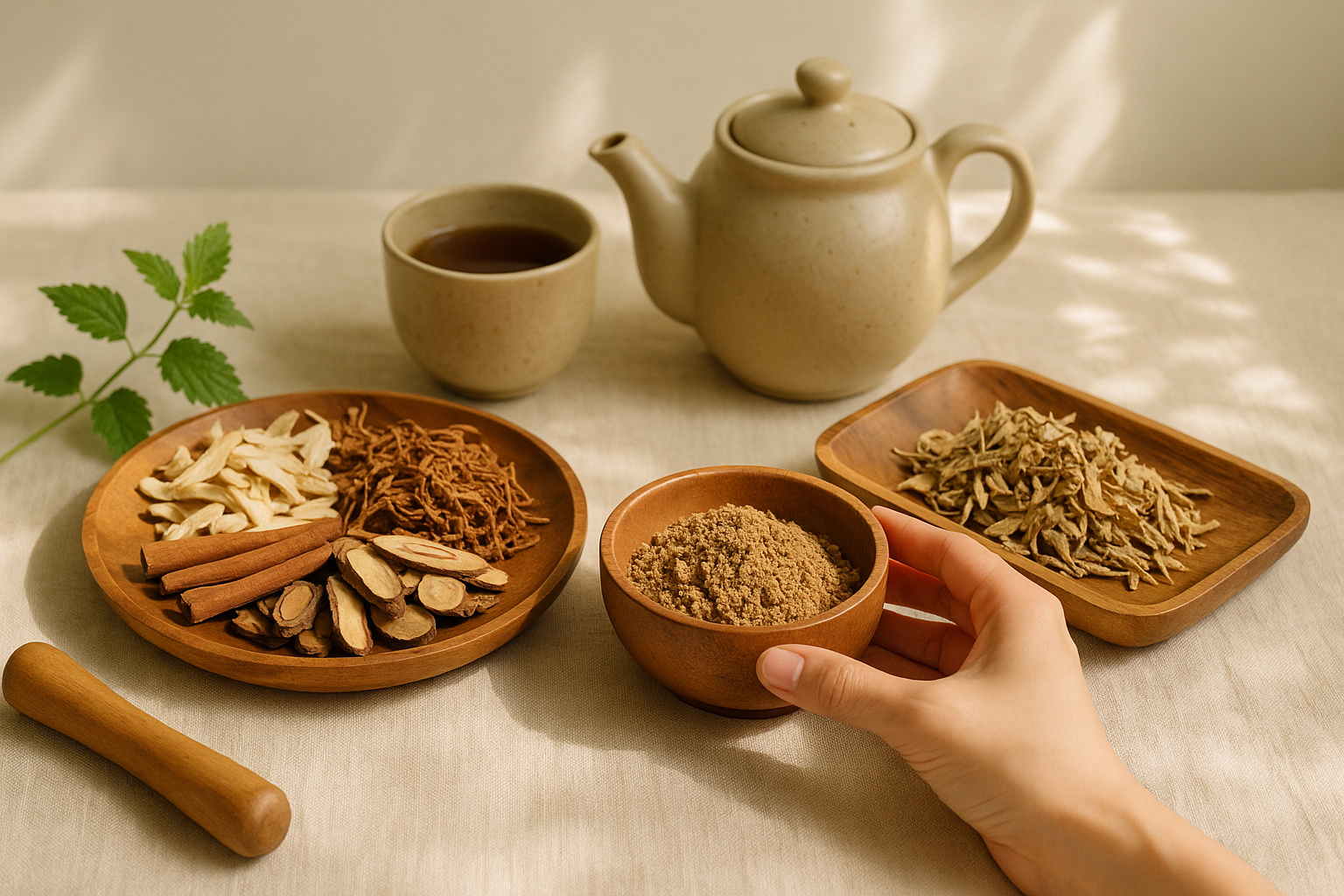
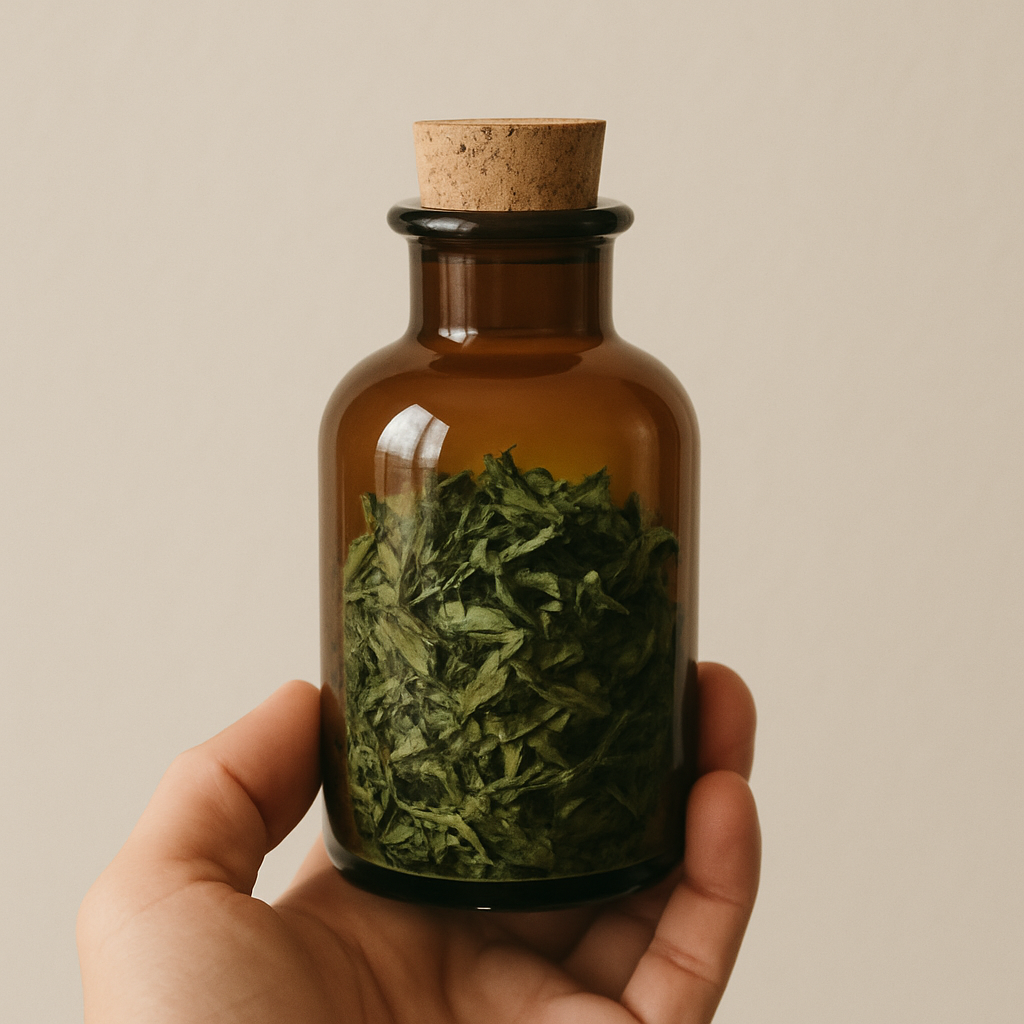
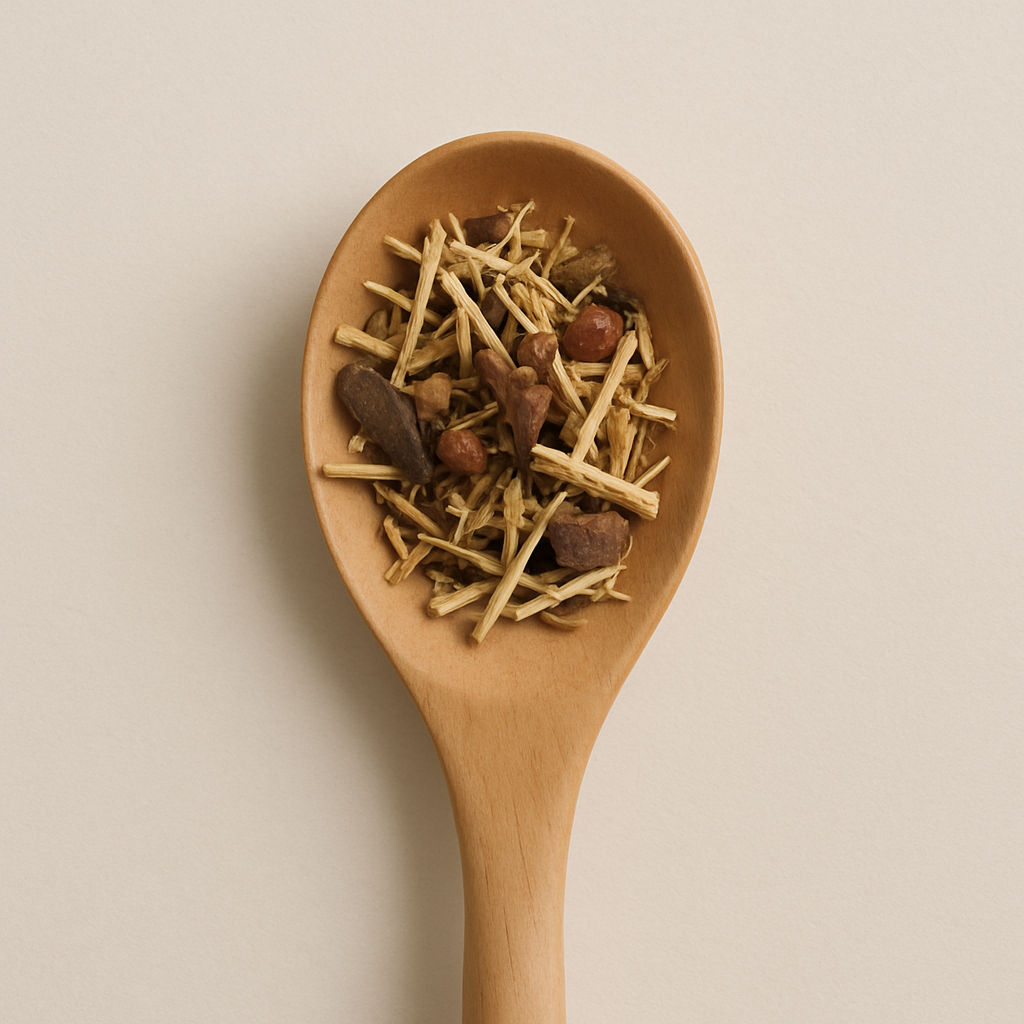
Herbs are at the core of Kampo Medicine. Practitioners utilize a vast array of herbal formulas, often customized for individual patients. Common herbs include ginger for warming the body and licorice for harmonizing formulas.
Dietary Recommendations
Kampo emphasizes the importance of diet in maintaining health. Practitioners often advise patients on food choices that align with their constitution and current health conditions, promoting balance through nutrition.
Breath Work
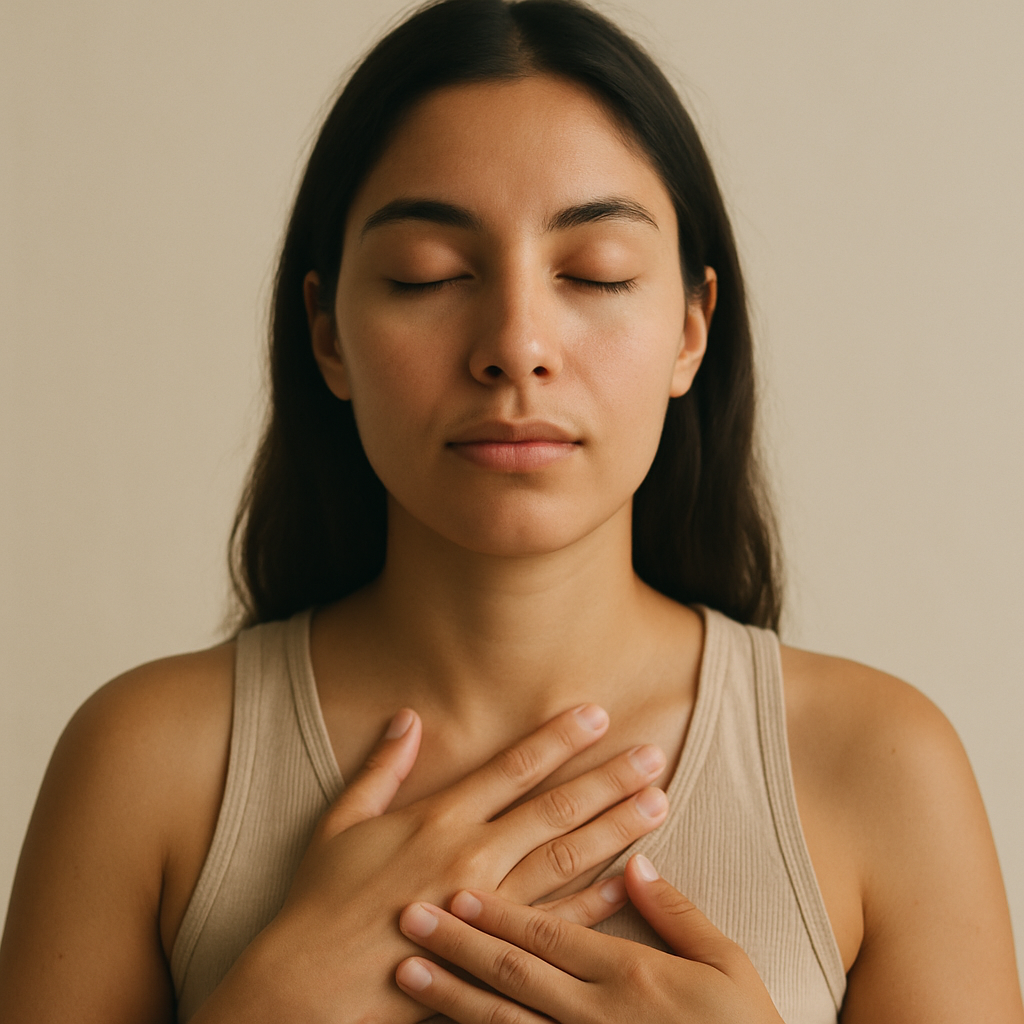
Breathing exercises are used to enhance energy flow and relaxation. Techniques might include deep abdominal breathing, which is believed to strengthen the body's vital energy.
Movement and Exercise
Gentle movement practices, such as Tai Chi or Qi Gong, are sometimes recommended to improve circulation and overall vitality.
Bodywork
Various forms of bodywork, including acupressure and massage, are utilized to relieve tension and restore balance within the body.
Conditions & Goals This Tradition Commonly Addresses
Kampo Medicine is traditionally explored for a range of conditions, including:
- Digestive issues, such as bloating and constipation.
- Respiratory ailments, including allergies and asthma.
- Stress-related disorders, like anxiety and insomnia.
- Menstrual irregularities and reproductive health.
- Chronic pain conditions, including arthritis and headaches.
- Weakened immune function and seasonal illnesses.
Safety, Sourcing, and Finding Qualified Practitioners
When considering Kampo Medicine, it is important to seek qualified practitioners who have undergone proper training in this tradition. Look for practitioners who are certified by recognized organizations and have a solid understanding of both Kampo and modern health practices. Additionally, ensure that the herbs and remedies used are sourced from reputable suppliers to commonly explored quality and safety.
How It Intersects with Modern Wellness Today
Kampo Medicine is increasingly recognized within the context of modern wellness. Many healthcare providers incorporate Kampo principles into their practices, particularly in areas such as stress management, digestive health, and chronic pain relief. The holistic approach of Kampo aligns well with contemporary wellness trends, which emphasize self-care, preventive health, and the integration of mind-body practices.
Related Approaches You Might Explore
For those interested in exploring further, related approaches may include:
- Traditional Chinese Medicine (TCM): The foundation from which Kampo evolved, encompassing acupuncture, herbal therapy, and dietary practices.
- Ayurveda: The ancient Indian system of medicine that focuses on balancing the body's energies through diet, herbs, and lifestyle.
- Naturopathy: A holistic approach to health that emphasizes natural remedies and the body's inherent ability to may support.
- Homeopathy: A system of medicine based on the principle of treating "like with like" using highly diluted substances.
FAQs
- What is the main focus of Kampo Medicine? Kampo Medicine focuses on restoring balance and harmony within the body using herbal remedies and holistic approaches.
- Is Kampo Medicine safe to use with modern medicine? Many practitioners integrate Kampo with modern medicine, but it is essential to consult with healthcare providers before combining treatments.
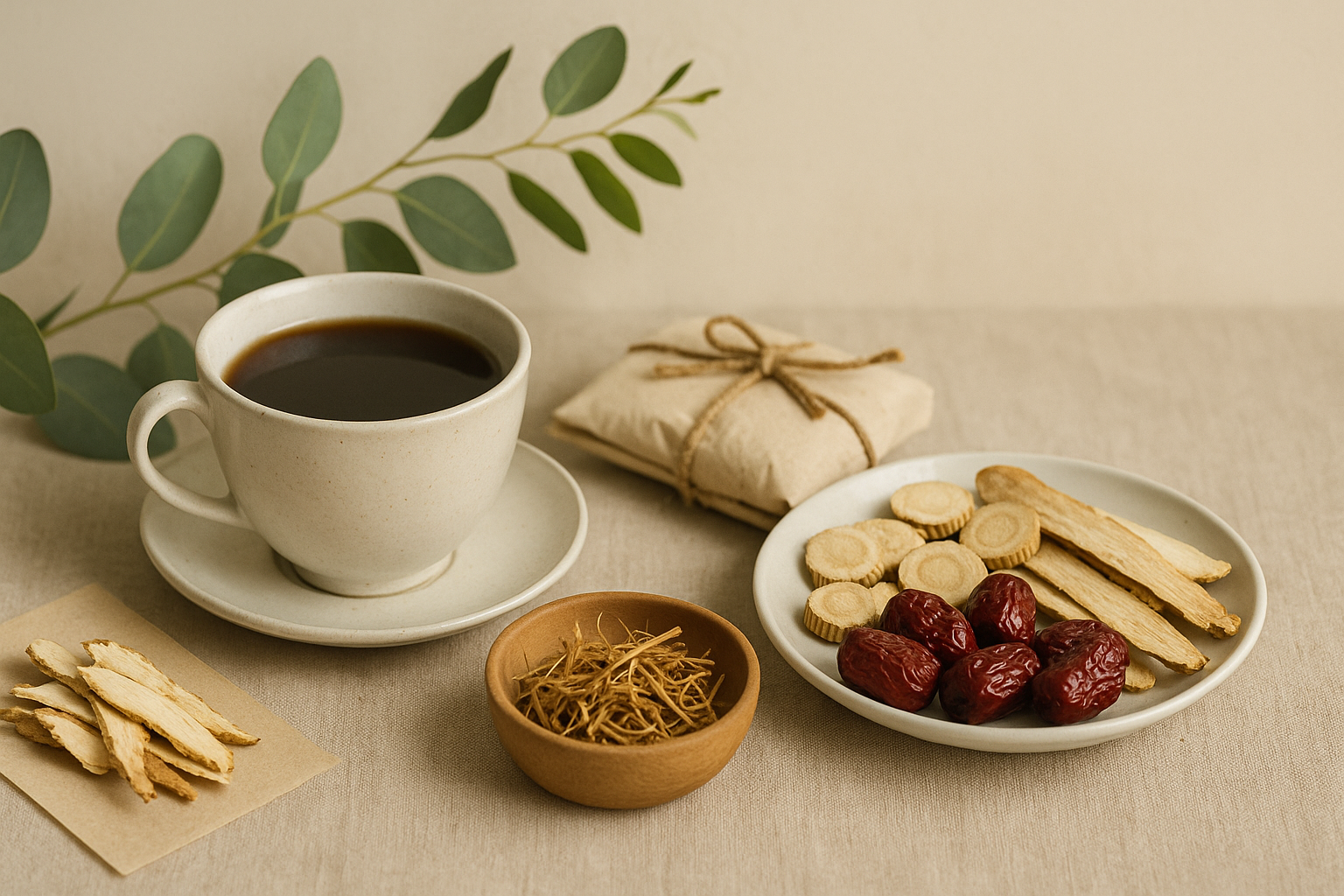
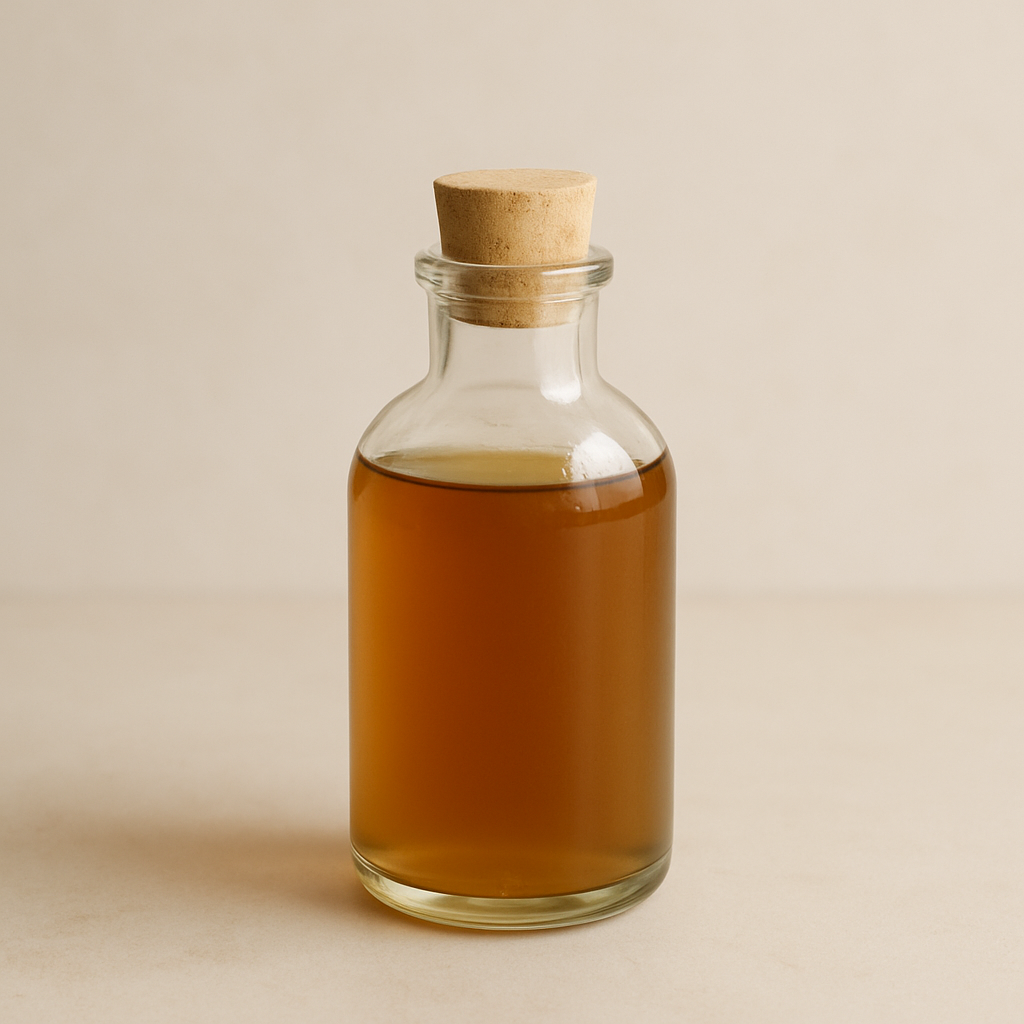
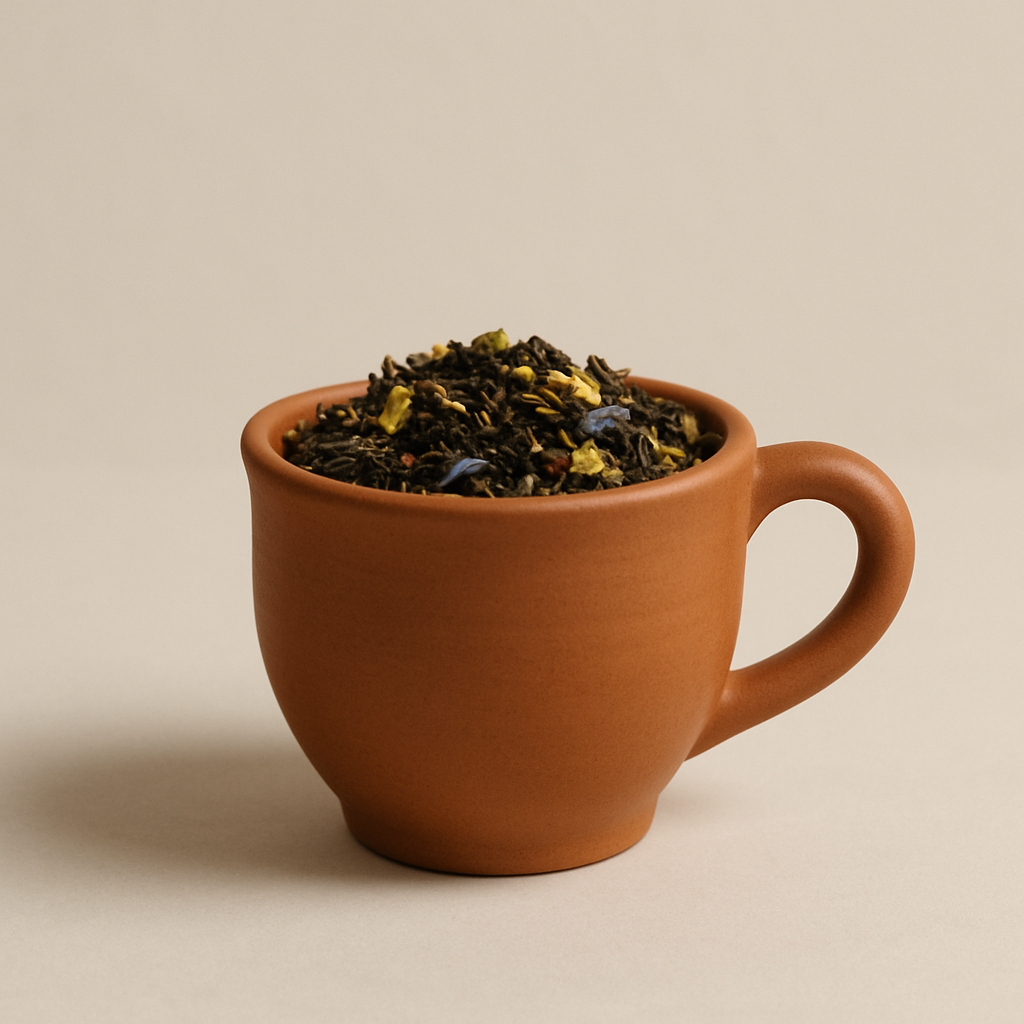
- How are Kampo herbal formulas prepared? Kampo formulas are typically decocted from dried herbs, which are boiled to extract their medicinal properties before consumption.
- Can anyone practice Kampo Medicine? No, it is important to seek care from qualified practitioners who have undergone specific training in Kampo.
- How long does it take to see results from Kampo treatments? The timeline for results can vary widely depending on the individual and their specific health concerns.
- Are there any side effects associated with Kampo herbs? While generally considered safe, some individuals may experience side effects. It's important to discuss any concerns with a practitioner.
Explore Kampo Medicine
15 subcategories






Frequently asked
What is the main focus of Kampo Medicine?
Kampo Medicine focuses on restoring balance and harmony within the body using herbal remedies and holistic approaches.
Is Kampo Medicine safe to use with modern medicine?
Many practitioners integrate Kampo with modern medicine, but it is essential to consult with healthcare providers before combining treatments.
How are Kampo herbal formulas prepared?
Kampo formulas are typically decocted from dried herbs, which are boiled to extract their medicinal properties before consumption.
Can anyone practice Kampo Medicine?
No, it is important to seek care from qualified practitioners who have undergone specific training in Kampo.
How long does it take to see results from Kampo treatments?
The timeline for results can vary widely depending on the individual and their specific health concerns.
Are there any side effects associated with Kampo herbs?
While generally considered safe, some individuals may experience side effects. It's important to discuss any concerns with a practitioner.