Mayan Medicine
Explore the ancient healing tradition of Mayan medicine, its origins, core philosophies, and how it addresses wellness through holistic approaches.
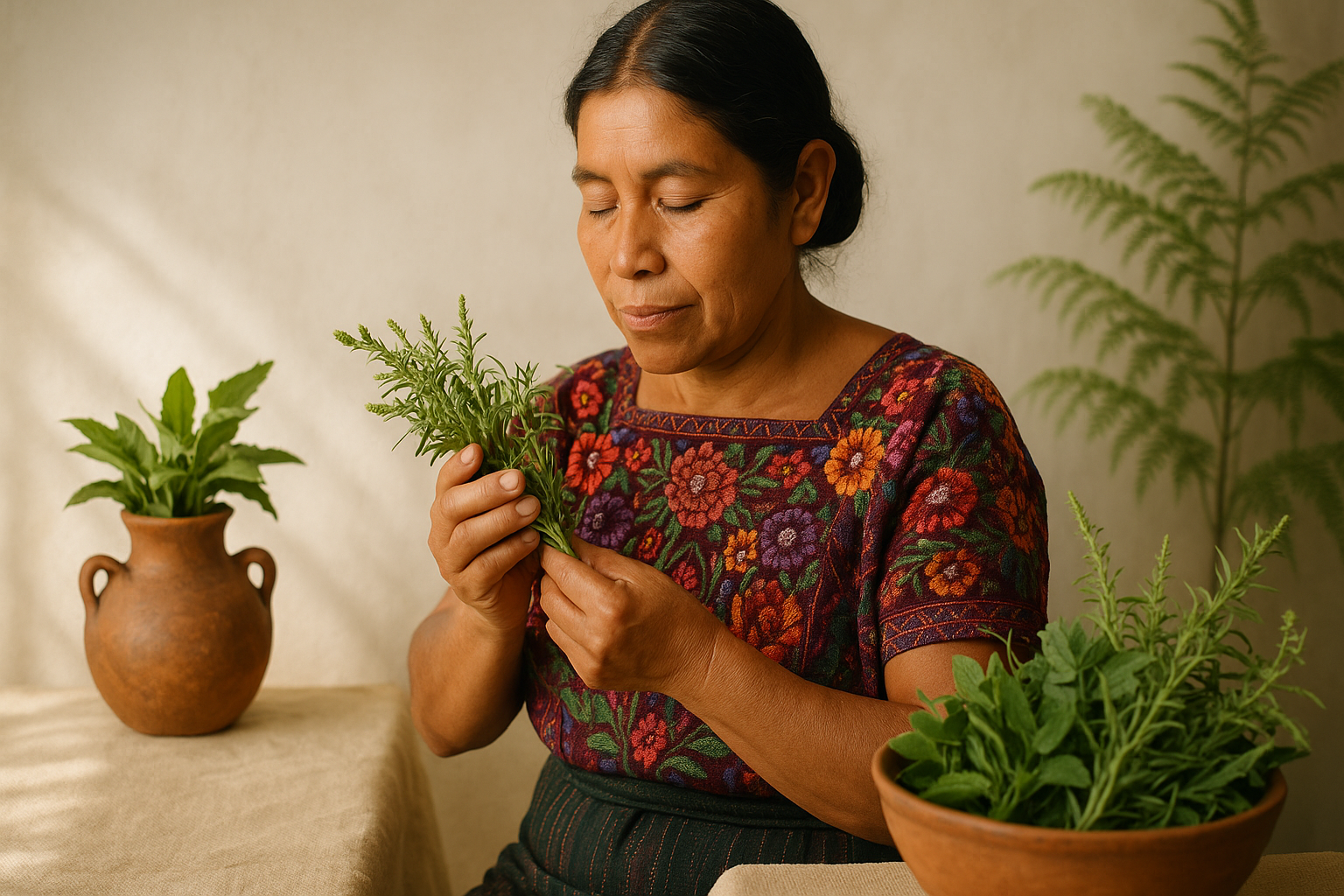
Mayan medicine is a holistic healing tradition rooted in the ancient practices of the Maya civilization, primarily found in regions of Mesoamerica such as Mexico, Guatemala, and Belize. This healing system is grounded in a worldview that emphasizes the interconnectedness of all life, the importance of maintaining balance within the body, and the use of natural resources for healing. Practitioners, often referred to as shamans or curanderos, employ a variety of techniques including herbal medicine, spiritual rituals, and energy work to restore health and harmony. Today, Mayan medicine continues to thrive, blending traditional practices with contemporary wellness approaches, making it a vital part of cultural heritage and health practices in the region.
Intro Summary
Mayan medicine is a holistic healing tradition rooted in the ancient practices of the Maya civilization, primarily found in regions of Mesoamerica such as Mexico, Guatemala, and Belize. This healing system is grounded in a worldview that emphasizes the interconnectedness of all life, the importance of maintaining balance within the body, and the use of natural resources for healing. Practitioners, often referred to as shamans or curanderos, employ a variety of techniques including herbal medicine, spiritual rituals, and energy work to restore health and harmony. Today, Mayan medicine continues to thrive, blending traditional practices with contemporary wellness approaches, making it a vital part of cultural heritage and health practices in the region.
Origins & Lineage
Mayan medicine has its roots in the ancient Maya civilization, which flourished in Mesoamerica from around 2000 BC until the arrival of Spanish colonizers in the 16th century. The knowledge and practices of this healing tradition were passed down through generations, often through oral traditions and community rituals.
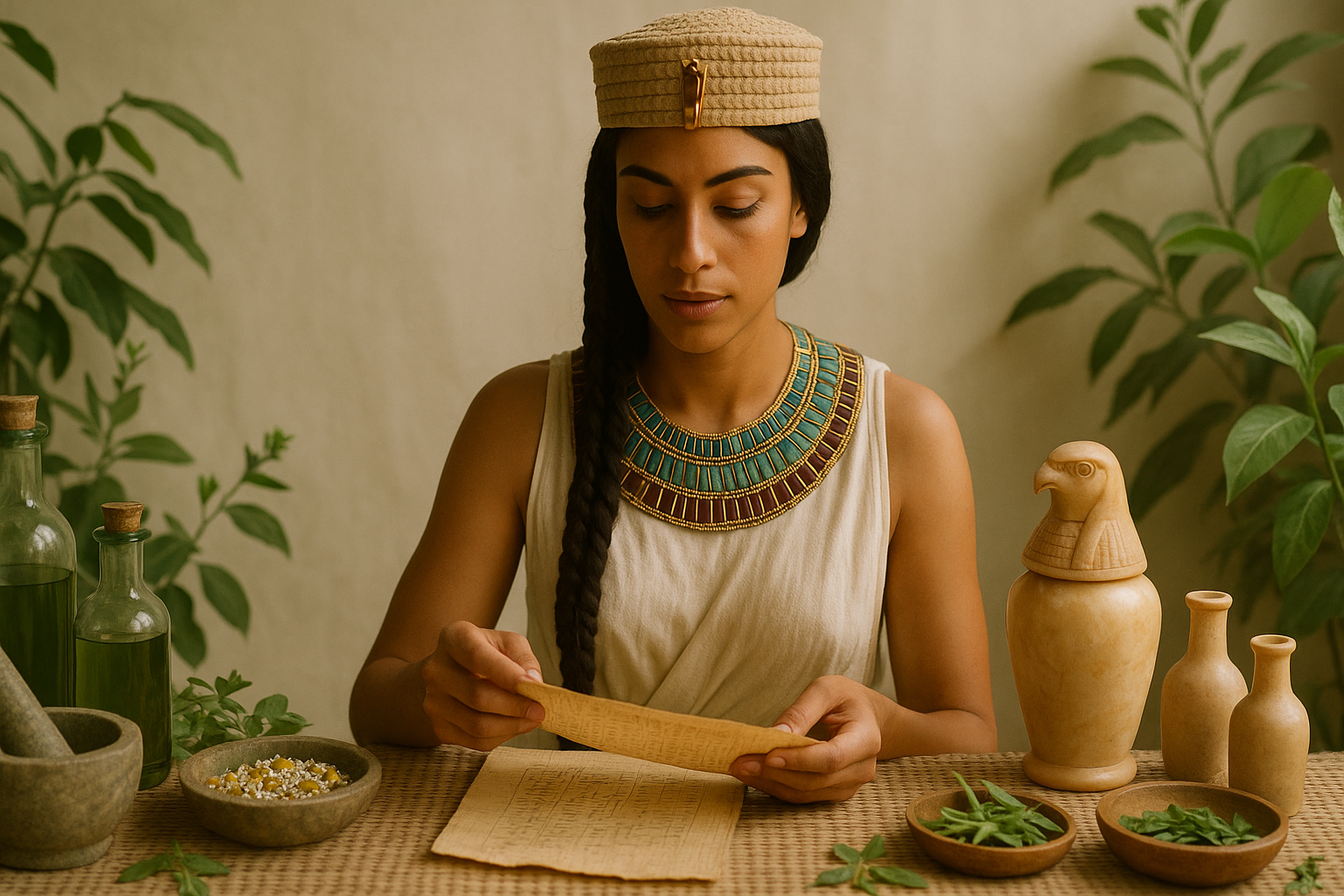
Key texts like the Popol Vuh, a sacred Maya narrative, and various codices provide insights into the spiritual and medicinal practices of the Maya. These texts illustrate the deep connection between the physical and spiritual realms, emphasizing the importance of maintaining harmony with nature and the cosmos.
The spread of Mayan medicine occurred as the Maya civilization expanded across Mesoamerica, influencing neighboring cultures. Despite the disruptions caused by colonization, many traditional practices have persisted, adapting to contemporary contexts while retaining their core principles.
Core Philosophy
The philosophy of Mayan medicine is rooted in a profound understanding of the universe and the human body as interconnected entities. This system emphasizes balance, harmony, and the cyclical nature of life.
Balance and Harmony
Central to Mayan philosophy is the concept of balance. Health is viewed as a state of equilibrium between the body, mind, spirit, and the surrounding environment. Disruptions to this balance can lead to illness.
Connection to Nature
The Maya hold a deep reverence for nature and believe that plants and animals possess inherent healing qualities. This connection to the natural world is integral to their medicinal practices.
Spiritual Dimensions
Mayan medicine recognizes the spiritual dimensions of health. Illness is often seen as a manifestation of spiritual disconnection or imbalance, and healing involves restoring this connection through rituals and ceremonies.
Diagnostic / Observational Methods
Mayan practitioners utilize various diagnostic methods to assess a person's health and identify imbalances. These methods are rooted in observation and intuition.
- Tongue Diagnosis: Practitioners may examine the tongue's color and texture to gain insights into a person's internal state.
- Pulse Reading: The pulse is often checked to assess energy flow and vitality.
- Energy Assessment: Practitioners may sense the energy field surrounding a person to identify blockages or disturbances.
- Lifestyle Inquiry: Questions about diet, environment, and emotional well-being are common to gain a holistic understanding of the individual.
Common Modalities Within This Tradition
Herbal Medicine
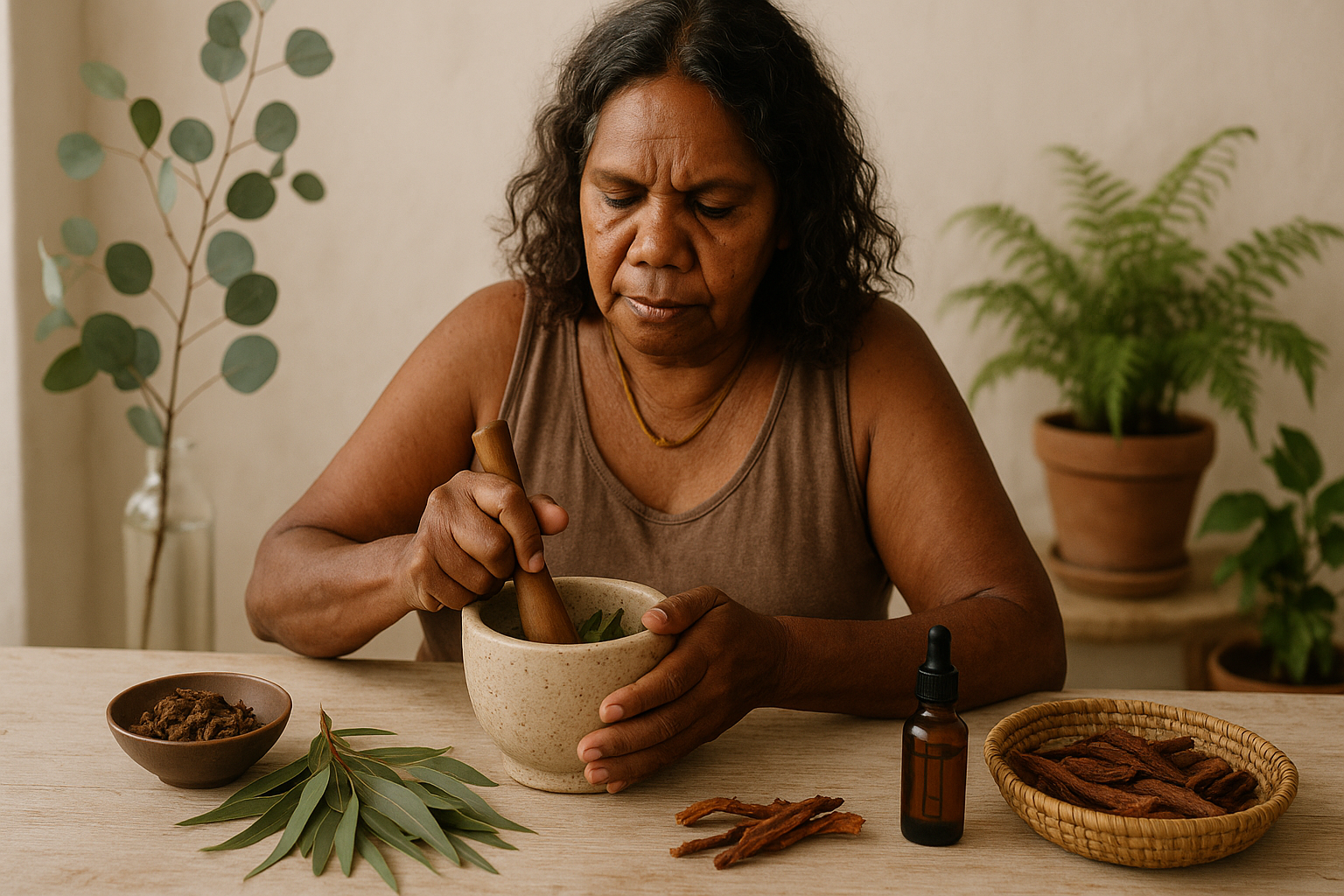
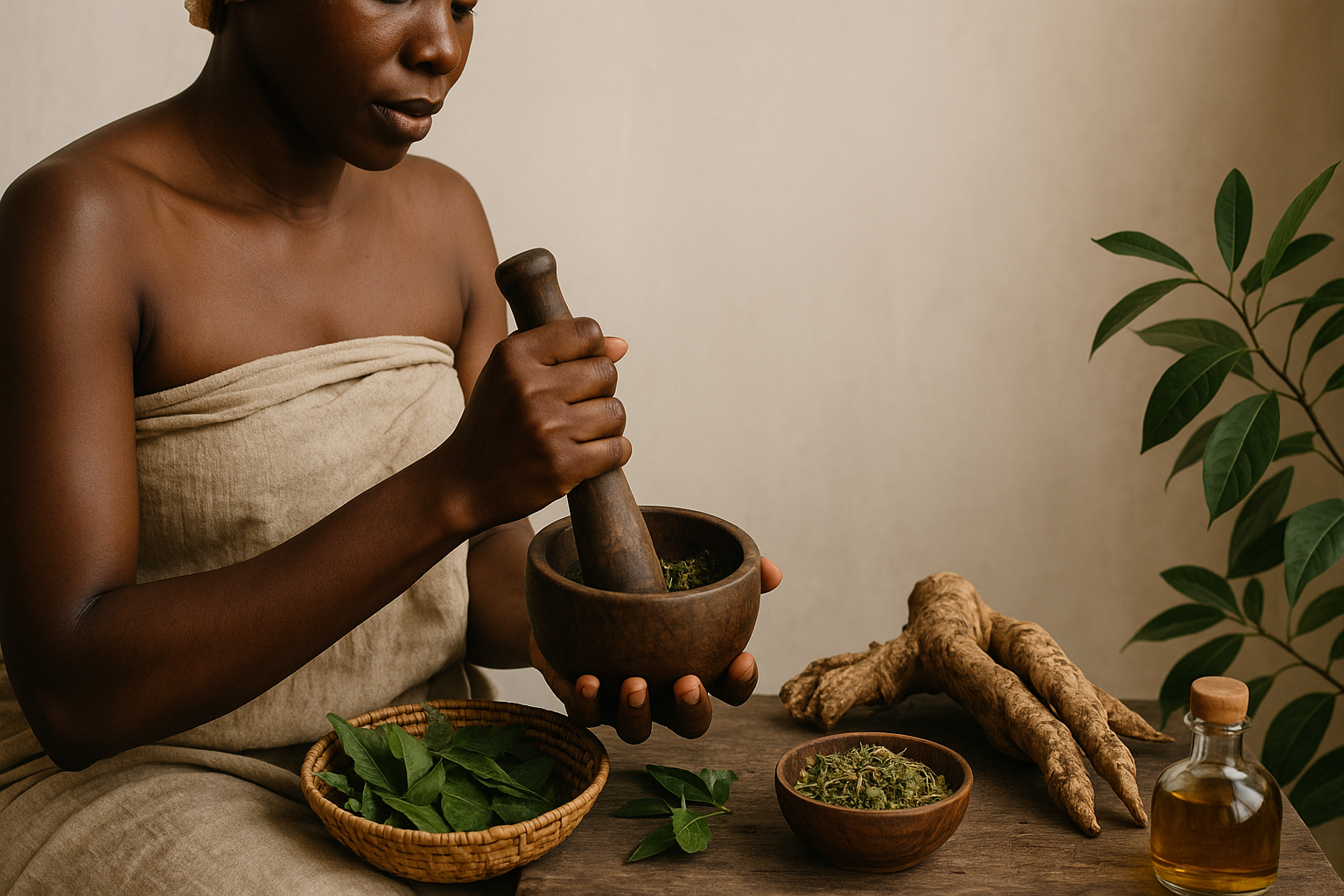
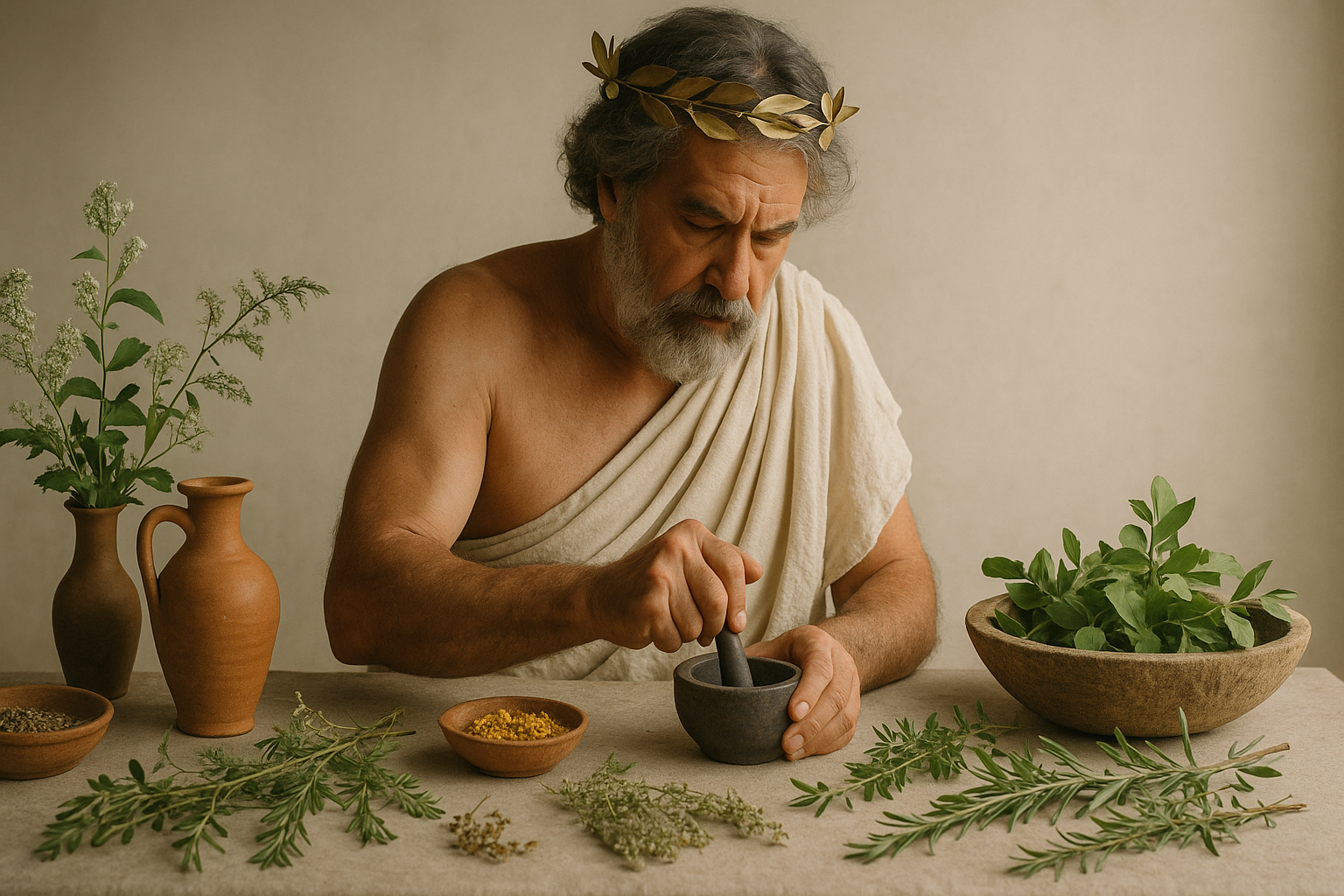
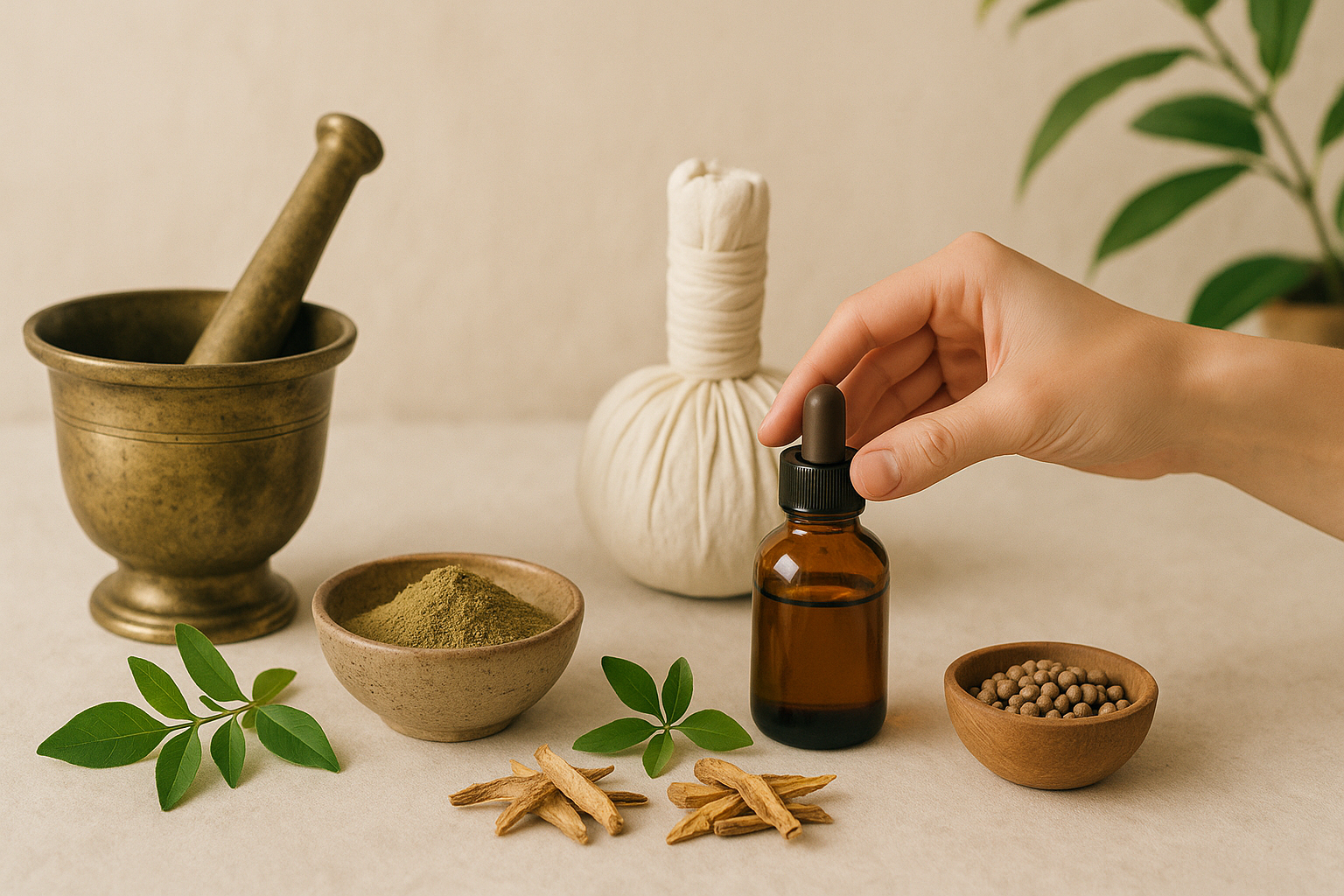
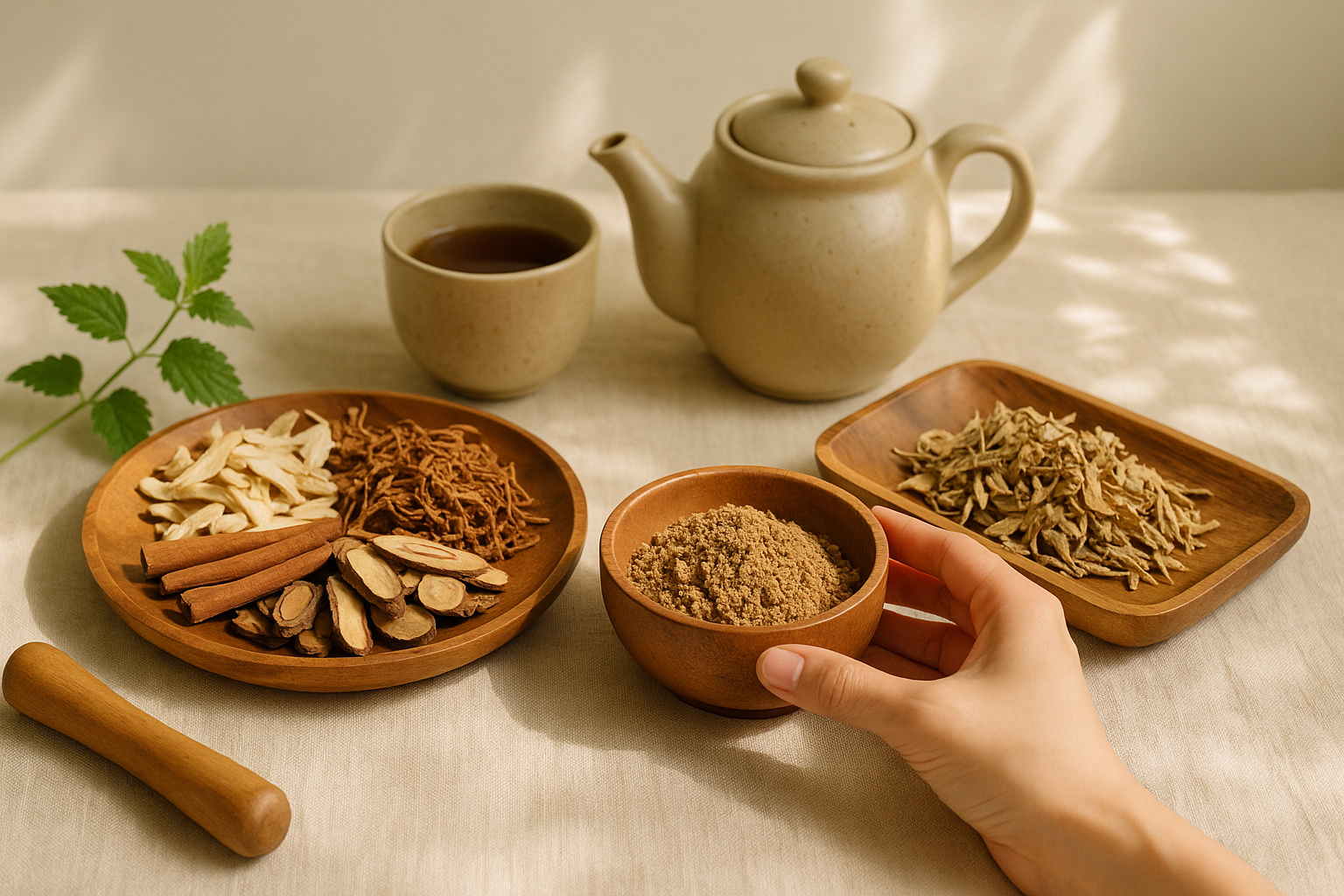
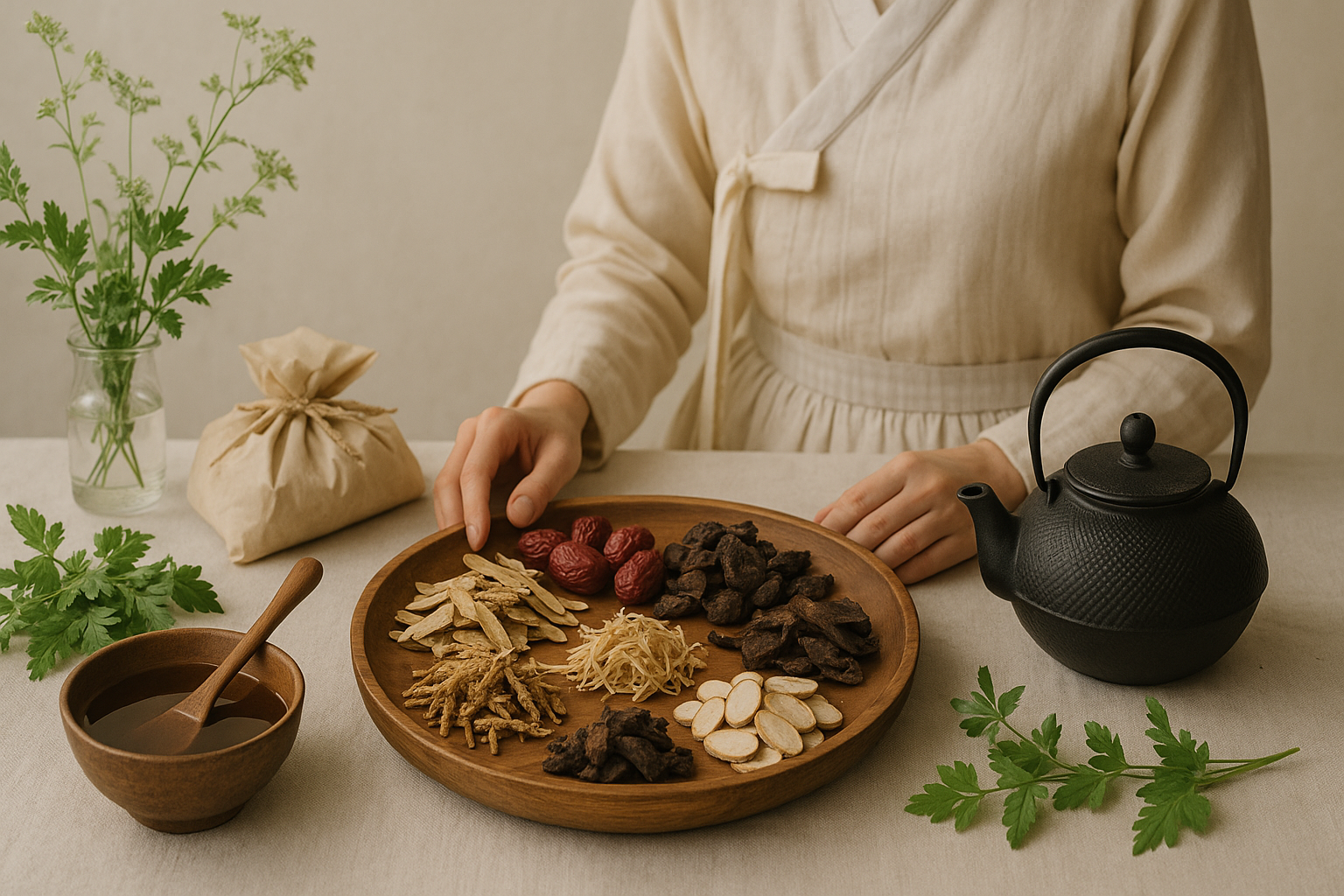
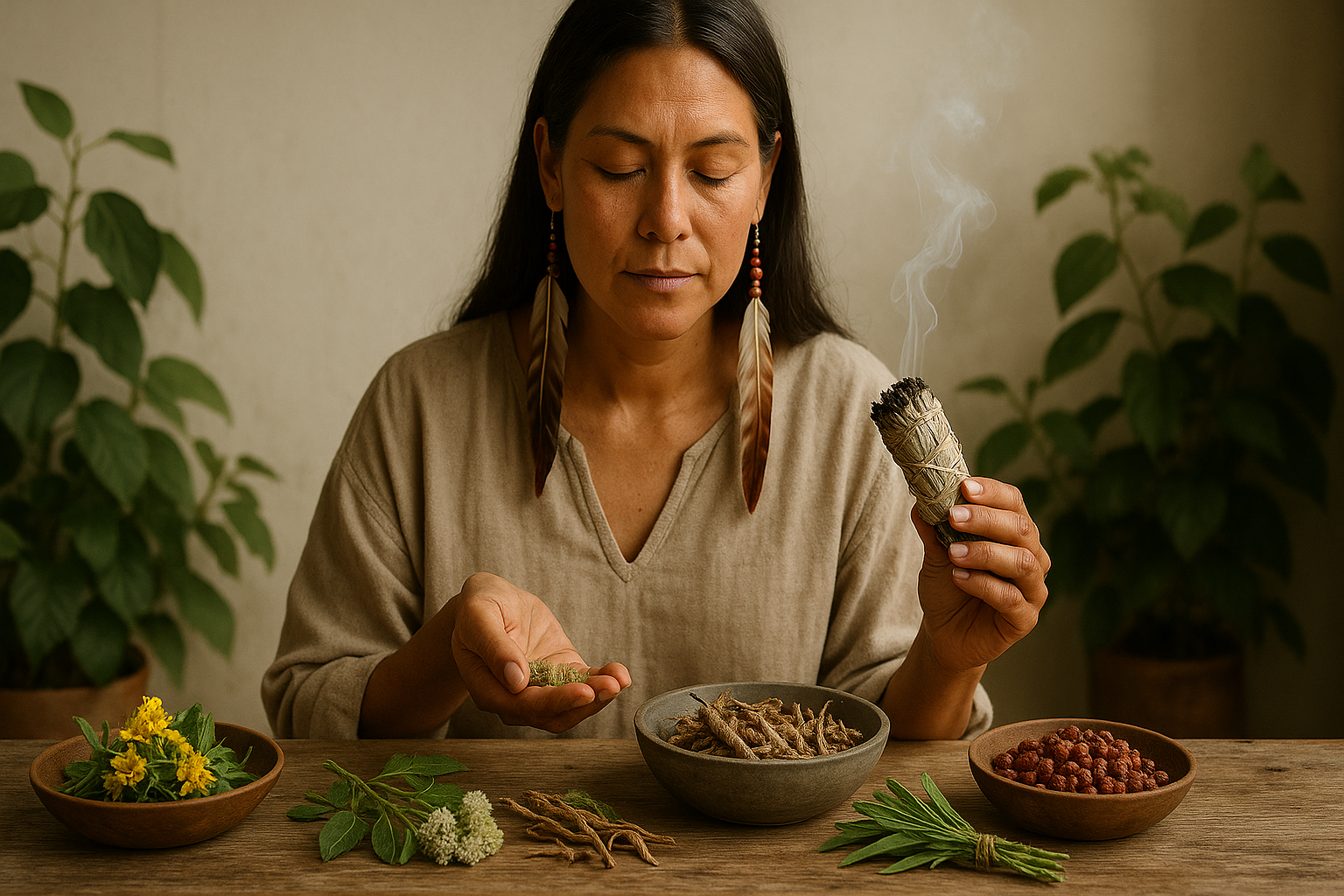
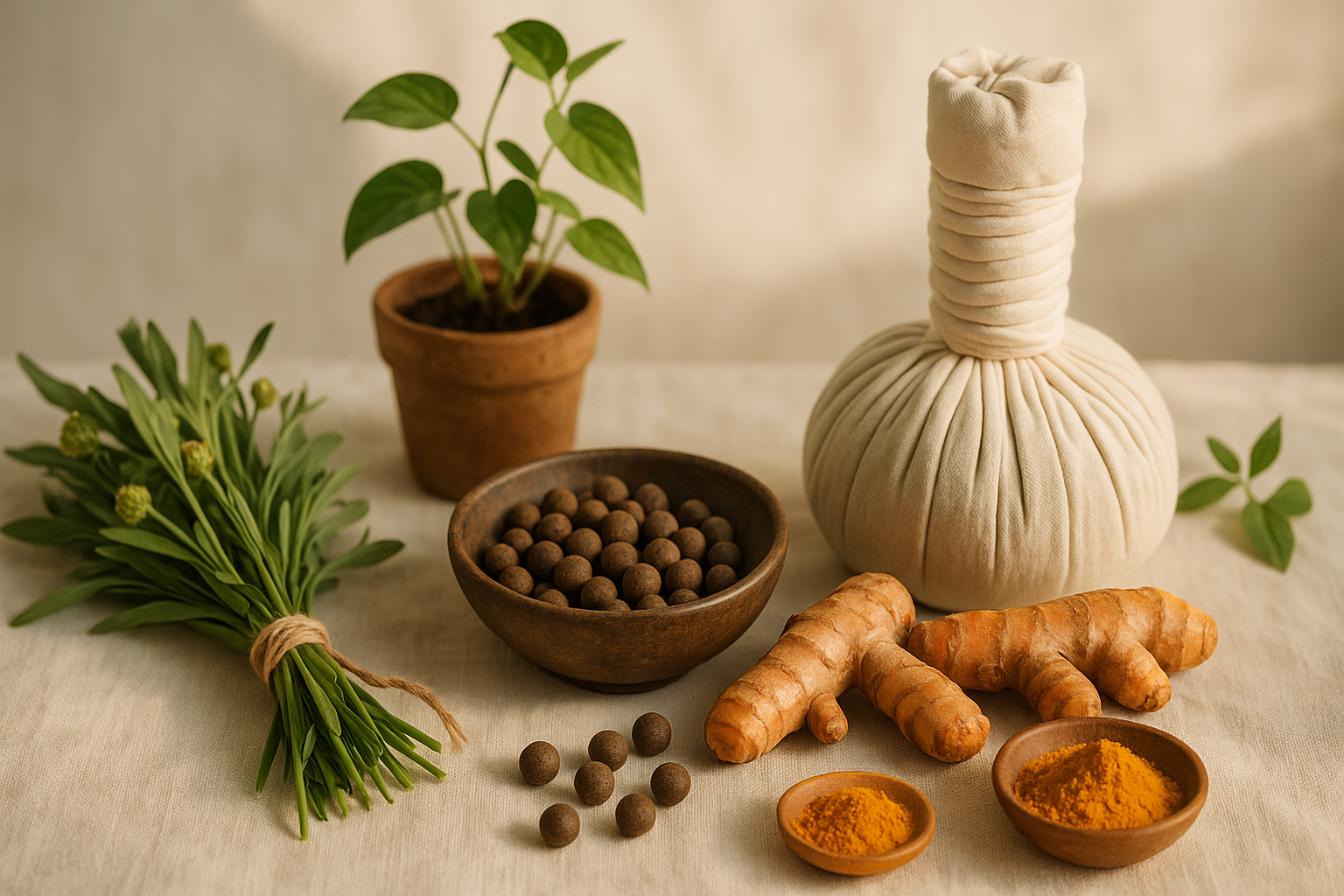
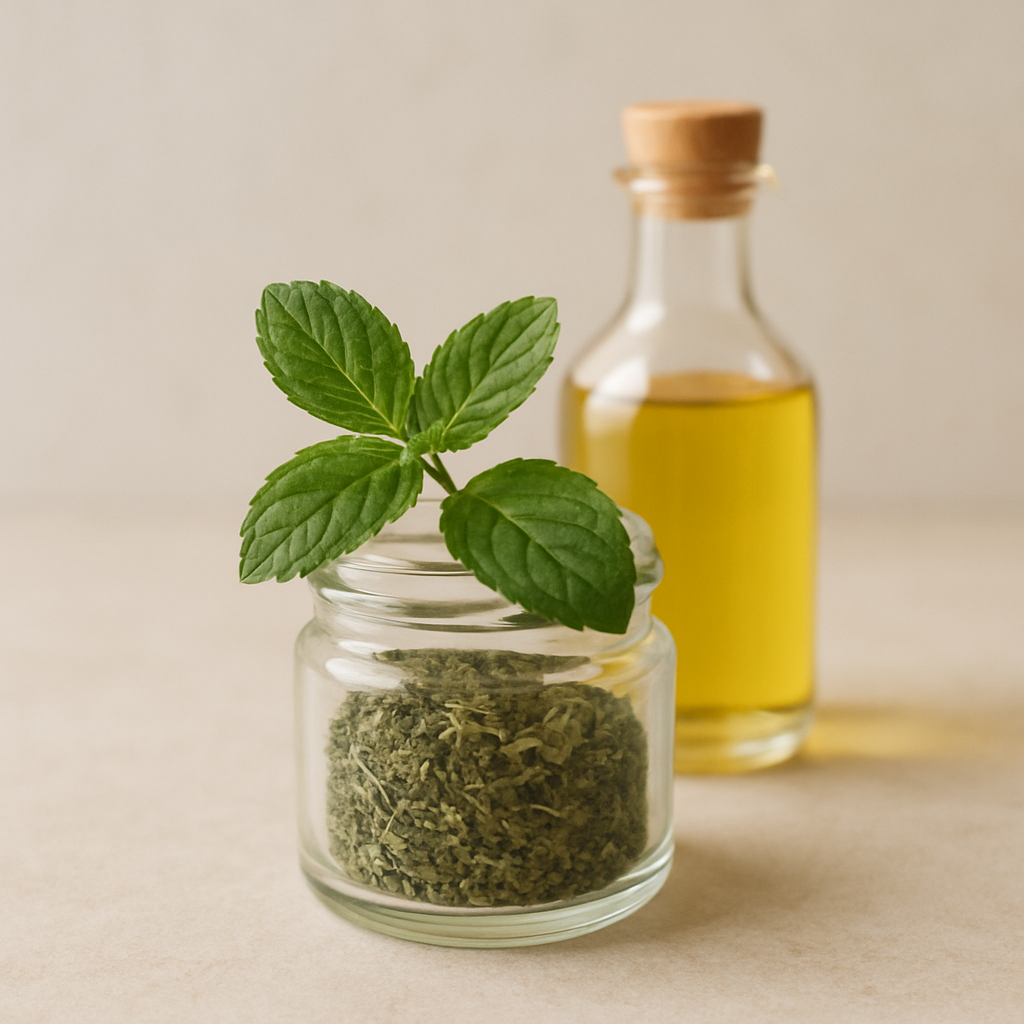
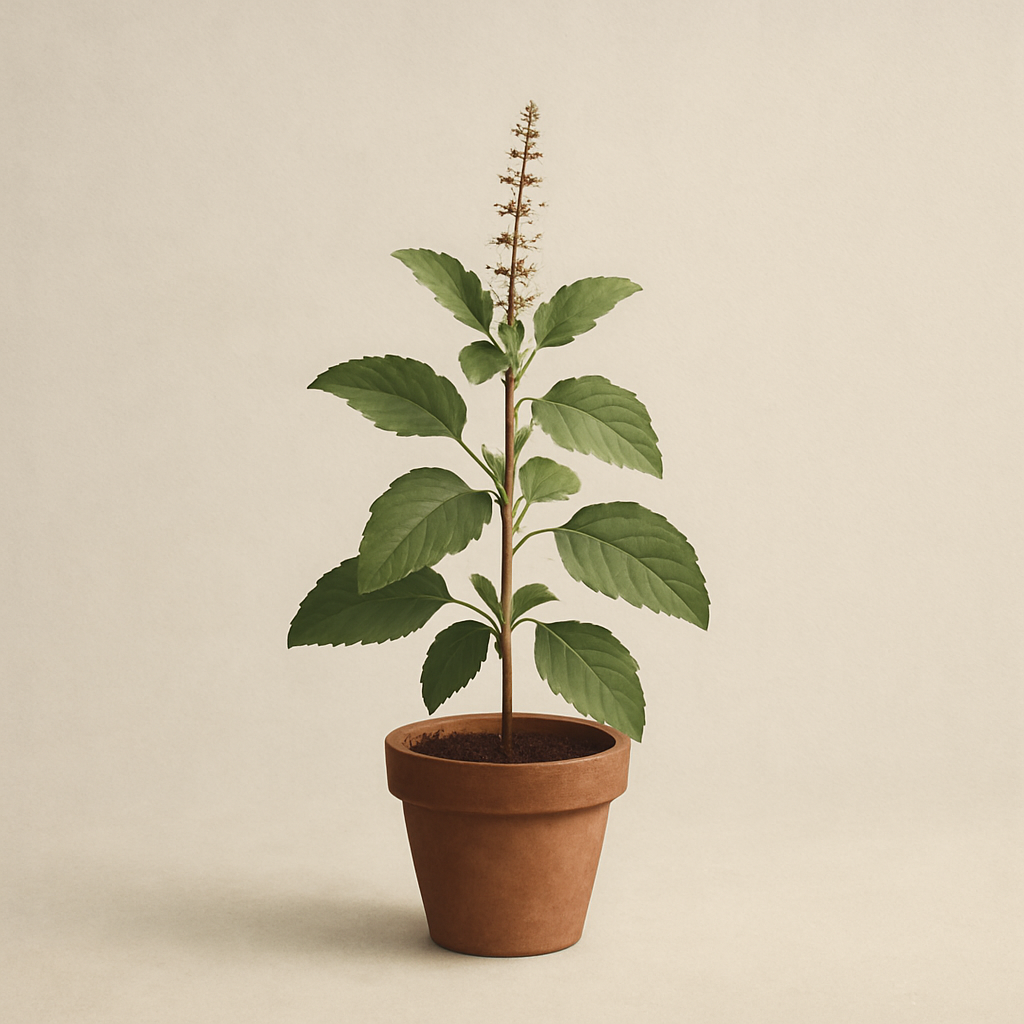
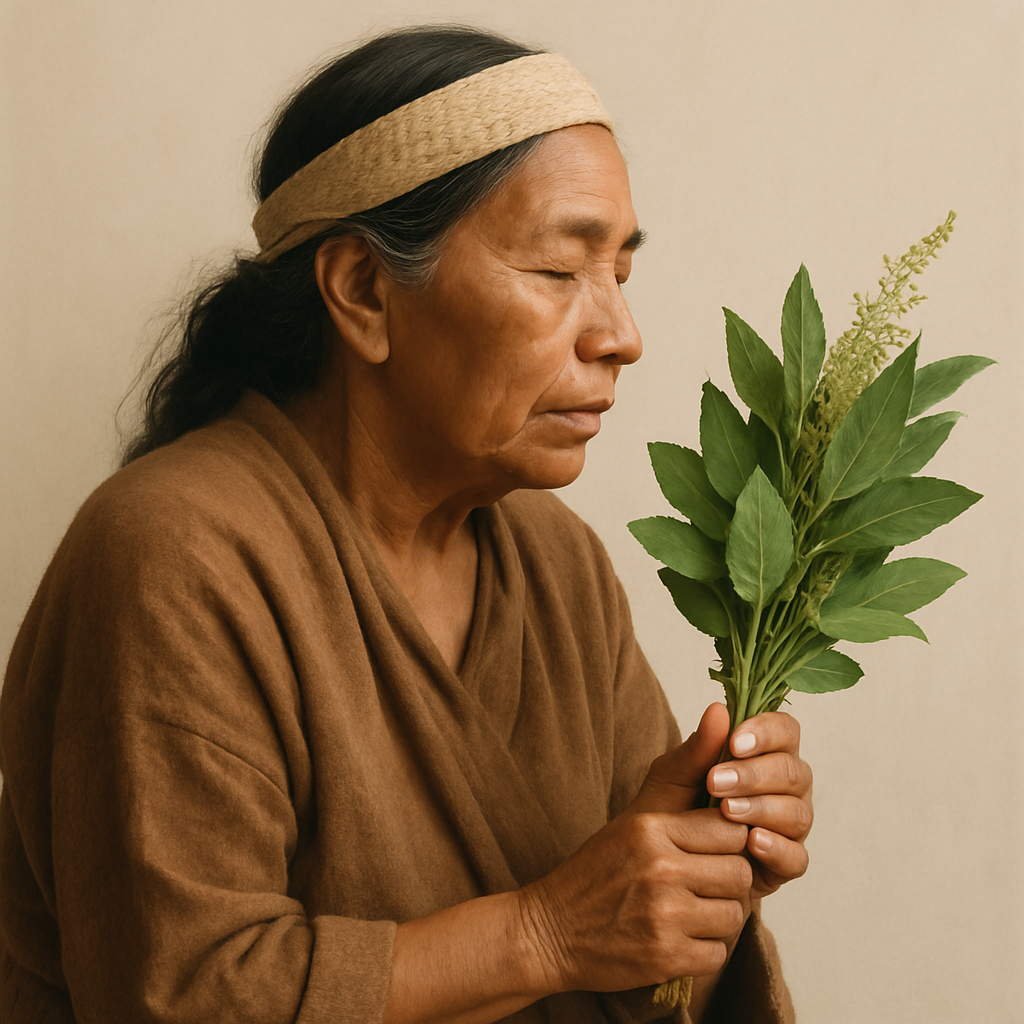
Herbs are a cornerstone of Mayan medicine, with practitioners using a wide variety of plants for their healing properties. These may include:
- Medicinal herbs for physical ailments
- Flowers for emotional healing
- Roots and barks for cleansing and detoxification
Food as Medicine
The Mayan diet is considered an essential aspect of health. Traditional foods are chosen not only for their nutritional value but also for their medicinal properties.
Spiritual Rituals
Rituals and ceremonies play a crucial role in Mayan medicine, often involving offerings, prayers, and the use of sacred items to invoke healing energies.
Bodywork and Massage
Physical manipulation techniques, including massage and energy work, are utilized to release tension and facilitate healing.
Conditions & Goals This Tradition Commonly Addresses
Mayan medicine traditionally explores various conditions and aims to promote overall well-being. Some areas of focus include:
- Stress and emotional imbalances
- Digestive issues
- Chronic pain and inflammation
- Spiritual disconnection and depression
- Detoxification and cleansing
Safety, Sourcing, and Finding Qualified Practitioners
When seeking Mayan medicine practitioners, it is essential to ensure their qualifications and adherence to ethical practices. Look for practitioners who:
- Have a strong cultural background in Mayan traditions
- Prioritize informed consent and safe practices
- Utilize ethically sourced herbs and materials
Local communities or wellness centers may offer resources for finding qualified practitioners who respect the tradition and its cultural significance.
How It Intersects with Modern Wellness Today
Mayan medicine increasingly intersects with modern wellness trends, as people seek holistic approaches to health. Elements of Mayan healing are being integrated into contemporary practices such as:
- Mindfulness and meditation techniques
- Nutritional guidance based on traditional diets
- Emphasis on natural remedies and herbal supplements
This blending of ancient wisdom with modern insights provides individuals with diverse tools for maintaining health and well-being.
Related Approaches You Might Explore
If you are interested in the principles of Mayan medicine, you might also explore:
- Ayurveda
- Traditional Chinese Medicine
- Indigenous healing practices from other cultures
- Herbalism and phytotherapy
FAQs
- What is Mayan medicine? Mayan medicine is a holistic healing tradition rooted in the ancient practices of the Maya civilization, emphasizing balance, harmony, and the use of natural resources for healing.
- What are the main modalities used in Mayan medicine? Common modalities include herbal medicine, nutritional practices, spiritual rituals, and bodywork.
- How do practitioners diagnose health issues? Practitioners use observational methods such as tongue diagnosis, pulse reading, and energy assessment.
- What conditions can Mayan medicine address? It traditionally explores areas like emotional imbalances, digestive issues, chronic pain, and spiritual disconnection.
- How can I find a qualified Mayan practitioner? Look for practitioners with strong cultural backgrounds, ethical practices, and adherence to informed consent.
- How does Mayan medicine intersect with modern wellness? It integrates with modern wellness through mindfulness, nutrition, and natural remedies, offering diverse tools for health.
Explore Mayan Medicine
15 subcategories





Frequently asked
What is Mayan medicine?
Mayan medicine is a holistic healing tradition rooted in the ancient practices of the Maya civilization, emphasizing balance, harmony, and the use of natural resources for healing.
What are the main modalities used in Mayan medicine?
Common modalities include herbal medicine, nutritional practices, spiritual rituals, and bodywork.
How do practitioners diagnose health issues?
Practitioners use observational methods such as tongue diagnosis, pulse reading, and energy assessment.
What conditions can Mayan medicine address?
It traditionally explores areas like emotional imbalances, digestive issues, chronic pain, and spiritual disconnection.
How can I find a qualified Mayan practitioner?
Look for practitioners with strong cultural backgrounds, ethical practices, and adherence to informed consent.
How does Mayan medicine intersect with modern wellness?
It integrates with modern wellness through mindfulness, nutrition, and natural remedies, offering diverse tools for health.