Sacred Plants
Delve into the ancient wisdom of sacred plants in Mayan medicine, examining their historical context, traditional uses, and safety considerations.
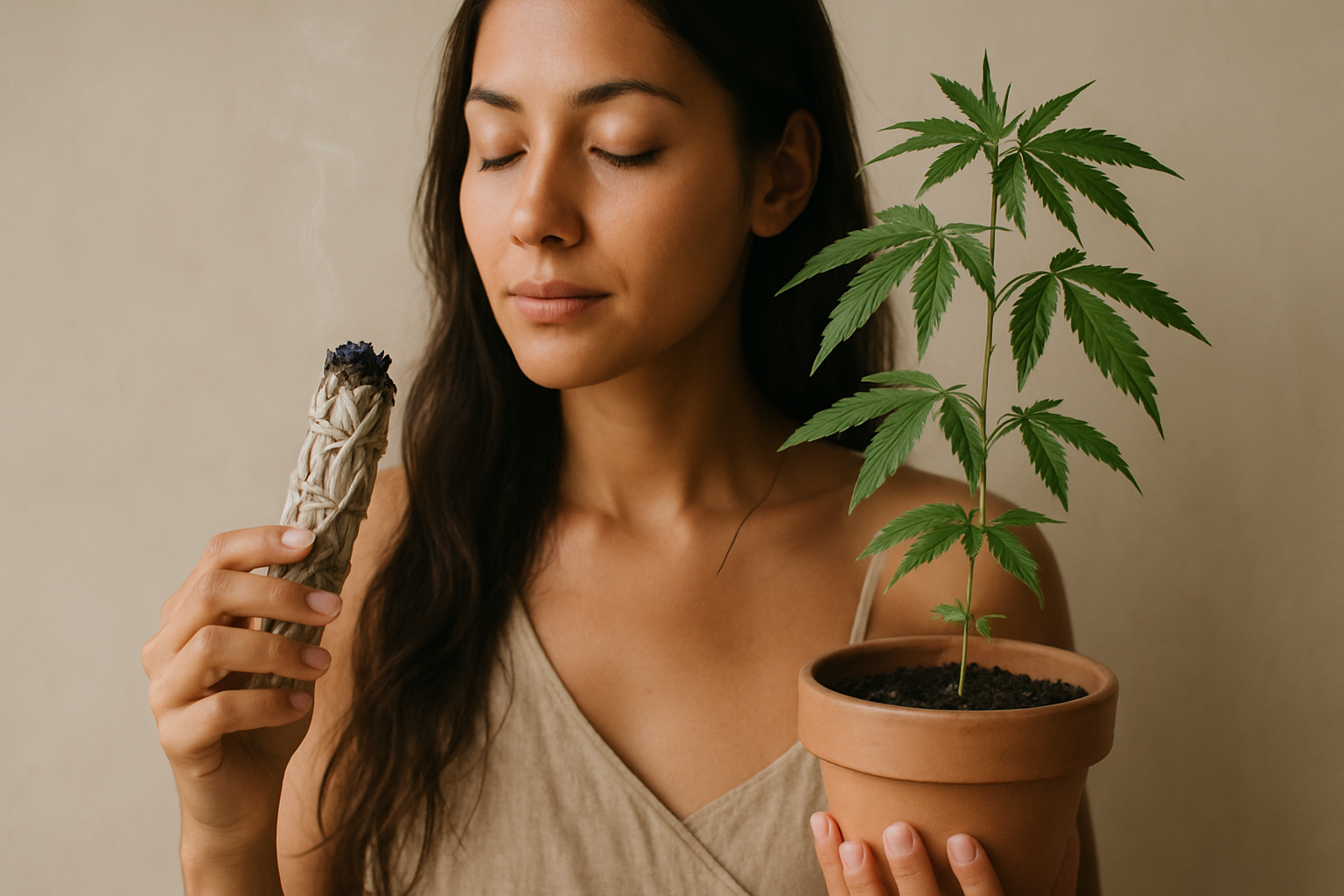
Explore the sacred plants of Mayan medicine, their historical significance, traditional practices, and modern research insights.
What It Is
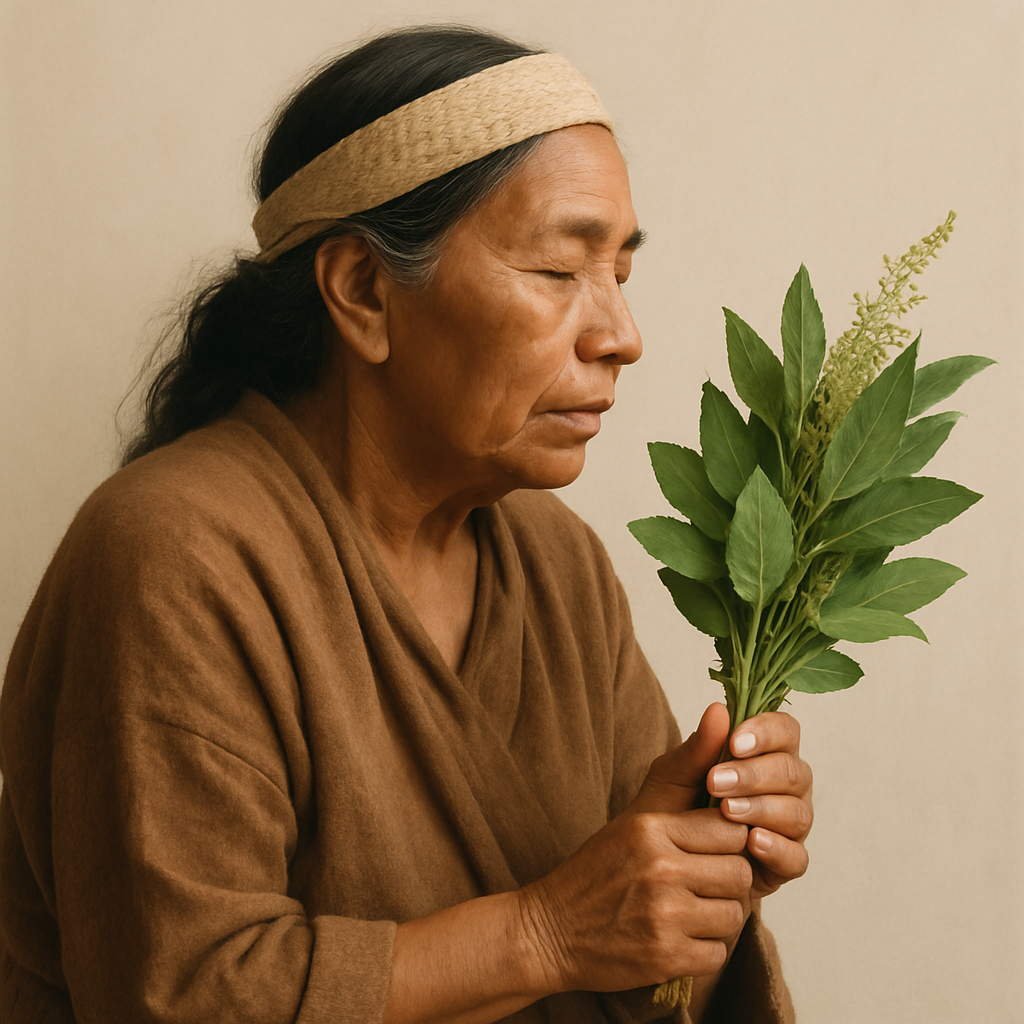
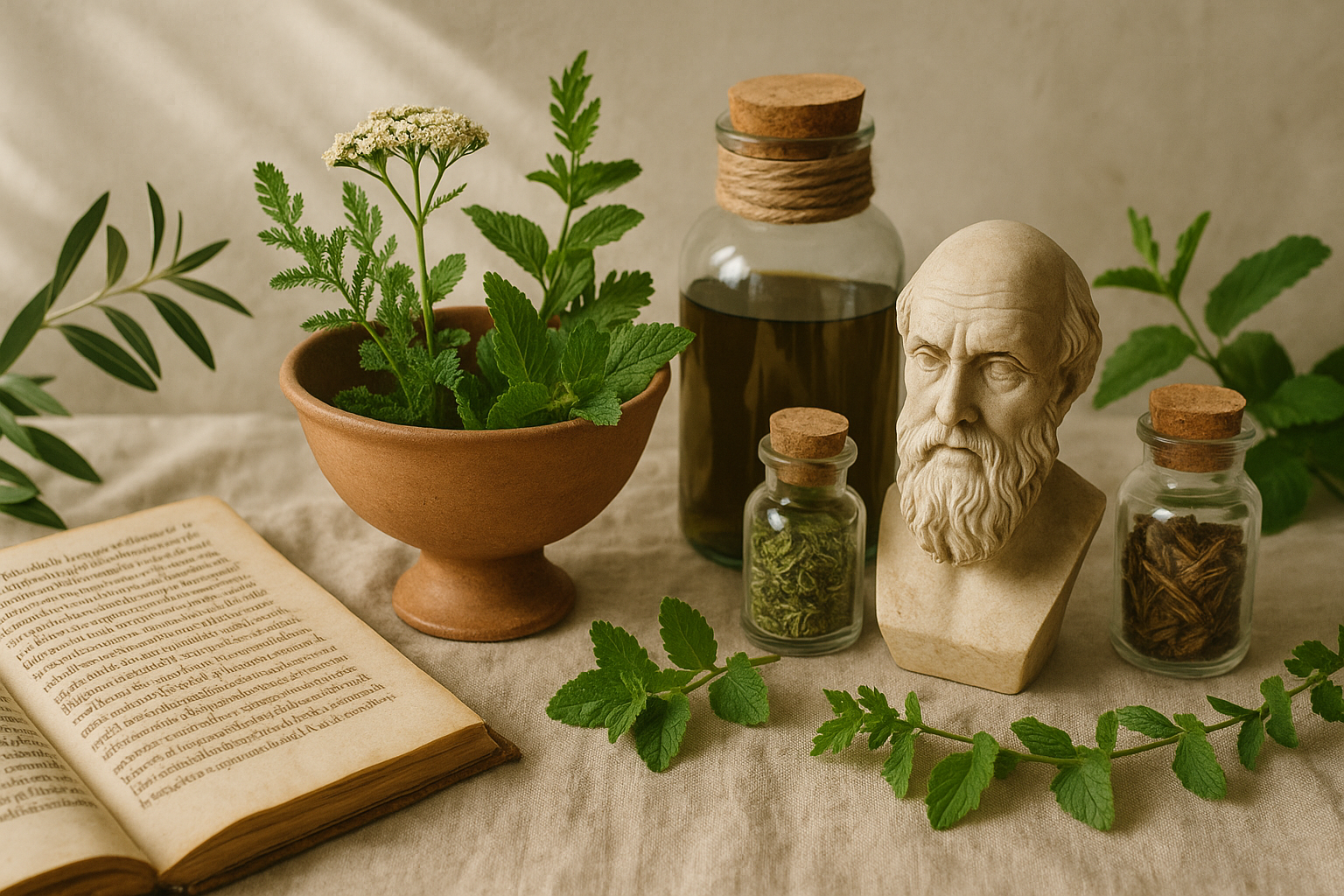
Sacred plants within the context of Mayan medicine refer to a variety of botanical species that hold spiritual, medicinal, and cultural significance for the Maya people. These plants are often used in rituals, healing ceremonies, and traditional medicine practices to promote physical, emotional, and spiritual well-being. The use of sacred plants is deeply intertwined with the Mayan worldview, which emphasizes the connection between humans and nature.
In Mayan culture, these plants are considered gifts from the Earth, imbued with unique properties that can aid in healing and spiritual awakening. Practitioners believe that the essence of these plants can help align individuals with their spiritual path and foster a deeper connection to their surroundings.
Historical Context Within Mayan Medicine
The practice of using sacred plants in Mayan medicine has roots that extend back thousands of years, deeply embedded in the cultural and spiritual practices of the Maya civilization. This lineage of knowledge is thought to have been developed by ancient shamans and healers who understood the properties of various plants and their effects on the human body and spirit.
As Mayan civilization evolved, so did the understanding and use of these sacred plants. The ancient texts, codices, and oral traditions record their significance, illustrating how they were utilized in various ceremonies, rites of passage, and healing practices. This rich history underscores the integral role that sacred plants play within the broader framework of Mayan medicine.
How It's Practiced
The practice of using sacred plants involves several key steps that a trained practitioner may follow:
- Consultation: The practitioner engages in a dialogue with the individual seeking help to understand their needs and intentions.
- Preparation: The appropriate sacred plant is selected based on the individual's condition and spiritual goals.
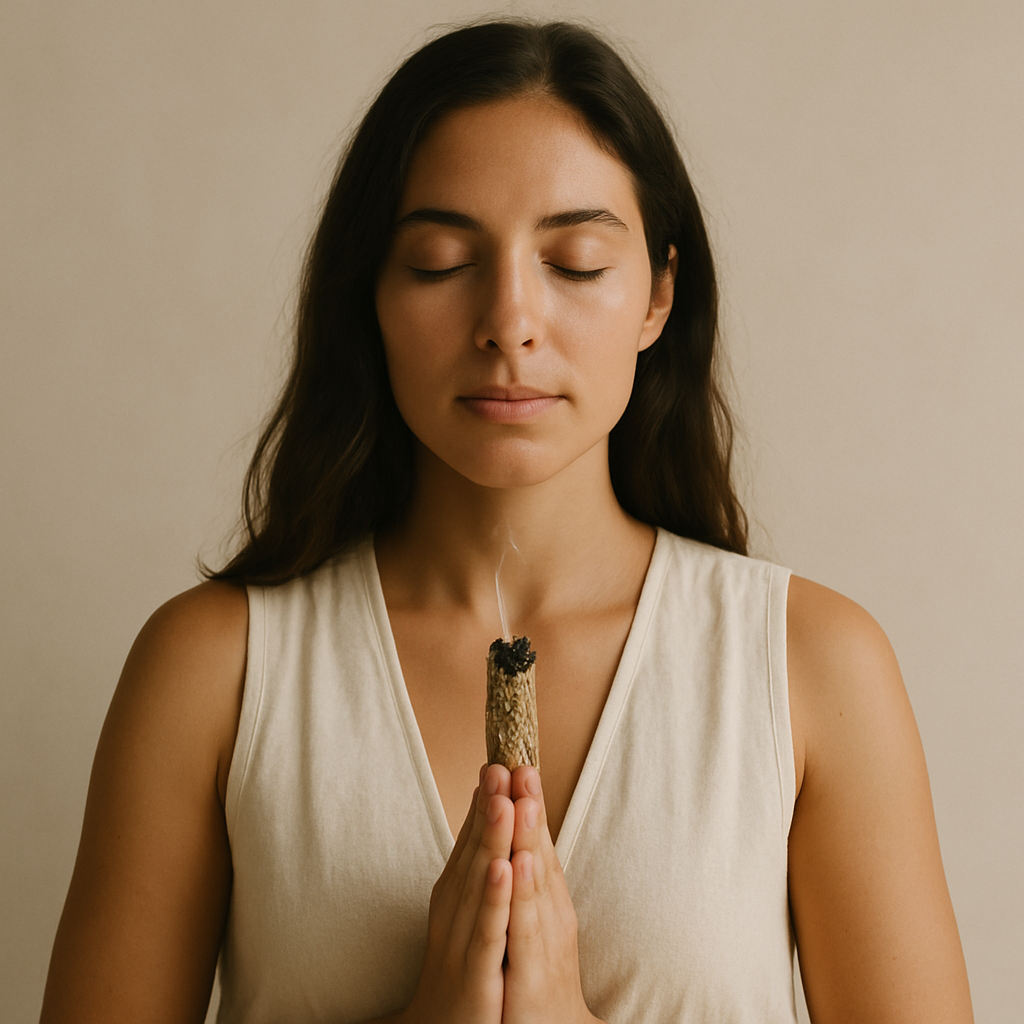
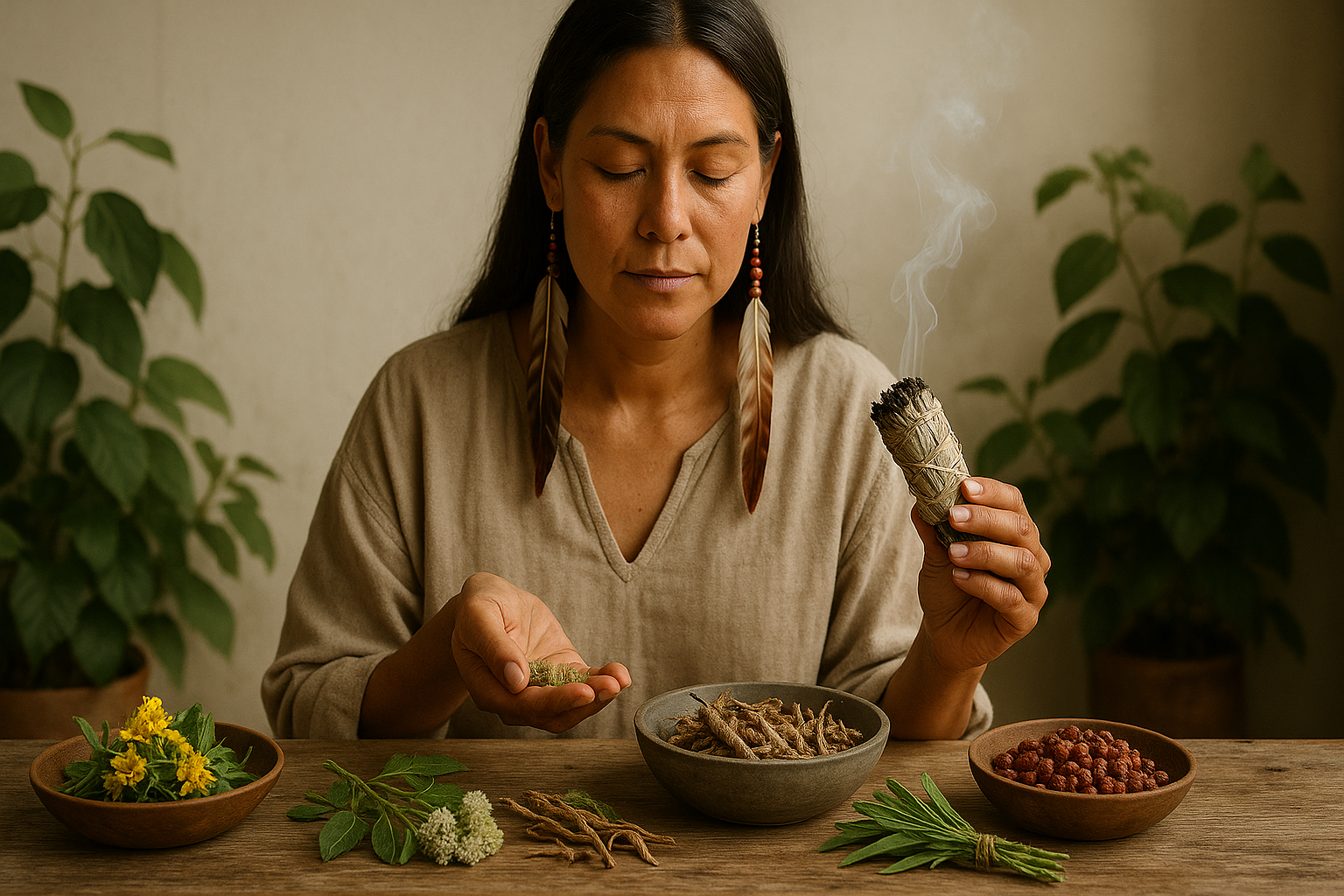
- Ritual Setting: The practitioner creates a sacred space, often involving ceremonial elements such as candles, incense, and offerings.
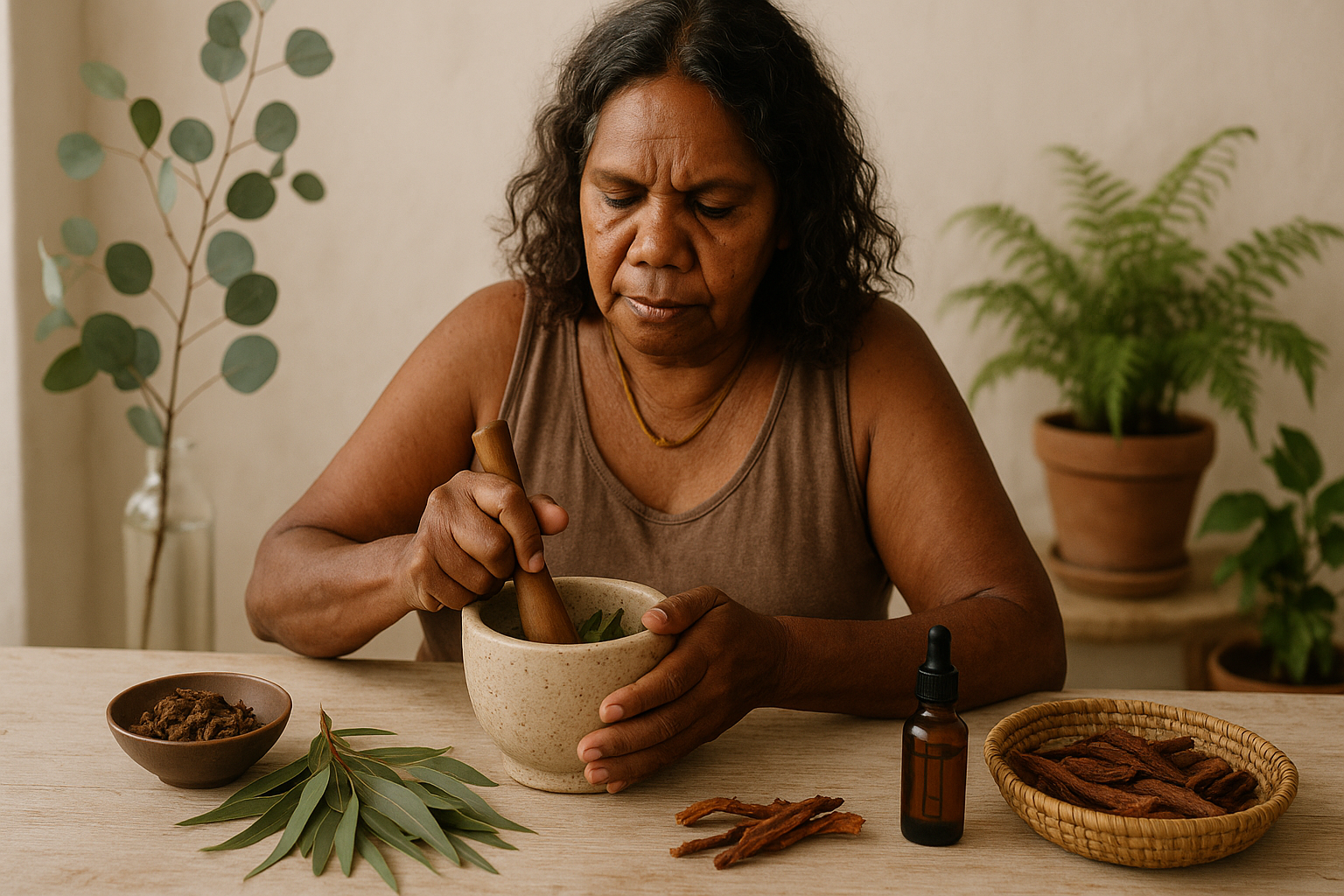
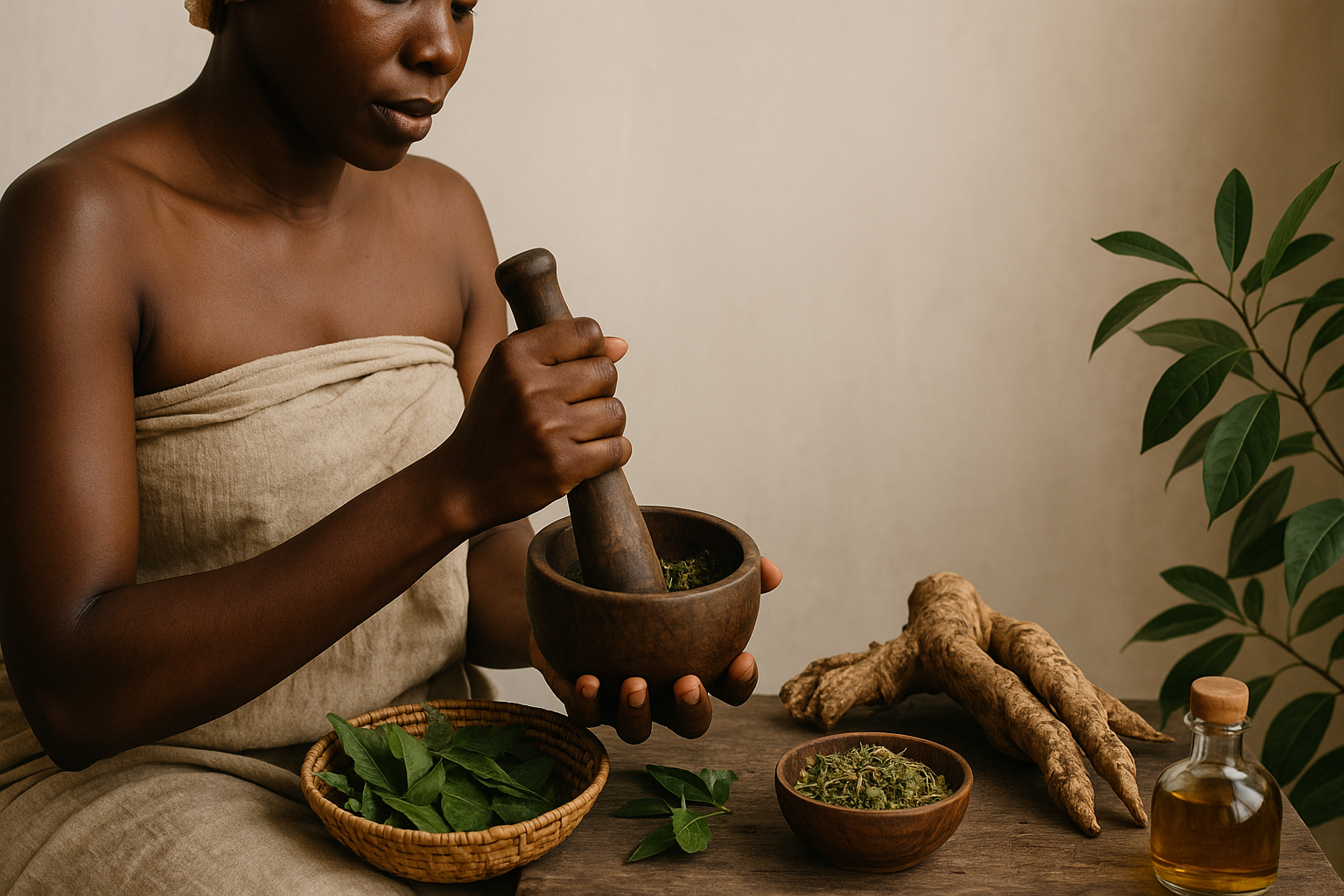
- Administration: The plant may be prepared as a tea, tincture, or used in a ceremonial smoke, depending on traditional practices.
- Integration: After the experience, the practitioner may guide the individual in reflecting on their insights and feelings to aid in healing.
What It Is Traditionally Explored For
Sacred plants are traditionally used for a variety of purposes within Mayan culture. Some common goals include:
- Promoting physical healing and addressing ailments such as digestive issues, headaches, and skin conditions.
- Facilitating emotional healing, including addressing trauma, anxiety, and depression.
- Enhancing spiritual growth, fostering a deeper connection to oneself and the universe.
- Supporting community and social bonding through shared ceremonial practices.
What Modern Research Suggests
While the traditional uses of sacred plants are well-documented in Mayan culture, modern research is beginning to explore their potential benefits. Some preliminary studies suggest that certain plants used in Mayan medicine may possess anti-inflammatory, analgesic, and anxiolytic properties. However, comprehensive clinical trials are still limited.
Researchers are particularly interested in the compounds found in these plants and their potential applications in contemporary medicine. While these studies show promise, it is crucial to approach the findings with caution, recognizing the need for further research to substantiate these effects and understand the safety profiles of these botanicals.
Safety, Contraindications & Who Should Skip
As with any medicinal practice, safety is a paramount concern. Individuals considering the use of sacred plants should be aware of the following:
- Consultation with a qualified practitioner is essential, especially for those with pre-existing health conditions.
- Pregnant or breastfeeding individuals should approach the use of sacred plants with caution, as effects are not fully studied.
- Individuals taking prescription medications should discuss potential interactions with their healthcare provider.
- Those with allergies to specific plants should avoid their use and inform the practitioner.
Pairs Well With (within Mayan Medicine and across pillars)
Sacred plants can be complemented by various other modalities and ingredients in Mayan medicine, including:
- Herbal remedies, which may enhance the therapeutic effects of sacred plants.
- Spiritual ceremonies that involve rituals and offerings for holistic healing.
- Massage and bodywork, promoting physical relaxation and emotional release.
- Energy healing practices, fostering balance and harmony within the body.
How to Find a Qualified Practitioner
Finding a qualified practitioner skilled in the use of sacred plants can enhance the experience and ensure safety. Here are some tips:
- Seek recommendations from trusted individuals or community members familiar with Mayan medicine.
- Research practitioners' backgrounds, training, and experience in the field.
- Look for practitioners who emphasize informed consent and prioritize safety in their practices.
- Consider attending workshops or community events to connect with practitioners and learn more about their approaches.
FAQs
- What are sacred plants? Sacred plants are botanicals with spiritual and medicinal significance in Mayan culture.
- Are sacred plants safe to use? While many individuals use sacred plants safely, it is important to consult a qualified practitioner.
- How do I prepare for a session with a practitioner? Approach the session with an open mind and be prepared to discuss your intentions.
- Can anyone use sacred plants? Individuals with certain health conditions or those pregnant should consult a healthcare provider before use.
- What benefits can I expect from using sacred plants? Traditionally, they are explored for physical healing, emotional support, and spiritual growth.
Frequently asked
What are sacred plants?
Sacred plants are botanicals with spiritual and medicinal significance in Mayan culture.
Are sacred plants safe to use?
While many individuals use sacred plants safely, it is important to consult a qualified practitioner.
How do I prepare for a session with a practitioner?
Approach the session with an open mind and be prepared to discuss your intentions.
Can anyone use sacred plants?
Individuals with certain health conditions or those pregnant should consult a healthcare provider before use.
What benefits can I expect from using sacred plants?
Traditionally, they are explored for physical healing, emotional support, and spiritual growth.