Medicinal Mushrooms
Explore the world of medicinal mushrooms, their benefits, and how to incorporate them into your natural health regimen.
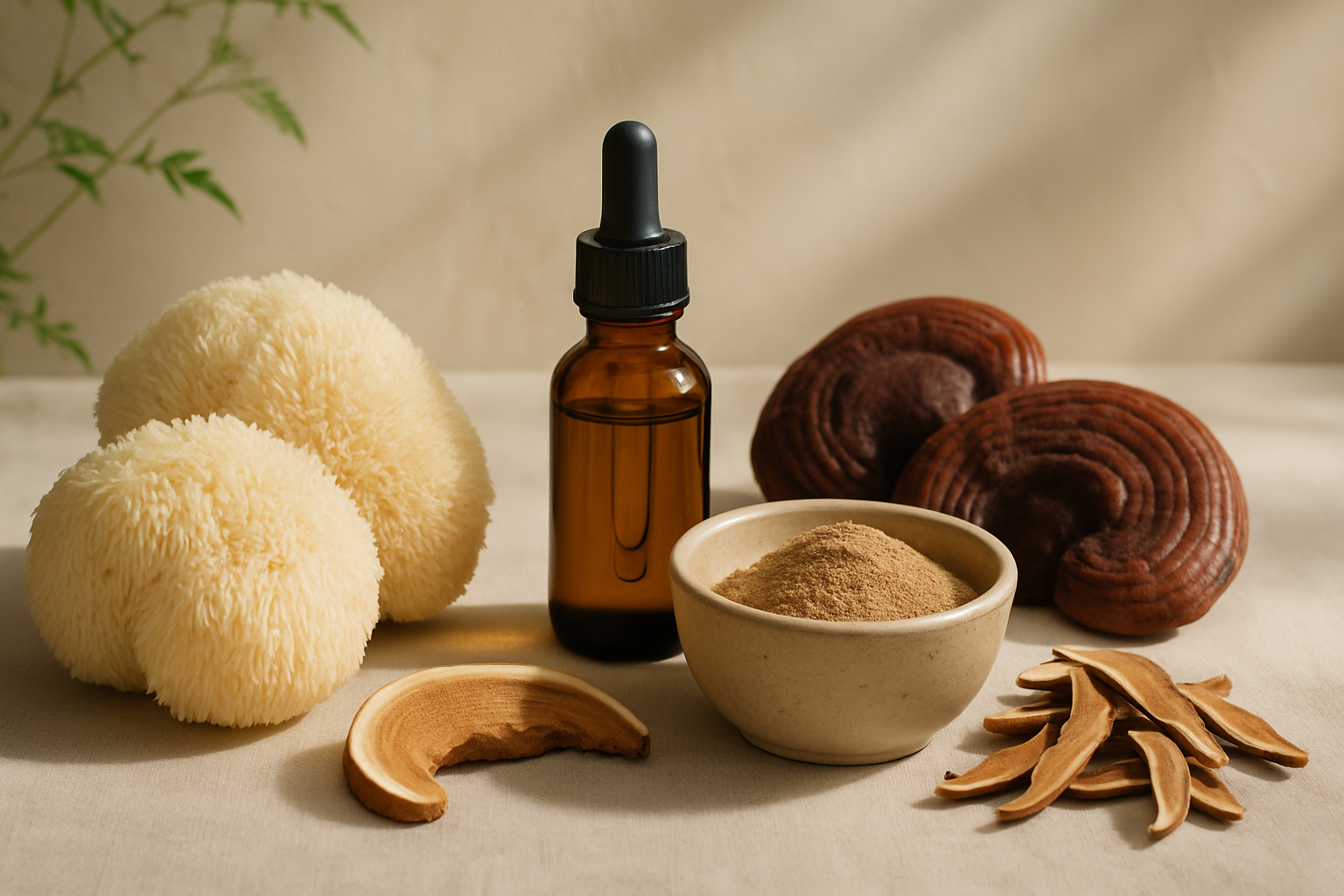
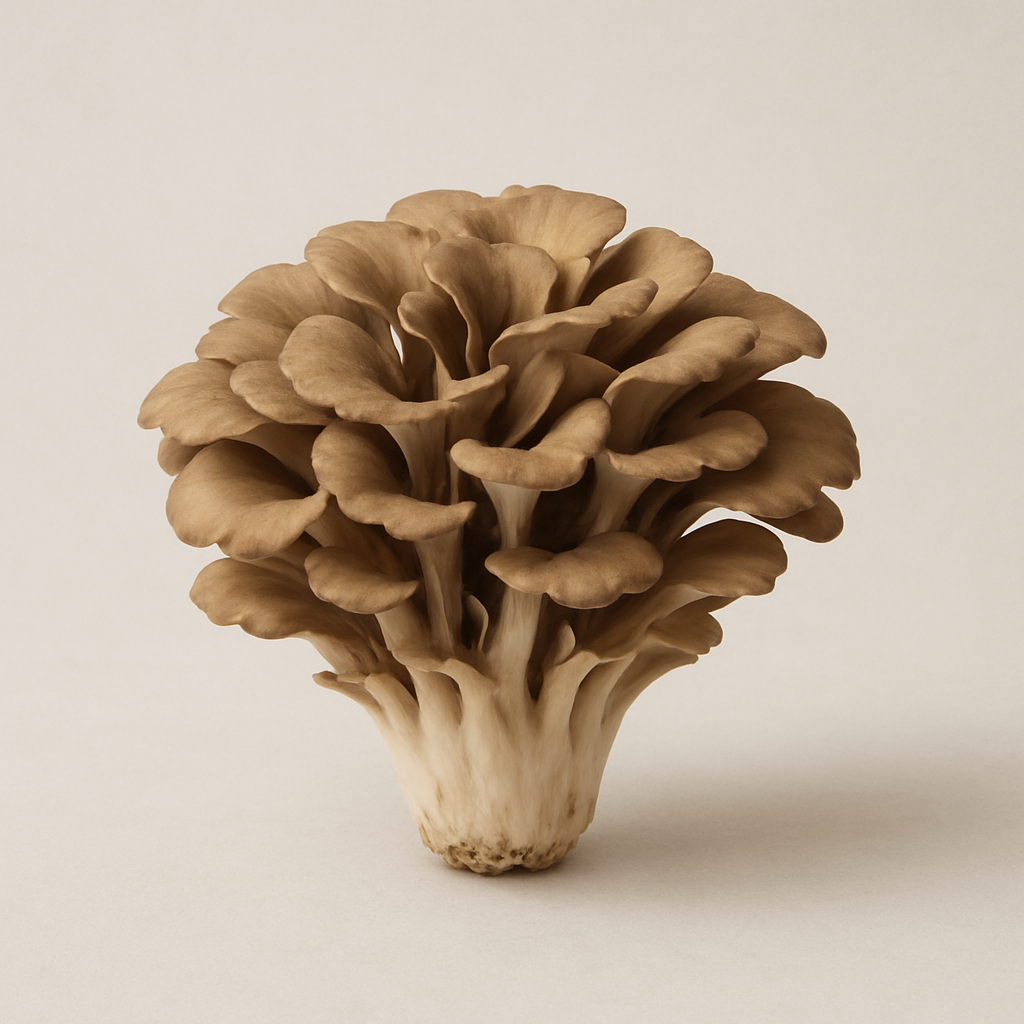
Medicinal mushrooms have been utilized in traditional medicine for centuries, recognized for their remarkable health benefits. This category explores various types of medicinal mushrooms, their active compounds, health benefits, and practical tips for integrating them into your wellness routine.
Intro Summary
Medicinal mushrooms have been revered in various traditional healing systems, particularly in Asian cultures, for their remarkable health benefits. As a vital part of natural medicine, these fungi are rich in bioactive compounds that contribute to their therapeutic properties. From boosting the immune system to providing powerful antioxidants, medicinal mushrooms are gaining recognition in modern wellness circles. This category explores the different types of medicinal mushrooms, their active compounds, health benefits, and how to responsibly incorporate them into your daily routine.
The Active Compounds at Play
Medicinal mushrooms are packed with a variety of phytochemicals and biochemical groups that contribute to their health-promoting effects. Some of the key active compounds include:
- Polysaccharides: These complex carbohydrates are known for their immune-boosting properties, particularly beta-glucans which help enhance immune response.
- Triterpenes: Found in many medicinal mushrooms, triterpenes have demonstrated anti-inflammatory and anti-tumor effects.
- Antioxidants: Compounds such as ergothioneine and other phenolic compounds protect cells from oxidative stress.
- Vitamins and Minerals: Many mushrooms are rich in essential nutrients, such as B vitamins, vitamin D, and trace minerals like selenium and copper.
Featured Members of This Category
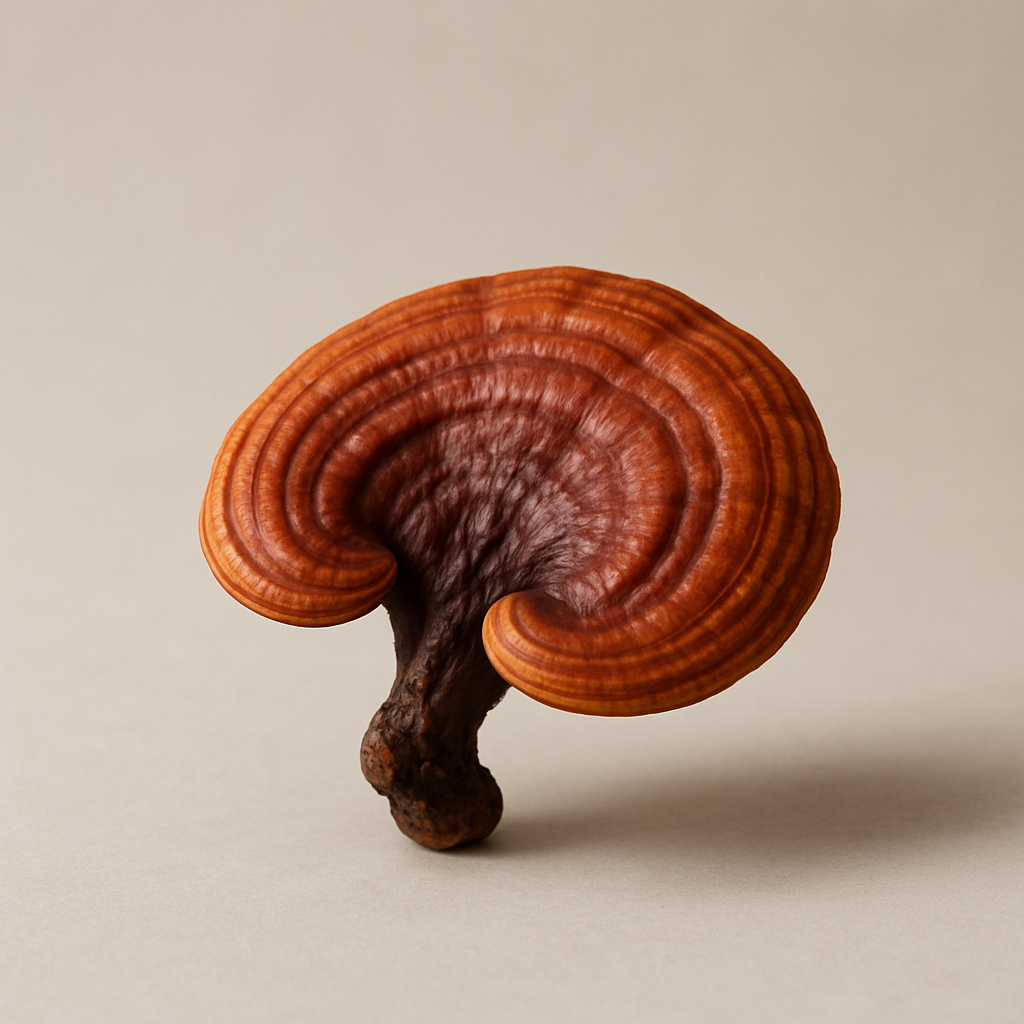
Reishi (Ganoderma lucidum)
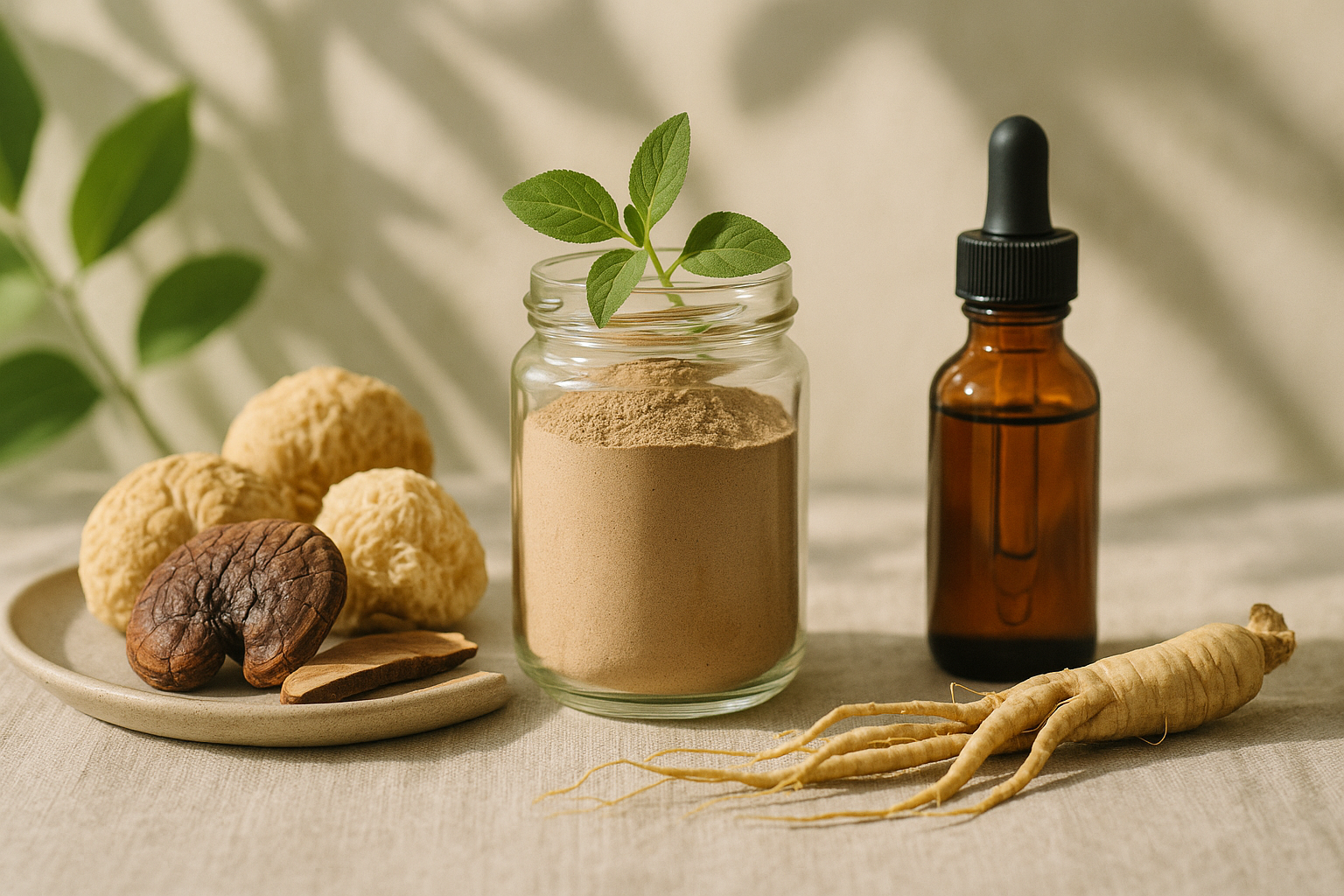
Known as the "mushroom of immortality," Reishi has been used for thousands of years in traditional Chinese medicine. It is celebrated for its stress-reducing effects and immune-enhancing properties. Reishi is often consumed in powder, capsule, or tea form.
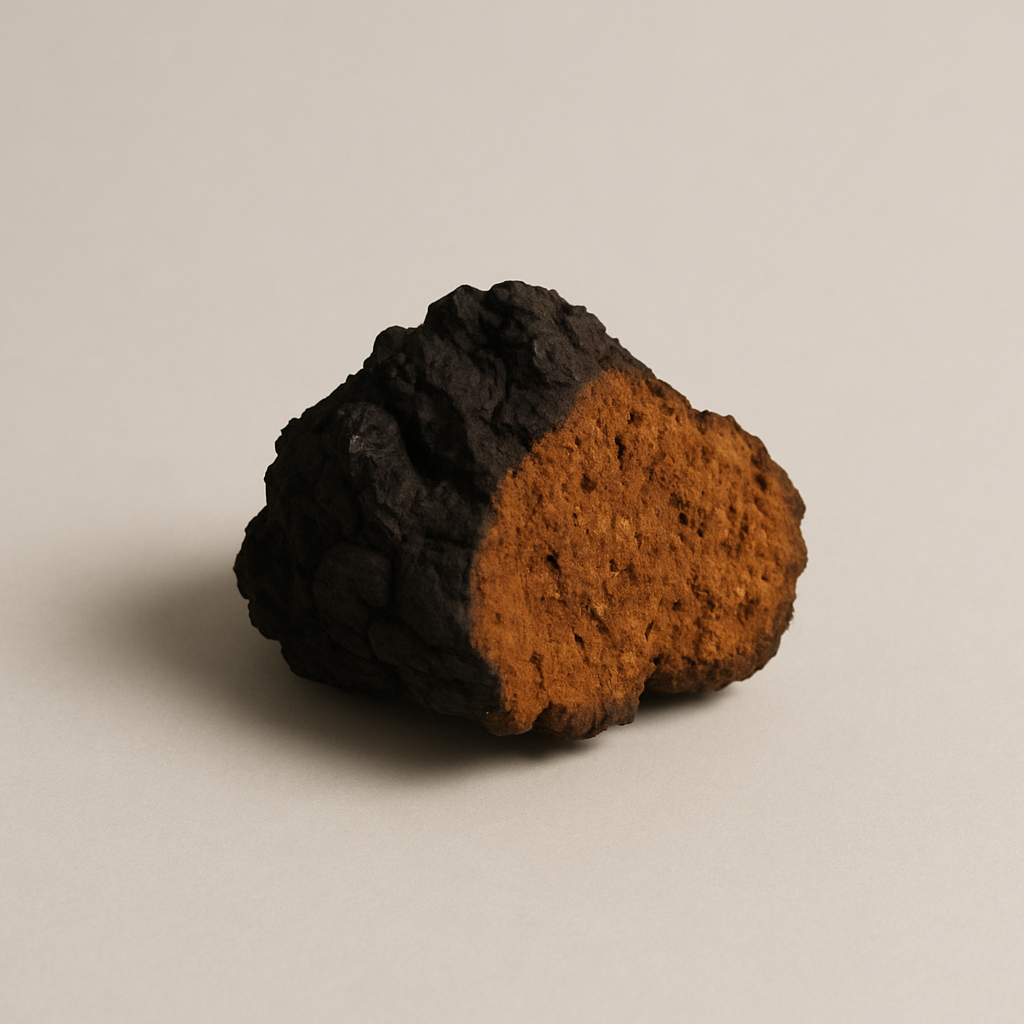
Chaga (Inonotus obliquus)
This fungus grows primarily on birch trees and is renowned for its high antioxidant content. Chaga is thought to support immune function and reduce inflammation, making it a popular choice for those looking to enhance their overall wellness.
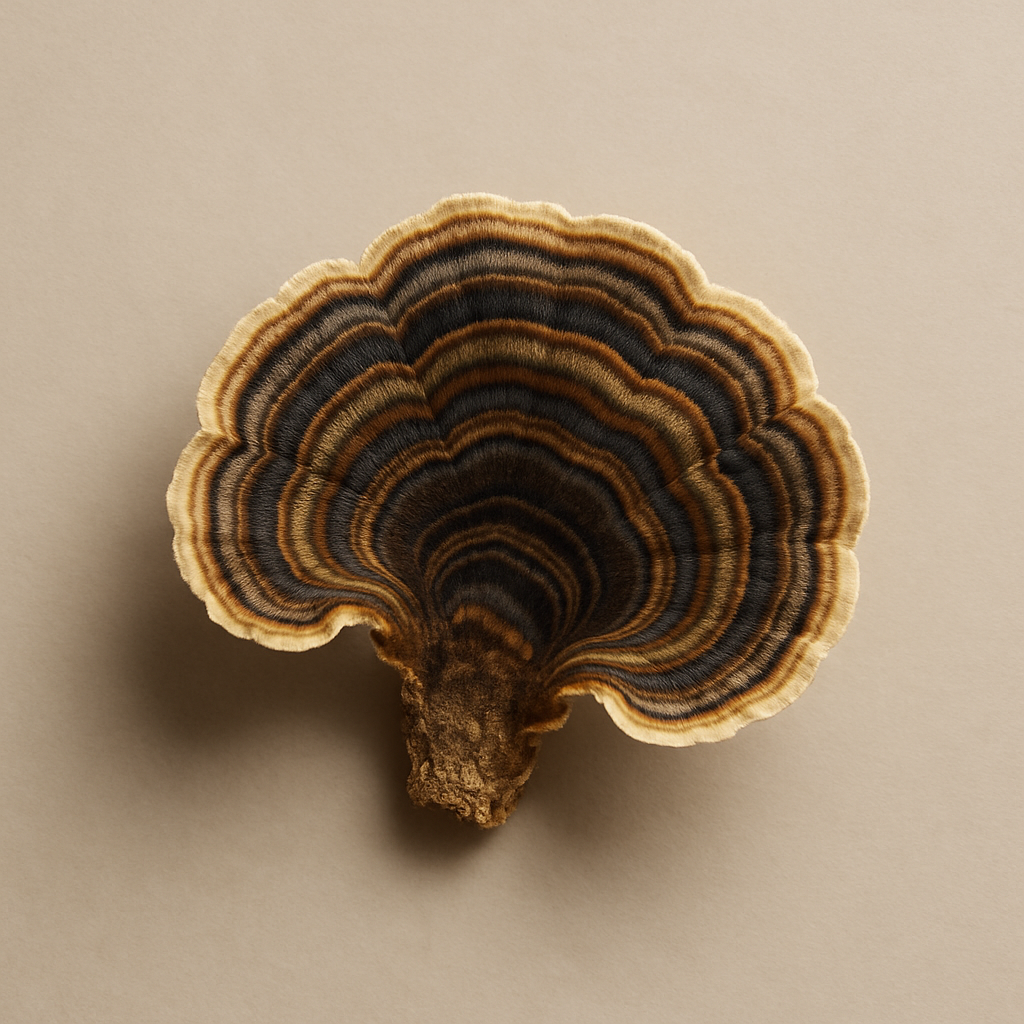
Turkey Tail (Trametes versicolor)
Turkey Tail is recognized for its vibrant, colorful appearance and is rich in polysaccharides. It is commonly used to support gut health and boost immunity, often utilized in supplement form or as a tea.
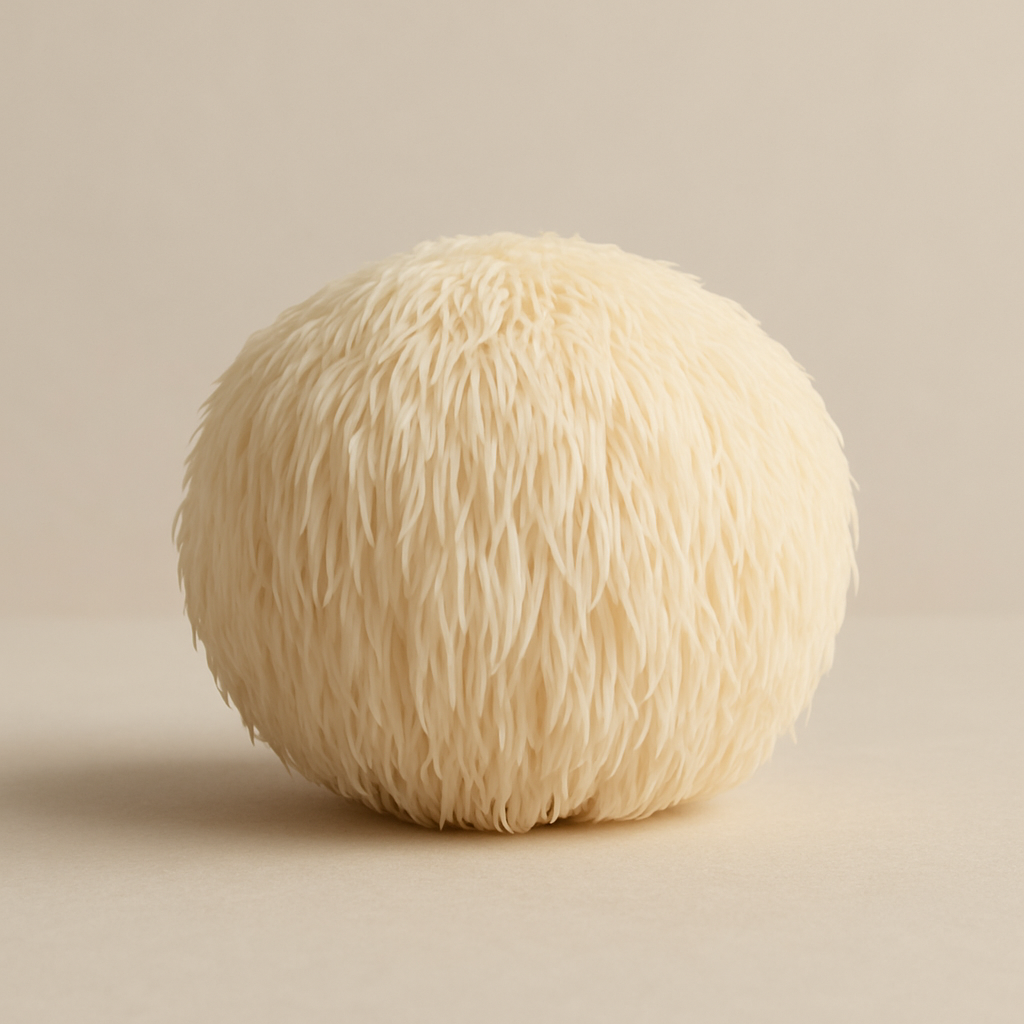
Lion's Mane (Hericium erinaceus)
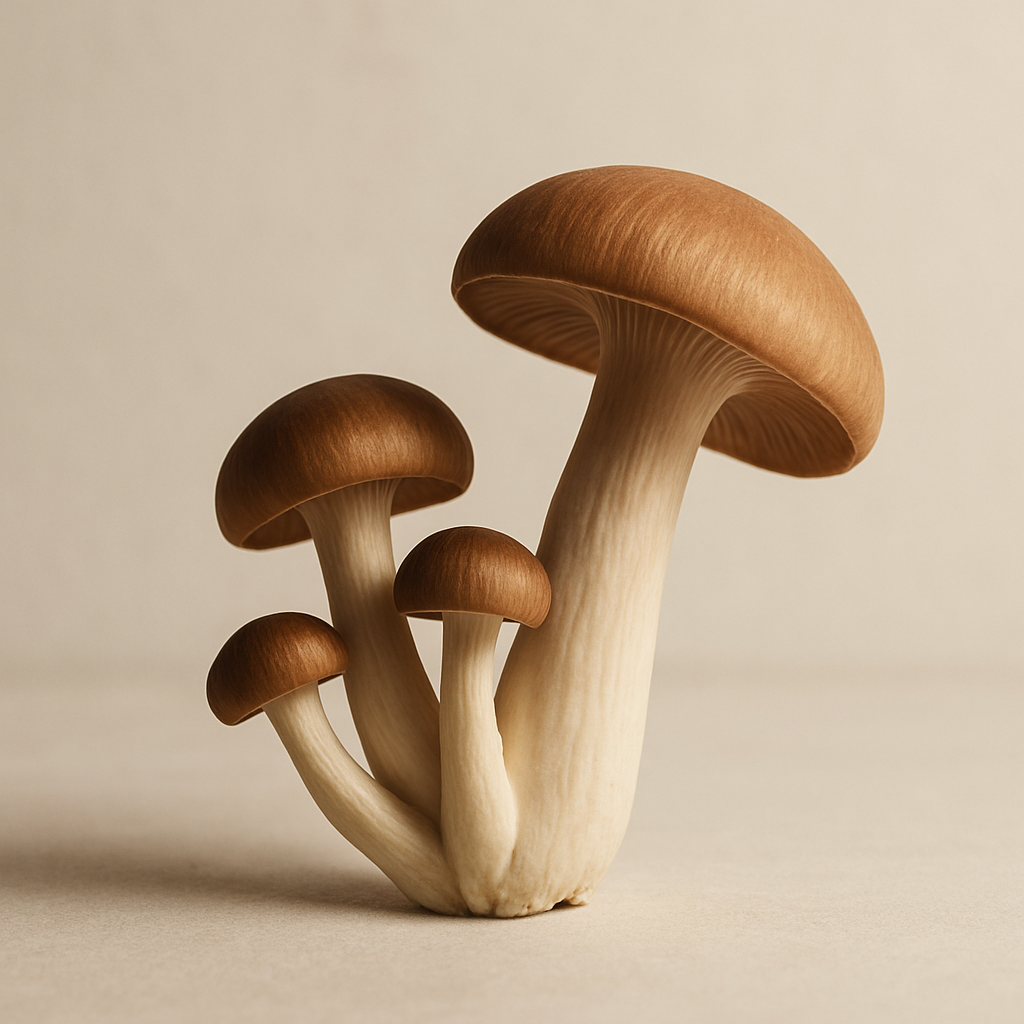
Renowned for its potential cognitive benefits, Lion's Mane is believed to support nerve health and improve memory. This mushroom is often enjoyed in culinary dishes or as a supplement.
Common Functional Actions
Medicinal mushrooms exhibit a range of functional actions that support various aspects of health:
- Anti-inflammatory: Many mushrooms contain compounds that help reduce inflammation, which can alleviate symptoms of chronic conditions.
- Adaptogenic: Certain mushrooms, like Reishi, are considered adaptogens, helping the body adapt to stress and promote balance.
- Digestive support: Mushrooms such as Turkey Tail can support gut health by promoting beneficial gut bacteria.
- Immune system modulation: The polysaccharides found in many mushrooms enhance the immune response, helping the body fend off infections.
- Antioxidant effects: The high levels of antioxidants in medicinal mushrooms protect cells from oxidative damage, contributing to overall health.
Body Systems This Category Most Supports
Medicinal mushrooms can support various body systems, including:
- Immune System: Enhancing immune function and resilience against infections.
- Nervous System: Supporting cognitive function and potentially improving memory and focus.
- Digestive System: Promoting gut health and aiding in digestion.
- Endocrine System: Helping to balance hormones and manage stress responses.
Wellness Goals People Pursue With It
Individuals incorporate medicinal mushrooms into their wellness routines for various reasons, including:
- Boosting immune health.
- Reducing stress and anxiety.
- Enhancing cognitive function and memory.
- Improving digestion and gut health.
- Increasing energy and stamina.
How to Choose & Use (responsibly)
When selecting and using medicinal mushrooms, consider the following:
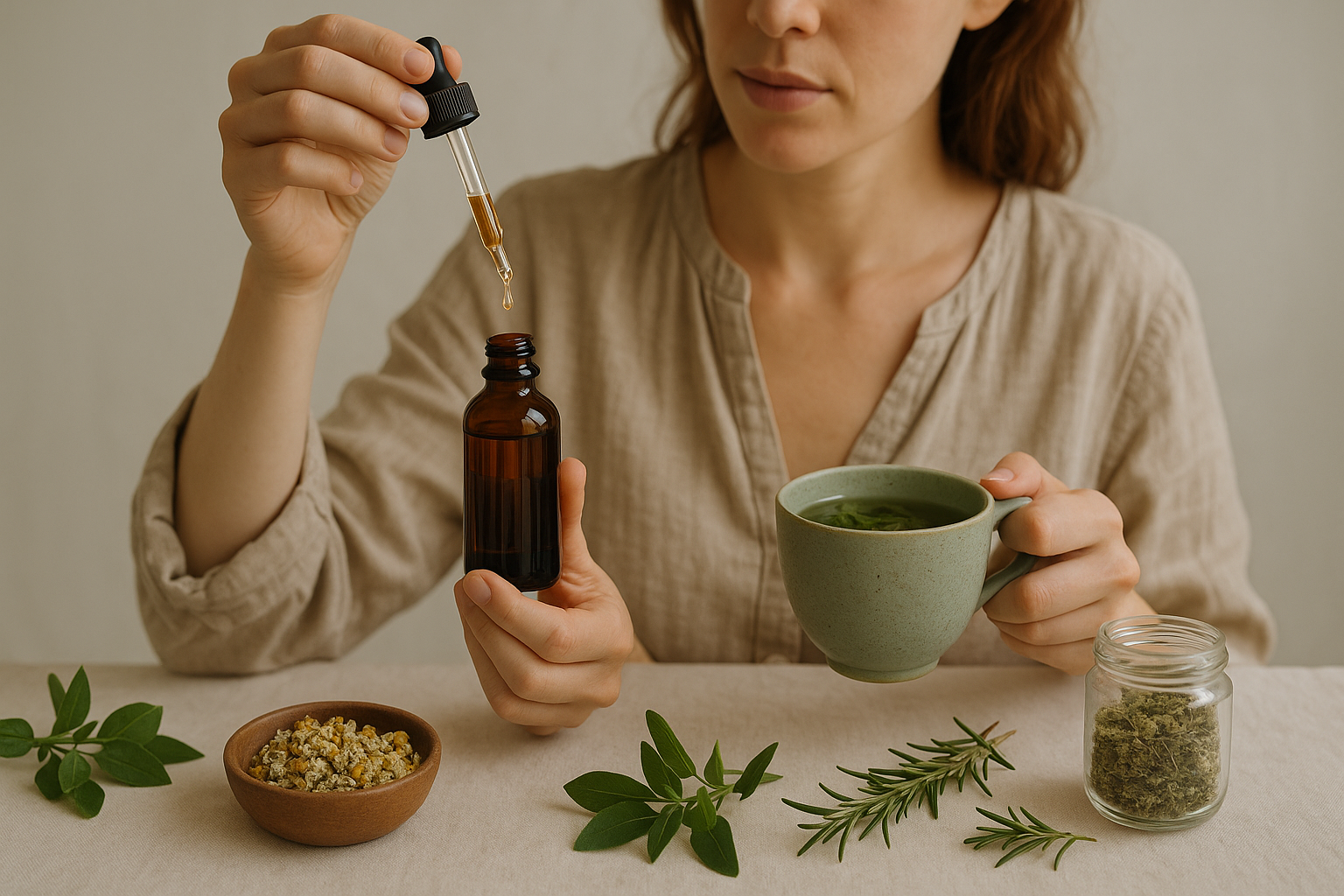
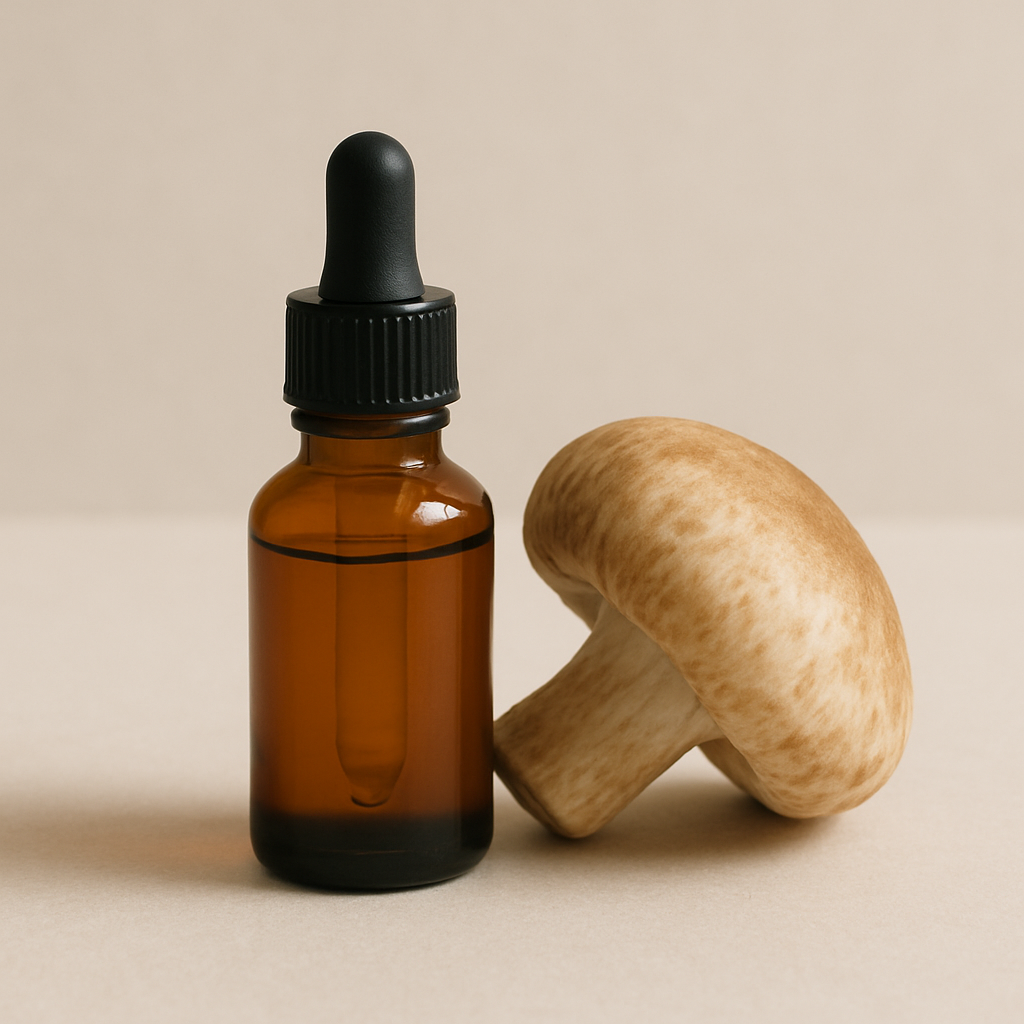
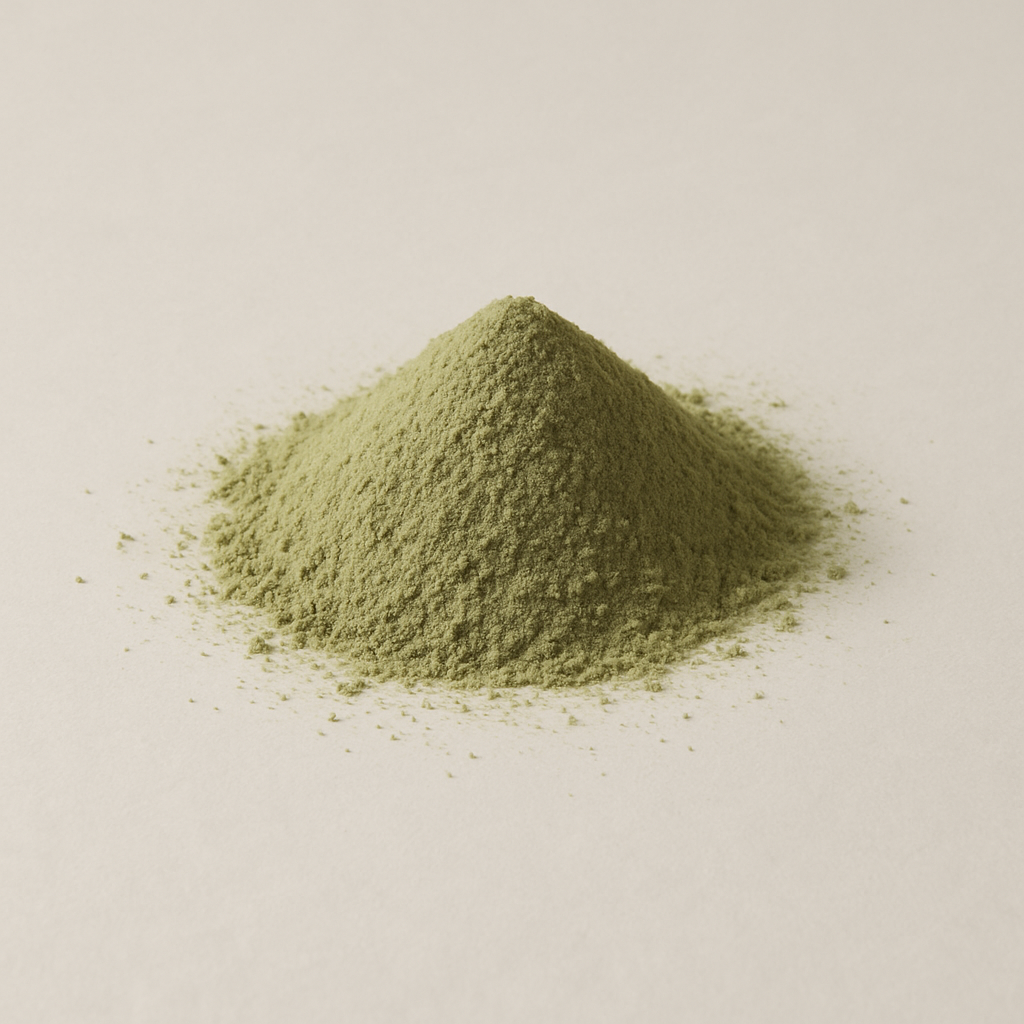
- Forms: Medicinal mushrooms are available in various forms, including tinctures, capsules, powders, and teas. Choose a form that fits your lifestyle.
- Educational Dose Ranges: Dosage can vary based on the type of mushroom and individual health needs. Always refer to product guidelines or consult with a healthcare professional.
- Timing: Some mushrooms may be more effective when taken at certain times of the day. For example, Lion's Mane may be beneficial in the morning for cognitive support.
- Who Shouldn't Use: Individuals with specific allergies, autoimmune conditions, or those taking immunosuppressive medications should consult a healthcare provider before use.
Safety, Contraindications & Medication Interactions
While medicinal mushrooms are generally considered safe, some precautions should be taken:
- Consult with a healthcare professional if you are pregnant, nursing, or have underlying health conditions.
- Some mushrooms may interact with medications, particularly those affecting the immune system.
- Be cautious of potential allergens, especially for individuals with mushroom allergies.
Pairs Well With (cross-pillar suggestions)
Medicinal mushrooms can complement other natural remedies, enhancing their effects. Some great pairings include:
- Herbal Teas: Combine with herbs like ashwagandha or holy basil for stress relief.
- Adaptogenic Supplements: Pair with other adaptogens for enhanced stress management.
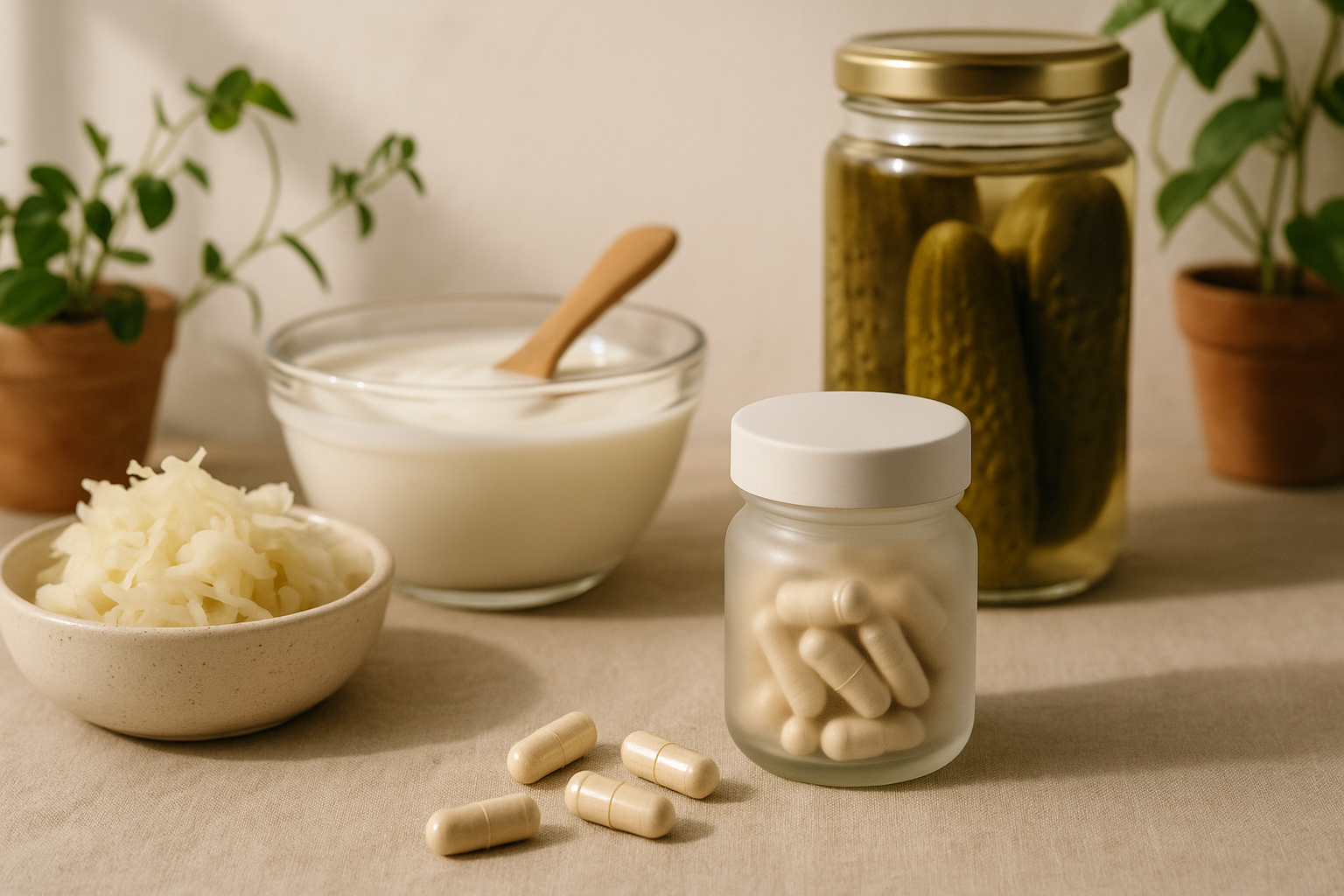
- Probiotics: Combine with gut-supporting probiotics for digestive health.
FAQs
- What are medicinal mushrooms? Medicinal mushrooms are fungi with therapeutic properties, often used to support health and wellness.
- How do I take medicinal mushrooms? They can be consumed in various forms, including powders, capsules, teas, and tinctures.
- Are there any side effects? While generally safe, some individuals may experience allergic reactions or interactions with medications.
- Can I use medicinal mushrooms during pregnancy? It is advisable to consult a healthcare professional before using medicinal mushrooms during pregnancy or nursing.
- How long does it take to see results? Results can vary, but many people report improvements within a few weeks of consistent use.
- Are there any contraindications for using medicinal mushrooms? Individuals with mushroom allergies or certain medical conditions should consult their healthcare provider before use.
Explore Medicinal Mushrooms
15 subcategories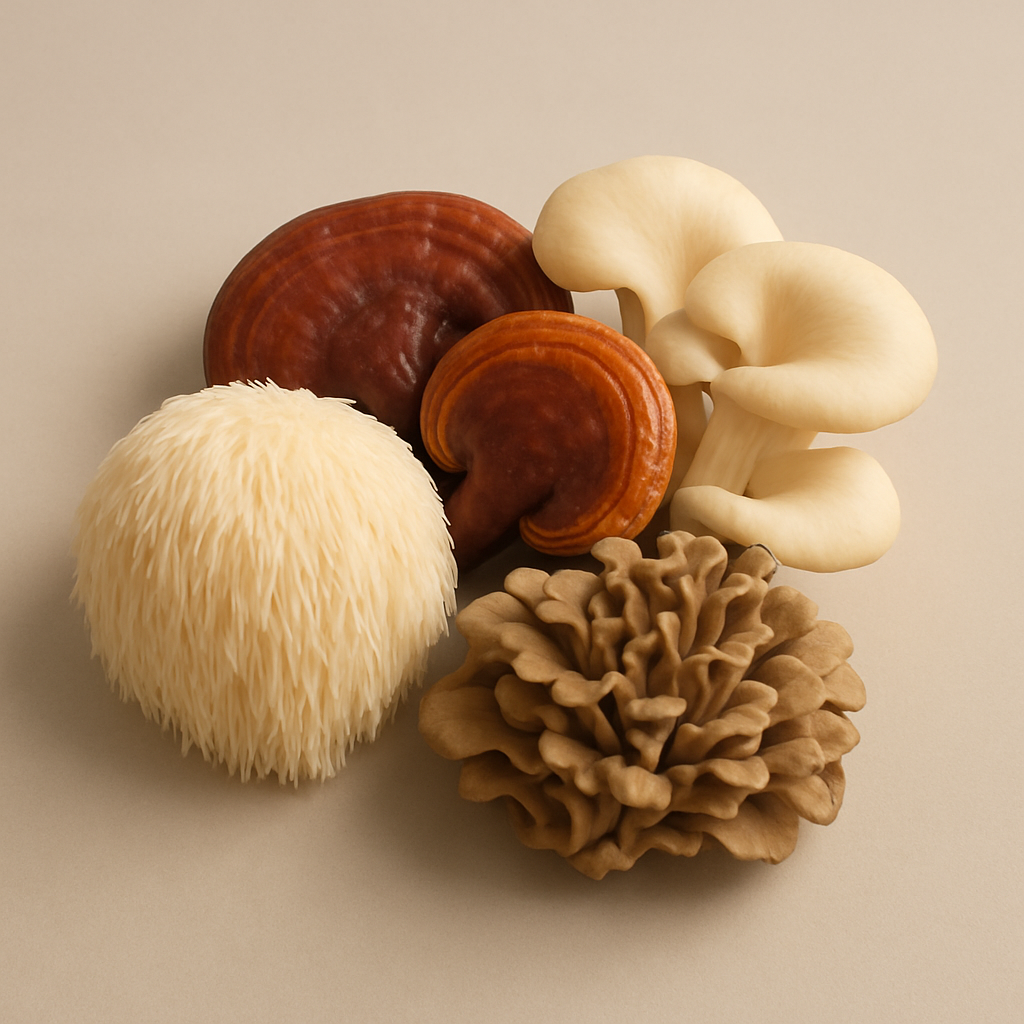
Frequently asked
What are medicinal mushrooms?
Medicinal mushrooms are fungi with therapeutic properties, often used to support health and wellness.
How do I take medicinal mushrooms?
They can be consumed in various forms, including powders, capsules, teas, and tinctures.
Are there any side effects?
While generally safe, some individuals may experience allergic reactions or interactions with medications.
Can I use medicinal mushrooms during pregnancy?
It is advisable to consult a healthcare professional before using medicinal mushrooms during pregnancy or nursing.
How long does it take to see results?
Results can vary, but many people report improvements within a few weeks of consistent use.
Are there any contraindications for using medicinal mushrooms?
Individuals with mushroom allergies or certain medical conditions should consult their healthcare provider before use.