Cognitive Mushrooms
Discover the benefits of cognitive mushrooms, their active compounds, traditional uses, modern research, and safety considerations.

Explore the fascinating world of cognitive mushrooms, a subcategory of medicinal mushrooms known for their potential benefits on brain health and cognitive function. Learn about their key active compounds, historical uses, modern research, functional actions, supported body systems, common forms, safety considerations, and more.
What It Is
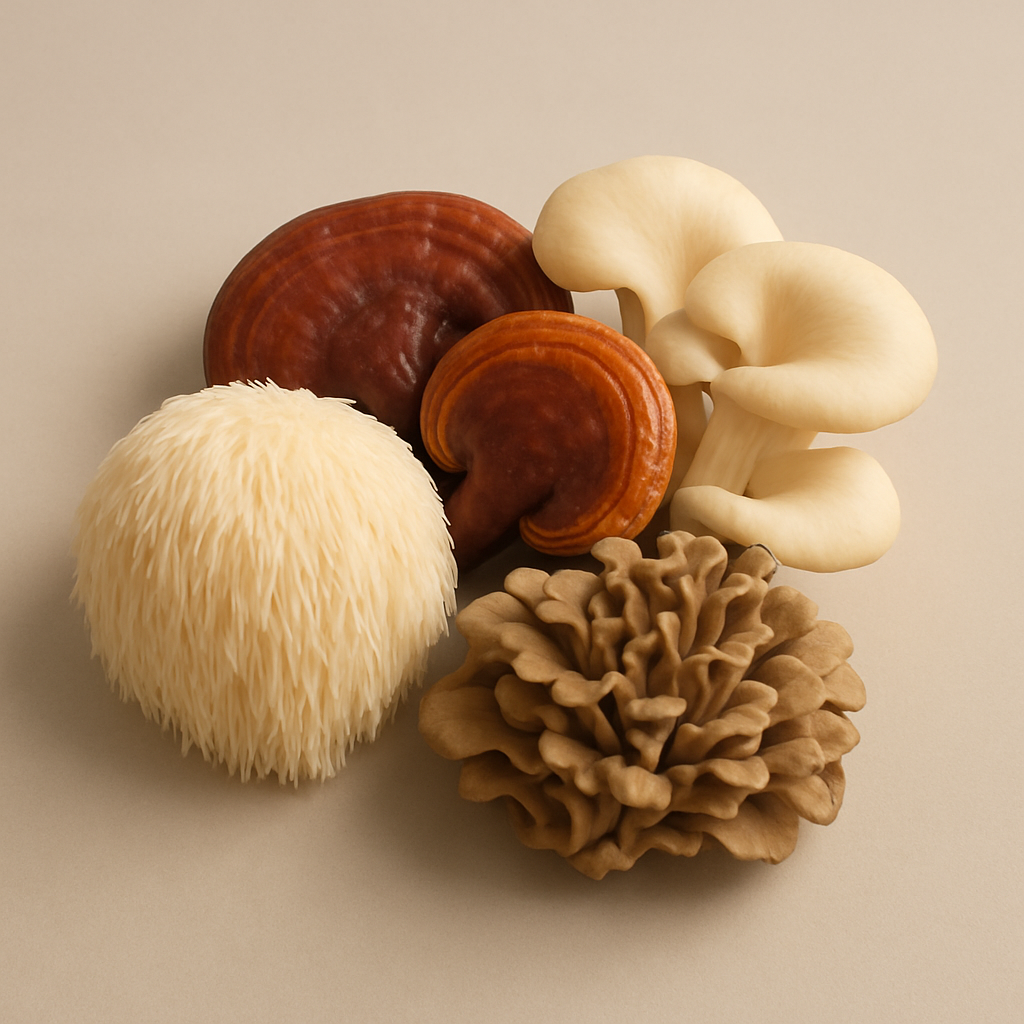
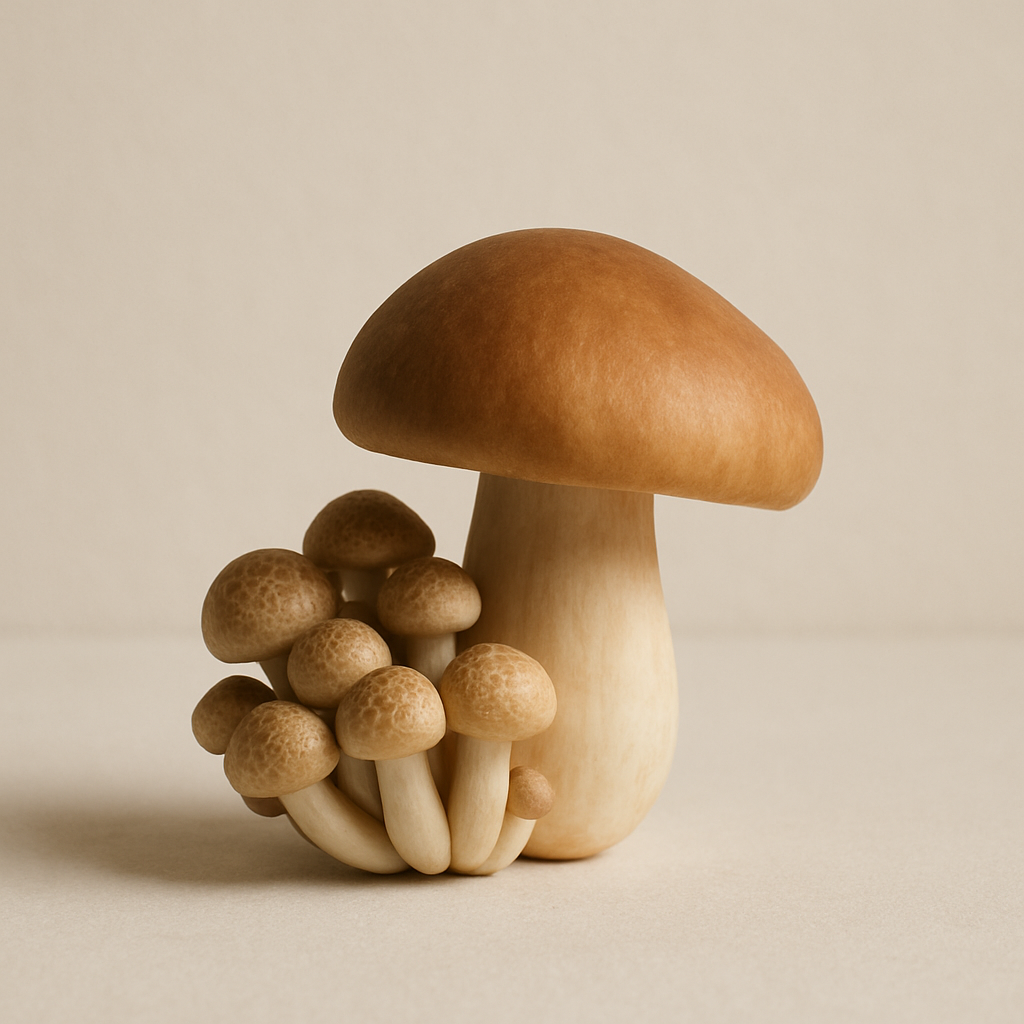
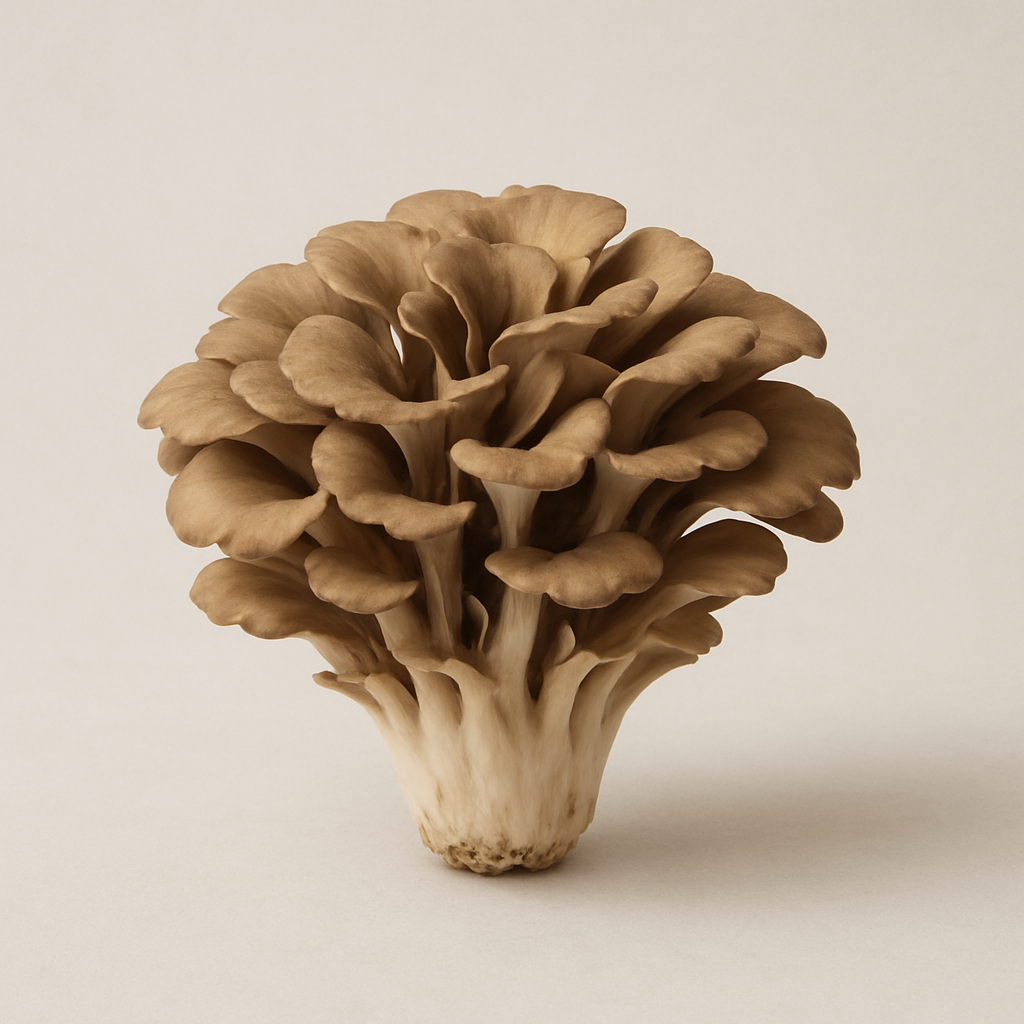
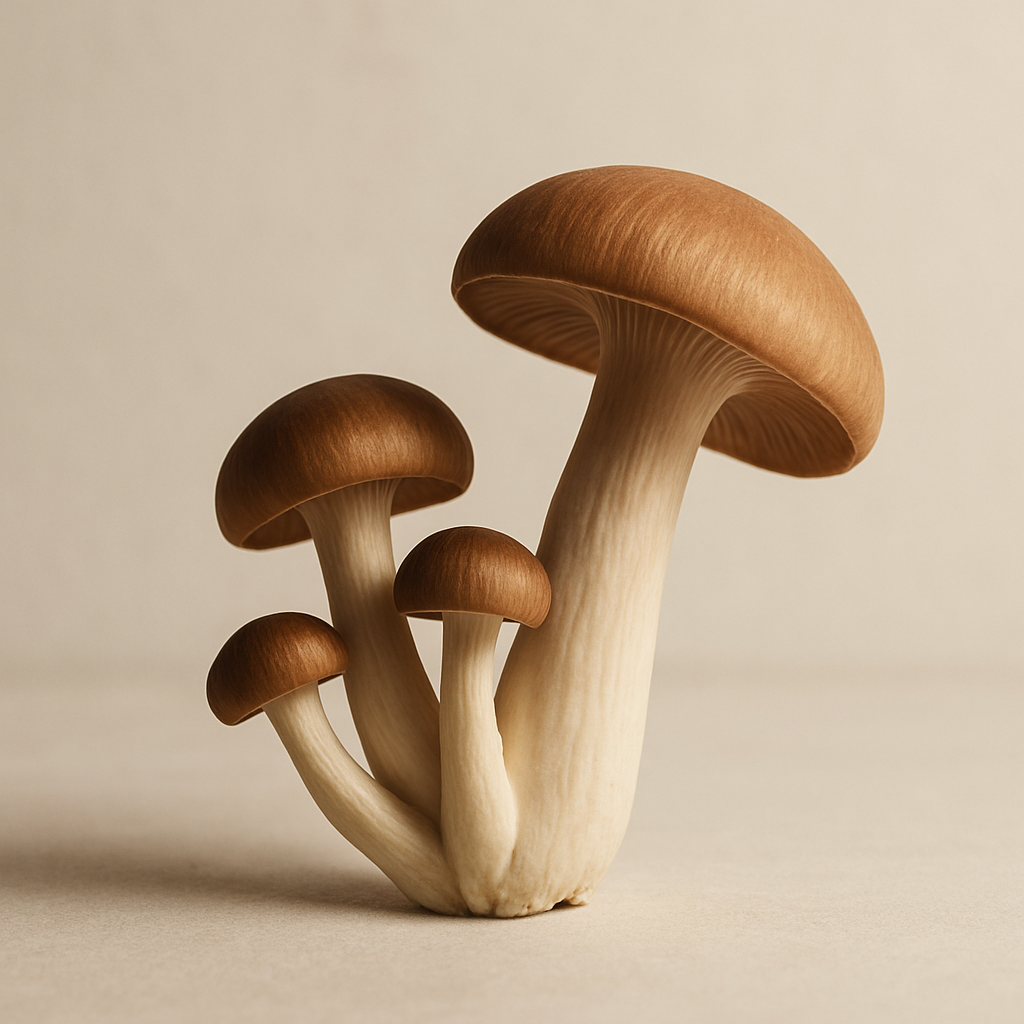
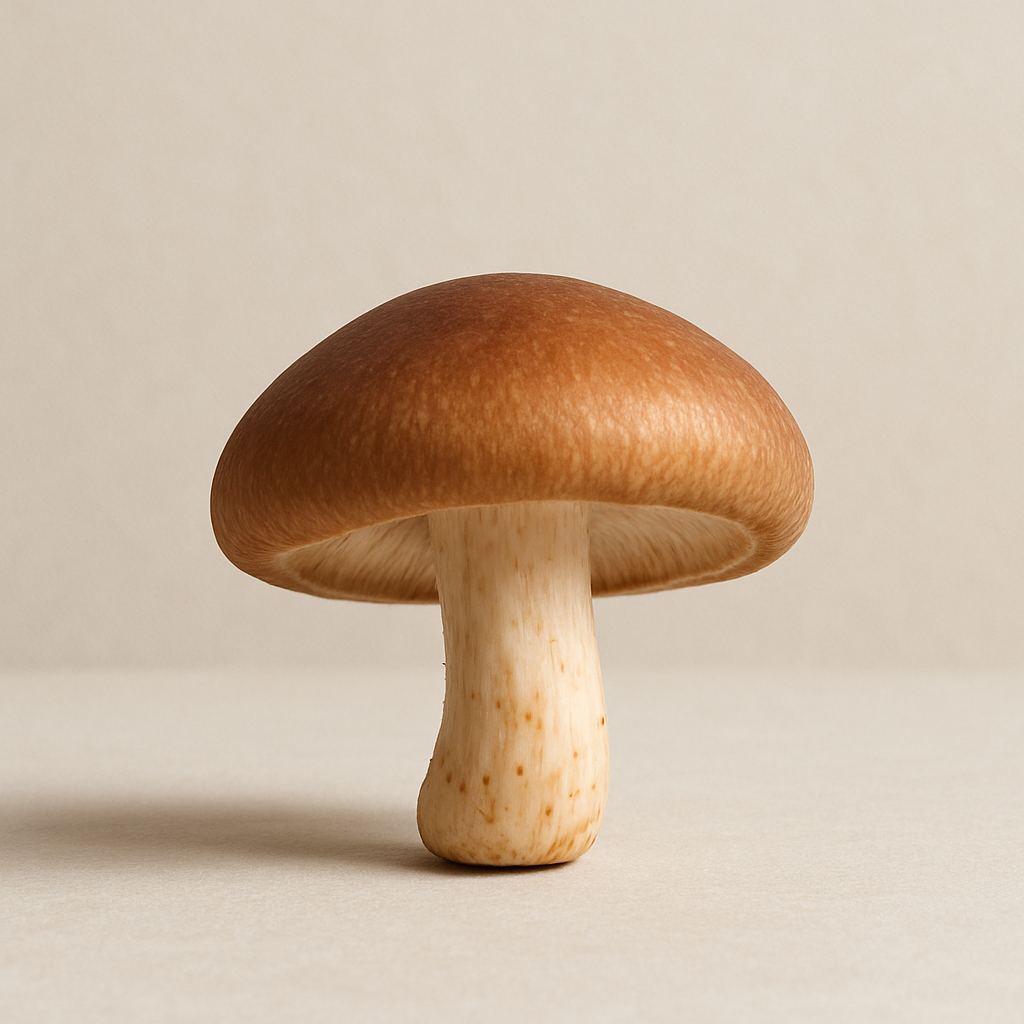
Cognitive mushrooms, also known as nootropic mushrooms, refer to specific types of fungi that are believed to enhance cognitive functions such as memory, creativity, and motivation. These mushrooms are part of the broader category of medicinal mushrooms and are recognized for their potential neuroprotective properties. Some of the most well-known cognitive mushrooms include Lion's Mane (Hericium erinaceus), Reishi (Ganoderma lucidum), and Cordyceps (Cordyceps sinensis).
Key Active Compounds & Mechanisms
The cognitive benefits of mushrooms can be attributed to several key active compounds:
- Hericenones and Erinacines: Found in Lion's Mane, these compounds are known to stimulate the production of nerve growth factor (NGF), which is essential for the growth, maintenance, and survival of neurons.
- Polysaccharides: Present in various mushrooms, these compounds are believed to enhance immune function and may contribute to neuroprotection.
- Triterpenes: Found in Reishi, these compounds are thought to reduce inflammation and oxidative stress, supporting brain health.
- Adenosine: In Cordyceps, adenosine is believed to enhance energy metabolism and improve cognitive function.
Traditional Uses
Cognitive mushrooms have a rich history of use in traditional medicine. In Traditional Chinese Medicine (TCM) and Ayurveda, mushrooms like Reishi and Lion's Mane have been utilized for centuries to promote mental clarity, reduce stress, and enhance overall vitality. These ancient practices emphasized the importance of harmony within the body, where cognitive function plays a crucial role. For example, Reishi was often referred to as the "mushroom of immortality" and was used for its calming effects on the mind.
What Modern Research Suggests
Modern studies have begun to explore the cognitive benefits of these mushrooms, although more research is needed to fully validate their effects. Preliminary studies suggest that Lion's Mane may improve cognitive function and memory in older adults. Other research indicates that Reishi may help reduce anxiety and promote a sense of calm, which can indirectly support cognitive performance. However, while the initial findings are promising, it is important to approach these results with caution, as more rigorous clinical trials are needed.
Functional Actions
Cognitive mushrooms are believed to offer several functional actions:
- Enhancement of cognitive function
- Support for memory and learning
- Reduction of anxiety and stress
- Improvement of mental clarity and focus
- Neuroprotection and support for brain health
Body Systems Supported
The primary body systems supported by cognitive mushrooms include:
- Nervous System: By promoting neurogenesis and protecting neurons, cognitive mushrooms support overall brain health.
- Immune System: The polysaccharides and other compounds in these mushrooms enhance immune function, which can indirectly benefit cognitive health.
- Endocrine System: Some mushrooms may help balance hormones related to stress and mood, further supporting cognitive functions.
Common Forms & Educational Dosing Ranges
Cognitive mushrooms are available in various forms, including:
- Powder: Often added to smoothies or food.
- Capsules: Convenient for daily supplementation.
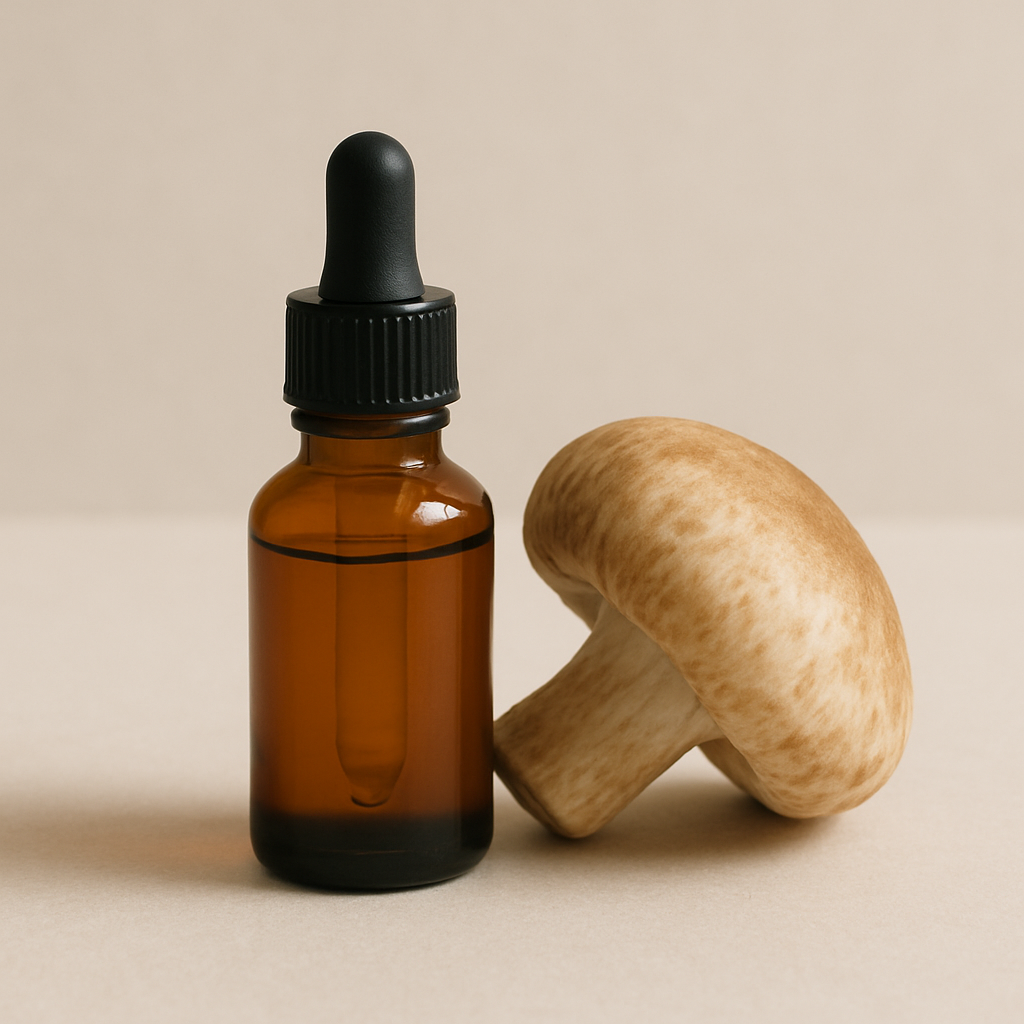
- Tinctures: Liquid extracts that can be taken directly or added to beverages.
While the appropriate dosage can vary based on the specific mushroom and individual needs, general dosing ranges are:
- Lion's Mane: 500-3000 mg per day
- Reishi: 1000-2000 mg per day
- Cordyceps: 1000-3000 mg per day
Safety, Contraindications & Interactions
While cognitive mushrooms are generally considered safe for most individuals, some precautions should be taken:
- Allergic Reactions: Individuals with mushroom allergies should avoid these supplements.
- Blood Thinners: Reishi may interact with anticoagulant medications, increasing the risk of bleeding.
- Immunosuppressants: Those on immunosuppressive therapy should consult a healthcare provider before using medicinal mushrooms.
Pairs Well With
Cognitive mushrooms can be effectively paired with other natural remedies to enhance their benefits:
- Ginkgo Biloba: Known for improving blood circulation to the brain.
- Bacopa Monnieri: An herb traditionally used to enhance memory and cognitive function.
- Omega-3 Fatty Acids: Found in fish oil, these support brain health and cognitive performance.
FAQs
- Are cognitive mushrooms safe for everyone? Most people can safely consume cognitive mushrooms, but individuals with mushroom allergies or specific medical conditions should consult a healthcare provider.
- How long does it take to see benefits from cognitive mushrooms? Results may vary, but many users report improvements in cognitive function within a few weeks of consistent use.
- Can cognitive mushrooms replace prescription medications? No, cognitive mushrooms should not be used as a substitute for prescribed medications. Always consult a healthcare provider for medical advice.
- Can I take cognitive mushrooms with other supplements? Yes, they can be combined with other natural supplements, but it’s best to consult with a healthcare provider for personalized advice.
- Where can I find cognitive mushrooms? Cognitive mushrooms are available at health food stores, online retailers, and specialty supplement shops.
Frequently asked
Are cognitive mushrooms safe for everyone?
Most people can safely consume cognitive mushrooms, but individuals with mushroom allergies or specific medical conditions should consult a healthcare provider.
How long does it take to see benefits from cognitive mushrooms?
Results may vary, but many users report improvements in cognitive function within a few weeks of consistent use.
Can cognitive mushrooms replace prescription medications?
No, cognitive mushrooms should not be used as a substitute for prescribed medications. Always consult a healthcare provider for medical advice.
Can I take cognitive mushrooms with other supplements?
Yes, they can be combined with other natural supplements, but it’s best to consult with a healthcare provider for personalized advice.
Where can I find cognitive mushrooms?
Cognitive mushrooms are available at health food stores, online retailers, and specialty supplement shops.