Maitake
What It Is
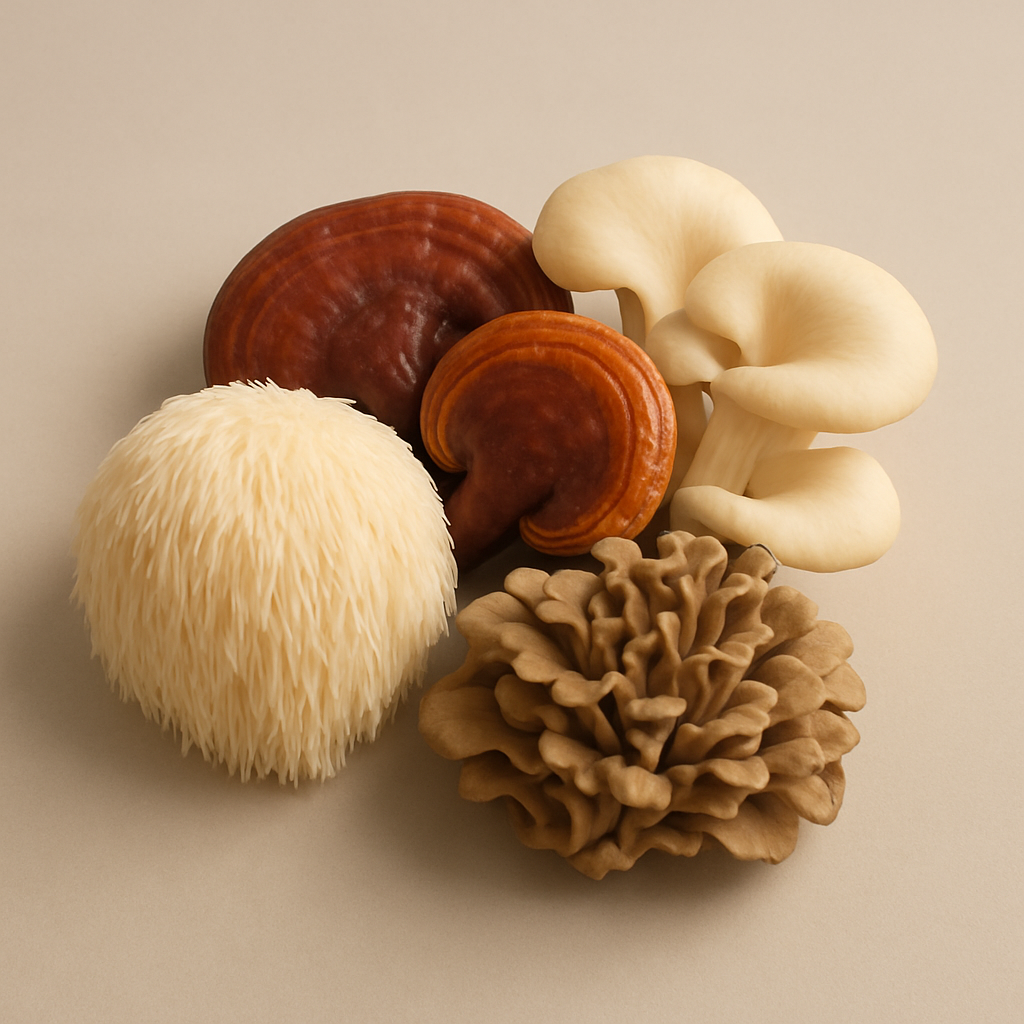
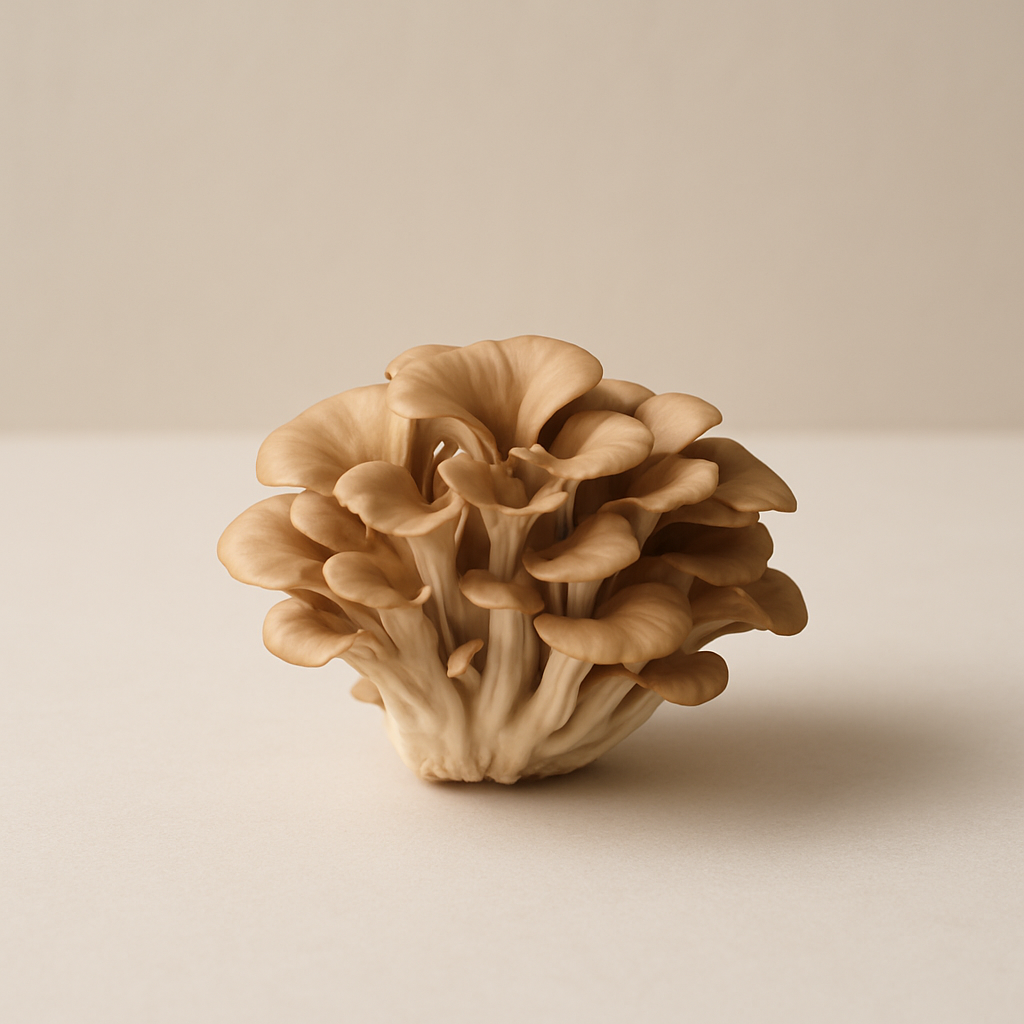
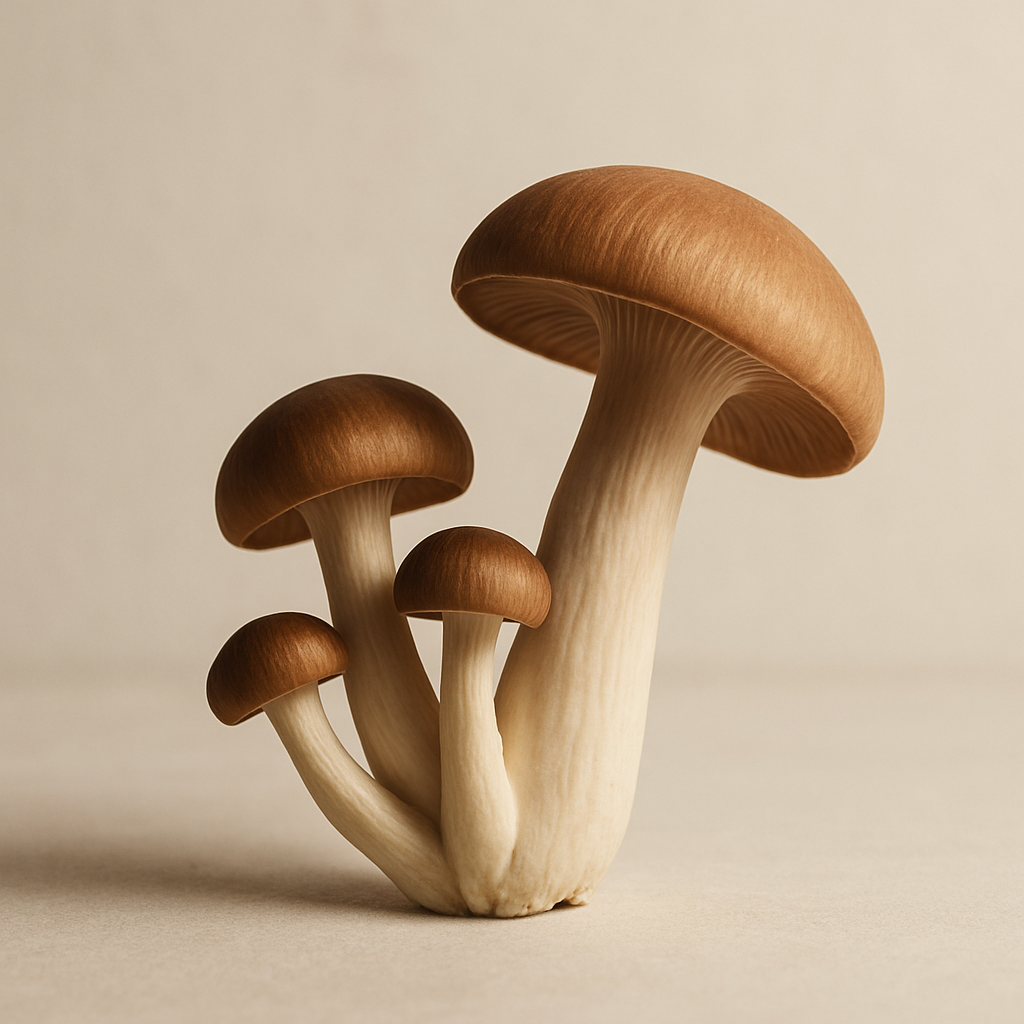
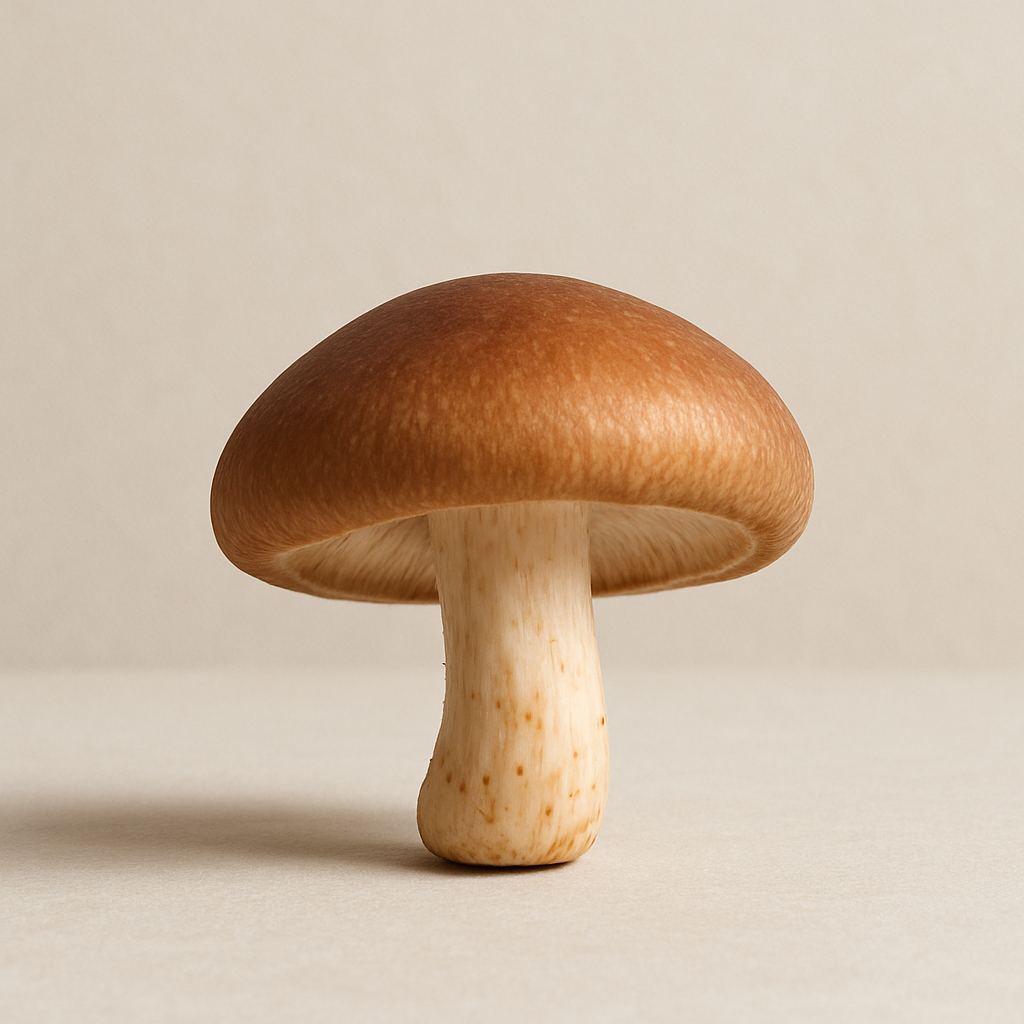
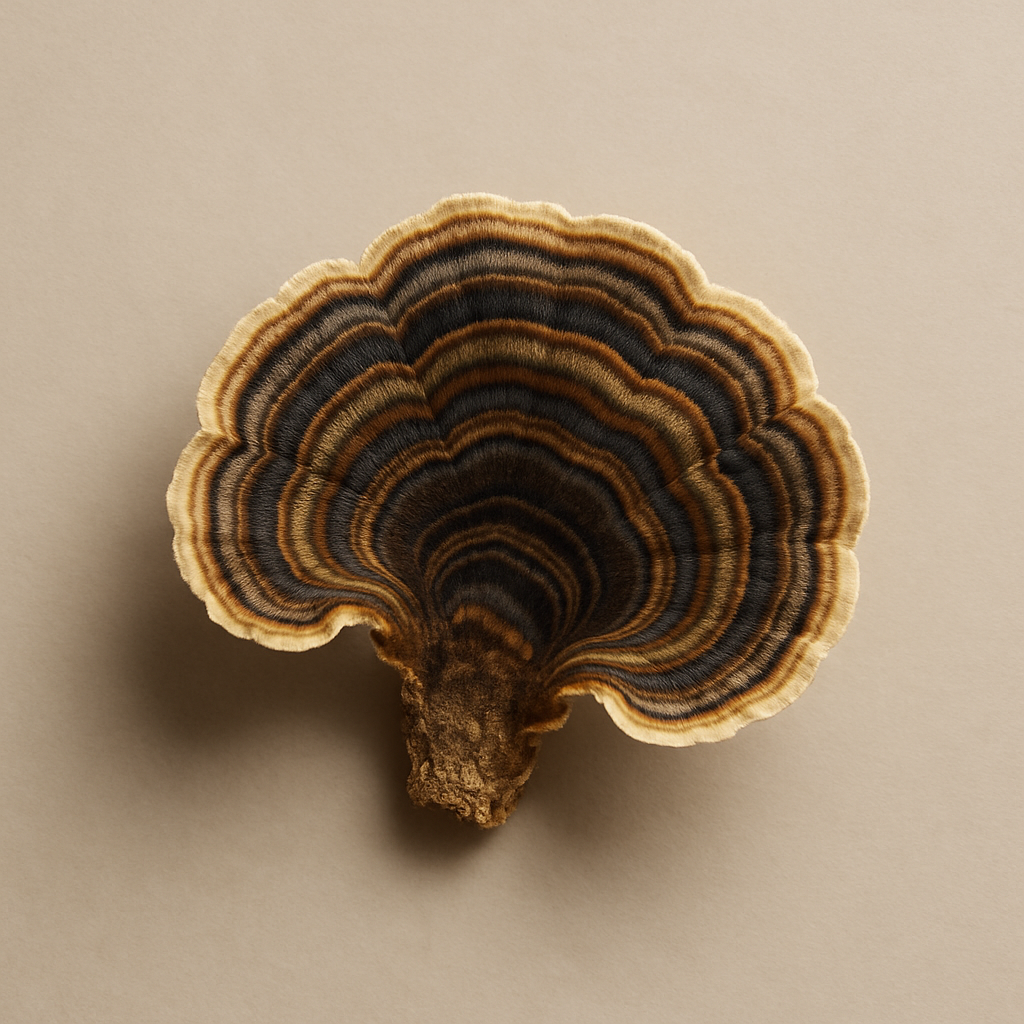
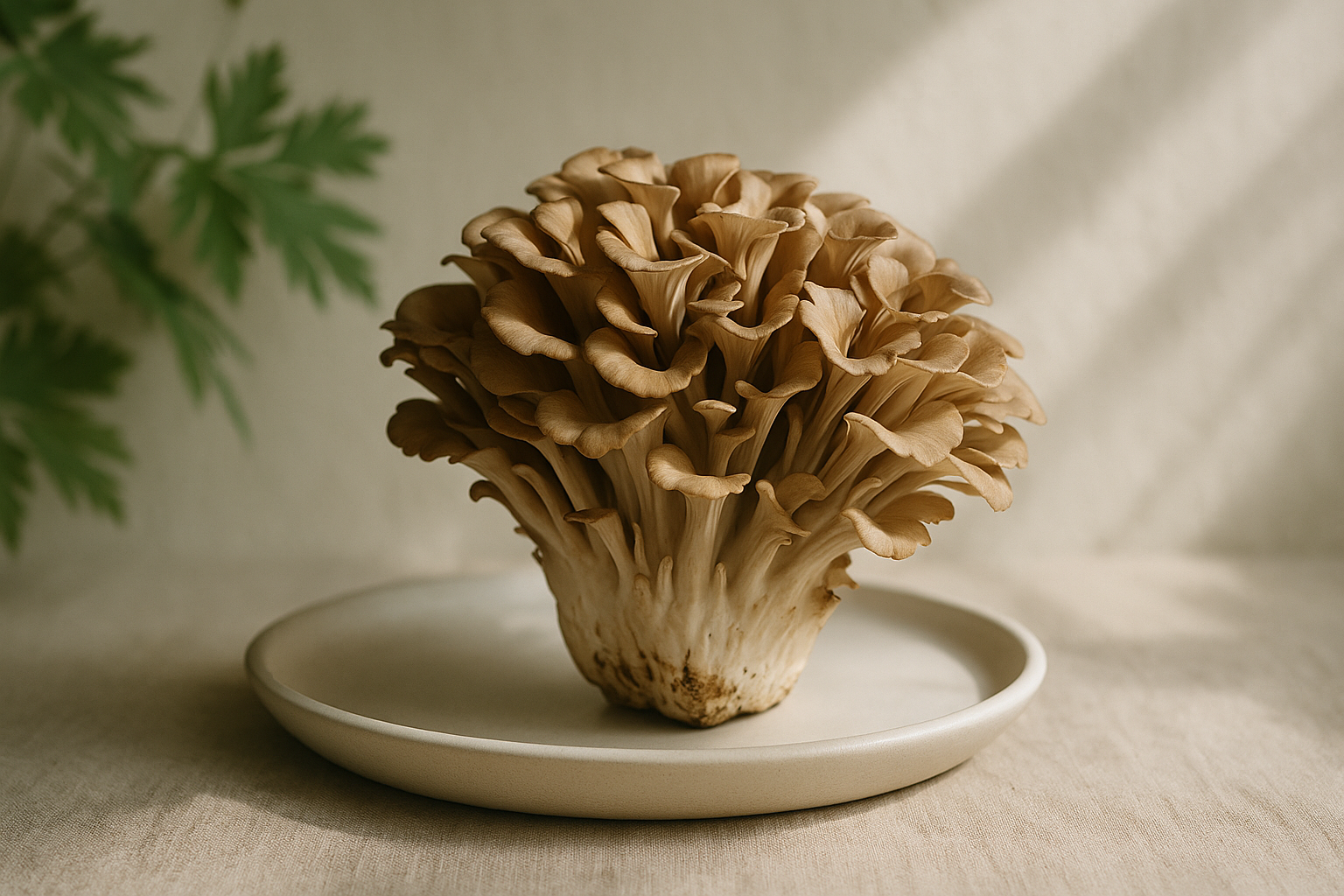
Maitake, scientifically known as Grifola frondosa, is a type of edible mushroom that grows in clusters at the base of trees, particularly oak trees. Often referred to as the "dancing mushroom" in Japan due to its unique, frilled appearance, Maitake has been celebrated for its culinary uses as well as its potential health benefits.
Key Active Compounds & Mechanisms
Maitake contains several key active compounds that contribute to its health-promoting properties. These include:
- Beta-glucans: These polysaccharides are known for their immune-boosting effects and are believed to enhance the activity of immune cells.
- Ergosterol: A precursor to vitamin D that may support bone health and immune function.
- Antioxidants: These compounds help combat oxidative stress in the body, contributing to overall health.
The mechanisms through which these compounds operate include modulating immune responses, reducing inflammation, and potentially influencing metabolic health.
Traditional Uses
Maitake has a long history of use in traditional medicine, particularly in Japan, China, and other parts of Asia. Historically, it was consumed not only for its culinary value but also for its perceived health benefits. It was believed to:
- Enhance vitality and longevity.
- Support overall wellness and balance in the body.
- Be a tonic for various ailments.
In traditional Chinese medicine, Maitake has been used to support the body during times of stress and to strengthen the immune system.
What Modern Research Suggests
Modern research into Maitake has revealed promising results, although more studies are needed to fully understand its efficacy. Some key findings include:
- A study indicated that Maitake may help regulate blood sugar levels.
- Research has shown its potential anti-cancer properties, particularly in enhancing immune response against tumors.
- Preliminary studies suggest that Maitake may assist in weight management by influencing fat metabolism.
While these findings are encouraging, they should be interpreted with caution, and Maitake should not be considered a substitute for conventional medical treatments.
Functional Actions
Maitake is believed to support several functional actions within the body, including:
- Immune modulation: Enhancing the body’s immune response.
- Blood sugar regulation: Assisting in maintaining healthy blood glucose levels.
- Weight management: Supporting metabolic health and fat metabolism.
Body Systems Supported
Maitake is known to support various body systems, including:
- Immune System: By enhancing the activity of immune cells.
- Endocrine System: Particularly in regulating insulin and glucose metabolism.
- Digestive System: Supporting gut health due to its fiber content.
Common Forms & Educational Dosing Ranges
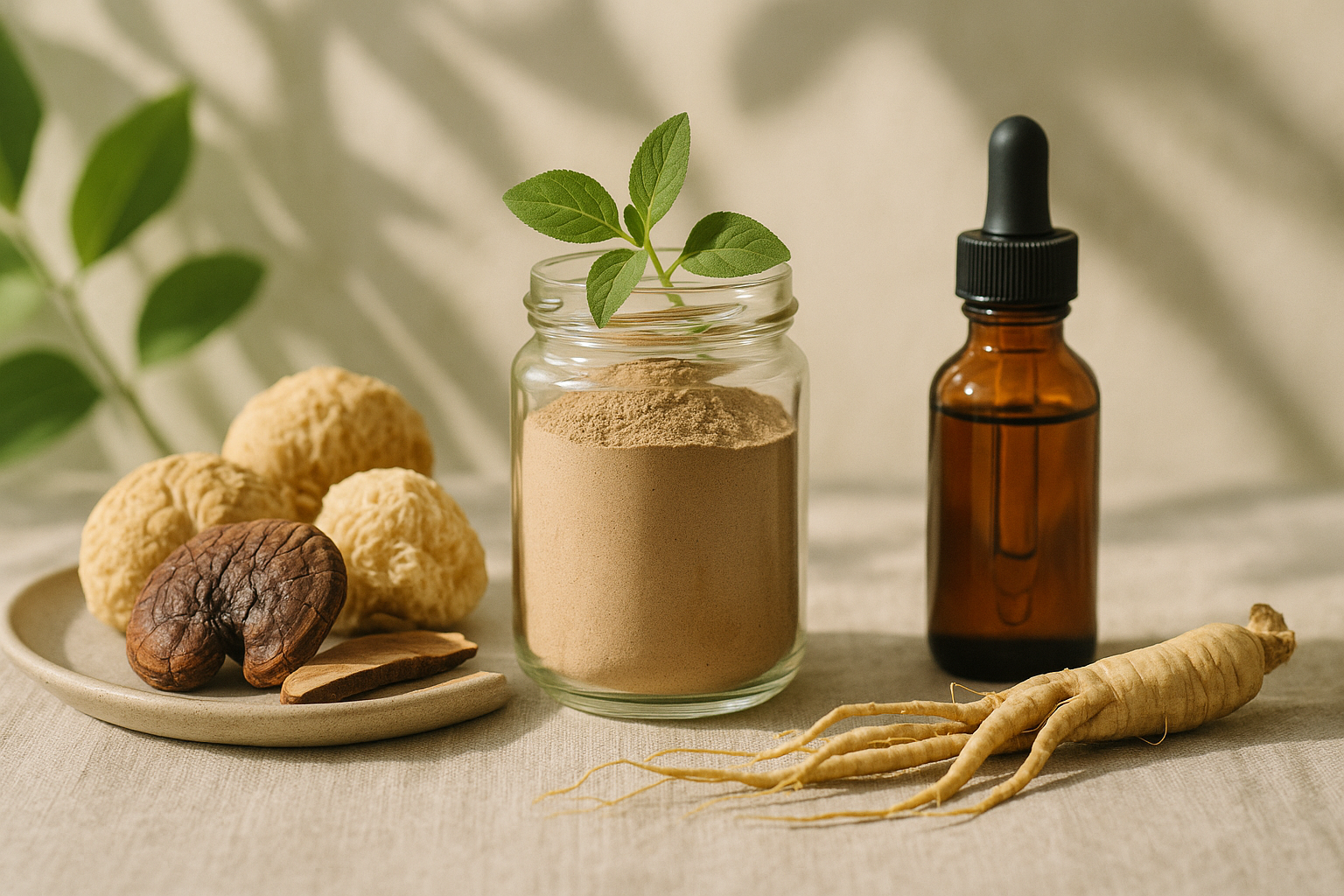
Maitake is available in several forms, including:
- Dried mushrooms: Can be rehydrated for culinary use.
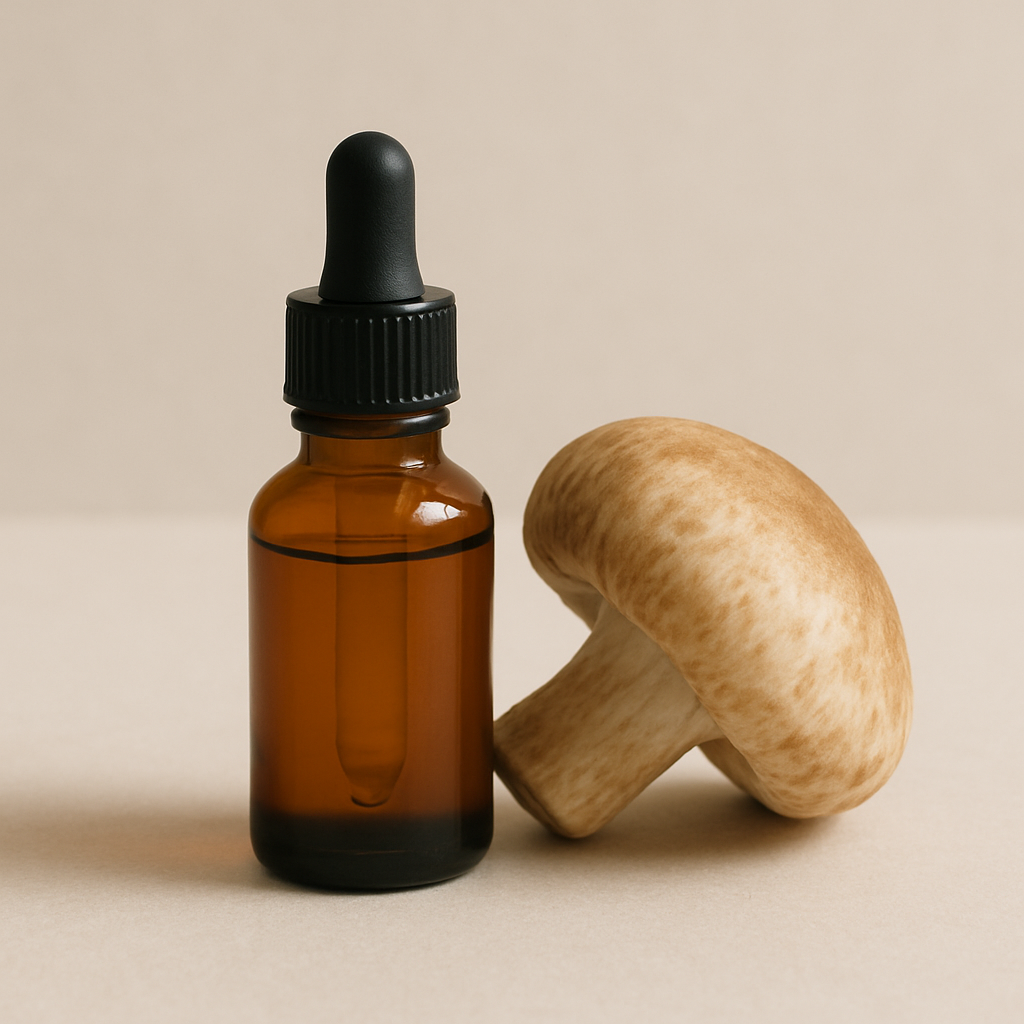
- Extracts: Concentrated forms available in capsules or liquid.
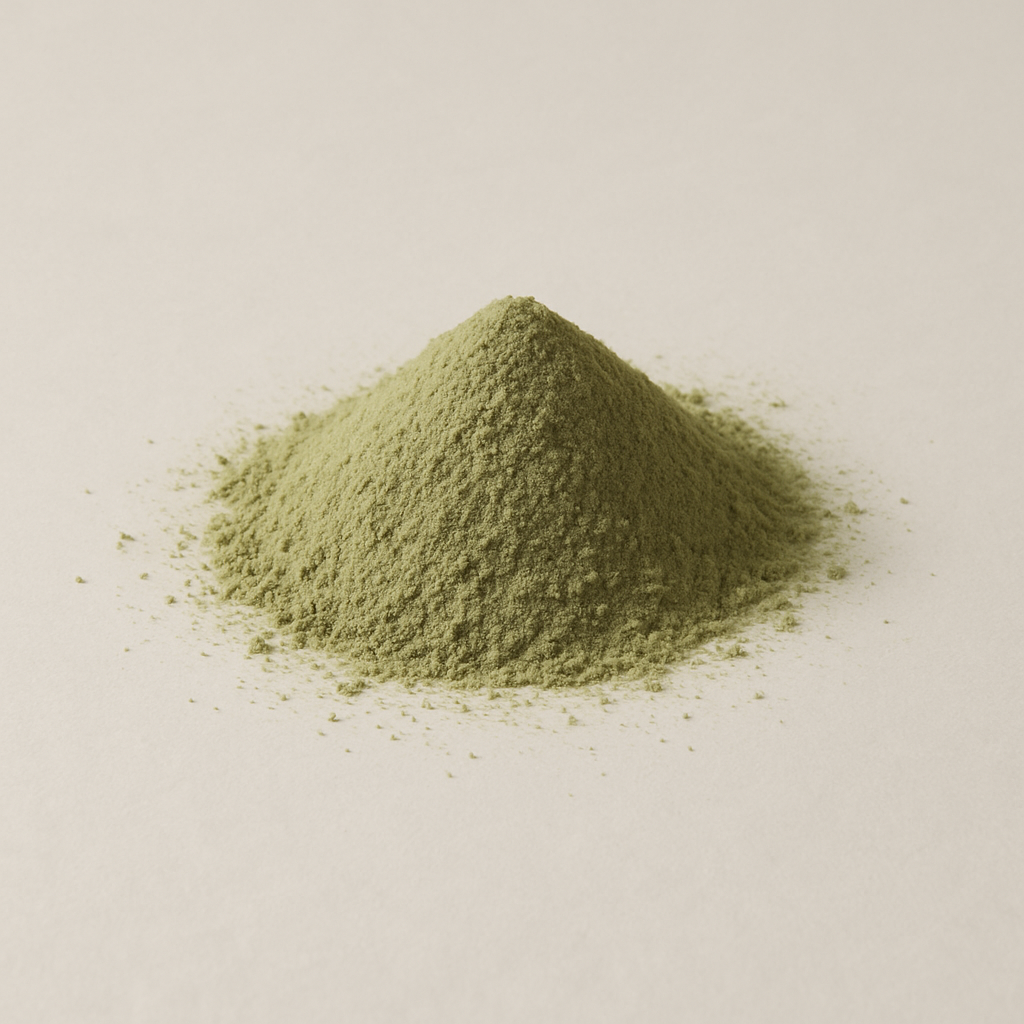
- Powder: Can be added to smoothies or foods.
Common dosing ranges for Maitake extracts are typically between 500 mg to 3 grams per day, depending on the specific health goals and the concentration of the extract. Always consult with a healthcare provider for personalized dosing recommendations.
Safety, Contraindications & Interactions
Maitake is generally considered safe for most people when consumed in food amounts. However, some precautions include:
- Individuals who are allergic to mushrooms should avoid Maitake.
- Those on anticoagulant medications (e.g., warfarin) should use caution, as Maitake may affect blood clotting.
- People with diabetes should monitor blood sugar levels closely, as Maitake may lower blood sugar.
Pairs Well With
Maitake pairs well with several other natural remedies and supplements, including:
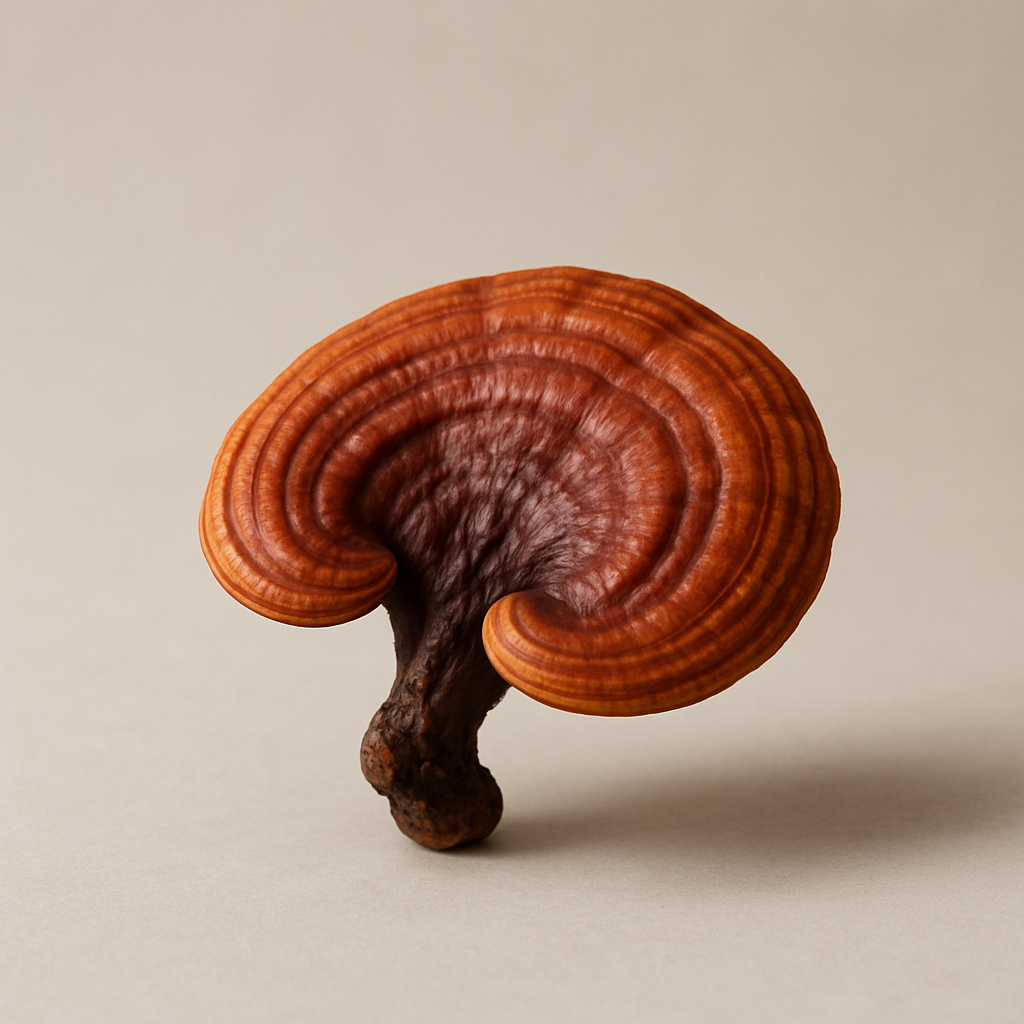
- Reishi mushroom: For enhanced immune support.
- Turmeric: For its anti-inflammatory properties.
- Ginger: To promote digestive health.
FAQs (5)
1. What are the culinary uses of Maitake?
Maitake can be sautéed, grilled, or used in soups and stews, adding a rich flavor to dishes.
2. Can Maitake be used in powder form?
Yes, Maitake powder can be added to smoothies, soups, or sprinkled on various dishes for added nutrition.
3. Is Maitake safe for children?
While Maitake is generally safe, it is advisable to consult a healthcare provider for specific recommendations for children.
4. How should Maitake be stored?
Dried Maitake should be stored in a cool, dry place in an airtight container, while extracts should be kept according to manufacturer guidelines.
5. Can Maitake be taken with other supplements?
It is generally safe to take Maitake with other supplements, but it is best to consult a healthcare provider for personalized advice.
Frequently asked
What are the culinary uses of Maitake?
Maitake can be sautéed, grilled, or used in soups and stews, adding a rich flavor to dishes.
Can Maitake be used in powder form?
Yes, Maitake powder can be added to smoothies, soups, or sprinkled on various dishes for added nutrition.
Is Maitake safe for children?
While Maitake is generally safe, it is advisable to consult a healthcare provider for specific recommendations for children.
How should Maitake be stored?
Dried Maitake should be stored in a cool, dry place in an airtight container, while extracts should be kept according to manufacturer guidelines.
Can Maitake be taken with other supplements?
It is generally safe to take Maitake with other supplements, but it is best to consult a healthcare provider for personalized advice.